Use Japan Meteorological Agency (JMA) 30-year full-bloom averages and 2026 observations to plan your 2027 cherry blossom trip across Okinawa, Kyoto-Osaka, Tokyo, Hirosaki, and Hakodate. Covers early April holidays, Golden Week, JR reserved seats, the Hirosaki Cherry Blossom Festival, and real-time pivots.
- Region & Focus
- Okinawa
- Reading Scope
- 19 min read · 9 chapters · 7 Q&As
- Official Verification
- 40 official sources checkedUpdated November 22, 2026
- Key Topics
- SeasonsItinerariesBooking
Chapter Route Map (tap any stop)
- Pick Your Region by Historical Averages, Then Hold Two Days for Blooms
- From Winter Forecasts to On-the-Ground Updates: When to Adjust Bookings
- How to Stagger Flights, Hotels, and Reserved Train Seats
- Making the Most of Early April Holidays and Japan's Golden Week
- Okinawa to Kyoto-Osaka: Matching Spots to Blossom Types and Terrain
- Swapping Time Slots Between Tokyo Riverbanks and Shinjuku Gyoen
- Hirosaki: Choose Between the Moats and the Honmaru
- Late-Season Hokkaido: Weighing Transit Between Hakodate and Sapporo
- Adapting for Night Illuminations, Rain, and Peak Crowds
- Quick Q&A
If your 2027 spring window falls in early April (such as the April 3 to April 6 holiday weekend), pick one base from Kyoto-Osaka, Tokyo, or Fukuoka. Set aside at least two daytime blocks for cherry blossoms on a four-day, three-night trip: one for city parks and one left open to pivot to the suburbs or another park based on bloom reports. If you are after petal-filled moats, aim for Hirosaki later in April; organizers have set tentative dates for the 2027 Hirosaki Cherry Blossom Festival starting April 16. Heading up to Hokkaido? Check Hakodate and Sapporo separately, as Hakodate's sample tree reached full bloom 12 days ahead of average in 2026. Use historical averages to pick your region before booking hotels, watch the exact ticket release times for reserved train seats, and check park-by-park zone reports once you land to decide where to walk.
Pick Your Region by Historical Averages, Then Hold Two Days for Blooms
The Japan Meteorological Agency (JMA) designates a single sample tree in each city for official tracking. The local first-bloom date (kaika) is declared when five to six blossoms open on that tree, and full bloom (mankai) begins on the first day roughly 80 percent of its buds are open. In Tokyo, officials monitor a Somei-Yoshino tree at Yasukuni Shrine. When headlines announce full bloom in Tokyo before your trip, treat it as a baseline for central Tokyo's spring timeline before picking specific parks. Opposite riverbanks and different cultivars within the same park can peak days apart. On a four-day, three-night itinerary, lock timed-entry gardens into a half-day slot you are certain to make on time, and leave the remaining days flexible until live park updates arrive.
Looking at 2026 numbers shows why rigid timing backfires. Tokyo saw first bloom on March 19 and full bloom on March 28, a nine-day gap. Fukuoka opened on March 24 and hit full bloom on April 3, trailing Tokyo that year. Hakodate opened on April 18 and peaked just two days later on April 20. When spring temperatures swing sharply, booking flights on a strict 'one week after first bloom' rule is risky. If you are still choosing 2027 travel dates, use the 30-year averages below to match your trip to the right latitude, and leave half of your third day open so you can switch between early and late cultivars in the same city.
In January and February, start in Okinawa. Naha's sample tree is a Kanhizakura (Taiwan cherry), with a JMA average first bloom of January 16 and full bloom of February 4. For northern Okinawa Island, check separate bloom updates for Nakijin Castle Ruins, Mt. Yaedake, or Nago Central Park. If you want deep-pink blossoms framing stone castle walls, fly into Naha and drive up to the Motobu Peninsula. If you only have one night in Naha with a late arrival or an early flight out, the long round-trip drive north will eat up most of your daylight; stick to walks in Naha and save the north for another trip.
From late March to early April, compare flights and hotels across Fukuoka, Kyoto-Osaka, and Tokyo first. Fukuoka works well if you want fewer train transfers and an easy mix of city sightseeing and cherry blossoms. In both Tokyo and Osaka, you can stay in one neighborhood and enter major parks from different gates morning and evening. Kyoto lets you span both ends of spring with early weeping cherry trees (shidarezakura), mid-season Somei-Yoshino, and late-blooming Omuro-zakura. Staying mobile within one region during this window gives you far more flexibility than switching hotels every night to chase a few days' difference in average peak dates.
In April and May, track Sendai, Aomori, and Hakodate individually as the front moves north. JMA's average full bloom is April 13 in Sendai and April 26 in Aomori, though in 2026 both peaked early on April 4 and April 16. Aomori City's date helps you pick the right week to head north, but once in Hirosaki, switch to Hirosaki Park's own breakdown for the inner grounds, outer moat, and west moat. Average full bloom is May 2 in Hakodate and May 6 in Sapporo, yet both peaked in April in 2026. If early May's Golden Week is your only travel window, prioritize cities with late-blooming cultivars and non-sakura sights before locking in lodging.
| Observation City | Normal Full Bloom | 2026 First Bloom | 2026 Full Bloom |
|---|---|---|---|
| Naha, Okinawa (Kanhizakura) | Feb 4 | Jan 18 | Feb 3 |
| Fukuoka | Mar 31 | Mar 24 | Apr 3 |
| Kyoto | Apr 4 | Mar 23 | Mar 30 |
| Osaka | Apr 4 | Mar 26 | Apr 3 |
| Tokyo | Mar 31 | Mar 19 | Mar 28 |
| Sendai | Apr 13 | Mar 31 | Apr 4 |
| Aomori | Apr 26 | Apr 13 | Apr 16 |
| Hakodate | May 2 | Apr 18 | Apr 20 |
| Sapporo | May 6 | Apr 18 | Apr 24 |
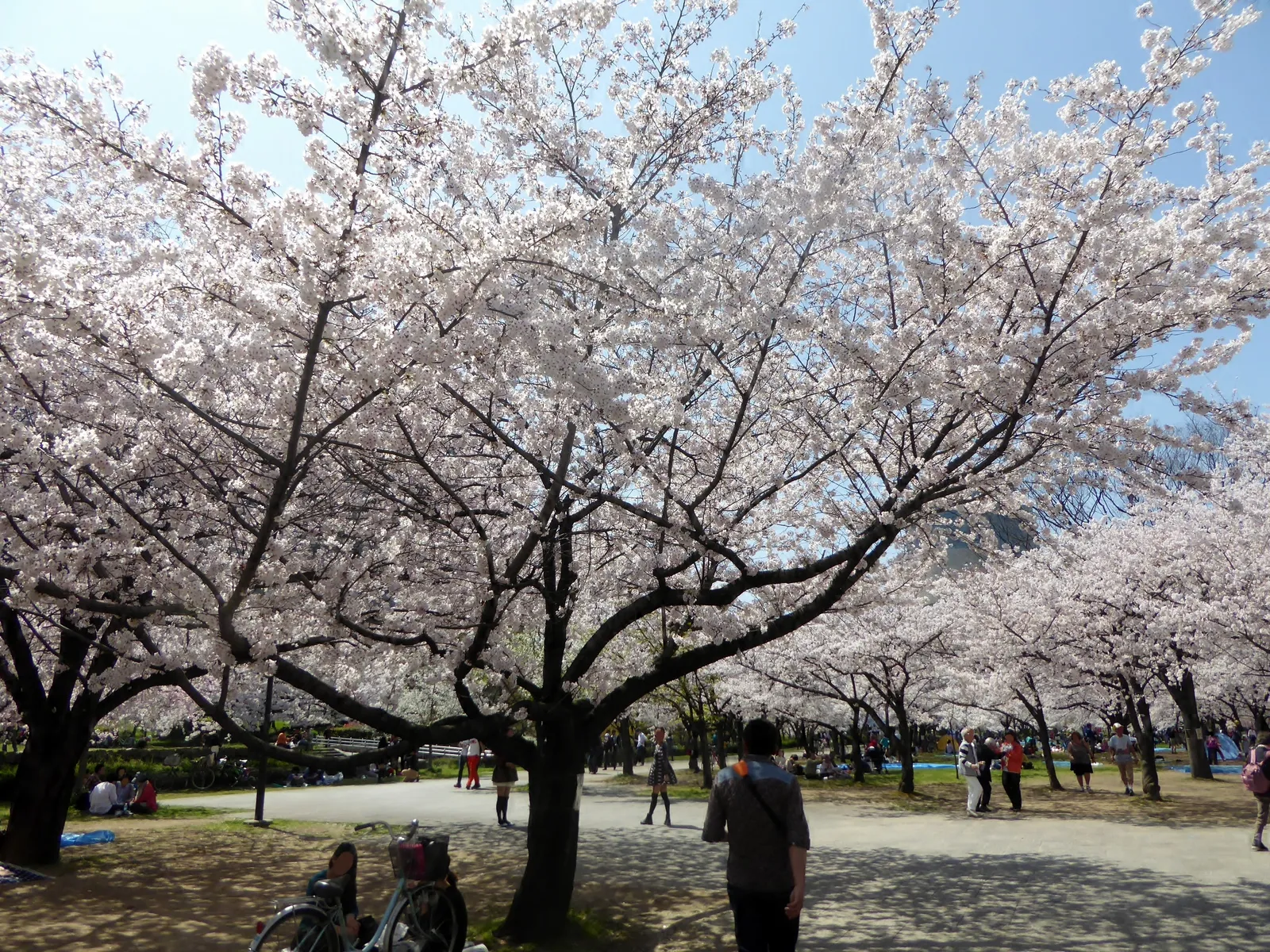
Use Japan Meteorological Agency (JMA) 30-year full-bloom averages and 2026 observations to plan your 2027 cherry blossom trip across Okinawa, Kyoto-Osaka, Tokyo, Hirosaki, and Hakodate. Covers early April holidays, Golden Week, JR reserved seats, the Hirosaki Cherry Blossom Festival, and real-time pivots.
From Winter Forecasts to On-the-Ground Updates: When to Adjust Bookings
Winter forecasts from private weather firms are best used to choose a broad region. For the 2026 season, Japan Meteorological Corporation issued its first forecast on December 18, 2025, while Weathernews released its first outlook on January 8. Each forecaster runs its own model and update schedule; as of November 22, 2026, neither has published its first 2027 forecast. When the initial maps drop after New Year's, check carefully whether a date marks first bloom or full bloom, and whether it applies to a city or a single park. A regional forecast moving Fukuoka's first bloom two days earlier calls for a very different adjustment than Maizuru Park actually jumping from tight buds to 50 percent open.
When comparing updates, record both the predicted full-bloom date and the release date from the same forecaster. If the first forecast puts Kyoto's peak on your final day and the next update pushes it past your flight home, check early weeping cherry spots in the same area or price out adding one extra hotel night. Some park pages leave the previous year's photos up as placeholders, so always check the timestamp and caption before penciling last year's peak bloom onto this year's calendar. Handle a few days' drift within your daily schedule; save major changes like switching airports or adding an overnight rail transfer for clear bloom gaps between two destinations.
Once departure is close, read park-level reports by zone and cultivar. Hirosaki Park lists its inner grounds (mainly Somei-Yoshino) separately from the outer moat, the west shore of the west moat, and the cherry blossom tunnel. Shinjuku Gyoen's guides distinguish Somei-Yoshino from multi-petaled yaezakura varieties, and the Kyoto City Travel Guide's bloom tracker specifies which part of a temple or park and which cultivar each update covers. When you see 'peak bloom' (migoro) on a summary page, read further if you are aiming for waterside avenues—the alert might refer only to a few early weeping trees rather than the main moat.
Checking live reports on your phone in Japan gets easier once you know four Japanese status terms: tsubomi (buds), sakihajime (starting to open), migoro (peak viewing), and chirihajime (petals starting to fall). After full bloom, head out early in the morning before wind or rain strips the branches if you want falling petals on the trees. After a rain shower, shift to moats, canals, and paved paths covered in fallen blossoms. Wind and currents gather petals into different corners of a moat, so scan both banks from a bridge, take a few shots where you are not blocking foot traffic, and walk on to the next stretch instead of camping out in a narrow choke point.
How to Stagger Flights, Hotels, and Reserved Train Seats
If your group is locked into fixed travel dates, book international flights and one well-connected hotel base first, keeping everything flexible on the ground in Japan. Flying into Kansai Airport with an early flight home? Spend your final night in Osaka and dedicate the earlier daytime hours to Kyoto. On a three-night Tokyo stay, base in Ueno or Asakusa for easy walks along the eastern riverside parks, or stay near Shinjuku to enter Shinjuku Gyoen right at opening before riding across town. If blooms arrive early, you can stay at the same hotel and shift between different riverbanks or cultivars. Before confirming any room, verify guest count, bed count, and the exact cancellation cutoff in Japan Standard Time (JST), then save that deadline to your calendar.
When comparing refundable and prepaid rates, calculate the price gap across the entire stay, not per night. For a group of four booking two twin rooms instead of one quad room, shifting dates by two days means modifying two separate reservations. Check cancellation rules separately on split bookings as well—being able to cancel Friday night does not mean Saturday night is refundable. Map out long airport-to-city transfers and late check-ins on paper beforehand to make sure you can still reach the front desk if a connection slips, especially when heading from Aomori Airport to Hirosaki or New Chitose Airport to Hakodate. Sleeping in the arrival city on night one can save you a stressful transfer and buy an adaptable morning.
Standard JR reserved seats go on sale at 10:00 JST exactly one month before the train's departure date from its origin station. For example, a daytime train departing Tokyo on April 16 normally opens for booking at 10:00 JST on March 16. Set phone reminders in JST so you do not miss the window by an hour. At month-ends where the previous month has fewer days, check JR's official release calendar for the exact sale date. If an itinerary requires two separate Shinkansen legs, lock in the non-negotiable train first and leave buffer time on the connecting leg. Tickets bought through different booking platforms follow their own change rules.
JR East's Ekinet also offers 'Early Reservation' (Soki Yoyaku) on limited trains and seats within Shinkansen e-Ticket basic fares for Hayabusa, Yamabiko, Komachi, Tsubasa, Toki, and Asama services. Applications open from 14:00 JST three months before travel until 23:50 JST one month and eight days prior, with seat numbers assigned as early as 08:00 JST one month before departure. Ekinet also has a separate pre-order request (Jizen Uketsuke) processed only when general sales open. Early Reservation requires the Japanese-language Ekinet site or app, covers one train per booking, and does not let you pick window or aisle seats. Travelers using the English-language JR-EAST Train Reservation portal follow its published booking window, while rail pass holders book seats through their pass reservation flow.
When a long journey splits across two tickets, decide which leg cannot move. On a Tokyo-to-Hirosaki trip via Shin-Aomori on the Ou Main Line, search both segments together so your Shinkansen arrival lines up with the local train onward. If you only snag a midday Shinkansen, push park time into late afternoon and make the next morning your main blossom walk. Leaving town on an afternoon train on departure day also preserves a half-day buffer in case weather ruins your first day.
Making the Most of Early April Holidays and Japan's Golden Week
For travelers syncing with Taiwan's 2027 Children's Day and Tomb Sweeping holiday calendar (Saturday, April 3 to Tuesday, April 6), 2026 observations illustrate the spread you might encounter: Kyoto hit full bloom on March 30, Osaka and Fukuoka peaked on April 3, and Tokyo peaked on March 28. On a three-night break over this four-day window, a practical Kansai split pairs one walk around Osaka Castle with one park or temple in Kyoto, holding one day back for late-blooming trees. In Tokyo, you can mix riverside avenues with garden varieties in the same trip instead of betting everything on one park. When comparing flights, the difference between a noon arrival and an evening landing can cost you an entire sunny afternoon of blossoms.
Japan's Cabinet Office lists April 29 and May 3, 4, and 5 as spring national holidays in 2027, with Friday, April 30 bridging into the May 1-2 weekend (Golden Week). If you plan to combine Hirosaki and Hakodate, pick one city as your base across the holiday-weekend transition to minimize hauling bags onto local trains. The Hirosaki Cherry Blossom Festival runs tentatively through May 5; if you like multi-petaled yaezakura, check the park's cultivar updates before heading out. Should Goryokaku hit full bloom before Golden Week begins, keep Hakodate Park, tram-line streets, and the waterfront in your overnight plan so the trip still delivers.
If your departure dates have a day or two of wiggle room on either side, weigh extra airfare against the cost of trading one more day off for an extra hotel night. Rather than chasing the lowest outbound fare alone, check when you will actually get home from the airport after your return flight—or whether arrival afternoon still leaves usable daylight for parks. When multiple families fly in on different itineraries, meeting at the same hotel is far easier than coordinating timed attraction entries. Earlier arrivals can stroll free riverbanks or castle outer grounds first, saving paid gardens for when everyone is together so a delayed flight does not waste a whole block of tickets.
Okinawa to Kyoto-Osaka: Matching Spots to Blossom Types and Terrain
At Nakijin Castle Ruins in Okinawa, Kanhizakura typically bloom from mid-January to early February along stone steps leading into the fortress walls. Regular hours from January to April are 08:00 to 18:00 (last entry 17:30); admission is ¥1,000 for adults, ¥500 for junior high and high school students, and free for elementary school age and under. Take Okinawa Bus Motobu Peninsula Line 65 or 66 to Nakijin-joato Iriguchi and walk about 15 minutes, or check whether your Yanbaru Express Bus stops at Nakijin-joato or Nakijin-joato Iriguchi, as walking distances to the ticket booth differ. Strollers face limits on the continuous stone stairs inside the ruins; anyone pushing a stroller can wait or browse the free History and Culture Center first before meeting up at the gate (closed Mondays unless it falls on a national holiday or Okinawa Memorial Day, in which case it closes the following day).
In Fukuoka, exit the Airport Subway Line at Ohori Park Station: Exit 5 leads to Maizuru Park and Fukuoka Castle Ruins, Exit 3 connects to Ohori Park and the Fukuoka Art Museum, and Exit 1 heads toward Nishi Park. Walk the castle ruins on a clear morning and duck into the museum if heavy afternoon rain hits. Travelers after stone-wall backdrops should start at Maizuru Park, while groups with seniors or strollers can keep the flat Ohori Park lakeside path as an easy option. Stay near Hakata if you have early JR trains the next day, or base in Tenjin for city dining right off the Airport Line. If you split park visits across two half-days, use a different subway exit on day two to adjust to actual bloom conditions instead of scripting every stop down to the minute.
In spring, the Fukuoka Art Museum is typically open 09:30 to 17:30 (last entry 17:00), with collection and special exhibition tickets at ¥200 for adults, ¥150 for high school and university students, and free for junior high age and under; it closes Mondays (or the next weekday if Monday is a Japanese holiday). If your trip spans Monday, April 5, 2027, put the museum on the weekend and save the unrestricted lakeside walk for Monday before riding the Airport Line back to Hakata or Tenjin. To compare terrain and station access with Nishi Park on the same day, check our Fukuoka cherry blossom guide.
Osaka Castle Park's public grounds stay open 24 hours; take the subway to Tanimachi 4-chome Station toward Otemon Gate, or use Exit 1-B for Nishinomaru Garden. From March to October, Nishinomaru Garden normally opens 09:00 to 17:00 (last entry 16:30) at ¥300 for adults and free for junior high students and younger, closing Mondays (or the following day after a holiday), with special hours and pricing during nighttime sakura events. Walk the free park paths early or during passing showers, then enter the paid garden once skies clear. If you are heading east afterward, exit via JR Osakajokoen Station instead of backtracking to Otemon. See our Osaka cherry blossom routes for nearby pairings.
At Kyoto Gyoen National Garden, check Konoe Residence Site and Demizu Brook for early-blooming weeping cherry trees. Konoe Residence Site sits in the northwest corner, reached from Karasuma Line Imadegawa Station Exit 3 (elevator-equipped) along Karasuma-dori. The general Ministry of the Environment grounds are free and open 24 hours, though the Kyoto Imperial Palace and other enclosed facilities keep separate hours. Late in the season, head to Ninna-ji Temple in Ukyo Ward for late-blooming Omuro-zakura, a three-minute walk from Randen Omuro-Ninnaji Station. If you are traveling with older relatives and only want one stop, pick a single Kyoto Gyoen gate and rest area rather than cramming cross-town transfers around lunch; if you are staying in Kyoto, put Kyoto Gyoen and Ninna-ji on separate days once fresh bloom updates come in.
Swapping Time Slots Between Tokyo Riverbanks and Shinjuku Gyoen
For waterside cherry trees with skyline views, walk from Asakusa Station into Taito Ward's Sumida Park and look across the Sumida River, or use Honjo-Azumabashi Station on the Toei Asakusa Line to start from the Mukojima side. Whether you loop one bank or cross the bridge depends on whether you are staying in Asakusa or heading toward Tokyo Skytree. When blossoms are just starting to open, stay on the bank with denser tree cover. On full-bloom weekends, meet at a clear landmark outside the station, walk a stretch along the river, and duck onto side streets for lunch instead of waiting for friends on crowded bridges or station stairs. Splitting across both banks also lets companions leave from whichever station suits their return route.
Chidorigafuchi offers another waterside perspective. Both Kudanshita Station Exit 2 and Hanzomon Station Exit 5 put you about five minutes on foot from the greenway entrance, with a further walk to the boat pier. Under Chiyoda Ward's revised boat rates effective March 2026, sakura-season rowboat rentals cost ¥1,500 for 30 minutes and ¥3,000 for 60 minutes during dates announced annually by the ward. If you just want to walk the moat, follow the greenway toward the cemetery entrance as views shift between water, bank, and canopy.
The Chiyoda City Tourism Association festival page posts hours when the greenway switches to one-way foot traffic. If one-way flow runs from Yasukuni-dori toward the cemetery entrance, enter from Kudanshita and exit toward Hanzomon so older travelers can hop straight onto the subway at the end. Treat the rowboats as a bonus rather than a must-do; if queues stretch out or wind halts rentals, the footpath still delivers the full view. Because the path narrows along the moat, agree to regroup outside the greenway or at the station if you split up for photos.
To extend your Tokyo flower window across multiple cultivars, Shinjuku Gyoen pairs Somei-Yoshino with later varieties such as Ichiyo, Kanzan, Ukon, and Gyoiko. Walk about 10 minutes from JR Shinjuku Station South Gate to Shinjuku Gate, or five minutes from Shinjuku-sanchome Station Exit E5 on the Fukutoshin Line. If half your group rides the Marunouchi Line from eastern Tokyo while others arrive at JR Shinjuku, name one specific entrance beforehand so no one wastes time crossing the grounds. On your final half-day, enter through Shinjuku Gate and exit via Sendagaya Gate depending on your next train.
Under Ministry of the Environment spring rules starting March 15, Shinjuku Gyoen generally opens 09:00 to 18:00 (last entry 17:30) and stays open on Mondays from March 25 through April 24. Admission is ¥500 for adults, ¥250 for seniors 65+ and high school/university students, and free for junior high age and under; weekends and Japanese holidays during peak sakura may require advance timed reservations. Keep Asakusa's riverbank as a same-day backup if slots fill up. When you do hold a timed entry, lock that in before booking meals or other tickets; on non-reservation weekdays, visit Shinjuku Gyoen first and gauge crowds before deciding whether to cross to eastern Tokyo. Explore more pairings in our Tokyo cherry blossom neighborhood routes.
Hirosaki: Choose Between the Moats and the Honmaru
The 2027 Hirosaki Cherry Blossom Festival is tentatively scheduled for April 16 to May 5, subject to bloom conditions. Official 2026 logs for the inner grounds recorded first bloom on April 11, full bloom from April 17 to 20, and flower rafts (hanaikada) from April 20 to 23—yet by April 16, the outer moat and west shore of the west moat were already in full bloom while the inner grounds sat at 70 percent. If you only have one morning in Hirosaki with a split report like that, walk the outer moat first and save the west moat or inner park for afternoon. If you want petal-carpeted water, target the petal-fall stage and check the city Parks and Greenery Division's 'hanafubuki / hanaikada' status column.
From Hirosaki Station, take the Dotemachi Loop Bus to Shiyakusho-mae to start near Otemon Gate. Since October 1, 2026, single adult fares are ¥200 cash or ¥180 by transit IC card (children ¥100 cash / ¥90 IC); a one-day pass costs ¥600 for adults and ¥300 for children on MegoICa, Suica, or PASMO, purchased from the driver before tapping off. Paying cash for a round trip costs ¥400, and three single IC rides total ¥540—¥60 cheaper than the pass. Staying for night illuminations? Regular loop buses run only until 18:00 from April to November, so check festival shuttle hours for evening returns. Hotels near Dotemachi give you an easy walk back from Otemon Gate, while lodging beside Hirosaki Station makes morning train departures effortless.
Hirosaki moved the return of its castle keep to the original stone foundation from November 2026 to March 2027, with stabilization work continuing into autumn 2027 and the keep interior closed throughout. Plan your visit around the moats, castle gates, and open Honmaru grounds, following park signs around any fenced work zones. City admission for the Honmaru and Kita-no-Kuruwa area is ¥320 for high school students and adults, and ¥100 for elementary and junior high students. To see exhibits on the castle move or escape sudden rain, stop into the Hirosaki Castle Information Center inside the park (typically open 09:00 to 17:00), conveniently positioned near Otemon Gate for a half-day weather pivot.
Trying to see Hirosaki on a single day trip from Tokyo chops up your sightseeing with long transfers; staying one night lets you catch dawn flower rafts or dusk light along the west moat. With an extra night, stay near either the station or the park and cover the opposite moat the next morning. If traveling with seniors, break up the sloped Honmaru paths by entering via Otemon Gate and resting near San-no-Maru before focusing time on whichever moat looks best. Duck into Dotemachi for a sit-down meal while waiting for afternoon breezes to scatter petals, saving energy for evening illuminations. To add a second northern stop, read our guide to Tohoku cherry blossom rail bases.
Late-Season Hokkaido: Weighing Transit Between Hakodate and Sapporo
For an aerial view of Hakodate's star-shaped sakura moats, staying in town gives you two shots at Goryokaku and lets you shift Goryokaku Tower or indoor stops to rainy days. From JR Hakodate Station, ride the Hakodate City Tram to Goryokaku-koen-mae. The tower estimates a 10-minute walk from the tram stop to the base, plus extra time to reach the park perimeter, cross the bridge, and circle the moat. Always enter the full tram stop name 'Goryokaku-koen-mae' when searching routes—JR Goryokaku Station is a separate train stop further away that adds extra ground transit.
Goryokaku Tower's observation deck operates from 09:00 to 18:00, with ticket sales closing at 17:50. Under new pricing effective April 1, 2027, deck admission is ¥1,500 for adults (18+), ¥1,130 for junior high and high school students, and ¥750 for elementary students. Skip the ticket if you only want a moat-level walk, and buy it when you want the full star outline framed in pink. If mist or drizzle obscures the view, wait for a clearer morning before going up; groups can split up, with walkers circling the moat before meeting at the tower base. Weigh the indoor history exhibits and observation timing in our Goryokaku Tower guide.
Observation tickets allow single entry only, so heading up in the morning and returning later in the afternoon requires a second ticket. Scout gate locations, sun angles, and backlighting from ground level first, then choose your one ride up when visibility is sharp. If elevator lines grow long and your group splits up, set the ground floor or entrance plaza as your meeting point. If rain wipes out visibility across the fort, keep your admission money for the following day.
Sapporo and Hakodate normally peak just days apart—and can both jump early, as they did in 2026. Check flights into Hakodate versus New Chitose first, then choose your base from live bloom updates. Flying into New Chitose with only three nights left? Keep your daytime walks in Sapporo, pairing parks with city neighborhoods on the same day. Move lodging down to Hakodate only if star-fort moats are your top priority. Matsumae offers another castle-and-sakura pairing, but requires a separate excursion from Hakodate; put the two on different days and sequence them by bus timetables, rail tickets, and hotel availability. Check bus links and tree varieties in our Matsumae Park cherry blossom guide.
Late April in Hokkaido brings chilly sea breezes along open moats and evening queues that feel much colder than midday city walks. Pack a compressible windproof layer and wear shoes with solid grip for damp cobblestones and moat slopes. Traveling with kids or slower walkers? Ride transit close to the park gate and lock in your return tram or bus stop beforehand. When transit and queues eat up half the day, stick to one park stretch and one indoor stop, leaving any second spot conditional on blooms, visibility, and energy.
Adapting for Night Illuminations, Rain, and Peak Crowds
Evening illumination events follow separate entry rules. Osaka Castle's Nishinomaru Garden normally closes at 17:00, running nighttime spring viewings under dedicated sessions and ticket prices. Even when an outer park is open 24 hours, check that year's event page for exact illumination dates, last entry, and ticketing before heading into paid gardens—and do the same for Hirosaki's zone-by-zone lighting schedules. Limit yourself to one night-viewing spot per evening and confirm your last train or bus home first; if city transit wraps up before the lights go out, finish near your return stop or budget time to walk back.
For quieter photos along blossom avenues, take the very first entry slot at gated gardens or walk free riverbanks early in the morning before coffee. On narrow bridges and single-file stone paths, snap a few photos and step aside for people behind you, saving longer shoots for wider promenades. Do not eat standing in front of gates or elevator doors. Spread picnic mats only inside designated zones, use compact mats easy to fold through crowds, and pack out all trash. Paid temple grounds and national gardens set their own rules on food, drinks, and tripods—check posted signs as you buy tickets.
In patchy rain, pair an easy-exit blossom walk with an indoor backup near a station. In Fukuoka, start at the castle ruins from Ohori Park Station and step into the Fukuoka Art Museum beside the pond if downpours roll in (just verify it is not a closed weekday). In Kyoto, keep morning walks to the northwest corner of Kyoto Gyoen and shift the afternoon around Kyoto Station while your hotel holds luggage. In Hirosaki, walk a short section of the outer moat and duck into the Hirosaki Castle Information Center until the rain eases. Keeping your day anchored along one return line cuts out needless detours with wheelchairs, strollers, or young kids.
When forecasts stay unpredictable, save your final morning for the blossom style you want most. Walk the river if you are staying in Asakusa, check morning slots at Shinjuku Gyoen if you are in Shinjuku, or hop a bus from Hirosaki Station toward whichever moat has fresh flower rafts in the morning report. Even a shortened loop works. Head out early, grab breakfast, and swing back to your hotel for bags rather than hauling suitcases around looking for park lockers. If you are down to your last hour before a flight or train, enjoy the flowering trees right around your hotel.
A few useful answers
When do 2027 Japan cherry blossom forecasts come out?
As of November 22, 2026, neither Japan Meteorological Corporation nor Weathernews has released its first 2027 forecast. Last season, they published initial outlooks on December 18 and January 8, respectively. Meanwhile, the Japan Meteorological Agency provides official historical averages and annual sample-tree observations.
How does the cherry blossom front typically move across Japan?
Kanhizakura opens first in Okinawa during winter. Somei-Yoshino averages full bloom on March 31 in Fukuoka and Tokyo, and April 4 in Kyoto and Osaka. The front reaches Sendai in mid-April, Aomori in late April, and averages May 2 in Hakodate and May 6 in Sapporo.
Where should I go for cherry blossoms during the early April 2027 holiday window (April 3-6)?
For Taiwan's April 3-6, 2027 holiday break or any early April trip, Kyoto-Osaka or Tokyo makes the easiest first-time base. Stay in one central hub and hold two half-days open to react to live bloom reports; if Somei-Yoshino is already dropping petals, shift to riverside petal views or seek out late-blooming cultivars.
Can I still see cherry blossoms during Japan's Golden Week?
Yes. The Hirosaki Cherry Blossom Festival runs tentatively through May 5, 2027, and you can track late-blooming yaezakura varieties on Hirosaki Park's official site even after Somei-Yoshino peaks. Hakodate and Sapporo also average full bloom in early May, though both peaked early in April in 2026.
What are the 2027 Hirosaki Cherry Blossom Festival dates?
Organizers have announced a tentative schedule from April 16 to May 5, 2027, subject to adjustment based on blossom progress. Once your Hirosaki hotel is booked, watch the park's zone updates for the outer moat, west moat, and flower-raft conditions.
How many days after first bloom does full bloom happen?
The gap varies widely even within the same year. In 2026, Tokyo took nine days from first bloom to full bloom, whereas Hakodate took just two days. Use historical averages to pick your region before booking flights, then rely on zone and cultivar reports once on the ground.
How far in advance do JR reserved seats go on sale for cherry blossom season?
Standard JR reserved seats open at 10:00 JST one month before the train departs its origin station. JR East also offers Early Reservation on limited seats for select Shinkansen e-Ticket basic fares starting at 14:00 JST three months ahead.
Official information and references
Sources used in this guide.
- Japan Meteorological Agency | 2026 Cherry Blossom First Bloom Dates and Normals
- Japan Meteorological Agency | 2026 Cherry Blossom Full Bloom Dates and Normals
- Tokyo Regional Headquarters, JMA | Sample Trees, First Bloom, and Full Bloom Definitions
- Japan Meteorological Corporation | 2026 First Sakura Forecast and Methodology
- Weathernews | 2026 First Cherry Blossom Forecast
- Directorate-General of Personnel Administration (Taiwan) | 2027 Government Administrative Calendar
- Cabinet Office of Japan | 2027 National Holidays
- JR West | Standard Sales Rules for Reserved Seat Tickets
- JR East | Ekinet Early Reservation Eligible Trains and Application Rules
- JR East | Reserved Seat Release Times and Pre-Order Requests
- Nakijin Castle Ruins | Hours, Access, and Admission Fees
- Nakijin Castle Ruins | Castle Grounds Terrain and Kanhizakura
- Fukuoka City Subway | Ohori Park Station Exit Guide
- Fukuoka Art Museum | Spring Hours, Closures, and Collection Admission
- Osaka Castle Park | Nishinomaru Garden Hours and Admission
- Osaka Castle Park | Park Access and Otemon Gate Directions
- Osaka Metro NiNE | Tanimachi 4-chome Exit 1-B Access to Nishinomaru Garden
- Kyoto City Travel Guide | Sakura Bloom Updates by Location
- Ministry of the Environment | Kyoto Gyoen National Garden Cherry Blossoms and Hours
- Ministry of the Environment | Kyoto Gyoen National Garden FAQ
- Ministry of the Environment | Kyoto Gyoen Station Access (Imadegawa Exit)
- Kyoto City Travel Guide | Ninna-ji Temple Omuro-zakura and Access
- GO TOKYO | Taito Ward Sumida Park
- Sumida City | Mukojima Sumida Park and Transit Access
- Chiyoda City Tourism Association | Chidorigafuchi Greenway, Exits, and Festival Routing
- Chiyoda City | Chidorigafuchi Boat Fee Revision Effective March 2026
- Ministry of the Environment | Shinjuku Gyoen National Garden Visitor Rules
- Ministry of the Environment | Shinjuku Gyoen Gates and Station Access
- Ministry of the Environment | Shinjuku Gyoen Cherry Blossom Varieties
- Hirosaki Tourism & Convention Bureau | 2027 Hirosaki Cherry Blossom Festival Tentative Dates
- Hirosaki Tourism & Convention Bureau | Hirosaki Park Historical Sakura Bloom Logs
- Hirosaki City Parks and Greenery Division | April 16, 2026 Hirosaki Park Zone Bloom Report
- Hirosaki Tourism & Convention Bureau | Dotemachi Loop Bus and October 2026 Fare Update
- Hirosaki Civic Hall | Bus Stops from Hirosaki Station to Otemon Gate
- Hirosaki City | Castle Keep Relocation and Stabilization Schedule
- Hirosaki City | Hirosaki Park Paid Areas and Keep Interior Closure
- Hirosaki City | Hirosaki Castle Information Center
- Goryokaku Tower | Tram and Bus Access
- Goryokaku Tower | Observation Deck Hours
- Goryokaku Tower | Observation Ticket Price Revision Effective April 1, 2027