Choose a half-day cherry blossom walk in Tokyo by bloom conditions, where you are staying, and how far you want to walk. Compare Ueno, Asakusa and the Sumida River, Chidorigafuchi, Shinjuku Gyoen, the Meguro River, and Inokashira Park, with plans for meals, park gates, evening visits, and rain.
- Region & Focus
- Tokyo
- Reading Scope
- 32 min read · 17 chapters · 4 Q&As
- Official Verification
- 16 official sources checkedUpdated October 26, 2026
- Key Topics
- SeasonsItinerariesNeighborhoods
Chapter Route Map (tap any stop)
- Set aside half a day, then choose a route on your side of Tokyo
- Read bloom reports for the specific tree or stretch of river
- Ueno: enter from the Park Exit, then choose a museum or Shinobazu Pond
- Asakusa and Sumida Park: a temple neighborhood and a riverside walk
- Chidorigafuchi: walk from Kudanshita toward Hanzomon
- Give boating and evening blossoms their own time at Chidorigafuchi
- Shinjuku Gyoen: choose a gate before deciding how large a loop to walk
- Arriving early or late in the season: plan around the varieties in bloom
- Nakameguro: walk one stretch of river, then sit down for a meal
- Kichijoji and Inokashira Park: a full day for the pond and neighborhood
- Daytime or evening blossoms: choose the view you want
- Only half a day: choose a route to suit your departure from Tokyo
- Two blossom days: one by the water and one in a park
- Count standing time and the return trip when judging walking distance
- Rain, wind, or fewer flowers than expected: change just one part
- Accommodation and rail tickets: pay for convenience you use every day
- Before leaving, save one route you can follow
- Quick Q&A
Start by choosing one place in Tokyo where you would like to spend half a day with the cherry blossoms. For temples and a broad river, stay around Asakusa. For a rest on the lawn, choose Shinjuku Gyoen. For branches overlapping above the water, walk along Chidorigafuchi or the Meguro River. Ueno works well for a day that combines the park with a museum, while Kichijoji gives you time for both a pondside walk and the neighborhood’s shops and restaurants. Bloom conditions determine where to go today; your hotel, energy, and mealtimes determine how far to walk. Decide those separately, and you can head out for a half-day when the flowers are looking good and finish when you need a rest.
Set aside half a day, then choose a route on your side of Tokyo
If you have only two or three days in Tokyo, set aside one daytime visit for the blossoms and add an evening only if you have the energy. Ueno in the morning, Shinjuku Gyoen in the afternoon, and Nakameguro at night may all look like central Tokyo stops, but that puts transfers, station walks, and restaurant searches between every stretch of flowers. If your group wants a relaxed outing, spending longer in one place is usually a better use of time. Save the other spots as options, then choose one with good blooms and a convenient journey that day.
If you are staying in Ueno, Asakusa, or eastern Tokyo, compare Ueno Park and Sumida Park first. From Shinjuku, start with Shinjuku Gyoen, then decide whether to save another day for Kichijoji. From Shibuya, Ebisu, or Nakameguro, fit the Meguro River into a half-day of eating and shopping nearby. Chidorigafuchi can stand alone; its proximity to the Imperial Palace on the map does not require a walk around the entire palace grounds. Use the Tokyo accommodation area comparison to consider both the morning journey and the trip back to your room at night.
In your itinerary notes, write down the destination, the direction you will approach the station from, the area for meals, and the station where you will finish. Add photo stops afterward. This makes it clear where you can shorten the walk: in Ueno, see one stretch of the cherry-lined path before entering a museum; on the Sumida River, walk just one bank; in Nakameguro, head back once the first stretch of riverside has given you the view you wanted. Give each route a clear ending so the feeling that you have not “finished” does not keep pushing your rest break back.
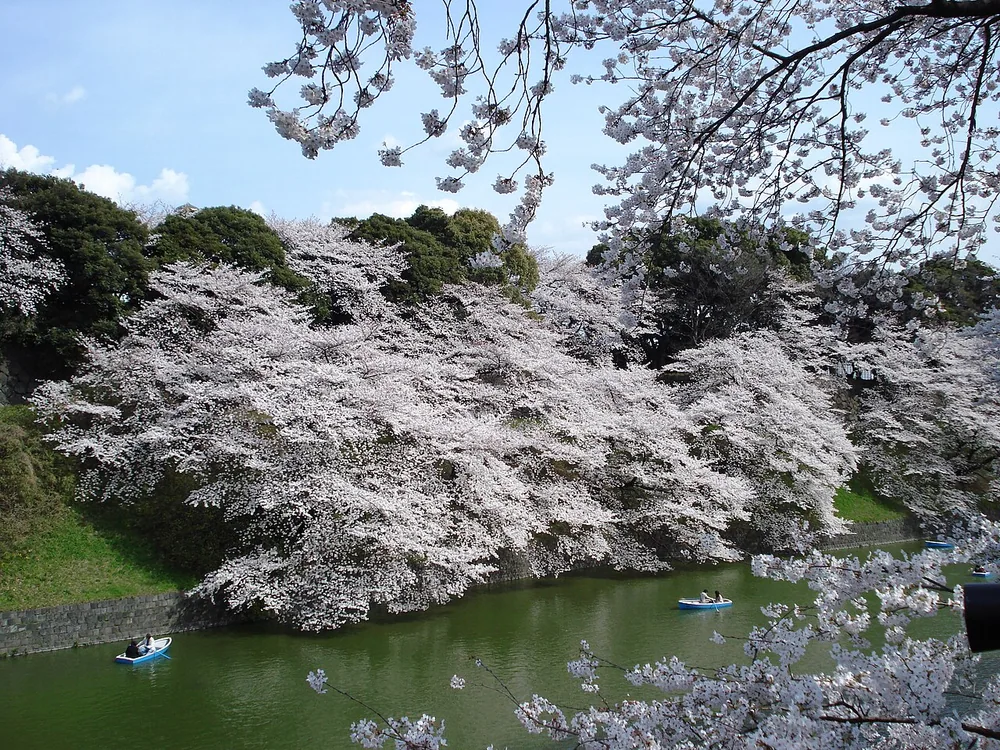
Choose a half-day cherry blossom walk in Tokyo by bloom conditions, where you are staying, and how far you want to walk. Compare Ueno, Asakusa and the Sumida River, Chidorigafuchi, Shinjuku Gyoen, the Meguro River, and Inokashira Park, with plans for meals, park gates, evening visits, and rain.
Read bloom reports for the specific tree or stretch of river
When looking up Tokyo cherry blossom information, check the publication date, year, and location first. The Japan Meteorological Agency’s explanation of seasonal biological observations defines the start of flowering as five or six open blossoms on the observation tree, and full bloom as roughly 80% or more of its blossoms open. Those terms describe stages of observation. To decide whether to go, also look at recent photos and on-site reports from the destination’s managing authority to see how the area you want to walk is flowering.
Even within one park, varieties and growing locations differ. Look at both close-ups and wider photos: a close-up shows the condition of individual flowers, while a wide view shows how much of the path is in bloom. A photo filled by a single flowering branch is not enough reason to move your planned eastern Tokyo outing across the city. Conversely, a place where petals have begun falling can still make a good waterside walk. If you want photos of petals and reflections, it may be the best choice that day.
Wait for the organizer to announce next season’s event dates. When booking accommodation, keep one half-day flexible, then move it to a day with better bloom conditions as the trip approaches. Taito City’s Sumida Park cherry blossom information includes an update date and tree locations. Local pages like this make it easier to judge a particular park than applying one predicted date for all of Tokyo to every destination.
Ueno: enter from the Park Exit, then choose a museum or Shinobazu Pond
Ueno suits a day that combines cherry blossoms with one indoor activity you actually want to do. Enter from the Park Exit side of JR Ueno Station and use the park’s main paths for your blossom walk. Stop beneath trees you like; where the crowd is dense, keep moving with the flow and look again from a wider spot. If you want to see an exhibition, choose one museum and a suitable admission time in advance. You can then adjust the length of the park walk around that fixed appointment.
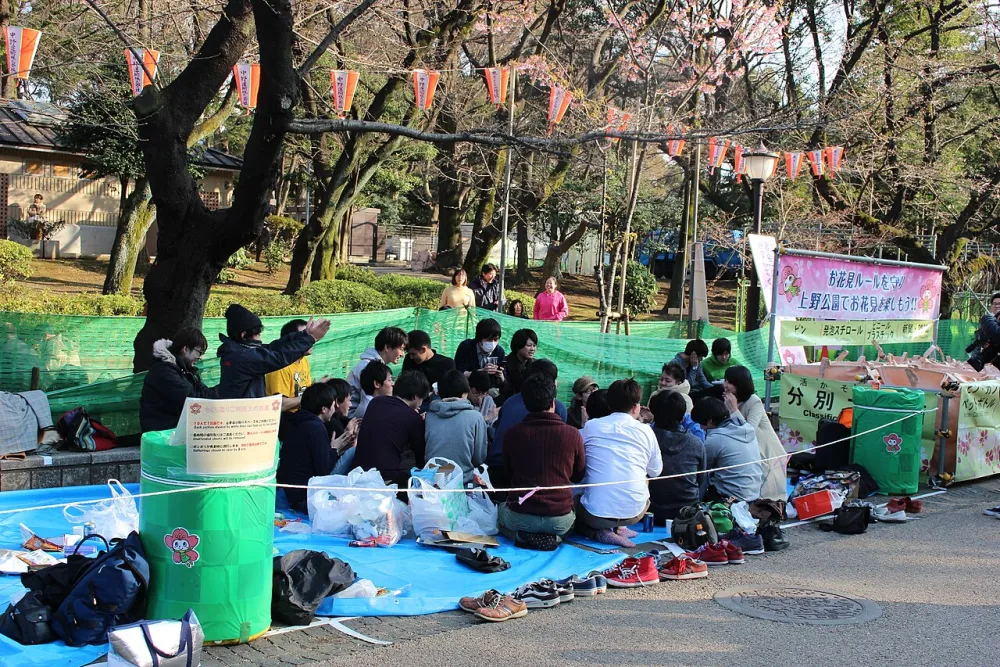
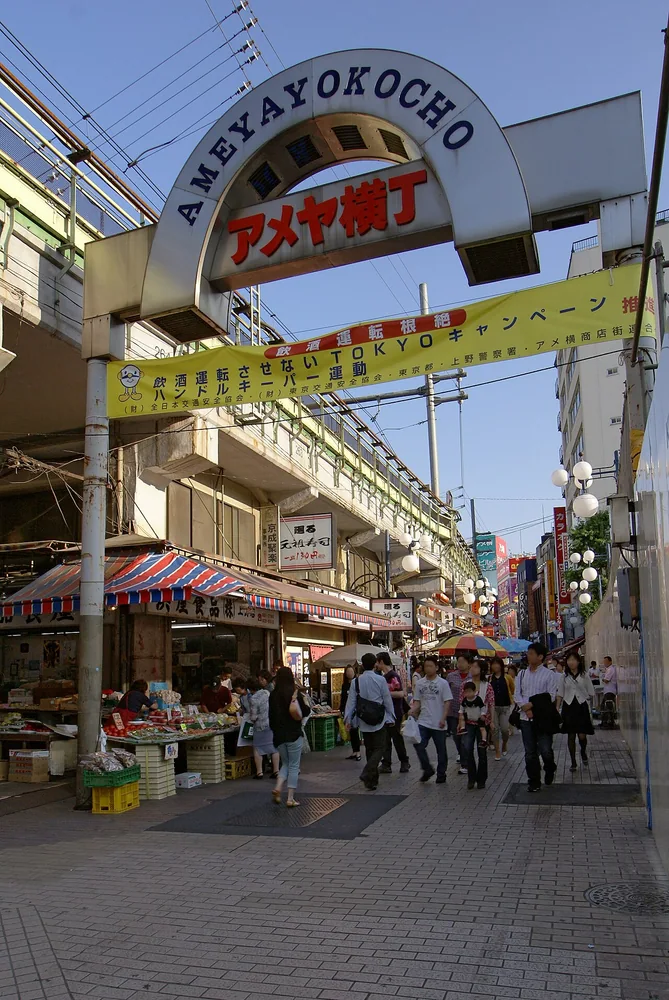
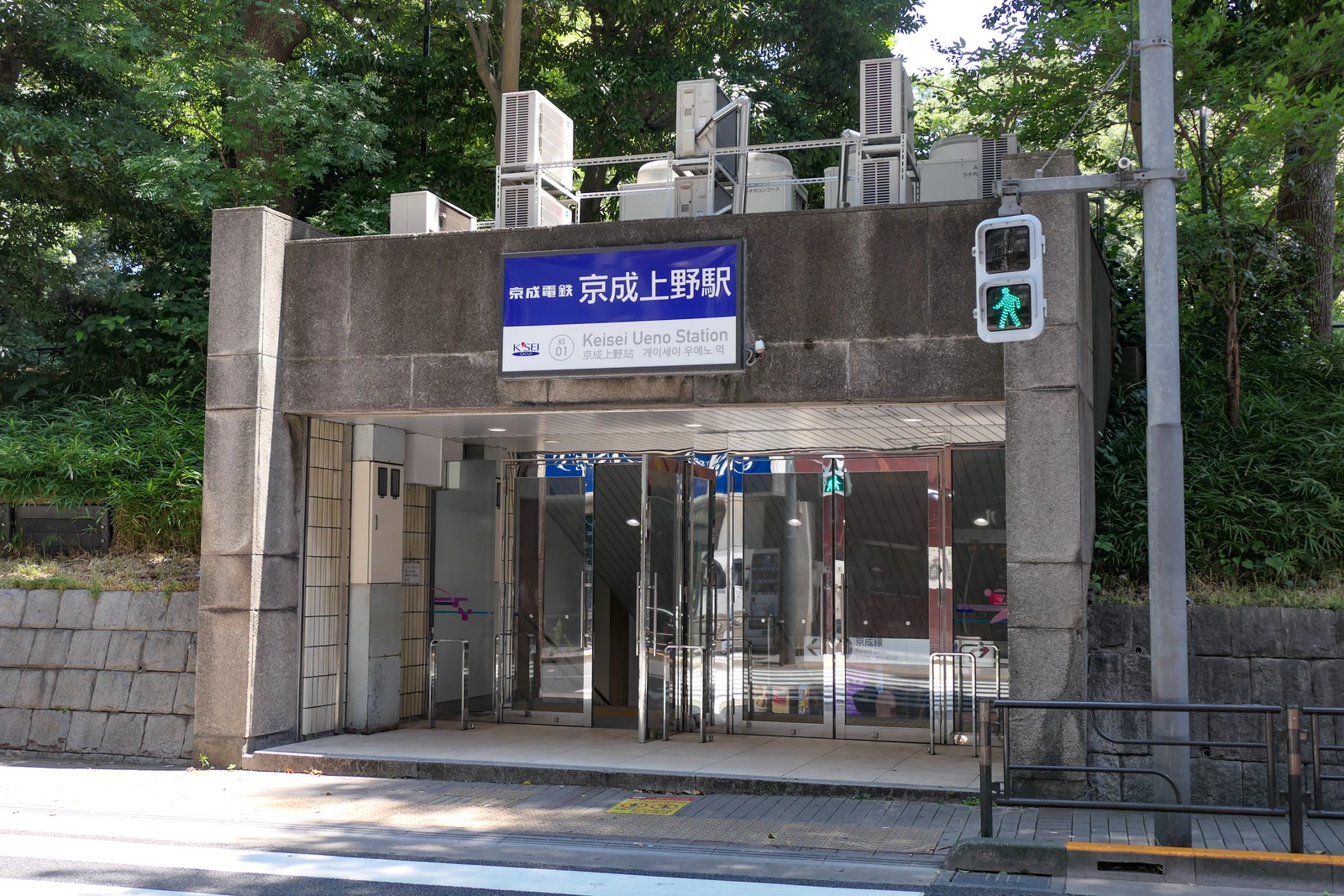
For lunch or everyday shopping afterward, leave toward Shinobazu Pond and Keisei Ueno, then continue to Ameyoko or Okachimachi. If your walk from the hotel brings you to the pond first, reverse the route and finish at the museum. The aim is to make your movement through the park one continuous stretch, with fewer trips back and forth among the station, pond, and museums. Spend longer where the blossoms are good; shopping can wait for another evening.
The Tokyo Metropolitan Government’s Ueno Park information lists opening hours of 5:00–23:00. A short walk works well early in the morning; schedule restaurants and cultural attractions after their own opening times. Families can spend the morning looking at flowers and giving children space to move, then finish after lunch. If you want to visit a large museum, keep the park to a short walk before and after so you have enough time to concentrate on the exhibits.
Lunch is the part of a blossom day most easily pushed back. One more photo leads to a walk down to the pond, and by the time everyone is hungry, finding a restaurant means retracing your steps and walking farther. If your group needs regular meals, choose lunch in the park, near the station, or in Okachimachi first, then finish your walk in that direction. Make the restaurant a fixed stop if you want a seated meal. Even for a quick takeout meal, identify a place where you are allowed to stop and eat.
Do not base all your rest plans on finding an empty bench beneath a popular tree. Sit for a while before entering the park, then use whatever seating is available during the walk. Large backpacks, heavy coats, and bags of souvenirs all make standing more tiring, so leave shopping until afterward. For a picnic, read the park’s notices for that season and use the permitted areas, keeping paths and tree roots clear.
If you already wanted to visit a museum and it rains, keep the museum and lunch, with just a short blossom walk on the way in and out. If the blossoms are your only reason for going, choose another half-day when the rain, wind, and your energy make walking more pleasant. Either plan works better than taking the whole group around the park under umbrellas. Choose the main indoor activity first so you do not spend a long time comparing museums after arrival.
Asakusa and Sumida Park: a temple neighborhood and a riverside walk
Choose Asakusa and the Sumida River if you want blossoms alongside eastern Tokyo’s streets. Visit the area around Sensoji Temple and have lunch first, then head to the river near Azuma Bridge. If the flowers are your priority, start in the park and decide after lunch whether to browse the shopping streets. Each part can stand on its own, and if someone wants a shorter walk, it is easy to return to Asakusa’s transport and dining area.
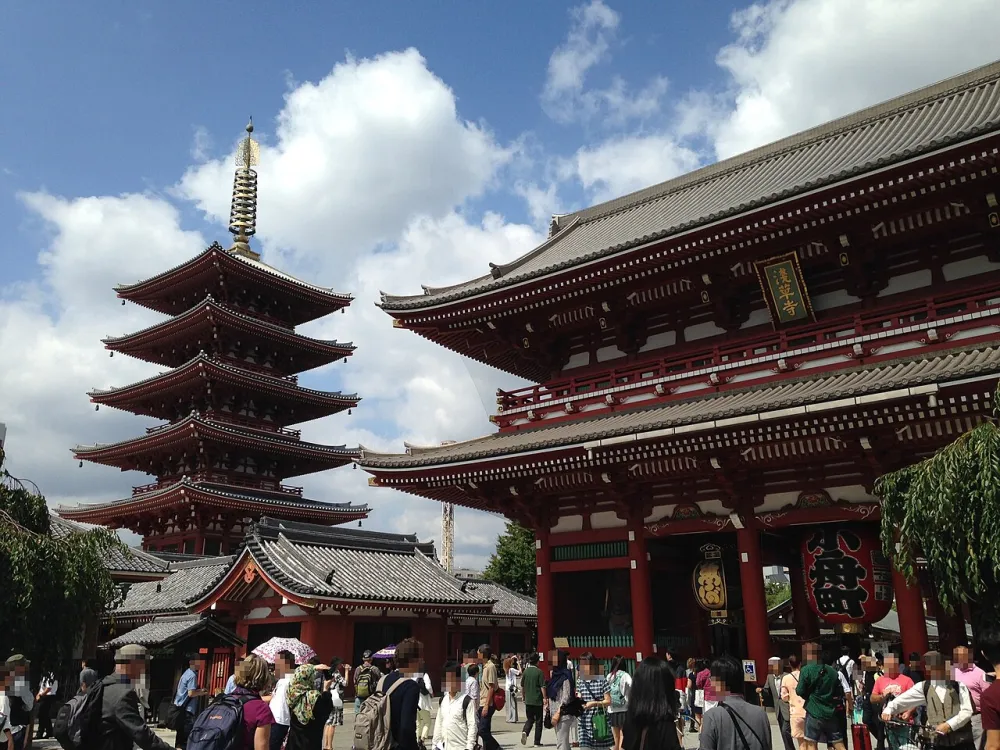

Sumida Park extends along both banks of the Sumida River. The Tokyo Metropolitan Bureau of Transportation’s guide to cherry blossom spots along its lines also highlights the river views and Tokyo Skytree as features here. Decide whether you want the city skyline or a walk closer to the trees, then continue along the same bank. Crossing a bridge changes the view, but each crossing adds walking and traffic lights. One is enough for a short half-day.
The Asakusa bank makes it easy to combine the temple, a meal, and the river. If you want to finish the afternoon around Skytree, cross to the east bank and leave from there. Save your final station in your notes so you do not return to the original station simply because that route feels familiar. If you have a timed observation-deck reservation, calculate the journey from the park to its entrance first and set your farthest riverside turnaround point accordingly.
If you want to sit down, eat, or give children more breaks, start with a short walk on one bank. Begin near Asakusa, linger by a stretch of blossoms you like, then leave toward your planned meal. The broad river and city views already provide enough for half a day; you do not need to cross every bridge. If you want river views in two directions, add a crossing and save the route out from the opposite bank as well.
If the wind feels too strong after crossing, leave the riverside at the next safe exit and head into the neighborhood for food or the trip back. Families with strollers should look at ramps, restrooms, and street entrances on the park map before committing to both banks. Keep bridges for moving across, and take photos from riverside spaces where you will not block others. Putting the camera away before crossing also saves you from sorting out your belongings on the bridge. Boat trips need separate time for boarding and waiting. If you already have a ticket, plan the blossom walk around the departure pier and reach the correct boarding point early. If it is a spontaneous idea, check available departures and where you would get off before deciding whether it fits lunch and the return journey. A riverside walk is a complete outing in itself; you do not need to spend the afternoon rushing to catch a boat.
Chidorigafuchi: walk from Kudanshita toward Hanzomon
The main attraction at Chidorigafuchi is the greenway along the moat. Chiyoda City’s facility information gives its length as about 700 meters. Exit 2 at Kudanshita Station leads toward the northern end; Exit 5 at Hanzomon Station is another transport option. For a first visit, plan a one-way walk from Kudanshita toward Hanzomon, with extra time for photos, waiting, and breaks.
If you want branches hanging over the water, give this greenway your time. Keep Kitanomaru Park and the other green spaces around the Imperial Palace as optional additions. Walk the stretch of moat you most want to see, then add more only if you have the energy. This also works after lunch: eat first, enter the greenway, then return to the neighborhood for tea afterward, without carrying food and drinks the whole way.
With older travelers, agree that you can finish at the first view everyone is happy with. The full length need not be the distance you walk.
In crowds, slow progress and standing in line can be the most tiring parts, even over a short distance on the map. Agree on a stretch after which you will leave the crowd and sit down for a hot drink. If people split up to take photos, choose an easy-to-recognize meeting point off the main path so nobody has to wait in a narrow spot.
Published by the Chiyoda Tourism Association in 2024, this video records the 2023 Chidorigafuchi Cherry Blossom Festival.
Give boating and evening blossoms their own time at Chidorigafuchi
If you want to see the blossoms from a rowboat, make that the main activity for the half-day and plan the shore walk around it. Waiting in line, buying tickets, and getting in and out of the boat take time; this is a different outing from a single walk along the greenway. Give anyone who will not be boating a clear rest option and meeting time beforehand. Waiting in line together and splitting up only at the end can turn an anticipated blossom outing into a long wait for one another.
The Chiyoda Tourism Association’s cherry blossom FAQ gives separate guidance for the greenway, boat facility, and designated park areas where you can spread a mat and eat. It also states that there are no food stalls along Chidorigafuchi Greenway. Eat in the neighborhood first so you can focus on the walk. Use a handheld camera: the association’s event rules prohibit tripods and step stools on the greenway and in Kudanzaka Park. After taking your photos, make room for the next person.
For an evening visit, read the organizer’s lighting announcement for the year of your trip and save both the entry direction and your station afterward. If you have already walked here by day and want to return at night, sit down for a meal in between to give your feet a proper break. If choosing just one time, come by day for natural colors and detail on the water. If the illumination is your evening priority, spend the daytime in another area and arrive around dusk to avoid an extra round trip.
Shinjuku Gyoen: choose a gate before deciding how large a loop to walk
Shinjuku Gyoen has gates on different sides. The Ministry of the Environment’s access page lists Shinjuku, Okido, and Sendagaya gates. Shinjuku-gyoemmae Station serves Shinjuku and Okido gates, while Sendagaya and Kokuritsu-kyogijo stations serve Sendagaya Gate. If you are staying near Shinjuku, choose a short loop that lets you return to Shinjuku-sanchome for a meal. If approaching from the south, start by planning around Sendagaya.
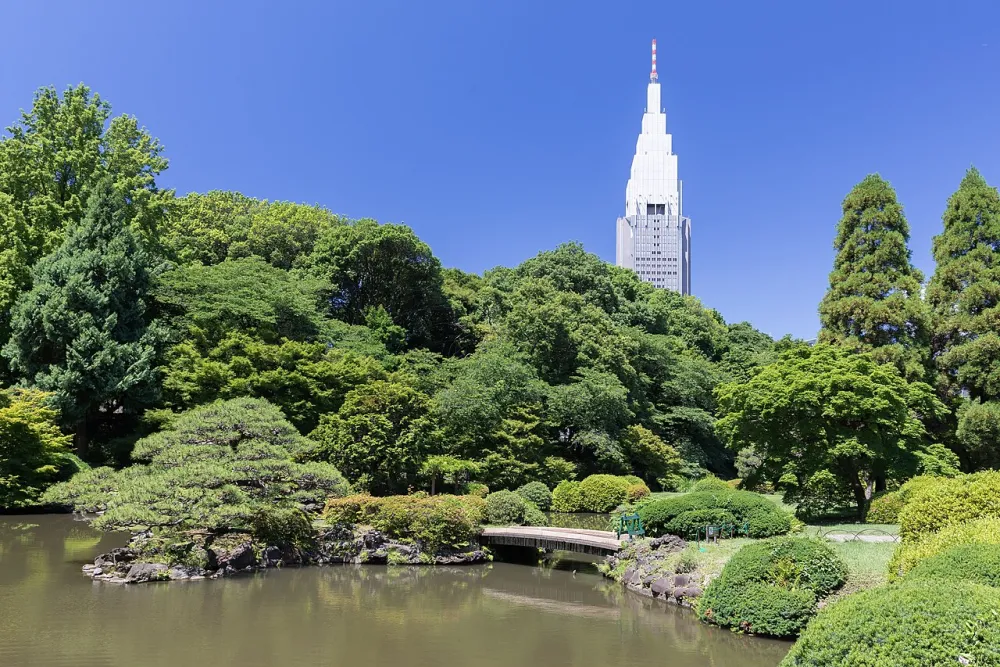
Choose your gate together with where you want to go afterward. Leaving on the Shinjuku side makes afternoon shopping easier. If the plan is simply blossoms, lunch, and a rest at your hotel, choose the easiest gate for the journey both ways; there is no need to cross the entire garden. Open the garden map and mark one garden area, a place to rest, and your exit. Stay longer if the flowers are good, and use the same small loop to leave if you get tired.
Compared with a riverside route, the garden makes it easier to include seated breaks in your blossom viewing. Walk a little after entering, then rest on a lawn or seat where the garden permits it before seeing the next group of trees. Bring picnic portions that are easy to share and clean up, with a trash bag already in your backpack. Carrying a whole day’s food around the entire garden takes more effort than you might expect. If everyone wants hot food, having the main meal after leaving is simpler.
The Shinjuku Gyoen cherry blossom guide lists about 900 trees in around 70 varieties, which bloom in succession. Somei-yoshino usually flowers in late March, while the double-flowered yaezakura are generally at their best in mid-April. If you arrive in Tokyo later, check the garden’s current reports by variety before deciding to go. Treat yaezakura as a different blossom display and choose your path for the varieties flowering that day, instead of following a single photo of Somei-yoshino at full bloom.
According to the general admission information available in October 2026, admission is ¥500 for adults and ¥250 for visitors aged 65 and over and students in high school or above; junior high school students and younger enter free. General hours from March 15 through September 30 are 9:00–18:00, with last entry at 17:30, and there are further extended hours from June 11 through July 31. The garden is generally closed on Mondays; when Monday is a national holiday, the closure moves to the next weekday. It opens every day from March 25 through April 24. Advance reservations may apply on busy blossom days. The announcement for your travel year will list the dates and how to obtain a reservation. Once you have a time slot, make it the first fixed point of that day.
The garden rules prohibit bringing in alcohol and drones, using open flames, climbing trees, and breaking flowers or branches. They also restrict prolonged occupation of seating and lawns. Save meals with alcoholic drinks for after your visit, and use the garden for blossoms and simple food. Regular spring closing times and separately ticketed night events are different arrangements. With a daytime admission ticket, plan lunch, your walk, and your exit around the daytime visit.
Arriving early or late in the season: plan around the varieties in bloom
Outside the main Somei-yoshino season, first decide whether you want a continuous avenue of flowers or to appreciate a few trees that are currently blooming. The Ministry of the Environment’s Shinjuku Gyoen guide puts the usual viewing period for early kanzakura from February to early March, with later varieties continuing through the latter part of spring. The garden is especially useful if you want to learn about flower shapes, colors, and varieties. Read the current tree information, mark the areas in bloom, and allow time to sit and look closely.
If you want dense branches spanning a river, save the riverside for a day when local bloom conditions suit that view. In the days before then, visit the neighborhoods, exhibitions, and restaurants you already wanted to see. Different preferences within a group can also fit: spend one morning on a few garden varieties and keep a shorter waterside walk for another day. That way the entire trip does not depend on one particular picture.
Nakameguro: walk one stretch of river, then sit down for a meal
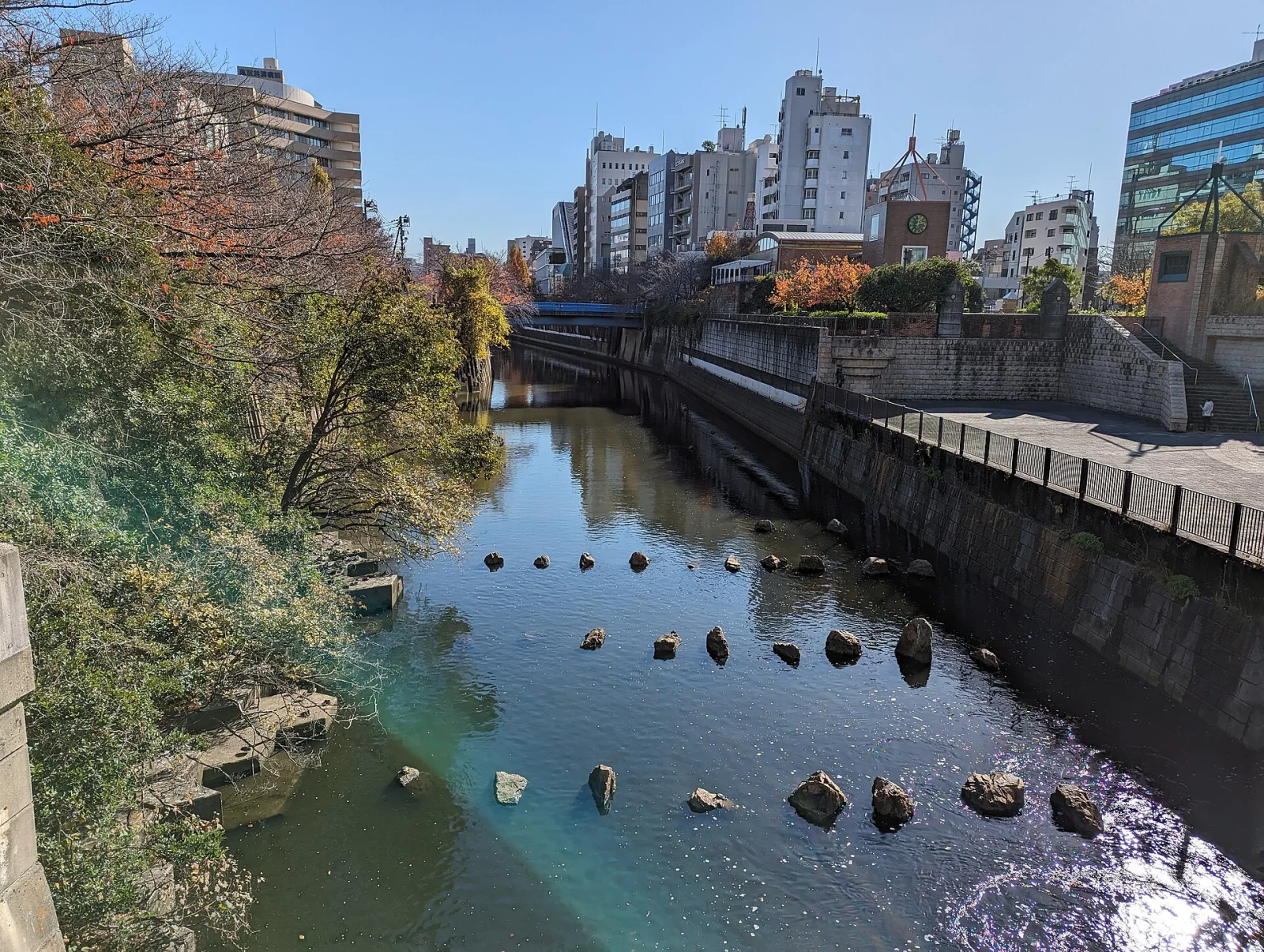
You can approach the Meguro River from Nakameguro or from Meguro. For a narrower river with overlapping branches, start by looking at the stretch upstream from Nakameguro. For more open paths and river views, consider going downstream. Choose one stretch first so you know where to eat lunch and whether to return to Nakameguro or leave from another station. Putting the entire river on your route often turns the final stretch into a rush.
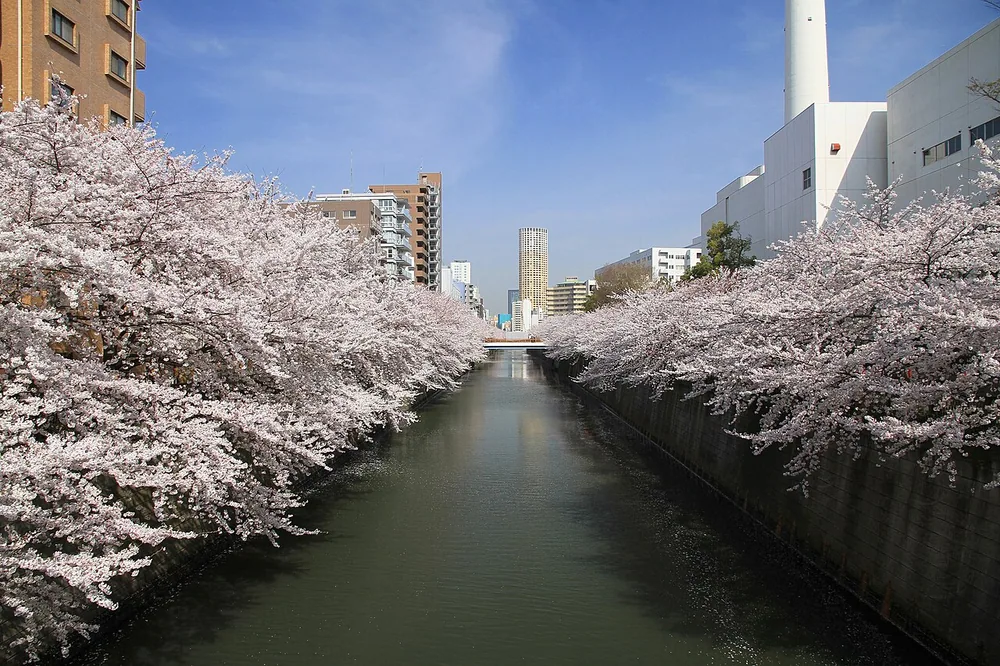
The 2026 cherry blossom map produced jointly by the Meguro and Shinagawa tourism associations divides the river into Nakameguro, Meguro, and downstream sections, with bridges, walking directions, and blossom-viewing rules. On arrival, get your bearings by the river and follow the designated direction. If your preferred bridge is crowded, continue to the next stretch rather than stopping in the path to unfold a map. For a group photo, find somewhere you can step aside without blocking anyone.
This route is easier with your hands free. Food, drinks, and shopping bags make narrow riverside paths harder to use. Eat before the walk or sit down in a restaurant afterward so you can keep pace with your companions. If you spot a shop you like, save its location and return through the neighborhood after the main river stretch. Give the blossoms and shops their own time so some people are not constantly waiting for photos and others for shopping, leaving everyone tired before a meal.
Walking upstream from Nakameguro, aim for a stretch of river you enjoy, then turn into ordinary streets to return to Nakameguro or follow the map out toward Ikejiri-ohashi. Choose how to finish before reaching the river so you do not have to push back through the crowd to the same popular bridge. For a short walk before dinner, returning to Nakameguro is easier to time. Using different stations at each end makes sense if you already want to explore another area.
Downstream, compare short stretches around Meguro, Gotanda, or Osaki. Each station serves a different part of the river, so choose according to your hotel and restaurant plans that day. If you prefer wider water and paths, make the middle or lower reaches the main outing; there is no need to stop at Nakameguro first just to tick it off. Use the bridges as landmarks. Save the names of two nearby bridges so you can tell which side of the river you are on when you arrive.
JR East’s walking directions from Meguro Station go down Gonnosuke-zaka to the river. With older travelers, include the return to the station in your energy budget. After descending, identify the way out so you can leave directly when someone is tired, instead of automatically adding one more bridge. If dinner is near another station, choose the least tiring connection. After a long blossom walk, a short ride often suits the group better than insisting on walking to the end of the river.
Kichijoji and Inokashira Park: a full day for the pond and neighborhood
Inokashira Park works well if you already want to visit Kichijoji. Walk from the station to the pond in the morning, see the blossoms along one stretch of water, then return toward the station for lunch. Spend the afternoon in shopping streets, independent stores, or a café, giving the park and neighborhood their own parts of the day. If you are staying on the Shinjuku or Shibuya side, compare the rail routes that suit you. If your eastern Tokyo itinerary is already full, keep your blossom viewing in the east and leave Kichijoji for another trip.
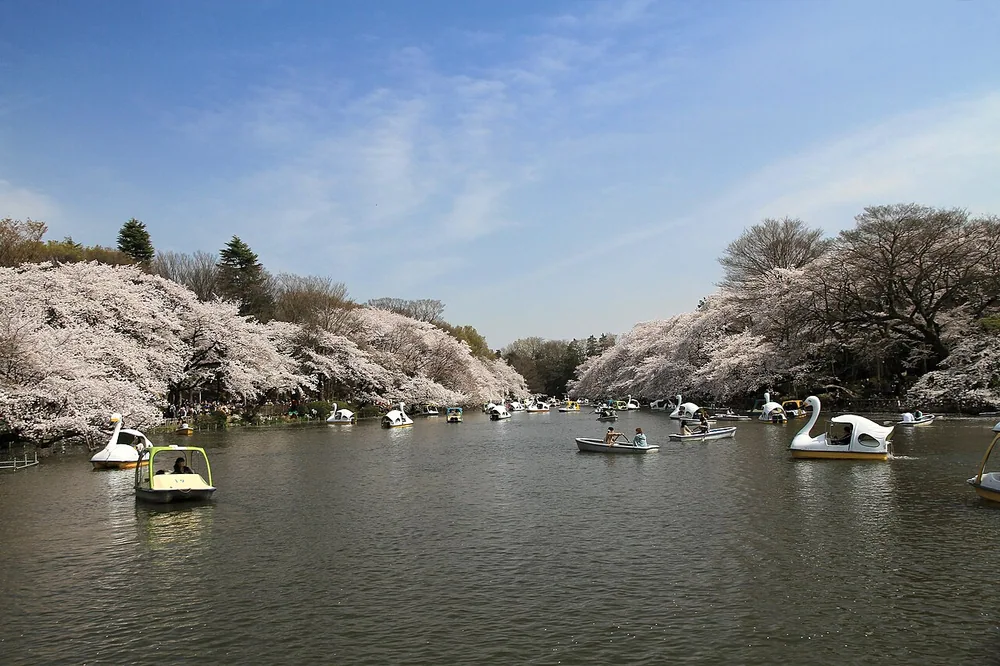
The Tokyo Metropolitan Government’s park access information lists a walk of about 5 minutes from Kichijoji Station or about 1 minute from Keio’s Inokashira-koen Station. Those take you to the park; allow more time for whichever part of the pond you want to reach. For a walk using different stations, start on the Inokashira-koen Station side and follow your chosen pondside route toward Kichijoji, with lunch and shopping near the station at the end.
Do not count on finding an empty seat beside the pond immediately. If you want a long seated break, have breakfast in the neighborhood before setting out, then take shorter breaks wherever space is available in the park. If the children want to see animals, Inokashira Park Zoo is a separate activity with admission tickets and opening hours, so give it some of the time otherwise reserved for shopping or blossoms. If you have booked the Ghibli Museum, use the entry time on your ticket as the anchor and fit the park walk into a suitable gap before or afterward.
Daytime or evening blossoms: choose the view you want
Daylight shows the shape of the trees, flower colors, and how the riverside fits into the neighborhood. It suits first visits, finding your way, and outings with children. For portraits, look for comfortable light and a place where you can step aside for a few photos before continuing. Chasing the same wall of pink everywhere can distract you from the backgrounds you may prefer: a pond, city skyline, or moat. Choosing the right setting is more useful than adding two more stops to the day.
For evening blossoms, use the illumination venues announced for that year. Save the event dates and start and end times, then plan your arrival and meal; do not wait until dark to discover that your chosen stretch of river has no event. Night photos on a phone take longer, so carry less, shoot handheld, and adjust the exposure before approaching the spot you want. If a crowd needs to pass, move on. The next open space is usually easier for sorting out your camera and meeting companions.
If you are only seeing blossoms at night, spend the afternoon shopping indoors or resting, have dinner early, and set out around dusk. After a long day of walking, choose one evening venue near your hotel or with a simple journey. You may want to photograph the blossoms in the best light at different times of day, but each extra session needs another meal and another rest break. Make the day comfortable first so you still have the energy to enjoy the final night view.
Only half a day: choose a route to suit your departure from Tokyo
If you are taking a Shinkansen or flight that afternoon, work backward from your luggage storage and departure station. A short morning park walk followed by lunch and collecting your bags already makes a complete blossom outing. Writing “leave the park at this time” is more useful than noting only the train departure. When that time comes during your photos, leave by the planned exit or return route, with no new decisions needed on the way back.
If you arrive in Tokyo in the morning but cannot check in until afternoon, store your bags and choose a short route near your hotel. Stay on the east side for accommodation in Ueno or Asakusa; for Shinjuku, make the garden an activity before getting into your room. Long flights can be tiring, and a seated meal and access to your room can be the main priorities that day. If the blossoms look good, come back for longer after resting overnight; you will usually enjoy them at a slower pace.
For a half-day together with different interests, set a shared endpoint, such as the lunch area or a recognizable station exit. Photography enthusiasts can linger during the first part, while anyone who wants to sit can leave earlier, then everyone meets at the agreed time. Choose a meeting place outside the crowd, rather than the middle of the bridge where everyone wants a photo. This also works for groups of friends, giving each person time for what they want to see.
Two blossom days: one by the water and one in a park
If you have two flexible days, separate a waterside day from a park day. An eastern Tokyo version could pair Ueno Park and a museum on the first day with Asakusa, the Sumida River, and a meal on the second. In the west, combine Shinjuku Gyoen with the Meguro River on another day. The spaces, ways to spend time, and backgrounds differ, and you can swap the days according to the rain. Choose the pairing you prefer, then add your original shopping and reservations so the blossom list does not take over the Tokyo trip.
Chidorigafuchi can replace one of those waterside half-days. For example, keep your morning shopping, go to Kudanshita after lunch, and leave toward Hanzomon after the greenway. Use the other day for a slower look at varieties in Shinjuku Gyoen. If Chidorigafuchi’s current blooms particularly appeal to you, save the better weather for it and move the shopping to a rainy day. This is a swap from the same base; you do not need to move hotels as well.
If both days include blossoms, note how the first day’s walking actually went: when your feet began to ache, whether the children needed a nap, and whether lunch involved a long wait. Shortening the second day on that basis is more useful than copying the first day’s pace. If the popular tree views have already satisfied you, choose a second outing with less standing and somewhere to sit and look. You do not need more stops to prove you have made the most of the season.
Count standing time and the return trip when judging walking distance
Older travelers, families with strollers, and wheelchair users need different things from a route. For someone who can walk only short distances, choose a route near an entrance or exit with an easy way back. With a stroller, check that paths, ramps, and rest stops connect. Wheelchair users should choose entrances using the actual step-free station route and park map. If a view requires crossing a bridge, making a detour, or standing for a long time, discuss it with your companions and make that part optional.
Plan restroom stops at arrival, lunch, and departure instead of looking only when the need arises. Go before joining a riverside crowd, drink water with your meal, and adjust the children’s clothing before returning to the station. Carry a layer you can add or remove, water, and essentials in a small backpack, and shop after the blossom walk. The fewer things that require opening your luggage in a crowd, the easier it is to keep a comfortable pace for everyone.
Shinjuku Gyoen allows a small loop with lawn breaks; the Sumida River can be a short walk on one bank; and Ueno lets you replace a long outdoor stretch with a museum. At Chidorigafuchi and Nakameguro, include the effort of moving slowly through crowds. Let that day’s condition guide you: shorten the walk after poor sleep, and extend it when the weather is pleasant and everyone has energy. A clear point where you can leave does not take away from the day’s blossoms.
Rain, wind, or fewer flowers than expected: change just one part
With light morning rain, first consider how long everyone wants to walk. If you enjoy wet city scenes, shorten the plan to one blossom stretch and an indoor lunch. If you get cold or your shoes soak easily, move the park to another day. Taking photos while holding an umbrella occupies both hands, so carry as little as possible. If the riverside wind is uncomfortable, leave the water and rest in the neighborhood. Reaching the end of a route is not worth spending the rest of the day in wet shoes.
If the flowers differ from what you expected, keep the things that already make the area worthwhile. In Ueno, visit the museum you chose; in Asakusa, keep the temple and lunch; in Shinjuku, keep your neighborhood shopping; in Kichijoji, enjoy the pond and shopping streets. On the Meguro River, make it a shorter walk followed by a place where you want to sit. Each area serves other purposes in the city, so you can still have a good half-day with less blossom time.
If recent photos from one other spot are especially tempting, calculate what changing areas would remove. If both of you are happy to skip a shopping mall, switching to another river is easy. If the family has a restaurant reservation and needs a nap, keep the blossoms nearby. Changing only one half-day preserves the rest of your transport and meal plans while giving the part you most want to see enough time.
Accommodation and rail tickets: pay for convenience you use every day
For cherry blossom season, start with the convenience of staying in one place: can you leave in the morning with fewer transfers, eat on the way back after an evening visit, and return to your room when it rains? A place you will visit once usually does not justify extra travel every other day. If both blossom days will be in the west, compare Shinjuku, Shibuya, or other addresses close to the lines you need. For two eastern days, shortlist accommodation around Ueno and Asakusa.
Compare the total cost of the full stay and cancellation terms, and write down the cost of changing dates that you can accept. Keeping a flexible blossom half-day is usually easier than changing hotels at short notice to follow the flowers. If you have already planned travel outside Tokyo, first handle changes in Tokyo’s blooms by swapping half-days within the city. Following flowers to another city means buying tickets again, moving bags, and dealing with accommodation; it should be another part of the trip you wanted to make anyway.
Calculate rail costs from the journeys you will actually take. If you are visiting one park and returning to your hotel, start with the fares there and back. If two activities use JR, Tokyo Metro, or another private railway, separate the operators before choosing a pass. The guide to choosing Japan rail tickets and passes can help organize this. Adding rides just to use a pass fully can break up what was meant to be a relaxed blossom day.
Before leaving, save one route you can follow
Save your chosen half-day as four points: the arrival station and exit, the start of the blossom walk, the meal or rest area, and the departure station. Then read that year’s park opening and crowd-management notices. If you have a reservation, keep its confirmation accessible offline. Give your companions the endpoint and meeting arrangements too, so everyone can head in the same direction if separated, instead of searching repeatedly around a crowded entrance.
The day before, look again at recent destination photos and their update dates, then choose the next day’s main route. In the morning, check the weather, clothing, and how your feet feel, and move the endpoint closer if needed. Once you arrive, give yourself some time without looking up the next attraction: watch the water from one bank, find a tree you like, or sit down to finish your food. When the walk is over, leave through the exit you saved and go for that meal.
A few useful answers
Do I need to visit Ueno, Chidorigafuchi, and the Meguro River on the same day?
Start with one half-day of blossom viewing and add an evening if you have the energy. These three places are in different areas, and transfers and meals break up your time there. Over two days, choose a park and a waterside walk for more variety in the views and ways to rest.
Where should I look first if I arrive in Tokyo in mid-April?
Read Shinjuku Gyoen’s current bloom and variety reports first. Its double-flowered yaezakura usually bloom later; the Ministry of the Environment generally places their viewing period in mid-April. Choose a garden route for the varieties flowering at the time, then plan your admission time.
Which blossom routes are easy to shorten with children?
Walk a small loop and rest in Shinjuku Gyoen, add a museum after the blossoms in Ueno, or stay on one bank of the Sumida River. Save restrooms, lunch, and your departure station first, then extend the walk according to how the children are doing. At Nakameguro and Chidorigafuchi, allow for standing time in the crowds.
Can I plan evening blossom viewing from the previous year’s announcement?
Use the previous year’s information to understand venue locations. For lighting dates, hours, reservations, and walking routes, use the organizer’s announcement for your travel year. Keep an evening flexible when booking accommodation, then add dinner and the return journey once that year’s event is announced.
Official information and references
Sources used in this guide.
- Japan Meteorological Agency: definitions of flowering, full bloom, and observation trees
- Tokyo Metropolitan Government: Ueno Park visitor information
- Taito City: Sumida Park cherry blossom information and update dates
- Tokyo Metropolitan Bureau of Transportation: cherry blossom spots along its lines
- Chiyoda City: Chidorigafuchi Greenway and access
- Chiyoda Tourism Association: cherry blossom FAQ
- Ministry of the Environment: Shinjuku Gyoen access and its three gates
- Ministry of the Environment: cherry blossom varieties in Shinjuku Gyoen
- Ministry of the Environment: Shinjuku Gyoen general admission information
- Ministry of the Environment: Shinjuku Gyoen rules
- Meguro and Shinagawa tourism associations: 2026 cherry blossom area and etiquette map
- Tokyo Metropolitan Government: Inokashira Park access
- JR East: the downhill walking route from JR Meguro Station to the Meguro River
- Tokyo Zoological Park Society: Inokashira Park Zoo hours and tickets
- Ghibli Museum, Mitaka: reservations for a specified date and time
- Ministry of the Environment: Shinjuku Gyoen admission information in Japanese and student admission rules