How to choose where to stay in Nakameguro: compare 4 hotels across Meguro River Aobadai, Higashiyama, Yutenji, and Ebisu, plus station exits, cherry blossom booking tips, and Tokyo's 2027 accommodation tax.
- Region & Focus
- TokyoHotels and stays
- Reading Scope
- 21 min read · 8 chapters · 9 Q&As
- Official Verification
- 39 official sources checkedUpdated November 22, 2026
- Key Topics
- Where to stayBookingNeighborhoods
Chapter Route Map (tap any stop)
- Pin Nakameguro Station on the Map Before You Search
- Four Hotels Across Aobadai, Higashiyama, Yutenji, and Ebisu
- Where the Toyoko Line and Hibiya Line Actually Go
- Arrival Logistics With Luggage: Exits, Storage, and Late Check-In
- Planning Stays and Viewing Routes for Cherry Blossom Season
- Comparing Rates: Accommodation Tax, Beds, and Extended-Stay Rules
- Choosing Your Walk Back: Riverbank, Daikanyama, or Ebisu
- Early Morning Flights on Your Final Night: Time Back to the Terminal
- Quick Q&A
Choosing where to stay in Nakameguro starts with which train line you will ride most. If you want Daikanyama or Shibuya by day and an easy walk home at night, stay between Nakameguro Station and the Meguro River. For early-morning riverside walks, look upstream in Aobadai. If you prefer a quieter residential hill slightly away from the station, consider KKR Hotel Nakameguro in Higashiyama. Families needing an in-room washer-dryer and kitchen for longer stays will find clearly equipped rooms one stop south in Yutenji, while travelers relying heavily on JR lines save a transfer every day by basing in Ebisu.
Pin Nakameguro Station on the Map Before You Search
Typing "Meguro" into a booking site pulls up properties clustered around Meguro Station, Nakameguro Station, and Yutenji all at once. If you want the Tokyo Metro Hibiya Line and easy access to the river, search specifically for "Nakameguro Station" and drop a pin at each hotel's actual entrance. The Meguro River stretches a long way in both directions, so simply being "near the river" is only half the check. Trace the walk backward from the hotel door: which bridge, which traffic light, and which station ticket gate does it feed into? The closer your hotel sits to your daily route, the more value you get from staying by the water.
Nakameguro Station's Front Gate connects to East Exit 1 and West Exit 1, while the South Gate connects to East Exit 2 and West Exit 2. Tokyu's station map places these exits alongside Yamate-dori so you can orient yourself at a glance. On your first arrival, head through the Front Gate if you are bound for the main avenue or upstream toward Aobadai. If you are staying in the Kamimeguro lanes south of the tracks, check which side of the South Gate puts you closer to your street address. Translate any listing's "minutes from Nakameguro Station" into the real path from the station elevator to the lobby door, especially if you are pushing a stroller or rolling large suitcases.
Evaluating a riverside stay comes down to two separate questions. First, check which bank the entrance sits on so you know whether coming home adds an extra bridge crossing. Second, verify which way your room window actually faces. Listing photos taken from a shared corridor, rooftop, or nearby bridge only tell you about the neighborhood, not your room. If sitting indoors with a river view matters to you, ask the property by exact room category about window orientation, floor assignment, and whether another building blocks the view. If the hotel only accepts floor requests without guarantees, judge the location by how pleasant the street-level walk feels instead.
If you mostly plan to use the river as a quiet stretch on your walk home after dinner in Shibuya or an evening museum visit in Roppongi, the street crossing in front of the station matters more than the window view. Side-street entrances sometimes sit on the flank of an apartment block, and buildings along Yamate-dori may separate hotel doors from ground-floor storefronts. Save the Japanese street address, an entrance photo, and the hotel's phone number to your phone before landing so you can find the door cleanly on night one, then explore shortcuts the next day.
| Trip focus | Best area to target | Key map anchor |
|---|---|---|
| Hibiya Line to Roppongi, Ginza, or Ueno | Around Nakameguro Station | H01 Nakameguro Station |
| Residential hillside stay with a shared bathhouse | Higashiyama | Nakameguro Front Gate and hotel shuttle stop |
| Upstream walks and Den-en-toshi Line access | Aobadai and Ikejiri-ohashi | Hotel entrance and Ikejiri-ohashi Station |
| Multi-night stays, laundry, and light in-room cooking | Yutenji | TY04 Yutenji Station |
| Frequent JR rides and heavier luggage | Around Ebisu Station | JR Ebisu West Exit and Hibiya Line exits |
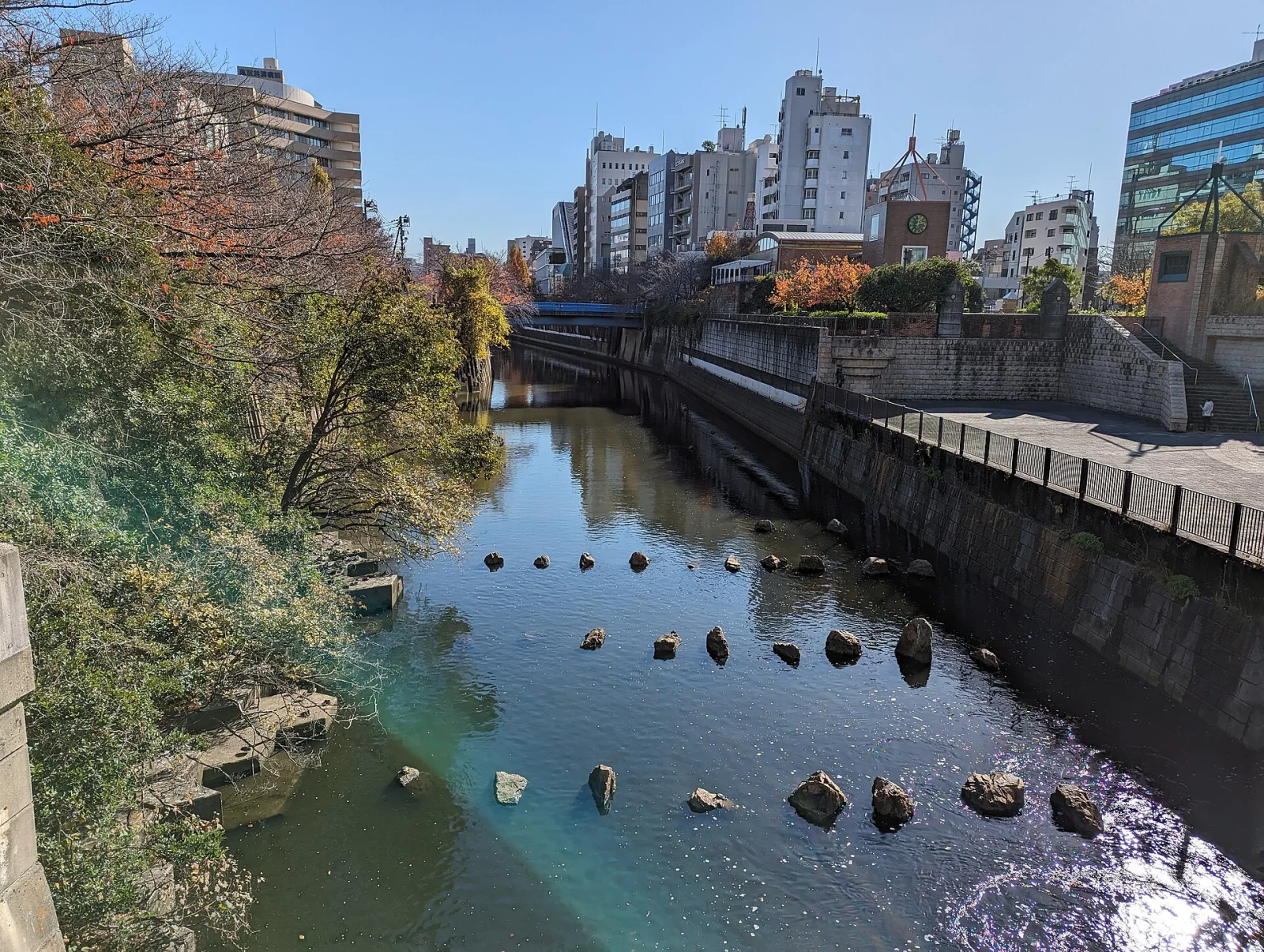
How to choose where to stay in Nakameguro: compare 4 hotels across Meguro River Aobadai, Higashiyama, Yutenji, and Ebisu, plus station exits, cherry blossom booking tips, and Tokyo's 2027 accommodation tax.
Four Hotels Across Aobadai, Higashiyama, Yutenji, and Ebisu
Walking upstream along the Meguro River takes you toward Aobadai and Ikejiri-ohashi, while heading downstream leads to the Jakuzure River confluence, Funairiba, and Nakameguro Park. First-time visitors often assume every stretch of the river feels the same. Staying in Aobadai between Nakameguro and Ikejiri-ohashi gives you two distinct rail options. Dormy Inn EXPRESS Meguro Aobadai, for example, lists a 10-minute walk from Nakameguro Station and an 8-minute walk from Ikejiri-ohashi Station. You can ride the Hibiya Line back to Nakameguro or catch the Tokyu Den-en-toshi Line from Ikejiri-ohashi to Shibuya, so it is worth saving both walking routes on your map.
Dormy Inn EXPRESS Meguro Aobadai equips its Superior Twin and Triple rooms with in-room washer-dryers. Its public bathhouse runs split hours by gender: 15:00-20:00 for women and 20:30-10:00 the next morning for men. If you are returning from a gallery visit in Roppongi, you can fit in a soak before heading out for dinner. The private-reservation cypress bath opens for booking at 14:00 the same day for 40-minute slots, operating until 1:00 AM. If you arrive late or your travel companions keep different sleep and shower schedules, choosing the right bed setup and private bathroom beats relying on lobby photos.
Note that from October 26, 2026 to January 29, 2027, Dormy Inn EXPRESS Meguro Aobadai has scheduled maintenance work on rooftop equipment and around the first floor on weekdays from 11:00 to 15:00, pausing on Saturdays, Sundays, and Japanese national holidays. If you plan to take midday calls, nap, or stay indoors with a toddler during those hours, plan outings for early afternoon or pick another property.
Staying in Higashiyama uses Nakameguro Station in a different way. KKR Hotel Nakameguro sits on higher residential ground in Higashiyama 1-chome, listed as a 13-minute walk from Nakameguro Station. On weekday mornings, build that uphill-and-downhill walk into your subway departure time. The hotel runs a shuttle departing Nakameguro Station every 30 minutes from 15:00 to 22:00, except Sundays and Mondays when it does not operate, and there is no morning service. Treat the shuttle as an arrival convenience only; for early checkouts, walk or call a taxi.
The shuttle pickup is outside the station. Exit Nakameguro Station via the Front Gate, stay on the same side of the street, and walk right about 100 meters to the stop near the Meguro Ginza Shopping Street sign; the hotel posts a street-corner reference photo you can save ahead of time. Regular travelers should book through the "General Public" portal on the official website. Its 9.1-square-meter Single Out-Bath rooms include a sink and toilet but use the shared bathhouse, while en-suite single rooms are also available. The shared bathhouse on the annex first floor is open 15:00-24:00 and 6:00-9:00, and requires bringing towels from your room. If you want to shower whenever you like or wash up after midnight packing, book a room with a private bath.
If you need a kitchen, look one stop south on the Toyoko Line. Tokyu Stay Meguro Yutenji sits in Yutenji 2-chome, roughly a 3-minute walk from Yutenji Station's Central Gate East Exit 1. On the official site, the 18-square-meter Standard Double is listed for one guest with a microwave, whereas the 20-square-meter Comfort Double accommodates two guests and adds a minikitchen and washer-dryer alongside the microwave. The 25-square-meter Superior Twin sleeps up to four with the same appliances, assigned in either Western or Japanese-Western style by the hotel. Factor in floor space for opening suitcases or using a baby tub before locking in a room size.
From Yutenji, a Local train on the Toyoko Line reaches Nakameguro in one stop, where you transfer to the Hibiya Line for Roppongi or Tsukiji. On arrival and departure days with luggage, Yutenji gives you a much shorter walk from station to lobby, at the cost of one extra Toyoko Line stop whenever your itinerary relies on the Hibiya Line. On a four-night stay with only one day in Ginza, having an in-room washer and minikitchen often outweighs a single transfer; if you are riding the Hibiya Line all four days, prioritize walking distance to Nakameguro Station.
Travelers making frequent JR trips should look directly at Ebisu. Opened in March 2026, Tokyu Stay Shibuya Ebisu sits a 1-minute walk from the Hibiya Line exit at Ebisu Station. Its 13-square-meter Comfort Double sleeps two, while washer-dryers start with the 17-square-meter Superior Queen. The 26-square-meter Deluxe Twin sleeps three using a pull-out trundle bed, and the 38-square-meter Family Room sleeps four with a sofa bed; both include a washer-dryer and minikitchen. Because Ebisu is just one Hibiya Line stop from Nakameguro, you can stay in Ebisu and still dine or walk the cherry blossom stretch along the Meguro River.
If your itinerary already includes dinners in Ebisu or multiple trips through Shinagawa, staying in Ebisu trims a daily subway leg. If you only plan one meal in Ebisu and want to stroll home along the Meguro River most nights, Nakameguro is the better fit. When comparing rates across both areas, check the exact same dates, bed configuration, and cancellation terms—both neighborhoods list "double" rooms that may mean one bed or two, so confirm the floor plan before comparing prices.
Where the Toyoko Line and Hibiya Line Actually Go
Heading toward Shibuya on the Tokyu Toyoko Line, Local trains stop first at Daikanyama, making Shibuya two stops away. Express, Commuter Limited Express, and Limited Express trains bypass Daikanyama and reach Shibuya in one stop. Anytime you are headed to Yutenji to the south or Daikanyama to the north, make sure you board a Local train. If you are taking the line toward Yokohama, check the final destination: south of Hiyoshi, trains split between Yokohama and Shin-Yokohama routes. For Yokohama Station, Minatomirai, or Motomachi-Chukagai, choose a train bound for Yokohama for a direct ride without a transfer.
Nakameguro is the western terminus of the Tokyo Metro Hibiya Line. Heading toward Kita-Senju, the first stop is Ebisu, followed by Hiroo, Roppongi, Hibiya, Ginza, Higashi-Ginza, Tsukiji, and Ueno. You can string together an afternoon exhibition in Roppongi and dinner in Ginza on a single line without changing trains. Reaching Asakusa usually requires one more transfer, so check your specific stop before picking a transfer station. If you want a base with near-daily direct access to eastern Tokyo, test your daily first stops against our Tokyo neighborhoods and transit guide.
Because the Toyoko Line and Hibiya Line are operated by different companies, cross-line trips affect pass coverage. The Tokyo Subway Ticket covers Tokyo Metro and Toei Subway lines—useful for rides from Nakameguro to Roppongi, Ginza, and Ueno—but Toyoko Line rides to Daikanyama, Shibuya, or Yutenji are billed separately. Both paper and QR versions come in 24-, 48-, and 72-hour passes activated at first use. Add up your single subway fares before buying; the pass makes sense if you are riding toward Roppongi and eastern Tokyo every day, whereas itineraries split between Shibuya and Yokohama are simpler with a standard IC transit card.
If you use the QR version of the subway pass at Nakameguro Station, look for a station attendant at the ticket gate. Tokyo Metro's QR boarding guidelines list Nakameguro as a station requiring staff assistance. When transferring between the Hibiya Line and Toyoko Line, keep your QR pass screen and IC card ready separately, tell the attendant at the gate where you started and where you are headed, and settle the Tokyu fare segment there.
Both lines share one elevated station and unified ticket gates, though platform transfers differ by direction. Tokyu's 3D station diagram places the Shibuya-bound Toyoko Line and Kita-Senju-bound Hibiya Line on opposite sides of the same island platform. Arriving from Shibuya drops you at a different island platform, so follow the overhead transfer and elevator signs before crossing over. Returning to Nakameguro on the Hibiya Line also uses Track 2, marked as an alighting-only platform—meaning your inbound and outbound walks to the same street exit can still differ.
If your group splits up and plans to meet at Nakameguro Station, name a specific exit outside one ticket gate. Saying just "Nakameguro East Exit" leaves both East Exit 1 and East Exit 2, and anyone detoured by an elevator route ends up at a different corner. Before booking your hotel, take one screenshot showing your meetup spot, your primary train gate, and the hotel entrance together so everyone relies on the same three landmarks.
Arrival Logistics With Luggage: Exits, Storage, and Late Check-In
Tokyu lists elevators inside the ticket gates along with accessible restrooms. Follow the accessible route marked on the station map while transferring, then exit through the gate that matches your side of the street. If you step out a west exit only to realize your hotel sits across Yamate-dori, wait for a signalized crosswalk rather than hauling suitcases down stairs or narrow paths. Travelers with strollers or knee concerns should check Tokyo Metro's elevator outage page for their travel dates, and verify with the hotel that an elevator runs cleanly from street level to guest floors with enough door width.
On early-morning arrivals, dropping bags at your hotel first beats hunting for station lockers. Nakameguro Station has coin lockers outside the ticket gates beside the station shop, accepting IC transit cards only; Tokyu lists 5 large and 2 extra-large units. If several people in your party are rolling full-size hardshell suitcases, do not burn your morning waiting for an empty locker. Confirm your hotel's same-day drop-off hours, or if you booked a self-check-in apartment, verify whether luggage storage is at a separate building or limited to specific windows.
If you are coming from another hotel in Japan, pack smartly before shipping bags ahead. According to Tokyu Stay's official policy, guests can leave luggage at the front desk before check-in or through the end of their checkout day, keeping valuables and fragile items with themselves. When forwarding suitcases from a previous hotel to Tokyu Stay in Yutenji or Ebisu, write the exact reservation name and check-in date on the waybill so staff can match the shipment. Tokyu Stay also asks guests arriving after 22:00 to notify the front desk; unannounced arrivals past midnight may have their bookings canceled, so message the hotel before boarding a late flight even if your bags are already there.
Most late-arrival hiccups happen right at the front door. At 24-hour staffed hotels, enter your estimated arrival time and phone number when booking. For self-check-in properties, access codes arrive via email or booking platform messages—if your flight is delayed, send an updated ETA and save the Japanese street number, lock instructions, and support contact offline before boarding. In mixed residential or commercial buildings, follow the host's entrance diagram instead of buzzing random intercoms. If companions arrive on separate flights, give the reservation number and check-in procedure to whoever lands first so both halves can settle in independently.
On days when you switch hotels, store your bags in the direction of your next move. If you are coming from western Tokyo in the morning, browsing Daikanyama at midday, and sleeping in Ebisu that night, drop your suitcases in Ebisu first rather than stashing them at Nakameguro and backtracking before lockers or desks close. Knowing your exact departure station and hotel door lets you weigh whether a modest room-rate saving is worth an extra transit leg or storage trip.
Planning Stays and Viewing Routes for Cherry Blossom Season
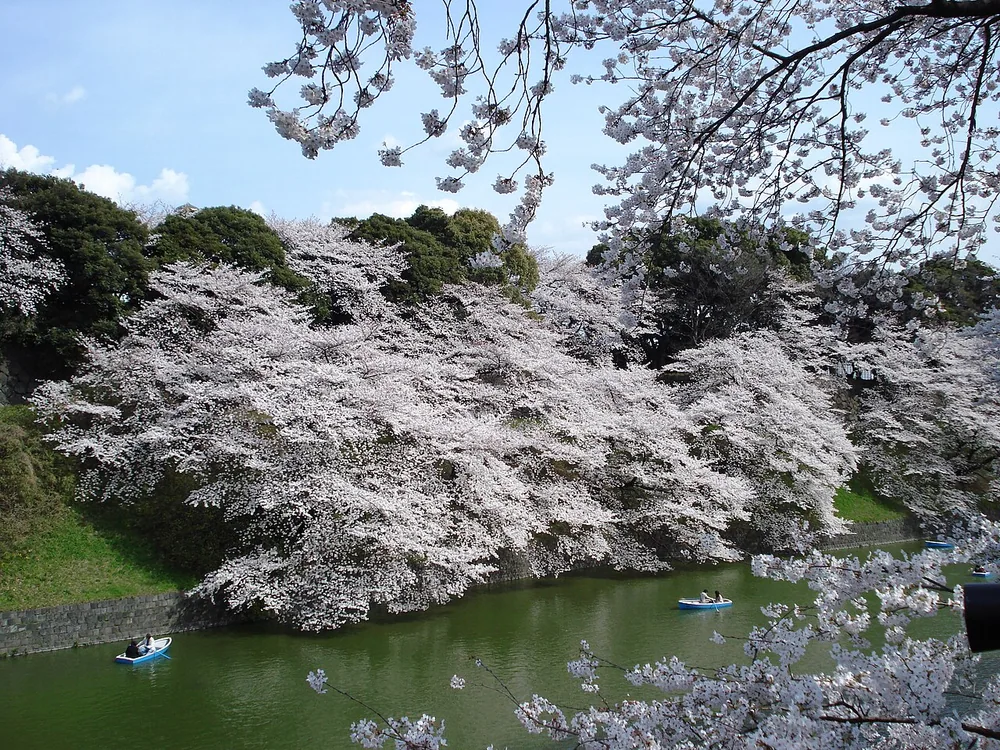
The Meguro River invites casual wandering most of the year, but peak cherry blossom days follow strict crowd rules. In 2026, Meguro City advised visitors leaving Nakameguro Station for the riverbank to follow one-way pedestrian routing when guided by staff and not to stop along the path. City officials also urged travelers to disperse via Ikejiri-ohashi or Meguro stations and schedule flower viewing in the morning. The intersection from Nakameguro Station to the first bridge bottlenecks commuters, arriving travelers, and photographers all at once—even on early arrivals, take main avenues straight to your hotel before strolling back out.
If you are staying overnight specifically to see the blossoms, dedicate the morning to the riverbanks and save Daikanyama for after lunch. If your group walks at different paces, pick a meetup point at a station facility away from the bridges rather than waiting inside moving crowds. Approaching from Ikejiri-ohashi puts you on the calmer upstream stretch, while walking downhill from Meguro Station along Meguro-dori to Meguro Shinbashi Bridge avoids Nakameguro's jammed station plaza altogether. Follow one-way controls where posted, and loop back to your hotel via parallel side streets.
In 2026, the Nakameguro Cherry Blossom Festival took place on March 28 and 29 at Goryuten Playground. Peak bloom, festival dates, and evening illuminations follow separate calendars, so lock in your hotel around firm travel dates first. For spring 2027, build your overall Tokyo schedule with one half-day carved out for the Meguro River, then confirm night-walk details from the local shopping association and Meguro City's seasonal notices. Even if only rooms across a main avenue remain available, you can walk to the river in minutes without switching hotels mid-trip.
Bloom timing and hotel cancellation deadlines run on two separate clocks. Book a location you genuinely want to stay in, and write down the free-cancellation date, the exact cutoff time in JST, and which nights incur penalties if missed. Only shift dates across adjacent weekdays or weeks if your flights are flexible—and compare the full cost together. Saving on a room rate rarely helps if rebooking trains or giving up early luggage drop-off undercuts the rest of your day.
If you stay in Yutenji or Ebisu and only plan one blossom walk, keep a single multi-night booking and ride one stop into Nakameguro in the morning. Leave your suitcases parked; if rain or wind strips the petals early, pivot that half-day to Roppongi or Ebisu without repacking. If the Meguro River is your group's main priority, choose a property accessible via non-riverside streets so heavy foot traffic does not delay dinner or bedtime. For pairing Nakameguro with other viewing districts, see our Tokyo cherry blossom routes by neighborhood.
Comparing Rates: Accommodation Tax, Beds, and Extended-Stay Rules
Compare hotel options using the all-in tax-included total for the same occupancy, bed count, and cleaning fees. For two guests in one room, verify whether a platform quotes per room or per person. For a week-long stay with home breakfasts, make sure a "minikitchen" actually includes an induction cooktop and cookware rather than just a microwave meant for convenience-store bento. For four guests sharing one room, check whether opening extra beds still leaves room to open the entry door and reach the bathroom, and price out two double rooms side by side as a sanity check.
Tokyo's accommodation tax changes on April 1, 2027. According to the Tokyo Metropolitan Government Bureau of Taxation, stays through March 31, 2027 at hotels and ryokan are taxed per person, per night: exempt under ¥10,000, ¥100 from ¥10,000 to ¥14,999, and ¥200 at ¥15,000 or more. Starting April 1, 2027, a flat 3% tax applies when the lodging fee reaches ¥13,000 per person, per night, and expands to cover simple lodging facilities as well as licensed Minpaku and Special Zone Minpaku. Note that many properties collect this tax separately at check-in on top of prepaid booking totals.
Here is how the math shifts: suppose two guests share a room with a taxable room-only rate of ¥28,000 per night, or ¥14,000 per person. At an applicable hotel or ryokan, the night of March 31, 2027 incurs ¥200 total in accommodation tax (¥100 × 2), while the night of April 1 incurs ¥840 total (¥420 × 2). If breakfast is bundled into the rate, separate meal charges from the lodging fee before estimating tax. On bookings spanning the April 1 changeover, each night is taxed according to its own date and nightly rate.
Weekday extended stays also hinge on property licensing. Meguro City's Private Lodging Business Act ordinance bars registered Minpaku rentals from operating between noon on Sunday and noon on Friday, and the ward publishes its official registry online. Before booking a full apartment from Tuesday through Saturday, verify its license type. If you need a kitchen across weekdays, start with hotel-licensed properties that specify cooking appliances, such as the Comfort Double at Tokyu Stay Meguro Yutenji. If you book a residential rental for Friday and Saturday nights only, save the manager's contact info, trash sorting rules, and checkout steps early.
In-room laundry cuts down on packing, while housekeeping rules dictate how comfortable a longer stay feels. Tokyu Stay Meguro Yutenji lists light multi-night housekeeping on request: hang the door tag to receive fresh towels, bath mats, loungewear, and trash pickup, with full room cleaning once every seven nights. Before stocking up on groceries for a kitchen room, check refrigerator size, available pots and pans, and in-room trash storage. Those practical details decide daily comfort far better than generic "apartment-style" search filters.
Even if you arrive early, hold off on buying a full week of groceries on trip one. Tokyu Store Nakameguro Main Store sits right in Kamimeguro 1-chome, making it easy for station-area guests to grab water, next-day breakfast, and kid snacks first, then restock once they see how much fits in the fridge. If you are staying in Aobadai or Yutenji, pick a grocery stop along your daily walk back from the station. On a rainy evening, juggling an umbrella and one shopping bag is plenty—leave heavy staples for later nights.
Choosing Your Walk Back: Riverbank, Daikanyama, or Ebisu
Walking upstream from Nakameguro Station takes you into Aobadai, where you can turn back at your convenience or exit via Ikejiri-ohashi Station. Footbridges and narrow lanes line both sides, so pick the bridge nearest your hotel as your turnaround marker. If one person wants to keep walking while another heads back early, agreeing on that bridge lets you split up easily. With kids, save longer stops for the downstream stretch: Meguro City's riverside route passes the Jakuzure River confluence and Funairiba on the way to Nakameguro Park, whose lawns and flower beds sit roughly a 12-minute walk from the station.
If you want to walk all the way from Nakameguro to JR Meguro Station, follow Meguro City's official Green Walking Course. The full published loop takes about 80 minutes via Shogakuji Temple, Chayazaka Slope, and Gonnosukezaka Slope, and you can shorten sections depending on your group's stamina. Note that the final approach climbs up from the river level to Meguro Station, so save the steeper stretch for when you are not pushing a stroller or hauling bags. For an easy neighborhood stroll, turning back at Nakameguro Park leaves plenty of time to revisit the river across multiple mornings.
Daikanyama works best in the first half of the day. Walking up from the river involves a noticeable slope, so save your energy for browsing by riding one Local stop on the Toyoko Line from Nakameguro to Daikanyama, then walking gradually downhill back toward the river. Tokyu's walking map lists roughly 700 meters (9 minutes) between Daikanyama and Nakameguro stations, and 800 meters (10 minutes) between Daikanyama and Ebisu stations—remember to add the walk between your hotel and the station when carrying shopping bags. Daikanyama T-Site sits a 5-minute walk from Daikanyama Station; the bookstore opens 9:00-22:00 while its in-store Starbucks opens at 7:00, ideal for an early coffee before shops open. If you book lunch in Ebisu, check the restaurant's exact pin first—walking times differ noticeably between spots near Ebisu West Exit and Yebisu Garden Place.
For a rainy afternoon in Ebisu, head to the Tokyo Photographic Art Museum. The museum lists a 7-minute walk from JR Ebisu Station's East Exit and a 10-minute walk from the Hibiya Line exit, including a step-free indoor route. It normally closes on Mondays, or the next weekday if Monday is a national holiday, plus scheduled closures from December 28, 2026 to January 1, 2027 and from January 18 to February 4, 2027. If wet weather hits over New Year's, swap in open bookstores or shopping complexes instead. After dinner in Ebisu, riding the Hibiya Line one stop back beats navigating dark riverside slopes in the rain.
When you only have half a day on arrival, split the neighborhood across two mornings. Say you arrive at 14:00: drop bags, stroll downstream to Nakameguro Park, and return for check-in or dinner. The next morning, check the weather before deciding whether to climb up to Daikanyama or take the Hibiya Line straight to Ebisu for an exhibition. Guests staying in Aobadai can walk the quiet upstream stretch first thing in the morning toward Nakameguro Station before branching out elsewhere, avoiding repetitive back-and-forth along the same bank.
Treat light drizzle and heavy rain differently. In a steady drizzle, stick to the shortest street route to the station and swap riverside walks for indoor stops if you have a stroller. Meguro City maintains water-level alerts, live river cameras, and hazard maps online. If the ward issues an evacuation advisory, your hotel relays an alert, or river alarms sound, move away from the banks immediately and follow staff and official instructions. Guests concerned about ground-floor or basement access can cross-check their hotel's address on the ward's hazard map and ask the front desk about designated evacuation routes.
Early Morning Flights on Your Final Night: Time Back to the Terminal
A straightforward rail route from Nakameguro to Haneda Airport takes the Hibiya Line one stop to Ebisu, exits to transfer onto the JR Yamanote Line toward Meguro and Shinagawa, and switches at Shinagawa to a Keikyu train bound for Haneda Airport. Because the subway and JR lines run through separate gates at Ebisu, leave time for that transfer walk plus the platform switch at Shinagawa. Confirm whether your airline uses Haneda Terminal 3 or Terminals 1 & 2, as they sit at different stations, and add walking time from your hotel door to the platform and check-in counters on top of train ride time.
Staying your last night in Ebisu lets you board JR directly to Shinagawa and skip the initial subway hop, whereas staying in Yutenji means waiting for a Local Toyoko Line train first. For early departures, plug your travel date and target terminal arrival time into each rail operator's timetable to verify first-train connections. On very early flights, consider moving your final night to Shinagawa or near Haneda Airport: spend your last full day sightseeing from Nakameguro after checking out, leave bags in storage, and transfer to your airport-side hotel after dinner. Light travelers carrying only a backpack for a daytime flight can easily stay put in Nakameguro until departure.
To reach Narita Airport, ride the Hibiya Line straight to Ueno, exit the subway gates, and walk to Keisei Ueno Station for the Skyliner. Because the Skyliner requires reserved seats on all cars, build ticket pickup and the street-level or underground transfer walk into your buffer—especially if your hotel sits up a slope or companions need extra baggage check time at Narita. You can also plan one final meal near Ueno before walking over to Keisei Ueno. Compare transfer stations by terminal and luggage load in our Tokyo airport transit guide.
Run the exact same backward math for your arrival flight. If you land at night, check the last Hibiya Line and Toyoko Line departures after customs and baggage claim, then confirm your hotel's latest check-in hour. If your first night is strictly for sleeping, push your Nakameguro river walk to the next morning before starting two or three full days in the neighborhood. When traveling on separate flights with companions, agree on a firm airport departure cutoff time so delayed arrivals know whether to meet at the hotel or stay closer to the terminal.
A few useful answers
Should I stay near Nakameguro Station or in Aobadai?
If you plan to ride the Hibiya Line or Toyoko Line every day, prioritize a hotel within an easy walk of Nakameguro Station. If you prefer morning walks along the upper Meguro River or plan to use the Den-en-toshi Line, compare options in Aobadai. For example, Dormy Inn EXPRESS Meguro Aobadai lists a 10-minute walk from Nakameguro Station and an 8-minute walk from Ikejiri-ohashi Station.
What is the difference between Nakameguro Station and Meguro Station?
Nakameguro Station is served by the Tokyu Toyoko Line (TY03) and Tokyo Metro Hibiya Line (H01). Meguro Station is served by the JR Yamanote Line, Tokyu Meguro Line, Tokyo Metro Namboku Line, and Toei Mita Line. You can walk along the river between the two and then climb the slope to Meguro Station, though if you have luggage, stick to whichever station your hotel lists as closest.
Is Shibuya always one stop from Nakameguro?
Local trains on the Tokyu Toyoko Line stop at Daikanyama first before reaching Shibuya. Express, Commuter Limited Express, and Limited Express trains skip Daikanyama and reach Shibuya in one stop. Take a Local train if you are heading to Daikanyama or Yutenji.
Where should I stay nearby if I want an in-room washer-dryer and kitchen?
Tokyu Stay Meguro Yutenji, a 3-minute walk from Yutenji Station, equips its Comfort Double and Superior Twin rooms with a washer-dryer, minikitchen, and microwave. You can also compare Tokyu Stay Shibuya Ebisu, which includes a kitchen and washer-dryer in its triple and quadruple room types.
Do I have to stay right by Nakameguro Station during cherry blossom season?
If you want to step right out to see the blooms, stay near the riverbank in an area like Aobadai and plan your daytime viewing separately from your evening walk back. If cherry blossoms are only a half-day stop, staying in Yutenji or Ebisu works just as well. In 2026, Meguro City asked visitors to follow one-way pedestrian routes without stopping along the path and recommended entering from Ikejiri-ohashi or Meguro Station to ease crowding.
How is Tokyo's accommodation tax calculated for a spring 2027 stay crossing April 1?
The tax is calculated separately per person, per night. Through March 31, 2027, applicable hotel and ryokan stays are taxed per person, per night at ¥0 under ¥10,000, ¥100 from ¥10,000 to ¥14,999, and ¥200 at ¥15,000 or more. Starting April 1, 2027, a flat 3% tax applies to hotels, ryokan, simple lodging facilities, and legally registered or approved Minpaku when the lodging fee reaches ¥13,000 per person, per night.
If I land late at Haneda, should I head to Nakameguro or stay near the airport?
The standard route is Keikyu Line to Shinagawa, JR Yamanote Line to Ebisu, and one stop on the Hibiya Line to Nakameguro. If your flight lands late, work backward from baggage claim, station transfers, and your hotel's latest check-in cutoff. If any link looks tight, spend your first night near Haneda, Kamata, or Shinagawa instead.
Are there luggage lockers at Nakameguro Station?
Yes. Tokyu lists coin lockers outside the ticket gates next to the station shop, accepting IC transit cards only. There are 5 large lockers and 2 extra-large lockers. If your group has multiple large suitcases or you are visiting during cherry blossom season, arrange luggage storage with your hotel ahead of time.
Can I book a whole apartment in Meguro City for a multi-night weekday stay?
Under Meguro City's Private Lodging Business Act ordinance, registered Minpaku rentals cannot operate from noon on Sunday through noon on Friday. For weekday multi-night stays where you want to cook in the room, book a hotel-licensed property that explicitly lists kitchen appliances.
Official information and references
Sources used in this guide.
- Tokyu Railways: Nakameguro Station Facilities, Maps, and Timetables
- Tokyu Railways: Nakameguro Station 3D and Floor Map
- Tokyu Railways: Toyoko Line Route and Train Destinations
- Tokyu Railways: Nakameguro Station Coin Lockers
- Tokyo Metro: Hibiya Line Route Map
- Tokyo Metro: Nakameguro Station Transfers and Elevator Information
- Dormy Inn EXPRESS Meguro Aobadai: Access, Public Bath, and Guest Rooms
- Dormy Inn EXPRESS Meguro Aobadai: 2026-2027 Construction Notice
- Tokyu Stay Meguro Yutenji: Access and Location
- Tokyu Stay Meguro Yutenji: Room Types, Appliances, and Multi-Night Cleaning
- Tokyu Stay Shibuya Ebisu: Access and Room Types
- JR East: Ebisu Station Information
- Meguro City: 2026 Meguro River Cherry Blossom Pedestrian Routing
- Nakameguro Ekimae Shopping Street: 40th Cherry Blossom Festival Notice
- JR East: Walking Route from Meguro Station to the Meguro River
- Tokyo Metropolitan Government Bureau of Taxation: Accommodation Tax and 2027 Revisions
- Tokyu Store: Nakameguro Main Store Details
- Meguro City: Green Walking Course Guide
- Meguro City: Municipal Parks and Nakameguro Park Access
- Daikanyama T-Site: Hours and Access
- Tokyo Photographic Art Museum: Visitor Information and Closure Dates
- Tokyo Photographic Art Museum: Access and Indoor Step-Free Route
- Meguro City: Flood Hazard Maps
- Meguro City: Flood Prevention and River Monitoring Information
- Keikyu Railways: Haneda Airport Train Access
- Keisei Electric Railway: Skyliner Seating and Tickets
- KKR Hotel Nakameguro: Walking Access
- KKR Hotel Nakameguro: Shuttle Stop and Timetable
- KKR Hotel Nakameguro: Out-Bath Rooms and General Public Bookings
- KKR Hotel Nakameguro: Shared Bathhouse FAQ
- Dormy Inn EXPRESS Meguro Aobadai: Bathhouse Hours and Reservations
- Tokyu Stay Meguro Yutenji: Route from Central Gate East Exit 1
- Tokyu Stay: Late Check-In and Luggage Storage FAQ
- Tokyo Metro: Travel Passes for Visitors
- Tokyo Metro: QR Ticket Guidelines and Nakameguro Station Procedures
- Meguro City: Operating Day Restrictions for Private Lodgings (Minpaku)
- Meguro City: Private Lodging Business Registry
- Tokyu Railways: Daikanyama and Neighboring Stations Walking Map
- KKR Hotel Nakameguro: Accommodations and Room Selection