Choose where to stay in Shinjuku by East, West, South Exit, or Shinjuku-sanchome. Compare five hotels with twin and triple rooms, airport bus access, station elevators, and late-night walks.
- Region & Focus
- TokyoHotels and stays
- Reading Scope
- 18 min read · 11 chapters · 7 Q&As
- Official Verification
- 20 official sources checkedUpdated November 22, 2026
- Key Topics
- Where to stayNeighborhoodsBooking
Chapter Route Map (tap any stop)
- Same Shinjuku, Very Different Train Access
- South Exit: Comparing Sunroute Plaza and JR Kyushu Blossom
- Kabukicho for Nightlife Access, Shinjuku-sanchome for Shopping
- West Exit by the Metropolitan Government Building: Walk the Return Route First
- Yoyogi: Best When Your Day Starts There
- Different Room Setups Inside the Same Hotel
- Match Your Hotel to Narita, Haneda, and Kawaguchiko Transfers
- Stress-Test a Multi-Night Stay With Two Anchor Days
- Booking One Room or Two When Your Group Keeps Different Hours
- Laundry, Luggage Storage, and Breakfast on Longer Stays
- Check the Full Price, Then Walk the Night Route
- Quick Q&A
If it's your first time staying in Shinjuku and you're traveling with large suitcases on JR lines or catching a bus to Kawaguchiko from Busta Shinjuku, start your search between the South Exit and Koshu-kaido. Only move north of the East Exit if you want late-night movies and dining in Kabukicho. For trips centered on department stores, Ginza, or Shibuya, Shinjuku-sanchome puts you right at the subway entrances. Hotels heading west toward the Tokyo Metropolitan Government Building suit travelers taking the Oedo Line daily, meeting in Nishi-Shinjuku, or needing triple rooms and step-free access. Before booking, enter your exact guest count and trace the route from the train platform you'll actually use to the hotel lobby.
Same Shinjuku, Very Different Train Access
When a hotel listing says "5 minutes from Shinjuku Station," check which exit they measured from. The JR Shinjuku East and West ticket gates connect via the East-West Free Passage outside the fare gates. The JR South Gate sits on the north side of Koshu-kaido, while the New South Gate is on the south side near Busta Shinjuku. If you're staying on the south side and eat dinner near the East Exit at night, walk back at street level—there's no reason to tap into JR fare gates just to cut through the station. On your first arrival with luggage, follow the Japanese signs inside the station to the right ticket gate, and wait until you're through the gates to start GPS navigation.
Splitting Shinjuku by exit also clears up why booking sites list some hotels under "Shibuya City." Both Hotel Sunroute Plaza Shinjuku and JR Kyushu Hotel Blossom Shinjuku have addresses in Yoyogi 2-chome, Shibuya City, yet both are a short walk from the JR Shinjuku South Exit. Meanwhile, listings tagged "Shinjuku City" can end up near Higashi-Shinjuku or Tochomae, or even require a transfer from another station. Set the hotel's street address as your walking destination, and set your starting point to the exact station and exit where you'll step off the train.
Yasukuni-dori separates the East Exit from Kabukicho. If your plans revolve around Isetan or dining in Shinjuku-sanchome, you don't need to push your hotel search north into the nightlife district. Zoom the map down to street-corner level and count how many major roads you'll cross walking back from dinner. Staying close lets you drop off shopping bags in your room before heading back out for dinner. The same holds true with kids who nap—how easily you can loop back mid-day matters more than how many train lines the station serves.
When splitting up to shop, pick the hotel lobby, a specific floor, or the outside of a named ticket gate as your meetup spot. Dropping a pin that just says "Shinjuku South Exit" can leave one person standing outside Lumine while the other walks toward NEWoMan and the bus terminal. Pull up a JR station map alongside the booking site's distance estimate so you aren't dragging suitcases around looking for each other on day one.
| Area | Exit to Check First | Best Suited For | Walk Back to the Hotel |
|---|---|---|---|
| South Exit & Koshu-kaido | JR South Gate, New South Gate, or Koshu-kaido Gate | Heavy luggage, daily JR day trips, Busta Shinjuku highway buses | Cross the street or use the pedestrian passage depending on which side your hotel sits on |
| East Exit & Kabukicho | JR East Exit or Seibu-Shinjuku Station | Late movies, dinner, Tokyu Kabukicho Tower airport buses | Follow the streets you scoped out during the day straight to the hotel entrance |
| Shinjuku-sanchome | Matching Tokyo Metro or Toei Shinjuku Line exit | Isetan shopping, Marunouchi Line or Fukutoshin Line trips | Verify stairs vs. elevator locations at your exit ahead of time |
| West Exit & Tochomae | JR West Exit or Toei Tochomae Station | Nishi-Shinjuku meetings, Oedo Line rides, larger triple rooms | Check which street corner your underground walkway exits onto |
| Around Yoyogi Station | JR Yoyogi Station | Daytime Yamanote Line rides, avoiding Kabukicho crowds at night | Still requires walking or riding to Shinjuku Station for buses and N'EX |
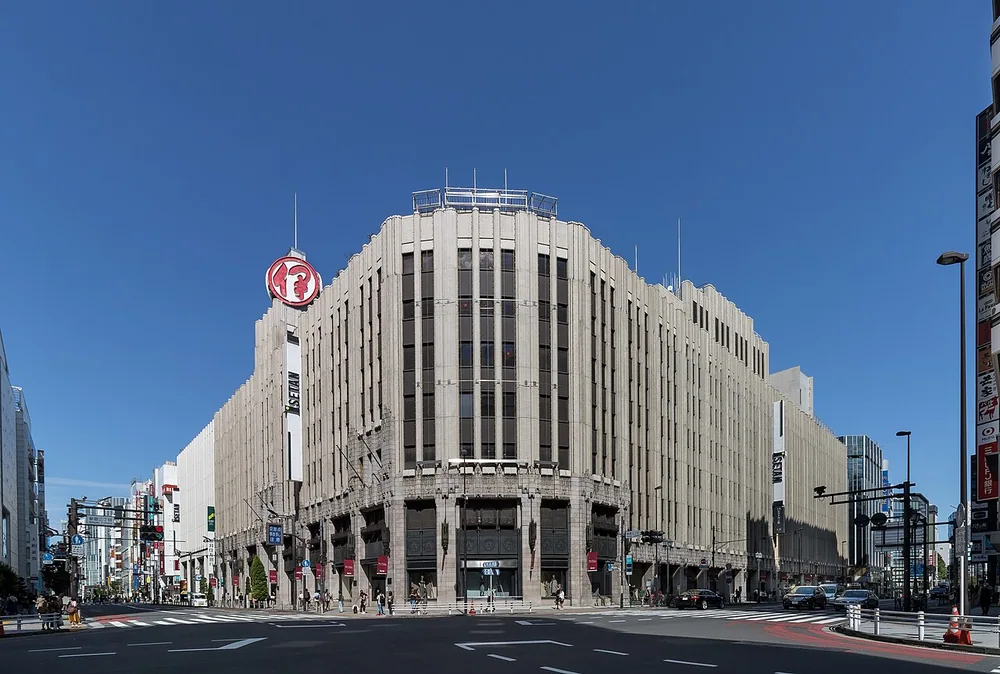
Choose where to stay in Shinjuku by East, West, South Exit, or Shinjuku-sanchome. Compare five hotels with twin and triple rooms, airport bus access, station elevators, and late-night walks.
South Exit: Comparing Sunroute Plaza and JR Kyushu Blossom
Hotel Sunroute Plaza Shinjuku lists a roughly 3-minute walk from the JR South Gate, Koshu-kaido Gate, and Busta Shinjuku. If you take the Oedo Line, the hotel notes that Shinjuku Station Exit A1 is right next door. Its Standard Twin measures 23.1 sq m with two 120 cm beds. For three guests, the 28.2 sq m Deluxe Twin Triple converts a sofa into the third bed—factor in the floor space lost once that sofa bed is pulled out if you still want seating during the day.
JR Kyushu Hotel Blossom Shinjuku is also within a short walk of the South Exit. Its 25 sq m Superior Twin fits two guests with a desk, sofa, and a separate washing area outside the bathtub. Three adults can look at the 30 sq m Deluxe Twin or the 38 sq m Deluxe Hollywood Twin; the hotel lists both for two to three guests, with an extra charge for the third bed (90 cm wide in the former, 100 cm in the latter). If everyone brings a checked suitcase, that extra square footage matters far more than the view.
Since both sit right off the South Exit, the tie-breaker comes down to daily logistics. Before an early highway bus, walk from your hotel to Busta Shinjuku the evening before and spot the escalator entrance from the ground floor so you know where to head upstairs in the morning. If three guests are staying four nights and spending half the day in the city, check whether you can still walk to the bathroom with the extra bed open, or if you'll have to take turns packing on top of the beds. Blossom has on-site coin laundry, which helps on an evening when you get back early.
If Hotel Century Southern Tower still appears on maps, note that it has suspended guestroom stays for renovations starting October 1, 2026, with lodging expected to reopen from April 2028 onward (restaurants and banquet facilities follow a separate schedule). For trips during that window, compare Sunroute Plaza and Blossom on the same side of the station to keep South Exit convenience intact.
Kabukicho for Nightlife Access, Shinjuku-sanchome for Shopping
Hotel Gracery Shinjuku sits inside the Shinjuku Toho Building right above TOHO Cinemas, making it an easy base if your evenings end with a late movie or dinner in Kabukicho. The hotel's walking guide runs from the JR East Exit down Godzilla Road to the hotel entrance on the side-rear of the building, where an elevator takes you up to the 8th-floor lobby. Share that lobby floor number when meeting friends so nobody waits by the cinema doors.
Gracery's Standard Twin separates the bath area from the toilet, cutting down on wait times when two people are getting ready. If you're booking specifically for the Godzilla head outside your window, look directly at the hotel's Godzilla View room category and photos—the viewing angle and floor depend on the room layout, so prioritize the sightline and bed count you actually want. If your group is happy taking photos from the street before heading inside, put that upgrade budget toward a second bed instead.
Tokyu Stay Shinjuku sits in Shinjuku-sanchome, about a 1-minute walk from subway Exit C3 or an 8-minute walk from the JR East Exit. That gap makes a good test for your itinerary: if most mornings head to Ginza, Omotesando, or Shibuya on the Marunouchi or Fukutoshin lines and evenings wrap up with dinner in Sanchome, you skip crossing the JR concourse every day. If you arrive on the Narita Express, you'll have that slightly longer walk from JR on day one—walk it at street level first to learn the route.
Tokyu Stay Shinjuku reopened after renovations on September 29, 2026. Current official listings include a 15 sq m Superior Queen for two (with an in-room washer-dryer and microwave), a 30 sq m Deluxe Twin for three, and a 47 sq m Signature Family for four—the latter two also add a kitchenette. If older trip reports mention Casual Single or Comfort Single rooms, match current amenities against the live booking page rather than relying on pre-renovation room names.
You can also shift your search east toward Shinjuku-gyoemmae. If you want morning walks in the park and quiet evenings without cutting through Kabukicho, that neighborhood removes the nightlife strip from your route—at the trade-off of walking back to JR Shinjuku or transferring from the subway on airport or Chuo Line days. To break a tie between two hotels, map out a day where you return mid-afternoon before heading out again for dinner. Shinjuku Gyoen Entrances and Gardens can help you pick which side of the park makes the best starting point.
West Exit by the Metropolitan Government Building: Walk the Return Route First
An underground passageway runs from the West Exit toward the Tokyo Metropolitan Government Building, placing Keio Plaza Hotel right along that corridor. The hotel lists a 5-minute walk from the JR West Exit and a 1-minute walk from Tochomae Station on the Oedo Line, directing guests with strollers or wheelchairs to Tochomae Exit A4 for elevator access. Double-check the full station name before buying tickets or setting directions: Tochomae, Shinjuku-nishiguchi, and Shinjuku are all separate Oedo Line stops serving different blocks.
Keio Plaza Hotel's Main Tower Superior room is 33.7 sq m for one to three guests, and the 46.3 sq m Luxury Family Room accommodates three to five. Two adults traveling with teens can weigh one triple against two twins based on exact ages and guest counts. If someone uses a walker, ask the hotel directly how much clearance remains once the third bed is placed. On the flip side, if you only plan to visit the government building once and will walk back from East Exit dinners every night, factor that return trek into your comparison.
On the West Exit side, it's often easier to eat dinner before walking past the station toward the government towers. If your group tends to eat late, check restaurant hours and last-order times near your hotel before booking. Plan two routes home: the underground walkway for daytime and rainy weather, and a straightforward street-level route for night. In the rain, follow the hotel's map to the right underground exit and wait until you reach street level to refresh your map pin, rather than spinning in circles inside the concourse.
If you're meeting colleagues or attending conferences near Tochomae, check the specific building wing on the address. Office towers, parks, and hotels look close as the crow flies, yet real walking paths require crossing intersections and looping around open entrances. For dinners near the West Exit, walk together from the hotel to the restaurant. And if you have an early morning departure from the New South side, time a test walk or check taxi access the evening before—don't mistake the West Exit-to-Tochomae walk time for how long it takes to reach Busta Shinjuku.
Yoyogi: Best When Your Day Starts There
Searching around Yoyogi pulls up both hotels within walking distance of Shinjuku's south side and properties genuinely closer to JR Yoyogi Station. The latter work best when your itinerary starts on the Yamanote Line toward Harajuku or Shibuya. Save the walk north to Shinjuku Station for days you're catching a Kawaguchiko highway bus or the Odakyu Romancecar. The more mornings you can start straight from Yoyogi, the smoother that base feels.
Families who turn in early and plan daytime visits to Meiji Jingu or Sendagaya can search both the Shinjuku South Exit and the blocks around Yoyogi Station. Test two routes from each candidate address: one to your main morning platform, and one back from dinner. On quieter streets where restaurants are spaced farther apart, picking a hotel with easy takeout nearby and space to eat in the room beats detouring back into station basements after dinner.
If a hotel sits right alongside the tracks, close platform access can come with train noise. Check the hotel floor plan for track-facing rooms and note your window preference in the booking request. Before walking between Yoyogi and the Shinjuku South Exit with a stroller and two suitcases, save both the hotel entrance and the exact station gate you'll use—curb cuts and traffic light waits determine whether the walk stays manageable.
Different Room Setups Inside the Same Hotel
If all three guests need their own bed, run your search for three guests from the start. When a listing says "twin," check whether it stays at two beds or adds a third bed under a triple rate. For two adults and one child, enter the child's exact age. At Sunroute Plaza Shinjuku, preschoolers under 7 can share an existing bed free of charge (one child per bed), while cribs for children under 2 require advance reservation. Bed rails, breakfast rules, and remaining floor space matter more here than squeezing every room to the same nightly rate.
Two checked suitcases plus a carry-on eat up floor space quickly once an extra bed goes in. Check the room layout diagram to see whether you can open a suitcase flat in the entryway, open the closet at the foot of the bed, and swing the bathroom door past your bags. Two 30 sq m rooms feel very different over four nights if one gives you a corner sofa and the other has a proper table for gear. And if the third bed is a pull-out sofa, figure out where all three people will sit if you bring dinner back to the room.
Wheelchair users should put doorway clear width, bathroom thresholds, transfer space, and elevator floor access into a single pre-booking email. JR Kyushu Blossom lists one 25 sq m Universal Twin for one to two guests, and Keio Plaza lists dedicated Universal Design rooms in its room directory. If two adults are accompanying one wheelchair user, compare sharing one accessible room against booking two adjacent rooms—and ask whether the hotel can guarantee the same floor and building wing.
Room quietness depends on what sits outside your window and outside your door. East Exit nightlife blocks bring street noise, Koshu-kaido carries steady traffic, and trackside rooms pick up passing trains; inside the building, watch for connecting doors, elevators, ice machines, and housekeeping closets. Light sleepers should specifically request a room facing away from main roads or rail lines and away from elevators—asking for a "high floor" alone can still land you above a busy avenue.
If your stay overlaps with announced hotel maintenance, match the work hours against when you'll actually be inside. Travelers out all day mostly care about evening room placement, whereas anyone working remotely or putting a child down for naps should ask the front desk which floors are affected before deciding whether to switch floors or move hotels. Likewise, check room photos before paying extra for a view; if all you want is one skyline photo of Nishi-Shinjuku, take a daytime walk and put that upgrade money toward a bigger room or free cancellation.
| Hotel | Official Room Examples | Best Match for Comparison |
|---|---|---|
| Hotel Sunroute Plaza Shinjuku | Standard Twin (23.1 sq m), Deluxe Twin Triple (28.2 sq m) | South Exit & highway bus terminal access; okay with a sofa bed for the 3rd guest |
| JR Kyushu Hotel Blossom Shinjuku | Superior Twin (25 sq m), Deluxe Twin (30 sq m) | 2–3 guests near the South Exit; on-site coin laundry |
| Hotel Gracery Shinjuku | Standard Twin with separate bath and toilet | Kabukicho base; evenings centered around the cinema complex |
| Tokyu Stay Shinjuku | Deluxe Twin (30 sq m), Signature Family (47 sq m) | Shinjuku-sanchome; in-room washer-dryer and kitchenette |
| Keio Plaza Hotel Tokyo | Main Tower Superior (33.7 sq m), Luxury Family Room (46.3 sq m) | Tochomae access; filtering 3- to 5-guest room plans |
Match Your Hotel to Narita, Haneda, and Kawaguchiko Transfers
From Narita Airport, you can take a Shinjuku-bound Narita Express (N'EX). Since JR also operates services bound for Ofuna, check the train destination before boarding and sit in your ticketed car—some trains split at Tokyo Station between Shinjuku-bound and Ofuna-bound cars. If you're staying by the South Exit, trace the path from the N'EX platform toward Koshu-kaido; for the East Exit, head for the East or Central East Gate. For wheelchair users connecting to the Yamanote, Chuo Rapid, or Chuo-Sobu Local lines, JR's barrier-free guide routes you via the Saikyo/Shonan-Shinjuku platforms to the South Concourse elevators. If meeting family at Shinjuku Station, specify both the ticket gate and which side of it you'll stand on.
Arriving at Haneda Airport, compare airport buses against rail. Keio Plaza Hotel lists direct airport bus access for both Haneda and Narita right from the hotel's bus stop. In Kabukicho, Tokyu Bus operates airport routes linking Tokyu Kabukicho Tower with Narita and Haneda. Near the South Exit, compare airport buses stopping at Busta Shinjuku or nearby hotels against riding the train via Shinagawa onto the Yamanote Line. Check schedules based on the time you'll realistically clear immigration and reach the curb, then pick whichever drop-off leaves the shortest luggage haul. For a closer look at rail routes and IC cards, see Narita and Haneda Airport Transfers and Rail Passes.
At Busta Shinjuku, highway bus departures leave from the 4th floor, while arrivals generally drop off on the 3rd floor. When transferring from JR, the terminal directs passengers to the New South Gate (open 5:45 AM to midnight; use the JR South Gate outside those hours). If you have tickets to Kawaguchiko, grab breakfast beforehand, and don't confuse subway exits downstairs or the Tokyu Kabukicho Tower stop with Busta—send your group the exact terminal name and floor printed on your ticket. Check Mt. Fuji Highway Bus Schedules and Boarding Points before deciding whether it's worth staying right next to the terminal.
When people in the same group land at different times, share the hotel's street address and front-desk contact details separately. For late-night flights, look for the last direct bus first, then write down a rail or taxi backup in case you don't claim bags until 11:00 PM—daytime route advice often breaks down late at night. Message the hotel with your booking name, arrival terminal, and estimated check-in time, and check prepaid rate terms for latest check-in cutoffs and no-show policies via your booking confirmation.
Stress-Test a Multi-Night Stay With Two Anchor Days
Put two fixed anchor times on your itinerary: your earliest morning departure and your latest night back. Imagine catching a Saturday morning train to Hakone and walking out of a late movie the next night. From the South Exit, the walk to the Odakyu gates is effortless in the morning, while the walk back from Kabukicho takes longer at night; from the East Exit, those two trips flip. Knowing which trip involves carry-on bags or tired kids settles the location faster than counting a few hundred meters on a map.
Odakyu Romancecar trains depart Odakyu Shinjuku Station directly for Hakone-Yumoto and require a Limited Express ticket alongside base fare. For Mt. Takao, take the Keio Line and Takao Line to Takaosanguchi—board at Keio Shinjuku Station platforms rather than following signs down to the Keio New Line. For Kichijoji or Mitaka, check JR Chuo Line rapid vs. local stops at Shinjuku. If you're riding different rail companies on back-to-back mornings, staying near the South or West Exit pays off—just walk past each station entrance the night before.
For Yokohama or Kamakura, check the Shonan-Shinjuku Line departing from Shinjuku, entering Kamakura in full so you verify both the train direction and whether that departure continues all the way there. On the day you head to Tokyo Station to catch a Shinkansen, allow time for the Chuo Line Rapid plus the walk to the Shinkansen gates. If most of your Tokyo sightseeing sits on the east side of the city and you're leaving via Tokyo Station with full luggage, compare hotels around Tokyo Station too so you aren't crossing town every day.
Another common pattern is booking four nights in Shinjuku with a Hakone day trip in the middle—you keep your main base and travel light for the day. If you plan an overnight ryokan stay in Hakone instead, decide whether to hold your Shinjuku room or split into two bookings based on the hotel's luggage-hold policy for returning guests, your check-in timing, and the combined price. If you only need one change of clothes and a coat for the night, leaving big suitcases in Shinjuku keeps transit simple; check Hakone Day Trip vs. Overnight Transit Trade-offs to map out the route.
Booking One Room or Two When Your Group Keeps Different Hours
For two adults and two kids staying five nights—say, one early riser grabbing breakfast while others wait for the kids to wake up—use Tokyu Stay Shinjuku's Signature Family room as a baseline. Its washer-dryer and kitchenette let early risers eat without disturbing everyone else. Splitting into two twin rooms trades that shared lounge space for a second bathroom and a closing door. With younger kids, enter who shares which bed and the exact adult-child split per room so search results show real availability.
For three adults where one person needs to work from the room during the day, room layout takes priority. JR Kyushu Blossom near the South Exit offers 30 sq m and 38 sq m twins that take an extra bed—check the floor plan to see if the desk still fits a laptop and whether the hallway sits behind you on video calls. If multiple people have early or late calls, two separate rooms keep work and sleep apart. If everyone simply meets up before dinner, staying together in Shinjuku-sanchome lets each person hop on whichever subway line fits their day.
For groups of five, Keio Plaza actually offers dedicated family rooms that hold five guests. On nights when those sell out, switch to a two-room search and decide early whether you need connecting rooms, the same floor, or just the same building. If only one king room and one twin remain, assign beds before booking, then email the hotel before the free-cancellation deadline with both confirmation numbers, guest names, and check-in dates to request rooms on the same floor.
If someone in your group uses a wheelchair or can't handle long staircases, plan the airport-to-lobby arrival first and add daily subway transfers second. At the West Exit, Keio Plaza points guests to Tochomae Exit A4 with elevator access. At Tokyu Stay Shinjuku, that "1-minute walk" from Exit C3 assumes stairs—set your starting point on Tokyo Metro's barrier-free map to the street-level elevator exit instead, and check whether transfers between lines require tapping out and back in.
When someone needs an afternoon rest every day, pick a hotel close to your afternoon stops or dinner spots. An itinerary of Isetan in the morning, Shinjuku Gyoen in the afternoon, and dinner in Sanchome flows much more smoothly from a Shinjuku-sanchome room than from Tochomae. By contrast, a trip mixing Hakone, Chuo Line day trips, and rainy-afternoon breaks favors a short walk from the JR South Exit. Shinjuku serves dozens of lines, but what counts is how close your lobby sits to the platforms you'll actually board.
If you book fixed dinner reservations, test-walk the evening commute on the map too. Walking from the West Exit to the East Exit and back doubles the mileage after a meal. With a Kabukicho hotel, factor in theater crowds and street-level entrances on that walk. If half the group just wants to sleep while the others stay out late, mark each person's evening path on the same schedule to see whether sharing one room or booking two different room types in the same area works better.
Laundry, Luggage Storage, and Breakfast on Longer Stays
With an in-room washer-dryer, you can start a load as soon as you get back at night and pack tomorrow's daypack while it runs. Shared coin laundry makes more sense when the room rate is significantly lower and you can wash everything in one batch. Either way, check dryer capacity—one washer load often needs two dry cycles. When you're short on time before checkout, wash what you'll wear next and save heavy jeans or jackets for another night.
For multi-night stays at Tokyu Stay Shinjuku, light room refresh service (towels, nightwear, bath mats, and trash pickup) happens when you place the cleaning magnet on your door, with full room cleaning once a week on stays of seven nights or more. Booking a room with a kitchenette lets you bring back prepared meals or simple breakfast items the night before—just verify what cookware or reheating gear is included. If you only need a microwave to warm up bento boxes, compare the price gap between a microwave-equipped twin and a kitchenette room before paying for extra space.
Hotel Sunroute Plaza Shinjuku's luggage FAQ specifies addressing advance deliveries under the exact reservation name with your check-in date clearly noted, timed to arrive on your check-in day. If you're sightseeing elsewhere in Tokyo before checking in, separate your daytime carry-ons from shipped bags and keep passports, tickets, and evening medications with you. On checkout day, if you plan to shop before leaving Shinjuku, compare the walk back to the hotel against using lockers near your departure platform—doubling back to Sanchome with suitcases before heading to Tokyo Station for the Shinkansen adds two unnecessary legs.
Always price out breakfast across your full group and stay length. You might leave too early to eat on a Hakone morning, then enjoy a sit-down breakfast on a relaxed Shinjuku shopping day. Over four nights for three guests, compare room-only vs. breakfast-included totals by activity day, including any child meal fees. If you'd rather not hunt for a cafe every morning, a room with a microwave lets you keep grab-and-go breakfast items ready and head out on your own schedule.
Check the Full Price, Then Walk the Night Route
When comparing rates for the same dates and guest count, match room category, number of nights, extra beds, and child breakfasts across every tab. Check whether taxes and fees are baked into the booking total or collected at check-in, and note the exact free-cancellation cutoff in Japan Standard Time (JST). A lower headline nightly rate can flip once a weekend surcharge or third-guest bed fee kicks in. Late arrivals should also verify front-desk check-in cutoffs alongside no-show terms.
If travel companions are still waiting on vacation approval, book a refundable rate first and put the free-cancellation deadline on your calendar alongside flight and highway bus holds. If you're eyeing a nonrefundable discount rate, write down the exact penalty for shifting dates right next to your itinerary. When one night spikes the average price, search the surrounding nights individually to spot the expensive date. And if you're seeing a late show, weigh any savings from switching hotels mid-trip against the hassle of hauling every suitcase across Shinjuku late at night.
If you're staying in Kabukicho with family, walk the main avenue from your train station during the day so everyone remembers the exact corner leading to your hotel entrance. Gracery is an easy walk from the East Exit and has clear directions for returning after a late movie. If street touts bother anyone in your group, shift your hotel over to your preferred subway exit and simply visit the East Exit for dinner before heading back. Tokyo Metropolitan Police's Shinjuku Police Station warns of bar touts around Kabukicho luring guests into overpriced bills—keep walking past anyone soliciting on the street, and call 110 if you feel threatened or need police assistance.
When group members head back separately at night, make sure everyone knows the late-night entrance. Main doors, driveway entrances, and connected shopping-mall doors often run on different overnight schedules. Save the street-facing lobby entrance pin during the day, and if someone arrives late without eating, save an open late-night spot along the route or pick up food to bring back. If a connected mall is already locked when you return, go straight to the hotel's exterior street entrance instead of circling around indoor mall signs.
A few useful answers
Which side of Shinjuku is most convenient for first-time visitors to Tokyo?
Choose the South Exit if you'll ride JR trains often or take highway buses from Busta Shinjuku. Look at Shinjuku-sanchome if your dinners and shopping center around Isetan, or use the East and West Exits if you specifically want Kabukicho or the Tokyo Metropolitan Government Building area.
Are the Shinjuku South Gate and New South Gate the same exit?
No—they sit on opposite sides of Koshu-kaido. Follow signs to the New South Gate when transferring from JR to Busta Shinjuku, then go up to the 4th floor for highway buses. For Hotel Sunroute Plaza Shinjuku, follow the hotel's map out of the South Gate or Koshu-kaido Gate.
Which South Exit hotels have three-bed setups for a family of three?
Hotel Sunroute Plaza Shinjuku's 28.2 sq m Deluxe Twin Triple uses a sofa bed for the third guest. JR Kyushu Hotel Blossom Shinjuku's 30 sq m Deluxe Twin sleeps three with a paid extra bed. Be sure to search with 3 guests selected.
Which Shinjuku-sanchome hotel has in-room laundry?
Tokyu Stay Shinjuku includes an in-room washer-dryer in its 15 sq m Superior Queen, 30 sq m Deluxe Twin, and 47 sq m Signature Family rooms, with the latter two also offering a kitchenette.
What is the easiest West Exit route for seniors or wheelchair users?
If staying at Keio Plaza Hotel Tokyo, ride the Toei Oedo Line to Tochomae Station and follow the hotel's directions to Exit A4, which has elevator access. Contact the hotel when booking to confirm accessible bathroom and doorway layouts.
Can you get directly from Narita Airport to Shinjuku?
Yes—take a Shinjuku-bound Narita Express (N'EX) train. If staying in Kabukicho, you can also compare airport buses stopping at Tokyu Kabukicho Tower based on your arrival terminal and landing time.
Can you book Hotel Century Southern Tower right now?
No—the hotel has suspended guestroom stays for renovations starting October 1, 2026, with lodging scheduled to reopen from April 2028 onward. For stays on the South Exit side, compare Hotel Sunroute Plaza Shinjuku and JR Kyushu Hotel Blossom Shinjuku instead.
Official information and references
Sources used in this guide.
- JR East | Shinjuku Station Map & Barrier-Free Access
- Tokyo Metro | Shinjuku-sanchome Station Exits & Facilities
- Busta Shinjuku | Bus Terminal Access
- Busta Shinjuku | Bus Departure Floor Map (4F)
- Hotel Sunroute Plaza Shinjuku | Access
- Hotel Sunroute Plaza Shinjuku | Guest Rooms
- Hotel Sunroute Plaza Shinjuku | Child Policy & Luggage FAQ
- JR Kyushu Hotel Blossom Shinjuku | Rooms & Laundry Facilities
- Hotel Gracery Shinjuku | Access & Entrance
- Hotel Gracery Shinjuku | Standard Twin Room
- Tokyu Stay Shinjuku | Access & Renovation Information
- Tokyu Stay Shinjuku | Rooms & Multi-Night Cleaning Policy
- Keio Plaza Hotel Tokyo | Access & Elevator Routes
- Keio Plaza Hotel Tokyo | Room Types & Occupancy
- Hotel Century Southern Tower | Notice of Temporary Guestroom Closure
- JR East | Narita Express (N'EX) Route Guide
- Tokyu Bus | Kabukicho Tower Airport Limousine Bus
- Odakyu Electric Railway | Romancecar Shinjuku to Hakone-Yumoto
- Keio Corporation | Keio Shinjuku Station Lines & Transfers
- Tokyo Metropolitan Police Department (Shinjuku Police Station) | Kabukicho Solicitation & Overcharging Advisory