Choose your Shinjuku base by exit—East, West, South or Shinjuku-sanchome. Compare five hotels for twin and triple rooms, airport coaches, station lifts and late-night walks.
- Region & Focus
- TokyoAccommodation
- Reading Scope
- 18 min read · 11 chapters · 7 Q&As
- Official Verification
- 20 official sources checkedUpdated 22 November 2026
- Key Topics
- Where to stayNeighbourhoodsBooking
Chapter Route Map (tap any stop)
- One Shinjuku, Very Different Walks from the Platform
- South Exit: Comparing Sunroute Plaza and JR Kyushu Blossom
- Kabukicho for Nightlife, Shinjuku-sanchome for Shopping
- West Exit by Tochomae: Test the Walk Back First
- Yoyogi: Best When You Start from Your Own Station
- Different Sleeping Setups Within the Same Hotel
- Separating Narita, Haneda and Kawaguchiko Drop-off Points
- Test Two Mornings Before Booking the Whole Stay
- Booking One Base for Different Daily Routines
- Laundry, Luggage Storage and Breakfast on Multi-Night Stays
- Compare the Full Price, Then Scout the Night Route
- Quick Q&A
For a first stay in Shinjuku with large suitcases, frequent JR rail trips or a coach from Busta Shinjuku to Kawaguchiko, start around the South Exit and Koshu-kaido Avenue. Move north of the East Exit into Kabukicho only if you want late-night cinema trips and supper spots on your doorstep. If your days revolve around department stores, Ginza or Shibuya, Shinjuku-sanchome lets you step straight onto the underground without crossing the JR concourse. Hotels towards the West Exit and Tokyo Metropolitan Government Building suit travellers taking the Oedo Line daily, meeting contacts in Nishi-Shinjuku, or needing triple rooms and step-free access. Enter your exact headcount before searching, then trace the walk from the platform you will actually use to the hotel entrance.
One Shinjuku, Very Different Walks from the Platform
When a listing promises 'five minutes on foot from Shinjuku Station', check which exit was used to measure it. JR Shinjuku's East and West ticket barriers are linked outside the paid area by the East-West Free Passageway. The JR South Gate sits on the north side of Koshu-kaido Avenue, while the New South Gate opens on the south side near Busta Shinjuku. If you are staying on the south side and dine near the East Exit, walk back at street level rather than buying a platform ticket or detouring around the JR barriers. On your first arrival with luggage, follow the Japanese gate names inside the station and wait until you are outside the barriers before opening maps.
Looking at exits also clears up why booking sites list some Shinjuku hotels under 'Shibuya Ward'. Both Hotel Sunroute Plaza Shinjuku and JR Kyushu Hotel Blossom Shinjuku have addresses in Yoyogi 2-chome, Shibuya Ward, yet both are a short walk from JR Shinjuku's South Exit. Conversely, a room tagged 'Shinjuku Ward' might sit closer to Higashi-Shinjuku or Tochomae, or require a transfer at another station. Set your hotel's street address as the destination and test the route from the exact station and exit where you plan to alight.
Yasukuni-dori Avenue separates the East Exit from Kabukicho. If your priority is shopping at Isetan or eating around Shinjuku-sanchome, there is no reason to push your stay further north into the nightlife district. Zoom the map down to street-corner level and count how many major junctions lie between your dinner spots and each shortlisted hotel. Staying closer lets you drop shopping bags in your room before heading back out for dinner. The same logic holds when travelling with young children who need an afternoon nap: how quickly you can duck back to the hotel matters more than how many rail lines converge nearby.
If your group splits up for shopping, agree to meet in the hotel lobby, on a specific floor, or outside a named ticket barrier. Simply dropping a pin at 'Shinjuku Station South Exit' can leave one person waiting beside Lumine while the other heads towards NEWoMan and the coach terminal. Checking a JR station map alongside the booking-site walking estimate saves you from hauling suitcases in circles looking for each other on day one.
| Area | Check These Exits First | Best Suited For | The Walk Back |
|---|---|---|---|
| South Exit & Koshu-kaido | JR South Gate, New South Gate or Koshu-kaido Gate | Heavy luggage, daily JR day trips, coaches from Busta Shinjuku | Cross the avenue or use pedestrian walkways depending on your hotel's side |
| East Exit & Kabukicho | JR East Exit or Seibu-Shinjuku Station | Late films, casual dining, Tokyu Kabukicho Tower airport coaches | Follow well-lit streets you scouted in daylight to the hotel entrance |
| Shinjuku-sanchome | Designated Tokyo Metro or Toei Shinjuku Line exits | Isetan shopping, Marunouchi Line and Fukutoshin Line journeys | Check which exits have stairs only versus lifts beforehand |
| West Exit & Tochomae | JR West Exit or Toei Tochomae Station | Nishi-Shinjuku meetings, Oedo Line travel, larger triple rooms | Verify which side of the street the underpass brings you out on |
| Around Yoyogi Station | JR Yoyogi Station | Yamanote Line trips by day, avoiding Kabukicho crowds at night | Airport expresses and long-distance coaches still require walking to Shinjuku |
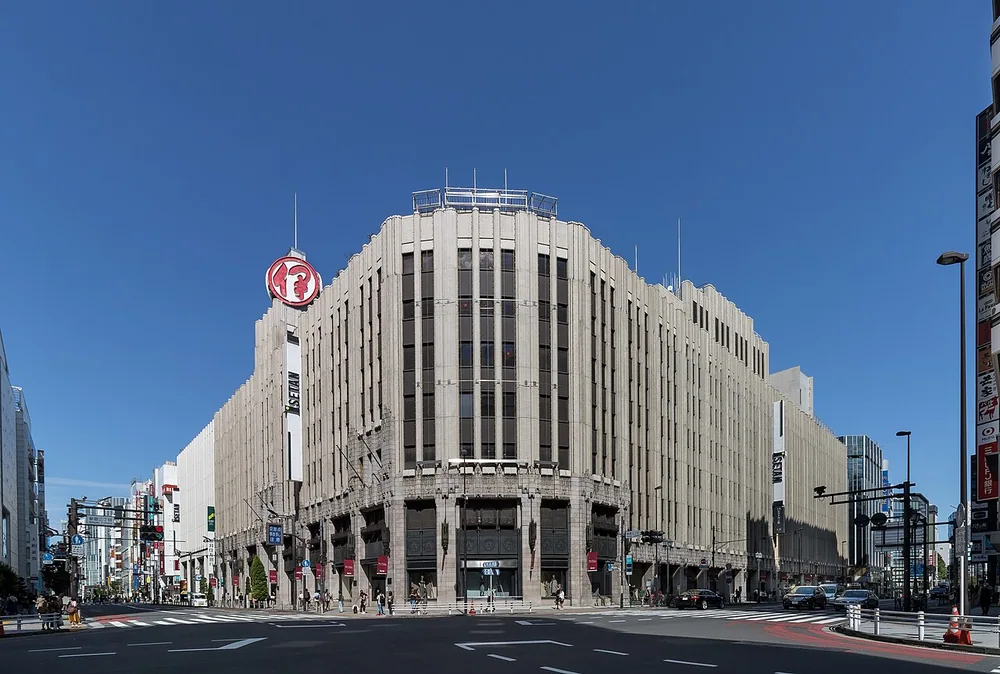
Choose your Shinjuku base by exit—East, West, South or Shinjuku-sanchome. Compare five hotels for twin and triple rooms, airport coaches, station lifts and late-night walks.
South Exit: Comparing Sunroute Plaza and JR Kyushu Blossom
Hotel Sunroute Plaza Shinjuku lists a three-minute walk from the JR South Gate, the Koshu-kaido Gate and Busta Shinjuku. For the Toei Oedo Line, the hotel also notes that Shinjuku Station Exit A1 is right next door. Its Standard Twin measures 23.1 sq m with two 120 cm beds. For three guests, the 28.2 sq m Deluxe Twin Triple Room converts a sofa into the third bed. Anyone who wants sofa seating kept free during the day should factor in the floor space lost once that sofa bed is unfolded.
JR Kyushu Hotel Blossom Shinjuku sits within the same South Exit walking radius. Its 25 sq m Superior Twin sleeps two and includes a desk, a sofa and a bathroom with a separate washing area outside the bath. Groups of three adults can look at the 30 sq m Deluxe Twin or the 38 sq m Deluxe Hollywood Twin. Both are listed for two to three guests, with a paid extra bed for the third person—90 cm wide in the former and 100 cm wide in the latter. If everyone in your party has a checked suitcase, the extra floor area is far more useful than a higher view.
Both hotels sit close to the South Exit, so the real difference shows up in daily pacing. Before an early coach departure, walk from your hotel to Busta Shinjuku the evening before and check the concourse signs from ground level so you know exactly where to head upstairs the next morning. If three guests are staying four nights with half-days spent in the city, check whether you can still reach the bathroom comfortably once the extra bed is set up, or if you will end up taking turns packing on the beds. Blossom has on-site coin-operated laundry machines, making it easy to run a wash on an evening when you return early.
If maps still show Hotel Century Southern Tower, note that it closed its guest rooms for renovation from 1 October 2026, with a reopening of accommodation scheduled for April 2028 or later. Its restaurants and banquet facilities operate on separate schedules. For trips in the meantime, compare Sunroute Plaza and Blossom on the same side of the tracks so you keep the South Exit convenience.
Kabukicho for Nightlife, Shinjuku-sanchome for Shopping
Hotel Gracery Shinjuku occupies the upper floors of the Shinjuku Toho Building, directly above TOHO Cinemas. Travellers planning late films or dinners in Kabukicho can anchor their evening around it. The hotel's walking guide leads from the JR East Exit along Godzilla Road to a dedicated hotel entrance around the side-rear of the building, where lifts go up to reception on the 8th floor. Share that reception floor with friends when arranging to meet so nobody stands waiting outside the cinema entrance.
Gracery's Standard Twin separates the bath area from the toilet, cutting down waiting time when two people are getting ready. If you are booking specifically for the Godzilla head outside the window, look closely at the hotel's official Godzilla View room categories and photos. Viewing angles and floors vary by room layout, so choose based on the bed count and sightline you actually want. For companions happy to snap a photo from street level, spending the room-upgrade budget on an extra bed makes more sense.
Tokyu Stay Shinjuku stands in Shinjuku-sanchome, listed as a one-minute walk from Exit C3 and roughly eight minutes from the JR East Exit. That gap is a useful test for your itinerary. If most days take you to Ginza, Omotesando or Shibuya via the Marunouchi or Fukutoshin lines and you dine in Sanchome, you can skip the main JR concourse altogether. If you arrive on the Narita Express, you will walk the JR-to-hotel stretch at least once—doing it at street level on arrival day helps you get your bearings.
Tokyu Stay Shinjuku reopened after refurbishment on 29 September 2026. Its current listings feature a 15 sq m Superior Queen for two with an in-room washer-dryer and microwave, a 30 sq m Deluxe Twin for up to three, and a 47 sq m Signature Family room for up to four, with the latter two adding a kitchenette. If older travel blogs mention Casual Single or Comfort Single rooms, match against the current room names and amenities on the booking screen, as those older titles predate the renovation.
You can also shift your search slightly east towards Shinjuku-gyoemmae. Staying near Shinjuku-gyoemmae Station suits mornings in Shinjuku Gyoen and quiet evenings without walking through Kabukicho. The trade-off is a longer walk back to JR Shinjuku—or an extra underground hop—when catching the JR Chuo Line or airport trains. If two hotels still look tied, pick your busiest mid-trip day and map the full loop: leaving in the morning, returning mid-afternoon, and heading back out for dinner. Shinjuku Gyoen entrances and gardens can help you pick the best starting gate for a morning stroll.
West Exit by Tochomae: Test the Walk Back First
Exiting on the West side leads into an underground passageway towards the Tokyo Metropolitan Government Building, and Keio Plaza Hotel sits directly along that route. The hotel lists a five-minute walk from Shinjuku Station's West Exit and one minute from Tochomae Station on the Toei Oedo Line. For pushchairs and wheelchair users, the hotel directs guests to Tochomae Exit A4, which has a lift. Type the full station name carefully when checking fares: Tochomae, Shinjuku-nishiguchi and Shinjuku are three separate Oedo Line stops serving different corners of the district.
Keio Plaza Hotel's Main Tower Superior measures 33.7 sq m for one to three guests, alongside a 46.3 sq m Luxury Family Room sleeping three to five. Two adults travelling with teenagers should compare the price and layout of a triple room against two twin rooms using exact ages and headcounts. If someone uses a walking frame, ask the hotel directly about clearance once a third bed is placed in your chosen room type. If you only plan to visit the government building once and will dine around the East Exit every night, factor that nightly walk back into your decision.
On the West side, it often pays to eat near the station before walking past the towers west of the tracks. If someone in your group only gets free for dinner late in the evening, check nearby restaurant opening hours and last-order times in advance. Plan two routes back to the hotel: the underground walkway for daytime or rain, and a simple street-level avenue for late nights. In wet weather, follow the hotel's map to the right underpass exit and orient yourself once you reach street level rather than chasing a jumping GPS dot underground.
If you are meeting colleagues or attending appointments near the government towers, note the exact building wing on the address. Office blocks, parks and hotels look a straight line apart on a map, yet walking between them means crossing wide intersections and finding open pedestrian entrances. For a family dinner near the West Exit, walk together from the hotel to the restaurant. If you have an early coach from the New South side the next morning, test or price a taxi the evening before rather than assuming the West Exit walk time applies to Busta Shinjuku.
Yoyogi: Best When You Start from Your Own Station
Searching for Yoyogi brings up hotels just south of Shinjuku Station alongside properties genuinely next to JR Yoyogi Station. The latter work best on their own rhythm. You can hop straight onto the Yamanote Line from Yoyogi for Harajuku and Shibuya, walking north into Shinjuku only when catching a highway bus or the Odakyu Romancecar. The more days you can begin directly from Yoyogi, the smoother the stay feels.
Families who turn in early after dinner and plan daytime visits to Meiji Jingu or Sendagaya can search both the Shinjuku South Exit and the Yoyogi Station blocks together. Test two routes from each address: one to your most frequent morning platform and another back from dinner. On quieter streets with fewer late-night eateries, picking a hotel where you can comfortably eat takeaway in the room beats detouring back into station underpasses after a meal.
Properties right beside the tracks trade short platform walks for train noise. Check the hotel's floor plan for track-facing wings and add a quiet-side room request to your booking notes. Before walking from Yoyogi to Shinjuku's South Exit with two suitcases and a pushchair, save both the hotel entrance and your target station gate in advance. Kerb ramps and pedestrian-crossing wait times decide whether the group stays together far more than the total distance on a route map.
Different Sleeping Setups Within the Same Hotel
When three people each need their own bed, enter three guests from the start of your search. If a result says 'twin', check whether it has two fixed beds or adds a third bed under a triple rate. For two adults and a child, enter the child's exact age. At Hotel Sunroute Plaza Shinjuku, for instance, pre-school children under seven may share an existing bed free of charge, limited to one child per bed, while cots must be reserved in advance and are for children under two. Bed rails, breakfast rules and aisle space matter more at this stage than forcing the nightly rate down.
Two large checked cases plus a cabin bag quickly eat up floor space in an extra-bed room. Study the room floor plan to see whether you can open a suitcase flat in the entranceway, reach the wardrobe past the foot of the bed, or swing the bathroom door clear of luggage. Two 30 sq m rooms feel completely different over four nights if one gives you a corner sofa and the other gives you a proper table. If the third bed is a converted sofa, decide where three people will sit before bringing back convenience-store supper.
Wheelchair users should put door clear widths, bathroom thresholds, transfer space and lift access by floor into a single enquiry to the hotel. JR Kyushu Hotel Blossom Shinjuku lists a 25 sq m Universal Twin for one to two guests, noting that only one such room exists. Keio Plaza Hotel also lists Universal Design rooms on its accommodation table. If two adults are travelling with one wheelchair user, compare one shared accessible room against two adjoining or same-floor rooms, and ask the hotel to assign both to the same floor and building wing.
Noise varies by source rather than neighbourhood alone. Kabukicho streets bring late-night chatter, Koshu-kaido carries heavy traffic, and trackside wings pick up passing trains. Inside the building, noise comes from neighbouring doors, lifts, ice machines and housekeeping trolleys. Light sleepers should ask for a room facing away from main roads or railways and located away from the lift lobby, confirming whether the preference can be noted on the reservation. Asking only for a 'high floor' can still leave you overlooking a busy carriageway.
If building works overlap with your stay, compare the announced work hours against when you will actually be in the room. Travellers out all day mostly care about quiet evenings. Anyone working from the room or putting a child down for an afternoon nap should ask reception which floors are affected relative to their room before deciding whether to switch floors or hotels. The same goes for paying extra for a view: check sample photos for window orientation first. If you just want one shot of the Nishi-Shinjuku skyline, take a daytime stroll and keep your budget for a larger room or flexible cancellation.
| Hotel | Official Room Examples | Best Fit When Prioritising |
|---|---|---|
| Hotel Sunroute Plaza Shinjuku | Standard Twin 23.1 sq m; Deluxe Twin Triple 28.2 sq m | South Exit & Busta Shinjuku access; sofa bed acceptable for 3rd guest |
| JR Kyushu Hotel Blossom Shinjuku | Superior Twin 25 sq m; Deluxe Twin 30 sq m | Two or three guests at the South Exit; on-site coin laundry |
| Hotel Gracery Shinjuku | Standard Twin with separate bath and toilet | Staying in Kabukicho around evening cinema and dining plans |
| Tokyu Stay Shinjuku | Deluxe Twin 30 sq m; Signature Family 47 sq m | Shinjuku-sanchome base; in-room washer-dryer and kitchenette |
| Keio Plaza Hotel Tokyo | Main Tower Superior 33.7 sq m; Luxury Family Room 46.3 sq m | Tochomae access; filtering 3-to-5 guest layouts by room type |
Separating Narita, Haneda and Kawaguchiko Drop-off Points
From Narita Airport, the Narita Express (N'EX) runs directly to Shinjuku, alongside services bound for Ofuna listed by JR East—so check the train destination before boarding. For South Exit hotels, follow signs from the N'EX platforms towards the Koshu-kaido side; for the East Exit, aim for the East or Central East gates. Wheelchair users transferring to the Yamanote, Chuo Rapid or Chuo-Sobu local lines should follow JR's step-free route via the Saikyo and Shonan-Shinjuku platforms to the South Concourse lift. Some trains split at Tokyo Station into Shinjuku and Ofuna sections, so sit in the exact carriage printed on your ticket, and agree on one specific side of one gate if meeting family at Shinjuku.
For Haneda arrivals, weigh the airport coach against the train. Guests at Keio Plaza Hotel can use direct airport buses serving both Narita and Haneda right from the hotel stop listed on its site. In Kabukicho, Tokyu Bus operates airport coaches connecting Tokyu Kabukicho Tower with both airports. Near the South Exit, compare buses serving Busta Shinjuku or nearby hotel stops against taking the train via Shinagawa onto the Yamanote Line. Check timetables against the realistic time you will clear immigration and reach the bus bay, then pick whichever drop-off involves hauling bags the shortest distance. For a closer look at rail options and passes, see arriving from Narita and Haneda into Tokyo.
At Busta Shinjuku, expressway coaches depart from the 4th floor and generally arrive on the 3rd floor. When changing from JR trains, the terminal guides passengers through the New South Gate, noting opening hours of 05:45 to 24:00; outside those hours, walk via the JR South Gate. If you hold a ticket for Kawaguchiko, grab breakfast on the way if needed, but never use a downstairs underground exit or the Tokyu Kabukicho Tower stop as your meeting point—send your group the exact terminal name and floor shown on your ticket. Check Mount Fuji highway bus timetables and boarding points before deciding whether to stay beside the terminal.
If members of your party land on different flights, share both the hotel's street address and reception contact details separately. For late-night arrivals, check the last direct airport coach first, then note a rail or taxi fallback. Flights whose bags only hit the carousel around 23:00 rarely leave enough margin for standard daytime transfers. Message the hotel with your booking name, arrival terminal and estimated arrival time at reception, and read any prepaid-rate cut-off and no-show rules carefully via the contact channel on your confirmation.
Test Two Mornings Before Booking the Whole Stay
Anchor your itinerary around two fixed moments: your earliest morning departure and your latest night back. That might mean catching a Saturday morning train to Hakone and walking back from a late film in Kabukicho the next evening. From the South Exit, reaching the Odakyu gates is effortless while the walk home from Kabukicho takes longer; from the East Exit, the reverse applies. Knowing which leg involves cabin bags or tired children usually settles the choice faster than comparing a few hundred metres on a map.
Odakyu Romancecar services from Shinjuku offer direct trains to Hakone-Yumoto, requiring a limited-express ticket tied to a specific train on top of the base fare. For Mount Takao, take the Keio Line and Takao Line to Takaosanguchi from the main Keio Shinjuku platforms—do not follow signs down into the deeper Keio New Line platforms by mistake. For Kichijoji and Mitaka, catch the JR Chuo Line from Shinjuku, checking the train type and stops for that day. If two consecutive mornings use different rail operators out of Shinjuku, staying near the South or West exits pays off; scout each company's gates the evening before.
Trips to Yokohama or Kamakura run on the Shonan-Shinjuku Line straight out of Shinjuku. Enter Kamakura as your full destination to verify both platform direction and whether that specific train runs all the way through. On the day you catch the Shinkansen from Tokyo Station, take the JR Chuo Line Rapid across and leave time to walk from its elevated platforms to the Shinkansen gates. If most of your stay centres on eastern Tokyo and ends with luggage on a Shinkansen out of Tokyo Station, re-check hotels near Tokyo Station to cut out repeated cross-city trips.
Another common pattern is booking four nights in Shinjuku with a side trip to Hakone in the middle. Keep your continuous Shinjuku room and travel light for a day trip, or—if staying overnight at a ryokan—check whether the hotel holds luggage for returning guests, whether you will check back in the same evening, and what two separate bookings cost combined. When one overnight bag holds everything you need for a single night away, leaving large suitcases in Shinjuku keeps things simple; weigh the route using Hakone day-trip versus overnight transport options.
Booking One Base for Different Daily Routines
A family of two adults and two children staying five nights often splits between an early riser fetching breakfast and others waiting for the children to wake up. Tokyu Stay Shinjuku's Signature Family room makes a good benchmark here: its washer-dryer and kitchenette let early risers eat first while still leaving space to sit later. Booking two twin rooms instead gives you a second bathroom and a door that closes. With younger children, enter who sleeps in each room and how many adults occupy each before comparing, so you only view layouts that genuinely fit.
For three adults where one needs to work from the room by day, priorities shift. At the South Exit, JR Kyushu Hotel Blossom offers 30 sq m and 38 sq m twins that take a paid extra bed; inspect the layout to see whether a laptop still fits on the desk once the extra bed goes in, and whether a corridor sits directly behind you on video calls. If people need to take calls at odd hours, two separate rooms separate workspace from rest. If everyone simply meets back before dinner, staying together in Shinjuku-sanchome lets each person catch the most convenient morning line.
Groups of five can look directly at Keio Plaza Hotel's dedicated five-guest family room. On nights when that category is sold out, search for two rooms and decide upfront whether you need connecting doors, rooms on the same floor, or simply the same building. If only one double and one twin remain, assign sleepers first. When requesting the same floor, email reception before your free-cancellation deadline with both booking references, guest names and dates.
If anyone uses a wheelchair or cannot manage long flights of stairs, map your airport-to-hotel transfer first and layer daily underground journeys on top. At the West Exit, Keio Plaza points to Tochomae Exit A4 with a lift. At Tokyu Stay Shinjuku, remember the advertised one-minute walk applies to Exit C3—plot your starting point from the nearest street-level lift shown on Tokyo Metro's accessibility map instead. When changing lines, trace the lift route between platforms on that same map to see whether any transfer requires exiting the ticket barriers.
When someone needs to return to the hotel every afternoon, convenience hinges on where you spend the afternoon and evening. Morning shopping at Isetan, an afternoon walk in Shinjuku Gyoen and dinner in Sanchome work far more smoothly from a Shinjuku-sanchome room than from Tochomae. By contrast, a mix of Hakone, Chuo Line day trips and rainy afternoons indoors favours a short walk to the JR South Exit. Shinjuku Station serves dozens of routes, but which platform feels close depends on the train you board that day.
If dinner reservations are fixed, test the route back to the hotel before heading out again. Walking from the West Exit across to the East Exit and back doubles your evening mileage. In Kabukicho, look at post-show crowds and street lighting around the exact entrance. When one traveller wants quiet nights while another goes out every evening, trace each person's route on the same schedule—it quickly shows whether sharing one room makes sense or booking two different rooms in the same quarter works better.
Laundry, Luggage Storage and Breakfast on Multi-Night Stays
With an in-room washer-dryer, a family can start a load on returning at night and pack the next day's daypacks once it finishes. Shared coin laundries make sense when room rates differ noticeably and everyone's clothes can be washed together. Either way, check drying capacity: one full wash often needs two drying cycles. On your last evening before an early train, wash only what you need next and leave heavy coats or denim for another night so packing stays manageable.
For consecutive stays at Tokyu Stay Shinjuku, light housekeeping—replacing specified towels, nightwear and bathmats, plus rubbish collection—is provided when you display the magnetic request sign on your door, with full room cleaning added once a week for stays of seven nights or more. Rooms with a kitchenette let you pick up prepared food or breakfast items the night before; check what tableware and heating appliances are supplied as you plan the next morning. If you only want to warm a bento, compare the price gap between a room with a microwave and a full kitchenette room rather than moving to an inconvenient station just for a kitchen.
Hotel Sunroute Plaza Shinjuku's luggage FAQ specifies that advance parcels should carry the guest's booking name and check-in date and be scheduled for arrival on the check-in date. If you visit another part of Tokyo first, keep daytime essentials separate from bags going to the hotel, and carry passports, tickets and evening medication on you. On check-out day, compare the detour back to your hotel for stored bags against using lockers at your departure station—heading east to Tokyo Station for the Shinkansen makes backtracking to Shinjuku-sanchome an unnecessary extra leg.
Calculate breakfast across the whole party rather than per person. Early departures for Hakone leave little time for a hotel buffet, whereas a relaxed morning shopping in Shinjuku rewards a sit-down meal. On a four-night stay for three, compare room-only versus breakfast-included rates against your actual early mornings, adding any separate child charges. If choosing a restaurant every day sounds tiring, a room with a microwave lets you keep breakfast bought the evening before and leave when you are ready.
Compare the Full Price, Then Scout the Night Route
When comparing prices for the same dates and party size, match room type, nights, extra-bed fees and child breakfast rules before looking at the headline figure. Check whether taxes are included in the total or collected at the hotel, and note the exact free-cancellation cut-off in Japan Standard Time (JST). A lower nightly base rate can easily flip once weekend surges or third-guest charges apply. Late arrivals should also check the front desk's final check-in time and no-show policy.
If someone in your group is still waiting on annual leave approval, shortlist refundable rates, mark the cancellation deadline, and confirm flights and coaches before locking anything in. When taking a non-refundable discount rate, jot the exact penalty for changing dates directly onto your itinerary. For a one-night price spike, search the surrounding nights individually to pinpoint which night is driving the jump. If you have a late-night performance and bags to move, weigh the extra taxi or backtracking leg against the real cash difference before switching hotels mid-trip.
Families staying in Kabukicho should walk the route from their usual station exit along main roads in daylight and memorise the corner leading to the hotel entrance. Hotel Gracery is reachable on foot from the East Exit and has clear directions for late returns. If touts along the street make anyone uncomfortable, base yourself beside your main underground exit instead and come to the East Exit just for dinner. Shinjuku Police Station warns against street touts around Kabukicho luring customers into bars with inflated bills—keep walking past anyone soliciting on the pavement, and call 110 if threatened or in need of police assistance.
If people in your party return at different hours, make sure everyone knows the late-night entrance. Main doors, car-park approaches and entrances linked to shopping centres can have different closing times. Save the exact exterior reception entrance on your map during the day. Anyone arriving late without dinner should note an open restaurant on the way back or pick up food before returning—if the connected shopping centre has already shut, head straight for the hotel's street-level entrance rather than following indoor shopping-centre signs in a circle.
A few useful answers
Which side of Shinjuku is easiest for a first trip to Tokyo?
Start with the South Exit if you will ride JR trains often or catch coaches from Busta Shinjuku. Choose Shinjuku-sanchome for shopping and dining around Isetan, or use the specific hotel entrances near the East or West exits for Kabukicho and Tochomae.
Are the Shinjuku South Exit and New South Gate the same place?
No—they sit on opposite sides of Koshu-kaido Avenue. Follow the New South Gate when transferring from JR trains to Busta Shinjuku and head up to the 4th floor for expressway coach departures. For Hotel Sunroute Plaza Shinjuku, check the hotel's map and leave via the South Gate or Koshu-kaido Gate.
Which South Exit hotels have three proper beds for a family of three?
Hotel Sunroute Plaza Shinjuku's 28.2 sq m Deluxe Twin Triple Room converts a sofa into the third bed. JR Kyushu Hotel Blossom Shinjuku's 30 sq m Deluxe Twin sleeps three with a paid extra bed. Always run your search with three guests entered.
Which hotel in Shinjuku-sanchome has an in-room washing machine?
At Tokyu Stay Shinjuku, the 15 sq m Superior Queen, 30 sq m Deluxe Twin and 47 sq m Signature Family rooms all include an in-room washer-dryer, and the larger two also come with a kitchenette.
How should older travellers or wheelchair users get around the Shinjuku West Exit?
For Keio Plaza Hotel Tokyo, ride the Toei Oedo Line to Tochomae Station and follow the hotel's guidance to Exit A4, which has a lift. Send any bathroom or accessibility requirements directly to the hotel when booking.
Is there a direct connection from Narita Airport to Shinjuku?
Yes—take a Narita Express (N'EX) service bound for Shinjuku. If you are staying in Kabukicho, you can also compare airport coaches stopping at Tokyu Kabukicho Tower based on your terminal and arrival time.
Can I book Hotel Century Southern Tower right now?
No—the hotel suspended guest-room stays for renovation from 1 October 2026 and expects to reopen accommodation from April 2028 onwards. Compare Hotel Sunroute Plaza Shinjuku and JR Kyushu Hotel Blossom Shinjuku on the same side of the station instead.
Official information and references
Sources used in this guide.
- JR East | Shinjuku Station Map and Barrier-Free Routes
- Tokyo Metro | Shinjuku-sanchome Station Exits and Facilities
- Busta Shinjuku | Access to Shinjuku Expressway Bus Terminal
- Busta Shinjuku | 4F Bus Departure Floor Map
- Hotel Sunroute Plaza Shinjuku | Access
- Hotel Sunroute Plaza Shinjuku | Guest Rooms
- Hotel Sunroute Plaza Shinjuku | Children and Luggage FAQ
- JR Kyushu Hotel Blossom Shinjuku | Guest Rooms and Laundry Facilities
- Hotel Gracery Shinjuku | Access and Entrances
- Hotel Gracery Shinjuku | Standard Twin Room
- Tokyu Stay Shinjuku | Access and Renovation Information
- Tokyu Stay Shinjuku | Guest Rooms and Consecutive-Stay Cleaning
- Keio Plaza Hotel Tokyo | Access and Lifts
- Keio Plaza Hotel Tokyo | Room Types and Occupancy
- Hotel Century Southern Tower | Notice of Temporary Closure of Guest Rooms
- JR East | Narita Express Routes
- Tokyu Bus | Tokyu Kabukicho Tower Airport Limousine Bus
- Odakyu Electric Railway | Romancecar from Shinjuku to Hakone-Yumoto
- Keio Corporation | Keio Shinjuku Station Routes and Transfers
- Tokyo Metropolitan Police Department Shinjuku Police Station | Warning on Street Touts and Overcharging in Kabukicho