Choose a half-day cherry blossom walk in Tokyo by bloom conditions, where you are staying and how far you can walk. Compare Ueno, Asakusa and the Sumida River, Chidorigafuchi, Shinjuku Gyoen, the Meguro River and Inokashira Park, with daytime and evening options, meals, garden gates and wet-weather alternatives.
- Region & Focus
- Tokyo
- Reading Scope
- 32 min read · 17 chapters · 4 Q&As
- Official Verification
- 16 official sources checkedUpdated 26 October 2026
- Key Topics
- SeasonsItinerariesNeighbourhoods
Chapter Route Map (tap any stop)
- Set aside half a day, then choose a route on your side of Tokyo
- When checking the blooms, identify the tree or stretch of river being observed
- Ueno: enter at the Park Exit, then choose a museum or continue towards Shinobazu Pond
- Asakusa and Sumida Park: one walk around the temple, another beside the river
- Chidorigafuchi: walk from Kudanshita towards Hanzomon with a clear finish
- Allow separate time for boating and evening blossoms at Chidorigafuchi
- Shinjuku Gyoen: choose a gate before deciding how far to walk
- Arriving early or late in the season: choose your day by the varieties in flower
- Nakameguro: choose one stretch of river, then sit down to eat afterwards
- Kichijoji and Inokashira Park: a full day for the pond and the neighbourhood
- Daytime or evening blossoms: choose the views you want to remember
- Only half a day: work back from your departure from Tokyo
- Two blossom days: choose one waterside walk and one park
- Count standing time and the return journey when judging how far to walk
- Rain, wind or fewer blossoms than expected: change the smallest part of the day
- Accommodation and tickets: pay for convenience you will use every day
- Before setting off, save one route you can follow
- Quick Q&A
Start by choosing somewhere you would like to spend half a day. For temples and a broad river, stay around Asakusa; for a rest on the grass, choose Shinjuku Gyoen; for branches overlapping above the water, walk beside Chidorigafuchi or the Meguro River. Ueno works well for a day combining the park with a museum, while Kichijoji gives you time both by the pond and in the shops and restaurants. Bloom conditions decide where to go today. Your accommodation, energy and mealtimes decide how far to walk. Treat these as separate decisions, and you can make the most of a half-day when the blossoms look good while still finishing when you need a rest.
Set aside half a day, then choose a route on your side of Tokyo
If you have only two or three days for sightseeing in Tokyo, set aside one daytime visit for cherry blossoms, with another evening as an option if you have the energy. Ueno in the morning, Shinjuku Gyoen in the afternoon and Nakameguro at night may all look like central Tokyo stops, but transfers, getting in and out of stations and the search for meals will interrupt each stretch of blossom viewing. If your companions want a leisurely visit, spending longer in one place is usually more rewarding. Save the other spots as alternatives, then choose one with suitable blooms and convenient transport on the day.
If you are staying in Ueno, Asakusa or eastern Tokyo, compare Ueno Park with Sumida Park first. From Shinjuku, start with Shinjuku Gyoen, then decide whether to set aside another day for Kichijoji. From Shibuya, Ebisu or Nakameguro, include the Meguro River in a half-day of eating and browsing nearby. Chidorigafuchi can be a visit in its own right; its position near the Imperial Palace on the map is no reason to add a full walk around the palace. Use the Tokyo accommodation area comparison to consider both early departures and the journey back to your room at night.
In your itinerary notes, write down the destination, your approach to the station, the area for meals and the station where you will finish. Add photo stops afterwards. This shows where you can shorten the walk: at Ueno, you can see part of the cherry-lined avenue before entering a museum; on the Sumida River, you can stay on one bank; at Nakameguro, you can return to the station after the first satisfying stretch of river. Give every route a clear finish, so the feeling that you have not completed it does not keep postponing a rest.
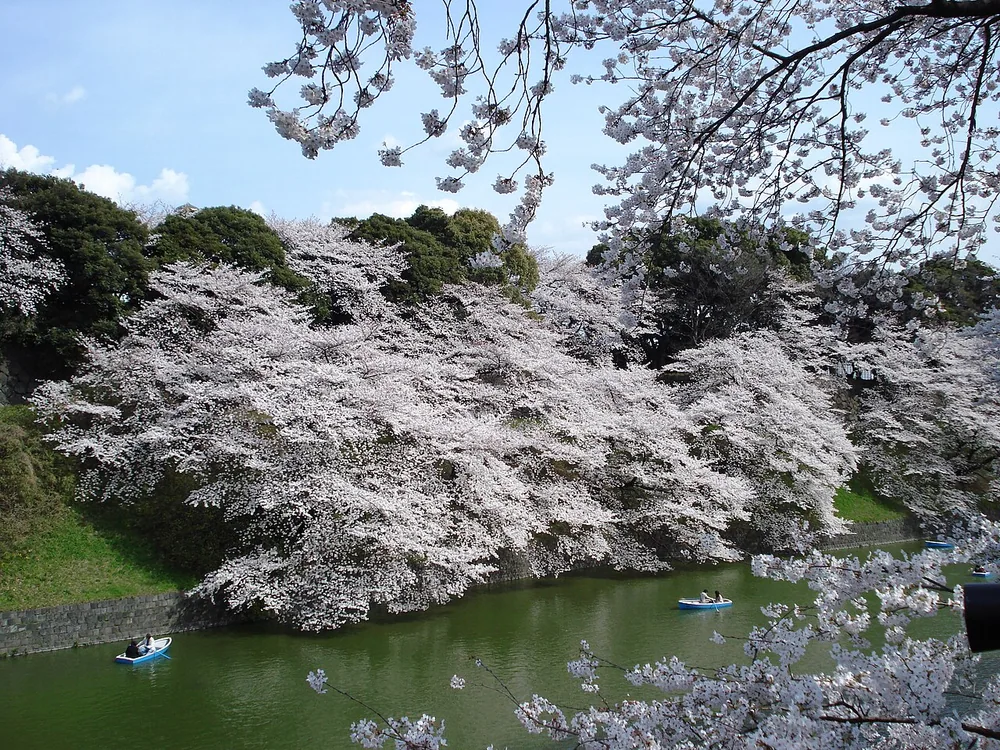
Choose a half-day cherry blossom walk in Tokyo by bloom conditions, where you are staying and how far you can walk. Compare Ueno, Asakusa and the Sumida River, Chidorigafuchi, Shinjuku Gyoen, the Meguro River and Inokashira Park, with daytime and evening options, meals, garden gates and wet-weather alternatives.
When checking the blooms, identify the tree or stretch of river being observed
When searching for Tokyo cherry blossom information, check the publication date, year and location first. The Japan Meteorological Agency’s explanation of phenological observations defines the start of flowering as five or six open flowers on the designated observation tree, and full bloom as roughly 80% or more of its flowers open. These terms describe stages of observation. To decide whether to go out, also look at recent photographs and reports from the organisation managing your destination, so you can see how the particular area you want to walk through is flowering.
Even within one park, varieties and locations differ. Look at both close-ups and wider photographs: a close-up shows the condition of the flowers, while a wider view shows how much blossom there is along the path. A photograph filled by a single flowering branch is not enough reason to switch an eastern Tokyo day to the other side of the city. Equally, somewhere that has begun to shed petals may still make a lovely waterside walk. If petals and reflections are what you want to photograph, it may be your best choice that day.
Wait for organisers to announce the next season’s event dates. When booking accommodation, keep a half-day flexible, then place it on a day with better blooms nearer the trip. Taito City’s Sumida Park cherry blossom information includes an update date and details of tree locations. Local pages like this make it easier to judge conditions within a park than applying one forecast date for all of Tokyo to every garden.
Ueno: enter at the Park Exit, then choose a museum or continue towards Shinobazu Pond
Ueno suits a day that combines cherry blossoms with an indoor activity you really want to do. Enter from the Park Exit side of JR Ueno Station and begin with the park’s main avenues. Pause by trees you like; where crowds are dense, follow the flow and look again from a wider space. If you plan to see an exhibition, choose one museum and a suitable entry time in advance. You can then adjust the length of your park walk around that fixed appointment.
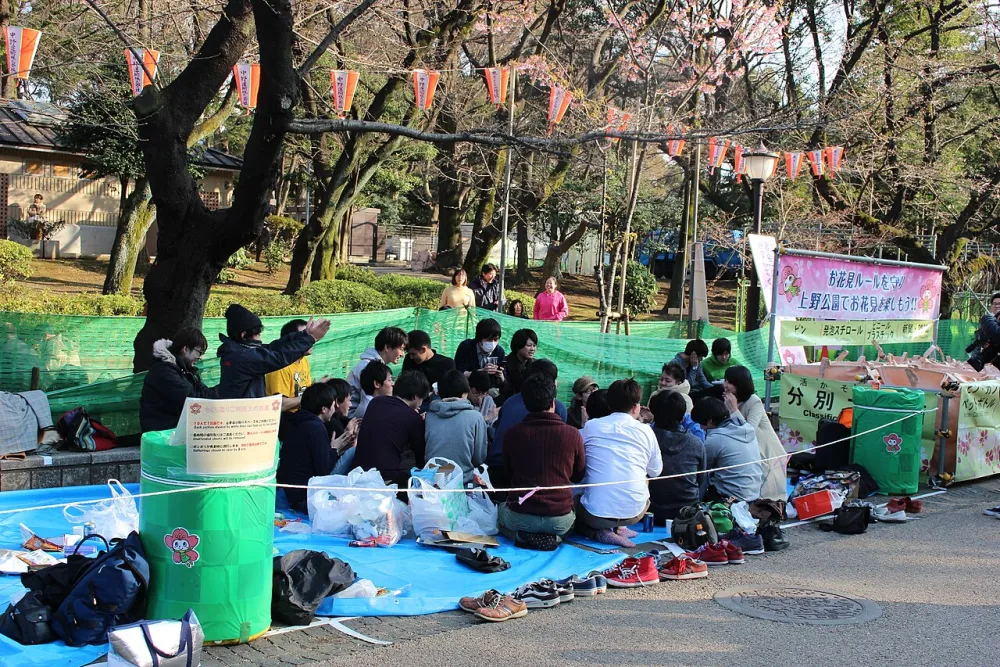
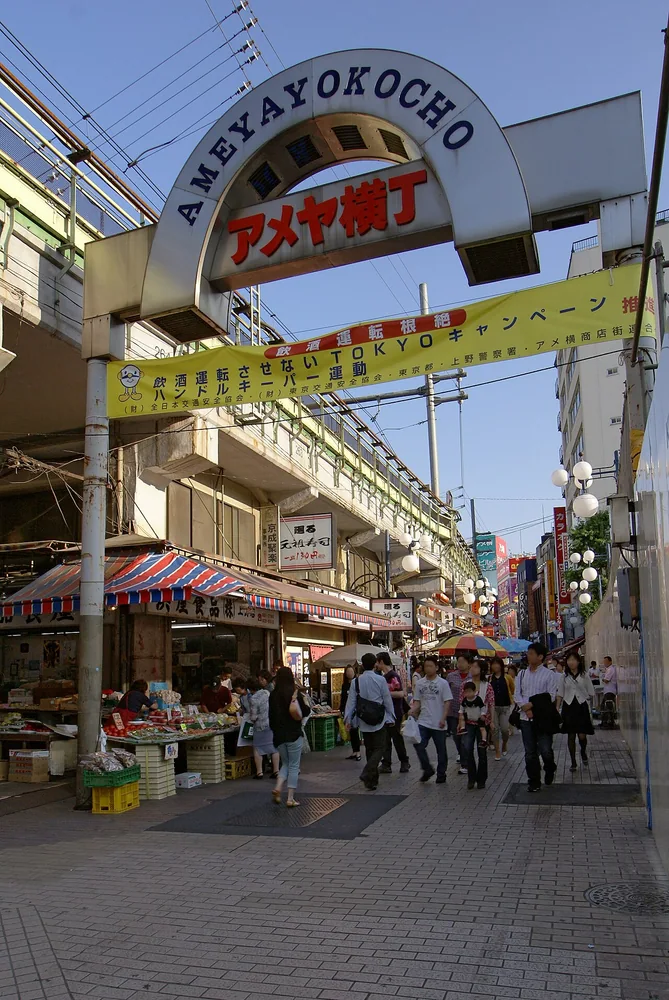
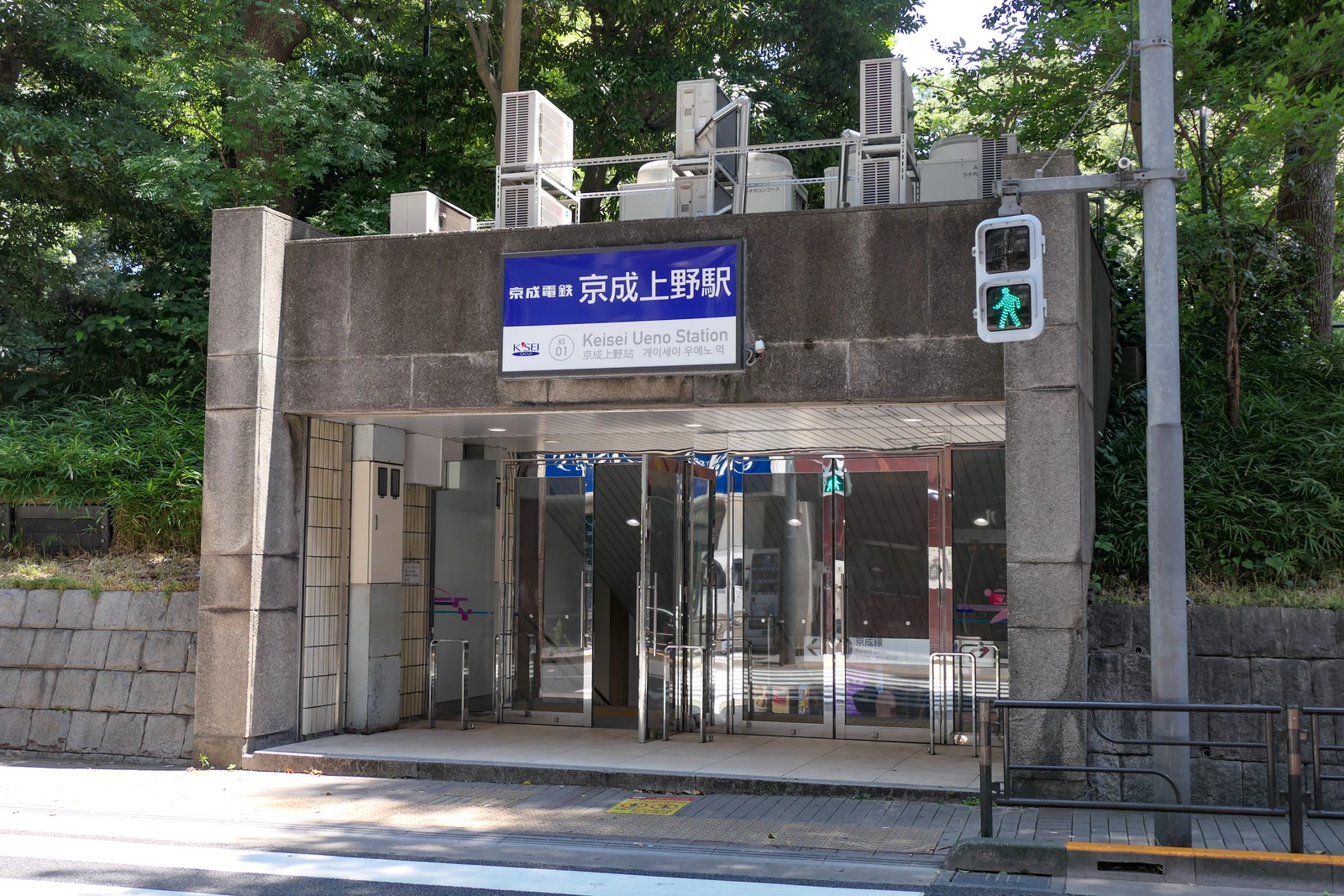
For an afternoon meal or everyday shopping, leave towards Shinobazu Pond and Keisei Ueno, then continue to Ameyoko or Okachimachi. If the walk from your accommodation brings you to the pond first, reverse the route and finish at the museum. The aim is to make one continuous walk through the park, with less backtracking between stations, the pond and museum buildings. Stay longer where the blossoms are good, and leave shopping for another evening.
The Tokyo Metropolitan Government’s Ueno Park information lists opening hours of 5:00–23:00. Early morning works well for a shorter walk; plan restaurants and cultural attractions for after their own opening times. Families can spend the morning looking at blossoms and letting children move around, then finish after lunch. If you want to visit a large museum, keep the park walk to a short stretch before and after it, leaving time to concentrate on the exhibition.
Lunch is the easiest part of a blossom-viewing day to push back. One more photograph becomes a detour to the pond, and by the time everyone is hungry you are walking back to find somewhere to eat. If your companions need regular meals, decide first whether lunch will be inside the park, near the station or in Okachimachi, then choose a walking endpoint in that direction. For a sit-down meal, make the restaurant a fixed stop; for a simple takeaway, find somewhere you are allowed to stop and eat in advance.
Do not rely on finding an empty bench beneath a popular tree. You can sit down together before entering the park, then use whatever seating is available during the walk. Large rucksacks, heavy coats and bags of souvenirs all make standing more tiring, so leave shopping until after the blossoms. For a picnic, check the park’s seasonal notices and use the designated areas, keeping paths and tree roots clear.
On a rainy day, if you already wanted to visit a museum, keep the exhibition and lunch and reduce the blossom walk to a short stretch on the way in or out. If the blossoms are your only reason for visiting, choose another half-day when the rain, wind and your energy make walking more comfortable. Both approaches work better than taking the whole group around the park under umbrellas. Choose the main indoor attraction first, so you do not spend a long time comparing museums after arrival.
Asakusa and Sumida Park: one walk around the temple, another beside the river
Choose Asakusa and the Sumida River if you want blossoms alongside the streets of eastern Tokyo. Start with a walk around Sensoji Temple and lunch, then head to the river near Azumabashi Bridge. If the flowers matter most, go to the park first and decide after eating whether to browse the shopping streets. Either part can stand on its own, and anyone who wants to walk less can easily return to Asakusa’s transport and restaurants.
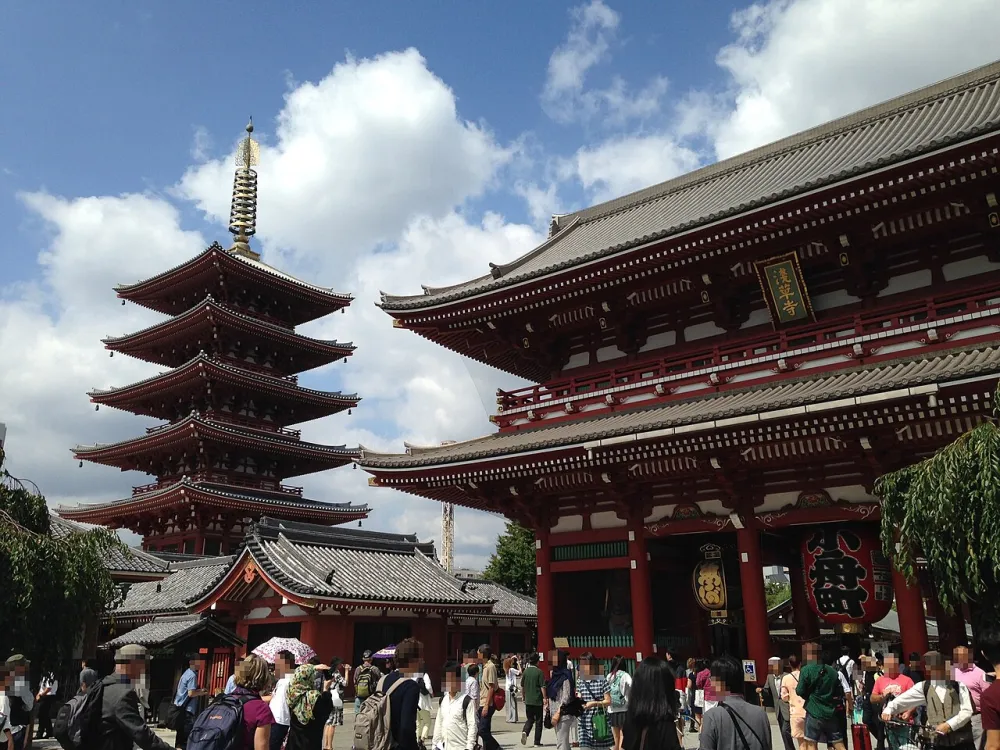

Sumida Park extends along both banks of the Sumida River. The Tokyo Metropolitan Bureau of Transportation’s guide to cherry blossom spots along its lines highlights the river views and views towards Tokyo Skytree. Decide whether you want the city skyline or a walk close to the trees, then continue along the same bank. Crossing a bridge changes your view, but each crossing adds walking and time at traffic lights. One is enough for a short half-day visit.
The Asakusa bank makes it easy to combine the temple, a meal and the river. If you want to finish the afternoon around Tokyo Skytree, cross to the east bank before leaving. Save your final departure station in your notes, so you do not have to return to your arrival station simply to follow a familiar route. If you have booked a timed observation deck visit, work out the journey from the park to its entrance first and make your furthest riverside turning point early enough to arrive on time.
For more time to sit, eat or rest with children, choose a short walk along one bank. Start with the stretch near Asakusa, linger by some blossoms you like, then leave in the direction of your planned meal. The broad river and city views already give you enough for a half-day; you do not need to cross every bridge. If you want river views in both directions, add a crossing and save the route away from the opposite bank as well.
If the wind feels too strong after crossing a bridge, head into the streets at the next safe exit from the river and stop for a meal or take transport back. Families with pushchairs should look at ramps, toilets and street entrances on the park map before deciding to walk both banks. Keep moving on bridges and take photographs from riverside spaces where you will not obstruct others. Put the camera away before crossing to avoid another stop to sort your belongings on the bridge. Allow separate time for boarding and waiting if you want a boat trip. If you already have a ticket, plan the blossom walk around the boarding pier and reach the right place early. For a spontaneous trip, check the departures you can actually catch and where they end before deciding whether they fit lunch and the return journey. The riverside walk is enough in itself; catching a boat need not turn the whole afternoon into a rush.
Chidorigafuchi: walk from Kudanshita towards Hanzomon with a clear finish
The main attraction at Chidorigafuchi is the greenway along the moat. Chiyoda City’s facilities information gives its length as about 700 metres. Exit 2 at Kudanshita Station provides access towards the northern end, while Exit 5 at Hanzomon Station is another transport option. For a first visit, plan a one-way walk from Kudanshita towards Hanzomon, with extra time for photographs, waiting and rests.
If you want to see branches hanging over the water, concentrate on this greenway. Kitanomaru Park and other green spaces around the Imperial Palace can remain optional additions on the map. Walk the stretch of moat you most want to see first, then add more only if you still have the energy. This also works after lunch: eat before entering the greenway, then return to the streets for tea or a snack afterwards, without carrying food and drinks throughout the walk.
With older companions, agree that you can finish once you have found a view you are happy with rather than treating the full length as a required distance.
When it is busy, the tiring part is slow movement and waiting on your feet, even over a short distance on the map. Agree which stretch you will see before leaving the crowd to sit down with a hot drink. If you separate to take photographs, choose an easy-to-recognise meeting point off the main path, so no one has to wait in a narrow space.
A video released by the Chiyoda City Tourism Association in 2024, showing the 2023 Chidorigafuchi Cherry Blossom Festival.
Allow separate time for boating and evening blossoms at Chidorigafuchi
If you want to row beneath the blossoms, make that the main activity of the half-day and plan the walk along the bank around it. Queuing, buying tickets and getting in and out of a boat all take time, so this is a different visit from a single walk along the greenway. If anyone in your group is not boating, arrange a rest option with a clear meeting time for them first. Queuing together before splitting up at the last moment can turn an anticipated blossom visit into a long wait for one another.
The Chiyoda City Tourism Association’s cherry blossom FAQ distinguishes designated park areas where you may sit on a mat and eat from the greenway and boat landing, and states that there are no food stalls on the Chidorigafuchi Greenway. Eat in the surrounding streets first, then concentrate on the walk. Take photographs handheld: the association’s event rules prohibit tripods and step stools on the greenway and in Kudanzaka Park. Once you have taken your picture, make room for the next person.
For evening blossoms, check the organiser’s illumination announcement for the year of your trip, then save both the approach route and the station to use afterwards. If you want to return after a daytime walk, put a sit-down meal in between to give your feet a proper rest. If choosing just one visit, go in daylight for natural colours and details on the water. If the illuminations are the focus of your evening, stay in another area during the day and arrive towards dusk to avoid an extra return journey.
Shinjuku Gyoen: choose a gate before deciding how far to walk
Shinjuku Gyoen has gates on different sides. The Ministry of the Environment’s access page lists Shinjuku Gate, Okido Gate and Sendagaya Gate. From Shinjuku-gyoemmae Station, you can approach Shinjuku or Okido Gate; Sendagaya and Kokuritsu-kyogijo stations serve Sendagaya Gate. If you are staying near Shinjuku, choose a short loop that ends with a meal in Shinjuku-sanchome. If arriving from the south, plan from the Sendagaya side first.
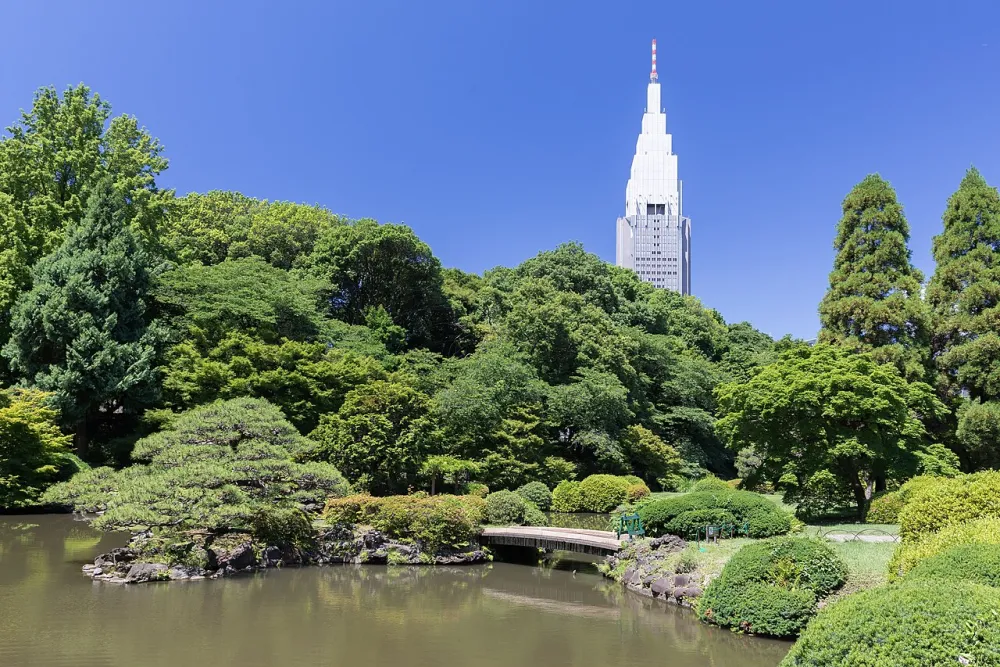
Consider where you want to go after leaving when choosing a gate. For afternoon shopping, an exit on the Shinjuku side is easier to connect with the shops. If you only want blossoms, lunch and a rest back at your accommodation, choose the gate with the simplest return journey rather than crossing the whole garden. Open the garden map and mark one garden area, somewhere to rest and an exit. Stay longer if the blooms are good, or follow this small loop out when you are tired.
Compared with the riverside routes, Gyoen makes it easier to rest as part of the blossom viewing. Walk for a while after entering, then choose a lawn or seat where the garden permits you to stop before continuing to the next group of trees. Take picnic food that is easy to share and clear away, and put a rubbish bag in your day bag. Carrying a full day’s food around the entire garden takes more effort than you might expect. If everyone wants hot food, a main meal after leaving is simpler.
The Shinjuku Gyoen cherry blossom guide lists about 900 cherry trees of roughly 70 varieties, flowering in succession. Somei-yoshino usually flowers in late March, while double-flowered cherries are generally at their best in mid-April. If you arrive in Tokyo later, check the garden’s current reports by variety before deciding to visit. Treat double-flowered cherries as a different blossom scene, and choose a route around the varieties flowering that day rather than pursuing one photograph of Somei-yoshino at full bloom.
According to the general admission information as of October 2026, admission is ¥500 for adults, ¥250 for people aged 65 and over and students at upper secondary level or above, and free for children in lower secondary school or below. From 15 March to 30 September, normal hours are 9:00–18:00, with last admission at 17:30; hours are extended further from 11 June to 31 July. The garden is normally closed on Mondays, with closure moved to the next weekday when Monday is a national holiday. It opens every day from 25 March to 24 April. Advance booking may be required on busy blossom-viewing dates. The announcement for the year of your trip will give the dates and booking method; once you have a slot, make it the day’s first fixed appointment.
The garden rules prohibit bringing alcohol or drones, using open flames, climbing trees or picking flowers and branches. They also restrict occupying seats or lawns for long periods. Save a meal with alcoholic drinks for after you leave, and use the garden for blossoms and simple food. Treat normal spring closing hours separately from evening events with their own tickets. If you have a daytime admission ticket, plan lunch, the walk and your exit around the daytime visit.
Arriving early or late in the season: choose your day by the varieties in flower
Outside the main Somei-yoshino season, decide whether you want a continuous avenue of flowers or to appreciate a few trees that are in bloom. The Ministry of the Environment’s Shinjuku Gyoen guide places the usual viewing season for early-flowering kanzakura between February and early March, with later varieties continuing through the latter part of spring. Gyoen is especially worthwhile if you want to compare flower shapes, colours and varieties. Read the current tree information, mark the areas in bloom and leave time to sit and look closely.
If you want dense branches stretching across a river, save the riverside visit for suitable local bloom conditions. During the earlier days of your stay, visit the neighbourhoods, exhibitions and restaurants you already wanted to see. Different interests within the group can also have their own time: spend one morning with several varieties in the garden, and keep a shorter waterside walk for another day. No one has to stake the whole trip on one particular view.
Nakameguro: choose one stretch of river, then sit down to eat afterwards
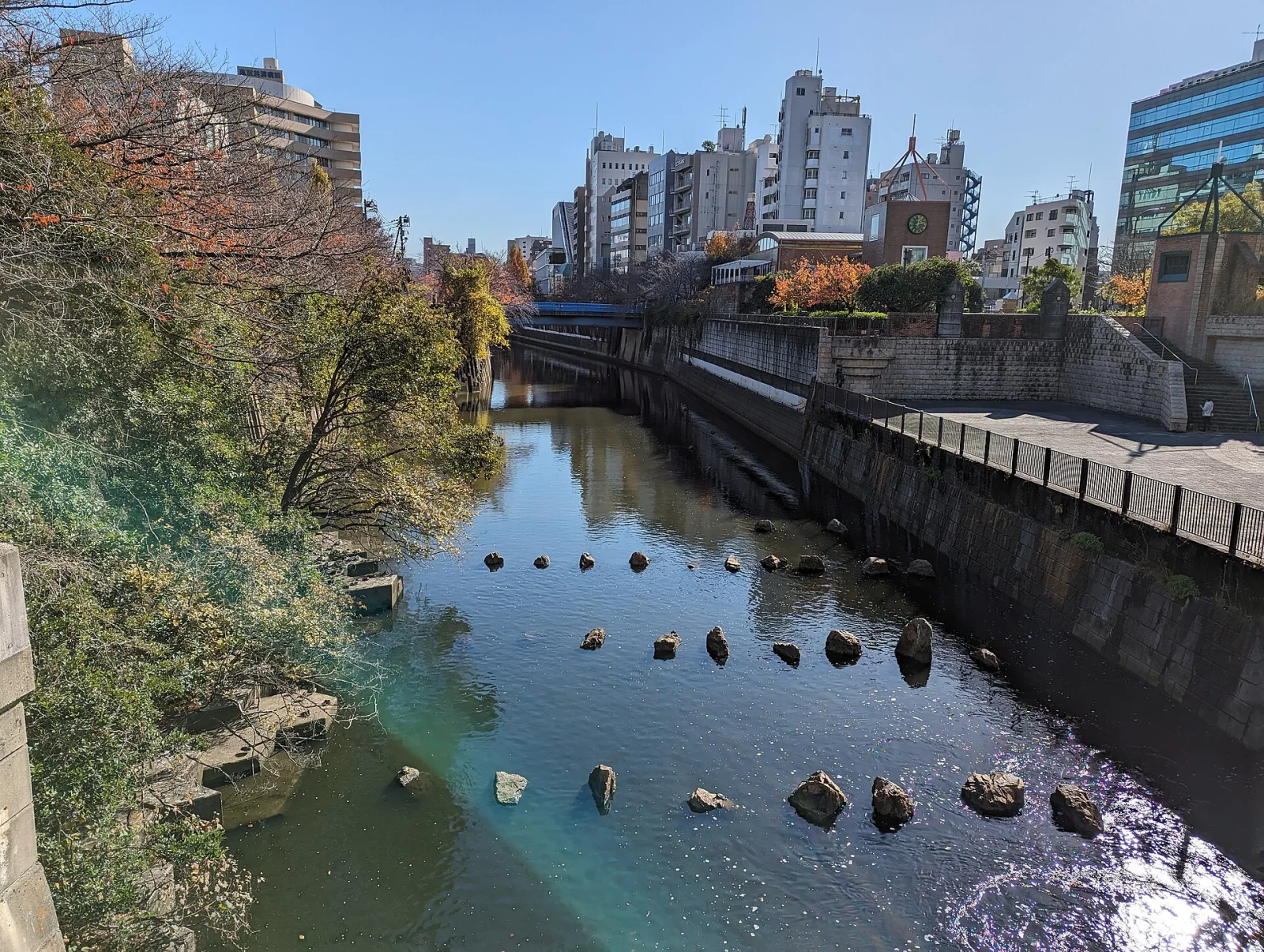
You can start on the Meguro River at Nakameguro or approach from Meguro. For a narrower river with overlapping branches, look at the stretch upstream from Nakameguro first. For wider paths and river views, consider the downstream options. Choose one stretch before deciding where to have lunch and whether to return to Nakameguro or leave from another station. Including the whole river often turns the final part into a hurried walk.
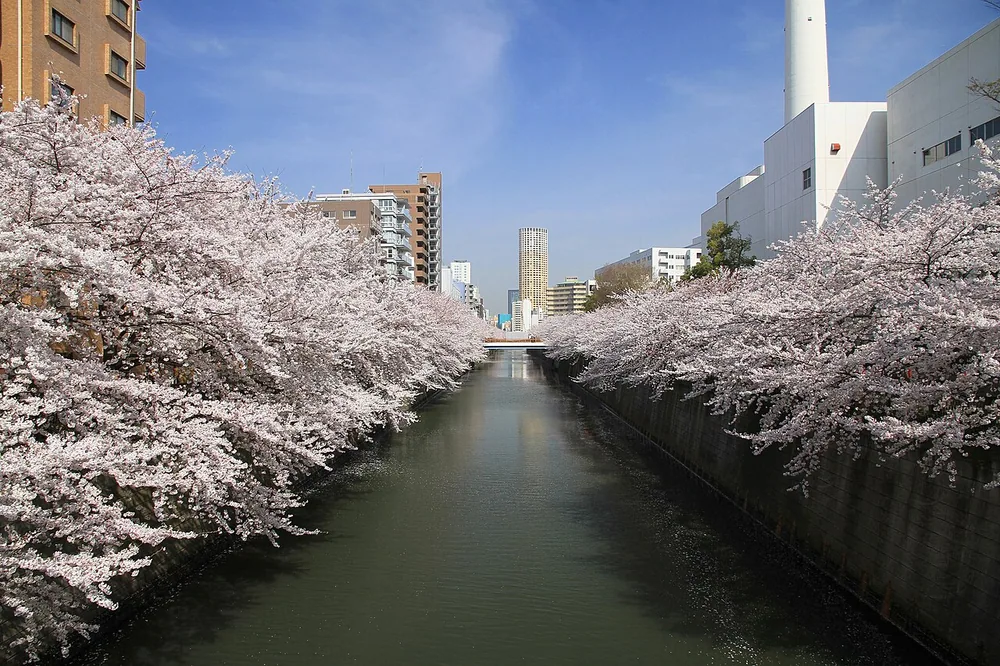
The 2026 cherry blossom map produced jointly by the Meguro and Shinagawa tourism associations divides the river into Nakameguro, Meguro and downstream sections, showing bridges, directions of travel and blossom-viewing rules. Find your position on arrival at the river, then follow the indicated direction. If a bridge where you want to take photographs is crowded, continue to the next stretch rather than stopping in the path to open your map. For group photographs, find somewhere you can stand aside without blocking people.
This route is easier with your hands free. Food, drinks and shopping bags make narrow riverside paths harder to use. Eat a main meal first or sit down in a restaurant afterwards to keep a pace that suits your companions. If you see a shop you want to visit, note its location and turn into the streets after finishing the main stretch of river. Give blossoms and shops their own time, so one person is not always waiting for photographs and another for shopping until the whole group is tired and still has not eaten.
Walking upstream from Nakameguro, aim for a stretch of river you are happy with, then return to Nakameguro through ordinary streets or follow the map towards Ikejiri-ohashi. Choose how to finish before joining the riverside path, so you do not have to walk through the crowd again to return to the same popular bridge. For a short walk before dinner, returning to Nakameguro is easier to manage. Using different arrival and departure stations makes sense if you already want to explore another area.
Downstream, compare short stretches near Meguro, Gotanda or Osaki. Each station serves a different part of the river, so choose according to your accommodation and restaurant plans that day. If you prefer a wider river and paths, make the middle or lower river your main visit; you do not need to stop at Nakameguro first to tick it off. Use the bridges as landmarks and save the names of two nearby bridges to help identify your bank when you arrive.
JR East’s walking directions from Meguro Station follow Gonnosuke-zaka downhill to the river. With older companions, allow for the return climb to the station in your energy budget. Once at the river, identify the way out so you can leave directly when anyone tires, rather than automatically adding another bridge. If dinner is near another station, choose the easiest connection. After a long blossom walk, a short ride often suits the group better than insisting on walking to the end of the river.
Kichijoji and Inokashira Park: a full day for the pond and the neighbourhood
Inokashira Park works well if you already want to visit Kichijoji. Walk from the station to the pond in the morning, choose a waterside stretch for blossoms, then return towards the station for lunch. Spend the afternoon in shopping streets, independent shops or a café, giving the park and neighbourhood their own parts of the day. If you are staying on the Shinjuku or Shibuya side, compare the rail routes that suit you best. If your eastern Tokyo itinerary is already full, keep your blossom viewing in the east and save Kichijoji for another trip.
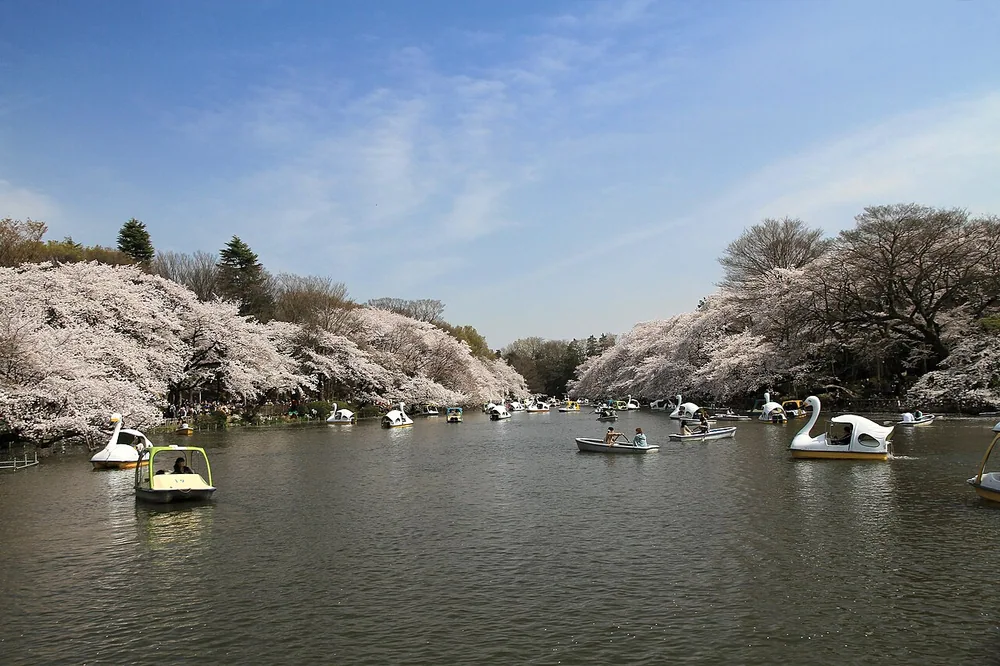
The Tokyo Metropolitan Government’s park access information gives a walk of about 5 minutes from Kichijoji Station or about 1 minute from Keio Inokashira-koen Station. These bring you to the park; allow extra time to reach the part of the pond you want to see. For a walk between different stations, start on the Inokashira-koen Station side, follow your chosen part of the pond and finish towards Kichijoji, leaving lunch and shopping for the station area.
Do not expect an empty seat beside the pond as soon as you arrive. If you want a long sit-down, have breakfast in the neighbourhood before setting off, then take shorter rests wherever space is available in the park. If children want to see animals, Inokashira Park Zoo is a separate activity with admission tickets and opening hours; let it replace some shopping or blossom time. If you have booked the Ghibli Museum, start with the entry time on your ticket and fit the park walk into a suitable gap before or afterwards.
Daytime or evening blossoms: choose the views you want to remember
Daylight shows tree shapes, blossom colours and how the riverbank relates to the surrounding streets. It suits first visits, anyone who needs to find their bearings and families with children. For portraits, choose a side where the light works well, step out of the flow for a few photographs, then continue. Chasing the same blanket of pink everywhere can distract you from the backgrounds you actually prefer: a pond, city skyline or moat. Choosing the right setting is more useful than adding two more stops to the day.
For evening blossoms, use the illuminated venues announced for that year. Save the event dates and start and finish times before arranging arrival and food, so you do not discover after dark that your chosen stretch has no event. Night photographs on a phone take longer, so carry less, shoot handheld and adjust your exposure before approaching the viewpoint. Keep moving where people need to pass; the next open space is usually easier for adjusting your camera and meeting companions.
If evening blossoms are your only visit that day, spend the afternoon shopping indoors or resting, eat an early dinner and head out towards dusk. If you have already walked a long way during the day, choose one venue near your accommodation or with a simple transport connection. It is natural to want photographs in every kind of beautiful light, but each extra part of the day needs another meal and rest. Make the day comfortable enough that you still have the energy to enjoy the final night view.
Only half a day: work back from your departure from Tokyo
If you are taking a shinkansen or flight that afternoon, work backwards from your luggage storage location and departure station. A short morning park walk, lunch and a return to collect your bags already make a complete blossom outing. Writing down when to leave the park is more practical than recording only the train time. When that time arrives, finish via the route back or your planned exit, without making fresh decisions on the return journey.
If you arrive in Tokyo in the morning but cannot check in until the afternoon, leave your luggage first and choose a short route near your accommodation. For a stay in Ueno or Asakusa, keep to the east; for Shinjuku, make Gyoen an activity before you get your room. After a long flight, a sit-down meal and access to your room can be the priorities of the day. If the blossoms are good, a longer visit after a night’s rest will usually be easier to enjoy slowly.
If you are together for half a day but have different interests, agree on a shared endpoint such as a lunch area or an obvious station exit. Keen photographers can linger in the first stretch while those wanting a seat leave earlier, then everyone meets at a fixed time. Choose a meeting point outside the crowds, rather than the middle of a bridge everyone wants to photograph. This also works for groups of friends, giving each person time for what they want to see.
Two blossom days: choose one waterside walk and one park
If you have two flexible days, separate a waterside day from a park day. An eastern version could pair Ueno Park and a museum on the first day with Asakusa, the Sumida River and a meal on the second. In the west, combine Shinjuku Gyoen with the Meguro River on another day. The spaces, ways to spend time and backgrounds will differ, and you can swap the days according to the rain. Choose a pair you like before adding your existing shopping and bookings, so the blossom list does not take over the whole Tokyo trip.
If you want Chidorigafuchi, let it replace one of the riverside half-days. For example, keep your morning shopping, arrive at Kudanshita after lunch and leave towards Hanzomon after the greenway. Spend the other day taking time over the varieties at Gyoen. If the current blossoms at Chidorigafuchi particularly appeal, give it the better weather and move shopping to the rainy day. This is a swap within the same base; you need not move accommodation as well.
When planning blossoms on both days, note how the first day actually feels: when feet start to ache, whether children need a nap and how long the wait for food is. Shortening the second route accordingly is more useful than copying the first day’s pace. If the first day’s popular views have already satisfied you, choose somewhere with less standing and more chances to sit on the second. A higher count of sights does not make better use of the season.
Count standing time and the return journey when judging how far to walk
Older visitors, families with pushchairs and wheelchair users need different route choices. For someone who can walk only short distances, choose a route close to entrances and exits with an easy way back. With a pushchair, check that paths, ramps and rest points connect. Wheelchair users should choose entrances using the actual step-free station routes and park maps. If a view you like requires a bridge crossing, a detour or a long wait on your feet, discuss it with your companions and make that stretch optional.
Plan toilet stops on arrival, at lunchtime and before leaving rather than looking only when someone needs one. Go before joining the riverside crowds, drink water with your meal and sort out children’s clothing before returning to the station. In a small rucksack, keep a jacket you can put on or take off, drinking water and essentials, and leave shopping until after the blossoms. The fewer things you need to open your bags for in a crowd, the easier it is to keep a pace that suits everyone.
At Gyoen, combine a small loop with a rest on the grass. On the Sumida River, choose a short stretch of one bank; at Ueno, replace a long time outdoors with a museum. At Chidorigafuchi and Nakameguro, include the effort of moving slowly through crowds. Base the choice on how everyone feels that day: shorten the walk after a poor night’s sleep, and extend it if the weather is comfortable and your companions have the energy. A clear endpoint where you can leave without hesitation does not lessen the value of the blossoms you have seen.
Rain, wind or fewer blossoms than expected: change the smallest part of the day
If there is light rain in the morning, check how long everyone wants to walk. Those who enjoy wet city streets can shorten the visit to a blossom walk followed by lunch indoors; anyone who feels the cold or has shoes that get wet easily can move the park to another day. Taking photographs while holding an umbrella occupies both hands, so carry as little as possible. If the riverside wind is uncomfortable, leave the riverside and head into the neighbourhood for a break. Reaching the planned endpoint is not worth spending the rest of the day in wet shoes.
If the blossoms differ from what you expected, keep the activities that already make the area worth visiting. At Ueno, go to your chosen museum; in Asakusa, keep the temple and lunch; in Shinjuku, keep neighbourhood shopping; in Kichijoji, enjoy the pond and shopping streets. On the Meguro River, take a shorter riverside walk and sit in a café or restaurant you wanted to try. Each area has its own reason to visit, so you can still enjoy half a day after shortening the blossom viewing.
If the latest photographs from one particular place tempt you, first work out what a switch of area would remove. If both of you are happy to skip a shopping centre, changing to another riverside is easy. If the whole family has a restaurant booking and needs a nap, keep to nearby blossoms. Changing just one half-day preserves the rest of your transport and meals and gives the stretch you really want to see enough time.
Accommodation and tickets: pay for convenience you will use every day
For blossom-season accommodation, start with the convenience of staying in one place: fewer morning transfers, an easy meal after evening blossoms and a room you can return to in the rain. A sight you visit once is rarely worth extra travel on every other day. If both blossom days will be in the west, compare Shinjuku, Shibuya or other addresses close to the routes you need. If both are in the east, shortlist places near Ueno and Asakusa.
Compare the total cost of the stay and the cancellation terms, and write down the cost of changing dates that you can accept. Keeping a blossom half-day flexible is usually easier than changing hotels at the last minute to follow the flowers. If you have already planned travel elsewhere, deal with changes in Tokyo’s blooms by swapping half-days within the city first. Following blossoms to another city means buying new tickets, moving luggage and dealing with accommodation; it should be a separate journey you already wanted to make.
Calculate rail tickets from the routes you will actually use. For one park and a return to your accommodation, start with the outward and return fares. If two activities use JR, Tokyo Metro or another private railway, separate the operators before deciding which pass fits. The guide to choosing rail tickets in Japan can help organise this. Adding train journeys just to get full value from a pass will break up what was meant to be a relaxed blossom day.
Before setting off, save one route you can follow
Save your chosen half-day as four points: arrival station and exit, the start of the blossom walk, somewhere to eat or rest, and departure station. Then read the park’s opening and crowd-control announcements for that year. If you have a booking, keep the confirmation available offline. Give your companions the endpoint and meeting arrangements too, so anyone separated from the group can head in the same direction rather than repeatedly searching at a crowded entrance.
The day before, check recent photographs and the destination’s update date again, then choose the next day’s main route. Before leaving in the morning, consider the weather, clothing and how your feet feel, and move the endpoint closer if needed. Once you arrive, give yourself some time without checking the next sight: look across the water from one bank, find a tree you like or sit down and finish your food. When the walk ends, use the exit you saved and go for that meal.
A few useful answers
Do I need to visit Ueno, Chidorigafuchi and the Meguro River on the same day?
Start with one half-day for blossoms, with another evening as an option if you have the energy. These three places are in different areas, so transfers and meals break up your time at each. With two days, choose a park and a waterside route for more variety in the views and ways to rest.
Where should I look first if I reach Tokyo in mid-April?
Read Shinjuku Gyoen’s current bloom and variety reports first. The garden’s double-flowered cherries usually have a later viewing season, which the Ministry of the Environment places around mid-April. Choose a route for the varieties flowering at the time, then arrange your admission slot.
Which blossom routes are easy to shorten with children?
At Shinjuku Gyoen, take a small loop and rest; at Ueno, follow the blossoms with a museum or other cultural attraction; on the Sumida River, stay on one bank. Save the locations of toilets, your lunch stop and your departure station first, then extend the visit according to how the children feel. At Nakameguro and Chidorigafuchi, allow separately for time spent standing in crowds.
Can I plan evening blossoms using the previous year’s announcement?
Use the previous year’s information to understand the venue location. For illumination dates, hours, bookings and walking routes, use the organiser’s announcement for the year of your trip. Keep an evening flexible when booking accommodation, then arrange dinner and the journey back once that year’s event is announced.
Official information and references
Sources used in this guide.
- Japan Meteorological Agency: definitions of flowering, full bloom and designated observation trees
- Tokyo Metropolitan Government: Ueno Park visitor information
- Taito City: Sumida Park cherry blossom information and update dates
- Tokyo Metropolitan Bureau of Transportation: cherry blossom spots along its lines
- Chiyoda City: Chidorigafuchi Greenway and access
- Chiyoda City Tourism Association: cherry blossom FAQ
- Ministry of the Environment: Shinjuku Gyoen access and its three gates
- Ministry of the Environment: Shinjuku Gyoen cherry blossom varieties
- Ministry of the Environment: Shinjuku Gyoen general admission information
- Ministry of the Environment: Shinjuku Gyoen rules
- Meguro and Shinagawa tourism associations: 2026 cherry blossom area and etiquette map
- Tokyo Metropolitan Government: access to Inokashira Park
- JR East: the downhill walking route from JR Meguro Station to the Meguro River
- Tokyo Zoological Park Society: Inokashira Park Zoo opening hours and tickets
- Ghibli Museum, Mitaka: reservations for a specified date and time
- Ministry of the Environment: Japanese admission guide and student fee rules for Shinjuku Gyoen