Hokkaido's autumn foliage starts on the slopes of Daisetsuzan in September and lasts until Sapporo's ginkgos and Hakodate's Kosetsuen Garden in late October. Compare peak timing and hotel bases, plus 2027 Mt. Kurodake fares, Sounkyo and Jozankei buses, and Onuma rail walks.
- Region & Focus
- HokkaidoFall foliage
- Reading Scope
- 25 min read · 10 chapters · 5 Q&As
- Official Verification
- 34 official sources checkedUpdated November 22, 2026
- Key Topics
- SeasonsItinerariesRail travel
Chapter Route Map (tap any stop)
- When Do Hokkaido's Autumn Leaves Peak? Check Elevation Before Picking Your Base
- How Far Up Mt. Kurodake Should You Ride? Distances at the 5th Station, 7th Station, and Summit
- Stay in Sounkyo or Asahikawa? Connecting Momijidani, Twin Waterfalls, and Ginsendai
- Mt. Asahidake's Sugatami Pond: Save a Clear Half-Day
- Jozankei Day Trip: Separate the Sapporo Express Bus from the Dam Shuttle
- Half a Day in Late-October Sapporo: Pick Kita 13-jo Ginkgos or Nakajima Park
- Lake Toya for Shoreside Walks, Noboribetsu for Hell Valley and Onsen Streets
- Onuma Peaks Mid-October to Early November: Day-Tripping from Hakodate Keeps You Flexible
- Hakodate Kosetsuen Garden: See the Grounds by Day, Stay Late Only on Illumination Nights
- 3-, 5-, and 7-Day Itineraries: Building in Room to Swap Days
- Quick Q&A
Hokkaido's autumn foliage season stretches from the mountain slopes of Daisetsuzan in September to the ginkgo trees of Sapporo and the gardens of Hakodate in late October and early November. For whole mountainsides turning color in mid-September, base yourself in Asahikawa or Sounkyo. For hot springs and gorge views in mid-October, head to Jozankei from Sapporo. If you can only travel in late October, two nights in Hakodate give you enough time to split Onuma Park and Kosetsuen Garden across separate days. Once your flights are booked, pick one top-priority spot based on your dates and leave one half-day flexible to swap in case of rain.
When Do Hokkaido's Autumn Leaves Peak? Check Elevation Before Picking Your Base
On Mt. Kurodake in Kamikawa, foliage starts turning near the summit, and according to Rinyu Kanko, the band of color takes more than a month to move down to Sounkyo Onsen town. The upper and lower halves of the same mountain can feel like two completely different autumn trips. In mid-September around Ginsendai or Asahidake's Sugatami Station, you are mostly looking up at colored slopes. By early October in Sounkyo's Momijidani, the trees sit right beside the footpath. When using travel photos to judge timing, check whether the shot shows the ropeway corridor, the 7th Station, or the hot spring town itself; a caption that simply says "Daisetsuzan" can easily throw your booking off by a week.
Sapporo has the same elevation gap in October. Jozankei sits in a valley in southern Sapporo, where the hot spring town typically peaks around mid-October. In the local association's October 26, 2026 log, leaves in the town were already falling while Hoheikyo Dam and Sapporo Kokusai Ski Resort had finished for the season. Meanwhile, Hokkaido University in central Sapporo lists late October to early November as the typical peak for its Kita 13-jo Ginkgo Avenue. Both are in Sapporo, so a late-October itinerary belongs in the city center.
In Japanese foliage reports, irozuki-hajime means color is just starting, migoro means peak viewing, and ochiba-hajimari means leaf drop has begun. When comparing official photos, check the date stamp first and see how much foliage remains on the canopy. If high winds are in the forecast that week and you want full trees, prioritize spots still turning. If you want fallen leaves carpeting the ground, look at recent garden updates showing early leaf drop with color still on the branches. Photos from a few days earlier tell you where to go first, while transit timetables tell you whether a backup plan is actually reachable that day.
A one-week trip lets you see several stages of fall, though you will rarely hit peak color everywhere at once. With older travelers or young kids, pick spots with views right off the bus or train, such as Onuma Park Plaza or Mt. Kurodake's 5th Station. Companions who enjoy longer walks can add the lake islands or side trails. When a group wants to split into different walking distances, meet back at a station, visitor center, or the same ryokan rather than at a bridge on the far end of a trail.
| Typical Window | Priority Spots | Practical Hotel Base |
|---|---|---|
| Mid- to late September | Asahidake Sugatami Station, upper Mt. Kurodake, Ginsendai | Asahikawa Station area, Asahidake Onsen, or Sounkyo |
| Late September to early October | Mid-slope Mt. Kurodake to Sounkyo Momijidani | Sounkyo Onsen |
| Early to late October | Lake Toya shore; Jozankei Onsen town typically peaks mid-October | Toyako Onsen, Sapporo Station area, or Jozankei |
| Mid-October to early November | Onuma Quasi-National Park | Hakodate Station area |
| Late October to early November | Hokkaido University ginkgos, Hakodate Kosetsuen | Sapporo Station area, Hakodate Station area, or Yunokawa |
Hokkaido's autumn foliage starts on the slopes of Daisetsuzan in September and lasts until Sapporo's ginkgos and Hakodate's Kosetsuen Garden in late October. Compare peak timing and hotel bases, plus 2027 Mt. Kurodake fares, Sounkyo and Jozankei buses, and Onuma rail walks.
How Far Up Mt. Kurodake Should You Ride? Distances at the 5th Station, 7th Station, and Summit
From Sounkyo Onsen, the Kurodake Ropeway takes about 7 minutes to reach the 5th Station at roughly 1,300 meters. The station rooftop features the Kurodake Nature Terrace, which looks out across the Sounkyo valley in clear weather, and a short walking loop next to the station takes around 30 minutes. With family members who dislike steep paths, stick to the rooftop deck and the station area first, then judge the surface and energy levels before going farther. After taking photos, you can ride back down and save the afternoon for Momijidani.
From the 5th Station ropeway terminal, it is about a 200-meter walk to the chairlift boarding area. The summer chairlift runs roughly 15 minutes up to the 7th Station at 1,520 meters. This ride is completely open to the wind, with no shelter if rain starts mid-ride. If you take both lifts up, save the return departure times for both the downhill chairlift and the downhill ropeway, leaving time for the walk back between them. Above that lies the Mt. Kurodake climbing trail toward the 1,984-meter summit, so foliage sightseers have a clear turnaround point at the 7th Station. Anyone continuing to the summit needs separate mountain gear, descent timing, and a regrouping plan.
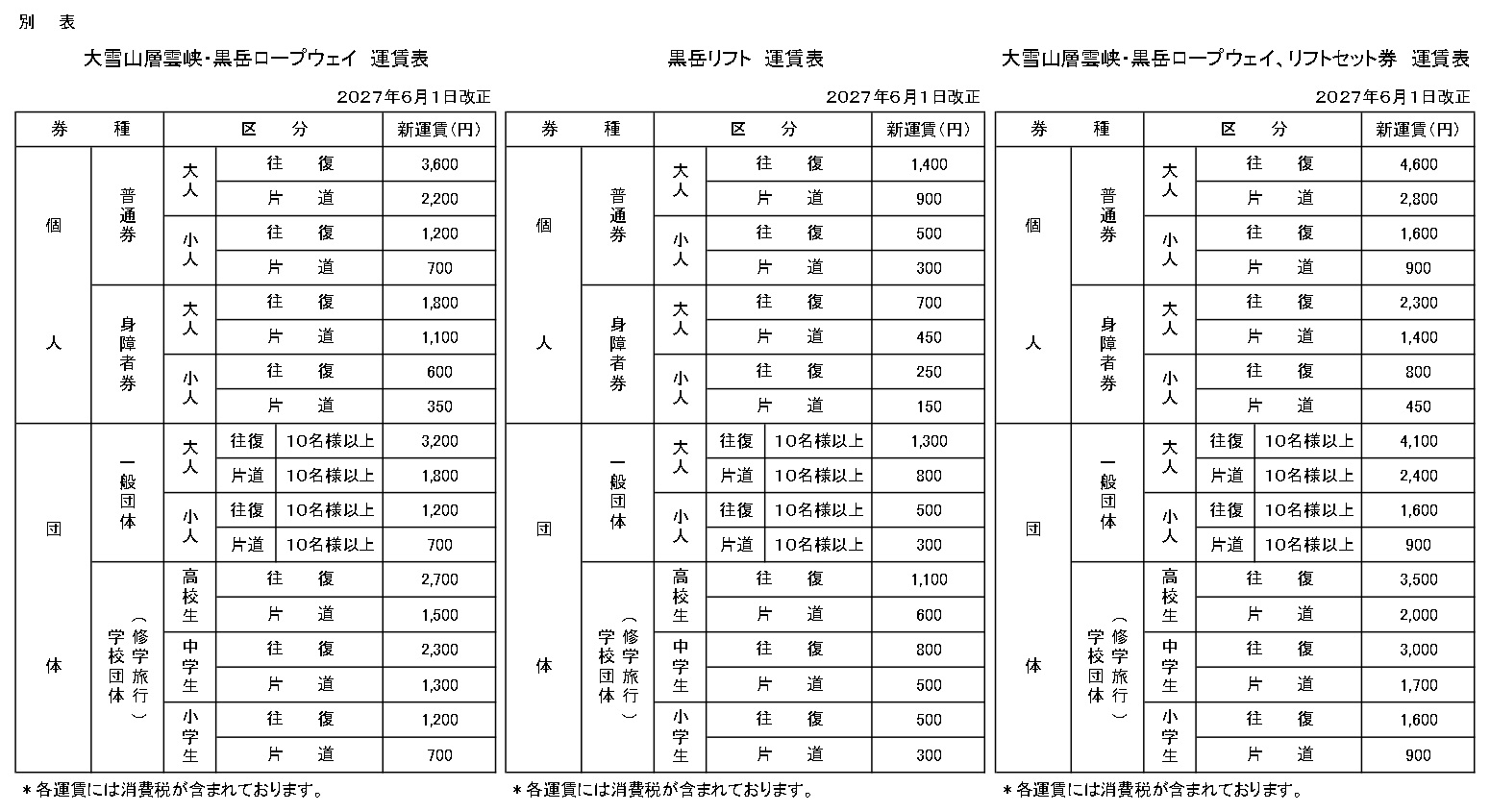
Starting June 1, 2027, Rinyu Kanko's revised adult round-trip fares are ¥3,600 for the ropeway, ¥1,400 for the chairlift, and ¥4,600 for the combined round-trip ticket. Child fares for those three options are ¥1,200, ¥500, and ¥1,600 respectively; keep these numbers in mind when budgeting for fall 2027. Two adults riding all the way to the 7th Station save ¥800 total with the combo ticket compared to buying two separate round-trip fares. Older relatives who only want to see the color band around the upper terminal can buy the ropeway-only ticket and meet everyone back at the 5th Station.
The operator's published 2027 ropeway hours run 6:00-18:00 from June 21 to September 30 and 7:00-17:00 from October 1 to 15, with the final uphill cabin departing 40 minutes before closing. The chairlift follows its own summer timetable. In fall 2026, chairlift operations ended on October 15, so when planning for the second half of October next year, lock in plans below the 5th Station first. If high winds or mechanical halts shut down the lifts, even arriving first thing in the morning forces a switch to lower trails, which is much easier to pivot from when staying in Sounkyo Onsen than after riding up from Sapporo.
To catch the first weekend departure, guests staying in Sounkyo can walk straight to the base station, while those based near Asahikawa Station have to align the earliest arriving bus with the lift schedule. If there is a line, calculate how much time you actually have left to walk around the 5th Station. With only a short window, buy just the ropeway ticket, take in the views near the station, and head down. Save the chairlift for a calm morning when you have hours to spare. Leaving a small buffer for the downhill transfer beats watching the clock in the return queue after finishing at the 7th Station.
Stay in Sounkyo or Asahikawa? Connecting Momijidani, Twin Waterfalls, and Ginsendai
Dohoku Bus Route 81 departs from Stop 8 in front of Asahikawa Station, and the Sounkyo Tourism Association estimates the direct ride at roughly 110 minutes. Alternatively, take JR to Kamikawa Station and transfer to the bus at Kamikawa Mori-no-Terrace Bus Touch to Sounkyo, a bus leg of about 35 minutes. Compare total door-to-door travel time, including the wait between connections. If the Kamikawa transfer leaves you stranded between buses, staying on a single through-bus from Asahikawa is simpler. Day-trippers should pick their return bus to Asahikawa or Kamikawa first, then work backward to schedule the ropeway, Momijidani, and lunch.
The Momijidani trailhead sits right in the hot spring town area, making it easy for bus travelers. From the entrance to Momiji Waterfall, the tourism association lists a free one-way walk of about 30 minutes during the June-to-early-November walking season. The lower section passes maple trees and the riverbed before narrowing toward rock walls and the waterfall. Anyone wearing everyday sneakers can turn back at a good vantage point if wet leaves cover the ground. If you want to hike all the way to the falls, set aside a solid daylight block before heading back to town for a meal or soak.
Ginga Waterfall and Ryusei Waterfall sit about 3 kilometers from the hot spring town. Driving to the parking lot puts both white cascades in view, and walking up to the Sobakudai overlook to frame them together takes about 20 minutes uphill according to the association. On foot from town, factor in roughly 6 kilometers round-trip; when bus headways are wide, picking either Momijidani or the waterfalls makes for a calmer pace. Farther along the national highway, Obako is another scenic pull-off for drivers. The Kobako promenade remains closed due to rockfall risk, so stick to Momijidani and the open waterfall viewing areas.
Akadake Ginsendai is a dedicated stop for travelers chasing early-autumn alpine color. During the 2026 foliage season, private-car restrictions applied from September 12 to 23 on the Ginsendai line and September 19 to 30 on the Kogen Onsen line. The two roads lead to different trailheads, so rental-car plans have to match each route's shuttle, parking, and registration rules. For 2027, you can hold lodging in Kamikawa in advance and pick your mountain day once the new restriction notice is posted. Both Ginsendai and Kogen Onsen take up a full morning, so choosing just one on a day trip from Asahikawa keeps your return schedule predictable.
If you want two chances to ride Mt. Kurodake, stay consecutive nights in Sounkyo and take the ropeway on the first clear morning. When booking a ryokan with dinner included, match your required check-in cutoff against your planned descent time, especially if you are riding a long-distance bus in and heading straight up the mountain. If you need flexibility to swap Mt. Kurodake and Mt. Asahidake by weather, staying near Asahikawa Station is easier because buses to both mountains depart from the same hub. When Sounkyo's peaks disappear into thick fog, stop by the Sounkyo Visitor Center in town, open daily 9:00-17:00 from June through October, to check trail conditions and decide on an afternoon walk.
Mt. Asahidake's Sugatami Pond: Save a Clear Half-Day
Mt. Asahidake sits on the Higashikawa side of the range and cannot be reached via Mt. Kurodake's ropeway from Sounkyo. By public transit, board Asahikawa Denki Kido Bus Route 66 (Ideyu-go) from Stop 9 in front of Asahikawa Station; it runs via Asahikawa Airport and Higashikawa Town to the Asahidake terminus. Staying in Higashikawa trims time off the ride, just verify which bus stop is closest to your hotel. Travelers catching the bus straight after flying in should factor in landing, customs, or baggage claim time, as Route 66 runs strictly on a fixed timetable.
Asahikawa Denki Kido lists the one-way fare from Asahikawa Station to Asahidake at ¥2,300 for adults and ¥1,150 for children. An adult paying round-trip bus fare from Asahikawa plus the peak-season round-trip ropeway ticket spends ¥8,100 total. If your flight lands at Asahikawa Airport, boarding Route 66 there skips backtracking into Asahikawa Station. To leave time for a walk on arrival day, spend a night in Asahidake Onsen. Anyone heading back to Asahikawa Station for a limited express train should leave a generous transfer cushion in case road traffic forces a seat rebooking.
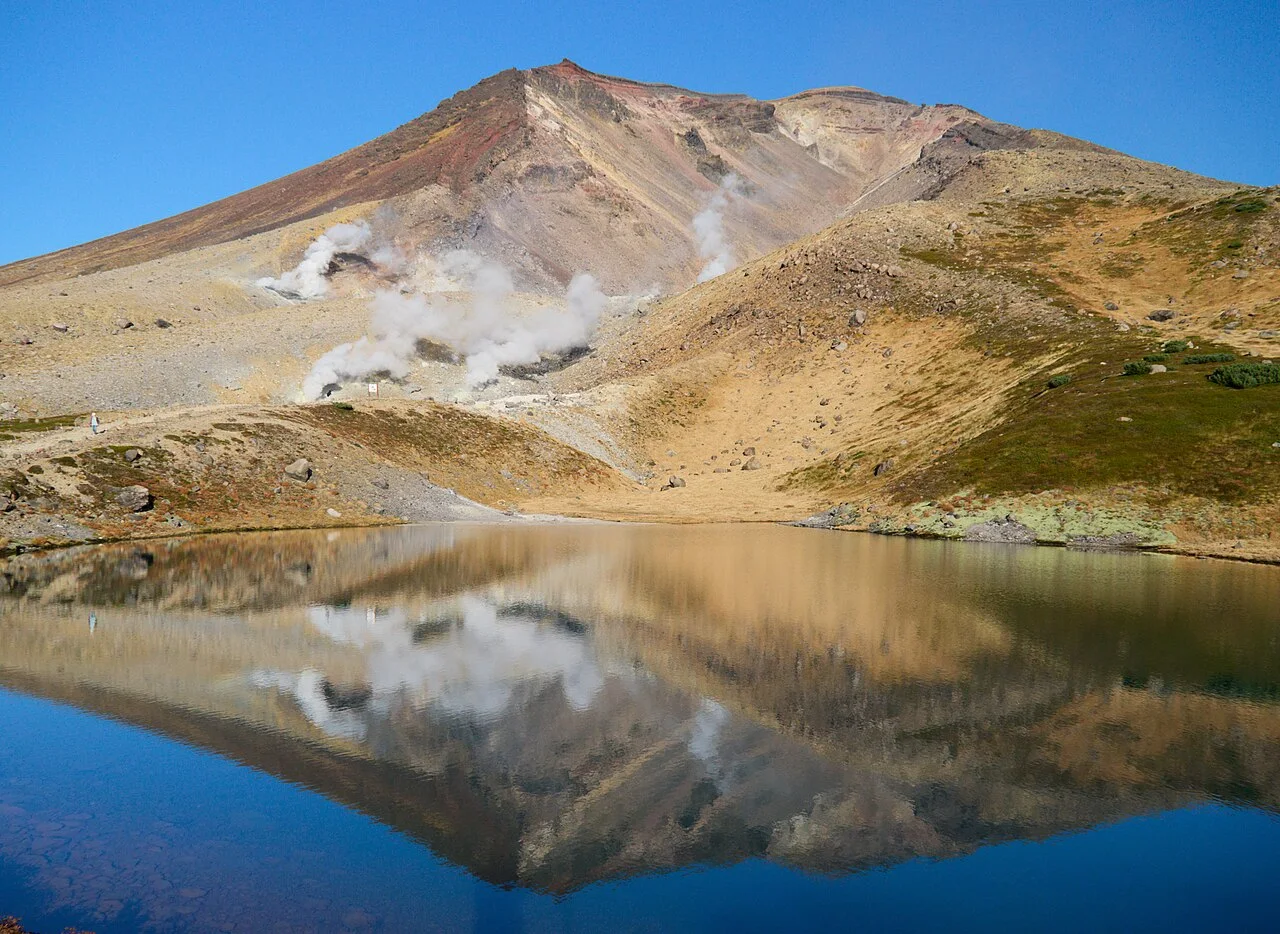
The Asahidake Ropeway takes about 10 minutes to climb from the base up to Sugatami Station at roughly 1,600 meters. The official website lists peak-season round-trip fares from June 1 to October 31 at ¥3,500 for adults and ¥1,750 for children, with departures every 15 minutes from June 1 to October 20. The operator specifically flags mid-September weekends and holidays as high-congestion periods; if you are staying two nights in Asahikawa, aim up the mountain on a weekday and keep the weekend for flexible city plans.
In steady weather, you can walk the loop trail around Sugatami Station to take in the colored slopes and pond reflections. If low cloud sits over the mountain, pull up the ropeway's live webcam and check upper wind conditions before buying a ticket. When wind is audible at the base or visibility drops right outside the upper terminal, stay at the base visitor center, grab a hot drink, and ride the scheduled bus back down. Cut the loop short if you encounter lingering snow, ice, or fresh flurries at altitude. Grippy footwear, a windproof shell, and a warm mid-layer belong in your daypack on the mountain, not back in your suitcase in Asahikawa.
On days with shorter autumn hours, screenshot both the downhill ropeway schedule and the return bus timetable together. In 2026, the ropeway closed for maintenance from November 16 to December 10, along with its restaurant and shops. If your Hokkaido trip falls in that window, replace Asahidake with city and hot spring stops rather than booking a wasted transfer on the off chance color remains up high.
Jozankei Day Trip: Separate the Sapporo Express Bus from the Dam Shuttle
Jotetsu Bus operates the reservation-required Kappa Liner from Sapporo Station. Walk out the JR Sapporo Station South Exit to Stop 27 in front of the Hokuren Building for the roughly 60-minute ride to Jozankei Onsen town. Get off at Jozankei Jinja-mae right by the tourist information center, or choose stops like Jozankei Yu-no-Machi or Daiichi Hotel-mae if your ryokan sits lower in the valley. When booking online, enter the exact outbound and return stop names separately, since several return stops sit across the street.
Jotetsu Bus reservations open one month before travel and close at 17:00 JST the day prior. The official site lists regular one-way fares from Sapporo Station to Jozankei Shako-mae or Hoheikyo Onsen at ¥1,700, or ¥1,460 with online prepayment. If two people plan an afternoon soak and an evening return to Sapporo, booking both legs together avoids hunting for open seats once you reach town. When the direct bus sells out, ride the Namboku Subway Line to Makomanai Station and transfer at Stop 4 to a local Jotetsu bus, which the tourism association estimates at about 47 minutes to the hot spring area. Factor in the subway leg and transfer wait, and take an earlier departure on weekends.
With only half a day, get off at Jozankei Jinja-mae, start at Jozan Gensen Park, and walk through town to Futami Park and the red Futami Suspension Bridge. For family members mainly looking for gorge views, the bridge and town streets already make a satisfying loop. If energy allows, follow the open riverside path across the bridge, turning back toward the main street whenever you hit fencing or a closure sign. The footbath at Jozan Gensen Park runs 7:00-21:00; bring a small towel so you do not have to step back onto the bus in damp socks on a chilly autumn afternoon.
Hoheikyo Dam lies upstream from the hot spring town. In 2026, the Hoheikyo Dam Shuttle ran from October 3 to 25 out of the Jozankei Tourist Information Center, with same-day sign-up at the counter in order of arrival. The shuttle drives to the dam parking lot, where riders transfer to an electric bus into the dam complex. The 2026 round-trip fare totaled ¥2,200 for adults and ¥1,600 for elementary school students, taking about two hours round-trip from the information center. Use last season's timing and cost to gauge your schedule; next year's shuttle dates will be announced alongside the Five Great Autumn Foliage Routes campaign.
Double-check the difference between "Hoheikyo Dam" and "Hoheikyo Onsen" when boarding buses. The dam shuttle does not stop at Hoheikyo Onsen along the way. If you plan to visit both in one day, knock out the dam first, then return to the information center area to catch your next ride. Anyone with a reserved day-use bath in Jozankei should build in time to get back to town, change, and make their departure. On days when the dam shuttle is not running, walk Futami Suspension Bridge and Gensen Park, pick an open day-use hot spring for the afternoon, and wrap up easily without an extra long-haul detour.
Half a Day in Late-October Sapporo: Pick Kita 13-jo Ginkgos or Nakajima Park
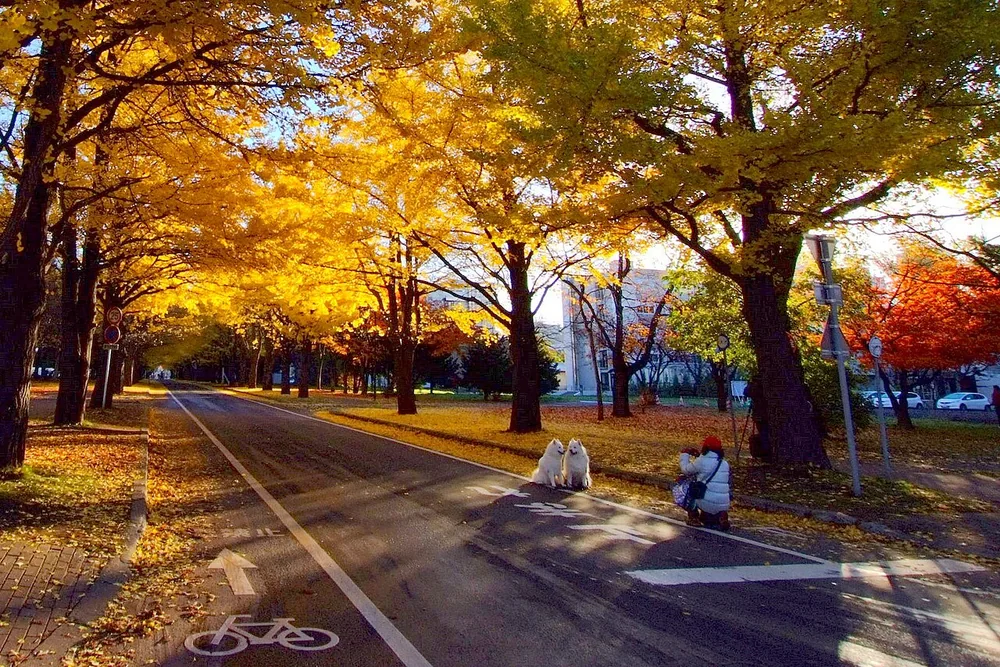
Hokkaido University lists late October to early November as the typical peak for its Kita 13-jo Ginkgo Avenue. Walking from Kita 12-jo Station on the Namboku Subway Line toward the Kita 13-jo Gate brings you straight onto the roughly 380-meter ginkgo-lined avenue; coming from JR Sapporo Station via the main gate lets you cross the central lawn before heading north to the ginkgos. If you are staying near Sapporo Station, spend half an hour there in good morning light before grabbing breakfast or heading elsewhere. Anyone interested in campus museums can combine both on days those facilities are open.
Kita 13-jo Street is an active campus thoroughfare, so enter on foot and step aside toward the curb when stopping for photos. In 2026, Hokkaido University restricted cars and bicycles at the Kita 13-jo Gate on October 31 and November 1, and prohibited tourists from using the Hokkaido University Hospital visitor parking lot. Drivers should leave rental cars at their hotel or a downtown garage and take the subway. If traveling with a stroller or short-distance walkers, entering and exiting from the Kita 12-jo side saves the long walk back from the south end of campus.
For autumn colors mirrored on water, pick Nakajima Park instead: ride the Namboku Line to Nakajima-koen Station and enter near Exit 1 or Exit 3. Time the stroll right before dinner in Susukino, walking as far as Shobu Pond before looping back to the station or exiting at the north end. Since Hokkaido University sits north of Sapporo Station and Nakajima Park sits south of downtown, choose based on your hotel's location when short on time. With two half-days, give the brightest sun window to Nakajima Park's water views and save an overcast stretch for the ginkgos and campus exhibits. For more city stops, see our Sapporo autumn walks guide.
Lake Toya for Shoreside Walks, Noboribetsu for Hell Valley and Onsen Streets
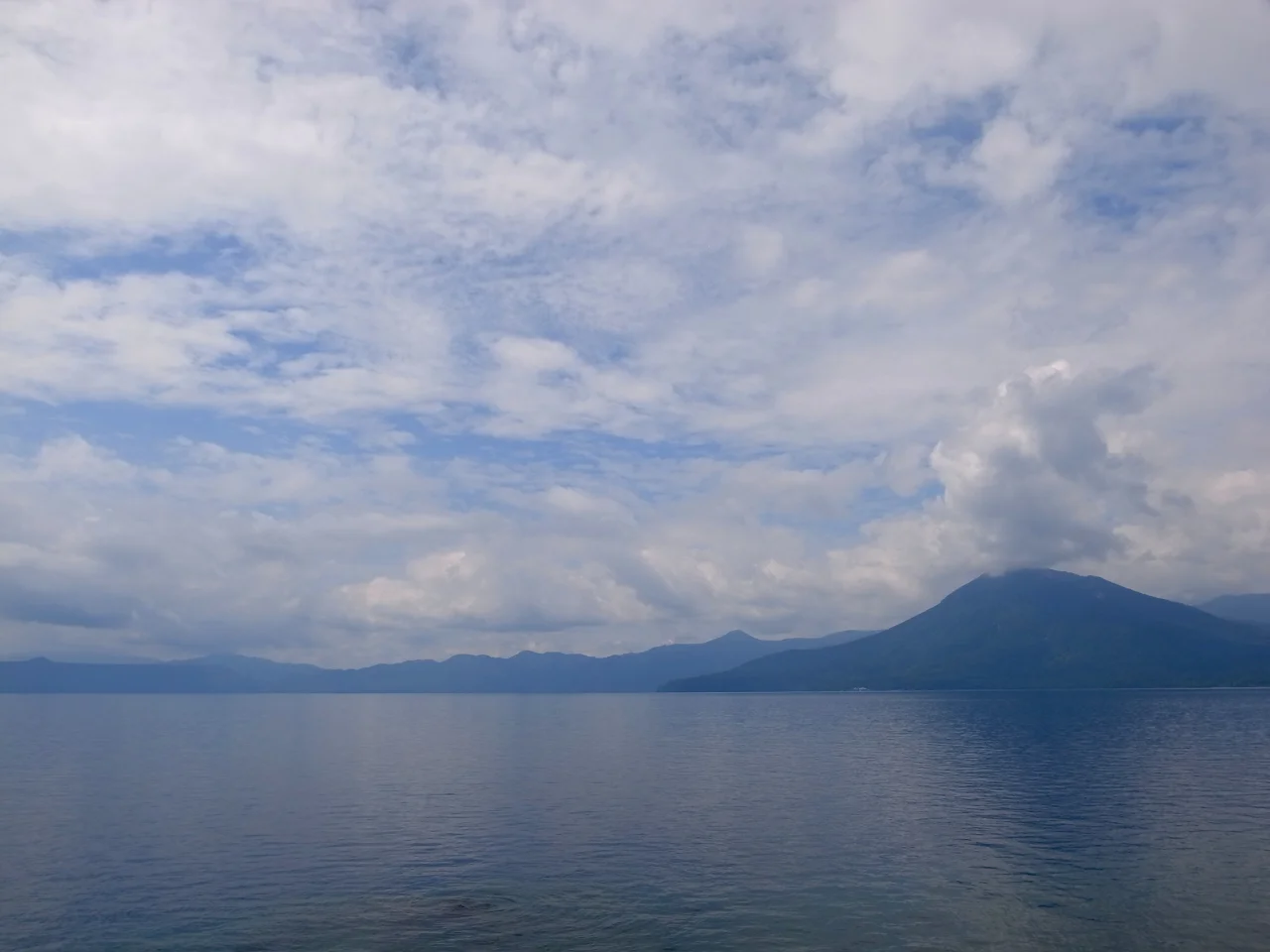
The Lake Toya Hot Spring Tourism Association places peak foliage around the lake from early to late October. Take JR from Sapporo, Minami-Chitose, or Hakodate to Toya Station, then catch a Donan Bus to Toyako Onsen, listed by the operator at ¥400 one-way for adults and about 26 minutes. Toya Station sits apart from the lakeside hotel strip, so check where the bus stops relative to your booking on the map. If you want to stroll the shore before heading down to Hakodate the next day, staying one night in the hot spring town lets you enjoy both dusk and morning by the water without dragging suitcases along the promenade.
You can also ride a direct Donan Bus from Sapporo Station straight to Toyako Onsen. The Nakayama Pass route boards at Stop 7 in front of Sapporo Station, takes about 2 hours 45 minutes, costs ¥3,700 one-way for adults, and requires online reservation at least two hours before departure from the originating stop. For travelers staying on the lakeshore with several large bags, it eliminates the train-to-bus transfer. If you are continuing south afterward, take the bus outbound only and ride out via JR Toya Station toward Hakodate. When mountain snow or highway restrictions hit, travelers holding limited express seats should take the rail-plus-shuttle route instead.
Drivers or travelers with arranged transfers can pair Mt. Usu with Lake Toya. The ropeway base station sits at Showa-Shinzan, with the Lake Toya Observation Deck right beside the summit station and the Usu Crater Basin Observation Deck farther along the trail. If you mainly want tree color and lake views, riding up to the first deck delivers the panorama. If volcanic geology is your focus, budget extra time for walking and lift queues. Anyone taking public buses to and from Toyako Onsen should lock in their return bus from Showa-Shinzan ahead of time, since the lakeside hotels, ropeway, and viewpoints are spread apart.
When fog blankets Mt. Usu's decks, the Toyako Visitor Center and Volcano Science Museum in the hot spring town makes an easy nearby rainy-day stop. From October through March, the museum is open 10:00-16:00 and closed Mondays (or the next weekday if Monday is a holiday), with admission at ¥800 for adults and ¥400 for children. Watch the eruption exhibits indoors while waiting for a break in the rain, trading slick mountain slopes for flat lakeside walks. If visiting right after checkout, leave your bags at your hotel or arrange storage first so you can catch the bus straight back to Toya Station from town afterward.
Noboribetsu's draw is the contrast between Hell Valley's bare volcanic ground, steam vents, and surrounding forest. Ride a limited express train to Noboribetsu Station and transfer to a Donan Bus for Noboribetsu Onsen. When checking routes NA, NB, NC, and ND, note that terminuses may read "Ashiyu-iriguchi" (Footbath Entrance) or stop at Noboribetsu Onsen; pick whichever puts you closest to your first stop. You can enter Hell Valley's main overlook directly above the hot spring street; if you plan to add Oyunuma Pond, check trail status and remaining daylight first. In the rain, stick to the main overlook, grab lunch on the main street, and pick a ryokan with day-use bathing hours rather than forcing the full loop.
Public-transit travelers should limit each day to one hot spring area. Although both sit along the same rail corridor, each requires its own bus transfer from the JR station into town and back out again. When choosing between a lake view and a volcano view for one overnight, think about where you want to walk before morning checkout: Toyako Onsen opens directly onto the lakeshore promenade, while Noboribetsu lets you fit the Hell Valley loop into your arrival day. If you also want two days each in Sapporo and Hakodate, stay overnight at one hot spring town and save the other for a future stop along the line.
Onuma Peaks Mid-October to Early November: Day-Tripping from Hakodate Keeps You Flexible
Nanae Town lists Onuma's autumn foliage season from mid-October to early November. To walk the island-hopping trails, buy train tickets to JR Onuma-Koen Station; double-check that your chosen limited express actually stops there before reserving seats. Step out of the station and cross the Minami-Onuma parking area straight into the Park Plaza, where the wide lake faces Mt. Komagatake. If clouds obscure the mountain when you arrive, walk the island bridges first and check the sky again on your return to the plaza; even if the peak stays hidden, the close-up island scenery easily fills half a day before you decide whether to wait it out.
Short on time, stick to the lakeshore by the Park Plaza or stroll around Oshima Island. For bridges and narrow inlets between islets, follow the Shima-meguri-no-Michi loop, which the local trail map puts at about 50 minutes. Build in extra margin for wet leaves on the bridges, gentle shoreline slopes, and photo stops. With young kids, walk out to the first water-level viewpoint and turn back; companions with strollers or sore knees can wait near the plaza and agree on a specific shop entrance to meet. If you want to rent bicycles to circle the full lake, treat that as a separate outing with a weather-cancelable block of time.
Basing yourself in Hakodate makes it easy to push Onuma to the next day if morning rain hits. Return rides on the Limited Express Hokuto require seat reservations; starting March 14, 2026, all JR Hokkaido limited express trains switched to all-reserved seating, with ticket machines generally opening sales at 10:00 JST one month before travel. If you plan to catch an evening Hokuto back, pick up both outbound and return tickets in Hakodate that morning. JR Hokkaido lists Onuma-Koen Station's ticket counter hours as 9:00-17:10 with no reserved-seat ticket machine on-site, so if you stay later in the afternoon, check the next stopping train and seat availability before starting another loop.
Stopping off at Onuma while traveling straight from Sapporo to Hakodate comes with conditions: reserve the two train legs separately, verify reliable luggage storage, and make sure enough daylight remains to reach the lake and return to the station. With only an hour to spare and heavy bags in tow, go straight to your Hakodate hotel and come back light the next day. Staying overnight in Onuma suits travelers focused on dawn light or quiet lakeside walks with dinner near their lodge, while a Hakodate base works better if you also want Motomachi, the Morning Market, and Kosetsuen Garden.
Hakodate Kosetsuen Garden: See the Grounds by Day, Stay Late Only on Illumination Nights
Kosetsuen Garden sits inside Miharashi Park and is reached via Hakodate Bus Route 82 from Hakodate Station, Goryokaku, or Yunokawa; get off at the Kosetsuen stop for a roughly 1-minute walk per the city's official tourism site. Inside stands a maple-lined path stretching about 100 meters. Beyond the foliage itself, daylight lets you appreciate the garden's sloped paths, moss, and historic buildings. Staying in Yunokawa pairs naturally with an afternoon visit to Kosetsuen before heading back for a ryokan dinner, whereas staying near Hakodate Station makes catching the morning train to Onuma easier. Adding Mt. Hakodate's night view right after Kosetsuen requires crossing to the opposite side of the city, so split them onto separate days if you can.
In 2026, the Hakodate MOMI-G Festa ran from October 16 to November 8 with free admission and evening illuminations from 16:00 to 21:00. For 2027, pencil in one open evening and wait for the city's official announcement before locking in an illumination night. Bus riders should measure their cut-off by the last bus back to their hotel rather than the moment the lights shut off. If you are leaving Hakodate early the next morning, arrive in the afternoon to walk the maple avenue in natural light, then trim your evening stay around dinner and bus departures.
If recent rain makes Kosetsuen's sloped paths too slick, stop first at the Hakodate City Northern Pacific Fishery Museum near Goryokaku. Ride the streetcar to Goryokaku-koen-mae for a roughly 10-minute walk per the city site. Inside are northern ocean fishery exhibits and a fishing-vessel navigation experience for ¥100 adult admission. It opens at 9:00 year-round, closing at 19:00 in October and 17:00 starting in November. If the rain eases by afternoon, catch the same Bus Route 82 from near Goryokaku straight to Kosetsuen without backtracking to Hakodate Station. Pairing one indoor stop with one outdoor garden keeps your whole afternoon out of unnecessary port-area detours.
3-, 5-, and 7-Day Itineraries: Building in Room to Swap Days
For a 3-day, 2-night September trip, keep both nights in Asahikawa: scout the station bus stops on arrival afternoon, give the clearest weather window on Day 2 to Mt. Asahidake, and fit Asahikawa city sights around your Day 3 departure. If Mt. Kurodake is your top priority, head straight to Sounkyo on arrival night, ride up the mountain the next morning, walk Momijidani in the afternoon, and spend Night 2 in Asahikawa. If your flight lands at New Chitose Airport near dusk, sleep in Asahikawa or Sapporo and head into the mountains at daybreak to avoid stressful evening transfers.
For a 5-day, 4-night mid-October trip, start in Sapporo and pair Jozankei with city sightseeing across two adjacent days; put the gorge on the sunnier day and keep the city for the other. Move to Lake Toya or Noboribetsu for one night, spend the next morning by the shore or Hell Valley, and pick your final night's base around your departing airport or train. Scheduling two long transit legs after noon chops up your daylight, so on moving days only plan sights you can comfortably finish after dropping luggage.
With seven days in late October, start in Sapporo, spend one night in a hot spring town, and book at least two nights in Hakodate. Use Hokkaido University or Nakajima Park as a short opening stop, pick either Lake Toya to stay or Noboribetsu to walk based on that week's foliage reports, then head south to Hakodate. Save Onuma and Kosetsuen for the back half; put the full sunny day at the lake and save cloudy half-days for the garden or downtown Hakodate. If you fly home out of New Chitose, take the long limited express north the day before departure and spend your final night in Sapporo or Minami-Chitose; only stay in southern Hokkaido through the last full day if flying out of Hakodate.
When autumn rain hits, the easiest fix is swapping two half-days within the same base. In Asahikawa, flip your station-area day and your mountain day; in Hakodate, swap Onuma with indoor stops around Goryokaku. Fixed-dinner ryokans, limited-season shuttles, and reserved long-distance trains are the hardest pieces to move, so mark those locks on your itinerary first and flex around your city half-days instead. Compare lodging costs together with transit and meals: two nights in Sapporo plus two round-trip buses works out to a very different total than a half-board ryokan stay in Jozankei plus one-way fares.
Renting a car adds short-hop flexibility between trailheads and lakeshores. When reshuffling mountain drives from late September onward, check first for early winter road closures, drive mountain passes in daylight once temperatures drop, and confirm tire specs with your rental counter. If traveling exclusively by transit, pick an earlier return bus on low-frequency branch lines. Where cell signal drops out, screenshots of stop names, last departures, hotel phone numbers, and trail maps are all you need to lock in the day's plan before stepping off the bus.
A few useful answers
For a first Hokkaido autumn trip, is September or October better?
Go in mid- to late September for alpine slopes at Mt. Asahidake, Mt. Kurodake, or Ginsendai in Daisetsuzan. Choose mid-October for Jozankei, and late October to early November for Hokkaido University in Sapporo, Onuma Park, and Hakodate's Kosetsuen Garden.
Can you ride both the Mt. Kurodake and Mt. Asahidake ropeways in one day?
Their entrances sit on opposite sides of the Daisetsuzan range. By public transit, Mt. Kurodake runs via Sounkyo and Mt. Asahidake via Higashikawa, each with separate buses from Asahikawa Station. Staying two nights in Asahikawa and giving each mountain its own morning is much easier.
Where should I stay for a car-free Hokkaido foliage trip?
Stay near Asahikawa Station or in Sounkyo in September, near Sapporo Station with a bus day trip to Jozankei in mid-October, and near Hakodate Station for trains to Onuma and buses to Kosetsuen in late October. Swap one night into a hot spring town if you want an evening soak and an early-morning walk.
Can you visit Jozankei just for the suspension bridge and a hot spring soak?
Yes. Enter the hot spring street from the Jozankei Jinja-mae stop, walk past Jozan Gensen Park to Futami Park and the suspension bridge, then fit in a day-use bath or footbath before heading back. Save the Hoheikyo Dam shuttle for a separate half-day.
Which train station should I use for an Onuma day trip?
Use JR Onuma-Koen Station. Cross the Minami-Onuma parking area right outside the exit to reach the Park Plaza; check that your Limited Express Hokuto stops at Onuma-Koen and reserve your return seat ahead of time.
Official information and references
Sources used in this guide.
- Rinyu Kanko | Mt. Kurodake Ropeway, Chairlift, Timetables, and Fares
- Rinyu Kanko | Mt. Kurodake Revised Fare Table Effective June 1, 2027
- Sounkyo Tourism Association | Sounkyo Access and Bus Transfers
- Dohoku Bus | Asahikawa Station Bus Stop Map
- Sounkyo Tourism Association | Momijidani Trail
- Sounkyo Tourism Association | Ginga Waterfall, Ryusei Waterfall, and Sobakudai Overlook
- Sounkyo Tourism Association | Obako and Kobako Trail Closure Notice
- Kamikawa Town | Sightseeing Road Access Information
- Sounkyo Tourism Association | 2026 Ginsendai and Kogen Onsen Autumn Foliage Vehicle Restrictions
- Sounkyo Visitor Center | Opening Hours and Facilities
- Daisetsuzan Asahidake Ropeway | Operations, Fares, Live Mountain Weather, and Maintenance Dates
- Asahikawa Denki Kido | Route 66 Asahidake Line
- Jozankei Tourist Association | 2026 Autumn Foliage Observation Log
- Jotetsu Bus | Jozankei Direct Bus Stops, Fares, and Reservations
- Jozankei Tourist Association | Five Great Foliage Areas and 2026 Seasonal Shuttle
- Jozankei Tourist Association | Footbaths and Day-Use Hot Springs
- Hokkaido University | Sapporo Campus Public Facilities and Ginkgo Peak Timing
- Hokkaido University | 2026 Kita 13-jo Street Traffic Restrictions
- Sapporo City Official Tourism | Nakajima Park Access
- Lake Toya Hot Spring Tourism Association | Lakeside Autumn Foliage and Viewing Window
- Donan Bus | Toya Station to Toyako Onsen Fares and Timetable
- Mt. Usu Ropeway | Lake Toya and Usu Crater Basin Observation Decks
- Donan Bus | Noboribetsu Station to Noboribetsu Onsen Route
- Hokkaido Tourism Organization | Noboribetsu Hell Valley
- Nanae Town | Onuma Autumn Foliage Spots and Viewing Window
- Nanae Town | Onuma Sightseeing Map and Island-Hopping Trail
- JR Hokkaido | 2026 All-Reserved Limited Express Seating Announcement
- JR Hokkaido | Reserved-Seat Ticket Sales Hours and Pickup
- JR Hokkaido | Onuma-Koen Station and Other Ticket Counter Hours
- Hakodate City Official Tourism | Kosetsuen 2026 MOMI-G Festa and Illumination
- Hakodate City Official Tourism | Hakodate Bus Route 82
- Donan Bus | Sapporo to Toyako Onsen Direct Route and Reservations
- Toyako Visitor Center and Volcano Science Museum | Current Hours and Admission
- Hakodate City Official Tourism | Hakodate City Northern Pacific Fishery Museum