Plan your Sapporo autumn foliage trip by month, from Hokkaido University's ginkgo avenue and Nakajima Park to Hokkaido Shrine and Mt. Moiwa, with subway exits, ropeway fares, rainy-day backups, and Jozankei buses.
- Region & Focus
- Sapporo
- Reading Scope
- 24 min read · 11 chapters · 5 Q&As
- Official Verification
- 46 official sources checkedUpdated November 22, 2026 at 08:00 AM GMT+8
- Key Topics
- SeasonsItinerariesRail travel
Chapter Route Map (tap any stop)
- Which Week in October to Visit Sapporo
- Hokkaido University Ginkgo Avenue: Entering via Kita 13-jo Gate
- Nakajima Park: Shobu Pond, Japanese Garden, and Hoheikan
- Maruyama, Hokkaido Shrine, and Maruyama Zoo
- Mt. Moiwa: Two-Stage Ropeway, Free Shuttle Hours, and Parking
- Odori Park vs. Asahiyama Memorial Park for Gap Hours
- Pairing Hokkaido University and Nakajima Park in Half a Day
- Sunny Full-Day Itinerary and Subway Fares
- Where to Go in Rain, Low Clouds, or Early Snow
- Choosing a Base: Sapporo Station, Odori, Susukino, or Nakajima Park
- Adding a Day Trip to Jozankei: Book Return Buses First
- Quick Q&A
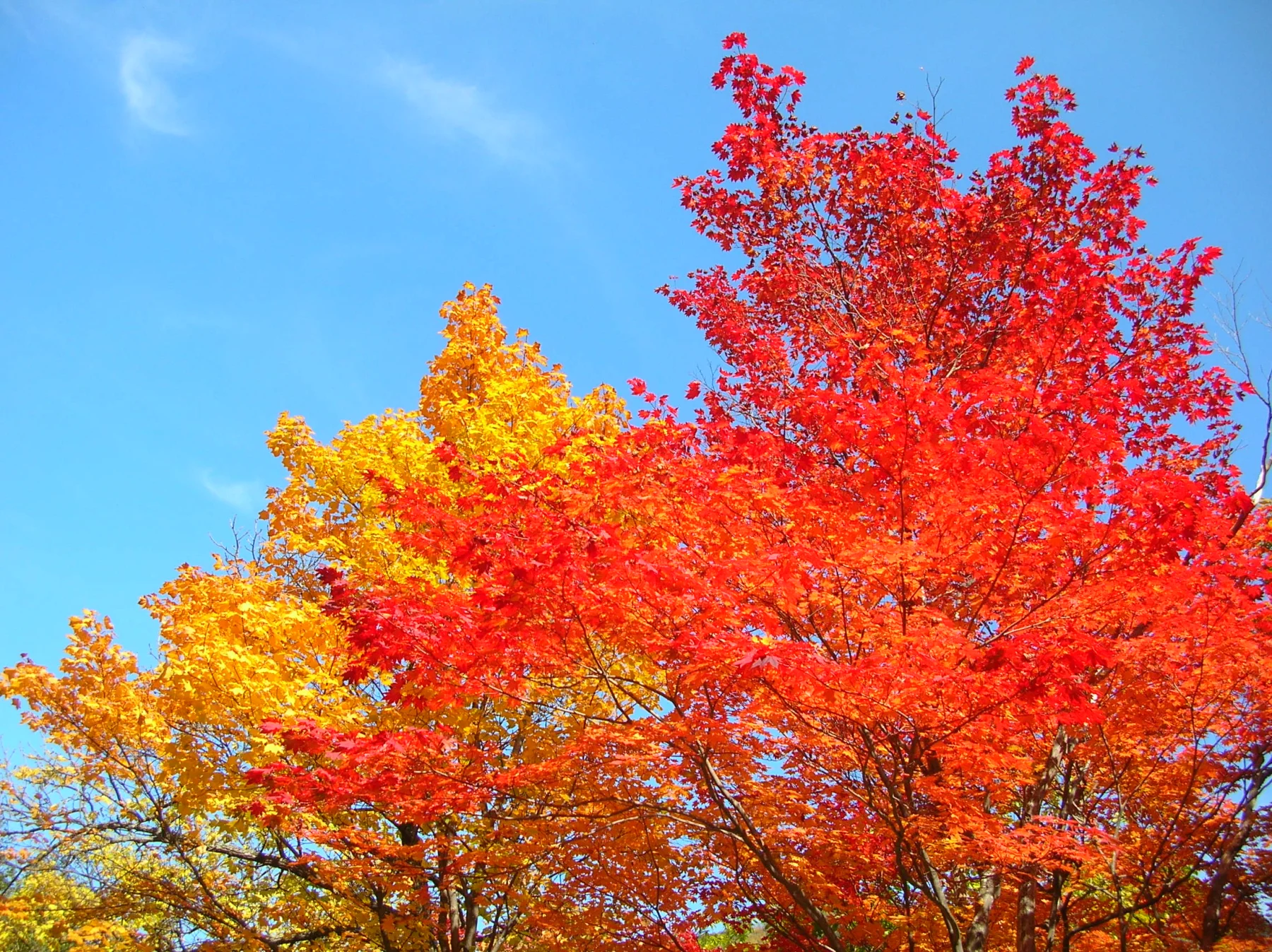
Sapporo's city parks usually hit peak autumn color from mid-October, while Hokkaido University's ginkgo trees turn gold from late October into early November. With just half a day, Shobu Pond in Nakajima Park or the ginkgo-lined avenue at Hokkaido University is plenty. Add a morning in Maruyama if you want Hokkaido Shrine, and save Mt. Moiwa's ropeway for your clearest visibility window. Jozankei's valley foliage peaks earlier and deserves a dedicated bus day trip.
Which Week in October to Visit Sapporo
Official Sapporo tourism guides put the typical viewing window for major city foliage spots in mid-to-late October. Pairing Nakajima Park and Maruyama works well during this stretch if you want several leaf colors in one outing. Both parks have mixed tree species, so sun-exposed lawns, wooded paths, and pond edges often peak at slightly different times. When checking recent dated photos from park management, look for recognizable landmarks. If leaves have already dropped by the pond while the garden is still bright, simply switch to another park path instead of rushing across town.
Start in the mountains in early October. Jozankei Onsen town typically peaks around mid-October, while higher-elevation Sapporo Kokusai Ski Resort is tracked separately by the Jozankei Tourist Association. Decide before setting out whether you want the valley trails or the autumn gondola, as the ski resort is a further ride past town and the gondola only operates on scheduled dates. If you only have bus tickets between Sapporo and the onsen town, stick to the Futami Suspension Bridge area instead of burning daylight waiting for transfers.
Late October through early November shifts the spotlight to ginkgos: put Hokkaido University's Kita 13-jo avenue first, followed by Nakajima Park's Shobu Pond and garden paths. If your trip spans the turn of the month, check the final open dates for the Japanese Garden and Hokkaido University Botanic Garden before going. Staying two nights lets you slot peak-color spots into sunny mornings and save markets or indoor museums for wind and rain. If you only have time for one stop, Hokkaido University pairs cleanly with Sapporo Station, while staying near Susukino or Nakajima Park makes the pondside walk the natural opener.
If your group has one specific shot in mind, time your visit around that target. Wait for recent photos from Nakajima Park management for red maples and traditional garden architecture, or watch Hokkaido University updates for the golden ginkgo tunnel. Arriving in mid-October when the campus ginkgos are still mostly green? Visit Hokkaido Shrine and Nakajima Park first, and push the ginkgo avenue to your final day in Sapporo. On a quick two-day, one-night trip, lock in the strongest bet on day one and treat the second spot as an optional walk the next morning.
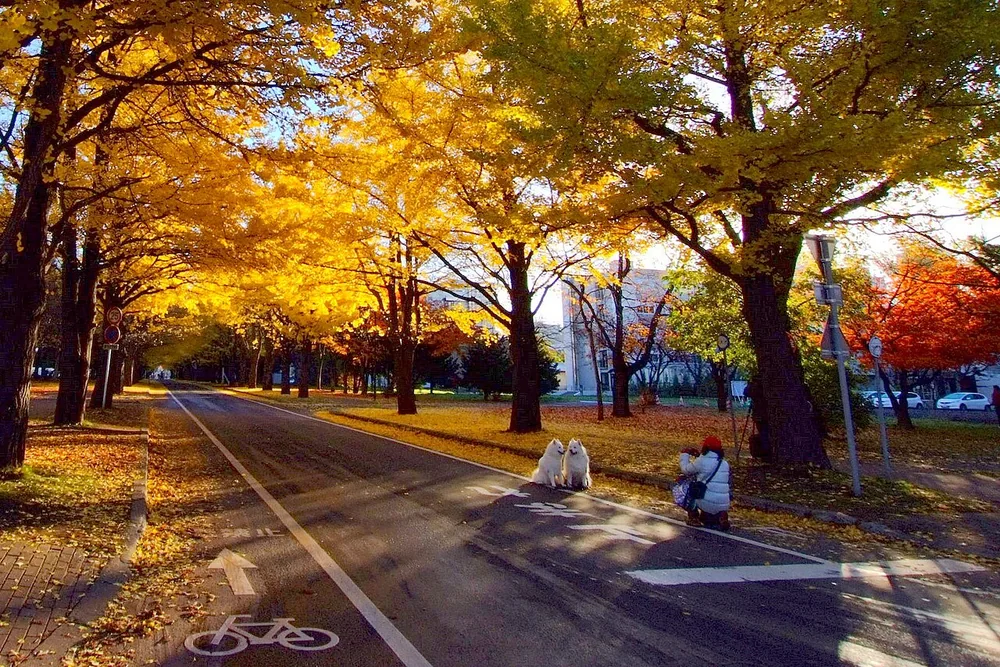
Plan your Sapporo autumn foliage trip by month, from Hokkaido University's ginkgo avenue and Nakajima Park to Hokkaido Shrine and Mt. Moiwa, with subway exits, ropeway fares, rainy-day backups, and Jozankei buses.
Hokkaido University Ginkgo Avenue: Entering via Kita 13-jo Gate
Hokkaido University's ginkgo avenue runs along Kita 13-jo Road on the Sapporo campus, leading from the eastern Kita 13-jo Gate toward central Chuo-dori. Roughly 70 ginkgo trees stretch for about 380 meters on both sides. Take the Namboku Subway Line to Kita-12-jo Station; Exit 1 has an elevator. Walk toward Kita 13-jo Gate and pass between the stone pillars to reach the avenue's eastern end. Walking from JR Sapporo Station takes about 15 minutes according to official Hokkaido tourism estimates: leave via the North Exit, pass through the Kita 8-jo Main Gate, and follow the campus path north.
To capture the full corridor depth, walk down to the Chuo-dori intersection and double back along the sidewalk. Campus vehicles and bicycles still use the roadway, so stay on the pedestrian paths for photos and save group shots for wider sections. Tourist vehicles are barred from campus year-round, and Hokkaido University Hospital's outpatient parking lot is strictly for patients. If you are rolling suitcases from Sapporo Station, store them in station lockers before walking over so you can explore the grounds hands-free and pick them up on the way back.
For an indoor stop, turn south onto Chuo-dori at the west end of the ginkgo avenue toward the Hokkaido University Museum. Admission is free, with regular hours from 10:00 to 17:00; it closes Mondays, except national holidays when it stays open and closes the first weekday afterward. Exhibits span three floors, so if you only have an hour, pick specific specimen rooms or academic galleries ahead of time. Afterward, walk out the Main Gate toward JR Sapporo Station's North Exit for lunch or onward trains.
Check the Hokkaido University Golden Leaf Festival page for evening illumination dates. The 15th edition runs October 31 and November 1, 2026, with the university announcing separate vehicle-restriction hours at Kita 13-jo Gate for each day. To photograph both daytime foliage and night lights, split your visit: shoot the avenue in the morning, grab lunch back near the station, and return later carrying only essentials. If companions only want to see part of the stretch, set Kita 13-jo Gate as the meeting point rather than trying to spot each other against the crowd inside the avenue.
With only a morning slot for Hokkaido University, enter via Kita-12-jo and exit toward Sapporo Station. Compared with backtracking through the same gate, this one-way route links the campus walk, museum, and lunch seamlessly. Only add Poplar Avenue if you have spare time, as official tourism guides treat the two avenues separately and Kita 13-jo is the signature golden corridor during ginkgo season. If it rains and you want to cut outdoor walking, start at the museum from JR Sapporo Station's North Exit and decide afterward whether to walk up to Kita 13-jo.
Nakajima Park: Shobu Pond, Japanese Garden, and Hoheikan
Take Exit 3 at Nakajima-koen Station on the Namboku Line and walk into the park past the Sapporo Park Hotel. Start at Shobu Pond and follow the path to see the tree canopy reflected across the water. Need an elevator? Use Exit 1 and enter from the Minami 9-jo Plaza side. For a 40-to-50-minute stroll, loop around the north end of the pond back to your starting point; for a longer walk, continue south and depart via Exit 1 at Horohira-bashi Station to catch the Namboku Line back to Odori or Sapporo Station.
The Japanese Garden sits near Hoheikan with free daytime entry, typically open from late April to early November. Official Sapporo tourism listings give hours as 9:00 to 17:00; in 2026, the garden remains open through November 3 before closing for winter. With an hour to spare, walk past the garden's water features and the exterior of the Hassou-an tea house before heading to Shobu Pond. If the garden is already closed for winter, follow the main lakeside path to Hoheikan and stop along the main park avenues where tree color holds up well. Park management's tree map marks exact locations for ginkgos and other species.
Built by the Hokkaido Development Commission as a Western-style wooden hotel, Hoheikan stands out with its crisp white walls and pale-blue window frames, roughly a 5-minute walk from Nakajima-koen Station Exit 3. Regular hours are 9:00 to 17:00 with last entry at 16:30; admission is ¥350 for adults, ¥150 for high school and university students, and free for junior high students and younger. It closes on the second Tuesday of each month, or the following weekday if that falls on a holiday, and holds occasional evening openings. If it is windy near the pond before dusk, shoot the exterior first, then head inside to explore the historic hotel layout and exhibits.
Hosted by the Sapporo Chamber of Commerce and Industry, the 2026 autumn illuminations run October 23 through November 3, with main park lighting from 17:00 to 21:00. Night admission to the Japanese Garden runs from 17:15 to 20:45 (last entry) at ¥600 on the day or ¥500 in advance plus handling fees, free for elementary school age and younger. Shobu Pond and the ginkgo avenue are also lit up. If people in your group want to wander different sections, agree to meet back at Exit 3 of Nakajima-koen Station, or Exit 1 for elevator access. For future seasons, check the organizer's official map for free viewing areas and ticketed gates.
Maruyama, Hokkaido Shrine, and Maruyama Zoo
Ride the Tozai Subway Line to Maruyama-koen Station and walk about 15 minutes to Hokkaido Shrine, or get off at the Jingu-mae bus stop for a 1-minute walk. From Sapporo Station or Susukino, take the Namboku Line to Odori and transfer to the Tozai Line. Walk through the park toward the shrine approach, then exit on the bus-stop side. Stick to the main approach in the rain and skip slippery forest trails if traveling with older adults, then head back near Maruyama-koen Station for a meal.
Both Hokkaido and Sapporo official tourism guides list shrine gate hours as 6:00 to 17:00 in October, shifting to 7:00 to 16:00 in November. To pray at the main hall late in the season, plan to reach the shrine gate before 16:00. On afternoon visits, head straight to the main hall first and inspect the trees lining the approach on your walk out. The walk from the entrance gate to the main hall takes a few minutes; save photo stops for the return leg, step clear of the center path if crowds build, and skip the Maruyama forest trails if you are short on time before closing.
Families with kids can pair the shrine with Maruyama Zoo. From the bus terminal connected to Maruyama-koen Station, board JR Hokkaido Bus En 15 at Bay 4 for a 5-minute ride to the zoo's West Gate. October hours are 9:30 to 16:30 with last admission at 16:00, closing 30 minutes earlier starting in November. Admission is ¥800 for adults, ¥400 for high school students with school ID, and free for junior high students and younger (the zoo asks junior high visitors to bring student ID). The zoo typically closes on the second and fourth Wednesdays of each month, plus consecutive weekdays during the week of November's second Wednesday; check the city's annual calendar before picking dates.
A family itinerary works cleanly with a short morning stop at the shrine followed by lunch and the zoo. If pushing a stroller makes hills tiring, enter via the bus terminal's West Gate route and decide afterward whether to bus back from the same gate or walk through the park. On zoo closure days, split half a day between Maruyama Park and the shrine, then ride back to Odori or Sapporo Station, leaving easy access to indoor stops without rushing across town to another mountain.
Mt. Moiwa: Two-Stage Ropeway, Free Shuttle Hours, and Parking
Take the aerial ropeway from Sanroku (Base) Station to Chufuku (Mid-Mountain) Station, then transfer to the Morris Car mini cable car to the summit. Typical October hours are 10:30 to 22:00 (last ascent 21:30) for the lower ropeway and 10:30 to 21:50 (last ascent 21:40) for the upper cable car. Full round-trip fares covering both segments are ¥2,100 for adults and ¥1,050 for elementary school students and younger, with up to two preschool children riding free per paying adult. Drivers who take the scenic road up to Chufuku can buy a mini cable car round-trip separately for ¥700 for adults and ¥350 for children.
Take the Sapporo Streetcar from Susukino to the Ropeway-Iriguchi stop and walk about 1 minute to the free shuttle bus stop. The shuttle takes roughly 2 minutes up to the base station and runs about every 15 minutes during operating hours, starting at 17:17 on weekdays, 10:17 on weekends and national holidays, and 10:47 on winter holidays. For weekday daytime foliage viewing, expect an uphill walk of about 10 minutes from the shuttle stop to Sanroku Station. To skip the climb, take Exit 2 at Maruyama-koen Subway Station and ride JR Hokkaido Bus Junkan En 11 to the Moiwa-yama Ropeway stop.
If you want to photograph the forested slopes in autumn color, ride up before sunset. According to the National Astronomical Observatory of Japan's 2027 Sapporo almanac, sunset shifts from roughly 16:53 on October 15 to 16:29 by October 31. Thirty minutes can be the difference between standing in the boarding queue and standing on the observation deck in daylight. Check the summit live camera first—if it shows solid cloud cover, push the ropeway to the next clear day. Staying until after dark? Factor in wait times for both cable segments and the shuttle on the way down, and remember the streetcar stop is a short walk from the lower terminal.
Parking at Sanroku Station became paid starting September 7, 2026, at ¥1,000 per entry for standard cars, waived with a combined ¥3,000 or more in receipts from designated summit shops, the restaurant, or takeout counters. The Mt. Moiwa Scenic Road only reaches Chufuku Station and charges its own toll; scheduled through November 20, 2026, it closed all day on November 20 due to snow before entering regular winter closure from November 21 until roughly late April. Set your GPS to Sanroku Station if riding both cable segments, and check the scenic road toll gate only if driving directly to mid-mountain.
Plan dinner reservations separately from your ascent window. Operator listings put summit restaurant dinner service at 17:00 to 21:00 (last order 19:30), with dine-in closed from 14:30 to 17:00. If you head up around midday for slope foliage photos, eat lunch beforehand or wait until you return to Susukino for dinner. For multi-generational groups with different stamina levels, splitting up briefly around the summit deck is much simpler than debating an impromptu hike down—especially once dusk drains the light from the forest trails.
Odori Park vs. Asahiyama Memorial Park for Gap Hours
If you are staying near Odori and only have an hour to spare, take the Tozai Line to Nishi-11-chome Station, exit at Exit 4 to see Odori Park Nishi 10-chome, and walk west. Park management's October 15, 2026 foliage log specifically noted the Japanese and painted maples around Nishi 10- and 11-chome. To start further east, exit Odori Station at Exit 2 by Nishi 5-chome, stroll west, and depart from Nishi-11-chome Station. Crosswalks break the park up block by block, so keep the route to two or three blocks if you are with young kids or watching the clock.
Just west of Nishi 12-chome stands the 1926 Former Sapporo Court of Appeals, now the Sapporo City Archive Museum. Admission is free, open 9:00 to 19:00 and closed Mondays (or the next weekday if Monday is a national holiday), with restored historic courtrooms inside. Even after the western rose garden closes for winter prep, the surrounding trees along the paths remain scenic before you loop back to Nishi-11-chome Station. In steady rain, walk the short western stretch above ground, spend the rest of your slot inside the museum, and take the subway back to Odori.
From Maruyama, Asahiyama Memorial Park makes an easy add-on for elevated city views. Ride JR Hokkaido Bus En 13 or Junkan En 13 from Maruyama-koen Station for about 15 minutes to Asahiyama-koen-mae, then walk roughly 4 minutes to the rest house. You pay only subway and local bus fares—no ropeway ticket needed. Drivers have two free parking lots open 6:00 to 22:00: upper Lot 1 stays open year-round, while lower Lot 2 closes for winter.
Because Asahiyama Memorial Park borders brown bear habitat near Mt. Moiwa, check the park management homepage for closure and sighting notices before walking any woodland trails. If paths are closed, ride back to Maruyama-koen Station and take the Tozai Line to Odori Park instead. To keep the focus on the city skyline, stick to the observation plaza and main paved paths during bright daylight. If Hokkaido Shrine's main hall is on the same afternoon plan, visit the shrine before its gates close, then decide whether to catch the bus up to the overlook.
Pairing Hokkaido University and Nakajima Park in Half a Day
On a sunny late-October day, start at Hokkaido University and ride the Namboku Line straight down to Nakajima Park. With roughly three hours total, focus on the Kita 13-jo Gate to Chuo-dori stretch on campus, then hit the northern end of Shobu Pond and the Japanese Garden at Nakajima Park. Board a Makomanai-bound train at Kita-12-jo Station; the same train stops at Sapporo, Odori, and Susukino before reaching Nakajima-koen. If traveling with older adults, let them browse the university grounds at their own pace and regroup at Nakajima-koen Station, entering from the north end of the park to keep walking short around the pond and Hoheikan.
If you only have two hours before leaving Sapporo, stick to Hokkaido University rather than crossing to the south side of town. Walk out of JR Sapporo Station's North Exit and loop back either the same way or via Chuo-dori and the Main Gate. Even if your onward bus leaves from the South Exit, you will walk right back through the station complex. Museum visits, meals, and luggage storage all draw from the same tight clock, so if time runs short, walk the ginkgo avenue and head straight back. Check same-day pickup deadlines at baggage storage counters, or simply leave bags at your hotel and enter the platform from the nearest exit.
You can also spend a single half-day entirely on the west side. Visit Maruyama Park and Hokkaido Shrine in the morning, then catch the bus from Maruyama-koen Station to Mt. Moiwa's base station—avoiding a detour back through Odori to transfer to the streetcar. If low clouds roll in, keep the Maruyama walk short and return to Odori after lunch. When companions are heading to different train lines afterward, pick a subway station as your final meetup point before splitting up.
Sunny Full-Day Itinerary and Subway Fares
To fit the shrine, pond, and mountain skyline into one clear day, visit Maruyama in the morning, lunch around Odori, stroll Nakajima Park in the afternoon, and finish on the streetcar up to Mt. Moiwa. Watch two hard cutoffs: last entry at Hoheikan and remaining daylight at the summit. If slope foliage matters more than sunset views, swap Mt. Moiwa to midday and wrap up by the pond or over dinner downtown. If golden ginkgos are the main event, give the morning to Hokkaido University, save the shrine for another half-day, and head straight into dinner downtown.
Sapporo subway adult single fares start at ¥210 by distance, and the Sapporo Streetcar costs a flat ¥230 per adult ride. A Subway 1-Day Ticket costs ¥830 for adults, while the weekend, national holiday, and designated year-end Donichika Ticket drops to ¥520. Three minimum-fare subway rides already cost ¥630, putting the weekend pass ahead. Just remember that subway day passes exclude the streetcar and ropeway, so if you only take two subway rides plus a round-trip streetcar to Mt. Moiwa, pay per ride.
Starting March 26, 2026, Sapporo Municipal Subway supports contactless tap-to-pay daily fare caps using eligible cards: ¥830 on weekdays and ¥520 on applicable holidays. To hit the adult cap, tap the exact same physical card or mobile device on every trip—tapping your phone in the morning and the physical card with the same card number in the afternoon will count separately. Children's fares use city transit bureau tickets, and subway-to-streetcar transfer discounts require specific payment methods. Each adult traveling together needs their own card or device to accrue their own daily cap.
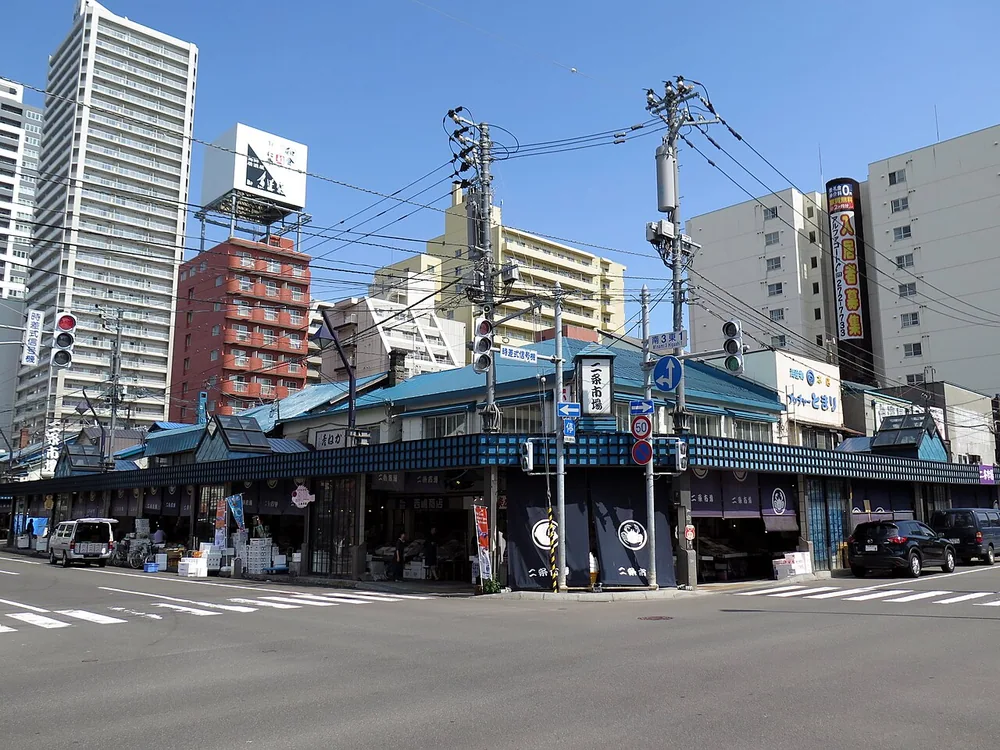
Build lunch around Odori or Susukino transfers between stops. If you have dinner reservations for soup curry or Jingisukan grilled lamb, anchor the end of your afternoon near the restaurant so you can work backward on remaining daylight. Nijo Market and the Curb Market sit on opposite sides of town, so choose whichever lies closer to your morning stop for market breakfasts. Starting early in Maruyama pairs easily with lunch near Maruyama-koen Station, while Hokkaido University works best with lunch back at Sapporo Station before hopping on the Namboku Line. For more options, check our Sapporo markets and food routes guide.
Where to Go in Rain, Low Clouds, or Early Snow
In light rain, trim the outdoor loops: walk just the Kita 13-jo Gate end of Hokkaido University's ginkgo avenue before ducking into the campus museum, or take Nakajima-koen Exit 3 straight to Hoheikan for its exhibits and return along the wider park paths. If Mt. Moiwa's summit is socked in by clouds or the ropeway pauses for weather, stay downtown and swap your pre-dinner slot for the Former Hokkaido Government Office. That way, bad weather only reshuffles part of a single day rather than forcing a full-itinerary rewrite.
Known as the Red Brick Office, the Former Hokkaido Government Office sits at Kita 3-jo Nishi 6-chome, about an 8-minute walk from JR Sapporo Station's West Concourse South Exit. Typical hours run 8:45 to 21:00 with last entry at 20:30; admission is ¥300 for adults, ¥200 for high school and university students, and free for junior high students and younger, with octagonal tower access sold separately. To walk dry all the way to Odori, use the Chi-Ka-Ho underground walkway (open 5:45 to 0:30 the next morning) and continue into Susukino via the Pole Town underground mall. Keep an umbrella handy for the short uncovered stretch between the underground exit and the Red Brick grounds.
Hokkaido University Botanic Garden sits just west of the Red Brick Office, separate from the Kita 13-jo ginkgo avenue. Walk about 10 minutes from JR Sapporo Station's South Exit, or approach from Subway Sapporo Station Exit 10 or Odori Station Exit 2. From October 1 through November 3, hours are 9:00 to 16:00 (last entry 15:30); admission is ¥420 for high school age and older, ¥300 for elementary and junior high students, and free for preschoolers. It closes Mondays (opening on holidays and closing the next day). Note that the aging greenhouse is temporarily closed to the public, and the garden enters winter closure from November 4 through April 28. Because most of the grounds are outdoors, stick to the Red Brick Office in heavy downpours.
Japan Meteorological Agency 1991–2020 climate normals show Sapporo's average monthly daily low dropping from 8.0°C in October to 1.6°C in November. Brisk walking keeps you warm during the day, but standing still in ropeway queues or on summit decks cools you down fast. Pack a compressible windproof shell, thin gloves, and shoes with solid traction. Watch out for slick stone step edges and icy puddles when leaves are wet, sticking to wide main paths once away from pond edges, and take subway exits with elevators when carrying heavy bags.
If strong winds linger all day, spend the morning around Sapporo Station's indoor attractions, step into the Red Brick Office courtyard if the gusts ease, and walk down through the underground malls to Susukino for dinner. When Hokkaido University Museum closes on Mondays, pivot to the Red Brick Office instead. Save open water views at Shobu Pond for calm stretches when reflections hold, and save elevated overlooks for a clearer day when the city skyline is visible.
Choosing a Base: Sapporo Station, Odori, Susukino, or Nakajima Park
If you are staying only one or two nights before catching an early JR train to Asahikawa, Otaru, or New Chitose Airport, base yourself near Sapporo Station to cut down on luggage hauling. JR Tower Hotel Nikko Sapporo sits roughly 3 minutes on foot from the East Ticket Gate and South Exit via the East Shopping Mall passage. If foliage is your main priority and both days start on the Namboku Line, stay near Nakajima Park for pre-breakfast walks around Shobu Pond and easy midday stops back at your room to layer up.
Sapporo Park Hotel stands right by Nakajima-koen Station Exit 3, though guests with rolling suitcases can follow hotel signage to the elevator at Exit 1. For foliage views from your room, book a Park View room facing Nakajima Park on the hotel's website—for two guests, compare the 24 sq m Superior Double with the 31 sq m Superior Large Twin, both on the park side. Standard Twins also face the city side, so double-check bed type, occupancy, and view before booking. If you expect to be out all day, choosing a room near an elevator exit often saves more time than paying extra for a view.
Odori works best for weaving autumn foliage into a broader city stay: take the Tozai Line to Maruyama, hop on the Namboku Line to Hokkaido University or Nakajima Park for half-day loops, and duck underground if weather turns. Susukino suits travelers who want to walk back to their hotel after dinner and grab the streetcar directly to Mt. Moiwa. If your family will go in and out of the room several times a day, trace the exact route from the subway exit to the hotel door—checking for elevators, major street crossings, and walk distance from the train. See our Sapporo accommodation neighborhoods comparison for other station areas.
Weigh multi-night hotel discounts against the time lost changing hotels. If both days run off the Namboku Line, switching to another hotel one or two stops away means re-checking bags and waiting for check-in, easily eating up your only sunny walking window. Moving hotels only makes sense if you have an early JR departure the next morning or plan to stay in Jozankei past dinner.
Adding a Day Trip to Jozankei: Book Return Buses First
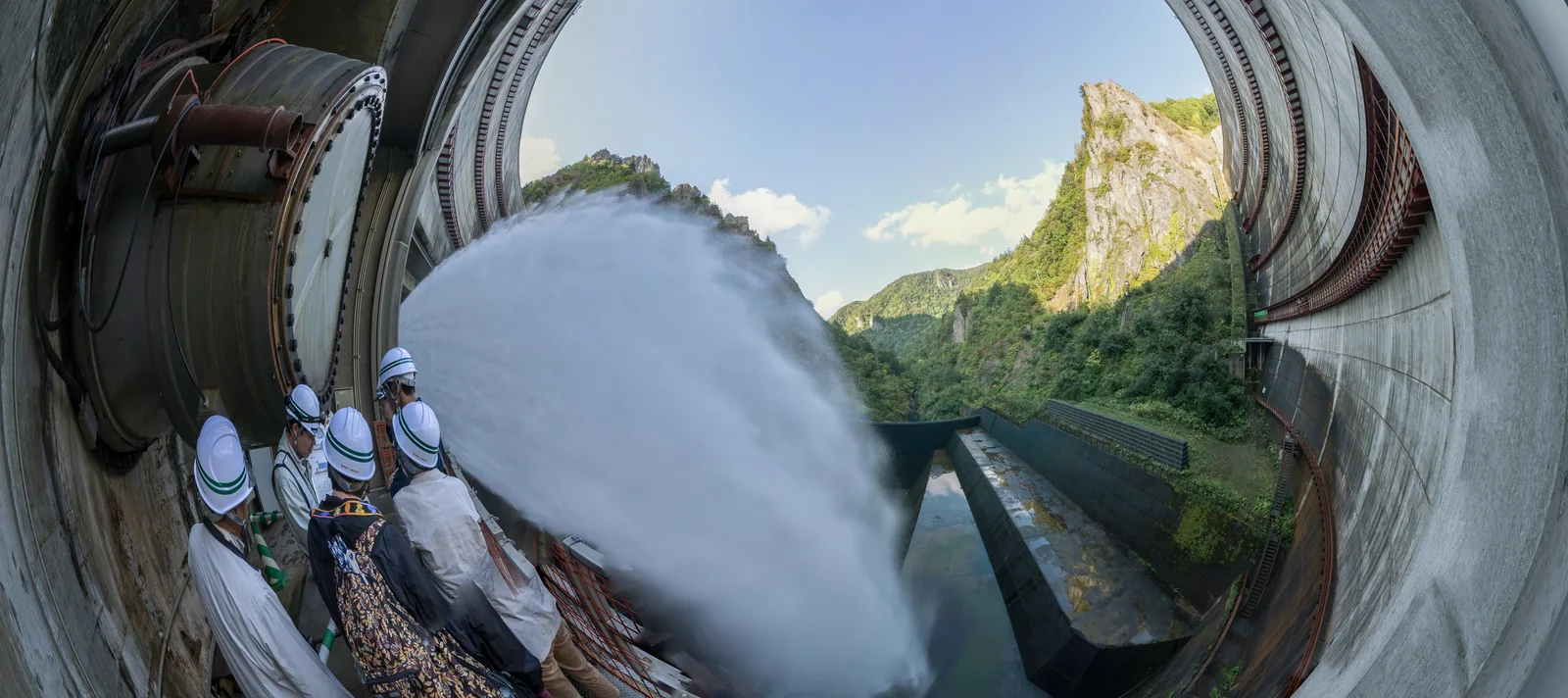
The Jozankei Tourist Association places the onsen town's typical foliage peak in mid-October, publishing separate updates for the town, Hoheikyo Dam, and the ski resort. Get off at the Jozankei Yunomachi bus stop to walk through Futami Park and across Futami Suspension Bridge into the valley before returning to town for lunch or a soak. To include Hoheikyo Dam, budget separately for the transfer from town to the dam entrance and the walk or shuttle into the dam itself; our Hoheikyo Dam access guide from Jozankei breaks down the route step by step.
From central Sapporo, reserve seats on Jotetsu Bus's Kappa Liner. On the October 1, 2026 to March 31, 2027 timetable, buses depart Sapporo Station Bay 27 in front of the Hokuren Building, with additional pickups at Odori Nishi 1 and Susukino. Bookings open one month before travel and close at 17:00 JST the day prior. Standard listed one-way fares between Sapporo Station and Hoheikyo Onsen or Jozankei Shako-mae are ¥1,700, or ¥1,460 when prepaid through designated booking sites. For a day trip, lock in your return bus time before scheduling lunch or bathing.
Jozankei's 2026 "Five Great Autumn Foliage Spots" seasonal shuttles operate on separate windows, with the guided Autumn Leaves Kappa Bus around town running through October 21. That shuttle starts locally in Jozankei, while the Sapporo-bound Kappa Liner handles the round-trip highway run. If you arrive later in the day, stick to the onsen town and suspension bridge rather than chasing local shuttles between departures. Staying overnight lets you cover two trail sections and enjoy ryokan dinner without rushing back; check hotel areas and bus-stop walks in our Jozankei onsen stays guide.
Leave extra buffer time back in Sapporo if you are connecting from Jozankei to the airport or a long-distance train, as autumn foliage traffic along the highway frequently stretches scheduled travel times. Put Jozankei in the first half of your trip if you have an early flight on departure day, or save a day-use soak for the end of the day if you are still sleeping in Sapporo. Overnight visitors carrying luggage should confirm which bus stop sits closest to their ryokan before booking so you do not have to haul suitcases uphill after visiting the bridge.
To add the autumn gondola at Sapporo Kokusai Ski Resort, check the Jozankei Tourist Association's operating calendar and shuttle page first. The alpine gondola climbs to roughly 1,100 meters on its own autumn festival schedule, running through October 20 in 2026—one day shorter than the town's guided foliage shuttle. Round-trip gondola fares are ¥1,500 for adults and ¥800 for elementary school students, with the last ascent at 15:00. Shuttle tickets from the Jozankei Tourist Information Center are bought in line on the day of travel for matching outbound and return departures. If the upper gondola has already ended for the season, stay down in town to enjoy Futami Suspension Bridge and the riverbanks instead.
A few useful answers
When should I visit to see both Sapporo's autumn leaves and Hokkaido University's ginkgos?
Aim for late October. This catches the tail end of Sapporo's main city foliage season just as Hokkaido University's ginkgo avenue typically turns gold.
Is the Japanese Garden in Nakajima Park still open in early November?
The Japanese Garden closes for winter around early November, running through November 3 in 2026. Once it closes, you can still stroll the main path along Shobu Pond or tour the exhibitions inside Hoheikan.
Does Mt. Moiwa run its free shuttle on weekday afternoons?
On weekdays, the free shuttle starts at 17:17. During the day, walk about 10 minutes uphill from the Ropeway-Iriguchi streetcar stop to Sanroku Station, or take JR Hokkaido Bus Junkan En 11 from Maruyama-koen Station.
Which spot works best for a short, flat walk with elevator access?
Take the elevator at Exit 1 of Nakajima-koen Station on the Namboku Line, walk a short loop along the northern side of Shobu Pond, and head back to the station or nearby restaurants.
Can I visit Jozankei's autumn foliage as a day trip from Sapporo?
Yes. Book round-trip seats on the reservation-only Kappa Liner bus first, then spend the day exploring the onsen town, Futami Suspension Bridge, and local restaurants. Leave extra time for transfers and walking if you want to add Hoheikyo Dam.
Official information and references
Sources used in this guide.
- Visit Sapporo | Sapporo Autumn Foliage Season
- Visit Hokkaido | Hokkaido University Ginkgo Avenue and Poplar Avenue
- Hokkaido University | 2026 Kita 13-jo Road Traffic Restrictions
- Hokkaido University | 15th Hokkaido University Golden Leaf Festival
- Hokkaido University Museum | Hours and Visitor Information
- Visit Sapporo | Nakajima Park and Japanese Garden
- Sapporo Parks and Greenery Association | Nakajima Park Foliage and Garden Opening Dates
- Sapporo Parks and Greenery Association | Nakajima Park Tree Map
- Hoheikan | Admission, Hours, and Access
- Sapporo Chamber of Commerce and Industry | Nakajima Park 2026 Autumn Illuminations
- Visit Hokkaido | Hokkaido Shrine Gate Hours and Access
- Sapporo Maruyama Zoo | Hours and 2026–2027 Calendar
- Sapporo Maruyama Zoo | Admission Fees
- Sapporo Maruyama Zoo | Access
- Mt. Moiwa Ropeway | Operating Hours and Fares
- Mt. Moiwa Ropeway | Streetcar and Free Shuttle Bus
- Mt. Moiwa Ropeway | Subway and Route Bus Access
- Mt. Moiwa Ropeway | Scenic Road and Winter Closure
- Mt. Moiwa Ropeway | Base Station Parking Fee Notice
- Sapporo City Transportation Bureau | Fares
- Sapporo City Transportation Bureau | 1-Day Ticket and Donichika Weekend Pass
- Sapporo City Transportation Bureau | Contactless Subway Payment
- Sapporo City Transportation Bureau | Subway Station Maps
- Former Hokkaido Government Office (Red Brick Office) | Hours and Admission
- Sapporo Ekimae-dori Underground Walkway (Chi-Ka-Ho) | Operating Hours
- Visit Sapporo | Sapporo Underground Shopping Malls
- Hokkaido University Botanic Garden | Hours, Admission, and Winter Closure
- Hokkaido University Botanic Garden | Access
- Japan Meteorological Agency | Sapporo Monthly Climate Normals
- Sapporo Park Hotel | Subway Exits and Elevator Access
- Sapporo Park Hotel | Park-Side Guest Rooms
- JR Tower Hotel Nikko Sapporo | Sapporo Station Access
- Jozankei Tourist Association | Typical Autumn Foliage Viewing Season
- Jozankei Tourist Association | Futami Suspension Bridge Walking Trail
- Jozankei Tourist Association | Five Great Autumn Foliage Spots and Seasonal Shuttles
- Jotetsu Bus | Fall 2026 to Spring 2027 Kappa Liner Timetable
- Jotetsu Bus | Kappa Liner Reservations and Fares
- Jotetsu Bus | Sapporo Station Bus Bay 27 Map
- Sapporo Parks and Greenery Association | Odori Park Subway Exits
- Odori Park Management Office | October 15, 2026 Nishi 10- and 11-chome Foliage Update
- City of Sapporo | Sapporo City Archive Museum Visitor Guide
- Sapporo Parks and Greenery Association | Asahiyama Memorial Park Access
- Sapporo Parks and Greenery Association | Asahiyama Memorial Park Notices
- National Astronomical Observatory of Japan | October 2027 Sapporo Sunset Times
- Jozankei Tourist Association | Sapporo Kokusai Ski Resort Autumn Foliage Gondola
- Visit Sapporo | Hokkaido Shrine Gate Hours