Marking its 160th anniversary in 2026 since opening in 1866, Jozankei Onsen pumps 8,600 liters per minute from 56 thermal sources. Its official guide lists 26 stays from ¥9,650 heritage inns to ¥56,800 Suizantei suites, plus 18 day-use baths (13 paid, 5 free). Take the Kappa Liner 60 minutes direct from Sapporo Station Platform 27 (¥1,700) or the winter New Chitose Airport bus starting December 19.
- Region & Focus
- SapporoHotels and stays
- Reading Scope
- 14 min read · 7 chapters · 4 Q&As
- Official Verification
- 12 official sources checkedUpdated November 20, 2026
- Key Topics
- Where to stayHot springsHokkaido
Chapter Route Map (tap any stop)
- 160 Years of Hot Springs: Water Quality, Sources, and Scale
- Choosing a Stay: Price Tiers and Four Ryokan Styles
- Day-Use Hot Springs: 18 Bath Spots and 5 Free Footbaths
- Kappa Street: 15 Statues and Futami Suspension Bridge
- Getting There: Kappa Liner, Winter Airport Bus, and Driving
- Two Seasonal Warnings: Autumn Foliage Routes and Hoheikyo's Winter Closure
- Sample Itineraries: From a Sapporo Day Trip to Two-Night Stays
- Quick Q&A
Tucked into a forested gorge in Sapporo's Minami Ward, Jozankei Onsen sits just 60 minutes from Sapporo Station on the Kappa Liner express bus. In 1866, the ascetic monk Miizumi Jozan discovered these springs with Ainu guides, putting 2026 squarely at the town's 160th anniversary. Official Sapporo City figures count 56 thermal sources pumping 8,600 liters per minute of heat-retaining sodium chloride water, welcoming roughly one million overnight guests each year. For independent travelers building a Hokkaido itinerary, Jozankei's greatest asset is proximity: known as Sapporo's "back parlor," it lets you slip a classic half-board ryokan stay into almost any Sapporo trip without a long detour. The Jozankei Tourist Association lists 26 registered stays, 18 day-use baths (13 paid, 5 free), and 15 kappa statues woven through a compact walking loop. Drawing on the latest data from the tourist association and Sapporo City, this guide covers how to pick a stay, day-use bath rates, the Kappa Liner and winter airport buses, plus key seasonal caveats such as Hoheikyo Dam's winter closure.
160 Years of Hot Springs: Water Quality, Sources, and Scale
Start with the numbers behind Jozankei's reputation: its mineral water is a sodium chloride spring prized for retaining body warmth, fed by 56 active sources emerging at 60 to 80 degrees Celsius and a combined flow rate of 8,600 liters per minute. Official Sapporo City statistics make clear this is no tiny mountain hamlet, but a major resort town supporting roughly one million overnight guests and 400,000 day-trippers annually. According to tourist association archives, the Shugendo monk Miizumi Jozan located the springs with Ainu guides in 1866 and opened a healing bathhouse, making 2026 the 160th anniversary of its founding -- ignore outdated "150th anniversary" references online left over from 2016.
Locals and official brochures alike call the valley "Sapporo's okuzashiki" -- essentially the city's backyard retreat. Combining protected gorge scenery inside Shikotsu-Toya National Park, riverside ryokan lining both banks of the Toyohira River, and a tightly walkable town center, it functions as Sapporo's true hot spring annex. Instead of dedicating extra transit days to a far-flung resort, you can carve out a single night from a Sapporo stay for a complete dinner-and-breakfast ryokan experience.
Supply across the valley is anchored by 26 officially registered accommodations and 18 day-use bathing spots (13 paid facilities and 5 free foot or hand baths). The Jozankei Tourist Association maintains the authoritative directory and service notices at jozankei.jp, which offers multilingual interfaces and remains the single best pre-trip reference for up-to-date listings.
Compared with Hokkaido's other marquee spa towns, Jozankei occupies a distinct niche. Noboribetsu wins on the volcanic drama of Jigokudani (Hell Valley), Lake Toya draws crowds with its long-running lakeside fireworks, and Lake Akan blends lake views with Ainu heritage -- while Jozankei plays the trump card of convenience. As the only large hot spring district inside Sapporo's city limits, it delivers an authentic onsen getaway without forcing you to uproot your city hotel base, and its heat-locking chloride springs are a particular blessing for travelers prone to cold hands and feet.
Both founder Miizumi Jozan and the mythical kappa water sprite shape the town's identity in distinct ways. History and local worship center on Jozan himself, who is enshrined at Jozankei Shrine. Out on the streets, however, the kappa takes over completely -- from roadside statues and the Kappa Liner bus to the summer Kappa Festival and even the bus company's booking branding. Jozan anchors the town's heritage; the kappa supplies its playful street character. Together, they give the valley its personality.
Marking its 160th anniversary in 2026 since opening in 1866, Jozankei Onsen pumps 8,600 liters per minute from 56 thermal sources. Its official guide lists 26 stays from ¥9,650 heritage inns to ¥56,800 Suizantei suites, plus 18 day-use baths (13 paid, 5 free). Take the Kappa Liner 60 minutes direct from Sapporo Station Platform 27 (¥1,700) or the winter New Chitose Airport bus starting December 19.
Choosing a Stay: Price Tiers and Four Ryokan Styles
Reference rates across the 26 official listings span ¥4,700 to ¥57,200, covering everything from no-frills lodging to luxury retreats. Flagship large-scale hot spring hotels include the 16-story Jozankei View Hotel (¥9,950-¥46,150), Silk Road-themed Manseikaku Hotel Milione (¥10,950-¥36,870), central heritage property Hotel Shikanoyu (¥9,650-¥15,650), Hana Momiji with its 12th-floor observation baths (¥15,650-¥44,150), Jozankei Daiichi Hotel Suizantei (¥17,200-¥56,800), Nukumori no Yado Furukawa (¥16,700-¥31,800), Jozankei Tsuruga Resort Spa Mori no Uta (from ¥17,050), Shogetsu Grand Hotel founded in 1934 (¥24,200-¥49,500), Grand Blissen Hotel Jozankei (¥19,800-¥50,520), and Yuraku Soan (¥24,000-¥41,000).
Properties fall neatly into four personality types. First are the high-rise panorama resorts like View Hotel and Hana Momiji, whose upper-floor baths look straight over the gorge -- ideal for first-timers chasing dramatic valley views from their window. Second are heritage healing inns such as Shikanoyu and 1934-founded Shogetsu Grand Hotel, steeped in classic Showa-era warmth. Third are boutique all-inclusive hideaways and private villas, including the 7-suite Suigan, the 20-room women-only Suichokan, Okujozankei Onsen Kasho Gyoen set on roughly 10,000 square meters of national park grounds (from ¥33,550), whole-house SAKURA Jozankei ZEN, and Kashibesso Tsubaki-tei (a main house plus three annexes sleeping 12 for ¥500,000) built for milestone trips and private buyouts. Fourth are value-driven budget stays: Yumoto Koganeyu (¥7,500-¥12,570), Matsu no Yu in Koganeyu (¥9,500-¥16,650), Kinwaso (from ¥4,800), and Club Kinkei (from ¥4,700) pull overnight prices down below ¥5,000.
Keep two details in mind when scanning the directory: the tourist association table only publishes room counts for Suichokan (20 rooms) and Suigan (7 rooms), leaving other capacities unlisted. Also, the property formerly known locally as Jozankei Grand Hotel is officially listed today as Shogetsu Grand Hotel, so search under its current name when booking. Geographically, the official map divides the area into four zones -- Jozankei Onsen main street, Usubetsu Onsen, Koganeyu Onsen, and Hoheikyo Onsen. Bus travelers should stick to the main street, while upstream Koganeyu and Hoheikyo suit drivers best.
Match your booking directly to your priorities: pick View Hotel or Hana Momiji for lofty gorge views, Shikanoyu for a central heritage address, Suigan or Suichokan for intimate or women-only stays, Koganeyu's two inns for tight budgets, or Shogetsu and Milione when traveling with multi-generational groups needing flexible room layouts and dining. Directory figures serve only as a baseline range; check official websites and booking platforms for real-time rates.
Jozankei holds a sister-onsen partnership with Hyogo Prefecture's Arima Onsen -- one of Japan's three ancient hot springs -- and decades of exchange show in the polish of its larger resorts. Yet Jozankei's irreplaceable edge remains its gorge topography: multi-tiered buildings stepped into the Toyohira River valley mean nearly every indoor bathhouse and open-air rotenburo faces forested cliffs, a rarity for a spa town so close to a major city.
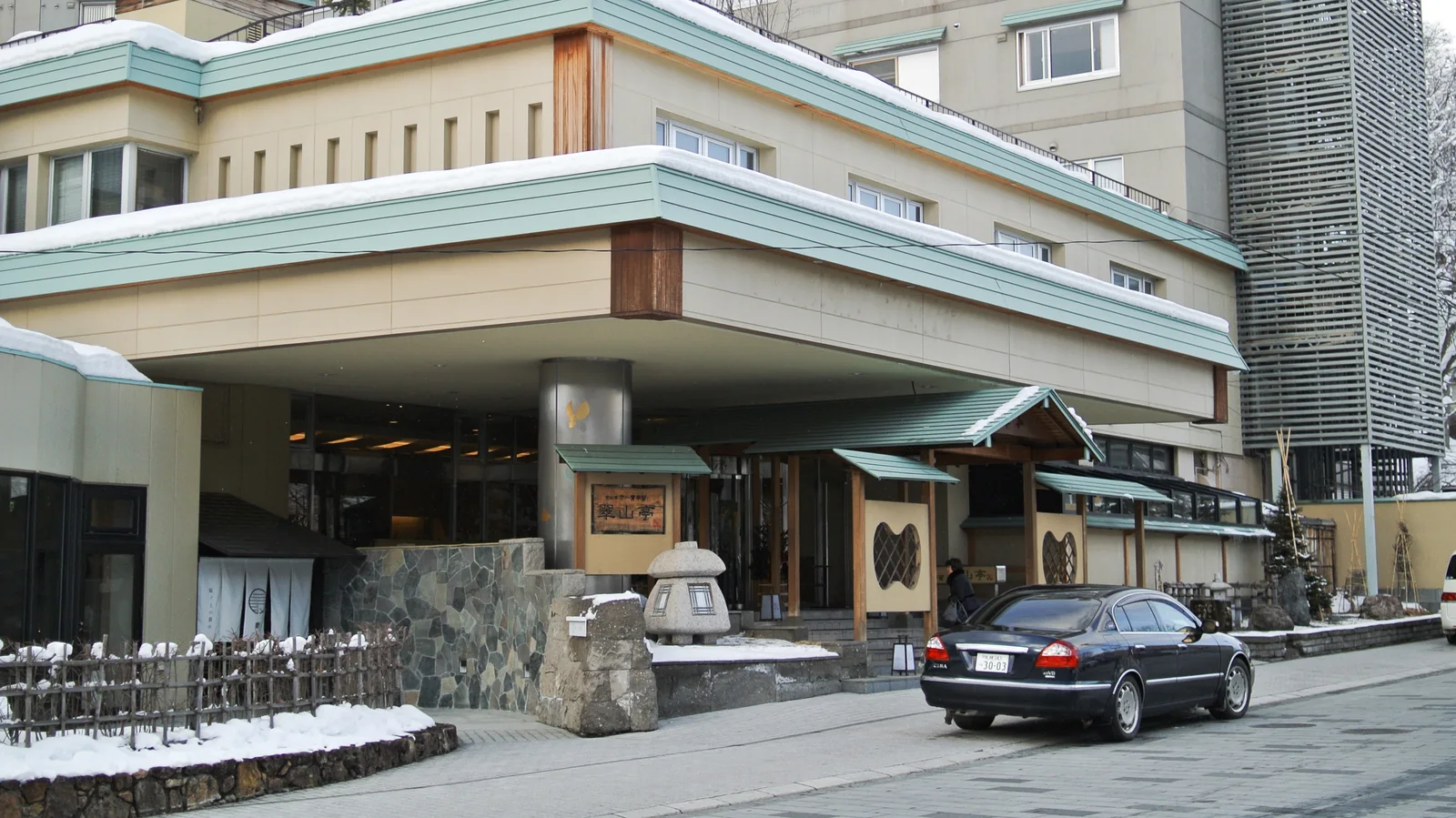
Even within the upper and mid-range tiers, each inn has a distinct vibe. Jozankei Daiichi Hotel Suizantei -- whose name translates as "pavilion where treasure lingers" -- anchors the luxury bracket (¥17,200-¥56,800). Nukumori no Yado Furukawa (¥16,700-¥31,800) leans into a cozy "nukuri" (warmth) hospitality concept and opens its baths to day-trippers (¥1,500), giving its afternoons a lively local hum. Between the two old-school stalwarts, Shogetsu Grand Hotel offers sprawling space suited to families and groups, whereas Shikanoyu sits smack in the middle of the main street, making it unbeatable for car-free walkers.
Looking at how the four hot spring pockets sit along the valley: Jozankei Onsen main street serves as the hotel hub and highway bus terminus; Usubetsu Onsen forms a quiet hamlet downstream; and Koganeyu Onsen (home to Yumoto Koganeyu and Matsu no Yu) and Hoheikyo Onsen lie farther upstream. Hoheikyo Onsen skews toward day-bathing and rustic soaking (¥1,300 entry, one of the valley's best values), making it an easy second-bath side trip for drivers staying downtown, whereas car-free visitors will stay most mobile along the main strip.
Day-Use Hot Springs: 18 Bath Spots and 5 Free Footbaths
Even without an overnight booking, Jozankei's day-bathing lineup is remarkably deep. Official day-use prices across the 13 paid facilities run ¥1,500-¥3,000 at View Hotel; ¥1,500 each at Milione, Shikanoyu, and Furukawa; ¥1,200 at Hatagoya Jozankei Shoten; ¥1,300 upstream at Hoheikyo Onsen; ¥1,180 at Yunohana Jozankei-den; ¥950-¥1,050 at Yumoto Koganeyu; and just ¥800 at Matsu no Yu. Opened in April 2025, Kyujitsu-yu (Kyujitsu Building) targets an upscale lounge crowd with day passes starting at ¥2,850, while Mori no Uta, Shogetsu, and Grand Blissen offer bath-plus-lunch packages (¥3,900, ¥5,100, and ¥8,900) that turn a quick dip into a leisurely half-day outing.
Five free foot and hand baths scattered through town anchor an effortless walking loop: Futami Footbath (Shiki no Seseragi) inside Futami Park; Jozan Gensen Park, opened in 2005 and open daily 7:00-21:00 year-round (featuring source-fed foot and hand baths plus Ontama no Yu for boiling your own onsen eggs); Ashi no Fureai Taro no Yu, completed in 2003; the Kappa Family Wish-Granting Handbath; and Ontama no Yu itself. With another warm soak every few minutes on foot, you can easily fill half a day without spending a yen.
Pulling off a Sapporo day trip takes zero effort: catch a midday Kappa Liner for the 60-minute ride into the mountains, pick a ¥1,200-¥1,500 hotel bath in the afternoon, stroll the free footbaths around dusk to take in the gorge from Jozan Gensen Park by Tsukimi Bridge, grab dinner, and ride back to Sapporo. Transport, bathing, and a meal can stay right around ¥5,000.
Drivers can upgrade this into a multi-zone bath crawl: beyond the main street hotels, a five-minute drive upstream reaches Hoheikyo Onsen (¥1,300), and ten minutes more puts you at both Koganeyu bathhouses, making multiple distinct sources doable in one afternoon. Park at the Jozankei Tourist Parking Lot (¥500/day) and explore the main strip on foot. Because the association's summary chart omits individual day-use hours, always confirm current opening times on each bathhouse's website before setting out.
Kyujitsu-yu (Kyujitsu Building), which debuted on April 24, 2025, stands out for modernizing the formula: starting at ¥2,850, it feels more like a contemporary spa lounge than a classic ¥1,200-¥1,500 ryokan day pass. If pure value per soak is your goal, Matsu no Yu (¥800) and Yumoto Koganeyu (from ¥950) remain tough to beat, while travelers without a car are best off sticking to main-street hotels within easy walking distance.
Kappa Street: 15 Statues and Futami Suspension Bridge
You can hardly walk three blocks in Jozankei without spotting a kappa: the official "Kappa Legend Spots" list catalogs 15 statues and folklore markers, including the Great Kappa King, Kappa Taro, Singing Kappa, and Playing Kappa. The local lore traces back to Kappabuchi (Kappa Pool), where a young man vanished in a deep river bend before appearing to his father in a dream a year later to say he was living happily with a kappa wife and child. In 1965, Sapporo-born cartoonist Hiroshi Ohachi named the pool Kappabuchi and helped launch the Jozankei Kappa Festival; by 2012, town mascot Kappon (Jozan Kappa Kokichibei) even received a special residency certificate from the Minami Ward mayor.
Key sights inside the walkable core sit close together: Jozankei's oldest green space, Futami Park (home to the Great Kappa King statue); the bright red, 23-meter-long, 1.5-meter-wide unstiffened Futami Suspension Bridge built in 1955 (free year-round and a prime autumn foliage perch); Jozan Gensen Park beside Tsukimi Bridge; Iwato Kannondo 300 meters from Futami Park, built in 1936 with 33 Kannon statues inside a 120-meter cave; and Jozankei Shrine, founded in 1905. Along the roughly one-kilometer Futami-Jozan Path linking Futami Park to Kappabuchi, around 800 species of wild mountain plants grow beside the trail.
Anyone visiting in fall or winter 2026 should note the Toyohira River environmental improvement works: construction runs from September 24, 2026 through late March 2027, closing Futami Park itself while keeping Futami Suspension Bridge open to foot traffic. A temporary pedestrian detour opening October 1 will also close once winter sets in. You can still step onto Futami Suspension Bridge for autumn leaf photos, just without entering the park interior; once the winter detour closes, shift your stroll back toward Jozan Gensen Park and Tsukimi Bridge.
Spread across the entire hot spring district, tracking down all 15 kappa statues with the official map turns a standard walk into an easy scavenger hunt -- especially fun with kids. Even after late-September 2026 work begins around Futami Riverside Park (Futami Park), most angles for viewing and photographing the Great Kappa King statue simply route around temporary fencing; follow the posted directional signs on the day of your visit.
Weaving local shrines and quirky shops into your walk rounds out the afternoon: mascot Kappon pops up in storefronts everywhere, the 120-meter candlelit cave inside Iwato Kannondo sits an easy 300-meter detour from Futami Park, and 1905-built Jozankei Shrine -- constructed in traditional Shinmei-zukuri style -- serves as the main venue for winter's Yukitoro light festival, where overnight ryokan guests can pick up free evening entry vouchers at their hotel front desk.
Getting There: Kappa Liner, Winter Airport Bus, and Driving
For transit riders, the top choice is Jotetsu Bus's Kappa Liner express service. Departing Sapporo Station Platform 27, it reaches Jozankei in roughly 60 minutes (calling at Odori, Susukino, Shiraito no Taki, Jozankei Jinja-mae, and continuing on select runs to Hoheikyo Onsen), with 11 daily round trips: from Sapporo Station between 9:10 and 16:00, and from Jozankei between 8:45 and 17:06. One-way fares cost ¥1,700, dropping to ¥1,460 with online advance booking. Seating is open, yet reservations are strictly mandatory -- online bookings (credit card or PayPay accepted) close at 17:00 JST the day before departure, and weekend or autumn-leaf runs frequently sell out.
Alternatives exist if the express is full: regular Jotetsu route buses run from Sapporo Station in about 80 minutes, or you can ride the Namboku Subway Line to Makomanai Station and transfer to a local bus for roughly 47 minutes (though officials note subway and bus timetables do not always mesh seamlessly). In winter, the direct Jozankei Onsen Liner links New Chitose Airport daily from December 19, 2026 through February 21, 2027 in 100-120 minutes for ¥3,500 adult (or ¥4,000 with a 75-minute Lake Shikotsu stopover), also requiring reservations by 18:00 JST the previous day. By car, drive times run about 50 minutes from Sapporo, 60 minutes from Otaru, and 80 minutes from New Chitose Airport; the 54-space Jozankei Tourist Parking Lot beside Milione off Route 230 charges ¥500 per day, leaving you free to cover the town in 10-15 minute walks.
Note that the direct New Chitose Airport connection operates strictly during the mid-December to late-February winter window; outside winter, airport arrivals must transfer via Sapporo or Chitose. If you land in snowy Hokkaido with heavy suitcases and want to skip hauling luggage through Sapporo Station, that 100-to-120-minute direct coach cuts significant friction off arrival day.
Knowing the booking window keeps you from getting stranded: Kappa Liner seats open one month ahead on the same calendar date and close at 17:00 JST the day before travel, filling fast on October foliage weekends and during late-January to late-February snow lights. Watch the 17:06 final return bus from Jozankei Shako-mae especially closely -- miss it and you are looking at a 50-minute taxi back to Sapporo (roughly comparable per person only if split among four or five riders), whereas booking a night in town removes the clock pressure altogether.
Among backup bus routes, keep in mind that the listed 47-minute transfer from Makomanai Station measures bus transit time alone; factor in subway riding and platform waits, and it rarely beats the 60-minute Kappa Liner. Travelers pairing Jozankei with Lake Toya can also hop on Donan Bus's Sapporo-Toyako route via Nakayama Pass (about 60 minutes to or from Jozankei). Detailed distance-based fares for standard route buses are available via Buskita or directly from the driver upon boarding.
Because the Kappa Liner is 100% reservation-only, never show up assuming you can walk on -- weekdays occasionally leave standby seats, but sold-out foliage or winter weekends offer no equivalent express backup, forcing multi-bus transfers. Lock in both outbound and return Kappa Liner seats as soon as your dates are fixed, and treat the winter Jozankei Onsen Liner airport coach with the same urgency since each departure caps at just 30 seats with an 18:00 JST prior-day cutoff.
Two Seasonal Warnings: Autumn Foliage Routes and Hoheikyo's Winter Closure
October brings Jozankei's peak autumn rush. Sharp day-night temperature swings inside the Toyohira River gorge turn trees around Futami Suspension Bridge and Futami Park vivid red around October, matching peak color at Hoheikyo Dam (where Lake Jozan ranks among Japan's Top 100 Dam Lakes, its surrounding woods sit in the Top 100 Water Source Forests, and Senjo-iwa offers sweeping overlooks). Nearby Sapporo Kokusai Ski Resort at 1,100 meters elevation runs an autumn foliage gondola from late September to mid-October, and October's "Five Great Autumn Foliage Tour" shuttle links all five viewing areas -- letting you combine suspension bridge walks, gondola rides, and dam shuttles in one trip.
For winter trips, double-check Hoheikyo Dam's access rules before building your itinerary: the dam's dedicated electric shuttle bus operates only from May 2 through November 3 in 2026 and shuts down completely afterward. Because national park environmental rules ban private cars, motorcycles, and bicycles along the dam road year-round, Hoheikyo Dam is effectively closed to sightseeing all winter, and its scenic water discharges run strictly from June 1 to October 31. Winter visitors looking for daytime mountain scenery should pivot to Sapporo Kokusai Ski Resort 30 minutes away (offering seven runs plus a snow park) or book snowshoe walks through the tourist association.
Nighttime winter atmosphere centers on illuminated snow events. Following the final run of the 15-year-old traditional snow candle festival in February 2026, a reimagined "Yukitoro 2027" (Shinsetsu Toro / New Snow Candle Way) debuts from January 20 to February 28, 2027, running nightly 18:00-21:30 (last entry 21:15) with free admission and fresh light-art installations. Evening entry to Jozankei Shrine grounds remains exclusive to overnight hotel guests presenting ryokan vouchers, and weather cancellations are posted around 14:00 JST on official channels. Staying overnight lets you wander the snow lights, then return straight to an open-air bath as snow falls.
Dedicated leaf-peepers should book two consecutive nights to make full use of October's Five Great Autumn Foliage Tour shuttle, splitting Futami Suspension Bridge, Hoheikyo Dam, the Sapporo Kokusai gondola, and Hakkenzan across two relaxed days -- Hakkenzan's base begins turning from mid-October and makes an easy detour by car. The gorge's crisp autumn air turns Jozankei's foliage noticeably earlier and deeper red than central Sapporo's parks.
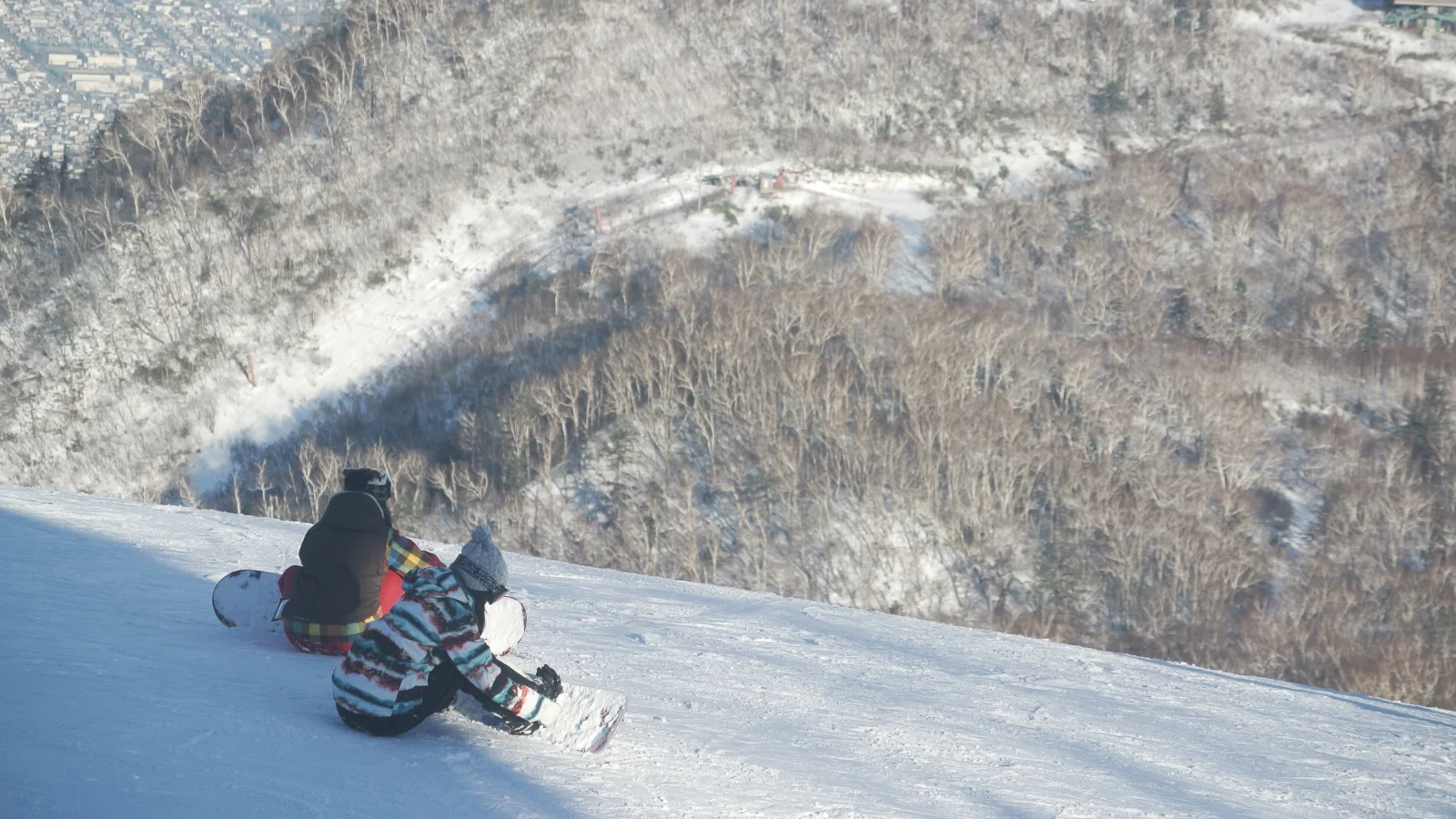
Skiers and snowboarders, meanwhile, will find Jozankei an ideal ski-and-onsen base: a 30-minute drive puts you at Sapporo Kokusai Ski Resort's seven beginner-to-advanced trails and family snow park, with hot sodium chloride baths waiting back in town to soothe sore legs. Non-skiers in the group can book guided snowshoe treks around Futami Park through the tourist association and catch the January 20-February 28 evening illuminations, keeping everyone's schedule full.
Summer reveals an entirely different side of the gorge: the Jozankei Kappa Festival -- originally launched by Hiroshi Ohachi in 1965 -- brings lively local festivities in midsummer, while Hoheikyo Dam's hourly sightseeing water releases roar from June 1 through October 31. Walking the one-kilometer Futami-Jozan Path under cool green canopy alongside roughly 800 wild plant species is easily the valley's most refreshing warm-weather stroll.
Sample Itineraries: From a Sapporo Day Trip to Two-Night Stays
For a single day trip without overnight lodging, board the 9:10 Kappa Liner from Sapporo Station to arrive at 10:11: spend the morning soaking at Shikanoyu or Furukawa (¥1,500), eat lunch along the main strip, walk Futami Suspension Bridge, Jozan Gensen Park, and the kappa statues in the afternoon (skipping closed Futami Park in winter), and catch the 17:06 final bus back to Sapporo. Counting ¥3,400 round-trip bus fare (less online), ¥1,500 for bathing, and lunch, a full day out from Sapporo easily stays under ¥7,000 per person.
For a classic one-night half-board stay, ride in from Sapporo in the afternoon (or straight from New Chitose Airport on the winter liner), settle into indoor and open-air baths before a kaiseki dinner, then stroll Jozan Gensen Park's kappa trail and squeeze in one final morning soak before checkout and the bus back to town. With historic Shikanoyu starting around ¥9,650 for dinner and breakfast included, splitting a four-night Sapporo trip into two city nights plus one night in Jozankei gives your itinerary natural breathing room.
Given two nights, Jozankei opens up as a relaxed base for all of southern Sapporo's mountain valleys: drive five minutes upstream to Hoheikyo Onsen, ten minutes to Koganeyu Onsen, or 30 minutes in winter to Sapporo Kokusai Ski Resort. Those 26 hot spring inns anchor far more than a single riverside street -- they put an entire national park valley at your doorstep before you head back to Susukino and Odori for dining and shopping.
A few useful answers
What are the typical hotel prices in Jozankei Onsen, and which properties stand out?
The 26 officially listed properties span ¥4,700 to ¥57,200 per night. Flagship large hot spring hotels include View Hotel (from ¥9,950), Manseikaku Milione (from ¥10,950), historic Shikanoyu (from ¥9,650), Hana Momiji (from ¥15,650), Suizantei (from ¥17,200), and Shogetsu Grand Hotel, founded in 1934 (from ¥24,200). Boutique options include the 7-suite Suigan and 20-room women-only Suichokan, while budget stays in Koganeyu and Kinkei start at ¥4,700. Check each property's official site for live rates.
How do you get from Sapporo Station to Jozankei Onsen?
The best option is the Kappa Liner express bus operated by Jotetsu Bus: it departs Sapporo Station Platform 27 and arrives in about 60 minutes, running 11 round trips daily (first bus 9:10, last bus 16:00). Fares are ¥1,700 one-way or ¥1,460 booked online, and 100% advance reservations are required (closing at 17:00 JST the day prior). You can also take the subway to Makomanai Station and transfer to a local bus (about 47 minutes for the bus leg), or drive in roughly 50 minutes (Jozankei Tourist Parking Lot is ¥500/day). From December 19, 2026 to February 21, 2027, a direct winter bus also runs from New Chitose Airport (¥3,500).
Can you enjoy the hot springs in Jozankei without staying overnight?
Yes. The area offers 18 day-use hot spring spots (13 paid baths and 5 free foot or hand baths). Notable paid options include Shikanoyu, Furukawa, and Milione at ¥1,500 each, Hatagoya Jozankei Shoten at ¥1,200, Hoheikyo Onsen at ¥1,300, Matsu no Yu at ¥800, and Kyujitsu-yu (opened in 2025) from ¥2,850. Three properties including Mori no Uta also offer bath-and-lunch packages starting at ¥3,900. The 5 free spots include Futami Footbath, Jozan Gensen Park (7:00-21:00), and Taro no Yu, making it easy to spend half a day soaking without paying entry fees.
Can you visit Hoheikyo Dam in winter, and what is Yukitoro (New Snow Candle Way)?
No, Hoheikyo Dam is effectively closed to visitors in winter. Its dedicated electric shuttle bus only runs through November 3 in 2026, general vehicles are banned on the dam road year-round for national park conservation, and sightseeing water releases end on October 31. For winter outdoor activities, head 30 minutes by car to Sapporo Kokusai Ski Resort instead. After dark, the revamped winter light event Yukitoro 2027 (New Snow Candle Way) runs nightly from January 20 to February 28, 2027 (18:00-21:30, free entry), with Jozankei Shrine's evening illumination reserved for overnight hotel guests holding admission vouchers.
Official information and references
Sources used in this guide.
- Jozankei Tourist Association | Accommodation Directory (26 Stays, Price Ranges, and Four Onsen Zones)
- Jozankei Tourist Association | Day-Use Hot Springs List (18 Spots: 13 Paid + 5 Free)
- Jozankei Tourist Association | Onsen History (Founded 1866 by Miizumi Jozan, 160th Anniversary)
- Jozankei Tourist Association | Access Guide (Kappa Liner 60 min, Makomanai Transfer 47 min, Driving 50 min)
- Jozankei Tourist Association | Kappa Legend Spots (15 Kappa Statues and Kappabuchi Folklore)
- Jozankei Tourist Association | Futami Suspension Bridge (Built 1955, 23m, Autumn Foliage, Free Year-Round)
- Jozankei Tourist Association | Futami Park Construction Notice (Sept 24, 2026 - Late March 2027; Bridge Remains Open)
- Jozankei Tourist Association | Hoheikyo Dam (Electric Bus May 2 - Nov 3, 2026; Water Release June 1 - Oct 31)
- Jozankei Tourist Association | Yukitoro 2027 / Shinsetsu Toro (Jan 20 - Feb 28; Free Entry; Guest Voucher System)
- Jotetsu Bus | Kappa Liner Express (Sapporo Station Platform 27, 11 Round Trips, ¥1,700, Reservation Required)
- Jozankei Onsen Liner | Winter Direct Bus from New Chitose Airport (Dec 19, 2026 - Feb 21, 2027, ¥3,500)
- Sapporo City Official Travel Guide | Jozankei Onsen (56 Sources, 60-80°C, 8,600 Liters/Min)