Founded in 1866 and celebrating its 160th anniversary in 2026, Jozankei Onsen draws 8,600 litres per minute from 56 thermal sources. Its official directory lists 26 stays—from ¥9,650 heritage inns to ¥56,800 Suizantei—plus 18 day-use baths (13 paid, 5 free). The Kappa Liner reaches it in ~60 minutes from Sapporo Station Platform 27 (¥1,700), with winter New Chitose Airport coaches starting 19 December.
- Region & Focus
- Sapporo
- Reading Scope
- 14 min read · 7 chapters · 4 Q&As
- Official Verification
- 12 official sources checkedUpdated 20 November 2026
- Key Topics
- Where to stayHot springsHokkaido
Chapter Route Map (tap any stop)
- 160 Years of Steam: Spring Quality, Volume & Scale
- Where to Stay: Price Brackets & Four Ryokan Styles
- Day-Use Soaks: 18 Bathing Spots & 5 Free Footbaths
- Kappa Onsen Street: 15 Statues & Futami Suspension Bridge
- Getting There: Kappa Liner, Winter Airport Bus & Driving
- Two Seasonal Alerts: Autumn Foliage Routes & Hoheikyo Winter Closure
- Itinerary Blueprints: From Sapporo Day Trips to Two-Night Stays
- Quick Q&A
Tucked deep inside a wooded gorge in Sapporo's Minami Ward, Jozankei Onsen sits roughly 60 minutes from Sapporo Station on the Kappa Liner, offering a swift escape from city bustle. Discovered in 1866 by the Shugendo monk Miizumi Jozan with Ainu guides, the spa town marks its 160th anniversary in 2026. According to City of Sapporo figures, 56 thermal sources pump out 8,600 litres of sodium chloride spring water every minute, welcoming around one million overnight guests a year. For independent travellers exploring Hokkaido, Jozankei's biggest trump card is proximity: known as Sapporo's okuzashiki (backyard retreat), a traditional half-board ryokan stay slots seamlessly into any Sapporo itinerary. The Jozankei Tourist Association's official roster lists 26 stays and 18 day-use bathing spots (13 paid, 5 free), anchored by 15 kappa statues scattered along a compact walking loop. Drawing on the latest official data from the Jozankei Tourist Association and the City of Sapporo, this guide breaks down how to choose a ryokan, day-use bathing rates, the Kappa Liner and winter New Chitose Airport coach schedules, and practical seasonal caveats such as the effective winter closure of Hoheikyo Dam.
160 Years of Steam: Spring Quality, Volume & Scale
Start with Jozankei's fundamentals: its waters are heat-retaining sodium chloride springs fed by 56 sources emerging at 60–80°C, delivering an impressive 8,600 litres per minute. Official City of Sapporo statistics make clear this is no sleepy hamlet, but a major resort town sustaining roughly 1,000,000 overnight guests alongside 400,000 day-trippers each year. According to the Tourist Association's chronicles, in Keio 2 (1866), the Shugendo monk Miizumi Jozan was led to the springs by Ainu guides and established a therapeutic toji bathhouse—making 2026 its 160th anniversary. Online references to a "150th anniversary" are leftover copy from 2016; use 160 years as the current benchmark.
Locals and officials alike call Jozankei "Sapporo's okuzashiki" (its inner parlour or backyard retreat). Pairing the dramatic gorge scenery of Shikotsu-Toya National Park with ryokan lining both banks of the Toyohira River and a tightly walkable hot-spring street, it works best understood as Sapporo's thermal garden. Rather than reorganising an itinerary around long-distance rail or coach journeys, a single night carved out of a Sapporo stay delivers a complete half-board onsen experience.
Accommodation and bathing supply rests on 26 officially listed lodgings and 18 day-use hot-spring facilities (13 paid and 5 free). The authoritative roster and seasonal notices are published centrally by the Jozankei Tourist Association (jozankei.jp, which offers multilingual pages), making it the most reliable pre-trip reference for opening details and property listings.
Set alongside Hokkaido's other marquee spa towns, Jozankei's positioning is unmistakable. Noboribetsu trades on Jigokudani's volcanic steam valley, Lake Toya leans on long-running lakeside fireworks, and Lake Akan blends lake vistas with Ainu heritage—whereas Jozankei's unbeatable edge is distance. As the only major hot-spring quarter inside Sapporo's municipal boundaries, it lets you soak in an authentic gorge resort without changing your main city base. Combine that convenience with sodium chloride waters prized for warming cold hands and feet, and it is easy to see why Jozankei is the most frequently added overnight detour from Sapporo.
Its founder, Miizumi Jozan, and its folkloric mascot, the kappa water sprite, split the town's personality neatly down the middle. History and spiritual heritage belong to Jozan—who is enshrined at Jozankei Shrine—while street-level charm is wholly ruled by the kappa, from riverside statues and the Kappa Liner bus to the summer Kappa Festival and even the bus reservation portal named in its honour. Give both sides their due, and Jozankei's character clicks into place.
Founded in 1866 and celebrating its 160th anniversary in 2026, Jozankei Onsen draws 8,600 litres per minute from 56 thermal sources. Its official directory lists 26 stays—from ¥9,650 heritage inns to ¥56,800 Suizantei—plus 18 day-use baths (13 paid, 5 free). The Kappa Liner reaches it in ~60 minutes from Sapporo Station Platform 27 (¥1,700), with winter New Chitose Airport coaches starting 19 December.
Where to Stay: Price Brackets & Four Ryokan Styles
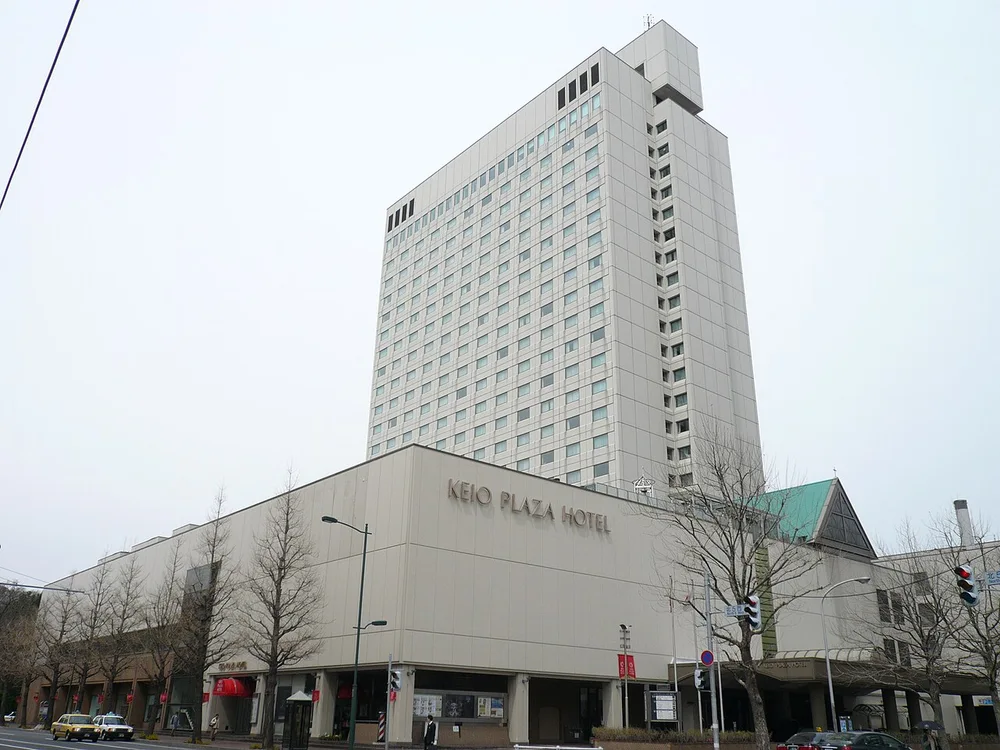
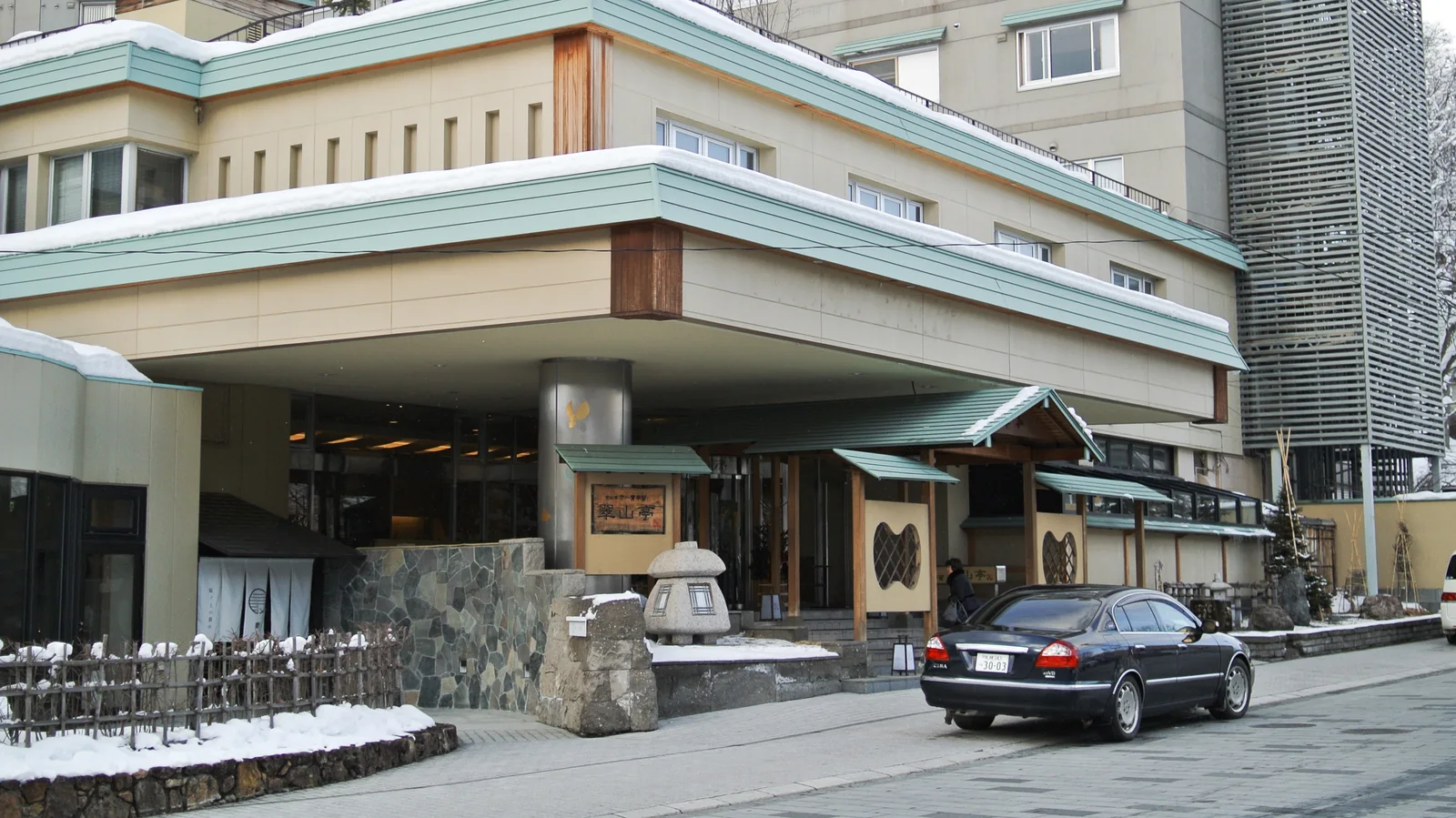
Reference tariffs across the 26 official properties range from ¥4,700 to ¥57,200, spanning no-frills budget beds to high-end sanctuaries. Key large-scale hot-spring resorts fall into these typical bands: the 16-storey spa complex Jozankei View Hotel (¥9,950–¥46,150), the Silk Road-inspired Manseikaku Hotel Milione (¥10,950–¥36,870), centrally located heritage inn Hotel Shikanoyu (¥9,650–¥15,650), Hanamomiji with its 12th-floor observation baths (¥15,650–¥44,150), Jozankei Daiichi Hotel Suizantei (¥17,200–¥56,800), Nukumori no Yado Furukawa (¥16,700–¥31,800), Jozankei Tsuruga Resort Spa Mori no Uta (from ¥17,050), Shogetsu Grand Hotel founded in 1934 (¥24,200–¥49,500), Grand Bressen Jozankei (¥19,800–¥50,520), and Yuraku Soan (¥24,000–¥41,000).
By temperament, the town's stays divide cleanly into four styles. First are the high-rise panorama resorts, led by View Hotel and Hanamomiji, whose upper-floor communal baths look straight across the gorge—ideal for first-timers wanting dramatic valley views from the window. Second are the heritage toji inns, where Shikanoyu and 1934-established Shogetsu Grand Hotel preserve a timeless sense of warmth. Third are boutique retreats and exclusive-use villas: the 7-suite Suigan, the 20-room women-only Suichokan, Okujozankei Kashogyoen on roughly 3,000 tsubo (nearly 10,000 square metres) of national park woodland (from ¥33,550), and private whole-property rentals SAKURA Jozankei Zen and Villa Tsubakitei (a main house plus three annexes sleeping 12 guests for ¥500,000), built for milestone celebrations and group buyouts. Fourth come the high-value budget picks, including Yumoto Koganeyu (¥7,500–¥12,570), Matsunoyu in Koganeyu (¥9,500–¥16,650), Kinwaso (from ¥4,800), and Club Kinkei (from ¥4,700), keeping entry rates below ¥5,000.
Two fine-print points stand out when reading the official table. First, total room counts are published only for Suichokan (20 rooms) and Suigan (7 suites); other properties omit room numbers on the association roster. Second, the property formerly known informally as "Jozankei Grand Hotel" now appears officially as "Shogetsu Grand Hotel", so use the current name when searching booking platforms. Geographically, the official map splits the valley into four districts: Jozankei Onsen main street, Usubetsu Onsen, Koganeyu Onsen, and Hoheikyo Onsen. Main street anchors bus travellers, whereas upstream Koganeyu and Hoheikyo suit drivers far better.
Matching your priorities narrows the list quickly: pick View Hotel or Hanamomiji for high-floor gorge views, Shikanoyu for classic central-street convenience, Suigan or Suichokan for intimate or women-only stays, either Koganeyu inn for strict budgets, and Shogetsu or Milione for extended families seeking varied room types and dining setups. Treat directory tariffs as indicative guides only; check each inn's website or booking portals for live seasonal pricing.
Jozankei maintains a sister-onsen partnership with Arima Onsen in Hyogo—one of Japan's three ancient hot-spring towns—and decades of exchange have shaped service standards at its flagship resorts to rival Honshu's top destinations. Even so, Jozankei's irreplaceable trump card remains its gorge setting: terraced along the Toyohira River, almost every major communal and open-air bath faces straight onto wooded cliffs, a rarity for a city-fringe spa.
Personality differences among top-tier and mid-to-upper inns are equally distinct. Jozankei Daiichi Hotel Suizantei—whose name evokes "a pavilion where treasure lingers"—sets the luxury benchmark (¥17,200–¥56,800). Nukumori no Yado Furukawa (¥16,700–¥31,800) builds its identity around nukuri (warmth) and welcomes day-trippers (¥1,500), giving its afternoon baths a brisk, sociable energy. Among the heritage stalwarts, Shogetsu Grand Hotel offers generous public spaces suited to families and groups, whereas Shikanoyu sits right at the centre of the hot-spring street, making it effortless for travellers arriving on foot.
Geography explains how the four zones work together: Jozankei Onsen main street is the hotel core and express bus terminus; Usubetsu Onsen forms a quiet pocket just downstream; and Koganeyu Onsen (Yumoto Koganeyu and Matsunoyu) alongside Hoheikyo Onsen sit upstream. Hoheikyo Onsen leans heavily into day-use bathing and traditional toji atmosphere—at ¥1,300 for day entry, it ranks among the best value in the valley—making it a rewarding second soak for drivers staying on main street. Car-free visitors are far better off booking on main street so everything stays within easy walking reach.
Day-Use Soaks: 18 Bathing Spots & 5 Free Footbaths
Even without an overnight booking, Jozankei's day-use bathing lineup is remarkably deep. Official entry fees across the 13 paid facilities run as follows: View Hotel ¥1,500–¥3,000; Milione, Shikanoyu, and Furukawa ¥1,500 apiece; Hatagoya Jozankei Shoten ¥1,200; upstream Hoheikyo Onsen ¥1,300; Yunohana Jozankei-den ¥1,180; Yumoto Koganeyu ¥950–¥1,050; and Matsunoyu just ¥800. Opened in April 2025, Kyujitsu-yu (Kyujitsu Building) pitches a contemporary leisure concept with holiday passes starting at ¥2,850, while Mori no Uta, Shogetsu, and Bressen package bath access with lunch (¥3,900, ¥5,100, and ¥8,900 respectively) to turn a quick dip into an unhurried half-day treat.
Threading through town are 5 free footbaths and handbaths that form a natural strolling spine: Futami Footbath (Shiki no Seseragi) inside Futami Park; Jozan Gensen Park (opened in 2005 and open daily 07:00–21:00 year-round, featuring a source-fed footbath, handbath, and "Ontama no Yu" where you can boil your own onsen eggs); Ashi no Fureai Taro no Yu (completed in 2003); the Kappa Family's Wish-Granting Handbath; and Ontama no Yu. With pools spaced just minutes apart, you can easily spend half a day wandering and warming up without spending a yen.
Pulling together a Sapporo day trip takes minimal effort: board the ~60-minute Kappa Liner at midday from Sapporo Station, soak at a ¥1,200–¥1,500 ryokan in the afternoon, hop between free footbaths towards dusk, pause at Jozan Gensen Park for gorge views by Tsukimi Bridge, grab dinner, and catch a bus back. Transport, bath admission, and a meal can comfortably stay around ¥5,000 in total.
Drivers can turn the day into a multi-zone bath crawl: five minutes upstream puts you at Hoheikyo Onsen (¥1,300), and another ten minutes brings you to the two Koganeyu inns, making multiple spring sources easy to sample in a single day. When driving into town, leave your car at Jozankei Tourist Parking (¥500 per day) and cover the main street on foot. Because the association directory does not publish individual day-use hours, check each facility's own website before setting off.
Opened on 24 April 2025, Kyujitsu-yu (Kyujitsu Building) deserves a closer look: from ¥2,850, it reframes bathing as a modern lounge-and-leisure hangout, standing clearly apart from ¥1,200–¥1,500 traditional ryokan day entries. For pure budget value, Koganeyu's Matsunoyu (¥800) and Yumoto Koganeyu (from ¥950) remain hard to beat—while visitors without a car will find plenty of walkable day-use inns right along main street.
Kappa Onsen Street: 15 Statues & Futami Suspension Bridge
You can scarcely walk three paces in Jozankei without spotting a kappa. The official Kappa Legend Spots guide logs 15 kappa statues and lore markers across town, including Kappa King, Kappa Taro, Singing Kappa, and Playful Kappa. The story begins at Kappa-fuchi (Kappa Abyss): local legend tells of a young man who disappeared into the deep river pool, only to appear to his father in a dream a year later, explaining he was living happily with a kappa wife and children. In 1965, Sapporo-born cartoonist Hiroshi Oya named the pool Kappa-fuchi and championed the Jozankei Kappa Festival; in 2012, town mascot Kappon (Jozan Kappa Kokichibei) was even granted a special resident certificate by the head of Sapporo's Minami Ward.
The core sights sit neatly inside a compact walking loop: Futami Park, Jozankei's oldest park and home to the Kappa King statue; the vivid red, unstiffened Futami Suspension Bridge built in 1955 (23 metres long, 1.5 metres wide, free year-round, and prized for autumn foliage); Jozan Gensen Park beside Tsukimi Bridge; Iwato Kannondo Temple (built in 1936, 300 metres from Futami Park, housing 33 Kannon statues inside a 120-metre cave); and Jozankei Shrine, established in 1905. Connecting Futami Park to Kappa-fuchi, the roughly 1-kilometre Futami Jozan Trail winds past around 800 varieties of mountain wildflowers.
Travellers visiting in autumn and winter 2026 should note Toyohira River environmental works: from 24 September 2026 until late March 2027, Futami Park itself is closed, though Futami Suspension Bridge remains open to pedestrians; a temporary footpath opened on 1 October will also shut once winter sets in. Autumn photographers can still step onto the bridge for foliage shots, even without entering the park grounds, while winter strollers should shift their route towards Jozan Gensen Park and Tsukimi Bridge once the detour closes.
Tracking down all 15 kappa statues with the official checklist turns a simple stroll into a street-wide treasure hunt—especially fun for families with children. Even once construction fencing goes up around Futami Riverside Park (inside Futami Park) in late September 2026, most vantage points and photo angles for the Kappa King statue remain reachable by following on-site directional signs.
Weaving local faith into the street walk rewards slower pacing: spot Kappon in shop windows along the avenue, slip 300 metres past Futami Park into Iwato Kannondo Temple's quiet 120-metre cave of 33 Kannon statues, and visit the 1905 shinmei-style Jozankei Shrine. In winter, the shrine grounds host the main stage of New Yukitouro, where staying guests gain evening access using invitation tickets from their ryokan front desk.
Getting There: Kappa Liner, Winter Airport Bus & Driving
By public transport, the top choice is the Kappa Liner express bus operated by Jotetsu Bus. Coaches depart Sapporo Station Platform 27 and reach Jozankei direct in roughly 60 minutes (calling at Odori, Susukino, Shiraito no Taki, Jozankei Jinja-mae, and continuing on select runs to Hoheikyo Onsen). Eleven return services run daily: from Sapporo Station the first bus leaves at 09:10 and the last at 16:00; returning from Jozankei, the first leaves at 08:45 and the last at 17:06. A single ticket costs ¥1,700, or ¥1,460 when booked online. Seating is unreserved, yet the entire coach is reservation-only—online bookings (credit cards and PayPay accepted) close at 17:00 the day before departure. Weekends and autumn leaf season sell out rapidly, so lock in seats as soon as your dates are fixed.
Alternative public routes include Jotetsu local buses from Sapporo Station (around 80 minutes), or taking the Namboku Line underground to Makomanai Station and changing to a local bus for roughly 47 minutes (official guidance notes that underground and bus timetables do not always align seamlessly). In winter, the direct "Jozankei Onsen Liner" links New Chitose Airport daily from 19 December 2026 to 21 February 2027, taking 100–120 minutes at ¥3,500 per adult (with an optional ¥4,000 service pausing 75 minutes at Lake Shikotsu for sightseeing), also reservation-only with an 18:00 prior-day cutoff. By car, expect about 50 minutes from Sapporo, 60 minutes from Otaru, and 80 minutes from New Chitose Airport; Jozankei Tourist Parking beside Milione on Route 230 holds 54 cars at ¥500/day, leaving a pleasant 10–15 minute walk around town.
Remember that the direct New Chitose Airport service operates strictly from mid-December to late February; outside winter, travellers connect via Sapporo or Chitose. If you land in winter and want to avoid hauling suitcases into central Sapporo, this 100–120 minute direct coach saves both time and transfers.
Timing your booking avoids disappointment: Kappa Liner reservations open online one month ahead (same calendar date) until 17:00 the day before travel, and October foliage weekends plus late-January to late-February Yukitouro weekends fill quickly. Keep a close eye on the 17:06 final departure from Jozankei Shako-mae—miss it and you are looking at a roughly 50-minute taxi back to Sapporo (though split among four or five passengers, the fare comes close to bus tickets). Staying overnight removes any curfew rush altogether.
For alternative bus options, bear in mind the 47-minute estimate from Makomanai covers only the bus leg; once you factor in walking out of the underground station and waiting for the transfer, it rarely beats the 60-minute direct Kappa Liner. Travellers pairing Jozankei with Lake Toya can also use Donan Bus's Sapporo–Toyako service via Nakayama Pass (~60 minutes to or from Jozankei). Detailed stage fares for local buses can be checked on BusKita or confirmed with the driver on board.
Because the Kappa Liner is strictly reservation-only, do not gamble on turning up without a ticket. Midweek departures occasionally have spare seats, yet on sold-out foliage or winter festival weekends there is no direct equivalent—only multi-stage local bus changes. Book both outbound and return Kappa Liner legs the moment your plans solidify; likewise, the winter Jozankei Onsen Liner carries just 30 seats per coach with an 18:00 prior-day cutoff, so book early.
Two Seasonal Alerts: Autumn Foliage Routes & Hoheikyo Winter Closure
October brings Jozankei's liveliest season. Sharp day-night temperature swings inside the Toyohira River gorge paint Futami Suspension Bridge and Futami Park crimson around October, matching peak colour around Hoheikyo Dam—where Lake Jozan ranks among Japan's Top 100 Dam Lakes, its upstream woods belong to the Top 100 Water Source Forests, and Senjogan delivers sweeping viewpoints. Nearby Sapporo Kokusai Ski Resort (elevation 1,100 metres) runs autumn foliage gondola rides from late September to mid-October, while October's "Five Major Foliage Spots" shuttle bus links five key leaf-viewing areas so visitors can combine bridge, gondola, and dam bus panoramas in one trip.
Winter visitors must take note of Hoheikyo Dam's effective closure. In 2026, the dam's dedicated electric shuttle runs only from 2 May to 3 November and halts entirely afterwards; meanwhile, national park environmental rules ban private cars, motorcycles, and bicycles from the dam road year-round. That makes Hoheikyo Dam inaccessible for winter sightseeing, with tourist water releases likewise confined to 1 June–31 October. For winter outdoor highlights, head instead to Sapporo Kokusai Ski Resort (~30 minutes by car, featuring 7 runs and a snow park) or arrange snowshoe trekking through the Tourist Association.
Winter evenings belong to illuminations. Following the final run of its 15-year-old traditional snow candle event in February 2026, the overhauled "New Yukitouro 2027" takes place from 20 January to 28 February 2027, running nightly from 18:00 to 21:30 (free entry, last admission 21:15) with brand-new light installations. Evening entry inside Jozankei Shrine is limited to overnight ryokan guests carrying invitation tickets distributed by their inns; during severe weather, schedule updates are announced around 14:00 on the official website and social feeds. Spending the night to pair the illuminations with a snow-rimmed open-air bath is Jozankei's quintessential winter ritual.
Dedicated leaf-peepers will get the most from a two-night stay, using October's Five Major Foliage Spots shuttle over two unhurried days to cover Futami Bridge, Hoheikyo, the Sapporo Kokusai gondola, and Mount Hakken—whose lower slopes begin turning from mid-October and make an easy detour by car. Thanks to the gorge's pronounced thermal swings, colours arrive earlier and burn deeper here than in central Sapporo.
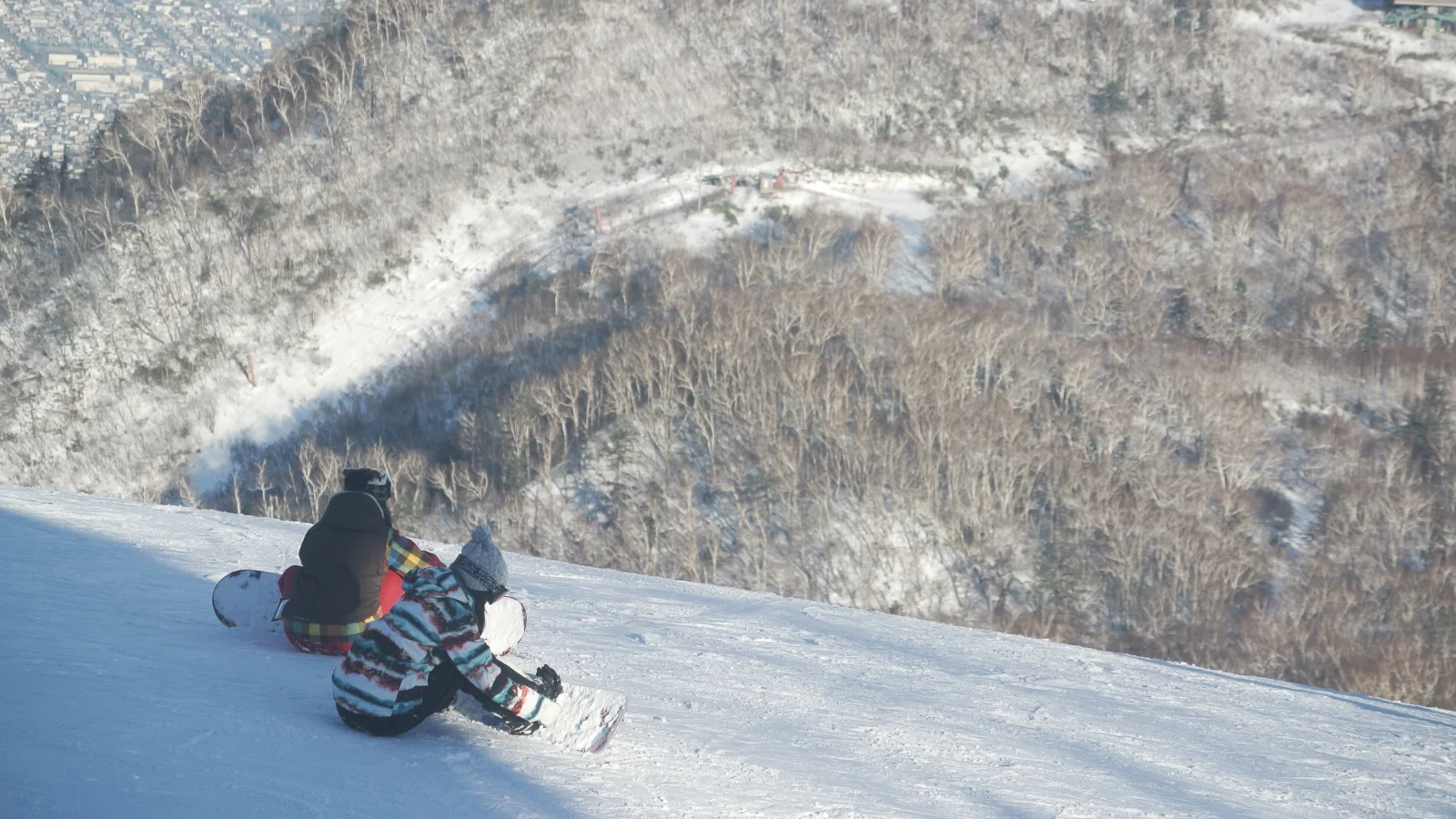
Winter skiers can turn Jozankei into a remarkably comfortable ski-and-onsen base: a 30-minute drive reaches Sapporo Kokusai Ski Resort's 7 beginner-to-advanced runs and family snow park by day, followed by muscle-soothing sodium chloride baths at dusk. Non-skiers in the party can join Tourist Association snowshoe walks near Futami Park and stroll New Yukitouro between 20 January and 28 February, giving everyone a clear highlight.
Summer swaps snow glow for crisp waterside energy. The Jozankei Kappa Festival—started by Hiroshi Oya in 1965—brings midsummer liveliness to town, while Hoheikyo Dam's hourly tourist discharges (1 June–31 October) send thunderous sheets of water spilling down the gorge. Walking the roughly 1-kilometre Futami Jozan Trail under dense green canopy amid 800 wildflower species feels cool and refreshing in the warmer months.
Itinerary Blueprints: From Sapporo Day Trips to Two-Night Stays
For a single-day outing without staying overnight, catch the 09:10 first Kappa Liner from Sapporo Station to arrive on main street at 10:11. Start with a ¥1,500 morning soak at Shikanoyu or Furukawa, have lunch along the hot-spring avenue, spend the afternoon linking Futami Suspension Bridge, Jozan Gensen Park, and the kappa statues (skipping Futami Park during winter construction closures), and board the 17:06 final bus back. Return coach fare (¥3,400, or less online) plus ¥1,500 bathing and lunch keeps a solo day trip well under ¥7,000.
For the classic one-night half-board escape, travel up from Sapporo in the afternoon (or direct from New Chitose Airport in winter), soak in the indoor and open-air baths before a kaiseki dinner, wander Jozan Gensen Park hunting kappa statues the next morning, squeeze in one more morning bath before check-out, and ride the bus back into town. With heritage inn Shikanoyu starting from ¥9,650 half-board, splitting a four-day Sapporo holiday into two city nights and one Jozankei night strikes an effortless rhythm.
With two nights in hand, Jozankei opens up as a base for Sapporo's southern valleys: drive five minutes upstream to Hoheikyo Onsen, ten minutes to Koganeyu Onsen, or 30 minutes in winter to Sapporo Kokusai Ski Resort. Its 26 ryokan unlock far more than a single gorge street—before returning you straight to Susukino and Odori for city dining and shopping, fitting smoothly into any Hokkaido trip.
A few useful answers
What are the accommodation price ranges in Jozankei Onsen, and which ryokan stand out?
The official directory lists 26 properties with reference rates spanning ¥4,700 to ¥57,200. Major ryokan include Jozankei View Hotel (from ¥9,950), Manseikaku Hotel Milione (from ¥10,950), heritage inn Hotel Shikanoyu (from ¥9,650), Hanamomiji (from ¥15,650), Suizantei (from ¥17,200), and Shogetsu Grand Hotel, founded in 1934 (from ¥24,200). Boutique options include 7-suite Suigan and 20-room women-only Suichokan, while budget stays around Koganeyu and Kinkei start from ¥4,700. Check each property's official site for live rates.
How do I get from Sapporo Station to Jozankei Onsen?
The easiest option is the Kappa Liner express bus from Sapporo Station Platform 27, taking roughly 60 minutes direct with 11 return services daily (first bus 09:10, last 16:00). Single fares are ¥1,700 (¥1,460 booked online), with mandatory advance reservations closing at 17:00 the day prior. Alternatively, take the Namboku Line underground to Makomanai Station for a ~47-minute local bus, or drive in ~50 minutes (Jozankei Tourist Parking is ¥500/day). From 19 December 2026 to 21 February 2027, a direct winter coach also connects New Chitose Airport (¥3,500).
Can I visit Jozankei's hot springs for a day soak without staying overnight?
Yes—the district offers 18 day-use bathing options (13 paid and 5 free). Paid favourites include Shikanoyu, Furukawa, and Milione at ¥1,500 each, Hatagoya Jozankei Shoten at ¥1,200, Hoheikyo Onsen at ¥1,300, Matsunoyu at ¥800, and Kyujitsu-yu (opened in 2025) from ¥2,850. Mori no Uta and two other inns also offer bath-and-lunch packages from ¥3,900. The 5 free spots include Futami Footbath, Jozan Gensen Park (07:00–21:00), and Taro no Yu, making half-day strolls effortless without spending a yen.
Can you visit Hoheikyo Dam in winter, and what is Yukitouro?
Hoheikyo Dam is effectively closed to visitors in winter: the dedicated electric shuttle operates only until 3 November 2026, general vehicles are banned year-round under national park rules, and tourist water discharges end on 31 October. For winter outdoor fun, head to Sapporo Kokusai Ski Resort, about 30 minutes away by car. In the evenings, the revamped "New Yukitouro 2027" light festival runs nightly from 20 January to 28 February 2027 (18:00–21:30, free entry), with evening access to Jozankei Shrine reserved for overnight ryokan guests holding invitation tickets.
Official information and references
Sources used in this guide.
- Jozankei Tourist Association | Accommodation List (26 Properties, Price Bands & Four Onsen Zones)
- Jozankei Tourist Association | Day-Use Onsen List (18 Spots: 13 Paid & 5 Free)
- Jozankei Tourist Association | Onsen History (Founded 1866 by Miizumi Jozan, 160th Anniversary)
- Jozankei Tourist Association | Access Overview (Kappa Liner 60 min, Makomanai Transfer 47 min, Car 50 min)
- Jozankei Tourist Association | Kappa Legend Spots (15 Kappa Statues & Kappa-fuchi Lore)
- Jozankei Tourist Association | Futami Suspension Bridge (1955, 23m, Autumn Foliage Spot, Free Year-Round)
- Jozankei Tourist Association | Futami Park Construction Notice (24 Sep 2026–Late Mar 2027, Bridge Open)
- Jozankei Tourist Association | Hoheikyo Dam (Electric Bus 2 May–3 Nov 2026, Tourist Discharge 1 Jun–31 Oct)
- Jozankei Tourist Association | New Yukitouro 2027 (20 Jan–28 Feb, Free, Guest Invitation Ticket Required for Shrine)
- Jotetsu Bus | Kappa Liner (Sapporo Station Platform 27, 11 Return Runs, ¥1,700, Reservation Required)
- Jozankei Onsen Liner | Winter New Chitose Airport Direct Bus (19 Dec 2026–21 Feb 2027, ¥3,500)
- Sapporo Travel (Official City Guide) | Jozankei Onsen Street (56 Sources, 60–80°C, 8,600 L/min)