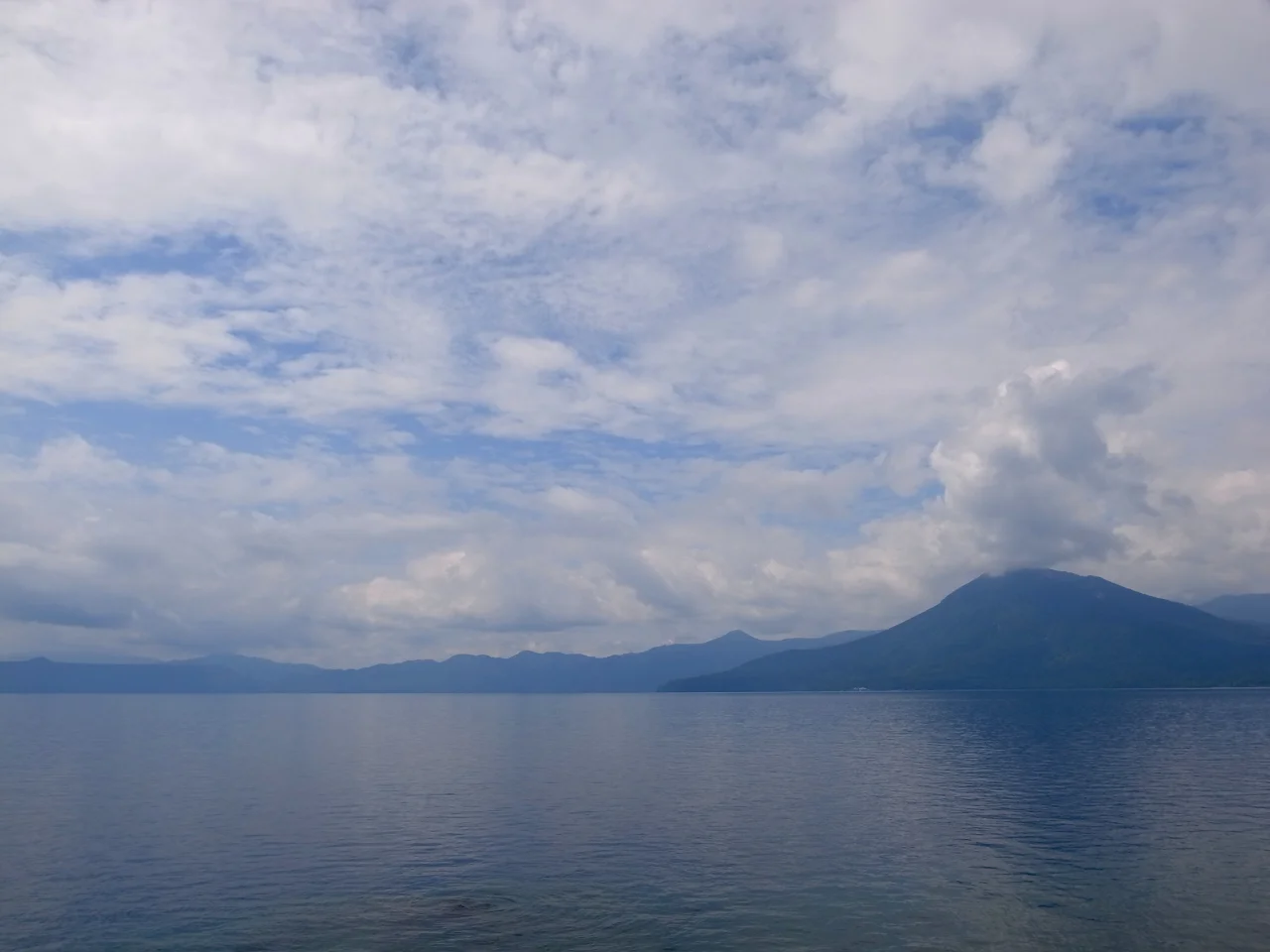
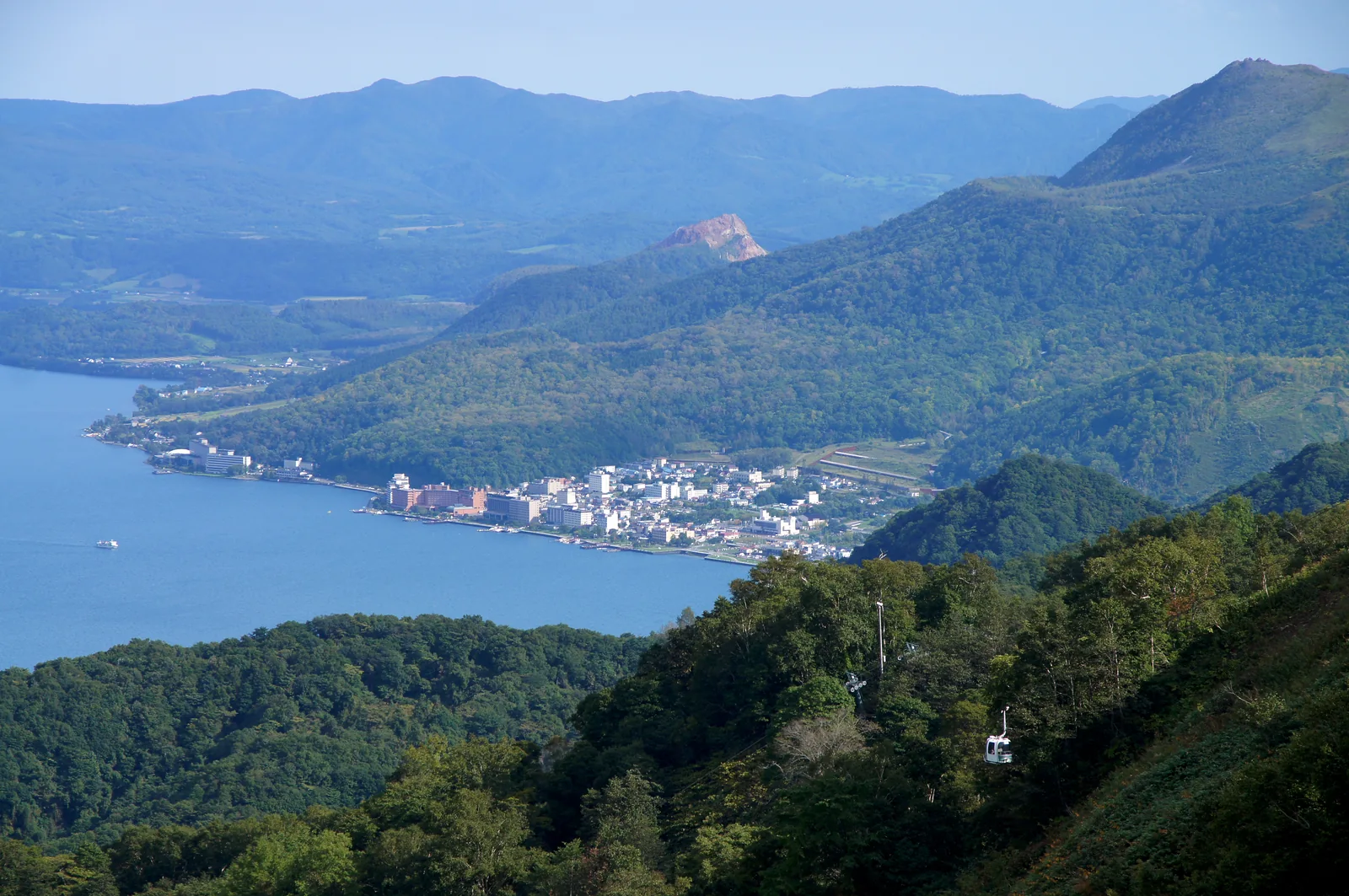
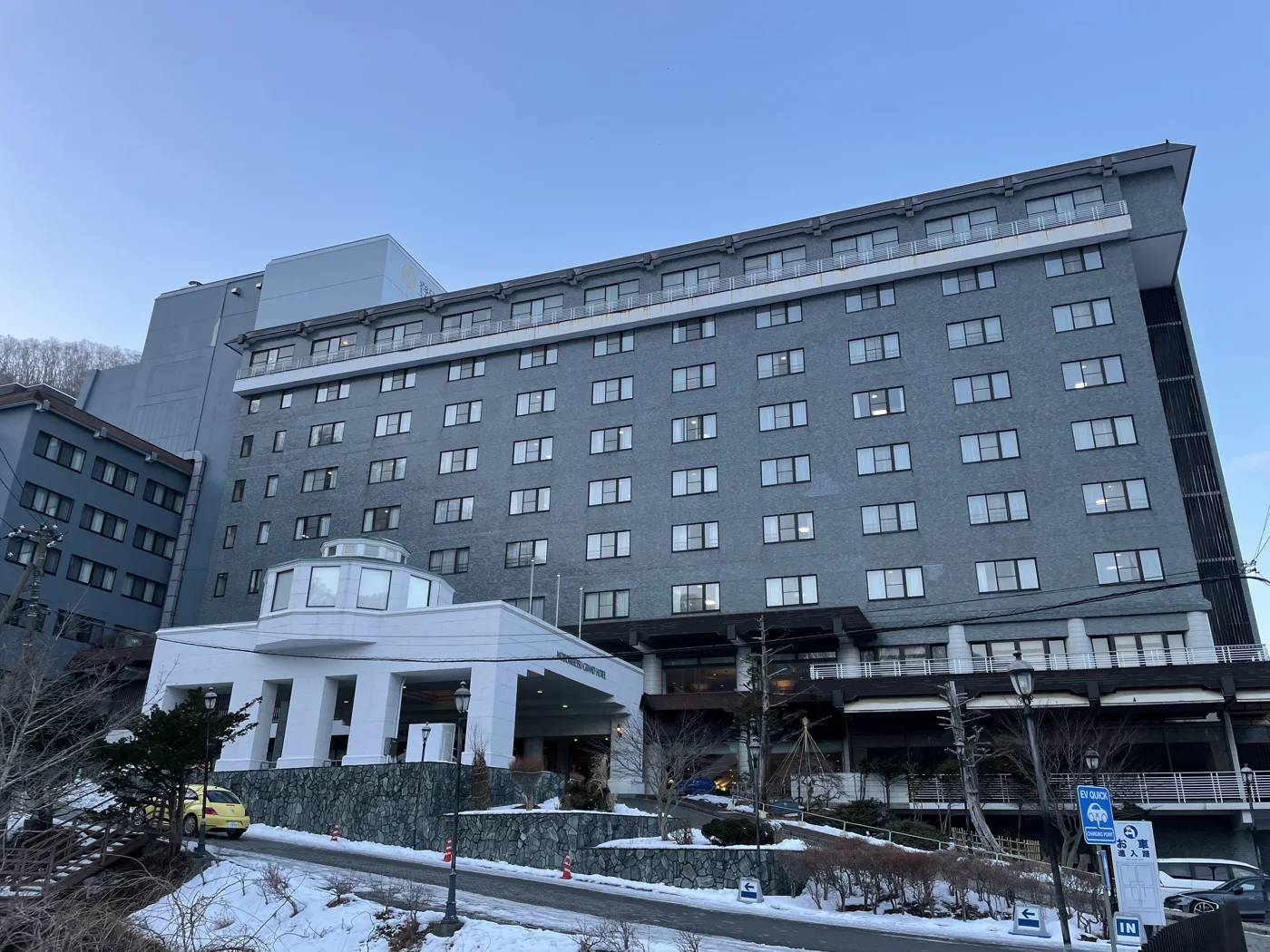
Compare scenery, car-free transport, and accommodation choices across four Hokkaido hot-spring towns, covering the 2027 Sounkyo Ice Fall Festival, Lake Toya winter illuminations, Noboribetsu day-trip baths, and Jozankei buses.
- Region & Focus
- HokkaidoAccommodation
- Reading Scope
- 25 min read · 13 chapters · 6 Q&As
- Official Verification
- 36 official sources checkedUpdated 22 November 2026
- Key Topics
- Hot springsWinterWhere to stay
Chapter Route Map (tap any stop)
- Start by checking where you stay the night before and after
- Noboribetsu Onsen: connecting by Donan Bus from JR Noboribetsu Station
- Noboribetsu Onsen: Jigokudani walks, indoor baths, and forest trails
- Lake Toya Onsen: south-shore lake-view stays and two ways in
- Evening events and daytime backups around Lake Toya
- Sounkyo Ice Fall Festival: lock in the evening and return journey first
- Visiting the Ice Fall Festival with children: should you add daytime snow play?
- Planning Sounkyo outside the festival season
- Jozankei: a half-day soak from Sapporo and winter detours for Futami Suspension Bridge
- Flying via New Chitose Airport: choosing between Jozankei and Lake Shikotsu
- Combining Noboribetsu, Otaru, or Asahikawa: check the rail-pass maths again
- Where to spend your budget: lake views, in-room baths, dinner, and snowy walks
- Keeping winter backup plans when linking two onsen towns
- Quick Q&A
On a first trip to Hokkaido, pick Noboribetsu if you want steaming geothermal vents before a soak, or Lake Toya if you want lake views straight from your room. Travellers heading specifically to the 2027 Sounkyo Ice Fall Festival should spend a night near the venue, whereas anyone already based in Sapporo who just wants a half-day soak will find Jozankei the simplest hop by bus. Two seasonal rules directly shape winter bookings: Lake Toya's nightly fireworks run in the warmer months, and Sounkyo's Ice Fall Festival opens only in the evening on weekdays.
Start by checking where you stay the night before and after
When travelling south from Sapporo towards Hakodate, both Noboribetsu and Lake Toya sit along the Limited Express Hokuto corridor, making either an easy one-night stopover. Noboribetsu's bus stops, shops, and main walkable sights sit close together, which suits anyone keen to see Jigokudani (Hell Valley) in the afternoon and head straight into a ryokan bath. Lake Toya works best if you dedicate your arrival afternoon to the south-shore hot-spring street and save the sightseeing cruise or Mount Usu for a relaxed morning gap before heading back to the railway station once.
If you are staying consecutive nights in Sapporo and making a day return, Jozankei spares you a hotel move and lets you leave heavy luggage behind. Sounkyo connects much more smoothly to eastern itineraries if you are staying in Asahikawa the following night: trains run between Sapporo and Asahikawa, while the final stretch into the gorge relies on road buses, so plan backwards from your evening return options. Staying overnight in Sounkyo also solves mismatched cold tolerance, allowing one companion to step out for the illuminated ice sculptures after dinner while the other stays warm indoors.
When travelling by public transport, read every accommodation address against both the station and the sights. A listing labelled "Noboribetsu" may sit beside JR Noboribetsu Station rather than up on the Noboribetsu Onsen street where you can walk to Jigokudani at night; likewise, "Toya" listings require separating the south-shore Toyako Onsen strip, JR Toya Station, and Toya Mizunoeki on the opposite shore. Matching place names to the exact bus stop is the single best check before booking—pick your room view only after the location is right.
| Onsen town | Car-free access | Best stay length | Key trade-off |
|---|---|---|---|
| Noboribetsu | Donan Bus from JR Noboribetsu Station | Day trip from Sapporo or one night heading south | Jigokudani pairs easily with day baths; deeper trails depend on snow conditions |
| Lake Toya | Donan Bus from JR Toya Station, or reserved direct bus from Sapporo | One night on the south lakeshore | Winter offers illuminations instead of fireworks; winter cruises stay on board throughout |
| Sounkyo | Dohoku Bus from Asahikawa, or bus transfer at Kamikawa Station | One night for evening Ice Fall Festival viewing | Few return transport options back to Asahikawa after evening events close |
| Jozankei | Kappa Liner from Sapporo Station stop 27 | Half-day trip to one night | Futami Park is closed for winter works; use the footbath and main hot-spring street instead |
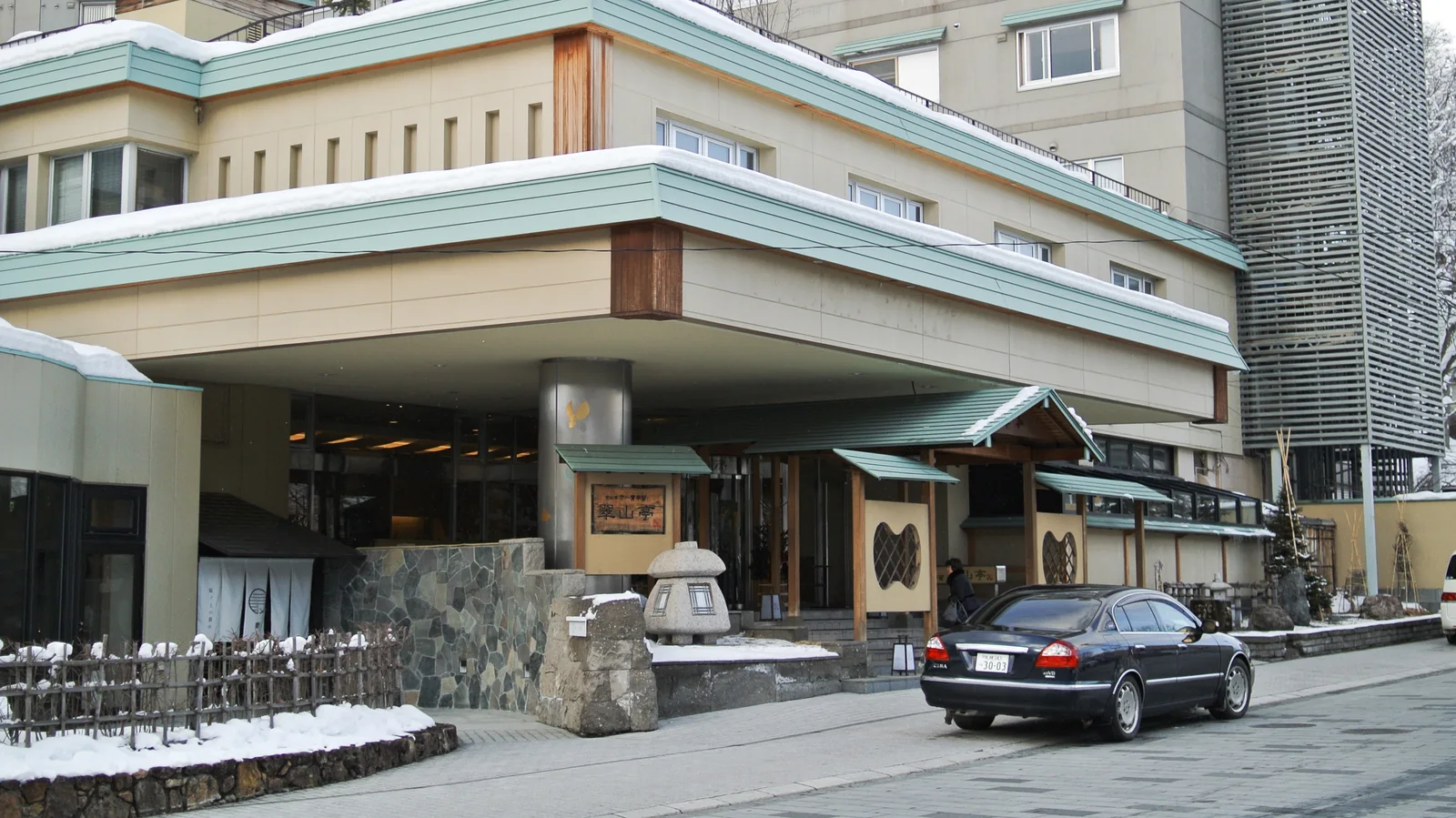
Compare scenery, car-free transport, and accommodation choices across four Hokkaido hot-spring towns, covering the 2027 Sounkyo Ice Fall Festival, Lake Toya winter illuminations, Noboribetsu day-trip baths, and Jozankei buses.
Noboribetsu Onsen: connecting by Donan Bus from JR Noboribetsu Station
Take the Limited Express Hokuto or a Noboribetsu-stopping Suzuran train from Sapporo Station to JR Noboribetsu Station. JR Hokkaido's regular-season one-way fare for an ordinary reserved seat is ¥4,890, combining the base fare and reserved-seat limited express supplement. Both Hokuto and Suzuran require seat reservations, so check your onward direction before booking: compare both trains if you are only visiting Noboribetsu, or focus on the Hokuto if you are continuing south to Toya or Hakodate. Passes that cover only the JR rail leg do not include the local bus up to the hot-spring town.
Outside the station, look for the Donan Bus stop marked "Noboribetsu-ekimae" and enter "Noboribetsu Onsen" as your destination in map apps; the adult one-way fare is ¥450. Donan Bus lists 27 minutes for the full corridor covering Noboribetsu-ekimae, the hot-spring terminal, and the footbath entrance, with fares calculated to your exact alighting stop and separate timetables for outbound and return journeys. Visa contactless payment works on NA and NB buses, cash is accepted on every departure, and IC cards such as Kitaca and Suica cannot be used—worth sorting out exact change at the stop when travelling in a group.
Get off at the hot-spring bus terminal and walk uphill along Gokuraku-dori, lined with shops and demon statues. Enma-do sits on the main street, where the tourism association lists mechanical puppet performances at 10:00, 11:00, 13:00, 15:00, 17:00, 20:00, and 21:00, subject to cancellation in poor weather. Daytime visitors can catch a show between sights, while day-trippers should keep an eye on their return bus stop and only wait for the next performance if time allows. Overnight guests whose dinner falls awkwardly between showtimes can drop bags at their ryokan first and stroll back along the lit main street afterwards.
Noboribetsu Onsen: Jigokudani walks, indoor baths, and forest trails
Start your Jigokudani walk at the main observatory. Formed by explosive eruptions of Mount Kuttara, the crater floor reveals steaming fumaroles and bare volcanic rock, and even in snowfall the layers of steam and cliff walls read clearly from the lookout. A ramped path runs from the park visitor centre to the observatory, with the local association noting a maximum gradient of 8%; companions pushing wheelchairs or buggies can test this first section and turn back near the entrance if packed snow makes going tough. Walk the valley while daylight lasts, then browse souvenir shops on your way back down.
Oyunuma Pond offers a second geothermal stop, with a natural river footbath tucked along the Oyunuma-gawa Nature Trail near Taisho Jigoku. Only fold these into a half-day plan in clear weather when the trails are open. If you are setting out from the hot-spring street, use the bus stop near Sekisuitei for the footbath entrance rather than defaulting to the terminal and doubling back. When snow closes the path between Jigokudani and Oyunuma, keep things simple with the Jigokudani observatory, Enma-do, and a long soak at a bathhouse. Summer visitors walking down to the stream should pack a small towel, tread carefully on wet boardwalks and stone steps, and dry their feet thoroughly before putting socks back on.
If you want to compare mineral waters under one roof, Dai-ichi Takimotokan channels five distinct spring types ranging from sulphur to saline water. Day-trip admission runs from 09:00 to 18:00 (must exit by 21:00) at ¥2,500 for adults and ¥1,500 for children aged 3 to 12, with under-3s free and both bath and face towels included. Individual pools may close briefly for daytime cleaning, and the entire property will shut for annual maintenance from 5 to 15 April 2027, requiring an alternative stay or day bath over those dates. On a day trip, sticking to one bathhouse after lunch leaves time to dry your hair properly before walking back to the terminal; using regular-season JR fares, return buses, and adult admission, the transport-and-bath baseline comes to ¥13,180 per person before lunch.
Staying overnight lets you visit Jigokudani twice—once at dusk on arrival, and again the next morning if you book a later train. When reserving Dai-ichi Takimotokan, compare its buffet and kaiseki dinner plans; buffets work better when companions want different dishes. If soaking matters more than ticking off sights, put your budget towards sleeping on the hot-spring street; you can compare individual properties in our Noboribetsu Onsen hotel guide.
Lake Toya Onsen: south-shore lake-view stays and two ways in
Heading south from Sapporo by rail, set your Limited Express Hokuto destination to JR Toya Station; the regular-season one-way fare for an ordinary reserved seat is ¥6,690. Outside the station, transfer to a Donan Bus from JR Toya-ekimae to Toyako Onsen for ¥400 one-way, a ride listed at roughly 26 minutes. Schedules around Lake Toya often revolve around connection gaps, so check train arrival times first and pick a bus that gets you to the hotel well before dinner. Keep separate bookmarks for the railway station page and your hotel's access page, as addresses containing "Toya" can sit several stops apart.
To avoid hauling suitcases twice, take Donan Bus's direct Sapporo–Toyako Line. Listed at ¥3,700 adult one-way and roughly 2 hours 45 minutes, it is reservation-only with online bookings closing two hours before the service's initial departure. Buses leave from Sapporo-ekimae (Kita 2 Nishi 3) and call at the Toyako Onsen terminal plus several hotel stops along the lake—check which stop your property recommends. Because this coach crosses Nakayama Pass along a completely different corridor from the railway, taking the direct bus in and continuing south by JR Muroran Main Line towards Hakodate the next day avoids backtracking to Sapporo with luggage.
Note your room-orientation preference clearly when booking. At Toyako Manseikaku, for example, the East Wing offers two-person Western rooms facing either the lake or the mountains, the Central Wing provides lake-view twin rooms for two, and the West Wing includes lake-side Japanese-Western rooms sleeping up to five. Couples can weigh the price gap between lake and mountain views within the same wing, while larger groups should compare one multi-bed lake-side room against two twin rooms. If you plan an evening lakeside stroll and a morning cruise, factor proximity to the pier and main square into the same comparison.
South-shore hotels line the water, though some entrances face the roadside and require walking round the building to reach the promenade. Drop your bags at reception before heading out to the shore. Guests hoping to watch warm-season fireworks from their room should look past a generic "lake-view" label to check window angle and sightlines; because the fireworks boat moves along the bay, stepping out to an open stretch of shore gives a fuller view than watching through glass. In winter, room views shine at dawn and dusk, while seeing the illumination tunnel requires walking over to the square—see our Lake Toya accommodation guide for exact hotel positions.
Evening events and daytime backups around Lake Toya
Lake Toya's long-run fireworks belong to the warmer months. The 45th edition runs from 28 April to 31 October 2026, firing nightly for around 20 minutes from 20:45, weather permitting. For the 2026–27 winter season, the confirmed nightly draw is the Illumination Tunnel at Nigiwai Hiroba on the hot-spring street, running from 1 November 2026 to 27 April 2027—lit from 17:00 until 28 February, then from 18:00 from March onwards, closing at 22:00 throughout. Winter fireworks are held on separate event dates, so 2027 winter trips can anchor an easy after-dinner stroll around the square.
To see Nakajima Island by day, Toyako Kisen winter sightseeing cruises depart hourly from 09:00 to 16:00 for a 45-minute loop (¥1,800 adult, ¥900 primary school child), without disembarking on the island in winter. For first-time visitors chasing snow-lined shores, a boat ride followed by a unhurried return to the hotel feels far calmer than rushing up the mountain afterwards. Warm-season sailings allow landing on Nakajima, so build the next boat's return time and extra walking margin into your schedule.
For panoramic views from above, ride the bus over to the Showa-Shinzan side for the Mount Usu Ropeway (¥2,000 adult return, ¥1,000 primary school child). The operator estimates around 40 minutes return for the ropeway and Lake Toya Observatory, plus roughly 60 minutes on foot to reach the Usu Crater Basin Observatory, excluding waiting times and bus transfers from the south shore. If you only have one afternoon at the lake, pick either the boat or the ropeway. When high winds or low cloud obscure the summit, head instead to the Toyako Visitor Center and Volcano Science Museum at the western end of the hot-spring street—entry to the nature exhibits is free, with paid admission for the 2000 eruption displays and theatre.
Build your lake schedule backwards from dinner. Arrive in the afternoon for a shoreline walk, visit the illumination tunnel after dinner, and catch a morning cruise before check-out; if your onward train to Hakodate leaves early, shift the boat ride to arrival afternoon and keep the morning for a brief lakeside walk. Anyone prone to seasickness can pair the Volcano Science Museum with a shoreline stroll from the outset rather than scrambling to change plans on arrival.
Sounkyo Ice Fall Festival: lock in the evening and return journey first
The 52nd Sounkyo Onsen Ice Fall Festival runs from 23 January to 7 March 2027 along the Ishikari River at a dedicated venue in Sounkyo Onsen. It opens at 17:00 on weekdays and 11:00 on Saturdays, Sundays, and Japanese public holidays, closing at 21:30 with last entry at 21:15 (¥1,000 admission donation). Visitors hoping to photograph both translucent ice details and evening floodlights should enter just before dusk at a weekend to catch the light shift; those sensitive to prolonged sub-zero cold can go straight after dark rather than waiting outdoors for sunset.
From Asahikawa, Dohoku Bus operates the Sounkyo Line from stand 8 outside Asahikawa Station under the July 2026 timetable revision, taking roughly two hours for ¥2,140 one-way; alternatively, take the JR Sekihoku Main Line to Kamikawa Station and transfer at the adjacent Kamikawa Mori-no-Terrace Bus Touch for a 30-minute ride costing ¥890. On this timetable, a weekend day trip works via the 09:55 departure from Asahikawa (arriving 11:54), viewing the ice sculptures after lunch and catching the 14:40 return. The last direct bus back to Asahikawa is scheduled at 17:00, while the later 18:55 bus terminates at Kamikawa for an onward JR train. Anyone relying on buses to see the night illuminations will find staying in Sounkyo gives proper soaking time instead of watching the clock at the first ice cavern.
Overnight festival guests can keep the first evening simple with dinner and a short walk. Confirm your ryokan's final dinner seating on arrival: going into the festival beforehand gives you a warm destination the moment your fingers chill, whereas booking an early dinner leaves unhurried time to explore every corner afterwards. Expect packed snow and ice underfoot—wear grippy boots, touchscreen-friendly gloves, and warm up at the indoor rest hut when needed. If a snowstorm suspends mountain buses, staying put in central Asahikawa is far safer than cobbling together rides; if your hotel allows date changes, place Sounkyo on the night with a full flexible day around it.
Peak-season guests can also check hotel shuttles. Choyo Resort Hotel and Choyotei run pre-booked shuttle buses from Sapporo and Asahikawa between 1 October 2026 and 31 March 2027 via a separate reservation form. The Asahikawa shuttle departs Asahikawa-eki 1-jo-dori 6-chome at 14:30, reaching Choyo Resort Hotel around 16:00 (¥1,000 one-way), while the Sapporo coach leaves Sapporo Station North Exit at 13:00 (¥2,500 one-way), skipping the Asahikawa transfer at the cost of half a daytime transit. Guests must assemble 15 minutes early, buses do not wait for delayed trains, and services may be cancelled if fewer than 11 passengers book five days prior—in which case take an earlier Dohoku Bus to Sounkyo and ring Choyo Resort Hotel from the stop for local pick-up.
Visiting the Ice Fall Festival with children: should you add daytime snow play?
For extra snow activities on the same Sounkyo trip, check WINTER PARK at Taisetsu Dam, scheduled from 13 January to 11 February 2027 between 10:00 and 16:00 (last entry 15:30), overlapping the Ice Fall Festival from 23 January to 11 February. Because the two venues sit apart, confirm private transport or transfers to the Lake Taisetsu site before booking—Dohoku Bus's summer–autumn extension from Sounkyo to Taisetsu-ko stops running after 31 October and cannot be used for winter events.
Taisetsu Dam accepts same-day entry, though arriving in the afternoon leaves little play time; certain unlimited-ride passes are sold online only, and the long snow slide requires riders to be aged six or over and wear a helmet. With younger children keen on simple snow play, arrive early, rest back at the hotel before dinner, and step out for the ice illuminations afterwards. Because organisers may cancel sessions if weather or lake-ice conditions turn poor, staying near indoor baths ensures you are not dragging children between two exposed outdoor venues. Day-trippers from Asahikawa are better off sticking to one weekend afternoon entry at the Ice Fall Festival alone.
Planning Sounkyo outside the festival season
Kurodake-no-Yu on the hot-spring street welcomes day-trip bathers. Winter hours from 1 November to 30 April generally run 11:00 to 21:30 (last entry 21:00), closing earlier at 18:00 (last entry 17:30) from 31 December to 3 January; admission is ¥800 for adults and ¥400 for children. Note that the tourism association announced in November 2026 that the men's outdoor bath is closed due to a pump fault, so anyone prioritising open-air soaking should check hotel rates at properties with working outdoor pools first.
While the Ice Fall Festival sits right in the hot-spring village, Ryusei and Ginga Waterfalls are separate daytime stops. Plan gorge-viewing separately from the walkable bus-terminal village; if you are travelling car-free and prefer to avoid icy footpaths, keep your day bath and evening venue within easy walking distance. Save the Kurodake Ropeway for a clear-visibility window rather than forcing the ropeway and winter festival into a tight schedule on the same day—protect the single experience you care about most when choosing where to sleep.
Asahikawa-based travellers planning a single day in Sounkyo before heading north or east the next morning should verify a second viable return bus before setting out. If only one evening departure connects with your onward train, any snow delay will jeopardise your next city's hotel check-in; staying put in Asahikawa or giving Sounkyo its own dedicated night is far more resilient.
Jozankei: a half-day soak from Sapporo and winter detours for Futami Suspension Bridge
Board the Jotetsu Bus Kappa Liner at Sapporo Station stop 27 (with pick-ups also at Odori Nishi 1 and Susukino) for the roughly one-hour ride to the hot-spring valley. Bookings open one month ahead and close at 17:00 the day before, with an online discount: Sapporo to Jozankei Shako-mae costs ¥1,700 standard or ¥1,460 prepaid online per adult one-way. Seating is unreserved, so arrive early if your party wants to sit together, and book outbound and return seats separately—securing your return bus before choosing where to eat lunch. If the direct coach sells out, take the Namboku Underground Line to Makomanai Station and transfer to a local Jotetsu Bus.
Works at Futami Park and along the Toyohira River bank are scheduled from 24 September 2026 until the end of March 2027, closing the park to visitors while the usual seasonal path to Futami Suspension Bridge also shuts for winter. To enjoy snowy river views this season, ride to the "Jozankei Yunomachi" stop and walk roughly three minutes to the Futami Footbath. This free, semi-outdoor bath overlooks the Toyohira River from 09:00 to 21:00, seats up to 15 guests at once, and stocks ¥300 towels in an on-site vending machine.
Day-trippers can have breakfast in Sapporo, allow time for a main hotel day bath, and then stroll through Yunomachi for sweets and a footbath without needing to undress. Older travellers keen to cut down walking can choose a restaurant by the same bus stop as their bathhouse. On the Jotetsu timetable, a clean rhythm is departing Sapporo Station at 10:30 (arriving 11:26) and booking the 15:30 return from Yunomachi (back at Sapporo Station at 16:34, with an option to hop off at Susukino for dinner); the last Kappa Liner back to Sapporo from Yunomachi leaves at 17:15, so budget walking time from your bathhouse to the stop.
For an overnight stay, Jozankei Daiichi Hotel Suizantei suits travellers wanting private soaking—most rooms feature indoor onsen baths, alongside the guest-only Mori-no-Yu bathhouse—though the property accepts guests of primary school age and older only. Families with pre-schoolers should start with Shikanoyu near the Yunomachi stop or neighbouring family-friendly properties; Shikanoyu also operates a guest shuttle from Sapporo, and staying around Yunomachi keeps pre-dinner walks to the footbath short. Check bath types and stop locations in our Jozankei Onsen accommodation guide.
Flying via New Chitose Airport: choosing between Jozankei and Lake Shikotsu
From 19 December 2026 to 21 February 2027, a seasonal direct coach connects New Chitose Airport and Jozankei, departing the International Terminal at 15:15 and Domestic Terminal at 15:18 to reach Jozankei Yunomachi at 17:13. Fares are ¥3,500 for adults, ¥1,750 for children aged 3 to 11, and free for ages 2 and under, with reservations required by 18:00 the day before. International arrivals should weigh expected immigration and baggage clearance times carefully against the 15:15 cut-off; if your flight lands late, spend the first night in Sapporo or Chitose and take a morning bus up instead.
If your itinerary already clusters around Chitose, Lake Shikotsu makes a strong lake-view onsen alternative. Hokkaido Chuo Bus runs the Shikotsuko Line linking New Chitose Airport, JR Chitose Station, and Lake Shikotsu under a winter timetable starting 11 December 2026—look specifically for "Sora 4 Shikotsuko Line" on the sheet, as services terminating early at Shinsei or Honcho 2-chome share the same table. Skipping Sapporo saves a detour, though return frequencies are thinner, so leave generous road-transfer time between a lakeside overnight and next-day flights. For shoreline walks and lake details, see our Lake Shikotsu without a car guide.
Travellers on morning international departures should book their onsen stay for the penultimate night and spend the final night somewhere with multiple airport links. Half-board breakfast hours, check-out, and waiting for a mountain bus easily consume an entire morning. Whenever snowstorms threaten, catching a reliable flight comes first—making Jozankei's footbath or a Sapporo-area day bath far easier to reshuffle than a fixed dinner on a mountain lake.
Combining Noboribetsu, Otaru, or Asahikawa: check the rail-pass maths again
A single regular-season reserved return between Sapporo and Noboribetsu costs ¥9,780—less than the ¥10,000 pre-booked Sapporo–Noboribetsu Area Rail Pass. Add up your exact legs only if you are also riding to Otaru and New Chitose Airport within four consecutive days. Valid for four consecutive days for non-Japanese passport holders (original valid passport required), the pass costs ¥10,000 via designated advance channels or ¥11,000 at stations; it covers rail travel as far as Noboribetsu Station, excluding the Noboribetsu Onsen bus and requiring supplementary base and limited express fares if you continue south to Toya.
From Sapporo, also check JR Hokkaido's "Tokkyu Tokudane" online discount fares, which apply to specific dates, trains, and seat allocations. On a two- or three-day trip, compare discounted point-to-point tickets against passes so you do not overpay for unused lines. Travellers combining Noboribetsu, Lake Toya, and Asahikawa should map station boundaries before buying: an all-Hokkaido pass makes sense across consecutive long-haul rail days, while Sounkyo buses, the Kappa Liner, and hotel shuttles remain separate expenses—and remember to collect seat reservations before boarding limited express trains with any rail pass.
If your first two nights are in Sapporo, visiting Noboribetsu on day three and Otaru on day four, set day three as the start date of a regional pass so it also covers your final airport train. Similarly, if you stay in Chitose on night one and visit Lake Shikotsu on day two via a different bus operator, delay activating a JR pass until your consecutive rail days genuinely begin. Short itineraries easily get distorted by trying to squeeze value out of a pass—map your hotel nights and real travel days first, and the right ticket choice follows naturally.
Where to spend your budget: lake views, in-room baths, dinner, and snowy walks
When choosing a winter snow-viewing onsen, decide first whether you want to watch snowfall from expansive communal pools or soak quietly together in your room. Large communal baths offer variety and open-air atmosphere, often with eaves and windbreaks that keep winter bathing comfortable. If an in-room bath is the goal, check the room spec carefully for genuine "onsen" water and bath placement rather than ordinary tap water, balancing room layout against group size. At Lake Toya, choose a lake-side room first for window views, then check whether the bathtub itself faces the water if you want a view while soaking.
For overnight stays, scan dinner style and final seating times side by side on the booking page. Kaiseki courses suit travellers who enjoy a slow, plated meal, while buffets give mixed-taste groups more freedom; travelling with infants requires checking dining rules alongside room occupancy limits. If you risk arriving late, verify the kitchen's last seating and move up your transport, or book a bed-and-breakfast rate and eat in your departure city before boarding—remember that buses drop you on the main road, leaving a snowy walk and check-in queue before dinner begins.
Compare day trips and overnight stays in the same currency before deciding whether to pack up and move. A day trip adds return transport, bath entry, and lunch on top of the city hotel bed you are already paying for; an overnight swap replaces that city room rate with a ryokan tariff, factoring dinner, breakfast, and any hotel shuttle savings back in. If your Sapporo hotel is non-refundable, a half-day run to Jozankei keeps things intact, while shifting one night to Lake Toya makes more sense when you are continuing south the next morning and want the lakeside to yourself at dawn.
Leave the final few minutes of winter walking until last when vetting hotels. A property close to a scenic spot may still sit up a steep hill, making proximity to your bus stop far more practical in snow than distance as the crow flies. Waterproof boots with proper grip solve icy pavements far better than packing extra clothes, and keeping a thin towel in your daypack saves queuing at vending machines before footbaths. On evenings with light-up events, save your hotel, dinner spot, and venue entrance on an offline map, and glance back at the return junction on arrival so snowdrifts or closed shortcuts never leave you guessing on the way back.
Keeping winter backup plans when linking two onsen towns
Winter weather differs sharply between Hokkaido's coastal cities and mountain valleys. Check JR Hokkaido's live service page by region—Central, Southern, or Northern Hokkaido—before zooming in on your line and station. If trains halt while parallel highway buses keep running, check remaining bus seats; if blizzards shut roads and rails alike, staying put in a hub city until the next operational update beats risking stranding. Should a bus to Sounkyo be suspended en route, ring your ryokan straight away regarding arrival and dinner times, or pivot to a hotel in Asahikawa—storing booking references, hotel phone numbers, and updated timings together offline in case mobile signal drops.
A classic two-night rail pairing along the Hokuto line links Noboribetsu and Lake Toya: spend night one within walking distance of Jigokudani, then return from the hot-spring terminal to JR Noboribetsu Station for the train onwards to the south shore of Lake Toya. Lock in a reliable rail-and-bus connection before reserving limited express seats rather than hunting for short-cut mountain roads between the two towns. To include Sounkyo in a two-night plan instead, pair it with Asahikawa as your staging base and line up mountain activities with dinner the next day—and whenever winter threatens road or rail links between two regions, put your most flexible, refundable booking on the mountain-bus leg.
A few useful answers
For a first Hokkaido onsen trip, should I choose Noboribetsu or Jozankei?
Choose Noboribetsu if you want geothermal valleys and multiple spring types in one bathhouse. Choose Jozankei if you are already staying in Sapporo and only want a half-day soak without changing hotels, taking the reservation-only Kappa Liner directly from Sapporo Station.
Do Lake Toya's nightly fireworks run every evening in winter?
No. The 2026 long-run fireworks run until 31 October. From 1 November 2026 to 27 April 2027, the Illumination Tunnel on the hot-spring street lights up from 17:00 to 22:00 until late February and 18:00 to 22:00 from March onwards. Winter fireworks are scheduled separately.
Can I visit the 2027 Sounkyo Ice Fall Festival as a day trip from Asahikawa?
Yes, on weekends and Japanese public holidays when the venue opens at 11:00, giving you time to view the ice sculptures by daylight and take an afternoon bus back to Asahikawa. The festival runs from 23 January to 7 March, and weekdays do not open until 17:00, so staying overnight in Sounkyo is far easier if you want to see the evening illuminations.
How should I explore Noboribetsu Jigokudani in heavy snow?
Walk from the hot-spring street to the Jigokudani observatory beside the park visitor centre first. If the walking trails are icy or partly closed, turn back along Gokuraku-dori and head into a day-trip bathhouse with indoor pools.
Can I still use the footbath while Jozankei's Futami Park is under construction?
Futami Park is closed for works until the end of March 2027, and the winter path to Futami Suspension Bridge is shut. However, the nearby Futami Footbath has its own entrance about three minutes on foot from the Jozankei Yunomachi bus stop and is open free of charge from 09:00 to 21:00.
How do I time a half-board ryokan stay with Hokkaido bus schedules?
Work backwards from your ryokan's final dinner seating time, leaving margin for walking from the bus stop, dropping off luggage, and checking in. If your route involves an intercity rail-to-bus connection, leave a buffer of one departure, or book a bed-and-breakfast plan if you are arriving late.
Official information and references
Sources used in this guide.
- JR Hokkaido | Limited Express ordinary reserved-seat fares on main corridors
- JR Hokkaido | March 2026 Hokuto and Suzuran timetable revision
- JR Hokkaido | Regional rail passes: prices, validity areas, and seat reservations
- JR Hokkaido | Ekinet Limited Express discount ticket conditions
- Donan Bus | Noboribetsu Station to Noboribetsu Onsen and footbath entrance route
- Noboribetsu International Tourism and Convention Association | Jigokudani Observatory and parking information
- Noboribetsu International Tourism and Convention Association | Oyunuma-gawa natural footbath
- Noboribetsu International Tourism and Convention Association | Enma-do mechanical show timetable
- Dai-ichi Takimotokan | Day-trip bathing and 2027 closure dates
- Dai-ichi Takimotokan | April 2027 full-property closure announcement
- Dai-ichi Takimotokan | Five spring water types and bathhouse guide
- Dai-ichi Takimotokan | Dining plans
- Donan Bus | Toya Station to Toyako Onsen bus route
- Donan Bus | Sapporo–Toyako Line timetable and reservations
- Lake Toya Onsen Tourism Association | Long-run fireworks and 2026–27 illuminations
- Boro Noguchi Toya | 2026–27 Illumination Tunnel lighting announcement
- Toyako Kisen | Nakajima cruise fares and winter/summer schedules
- Mount Usu Ropeway | Fares, operations, and observatory trails
- Hokkaido Tourism Organization | Toyako Visitor Center and Volcano Science Museum
- Toyako Manseikaku | Room orientations and occupancy limits
- Sounkyo Tourism Association | July 2026 Sounkyo and Kamikawa bus timetable revision
- Sounkyo Onsen Ice Fall Festival Executive Committee | 52nd festival dates, hours, and admission
- Sounkyo Tourism Association | Ginga and Ryusei Waterfalls
- Sounkyo Tourism Association | Kurodake-no-Yu day-trip bathing
- Sounkyo Tourism Association | Kurodake-no-Yu men's outdoor bath closure notice
- Choyo Resort Hotel | 2026–27 Sapporo and Asahikawa guest shuttle buses
- Jotetsu Bus | Kappa Liner stops, reservations, and fares
- Jozankei Onsen Liner | 2026–27 seasonal direct bus from New Chitose Airport
- Jozankei Tourist Association | Futami Park 2026–27 construction and access notice
- Jozankei Tourist Association | Free Futami Footbath and bus stop guide
- Jozankei Tourist Association | Suizantei room types and age policy
- Jozankei Shikanoyu | Yunomachi stop and guest shuttle access
- Jozankei Tourist Association | Day-trip bathing and Sapporo transport FAQ
- Hokkaido Chuo Bus | Chitose and Lake Shikotsu winter timetable from 11 December 2026
- Sounkyo Tourism Association | 2027 Taisetsu Dam winter event and tickets
- JR Hokkaido | Live train operation updates