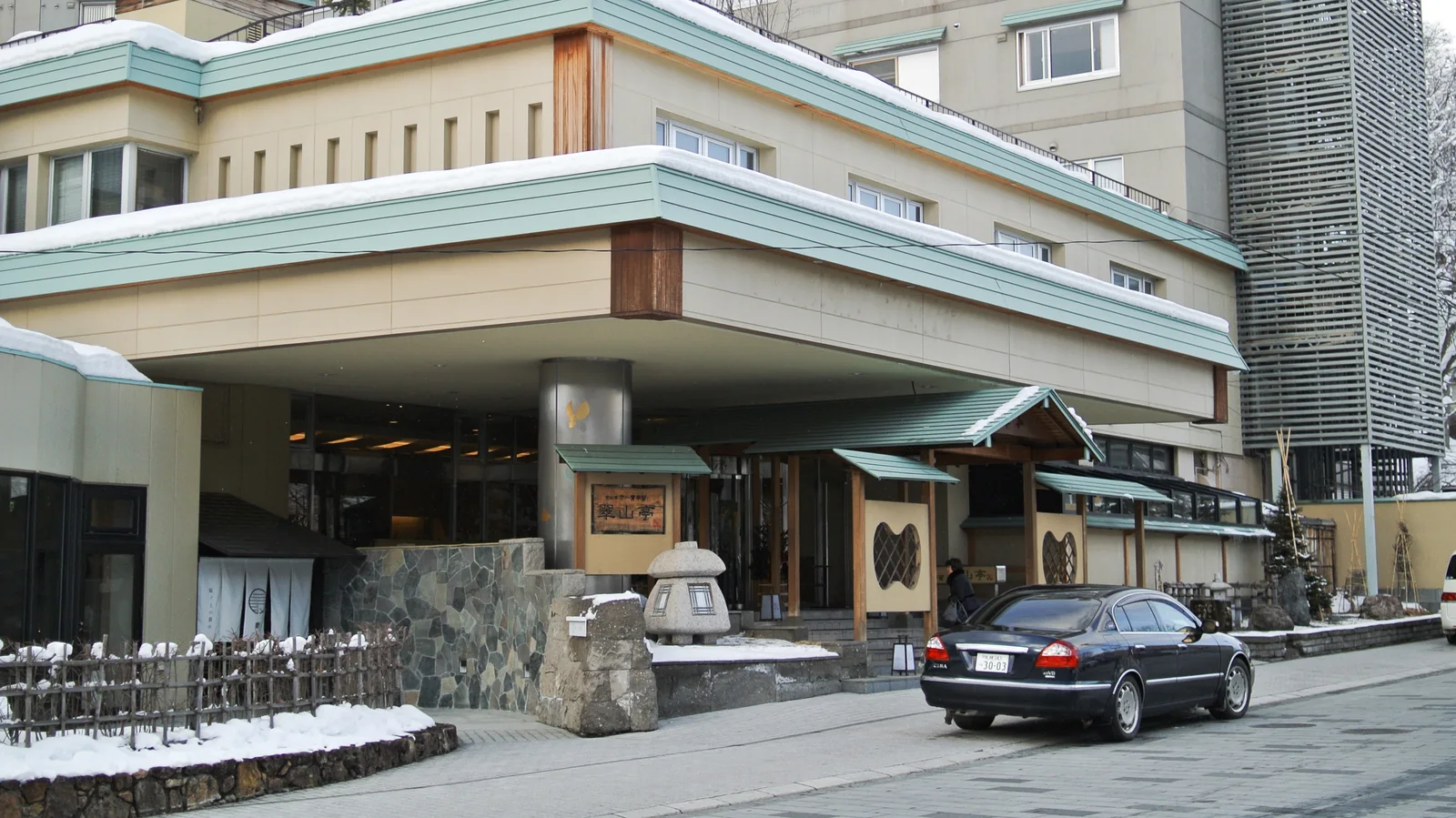
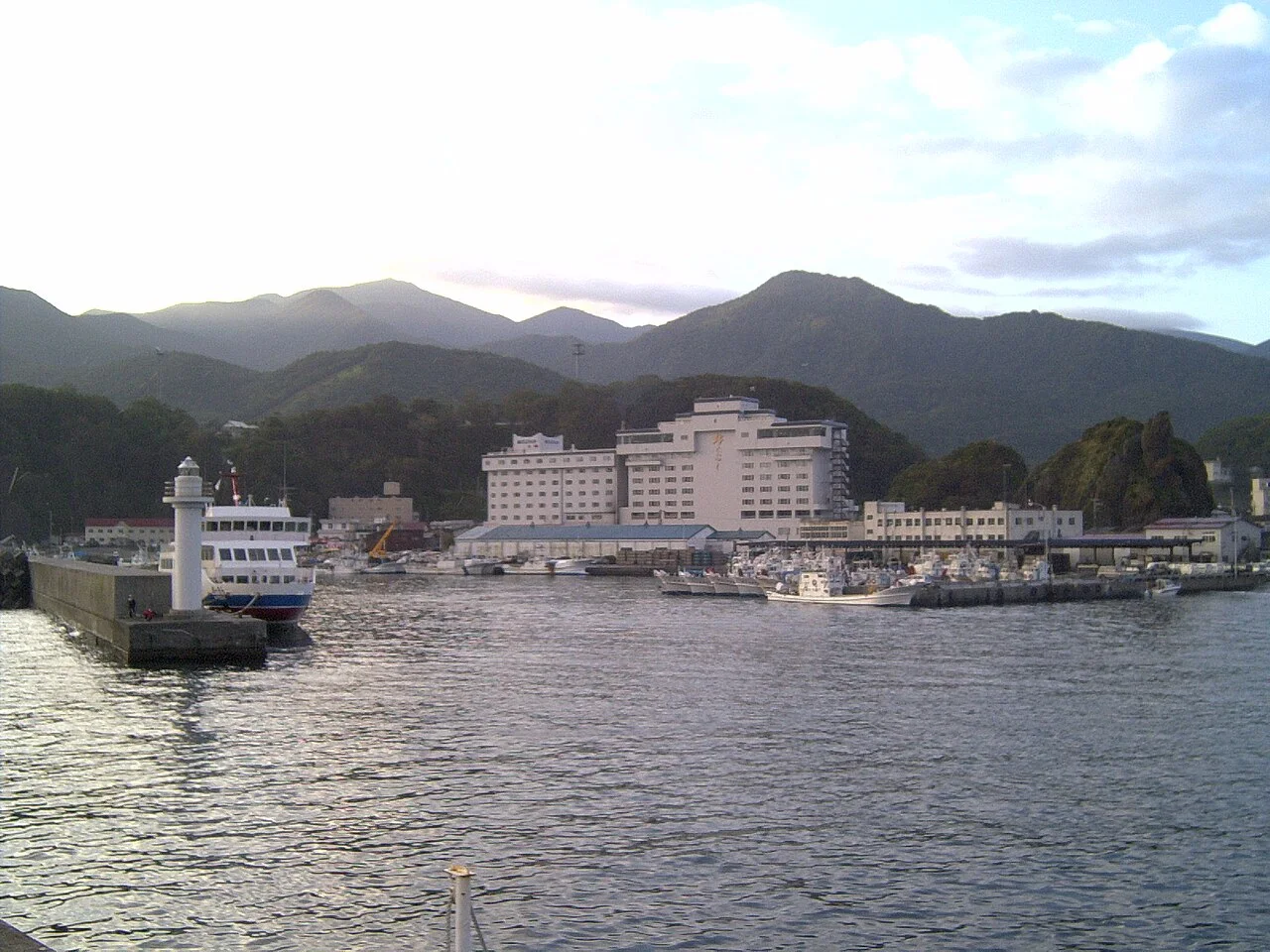
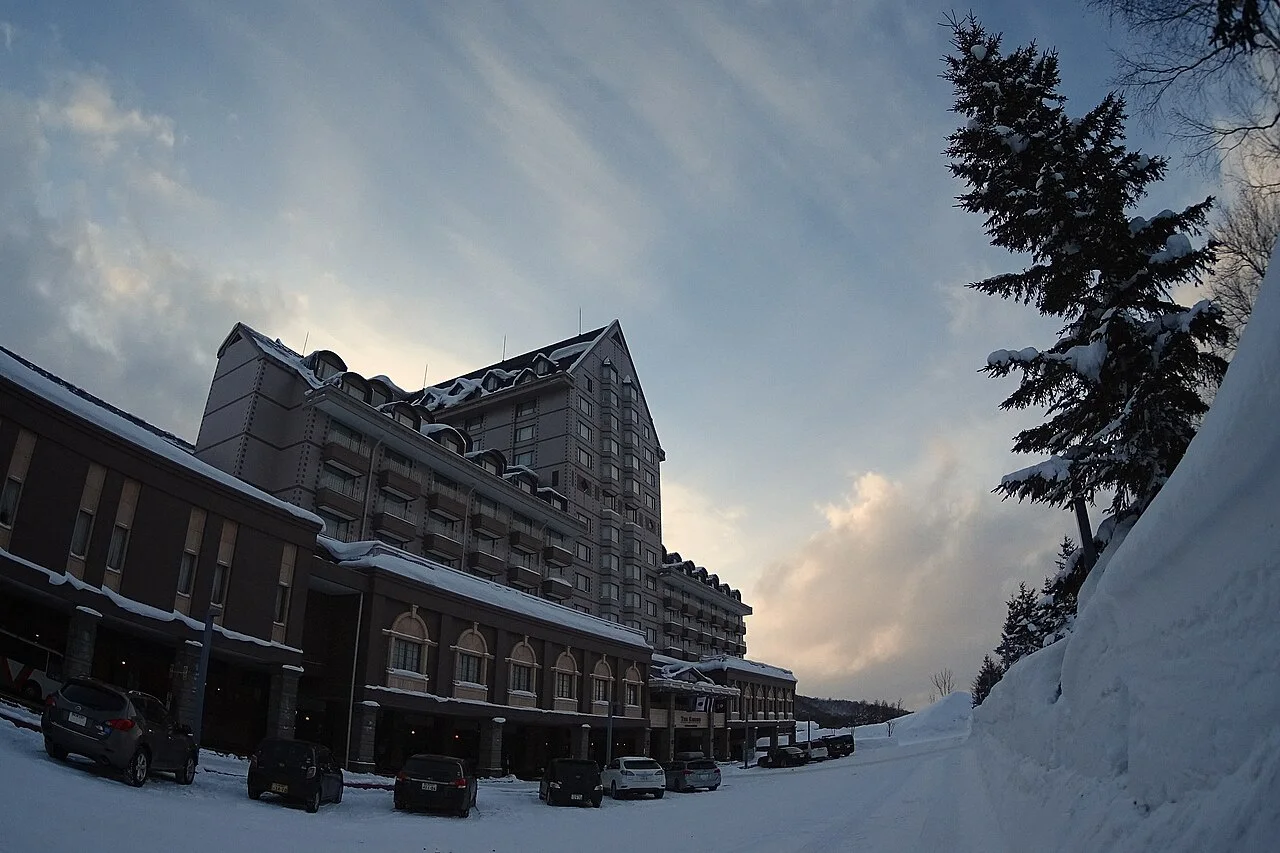
Compare Mahoroba, Noboribetsu Grand, Hanayura, Bourou NOGUCHI and Takinoya by bedding for three or four, fixed beds for older guests, child admission, in-room baths, private family baths, restaurant steps and meal times.
- Region & Focus
- Noboribetsu
- Reading Scope
- 35 min read · 15 chapters · 5 Q&As
- Official Verification
- 23 official sources checkedUpdated 29 October 2026
- Key Topics
- Where to stayHot springsBooking
Chapter Route Map (tap any stop)
- Write down how all four people will sleep before choosing a hotel
- Mahoroba: Japanese-Western rooms for four and connecting rooms for six serve different families
- With young children, check Green Terrace and where borrowed items can be used
- Mahoroba’s baths occupy two basement levels: choose sessions around dinner
- Grand: use named room categories for fixed beds and accessible facilities
- Grand’s third-floor restaurant: the right lift avoids corridor steps
- Grand’s private family bath is ¥4,400 for 50 minutes; room open-air baths use artificial spring water
- Hanayura: open-air baths for larger groups, with different bedding in Japanese and mixed rooms
- Hanayura meals and arrival: establish the package before timing your journey
- Bourou accepts ages thirteen and above; a room for four still has only two fixed beds
- At Bourou’s private dining rooms, dietary limits determine meal bookings before menu photographs
- Bourou is uphill from the onsen centre: book transfers separately from the room
- Takinoya: choose D or DW free-flowing open-air baths separately from standard indoor-bath rooms
- Takinoya’s communal baths and meals: establish times before booking
- For one night, fit restaurant and bath hours into your arrival plan
- Quick Q&A
When booking an onsen stay in Noboribetsu, first decide who needs a bed, who can sleep on a futon, and whether the family wants a bath in the room or one reserved private session. Capacity for four, four beds, an in-room open-air bath and natural hot-spring water are separate room conditions. With older guests, address getting up and restaurant steps first. With children, filter by accepted ages and meals, then compare the total nightly price of rooms that work.
Write down how all four people will sleep before choosing a hotel
Three adults with a child need a different Noboribetsu shortlist from four adults who all need fixed beds. List each person’s age, ability to sleep on a futon on tatami, need for handrails, and preference for shared or private bathing. A “Japanese-Western room” usually has both beds and a tatami area. Compare the number of fixed beds and the remaining bedding separately: capacity for four is different from four fixed beds.
The five hotels here serve distinct needs. Hotel Mahoroba combines shared family rooms, children’s facilities and buffets. Noboribetsu Grand Hotel offers a named accessible room and a separately reservable family bath. Ryotei Hanayura combines rooms for several people with in-room open-air baths. Bourou NOGUCHI Noboribetsu accepts only ages thirteen and above, with a hot-spring view bath in every room. At Noboribetsu Onsenkyo Takinoya, choose between D or DW open-air-bath rooms and ordinary rooms with indoor baths. Select functions first, then compare packages for the same date.
Private bathing also has three different schedules. A room bath stays available with the room, making turns easy after children rest. A reserved family bath gives the group one time slot in which everyone must attend. Separate men’s and women’s communal baths suit independent bathing, but need childcare allocation with small children. For repeated in-room bathing, prioritise rooms explicitly offering hot-spring baths. For one shared private session, add the family-bath fee to an ordinary room and compare it with an upgrade.
| Hotel | Room or service to compare first | Conditions that can change the choice |
|---|---|---|
| Mahoroba | 48 m² Japanese-Western room for four; 68 m² connecting room for six | Green Terrace buffet; communal-area cots and room loan items are separate |
| Noboribetsu Grand | Comfort Twin, the single Barrierfree Room and family bath | Use the Western Wing lift to avoid steps to the third-floor restaurant; room open-air baths use artificial hot-spring water |
| Hanayura | 54 m² Japanese room or 74/82 m² Japanese-Western room with open-air bath | In-room open-air baths are hinoki cypress, with free-flowing spring water |
| Bourou NOGUCHI Noboribetsu | 100 m² Japanese-Western suite for three or four, or two twin suites | Ages thirteen and above only; suites for three or four have two fixed beds |
| Noboribetsu Onsenkyo Takinoya | D Japanese-Western or DW Japanese room with free-flowing open-air hot-spring bath | DW is 92 m² |
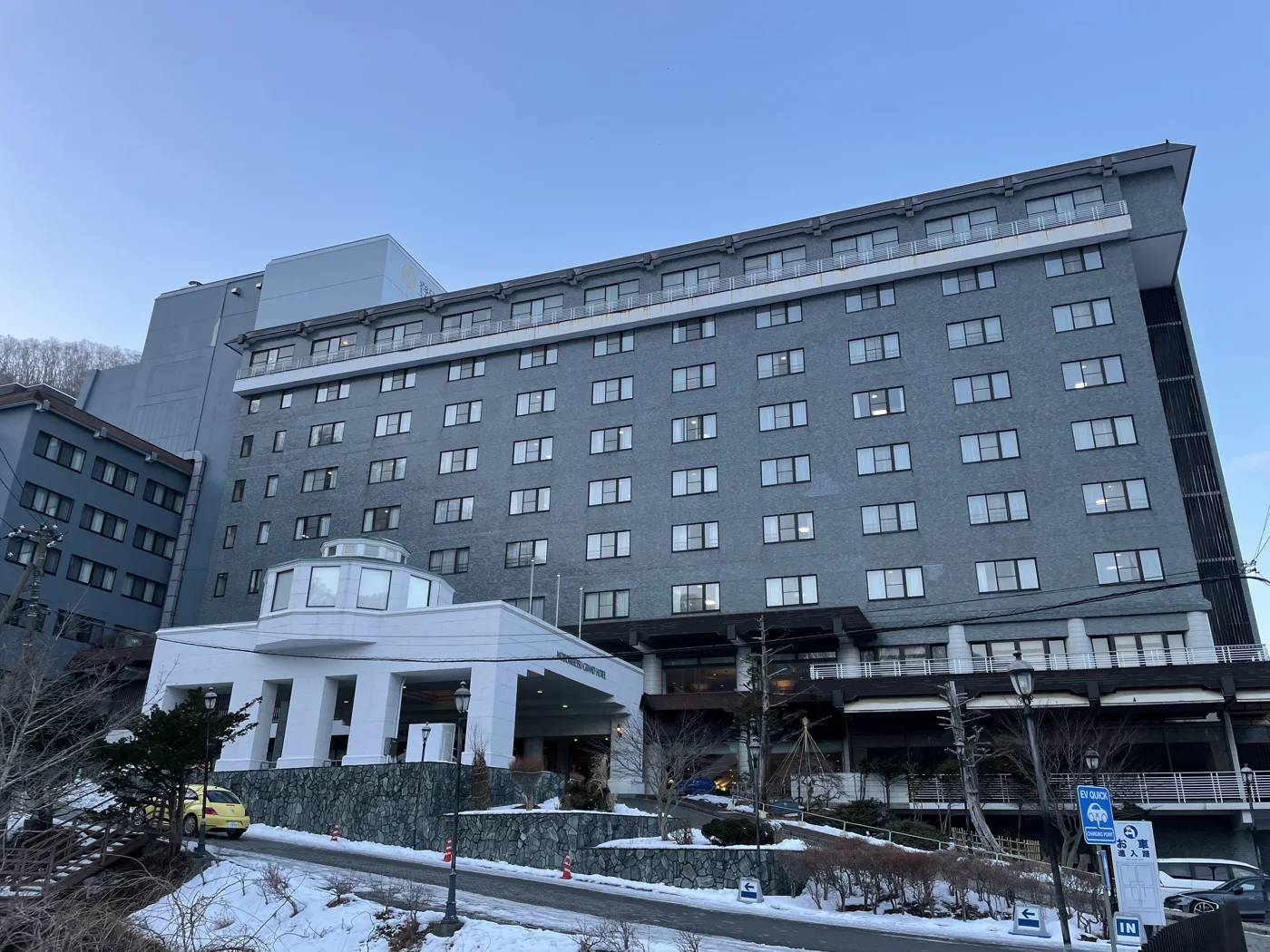
Compare Mahoroba, Noboribetsu Grand, Hanayura, Bourou NOGUCHI and Takinoya by bedding for three or four, fixed beds for older guests, child admission, in-room baths, private family baths, restaurant steps and meal times.
Mahoroba: Japanese-Western rooms for four and connecting rooms for six serve different families
Mahoroba’s official room list gives standard Japanese rooms of 24–34 m² for two to five, Western rooms of 24 m² for two, a 48 m² Japanese-Western room for four, and a 68 m² Connecting Room for six. There are only two Japanese-Western rooms and three connecting rooms. Families of four wanting beds and a tatami sitting area should search directly for the 48 m² category. Groups of six should search for connecting rooms rather than booking ordinary doubles and treating the same floor or adjacent rooms as a purchased condition.
A standard Japanese room holds more people and lets the family sit together during the day, but the floor becomes sleeping space when futons are laid out. Give the bed area first to anyone who gets up frequently at night or cannot rise from a low position, and include the others’ bedding in your booking enquiry. List each child’s and adult’s needs. In particular, a young child booked “without bedding” is not a place that can freely be converted to include a futon.
Connecting rooms suit larger families who want to stay together with adjoining spaces; the Japanese-Western room concentrates four people’s living space in one room. Both are scarce. Search with actual adults, children and ages before looking at available categories, rather than finding a two-adult price and then asking to add people. If all four adults need fixed beds, divide rooms by actual bed numbers and pair independent walkers and those needing care appropriately.
With young children, check Green Terrace and where borrowed items can be used
Mahoroba’s dining page clearly distinguishes two buffets. Liberty on the third floor serves large shared platters of Western, Japanese and Chinese food. Green Terrace on the second floor has small individual servings, a lower children’s food counter and a play space parents can watch. With preschool children and a preference for buffets, compare packages specifying Green Terrace first. For families happy with kaiseki, the private dining venue Yuen has chair seating for two to seven and sunken tatami seating for two to six.
Children’s meals differ between kaiseki and buffet packages. The official children’s facilities information says children booked on buffet plans eat from the buffet; for kaiseki, primary-school children receive a children’s set and preschool children a children’s meal, in each case when booked with meals. There is no dedicated weaning-food menu. For children still eating baby food, prepare suitable types and how to bring them. Room kettles boil water but cannot set a temperature, so allow cooling time for formula and drinking water.
Free room items available by reservation include Bumbo seats, baby bath chairs, nappy bins and changing mats. Restaurant highchairs, intended for roughly ages one to three, are in the second- and third-floor restaurants and Yuen; they cannot be borrowed for rooms. Listed cots are in the B1 and B2 bath changing areas and the third-floor women’s toilet, and also cannot be taken to rooms. If a child needs a cot to sleep in the room, make that a leading hotel-selection condition. A cot in a communal area does not provide overnight bedding.
Your own pushchair can be used outside tatami rooms and banquet halls. The hotel does not hire pushchairs. Wheelchairs can be borrowed by advance reservation. These rules affect packing: bring your own pushchair if needed and reserve a wheelchair first. Take nappies, utensils and changes of clothes together when going to eat, reducing repeated journeys between room and restaurant.
Mahoroba’s baths occupy two basement levels: choose sessions around dinner
Mahoroba’s rooms occupy floors four to ten, restaurants floors two and three, reception and shops the first floor, and communal baths B1 and B2. This resort requires movement between floors: change in your room, go down to the baths, return to rest, then go to the assigned restaurant floor. With a child who naps, one adult can stay in the room while the other bathes, swapping after dinner to fit both rest and bathing into the stay.
The official bath page lists four spring types and 31 baths, with men’s and women’s areas exchanged. General use is 14:00–3:00 the next morning and 4:00–9:30, with cleaning and exchange from 3:00 to 4:00. Open-air baths close at midnight and reopen after 4:00; saunas close at 22:00. To try both sides, bathe on arrival afternoon and again before breakfast rather than waking specifically for the overnight change.
The “Family Bath” on the bath map belongs to the communal bath system. If you need a reserved exclusive session, compare Grand’s family bath below. Mahoroba also has suites with open-air sulphur-spring baths, a different category from ordinary Japanese-Western rooms. If private bathing is central, start your search with open-air-bath suites. For a variety of communal baths and a buffet, an ordinary room leaves more budget for space and meals.
Grand: use named room categories for fixed beds and accessible facilities
Noboribetsu Grand Hotel’s South Wing Comfort Twin page lists 44 non-smoking rooms with 120 × 200 cm Simmons beds, plus one Barrierfree Room. That accessible room has a sliding entrance door, level flooring, toilet handrails and a washbasin with adjusted height and depth. If someone needs to wash while seated in a wheelchair or use rails at the toilet, prioritise this single room rather than merely adding “easy access preferred” to an ordinary booking.
A fixed bed helps with getting in and out; toilet rails help with toileting. Match both to the older guest’s everyday movements. If they walk independently but their knees make futons difficult, start with Comfort Twin. If they need a wheelchair and toilet rails, prioritise Barrierfree Room. For four people, arrange a suitable room for the two needing fixed beds and another for the other two. Tell the hotel separately about wheelchair use and a carer sharing the room so it can match care arrangements to actual availability.
Grand’s Western-room introduction also lists 48 m² Superior Hollywood Twins: three on the seventh floor of the Western Wing and six on South Wing floors four to six. The two locations have different designs, and the hotel says neither design can be specified. There are also two non-smoking Japanese-Western rooms. Two guests wanting living space can compare Hollywood Twin; for a sliding door, toilet rails and a wheelchair-usable washbasin, choose Barrierfree. Select by movements first, then floor and area.
Grand’s third-floor restaurant: the right lift avoids corridor steps
Grand’s wheelchair route information specifically notes steps on the third-floor passage from the Main Building lift to Grand Hall. Wheelchair users should take the Western Wing lift instead. It serves floors three to seven; guests on eight or nine need to change lifts en route. This affects breakfast and dinner every day. Tell the hotel whether you need a step-free route to third-floor Grand Hall and whether a lift change is acceptable, so it can respond using available rooms.
Grand Hall is the third-floor breakfast and dinner buffet venue. Breakfast runs 7:00–9:00; dinner is generally 18:00–20:00, with sessions depending on occupancy. The FAQ gives examples of 17:30–19:00 and 19:30–21:00, allocated by arrival order when sessions apply. If you have reserved a family bath, obtain your meal time at check-in, then compare it with the bathing slot to avoid overlap.
Multi-purpose toilets near the lifts on floors four to seven have nappy-changing facilities; the fourth-floor toilet also has ostomy facilities. These are communal facilities, separate from room equipment. For guests needing care, checking the complete room–restaurant–public-toilet route is more useful than counting steps from the room to a lift. Ask reception to mark lift changes on the floor plan, and have companions follow the same route.
Grand’s private family bath is ¥4,400 for 50 minutes; room open-air baths use artificial spring water
Grand’s FAQ lists one genuinely exclusive hot-spring family bath, using saline spring water, and recommends advance booking. From 1 April 2025 it costs ¥4,400 including tax for 50 minutes. An older ¥3,000 excluding-tax price remains higher on the same page, but applied only through 31 March 2025. Use the current ¥4,400 figure when calculating a stay.
Cleaning is scheduled around family-bath use. Give the hotel your party size, date and preferred slot when reserving. Compare the same-day total for an ordinary room with meals plus ¥4,400 against an in-room-bath package. If the upgrade costs more than ¥4,400, assess whether the extra space and continuously available bath justify the difference. For one private session, book around confirmed dinner times. For repeated turns or bathing after children sleep, a room bath is more convenient.
Grand’s open-air-bath room page states that its five Western and two Japanese open-air-bath rooms use artificial hot-spring water made with radium mineral spring material. Compare these for privacy and an outdoor bath attached to the room. If natural spring water is essential, choose Grand’s natural hot-spring family bath or rooms at Bourou or Takinoya that identify their spring source. Resolve this when choosing the room rather than trying to infer it from water colour after arrival.
Hanayura: open-air baths for larger groups, with different bedding in Japanese and mixed rooms
Kinki Nippon Tourist’s Hanayura package page lists 48 m² standard Japanese rooms, 54 m² Japanese rooms with open-air baths, 74 and 82 m² Japanese-Western rooms with open-air baths, and an 82 m² special Japanese room with an open-air bath. Listed packages allow two to five in Japanese-Western rooms and two to six in the special Japanese room. Bookable numbers for the 54 m² Japanese room vary by package. For up to five wanting a room bath and bed area, start with Japanese-Western open-air-bath rooms. For six sharing, look at the special Japanese room and give the hotel each person’s bedding requirements.
Compare the room category together with the actual package. Japanese and Japanese-Western open-air-bath rooms have different sleeping arrangements, and package capacities may differ. For anyone needing a fixed bed, establish bed numbers and the others’ bedding before searching with children’s ages. Families wanting to share one space can compare futons in Japanese rooms. If someone cannot rise easily from a low position, first establish whether the Japanese-Western room has enough beds.
The Noboribetsu International Tourism and Convention Association says Hanayura’s open-air-bath rooms all have hinoki cypress baths with free-flowing spring water. Jalan’s hotel page lists communal-bath hours of 14:00–3:30 the next morning and 4:00–9:30, with cleaning from 3:30 to 4:00. Use room and communal baths for different needs: go separately to communal baths when desired and return to the room for privacy. In a standard Japanese room, put communal-bath opening hours into the itinerary first.
Hanayura meals and arrival: establish the package before timing your journey
Kinki Nippon Tourist’s Hanayura packages include options for dinner in the room or a private dining room. Location and time depend on the package and hotel arrangements. Families who enjoy sitting through successive courses can compare this with Mahoroba’s buffet. If children need an early bedtime, ask about earlier dinner before deciding bathing and arrival times, and obtain the hotel’s assigned meal time.
The tourism association’s Hanayura introduction lists wheelchair loans. Ask the hotel about stock, sizes and reservations for wheelchairs or children’s items, giving children’s ages and the complete item list together. For two- or three-generation trips, include chair dining and help getting up for older guests so the hotel can respond against its actual facilities.
Hanayura is at 100 Noboribetsu Onsen-cho. The Donan Bus Noboribetsu Line timetable lists Park Hotel-mae as its nearest stop. Check whether your service calls there, then work backwards from your desired hotel arrival to bus and JR services, allowing for luggage, check-in and rest before dinner.
Bourou accepts ages thirteen and above; a room for four still has only two fixed beds
The Bourou NOGUCHI Noboribetsu FAQ explicitly excludes children aged twelve and under, including babies. Consider it only for families, friends or two-generation adult groups where everyone is at least thirteen. Filter by age on the stay date. With a primary-school child, go directly to Mahoroba, Hanayura or other child-accepting room categories rather than replacing the child with an adult booking place.
Bourou’s room overview lists Junior Suite at 50 m², Standard Suite at 70 m², and Luxury Twin and Executive at 100 m² each. All four categories hold two and have two fixed beds of 120 × 200 cm. For three or four sharing, choose the 100 m² Japanese-Western Luxury Suite, also listed with two fixed beds. If four adults all need beds, book two suites with two each. To share one room, first agree who can use the Japanese-area bedding.
The Japanese-Western suite detail page describes an elongated single-room layout with a Japanese-style area. It suits families wanting one shared space. Book separate rooms if people need doors between them or different bedtimes. For two wanting only in-room bathing, the 50 m² Junior already has a hot-spring view bath; extra living space determines whether to upgrade. The FAQ also says different room categories cannot be booked together in one website application. For example, book an Executive for parents and a smaller suite for others separately, noting that both belong to one group. Give the hotel both reservation numbers to arrange meals and transfer numbers.
At Bourou’s private dining rooms, dietary limits determine meal bookings before menu photographs
Every Bourou room has a hot-spring view bath, and the Japanese-Western suite page explicitly says water is brought from the spring source. Bathe in the room before dinner without a special communal-bath round trip. Different schedules are easier when companions can take turns bathing and resting. For anyone needing help, list specific actions such as entering the bath, standing and using handrails, then match them to room equipment for a workable care arrangement.
Bourou’s dining page lists Japanese-Western kaiseki served in JIBIE private dining rooms. It explicitly cannot accommodate complete avoidance of fish and shellfish including stock, wheat allergy, soya allergy, vegetarian, vegan or shojin meals, and recommends room-only packages for these guests. These conditions directly remove some meal-inclusive options. If one person is affected, resolve their food arrangements before comparing the group’s room price.
For other specific ingredient allergies, the hotel requires at least three days’ notice. The kitchen is not completely separate, and utensils, facilities or staff may cause cross-contact. Give the hotel the allergens, severity and whether cross-contact is acceptable before choosing meals it can provide. Describe food dislikes separately from allergies so restaurant preparation can address them clearly.
Dinner can start at 17:30, 18:00 or 19:30, with the venue closing at 22:00; arrange the session with the hotel after booking. Choose 19:30 to bathe in your room first, or an earlier sitting after a long morning journey when you need food and rest. Breakfast starts no later than 9:30 and the dining page gives a 10:30 finish. For the 10:00 departure transfer, choose an earlier breakfast, then collect luggage and check out before boarding.
Bourou is uphill from the onsen centre: book transfers separately from the room
Bourou’s access page gives about fifteen minutes’ gently uphill walking from Noboribetsu Onsen Bus Terminal, while the FAQ says there is no JR Noboribetsu Station pickup. With large cases or older guests, compare reserved shared transfers from Sapporo or New Chitose, or a taxi from the terminal. This walk starts at the mountain-side bus terminal; JR Noboribetsu Station is still down below. They are two separate legs, not one fifteen-minute walk.
The Sapporo service leaves at 14:00 and reaches the hotel at 16:00; the return leaves at 10:00 and reaches Sapporo North Exit at 12:00. Airport services leave at 14:30 and 17:00, taking about an hour; the return leaves at 10:00 and reaches the airport at 11:00. Reserve through the hotel at least seven days ahead; bookings stop when full. Standard one-way fares are ¥1,000 per person. For accommodation booked directly by phone or the official website, Sapporo transfers are free and airport transfers are ¥500 one way. Include the applicable fare when comparing booking channels. For the 17:00 airport bus, arriving around 18:00, choose 19:30 dinner to allow check-in and room access. The 14:30 bus arrives around 15:30, making a first room bath before 18:00 dinner easier.
Use the bus application form linked from the official website. Meet in Sapporo at the North Exit group-bus boarding area. At New Chitose, report to the Amusement Hokkaido counter in the tour-counter area between arrival gates 4 and 5 on domestic terminal level one, looking for the Noguchi Kanko bus-to-Noboribetsu-Sekisuitei sign. Check-in opens fifteen minutes before departure and must be completed before departure time. The bus may leave on schedule if your flight is delayed; allow time for immigration and luggage. This is a shared vehicle with no intermediate boarding or alighting. With few passengers, a scheduled bus may be used instead, with advance notice from the hotel. The transport page lists cancellation charges per person’s fare: 20% four to six days before, 50% two to three days before, 80% the day before, and 100% on the day or for a no-show. Change or cancel seats when changing accommodation dates; these percentages apply separately from the room booking.
Takinoya: choose D or DW free-flowing open-air baths separately from standard indoor-bath rooms
Jalan’s Takinoya room page lists two 92 m² DW Japanese rooms with free-flowing open-air hot-spring baths, and ten 83 m² D rooms. Kinki Nippon Tourist’s packages identify D as Japanese-Western with a free-flowing open-air hot-spring bath and DW as Japanese with an open-air bath. Start with D for room bathing plus both beds and tatami; choose DW for a Japanese-style space, checking packages available for the actual party size.
Standard rooms also differ. Jalan describes CW as a corner room with a fireplace overlooking woodland and gardens, CY as an open layout connecting living and sleeping areas, AY as Japanese-Western with an indoor bath, and AW as Japanese with an indoor bath. If using communal baths and preferring these living arrangements, compare bed and tatami proportions first. For a free-flowing open-air spring bath in your room, search using the complete D or DW category name.
These differences affect where everyone can sit, whether fixed beds are available and whether bathing means leaving the room. Compare actual-date prices, numbers and meal packages for D and DW, then give the hotel each person’s bedding needs. Standard rooms are worth comparing if communal baths are enough. If privacy comes first, begin with packages explicitly including an in-room open-air bath.
Takinoya’s communal baths and meals: establish times before booking
The tourism association’s Takinoya introduction lists communal baths and a top-floor open-air bath, and describes sulphur, iron, radium and saline springs. To try the shared baths during a one-night stay, ask the hotel for that day’s opening hours, locations and use arrangements, then fit bathing around dinner. Guests with an in-room open-air bath can also separate sessions according to companions’ routines.
The same introduction describes kaiseki using seasonal and local ingredients. Dining location and time depend on the package. With an older guest who tires easily, establish restaurant and bath locations first, then break bathing, meals and room rest into manageable stages. If someone has allergies or dietary limits, ask whether the hotel can accommodate them before paying.
Follow the entrance signs and check the full name, Noboribetsu Onsenkyo Takinoya, rather than confusing it with the annex Tamanoyu. Give the driver or map search the hotel name and address to reduce time finding the entrance in the onsen town. Ask the hotel before travel about the best arrival method if you need a wheelchair, luggage help or a shorter walk.
For one night, fit restaurant and bath hours into your arrival plan
Grand normally checks in at 15:00 and out at 10:00. Mahoroba’s room page and Hanayura’s booking page list 14:00 check-in and 10:00 checkout. If you want an earlier afternoon room, compare that hour with transport arrivals. Mahoroba and Hanayura communal baths also open at 14:00: enter your room, bathe, then dine at the confirmed time. At Grand with a reserved family bath, put check-in after 15:00, room access and that day’s dining arrangements into the same plan, so arrival at the terminal is not already close to your reservation.
Bourou’s FAQ gives check-in from 15:00 to 19:00 and checkout by 11:00. Taking the 10:00 transfer ends the stay an hour before the room deadline. Eat breakfast early, return to pack, check out and board. To leave later for extra room bathing, arrange another journey from the onsen town to JR. For one night, fix dinner, next morning’s breakfast and departure transport first, then leave the rest for private or communal bathing so everyone gets time in the water.
For public-transport arrivals, Grand’s website gives about one minute from Noboribetsu Onsen Terminal and Mahoroba about three minutes on foot. For Hanayura, check Donan Bus’s Park Hotel-mae stop; Bourou is about fifteen minutes uphill. The same bus arrival at the terminal leads to different room-entry times. Include luggage, check-in and rest before choosing a bath before or after dinner. JR arrivals at the lower Noboribetsu Station must first take a bus or taxi to the onsen town, then use these final-leg distances.
Compare quotes for the same date, ages and dinner package. Record the full room name, fixed beds and other bedding, restaurant, transfers and cancellation deadline. Add Grand’s separate ¥4,400 family bath and any Bourou direct-booking transfer discount applicable to your channel. Including these extras shows how much usable space and time you gain from upgrading, reserving one bath or splitting into two rooms.
Noboribetsu Grand’s 2022 hotel film presents its baths and interior spaces, alongside which you can plan check-in, dinner and bathing during a one-night stay.
A few useful answers
Is Bourou’s 100 m² Japanese-Western suite suitable if all four people want fixed beds?
It holds three to four people but lists two fixed beds. For four fixed-bed users, compare two double-occupancy suites with two beds each. Everyone must be at least thirteen.
How much is Noboribetsu Grand’s family bath?
From 1 April 2025, it is ¥4,400 including tax for 50 minutes. There is only one, so reserve ahead. The ¥3,000 excluding-tax amount on the same website page is the old price through 31 March 2025.
Do Grand’s open-air-bath rooms use natural hot-spring water?
The room baths use artificial radium-mineral hot-spring water. For exclusive natural hot-spring bathing, reserve Grand’s saline family bath or choose another hotel room bath that identifies its spring source.
How do wheelchair users reach Grand’s buffet restaurant?
Use the Western Wing lift to third-floor Grand Hall to avoid steps on the Main Building third-floor passage. The Western Wing lift serves floors three to seven; guests on eight or nine must change lifts.
Does Mahoroba have cots for guest rooms?
The listed cots are in bath changing areas and the third-floor women’s toilet and cannot be taken to rooms. Bumbo seats, baby bath chairs, nappy bins and changing mats can be reserved for room use.
Official information and references
Sources used in this guide.
- Mahoroba: room areas, capacities and numbers
- Mahoroba: buffets and private dining
- Mahoroba: floors, children’s facilities and loan items
- Mahoroba: communal baths and opening hours
- Mahoroba: access from stations
- Noboribetsu Grand: Comfort Twin and Barrierfree Room
- Noboribetsu Grand: floors and wheelchair route to the restaurant
- Noboribetsu Grand: family bath, meals and accommodation FAQ
- Noboribetsu Grand: open-air-bath room water and categories
- Noboribetsu Grand: Western and Japanese-Western rooms
- Noboribetsu Grand: access, bus terminal and transfer bookings
- Bourou NOGUCHI Noboribetsu: suite overview
- Bourou NOGUCHI Noboribetsu: Japanese-Western Luxury Suite
- Bourou NOGUCHI Noboribetsu: age, accommodation and transport FAQ
- Bourou NOGUCHI Noboribetsu: dining and dietary conditions
- Bourou NOGUCHI Noboribetsu: transfer times, fares and access
- Noboribetsu International Tourism and Convention Association: Hanayura room baths and services
- Kinki Nippon Tourist: Hanayura rooms, packages and dining
- Jalan: Hanayura communal-bath hours
- Donan Bus: Noboribetsu Line timetable and nearest stops
- Noboribetsu International Tourism and Convention Association: Takinoya baths and meals
- Jalan: Takinoya room layouts and numbers
- Kinki Nippon Tourist: Takinoya D and DW packages