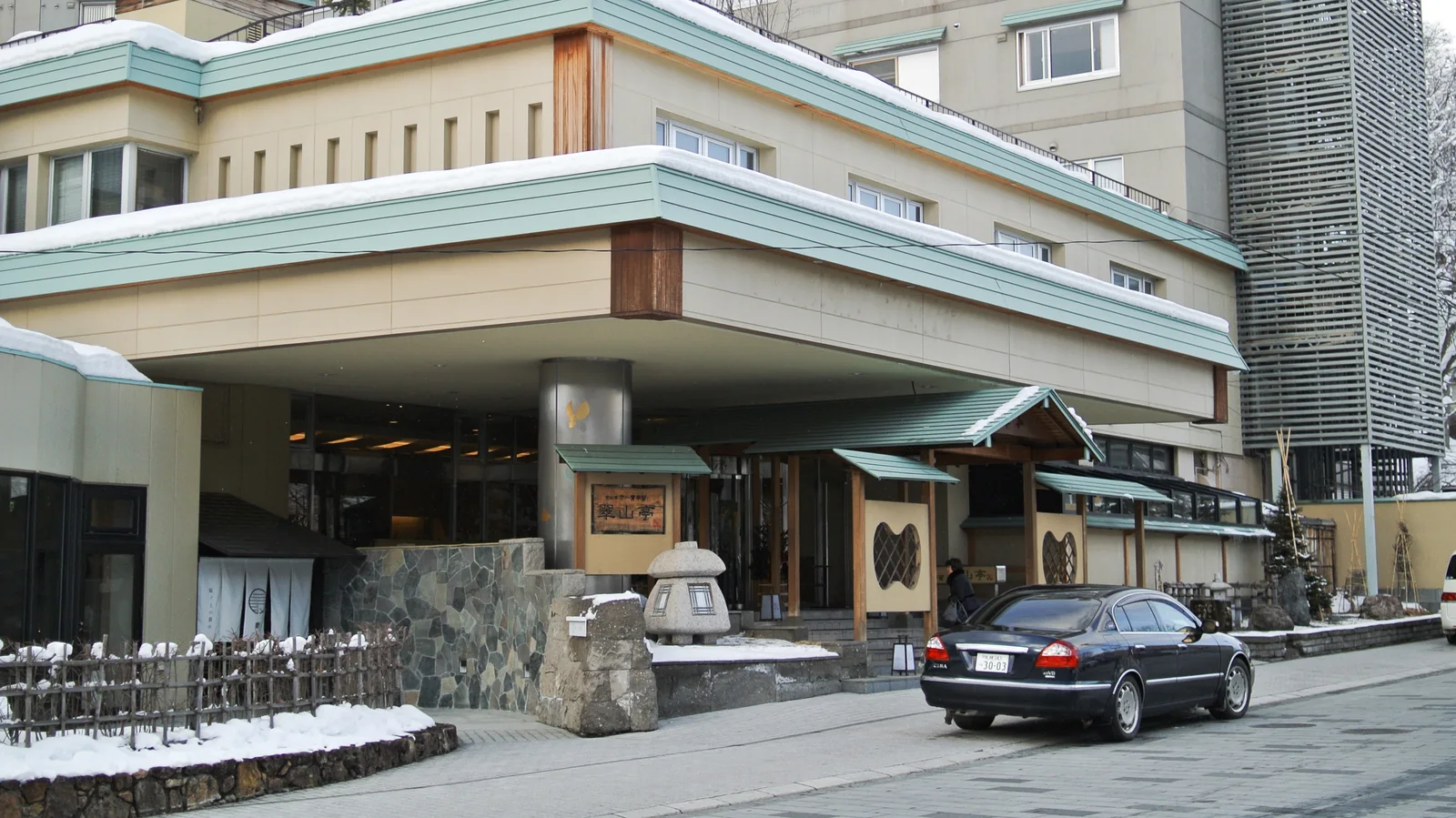
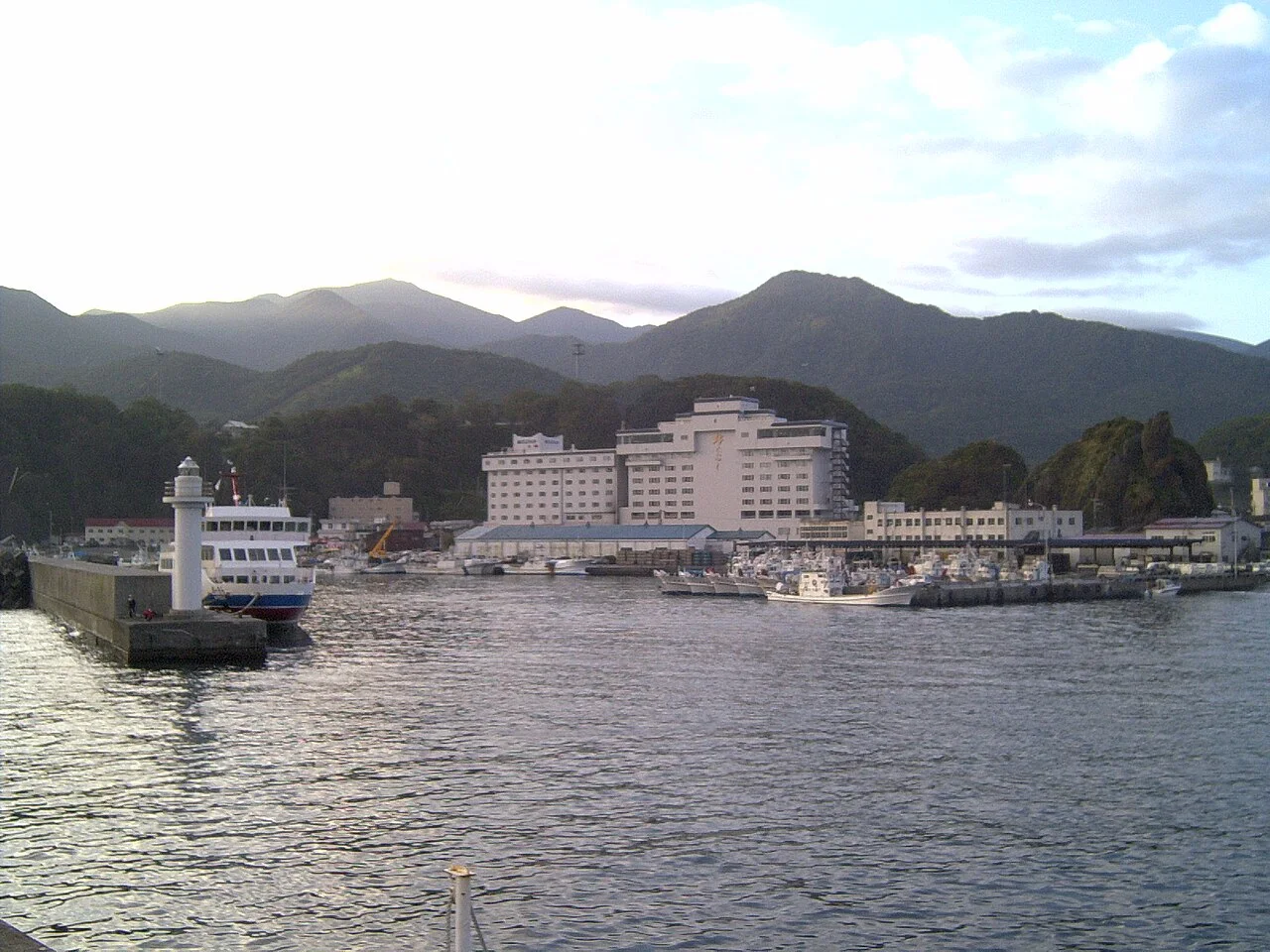
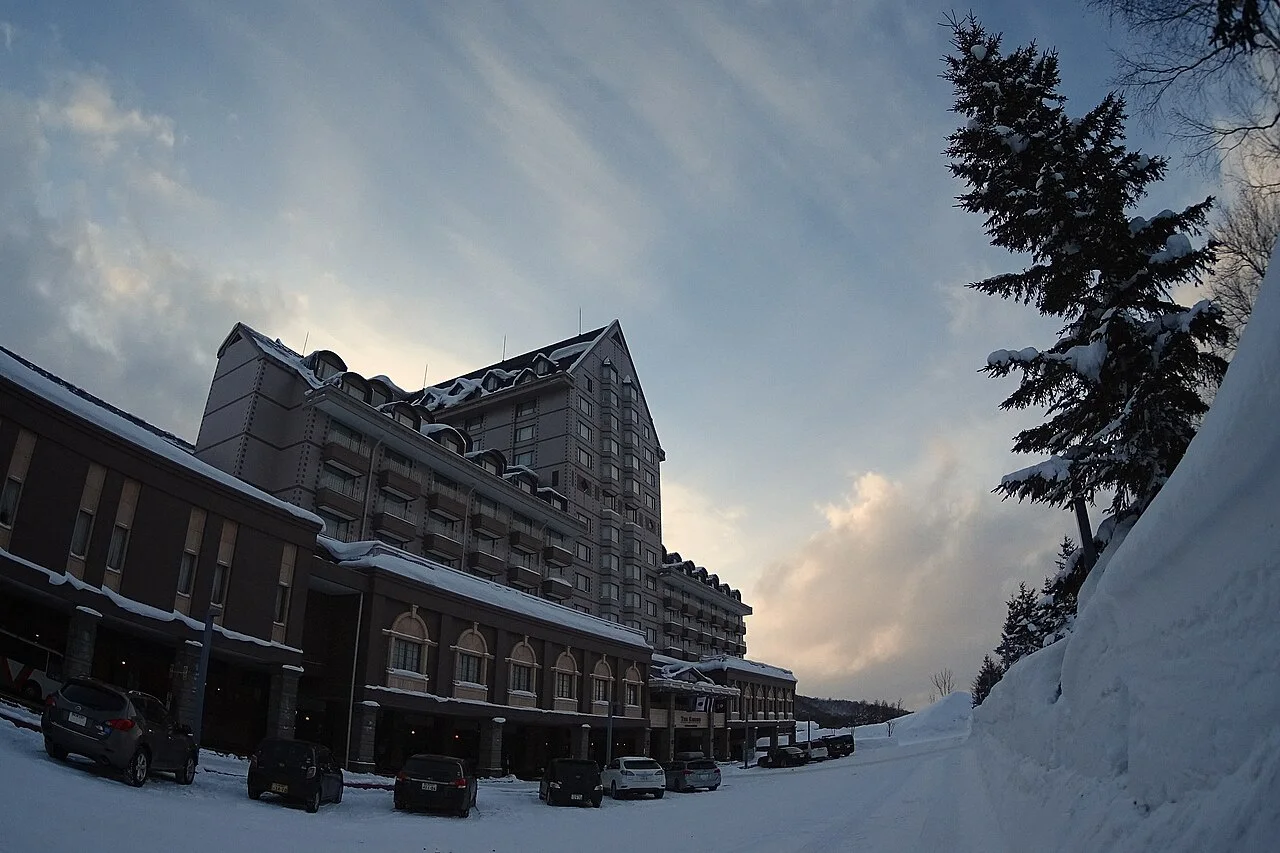
Compare Mahoroba, Noboribetsu Grand, Hanayura, Boro NOGUCHI and Takinoya by bedding for three or four, fixed beds for older guests, child policies, in-room or reserved family baths, restaurant steps and meal times.
- Region & Focus
- Noboribetsu
- Reading Scope
- 35 min read · 15 chapters · 5 Q&As
- Official Verification
- 23 official sources checkedUpdated October 29, 2026
- Key Topics
- Where to stayHot springsBooking
Chapter Route Map (tap any stop)
- Write down how all four people will sleep before choosing a hotel
- Mahoroba: a Japanese-Western room for four or connecting room for six
- With preschoolers, check Green Terrace and where loan equipment can be used
- Mahoroba's baths span two basement levels; use a session before and after dinner
- Grand: choose named rooms for fixed beds and accessible facilities
- Grand's third-floor restaurant: use the right elevator to avoid corridor steps
- Grand's family bath costs ¥4,400 for 50 minutes; in-room open-air baths use artificial spring water
- Hanayura: shared rooms with open-air baths, with different bedding in Japanese and mixed rooms
- Hanayura meals and transport: confirm the plan before setting arrival times
- Boro: all guests must be thirteen or older; the room for four still has two fixed beds
- Boro's private dining rooms: dietary rules come before menu photos
- Boro is uphill in the hot spring town; reserve the shuttle separately from the room
- Takinoya: choose D or DW source-fed open-air baths separately from regular indoor-bath rooms
- Takinoya public baths and meals: confirm hours before booking
- For one night, put restaurant and bath hours into the arrival plan
- Quick Q&A
Before booking a hot spring stay in Noboribetsu, decide who needs a bed, who can use a futon on tatami, and whether the family wants an in-room bath or one reserved private session. Capacity for four, four beds, an in-room open-air bath and natural hot spring water are separate room conditions. With older guests, address getting up and restaurant steps first. With children, filter by accepted ages and meals, then compare the total for one night using rooms everyone can use.
Write down how all four people will sleep before choosing a hotel
Three adults and a child will have different room choices in Noboribetsu from four adults who all need fixed beds. List each person's age, ability to sleep on a futon on tatami, need for handrails, and preference for public or private bathing. A 'Japanese-Western room' generally has both bed and tatami areas. Compare the actual fixed beds and remaining bedding. A room for four and four fixed beds are separate requirements.
The five hotels here serve distinct needs. Hotel Mahoroba combines shared family rooms, child facilities and buffets. Noboribetsu Grand Hotel has a specific accessible room and a separately reservable family bath. Ryotei Hanayura offers rooms for several people with an in-room open-air bath. Boro NOGUCHI Noboribetsu accepts only ages thirteen and up, with a hot spring view bath in every room. At Noboribetsu Onsenkyo Takinoya, choose between D or DW open-air-bath rooms and regular rooms with indoor baths. Choose the function first, then compare plans for the same date.
Private bathing also creates three different schedules. An in-room bath remains yours with the room, making it easy to take turns after children rest. A reserved family bath gives the whole family one booked period to attend. Separate men's and women's public baths suit independent bathing, with caregivers assigned for young children. For repeated in-room baths, prioritize rooms explicitly offering hot spring water. For one bath together, add a family-bath charge to a regular room rate and compare that with an upgrade.
| Hotel | Room or service to compare first | Conditions that affect the choice |
|---|---|---|
| Mahoroba | 48 m² Japanese-Western room for four; 68 m² connecting room for six | Green Terrace buffet; distinguish public-area cribs from room equipment |
| Noboribetsu Grand | Comfort Twin, the single Barrierfree Room and family bath | Use the Western Wing elevator to avoid steps to the third-floor restaurant; in-room open-air baths use artificial hot spring water |
| Hanayura | 54 m² Japanese room or 74/82 m² Japanese-Western room with open-air bath | In-room cypress baths use free-flowing water from the spring source |
| Boro NOGUCHI Noboribetsu | 100 m² Japanese-Western suite for three or four, or two twin suites | Ages thirteen and up; the suite for three or four has two fixed beds |
| Noboribetsu Onsenkyo Takinoya | D Japanese-Western or DW Japanese room with source-fed open-air bath | DW is 92 m² |
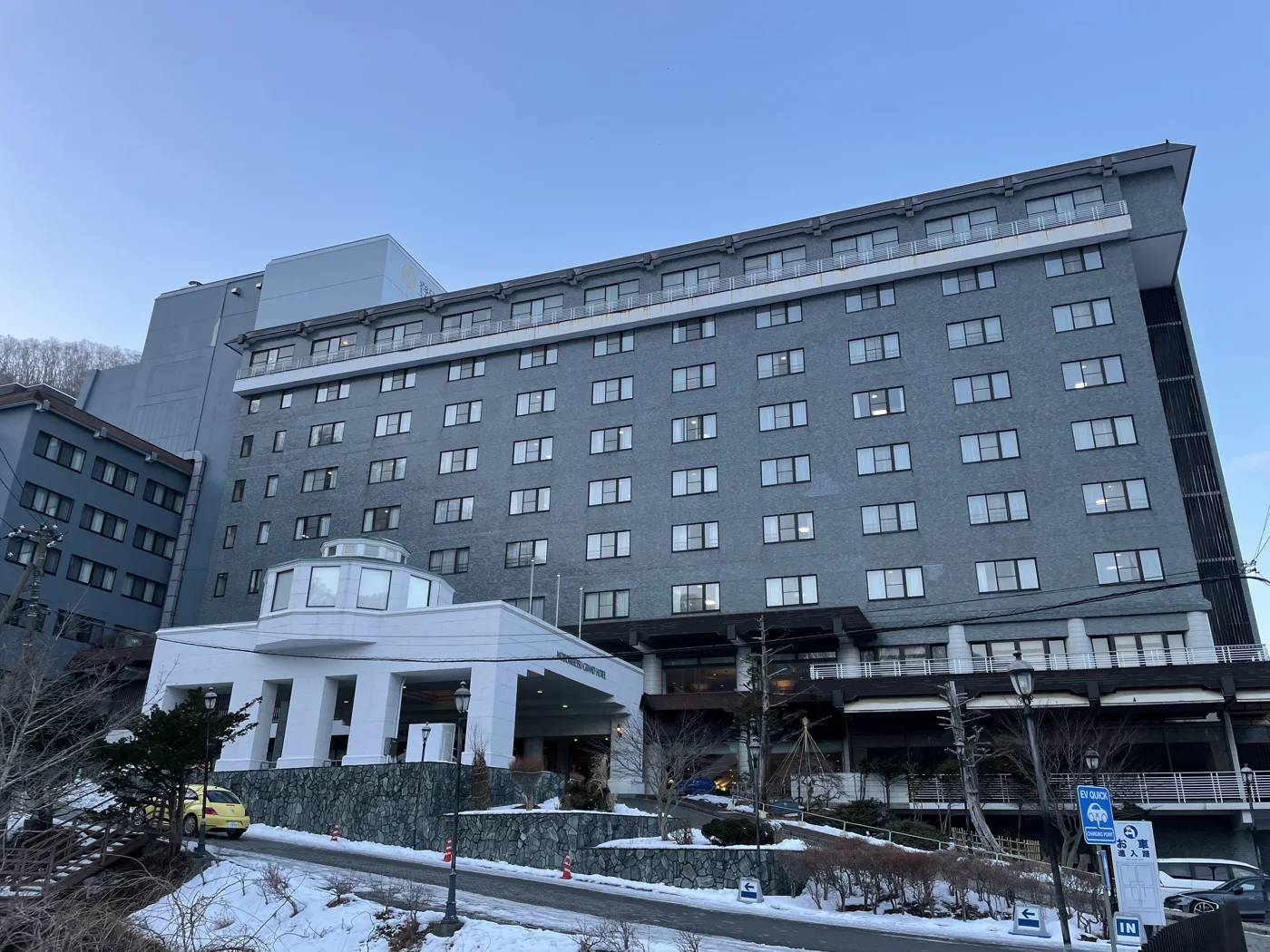
Compare Mahoroba, Noboribetsu Grand, Hanayura, Boro NOGUCHI and Takinoya by bedding for three or four, fixed beds for older guests, child policies, in-room or reserved family baths, restaurant steps and meal times.
Mahoroba: a Japanese-Western room for four or connecting room for six
Mahoroba's official room table lists standard Japanese rooms of 24–34 m² for two to five people, Western rooms of 24 m² for two, 48 m² Japanese-Western rooms for four, and 68 m² Connecting Rooms for six. There are only two Japanese-Western rooms and three connecting rooms. A family of four wanting both beds and a tatami sitting area should search directly for the 48 m² category. For six, look for the connecting room. Booking an ordinary room for two does not also secure another room next door or on the same floor.
A regular Japanese room accommodates more people and gives the family a shared sitting space during the day. Once futons are laid out at night, the floor becomes the sleeping area. If someone often gets up to use the toilet, or an older guest cannot rise from floor level, give the bed area first to those needing fixed beds and put the remaining bedding arrangements in your booking inquiry. List each adult's and child's needs individually. A preschooler booked without bedding does not have a place that can freely be changed to one with a futon.
Connecting rooms suit a larger family wanting to stay together with adjoining spaces. A Japanese-Western room keeps four people's living space in one room. Both categories are scarce. Search with the real number of adults and children and their ages, then look at available categories, rather than finding a low rate for two adults and asking to add people. If all four adults need fixed beds, divide rooms by the actual bed count and pair those who can move independently with those needing suitable care.
With preschoolers, check Green Terrace and where loan equipment can be used
Mahoroba's dining page clearly separates its two buffet venues. Liberty on the third floor serves large shared dishes of Western, Japanese and Chinese food. Green Terrace on the second floor has small portions, a lower children's food counter and a play space parents can watch. With preschoolers and a preference for buffets, compare plans specifying Green Terrace first. For kaiseki dining, the private dining venue Yuen has chair seating for two to seven and sunken tatami seating for two to six.
Children's meals differ between kaiseki and buffets. The official child-facilities information says children use the buffet food at buffet venues. For kaiseki, elementary school children receive a children's set and preschoolers a children's meal, provided they are booked with meals. The hotel has no dedicated weaning-food menu. For children still eating baby food, include suitable foods and how to bring them in your preparation list. The room kettle boils water but cannot set a temperature, so allow cooling time for formula and drinks.
Room equipment available free by advance reservation includes a Bumbo seat, baby bath chair, diaper bin and changing mat. Restaurant high chairs for roughly ages one to three are in the second- and third-floor restaurants and Yuen; they cannot be borrowed for rooms. The website's cribs are in the B1 and B2 bath changing areas and the third-floor women's toilet, and cannot be borrowed for rooms either. If a child needs a crib for sleeping in the room, make that a first hotel-selection requirement. A public-area crib does not provide an overnight sleeping place.
Your own stroller can be used except in tatami rooms and banquet halls. The hotel does not rent strollers. Wheelchairs can be borrowed by advance reservation. These rules affect what to bring: take your own stroller if needed, and reserve a wheelchair first. Carry diapers, utensils and spare clothes together when going to meals to reduce journeys between the room and restaurant.
Mahoroba's baths span two basement levels; use a session before and after dinner
Mahoroba's rooms occupy floors four to ten, restaurants floors two and three, reception and shops the first floor, and public baths B1 and B2. Expect to move between floors: change in your room, go down to the baths, return to rest, then head to the assigned restaurant floor for dinner. With a child who naps, one adult can stay in the room while the other bathes, then swap after dinner, fitting both rest and bathing into the stay.
The official bath page lists four water types and 31 types of bath, with men's and women's areas switched. General hours are 14:00–3:00 the next day and 4:00–9:30, with cleaning and changeover from 3:00 to 4:00. Open-air baths close at midnight and reopen after 4:00; saunas close at 22:00. To try both sides, bathe on arrival afternoon and again before breakfast, without waking specially for the nighttime switch.
The 'Family Bath' shown on the bath map belongs to the public-bath system. For a reserved private period, compare Grand's family bath below directly. Mahoroba also has suites with sulfur-spring open-air baths; these are a different category from ordinary Japanese-Western rooms. If private bathing is the family's central need, start with open-air-bath suites. If the main attraction is varied public baths and a buffet, use the standard-room budget for space and meal type.
Grand: choose named rooms for fixed beds and accessible facilities
Noboribetsu Grand Hotel's South Wing Comfort Twin page lists 44 nonsmoking rooms with 120 × 200 cm Simmons beds, plus one Barrierfree Room. Its specific facilities include a sliding entrance door, level floors, toilet handrails and a basin with adjusted height and depth. If someone needs to wash while seated in a wheelchair or use toilet rails, prioritize this one room rather than putting a general request for convenience in a standard-room note.
Fixed beds help with getting in and out of bed; toilet rails help with toileting. Match both to the older guest's daily movements. If they walk independently but their knees make floor bedding unsuitable, compare Comfort Twin first. For wheelchair use and toilet rails, prioritize the Barrierfree Room. In a party of four, first allocate this type of room to the two needing beds, then put the other two in a separate room. Give the hotel individual requirements, including wheelchair use and a caregiver sharing the room, to arrange suitable pairings from actual availability.
Grand's Western-room introduction also lists 48 m² Superior Hollywood Twins: three on the Western Wing's seventh floor and six on South Wing floors four to six. The designs differ, and the official listing says neither design can be specified. There are also two nonsmoking Japanese-Western rooms. For two people wanting living space, compare Hollywood Twin. For sliding doors, toilet rails and a wheelchair-usable basin, choose the Barrierfree category. Start with the movements the room must support, then compare floor and size.
Grand's third-floor restaurant: use the right elevator to avoid corridor steps
Grand's wheelchair route specifically notes steps in the passage from the Main Wing elevator's third floor to Grand Hall. Wheelchair users should use the Western Wing elevator instead. It serves floors three to seven; guests on floors eight and nine must change elevators on the way. This affects breakfast and dinner daily. Tell the hotel whether you need a step-free route to third-floor Grand Hall and whether an elevator transfer is acceptable, so it can respond with actual room arrangements.
Grand Hall is the third-floor breakfast and dinner buffet venue. Breakfast is 7:00–9:00; dinner is generally 18:00–20:00, with sessions according to occupancy. The FAQ gives split-session examples of 17:30–19:00 and 19:30–21:00, assigned in arrival order when used. If you have reserved a family bath, obtain the meal time at check-in and compare it with the bath booking to avoid overlap.
Multipurpose toilets near the elevators on floors four to seven have diaper-changing facilities; the fourth floor also has ostomy facilities. Record these as public-area services separately from room equipment. For a guest needing care, following the whole room–restaurant–public toilet route is more useful than counting steps from the room door to an elevator. At check-in, ask reception to mark transfer points on a floor map, and have the caregiver follow the same route.
Grand's family bath costs ¥4,400 for 50 minutes; in-room open-air baths use artificial spring water
The Grand FAQ lists a private reservable hot spring family bath with saline spring water. There is only one, so book ahead. From April 1, 2025, it costs ¥4,400 including tax for 50 minutes. The old ¥3,000 before-tax price remains higher on the same page and applied only through March 31, 2025. Use the current ¥4,400 figure when costing a stay.
Cleaning is scheduled before and after family-bath use. Give the hotel your party size, date and preferred time when reserving. Compare the same day's regular room-and-meals total plus ¥4,400 with an in-room-bath plan. If the upgrade exceeds ¥4,400, compare the added room space and a bath available whenever you want with the extra cost. For one private session, place it before or after a confirmed dinner time. For repeated turns or bathing after a child falls asleep, an in-room bath is more convenient.
Grand's open-air-bath room page states that its five Western and two Japanese rooms with open-air baths use artificial hot spring water made with radium mineral spring material. Compare these rooms if you want privacy and an outdoor bath attached to the room. If natural hot spring water is essential, choose Grand's natural family bath, or compare Boro and Takinoya rooms with explicitly stated spring sources. Settle this distinction when choosing the room rather than trying to infer it from the water's color after arrival.
Hanayura: shared rooms with open-air baths, with different bedding in Japanese and mixed rooms
Kinki Nippon Tourist's Hanayura plans list a 48 m² regular Japanese room, a 54 m² Japanese room with open-air bath, 74 and 82 m² Japanese-Western rooms with open-air baths, and an 82 m² special Japanese room with open-air bath. Listed plans allow two to five in the Japanese-Western rooms and two to six in the special Japanese room. Bookable occupancy for the 54 m² Japanese room varies by plan. For up to five wanting an in-room bath and bed area, start with the Japanese-Western open-air category. For six sharing, look at the special Japanese room and ask the hotel to confirm each person's bedding needs.
Compare the room category and actual stay plan together. Japanese and Japanese-Western open-air-bath rooms have different sleeping arrangements, and bookable numbers may vary by plan. For anyone needing a fixed bed, confirm the bed count and other guests' bedding before searching with children's ages and party size. Families wanting one shared space can compare futons in a Japanese room. If anyone cannot rise easily from floor level, establish first whether the Japanese-Western room has enough beds.
The Noboribetsu International Tourism and Convention Association introduction says all Hanayura open-air-bath rooms have cypress tubs with free-flowing spring-source water. Jalan's hotel page lists public-bath hours of 14:00–3:30 the next day and 4:00–9:30, with cleaning from 3:30 to 4:00. Divide bathing between room and public baths: use the latter independently, and return to the room for privacy. If choosing a regular Japanese room, put public-bath hours into your plan first.
Hanayura meals and transport: confirm the plan before setting arrival times
Kinki Nippon Tourist's Hanayura plans include options for dinner in the room or a private dining room. Venue and timing depend on the plan and hotel arrangements. Families who enjoy sitting down for courses can compare this with Mahoroba's buffet. If children need an early bedtime, ask about an early dinner before fixing bathing and arrival times. Obtain the hotel's assigned meal slot first.
The Noboribetsu International Tourism and Convention Association lists wheelchair loans at Hanayura. For wheelchairs or child equipment, ask the hotel about stock, sizes and reservations, giving the child's age and all requested items together. For two- or three-generation trips, include older guests' need for chair seating at meals and help getting up, so the hotel can respond according to its actual equipment.
Hanayura is at 100 Noboribetsu Onsen-cho. The Donan Bus Noboribetsu Line timetable lists 'Park Hotel-mae' as its nearest stop. Check whether your service stops there, then work backward from your desired hotel arrival to bus and JR connections. Include luggage handling, check-in and a rest before dinner.
Boro: all guests must be thirteen or older; the room for four still has two fixed beds
The Boro NOGUCHI Noboribetsu FAQ explicitly excludes children aged twelve and under, including babies and toddlers. Compare it only for families, friends or two generations of adults all aged thirteen or older. Filter by age on the stay date. With an elementary school child, go directly to Mahoroba, Hanayura or another child-friendly room category rather than entering the child as an adult.
Boro's room overview lists a 50 m² Junior Suite, 70 m² Standard Suite, and 100 m² Luxury Twin and Executive suites. All four categories accommodate two and have two fixed beds measuring 120 × 200 cm. For three or four sharing, choose the 100 m² Japanese-Western Luxury Suite, which also lists two fixed beds. If four adults all need beds, divide into two twin-bed suites. To share one suite, first agree who can use the Japanese-area bedding.
The Japanese-Western suite details describe a long, open single-room layout with a Japanese area. Choose it for shared family time; book separate rooms for doors that close and different bedtimes. For two people mainly wanting a room bath, even the 50 m² Junior Suite has a hot spring view bath. Upgrade according to living-space needs. Boro's FAQ also says different room categories cannot be requested in a single booking on its reservation site. If parents take an Executive and others a smaller suite, make two bookings and note that you are one party. Give both reservation numbers to the hotel for meals and transfer passenger counts.
Boro's private dining rooms: dietary rules come before menu photos
All Boro rooms have hot spring view baths. The Japanese-Western suite for three or four explicitly lists water drawn from the spring source too. Bathe in the room without a special round trip to the public baths before dinner. Different schedules are easier to accommodate by taking turns bathing and resting in the room. For an older guest needing help, list actual movements such as entering the tub and standing, plus handrail needs. Match them with room equipment to arrange workable daily care.
Boro's dining page lists Japanese-Western kaiseki served in the private dining venue JIBIE. It explicitly cannot accommodate complete avoidance of fish and shellfish, including stock, wheat allergy, soy allergy, vegetarian, vegan or shojin meals, and recommends room-only plans for these guests. These conditions remove some meal-inclusive options directly. If even one person in the party has one of these requirements, arrange their meals before comparing the group's room total.
For other specific ingredient allergies, the hotel requires notice at least three days ahead. The kitchen is not fully separated; utensils, equipment and staff may cause cross-contact. Give the hotel the allergen, severity and whether cross-contact risk is acceptable, then choose meals it can provide. Describe dislikes separately from food allergies to help the restaurant prepare correctly.
Boro dinner starts at 17:30, 18:00 or 19:30, and the venue closes at 22:00. Arrange a slot with the hotel after booking. Choose 19:30 to bathe in your room first, or an earlier dinner if you have traveled for many hours and need an early meal and rest. Breakfast starts no later than 9:30, and the dining page lists closing at 10:30. For the 10:00 departure shuttle, choose an earlier breakfast, then pack and check out, separating the meal from boarding.
Boro is uphill in the hot spring town; reserve the shuttle separately from the room
Boro's access page gives a gently uphill walk of about fifteen minutes from Noboribetsu Onsen Bus Terminal. The FAQ says there is no pickup from JR Noboribetsu Station. With large bags or older guests, compare reserved shared transfers from Sapporo or New Chitose, or a taxi from the terminal. This walk is from the upland bus terminal to the hotel. JR Noboribetsu Station remains down the mountain; the two sections are not one fifteen-minute walk.
The Sapporo service departs at 14:00 and arrives at 16:00, returning from the hotel at 10:00 to Sapporo's north exit at 12:00. Airport departures are 14:30 and 17:00, taking about an hour to the hotel; the return leaves at 10:00 and reaches the airport at 11:00. Reserve with the hotel at least seven days ahead; bookings stop when full. The general one-way fare is ¥1,000 per person. For accommodation booked directly by phone or the official website, Sapporo transfers are free and airport transfers cost ¥500 one way. Add the fare that applies to your booking channel. Arriving around 18:00 on the 17:00 airport bus suits a 19:30 dinner, with time to check in and reach your room. Arriving around 15:30 on the 14:30 bus makes a first room bath before 18:00 dinner easier.
Use the bus application form linked from the official site. In Sapporo, meet at the north-exit group bus boarding area. At New Chitose, go to the tour-counter area between domestic arrivals exits 4 and 5 on the first floor, and find the Amusement Hokkaido counter and sign for the Noguchi Kanko Noboribetsu Sekisuitei bus. Check-in opens fifteen minutes before departure and must be completed before departure time. The bus may leave on schedule after a flight delay, so allow extra time for immigration and luggage. It is a shared service with no intermediate boarding or alighting. With few passengers, the hotel may arrange a scheduled public bus instead and contact you beforehand. The access page lists cancellation charges per person's fare: 20% four to six days before, 50% two to three days before, 80% the day before, and 100% on the day or for no-shows. When changing stay dates, also cancel or change bus seats. Calculate fare cancellation separately from the room booking.
Takinoya: choose D or DW source-fed open-air baths separately from regular indoor-bath rooms
Jalan's Takinoya room page lists two DW Japanese rooms at 92 m² with free-flowing source-fed open-air baths, and ten D rooms at 83 m². Kinki Nippon Tourist's plans identify D as a Japanese-Western room with a free-flowing source-fed open-air bath, and DW as a Japanese room with an open-air bath. Start with D for bathing in your room plus beds and tatami, or DW for Japanese-style space, then check bookable plans for your actual party size.
Regular rooms also differ. Jalan describes CW as a corner room with a fireplace and views of woods and gardens; CY connects the living room and bedroom in an open space. AY is a Japanese-Western room with an indoor bath, and AW a Japanese room with an indoor bath. If you plan to use public baths and like a regular room's living layout, compare beds and tatami first. For a source-fed open-air room bath, put the full D or DW category into your search.
These differences affect where the family rests, whether fixed beds are available and whether bathing requires leaving the room. Compare D and DW by actual dates, prices, occupancy and meal plans, then give the hotel each person's bedding needs. Regular rooms are worth comparing if public baths are enough. If private bathing comes first, start with a plan explicitly listing a room open-air bath.
Takinoya public baths and meals: confirm hours before booking
The Noboribetsu International Tourism and Convention Association's Takinoya introduction lists public baths and a top-floor open-air bath, and describes sulfur, iron, radium and saline springs. For a one-night stay using public baths, ask the hotel about each bath's hours, location and usage on your date, then place bathing before or after dinner. Guests with a room open-air bath can also use the public baths separately according to individual schedules.
The same introduction describes kaiseki using seasonal and local ingredients, with dining venue and time arranged by plan. With an older guest who tires easily, check restaurant and bath locations first and divide bathing, meals and room rest into stages instead of arranging everything in a rush after check-in. Ask before payment whether the hotel can accommodate any allergies or dietary restrictions.
Follow the hotel's entrance signs and check the full name, Noboribetsu Onsenkyo Takinoya, to avoid confusing it with the annex, Tamanoyu. Give the hotel name and address to the driver or map search to reduce time finding the entrance in the hot spring town. For a wheelchair, luggage assistance or a shorter walk, ask the hotel before travel about the best arrival method.
For one night, put restaurant and bath hours into the arrival plan
Grand generally checks in at 15:00 and out at 10:00. Mahoroba's room page and Hanayura's booking page list 14:00 check-in and 10:00 checkout. If you want to enter the room earlier, compare that hour with arrival transport. Mahoroba and Hanayura public baths also open at 14:00. Reach the room, bathe, then have dinner at the hotel's confirmed time. At Grand, with a family bath booked, combine check-in after 15:00, room access and restaurant arrangements in the same schedule so your bus does not reach the terminal too close to the reservation.
Boro's FAQ lists check-in from 15:00 to 19:00 and checkout by 11:00. A shuttle leaving at 10:00 ends the stay an hour before the room deadline. Choose early breakfast, return to pack, check out and board. To leave later for more room-bath time, arrange separate transport from the hot spring town to JR. For one night, fix dinner, next morning's breakfast and departure transport first, then leave the remaining time for room or public baths. This makes it easier for every family member to bathe.
For public-transport arrivals, Grand lists about one minute from Noboribetsu Onsen Terminal, Mahoroba about three minutes on foot, Hanayura uses Donan Bus's Park Hotel-mae stop, and Boro is about fifteen minutes uphill. The same bus arrival at the terminal still produces different room arrival times. Include luggage, check-in and rest before deciding whether the first bath goes before or after dinner. From JR Noboribetsu Station below the mountain, first take a bus or taxi to the hot spring town, then apply these final distances.
Compare quotes for the same day, ages and dinner plan. Record the full room name, fixed beds and remaining bedding, restaurant, transfers and cancellation deadline. Add Grand's separate ¥4,400 family bath and Boro's direct-booking shuttle benefits according to your actual channel. Including these extras shows how much usable space and time you buy by upgrading, reserving one family bath or splitting into two rooms.
Grand's 2022 hotel video presents its hot springs and interior spaces. Use it alongside check-in, dinner and bathing times to plan a one-night stay.
A few useful answers
Does Boro's 100 m² Japanese-Western suite suit four people who all want fixed beds?
It accommodates three to four people but lists two fixed beds. For four fixed beds, compare two double-occupancy suites with two beds each. Everyone must be at least thirteen.
How much is Noboribetsu Grand's family bath?
From April 1, 2025, it is ¥4,400 including tax for 50 minutes. There is only one, so reserve ahead. The ¥3,000 before-tax figure on the same official page is the old price through March 31, 2025.
Do Grand's open-air-bath rooms use natural hot spring water?
The room open-air baths use artificial radium mineral hot spring water. For private natural hot spring bathing, reserve Grand's saline family bath or choose another hotel's room bath with an explicitly stated source.
How do wheelchair users reach Grand's buffet restaurant?
Use the Western Wing elevator to third-floor Grand Hall to avoid the Main Wing's third-floor passage steps. It serves floors three to seven. Guests on floors eight and nine need to change elevators en route.
Does Mahoroba provide cribs in guest rooms?
The official site's cribs are in bath changing areas and the third-floor women's toilet; they cannot be borrowed for guest rooms. A Bumbo seat, baby bath chair, diaper bin and changing mat can be reserved for the room.
Official information and references
Sources used in this guide.
- Mahoroba | Room sizes, capacities and room counts
- Mahoroba | Buffets and private dining
- Mahoroba | Floors, child facilities and loan equipment
- Mahoroba | Public baths and hours
- Mahoroba | Access and routes from stations
- Noboribetsu Grand | Comfort Twin and Barrierfree Room
- Noboribetsu Grand | Floors and wheelchair route to the restaurant
- Noboribetsu Grand | Family bath, meal times and stay FAQ
- Noboribetsu Grand | Open-air-bath room water and categories
- Noboribetsu Grand | Western and Japanese-Western rooms
- Noboribetsu Grand | Access, bus terminal and transfer reservations
- Boro NOGUCHI Noboribetsu | Suite overview
- Boro NOGUCHI Noboribetsu | Japanese-Western Luxury Suite details
- Boro NOGUCHI Noboribetsu | Age, stay and transport FAQ
- Boro NOGUCHI Noboribetsu | Dining and dietary conditions
- Boro NOGUCHI Noboribetsu | Shuttle schedules, fares and access
- Noboribetsu International Tourism and Convention Association | Hanayura room open-air baths and services
- Kinki Nippon Tourist | Hanayura room categories, plans and dining
- Jalan | Hanayura public-bath hours
- Donan Bus | Noboribetsu Line timetable and nearest stops
- Noboribetsu International Tourism and Convention Association | Takinoya baths and meals
- Jalan | Takinoya room layouts and room counts
- Kinki Nippon Tourist | Takinoya D and DW plans