Hokkaido's autumn foliage runs from Daisetsuzan's mountain slopes in September to Sapporo's ginkgos and Hakodate's Kosetsuen in late October. Compare peak periods and hotel bases, with Kurodake's 2027 fares, Sounkyo and Jozankei buses, and Onuma's lakeside walks.
- Region & Focus
- HokkaidoAutumn leaves
- Reading Scope
- 25 min read · 10 chapters · 5 Q&As
- Official Verification
- 34 official sources checkedUpdated 22 November 2026
- Key Topics
- SeasonsItinerariesRail travel
Chapter Route Map (tap any stop)
- When Do Hokkaido's Autumn Leaves Peak? Check Elevation Before Booking Your Base
- How Far Should You Ride the Kurodake Ropeway? 5th Station, 7th Station and Summit Distances
- Stay in Sounkyo or Asahikawa? Connecting Momijidani, the Twin Waterfalls and Ginsendai
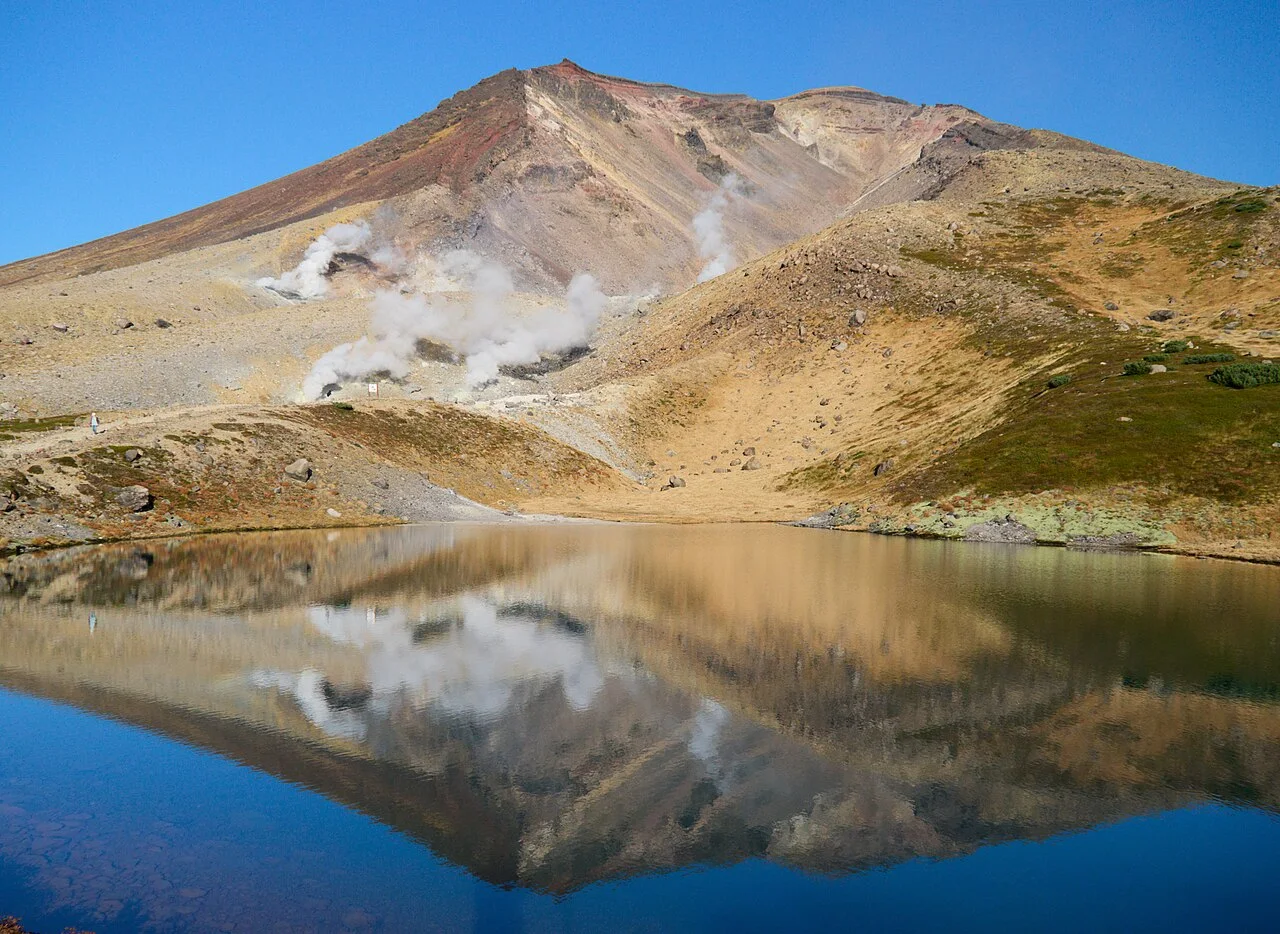
- Save Half a Day with Clear Visibility for Asahidake's Sugatami Pond
- Jozankei Day Trip: Separate the Sapporo Coach from the Dam Shuttle
- A Late-October Half-Day in Sapporo: Kita 13-jo Ginkgos or Nakajima Park
- Lake Toya for Shoreline Walks, Noboribetsu for Jigokudani and Hot-Spring Streets
- Onuma Peaks from Mid-October to Early November: Best Kept Flexible from Hakodate
- Hakodate Kosetsuen: Tour the Garden by Day and Save Illumination Nights for Later
- Three, Five and Seven Days: How to Build In Weather-Swap Days
- Quick Q&A
Autumn foliage in Hokkaido stretches from the mountain slopes of Daisetsuzan in September right through to Sapporo's ginkgo avenues and Hakodate's gardens in late October and early November. For whole mountainsides turning colour in mid-September, base yourself in Asahikawa or Sounkyo. For gorge views and hot springs in mid-October, take a day trip or overnight from Sapporo to Jozankei. If your leave only starts in late October, two nights in Hakodate let you split Onuma's lakeside islands and Kosetsuen Garden across separate days. Once your flights are booked, pick the one place you most want to see based on your dates, and leave a half-day free to swap with a wet-weather plan.
When Do Hokkaido's Autumn Leaves Peak? Check Elevation Before Booking Your Base
On Kurodake in Kamikawa, colour starts near the summit; according to Rinyu Kanko, it takes over a month for the foliage band to descend to Sounkyo Onsen village. The upper and lower halves of the same mountain belong to two different autumn trips. In mid-September around Ginsendai or Asahidake's Sugatami Station, you are mostly looking up at mountain slopes. By early October, the trees in Sounkyo's Momijidani (Autumn Leaf Valley) stand right beside the footpath. When checking travel photos to gauge timing, work out whether a shot was taken along the ropeway line, at the 7th Station, or down in the hot-spring town; a caption that simply reads "Daisetsuzan" can hide a timing gap wide enough to book the wrong week.
October in Sapporo shows a similar split. Set in a valley in Sapporo's Minami Ward, Jozankei's hot-spring street typically peaks around mid-October. In the local tourist association's log for 26 October 2026, leaves were already falling in the village, while Hoheikyo Dam and Sapporo Kokusai Ski Resort had finished their autumn display. Meanwhile, Hokkaido University in the city centre lists the usual peak for its Kita 13-jo ginkgo avenue as late October to early November. Even within the same city, late-October itineraries belong in central Sapporo.
Official Japanese foliage reports use three main terms: "turning colour" (irodzuki hajime) for the first blush, "peak colour" (migoro) for prime viewing, and "leaves starting to fall" (rakuyo hajimari) once shedding begins. When comparing official photo updates, check the date stamp first and see how much foliage remains on the canopy. If strong winds are forecast that week, travellers hoping for full trees should favour spots still moving into peak. If you want fallen leaves carpeting the ground, look at recent photos of gardens where shedding has started while colour still holds in the branches. Photos from a few days ago tell you where to go first; transport timetables tell you whether your backup plan is reachable on the day.
A one-week trip can take in several landscapes, though you are unlikely to catch every stop at its richest peak simultaneously. If you are travelling with older relatives or young children, pick places with instant scenery right off the train or lift, such as Onuma Park Square or Kurodake's 5th Station. Companions happy to walk further can add the lake's small islands or spur mountain trails. When a group wants to split into different walking distances, meet at the railway station, visitor centre, or the same ryokan rather than at a bridge on the far side of a trail.
| Typical window | Priority sights | Practical hotel bases |
|---|---|---|
| Mid- to late September | Asahidake Sugatami Station, upper Kurodake, Ginsendai | Asahikawa Station area, Asahidake Onsen, or Sounkyo |
| Late September to early October | Mid-Kurodake to Sounkyo Momijidani | Sounkyo Onsen |
| Early to late October | Lake Toya shores; Jozankei Onsen village typically mid-October | Toyako Onsen, Sapporo Station area, or Jozankei |
| Mid-October to early November | Onuma Quasi-National Park | Hakodate Station area |
| Late October to early November | Hokkaido University ginkgos, Hakodate Kosetsuen | Sapporo Station area, Hakodate Station area, or Yunokawa |
Hokkaido's autumn foliage runs from Daisetsuzan's mountain slopes in September to Sapporo's ginkgos and Hakodate's Kosetsuen in late October. Compare peak periods and hotel bases, with Kurodake's 2027 fares, Sounkyo and Jozankei buses, and Onuma's lakeside walks.
How Far Should You Ride the Kurodake Ropeway? 5th Station, 7th Station and Summit Distances
The Kurodake Ropeway rises from Sounkyo Onsen in about 7 minutes to the 5th Station at roughly 1,300 metres above sea level. The station roof doubles as the Kurodake Nature Terrace, looking out over the Sounkyo valley in clear weather, with a roughly 30-minute loop walking trail starting right beside the building. With family members who dislike steep gradients, focus on the rooftop terrace and station surrounds first, then decide at the 5th Station whether underfoot conditions and energy levels suit the rest of the loop. After photos, they can ride back down early and save the afternoon for Momijidani.
From the 5th Station ropeway building, it is roughly a 200-metre walk to the chairlift boarding point. The Natsuyama (Summer Mountain) Chairlift takes around 15 minutes up to the 7th Station at 1,520 metres. You are completely exposed to the wind on this lift, with no shelter if rain moves in mid-ride. If you take both sections up, save the final downward departure times for both the chairlift and the ropeway, factoring in the walk back between them. Above the 7th Station lies the Kurodake climbing trail to the 1,984-metre summit, making the 7th Station a natural turnaround point for foliage sightseers. Anyone aiming for the summit will need proper mountain gear, separate descent timings, and an agreed meeting spot.
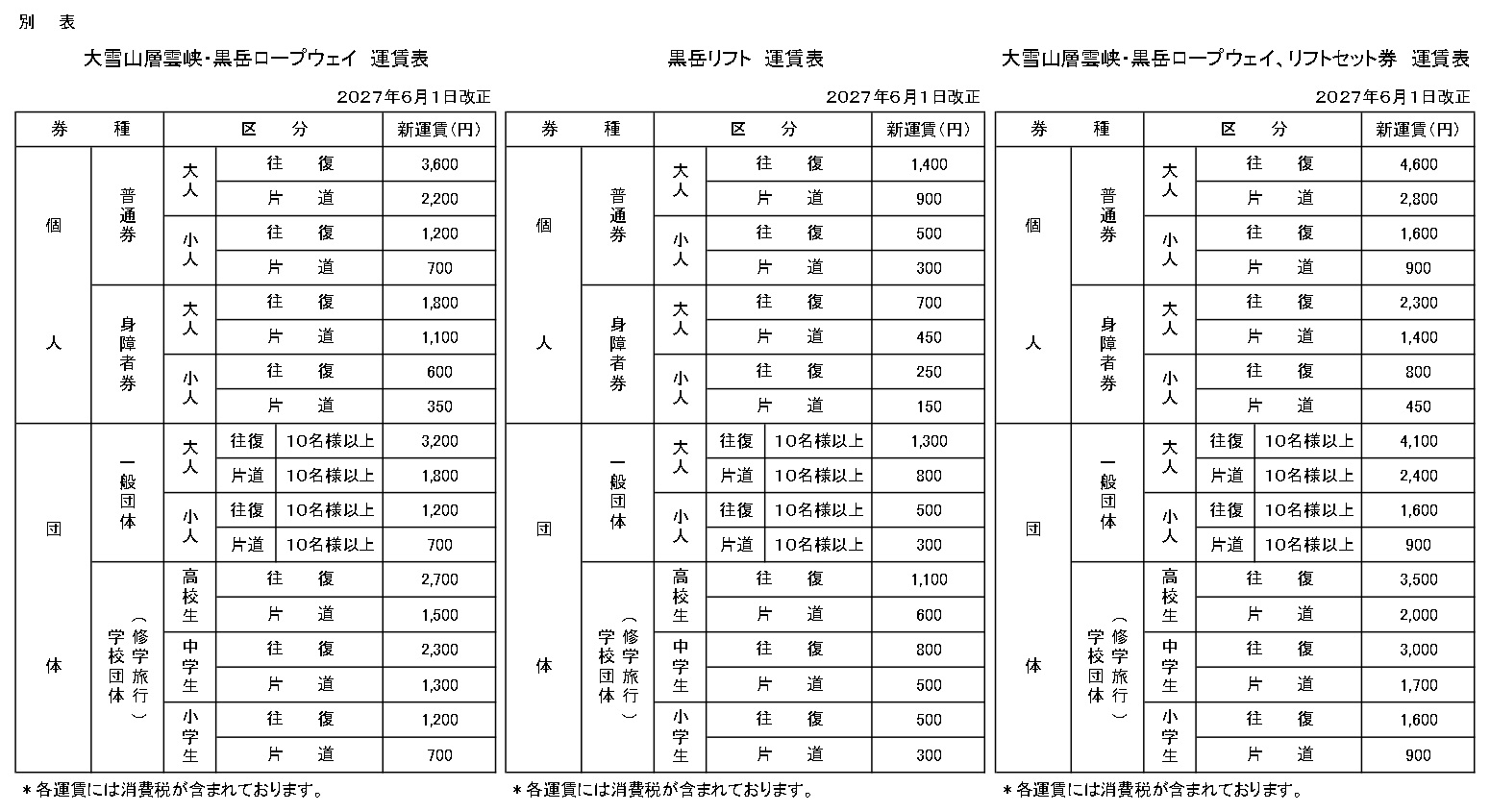
From 1 June 2027, Rinyu Kanko's revised adult return fares are ¥3,600 for the ropeway, ¥1,400 for the chairlift, and ¥4,600 for the combined two-section return ticket. Child fares are ¥1,200, ¥500, and ¥1,600 respectively—useful figures when budgeting an autumn 2027 trip. For two adults riding all the way to the 7th Station, buying the combined pass saves ¥800 compared with purchasing separate return tickets. Older travellers who only want to view the foliage from around the 5th Station can buy a ropeway-only return and meet everyone else back there afterwards.
Published 2027 ropeway operating hours are 06:00–18:00 from 21 June to 30 September, and 07:00–17:00 from 1 to 15 October, with the last upward cabin departing 40 minutes before closing. The chairlift runs to its own Natsuyama timetable. In autumn 2026, chairlift operations ended on 15 October; if planning for the second half of October the following year, build your schedule around sights at or below the 5th Station. When mountain gales or mechanical halts stop the lifts, even an early arrival at the base station means pivoting to lower ground—far easier to adjust when staying in Sounkyo village than after a long bus ride from Sapporo.
To catch the first weekend departure, you can walk to the base station from a Sounkyo hotel; from Asahikawa Station, check the earliest bus arrival and the ropeway timetable separately. If a queue has already formed, judge how much time remains to stroll around the 5th Station. With only a short window left, buy the ropeway-only ticket, take in the views near the upper station, and head back down. Save the chairlift for a calm morning when you have hours to spare. Leaving a small buffer for the downward transfer feels far more relaxed than watching the clock from the 7th Station queue.
Stay in Sounkyo or Asahikawa? Connecting Momijidani, the Twin Waterfalls and Ginsendai
From Asahikawa Station, Dohoku Bus Route 81 departs from Stop 8 and takes around 110 minutes direct to Sounkyo, according to the Sounkyo Tourist Association. The alternative is taking JR to Kamikawa Station and transferring to the bus at Kamikawa Mori no Terrace Bus Touch, where the bus leg takes about 35 minutes. Compare total door-to-door journey times, including the wait. If the Kamikawa connection leaves a long gap between buses, staying on the single direct bus from Asahikawa is simpler. For a day trip, pick your return bus to Asahikawa or Kamikawa first, then work backwards to fit the ropeway, Momijidani, and lunch.
The Momijidani trailhead sits right inside the hot-spring village, making it ideal for visitors travelling solely by bus. From the entrance to Momiji Waterfall, the tourist association lists roughly 30 minutes each way, free of charge, during the June to early-November walking season. The early stretch passes maples and the stream bed before closing in towards cliff walls and the cascade. Companions in ordinary trainers should turn back at a good viewpoint if wet fallen leaves make the footing slick. If you want to complete the full valley walk, dedicate a solid daytime block before returning to town for a meal or hot-spring soak.
Ginga Waterfall and Ryusei Waterfall lie roughly 3 kilometres from the hot-spring village. Drivers can pull straight into the car park to see both white cascades; to frame both falls together from above, hike up to Sobakudai (Twin Falls Observatory), estimated at about 20 minutes uphill by the association. On foot from the village, add roughly 6 kilometres for the round trip; when buses run at wide intervals, choosing either Momijidani or the waterfalls keeps the pace unhurried. Deeper along the national highway, Obako Gorge offers another roadside stop. The Kobako trail remains closed due to rockfall risk, so keep walks to the open Momijidani trail and waterfall viewing areas.
Akadake Ginsendai is a dedicated excursion for travellers chasing early-autumn alpine colours. During the 2026 foliage peak, private-car restrictions ran from 12 to 23 September on the Ginsendai road and from 19 to 30 September on the Kogen Onsen road. Both lead to different trailheads, and even rental drivers must follow each route's shuttle, parking, and registration rules. For 2027 planning, you can hold accommodation in Kamikawa and decide which day to head up once the new season's traffic notice is out. Either Ginsendai or Kogen Onsen takes an entire morning, so picking just one for a day trip from Asahikawa keeps your return schedule manageable.
If you want two chances at Kurodake, stay consecutive nights in Sounkyo and take the ropeway on the first clear morning. When booking a ryokan with dinner included, match your expected descent time against check-in cut-offs, especially if you arrived by long-distance bus before heading up the mountain. If you need flexibility to swap between Kurodake and Asahidake depending on the weather, Asahikawa Station is the better base because buses for both mountains depart from the same hub. Should Sounkyo wake up under a white wall of mountain mist, stop by the Sounkyo Visitor Centre in the village—open daily 09:00–17:00 from June to October—to check trail conditions and choose a lower-elevation afternoon walk.
Save Half a Day with Clear Visibility for Asahidake's Sugatami Pond
Asahidake sits on the Higashikawa side of the massif, with no Kurodake ropeway connection across from Sounkyo Onsen. By public transport, board Asahikawa Denki Kido Bus Route 66 (Ideyu-go) at Stop 9 outside Asahikawa Station; it runs via Asahikawa Airport and Higashikawa Town to the final stop, Asahidake. Staying in Higashikawa trims your ride, though check which bus stop lies closest to your hotel. If connecting directly off a flight, allow enough margin for landing, baggage claim, and terminal exit—Route 66 runs strictly to timetable.
Asahikawa Denki Kido lists the adult single fare from Asahikawa Station to Asahidake at ¥2,300 (¥1,150 for children). Combining return bus fares from Asahikawa with a peak-season return ropeway ticket comes to ¥8,100 per adult. If you are already flying into Asahikawa Airport, boarding Route 66 there takes you straight into the mountains without backtracking to Asahikawa Station. Travellers wanting time for a stroll on arrival day can stay overnight at Asahidake Onsen. If heading back to Asahikawa Station for a Limited Express train, leave generous slack between bus arrival and rail departure in case roadside traffic forces a seat change.
The Asahidake Ropeway climbs in about 10 minutes from the base to Sugatami Station at roughly 1,600 metres. Its official site sets peak-season return fares (1 June to 31 October) at ¥3,500 for adults and ¥1,750 for children, with departures every 15 minutes from 1 June to 20 October. Mid-September weekends and public holidays are flagged by the operator as peak congestion periods; guests spending two nights in Asahikawa should aim for a weekday ascent and save weekends for city plans that are easy to cut short.
In settled weather, loop around the walking trails near Sugatami Station for views across the slopes and volcanic ponds. If low cloud hangs over the valley, pull up the ropeway station's live webcam and check summit wind speeds before buying tickets. When you can hear strong gusts or visibility drops outside the base station, stay in the lower visitor centre for a hot drink and take a scheduled bus back down. Cut the loop short if you encounter lingering snow patches, ice, or fresh flurries on the high-altitude paths. Grippy soles, a windproof jacket, and a warm layer belong in your daypack up the mountain, not back in a suitcase in Asahikawa.
On shorter autumn operating days, screenshot both the downward ropeway timetable and the bus schedule together. From 16 November to 10 December 2026, the ropeway closed for maintenance along with its restaurant and shop. If your Hokkaido dates fall in a maintenance window, replace Asahidake with city sights and hot-spring towns rather than booking an empty transfer out to the base.
Jozankei Day Trip: Separate the Sapporo Coach from the Dam Shuttle
Jotetsu Bus runs the reservation-only Kappa Liner direct from Sapporo Station. Walk out of JR Sapporo Station's South Exit to Stop 27 in front of the Hokuren Building; the coach reaches Jozankei Onsen village in around 60 minutes. Alight at Jozankei Jinja-mae for the tourist information centre, or choose Jozankei Yunomachi or Daiichi Hotel-mae if staying down in the gorge or nearer your ryokan. When booking online, enter the exact outbound and return stop names—several return stops sit across the road.
Jotetsu Bus bookings open one month ahead and close at 17:00 the day before travel. Official fares from Sapporo Station to Jozankei Shako-mae or Hoheikyo Onsen are ¥1,700 standard single, or ¥1,460 prepaid online. If two of you plan an afternoon soak followed by an evening return to Sapporo, booking both legs together avoids hunting for seats once in town. If the direct coach sells out, take the Namboku Line underground to Makomanai and transfer at Bus Stop 4 to a local Jotetsu service; the tourist association estimates about 47 minutes from Makomanai to the hot-spring area. Factor in both the underground ride and the bus transfer, and pick an earlier departure at weekends.
With only half a day, step off at Jozankei Jinja-mae, visit Jozan Gensen Park first, then follow the hot-spring street towards Futami Park and the red Futami Suspension Bridge. Family members mainly wanting gorge scenery get plenty from the bridge approaches and main street. If you have time left, continue along the open riverside path across the bridge, turning back to the shops whenever you meet fencing or closure signs. The footbath at Jozan Gensen Park opens 07:00–21:00; bring a small towel so you are not boarding the bus home in damp socks.
Hoheikyo Dam lies upstream from the hot-spring village. In 2026, the Hoheikyo Dam Shuttle Bus ran from the Jozankei Tourist Information Centre between 3 and 25 October, with same-day tickets sold in order of arrival at the counter. The first coach runs to the dam car park, where passengers transfer to an electric bus into the dam complex. That season's combined return fare was ¥2,200 for adults and ¥1,600 for primary school children, taking around two hours door to door from the tourist centre. Use last season's timings and fares as a pacing benchmark until the next autumn schedule is released alongside Jozankei's five major foliage routes.
Keep "Hoheikyo Dam" and "Hoheikyo Onsen" clearly separated when checking buses—the dam shuttle does not stop at Hoheikyo Onsen en route. If visiting both on the same day, do the dam first, then return to the tourist information area to catch your next connection. Visitors with booked day-use bathing in Jozankei should build in time to walk back to the street, change, and make their coach. On days when the dam shuttle is not operating, stick to Futami Suspension Bridge and Gensen Park, followed by a day-use hot spring in town for a relaxed afternoon without extra transit.
A Late-October Half-Day in Sapporo: Kita 13-jo Ginkgos or Nakajima Park
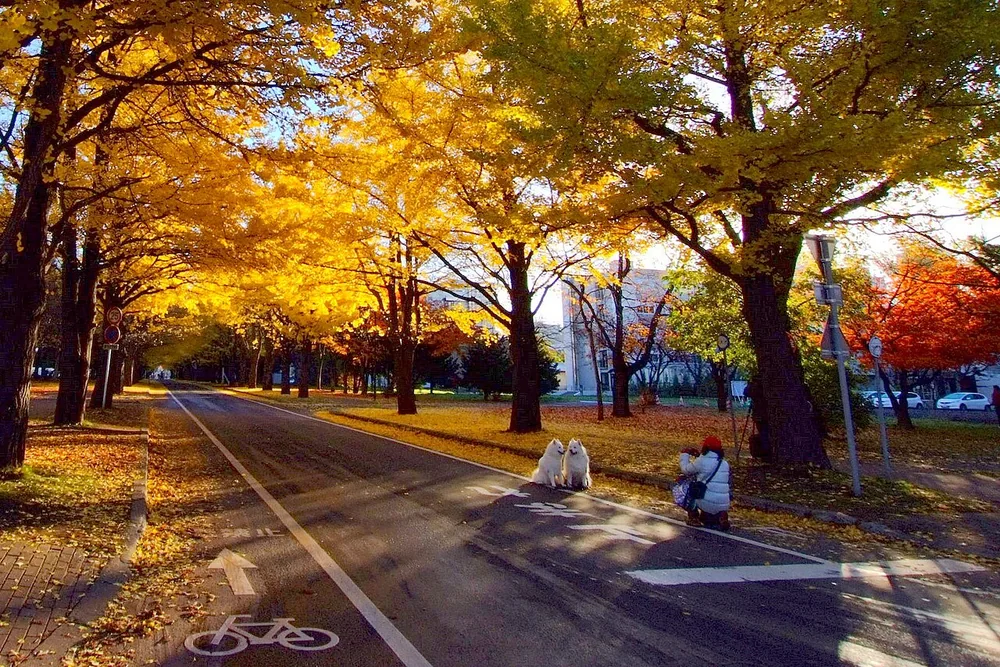
Hokkaido University places the usual peak for its Kita 13-jo ginkgo avenue from late October to early November. Walking from Kita-12-jo Station on the Namboku Line underground to the Kita 13-jo Gate brings you directly onto the roughly 380-metre golden avenue; coming from JR Sapporo Station via the main gate lets you cross the central lawn on the way up. If staying near Sapporo Station, give the ginkgos half an hour in clear morning light before heading back for breakfast or your next stop. You can fold in campus museums on the same stroll, matching their open days.
Kita 13-jo Street is an active campus thoroughfare, so enter on foot and step to the kerb when stopping for photographs. In 2026, Hokkaido University restricted cars and bicycles at the Kita 13-jo Gate on 31 October and 1 November, and strictly prohibited visitors from using the Hokkaido University Hospital car park for sightseeing. Rental drivers should leave cars at their hotel or a central car park and take the underground instead. If you are pushing a pushchair or walking with someone taking shorter steps, entering and leaving via the Kita-12-jo side avoids a long backtrack to the southern end of campus.
For foliage reflected in water, choose Nakajima Park: ride the Namboku Line to Nakajima-koen Station and enter via Exits 1 or 3. Time the stroll before dinner in Susukino, walking as far as Shobu Pond before looping back to the station or exiting at the north end. Hokkaido University lies north of Sapporo Station and Nakajima Park sits south of the city centre, so let your hotel location break the tie on a tight schedule. With two half-days, save the brightest sun for Nakajima Park's ponds and keep an overcast morning for the ginkgos and campus exhibitions. For more city stops, continue to our Sapporo autumn foliage walking routes.
Lake Toya for Shoreline Walks, Noboribetsu for Jigokudani and Hot-Spring Streets
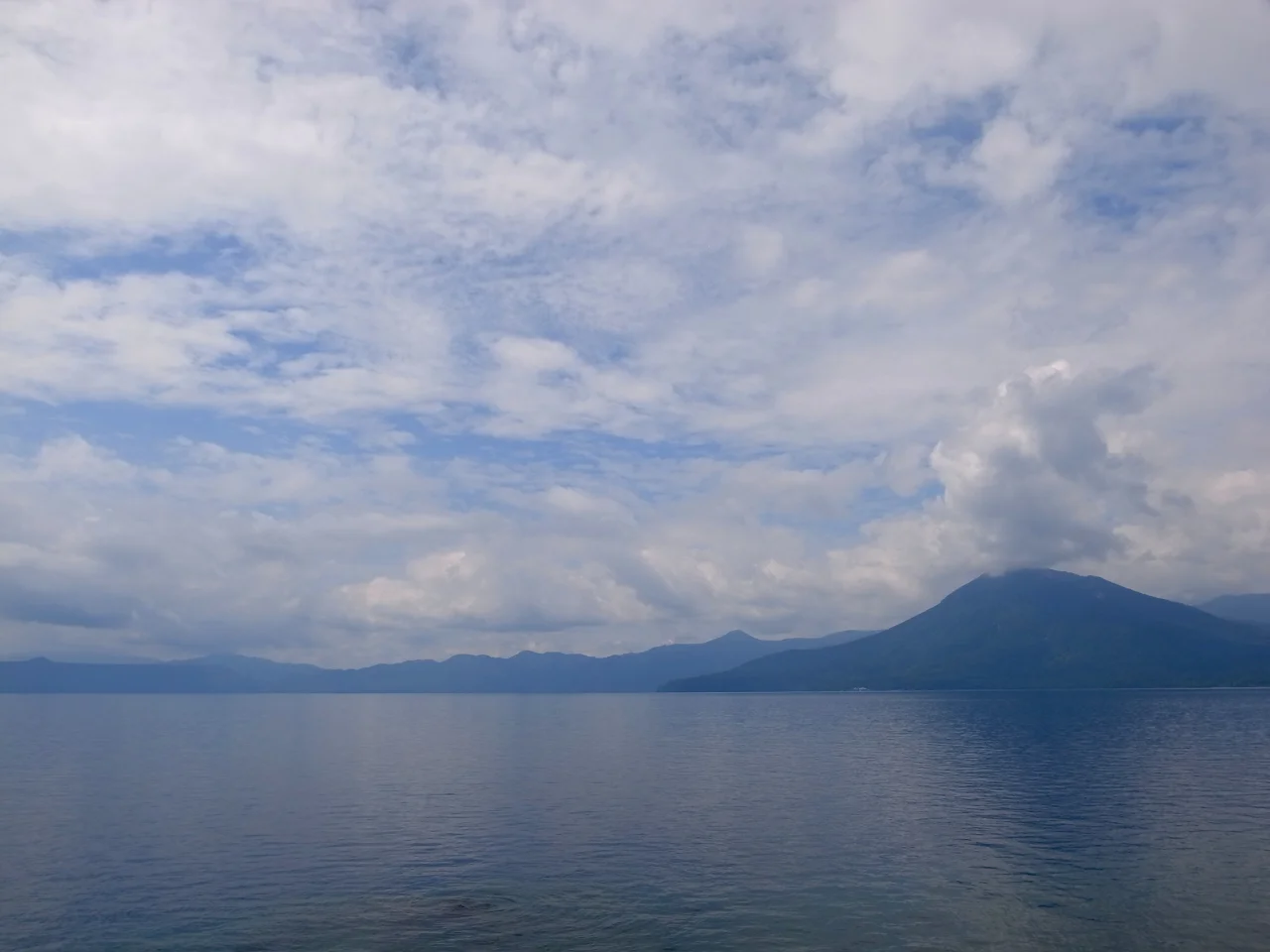
The Lake Toya Onsen Tourist Association lists peak autumn colour around the lake from early to late October. Take JR from Sapporo, Minami-Chitose, or Hakodate to Toya Station, then catch a Donan Bus to Toyako Onsen—listed at ¥400 adult single for roughly a 26-minute ride. Toya Station sits well away from the lakeside hotel strip, so check which side of the street your bus stop serves when booking a room. If you want lake walks followed by Hakodate the next day, one night in the hot-spring street gives you both dusk and early morning by the water without hauling suitcases back and forth.
You can also reach Toyako Onsen directly from Sapporo Station by Donan Bus. The Nakayama Pass route departs from Stop 7 outside Sapporo Station, taking around 2 hours 45 minutes at ¥3,700 adult single, with online reservation required at least two hours before departure from the origin terminal. Carrying large bags to a lakeside ryokan, this avoids a rail-to-bus transfer. Heading south towards Hakodate afterwards, take the direct bus in and connect back via JR Toya Station on departure. If mountain snow or road restrictions affect the pass, rail passengers with reserved Limited Express seats stay unaffected on the coastal line.
Drivers or travellers with arranged transfers can combine Lake Toya with Mount Usu. The Usuzan Ropeway base sits near Showa-shinzan; at the summit station you reach the Lake Toya observation deck first, before continuing inwards to the Usu Crater Basin deck. If you only want autumn colour over the lake, the first deck already delivers the view. Leave extra walking and boarding time if you want to explore the volcanic terrain beyond. Visitors returning to Toyako Onsen by public bus should verify return departures from Showa-shinzan beforehand—lakeside hotels, the ropeway, and the viewpoints sit in separate spots.
If mist obscures Mount Usu's decks, the Toyako Volcano Science Museum on the hot-spring street makes a straightforward wet-weather fallback. From October to March, the museum opens 10:00–16:00 and closes on Mondays (moving to the next weekday if Monday is a public holiday), charging ¥800 for adults and ¥400 for children. Spend an hour with the eruption exhibits and wait for rain to ease before walking the shoreline, shifting your day cleanly from slippery mountain paths back into town. If visiting after check-out, leave luggage at your hotel or arrange storage first, then board the bus straight from the street to Toya Station afterwards.
Noboribetsu's draw is Jigokudani (Hell Valley), where steaming vents and bare volcanic ground meet surrounding woodland. Take a Limited Express train to Noboribetsu Station and change to a Donan Bus bound for Noboribetsu Onsen. On the NA, NB, NC, and ND routes, check whether the bus terminates at Ashiyu-iriguchi or calls at Noboribetsu Onsen first, picking the stop closest to your starting point. The main Jigokudani deck is reached right above the hot-spring street; if adding Oyunuma Pond, check trail status and remaining daylight first. In steady rain, keep to the main viewpoint, return down the street for lunch, and pick an inn offering day-use bathing instead of forcing the full loop.
On public transport, allow a full day for a single hot-spring town. Though both sit along the same rail corridor, each requires a bus leg off the JR line and back again. Choosing between lake views and volcanic scenery for an overnight stay comes down to where you want to walk before breakfast: Toyako Onsen puts you straight onto the promenade, while Noboribetsu lets you fit the Jigokudani loop into check-in afternoon. If you already want two days each in Sapporo and Hakodate, stay overnight at one hot-spring resort and save the other for another trip along the line.
Onuma Peaks from Mid-October to Early November: Best Kept Flexible from Hakodate
Nanae Town places Onuma's foliage season from mid-October to early November. To walk the inter-island bridges, book tickets to JR Onuma-koen Station, making sure your chosen train actually stops there. Walk out past the Minami-Onuma car park straight onto Park Square, where the open lake faces Mount Komagatake. If cloud hides the peak on arrival, explore the islands first and check whether the sky clears by the time you return to the square; even if the mountain stays covered, the close-up views across the islets easily fill half a day.
Short on time, stay near Park Square or take in Ojima Island. For bridges and sheltered coves, follow the Island-Hopping Trail (Shima-meguri no Michi), listed at around 50 minutes for a circuit on local sightseeing maps. Allow extra time for wet leaves on the bridges, gentle slopes along the shore, and frequent photo stops. With young children, walk out to the first water-level view and turn back; anyone with a pushchair or sore knees can wait near the square and agree on a specific shopfront to meet at. If renting bicycles to circle the lake, treat it as a separate outing with a weather-flexible slot.
Day-tripping from Hakodate gives you the freedom to push Onuma back a day if morning rain sets in. Remember to reserve seats on the Limited Express Hokuto in advance: from 14 March 2026, all JR Hokkaido Limited Express trains are fully reserved, with ticket machines generally opening sales at 10:00 JST one month before travel. If you plan to catch an evening Hokuto back, pick up both outbound and return tickets in Hakodate that morning. JR lists the Onuma-koen Station counter hours as 09:00–17:10, and there is no reserved-seat ticket machine at the station; if you stay out later in the afternoon, check available seats on the next stopping train before starting another loop.
Stopping at Onuma en route from Sapporo to Hakodate only works if three conditions hold: both train legs are booked separately, you have confirmed usable luggage storage, and enough daylight remains to walk to the lake and back. With only an hour left and bags to wheel, check into Hakodate first and return light the next day. Staying overnight in Onuma suits travellers prioritising dawn light or quiet lakeside walks with dinner near their lodge; Hakodate works better if you also want Motomachi, the morning market, and Kosetsuen.
Hakodate Kosetsuen: Tour the Garden by Day and Save Illumination Nights for Later
Kosetsuen sits inside Miharashi Park and is reached on Hakodate Bus Route 82 from Hakodate Station, Goryokaku, or Yunokawa; alight at the Kosetsuen stop, listed as a 1-minute walk on the city's official tourism site. Inside stands a roughly 100-metre maple avenue. Beyond the leaves, daytime light shows off the garden's sloped paths, moss carpets, and historic pavilion clearly. Staying in Yunokawa pairs easily with an afternoon visit before dinner at your ryokan, while Hakodate Station suits an early morning train to Onuma. Combining Kosetsuen with Mount Hakodate's night view requires crossing back to the other side of town, so splitting them across two days works better.
In 2026, the Hakodate MOMI-G Festa ran from 16 October to 8 November with free entry and evening illuminations from 16:00 to 21:00. For 2027, keep one evening pencil-marked and pick your night once the city announces dates. Bus riders should anchor around the last return bus to their hotel rather than the moment the lights switch off. If leaving Hakodate early the next morning, enter in the afternoon to walk the maple avenue in natural light, then trim your evening stay around dinner and bus timings.
When recent rain leaves the garden's slopes slippery, start indoors at the Hakodate City Northern Peoples Museum near Goryokaku. Ride the tram to Goryokaku-koen-mae and walk about 10 minutes, as listed by the city tourism site. The museum displays North Pacific fishing artefacts and a boat-steering simulator for ¥100 adult admission; it opens at 09:00 year-round, closing at 19:00 in October and 17:00 from November. If the rain eases in the afternoon, catch the same Route 82 bus directly from near Goryokaku to Kosetsuen without doubling back to Hakodate Station, pairing an indoor and outdoor half-day smoothly without crossing the port area twice.
Three, Five and Seven Days: How to Build In Weather-Swap Days
For a three-day, two-night September itinerary, keep both nights in Asahikawa: check the station bus stops on arrival afternoon, give the clearest weather window on day two to Asahidake, and use day three around town before your departure. If Kurodake is your main priority, head straight into Sounkyo on day one, ride up the mountain the next morning, walk Momijidani in the afternoon, and spend the second night in Asahikawa. Landing at New Chitose late in the afternoon, stay that first night in Sapporo or Asahikawa and head into the mountains at daybreak rather than rushing late connections.
A five-day, four-night mid-October trip starts in Sapporo, placing Jozankei and central Sapporo on back-to-back days—clear skies for the gorge, city sights for the other day. Move on for one night at Lake Toya or Noboribetsu, spend the next morning by the lake or in Jigokudani, and choose your final night near your departure airport or onward rail hub. When two long transfers both sit past midday, transit chops the daylight in half; keep travel days to sights you can comfortably visit after dropping or storing your bags.
With seven days in late October, start in Sapporo, spend a night at a hot-spring town, and allow at least two nights in Hakodate. Use Hokkaido University or Nakajima Park as a light opener, pick Lake Toya or Noboribetsu mid-trip based on that week's foliage reports, then head south to Hakodate. Save Onuma and Kosetsuen for the second half, giving full sunshine to the lake and keeping overcast half-days for the garden or Hakodate's streets. Flying out of New Chitose, take the long return Limited Express the day before and spend your final night in Sapporo or Minami-Chitose; only save your full final day for southern Hokkaido if flying out of Hakodate.
When autumn rain hits, the easiest fix is swapping two half-days anchored to the same hotel. In Asahikawa, trade your town day with your mountain day; in Hakodate, swap Onuma with indoor sights around Goryokaku. Dinners included with ryokan stays, limited-run shuttles, and reserved long-distance trains are the hardest pieces to move, so lock those down on your schedule first and use flexible city half-days as your buffer. When comparing hotel rates, price accommodation alongside transport and meals—two nights in Sapporo plus two coach returns works out quite differently from a half-board stay in Jozankei with single journeys each way.
Hiring a car adds short-hop flexibility between mountain bases and lakeshores. Once past late September, check for early winter road closures before shifting mountain drives, keep alpine roads to daylight hours as temperatures drop, and confirm tyre equipment with your rental agency. If travelling entirely by public transport, aim for an earlier return bus on infrequent branch routes. Where mobile reception fades in the mountains, screenshots of bus stop names, last departures, your hotel phone number, and trail maps are all you need to confirm the day's plan before stepping off the bus.
A few useful answers
Is September or October better for a first autumn foliage trip to Hokkaido?
Mid- to late September suits Asahidake, Kurodake, and Ginsendai in Daisetsuzan for sweeping mountainside colour. Mid-October works best for Jozankei, while late October to early November should be focused on Hokkaido University in Sapporo, Onuma, and Hakodate's Kosetsuen.
Can you ride both the Kurodake and Asahidake ropeways on the same day?
The two ropeways sit on opposite sides of Daisetsuzan. By public transport, Kurodake is reached via Sounkyo and Asahidake via Higashikawa, on separate bus routes from Asahikawa Station. Staying two nights in Asahikawa and giving each mountain its own morning is much easier.
Where should you stay for a car-free Hokkaido autumn foliage trip?
Base yourself near Asahikawa Station or in Sounkyo in September; stay near Sapporo Station in mid-October for the bus to Jozankei; and stay near Hakodate Station in late October for trains to Onuma and buses to Kosetsuen. Swap one night into a hot-spring street if you want an evening soak and an early morning walk.
Can you visit Jozankei just for the suspension bridge and hot springs?
Yes. Enter the hot-spring street near Jozankei Jinja-mae, walk through Gensen Park to Futami Park and the suspension bridge, then finish with day-use bathing or the footbath before heading back. Keep a separate half-day if you want to add the Hoheikyo Dam shuttle.
Which station should you book for a day trip to Onuma?
Book JR Onuma-koen Station. Walking out past the Minami-Onuma car park brings you straight into Park Square; if taking a Limited Express Hokuto, check that your service calls at Onuma-koen and reserve your return seat in advance.
Official information and references
Sources used in this guide.
- Rinyu Kanko | Kurodake Ropeway, Chairlift, Timetables and Fares
- Rinyu Kanko | Kurodake Revised Fare Table from 1 June 2027
- Sounkyo Tourist Association | Sounkyo Access and Bus Transfers
- Dohoku Bus | Asahikawa Station Bus Stop Map
- Sounkyo Tourist Association | Momijidani Trail
- Sounkyo Tourist Association | Ginga Waterfall, Ryusei Waterfall and Sobakudai
- Sounkyo Tourist Association | Obako Gorge and Kobako Trail Closure Information
- Kamikawa Town | Sightseeing Road Access Information
- Sounkyo Tourist Association | 2026 Ginsendai and Kogen Onsen Autumn Foliage Traffic Restrictions
- Sounkyo Visitor Centre | Opening Hours and Facilities
- Daisetsuzan Asahidake Ropeway | Operations, Fares, Live Weather and Maintenance Dates
- Asahikawa Denki Kido | Route 66 Asahidake Line
- Jozankei Tourist Association | 2026 Autumn Foliage Observation Log
- Jotetsu Bus | Jozankei Direct Coach Stops, Fares and Reservations
- Jozankei Tourist Association | Five Major Foliage Areas and 2026 Seasonal Shuttles
- Jozankei Tourist Association | Footbaths and Day-Use Bathing
- Hokkaido University | Sapporo Campus Public Facilities and Ginkgo Peak
- Hokkaido University | 2026 Kita 13-jo Street Traffic Restrictions
- Sapporo Official Tourism Information | Nakajima Park Access
- Lake Toya Onsen Tourist Association | Lakeside Autumn Colour and Viewing Season
- Donan Bus | Toya Station to Toyako Onsen Fares and Timetable
- Usuzan Ropeway | Lake Toya and Usu Crater Basin Observation Decks
- Donan Bus | Noboribetsu Station to Noboribetsu Onsen Routes
- Hokkaido Official Tourism Organization | Noboribetsu Jigokudani
- Nanae Town | Onuma Autumn Foliage Spots and Viewing Season
- Nanae Town | Onuma Sightseeing Map and Island Walking Route
- JR Hokkaido | 2026 Notice on All-Reserved-Seat Limited Express Trains
- JR Hokkaido | Reserved-Seat Ticket Sales Times and Collection
- JR Hokkaido | Onuma-koen Station and Other Station Ticket Counters
- Hakodate Official Tourism Information | Kosetsuen 2026 Autumn Foliage Festival and Illumination
- Hakodate Official Tourism Information | Hakodate Bus Route 82
- Donan Bus | Sapporo to Toyako Onsen Direct Route and Reservations
- Toyako Town Volcano Science Museum | Current Opening Hours and Admission
- Hakodate Official Tourism Information | Hakodate City Northern Peoples Museum