How to reach Mount Asahidake from Asahikawa Station or Airport, covering ropeway fares, maintenance dates, Sugatami Pond trail conditions, Bus 66 last departures, winter snowshoeing, and hot-spring backups.
- Region & Focus
- Asahikawa
- Reading Scope
- 16 min read · 11 chapters · 4 Q&As
- Official Verification
- 19 official sources checkedUpdated 22 November 2026
- Key Topics
- SeasonsWinterHot springs
Chapter Route Map (tap any stop)
- Asahidake Ropeway Fares, First & Last Cars, and 2026 Closure Dates
- Getting from Asahikawa Station and Airport to Asahidake Onsen
- Walking from Sugatami Station to the Ponds: Where to Spend Your Time
- June Snowmelt, September Autumn Colours & October's First Snow
- Asahidake in Winter: Snowshoeing & Where to Start
- Driving Up the Mountain: Parking & Winter Road Conditions
- Planning Your Day: Day-Trip Onsen & Return Bus Connections
- Where to Stay: Asahikawa, Higashikawa or Asahidake Onsen
- Going Beyond Sugatami Pond: Where Serious Hiking Begins
- When the Ropeway Closes: Which Parts Are Still Worth Visiting
- Asahidake vs Sounkyo Kurodake: Which Ropeway Should You Choose?
- Quick Q&A
Take the early morning bus from Asahikawa Station to Mount Asahidake and you will arrive at the ropeway's Sanroku base station at 09:03, leaving plenty of time for Sugatami Pond. The cable car climbs to 1,600 metres in around 10 minutes, opening onto a 1.7 km alpine loop trail where, when open, you can walk right down to the water for reflections of the peak and steaming volcanic fumaroles. On a first visit, prioritise this walk and save time afterwards for a hot spring if your schedule allows. The ropeway closes for maintenance from 16 November to 10 December 2026 and is scheduled to reopen on 11 December, by which time snow buries the summer footpath and winter planning takes over.
Asahidake Ropeway Fares, First & Last Cars, and 2026 Closure Dates
The Asahidake Ropeway (Daisetsuzan Asahidake Ropeway) operates in Higashikawa, with Sanroku Station sitting in the Asahidake Onsen area at roughly 1,100 metres above sea level. Tickets are bought and boarded at Sanroku Station, while the upper terminal is Sugatami Station near the fifth station — still a steep climb below Hokkaido's highest summit at 2,291 metres. Some maps label the upper terminal Summit Station (Sancho-eki), so using Sugatami Station is clearer when sharing an address or arranging a meeting point.
Passengers from junior high school age upwards pay the adult fare. From 1 November to 31 May, adult tickets cost ¥2,800 return or ¥1,700 single; from 1 June to 31 October, they rise to ¥3,500 return or ¥2,200 single. Year-round child fares are ¥1,750 return or ¥1,100 single, and each paying adult may bring one pre-school child free of charge. If you plan to walk at the top and ride back down, buy a return ticket straight away. Both individual travellers and tour groups join the queue on the day without advance seat reservations, so allow extra waiting time during autumn long weekends.
Regular departures run every 15 minutes from 1 June to 20 October and every 20 minutes from 21 October to 31 May, meaning fares and intervals switch seasons on different dates — in late October, for instance, peak-season prices still apply even though departures drop to every 20 minutes. First and last car times in summer and autumn vary by date and shift between weekdays and weekends during the autumn foliage season, so check the schedule code for your exact date on the operator's calendar. Make a note of both the first uphill departure and the final downhill car, particularly if you are heading up in the afternoon.
During maintenance from 16 November to 10 December 2026, remove the ropeway from your itinerary entirely — the operator's restaurant and shop at the terminals close as well. For 11 to 31 December, the published timetable runs from 09:00 for the first ascent to 15:40 for the final descent, departing every 20 minutes from both ends. For trips in 2027, follow the monthly operating calendar updated on the official website. Services can also be suspended at short notice due to high winds or lightning risk, so check the live operating status on the homepage before setting off.
How to reach Mount Asahidake from Asahikawa Station or Airport, covering ropeway fares, maintenance dates, Sugatami Pond trail conditions, Bus 66 last departures, winter snowshoeing, and hot-spring backups.
Getting from Asahikawa Station and Airport to Asahidake Onsen
Asahikawa Denkikido Bus Route 66 (Ideyu-go) runs four return trips a day from central Asahikawa via Asahikawa Airport and Higashikawa Michikusa-kan, terminating at Asahidake right outside the ropeway's Sanroku Station. Scheduled journey time is 1 hour 48 minutes from Asahikawa Station and 1 hour 3 minutes from the airport. At Asahikawa Station, wait at Bus Stop 9 outside the station and look for Asahidake on the destination display. The same route calls at hotel-side stops such as Asahidake Onsen Iriguchi along the way, so stay on until the terminus if you are heading straight up the mountain.
Outbound buses leave Asahikawa Station at 07:15, 09:15, 12:15, and 14:15, calling at Asahikawa Airport at 08:00, 10:00, 13:00, and 15:00 respectively, and reaching Asahidake at 09:03, 11:03, 14:03, and 16:03. Return departures leave the Asahidake terminus at 09:55, 11:55, 14:55, and 16:55, with the last bus scheduled to reach the airport at 17:50 and Asahikawa Station at 18:33. Keep that final bus in reserve as a buffer and aim for the preceding service on a first day trip. If you are staying in the hot-spring village, note the return times from the stop nearest your hotel so you are not dragging suitcases back up to Sanroku Station in the snow.
Adult single fares to Asahidake are ¥2,300 from Asahikawa Station, ¥1,650 from Asahikawa Airport, and ¥1,450 from Higashikawa Michikusa-kan. Although the bus operator is revising select section fares from 1 December 2026, these three fares to Asahidake remain unchanged. Ticket machines are located at the Asahikawa Denkikido General Information Counter and at Asahikawa Airport; if you are returning by bus, buy two singles at once, as there is no return-fare discount. Only the local Asaca and DoCARD IC cards are listed as accepted, so travellers carrying Suica, PASMO, or ICOCA will find it easiest to pay in cash or purchase paper tickets beforehand.
Because this is a timetabled service bus, leave enough margin between your scheduled flight arrival and departure time for disembarking and baggage reclaim. If your flight lands at Asahikawa Airport after 15:00 and you need to reach the hot-spring area the same evening, arrange a hotel shuttle or alternative transport in advance. Catching the 15:00 bus puts you at Sanroku Station at 16:03, when you should head straight for hotel check-in. Luggage holds are limited and normally allow one item per passenger, capped by the operator at 0.25 cubic metres, 2 metres in length, and 30 kg in weight. Skiers travelling with both a ski or snowboard bag and a large suitcase should check in advance which items their accommodation can handle via transfer or delivery rather than jamming the bus doors.
| Asahikawa Station | Asahikawa Airport | Asahidake Ropeway Sanroku Station |
|---|---|---|
| 07:15 | 08:00 | 09:03 |
| 09:15 | 10:00 | 11:03 |
| 12:15 | 13:00 | 14:03 |
| 14:15 | 15:00 | 16:03 |
Walking from Sugatami Station to the Ponds: Where to Spend Your Time
When you step out of Sugatami Station, start by checking the trail map and condition boards. The loop measures roughly 1.7 km; the official ropeway site estimates around 1 hour, whereas Hokkaido's official tourism site allows about 90 minutes. Budget 90 minutes if you are with family, stopping for photos, or walking on wet, slippery gravel after rain, and count ropeway queues and ride times separately. The route undulates rather than staying flat: Ministry of Land, Infrastructure, Transport and Tourism records put the highest point of the trail at roughly 1,670 metres, with an uphill gradient right from the station.
The circuit links Sugatami Pond, Kagami Pond, and Suribachi Pond, with the latter two sitting side by side and labelled together on maps as Meoto Ponds (the Couple Ponds). On a first visit, follow the path from Sugatami Station towards the First Observatory to take in the low alpine scrub and volcanic ponds before continuing to Sugatami Pond for views of Asahidake's main peak and white steam vents. The hillside is completely exposed, and wind funnels easily inside an open jacket. If gusts hit hard at the first viewpoint, or anyone in your group is watching every step and unable to pause for photos, turning back the same way still makes a rewarding short walk, leaving the rest of the loop for better weather.
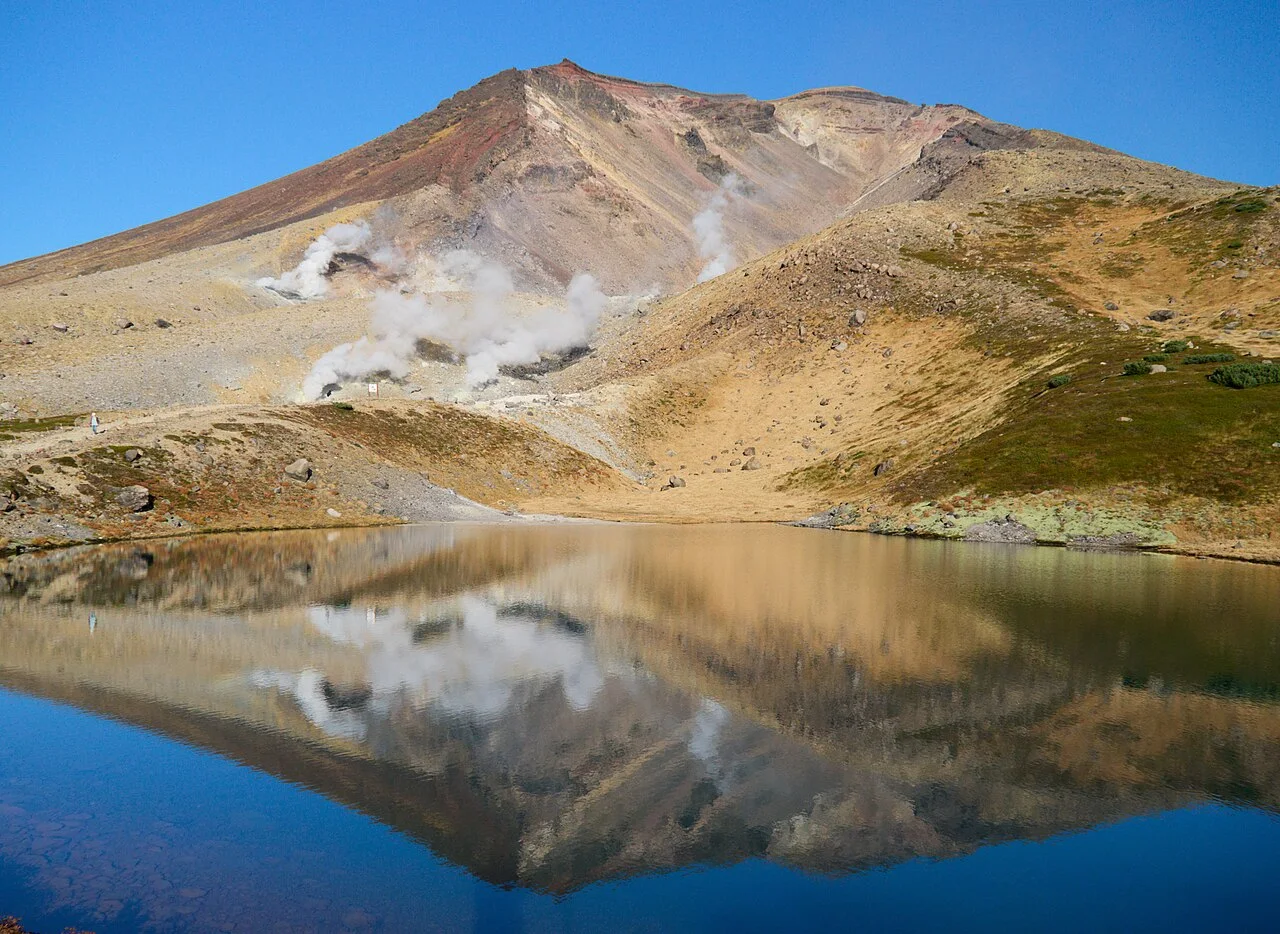
In Japanese, sugatami — as in Sugatami-no-ike — means a full-length mirror. On calm, clear days, the pond reflects both the peak of Asahidake and the drifting steam on its flanks, letting you frame shoreline boulders and the distant summit in one shot. Even when wind ripples the surface, you can still pick out the fumaroles across the slope or trace how bare volcanic gravel gradually gives way to carpets of alpine plants along the path. Keep to the marked trail and viewing platforms when taking photos: the water's edge is slick, and the roped-off ground protects fragile vegetation. Factor camera stops into your schedule, as lingering ten minutes or so by each pond easily adds up to a whole ropeway departure interval.
The ponds sit at different points around the loop. At Meoto Ponds, check the lakeside signposts to tell Kagami Pond apart from Suribachi Pond. If you only have time for one destination, look for signs at Sugatami Station pointing towards Sugatami Pond or the Fifth Observatory and walk there and back following the on-site arrows. Sugatami Pond fills a volcanic crater, and its viewing area aligns the water, bare rocky slopes, and steaming mountainside in one panorama. If the station map shows the Nakamichi shortcut is open, you can branch off from the First Observatory to bypass the outer loop and cut across to Sugatami Pond via the junction.
Wear shoes with deep tread — waterproof footwear after rain or during snowmelt — and pack a windproof, waterproof shell jacket. The trail mixes loose gravel, rock steps, and uneven stone drops that make a full loop impassable with a pushchair; even with a baby carrier, consider whether you can keep steady footing up and down stone stairs. If anyone in your party struggles with steep descents on their knees, use Sugatami Station as a meeting point so walkers can explore a section and return while others enjoy the views near the station or ride down early. That saves energy for children and older relatives and leaves extra time for a hot spring at the base.
Use the flush toilets inside Sugatami Station before starting the loop, pack water and ready-to-eat snacks in a daypack for the walk and queue, and carry all rubbish back down the mountain. According to the ropeway website, rubber boots are available to hire at Sugatami Station — particularly useful outside peak summer. Even if you already wear waterproof shoes, assess their grip against any morning frost, packed snow, or ice before deciding whether to hire boots, shorten the walk, or stay near the station. An extra layer determines how comfortably you can linger; your soles determine how steadily you make it back down the stone steps.
If you want help identifying alpine flowers or explaining volcanic landforms to children, check the Visitor Centre calendar for the Sugatami Guided Walk. The centre also runs an Asahidake Onsen Nature Walk down in the hot-spring village, ideal if someone in your group prefers to skip the ropeway. Both walks take bookings by phone or at the counter, with on-the-day sign-ups closing 15 minutes before start time, and participants need to be able to communicate in Japanese. Groups leave on a fixed schedule, so bus passengers should cross-check meeting times against the bus timetable and allow walking time from the terminus to the Visitor Centre.
June Snowmelt, September Autumn Colours & October's First Snow
The ropeway operator defines the main walking season as June to mid-October. Early summer in the Sugatami area offers a striking look at the retreating snowline, with flowers blooming in sheltered hollows while white snowfields cling to shaded slopes. When the ropeway resumed operations on 23 May 2026, a Visitor Centre patrol found roughly 80% of the loop still snow-covered, obscuring the trail line. If your aim is to complete the full circuit in early summer, check the Visitor Centre's trail photos from the week of your trip, paying close attention to whether steps and lakeside banks are clear. From late May into June, a single 10-minute ride can carry you from lush summer greenery at the base into active snowmelt at Sugatami Station.
Early June through mid-August is listed by the operator as the prime season for alpine flora. Chinguruma (Aleutian avens) blooms in clusters of small white flowers before developing wispy seed plumes that look like feathery turf from afar. Flowering peaks stagger by elevation, so blossoms absent near the station often appear further along the circuit. Even in midsummer, pack a windproof layer in your daypack: the ropeway lifts you out of sheltered forest onto an open ridge, where standing still at viewpoints feels markedly colder than walking. In rain, breathable mesh trainers quickly soak through, making good walking socks and a dry spare pair far more useful than an extra T-shirt.
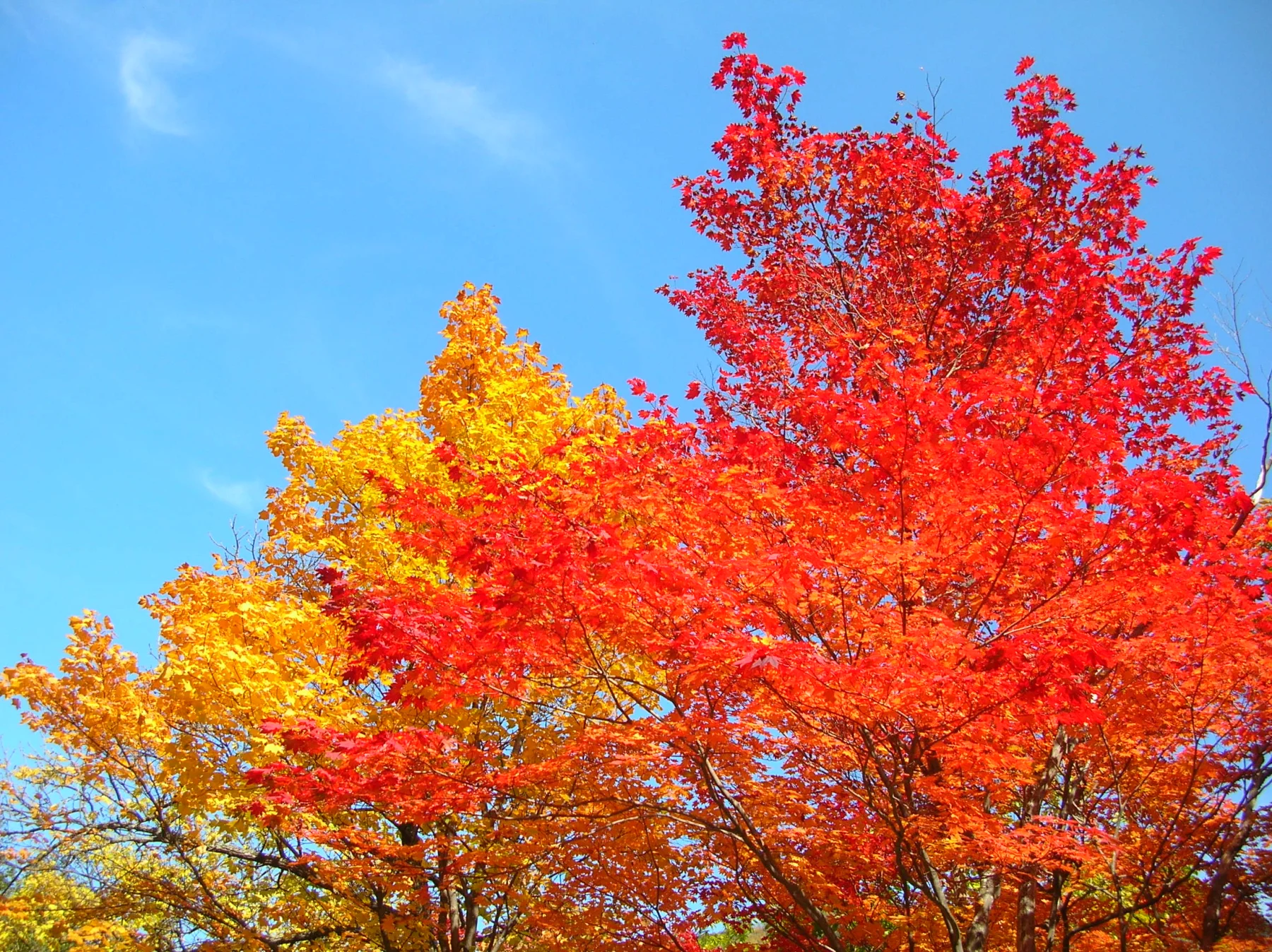
Autumn colours turn on the upper slopes first before sweeping gradually down towards the valley. Mid-September is typically the sweet spot for high-elevation foliage, best judged by comparing recent photos from Sugatami Station with views along the ropeway line — even after leaves near the top turn brown, mid-mountain slopes visible from the cable-car window often remain vivid. For weekend foliage trips, catch the early bus or stay overnight at the base so you can head up right after breakfast; arriving around midday often means spending your walking window standing in the ropeway queue.
While autumn lingers across Hokkaido's lowlands into October, ice can already form at high altitude. Following the first snowfall on 2 October 2026, the Visitor Centre recorded a morning temperature of -1°C at Sugatami Station, with sections of the steps towards the pond frozen over and paths dusted in snow. Even when the ropeway sells tickets on days like that, decide your turnback point based on live footing and stick to cleared ground near the station if you are wearing ordinary trainers. If you hope to photograph autumn foliage dusted with snow, swap your Asahidake visit to whichever clear morning fits your itinerary rather than trusting a pond photo taken two weeks earlier.
Asahidake in Winter: Snowshoeing & Where to Start
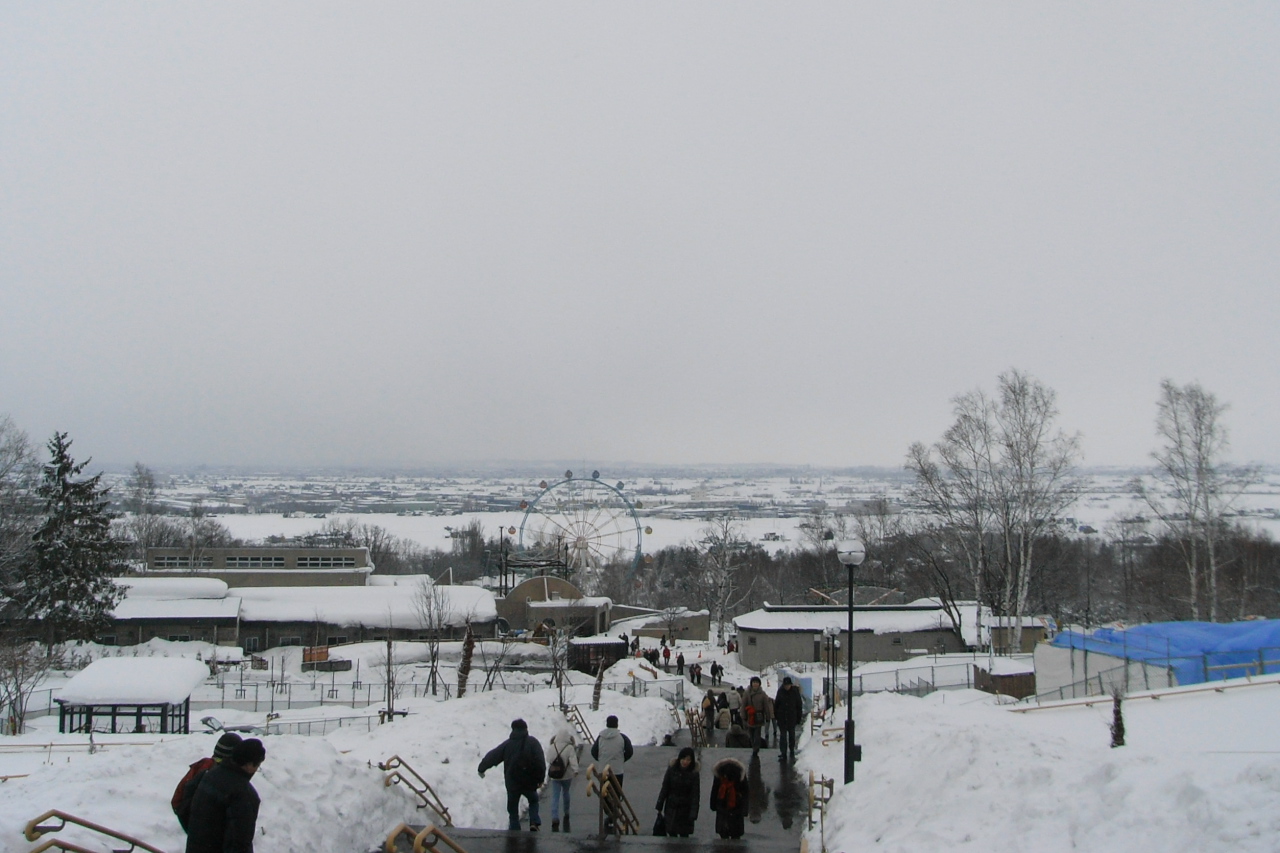
In winter, you can ride the running ropeway up to Sugatami Station for deep-snow panoramas, though once snow accumulates, the summer ponds, gravel paths, and steps disappear completely underneath. Step off the cable car and assess visibility from inside the station before venturing out: in a whiteout, stay within the signed safe zone by the building no matter how tempting the deep powder looks for photos. Keep the 1.7 km summer loop map handy only for place names, and use the Visitor Centre's current-season winter map to check snow routes and open sections.
For first-time snowshoeing, the lower trails around Asahidake Onsen offer a far more relaxed start, letting you ask staff which sections are open beforehand and return easily to the Visitor Centre or your hotel if you tire. The Asahidake Visitor Centre begins hiring out snowshoes from 11 December 2026 on a first-come, first-served basis in person. If you plan to hire on the day, aim for the morning, check availability before choosing your route length, and bring your own winter boots, windproof outer layers, and warm gloves. The centre also hires out cross-country ski gear; when walking the village cross-country trails, keep to open snowshoe sections and stay out of the groomed central ski tracks.
Although the winter ropeway carries skiers and snowboarders, when skis and boards are permitted aboard depends on snow cover meeting opening standards on each ski course, as announced by the operator. Treat the 11 December reopening date as your planning baseline for sightseeing rides, and verify course openings, equipment carriage rules, and weather separately if you are coming to ski. The alpine terrain accessed from the upper station carries serious wind, low-visibility, and avalanche hazards, so newcomers to winter snow on Asahidake are better off booking a guided outing or sticking to clearly marked trails at the base. Backcountry touring requires full winter mountaineering preparation, experienced companions, avalanche safety gear, and navigation tools.
Base-area snow trails also open in stages. In its 19 November 2026 newsletter, the Visitor Centre noted that while grooming had begun on the cross-country ski loop, snow towards Wasabi-numa remained insufficient, limiting walkers to a shorter circuit for the time being. Even when hotel car parks look blanketed in white, marshland and wooded slopes nearby can still be thin, so plan your route on the day using Visitor Centre updates and trailhead signs. Test boot sizing and bindings inside the centre before stepping out so you are not stopping mid-trail in freezing air to readjust straps.
Even brief stops in the snow demand proper warmth: the bus up is heated before dropping you into sub-zero air, while waiting outside for the return bus reverses the shock, so packing spare dry gloves and winter boots with enough wiggle room for warm socks makes a noticeable difference. If you are staying in the hot-spring village and wake up to drifting snow or a blizzard, keep your walk within sight of your hotel and only continue to the next marker as long as you can clearly see the trail posts and feel confident of the way back. Having travelled all this way, there is no harm in keeping the walk short and retreating to the hot-spring baths for the afternoon until the weather clears.
Driving Up the Mountain: Parking & Winter Road Conditions
Drivers approach from Asahikawa via the town of Higashikawa. The stretch from central Higashikawa to Asahidake Onsen is roughly 30 km, making the town a convenient last stop for water, snacks, and food for later in the day, as well as a moment to pull coats and grippy footwear out of your car boot luggage. This final leg climbs from flat farmland into the mountains: even when city streets look bone dry, shaded bends, bridge decks, and parking bays higher up can harbour black ice. If conditions deteriorate, wait in Higashikawa until a safe return drive up the mountain is assured.
At the base, parking options include the public car park outside the Visitor Centre and the ropeway car park. According to Higashikawa tourism information, the ropeway car park is free from November to May and paid during the rest of the year. Follow on-site signage rather than relying solely on a satnav parking icon. On mid-September weekends and public holidays, allow extra time both to find a space and to queue for tickets, following any temporary traffic marshals on the ground. Guests staying nearby should check with their hotel beforehand where to park prior to check-in and walk from there to the ropeway.
Although the approach road to Asahidake Onsen is snow-ploughed in winter, deep wheel ruts and poor visibility can still slow journeys down. Book a hire car fitted with winter tyres, check both mountain-road and base-area weather forecasts before setting off, and aim to drive back down in daylight. Leave generous slack if anyone in your car has a flight or hire-car return, and never schedule a drive to the airport after the final downhill ropeway of the day. Note your bay and exit lane when parking so you can relocate the car easily if dusk snowfalls cover tracks, and save your accommodation's local name and offline maps to your phone rather than counting on mountain mobile reception.
Planning Your Day: Day-Trip Onsen & Return Bus Connections
Taking the 07:15 bus from Asahikawa Station gets you to Sanroku at 09:03 with a full morning ahead. For a summer or autumn walk, you can complete the upper loop, return to the base for lunch, and catch the 14:55 bus back to Asahikawa Station, arriving at 16:33. If you linger over photos or want a midday soak at a hot-spring annexe, aim for the later departure instead. Even the 09:15 bus, arriving at 11:03, leaves enough time for Sugatami Pond if you slot lunch neatly between riding up and down and gauge your base time afterwards. Travelling with children or older relatives favours the earlier bus, letting you walk slowly, rest inside the station, and still make the afternoon coach comfortably.
Catching the 12:15 bus from Asahikawa Station brings you to Sanroku at 14:03. Under the December timetable, once you wait for the next cable car, limit your snow visit to under an hour and stick to sightseeing around Sugatami Station. The 14:15 departure reaches the terminus at 16:03 — already past the final 2026 December ropeway operating hours even if you rush straight to the ticket desk — making it suited only to guests checking into local accommodation. Both afternoon services work the same way if you board at Asahikawa Airport instead, simply changing your pick-up point and departure time while arriving at Asahidake at the same hour.
For a day-use hot-spring soak, consider Yukomanso's annexe, Kami-no-Yu. According to its website, reception runs from 12:00 to 18:00 and baths stay open until 19:00, costing ¥1,200 for adults, ¥600 for primary-school children, and free for pre-schoolers, with bath towels available to hire. The entrance sits in the annexe beside the main lodge, right by the Asahidake Onsen Iriguchi bus stop. Afternoon buses back towards Asahikawa depart that stop at 14:57 and 16:57. Fit your walk and lunch around midday and you can soak leisurely before heading out in late afternoon without scrambling to dress straight from the bath — just remember that last bath entry is later than the final bus, so work backwards from the bus timetable.
If half your group came mainly for the hot springs while others want the full alpine loop, everyone can share the same morning bus up to the village, meet afterwards at the Iriguchi bus stop, and ride back to Asahikawa together. Overnight guests and day visitors use separate bath facilities, so day-trippers buy a bathing ticket specifically for the annexe. If you soak after checking out of a hotel, keep your return bus ticket, change of clothes, and towel in an easy-reach bag so you are not rummaging through a full suitcase at a snowy roadside stop.
Return adult bus fare from Asahikawa Station totals ¥4,600. Combined with a summer or autumn adult return ropeway ticket, transport comes to ¥8,100; paired with the winter adult return fare, it totals ¥7,400. Return airport bus trips total ¥3,300, a handy figure when budgeting for arrival-day hotel transfers. Add hot-spring entry, towel hire, and meals on top, and total these numbers for your whole party when weighing up whether to stay in Asahikawa or spend a night at the foot of the mountain.
Where to Stay: Asahikawa, Higashikawa or Asahidake Onsen
Staying near Asahikawa Station suits car-free travellers planning a single day up Mount Asahidake. Buses start directly outside the station, making it easy to pivot to city plans if mountain weather turns foul. If your autumn itinerary also covers Biei or Furano, base yourself in Asahikawa for two or more nights and assign Asahidake to whichever morning brings the clearest forecast. Returning to the city gives you a full range of dinner options, even if poor conditions send you down early.
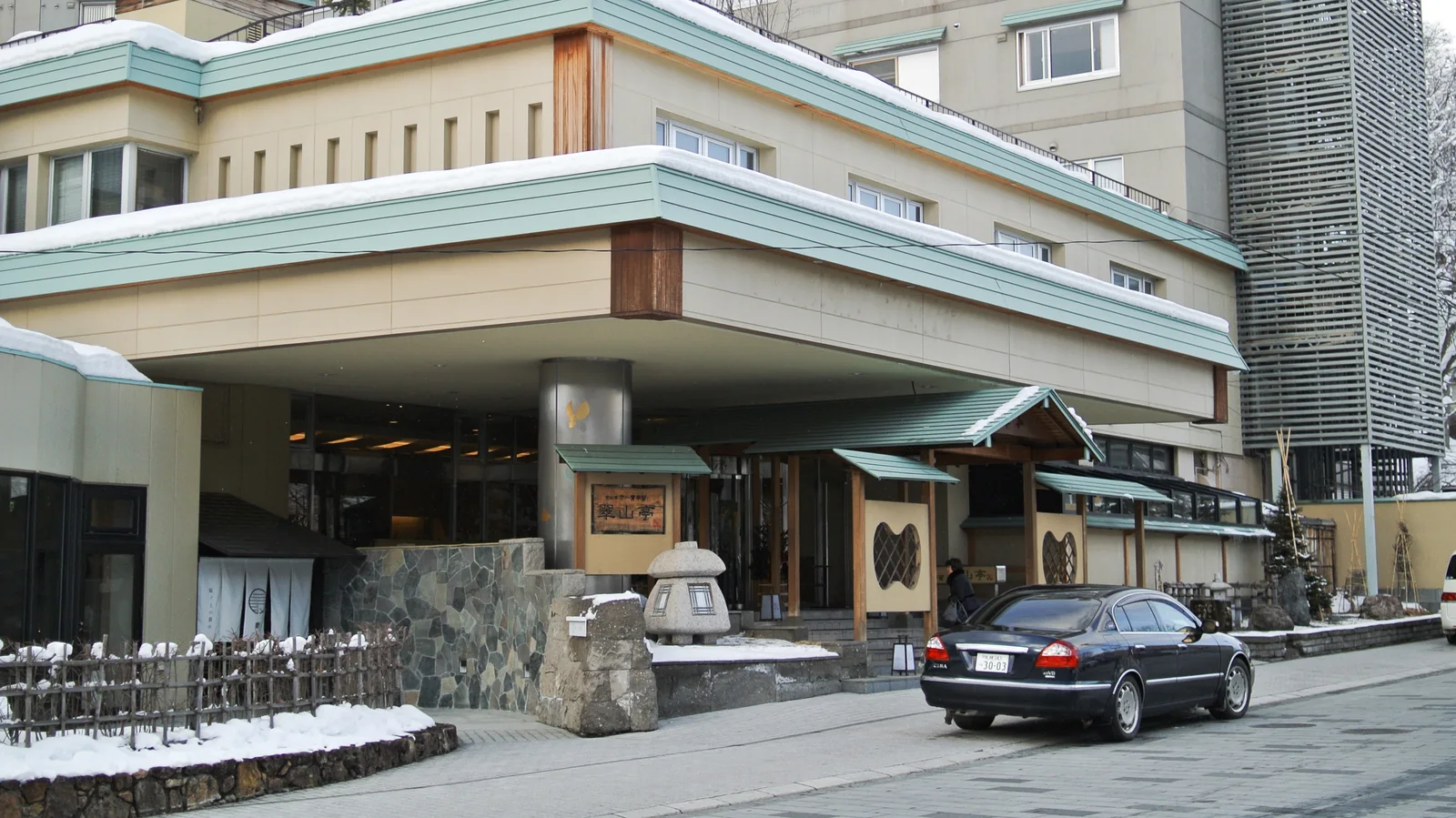
Booking a night at Asahidake Onsen is worthwhile mainly if you want early-morning mountain light, two days to catch a clear sky window, or direct access to hot springs after skiing. Lodges stretch along the mountain road from beside Sanroku Station all the way down to the Onsen entrance, with real walking distance between them. When checking booking listings, note the nearest bus stop and how manageable the walk to the front door is in snow. Late-afternoon arrivals should check dinner cut-off times and shuttle pick-ups in advance, as dining choices in the village are scarce and remote lodges are awkward to reach after eating out. Before riding the early ropeway the next morning, ask whether your lodge can hold large bags after check-out so you can board the return bus at the same stop.
Central Higashikawa also works well for drivers splitting mountain days from lowland exploring. You still have the 30 km drive up to Asahidake Onsen, yet if winds close the ropeway, you can dine in town and easily redirect to Asahikawa or Biei. Bus users board at Michikusa-kan and remain bound by the Route 66 timetable. When weighing a split two-night stay between the mountain and the valley, confirm whether the mountain lodge includes dinner and balance luggage hauling and daily driving against the perk of walking straight to the cable car first thing in the morning.
Going Beyond Sugatami Pond: Where Serious Hiking Begins
Mount Asahidake's summit stands at 2,291 metres — still nearly 700 vertical metres above Sugatami Station. Near Asahidake Ishimuro stone shelter beside the pond, a true mountain trail branches upward over loose scree, unstable pumice, and steep wind-exposed slopes. While casual sightseers fill the stretch from Sugatami Station to the pond, beyond the trail junction you rely on maps, waymarkers, and your own navigation skills if cloud rolls in. Check the Visitor Centre's climbing updates beforehand, use an offline map to identify clear turnback points, and set a hard turnaround time that leaves margin to catch the ropeway down.
On a summit morning, build buffer time into every leg — hiking, rests, the last ropeway down, and your return bus — and carry waterproofs, warm insulation, ample water, and a headtorch. When temperatures drop and cloud closes in, wind exposure worsens with every step higher. Summiting during snow season requires full winter mountaineering equipment and experience; an operating ropeway merely shortens the approach. Traverses to Susoaidaira or across the ridge to Kurodake demand dedicated full-day schedules and current reports on snowfields, trail markers, and mountain huts — never tack them onto a casual Sugatami Pond stroll.
The Visitor Centre asks hikers to submit a climbing itinerary to Hokkaido Police before setting off and sign the trail register on site, with logbooks available at Sanroku Station, Sugatami Station, and trailheads. The last flush toilets are at Sugatami Station; Asahidake Ishimuro only offers booths for portable toilet bags, which you should buy beforehand in Higashikawa or at the Visitor Centre and carry back down for disposal. An alternative hiking trail links Sanroku and Sugatami via Tennin-gahara Marsh across roughly 500 metres of elevation gain — it carries its own route map and seasonal snow reports and requires a full day's daylight.
The alpine garden lies within a protected zone, so keep strictly inside the roped trails and never step onto fragile vegetation. All of Daisetsuzan is also home to Hokkaido brown bears, and the Visitor Centre posts updates on sightings, tracks, and restricted areas. If advisories are active on the day you visit, reroute or turn back as directed on site, never approach wildlife for photos, and pack out every scrap of food. When crossing ridges past junctions, note landmarks and your return bearings so you can orient yourself if fog settles.
When the Ropeway Closes: Which Parts Are Still Worth Visiting
Before heading out, verify both whether the ropeway is running and the latest Sugatami trail report. When visibility is clear but the loop is icy, cut the visit short to views around Sugatami Station followed by a day-trip hot spring. If the cable car is halted while village roads stay passable, switch to lower-altitude walks around the base. Note that the Asahidake Visitor Centre is also closed from 16 to 27 November 2026 and again over New Year from 31 December to 5 January, so on those dates check individual lodges' own opening days before dropping in for a bath.
You can also pull up Higashikawa's live webcam mounted at Sugatami Station before leaving. Looking out from 1,600 metres, it shows immediately whether cloud hides the peak and how far snow reaches down the slopes — though you still need the Visitor Centre's trail report to judge actual underfoot conditions. If you leave before dawn or the feed looks stale, check the image timestamp first. Make any decision to cancel before boarding the bus, since turning around at the terminus means waiting until the next timetabled departure back.
Outside snow season, check the Visitor Centre's Asahidake Onsen Nature Trail map for walks around the base, including Yukomanbetsu Marsh and the surrounding conifer forest. In June 2026, the centre announced that ageing boardwalk sections had closed part of the loop, preventing a full circuit; the open stretch is entered and exited from the ropeway-side trailhead. For another woodland option, look for the Komakusa Course on the map. On 17 September 2026, patrols recorded autumn hues already spreading across Sugatami while trees down in the hot-spring village were just starting to turn yellow — so if you visit in late September, keep an eye on the lower woods as well.
In winter, consult the separate snowshoe and cross-country ski map, as base-trail openings are published independently of alpine snow reports. If you are still at Asahikawa Station when a closure is confirmed, swapping your Sugatami Pond day for plans in town saves well over three hours on the bus. If you have already reached Asahidake Onsen, pairing a long hot-spring soak with the next connecting bus back is far simpler than scrambling for transport to another peak.
Asahidake vs Sounkyo Kurodake: Which Ropeway Should You Choose?
Choose Asahidake in Higashikawa if it is your first visit and you want volcanic fumaroles alongside an alpine trail that easily breaks into shorter sections. Sounkyo lies on the Kamikawa side of the massif and suits travellers combining gorges and waterfalls with an overnight stay along an onsen street. There, the Kurodake Ropeway climbs in roughly 7 minutes from Sounkyo Station to the fifth-station Kurodake terminal at around 1,300 metres, where a short walk leads to a chairlift continuing to the seventh station; non-hikers can still enjoy mountain views from the fifth station before exploring the gorge below. If mountain reflections in an alpine pond are what you came for, keep your schedule focused on Asahidake.
Different companies operate the two sides. Dohoku Bus links Kamikawa Station to Sounkyo in around 30 minutes, with a 5-minute walk from the bus terminus to the Kurodake Ropeway base station, whereas Asahidake uses Route 66 from Asahikawa Station or Airport. Car-free visitors hoping to see both should base in Asahikawa and tackle them on separate days, leaving breathing room on each itinerary for trail walks and relaxing at the base afterwards. Drivers can visit Asahidake one day, drive round to Sounkyo the next, and overnight by the gorge; if persistent cloud blankets the heights, Sounkyo still offers plenty to see at valley level while you wait for the earliest clear window the following morning to ride up.
A few useful answers
How much is an adult return ticket on the Asahidake Ropeway?
It costs ¥2,800 from 1 November to 31 May, and ¥3,500 from 1 June to 31 October. Year-round child return tickets are ¥1,750.
When is the Asahidake Ropeway closed in 2026?
It closes for maintenance from 16 November to 10 December 2026. The published timetable for 11 to 31 December runs from the 09:00 first uphill car to the 15:40 final descent. Services may also pause temporarily during high winds or lightning risk.
How do I get from Asahikawa Station to the Asahidake Ropeway by bus?
Board Bus Route 66 (Ideyu-go) from Bus Stop 9 outside Asahikawa Station and ride to the Asahidake terminus for ¥2,300 adult single. If returning the same day, note the 14:55 or 16:55 downhill departures.
Do first-time visitors need to climb all the way to the summit?
No — the 1.7 km Sugatami Pond loop right outside Sugatami Station already showcases alpine ponds and volcanic fumaroles, taking around 60 to 90 minutes when open. Climbing to the summit follows a separate mountain trail that demands winter gear and mountaineering experience during snow season.
Official information and references
Sources used in this guide.
- Asahidake Ropeway: Fares, Boarding Guide & Operating Calendar
- Higashikawa Tourism Association: Ropeway November-December Maintenance Notice
- Asahikawa Denkikido: Bus Route 66 Asahidake Line
- Asahikawa Denkikido: Asahidake Line Bus Stop at Asahikawa Airport
- Asahikawa Denkikido: December 2026 Fare Table
- Ministry of Land, Infrastructure, Transport and Tourism: Sugatami Pond Loop Guide
- Asahidake Visitor Centre: Seasonal Trail Maps & Base Routes
- Asahidake Visitor Centre: Climbing Plans, Toilets & Trail Etiquette
- Asahidake Visitor Centre: November Newsletter & Year-End Closures
- Asahidake Visitor Centre: Winter Snowshoe Hire
- Asahidake Visitor Centre: Snow Conditions on 23 May 2026
- Asahidake Visitor Centre: Snow & Ice Report on 2 October 2026
- Asahidake Visitor Centre: Partial Closure of Yukomanbetsu Nature Area
- Asahidake Visitor Centre: Guided Walk Registration Sample
- Higashikawa Tourism Association: Asahidake Onsen Access & Parking
- Higashikawa Tourism Association: Sugatami Station Live Webcam
- Yukomanso: Day-Trip Onsen Hours & Bathing Fees
- Sounkyo Kurodake Ropeway: Access & Facilities
- Ministry of the Environment: Daisetsuzan National Park