Plan an independent autumn trip to Daisetsuzan. Choose between Asahidake Sugatami Pond, Kurodake Fifth Station, or Sounkyo Gorge by elevation, with ropeway fares, return buses, two-day driving routes, and onsen stays.
- Region & Focus
- Daisetsuzan
- Reading Scope
- 22 min read · 11 chapters · 4 Q&As
- Official Verification
- 22 official sources checkedUpdated 22 November 2026
- Key Topics
- SeasonsItinerariesHot springs
Chapter Route Map (tap any stop)
- Sugatami Pond in September, Mid-Slopes and Gorge Foliage in October
- Asahidake Ropeway to Sugatami Station: Starting the Walk from the First Lookout
- Asahidake Fares, Ticketing, and the Last Descent
- Buying Sounkyo Ropeway and Kurodake Chairlift Tickets Separately
- Half a Day in Sounkyo Gorge: Treat the Waterfalls and Momijidani as Two Separate Stops
- Catching the Bus from Stands 9 and 8 Outside Asahikawa Station
- Stick to One Side per Day, and Swap Days Around the Weather on a Two-Day Trip
- Base in Asahikawa for Flexibility, or Stay at Asahidake Onsen for Early Light
- Three Same-Day Checks for Visibility, Trail Surface, and Return Timing
- Ask at the Base How Far the Marshland Boardwalk Is Open
- Find Steady Footing on the Path Before Framing Autumn Shots
- Quick Q&A
If you want to catch Hokkaido's earliest autumn colours in mid-September, ride the Asahidake Ropeway up to Sugatami Pond to see alpine shrubs and ground-hugging tundra turning crimson. For departures in early October, compare the mid-mountain slopes along the ropeway with Sounkyo Gorge below, as the summit area may already be icy. With only one day, pick one side of the massif. If travelling between both sides by bus, basing yourself in Asahikawa keeps transfers to a minimum. If driving and adding an overnight onsen stay, the ropeway operator estimates around 2.5 hours between Asahidake Onsen and Sounkyo Onsen, so save the cross-park drive for daylight.
Sugatami Pond in September, Mid-Slopes and Gorge Foliage in October
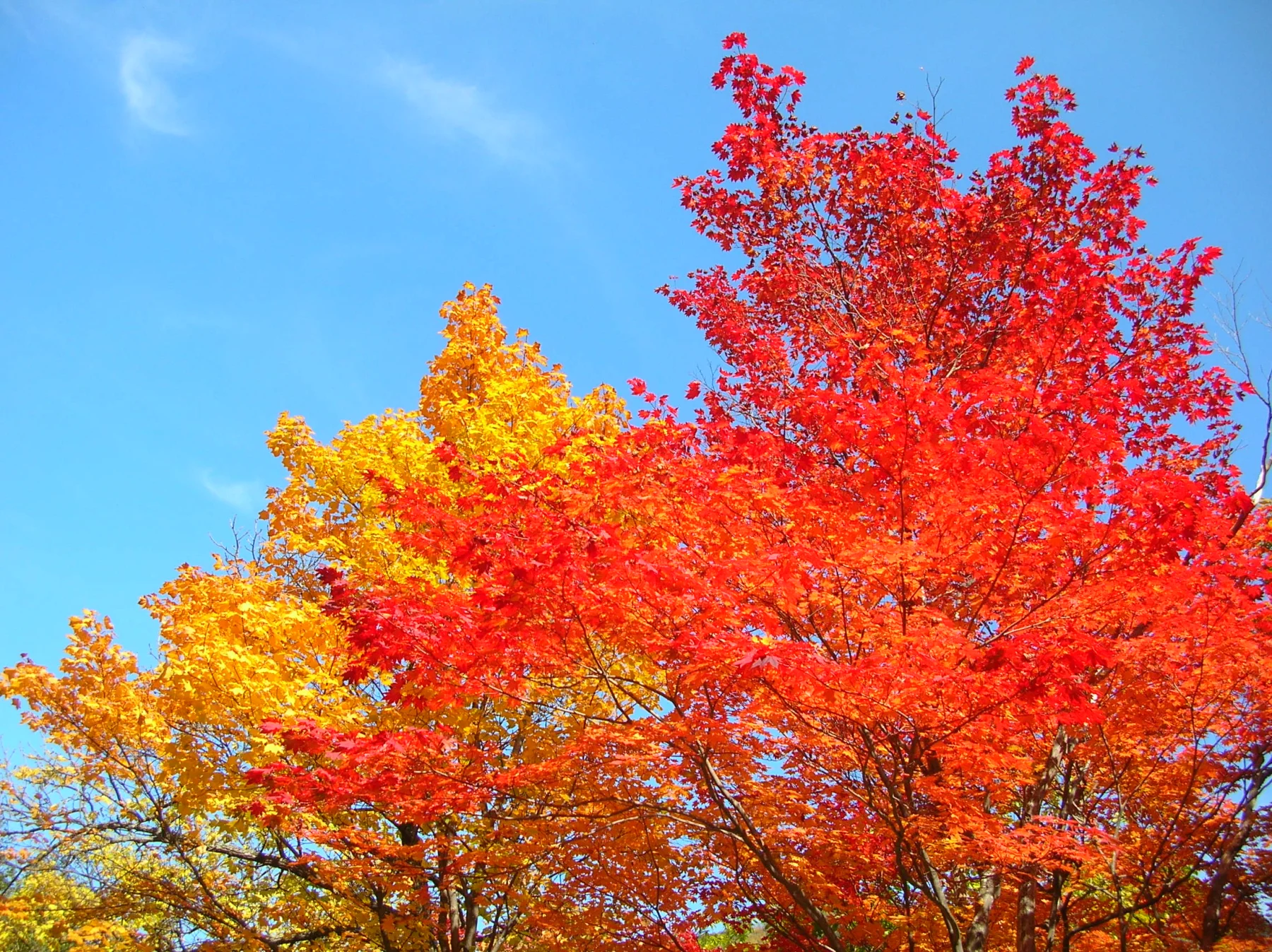
Asahidake's Sugatami Station sits at roughly 1,600 metres above sea level, whereas the Sounkyo Kurodake Ropeway climbs from the hot-spring village at around 670 metres to the Fifth Station at about 1,300 metres. On a single trip, you may photograph low-lying red foliage beside Sugatami Pond, yellowing birch trees from the ropeway cabin, and still-green woodland clinging to the gorge cliffs below. Decide which scene you want before booking your dates. Colour arrives at higher elevations first before moving down the ropeway corridors to the mountain base, so always check both the location and the date on any Daisetsuzan autumn photos you browse.
To frame Mount Asahidake and autumn colour in the same shot, set aside two mornings for Asahidake in mid-September: use one day to go up the mountain and keep the other for cross-regional travel or lower-elevation sights. The rusty-red leaves threaded among fluffy white seed heads are chinguruma (alpine avens), and you will also spot crimson rowan across the plateau. Because these plants grow far lower than lowland maples, keep your gaze near the edges of the trail. For broad swathes of yellow leaves, look down at the mid-slopes from the ropeway or head back down to the onsen area's nature trail.
On 13 September 2026, the Asahidake Visitor Centre recorded that rowan and chinguruma around Sugatami Pond had already changed colour, while Erman's birch below the ropeway were only starting to yellow. By 2 October, the first snow cap on Asahidake was observed: that morning, Sugatami Station sat at -1°C, with ice forming on sections of the steps down to the pond and snow covering parts of the path. Those two field reports show how the very same autumn ropeway ticket can buy a foliage walk one week and an icy alpine plateau the next.
In October, make Sounkyo Gorge your primary plan and wait until the day itself to ride up to Kurodake Fifth Station once you can see the cliffs clearly. If Asahidake still has colour on its mid-slopes under low summit cloud, check from the base which elevation bands remain visible and take the ropeway just for the slope views, or stick to the Asahidake Onsen nature trail. On 10-11 October 2026, the visitor centre noted that foliage around Sanroku Station had passed its peak and leaf drop was accelerating. To chase late-season colour, treat the 1,000-metre-plus base of Asahidake and the lower Sounkyo Onsen village as separate zones.
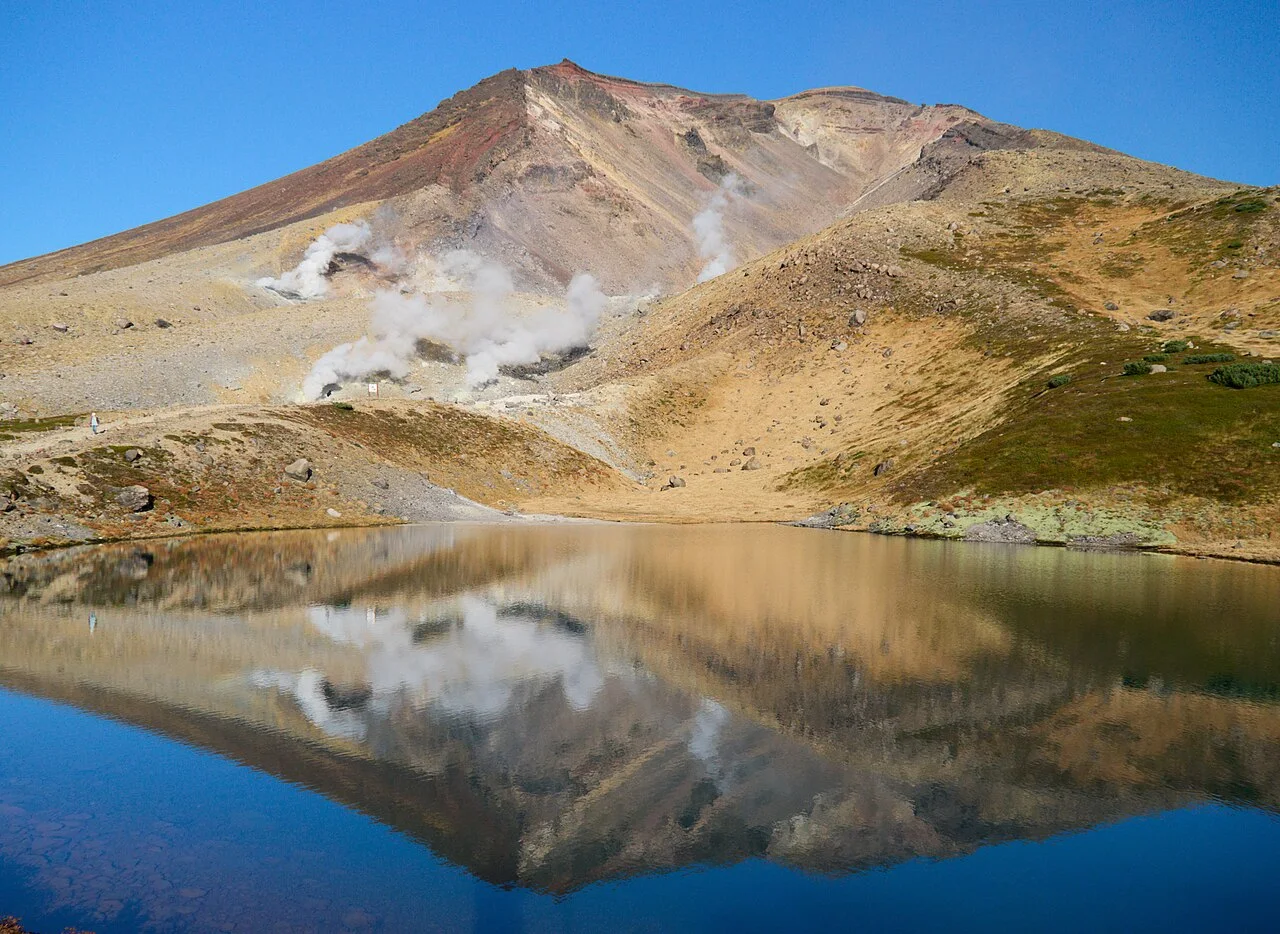
Plan an independent autumn trip to Daisetsuzan. Choose between Asahidake Sugatami Pond, Kurodake Fifth Station, or Sounkyo Gorge by elevation, with ropeway fares, return buses, two-day driving routes, and onsen stays.
Asahidake Ropeway to Sugatami Station: Starting the Walk from the First Lookout
Enter "Daisetsuzan Asahidake Ropeway Sanroku Station" into your satnav, or take Bus No. 66 to its final stop, "Asahidake". The visitor centre stands at the mountain base, while Sugatami Pond lies just outside the upper station. Before boarding, check the trail map at the visitor centre, ask whether any sections are icy, and agree on a meeting point with your group. The cable car takes roughly 10 minutes each way. If the mid-slopes show autumn colour on the ascent, snap one or two photos at different heights so you can easily pick out which tree line holds the best colour for your return.
The loop trail outside Sugatami Station measures about 1.7 kilometres, which the operator lists as roughly a one-hour walk. Head first to the First Lookout for a clear view of Asahidake's western face over dry footing, then continue towards Kagami Pond, Suribachi Pond, and Sugatami Pond. Around Kagami and Suribachi ponds there are several pools, so do not turn back at the first stretch of water you see. The visitor centre map marks each lookout and the route back to the station, making it straightforward to reorient yourself after stopping for photos by the water.
From the trail beside Sugatami Pond, you can look towards the steam vents of Jigokudani (Hell Valley). Asahidake is an active volcano, and the plumes gather and disperse in the wind. The Japan Meteorological Agency publishes volcanic activity updates for Daisetsuzan; if you encounter roped-off paths, warning signs, or staff directing foot traffic, follow the designated route. When lining up low-angle shots, keep both your feet and your tripod strictly on the trail. Flat-looking patches beside the pond may actually be fragile vegetation or boggy mud that damages root systems and swallows footwear.
Treat the one-hour loop as your walking baseline. Factoring in queueing at the base, the return cable car ride, adding layers after disembarking, photo stops, and waiting for the ride down, drivers should budget 2.5 hours to half a day at the mountain. If anyone in your party only wants to see the mountain profile and a quick patch of ground foliage, walk out from the upper station to the first section and return the same way. When wind ripples the pond surface, move on rather than waiting by the shore for reflections; if fog rolls in everywhere, heading back to the station saves you a trek down wet, slippery slopes.
Beyond Sugatami Pond, a mountaineering trail climbs towards the summit of Mount Asahidake. At 2,291 metres, Hokkaido's highest peak still involves nearly 700 metres of ascent from the upper station. If you are catching a bus, heading up in the afternoon, or only dressed for a gentle stroll, turn back to the station from the plateau loop. Crossing over the ridge from Asahidake to Kurodake is likewise a full alpine traverse. For the plateau walk, wear grippy shoes and a windproof jacket; for the summit trail, carry offline maps, spare thermal layers, drinking water, and proper mountain kit, and check current conditions with the visitor centre.
Asahidake Fares, Ticketing, and the Last Descent
Asahidake Ropeway's published peak-season fares apply from 1 June to 31 October: ¥3,500 return or ¥2,200 single for junior high school students and adults, and ¥1,750 return or ¥1,100 single for children. If you are walking the Sugatami Pond loop and heading straight back down, buy a return ticket. During the regular season from 1 November to the end of May, the adult return fare is ¥2,800. Travellers who last visited in summer or in previous years should check the current official fare table for everyone in their group.
Boarding at Asahidake is strictly first-come, first-served, with no advance time-slot reservations for either individuals or groups. The official timetable lists departures every 15 minutes in principle from 1 June to 20 October, switching to every 20 minutes from 21 October to the end of May, while first ascent and last descent times shift across the calendar. Traffic on the approach road, queues at the base car park, or shortened mountain operations can mean arriving before noon and still catching a later cabin than planned. On September weekends, put the ropeway first; booking an early lunch elsewhere will only cut short your time on the plateau.
Plan your afternoon return by working backwards from two timetables. Bus passengers face a hard cut-off at the departure time from Sanroku Station, while drivers are bound by the last downward ropeway and car park closing hours. Photograph the last-descent notice at the ticket counter before boarding and leave enough buffer to wait for one extra cabin on the way down. If staff announce that high winds may force an early suspension, head down as instructed and spend the rest of the afternoon around the onsen area.
Scheduled maintenance in 2026 runs from 16 November to 10 December, when the ropeway, restaurant, and shop all close, with services listed to resume on 11 December on the official calendar. If you ride Bus No. 66 to the base during that window, focus your plans on the visitor centre or hot-spring facilities confirmed to be open. If arriving on a late-evening flight into Asahikawa Airport in late autumn, save the mountain ascent for the next morning rather than trying to connect on the same day after services have finished.
Buying Sounkyo Ropeway and Kurodake Chairlift Tickets Separately
At Sounkyo, look first for the Kurodake Ropeway Sanroku Station. The ropeway reaches Kurodake Fifth Station in roughly 7 minutes, where you will find a viewing deck and a walking loop of about 30 minutes. When the foliage is out and your companions prefer minimal walking, a simple return ride on the ropeway gives views over the Ishikari River valley and the opposite mountainside. Families with young children can pause at the Fifth Station to enjoy the view from one or two angles, rest, and then decide whether to tackle the nature loop.
To continue to the Seventh Station, walk from the Fifth Station building across to the open-air chairlift boarding area. The summer sightseeing chairlift takes about 15 minutes each way and tops out at around 1,520 metres. Because you sit exposed to the elements for longer than on the ropeway, pull on a windproof layer at the Fifth Station if it is breezy or spitting with rain. If your hands already feel cold outside the station, keep your extra time for the valley floor below. Going higher from the Seventh Station in search of peak foliage puts you onto the Kurodake climbing trail, which requires proper hillwalking gear and strict turnaround timing.
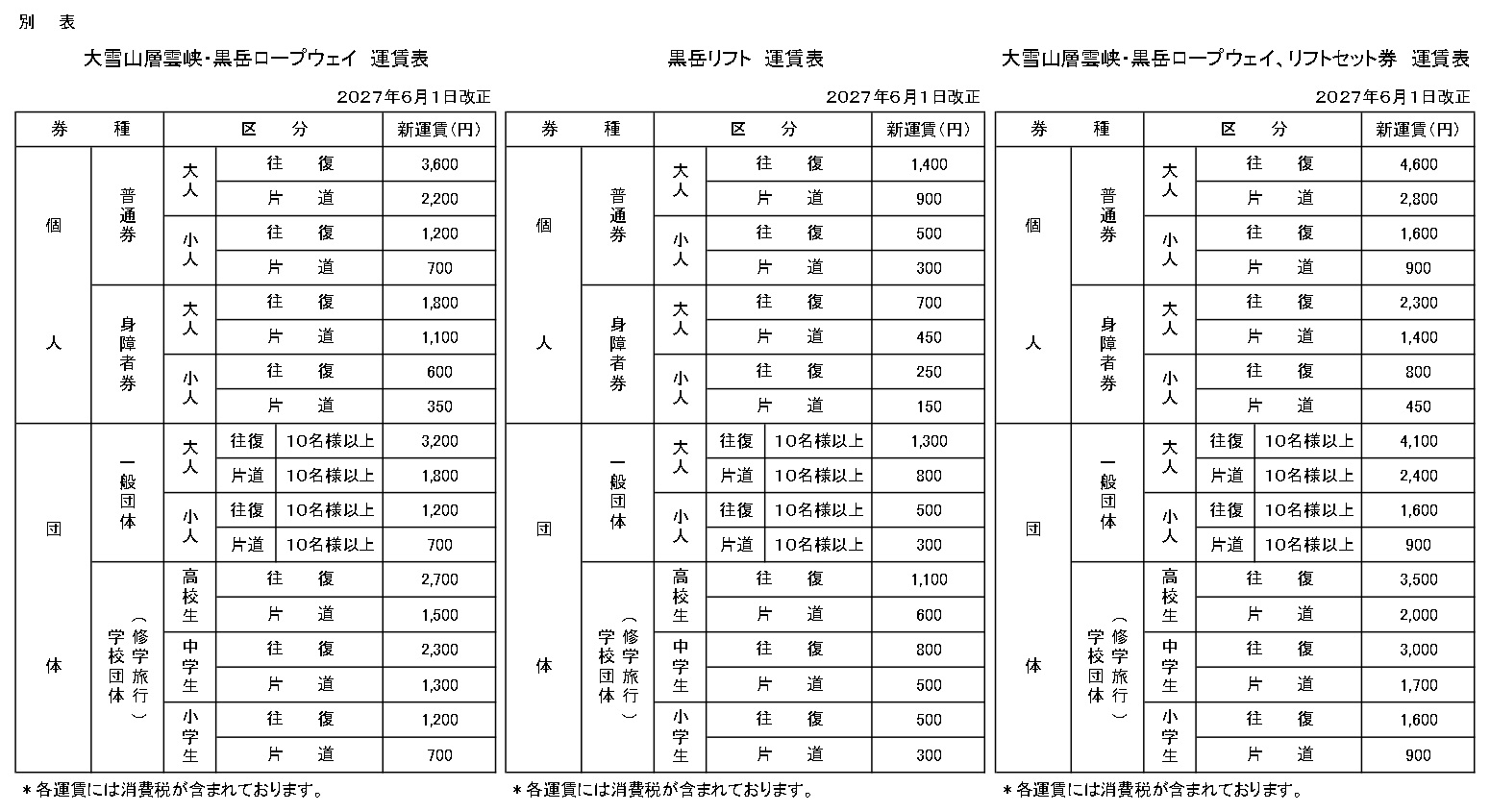
Through the end of May 2027, official return fares for the ropeway are ¥3,000 for adults and ¥1,500 for primary school children, while a combined summer ropeway-and-chairlift return ticket is ¥3,900 for adults and ¥1,950 for primary school children. From 1 June 2027, the ropeway return fare rises to ¥3,600 for adults and drops to ¥1,200 for primary school children, and the two-stage summer combo becomes ¥4,600 for adults and ¥1,600 for primary school children. If you only need the Fifth Station viewpoint, stick to the ropeway return ticket. Calculated using Asahidake's current peak adult fare, riding the ropeways on both sides totals ¥7,100 - or ¥8,100 if you add the Kurodake chairlift - excluding buses and accommodation.
Kurodake's published operating hours for 2027 are 06:00 to 18:00 from 21 June to 30 September, and 07:00 to 17:00 from 1 to 15 October, with the final upward departure 40 minutes before closing. Those hours apply to the ropeway; the chairlift follows its own autumn schedule. In 2026, the summer sightseeing chairlift operated until 15 October, after which the winter lift serves passengers carrying skis or mountain equipment. Before buying a combo ticket or planning a trip to the Seventh Station, check both the ropeway and chairlift columns on the operator's website, and factor waits for both the downward chairlift and the ropeway into the same return window.
Half a Day in Sounkyo Gorge: Treat the Waterfalls and Momijidani as Two Separate Stops
Ginga Falls and Ryusei Falls sit outside the hot-spring village and share a single waterfall viewing area. Both the rock faces and the cascades are visible straight from the car park, making this ideal after a rain shower, for older travellers preferring a flat stop, or when you only have a short afternoon window. To frame both waterfalls in a single photograph, the tourism association's route turns away from the falls and climbs the slope to the Sobakudai lookout in about 20 minutes - remember to allow time for the descent too. If visiting with toddlers, view the falls from the bottom first and save the upper lookout for when the slope is dry.
Bus travellers staying in Sounkyo Onsen village can make Momijidani (Maple Valley) their main walk instead. From the trailhead to Momiji Waterfall, the tourism association lists roughly 30 minutes each way, passing close to cliffs of columnar jointing; allow extra time for walking between the village and the trailhead. Check trail conditions at the visitor centre or your hotel the evening before, and switch to a village stroll if the path is closed. If you plan to visit Ginga and Ryusei Falls without a car, arrange a hotel shuttle or pre-book a taxi there and back before setting out.
For another dramatic gorge wall, drivers can continue along the national highway to Obako. Stick to the open viewing areas around the Obako car park. The tourism association explicitly warns that the Kobako trail is closed due to rockfall hazards, so cross Kobako off your autumn itinerary altogether. Ginsendai and Daisetsu Kogen Onsen also appear on regional foliage maps, though each involves a separate mountain road and hike. During the 2026 foliage season, both roads enforced private-car restriction dates announced separately for the Ginsendai and Kogen Onsen lines. To dedicate a day to either, check that year's restriction dates, shuttle bookings, and last bus times, and give it a full day.
Let your onward route decide between Momijidani, Sobakudai, and Obako. If you are catching the afternoon Bus No. 81 back to Asahikawa, staying near the hot-spring village keeps timing simple. If you are driving east towards Sekihoku Pass, Obako makes a convenient en-route stop. On days when high winds close the Kurodake Ropeway, expect rain down in the gorge as well - start with the waterfalls viewable from the car park and only climb to Sobakudai if the slope dries out.
Catching the Bus from Stands 9 and 8 Outside Asahikawa Station
For Asahidake, take Asahikawa Denkikidou Bus No. 66 ("Ideyu-go") from Stand 9 in front of Asahikawa Station, running via Asahikawa Airport and Higashikawa Michikusakan to the "Asahidake" terminus at the ropeway base. The current official timetable runs four return trips daily, departing Asahikawa Station at 07:15, 09:15, 12:15, and 14:15 for a journey of roughly 1 hour 48 minutes, with return departures from the ropeway base at 09:55, 11:55, 14:55, and 16:55. Read straight down the same column on the timetable, as stops in front of hot-spring hotels are listed separately from the ropeway station. If staying in the onsen area, ask your hotel for the exact name of the nearest bus stop and walking directions.
For a day trip from Asahikawa, taking the 09:15 out and the 14:55 back gives the most balanced pace. You reach the base at 11:03; locate the return bus stop first and gauge the ticket queue. If the line is long, eat lunch at the base and decide afterwards whether to walk a short out-and-back or the full loop. Early risers can catch the 07:15 bus to arrive at 09:03. Returning on the 11:55 service leaves a tight window best spent strolling near the upper station, while taking the 12:15 or later bus leaves little margin for walking if cloud, queues, or early late-autumn last descents intervene.
From Asahikawa Airport, the same Bus No. 66 departs towards Asahidake at 08:00, 10:00, 13:00, and 15:00. The operator notes that scheduled local buses leave strictly on time, so re-plan around the next departure if your flight is delayed. If flying out on your return leg, check the arrival time column for Asahikawa Airport and subtract check-in and security screening time once back at the terminal. Route 66 is subject to a fare revision effective 1 December 2026, so check the updated tariff table for full Asahidake fares. If travelling over the New Year or later seasons, re-verify departures using these stop names and confirm airport versus city boarding points with your companions.
Asahikawa Denkikidou's September 2026 fare table lists the adult single fare from Asahikawa Station to Asahidake at ¥2,300, and ¥1,650 from the airport. Return travellers can buy two single paper tickets from the bus information counter in central Asahikawa or the ticket machine at Asahikawa Airport. Officially supported IC cards are the local Asaca and DoCARD; travellers carrying only Suica or ICOCA can use the ticket machines or tap an accepted contactless credit card on equipped buses. Because the operator warns that substitute vehicles without card readers may occasionally run, keep exact cash on hand for smooth boarding.
For Sounkyo, take Dohoku Bus No. 81 from Stand 8 outside Asahikawa Station. You can also connect by bus from JR Kamikawa Station if the train and bus timings align. Sounkyo route timetables were revised from July 2026; check the stop-by-stop schedules in both directions on Dohoku Bus's site and verify the destination column shows "Sounkyo", since the same table lists services terminating at or starting from Kamikawa. If arriving in Asahikawa with large suitcases, leave them at your city hotel and pack layers and snacks into a single daypack for easier transfers.
Working from the July 2026 timetable, you can take the 06:55 Bus No. 81 to reach Sounkyo at 08:54, then return to Asahikawa on the 14:40 or 17:00 departure. There is also an 18:55 bus from Sounkyo terminating at Kamikawa - confirm and book your onward train before relying on it. Adult single fares are ¥2,140 between Asahikawa and Sounkyo, and ¥890 between Kamikawa and Sounkyo. In summer, Route 86 extends to Takimidai and the Obako entrance; on the 1 July to 31 October 2026 timetable, the bus reaches Takimidai at 13:09 and returns at 13:49, leaving just enough time after walking from the stop for photos from the valley floor. Book a taxi back to the village if you want to climb up to Sobakudai.
Stick to One Side per Day, and Swap Days Around the Weather on a Two-Day Trip
Buses from Asahikawa head in different directions for each side of the mountain, so returning to the city saves scrambling for connections. On a two-night stay in Asahikawa, give the clearer morning to Asahidake and Sugatami Pond. On the other morning, head to Sounkyo for the Kurodake Ropeway, have lunch, stroll through the hot-spring village and Momijidani, and grab a bite in the valley before catching the bus back. If you need a taxi for the waterfalls, book both pick-up and drop-off times before setting off. Trying to ride back from Asahidake to Asahikawa and transfer to Sounkyo on the same day burns most of your daylight on buses and waits, making sense only if your goal is simply checking into an onsen hotel for the night.
With just one day and a clear mid-September forecast, pick Asahidake: take an early bus up to Sugatami Plateau after checking the map at the visitor centre, and carry lunch to eat once back down. In early October with older companions, choose Sounkyo, where both the ropeway and valley walks are gentle and the flat waterfall stop keeps walking effort low. For a day trip from Sapporo, verify the first and last Asahikawa bus departures before booking trains. From spring 2026, JR Hokkaido's Lilac and Kamui limited express trains became all-reserved seating, so build transfer slack into your return booking to Sapporo. To catch the 07:15 bus to Asahidake, stay in Asahikawa the night before.
On a two-day driving itinerary with an overnight stay in Sounkyo, leave Asahikawa early on Day 1 for Asahidake - the ropeway operator estimates around 1 hour 10 minutes' drive. Explore Sugatami Pond, eat lunch, and leave the base in the afternoon for Sounkyo, allowing extra time for meals, fuel, and slower traffic on top of the operator's 2.5-hour estimate between the two onsen areas. Ride up Kurodake on Day 2 morning, return to the village for lunch, add the waterfalls or Momijidani, and drive back to the lowlands before dusk. Peak-season parking at Asahidake Sanroku Station costs ¥500 for standard cars, and queues can form when spaces fill on weekends. If you have a fixed hotel dinner slot that evening, decide before lunch - based on which cabin you actually board - whether to complete the full pond loop.
When plotting navigation, set Asahidake Ropeway Sanroku Station and your Sounkyo Onsen hotel as separate stops and stick to paved main roads between them. The short distance between the two peaks applies only to mountain trails; ignore any forestry-road shortcuts marked with warnings. Top up fuel beforehand and test your windscreen demister. When hiring a car in late autumn, check which tyres are fitted, and switch to lowland alternatives if early snow, black-ice warnings, or road closures appear. If your hotel sits up a steep approach road, arriving before dark makes finding the entrance and parking far easier.
If continuing towards Biei and Furano on Day 3, place Asahidake on the day closest to Higashikawa before heading across the hills or towards Shirogane. Returning from Sounkyo via Asahikawa before driving to Biei requires extra time for switching routes or collecting a hire car. If your travel dates already fall in Hokkaido's mid-to-low-elevation foliage window, use the Hokkaido Autumn Leaves Guide to compare areas around Sapporo and match your expectations to the elevation you are visiting.
Base in Asahikawa for Flexibility, or Stay at Asahidake Onsen for Early Light
If travelling by public transport, a hotel next to Asahikawa Station makes an ideal two-night base. Both bus stands sit side by side, and you can leave main luggage with the same hotel under their storage rules. If Sugatami Station is socked in with fog at breakfast, you simply walk to the next stand for Sounkyo or spend the day in town. Even if you take the final Bus No. 66 back, you are straight back in the city for dinner. Anyone catching the last train out of Asahikawa should still book a ticket with enough buffer for bus delays.
Asahidake Onsen suits travellers keen on catching Sugatami Pond in crisp morning light. When choosing accommodation, compare the hotel address, the nearest bus stop, and the walking time to the ropeway base. Though the trailhead area and the lower onsen entrance share the Asahidake name, dragging suitcases uphill takes far more effort than walking empty-handed, especially in rain. If your hotel offers a shuttle, check whether it serves Asahikawa Station, the airport, or local bus stops. Where breakfast starts late, ask if an earlier meal is possible or bring provisions so you can reach the plateau while the light holds.
A half-board stay at Sounkyo Onsen pairs well with the early Kurodake Ropeway. Check your hotel's exact address before booking to see how far it is from the village bus stop, Kurodake Sanroku Station, and local restaurants. If you want gorge views from your window, pick a room facing the valley on a higher floor. Outdoor walkways, steps, or cleaning hours at communal baths can also matter for older travellers. If arriving late, check final check-in and dining cut-offs; should you linger on the mountain close to dinner service, prioritise your booked meal over an extra stop at the waterfalls rather than relying on sightseeing area closing times.
Day-trippers hoping to soak in an onsen should check last-entry times and the final bus first, then fit meals into a flexible gap. If you already have dinner booked at your hotel, pack a simple lunch to carry up the mountain. Stopping at Higashikawa's Michikusakan roadside station for lunch works well by car; on Bus No. 66, stepping off mid-route means waiting for the next service, so buy provisions at Asahikawa Station or eat at the mountain base instead of cramming photos and bus waits into the afternoon.
Three Same-Day Checks for Visibility, Trail Surface, and Return Timing
Check conditions on the side you plan to visit before leaving your hotel. The Asahidake Ropeway website shows live weather and webcam views at the upper station so you can tell whether the ridges are visible. The Asahidake Visitor Centre's plateau reports reveal whether paths are dry earth, wet stone, or slushy snow. Kurodake also posts live operational status - read the ropeway row and then the chairlift row separately. If the webcam image has not updated or dates do not match, rely on the operator's and staff's same-day guidance. Blue skies over Asahikawa Station do not rule out thick cloud at Sugatami.
When the slopes are visible and trails are dry, follow your planned loop. If it is windy with patchy fog while the ropeway is still running, treat the First Lookout as your turnaround point and continue to the ponds only if visibility holds. Once ice forms on paths outside the station or snow hides trail edges, keep casual foliage walks to the cleared zone right by the upper station. Should thunder, gale-force suspensions, or road warnings along the valley occur, move indoors or down to lowland sights. If a family decides to wait out fog, agree on a firm cut-off time before switching to a pre-selected lower route.
Dress in removable layers. Queueing at the base station can feel warm, so stow your mid-layer in your daypack until just before boarding, then put it on as you step out above. Choose a wind- and rainproof shell over quick-drying base layers that handle sweat on inclines, paired with lugged soles and a spare pair of dry socks. If children get cold hands, wet shoes, or unsteady footing, turn back towards the station earlier than you would on a lowland walk. Pushchair users should inspect photos of the upper station first - gravel, steps, and puddles limit access, making the station surrounds and valley waterfall car park better choices. Travellers needing wheelchair or boarding assistance should contact the ropeway and bus companies ahead with chair dimensions so staff can advise which sections are accessible.
If thick fog persists until midday, stick to the Asahidake Onsen trails or check live route updates at the visitor centre. Before heading to Sounkyo, confirm whether Momijidani and the waterfall viewing area are open, and only make the cross-mountain drive if you have enough daylight left. Because the Asahidake Onsen nature trail and the upper Sugatami Pond loop are completely separate networks, rainy days at the base are best spent walking the visitor-centre-mapped loop near the onsen, keeping time and dry socks in reserve for the journey back.
Ask at the Base How Far the Marshland Boardwalk Is Open
Yukomabetsu Marsh sits at the foot of Asahidake, offering a short boardwalk section for viewing autumn colours near the hot-spring village. In June 2026, the Asahidake Visitor Centre announced partial closures along the boardwalk due to ageing timber; the open stretch is accessed from the ropeway side as an out-and-back walk. Guests staying in Asahidake Onsen who plan to ride up the mountain the next day should walk this boardwalk before checking in and return to their hotel afterwards, rather than hunting for a shortcut through the trail to Sanroku Station the following morning. The visitor centre's nature-trail map outlines several variations depending on current closures and your group's pace.
Brown bear sightings are also recorded around the foot of Asahidake. The visitor centre's 2026 sighting log includes the Yukomabetsu Marsh boardwalk and roads below the onsen area. Cross-check the latest sighting map against your route and turn back immediately if any section is closed. On open woodland stretches, stay together as a group, avoid dawn and dusk, and pack out all food and wrappers. If you spot a bear beside the road while driving, stay inside your vehicle, let it clear the carriageway, and never get out to follow it for photos.
Sugatami Plateau is a Special Protection Zone where picking plants or introducing non-native flora is prohibited; leave fallen berries and leaves untouched on the trail as well. Use the toilets inside Sugatami Station before stepping out onto the plateau, and carry your rubbish back down. Anyone taking side trails should download the official map at the base first. If someone in your group twists an ankle, gets chilled, or runs into heavier rain, return together via the nearest open route rather than splitting into two groups in exposed winds.
Find Steady Footing on the Path Before Framing Autumn Shots
Clear reflections on Sugatami Pond require still water and ridges free of cloud. A crisp, dry morning deserves top spot in your schedule; if wind brings ripples or harsh glare, keep moving around the loop to focus on foliage and rock textures instead. When shooting downwards, crimson alpine shrubs easily blend into gravel behind them - place the red leaves in one corner with a paler slope behind them so both the foliage and rising steam stand out. To shoot close-ups of grasses and leaves, zoom in from the edge of the path while leaving room for walkers behind and ahead of you.
From Kurodake Fifth Station, a medium telephoto lens works best for the mid-slopes. Pick a sunlit cliff face from the deck and frame the boundary where yellow birches meet bare rock, which conveys the change in elevation far better than a wide shot dominated by overcast sky. Because the upper station sits close to the return queue, you can wait for cloud shadows to pass and take one last look at the same slope before descending. Press close to the glass to cut reflections inside the ropeway cabin, and if the car is crowded, yield the window to passengers who boarded earlier and save your shots for the lookout.
Ginga Falls spreads into delicate white strands, whereas Ryusei Falls drops as a single concentrated chute. Even in shaded valley light, the wet rocks and yellow leaves photograph well, while Sobakudai is mainly for framing both cascades with the central cliff between them. In rain, get your shots from the car park first before deciding whether to climb the slope. Keep a dry cloth in your jacket pocket for your phone, and stow cameras inside your bag before stepping from cold mountain air into heated buildings so condensation clears gently as gear warms up. Bus passengers nearing their pick-up time should stay on the same side of the valley floor so you can wait for one more shaft of light without missing your ride.
A few useful answers
When is the best month to see autumn leaves in Daisetsuzan?
Aim for mid-September to see the alpine tundra around Asahidake's Sugatami Pond. By early October, focus on Sounkyo Gorge and the mid-slopes visible from the ropeways, as some years already bring snow or icy paths to upper Asahidake. Check dated photos from the visitor centre by exact location before travelling.
Can you visit both Asahidake and Sounkyo in a single day?
Picking one side per day gives you proper walking time. The ropeway operator estimates roughly 2.5 hours' drive between Asahidake Onsen and Sounkyo Onsen. With two days by car, add a night in Sounkyo Onsen; by bus, base yourself in Asahikawa and dedicate one day to each.
Do I need a chairlift combo ticket if I am only going to Kurodake Fifth Station?
No - a Kurodake Ropeway return ticket takes you to the Fifth Station viewing deck. You only need the ropeway-and-chairlift combo if you intend to continue to the Seventh Station and the summer chairlift is running that day.
How long does the full Sugatami Pond loop take to walk?
The operator lists the trail at about 1.7 kilometres, taking around one hour on foot. Add extra margin for photo stops, icy patches, or a gentler pace, or walk as far as the First Lookout and turn back along the same path.
Official information and references
Sources used in this guide.
- Daisetsuzan Asahidake Ropeway operations, seasonal fares, trails, and driving time estimates
- Asahidake Visitor Centre Sugatami Pond and onsen area trail map
- Asahidake Visitor Centre Sugatami Pond autumn foliage report (13 September 2026)
- Asahidake Visitor Centre early snow and ice report around Sugatami Station (2 October 2026)
- Asahidake Visitor Centre mountain base foliage report (10-11 October 2026)
- Sounkyo Kurodake Ropeway and summer chairlift operating information
- Kurodake Ropeway and chairlift revised fare table from 1 June 2027
- Asahikawa Denkikidou Bus No. 66 Asahidake Line and airport timetable
- Asahikawa Denkikidou fare revision notice effective December 2026
- Dohoku Bus stop-by-stop timetable (Sounkyo Line return services)
- Sounkyo Tourism Association July 2026 bus timetable revision notice
- Sounkyo Tourism Association Ginga Falls, Ryusei Falls, and Sobakudai lookout
- Sounkyo Tourism Association Momijidani walking trail
- Sounkyo Tourism Association Obako and Kobako trail closure notice
- Sounkyo Tourism Association 2026 autumn foliage traffic restrictions for Ginsendai and Kogen Onsen
- Asahikawa Local Meteorological Observatory volcanic monitoring and disaster information
- Ministry of the Environment Daisetsuzan National Park sights and visitor centres
- JR Hokkaido all-reserved seating notice for Asahikawa-bound limited express trains
- Asahikawa Denkikidou Bus No. 66 onboard contactless payment notice
- Asahidake Visitor Centre partial closure notice for Yukomabetsu Marsh boardwalk
- Asahidake Visitor Centre 2026 brown bear sighting records
- Asahidake Visitor Centre plateau conservation and trail etiquette