Plan a Daisetsuzan autumn foliage trip by elevation across Asahidake Sugatami Pond, Kurodake 5th Station, and Sounkyo Gorge, with ropeway fares, bus schedules, a two-day driving loop, and onsen stays.
- Region & Focus
- Daisetsuzan
- Reading Scope
- 22 min read · 11 chapters · 4 Q&As
- Official Verification
- 22 official sources checkedUpdated November 22, 2026
- Key Topics
- SeasonsItinerariesHot springs
Chapter Route Map (tap any stop)
- Sugatami Pond in September, Mid-Slopes and Gorges in October
- Ride the Asahidake Ropeway to Sugatami Station and Start at the First Observatory
- Asahidake Fares, Tickets, and the Last Descent Down
- Buying Sounkyo Ropeway and Kurodake Chairlift Tickets Separately
- Half a Day in Sounkyo Gorge: Treat the Waterfalls and Momijidani as Separate Stops
- Buses from Asahikawa Station: Watch Stands 9 and 8
- One Side per Day, or Swap Days by Weather Over Two Days
- Base in Asahikawa for Flexibility, or Asahidake Onsen for Early Light
- Three Same-Day Checks for Visibility, Trails, and Return Timing
- Check How Far the Marsh Boardwalk Is Open at the Base
- Find Solid Footing on the Trail Before Framing Fall Shots
- Quick Q&A
To catch Hokkaido's earliest autumn colors in mid-September, ride the Asahidake Ropeway up to Sugatami Pond, where alpine shrubs and tundra turn bright crimson. By early October, compare the mid-mountain slopes along the ropeways with Sounkyo Gorge below, since upper trails may already be icy. If you have only one day, pick one side of the massif. Travelers linking both sides by bus save transfers by basing in Asahikawa, while drivers adding an onsen night should plan the roughly 2.5-hour drive between Asahidake Onsen and Sounkyo Onsen during daylight.
Sugatami Pond in September, Mid-Slopes and Gorges in October
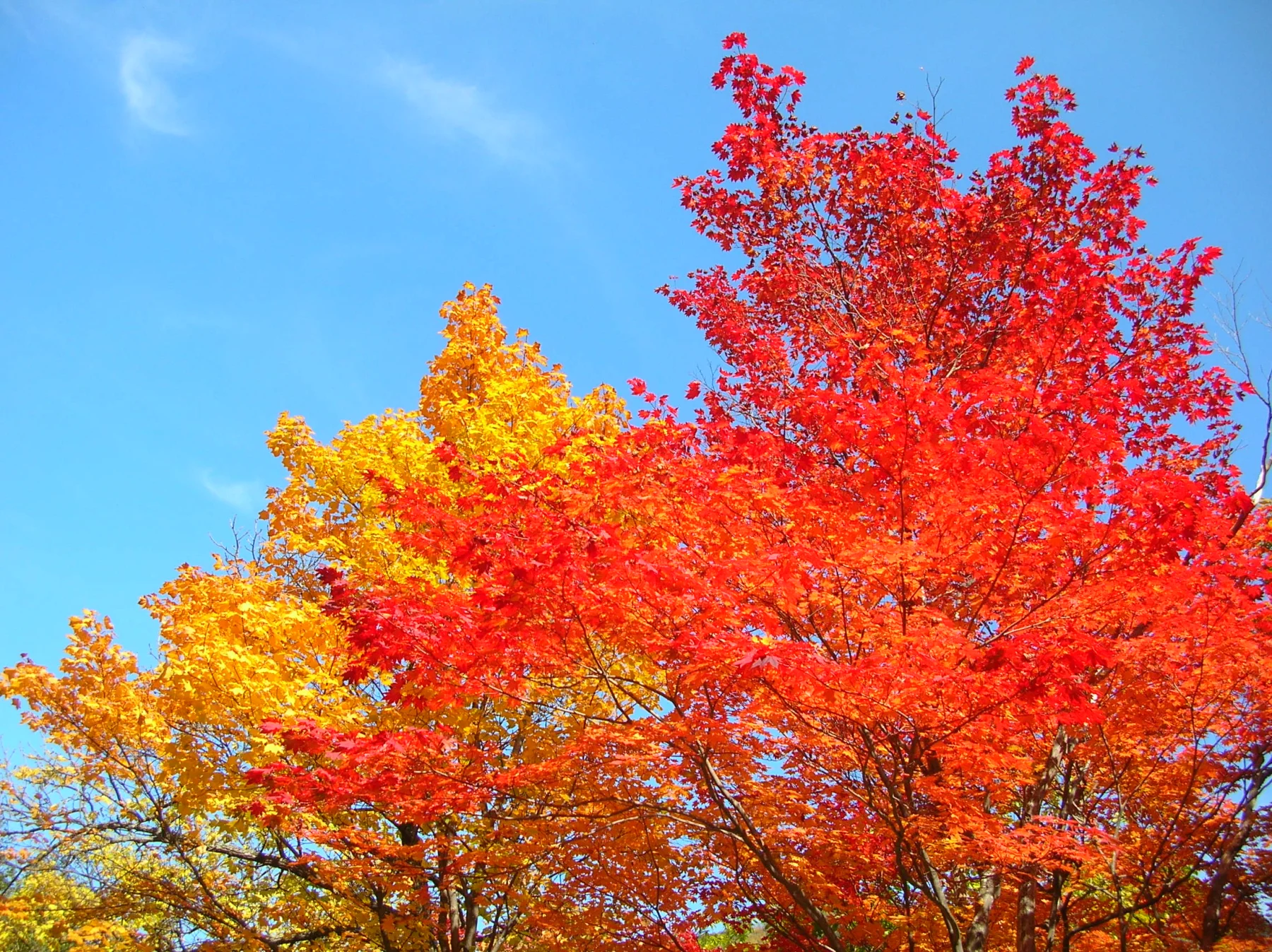
Asahidake's Sugatami Station sits at roughly 1,600 meters, while the Sounkyo Kurodake Ropeway climbs from the hot spring town at around 670 meters to the 5th Station at about 1,300 meters. On a single trip, you can see ground-hugging crimson tundra around Sugatami Pond, yellowing birch across the ropeway slopes, and green trees still clinging to the gorge walls below. Pick your dates around the scene you want most. Color starts at the top and works its way down to the ropeway lines and valley floor, so always match any Daisetsuzan foliage photos you find online to their exact location and date.
To frame Mount Asahidake and fall color in one shot, set aside two mornings for Asahidake in mid-September. Use one clear morning to go up the mountain, and keep the other for transfers or lower-elevation stops. The plants pairing fluffy white seed heads with russet leaves are Aleutian mountain avens (chinguruma), and you will also spot crimson rowan shrubs around the park. Because these species grow much lower than lowland maples, scan the edges of the trail rather than looking up. Broad sweeps of yellow leaves appear along the mid-mountain slopes from the ropeway cabin or down along the Asahidake Onsen nature trails.
On September 13, 2026, the Asahidake Visitor Center logged that rowan and mountain avens around Sugatami Park had already turned, while Erman's birch below the ropeway was just starting to yellow. By October 2, the mountain recorded its first snowcap, with morning temperatures at Sugatami Station dipping to -1°C, partial ice on the steps down to the pond, and snow covering the trail surface. Those two field reports show why the exact same autumn ropeway ticket can mean either a foliage walk or a frozen alpine trail just weeks apart.
For an October visit, make Sounkyo Gorge your anchor and wait to ride up to Kurodake 5th Station until you can clearly see the mountain wall that morning. If Asahidake shows color on the mid-slopes under low summit clouds, check from the base which elevation band is clear, ride the ropeway for the mid-slope views, or stick to the onsen nature trails. On October 10-11, 2026, the visitor center noted that foliage around Asahidake's base station had already passed peak with leaves dropping fast. In late autumn, treat the base of Asahidake above 1,000 meters and the lower Sounkyo Onsen valley as two separate color zones.
Plan a Daisetsuzan autumn foliage trip by elevation across Asahidake Sugatami Pond, Kurodake 5th Station, and Sounkyo Gorge, with ropeway fares, bus schedules, a two-day driving loop, and onsen stays.
Ride the Asahidake Ropeway to Sugatami Station and Start at the First Observatory
Set your GPS to Daisetsuzan Asahidake Ropeway Sanroku Station, or take Bus 66 to the final stop, Asahidake. The visitor center sits at the base, and Sugatami Pond lies just outside the upper station. Before boarding, check the trail map inside the visitor center, ask which sections have ice, and agree on a meeting point. The gondola ride takes about 10 minutes each way. If the mid-slopes are turning on the ride up, snap a couple of photos at different elevations so you can spot the most colorful tree line on the way down.
The loop outside Sugatami Station runs about 1.7 km, with the operator listing roughly one hour of walking time. Start toward the First Observatory to view Asahidake's western flank from a clear, dry vantage point before continuing toward Kagami Pond, Suribachi Pond, and Sugatami Pond. Several small ponds cluster near Kagami and Suribachi, so do not turn back at the first pool you see. The visitor center map marks every lookout and the return path back to the station, making it easy to orient yourself while shooting by the water.
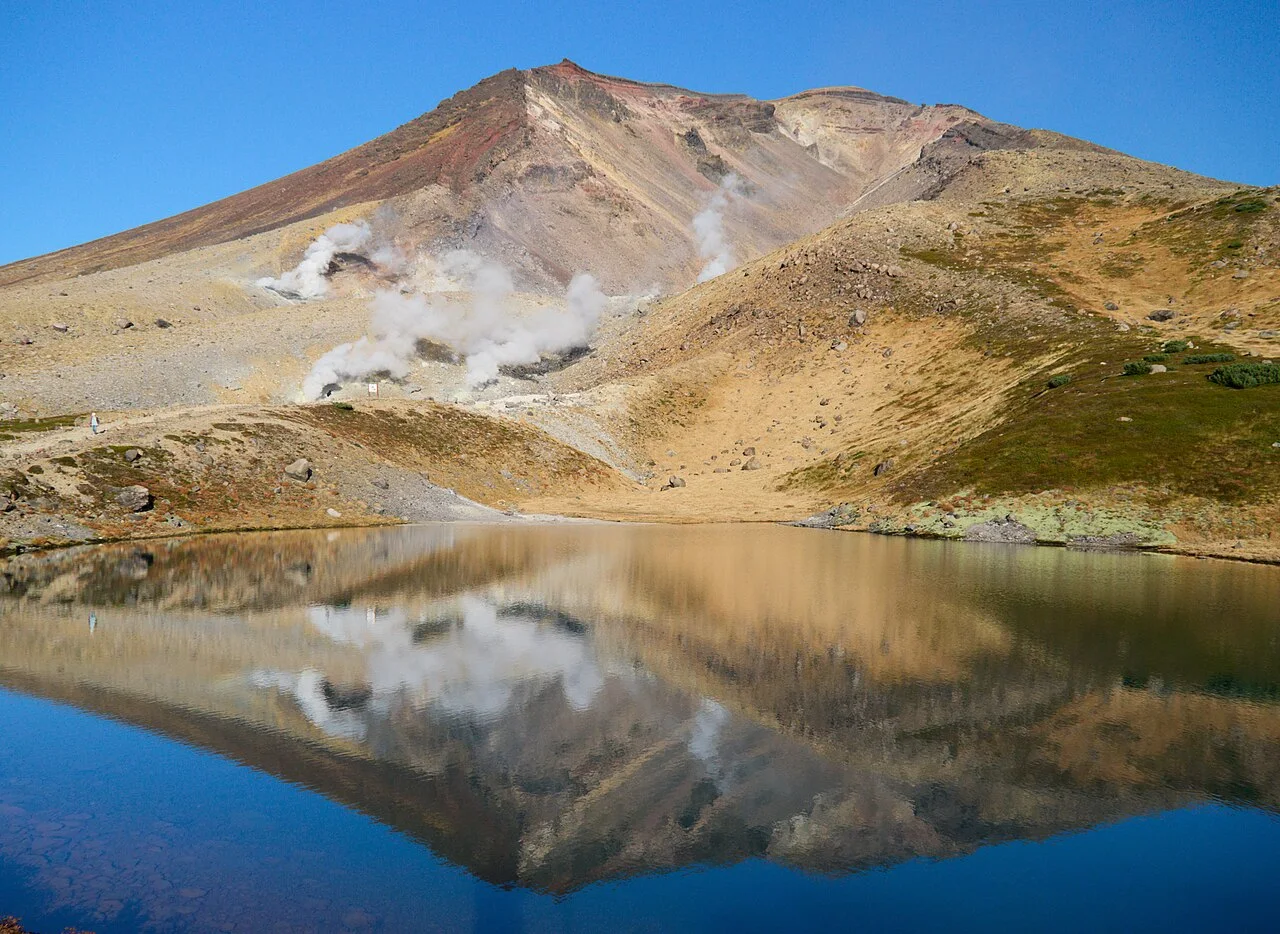
From the boardwalk near Sugatami Pond, you can watch steam vents drifting across Jigokudani. Asahidake is an active volcano, and the plumes gather and scatter with the wind. The Japan Meteorological Agency publishes volcanic monitoring data for Daisetsuzan; always follow ropes, warning signs, and staff directions on site. Keep both your feet and tripod legs inside the marked trail when framing low-angle shots. Ground along the pond edges that looks flat may be fragile alpine vegetation or soft mud that damages root systems and swallows shoes.
Treat the one-hour loop as walking time only. Factoring in the base ticket queue, round-trip gondola rides, layering up at the top, photo stops, and the return wait, drivers should budget 2.5 hours to half a day at the base. Companions who only want to see the peak and some ground-level color can walk out to the first section from the upper station and return the same way. If wind ripples the pond surface, keep moving around the loop rather than waiting endlessly for a reflection. In thick fog, turning back toward the station early saves you from navigating slick slopes.
Beyond Sugatami Pond, a rugged climbing trail climbs to the summit of Mount Asahidake, Hokkaido's highest peak at 2,291 meters—nearly 700 vertical meters above the upper station. If you are catching a bus, heading up in the afternoon, or dressed only for a casual walk, stay within the Sugatami loop. Crossing the ridge from Asahidake to Kurodake is also a full alpine traverse. Dress for the boardwalk with grippy shoes and a windproof shell; attempting the summit requires offline maps, spare warm layers, drinking water, proper mountain gear, and a seasonal conditions check at the visitor center.
Asahidake Fares, Tickets, and the Last Descent Down
Asahidake Ropeway's peak-season fares run from June 1 through October 31. Junior high students and adults pay ¥3,500 round-trip or ¥2,200 one-way; children pay ¥1,750 round-trip or ¥1,100 one-way. If you are hiking the Sugatami Pond loop and returning to the base, buy a round-trip ticket. From November 1 through the end of May, regular-season adult round-trip tickets drop to ¥2,800. Anyone who visited in summer or previous years should double-check the current season's official fare chart for their group.
Boarding at Asahidake is first-come, first-served, with no advance time-slot reservations for individuals or groups. The official schedule lists departures every 15 minutes from June 1 to October 20, shifting to every 20 minutes from October 21 through the end of May. First uphill and last downhill times shift across the calendar. Between approach road congestion, base parking queues, and weather-shortened schedules, even pre-noon arrivals can board later than planned. On September weekends, put the ropeway first; booking an early lunch reservation can cut short your time on the mountain.
Work backward for the afternoon descent using two timetables: bus riders are bound by the base bus departure, while drivers are bound by the last ropeway down and parking lot closing hours. Snap a photo of the last-car notice at the ticket counter before going up, and leave enough cushion to catch the gondola before the final car. If staff warn on-site that high winds may halt service early, head down immediately and pivot to the onsen trails below.
In 2026, scheduled maintenance closes the ropeway, restaurant, and shop from November 16 to December 10, with the official calendar resuming departures on December 11. Taking Bus 66 to the base during that window limits you to the visitor center and confirmed open onsen facilities. If you land at Asahikawa Airport on a late flight in late autumn, save the mountain for the next morning instead of rushing up after the last gondola has already run.
Buying Sounkyo Ropeway and Kurodake Chairlift Tickets Separately
In Sounkyo, head first to the Kurodake Ropeway Sanroku Station. The gondola takes about 7 minutes up to Kurodake 5th Station, where you will find a viewing deck and a 30-minute walking path. When the mountain slopes are clear and companions prefer minimal walking, a simple ropeway round-trip already delivers views over the Ishikari River valley and the opposite ridge. Families with young kids can take in the main slope from one or two spots at the 5th Station, rest up, and then decide whether to tackle the short loop.
To reach the 7th Station, walk from the 5th Station building to the open-air chairlift boarding area. The summer sightseeing chairlift takes about 15 minutes one-way up to roughly 1,520 meters. Because you sit exposed to the air far longer than in the gondola, put on a windproof layer at the 5th Station if it is breezy or drizzling. If your hands are already freezing outside the 5th Station, save your energy for the gorge floor. Continuing past the 7th Station puts you onto the Kurodake mountain trail, which calls for alpine turnaround times and gear.
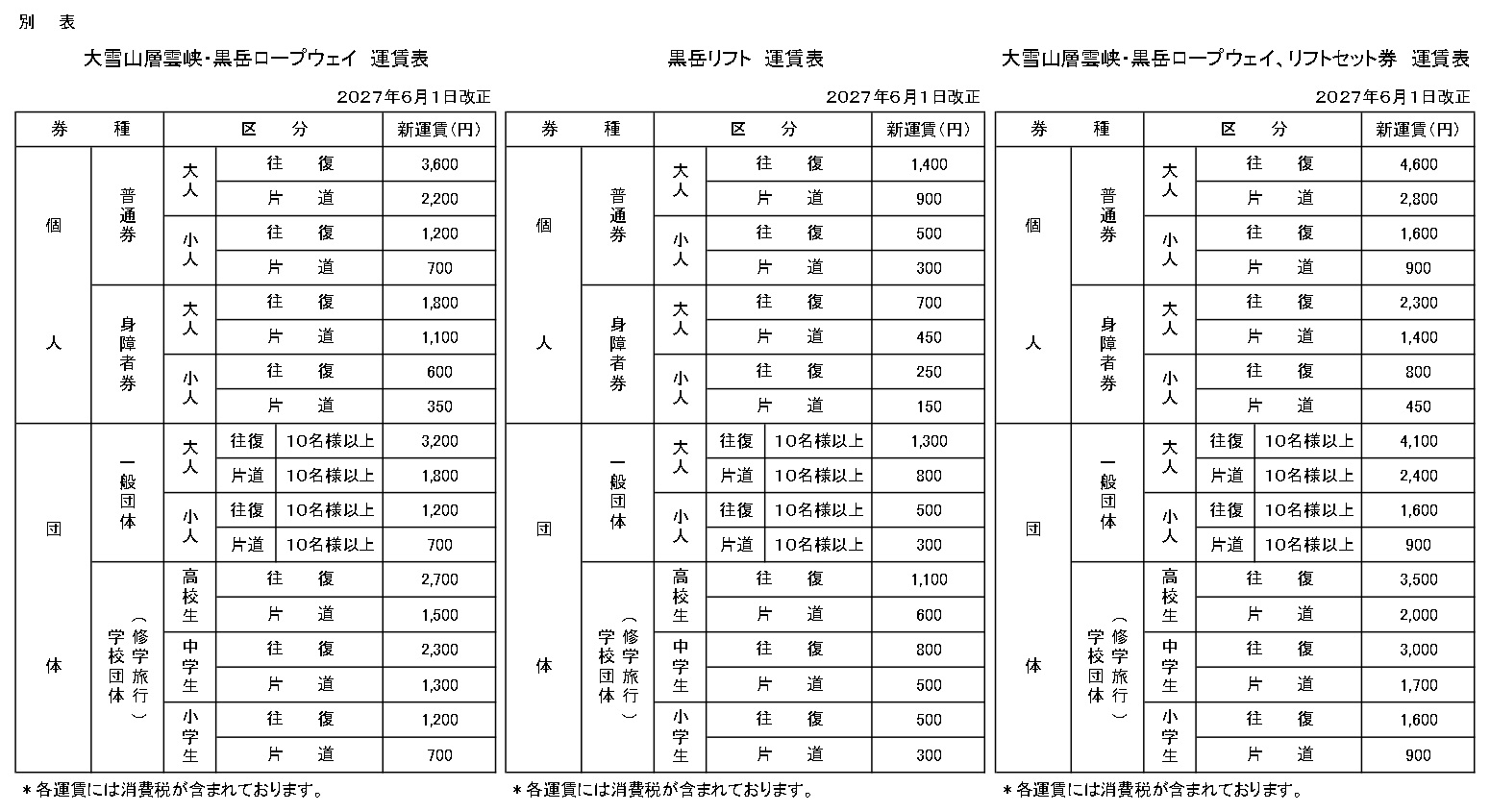
Through the end of May 2027, official ropeway round-trip fares are ¥3,000 for adults and ¥1,500 for elementary school students, while the summer ropeway-plus-chairlift combo is ¥3,900 for adults and ¥1,950 for elementary students. Starting June 1, 2027, ropeway round-trip fares revise to ¥3,600 for adults and ¥1,200 for elementary students, and the two-stage summer combo rises to ¥4,600 for adults and ¥1,600 for elementary students. If the 5th Station lookout is all you need, stick to the ropeway-only ticket. Using Asahidake's current peak adult fare alongside the revised Kurodake rates, riding ropeways on both sides totals ¥7,100, or ¥8,100 with the Kurodake chairlift added, excluding buses and lodging.
Kurodake's published 2027 operating hours run 6:00 to 18:00 from June 21 to September 30, and 7:00 to 17:00 from October 1 to 15, with the last uphill departure 40 minutes before closing. Those hours apply to the ropeway; the chairlift follows its own autumn timetable. In 2026, the summer chairlift ran through October 15, after which winter chairlift service serves skiers and equipped mountaineers. Before buying a combo ticket or planning for the 7th Station, check both the ropeway and chairlift columns on the operator's website, and factor the downhill chairlift wait and base gondola wait into one combined return window.
Half a Day in Sounkyo Gorge: Treat the Waterfalls and Momijidani as Separate Stops
Ginga Falls and Ryusei Falls sit outside the hot spring town and share one roadside viewing area. You can see both the cliffs and cascades right from the parking lot, which works well right after rain, for older travelers keeping walks short, or when you only have a brief afternoon window. To fit both waterfalls into a single frame, follow the tourism association trail climbing away from the falls for about 20 minutes up to Sobakudai (Twin Falls Overlook), factoring in the walk back down. With small children, view the falls from below first and save the steep climb for when wet rock has dried out.
Bus riders staying in Sounkyo Onsen town can center their walk on Momijidani (Maple Valley) instead. From the trailhead to Momiji Falls takes roughly 30 minutes one-way per the tourism association, passing close to columnar-jointed cliff walls along the way; allow extra time to walk from town to the trailhead. Check trail conditions at the visitor center or your inn the night before, and stroll the onsen town instead if it is closed. If you plan to visit Ginga and Ryusei Falls without a car, arrange inn assistance or a taxi in advance and book the return pickup at the same time.
Drivers wanting another cliff viewpoint can continue along the national highway to Obako, keeping strictly to the open viewing areas around the parking lot. The Sounkyo Tourism Association notes that the Kobako trail is closed due to rockfall danger, so drop Kobako from your autumn plans entirely. Ginsendai and Daisetsu Kogen Onsen also appear on regional foliage maps, each requiring separate mountain roads and hikes. Both the Ginsendai and Kogen Onsen roads enforce private-car restriction dates during the 2026 foliage season under separate schedules; if you dedicate a day to either, verify that year's restrictions, shuttle bookings, and last bus times, and give it a full daylight day.
Let your onward direction decide between Momijidani, Sobakudai, and Obako. If you are catching the afternoon Route 81 bus back to Asahikawa, staying near the onsen town makes timing simple. If you are driving east toward Sekihoku Pass, Obako makes a natural stop along the way. On windy days when Kurodake stops running, expect rain on the gorge floor too—start with the parking-lot waterfall views and decide on the climb to Sobakudai only if the slope dries out.
Buses from Asahikawa Station: Watch Stands 9 and 8
For Asahidake, take Asahikawa Denkikido Bus 66, the Ideyu-go. It boards at Stand 9 outside Asahikawa Station, stops at Asahikawa Airport and Higashikawa Michikusakan, and terminates at the Asahidake ropeway base. The current timetable runs four round-trips daily, departing Asahikawa Station at 7:15, 9:15, 12:15, and 14:15 (about 1 hour 48 minutes), and returning from Sanroku at 9:55, 11:55, 14:55, and 16:55. Read straight down the same timetable column, since hotel stops in the onsen area are listed separately from the ropeway station. If you are staying at an onsen inn, ask the property for its nearest Japanese bus stop name and walking directions.
For a day trip from Asahikawa, the 9:15 outbound and 14:55 return pair offers the best pacing. You reach the base at 11:03; locate the return bus stop sign first, then gauge the ticket line. If the gondola queue is long, eat lunch at the base and decide afterward whether to do the full loop or a short out-and-back. The 7:15 bus gets early starters up by 9:03, though catching the 11:55 return limits you to a short stroll near the upper station. Boarding at 12:15 or later leaves less ground to cover if fog rolls in, queues build, or late-autumn last-car hours move earlier.
Boarding the same Route 66 directly at Asahikawa Airport gives you departures toward Asahidake at 8:00, 10:00, 13:00, and 15:00. The operator states that buses run strictly to timetable, so if a flight is delayed, plan around the next departure. Heading back to catch a flight, check the Asahikawa Airport arrival column and leave ample buffer for check-in and security back at the terminal. Route 66 is included in a fare revision starting December 1, 2026, so check the updated chart for full-route Asahidake fares. For New Year's or winter trips, re-verify departures using these exact stop names and confirm with companions whether you are boarding in town or at the airport.
Asahikawa Denkikido's September 2026 fare table lists adult one-way fares at ¥2,300 from Asahikawa Station to Asahidake and ¥1,650 from Asahikawa Airport. You can buy two one-way paper tickets in advance at the Asahikawa Bus Information Center downtown or the airport ticket machines. The bus officially accepts local IC cards Asaca and DoCARD; travelers carrying only Suica or ICOCA can buy machine tickets or tap a supported contactless credit card on equipped buses. Because the operator notes that unequipped substitute buses may occasionally run the route, keep exact cash fare handy just in case.
For Sounkyo, catch Dohoku Bus Route 81 from Stand 8 outside Asahikawa Station. You can also connect via bus from JR Kamikawa Station if the mountain-bound and train schedules line up. The Sounkyo line received timetable revisions starting July 2026. When reading Dohoku Bus's stop-by-stop timetable in either direction, verify that the destination column says Sounkyo, as the same sheet includes short-turn runs starting or ending at Kamikawa. If you arrive in Asahikawa with large suitcases, store them at your hotel in town and pack extra layers and snacks into a single daypack for smoother bus transfers.
Testing a day trip on the July 2026 timetable, you can take the 6:55 Route 81 bus arriving in Sounkyo at 8:54, then return to Asahikawa at 14:40 or 17:00. An 18:55 bus also leaves Sounkyo terminating at Kamikawa—confirm and book your onward train connection before relying on it. Adult one-way fares are ¥2,140 from Asahikawa to Sounkyo and ¥890 from Kamikawa to Sounkyo. Summer Route 86 extends to Takimidai and Obako Entrance; on the July 1 to October 31, 2026 schedule, the Takimidai outbound stop is 13:09 and return is 13:49, leaving just enough time to walk from the stop and snap photos from the lower viewing area. Book a taxi back to the onsen town if you want to hike up to Sobakudai.
One Side per Day, or Swap Days by Weather Over Two Days
Buses from Asahikawa to Asahidake and Sounkyo run in opposite directions, so returning to the city hub avoids hunting for cross-mountain transfers. Staying two nights in Asahikawa lets you assign whichever day has better visibility to Asahidake's Sugatami Pond. On the other morning, ride out to Sounkyo for the Kurodake Ropeway, have lunch, stroll the onsen town and Momijidani, and grab a bite in the valley before boarding the bus back. If you need a taxi for the waterfalls, schedule both pickup times before heading out that morning. Trying to ride from Asahidake back to Asahikawa and onward to Sounkyo in one day burns most of your daylight on transit and waits—it only makes sense if your goal is simply checking into a Sounkyo ryokan that night.
If you have just one day and catch clear mid-September weather, choose Asahidake. Take an early bus to Sugatami Park, check the trail map at the base visitor center before riding up, and pack a lunch to eat after descending. For early-October travel with older companions, pick Sounkyo, where both the ropeway and valley floor offer gentle walks and short waterfall viewpoints. Day-trippers coming from Sapporo should check the first and last Asahikawa bus departures before booking trains. Starting spring 2026, JR Hokkaido's Lilac and Kamui limited expresses run with all-reserved seating—build transfer buffer time into your return reservation to Sapporo. Anyone targeting the 7:15 bus to Asahidake should sleep in Asahikawa the night before.
For a two-day driving itinerary with an overnight in Sounkyo, leave Asahikawa early on Day 1 for Asahidake—about a 1 hour 10 minute drive per the ropeway operator. After walking Sugatami Pond, eat lunch and depart the base in the afternoon for Sounkyo, budgeting more than the operator's 2.5-hour inter-onsen drive estimate to cover meals, fuel, and slower mountain traffic. Ride Kurodake on the morning of Day 2, return to town for lunch, add the waterfalls or Momijidani, and descend to the plains before dusk. Standard-car parking at Asahidake Sanroku Ropeway costs ¥500 in peak season, and weekend lots can fill up. If you have a fixed ryokan dinner time, decide before lunch whether the queue timing leaves room for the full pond loop.
When mapping your drive, enter Asahidake Ropeway Sanroku Station and your Sounkyo Onsen lodging as separate destinations and connect via main paved highways. The short straight-line distance across the peaks belongs to hiking maps; ignore any forest-road shortcuts with warning signs. Top off your tank beforehand and test your windshield defroster. In late autumn, ask your rental agency exactly what tires are fitted on the car, and switch to lowland backups if you hit early snow, black-ice alerts, or road closures. If your inn sits up a steep side street, arriving before dark makes finding the entrance and parking much easier.
If Day 3 continues toward Biei and Furano, put Asahidake on the Higashikawa-side day first before heading south to the hills or Shirogane. Returning from Sounkyo via Asahikawa toward Biei requires extra padding for highway transfers or car pickup. If your travel window lands squarely in Hokkaido's mid-to-low-elevation autumn season, use our Hokkaido autumn foliage guide to compare next stops around Sapporo and match expectations to actual elevations.
Base in Asahikawa for Flexibility, or Asahidake Onsen for Early Light
For transit travelers, a hotel next to Asahikawa Station makes the cleanest two-day anchor. Both bus stands sit side by side, and you can leave luggage under one hotel's storage policy. If Sugatami Station is socked in with white fog at breakfast, simply walk to the next stand for Sounkyo or switch to an in-town plan. Even if you take the last Route 66 bus back, plenty of dinner options await around the station. Anyone catching the last train out of Asahikawa should book a departure with enough slack for bus delays.
Asahidake Onsen suits photographers aiming for crisp early-morning light at Sugatami Pond. Compare properties by street address, nearest bus stop, and walking minutes to the ropeway base. Even though the trailhead and lower hot spring cluster share the Asahidake name, hauling roller bags uphill—especially in rain—takes far more effort than walking empty-handed. If your lodge offers a shuttle, confirm whether it picks up at Asahikawa Station, the airport, or a nearby bus stop right after booking. Check breakfast start times too, and ask about early service or self-catered options if dining hours clash with first light in the park.
A half-board stay in Sounkyo Onsen pairs seamlessly with an early Kurodake ascent. Before booking, map exact walking times from the hotel address to the town bus stop, Kurodake Sanroku Station, and local restaurants. Request canyon-facing rooms and higher floors if gorge views matter. Check whether public baths involve outdoor corridors, stairs, or midday cleaning closures that might affect older companions, and confirm cutoffs for check-in and dinner seating. If a late descent pushes close to your ryokan's final dinner call, let the meal reservation—not the waterfall parking hours—dictate whether you add extra stops.
Day-use bathers should pin down last-entry times and the final bus departure before squeezing lunch into an adjustable slot. Guests with ryokan dinner included only need a light trail lunch for the mountain. Drivers can easily grab food at Higashikawa's Michikusakan on the way up. Bus 66 riders who get off mid-route face a long wait for the next bus, so pick up supplies at Asahikawa Station or eat at the base instead of crowding shopping and waiting into the afternoon.
Three Same-Day Checks for Visibility, Trails, and Return Timing
Check your chosen side before setting out each morning. The Asahidake Ropeway site posts summit weather and live camera feeds so you can verify whether the ridgeline is visible. The Asahidake Visitor Center updates trail reports showing whether the loop is dry dirt, wet stone, or slush. Kurodake posts live operational status as well—read both the ropeway row and the chairlift row. If webcams appear frozen or dates do not match today, rely on on-site staff and same-day operator notices. Blue skies over Asahikawa Station do not guarantee Sugatami Station is clear of clouds.
When peaks are visible and paths are dry, walk the planned loop. If wind and passing mist blow through while the gondola is running, treat the First Observatory as your turnaround point and extend to the ponds only if visibility holds. Once trails outside the station turn icy or snow obscures path edges, keep casual foliage walks inside the cleared area right outside the station. For lightning, high-wind shutdowns, or highway weather advisories below, pivot to open indoor venues or valley stops. If your group decides to wait out fog, set a strict cutoff time and head for your pre-picked lowland plan once it passes.
Dress in quick-adjust layers. Because queuing at the base feels warm, pack insulating layers in your daypack, pull them into your hands before boarding, and put them on as soon as you step out at the top. Choose a wind- and rain-proof outer shell over a moisture-wicking base layer, paired with lugged-sole shoes and spare dry socks. Turn back earlier than usual if kids get cold hands, wet shoes, or unsteady footing. Stroller users should inspect upper-station photos beforehand—gravel, stairs, and puddles block much of the loop, making the base station area and valley waterfalls far better bets. Wheelchair users and caregivers should contact the ropeway and bus operators ahead with chair dimensions and boarding needs so equipment limits guide the itinerary.
If solid fog hangs over the mountain all morning, walk the Asahidake Onsen trails or review live route advice at the visitor center. Heading toward Sounkyo, confirm Momijidani and waterfall viewing access before committing to the drive across. Remember that the Asahidake Onsen nature trail and the upper Sugatami Pond loop are completely separate networks; on rainy days at the base, use the visitor center map to walk the section closest to the onsen hotels, saving dry socks and buffer time for the ride back.
Check How Far the Marsh Boardwalk Is Open at the Base
Yukomabetsu Marsh sits near the Asahidake base, pairing a short boardwalk with autumn foliage near the hot spring cluster. In June 2026, the Asahidake Visitor Center announced partial boardwalk closures due to aging planks, restricting access to an out-and-back route entering from the ropeway side. Guests staying in Asahidake Onsen who plan to ride up the next morning should walk this marsh section before checking in rather than expecting to cut through from the trail to the base station the next day. The visitor center's nature trail map outlines several loops you can mix based on closures and your group's pace.
Brown bears have also been logged around the Asahidake foothills. Visitor center alerts in 2026 included sightings near the Yukomabetsu Marsh boardwalk and roads below the onsen area. Cross-check recent sighting spots against your walking route and turn back immediately if any section is roped off. Walk open forest trails in groups, avoid dawn and dusk twilight, and pack out all food and wrappers. If you spot a bear beside the road from a car, stay inside with windows up, wait for it to clear the pavement, and never step out to chase a photo.
Sugatami Park is a Special Protection Zone, where picking plants or introducing outside flora is strictly prohibited. Leave fallen berries and leaves untouched on the ground as well. Use the restrooms inside Sugatami Station before heading onto the loop, and carry trash back down with you. Anyone exploring side spurs should download the official map at the base first; if someone twists an ankle, gets chilled, or rain intensifies, keep the entire group together on the shortest open route back to the station rather than splitting up in the wind.
Find Solid Footing on the Trail Before Framing Fall Shots
Calm water and cloud-free peaks are essential for Sugatami Pond reflections. Aim for a crisp, dry morning as your very first stop; if wind whips up whitecaps or harsh glare, keep walking the loop to focus on leaves and volcanic rock instead. When pointing a camera downward, crimson alpine shrubs easily blend into gravel behind them. Tuck the colorful leaves into one corner of the frame with pale slope rock behind them so both foliage and drifting steam plumes stand out. Use zoom from the edge of the boardwalk for close-ups while keeping room for other hikers to pass.
At Kurodake 5th Station, a medium telephoto lens works best for picking out mid-mountain color. Pick a sunlit cliff face from the viewing deck and frame the transition where yellow birch meets bare rock—this conveys elevation far better than wide shots full of gray sky. Because the upper station sits steps from the return queue, you can wait for cloud shadows to drift past and take one last look at the slope before descending to town. Hold your lens close to the gondola window to cut glass reflections, and yield window spots to early boarders when crowded, saving real photography for the deck.
Ginga Falls fans out into delicate white threads, while Ryusei Falls plunges in one concentrated chute. Even shaded gorge floors work well for wet rock and yellow leaves, while Sobakudai frames both falls flanking the central cliff. On rainy days, shoot from the parking area first before deciding on the climb. Keep a dry lens cloth in your jacket pocket: moving from chilly mountain air into heated buses or lodges fogs up glass fast, so stash cameras in your bag until they warm up. Bus travelers approaching pickup time should stay on the same side of the gorge so even chasing one last ray of light will not cost you your ride.
A few useful answers
When is the best month to see autumn foliage in Daisetsuzan?
Target mid-September for alpine tundra and shrubs around Asahidake's Sugatami Pond. In early October, focus on Sounkyo Gorge and the mid-mountain slopes along the ropeways, as some years already see snow or icy trails at Asahidake's upper station. Check the visitor center's dated field photos before you go.
Can I visit both Asahidake and Sounkyo in a single day?
Picking one side per day gives you the most time on the trails. The ropeway operator estimates the drive between Asahidake Onsen and Sounkyo Onsen at about 2.5 hours. For a two-day trip, drivers can overnight in Sounkyo Onsen, while bus travelers can stay in Asahikawa and dedicate one day to each side.
Do I need the chairlift combo ticket just to reach Kurodake 5th Station?
No. A round-trip Kurodake Ropeway ticket covers access to the 5th Station observation deck. You only need the ropeway-plus-chairlift combo ticket if you are continuing to the 7th Station and the summer chairlift is running that day.
How long does the full Sugatami Pond loop take?
The operator lists the loop at roughly 1.7 km and about one hour of walking. Add buffer time for photo stops, icy steps, or a slower group pace, or turn back at the First Observatory along the same path.
Official information and references
Sources used in this guide.
- Daisetsuzan Asahidake Ropeway Operations, Seasonal Fares, Trails, and Driving Estimates
- Asahidake Visitor Center Sugatami Pond and Onsen Area Trail Maps
- Asahidake Visitor Center Sugatami Park Autumn Foliage Report (September 13, 2026)
- Asahidake Visitor Center First Snowcap and Icing Report (October 2, 2026)
- Asahidake Visitor Center Base Area Foliage Report (October 10-11, 2026)
- Sounkyo Kurodake Ropeway and Summer Chairlift Operations Info
- Kurodake Ropeway and Chairlift Revised Fare Table (Effective June 1, 2027)
- Asahikawa Denkikido Route 66 Asahidake Line and Airport Timetable
- Asahikawa Denkikido December 2026 Fare Revision Notice
- Dohoku Bus Stop-by-Stop Timetable (Sounkyo Line Round-Trip)
- Sounkyo Tourism Association Bus Schedule Revision Notice (Effective July 2026)
- Sounkyo Tourism Association Ginga Falls, Ryusei Falls, and Sobakudai Guide
- Sounkyo Tourism Association Momijidani Walking Trail Guide
- Sounkyo Tourism Association Obako and Kobako Trail Closure Info
- Sounkyo Tourism Association 2026 Foliage Season Traffic Restrictions (Ginsendai and Kogen Onsen)
- Asahikawa Local Meteorological Observatory Volcanic Monitoring and Disaster Info
- Ministry of the Environment Daisetsuzan National Park Spots and Visitor Centers
- JR Hokkaido All-Reserved Seating Notice for Asahikawa Limited Express Trains
- Asahikawa Denkikido Route 66 Onboard Contactless Payment Notice
- Asahidake Visitor Center Yukomabetsu Marsh Boardwalk Partial Closure Notice
- Asahidake Visitor Center 2026 Brown Bear Sighting Records
- Asahidake Visitor Center Park Protection and Trail Etiquette Guidelines