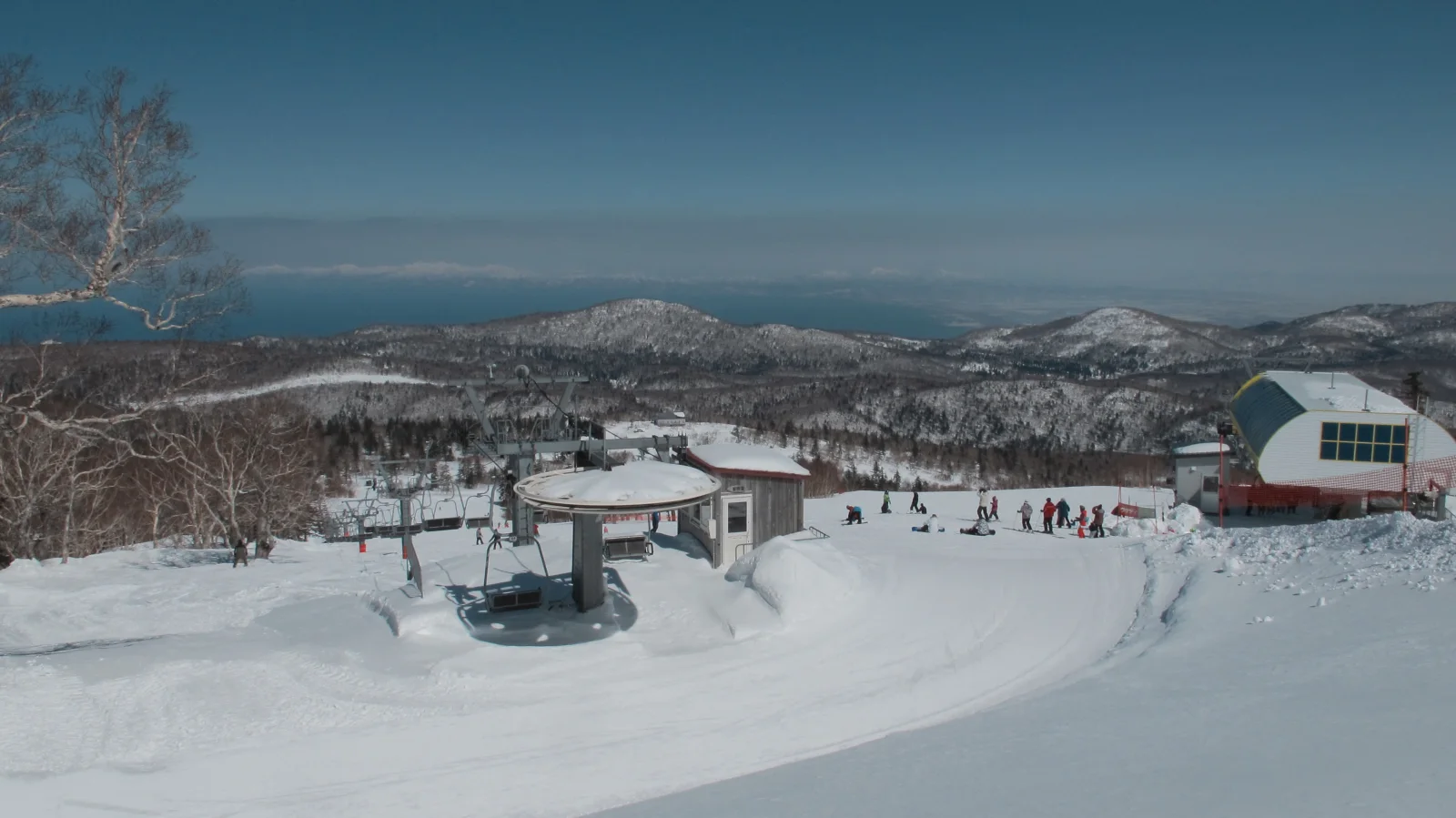
Compare terrain, lessons, lift passes, and winter transit across five Hokkaido ski areas. Pick the right base by skill level and trip length, from Sapporo day trips and family resorts to Niseko's linked mountains and Asahidake's backcountry.
- Reading Scope
- 23 min read · 11 chapters · 5 Q&As
- Official Verification
- 19 official sources checkedUpdated November 22, 2026
- Key Topics
- WinterFirst tripBooking
Chapter Route Map (tap any stop)
- One Day vs. Three Days Calls for Different Resorts
- Where to Stay Across Niseko's Four Zones and When to Buy the All Mountain Pass
- Day Trips from Sapporo to Kiroro: How Much Ski Time the Bus Takes
- Rusutsu's Three Peaks: Start Kids on West Mt.
- Furano: Compare Both Base Areas Before Picking Slopeside or Downtown
- Asahidake Demands Winter Mountain Judgment: Read Ropeway and Ski Notices First
- One Ski Day from Sapporo: Door-to-Door Time for Teine vs. Kiroro
- The Right Order to Book Lessons, Rentals, and Lift Passes
- Three Ready-to-Use Hokkaido Ski Itineraries
- When Switching Resorts Is Worth It—and How to Pivot for Closures
- First Time in Unpacked Snow? Read the Trail Map Boundaries First
- Quick Q&A
If you are staying in Sapporo with only one day to ski, start by comparing round-trip bus schedules for Sapporo Teine and Kiroro. If you have two full ski days, look at staying overnight in Niseko, Rusutsu, or Furano. Niseko fits skiers who want to move across interconnected zones on one mountain, Rusutsu works well for families staying right in a resort complex, and Furano lets you choose between slopeside lodging and town convenience. Asahidake is different: descending from the upper ropeway station demands winter mountain judgment, so first-time skiers should book lessons at a resort with instructors and dedicated beginner terrain.
One Day vs. Three Days Calls for Different Resorts
When you can spare only one day out of a Sapporo itinerary, put lesson start and end times, rental fitting, and your return bus on the same timetable. After the morning bus arrives, you still need time to change, try on boots, and walk to the check-in point. Going home, you have to subtract time for changing back, returning gear, and walking to the bus stop. A day trip is only worth that bus ride if you still get a solid block of instruction in between. If you already know how to ski and want variety in a single day, riding from Sapporo to Kiroro or Rusutsu makes it easier to line up transit and lift pass hours.
If you can dedicate several nights to skiing, subtract both your arrival and departure days from your actual ski days first. On a three-night stay in one place, a practical rhythm is checking in and picking up rentals on day one, skiing two full days in the middle, and traveling on the final day. That gives you a full first day on a familiar base before moving across zones or riding higher lifts on day two. If people in your group are at very different levels, meeting at one spot for lunch and splitting up for the afternoon works far better than forcing everyone onto a route built around the strongest skier.
Start by checking which base area a beginner can actually ski back down to. A green run on the trail map may still require taking an upper lift to reach it, and some connecting trails close early in the season or in high wind. Total beginners should pick a base with a dedicated learning area within walking distance of the rental shop. Once you can link turns comfortably on intermediate runs, compare how much terrain you can reach and get back from each day. If someone in your group is not skiing at all, map out the restaurants, lounges, and paths back to the hotel at the same time.
| Ski Area | Best Fit | What to Check First |
|---|---|---|
| Niseko United | Stay two or more nights and match different zones to each skill level | Lodging vs. lesson base access, inter-zone lifts, and return shuttles |
| Kiroro | Day trip from Sapporo or a two-day slopeside stay | Bus arrival times and Mountain Center rental flow |
| Rusutsu | Families staying at the resort, or intermediates splitting across three peaks | West Mt. lessons, east-west transfers, and pass hour windows |
| Furano | Slopeside or downtown stay with two full ski days | Which runs are open in the Furano Zone vs. the Kitanomine Zone |
| Asahidake | One dedicated day for skiers with winter mountain experience | Sugatami Station weather, ski opening dates, and the last bus |
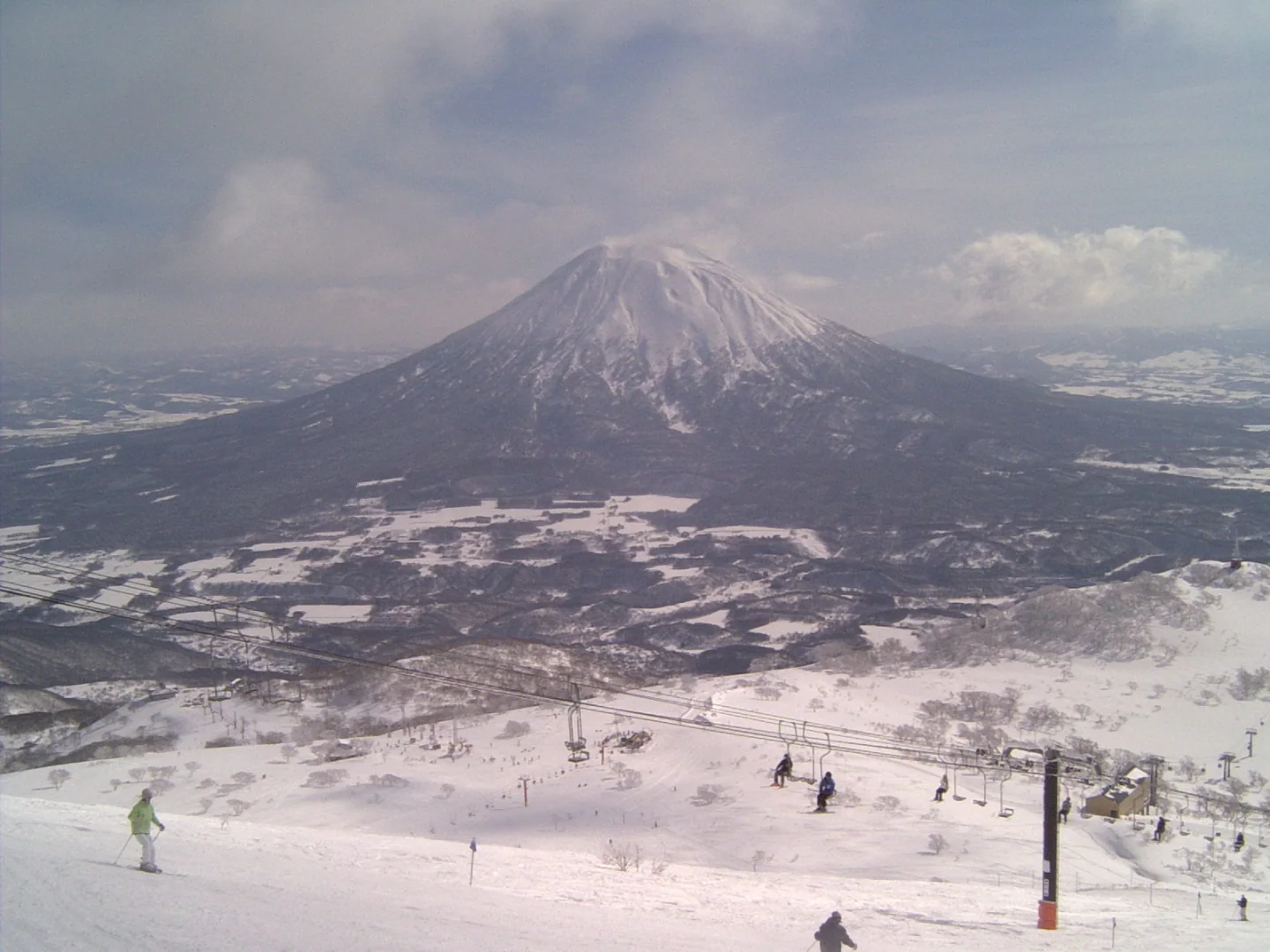
Compare terrain, lessons, lift passes, and winter transit across five Hokkaido ski areas. Pick the right base by skill level and trip length, from Sapporo day trips and family resorts to Niseko's linked mountains and Asahidake's backcountry.
Where to Stay Across Niseko's Four Zones and When to Buy the All Mountain Pass
Niseko United links four ski areas—Grand Hirafu, Hanazono, Niseko Village, and Annupuri International—across different faces of Mount Niseko-Annupuri. Hirafu is also the town name you will see on lodging, restaurant, and rental listings, while Grand Hirafu refers to the ski zone itself. A booking site listing that simply says "Niseko" only tells you the property is somewhere in the area; match the hotel's exact address against ticket windows, lesson meeting points, and shuttle stops before you assume how you will get on the snow.
Narrow down lodging by how you want to handle evenings. If you want to walk to dinner and split up for different lessons during the day, check which Hirafu properties sit closest to your chosen rental shop and shuttle stop. If members of your group have lessons in Hanazono, verify the school's exact base entrance and compare hotel shuttles against riding over from another zone. If you prefer eating dinner at your hotel and starting on the same slopes each morning, look at Niseko Village or Annupuri. Staying in Kutchan town means factoring the first bus, last bus, and ski storage into every day. Hirafu also has steep hills, so judge any condo's stated walking distance at ski-boot pace while carrying skis or a board. For neighborhood trade-offs, see the Niseko accommodation area guide.
If day one is just a morning lesson followed by laps on the same lower slopes, ask the ski school which ticket you need and compare a single-area pass against the All Mountain Pass. Save the All Mountain Pass for days you plan to ski Hirafu in the morning and cross high-elevation connectors into another zone in the afternoon. Even when two areas look linked on the trail map, check on the morning of your ride whether both connecting lifts and trails are open, and know which lift gets you back before heading over. If someone needs to pick up kids in Hanazono in the afternoon, name a specific building as the meeting spot and leave cross-mountain loops to skiers who can make it back in time.
When upper mountain connectors close, switch to the road. The Niseko United Shuttle publishes specific stops across the resort, and dedicated resort shuttles also run between Hanazono and Hirafu. According to the official transit page, tapping an unused All Mountain day pass on the shuttle activates one day of the pass, while tapping a time-based pass deducts one hour. On an arrival day when you are only picking up rentals or transferring to your hotel, pay the bus fare directly to save your lift pass days. When buying multi-day passes, also check the official consecutive-day rules; if you plan a rest day mid-trip, price out separate passes against consecutive ones.
For the 2026–27 season, all four Niseko zones are scheduled to open on November 28. Official closing dates are set for April 4, 2027 at Niseko Village, April 11 at Hanazono, and May 5 at Grand Hirafu and Annupuri. Early in the season, verify whether upper connections are open if you plan to ski all four areas; in April, rule out any closed zones for your travel dates before booking lodging. Official night skiing runs from December 12, 2026 through March 22, 2027, with exact open runs and last shuttle times posted by each zone.
Day Trips from Sapporo to Kiroro: How Much Ski Time the Bus Takes
Kiroro sits in Akaigawa Village. Its main advantage for Sapporo day-trippers is the Mountain Center, where you can handle lift tickets, rentals, changing, and lockers under one roof before stepping straight onto the snow. For the 2026–27 season, the official Sapporo Kiroro Ski Bus and one of its 6-hour lift pass packages operate from December 10, 2026 through April 11, 2027, alongside other departure points with different operating dates. Kiroro's official English ski guide estimates the ride from central Sapporo at 100–130 minutes. Check both the exact pickup and drop-off stops on your booking; travelers staying in Otaru can also look at taking the train to Otaruchikko Station and transferring by taxi for both legs.
With a bus-and-ticket package, subtract your pre-ski setup time right away. If you are renting skis or a board, fitting outerwear, and helping kids get dressed after getting off the bus, a sizable gap opens between arrival and your first chairlift. Kiroro's standard 4-hour pass starts its continuous countdown the first time you scan through a lift gate, so lunch eats into that window too. For a half-day session, compare a standalone city bus ticket plus a walk-up lift pass against the 6-hour package. Even when everyone rides the same bus, each skier can pick the pass duration that fits their actual time on snow.
Start exploring the mountain around the base Family Lift and Center area. Once you are comfortable on intermediate runs, follow the day's opening order up to Nagamine, Yoichi, and Asari. Kiroro's early-season schedule from November 28 to December 11, 2026 lists lifts such as the Family Lift and Center Express, while the Kiroro Gondola moves onto the peak-season schedule starting December 12. During those early weeks, anyone aiming for upper-mountain laps should check the live lift status first, while beginners should confirm whether the learning slope and lesson meeting point are open.
On a day trip, pick a hard return time for getting back inside the Mountain Center, then count backward to set your last lift ride. When rental returns and locker lines build up, the departure time printed on your bus ticket—not the lift closing time—dictates when you wrap up. If you are staying one or more nights, check whether your hotel connects directly to the Mountain Center, uses a shuttle, or requires an outdoor walk. Having easy access for lunch and dry gloves makes it much simpler for kids and beginners to head back out for the afternoon.
Rusutsu's Three Peaks: Start Kids on West Mt.
Rusutsu Resort spans three peaks: West Mt., East Mt., and Mt. Isola. Families staying at Rusutsu Resort Hotel & Convention can look straight out at West Mt.'s Family Course, which is officially marked as beginner terrain and sits close to the Kids Park. Before a first lesson, confirm the ski school's check-in desk and which lifts the class actually uses. If some people just want to play in the snow while others ski all day, set a meeting spot at the West-side hotel or a clear indoor landmark so stronger skiers can head over to the East side without everyone hauling gear across mountains for lunch.
When crossing to East Mt. and Mt. Isola, keep track of the East No. 1 Gondola, the east-west shuttle connections, and the return lifts on the trail map. Note the closing times for every connecting lift back to your hotel from each Isola run before you drop in. Night skiing operates in designated areas only, so time your afternoon return from the East side around daytime connector lift hours and leave enough margin to return rentals to the right wing. Hotels, ticket booths, and bus stops here share similar names, so match your booking's drop-off point to your exact lodging before loading luggage and ski bags onto a transfer.
For winter 2026–27, the paid Rusutsu Express bus between Sapporo and Rusutsu requires advance booking at ¥3,000 per seat each way, with online reservations closing at 15:00 JST the day before travel. From November 28, 2026 through March 31, 2027, the scheduled bus departs Sapporo Kamori Building 3, while the return stops at The Vale, The Westin, and Rusutsu Resort Hotel & Convention in order, departing the final stop at 17:00 JST. The official site also lists separate transfers from New Chitose Airport and Niseko, so lock in which side of the resort you are staying on before booking a bus. The Rusutsu Powder Day Trip from Niseko runs from January 3 to February 28, 2027, letting you ski both resorts without changing hotels.
Rusutsu prices lift tickets by season window and splits rates between online and window purchases. During the regular season from December 19, 2026 through March 14, 2027, an adult (ages 19–64) 1-day pass costs ¥13,200 online versus ¥16,700 at the ticket window. The 5-hour pass runs continuously from your first gate scan, while the 25-hour pass deducts in 1-hour increments across multiple days for a single skier using the same card. If family members ski different hours, compare pass types individually. For non-ski activities and warmer-weather attractions, see the Rusutsu Resort four-seasons guide.
Furano: Compare Both Base Areas Before Picking Slopeside or Downtown
Furano Ski Resort has two base entrances: the Furano Zone and the Kitanomine Zone. The Furano Zone starts from the New Furano Prince Hotel side and the Furano Ropeway, while the Kitanomine Zone centers around the Kitanomine Gondola with nearby accommodations. One lift pass covers both zones on the mountain, linked by upper connecting trails. Early in the season or whenever return trails close, you still need to rely on road shuttles between the two bases. For 2026–27, the official site lists a planned opening date of November 28; if you are booking early-season lessons, confirm the active zone, operating lifts, and meeting spot together.
If you want to ski in the morning and bring kids back to the room for an afternoon rest, prioritize slopeside lodging and verify which base area your exit opens onto. If you would rather try a different restaurant every night and fold downtown Furano into your trip, stay in town. On ski days, pin both your morning pickup stop and afternoon return stop on your map, and store gear overnight at the rental shop whenever possible so you are not hauling boards into town. Anyone booked for the earliest morning lesson should check the first bus arrival time first; if check-in cuts it too close, book a later session or stay on that side the night before.
Travelers without a car can ride the Furano Bus Lavender-go from Asahikawa Station or Asahikawa Airport via JR Furano Station to the New Furano Prince Hotel. You can also take JR to Furano Station and transfer to your hotel or the slopes. How easily you manage long ski bags on the bus and the walk from the stop will shape which route feels best. Both Furano and Asahidake are reachable from Asahikawa, but their buses run on separate routes; if you are skiing Furano for several days, staying in Furano saves a daily commute from Asahikawa. To link skiing with Asahikawa or Daisetsuzan, read the Central Hokkaido itinerary.
Seibu Prince lists free lift rides for elementary-school-age children and younger, alongside official ski schools and resort rentals, with lessons and gear budgeted under each booking's terms. Set kid pickups at the rental shop or designated landmark on the exact lesson side—even though a family's lift passes work in both zones, skiers can easily end up at opposite bases. If kids still have energy after skiing, Ningle Terrace near the New Furano Prince Hotel makes an easy evening stroll. Families staying downtown can pair dinner with their return bus instead.
If you have two days on the snow, spend day one on the lower runs by your own base entrance and note the exact rental return spot. Check live status for both zones on day two before crossing over; stronger skiers can push higher while learners stay near their lesson base. If booking confirmations or lesson emails for Kitanomine are in English only, use "Kitanomine" and "Furano Zone" carefully and keep the full facility name in map searches so a taxi or pickup does not drop you at the wrong base.
Asahidake Demands Winter Mountain Judgment: Read Ropeway and Ski Notices First
The Asahidake Ropeway climbs from Sanroku Station in Asahidake Onsen to Sugatami Station at roughly 1,600 meters in about 10 minutes each way. Sightseers can ride round-trip for the views, while skiers and snowboarders first need to check which marked courses are officially open. The ropeway operator lists annual maintenance closure from November 16 through December 10, 2026. Ski opening dates are announced separately after relevant authorities inspect snow coverage on site, and skis or snowboards are only permitted aboard the ropeway once that period is approved.
The official winter map marks Courses A, B, C, and D. Mountain wind and blowing snow can cut visibility fast, leaving icy patches or exposed brush under thin snow, while venturing beyond marked runs brings avalanche and route-finding hazards. If you are mainly comfortable on groomed intermediate runs at standard resorts, stick to open pistes in Niseko, Rusutsu, or Furano first, or book an in-bounds off-piste lesson to build skills. Heading into backcountry terrain requires terrain and avalanche assessment skills, trained partners, rescue gear, and a local mountain guide matched to the route so you understand weather, turnaround triggers, and insurance coverage.
Asahikawa Denkikido Bus Route 66 (Ideyu-go) connects downtown Asahikawa, Asahikawa Airport, and Higashikawa with Asahidake. Write down the exact stop name near your hotel and the last return departure; buses serve the airport on a fixed timetable and the operator explicitly notes they do not wait for or coordinate with flight connections. On a day trip, build separate buffers for riding the ropeway back down, packing gear, and walking to the bus stop. Staying overnight in Asahidake Onsen gives you an extra morning to wait out weather, as long as you plan meals and your final transfer ahead. If your group includes beginners, basing in Asahikawa makes it easy to split up—experienced riders can head to Asahidake while learners take a bus to Furano for lessons.
One Ski Day from Sapporo: Door-to-Door Time for Teine vs. Kiroro
If you are staying near Sapporo Station and just want a single session on snow, Sapporo Teine is reachable by JR train to Teine Station followed by a JR Hokkaido Bus from the South Exit. For 2026–27, the scheduled route bus is slated to run from December 5 to March 28, stopping at both Olympia and Highland—check which Ski Center your lesson uses before booking. Teine also offers reservation-based direct buses and bus-plus-pass packages from major downtown hotels, so pick whichever pickup is closest to your hotel. First-timers doing a half day should check which return bus they can catch after turning in gear before deciding whether to eat lunch on the mountain.
For a full day on long intermediate runs, Kiroro's direct bus and all-in-one Mountain Center rentals cut down on transfers. Rusutsu is also doable as a day trip from Sapporo, though whether you have time to reach East Mt. or Mt. Isola depends on round-trip transit, lunch, and rental return margins at the West base. If your Sapporo hotel is already locked in for a single ski day on a weekday with convenient bus times, Teine is usually the simplest start; if everyone in your group already skis and can catch an early departure, weigh the longer ride to Kiroro or Rusutsu. For both Teine and Kiroro, pick your drop-off stop first so you know what check-in time you can realistically make.
If you have other plans in Sapporo that day, do not squeeze skiing into a two-hour gap after breakfast. Rental gear has to be fitted in person, and anyone traveling with kids or first-time boot wearers will take much longer at the counter than experienced adults. If you have a fixed dinner reservation back in town, budget time to drop outerwear and change shoes at your hotel first. Direct buses and JR trains also link New Chitose Airport with Sapporo and Otaru; use the New Chitose Airport to Sapporo and Otaru transit guide to handle arrival and departure days so your ski day lands smoothly in the middle.
The Right Order to Book Lessons, Rentals, and Lift Passes
Lock in your lesson base first. For beginners, having an instructor who speaks your language and enough time to practice stopping matters far more than buying the biggest lift pass at the start of the day. Confirm whether the class is ski or snowboard, the instruction language, age brackets, ability level, start time, and exact check-in spot, then check which lifts or magic carpets the lesson requires. If part of your group skis and part snowboards, book separate lessons and enter each person's sizing individually for rentals. Aim for meeting times where everyone finishes class and returns gear in the same window.
Check what each rental package actually covers: hardgoods only (skis or board, boots, poles) or a full set with jacket and pants. Verify helmets, goggles, gloves, and base layers line by line, and pack personal items you need to bring in your carry-on. Measure foot length in the same unit used by the reservation form, and leave extra counter time for boot fitting. When renting for multiple people, keep individual receipts or snap a phone photo of each equipment ID number so nobody is guessing which boots go to which counter at the end of the day. Some shops use separate pickup and return windows, and if you switch base areas on day two, confirm whether inter-branch returns are allowed.
Decide on lift passes last. Full-day skiers can compare 1-day passes, half-day students should check which lifts their instructor will actually ride, and parents taking a midday break with kids should price out hourly passes. Sightseers riding a single gondola or ropeway for views should look for dedicated sightseeing tickets and pedestrian boarding rules on the official site. Because resorts set different age cutoffs for kids, teens, and adults, compare two resorts using the exact same date and pass duration, then add the difference in bus fares, lodging, lessons, and rentals. During peak weeks, check reschedule and cancellation terms before booking lodging, and lock in the remaining tickets once you know lessons and bus seats are available. For packing and first-lesson prep, see the first-time Japan ski guide.
Taking a 20-year-old adult in January 2027 as a benchmark, Niseko's 4-area All Mountain 1-day pass is priced at ¥13,500 in peak season, Kiroro's English ski guide lists a 1-day pass at ¥9,200, and Rusutsu's online 1-day pass for the same period is ¥13,200 (purchased via the resort app). Those three rates cover four linked areas, a single resort, and three connected peaks respectively, so measure them against the runs you will actually ski that day. In that same January window, Niseko's youth tier covers ages 13–15, while both Kiroro and Rusutsu include ages 13–18. A 16-year-old falls into different ticket tiers across those three resorts, so check each resort's bracket and carry ID showing proof of age.
If kids ski half a day while adults ski two days, mix pass types to match each person's hours. In Rusutsu's regular January 2027 period, an adult 5-hour pass is ¥11,600 online—just ¥1,600 less than the 1-day pass—so how fast you get on the snow in the morning and whether you have a late-afternoon bus to catch determines whether that ¥1,600 difference pays off. At Kiroro during the same season, the gap between an adult 4-hour pass and a 1-day pass is ¥1,400, plus a ¥500 refundable deposit for the KIROCA IC card. Children under five ride Kiroro lifts free with a guardian, though you still need to stop by the counter for a Kids Pass and KIROCA card. Leave a few minutes at the end of the day to return the deposit card, and follow each resort's policy on unused tickets.
Three Ready-to-Use Hokkaido Ski Itineraries
Four nights in Sapporo with one taster ski day: put your ski day on day two or three after arrival. Stay in the same Sapporo hotel both nights, leave in the morning with gloves, goggles, and spare socks, and return to that same room at night. For Sapporo Teine, match your round-trip bus to Olympia or Highland based on your lesson check-in. For Kiroro, book round-trip buses with the same operator and work backward from rental pickup and lesson start times. Keep dinner in Sapporo so even if morning weather scrubs skiing, your hotel and city plans stay intact.
Three nights in Rusutsu for two adults and one child: locate the West Mt. lesson meeting area on your arrival evening, and lay out gloves and midlayers to dry after dinner. On day two, the whole family starts on West Mt.—kids in lessons, adults lapping nearby—and meets at the same spot for lunch. On day three, split up as needed: experienced skiers cross to East Mt. and Mt. Isola while others stay on the West side for morning laps and spend the afternoon at the Kids Park or back at the hotel. On departure day, wait for your bus at your hotel's designated stop, leaving three separate time blocks for checkout, rental return, and boarding.
Five nights flying in and out of Asahikawa, anchored in Furano: ride the Lavender-go bus straight to Furano for three nights with two full ski days—or sleep in Asahikawa the first night if flight times miss the bus, then transfer in the morning. After returning rentals, move back to an Asahikawa hotel. If anyone wants to visit Asahidake the next day, separate scenic ropeway rides from actual skiing in your plan: anyone joining a mountain ski run should verify their snow and terrain experience beforehand, while others can stay in Asahikawa or explore downtown Higashikawa. If flying out of Asahikawa Airport, keep your final day dedicated to transit so adjusting any single day does not tangle lessons with your departure.
When Switching Resorts Is Worth It—and How to Pivot for Closures
With only two ski days, staying at a single mountain usually gives you better value. You spend day one getting fitted for gear, learning the rental shop, and reading the map, then ski everything you missed on day two. Once you have three or more full ski days and part of your group wants fresh terrain, basing in Niseko or Rusutsu lets you take an official inter-resort day bus on operating dates. Driving between two resorts midday burns time on parking, highway driving, and ticket lines; for transit riders, bus departure and return times effectively dictate which lift pass makes sense.
Check the live lift status page every morning before picking up gear at a specific base. If wind shuts down upper summit connectors while lower beginner slopes stay running, keep your lessons and laps on that lower side; if an entire zone closes, contact your lesson, rental, and bus providers early to ask about shifting to another day. Save operator names and confirmation numbers offline so you can call or message quickly during weather changes. Build backup days around sights reachable on foot or by local bus near your hotel: in Sapporo you can swap city sightseeing with your ski day, in Furano you can head into town for meals or a short walk, and in Rusutsu you can check which indoor resort facilities are open.
Early in the season, powder hunters and beginner students look at different lines on the exact same status report. Fresh snowfall totals tell experienced riders whether to line up early, while beginners need to watch learning-lift openings, visibility, and any shifted meeting points. On a March or April trip, schedule skiing on dates when your target resort is still open and check whether the shuttle stops on the same closing day. Spring afternoons also soak gloves and outer layers while waiting for the bus, so pack dry clothes for the ride back and gather your own goggles, gloves, and small items before handing back rentals.
First Time in Unpacked Snow? Read the Trail Map Boundaries First
Freshly fallen snow on an open groomed run, an ungroomed course marked inside the resort map, and backcountry terrain accessed through resort gates are three completely different experiences. To get a feel for deeper snow, start on an open in-bounds run with an instructor. Trail-map difficulty ratings only describe managed pistes, and ice, deep snow, or flat light can slow you down even on a familiar slope. When part of a Niseko or Rusutsu group wants to ski ungroomed terrain, agree on a lower-mountain lift base where everyone can ride down independently and let skiers of similar ability group up separately.
Niseko Town publishes the Niseko Rules: leaving the resort boundary requires using an open gate, obeying all closed signs and roped-off areas, and following daily official avalanche bulletins and ski patrol instructions. Even if you see someone else's tracks crossing a boundary rope, follow the signs. Going beyond resort boundaries means every member of the group must be able to read terrain, track visibility and exit routes, and carry avalanche rescue gear they know how to use. If gates are closed, stick to open in-bounds runs; if you want to learn with a guided group, confirm the guide's minimum skill requirements and tour terms before booking lodging and transit for that day.
A few useful answers
Which Hokkaido ski resort should a first-timer pick?
If you are staying in Sapporo for a single lesson, start with Sapporo Teine. If you can stay slopeside for two or more nights, pick Rusutsu, Furano, or Niseko at a base entrance where your lodging and ski school sit on the same side, and schedule rentals, check-in, and return buses first.
Do I need the four-area All Mountain Pass every day when staying in Niseko?
If you are taking lessons or practicing in a single zone, compare single-area lift passes and check your ski school's ticket requirement first. Buy the All Mountain Pass on days you plan to ski across zones, and check inter-area lift and trail status before heading up.
How do Kiroro and Rusutsu compare for a day trip from Sapporo?
Kiroro puts tickets, rentals, and lockers inside the Mountain Center so you can step straight onto the snow after getting off the bus. Rusutsu works better if you want West Mt.'s Family Course or have enough time to split across peaks. Compare pickup hotels, return bus stops, and rental return deadlines for both.
Since one Furano pass covers both zones, can beginners cross over with stronger skiers?
One lift pass covers both the Furano and Kitanomine zones, but check the difficulty of the connecting trail and whether lifts are running both ways before crossing. Beginners who just learned to link turns are better off practicing at their starting base and meeting the group at an agreed base station.
Can I bring skis or a snowboard up the Asahidake Ropeway as soon as it reopens?
Ski and snowboard carriage depends on snowpack inspections and official ski opening announcements rather than ropeway reopening alone. Always check Asahidake Ropeway's same-day operating status and ski access notice before setting out, and note the Route 66 return bus schedule.
Official information and references
Sources used in this guide.
- Niseko United 2026–27 All Mountain Lift Passes and Four-Area Operating Dates
- Niseko United Winter Transit, Shuttles, and Pass Activation Rules
- Niseko United Weather and Live Four-Area Lift Status
- Town of Niseko: Niseko Rules and Avalanche Information
- Kiroro Winter Access, Reservation Ski Bus, and Ticket Packages
- Kiroro 2026–27 Winter Season Lift Operating Hours
- Kiroro 2026–27 Winter Ski Guide: Transit Times and Rentals
- Rusutsu Resort Trail Map and Family Course
- Rusutsu 2026–27 Winter Lift Tickets and Time-Based Pass Rules
- Rusutsu 2026–27 Winter Sapporo Rusutsu Express Bus
- Rusutsu Day Ski Bus from Niseko
- Furano Ski Resort 2026–27 Winter Season and Family Programs
- Furano Ski Resort Two-Zone Trail Map, Lift Tickets, and Rentals
- Furano Bus Lavender-go Routes and Timetables
- Daisetsuzan Asahidake Ropeway Maintenance Closure, Elevation, and Ski Boarding Rules
- Higashikawa Tourism Association: Asahidake Ropeway Route and Ride Times
- Asahidake Ropeway Official Winter Ski Map
- Asahikawa Denkikido Bus Route 66 Asahidake Line
- Sapporo Teine Ski Resort JR, Route Bus, and Downtown Direct Bus Access