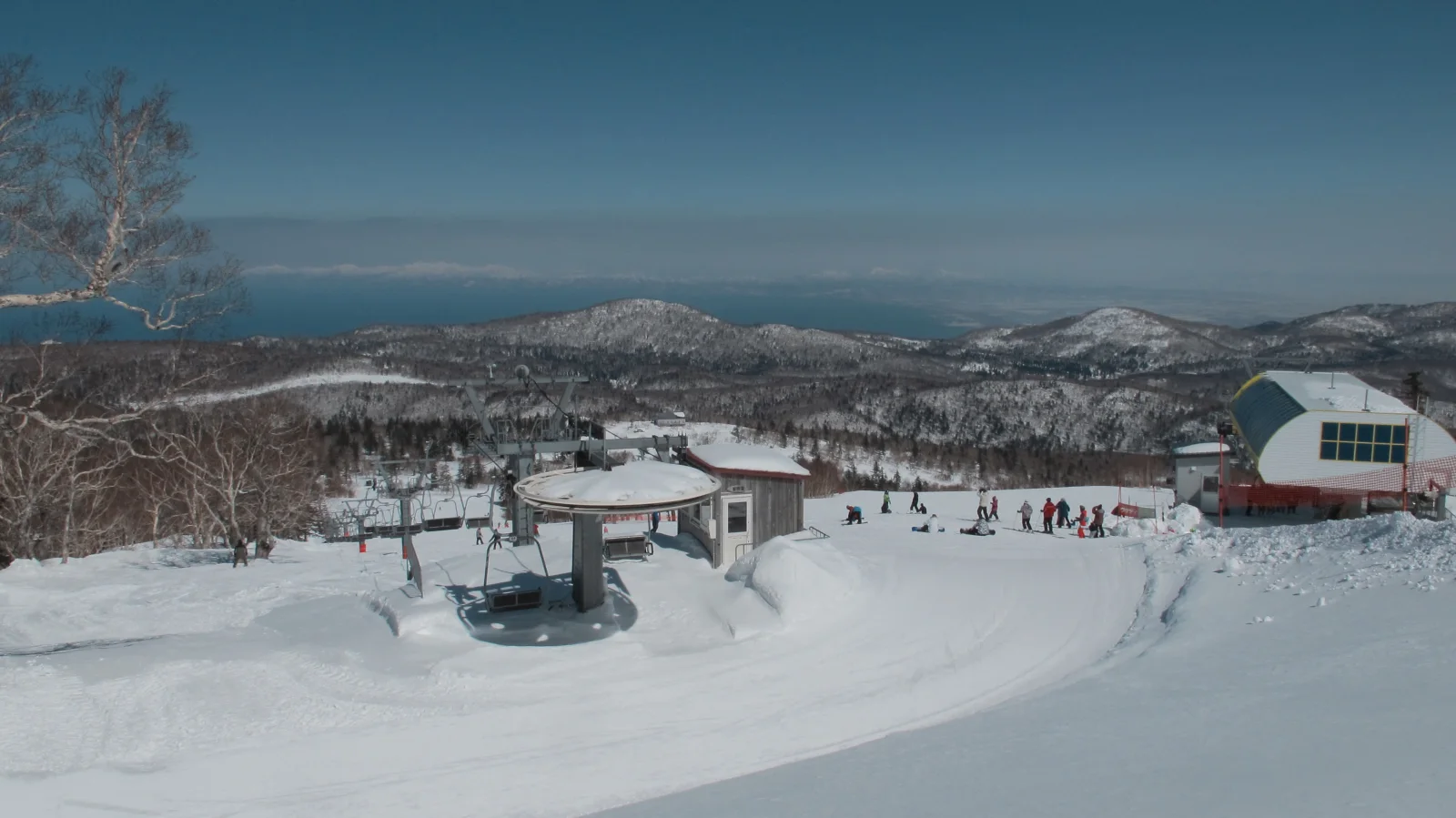
Compare slopes, lessons, lift passes, and winter transport across five Hokkaido ski resorts. Choose your base by ability and trip length, from Sapporo day trips and family resort stays to Niseko inter-area skiing and Asahidake alpine routes.
- Reading Scope
- 23 min read · 11 chapters · 5 Q&As
- Official Verification
- 19 official sources checkedUpdated 22 November 2026
- Key Topics
- WinterFirst tripBooking
Chapter Route Map (tap any stop)
- One day versus three days calls for a different resort
- Where to stay across Niseko's four zones and when the All Mountain Pass pays off
- Round trips from Sapporo to Kiroro hinge on how much ski time the bus takes
- Rusutsu's three peaks: start families on West Mt.
- Furano: choosing between slopeside and town bases starts with its two mountain entrances
- Asahidake demands winter alpine experience: read ropeway and ski notices first
- With one ski day in Sapporo, compare door-to-door times for Teine and Kiroro
- Book lessons, lift passes, and rental gear in the right order
- Three ready-to-use Hokkaido ski itineraries
- When switching resorts makes sense and how to adapt to closures
- First time skiing off-piste or ungroomed snow: read trail map markings first
- Quick Q&A
If you are staying in Sapporo with just one day to ski, start by comparing return bus timetables for Teine and Kiroro. When you have two full ski days to spare, consider basing yourself in Niseko, Rusutsu, or Furano. Niseko suits skiers keen to move between interconnected zones on one mountain, Rusutsu works best for families staying together inside a self-contained resort, and Furano lets you choose between slopeside lodging and town convenience. Asahidake involves genuine winter alpine judgement from the upper ropeway station, so first-timers should schedule lessons at a resort with instructors and dedicated beginner zones.
One day versus three days calls for a different resort
If your Sapporo itinerary only leaves one day for skiing, put lesson start and finish times, gear rental, and your return bus on the same timetable before booking anything. Once the morning bus arrives, you still need time to change, get boots fitted, and walk to the meeting point; on the return leg, deduct time to take off gear, return rentals, and walk back to the bus stop. Only take that bus if the schedule still leaves a complete lesson block. Confident skiers wanting to cover varied terrain in a single day will find transport and pass logistics easier to calculate from Sapporo to Kiroro or Rusutsu.
When you can spare several nights for skiing, subtract your arrival and departure days from your actual ski days first. On a three-night stay in one place, a reliable rhythm is checking in and collecting rental gear on day one, skiing two full days in the middle, and travelling on the final day. That gives you a full day to find your feet on familiar lower runs before venturing onto higher lifts or neighbouring zones on day two. If abilities in your group vary widely, agreeing on a shared lunch spot and skiing separately in the afternoon is far more practical than forcing everyone down a route chosen for the strongest skier.
When comparing resorts, check which base area beginners can reliably ski back down to. Even green runs on a trail map sometimes start from upper lifts, and connecting traverses can close early in the season or in high winds. Complete novices should pick an entrance where the beginner zone sits right at the base within walking distance of the rental shop. Once you can link turns comfortably on intermediate slopes, compare daily accessible runs and homeward routes. If someone in your party is not skiing at all, map out restaurants, indoor lounges, and the walk back to the hotel at the same time.
| Ski Area | Best Way to Plan | What to Check First |
|---|---|---|
| Niseko United | Stay two nights or more and split zones by ability each day | Base access to lessons and lodging, inter-area lifts, and return shuttles |
| Kiroro | Take a Sapporo day trip or stay slopeside for two ski days | Bus arrival times and Mountain Center rental facilities |
| Rusutsu | Stay at the resort with family or tackle all three peaks over multiple days | West Mt. lesson access, east-west transfers, and pass time bands |
| Furano | Stay slopeside or in town with two full ski days | Which runs are open in Furano Zone versus Kitanomine Zone |
| Asahidake | Dedicate a standalone day if you have winter alpine experience | Sugatami Station weather, ski opening notices, and the last return bus |
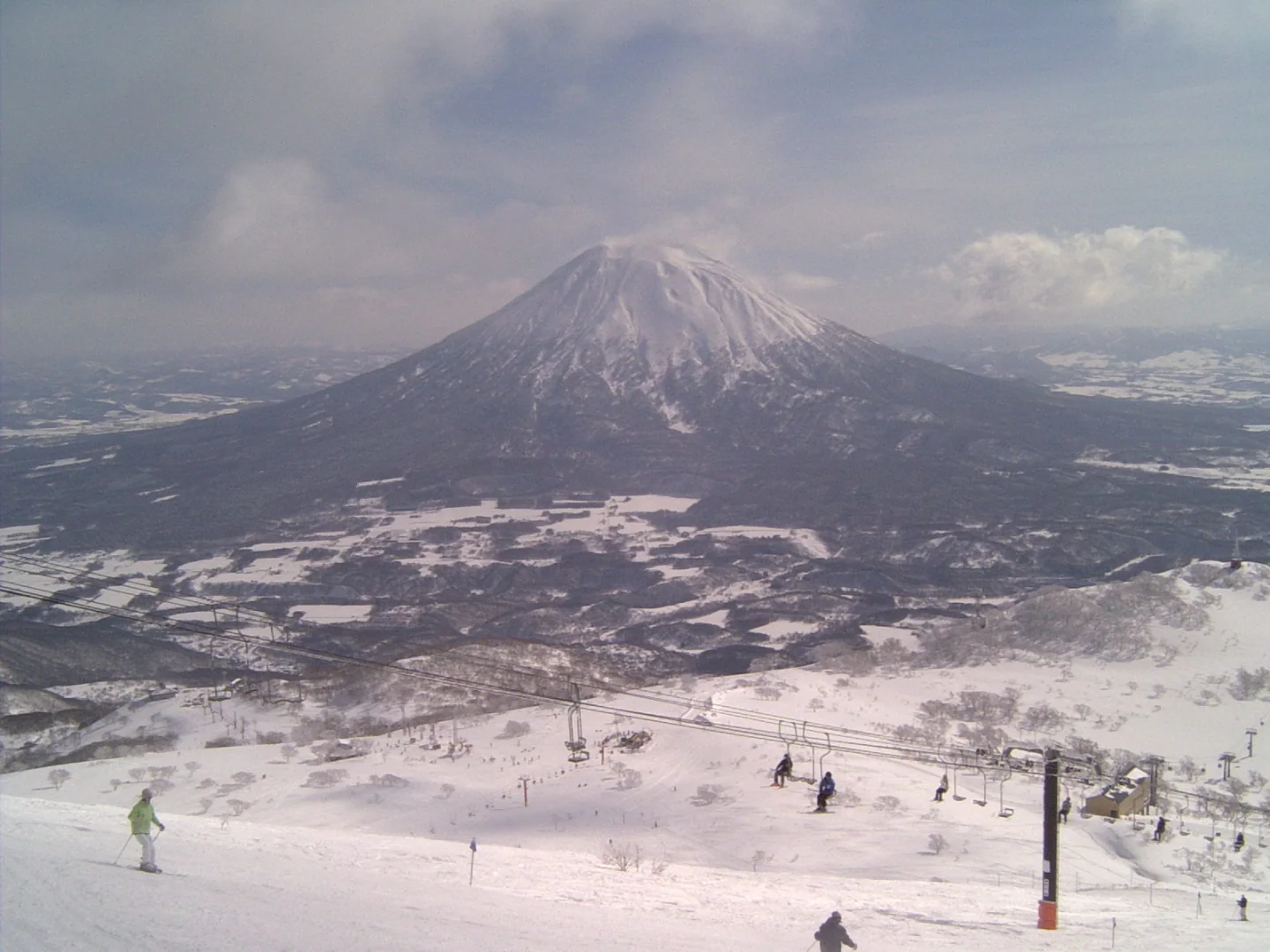
Compare slopes, lessons, lift passes, and winter transport across five Hokkaido ski resorts. Choose your base by ability and trip length, from Sapporo day trips and family resort stays to Niseko inter-area skiing and Asahidake alpine routes.
Where to stay across Niseko's four zones and when the All Mountain Pass pays off
Niseko United links four ski areas—Grand Hirafu, Hanazono, Niseko Village, and Niseko Annupuri International Ski Area—across different faces of Mount Niseko-Annupuri. Hirafu is the main town hub where you will search for accommodation, restaurants, and rental shops, while Grand Hirafu refers to the ski zone itself. Seeing "Niseko" on a booking site only tells you the property sits somewhere in the region; match the exact hotel address against ticket windows, lesson meeting points, and shuttle stops so you know how you will reach the snow every morning.
Start narrowing accommodation by how you want your evenings and mornings to work. If you want to walk out for dinner while members of your group take separate lessons, look at Hirafu properties close to your chosen rental shop and bus stop. If companions have lessons booked in Hanazono, check the designated base entrance for their ski school and compare hotel shuttles against transit fares from other zones. Travellers who prefer hotel dining and stepping onto the same slope each morning should look at Niseko Village or Annupuri. Staying in Kutchan town requires building early buses, last buses, and ski storage into your daily schedule. Remember that Hirafu itself is built on a hill, so judge advertised walking distances at the pace of someone in ski boots carrying skis or a board. You can compare neighbourhood trade-offs in our Niseko accommodation area guide.
If your first day consists of a lesson followed by afternoon laps on the same lower slopes, ask your ski school which pass it requires and compare single-area rates against the full-mountain ticket. Only budget for the Niseko All Mountain Pass on days you plan to ski Hirafu in the morning and cross upper connections to another zone in the afternoon. Lines that look linked on a trail map still depend on whether the connecting lifts and pistes on both sides are open; check before setting off which lift brings you back, not just how easily you can cross over. If someone needs to collect children from Hanazono in the afternoon, specify an exact building as the meeting point and leave inter-area excursions to skiers certain of making it back in time.
When upper mountain connections close, use the road network instead. The Niseko United Shuttle serves stops across all areas, alongside dedicated shuttles linking Hanazono and Hirafu. According to the official transport page, tapping an unused All Mountain day pass on the shuttle activates a full day's usage, while tapping an hourly pass deducts one hour. On arrival days when you are only picking up rentals or transferring to your hotel, paying the bus fare directly preserves your lift pass balance. If buying multi-day passes, note that official validity runs over consecutive days; if you plan a rest day off the mountain, price out separate single-day tickets alongside a continuous pass.
For the 2026–27 season, all four Niseko zones are scheduled to open on 28 November. Official closing dates are set for 4 April 2027 at Niseko Village, 11 April at Hanazono, and 5 May at Grand Hirafu and Annupuri. Early in the season, skiers hoping to cover all four areas should verify whether upper mountain links are open; in April, filter out closed zones for your travel dates before booking accommodation. Official night skiing runs from 12 December 2026 to 22 March 2027, with open night runs and last shuttle connections determined by each zone's schedule.
Round trips from Sapporo to Kiroro hinge on how much ski time the bus takes
Kiroro sits in Akaigawa Village. Its major advantage for Sapporo day-trippers is that tickets, gear rental, changing rooms, and lockers are all housed inside the Mountain Center, allowing you to sort everything out before stepping onto the snow. For 2026–27, Kiroro's official Sapporo Ski Bus and one of its six-hour lift pass packages operate from 10 December 2026 to 11 April 2027, alongside other departure points with differing schedules. The resort's English winter guide estimates travel time from central Sapporo at roughly 100–130 minutes. Check both pick-up and drop-off stops on your booking confirmation; visitors staying in Otaru can also look up taxi transfers from Otaru-Chikko Station and arrange both legs in advance.
With bus-and-pass packages, factor in the pre-lesson warm-up gap. Picking up boards, boots, and outerwear in the morning—especially when getting children dressed—leaves a noticeable window between stepping off the bus and clicking into your bindings. Kiroro's standard four-hour pass listed on the official site begins running consecutively from your first pass through the lift gate, which means lunch breaks eat into that clock. Half-day skiers should compare buying a standalone city bus ticket plus an on-site pass against the six-hour package. Even when travelling on the same bus, each person in a group can pick the ticket duration that matches their actual time on snow.
Start on the Family Lift and Center area at the base before progressing to Nagamine, Yoichi, and Asari as intermediate confidence builds and runs open. The early-season timetable for 28 November to 11 December 2026 lists lifts such as the Family Lift and Center Express, while the Kiroro Gondola appears on the peak schedule starting 12 December. Anyone visiting in early season hoping to ride the upper gondola should check the live lift operating list; beginners should focus on whether the practice slope and instructor meeting area are open.
On a day trip, choose a target time to be back inside the Mountain Center and count backwards to find your final lift ride. When queues form at rental returns and locker rooms, the departure time printed on your bus ticket—not lift closing time—dictates when you finish skiing. If staying one or more nights, check whether your hotel connects directly to the Mountain Center, uses a shuttle, or requires an outdoor walk. Having lunch and dry spare gloves close at hand makes it far easier for children and beginners to head back out after a midday break.
Rusutsu's three peaks: start families on West Mt.
Rusutsu spans three mountains: West Mt., East Mt., and Mt. Isola. Families staying at the Rusutsu Resort Hotel & Convention can step straight out toward West Mt.'s Family Course, graded beginner on the official map and located near the Kids Park. Before a first lesson, confirm the ski school's check-in entrance and which lifts or magic carpets the class uses. If some members of your group want a slow play day while others ski bell to bell, agree to meet at the West side hotel or a named indoor landmark rather than expecting everyone to haul gear across peaks for lunch.
When crossing to East Mt. and Mt. Isola, pay close attention to East No. 1 Gondola, the east-west links, and the lifts needed to get back. Before skiing down a run on Isola, note the last operating times of every connecting lift back to your hotel side. Night skiing only operates in designated areas, so calculate your afternoon return from the east side using daytime transfer closing times and leave ample margin to drop off rental equipment at the correct building. Hotel wings, ticket booths, and bus stops share very similar names, so match your booking's drop-off stop directly to your accommodation before loading luggage and skis onto a shuttle.
For 2026–27, the winter Rusutsu Express bus between Sapporo and Rusutsu requires advance booking at ¥3,000 one way per seat, with online reservations closing at 15:00 JST the day before travel. From 28 November 2026 to 31 March 2027, the scheduled bus departs Sapporo Kamori Building 3, while the return service picks up at The Vale, The Westin, and Rusutsu Resort Hotel & Convention, departing the final stop at 17:00 JST. The official site also lists separate transfers from New Chitose Airport and Niseko, so confirm which side of the resort you are staying on before selecting a departure. The Rusutsu Powder Day Trip from Niseko is scheduled from 3 January to 28 February 2027, allowing skiers to try both resorts without changing hotels.
Rusutsu's lift passes vary by season tier and between online and ticket-window rates. During the regular period from 19 December 2026 to 14 March 2027, an adult (ages 19–64) one-day pass costs ¥13,200 online versus ¥16,700 at the window. A five-hour ticket runs consecutively from the first gate scan, while the 25-hour ticket deducts in one-hour units across multiple days for use by a single named skier. Because family members often ski different hours, compare ticket types individually. For non-ski activities and year-round resort facilities, see our Rusutsu Resort four-seasons guide.
Furano: choosing between slopeside and town bases starts with its two mountain entrances
Furano Ski Resort has two main base areas: Furano Zone and Kitanomine Zone. Furano Zone is accessed from the New Furano Prince Hotel side via the Furano Ropeway, while Kitanomine Zone centres around the Kitanomine Gondola with lodging nearby. One lift pass covers both zones, connected by upper mountain runs. Early in the season or when high connecting trails close for the day, moving between the two bases relies on road shuttles. For 2026–27, the resort is scheduled to open from 28 November; when booking early-season lessons, double-check the active zone, lift status, and meeting point together.
Choose slopeside lodging if you want morning laps with easy midday naps back in the room, and confirm which base entrance your property walks out to. If you want to try different restaurants every evening and explore Furano town in winter, staying in town makes more sense. On ski days, save both your outbound drop-off and return pick-up bus stops on your map, and store gear overnight at the rental shop where possible to avoid hauling skis into town. Anyone booked into the earliest morning lesson should check first-bus arrival times carefully; if arrival and check-in sit too close together, pick a later lesson slot or stay on the resort side the night before.
Travellers without a car can take the Furano Bus Lavender-go from Asahikawa Station or Asahikawa Airport via Furano Station straight to the New Furano Prince Hotel, or ride JR to Furano Station and connect onward to town lodging or the slopes. Carrying long ski bags onboard and walking distances from the bus stop both shape which transfer works best. Although both Furano and Asahidake can be reached from Asahikawa, each mountain has its own bus route; staying in Furano for multi-day ski blocks saves repeated commuting back and forth. To combine skiing with sightseeing around Asahikawa or Daisetsuzan, see our Central Hokkaido itinerary.
Seibu Prince lists free lift rides for elementary school children and younger, alongside official ski schools and resort rentals, so budget lessons and equipment according to each provider's booking terms. When picking up children from class, arrange to meet at the rental shop or designated landmark on the same side as their lesson—even though everyone holds a two-zone pass, skiers can easily end up at opposite base areas. Children with energy left after skiing can visit Ningle Terrace near the New Furano Prince Hotel, while families staying in town can pair dinner plans directly with the evening bus schedule.
If you plan to ski both days, spend day one on the lower slopes of your arrival zone and note the exact gear return desk. On the morning of day two, check live open-run updates before deciding whether to cross over; confident skiers can head higher while learners stay at their own meeting point. If Kitanomine booking pages or lesson emails appear only in English, distinguish clearly between "Kitanomine" and "Furano Zone", and keep full facility names in your map searches so taxis or shuttles do not drop you on the wrong side of the mountain.
Asahidake demands winter alpine experience: read ropeway and ski notices first
The Asahidake Ropeway climbs from Sanroku Station in Asahidake Onsen to Sugatami Station at roughly 1,600 metres in about 10 minutes each way. Sightseers can ride round-trip for the views, while skiers and snowboarders must first check which marked courses are officially open. The ropeway operator has announced scheduled maintenance closures from 16 November to 10 December 2026. Official ski opening dates are announced separately only after relevant authorities inspect snow depth on the mountain, and skis or snowboards are permitted onboard only during approved periods.
The official winter map marks courses A, B, C, and D. High winds and blowing snow can rapidly cut visibility, patches of ice or unburied alpine scrub can lurk on the slopes, and venturing beyond marked courses brings avalanche and navigation hazards. Skiers comfortable only on groomed resort intermediate runs should stick to open pistes in Niseko, Rusutsu, or Furano; if you want an introduction to ungroomed snow, book an appropriate clinic inside controlled resort terrain first. Anyone planning backcountry travel needs terrain and avalanche assessment skills, trained partners, rescue gear, and local mountain guide advice tailored to weather, turn-back thresholds, and insurance coverage.
Asahikawa Denkikido bus No. 66 ("Ideyu-go") links central Asahikawa, Asahikawa Airport, and Higashikawa with Asahidake. Write down the exact stop nearest your hotel and the last return departure; the airport stop follows regular public bus timings, and the operator explicitly notes it does not wait for flight connections. On a day trip, allocate separate buffers for riding the ropeway back down, packing gear, and walking to the bus stop. Staying in Asahidake Onsen gives you a spare morning window if weather closes in, provided you plan meals and the final leg to your accommodation in advance. For mixed-ability groups, basing in Asahikawa lets experienced alpine skiers head up Asahidake while beginners take separate buses to Furano for lessons.
With one ski day in Sapporo, compare door-to-door times for Teine and Kiroro
If you are staying near Sapporo Station and want a single introductory session, take JR to Teine Station and transfer from the South Exit onto the JR Hokkaido Bus up to Sapporo Teine. For 2026–27, the scheduled route bus operates from 5 December to 28 March, stopping at Olympia and Highland—check which Ski Center your lesson meets at before booking. Teine also offers reservation-only direct buses and bus-plus-pass packages from major city hotels, which can save a transfer depending on your hotel's proximity to a pick-up point. Half-day first-timers should check which afternoon bus departure they can catch after returning gear before deciding whether to stay on the mountain for lunch.
If you want a full day cruising long intermediate runs, Kiroro's direct coach combined with its single-hub rental centre cuts down transfers. Rusutsu is also doable as a Sapporo day trip, though reaching East Mt. or Mt. Isola depends on subtracting West-side transfers, lunch, and gear return from your day. Travellers already booked into Sapporo hotels for just one ski outing should lean toward Teine on well-timed weekdays, and consider the longer ride to Kiroro or Rusutsu only if everyone in the group already skis and can catch an early coach. For both Teine and Kiroro, lock in your drop-off zone before calculating what time to book lesson check-in.
If you have other appointments in Sapporo during the day, do not try to squeeze skiing into a two-hour gap after breakfast. Ski boots must be fitted properly in person, and fitting children or first-timers takes noticeably longer than kitting out experienced adults. When you have a fixed dinner reservation back in town, schedule time to return to your hotel, change footwear, and drop off ski jackets beforehand. Direct buses and JR trains also connect New Chitose Airport with Sapporo and Otaru; plan arrival and departure days with our New Chitose Airport to Sapporo and Otaru transfers guide and keep your ski day in the middle of the trip.
Book lessons, lift passes, and rental gear in the right order
Start by securing your lesson venue. For beginners, an instructor who communicates clearly and teaches you how to stop matters far more than buying the largest multi-zone lift pass on day one. Check whether the lesson covers skiing or snowboarding, instruction language, children's age brackets, ability level, class hours, and the exact on-snow meeting point, plus which lifts or magic carpets are included. If companions split between skis and snowboards, book separate lessons and enter individual rental measurements per person. Try to pick class times that let everyone finish and return rentals within the same window.
Next, check what each rental package actually covers: hardgoods only (skis or board, boots, poles) or a full set with jacket and trousers. Verify whether helmets, goggles, gloves, and thermal base layers are rented or need to go in your carry-on bag. Measure foot length in the same units used by the booking form and budget extra fitting time at the counter. When renting for multiple people, keep separate receipts or photograph equipment serial numbers on your phone so no one guesses which boots belong to which desk at the end of the day. Check collection and return windows too, especially if you plan to start from a different base zone the next morning.
Leave lift passes until last. Full-day riders can compare day-pass prices, half-day students should check which lifts their instructor actually uses, and parents looking after young children at midday can price out hourly passes. Non-skiers planning a scenic ride should look up dedicated sightseeing tickets and pedestrian boarding rules on the resort's website. Because child, youth, and adult age cut-offs differ by resort, compare two resorts using identical dates and riding hours, then factor in bus, hotel, lesson, and gear differences. In peak season, read amendment and cancellation policies before locking in accommodation, and finalise remaining tickets only once lessons and coach seats are confirmed. For full packing and lesson prep, read our first ski trip to Japan guide.
Take a 20-year-old adult skiing in January 2027: Niseko's peak-season All Mountain one-day pass is priced at ¥13,500, Kiroro's English winter guide lists a one-day pass at ¥9,200, and Rusutsu's online one-day pass for the same period is ¥13,200 (purchased via the resort app). Bear in mind those three figures cover four interconnected zones, a single resort, and three connected mountains respectively—match the ticket scope to where you will actually ski when estimating budgets. In that same month, Niseko's youth rate applies to ages 13–15, whereas both Kiroro and Rusutsu cover ages 13–18 under youth pricing. A 16-year-old therefore falls into different ticket tiers across those three resorts, so check resort-specific age bands and carry proof of age.
When children ski half days while accompanying adults ski two full days, mix and match passes by person. During Rusutsu's regular January 2027 period, an online adult five-hour ticket is ¥11,600—¥1,600 less than a full-day pass—so whether you can get on the snow quickly in the morning or have an early coach to catch decides whether the extra ¥1,600 pays off. At Kiroro in the same period, the gap between an adult four-hour ticket and a one-day pass is ¥1,400, plus a ¥500 refundable deposit for the KIROCA IC card. Children aged five and under ride Kiroro lifts free with a guardian, but still need a Kids Pass and KIROCA card issued at the counter. Leave a few minutes at the end of the day to claim card deposits, and follow each resort's policy on unused pre-bought passes.
Three ready-to-use Hokkaido ski itineraries
Four nights in Sapporo with one taster ski day: place your ski day on day two or three after arrival. Stay in the same city hotel throughout, pack gloves, goggles, and spare socks in the morning, and return to the same room that evening. For Teine, match your outbound and return buses to the Olympia or Highland base where your lesson meets; for Kiroro, book outbound and return services with the same operator before calculating rental and class timings. Keep dinner in Sapporo so if morning weather cancels skiing, your city itinerary stays intact.
Two adults and one child for three nights in Rusutsu: use arrival day to locate your West Mt. lesson check-in point and air out gloves and mid-layers after dinner. On day two, head straight to West Mt. together—the child attends class while the adults lap nearby runs and regroup at the same spot for lunch. On day three, split by ability: confident skiers explore East Mt. and Mt. Isola while others practise on West Mt. in the morning and visit Kids Park or return to the hotel in the afternoon. On departure day, separate hotel check-out, rental return, and bus boarding into three distinct time blocks at your accommodation's designated stop.
Five nights via Asahikawa centred on Furano: take the Lavender-go bus straight from Asahikawa into Furano for three consecutive nights and two ski days—or sleep night one in Asahikawa and travel the next morning if flight and bus timings miss. After returning gear, head back to Asahikawa; if anyone wants to visit Asahidake the following day, plan scenic ropeway rides separately from alpine skiing. Anyone joining an Asahidake ski outing should confirm their snow and backcountry experience beforehand, while others stay in Asahikawa or browse central Higashikawa. If flying out of Asahikawa Airport, keep flight day focused on transit so any weather shuffle to lessons or mountain buses stays flexible.
When switching resorts makes sense and how to adapt to closures
With just two ski days, staying on one mountain usually gives better value. Day one covers collecting equipment, learning the rental desk layout, and reading the terrain; day two lets you revisit pistes you missed. Once you have three or more full ski days and part of your group wants fresh scenery, using Niseko or Rusutsu as a base and taking the official inter-resort day bus on an operating date works well. Driving between two resorts in a single day burns midday hours on roads, parking, and new ticket queues, while for non-drivers the bus schedule largely dictates which lift ticket makes sense.
Check live lift-status pages every morning before collecting rentals at a particular base. If high winds shut summit links, stay on open lower beginner slopes on the same side for lessons or laps; if an entire zone closes, contact your ski school, rental shop, and bus operator promptly to ask about rescheduling. Keep vendor names and booking references accessible offline so you can reach them quickly during sudden changes. Pick backup-day sightseeing you can reach on foot or by regular local bus: in Sapporo switch to city walks, in Furano head into town for meals or gentle strolls, and in Rusutsu check which indoor resort facilities are open that day.
Early in the season, powder hounds watch snowfall totals while beginners simply check whether lessons can run—both read different columns on the same status page. Fresh snow depth tells experienced skiers whether to catch first chair, whereas students should verify training lifts, visibility, and check-in points. In March and April, schedule ski days well before closing dates and check whether resort shuttles end on the same day. Waiting for spring afternoon buses leaves clothing and boots damp, so leave extra time before returning rentals to pack away your own gloves, goggles, and valuables, keeping a dry change of clothes for the ride back.
First time skiing off-piste or ungroomed snow: read trail map markings first
Fresh snowfall on a groomed open run, designated ungroomed runs marked on a resort trail map, and backcountry terrain accessed through resort gates are three completely different undertakings. To try deeper snow safely, start on open in-bounds runs under an instructor's guidance. Trail-map grades describe normal in-bounds piste layout, yet icy patches, deep snow, or flat light can slow down even familiar slopes. If friends in Niseko or Rusutsu want to try ungroomed terrain, agree to regroup at a lower lift station everyone can reach independently and split into ability-matched pairs.
Kutchan and Niseko Town publish the Niseko Rules: leaving the resort boundary requires passing through open official gates, obeying all closed-area and no-entry signs, checking daily official avalanche bulletins, and following ski patrol instructions. Even if you see fresh tracks crossing rope lines, always follow posted signs. Leaving resort boundaries requires terrain-reading skills, the ability to navigate in poor visibility back to safe ground, and carrying avalanche rescue equipment you know how to use. When gates close, stick to open in-bounds pistes instead; if hiring a guide to learn, confirm required ability levels and trip conditions before locking in accommodation or transport for that day.
A few useful answers
Which Hokkaido ski resort should I choose for my first ski trip?
If you are staying in Sapporo and only taking a single lesson, start by looking at Sapporo Teine. If you can stay at a resort for two nights or more, pick a base in Rusutsu, Furano, or Niseko where your accommodation sits on the same side as your ski school entrance. Factor in equipment rental, check-in, and return bus times before booking.
Do I need to buy the Niseko All Mountain Pass every day when staying in Niseko?
If you are practising or taking lessons within one zone, compare the single-area lift pass and your ski school's ticket requirements first. Save the All Mountain Pass for the days you actually plan to ski across to other zones, and check the operating status of connecting lifts and runs before heading out.
How do I choose between Kiroro and Rusutsu for a day trip from Sapporo?
Kiroro concentrates its services in the Mountain Center, making it easy to step off the bus, collect your gear, and head straight onto the snow. Rusutsu works better for families wanting the West Mt. Family Course or confident skiers with enough time to explore multiple peaks. Compare your Sapporo hotel location, return bus departure points, and equipment return cut-off times before choosing.
Since Furano's two zones share one pass, can a beginner cross between them with experienced friends?
Your lift pass covers both zones, but before crossing over you should check the difficulty of the connecting runs and whether lifts are operating in both directions. Beginners who have only just mastered turning can practise on their home base slopes and meet companions at an agreed base station instead.
If the Asahidake Ropeway is running, can I take my skis or snowboard up straight away?
The period during which ski and snowboard equipment may be carried onto the ropeway depends on snow coverage and official opening announcements. Check Asahidake Ropeway's daily operating and skiing status before setting off, and make a note of the return timetable for Bus No. 66.
Official information and references
Sources used in this guide.
- Niseko United 2026–27 All Mountain Lift Passes and Four-Area Season Dates
- Niseko United Winter Access, Shuttles, and Pass Activation Rules
- Niseko United Weather and Live Four-Area Lift Status
- Niseko Town Niseko Rules and Avalanche Information
- Kiroro Winter Access, Reservation Ski Bus, and Lift Packages
- Kiroro 2026–27 Winter Season Lift Operating Hours
- Kiroro 2026–27 Ski Guide Brochure, Travel Times, and Rentals
- Rusutsu Trail Map and Family Course Overview
- Rusutsu 2026–27 Winter Lift Tickets and Hourly Pass Rules
- Rusutsu 2026–27 Winter Sapporo Rusutsu Express Bus Schedule
- Rusutsu Powder Day Trip Bus from Niseko
- Furano Ski Resort 2026–27 Season Dates and Family Offers
- Furano Ski Resort Two-Zone Trail Map, Lift Passes, and Rentals
- Furano Bus Lavender-go Route and Timetable
- Daisetsuzan Asahidake Ropeway Maintenance Closures, Elevation, and Ski Boarding Rules
- Higashikawa Tourism Association Asahidake Ropeway Route and Travel Time
- Asahidake Ropeway Official Winter Ski Map
- Asahikawa Denkikido Bus No. 66 Asahidake Line Timetable
- Sapporo Teine JR, Route Bus, and City Direct Coach Access