First time skiing in Niseko? Pick your base from Grand Hirafu, Hanazono, Niseko Village and Annupuri, with 2026–27 runs, lessons, all-mountain vs two-area passes, night skiing hours and New Chitose buses compared.
- Region & Focus
- Niseko
- Reading Scope
- 19 min read · 11 chapters · 5 Q&As
- Official Verification
- 23 official sources checkedUpdated 22 November 2026
- Key Topics
- WinterFirst tripBooking
Chapter Route Map (tap any stop)
- Pick the Base You Return to Each Day
- Grand Hirafu Has Two Main Gateways — Don't Just Say 'Meet at the Gondola'
- Hanazono Puts Skiing and Snow Play at One Meeting Point
- Annupuri Suits Steady Laps, While Niseko Village Starts at Your Hotel Door
- All-Mountain, Two-Area and Local Lift Passes Compared
- Even With an All-Mountain Pass, Check Upper-Lift Links Every Morning
- Two Base Shuttle Networks: Check the Bus Name Before You Tap
- Getting From New Chitose Airport and Sapporo: Which Bus to Book First
- Early, Peak and Spring Season Dates to Watch
- After Fresh Snow, Know Groomed Pistes From Resort Boundaries
- Two Ways to Structure a Three-Night Stay
- Quick Q&A
On your first ski trip to Niseko, start by picking a base where ski school and getting back to your hotel are effortless. Without a car and keen to walk to dinner, choose Grand Hirafu. Teaching young children how to stop? Start on the magic carpet at Hanazono. If you can already link turns and want to lap gentle runs, go for Annupuri. Staying at a Niseko Village resort hotel? Keep rentals, lessons and dinner inside the village first. All four areas share Mount Niseko-Annupuri, connected by upper-mountain links and separate base-to-base shuttle timetables. Stick to a local pass if you are skiing just one area; once you are confident on intermediate slopes and plan to cross between resorts, compare the All Mountain Pass. Across our accommodation and ski guides, this same four-resort area is referred to as Niseko.
Pick the Base You Return to Each Day
On the official Niseko United map, the four resorts run west to east: Annupuri International Ski Area (Annupuri), Niseko Village, Niseko Tokyu Grand Hirafu and Hanazono. Sharing the same mountain allows confident skiers to link several areas in a single day. For first-timers taking lessons, though, most of your time stays on the nursery slopes near the base, so the walk from hotel to ski school matters far more than the resort's total lift count. Before booking accommodation, circle your day-one meeting point, rental shop and return bus stop on the official map, then check the walking distance between them.
Groups without a car who want to split up for dinner on foot should look at Grand Hirafu first. Families with young children and non-skiers will find it easiest to set a single meeting point around Hanazono 308. Annupuri suits anyone happy to spend the whole day lapping runs from one base. And if adults want longer runs while children are in lessons before dining at the hotel, Niseko Village is straightforward to organise. Choose one primary base gateway first and save another area for a dedicated full ski day later in your stay.
When checking rail tickets from Otaru, you will encounter both JR Kutchan Station and JR Niseko Station. Those are railway stations, whereas "Niseko" on accommodation listings often refers to the wider area. Look up Grand Hirafu's Welcome Center, Niseko Village's Hilton bus stop and Annupuri's ski-area stop separately. Especially when travelling with ski or board bags, whoever is picking you up needs your hotel's full name and the exact agreed bus stop so they know which side of the mountain to wait on.
| Ski Area | Best For | Base Hub |
|---|---|---|
| Grand Hirafu | Splitting experienced skiers and beginners, then walking out for dinner | .Base on the Ace side, or Mountain Center on the King side |
| Hanazono | Short base-area practice slopes and families splitting between lessons and snow play | Hanazono 308 |
| Niseko Village | Keeping accommodation, lessons and skiing within one resort | Niseko Gondola or individual hotel ski-in/ski-out entrances |
| Annupuri | Honing turns on gentle runs before stepping up to longer trails in the same area | Annupuri International Ski Area base |
First time skiing in Niseko? Pick your base from Grand Hirafu, Hanazono, Niseko Village and Annupuri, with 2026–27 runs, lessons, all-mountain vs two-area passes, night skiing hours and New Chitose buses compared.
Grand Hirafu Has Two Main Gateways — Don't Just Say 'Meet at the Gondola'
At Grand Hirafu, .Base sits on the Ace Gondola side while Mountain Center sits on the King Gondola side. The Welcome Center printed on bus tickets is a third distinct spot. On your first visit, save all three pins on your map. You can start skiing from either base, so if someone in your group simply says "meet at the gondola at 09:00", half the party may end up waiting with their skis at .Base while the rest walk to Mountain Center. Agree on a map pin or full building name, and include the entrance sign when sending photos.
Beginners can spend the morning on the Ace side, practising stopping and turns in the beginner zone before deciding with their instructor whether to ride the Family Quad. Grand Hirafu's official ski school, HIRAFU SNOW, checks in on the ground floor (1F) of .Base. For the 2026–27 winter season, private lessons are scheduled from 1 December 2026 to 18 April 2027, group lessons run from 5 January to 31 March 2027, and there are dedicated children's classes for ages 4 to 6. If you want lessons with this school over Christmas and New Year, look at private sessions or book another ski school operating during those dates. Booked guests are asked to check in 20 minutes early, so schedule gear rental and boot fitting before then.
This season, Grand Hirafu has also upgraded its mid-mountain Ace No. 3 chairlift into a hooded four-seater. Anyone skiing for several days should check the latest trail map rather than relying on outdated lift names. Whether you start from the Ace or King side depends on what you plan to ski, where you are heading after lessons and whom you are meeting later. If you drop children at .Base in the morning, you can head straight up the mountain afterwards and return to the base at lunch, leaving the instructors to lead their group on the slopes.
Grand Hirafu's real convenience kicks in once you take your skis off. When booking restaurants, check walking routes from your hotel's winter exit: some upper-village apartments are an easy downhill walk to dinner, but trudging back up an icy hill afterwards is quite another matter. Leave wet kit at a rental locker or in your hotel's ski room and change into everyday winter boots before heading out. Staying near .Base works best on lesson days; only look on the King Gondola side if you plan to start there for most of your trip.
Hanazono Puts Skiing and Snow Play at One Meeting Point
If it is your first time strapping onto a snowboard and just standing up feels shaky, look at Hanazono Bowl first. Hanazono's official site designates this base zone as a beginner practice area where the magic carpet is free to use. With rentals and lessons right beside it, non-skiing carers can split off to collect gear or wait comfortably at Hanazono 308. Once you can stop and steer reliably and want a longer descent, ask your instructor about Silver Dream, listed by Hanazono as an approximately 3.3 km beginner run descending from around the No. 2 lift back to the base. Taking a long run on day one means getting back to ski school takes longer if your legs tire halfway down.
Hanazono's official NISS group lessons check in at Hanazono 308; collect any rentals and required lift passes beforehand. Tic Tac teaches skiing to ages 3 to 6 (three-year-olds must be toilet-trained). Yuki offers skiing or snowboarding for ages 7 to 14. Both children's programmes include lunch, with parent pick-up at 15:30 back at Hanazono, and group lessons are taught in English. When choosing lessons for children, weigh language of instruction and pick-up times ahead of price. If adults plan to ski across to another area during class hours, check the return lifts and base shuttles back to Hanazono before lunchtime.
Confident skiers heading over to Hanazono can pick up the day's trail map in Grand Hirafu first. One cross-resort route listed on Hanazono's official site runs from Grand Hirafu up the King Gondola to Swinging Monkey, then down the intermediate Parallel trail into the beginner Silver Dream run to Hanazono base. Even though the final stretch is green, factor in the intermediate pitch higher up. If a friend has only just learned to snowplough, send them straight to Hanazono 308 on the base shuttle while stronger skiers traverse via whichever lifts are open and meet up at the bottom.
Hanazono Tube Park runs in its own dedicated zone, scheduled from 1 December 2026 to 11 April 2027, with same-day daytime bookings opening at 08:30 at the Hanazono 308 activities counter. Children aged 3 and up can ride; three- and four-year-olds must have their tubes tethered to a parent or guardian's tube and be booked together. Wear regular winter boots — ski boots are not permitted inside. Because lift passes and tubing are charged separately when part of a family skis while others play in the snow, agree on a meeting spot beforehand so nobody ends up searching the lodge in ski boots.
If you practise in the morning and find afternoon tubing sessions sold out, you can easily switch to lunch and a break at the Hanazono base. During the night-skiing period, Hanazono EDGE stays open until 20:30 according to the resort site, whereas the Hanazono 308 café closes earlier at 18:00. Guests staying in Grand Hirafu can ride the free Hanazono Shuttle over for a visit; if you have dinner booked back in Hirafu, work backwards from your reservation time to allow for the last or second-to-last shuttle, changing boots and the walk to the restaurant.
Annupuri Suits Steady Laps, While Niseko Village Starts at Your Hotel Door
If your main goal across two ski days is mastering linked turns, base yourself at Annupuri. Official trail figures put the beginner Family Course at 580 m with a 6-degree average gradient, and the Junior Course at 960 m averaging 9 degrees — ideal for extending shorter practice laps once you can control your speed after lessons. Trail colours reflect the overall grading of a run, so still choose your line according to the speed you can safely manage through steeper pitches or busy junctions. If you only plan to ski here, Annupuri sells its own local area pass.
To give more experienced skiers in your group a fuller day on this side, ride a few warm-up laps together before deciding whether to take the Annupuri Gondola up high. When picking routes from the top, trace the entire descent down rather than just the first section: Annupuri lists the intermediate Utopia run at a 16-degree average (22 degrees maximum), while the advanced Deep Snow Forest peaks at 34 degrees. If someone is attempting an intermediate run for the first time, map out how it connects back to the base beforehand — discovering unfamiliar junctions mid-descent can eat up half an afternoon.
Niseko Village occupies the slopes between Annupuri and Grand Hirafu. The Niseko Gondola climbs from the base beside the Hilton, complemented on the other side by lifts such as the Village Express and Community Chair. According to the 2026–27 ski school brochure, guests staying at the Hilton or Moxy check in at the Niseko Gondola station, while those at The Green Leaf, Hinode Hills or Ritz-Carlton Reserve meet beside their respective hotel rental outlets. Ski school requires full equipment and arrival 15 minutes before class; for morning sessions, fit your boots the afternoon before to avoid rental and check-in queues clashing.
Niseko Village Snow School schedules adult and children's group lessons from 12 December 2026 to 31 March 2027, with daytime private lessons planned from 28 November 2026 to 4 April 2027. For family private lessons alongside adults, skiing starts at age 4 and snowboarding at age 7, with children aged 4 to 6 required to have an adult participating. Group children's classes start at age 6 for skiing and age 7 for snowboarding. Whether a child chooses skis or a snowboard affects eligibility, and if two siblings are far apart in age, booking separate slots lets the younger one rest back at the hotel.
When budgeting for ski hire, itemise hardware, outerwear and helmets separately. On Niseko Village's published 2026–27 rental tariff, an adult standard ski set (skis, boots and poles) or snowboard set (board and boots) is listed at ¥8,800 per day. A jacket-and-trousers set adds ¥6,900 per day, and a helmet costs ¥1,900 — ¥17,600 in total before lift passes and lessons. Non-skiers tagging along solely for snow tubing only need warm outer layers and winter boots rather than paying for a full skier rental package.
All-Mountain, Two-Area and Local Lift Passes Compared
The Niseko United All Mountain Pass covers all four resorts. If you expect to stick mainly to Grand Hirafu and Hanazono, compare the H/H (Hirafu/Hanazono) two-area pass instead. Staying in Annupuri to ski with friends in Niseko Village? There is also an Annupuri + Niseko Village joint pass, alongside local single-area passes for both Annupuri and Niseko Village. If some of your party are in lessons while others explore further afield, buy each person only the pass they actually need and meet up at the base for lunch.
Comparing peak-season adult one-day passes from 24 December 2026 to 28 February 2027, the published walk-up price for the All Mountain Pass is ¥13,500. The Hirafu & Hanazono two-area pass is ¥12,500 at Grand Hirafu ticket counters. The Annupuri & Niseko Village joint pass is listed at ¥11,600, compared with single-area passes at ¥7,800 for Annupuri and ¥10,700 for Niseko Village; Annupuri also offers a peak-season adult five-hour ticket for ¥6,700. If you are staying in Niseko Village and fancy switching over to Annupuri's pistes, the joint pass costs just ¥900 more than the local village ticket — whereas on lesson days inside the village, the local pass is all you need.
Always compare prices within the same sales channel. Grand Hirafu's online price for a peak-season adult H/H one-day pass is ¥11,800, with official online purchases charging an extra ¥500 non-refundable keycard fee for first-time buyers. If you already hold a reloadable IC card, enter its card number during checkout. Carry one physical card per person in an easily scanned jacket pocket rather than stacking the family's cards together at the lift gates. If you still have to collect rentals and check in for lessons on arrival, schedule picking up your keycard before your lesson report time.
Multi-day All Mountain Passes run on consecutive calendar days. If you take lessons on Monday, rest on Tuesday and ski again on Wednesday, price out two separate single-day passes rather than locking yourself into a consecutive three-day ticket — leaving Tuesday free for snow activities or an onsen soak. If you only want an evening session, check which areas are floodlit that night and look at local night-skiing tickets. Grand Hirafu's H/H four-hour afternoon pass activates from 12:00 onwards and counts down continuously from your first gate scan, so build in time to catch shuttles and return rental kit.
A single week's trip can also straddle two pricing tiers. Niseko United designates 12–23 December and 1–22 March as regular season, when an adult All Mountain day pass drops to ¥12,600 at the counter. Early season runs from 28 November to 11 December 2026, with All Mountain passes sold at ticket counters on-site. When buying children's lift passes, follow the official age brackets of 4–12 and 13–15, with senior rates from age 65. At Grand Hirafu, bring children aged 3 and under to the ticket window to collect a complimentary pass; they must ride lifts accompanied by a parent or guardian. Note that ski schools set their own age brackets on their lesson pages.
| Pass Type | Coverage | Published Walk-Up or Listed Rate |
|---|---|---|
| All Mountain Pass | All four Niseko United areas | ¥13,500 |
| H/H Two-Area Pass | Grand Hirafu and Hanazono | ¥12,500 (Grand Hirafu counter) |
| Annupuri + Niseko Village Joint Pass | Annupuri and Niseko Village | ¥11,600 |
| Niseko Village Local Pass | Niseko Village | ¥10,700 |
| Annupuri Local Pass | Annupuri | ¥7,800 |
Even With an All-Mountain Pass, Check Upper-Lift Links Every Morning
Once lifts open, crossing between areas depends on three things lining up: which lifts are running on your starting side, whether the connecting traverse beyond the ridge fork is open, and whether the return lifts on the neighbouring resort are turning. A resort homepage showing "Open" often means mid-mountain lifts are running while upper summit connections are on wind hold. Plot your morning route from lifts you can actually reach on foot, checking the Niseko United live lift status page alongside the official seasonal trail map.
If wind picks up high on Grand Hirafu or the summit lifts go offline, drop back to the mid-to-lower runs on your home side, or warm up at the base before hopping on a bus next door. Know which bus stop you need in advance: if you ski from Annupuri into Niseko Village and find return lifts closed, the shuttle back to Annupuri travels in the opposite direction to Grand Hirafu. Anyone whose boots, lockers and spare kit remain at the starting base should head back early rather than gambling on the very last lift before closing.
Pick a return cut-off on the trail map tailored to the least experienced skier or rider in your group. If one companion is only linking turns on gentle slopes, put them on the shuttle at Grand Hirafu base while stronger skiers cross over via the mountain and meet at Hanazono. Snowboarders also lose momentum on long flat traverses and may have to unstrap and skate, stretching cross-area times. Set a firm afternoon deadline for returning to your home base before deciding whether to squeeze in one more lift.
If your group gets separated, naming a specific base building beats texting "I'm below the red run". Save screenshots of your meeting point map and return shuttle times on your phone. Floodlit trails and summit links are marked differently on the map: once night skiing begins, keeping your evening within a single resort base is far simpler, as floodlighting only covers selected lower sections and landing on the wrong side late leaves you relying on evening shuttle buses.
Two Base Shuttle Networks: Check the Bus Name Before You Tap
Route B runs towards Hanazono, while Route A heads towards Annupuri. Linking all four resorts, the Niseko United Shuttle is scheduled from 28 November 2026 to 4 April 2027, with extra evening services during the night-skiing season. From 5 April onwards, Grand Hirafu, Hanazono and Annupuri remain open under the seasonal calendar, but the alliance shuttle's scheduled operating window will have ended, so spring skiers need to arrange alternative transport back. Full stop-by-stop times are listed on the seasonal Niseko United Shuttle timetable.
Valid All Mountain Passes cover rides on the Niseko United Shuttle, though scanning your pass on the bus may activate that day's skiing validity. Boarding with an hourly pass starts the clock on a one-hour block, and point passes deduct one point per ride. If you are only dropping off bags on arrival day, or a non-skier is tagging along to another base, pay the bus fare separately to save your lift pass for actual ski time. The timetable specifies that contactless credit cards are accepted alongside cash — just be clear when tapping whether you are scanning a ski pass or a payment card, especially when a group is alighting together.
Separate from the alliance buses, Hanazono runs its own complimentary Hanazono Shuttle between Grand Hirafu and Hanazono 308 roughly every 20 minutes until 11 April. During the night-skiing period, the last scheduled departure leaves Hanazono 308 at 20:08, reaching Grand Hirafu Welcome Center at about 20:40; outside night-skiing dates, the final bus leaves Hanazono at 17:28. Luggage space is tight, and operators ask passengers not to bring suitcases or oversized bags aboard, so book an airport coach or hotel transfer with luggage hold space on arrival day.
When planning your return, look for services stopping close to where you are staying. For the Hilton in Niseko Village, Route A's timetable shows a 14:00 departure from Grand Hirafu Welcome Center arriving at the Hilton at 14:30; Banzai Chair and The Green Leaf also have their own stops within Niseko Village. Bus stops are often shared across multiple routes, so check the destination sign on the front of the coach when waiting in Grand Hirafu. And if you book dinner in another resort area, catching the outbound shuttle is only half the journey — make sure there is a viable return bus or pre-booked transfer afterwards.
Getting From New Chitose Airport and Sapporo: Which Bus to Book First
Travelling with luggage from New Chitose Airport, start by looking for winter coaches that stop at your hotel or your resort's main bus stop. Hokkaido Chuo Bus operates a reservation-only ski resort service from Airport Bus Stop No. 12 between 12 December 2026 and 22 March 2027. On the 15:30 departure, for example, scheduled arrival times are 18:26 at Annupuri, 18:46 at Hilton Niseko Village and 19:03 at Grand Hirafu Welcome Center. Heading to Hanazono? Pick a service explicitly stopping at Hanazono or your hotel — Hanazono's website lists direct airport coaches to the resort, sparing you a transfer onto local shuttle minibuses in Hirafu with your bags.
Chuo Bus requires advance booking on this route — online and telephone reservations close at 18:00 Japan Standard Time (JST) the day before travel, and personal skis or snowboards must be packed in dedicated bags. Seats are reserved through the operator's booking site, with payment handled at the ticket counter or in cash on board according to their rules. On international arrivals, leave plenty of buffer after touchdown for immigration, oversized baggage claim and reaching the bus bay. If your flight lands close to the final departure, consider overnighting at the airport or in Sapporo, travelling up first thing next morning and booking a later first ski lesson.
Chuo Bus also runs day-return trips from Sapporo. Take a sample pairing leaving Sapporo Station North Exit at 07:50, reaching Grand Hirafu at 10:56 and returning from Hirafu at 15:59: that leaves 5 hours and 3 minutes on the ground before factoring in ski hire, changing boots and walking back to the bus stop. An afternoon HIRAFU SNOW lesson finishes at 15:30 — leaving only 29 minutes to catch the bus — while the 10:00 morning session starts before the coach even arrives. Day-trippers needing rental gear should aim for an earlier-finishing lesson or a later return coach to Sapporo.
For a Sapporo-to-Annupuri day trip, look at bundled coach-and-lift packages. Chuo Bus lists an adult Annupuri pack for ¥13,000 including return coach fare and a one-day Annupuri pass, or ¥17,000 for the All Mountain pack. To buy a package, book by phone or reserve your return seats online first, then pay for the bundle at a designated counter or on board. Return tickets on this route also let you travel out from Sapporo to Niseko and return directly to New Chitose Airport; overnight guests can set different dates for their lift pass and return coach, provided both fall within the bus operating season.
By rail, take JR services from New Chitose Airport via Sapporo to Otaru, changing at Otaru onto local trains for Kutchan or Niseko depending on the timetable. JR Hokkaido notes that IC cards such as Suica cannot be used west of Otaru, so buying a paper ticket from your origin station saves hassle at the interchange. From Kutchan Station, arrange final transfers to Hanazono or Grand Hirafu; for Annupuri or Niseko Village, check hotel shuttles alongside local bus stops. Trains do not always align neatly with the next ski shuttle, and trying to sort out onward transport on arrival without a pre-arranged hotel pick-up can drag out the final leg.
For your return journey, count backwards from flight check-in. If an early morning departure rules out the ski coach, move down to Chitose or an airport hotel the night before. When travelling with small children or bulky ski bags, every eliminated transfer saves hauling gear across snowy car parks. Groups experienced in winter driving can use a hire car to link accommodation, supermarkets and the slopes, though airport drives must allow for heavy snowfall, mountain roads and car return checks; if you only need to move between the four resort bases, staying along the shuttle routes is plenty.
Early, Peak and Spring Season Dates to Watch
For the 2026–27 winter season, Niseko United schedules all four resorts to open on 28 November 2026. Scheduled closing dates are 4 April 2027 for Niseko Village, 11 April for Hanazono, and 5 May for both Grand Hirafu and Annupuri. Early-season openings depend on snow depth and may be delayed, while strong winds can close upper lifts at any point. If you arrive in late November, plan around lower-elevation nursery slopes that still work on limited terrain, and wait until lower lifts and ski schools are confirmed running before committing to multi-area passes.
Niseko United's scheduled night-skiing season runs from 12 December 2026 to 22 March 2027. Published hours are 16:00–20:00 at Hanazono, until 19:00 at Grand Hirafu, 16:30–19:00 at Niseko Village and 16:30–19:30 at Annupuri. Staying at one base for the evening makes it easy to spot which daytime runs are floodlit. An All Mountain day pass remains valid through the end of night skiing on the final day of its validity wherever night lifts operate; if you are only heading out after dusk, compare each resort's separate night-ticket hours.
Over Christmas, New Year and busy school holidays, securing convenient accommodation and ski school places matters far more than which January week you pick for each resort. With three full ski days, spend two on your home slopes and save the calmest, clearest morning with full upper links open for a cross-mountain tour. Peak lift pricing runs through 28 February; if you can shift your trip to early March, All Mountain passes drop back to regular-season rates while all four resorts are still scheduled to operate — freeing up budget to stay closer to the lifts or book an earlier airport coach.
In April, check ski lifts, lesson schedules and shuttle calendars separately. From 5 April, both Niseko Village and the Niseko United Shuttle pass their scheduled end dates. From 12 April, Hanazono closes under the seasonal calendar as well, leaving Grand Hirafu and Annupuri open. For family ski trips, resort opening dates alone are not enough — ensure your chosen ski school's term dates overlap with your hotel availability. In spring, basing yourself on either the Grand Hirafu or Annupuri side makes it far easier to coordinate transport, gear returns and final-day airport departures.
After Fresh Snow, Know Groomed Pistes From Resort Boundaries
Powder is a snow condition; ungroomed refers to how a trail is maintained. After an overnight storm, even open groomed pistes can hold a layer of fresh snow. In-bounds runs marked as ungroomed on the map can develop deep drifts and choppy moguls that demand very different technique from flat corduroy. Test the morning snow on open slopes you already handle comfortably, and on low-visibility days when terrain contours and side markers disappear, stick to runs where you can clearly read the slope and trail edges ahead.
Leaving the resort boundary is permitted only through designated open gates; ducking ropes, entering closed gates or skiing strictly off-limits areas is prohibited. Official rules classify a helmet and avalanche transceiver as mandatory gear for backcountry access, and strongly recommend carrying a probe and shovel as well. Always follow ski patrol instructions, and if you plan to leave marked pistes, check that your travel insurance explicitly covers off-piste skiing and search-and-rescue costs. Read the official Niseko Rules before heading out.
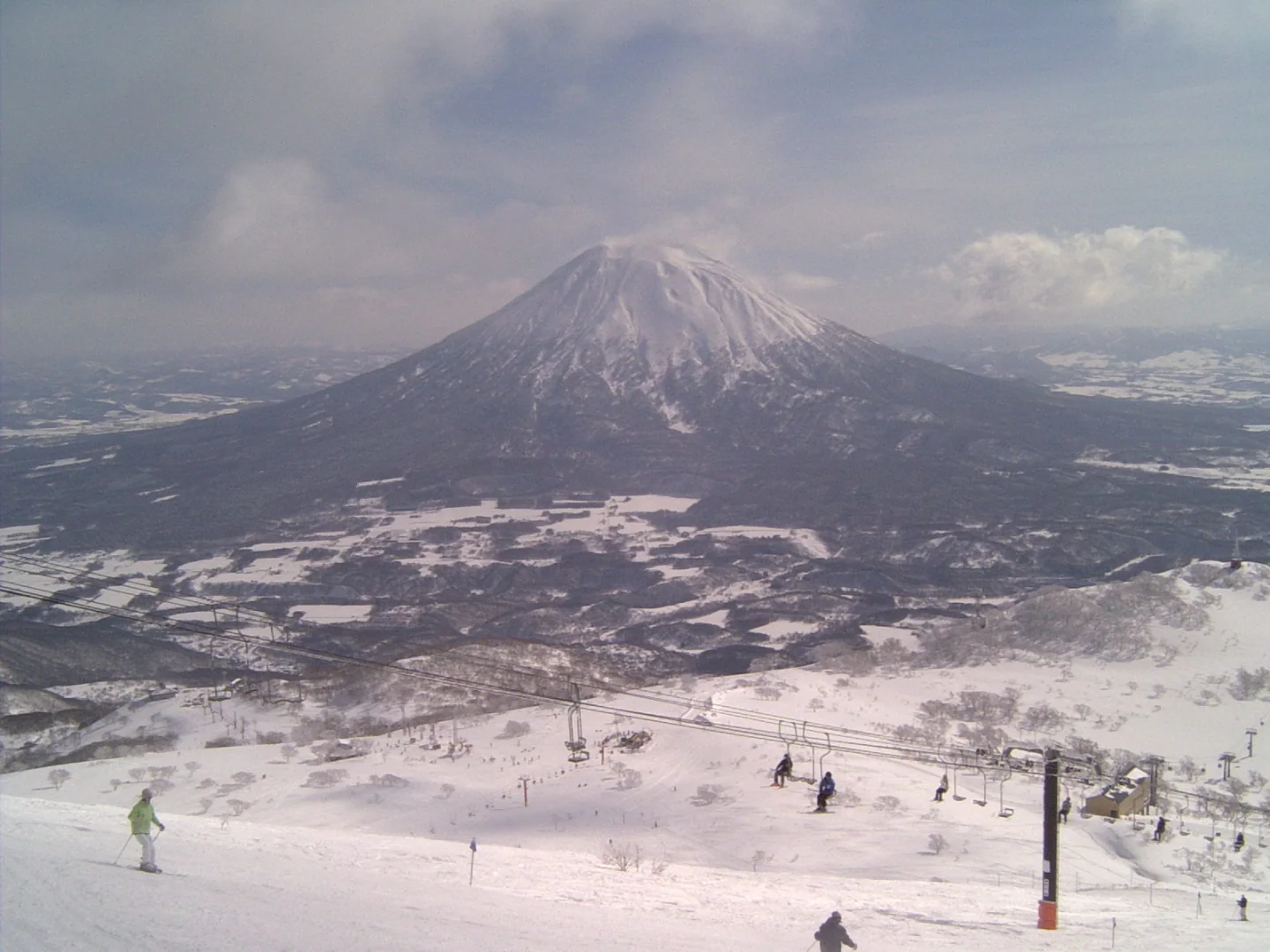
Skiers who have just grown comfortable on groomed intermediate pistes should take their first off-piste or ungroomed lesson on open in-bounds terrain matched to their ability, letting an instructor judge whether conditions suit. An open backcountry gate indicates only that access is open — avalanche bulletins, terrain reading, companion-rescue training and current visibility are separate responsibilities. Families visiting Niseko for the first time should keep Mount Yotei photography separate from boundary skiing: when the peak clears, pause at safe viewpoints on marked runs rather than following someone else's tracks out of bounds for a photo angle.
Two Ways to Structure a Three-Night Stay
A family taking lessons for the first time can comfortably spend three nights in Grand Hirafu. Settle in and collect rental gear on arrival day, take morning lessons at .Base the next day, and spend the afternoon repeating what the instructor covered on the same slopes. On day two, stick with the familiar entrance if the children are keen to ski more, or meet at Hanazono if part of the group wants to tube — checking session times at Hanazono 308 as soon as you arrive. That way, beginners can wrap up early without cutting short anyone else's ski day; save night skiing for adults with energy left, while children with morning lessons eat early and head to bed.
Three friends who all ski intermediate runs comfortably can spend one full day close to home and save the next for ranging further across the mountain. Based in Grand Hirafu, use an H/H pass on day one for Hirafu and Hanazono, then switch to an All Mountain day pass on day two to explore Niseko Village or Annupuri — keeping your cross-mountain day flexible for calmer weather. If you only have a single full day on snow, queuing for transfer lifts before lunch leaves very little time on the far side before you must turn back; spending half a day lapping slopes you genuinely enjoy beats ticking off extra bases in a rush.
If you hire gear for multiple days, confirm where you will return it on the final afternoon. Some shops sit a whole base away from your hotel, and discovering you have to haul skis onto a bus just before a booked onsen or dinner reservation is easily avoided by checking the map before leaving. Likewise, if splitting a stay between two bases leaves only half a ski day after moving bags, stay put in one hotel and dedicate one clear day to crossing the mountain instead. For ski-room setups, room layouts and village dining options, see our Niseko accommodation areas and hotels guide.
If your wider trip only leaves a single free day out of Sapporo, build your plan around whichever resort the morning coach reaches earliest. Carve out generous blocks at both ends for changing boots, sorting rentals and boarding the bus; what remains is your true lesson or practice window. For other ski areas with easier day-trip access from Sapporo, continue to our Hokkaido ski resorts guide.
A few useful answers
Do 'Niseko' and 'Niseko United' refer to the same ski area?
For ski planning, yes: Niseko United links the four main ski areas of Niseko — Grand Hirafu, Hanazono, Niseko Village and Annupuri. Because 'Niseko' is also used for Niseko Town and Niseko Village on booking and rail sites, include the full English or Japanese name of your specific base when checking buses or ski schools.
Do I need an All Mountain Pass if I am only practising on the Hanazono magic carpet?
Hanazono's official website lists the beginner magic carpet in Hanazono Bowl as free to use. If your lesson moves onto chairlifts or gondolas, compare the H/H pass covering Hanazono and Grand Hirafu against the All Mountain Pass. Match your ticket to your ski school's meeting point and planned lift use.
Can non-skiers ride the Niseko United Shuttle?
Yes — non-skiers simply pay the standard fare on board. If you are staying in Grand Hirafu and only visiting Hanazono, you can also ride the free Hanazono Shuttle. Luggage space on the Hanazono minibuses is limited, so book an airport coach or transfer equipped for suitcases when arriving or departing with bags.
Can I ski straight from Grand Hirafu to Annupuri on an All Mountain Pass?
The All Mountain Pass covers both resorts, provided the necessary connecting lifts and upper trails are open on the day and your skiing ability matches every pitch along the route. Whenever summit links are closed, take the Niseko United Shuttle between the bases using the published timetable.
Is night skiing still available in late March?
For the 2026–27 season, Niseko United's scheduled night skiing runs until 22 March 2027. From 23 March onwards, plan around each resort's spring daytime lift schedule.
Official information and references
Sources used in this guide.
- Niseko United 2026–27 All Mountain Pass, Season Dates and Resort Operating Calendars
- Niseko United Trail Maps and Live Operations Portal
- Niseko United Online Lift Passes and Activation Rules
- Niseko United 2026–27 Alliance Shuttle Timetable
- Niseko United Official Niseko Rules (Boundary Policy)
- Niseko United Live Lift Status Across All Areas
- Grand Hirafu 2026–27 Winter Season Announcement
- Grand Hirafu 2026–27 Lift Tickets and Two-Area Passes
- HIRAFU SNOW Lessons and .Base Meeting Point
- Grand Hirafu Base Facilities and Services
- Hanazono Winter Season Dates, Night Skiing and Resort Facilities
- Hanazono Winter Access, Free Shuttle and Cross-Area Routes
- Hanazono Family Ski Guide and Beginner Practice Zones
- Hanazono Tube Park Operating Hours, Footwear and Age Rules
- Hanazono NISS Group Ski School Age Groups, Check-In and Lesson Languages
- Niseko Village 2026–27 Snow School Catalogue
- Niseko Village 2026–27 Equipment Rental Locations and Rates
- Niseko Village 2026–27 Local Lift Pass Rates
- Niseko Village Night Skiing Hours and Trail Information
- Annupuri Local Pass and Annupuri + Niseko Village Joint Lift Tickets
- Annupuri Piste Gradients and Lift Operating Hours
- Hokkaido Chuo Bus Winter Services Between New Chitose Airport, Sapporo and Niseko
- JR Hokkaido Airport Access, Otaru Transfers and IC Card Guidance