The 2027 Lake Shikotsu Ice Festival runs January 30 to February 23. Check weekday vs. weekend ticket prices, 16:30 lighting hours, last Hyoto BLUE LINER buses, Sapporo day-trip options, a one-hour route, and lakeside stays.
- Region & Focus
- HokkaidoFestivals and fireworks
- Reading Scope
- 23 min read · 10 chapters · 6 Q&As
- Official Verification
- 15 official sources checkedUpdated November 22, 2026 at 08:00 AM GMT+8
- Key Topics
- WinterSeasonsHot springs
Chapter Route Map (tap any stop)
- 2027 Dates, Admission, and Weekend Pricing
- Visiting Without a Car: Book Your Return Bus First
- Daytime Local Buses (Kuu 4) and Sapporo Sightseeing Tours
- Driving: Where to Park and When to Leave Buffer Time
- One-Hour Ice Route: Shoot Your Photos on the First Half-Loop
- Where the Daytime Blue Comes From
- Phone and Camera Tips: Protect Your Highlights First
- Lakeside Wind Chill: Plan Warm-Up Breaks Before Dusk
- Staying at Lake Shikotsu, Chitose, or Sapporo: How Your Evening Works
- Fitting the Ice Festival Into a Hokkaido Itinerary
- Quick Q&A
The Lake Shikotsu Ice Festival lights up at 16:30. If you want to see both the pale-blue daytime ice and the colored evening lights on a single ticket, plan to arrive at Shikotsuko Onsen a little after 15:00. For a day trip from Sapporo, transfer at JR Chitose Station to the reservation-only festival shuttle bus. The last shuttle back to New Chitose Airport leaves the lakeside at 19:30, while a final 20:30 bus runs back to Chitose Station if you stay until the 20:00 closing time.
2027 Dates, Admission, and Weekend Pricing
The 49th Lake Shikotsu Ice Festival takes place along the shore of Shikotsuko Onsen in Chitose, Hokkaido, from Saturday, January 30 through Tuesday, February 23, 2027 (a Japanese national holiday). Grounds open at 10:00, illuminations switch on at 16:30, and the venue closes at 20:00. On your map app, search for "Shikotsuko Hyoto Matsuri" or "Shikotsuko Onsen" rather than just the lake name—Lake Shikotsu is huge, and searching the lake alone can drop a pin in the middle of the water. Once you reach the hot spring town, follow festival signs to the lakeside ticket booth.
General admission tickets are sold at the venue entrance. For junior high students and older, entry is ¥1,000 on weekdays and ¥3,000 on Saturdays, Sundays, and Japanese national holidays; elementary school students and younger enter free. Holiday pricing applies on both February 11 (National Foundation Day) and February 23 (Emperor's Birthday). For two adults, the price gap between a weekday and a weekend visit comes to ¥4,000—the exact cost of one round-trip ride on the festival shuttle bus. If you are traveling with a junior high student, they pay the junior-high-and-up admission rate, while transit fares follow each operator's child-fare rules.
If your schedule is flexible, aim for a weekday afternoon so you can walk the grounds in daylight and stay for the 16:30 lighting. If you mainly want to see the natural pale-blue ice or have companions who cannot stand outside for long, a daytime visit gives you plenty to see. Saving weekends for downtown Sapporo also lets you skip slow evening traffic along the lake road. Since opening day falls on a Saturday and closing day is a national holiday, anyone planning to go at the very start or end of the festival should budget for holiday rates.
Shuttle bus fares and festival admission are separate. For one traveler of junior high age or older, a round-trip shuttle ticket plus admission totals ¥5,000 on weekdays and ¥7,000 on weekends and holidays, not counting the train between Sapporo and JR Chitose Station. Riding the regular local bus both ways between Chitose Station and Lake Shikotsu costs less, though how late you can stay depends on the winter bus timetable. Pick your date and return window first, then compare the combined cost across transport options.
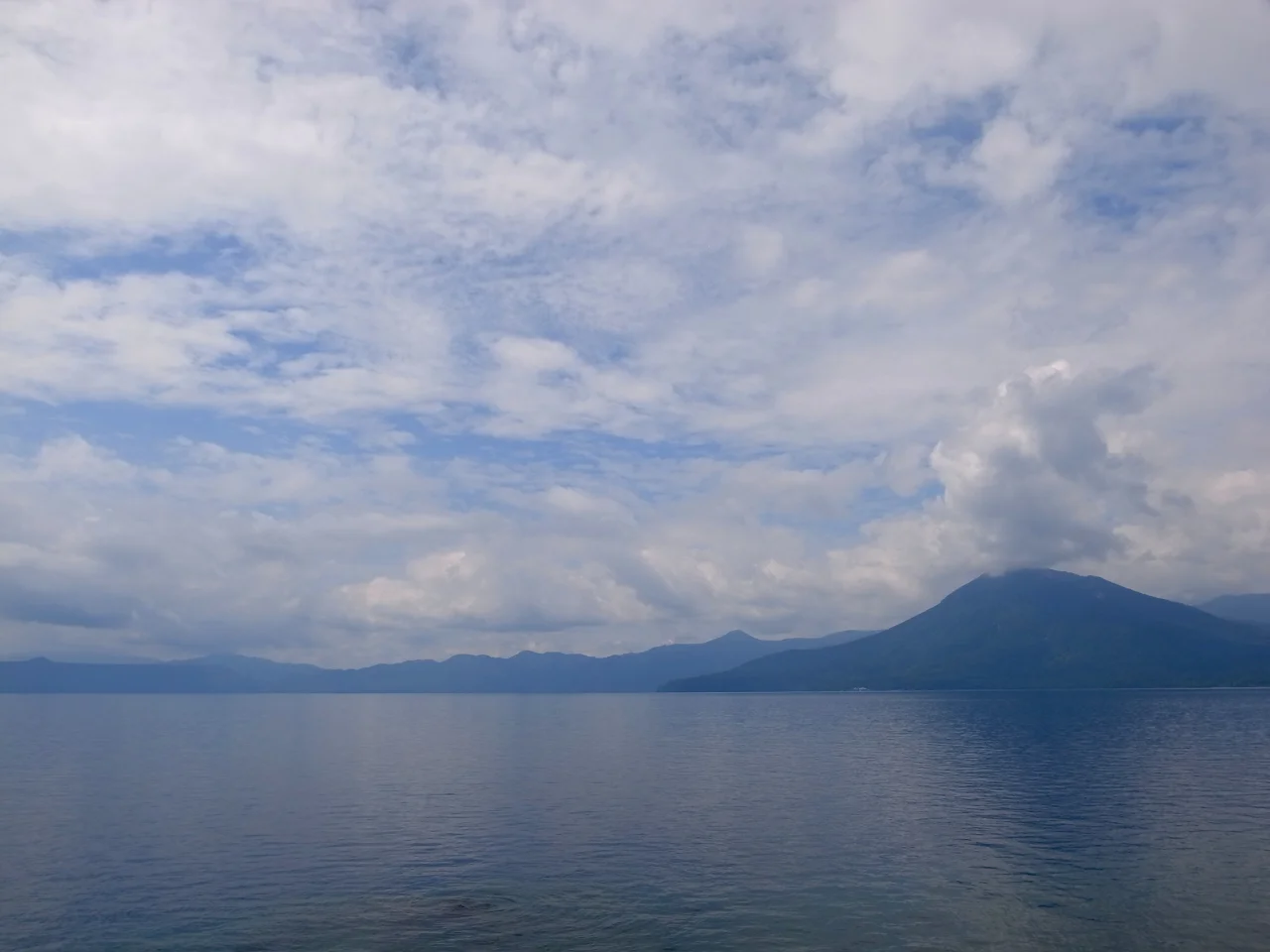
The 2027 Lake Shikotsu Ice Festival runs January 30 to February 23. Check weekday vs. weekend ticket prices, 16:30 lighting hours, last Hyoto BLUE LINER buses, Sapporo day-trip options, a one-hour route, and lakeside stays.
Visiting Without a Car: Book Your Return Bus First
The festival's dedicated "Hyoto BLUE LINER" shuttle connects New Chitose Airport's Domestic Terminal, JR Chitose Station's East Exit, and the festival grounds. For 2027, operator Sapporo Kanko Bus lists 9 outbound departures and 11 return departures. Scheduled travel time to the venue is 65 minutes from New Chitose Airport and 45 minutes from JR Chitose Station. Outbound and return legs are booked as separate tickets; when reserving your return trip, set the departure point to "Shikotsuko Onsen (Hyoto Matsuri Venue)." Day-trippers should lock in the harder-to-replace return slot first, then pick an outbound bus that fits your entry window.
Each bus holds 45 seats and requires advance reservation, with bookings closing at 20:30 JST the day before travel. One-way fares are ¥2,000 for both adults and elementary school students. Each adult may bring one preschooler on their lap free of charge; any preschooler occupying a seat requires a ticket. Bus fares do not include festival admission. Once paid, dates and departure times cannot be changed, and voluntary cancellations carry a 100% cancellation fee. To switch buses, you must buy a new ticket. Buses depart strictly on schedule, and missed departures are non-refundable.
At New Chitose Airport, the shuttle picks up and drops off on the 1st floor of the Domestic Terminal—there is no stop at the International Terminal. If you are arriving on an international flight, allow time for immigration, baggage claim, and the walk to the Domestic Terminal before connecting. From Sapporo, take a Rapid Airport train that stops at Chitose to JR Chitose Station; Special Rapid services bypass Chitose, and Minami-Chitose is a separate station. At JR Chitose Station, leave via the East Exit, take the stairs or elevator down to the left, and board at Bus Stop 7. The operator asks passengers to arrive 10 minutes before departure.
To photograph the ice in both daylight and evening illumination, take the 14:20 or 14:50 departure from JR Chitose Station (arriving lakeside at 15:05 or 15:35), and book an 18:15 or 18:30 return. That leaves time to buy tickets, inspect the ice walls in daylight, and circle back to the same spots after dark. If you take the 15:20 bus from Chitose, scheduled arrival is 16:05—just 25 minutes before lighting. That is still enough time to walk in and catch the lights coming on, though if evening traffic delays your bus, head straight for the main sculpture zone.
The 19:30 departure from the lakeside—scheduled to reach JR Chitose Station at 20:15 and New Chitose Airport at 20:35—is the last shuttle serving the airport. The final 20:30 departure terminates at JR Chitose Station at 21:15, so check the late-evening train schedule back to Sapporo for your travel date. Anyone staying until the 20:00 closing time can use this 20:30 bus back to Chitose. If you have a flight that night, work backward from check-in cutoffs, remembering that you will still need to walk back from the Domestic Terminal to the International Terminal. The bus operator also notes that departures after 15:00 are prone to traffic delays.
The latest outbound shuttle leaves the Domestic Terminal at 17:10 and JR Chitose Station at 17:30, reaching the venue at 18:15. For travelers based in Sapporo who only have the late afternoon free, this pairs well with the 20:30 return to Chitose for an evening-only visit. If you still need to reach the airport on the 19:30 bus, gathering and boarding cut your lakeside time to under 75 minutes—stick to a quick loop through the main sculptures and save dinner for afterward. If that tight connection is your only option on flight day, moving the festival to the previous evening makes for a much calmer trip.
Book through Sapporo Kanko Bus's 2027 Hyoto BLUE LINER page. As soon as you step off at the lake, snap a photo of the return bus stop sign and nearby landmarks, and keep your booking confirmation saved on your phone. Shuttles leave after drop-off and do not store luggage; the operator directs travelers with bags to shops along the lakeside street near the drop-off point. If you are staying at the same hotel before and after your visit, leave large suitcases there and bring only a small bag so your hands stay free around the ice.
Daytime Local Buses (Kuu 4) and Sapporo Sightseeing Tours
Hokkaido Chuo Bus runs the "Kuu 4 Lake Shikotsu Line" year-round between New Chitose Airport, Chitose Station, and Lake Shikotsu. Under the winter timetable starting December 11, 2026, return buses leave Lake Shikotsu at 9:35, 12:50, 15:45, and 17:45. Standard adult one-way fares are ¥1,140 from JR Chitose Station and ¥1,260 from New Chitose Airport. Check the front display for "Kuu 4" or "Shikotsuko" before boarding, as other buses sharing the same bays at Chitose Station and the airport only go to town neighborhoods or Shinsei. The winter schedule lists an 11:35 departure from Domestic Terminal Stop 28—stopping at the International Terminal at 11:39 and Chitose Station West Exit Stop 4 at 11:48, arriving at Lake Shikotsu at 12:32—which works well for a long afternoon by the lake and lets international arrivals board directly without walking to the Domestic Terminal.
If you catch the last 17:45 Kuu 4 bus back after seeing the lights, you get roughly an hour after the 16:30 switch-on, including the walk back to the bus stop. If you are managing kids' winter gear, walking with slower companions, or hoping to shoot photos against a darker sky, book an 18:15 or later BLUE LINER instead. Splitting the trip—taking Kuu 4 out to save on fare and the reserved shuttle back at night—gives you both savings and evening flexibility. Just make sure you queue at the right stop at Lake Shikotsu: do not assume a line at the regular public bus stop is for the shuttle. If your ticket reads "Shikotsuko Onsen (Hyoto Matsuri Venue)," look for the BLUE LINER sign.
Travelers staying in Sapporo who want fewer transfers can compare two sightseeing bus tours. Hokkaido Chuo Bus operates the "Light-Up Lake Shikotsu Ice Festival Course," departing Sapporo Station at 13:20 and returning at 19:51, with lakeside time from 16:00 to 17:45. Fares are ¥5,500 for adults and ¥2,800 for children, with festival admission paid separately. The coach stops at Wattsu Service Area and Salmon Park Chitose for breaks and offers an optional drop-off at the Sapporo Clock Tower on the way back.
Sapporo Kanko Bus sells its own Sapporo day tour that includes festival admission, departing from ANA Crowne Plaza Sapporo or Susukino Norbesa, allowing roughly 90 minutes of free time at the venue, and returning to JR Sapporo Station North Exit around 20:00. Because pickup points, drop-off stops, fares, and ticket inclusions differ between the two tours, compare total out-of-pocket cost on the booking screens. If you are starting from Chitose, want a full afternoon at the lake, or plan to leave Sapporo right after a specific Snow Festival event, taking JR plus the shuttle gives you much tighter schedule control. Whichever tour you book, reserve Sapporo dinner a little later than your scheduled return to allow for the walk from the drop-off point.
For a family of two adults and one elementary school child riding the BLUE LINER round-trip, three seats cost ¥12,000 total, plus ¥2,000 for festival admission on weekdays or ¥6,000 on weekends and holidays. You can run the same headcount against the sightseeing tours with child pricing, or ride Kuu 4 outbound and keep reserved shuttle seats for the evening return. If your kids eat on a fixed schedule, take the 18:15 shuttle (reaching Chitose Station at 19:00) and have dinner in Chitose. Starting earlier works well too: eat lunch in Chitose, catch the 13:20 shuttle, and enjoy nearly two and a half hours to explore the lakeshore and sculptures before the lights turn on.
Driving: Where to Park and When to Leave Buffer Time
From New Chitose Airport, Chitose's official sightseeing guide estimates about 40 minutes to Shikotsuko Onsen via National Route 36 and Hokkaido Prefectural Route 16. From central Chitose via Route 16, it takes around 30 minutes. Drivers heading south from Sapporo can choose routes based on departure point and road conditions; the guide estimates roughly 70 minutes from central Sapporo via National Route 453, though winter snow, commuter traffic, and parking queues can stretch that time. Set your GPS to the Shikotsuko Onsen parking area, which the official event page lists at roughly 400 spaces—free for regular passenger cars in winter, with separate fees for tour buses.
Winter driving requires extra buffer even after you park. The walk from the lot to the festival gate is completely outdoors, so put on hats and gloves before stepping out of the car. On weekends, if you want to see the lights come on at 16:30, do not aim for a 16:25 ETA—the final stretch along the lake often backs up with cars turning into the lot. Arriving early lets you grab a snack on the hot spring street and stroll by the water instead of sitting cramped in heavy coats inside the car.
Before driving back to Chitose at night, clear all snow from the windshield, mirrors, and headlights, and wait for the glass to defog completely. Once dark, snow can hide road markings, gusts sweep loose snow across exposed mountain stretches, and taillights ahead become hard to track. If heavy snow rolls in, cut your visit short and head down the mountain while visibility is still decent. Real-time road conditions, daylight, and your winter driving experience matter far more than a standard Google Maps estimate. If it is your first time driving on Hokkaido snow, taking the shuttle or booking an overnight stay at Lake Shikotsu spares you a stressful night drive.
When filling a schedule gap by taxi, it is easy to get a quote at the airport, but for the return trip you should pre-book a pickup. Official flyers estimate roughly 40 minutes and around ¥9,000 one-way between New Chitose Airport and the venue—worth comparing against total shuttle fares if splitting among a small group. When reserving, confirm the date, pickup time, passenger count, and number of bags, and save the exact meeting point given by the driver or dispatch. If you realize late in the afternoon that return buses are sold out, call a taxi company before entering the festival; hoping to hail a passing cab at night is unreliable.
One-Hour Ice Route: Shoot Your Photos on the First Half-Loop
Once inside, scan the open walkways and head to a spot where several major sculptures sit in view. For a one-hour visit, spend the first 10 to 15 minutes taking in the wide views of the tall towers and ice walls, then follow the open paths up close to inspect icicles, translucent ice panels, and backlit edges. Chitose's official guide highlights towering blue spires and an ice tunnel modeled after Koke no Domon (the Moss Cave). Check posted signs at any walk-through passage, and weigh any line against your remaining time and your group's stamina. If the viewing platform atop the ice mound is open, watch your footing before framing shots of the lake and ridges.
Walking around from the bright side of a sculpture to its shaded side reveals textures invisible head-on. Thin edges glow against a dark backdrop, while thicker sections turn a deeper blue. Ground spotlights sit beneath many displays, so step back a little on wide shots to keep both the lit ice and a strip of dark ground in frame. If you plan to stay past dusk, walk the return path in daylight first and pick a clear vantage point facing a broad ice wall. Come back to that exact spot after the lights turn on to compare the colors and contours.
Save the last 15 minutes for group photos and finding the exit, keeping your walk back to the bus stop on a separate clock. With kids, ask everyone on the first loop to pick one favorite sculpture, hit those priorities, and then decide whether to linger. Serious photographers will be more comfortable with 75 to 90 minutes so they can wait for earlier groups to clear before stepping up close. If you want a short visit, pick one tall ice wall and one easy, well-cleared close-up path, then head straight out—that way, if the wind picks up or someone starts getting cold, you are not wandering across the grounds hunting for another exit.
At 16:30, lingering twilight often lets you see fine surface details under the colored spotlights while the distant lake and mountains still hold their outlines. Once full darkness settles in, the black background makes the colored lights pop much more dramatically. Visitors catching the 17:45 local bus should focus on the initial switch-on and a brief stroll, leaving the deeper night hues to those on later shuttles. Whenever you stop to look or shoot, step clear of the main walkway before raising your phone, and if a companion is taking your picture, stay on the same side of the path so you are not gesturing across steady foot traffic.
For groups curious about how the frames are built and iced, the 2027 official flyer lists a one-hour guided tour led by festival builders for groups of 5 to 30 people at an extra ¥500 per person (reservations required at least three days in advance), combining commentary with free exploration. Couples and families can also stop by the Visitor Center first to study the Lake Shikotsu relief map, then head into the festival to trace the frozen spray patterns on the sculptures. Seeing where the lake drains into the river on the model pairs naturally with a short walk across the nearby Yamasen Iron Bridge to look at the outlet.
Where the Daytime Blue Comes From
Builders erect the wooden frameworks in late November. Once temperatures drop below freezing in late December, pumps draw water directly from Lake Shikotsu and spray it over the frames, thickening the ice layer by layer. By January, spraying runs around the clock. While the scaffolding dictates the overall silhouette, how icicles hang and how ridges form on windward faces depend on water flow and weather. Looking up from the base of an ice wall, you can distinguish smooth ribbons of frozen spray from the rougher crust left by fresh snowfall.
"Shikotsuko Blue" is visible in natural daylight without any artificial lighting. Clear, thick ice absorbs more red wavelengths, leaving the light that passes through to reach your eyes tinted blue. To spot the pale-blue glow, look first at translucent corners before moving to thicker, deeper-toned walls; the shade shifts depending on the sun's angle. At night, color comes from floodlights—pink-purple, cyan, and yellow beams pick out different ridges and hollows. Under soft overcast skies, thin ice can look almost gray, so shift a few steps until a darker background sits behind the ice.
If children wonder how water freezes taller than a person, point first to the upward-reaching icicle clusters and thick lower walls, then show them nearby edges thin enough to glow. Crews build each piece outward from a core frame, leaving some faces dusted with snow and others glossy with frozen drips. Moving from big silhouettes down to ground-level detail lets even slow walkers spot plenty of variety within a short stretch. The 2027 flyer notes that thinned timber from surrounding forest management is also used in the structural frames; as the ice thickens, the wood disappears inside, leaving frozen ridges cascading down the outer skin.
Phone and Camera Tips: Protect Your Highlights First
On a smartphone at night, tap the brightest illuminated section of an ice wall and drag the exposure slider down slightly so textures do not blow out into flat white. Night mode works well for stationary ice, though anyone walking through the frame will blur across multi-frame exposures—wait until your companions stand still, or step back into an area with steady face light and use standard photo mode. Keep colored spotlights near the edge of the frame or out of direct lens flare, and zoom in on your first shot to check wall detail before moving on.
With a dedicated camera, use a wide-angle lens for overall scale—placing one person near an ice wall gives viewers an instant sense of height—then switch to a mid-range focal length to isolate frozen textures running down the walls. Move slowly across packed snow and plant your feet before raising the camera. For handheld night shots, pick a shutter speed you can hold steady and raise ISO as needed. Against backlighting, shoot one slightly brighter frame and one darker frame of the same composition to preserve layers in the ice, and keep white balance consistent across dusk if you want before-and-after comparisons.
Keep handrail ramps, narrow passages, and crowd corners clear for foot traffic. When setting up long exposures, choose an open spot where others can easily pass. According to the organizer's flyer, drones and livestreaming are strictly prohibited inside the venue; record short clips if you want to share the visit and upload them after leaving. Before stepping from freezing air into a warm building or bus, zip your camera inside a dry bag so it warms gradually without fogging. Keep your phone and spare batteries in an inside pocket, and save an offline screenshot of your bus ticket.
Lakeside Wind Chill: Plan Warm-Up Breaks Before Dusk
Wind sweeps off the lake both during afternoon walks and while standing beside the sculptures at night. Dress in a thermal base layer, a fleece mid-layer, and a windproof outer shell, sealing your collar, ears, and wrists with a neck gaiter, knit hat, and gloves. Wear boots with solid tread and socks that stay dry—tight toe boxes restrict circulation and make feet slow to warm up while waiting for a bus. If you use strap-on ice cleats, take them off and stow them before entering buildings or boarding transit. Keeping bulk in your outer jacket makes it easy to unzip or peel off a layer once you board a heated train.
Packed snow turns slickest on shaded slopes, queue corners, and the bottom edges of walkways. Take shorter steps and hold handrails on ramps. Older travelers using walking sticks should fit snow-grip tips and stick to flatter paths with a companion. If you are bringing a stroller or wheelchair, check with organizers beforehand on accessible zones, grades, and detours for the current season; once at the entrance, assess footing in person before committing to slopes. Parents with young kids can agree on one short loop first and add more only if everyone still has energy.
The most reliable indoor warm-up stops are the Lake Shikotsu Visitor Center and the restaurants along Shikotsuko Onsen—schedule them before entering the festival. In winter, the Visitor Center is open 9:30 to 16:30 and closes Tuesdays from December through March (or Wednesday if Tuesday is a national holiday), making it ideal for viewing the lake relief model, himemasu (kokanee salmon) tanks, and short films before closing right as the festival lights come on. Several cafés and eateries along the hot spring street also close around early evening, so eat a proper meal during daytime hours or wait until returning to Chitose or Sapporo. Pick up a hot canned drink near the station on arrival so you have something warm back at the meeting point.
Before setting out, simplify the route into landmarks even young kids can remember: bus drop-off, ticket gate, and meeting-point exit. Voices carry poorly under winter hoods and gloves make touchscreens clumsy, so anyone splitting up to take photos should lock in clear meeting instructions. If toes start going numb, hands struggle with jacket zippers, or a child suddenly wants to be carried, wrap up the outdoor portion and move inside. Leaving a calm cushion before departure beats scrambling for the exit once everyone gets cold at once.
Staying at Lake Shikotsu, Chitose, or Sapporo: How Your Evening Works
If travel blogs recommend "staying at Lake Shikotsu," check the exact pin on a map before booking. Properties carrying a Lake Shikotsu address include inns right inside Shikotsuko Onsen as well as Marukoma Onsen and lodges across the water, each with very different access. To walk straight back to your room after the lights, book inside Shikotsuko Onsen and check the walking path from the hotel door to the festival gate. Remote lakeside properties usually require hotel shuttles, pre-booked taxis, or your own rental car—measure road distances on a map and plan luggage storage after checkout.
On a standard overnight stay, drop your bags in the afternoon, walk a bit of the lakeshore and the vermilion Yamasen Iron Bridge spanning the Chitose River headwaters while it is still light, then enter the festival. If your stay includes dinner, ask the front desk for the last seating time and walking duration from the venue, factoring in the trip back to change out of damp layers. When only an early dinner slot is available, finish your first sculpture loop around dusk. Families with kids can also stay in for dinner and an onsen soak, saving a second round for the next morning at the Visitor Center and nearby lakeshore before afternoon travel.
If you specifically want to see the sculptures after dinner, look for "Premium Time" packages offered by participating Shikotsuko Onsen hotels. For 2027, Kyukamura Shikotsuko lists a weekday plan from February 1 through February 18 (excluding the February 11 national holiday) that grants private after-hours entry on arrival night from 20:15 to 21:15, plus morning re-entry from 10:00 to 12:00 the next day. Book a package explicitly bundling the special ticket to unlock both windows—that lets you enjoy natural light by the lake in the afternoon, dine peacefully, see the sculptures after hours, and sleep in knowing you can return the next morning.
Hotel shuttles often run on two separate legs: one between central Chitose and the hotel, and another between the hotel and the festival. Kyukamura Shikotsuko's 2027 schedule, for example, offers an evening venue shuttle leaving the hotel at 18:40 (returning at 19:50) plus weekday late shuttles at 20:00 (returning at 21:15), reserved at check-in. At other inns, ask directly where the post-dinner meetup is and how far the walk back takes. Day-use hot spring bathers face a similar catch: shuttle arrival times do not guarantee bathhouse last entry, so soak before the festival and keep your evening focused on catching the bus home.
If you prefer not to switch hotels, base yourself in Sapporo and come on a day trip via JR Chitose Station or a sightseeing bus. Travelers with an early flight out can spend that final night in central Chitose or near New Chitose Airport instead; stepping off the return bus at JR Chitose Station keeps you from hauling bags all the way back to Sapporo at night, provided your luggage is already at the Chitose hotel. Book your lakeside return to Chitose first, then arrange airport transit for the next morning. If you are already spending several nights in Sapporo, a half-day to full-day excursion covers the Ice Festival comfortably.
Fitting the Ice Festival Into a Hokkaido Itinerary
The 2027 Sapporo Snow Festival runs February 4 to February 11, overlapping the Ice Festival for eight days. Odori's snow sculptures and Susukino's ice carvings are easy to link on Sapporo city transit, whereas Lake Shikotsu needs its own half-day block. On a three-night Sapporo stay, put Lake Shikotsu on a weekday afternoon and save the adjacent evening or next day for the Snow Festival. Non-holiday weekdays when both festivals run—February 4, 5, 8, 9, and 10—qualify for the ¥1,000 Ice Festival ticket. Trying to squeeze both destinations onto the February 11 holiday brings intercity transit and ¥3,000 holiday pricing together, so splitting your evenings gives each festival breathing room. When planning your city stops, check our guide to navigating all three Sapporo Snow Festival venues.
If you plan to visit the lake on arrival day, pick your bus based on realistic customs, baggage claim, and hotel drop-off times. Morning flights leave plenty of afternoon options; if you are staying in Chitose that night, drop your bags at the hotel first and walk back to the station for the shuttle. Landing in the afternoon and aiming for an evening bus leaves little margin if transfers eat into your sculpture time—consider shifting the festival to the next day and eating dinner in Chitose instead. On your departure day, an evening flight pairs best with a daytime visit so you retain a wide safety margin for airport transit and winter road delays.
When traveling with kids who want to play in the snow or seniors who prefer an easy stroll, save the Ice Festival for afternoon and schedule the morning separately. The 2027 festival flyer lists a joint promo with North Snow Land in Chitose: from January 30 through February 28, showing a current Ice Festival ticket gets up to five people half-price admission to the snow park. Going to the snow park in the morning lets you pick up an entry slip before leaving for a ¥100 discount per junior-high-or-older visitor on Ice Festival admission. The flyer puts the drive between the two venues at about 25 minutes; building in time to swap damp socks and eat lunch before heading to the lake makes a far easier day than rushing straight from morning to night.
Check weather forecasts separately for the lakeshore, the highway corridor, and your return train or bus schedule. If heavy snow or high winds hit, trim your lakeside visit to a daytime loop and head back to Chitose before dark. If weather disrupts events or transit, Sapporo-based travelers can swap days and move indoor sightseeing onto the stormiest day. Before changing any booked tickets, verify operator notices and cancellation rules, and keep your return station info plus one earlier departure time saved on your phone so you are never piecing a route together with weak signal by the lake.
A few useful answers
What time do the lights turn on at the 2027 Lake Shikotsu Ice Festival?
The festival runs daily from January 30 to February 23, open 10:00 to 20:00, with illuminations starting at 16:30. Arrive a little after 15:00 to see both natural daylight and the evening light-up on the same day.
Do February 11 and February 23 require holiday tickets?
Yes. Both are Japanese national holidays, so admission is ¥3,000 for junior high students and older (elementary school students and younger enter free). Non-holiday Mondays through Fridays are ¥1,000 for junior high and older.
How do I get back to Sapporo after seeing the evening lights at Lake Shikotsu?
Reserve the 18:15, 18:30, 19:30, or 20:30 Hyoto BLUE LINER shuttle to JR Chitose Station and transfer to a train bound for Sapporo. Direct sightseeing bus tours from Sapporo also offer round-trip service.
Does the last Ice Festival shuttle bus go to New Chitose Airport?
No—the 20:30 final departure terminates at JR Chitose Station. The last shuttle heading to New Chitose Airport leaves the lakeside at 19:30 and is scheduled to reach the Domestic Terminal at 20:35.
How long does it take to see the Lake Shikotsu Ice Festival?
Plan about one hour to see the main towers, ice walls, and close-up details. Add 15 to 30 minutes if you are waiting for the 16:30 light-up or shooting with a camera, plus separate buffer time for walking to and boarding your return bus.
Are the ice sculptures blue during the daytime too?
Yes. Builders spray Lake Shikotsu water over frameworks to freeze layer by layer, creating thick ice that naturally glows pale blue in daylight; colored spotlights add different hues after dark.
Official information and references
Sources used in this guide.
- Chitose Tourism Association | 2027 Lake Shikotsu Ice Festival Event Info
- Lake Shikotsu National Park Management Council | 2027 Festival Flyer and Access Map
- Chitose Tourism Association | Ice Sculpture Construction, Cold-Weather Gear, and Driving Routes
- Chitose Tourism Association | 2027 Ice Festival Highlights and Nearby Spots
- Sapporo Kanko Bus | 2027 Hyoto BLUE LINER Schedule and Reservations
- Hokkaido Chuo Bus | Chitose Winter Timetable (Effective December 11, 2026)
- Hokkaido Chuo Bus | Sapporo Departure Lake Shikotsu Ice Festival Light-Up Sightseeing Bus
- Sapporo Kanko Bus | 2027 Lake Shikotsu Ice Festival Day Tour from Sapporo (Admission Included)
- JR Hokkaido | Rapid Airport Train Stops
- Lake Shikotsu Visitor Center | Winter Hours and Exhibits
- Chitose Tourism Association | Yamasen Iron Bridge
- Kyukamura Shikotsuko | 2027 Guests-Only Extended Festival Entry Plan
- Kyukamura Shikotsuko | Accommodation Plans and Evening Festival Shuttle
- Sapporo Snow Festival Official Site | 2027 Dates and Venues
- Cabinet Office, Government of Japan | 2027 National Holidays