The Sapporo Snow Festival runs February 4–11, 2027. Plan a half day, a family day or two days across Odori, Susukino and Tsudome, with Sakaemachi access, subway passes, evening walks, six location photos, maps and an earlier HTB report.
- Region & Focus
- Sapporo
- Reading Scope
- 30 min read · 17 chapters · 7 Q&As
- Official Verification
- 14 official sources checkedUpdated November 9, 2026
- Key Topics
- ItinerariesSeasonsHokkaido
Chapter Route Map (tap any stop)
- Locate the three sites before deciding how many days to stay
- 2027 dates and Odori blocks: mark the five large snow sculptures
- Enter Odori around the middle and decide how far to walk
- Look closely at smaller sculptures and contest works
- See carving by day and lighting by night, with a seated meal between
- Pair Susukino’s ice sculptures with dinner, from South 4 to South 6
- Give Tsudome the daytime: count the walk from Sakaemachi too
- Change into dry gloves after snow play and keep the evening short
- Use the Toho Line for Tsudome and choose other lines by your walking endpoint
- Compare subway passes by ride count and by weekday or weekend
- Beyond free admission, budget transport and seated meals first
- Use underground passages for travel, then surface for sculptures
- Half a day: central Odori, dinner and Susukino ice sculptures
- A family day: Tsudome in the morning and one short Odori walk at night
- Two days: separate outdoor activities and stay near your evening endpoint
- Walk slowly on snow and prepare footwear and the next indoor break
- Pack what you will need before returning to your room
- Quick Q&A
Split the Sapporo Snow Festival’s three sites into two types of outing: city-center walks at Odori and Susukino, and daytime snow play at Tsudome. The 2027 festival runs February 4–11. For children who want snow tubing, take the Toho Line to Sakaemachi in the morning, return to the hotel to change in the afternoon, then visit Odori at night. With only half a day, choose Odori and Susukino, connecting snow sculptures, ice sculptures and dinner in one route. This makes transport and outdoor time easier to manage.
Locate the three sites before deciding how many days to stay
Odori extends east–west along Odori Park, while Susukino occupies Sapporo Ekimae-dori between South 4 and South 6. Both are central. Tsudome is a sports facility in Higashi Ward, reached by subway to Sakaemachi followed by a walk. Mark this farther daytime outing separately on your map. Save Odori and Susukino for the same evening to avoid repeated trips to Higashi Ward.
For a first visit focused on giant snow sculptures, an afternoon and evening give the trip a clear focus. See the snow surfaces and carving at Odori by day, then visit Susukino’s ice sculptures after dinner. For children who also want snow play, allow two days: one centered on Tsudome and another for a slower Odori walk. This also gives companions with different interests enough time for viewing carvings or using play equipment.
You do not need to walk from morning to night every day. Include a full indoor lunch and hotel break before going out again in the evening. This is especially useful with strollers or little experience walking on snow: sort coats, footwear and gloves, and select photos while seated. At the evening site, you can focus on the views and walking.
Snow sculptures and visitors at the Odori site as the 2025 Sapporo Snow Festival opened.
The Sapporo Snow Festival runs February 4–11, 2027. Plan a half day, a family day or two days across Odori, Susukino and Tsudome, with Sakaemachi access, subway passes, evening walks, six location photos, maps and an earlier HTB report.
2027 dates and Odori blocks: mark the five large snow sculptures
The organizer’s 2027 outline lists all three sites for eight days, from Thursday, February 4 to Thursday, February 11, National Foundation Day. Odori spans West 1–11, with large snow sculptures planned for blocks 4, 5, 7, 8 and 10. Mark these five positions and choose a stretch from your arrival direction, without filling every slot with performances.
The 2027 outline also places Sapporo International Art Festival 2027 at block 2 and the international snow sculpture contest and other features at block 11. For carving techniques, spend longer in the western contest area. For a first look at large sculptures, start at blocks 4 and 5, then continue toward 7 and 8. This route follows announced locations; adjust the actual order to crowds and the works that interest you.
Detailed 2027 information for the three sites is scheduled to be updated from mid-December 2026. Use the announced eight-day period to book flights and accommodation, then add performances to your chosen site visits once programs appear. A partner event, Sapporo Snow Sports Park 2027, runs February 12–14 at Daiwa House PREMIST DOME. For Odori snow sculptures, your stay should include February 4–11.
Enter Odori around the middle and decide how far to walk
The festival stretch of Odori Park is about 1.1 km long, with stops for photos, traffic lights and views from the front of sculptures. For a first visit, start at Odori Station and use blocks 4–8 as your main walk. Large sculptures stand a few blocks apart, giving clear targets and easy points to finish, return to the subway or find a restaurant when tired.
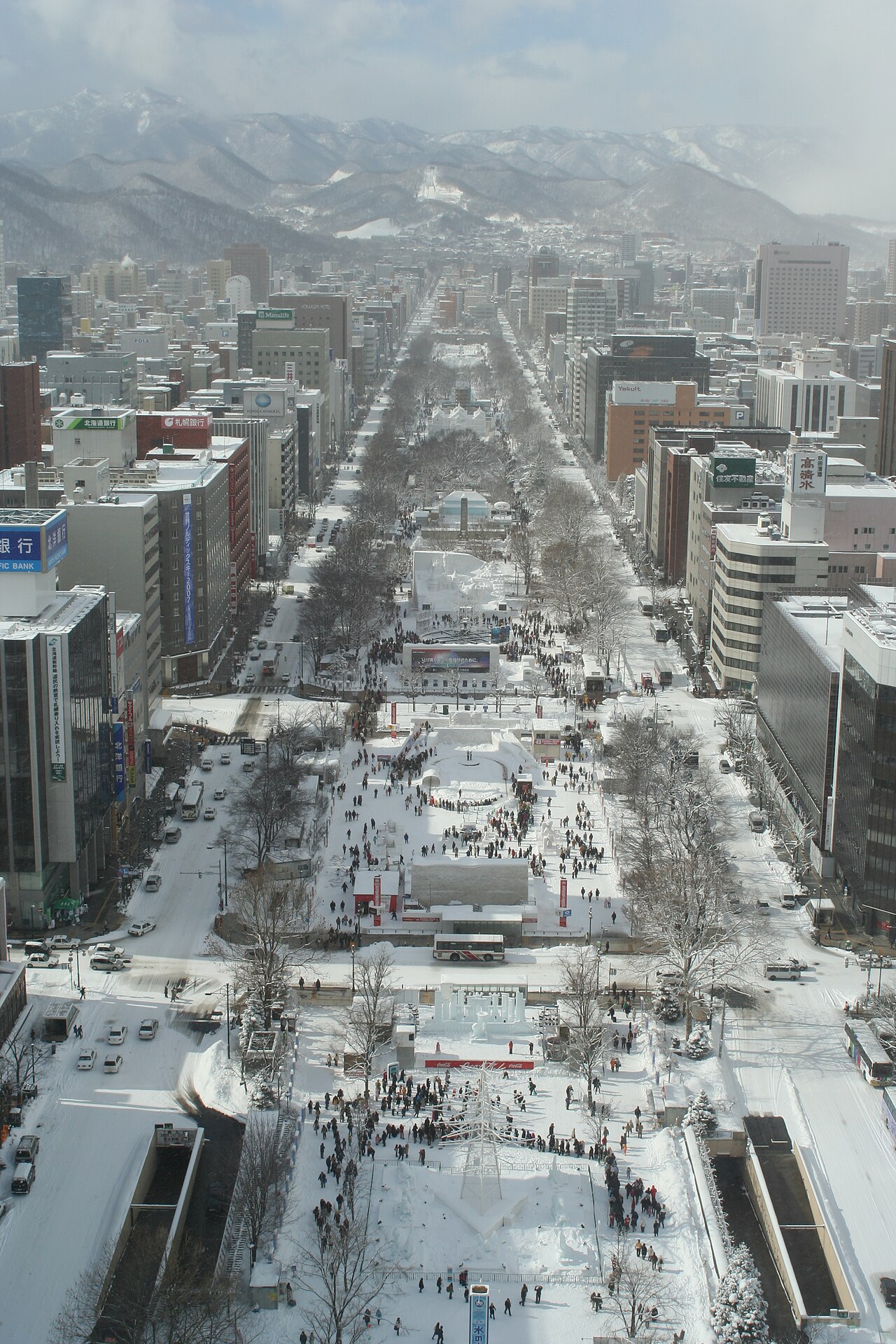
If one person wants photos of every work and another wants only a few large sculptures, agree on the next meeting block. Avoid “the Odori Park entrance”: the park is long, and different subway exits lead to different first works. Use a block number, intersection or precise map pin rather than only a sculpture photo. Meet beside the path so visitors behind can keep moving.
Walking east to west takes you past the large sculptures planned for 2027 and toward the contest area at the western end. From Nishi-juitchome Station, see contest works first, then head toward the large sculptures. The first suits arrivals from Sapporo Station or Odori shopping streets; the second suits a close look at block 11 followed by a central meal. Choose one direction to save backtracking.
With only a short gap, see blocks 4 and 5, then eat. Afterward, decide whether to continue to 7 and 8 or go straight to Susukino. An extra half hour standing in snow feels different from ordinary city walking. Divide the route into complete short stretches so you can stay with works you like instead of rushing toward the next number.
Look closely at smaller sculptures and contest works
Step back for large sculptures, but examine small works within the marked viewing areas. The 2027 outline lists small snow sculptures at block 3, medium and small works at 6 and 9, and the international contest and other activities at 11. Add these between large works for changes between wide views and details. Following only the large-sculpture numbers can mean walking past smaller pieces.
Ask children to choose a favorite, then find a different expression or animal shape nearby. This can hold their interest better than requiring a group photo at every sculpture. Photograph the work’s name board to identify it later at your accommodation instead of searching while standing in the main path. One overall image and one detail also help distinguish the works in your album.
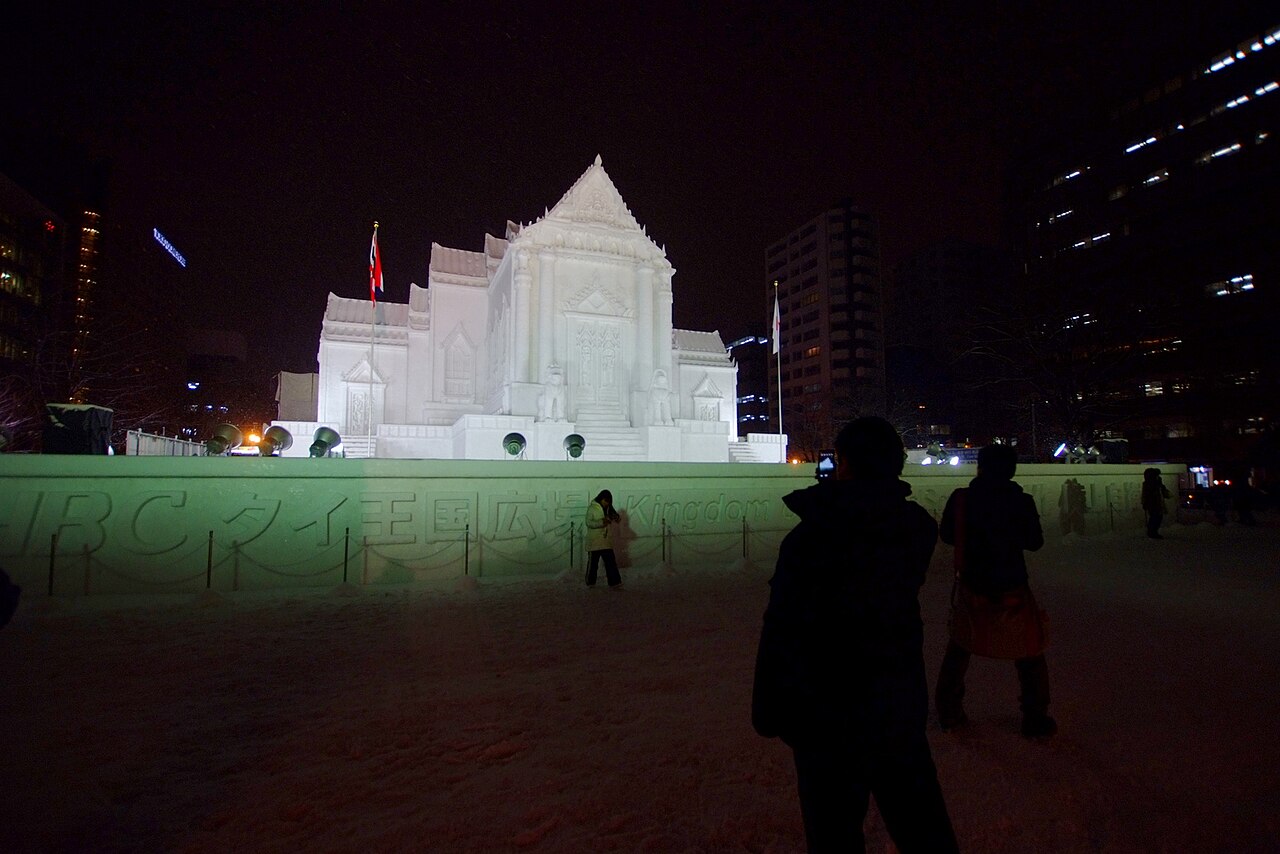
For Susukino’s transparent ice sculptures, change your angle to see light pass through the carving. The blue dragon photo, taken in 2016, shows scales, whiskers and layered transparent outlines. The 2013 Thai temple snow sculpture photo at Odori shows the thickness of white roofs and walls. Use these dated photos to understand materials and carving at the two sites, then choose the current year’s works for your walk.
See carving by day and lighting by night, with a seated meal between
Daylight makes snow sculptures’ outlines, relief and surface details easier to see. At night, lighting separates large works from surrounding streets and changes their appearance in photos. For photography, arrive in the afternoon and choose two works to revisit after lighting, then eat. Having clear targets after dinner saves walking the entire park again.
The official Odori site page currently lists lighting until 22:00. Plan an earlier evening walk after dinner to leave time for the hotel return. At a work worth a longer stop, companions can take photos and rest in turn. Put away your phone before moving and step beside the path for photos to avoid crossing changes in snow level while looking at a screen.
Choose food around the day’s walking start and finish. If you walk west from Odori Station in the afternoon, eat near where you finish. For Susukino afterward, return toward the center, then move south. With a restaurant reservation, allow the walk from the last sculpture and time to remove coats. Seeing one fewer work is more comfortable than rushing on ice.
Pair Susukino’s ice sculptures with dinner, from South 4 to South 6
Susukino’s site runs along Sapporo Ekimae-dori from South 4 to South 6 and centers on ice sculptures. Transparent ice reflects shop and street lighting, creating a different experience from Odori’s solid snow. For both in one evening, finish dinner or your main works at Odori before moving to Susukino. Take a slow walk along this stretch to appreciate both materials.
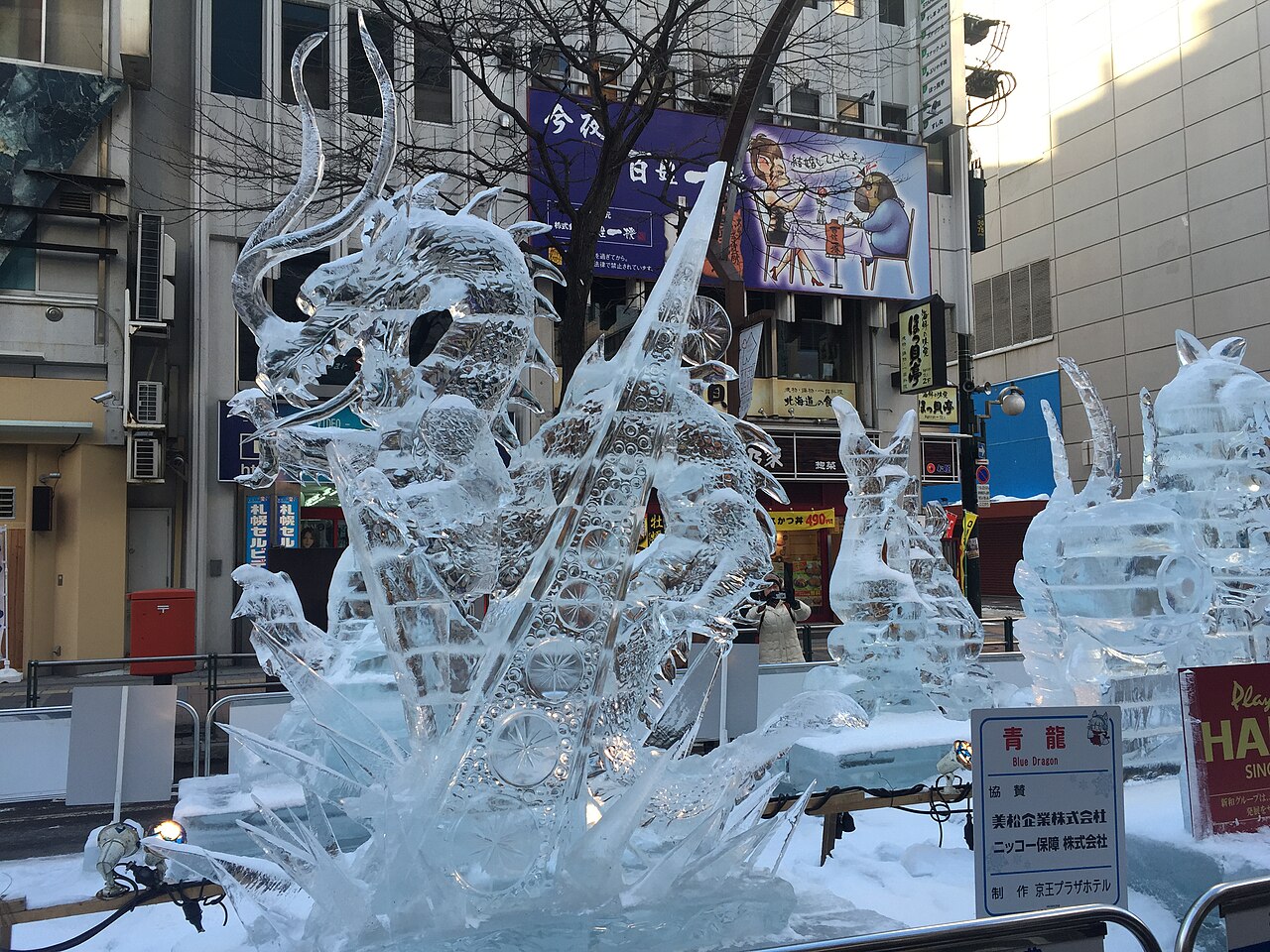
Susukino Station on the Namboku Line serves the dining district; Hosui-Susukino on the Toho Line is on another side. Check addresses alongside your subway line when booking restaurants or hotels. The Toho Line is more direct for Sakaemachi and Tsudome, while Namboku Line Susukino Station often suits the center of the ice-sculpture site. The two stations with “Susukino” in their names have different useful exits.
Check on-site entrance signs, then follow the permitted walking area. The organizer’s site page lists pedestrian-only periods. Its 2026 dates and times remain in the past-year introduction. For 2027, reserve a visit around dinner, then choose the exact approach once detailed traffic restrictions appear. If your hotel is south of Susukino, continue south after viewing to avoid walking through the whole site twice.
With children, choose a short ice-sculpture stretch before dinner, then return to your accommodation. Susukino has many evening restaurants, so use a reserved restaurant to connect the walk. Meeting at a specific address is easier than repeated messages at a crowded intersection. Put your phone away before crossing roads after photos, and walk slowly where melted snow and ice alternate.
Give Tsudome the daytime: count the walk from Sakaemachi too
Tsudome suits families whose main aim is snow play. The official site page lists 10:00–16:00, with indoor space and past activities including tubing, snow games, food and rest areas. Unlike viewing central sculptures as you walk, this needs time for entry, getting ready, queues and packing up afterward. Visiting Odori first can leave only a rushed afternoon to choose activities.
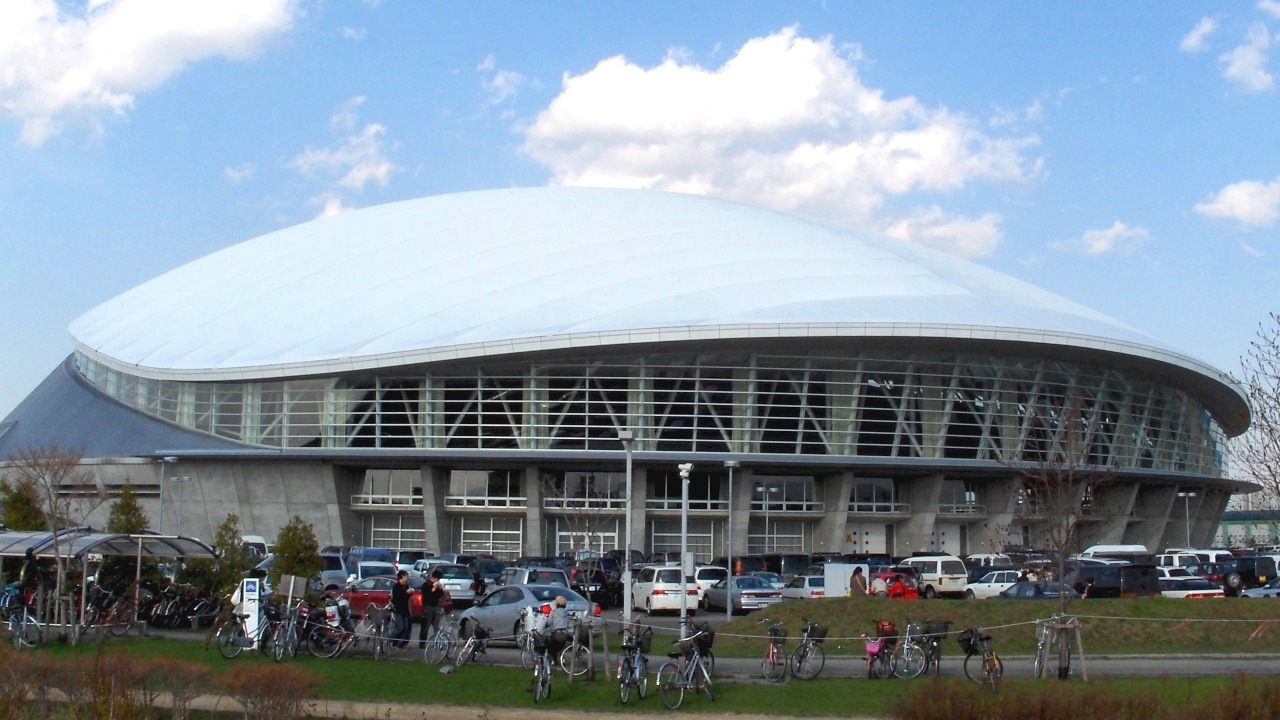
Take the Toho Line from central Sapporo toward Sakaemachi and get off at the terminus. The venue operator gives about 15 minutes on foot from exit 2. Treat this as part of the family’s outdoor outing: put on coats and gloves before leaving the station and secure belongings before walking. The subway ride ends before this final walk to the snow-play site.
Before leaving in the morning, let children choose one priority, such as tubing or general snow play. Check that area’s arrangements on arrival. Making every activity essential lets queues control the day. Finish the favorite activity, go indoors for food and warmth, then add another according to energy levels. This leaves more energy for the return.
Tsudome has had shuttle buses in past years. The published 2026 notice shows how stops were arranged then. For 2027, the subway to Sakaemachi plus walking is the basic route you can plan now; choose a shuttle after its new notice appears. Families wanting less outdoor waiting can travel between station and venue by day, then walk near Odori or their hotel at night.
Change into dry gloves after snow play and keep the evening short
Tubing and general snow play bring clothing into contact with snow. Carry dry gloves, socks and a separate wet-clothing bag so you can change at the hotel that afternoon. Use adjustable layers under the coat. Loosen scarves and open outer layers indoors, then dress again before leaving, rather than staying fully bundled and sweating.
Hats and gloves have also been conditions for using Tsudome play equipment in past years. Try children’s gear at your accommodation to check glove grip and ear coverage. If they remove gloves indoors, count them before leaving. Losing one means spending afternoon time finding a replacement. Prepare adults’ hand protection too, as they often stand with children in queues.
With a stroller, put the final snow-covered walk and subway elevator locations on the same route. The Sapporo subway station maps show exits at Sakaemachi, Odori, Sapporo, Hosui-Susukino and other stations. Find the elevator, then the street it reaches. Even nearby destinations can require an extra block because of an elevator’s location.
After returning to the hotel, seeing only two large snow sculptures that evening is enough. Change, enter Odori near your accommodation, visit the chosen works and turn back. After a full Tsudome day, eat somewhere with an easy return to your room instead of adding a distant sight. Save Susukino ice sculptures for another evening to give each day a different focus.
Use the Toho Line for Tsudome and choose other lines by your walking endpoint
Sapporo’s subway has the Namboku, Tozai and Toho lines, all meeting at Odori. Underground walking space also connects the Sapporo Station area and Odori, so alternate subway and walking for central visits. For Tsudome, identify the Toho Line toward Sakaemachi. Back in the center, choose your stop according to the Odori block or Susukino restaurant you want that evening.
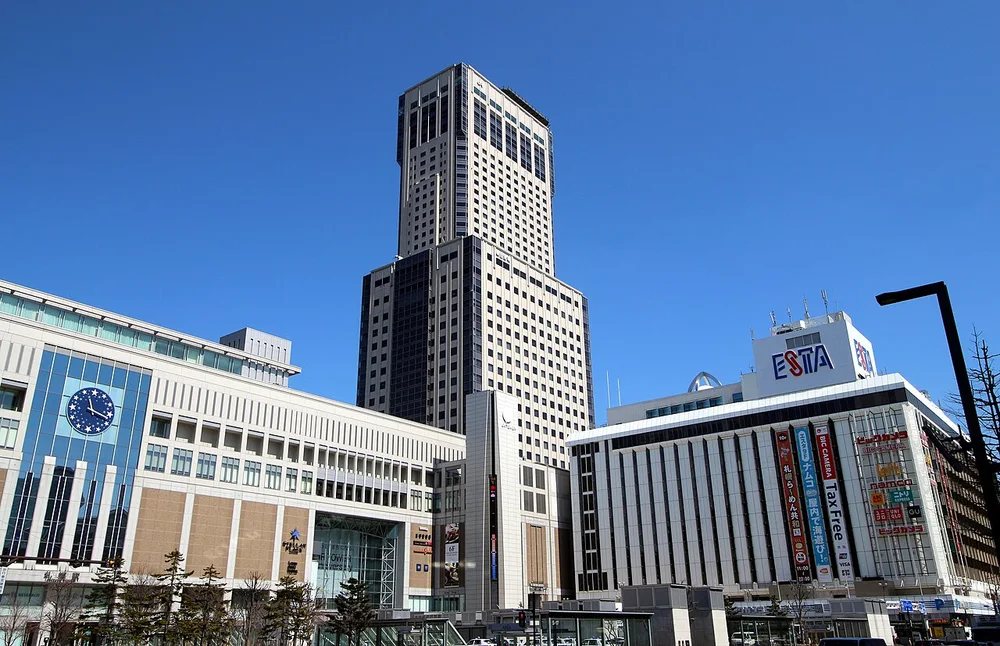
The transport bureau’s station travel times give about 11 minutes from Sapporo to Sakaemachi on the Toho Line, or 13 minutes from Odori. Add the walk to the platform, waiting, and about 15 minutes outdoors after arrival. Allow a full journey from the hotel door, then time to get ready for snow play, rather than using only train time. At Sakaemachi, let everyone arrange bags and clothes before heading to the surface.
At Odori, the Toho platforms have walking connections to the Namboku and Tozai platforms. After walking from the hotel to a station entrance, you still need to follow corridors to the platforms. Check the full route on the station map. With strollers or older relatives, prefer fewer transfers and an easier surface walk. One extra stop on the train can save carrying bags and finding elevators underground.
Nishi-juitchome on the Tozai Line serves western Odori and makes a useful start for contest works. From the Toho Line, change at Odori or leave the station and walk west, depending on how many works you want en route. Adding a transfer just to save a short surface walk can make the route harder to remember.
Write the return as the boarding station, line direction and destination stop. Save the hotel address and nearest elevator exit before going out, then follow that route after viewing. A specific station exit also makes a clear meeting point. Once transport is settled, you can focus on activities the next day.
Compare subway passes by ride count and by weekday or weekend
The transport bureau’s current tickets list the subway-only one-day pass at ¥830 for adults and ¥420 for children. Donichika, valid Saturdays, Sundays and Japanese national holidays, costs ¥520 for adults and ¥260 for children. During the 2027 festival, February 6, 7 and 11 fall on Saturday, Sunday and a national holiday respectively. Consider this when choosing a snow-play day.
For an Odori and Susukino walk with only one subway ride out and one back, compare those two single fares first. A morning trip to Sakaemachi, afternoon hotel change and evening return trip to Odori creates more rides and more use for a pass. List each leg before buying and distinguish subway from JR. Subway passes cover the three subway lines; airport JR fares are separate.
For two adults and two elementary school children each buying a child ticket, weekday one-day subway passes total ¥2,500. Weekend or holiday Donichika tickets total ¥1,560, a difference of ¥940. This compares four subway tickets and helps choose which of two days should involve more rides. Adding a hotel night to save that amount is a different total-cost comparison; choose the pass valid for your existing travel dates.
The bureau lists cash as the purchase method for both passes; IC-card balance and credit cards cannot pay for them directly. Prepare yen and buy everyone’s tickets before passing the gates. If paying per ride with IC cards, keep enough balance for Sakaemachi and the evening hotel return to reduce last-minute top-ups in crowded stations.
Beyond free admission, budget transport and seated meals first
The festival FAQ lists free entry to all three sites. Choose how much of Odori’s snow and Susukino’s ice sculptures to see according to your time. Budget accommodation, airport transport, city transport and meals first, then gifts and on-site food. Add the current year’s Tsudome activity charges and use arrangements after details appear, separating basic travel costs from optional activities.
Rest time is easy to overlook. An afternoon meal seated indoors connects daytime and evening viewing. Skip a distant famous restaurant if necessary and choose somewhere near your walking endpoint that everyone wants, allowing for the reservation and return subway. After a long outdoor stretch, eat earlier and decide afterward whether to see nearby sculptures again.
Use underground passages for travel, then surface for sculptures
Chi-Ka-Ho, the Sapporo Ekimae-dori underground walkway, connects the Sapporo Station area with Odori and is useful for central travel. In poor weather, walk underground close to your destination before surfacing. Plan one route to the site rather than emerging at every exit. Save your first target block and choose a nearby exit to avoid repeatedly adjusting gloves and maps.
Distinguish underground walking signs from subway-transfer signs. Reaching the Odori underground shopping area may still leave a walk to your platform. For sculptures, follow surface-exit signs. If companions shop separately, agree on a specific underground junction or surface block. “Odori Station” alone is too broad at a three-line interchange.
Stroller and wheelchair users can choose elevator exits on station maps and add the surface stretch to the plan. Odori sculptures follow the park, usually with intersections to cross after exiting. At a crowded exit, move to a spacious place to regroup before approaching works. Underground passages provide transport options; leave the actual viewing time outdoors.
Half a day: central Odori, dinner and Susukino ice sculptures
Leave luggage at the hotel in the afternoon and pack your evening coat, gloves and power bank before going to Odori. Start with large sculptures at blocks 4 and 5, then decide at 7 and 8 whether to continue west. Putting priorities first means the main festival walk is complete even if snow falls or someone needs a break.
Eat between Odori and Susukino or in the Susukino dining district, then walk the ice-sculpture site. If you have seen enough at Odori, go straight south. To add nighttime snow views, return to a chosen work for photos after dinner, then walk or ride to Susukino. Choose one of these to keep the post-dinner outdoor route simple.
If your arrival flight is delayed, drop the western Odori extension and keep the middle blocks and dinner. If you land very late, eat and check in, leaving the festival for daylight next day. Visit when rested and give first-time snow walkers time to adapt. With a night already in Sapporo, you can revisit a favorite work after breakfast.
A family day: Tsudome in the morning and one short Odori walk at night
After breakfast, go directly to Toho Line Sakaemachi Station. Arrange hats and gloves before exiting and walk to Tsudome. Put the children’s favorite activity first, then eat, rest and check clothing. Stay for afternoon play or return early according to energy. Keeping the daytime plan to this one site makes adjustments easier.
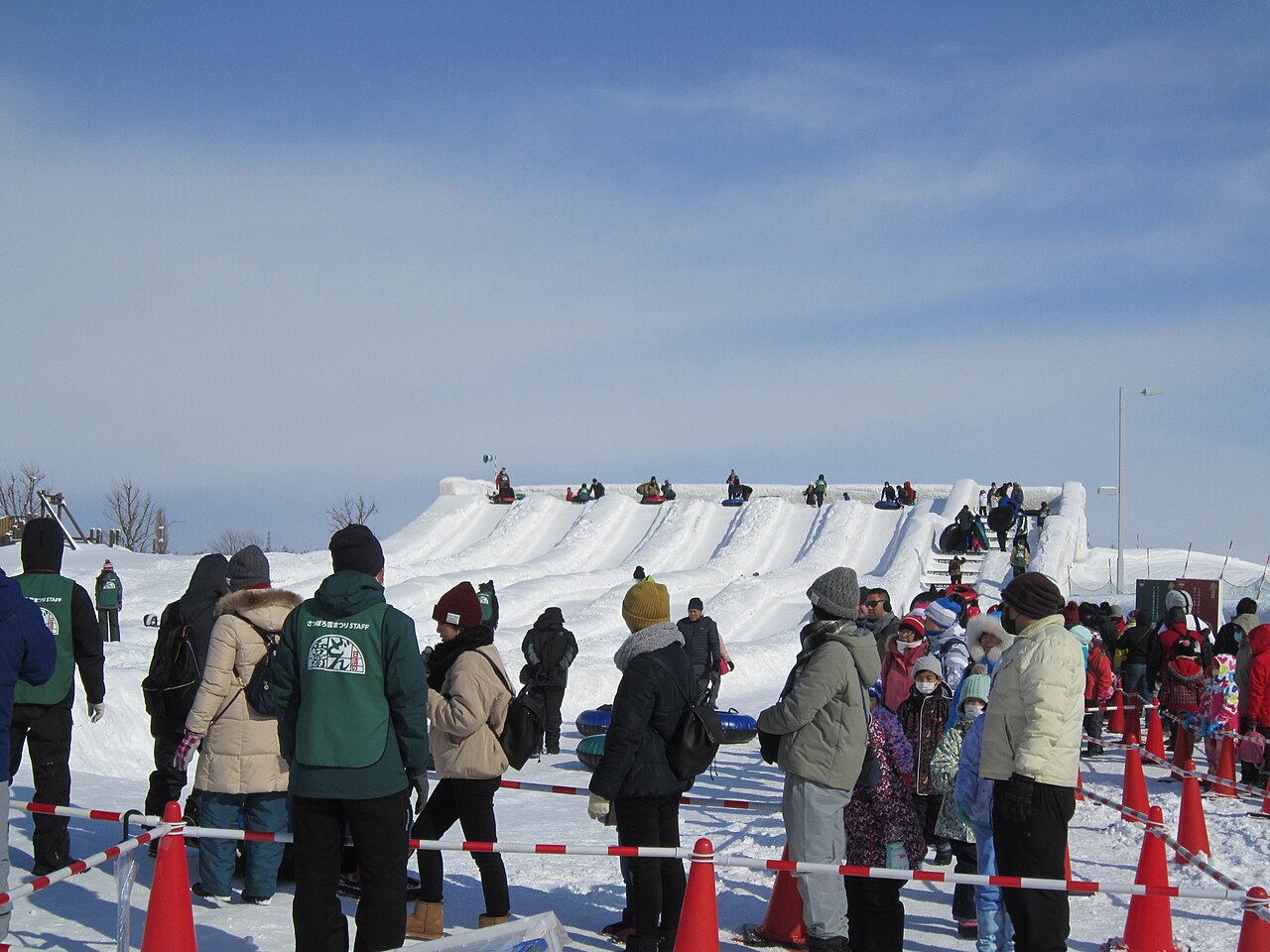
Back in the room, change and lay out wet gloves and socks, then eat dinner somewhere with an easy hotel return. At Odori that night, choose just two neighboring blocks. If children are tired, one adult can return with them while another takes photos nearby. Agree on the meeting place and room-return route first so no one has to wait by a sculpture.
If children prefer snow play to carving, Tsudome alone can fill the festival day. After an active day, a short walk near the hotel after dinner is plenty. Adults interested in street photography might instead spend daylight on Odori details and evening in Susukino, with a restaurant they want to try. Let companions’ interests decide; the three sites need not fill one all-day timetable.
Two days: separate outdoor activities and stay near your evening endpoint
For two days, see Odori and Susukino on day one and Tsudome on day two. Learn the subway and snow walking in the center first, then leave after breakfast for play. If you fly home on day two, move Tsudome to day one and stay central on the last day for luggage and airport transport, avoiding another Higashi Ward round trip.
Stay near Sapporo Station for easier luggage movement on arrival and departure, returning there after evening visits. Near Odori, you can split daytime and nighttime viewing and return to your room between them. Susukino or Hosui-Susukino suits more dinners and ice-sculpture time. Choose the evening place you will return to most, then compare rooms and prices. This fits daily routes better than distance from “central Sapporo” alone.
Compare hotels by subway line, elevator exit and the street outside. Direct Toho Line access reduces transfers on the Tsudome day; from the Namboku Line, change at Odori or Sapporo. Leave luggage at your accommodation and carry a light bag for gates, snow and restaurants. For area-specific rooms and station approaches, read the Sapporo accommodation area guide.
Give Otaru, Mount Moiwa or Jozankei a separate time block. Two festival days already include daytime snow play and evening walks; a third distant destination adds transport and dressing changes. Put your favorite extra place before or after the festival and use spare gaps for Sapporo details. For the overall trip length, continue with the four-day Sapporo and Otaru plan.
Walk slowly on snow and prepare footwear and the next indoor break
Winter sculpture viewing often involves more standing than walking. Prepare hats, gloves and suitable winter shoes as well as a warm coat. The organizer’s icy-road walking guide highlights pedestrian crossings and level changes at snow-melting-heater boundaries. Put your phone away at intersections and cross slowly. Separating photos from walking makes it easier to see your footing than constantly watching navigation.
Grip and waterproofing serve different purposes: one helps on ice, the other keeps meltwater out. Choose external traction devices to fit your footwear and read their instructions for indoor tile and similar surfaces. For first-time users, test them near the accommodation before a long walk and check that they stay secure.
After each stretch, sit indoors and check the next route before leaving. Eat after reaching western Odori in the afternoon, go indoors to sort clothes after a Tsudome activity, and follow your chosen hotel route after Susukino. These breaks shorten continuous outdoor time and make it easier to notice tired children.
Pack what you will need before returning to your room
Keep your phone, power bank, dry gloves, tissues and transit ticket easy to reach, with the wet bag separate. Use a secure, accessible coin purse so you do not need to open the whole backpack on snow. Put removed scarves and gloves in the same bag to reduce losses when entering and leaving heated spaces.
Each companion should save the hotel address, meeting station and first site of the day. Keep children’s contact information where an adult can find it quickly. Locate the information desk and toilets on arrival before viewing or queuing. Returning to an agreed meeting place is easier than searching while moving through crowds.
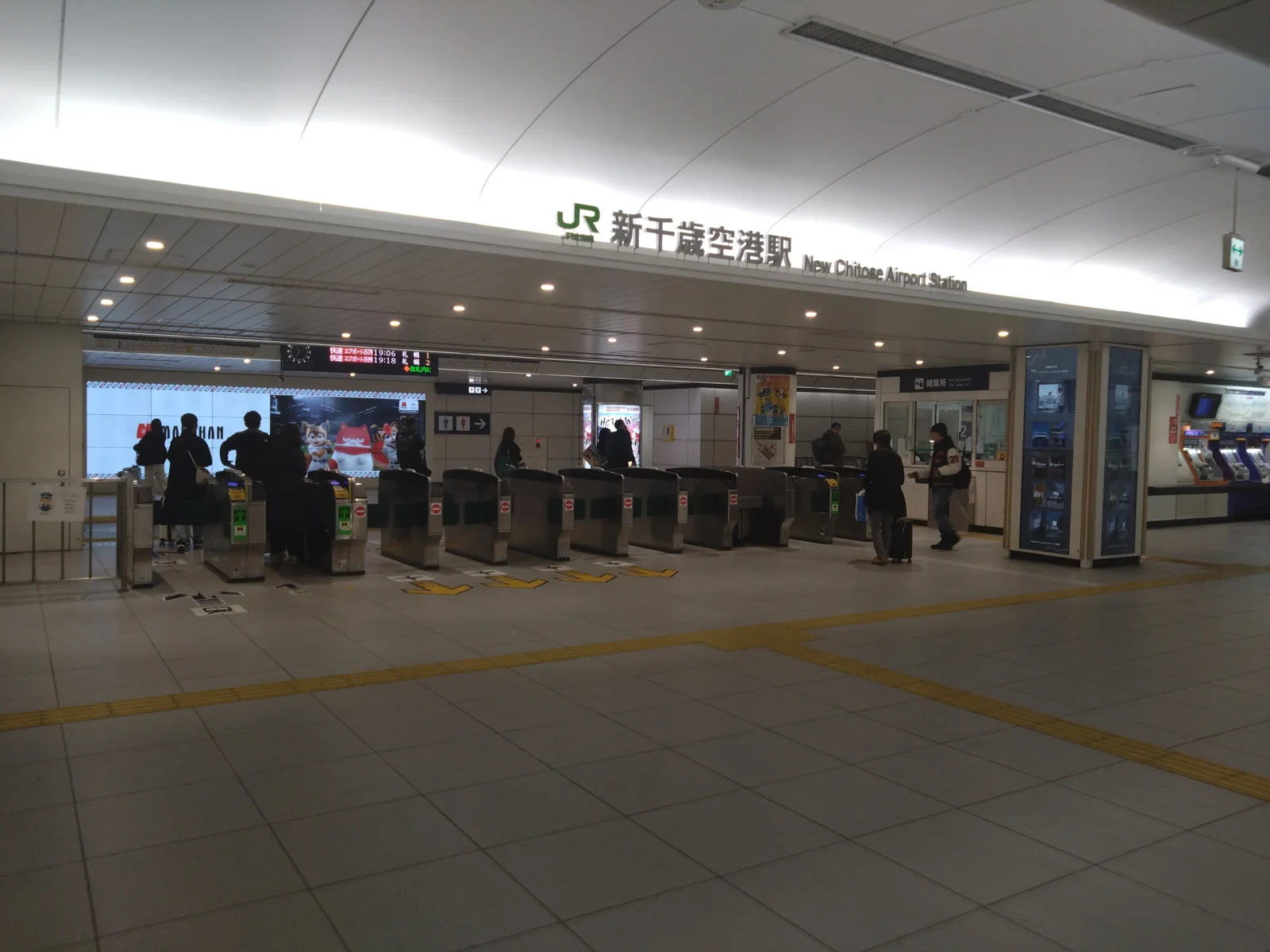
On the last day, reserve time to collect luggage at the hotel and choose only a nearby sculpture stretch. For New Chitose Airport, use the New Chitose Airport and Sapporo transport guide to choose JR or bus. After the final work, follow the planned route to collect bags and reach the station.
A few useful answers
When is the 2027 Sapporo Snow Festival?
All three sites run for eight days, Thursday, February 4 through Thursday, February 11, 2027. Odori spans West 1–11, with additional sites at Susukino and Tsudome.
Should I visit all three sites on the same day?
For half a day, choose Odori snow sculptures, dinner and Susukino ice sculptures. For family snow play, give Tsudome a separate daytime visit, then change at the hotel before a short Odori evening walk.
How do I get to Tsudome?
Take the Toho subway line from central Sapporo toward Sakaemachi and get off at the terminus. The operator gives about 15 minutes on foot from exit 2. The address is 885-1 Sakaemachi, Higashi Ward, Sapporo.
How late are Odori sculptures lit?
The official Odori page lists lighting until 22:00. See carving details in the afternoon, revisit selected lit works after dinner, then follow your chosen subway route back.
How much are festival entry and subway day passes?
The festival FAQ lists free entry to all three sites. A subway-only one-day pass costs ¥830 for adults or ¥420 for children. Donichika, for Saturdays, Sundays and Japanese national holidays, costs ¥520 or ¥260. Buy both subway passes with cash.
Which 2027 festival dates allow Donichika?
Saturday, February 6, Sunday, February 7 and the Japanese national holiday on February 11. List your actual subway journeys and compare single fares with the pass.
How should I plan with a stroller?
Check elevator exits on Sapporo subway station maps and connect the surface route to each site. Visit Tsudome by day and walk neighboring Odori blocks in short stretches, with hotel or indoor breaks between.
Official information and references
Sources used in this guide.
- Sapporo Snow Festival: 2027 dates and Odori block outline
- Sapporo Snow Festival: Odori site and lighting hours
- Sapporo Snow Festival: Tsudome site
- Sapporo Snow Festival: Susukino site
- Sapporo Snow Festival: free entry, access and winter questions
- Sapporo Snow Festival: archived 2026 Sakaemachi shuttle notice
- Sapporo Sports Association: Tsudome location and walk from Sakaemachi
- Sapporo City Transportation Bureau: subway day pass and Donichika
- Sapporo City Transportation Bureau: station maps
- Sapporo City Transportation Bureau: subway travel times and distances
- Sapporo Tourism Association: Sapporo Ekimae-dori underground walkway
- Sapporo Snow Festival: winter clothing
- Sapporo Snow Festival: walking on icy roads
- HTB Hokkaido News: 2025 festival opening report