A short Hokkaido trip works best when its distances stay modest. Base yourself in Sapporo, make Otaru a separate day, and leave the rest of the island for another visit. This four-day route needs no rental car and avoids daily hotel changes. It assumes four usable sightseeing days; if flights consume the first or last one, shorten the city walks rather than promising yourself four full days.
Choose one Sapporo base and a straightforward arrival
Stay near Sapporo Station if airport and Otaru trains are your priority, near Odori for a central city base, or around Susukino if nearby evening meals matter most. These are different trade-offs, not a hotel ranking. Compare the walk from the actual exit, room layout and luggage storage. An underground connection can be useful, but do not assume every hotel entrance is connected or accessible without stairs.
For New Chitose Airport and the Otaru outing, read JR Hokkaido’s regular-ticket guidance. The Airport train has both non-reserved seating and a reserved car with an additional ticket requirement; an ordinary IC-card fare does not reserve a seat. Check your train’s destination and current schedule. Compare individual airport and Otaru rides with any proposed pass before paying for coverage you may never use.
Day one: learn the city around Odori
Start with a manageable stretch of Odori Park, then walk toward Tanukikoji and choose dinner around Susukino. You need not walk every block of the park to enjoy it. The official Odori Park introduction shows how this east-west public space anchors the center and hosts seasonal events. Event structures can change the walking route, so follow signs on the ground rather than an old saved photograph.
Choose one indoor stop or café as your fallback, then check its opening day. If this is also your arrival day, stop after the park and a nearby meal. Traveling companions can return to the hotel separately. Keep the evening flexible; a restaurant’s menu, queue and dietary options matter more than completing a list of Hokkaido dishes.
Day two: make Otaru a complete day trip
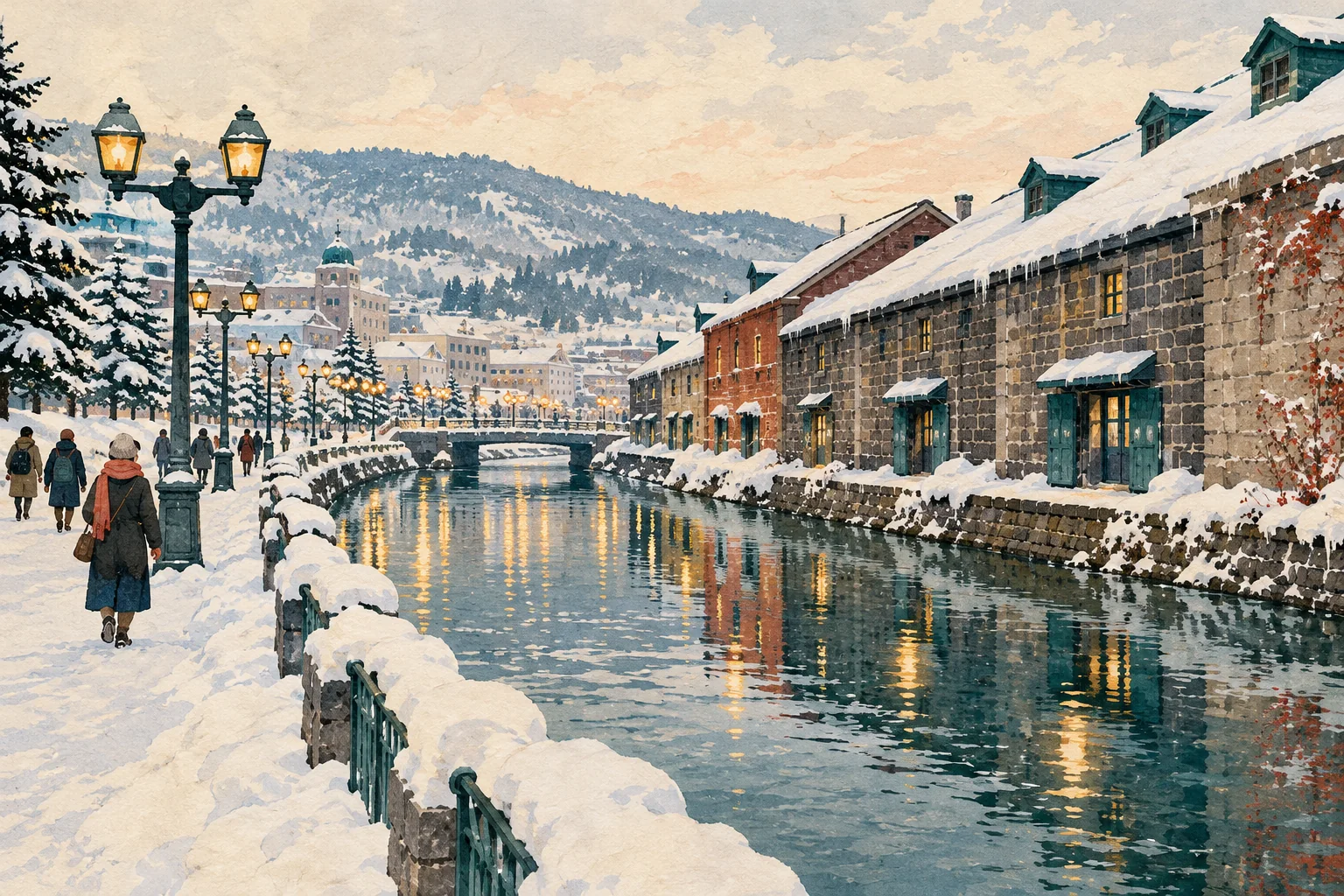
Take the Sapporo–Otaru train after checking the destination and return options. For a simple first visit, arrive at Otaru Station, walk toward the canal, then continue into the historic streets and craft shops around Sakaimachi. The JNTO Otaru guide explains the port’s trading history and the reuse of its stone warehouses. This gives the canal walk historical context.
Choose a seafood lunch if it suits your diet, with an alternative that does not depend on a long queue. Glass shops and a museum can fill the afternoon, but check opening days individually. Returning after dusk is optional, not a requirement; cold, slippery surfaces and your train home take priority. Avoid adding an outlying aquarium or mountain excursion unless you deliberately remove part of the central walk.
Day three: give Maruyama a slower morning
Use the subway for Maruyama, then combine the park with the neighboring Hokkaido Shrine if conditions allow. The city’s Maruyama Park description places the shrine and zoo beside the park, so this is one coherent area rather than a cross-city circuit. Keep to signed routes and follow shrine notices on access and photography. Visiting the park does not commit you to climbing the mountain.
Have lunch nearby, then choose either a longer park visit or a return to central Sapporo for an indoor afternoon. If you want the zoo, check its current calendar and devote proper time to it. This day is the main exchangeable block: swap it with Otaru according to the forecast, but avoid moving any timed booking without checking its conditions. A quieter morning is useful after a long canal day.
Day four: keep the final day close to your bags
Choose a short return to your favorite central area, a café and modest shopping rather than another distant destination. If you are flying today, collect your bags and transfer to the airport with a buffer based on the airline’s requirements and current transport conditions. If your flight is tomorrow, this becomes an unhurried spare day for something postponed by weather, without needing another excursion.
Furano, Biei, Hakodate and eastern Hokkaido each call for a separate distance calculation. Do not treat the island as a compact collection of Sapporo day trips. Our framework for counting usable Japan travel days helps you decide when an extra base is justified. Adding a hotel move also adds check-in, luggage and connection time; include those costs before declaring that another place fits.
Change the pace with the season, not the essentials
A Sapporo–Otaru day trip in winter needs shorter outdoor sections, suitable footwear and places to warm up. Allow more time to cross streets and check transport updates before departure. Summer still calls for weather checks, water and a flexible plan. Our seasonal planning guide explains why the same route can feel very different across the year; it does not guarantee snow, sunshine or peak foliage on your dates.
Build the spending plan from your actual hotel nights, local rides and meals using our Japan budget worksheet approach. An optional reserved seat or extra taxi may be worth paying for when it solves a specific problem. Keep those choices visible instead of hiding them in a daily average. One base, one out-of-town day and two flexible city days leave enough room to experience northern Japan without turning the visit into a transport exercise.
A few useful answers
Can I visit Sapporo and Otaru without a car?
Yes. This route uses rail for the airport and Otaru, plus the subway and walking in Sapporo. Check the station exit and conditions at your accommodation; winter streets can make a short walk slower.
Is a Sapporo to Otaru day trip enough?
Yes, for the canal, historic streets and a few central stops. An aquarium, mountain visit or extended evening adds travel time, so reduce the central route or consider an overnight stay if those are priorities.
Should I buy a rail pass for four days?
Compare the actual covered journeys first. A Sapporo base with one Otaru return trip is different from a long-distance Hokkaido rail tour. Check current fares, eligibility and reserved-seat conditions before buying.
Check with the source
Schedules, availability and rules can change. These official sources are the place to confirm details before you book.