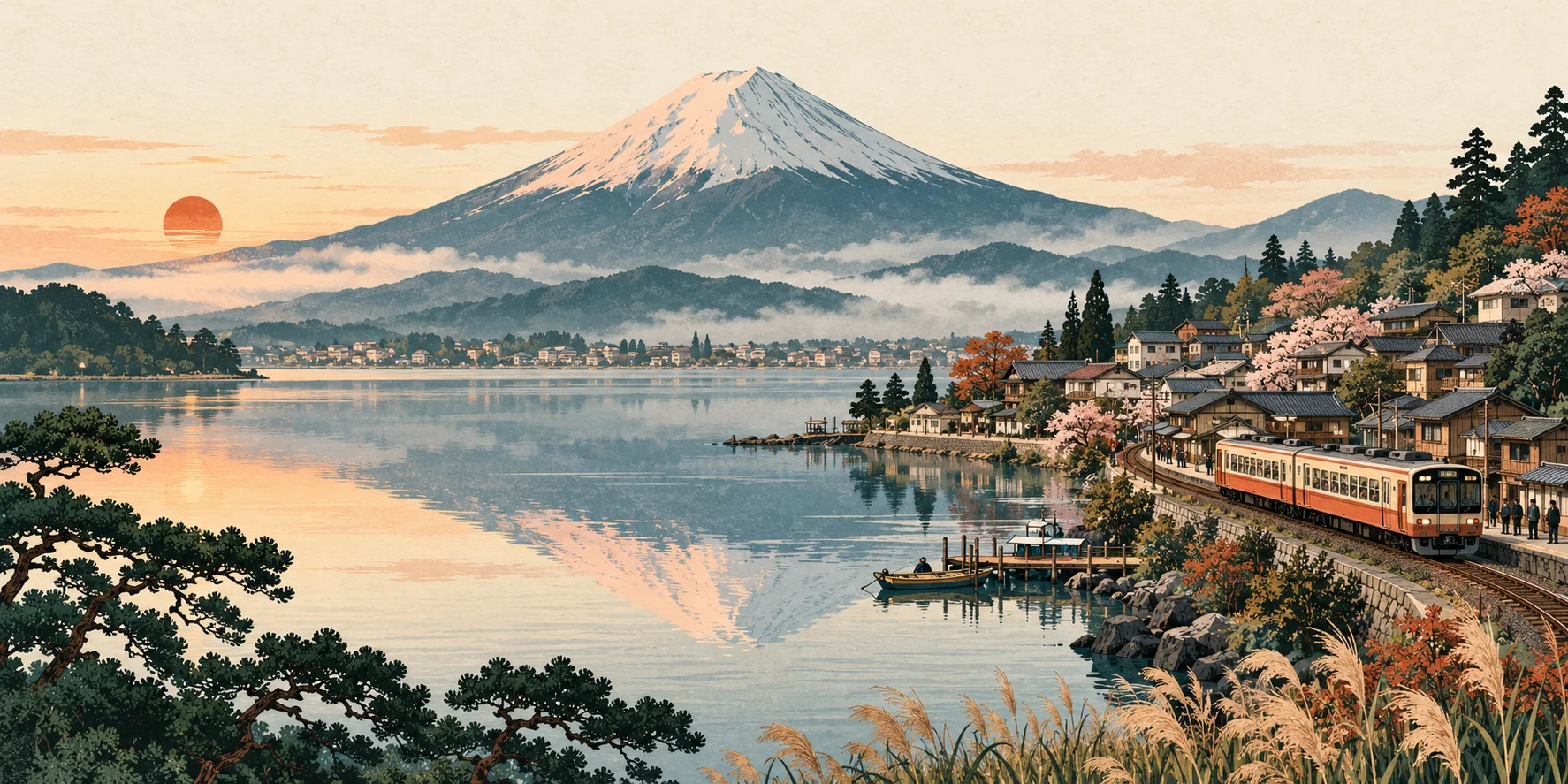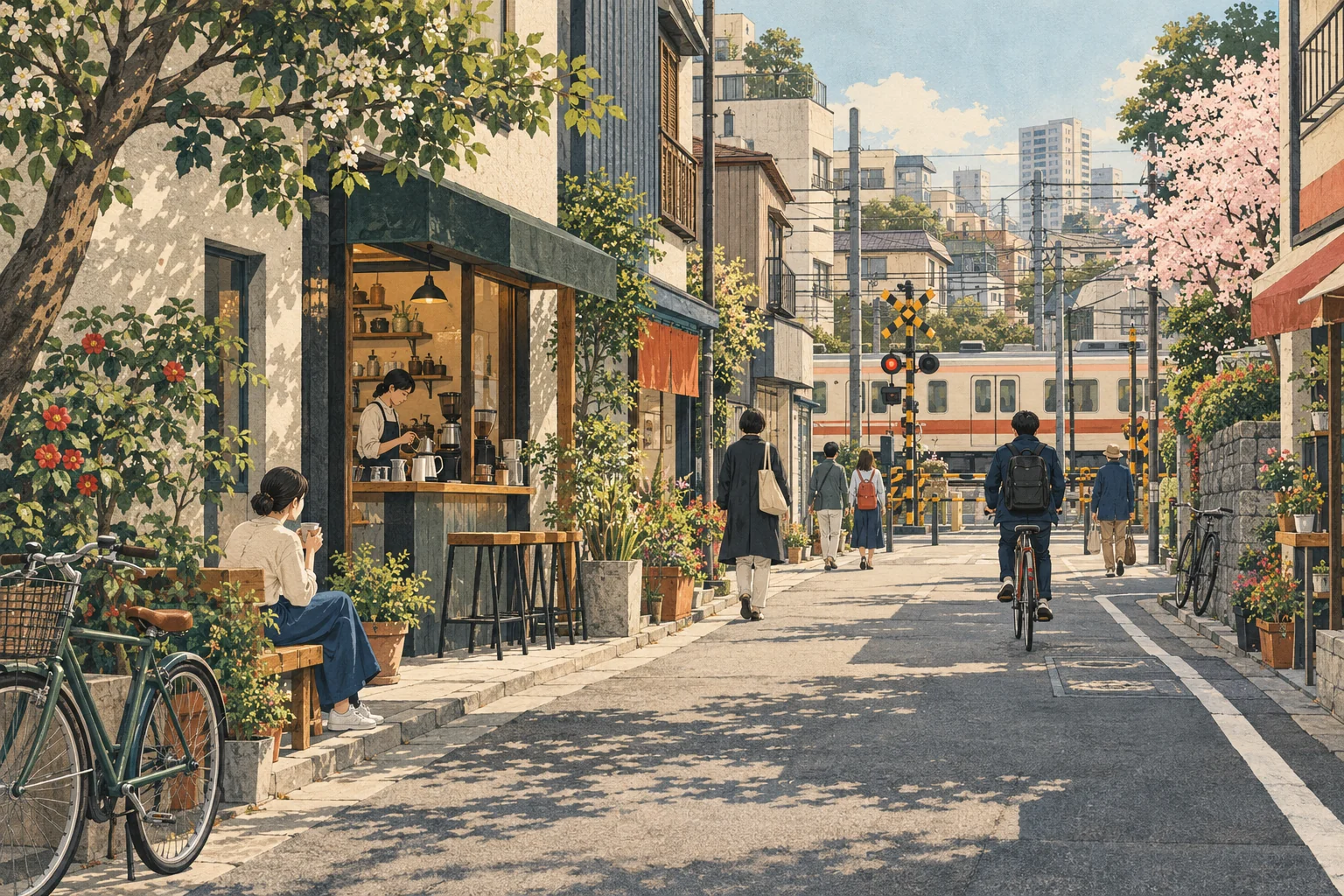
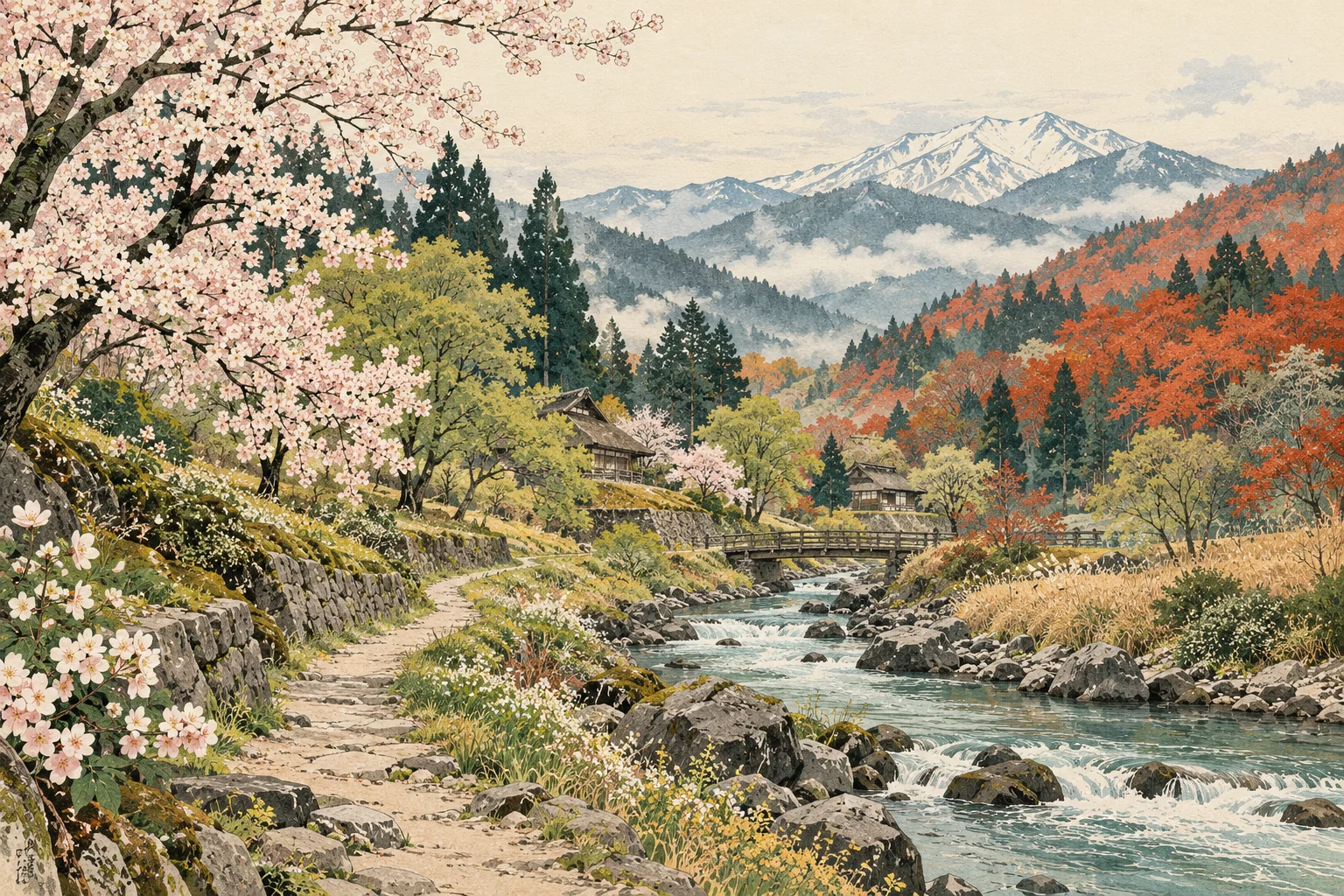
The best time to visit Japan depends on what you want to do once you get there. A comfortable city walk, a mountain journey, a ski holiday and a cherry-blossom trip ask different things of the calendar. Choose the experience first, then the region and dates. Treat seasonal scenery as a possibility to plan around, with enough flexibility for the weather you actually meet.
Choose a region before judging a month
Japan’s climate varies substantially from north to south and between coastal and mountain areas. The Japan Meteorological Agency’s overview of Japan’s climate describes these regional patterns, including early-summer rain and contrasting winter conditions. A monthly average for Tokyo cannot establish what a high mountain route or a northern resort will feel like during your visit.
Write down your main activity, the amount of outdoor time it requires and what would make you cancel it. Then compare suitable regions instead of looking for one perfect month for the whole country. For a first city-based trip, walking comfort and daylight may matter more than a particular landscape photograph. Our first-trip planning guide helps connect that preference to a realistic route.
Spring: plan for flowers, keep another reason to go
For many travelers, the question about the best time to visit Japan for cherry blossoms is really a question about timing risk. Flowering varies by location and year, and a forecast is not a guarantee of the scene on a particular day. Choose places you would enjoy for gardens, food, museums or neighborhoods even if your preferred trees are early, late or past their peak.
Book important accommodation based on acceptable dates and cancellation terms, then refine local flower visits with current information closer to departure. Avoid making every day a long journey to chase a changing forecast. JNTO’s seasonal attractions overview offers a wider set of ideas across the year, useful when one short-lived natural event should not have to carry the whole holiday.
Summer: give heat and rain a place in the schedule
Warm-weather travel can suit people who want festivals, long evenings or green landscapes, but an all-day city walking itinerary needs care. JNTO’s July travel guide describes the transition from rainy conditions toward increasing heat. Exact conditions differ by year and region, so plan shaded breaks, accessible drinking water and indoor alternatives rather than assuming a familiar summer climate from home.
Use the early part of a day for an outdoor priority when conditions allow, then reserve a museum, a long lunch or time at your accommodation as a flexible middle. For Kyoto, our area-and-time approach to sightseeing provides a useful structure, but an early start does not eliminate weather risks. If severe weather is forecast, change the activity rather than trying to preserve a packed timetable.
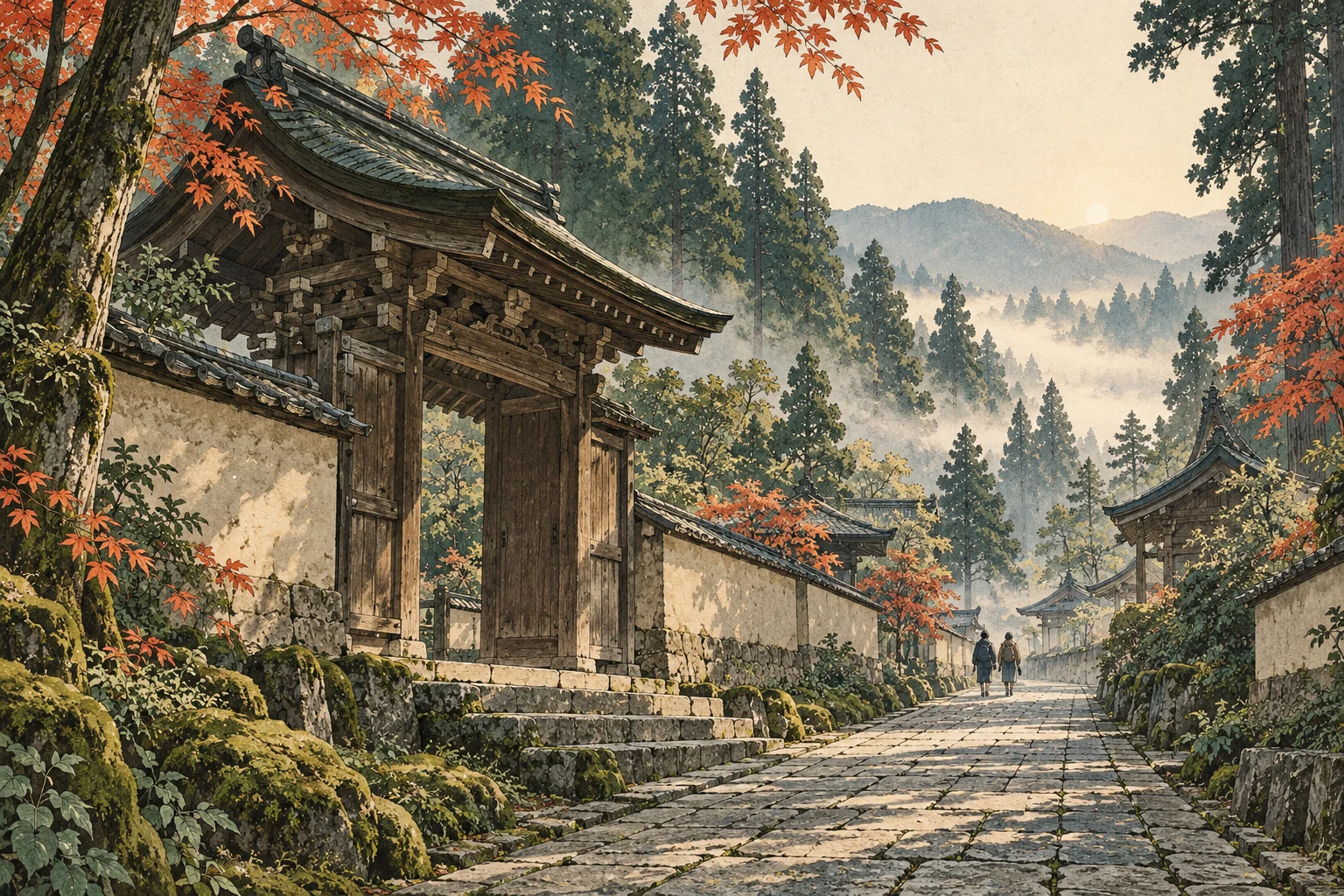
Autumn: balance foliage hopes with a robust route
Autumn often appeals to travelers who want walking and changing colors. Foliage timing still depends on location and conditions, and mountain areas may feel very different from the cities below them. Build a route that works as a cultural or food trip as well as a landscape trip. Leave a spare half-day rather than assuming every viewpoint will be clear at the planned hour.
JMA’s climate information notes that autumn rain fronts and tropical cyclones influence conditions. Check official tropical cyclone information when relevant and follow local guidance and operator updates. Do not use a broad label such as “typhoon season” as a forecast for an individual trip. Keep transport changes and cancellation conditions available so an adjustment can be made with facts rather than a guess.
Winter: decide whether you want snow or a city break
A winter trip can mean skiing, snow scenery or urban exploration with a different pace. These choices need different clothing, footwear and transport planning. If snow is essential, research a suitable location and the operator’s actual opening information. If snow is unfamiliar, think about walking conditions and luggage as well as insulation. A scenic photograph cannot tell you whether a route is currently safe to use.
For a city holiday, account for shorter sightseeing daylight and the possibility of venue closures during holiday periods. Check each museum, restaurant and attraction you rely on instead of applying a national opening-hours assumption. A plan with one outdoor priority and an indoor alternative is useful in every season. The details should respond to the local forecast and the needs of the people traveling with you.
Find lower pressure by changing the itinerary as well as the date
The best time to visit Japan for less crowds cannot be reduced to a month. A weekday, a different district, a less concentrated route or a longer stay can change the experience without moving the entire holiday. Popular seasonal sights may be crowded even during a generally quieter period. Compare the events and holidays affecting your particular place and dates before drawing conclusions from a countrywide seasonal label.
For a 2027 trip, use this framework to choose a season now, then return to current operator information as reservations and schedules become available. Keep accommodation and transport quotes tied to the actual dates in your travel budget. Before departure, review the forecast, keep alerts accessible and be willing to remove an exposed activity. A good seasonal plan gives you several ways to enjoy the day.
A few useful answers
What is the best month to visit Japan?
There is no universal best month. Match the region and season to your main activity, outdoor comfort and tolerance for changing conditions. A city trip and a snow holiday need different dates and preparations.
Can I book flights around a guaranteed cherry-blossom date?
No. Blooming depends on location and annual conditions, and forecasts remain estimates. Choose a trip you would enjoy without peak flowers, then use current local information to refine individual days.
Does rainy season mean it rains all day everywhere?
No. Japan has regional differences, and the pattern does not predict every day of a trip. Build flexible indoor options and use a local forecast closer to the time rather than assuming either constant rain or guaranteed clear weather.
Check with the source
Schedules, availability and rules can change. These official sources are the place to confirm details before you book.