Hokkaido University's ginkgo trees typically peak from late October to early November. Enter via Kita 13-jo Gate from Kita-12-jo Station for a 30-minute stroll or half-day campus walk, with 2026 Golden Leaf Festival records, 2027 planning tips, and campus visitor rules.
- Region & Focus
- Sapporo
- Reading Scope
- 15 min read · 12 chapters · 6 Q&As
- Official Verification
- 16 official sources checkedUpdated November 22, 2026
- Key Topics
- SeasonsItinerariesRail travel
Chapter Route Map (tap any stop)
- Canopy Views or a Carpet of Fallen Leaves?
- Kita-12-jo Is the Station; Kita 13-jo Is the Gate
- Walking 380 Meters from Kita 13-jo Gate
- Golden Leaf Festival Hours and Road Closures
- Shooting from the Sidewalk: Light, Angles, and Campus Rules
- Adding Ono Pond or Poplar Avenue
- Hokkaido University Museum on the Way Back to Sapporo Station
- Extending North to the Second Farm and Kita-18-jo Station
- Visiting with Young Kids: One Indoor Stop Per Half-Day
- Fitting Lunch and Luggage into a Half-Day in Sapporo
- Pairing Hokkaido University with Nakajima Park in One Day
- Wind, Rain, and Late-Autumn Chill Set Your Distance
- Quick Q&A
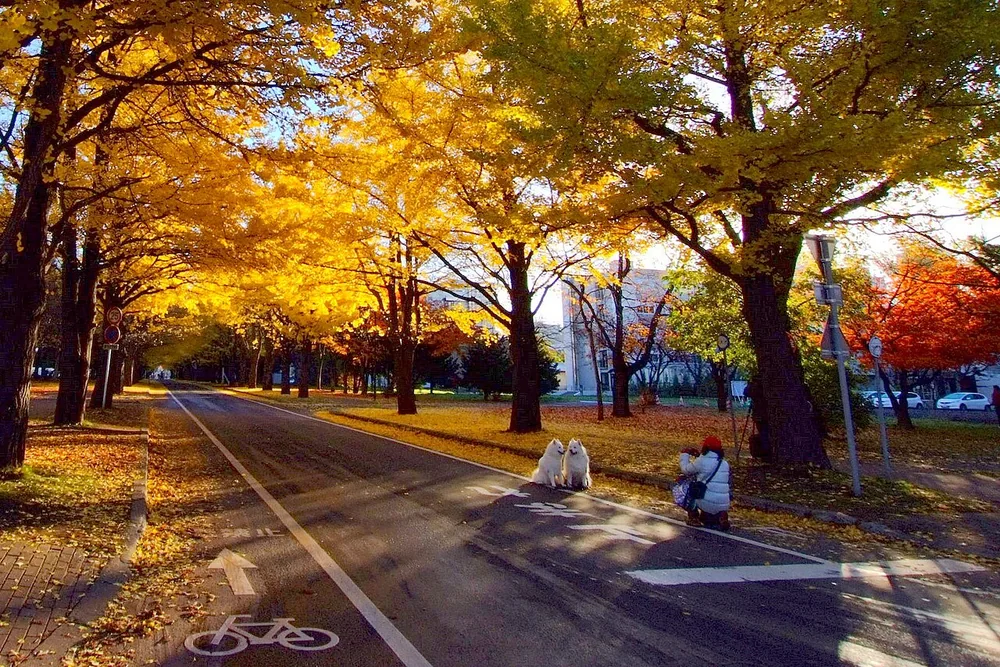
Hokkaido University's Ginkgo Avenue sits just inside the Kita 13-jo Gate on the Sapporo Campus, with the university listing its typical peak foliage window from late October to early November. If you only want to see the double row of ginkgo trees, ride the Namboku Subway Line to Kita-12-jo Station and walk about 4 minutes to the eastern end of the avenue at Kita 13-jo Gate. Set aside 30 minutes for the trees alone, or continue to Ono Pond and the Hokkaido University Museum before exiting through the Main Gate back to Sapporo Station. In 2026, the Golden Leaf Festival (Konyosai) took place on October 31 and November 1; for next season, slot daytime leaf-peeping into your Sapporo itinerary first and save an evening for illuminations once the 2027 dates are announced.
Canopy Views or a Carpet of Fallen Leaves?
For an autumn leaf outing from central Sapporo, target late October through early November. On October 26, 2026, Hokkaido University logged steady yellowing along the ginkgo avenue while fallen leaves were already accumulating in front of the Faculty of Agriculture and on the Central Lawn. Even within the same campus, trees a few blocks apart turn on different schedules. When checking recent foliage updates, look for photos explicitly labeled Kita 13-jo Dori or Icho Namiki (Ginkgo Avenue) along with the date taken, and leave the rest of the campus colors to discover as you walk. Hokkaido University Public Facilities, Hokkaido University 150th History Editorial Office Seasonal Log
To catch the two rows of branches meeting overhead on a sunny day, check recent close-up photos that show both sides of the canopy. A single bright yellow tree near the gate does not always reflect the whole street. While the trees are still half-green and half-gold, stick to a short stretch of sidewalk near the lower branches where the color shift and fan-shaped leaves stand out. Once most of the canopy has turned, walk to a spot where you can look back along the avenue to take in the full tunnel of trees.
When leaves blanket the ground while plenty of foliage remains overhead, both upward and downward views shine. Ground cover shifts quickly with wind, rain, and sweeping, so recent photos showing the sidewalk are a better guide than generic peak-color forecasts. After autumn rain, stay on cleared pavement and plant your feet before pulling out your phone. Even if the branches have thinned, the campus remains great for walking—simply shift more time to the museum, the pond, or historic buildings.
When booking a 2027 trip to Sapporo, try scheduling two consecutive days in the city so you can swap Hokkaido University with urban shopping or indoor museums depending on the weather. Visit the avenue on the first clear, calm day while keeping your evening dinner reservations and next-day train departures as planned. If you only have one night in town, leave separate slots for morning ginkgoes and evening illuminations, and book dinner near Sapporo Station or along a subway line so you have an easy backup indoors if the weather turns.
| What Recent Photos Show | How to Walk the Campus |
|---|---|
| Mix of green and yellow leaves | Enter via Kita 13-jo Gate to see the earliest-turning trees, then continue to other campus sights |
| Both canopy rows mostly yellow | Set aside a full daytime block to walk to the west end and look back down the avenue from the sidewalk |
| Leaf-covered sidewalks, thinning canopy | Stick to dry sidewalks for fallen-leaf views and spend extra time indoors or by the pond |
| Snow or ice on the ground | Use the nearest gate and keep your route and photos to cleared pedestrian walkways |
Hokkaido University's ginkgo trees typically peak from late October to early November. Enter via Kita 13-jo Gate from Kita-12-jo Station for a 30-minute stroll or half-day campus walk, with 2026 Golden Leaf Festival records, 2027 planning tips, and campus visitor rules.
Kita-12-jo Is the Station; Kita 13-jo Is the Gate
Coming from Odori or Susukino, take the Sapporo Municipal Subway Namboku Line toward Asabu and get off at Kita-12-jo Station, then set your map destination to Hokkaido University Kita 13-jo Gate. When transferring at Sapporo Station, note that the JR station uses kanji while the subway station is written in hiragana on local signs. Beyond the roughly 4-minute street walk listed by the university, allow a little extra time for station transfers and a relaxed family pace. Hokkaido University Sapporo Campus Map & Access, School of Engineering Walk-Along Guide
If you are already at the JR Sapporo Station North Exit, you can walk along the city sidewalks outside the fence to Kita 13-jo Gate, then return across campus via the Main Gate for two completely different views. If anyone in your group prefers less walking or your hotel is closer to a subway entrance, ride the Namboku Line one stop from Sapporo to Kita-12-jo. The roughly 7-minute walk from the JR North Exit only brings you to the southern campus edge; from the Main Gate, you still need to walk north along the main campus road to reach the west end of Ginkgo Avenue.
Kita-13-jo-Higashi Station on the Toho Subway Line is also nearby, estimated by the university at about a 15-minute walk to campus. If you are already on the Toho Line, walk west through the neighborhood past Kita-12-jo Station to the gate. From central Sapporo, however, the Namboku Line saves steps. Map apps sometimes suggest Kita 18-jo Gate, which serves the northern campus facilities; for a first-time ginkgo visit, Kita 13-jo Gate puts you right where you want to be.
If you are driving into Sapporo, leave your car at your hotel or use a paid city lot nearby. Hokkaido University bars tourist vehicles from campus, and the Hokkaido University Hospital parking lot is reserved for patients and clinic visitors. For taxis, ask the driver to drop you at a legal curb spot outside the gate and walk the final steps so the entrance stays clear for campus traffic and pedestrians. Visitors without official business are also asked to park bicycles outside campus—during the Golden Leaf Festival, subway plus walking is by far the easiest option. Hokkaido University Campus Entry Rules
Walking 380 Meters from Kita 13-jo Gate
According to university records, 70 ginkgo trees line both sides of Kita 13-jo Dori, planted in May 1939 where cherry and maple trees once stood. Looking west from the east gateposts, trees flank the road across the map grid of Kita 13-jo Nishi 5 to Nishi 7-chome. The stone gateposts themselves are worth a pause. Hokkaido University's 150th-anniversary site pairs an archival photo from around 1928 with an October 2026 view of the same gate—back then, the path led to the university hospital before a single ginkgo was planted. Save that comparison on your phone before heading out so you can match the stonework at the entrance. Hokkaido University 150th Anniversary: Kita 13-jo Gate Then and Now
Once inside the gate, follow the sidewalk straight ahead and budget 25 to 40 minutes for strolling and photos. Do not stop dead in your tracks the moment you see the branches arch together; step aside to let people behind you pass, then find a wider stretch of sidewalk to look back. For a single clean shot, frame one view looking west near the entrance and another looking back east after walking partway in. The light and backdrop change noticeably between directions, and passersby naturally clear out of the frame.
If part of your group wants to linger over photos while others walk ahead, agree to regroup at the west end where the avenue meets the main campus road. Wait along the wide sidewalk beside the main road rather than blocking the intersection corner. If you are heading back to Kita-12-jo Station, simply turn around at the west end and enjoy the row from the opposite direction. If you are continuing to the Main Gate and JR Sapporo Station, turn south on the main campus road—both the museum and the Central Lawn lie along that walk.
You can still take in the entire avenue by sticking to just one sidewalk from end to end. When traveling in a group with kids or older relatives who pause often, save a campus map on everyone's phone and pick a concrete meeting point in advance. After festival crowds disperse, during restroom breaks, or if someone drifts while taking photos, meeting at the museum entrance or a named gate works much better than saying 'Wait under the ginkgo trees.'
Golden Leaf Festival Hours and Road Closures
The Hokkaido University Golden Leaf Festival (pronounced Konyosai in Japanese) takes place right along Kita 13-jo Ginkgo Avenue. Both days of the 15th edition in 2026 featured evening tree illuminations, food stalls, and children's workshops. Organizers note that the general public can drop in freely with no advance or same-day registration required; admission is free, with select workshops and food items sold separately. Illuminations switched on at 18:00 both evenings, running until 21:00 on Saturday and 20:00 on Sunday. To see the trees in both daylight and evening lighting in one visit, walk the avenue before dusk, step off campus for dinner or a warm break, and return after 18:00. Hokkaido University 15th Golden Leaf Festival Announcement, 15th Festival Executive Committee Event Guide
In 2026, campus traffic restrictions began 30 minutes before festival hours and ended 30 minutes after, barring vehicles and bicycles from entering through Kita 13-jo Gate during those windows. Follow on-site staff directions once you reach the gate. Even if a row of visitors stops to shoot right at the junction, keep the gate opening clear. To beat the final crush of people leaving when the lights go off, head back out of Kita 13-jo Gate toward the subway a little early, or walk with companions along lit, open campus paths toward the Main Gate. Parts of campus are dim at night, so scouting your exit route during the day helps. 2026 Kita 13-jo Dori Traffic Restriction Notice
The 2025 festival ran November 1–2, while 2026 shifted earlier to October 31–November 1. To track the next edition, watch Hokkaido University's student events page for 'Hokudai Konyosai' along with the matching traffic-restriction notice—one covers admission and illumination hours, while the other tells you how foot traffic is routed. As of November 22, 2026, the university had not yet posted 2027 festival dates. If the festival is your top priority, keep your travel dates flexible; if you just want yellow leaves, a weekday daytime stroll delivers the full avenue without the crowds. Hokkaido University Student Event Announcements
| Date | Festival Hours | Avenue Illumination | Kita 13-jo Gate Vehicle Closure |
|---|---|---|---|
| Oct 31 (Sat) | 10:00–21:00 | 18:00–21:00 | 9:30–21:30 |
| Nov 1 (Sun) | 10:00–20:00 | 18:00–20:00 | 9:30–20:30 |
Shooting from the Sidewalk: Light, Angles, and Campus Rules
In direct sunlight, start on the side where light filters through gaps in the branches. Tap a bright leaf or the canopy edge against the sky on your phone screen and dial the exposure down slightly to keep the yellow texture from blowing out. Overcast days shoot well too: place a darker backdrop of tree trunks behind a low-hanging ginkgo branch and include some bark for depth. Decide which direction to face based on the light you actually see once you are on the sidewalk.
When golden leaves cover the ground, angle your lens down toward your feet while still keeping the row of trees stretching ahead. Handheld phone shots are plenty—snap and keep moving. Standing too close fills the frame with sky or someone else's backpack, so take one step back where foot traffic allows and switch to a narrower focal length. For group photos, wait for a gap on a wider stretch of sidewalk well clear of gates, roadways, and crosswalks.
Hokkaido University prohibits walking in the roadway and forbids taking photos from the roadway or crosswalks. Casual photography while walking campus paths is permitted for personal use, though the university asks visitors to refrain from posting campus photos on social media, in publications, or for commercial purposes, and to avoid capturing students and staff. Any public or commercial use requires prior media or filming permission from the university. Commercial shoots, tripods blocking paths, or rigged gear involve formal clearance, making handheld personal snapshots the simplest way to record your trip. Hokkaido University Entry & Photography Rules, Hokkaido University Media & Filming Desk
Keep in mind that the avenue is an active commuter corridor for students, faculty, and hospital visitors, especially early in the morning. When paths get busy, step to the edge of a wide sidewalk and frame branches arching out over the street, or capture sunlight filtering through the leaves. If you want a relaxed portrait showing everyone's faces clearly, save it for the broader campus lawns after you finish the avenue.
To shoot yellow leaves in daylight, keep in mind that 16:00 in late autumn is nearly dark. According to the National Astronomical Observatory of Japan, sunset in Sapporo on October 31, 2026 was 16:29, and trees and buildings shade the avenue even earlier. Visit during the early afternoon if you want glowing, sunlit leaves, then head downtown for an early bite. If you plan to meet friends at campus for evening illuminations, send them the exact gate name and subway station rather than just a night photo. National Astronomical Observatory of Japan Sapporo Sunrise & Sunset Table
Adding Ono Pond or Poplar Avenue
From the west end of Ginkgo Avenue, a short walk toward the Faculty of Engineering brings you to the water at Ono Pond. Located at Kita 12-jo Nishi 8-chome and landscaped from natural campus wetlands, the pond offers views of autumn foliage across the water. Calm days give crisp reflections, while breezy days turn the focus to the surrounding trees. Stick to the designated boardwalks and paths so the pondside vegetation remains undisturbed.
If you have extra time, look west on the campus map for Poplar Avenue. University records note that a 2004 typhoon toppled many of the original poplars, and the restored path—now surfaced with woodchips—offers an 80-meter stretch for walking. Tall trunks and a narrower lane slow the pace naturally. After recent rain or if you have a stroller, check the woodchip surface at the entrance first and turn back to the paved main road if it feels too soft.
Further north on campus lies Heisei Poplar Avenue, a roughly 300-meter tree-lined path planted in 2000 to mark the university's 125th anniversary. If you are short on time, save only the single stretch you plan to walk on your map. Detouring north from Kita 13-jo Gate adds a noticeable out-and-back leg before heading down to Sapporo Station, making it best for visitors keen on the agricultural fields; first-timers with afternoon plans downtown will get more out of Ono Pond and the museum. Hokkaido University Public Facilities & Tree Avenues
If anyone in your group is tiring by the time you reach the west end of the ginkgoes, head straight toward the Main Gate. You can skip both Ono Pond and Poplar Avenue and still enjoy the wide-open Central Lawn on the way out. To include just one detour on easy paving, pop off the main road for a quick look at Ono Pond; if you want classic old-campus scenery, pair Poplar Avenue with the Hokkaido University Museum and leave time for a hot drink.
Hokkaido University Museum on the Way Back to Sapporo Station
The Hokkaido University Museum at Kita 10-jo Nishi 8-chome is listed by the museum as about an 8-minute walk from Kita 13-jo Gate or 7 minutes from the Main Gate. Those estimates cover direct walking, so add extra time for ginkgo photo stops and Ono Pond. If you decide to go in after finishing the avenue, simply walk south along the main campus road. Exhibits range from university research specimens to galleries on the Sapporo Agricultural College and university history—check the floor map for large skeletons on upper levels if you have kids, or linger on the lower floors for campus heritage. Hokkaido University Museum Visitor Information, Hokkaido University Museum Exhibits & Floor Map
Standard museum hours are 10:00 to 17:00, and admission is free. It is normally closed on Mondays, except when Monday is a Japanese national holiday, in which case it opens and closes the following weekday instead. It also closes from December 28 to January 4 and on occasional irregular dates posted online. If your autumn visit falls on a Monday, double-check the national holiday schedule and the museum calendar first. If you arrive at the ginkgoes before 10:00, fill the gap at Ono Pond or the Central Lawn, or skip the museum if you cannot wait for doors to open.
Walking from the museum toward the Main Gate brings you past Furukawa Hall, the Dr. Clark Statue, and the Central Lawn. Furukawa Hall, built in 1909 as the former Forestry Lecture Hall, is open for exterior viewing, while the Clark Statue honoring the Sapporo Agricultural College's first vice-principal stands around Kita 9-jo Nishi 7-chome. This stretch invites an easy neighborhood-style stroll that rounds off the walk from Ginkgo Avenue. Exiting through the Main Gate at Kita 8-jo puts you directly on route to your next stop without backtracking to Kita 13-jo Gate.
Inside the museum, elevators serve all floors, accessible multi-purpose restrooms are on the 1st and 2nd floors, and a nursing room sits in the 2nd-floor universal design space. Ring the intercom at the barrier-free entrance if you need assistance. Wheelchairs and strollers can be borrowed at the 1st-floor reception desk, and small backpacks fit in the coin-return lockers to the left of the 1st-floor entrance (taking a refundable ¥100 coin). If your group splits up inside, agree on a specific floor and gallery room to meet and return to the lockers before leaving. Hokkaido University Museum Facilities & Services
Exhibits span three floors and take over half a day to cover thoroughly. If you are pairing the visit with Ginkgo Avenue and lunch, block 45 to 60 minutes, start on one floor, and gauge your group's energy before heading upstairs. History buffs can focus on the Sapporo Agricultural College galleries before seeing Furukawa Hall and the Clark Statue outside, while specimen fans can head straight up and rejoin the main campus path afterward.
Extending North to the Second Farm and Kita-18-jo Station
After Ono Pond, if you want to see how the Sapporo Agricultural College taught dairy farming, walk north along the main campus road to the Sapporo Agricultural College Second Farm near Kita 18-jo, then catch the Namboku Line from Kita-18-jo Station. This route works well if you want a longer daytime walk and do not need to loop back to Sapporo Station North Exit for luggage. If your group also wants to see the Hokkaido University Museum, consider starting at the Main Gate, touring the museum first, then heading north past the west end of Ginkgo Avenue to the farm—or pick just one museum if you only have half an afternoon.
The Second Farm preserves historic agricultural structures including the Model Barn and grain storehouses, showing how a demonstration farm laid out livestock housing and storage from its public grounds. Read the orientation panels as you enter, then walk outside the wooden barn to spot the second-floor hayloft described in the displays. During months when building interiors are open, arrive in the early afternoon rather than arriving right before closing at the far Kita 18-jo end of your walk.
Admission to the Second Farm is free: the outdoor grounds are generally open year-round from 8:30 to 17:00, while building interiors open from April 29 to November 3 between 10:00 and 16:00. Closed days include the second and fourth Mondays of each month, campus-wide power-outage days, and December 28 through January 4. From November 4 onward, you can still tour the exterior grounds on open days. On an all-day rain forecast, choose the Hokkaido University Museum instead—and always stay within the marked public farm zone, as surrounding fields are active teaching and research plots. Hokkaido University Sapporo Agricultural College Second Farm Visitor Info
Visiting with Young Kids: One Indoor Stop Per Half-Day
Near the South Gate, the children's library Kodomo Hon no Mori Sapporo-Hokudai opened on August 1, 2026. If your kids love picture books, lock in a timed library session first and place Ginkgo Avenue before or after it. Focused on children's books, the facility is free for general visitors, running timed slots starting at 10:00, 12:00, 14:00, and 16:00 (closing at 18:00), with a full clear-out between sessions. For a morning-only campus visit, pick the slot that best fits meals and naps, leaving room for another stop only if energy holds. City of Sapporo Library Facility Overview, Kodomo Hon no Mori Official Admission & Reservations
Regular sessions cap at 60 visitors: 40 advance-reservation spots and 20 walk-in spots granted in order of arrival. Online reservations allow up to 4 people per booking—including infants and toddlers—while walk-in registration opens 10 minutes before each session starts. If you book the 12:00 weekend slot, walk Ginkgo Avenue in the morning and head south afterward rather than showing up unannounced to a full session. Special event hours and capacities are listed separately by the library.
A natural half-day family loop goes in through Kita 13-jo Gate, visits the library near the South Gate, and finishes with lunch around JR Sapporo Station. If your kids prefer skeletons over storybooks—or you missed the library slot—swap in the Hokkaido University Museum instead, which also sits conveniently close to the southern exit. On a rainy morning starting from Sapporo Station, reverse the flow: read indoors near the South Gate first, then walk north along the main road to Kita 13-jo Gate and depart from Kita-12-jo Station if skies clear.
With a stroller, allow extra maneuvering room around wet leaves, curbs, and crowded patches. Walk just the first stretch from the ginkgo entrance to test how your kids handle the chill, distance, and fallen leaves before committing to the full length. When children want to pick up leaves, guide them onto a wide, safe patch of sidewalk—never onto tree roots or the edge of the roadway. If older relatives prefer a shorter walk, enter at Kita 13-jo Gate for the opening stretch and return straight to Kita-12-jo Station; save Sapporo Municipal Transportation's station maps ahead of time if you need platform elevators. Sapporo Subway Elevator & Staircase Maps
Fitting Lunch and Luggage into a Half-Day in Sapporo
If you are staying north of Sapporo Station, walk to Kita 13-jo Gate right after breakfast, then exit via the Main Gate back to the station area for lunch or your afternoon train. When spending just one night in Sapporo before catching a JR train to Otaru or New Chitose Airport, sort out hotel checkout and bag storage before heading to campus. Walking hands-free makes crowded sidewalks and museum visits far easier, and leaves breathing room to retrieve bags and reach the platform on time. Sapporo Neighborhoods: Where to Stay, Getting Between New Chitose Airport, Sapporo, and Otaru
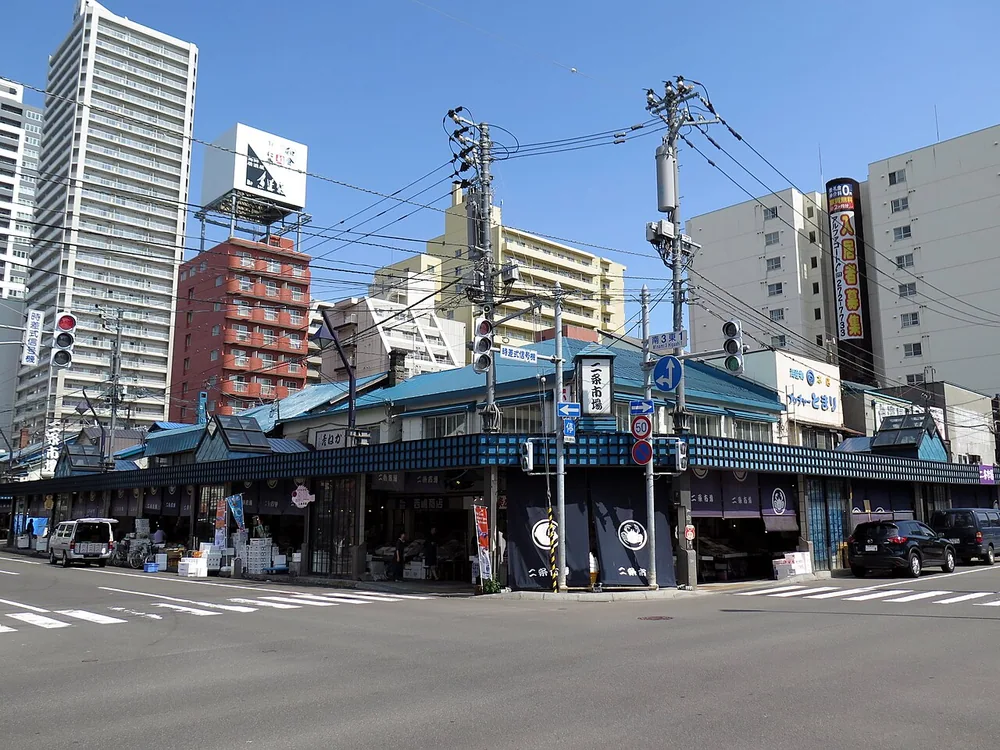
The cafes inside the museum and the Main Gate Information Center are handy once you have walked that far. On weekdays between 11:30 and 13:00, however, the university asks visitors to avoid the co-op cafeterias during the student and faculty lunch rush, and faculty-specific cafeterias are off-limits to tourists altogether. For a full sit-down meal, the Sapporo Station shopping area offers far more choice. If you plan to eat at Nijo Market or the Curb Market (Jogai Market), anchor your meal around market hours rather than commuting across town and doubling back for the trees. Hokkaido University Visitor Cafe & Dining Guidelines, Sapporo Markets & Food Routes
On a morning-only schedule, set a firm bag-pickup cutoff before leaving your hotel, subtract the walk back from campus, and divide the rest between Ginkgo Avenue and the museum. Walkers who enjoy lingering should budget 1 to 2 extra hours; if you are not rushing for a train, browse a single museum floor and eat a slightly later lunch. On Golden Leaf Festival days, build an indoor break between daytime walking and the evening lights—essential if you are traveling with kids or slow walkers.
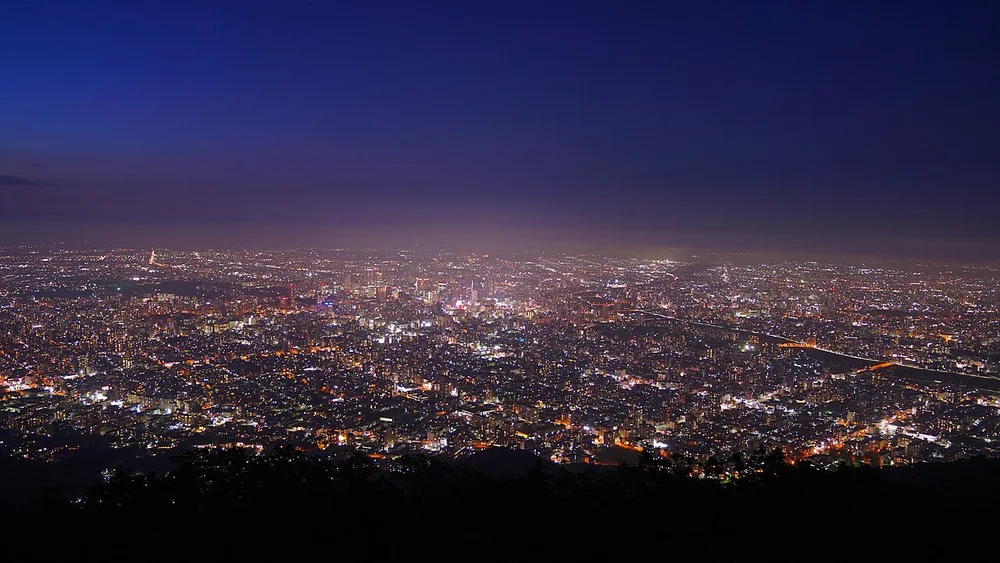
With clear weather and an early start, crossing from Kita 13-jo Gate to the Main Gate wraps up the whole northern campus walk in one clean sweep. If you only have 45 to 50 minutes free in the afternoon, riding to Kita-12-jo Station is the quickest way to see the avenue. If you are also heading up Mt. Moiwa for sunset views, give the campus the brighter early-afternoon window and check ropeway operating times separately so you are not racing dusk at both stops. Mt. Moiwa Night View Access Guide
Pairing Hokkaido University with Nakajima Park in One Day
To add Japanese maples and pond views, walk back from campus to Kita-12-jo Station and ride the Namboku Line south toward Makomanai to Nakajima Park Station. Alternatively, exit the Main Gate for lunch near Sapporo Station, take the subway south to stroll around Shobu Pond in Nakajima Park, and finish the afternoon with dinner in Susukino. If you simply want another look at ginkgo trees, there is a cluster near Nakajima Park Station Exit 3—smaller in scale than campus, but easy to combine with a lakeside walk.
Foliage timelines at the two spots can diverge: on October 26, 2026, Hokkaido University reported its ginkgoes still turning while Nakajima Park's management noted the Japanese Garden had already reached peak color with other species dropping leaves. By November 6, the park announced the Japanese Garden had closed for the season, even though red maples and autumn hues remained visible outside around Shobu Pond. Check that year's Japanese Garden opening dates before going, or scan recent park management photos to see which edge of the pond still holds color for an afternoon walk. Nakajima Park Autumn Foliage Updates
Do not confuse the main campus with the Hokkaido University Botanic Garden, located downtown at Kita 3-jo Nishi 8-chome with its own entrance, admission fee, and seasonal calendar—walking through the Kita 13-jo campus will not take you there. The Botanic Garden closes for winter from November 4, 2026 through April 28, 2027, so pick the Hokkaido University Museum or station-area attractions for indoor stops during that stretch. If visiting in late October while it is still open, note its summer-season hours from October 1 to November 3 (9:00–16:00, last entry 15:30) before linking both stops. Hokkaido University Botanic Garden 2026–27 Winter Closure, Botanic Garden Hours & Admission
Wind, Rain, and Late-Autumn Chill Set Your Distance
Japan Meteorological Agency 1991–2020 climate normals for Sapporo put average daily lows at 6.1°C in late October and 4.0°C in early November. Standing still on a sidewalk at dusk for illuminations or at dawn for photos feels far colder than brisk walking. Pack a windproof shell, light gloves, and a zip-up mid-layer for quick warmth—and even heavier insulation if staying out long—plus coat pockets that keep your phone dry and easy to grab without juggling extra bags. Japan Meteorological Agency Sapporo 10-Day Climate Normals
In light rain, a short stroll in from Kita 13-jo Gate still lets you catch rich yellow leaves. In high winds, snow, or icy conditions, limit outdoor walking to the nearest entrance and cleared paths, then move indoors. Wear shoes with good tread and watch out for slick wet leaves hiding curb edges; with older travelers, test the first few steps inside the gate and shorten the route if it feels slippery. If a passing shower hits right before a planned Nakajima Park stop, shelter in the campus museum until conditions clear for the subway ride south.
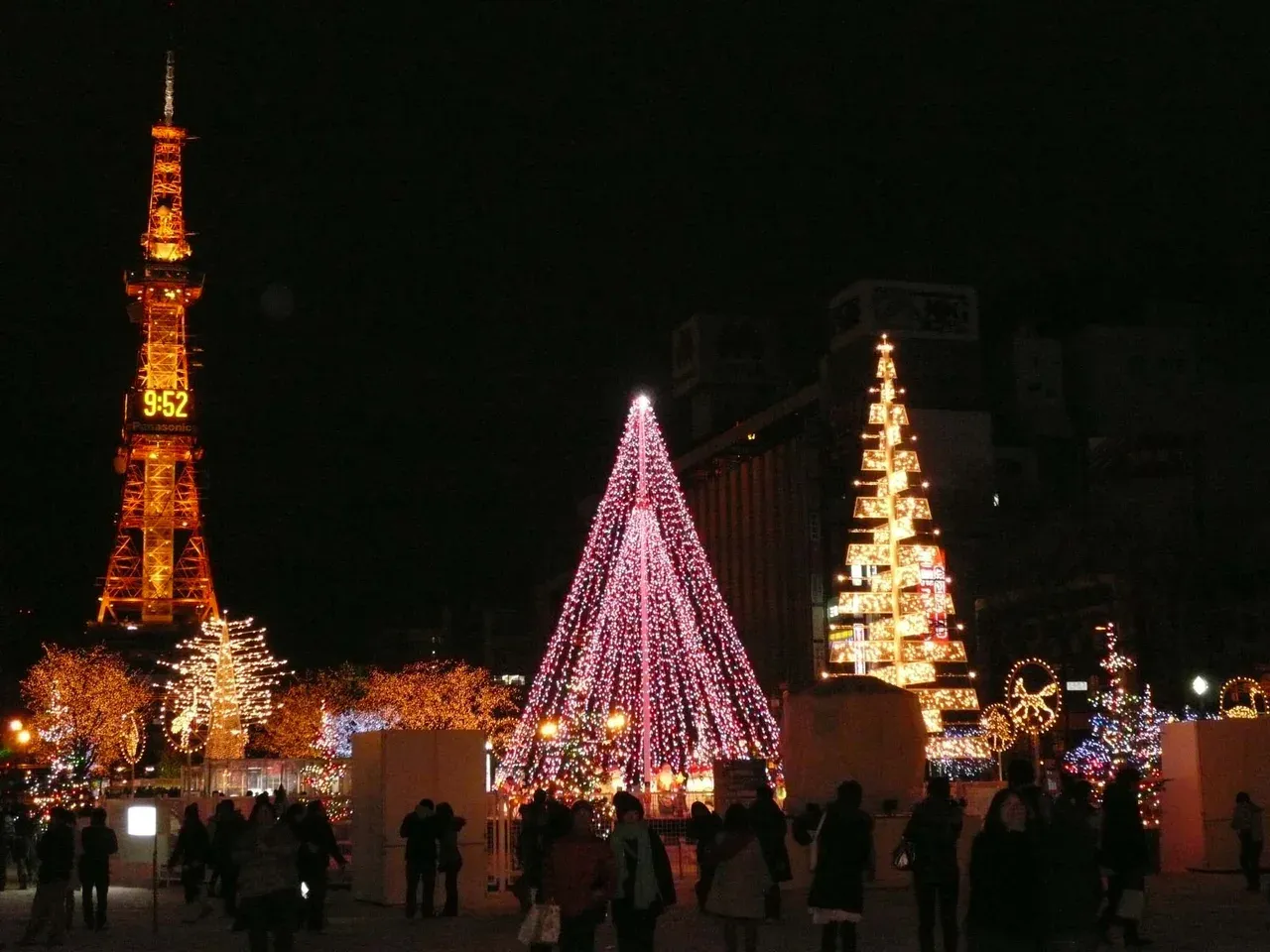
If you arrive to find the leaves mostly gone, let the time of day guide your backup plan. With daylight left, explore the historic buildings and museum near the Main Gate; if evening is already setting in, head back downtown. In 2026, the Sapporo White Illumination kicked off on November 20 across Odori Park, Sapporo Station South Exit, and other venues—with Odori running through December 25 and Sapporo Station South Exit continuing until March 14, 2027. While the Golden Leaf Festival illuminates campus in peak autumn, White Illumination lights up winter nights downtown right next to your JR departure point. Sapporo White Illumination Official Venues & Dates, Sapporo White Illumination Seven-Venue Walking Guide
A few useful answers
When is the best time to see yellow leaves on Hokkaido University's Ginkgo Avenue?
Hokkaido University lists its typical peak window as late October through early November. Check recent photos of Kita 13-jo Avenue to judge the overhead canopy, and look for shots showing the ground if you specifically want a carpet of fallen leaves.
Which subway station should I take for Hokkaido University's Ginkgo Avenue?
Take the Sapporo Municipal Subway Namboku Line to Kita-12-jo Station and walk about 4 minutes to campus, entering the eastern end of the avenue through Kita 13-jo Gate. If you want to start at the museum, walk from the JR Sapporo Station North Exit to the Main Gate and head north through campus.
When will the 2027 Hokkaido University Golden Leaf Festival be held?
As of November 22, 2026, the university's student events page had not announced 2027 dates. The 15th edition took place on October 31 and November 1, 2026; wait for the next official announcement before locking in an evening illumination visit.
Do I need tickets or reservations to walk Ginkgo Avenue?
Walking through the public outdoor campus grounds is free with no reservation needed. Individual indoor venues set their own rules: the Hokkaido University Museum is free, and the Kodomo Hon no Mori children's library near the South Gate is also free with timed capacity-limited sessions that accept advance bookings.
Is Hokkaido University still worth visiting on a rainy day?
In light rain, you can take a brief walk near Kita 13-jo Gate before ducking into the museum. The Hokkaido University Museum is typically open 10:00–17:00 (closed most Mondays unless a national holiday falls on Monday, in which case it closes the next weekday). In heavy rain or icy conditions, enter via the Main Gate and stick to the main paved path straight to the museum.
Can I stand in the street to take ginkgo photos or post campus pictures on social media?
No—the university prohibits standing or taking photos in the roadway and crosswalks. Visitors may take personal photos from the sidewalks while being mindful not to photograph students or staff; posting to social media, publications, or commercial use requires formal media or filming clearance from the university.
Official information and references
Sources used in this guide.
- Hokkaido University | Publicly Accessible Facilities for Visitors
- Hokkaido University | Sapporo Campus Map & Access
- Hokkaido University | Campus Entry Rules, Vehicles & Photography
- Hokkaido University 150th History Editorial Office | Autumn 2026 Campus Log
- Hokkaido University | 15th Hokudai Golden Leaf Festival
- Hokkaido University | 2026 Kita 13-jo Dori Traffic Restrictions
- Hokkaido University | Student Extracurricular Event Announcements
- Hokkaido University Museum | Visitor Information & Hours
- Hokkaido University Museum | Sapporo Agricultural College Second Farm
- City of Sapporo Library | Kodomo Hon no Mori Sapporo-Hokudai
- Kodomo Hon no Mori Sapporo-Hokudai | Admission & Reservations
- Sapporo Parks and Greenery Association | Nakajima Park Autumn Foliage Log
- Hokkaido University Botanic Garden | 2026–27 Winter Closure Notice
- Japan Meteorological Agency | Sapporo 10-Day Climate Normals
- National Astronomical Observatory of Japan | Sapporo October 2026 Sunrise & Sunset
- Sapporo White Illumination Executive Committee | 2026–27 Venue Schedule