When is Hokkaido crab in season? From regional fishing windows and Hanasaki vs. king crab differences to buying whole crabs at Nijo Market, Curb Market cooking, and booking Susukino buffets for winter 2026–27.
- Region & Focus
- Sapporo
- Reading Scope
- 21 min read · 10 chapters · 6 Q&As
- Official Verification
- 27 official sources checkedUpdated November 22, 2026 at 08:00 AM GMT+8
Chapter Route Map (tap any stop)
- When Is Hokkaido Horsehair Crab in Season? Start with the Coastline
- Horsehair, Hanasaki, Snow, and King Crab: Which Plate to Order
- A Bowl at Nijo Market vs. a Whole Crab at Sapporo Curb Market
- Before Weighing a Crab at the Market, Ask Exactly What Hits the Table
- Take It to Your Next Stop or Eat It at the Market?
- Ordering Crab Hot Pot, Steamed Crab, and Kaiseki Courses
- Susukino All-You-Can-Eat Buffets: Ordering Rules and Real Per-Person Cost
- New Year's Eve 2026 to Sapporo Snow Festival 2027: Which Nights to Book First
- Two Half-Day Routes That Connect Crab Meals and Transit
- Dining with Kids, Older Relatives, or Shellfish Allergies
- Quick Q&A
If you only have room for one crab meal in Sapporo, order a whole or half horsehair crab (kegani) for rich crab butter, or save your budget for king crab if you want thick, meaty legs. Hokkaido's horsehair crab seasons rotate by coastline—Hidaka and Eastern Hokkaido run through winter, the Sea of Okhotsk picks up after drift ice melts in spring, and Iburi takes over in summer. Head to Nijo Market or Sapporo Curb Market in the morning to check origins, weigh crabs, and have them boiled on the spot; book a specialty restaurant for unhurried hot pot or steamed crab; and only compare Susukino all-you-can-eat buffets if a group wants to pile up several types of crab legs at once.
When Is Hokkaido Horsehair Crab in Season? Start with the Coastline
Winter is prime crab season in Sapporo, but knowing which crab and which region you want means breaking the calendar down by sea area. According to Hokkaido Prefectural Government fisheries data, horsehair crab (kegani) is harvested off Hidaka from December through April, off Tokachi and Kushiro from January through March and August through December, and off Soya from February through May. Spring shifts toward Abashiri (March through August), while Iburi runs from June through August. Use these months as a regional compass, and check current-year cooperative notices for exact 2027 opening days. Sapporo shops source from multiple coasts and also stock crabs boiled and frozen at peak season, so reading the origin tag at the counter beats guessing. Hokkaido Government horsehair crab distribution and fishing seasons
Even within March, timing matters if you are chasing Okhotsk horsehair crab caught just after the sea ice retreats. Official Hokkaido tourism calendars pinpoint late March through April for post-drift-ice crab, so ask vendors specifically for arrivals from Abashiri or the Okhotsk coast. If your flights are already locked in for early March, there is no need to rebook—look for Hidaka, Soya, Tokachi, or Kushiro stock instead, or order whatever is featured at a specialty crab restaurant. When a vendor labels something simply as "Dosan" (Hokkaido-grown), follow up with "Doko no sanchi desu ka?" ("Where exactly is it from?") to narrow down the port. Hokkaido Tourism Organization seasonal ingredients chart
Visiting Sapporo in June or July still leaves room for horsehair crab at breakfast. Iburi's summer season overlaps with the latter half of Abashiri's window, making clearly labeled, salt-boiled whole crab well worth ordering. If you want two distinct Hokkaido species on the same summer trip, add Hanasaki crab to your market list. Come autumn, Tokachi and Kushiro open back up; check the wooden crates and price tags for port names before deciding whether to splurge on a sit-down dinner.
If your main goal is a relaxed crab hot pot, book your travel dates around the scenery you want to see and choose your crab by menu name rather than chasing a fishing calendar. Specifying "kegani" (horsehair crab) or "zuwai kanisuki" (snow crab hot pot) when reserving lets the kitchen confirm stock directly. Even if a restaurant only offers snow crab hot pot, anyone craving horsehair crab butter can usually add a half-boiled kegani on the side instead of upgrading the entire table to the top-tier course.
When is Hokkaido crab in season? From regional fishing windows and Hanasaki vs. king crab differences to buying whole crabs at Nijo Market, Curb Market cooking, and booking Susukino buffets for winter 2026–27.
Horsehair, Hanasaki, Snow, and King Crab: Which Plate to Order
Horsehair crab (kegani) is prized for its creamy crab butter (kanimiso) and sweet, delicate body meat. Covered in fine bristles with relatively short legs, a whole crab takes patience to pick clean. For two people just looking to taste it, ordering a half crab—making sure the upper shell and kanimiso are included—alongside grilled fish or rice works better than adding a plate of pre-shelled legs. On menus, "kanimiso" means crab tomalley, while "miso-jitate" means a broth seasoned with miso paste; for pure crab flavor, look for "yude" (boiled) or "mushi" (steamed).
Hanasaki crab (Hanasaki-gani) is easy to spot by its spiky shell and legs, which turn bright crimson when cooked. Hokkaido fisheries records map its range from eastern Kushiro out to Cape Nosappu, with coastal seasons broadly listed from April through September (individual cooperatives run shorter windows). Think of it as an Eastern Hokkaido specialty from spring to early autumn. If you spot Hanasaki crab in Sapporo during winter, check for labels like "boiru reito" (boiled and frozen)—even thawed, a small portion eaten in-house is worth trying for flavor comparison, and having the shop snip the spiky joints open upfront saves two people from wrestling over one pair of crab shears. Hokkaido Government Hanasaki crab profile
Another great way to sample Hanasaki crab is in "teppojiru," a traditional Hokkaido miso soup simmered with crab shell and leg segments—named after the motion of using chopsticks like a ramrod to push meat out of the legs. Many market set meals include a bowl of crab soup; ask the counter which species went into the pot that day. Tasting teppojiru alongside chilled boiled crab lets you compare hot broth depth against sweet cold meat without buying a second whole crab. Ministry of Agriculture, Forestry and Fisheries teppojiru guide
Snow crab (zuwai-gani) has long, slender legs ideal for hot pot or chilled boiled platters where subtle sweetness shines—watch for menu distinctions like "hon-zuwai-gani" (true snow crab), "beni-zuwai-gani" (red snow crab), and "oo-zuwai-gani" (giant snow crab). King crab (taraba-gani) excels as grilled legs, whose thick, steak-like meat slices cleanly for sharing; if a menu lists both "hon-taraba" and "abura-gani" (blue king crab), ask staff to point out which one you are ordering. If you want to compare leg textures side by side, order small portions cooked similarly, keeping in mind that salt levels on boiled snow crab and smoky char on grilled king crab change the bite as much as the species itself.
A Bowl at Nijo Market vs. a Whole Crab at Sapporo Curb Market
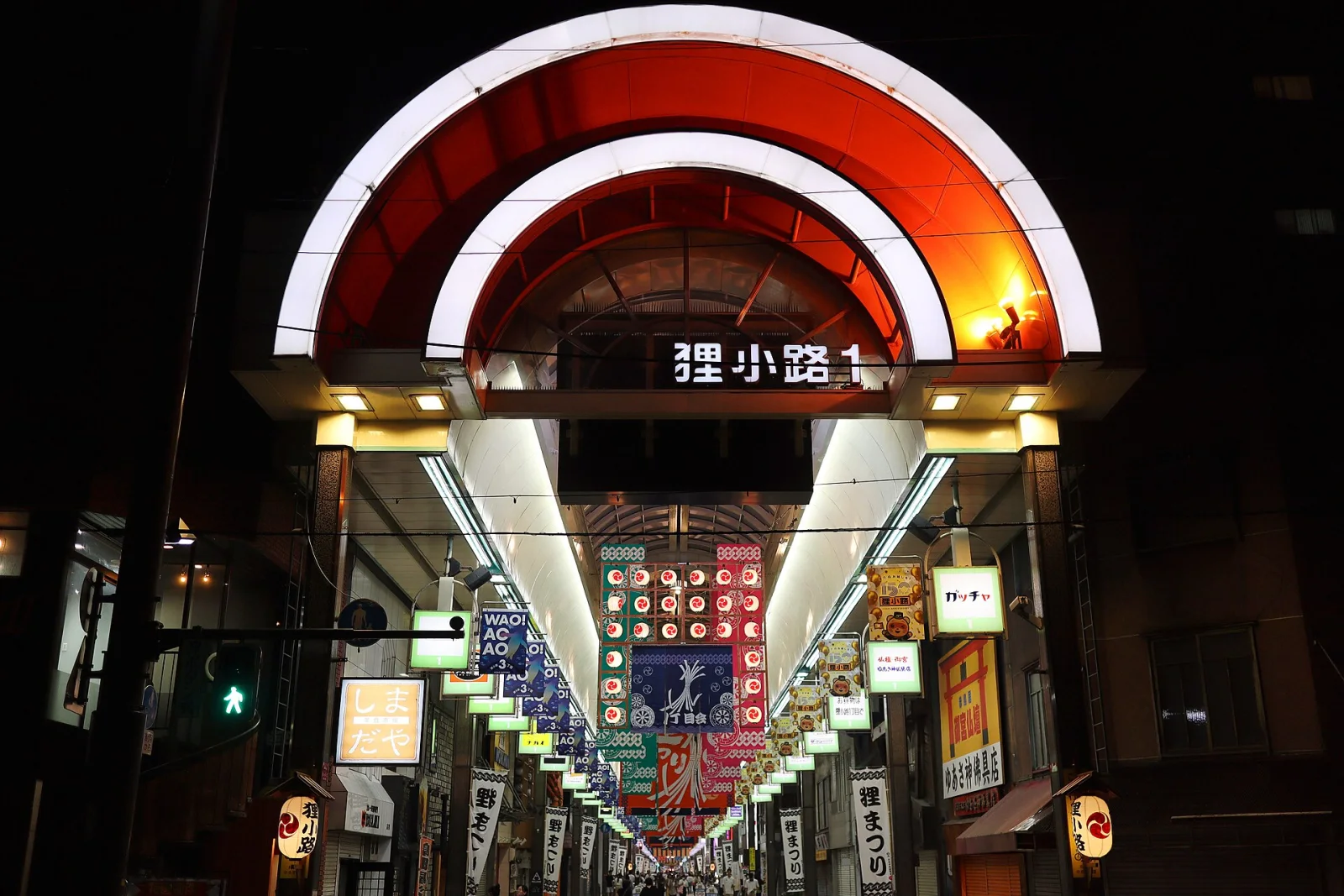
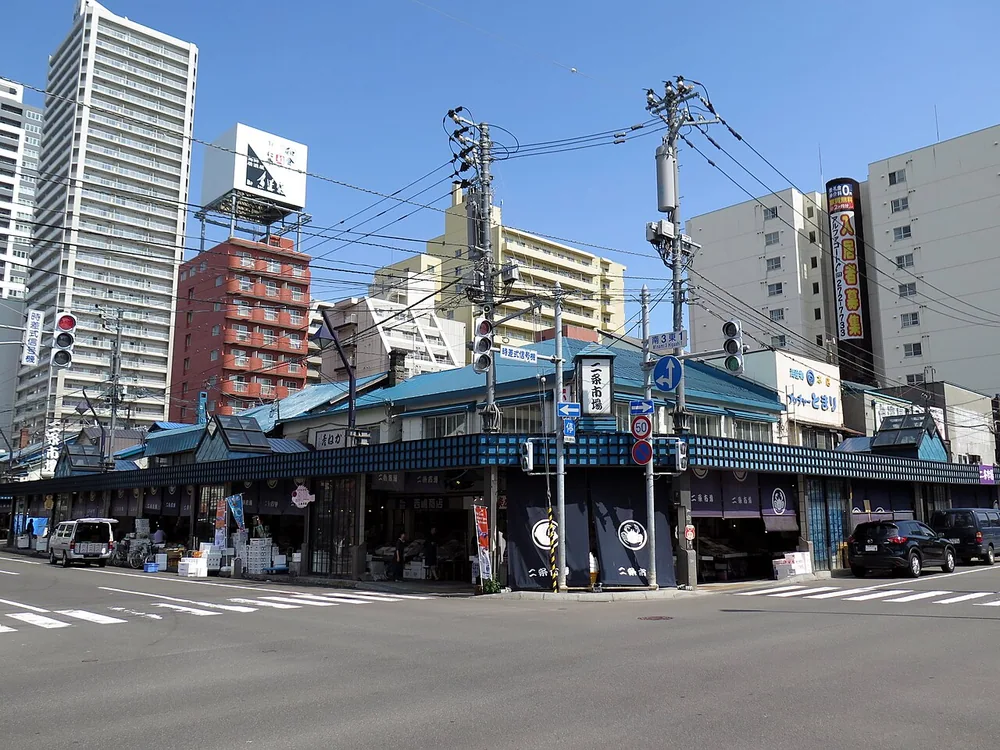
If you are staying around Odori or Susukino and just want a quick crab rice bowl on a half-day stroll, Nijo Market is right downtown. Located along the Sosei River at South 3-jo East 1–2-chome, retail stalls generally run around 7:00 AM–5:00 PM and the dining alley operates roughly 7:00 AM–9:00 PM JST, though hours vary by vendor. For breakfast, check your target restaurant's opening time rather than relying on general market hours. Walk east to the end of Tanukikoji Shopping Street and cross the road, or take the subway to Odori Station (Exit 34) or Bus Center-mae Station (Exit 3).
Dining at Nijo Market can stay simple and focused. Ohiso serves a popular three-topping rice bowl with sea urchin, salmon roe, and king crab—ideal if you are dining solo and want crab over warm rice. To compare whole species or sit-down platters, Nijo's official shop directory includes seafood and crab specialists like Nijo Kani Ichiba Marudai Suisan where you can ask what came in fresh that morning. Two travelers budgeting for crab can weigh two individual rice bowls against sharing one whole horsehair crab plus a few side dishes: the bowls offer variety in one dish, while the whole crab gives you transparent origin labeling and a slower, hands-on meal. Nijo Market shop directory and Ohiso official menu
For rows of live tanks, whole crabs, and on-site boiling, spend a morning at Sapporo Curb Market (Sapporo Jogai Ichiba), the retail street next to the wholesale market that welcomes walk-in visitors. Set your map to "Sapporo Jogai Ichiba" or a specific shop name. Most retail stalls open at 6:00 AM and diners around 7:00 AM JST, with standard shops closing around 3:00 PM and larger stores staying open until 5:00 PM. Take the Tozai Line toward Miyanosawa to Nijuyonken Station (Exit 5, ~7-minute walk), or ride JR from Sapporo Station to Soen Station (left exit out of the West Ticket Gate, ~9-minute walk). Both walks are outdoors, so factor in snowy sidewalks if you plan to carry boxed crab back.
Looking at specific hours, Kita no Gourmet's retail shop runs 7:00 AM–4:00 PM from November 1 to April 30 and 6:00 AM–5:00 PM from May 1 to October 31, while its adjacent diner, Kita no Gourmet-tei, serves from 7:00 AM–3:00 PM (last order 2:30 PM JST). The diner explicitly lets you buy seafood in the market shop and have the kitchen cook it to order. Ask about cooking wait times before paying so you can decide between eating your market pick right away or ordering straight off the diner menu. Arriving around 3:00 PM means some retail counters will still be open, but you will miss last call at the diner. Kita no Gourmet shop and diner hours
Each market serves a different trip pace, so you do not need to visit both on back-to-back mornings. If you are staying downtown or traveling with late sleepers, pick one Nijo Market diner and stroll along the Sosei River or Tanukikoji afterward. If a whole crab is your main event, Curb Market streamlines shopping and dining under one roof. For a wider four-day food itinerary linking neighborhoods and transit stops, see our Sapporo Markets and Food Walking Routes guide.
Before Weighing a Crab at the Market, Ask Exactly What Hits the Table
Even for the same species, stalls display whole crabs, halves, leg clusters, and packs of picked meat side by side. At crab counters, "ippai" means one whole crab. Price tags may quote per crab, per 100 grams, or per kilogram, so ask the vendor to weigh the exact crab you pointed to and write down the tax-included total before comparing it against a half crab next door or a restaurant set meal. If you want it cooked on-site, ask about preparation or seating fees upfront, and never estimate edible yield from gross live weight—shells and legs account for a big chunk of the scale reading, and you should confirm whether the carapace with crab butter is included.
Know your label terms: "katsu" means live, "yude" means boiled, "yaki" means grilled, and "reito" means frozen. When you see "boiru reito" (boiled and frozen), clarify whether the crab was frozen whole or broken down into leg packs. Tell the vendor clearly if you want a hot meal right now versus a sealed pack to travel with—that matters far more for picking the right portion than insisting on a live crab every time. Also check "gensanchi" (origin): if a package only prints the Hokkaido distributor's address, ask where the crab itself was landed, especially when hunting a specific seasonal port.
Kita no Gourmet-tei's published menu gives a clear baseline for market pricing: boiled horsehair crab starts from ¥4,370 (tax included), while grilled half king crab starts from ¥8,770 (tax included). The first buys you body meat and kanimiso; the second buys thick, shareable legs. Keep those starting benchmarks in mind, then check the day's actual crab sizes and final price before committing. If you just want a few bites before another meal, holding off until you see the scale quote makes it easy to switch to a smaller leg order or a crab rice bowl. Kita no Gourmet-tei menu and pricing
Combining "ippai" (whole crab) and "nan-ninmae" (number of servings) helps tailor an order to your group. In a party of four where two people want kanimiso and two want meaty legs, set aside one whole horsehair crab for the first pair and ask what grilled king or snow crab legs can be shared alongside it. Decide beforehand whether to add rice or miso soup so you know if the crab is an appetizer or dinner. Asking how many pieces the kitchen will cut it into, whether it can be plated for the center of the table, and whether everyone must order a separate entree is far more practical than guessing how many people one crab feeds.
If a vendor only speaks Japanese, type your total budget into your phone's calculator and ask them to point out which crab and cooking style fit that figure. Always ask before taking close-up photos of price signs, and compare identical species, cuts, and weights across stalls rather than chasing the biggest headline discount. Solo diners benefit from these same questions, since "two servings" and "half a crab" play very different roles—one might arrive pre-cut in a shared platter, while the other gives you a whole half-shell to pick through slowly.
- "Kono ippai wa ikura desu ka?" ("How much is this whole crab?")—if the sign prices by weight, ask the clerk to write down the final total.
- "Yudete moraemasu ka? Koko de taberaremasu ka?" ("Can you boil this for me? Can we eat it here?")—and if you want the shell pre-cut, point to the legs and ask, "Kara o kitte moraemasu ka?"
Take It to Your Next Stop or Eat It at the Market?
If you plan to visit Hokkaido Jingu, Maruyama, or central Sapporo right after Sapporo Curb Market, eat first and shop second. When you spot a great crab, ask if the stall can hold it until after lunch or ship it domestically to your next Japanese hotel. Sapporo's tourism site notes that several Nijo Market shops also offer paid domestic shipping. Write down the exact delivery address, guest check-in name, and target arrival date clearly—and check with your hotel front desk beforehand to ensure they accept chilled or frozen parcels, especially if the box arrives before check-in or the night before an early checkout.
If you are carrying crab out yourself, schedule pickup right before heading back to your hotel. Confirm storage instructions, shelf life, and whether insulated cooler bags cost extra, then factor in transit time to the station, shopping detours, and train transfers. Many Japanese business hotels only have compact mini-fridges, so check cooler space and box dimensions before buying. If you are changing cities with luggage later that afternoon, eat fresh crab at the market for breakfast and stick to shelf-stable packaged snacks for gifts.
If you plan to bring crab home across international borders—for example, travelers returning to Taiwan checking Taipei Customs passenger food rules—verify the exact product name, origin, and processing state before purchasing. Frozen, vacuum-packed, and cooked seafood fall under separate customs and quarantine rules, and domestic Japanese delivery only gets the box to a local address, not through international arrival inspection. Keep original packaging and itemized receipts for customs declaration, and weigh the hassle of hauling a frozen box through airport transfers against simply spending that money on a better sit-down crab feast in Sapporo. Taipei Customs passenger rules for carrying food across borders
Ordering Crab Hot Pot, Steamed Crab, and Kaiseki Courses
Before ordering hot pot, check both the crab species and the broth style. "Kanisuki" simmers crab with vegetables in a seasoned dashi broth, while "kanishabu" features raw crab leg meat lightly swished through hot broth for seconds. At Sapporo Kani Honke's Sapporo Station Main Branch, the menu lists a snow crab hot pot for ¥6,500 per person and a two-crab comparison hot pot for ¥7,600 per person—useful cues that if you also want horsehair crab butter, you will need a separate a la carte order. The restaurant serves from 11:30 AM–10:00 PM JST (last order 9:30 PM), about a 5-minute walk from JR Sapporo Station's South Exit. Sapporo Kani Honke menu and Sapporo Station Main Branch info
When a menu says "kaiseki," each diner receives a multi-course progression—typically sashimi, grilled crab, hot pot, and a rice finale—though some kaiseki sets center on the hot pot itself. Scan the bottom lines of the menu for "zosui," which means rice porridge cooked in the leftover crab broth; some restaurants also offer it as a single add-on. If you are really there for rich broth and zosui, a focused hot-pot set covers everything you need. For unadulterated horsehair crab, look for "hamayude" (salt-boiled) or "seiro-mushi" (bamboo-steamed), and verify whether the order includes a whole crab, half crab, or legs only, plus whether the carapace still holds kanimiso.
To estimate the bill for two, multiply the per-person menu price and watch the add-ons. Two snow crab hot pots at Kani Honke come to ¥13,000; adding a ¥660 zosui finish per person brings the food total to ¥14,320 before drinks. Switching to snow crab shabu-shabu runs ¥7,500 per person on the official menu—a ¥1,000 per-person difference worth weighing against your preferred texture before sitting down. If you order zosui, leave enough broth in the pot and keep broken crab shells out of the liquid before the rice goes in.
When one diner wants hot soup and another wants a chilled platter of plain crab, ask whether the table can mix main courses and whether hot pots have a two-person minimum before ordering. Whether steamed or boiled, snipping along the shell near each joint makes extraction effortless. Save a tuft of sweet white body or leg meat halfway through a horsehair crab and dip it straight into the kanimiso in your shell. When splitting a whole crab between two people, divide the body meat first and tackle the legs afterward so nobody misses out on the best parts in the first five minutes.
If anyone in your group eats slowly or travels with kids who mostly want rice, egg dishes, and cooked sides, ordering a la carte steamed crab alongside hot pot gives everyone breathing room. Booking a standard dinner seating without a strict buffet countdown makes chatting and cracking shells far more pleasant. To compare traditional steamed crab specialists, hot-pot houses, and buffet options side by side, check our Sapporo Crab Restaurants Guide.
Susukino All-You-Can-Eat Buffets: Ordering Rules and Real Per-Person Cost
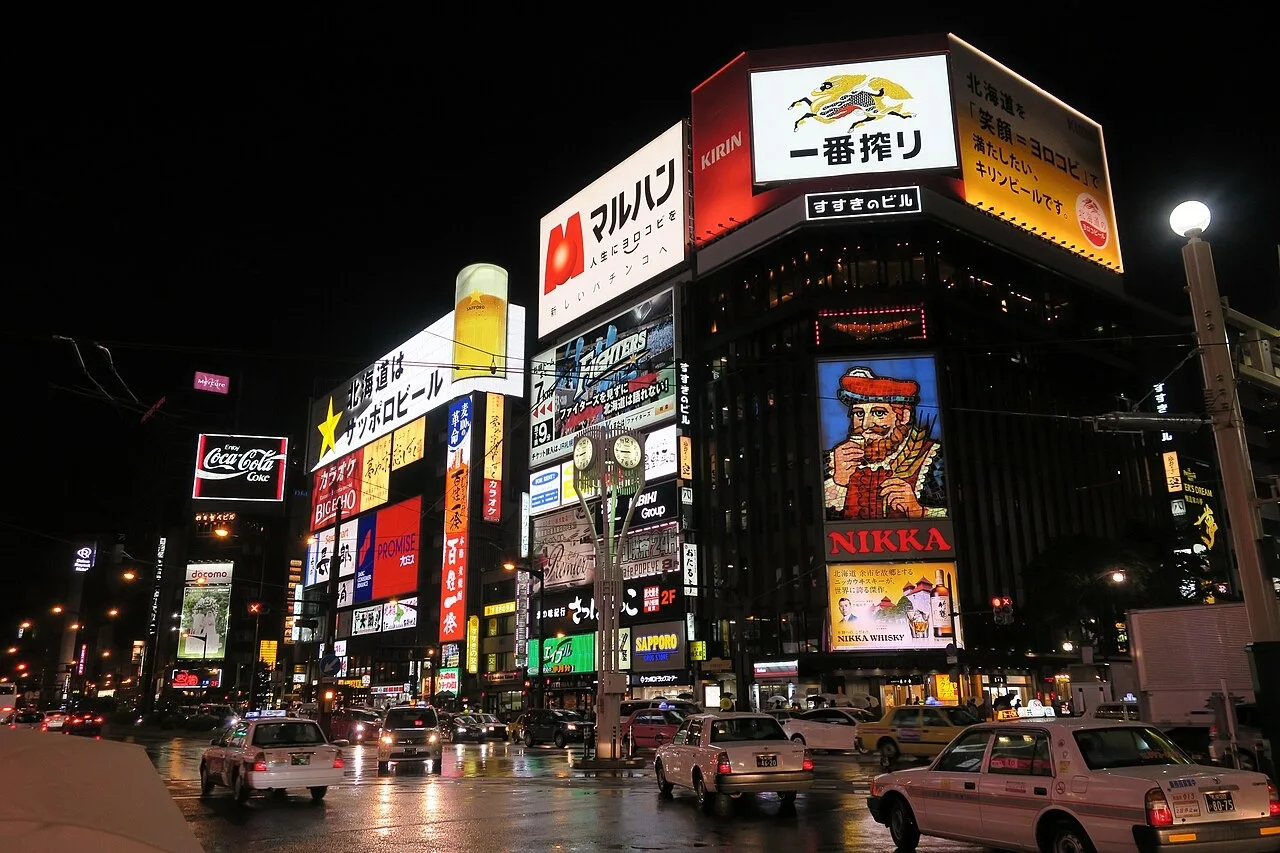
All-you-can-eat crab in Susukino generally splits into two formats: table-side refills and self-serve buffets. On Sapporo's official tourism listing, Ebi Kani Gassen runs 90-minute seatings for a minimum of two guests, requiring you to finish the initial platter before ordering refills. Near Susukino Station, Course A (¥9,500) pairs horsehair crab with snow crab legs, while Course B (¥9,500) swaps in king crab legs and snow crab legs. The ¥10,000 Three-Crab Course covers horsehair, snow, and king crab legs—there is also another ¥10,000 plan that swaps in sushi or fried shrimp, so always state the full course name when booking. Ebi Kani Gassen courses on Visit Sapporo
Nanda operates as a self-serve buffet: its official rate sheet lists 70 minutes for ¥8,500 per adult and 90 minutes for ¥9,980 per adult (tax and soft drinks included, minimum two guests). While standard pricing notes a ¥1,000 per-person table charge for parties of two, Nanda's November 18, 2026 winter notice specifies a ¥2,500 table charge starting in December. Always confirm how that seasonal table charge is applied to your party size and date, then factor in alcohol packages or child pricing. For two adults focused strictly on crab, upgrading from 70 to 90 minutes adds ¥1,480 per person before the table charge. Nanda price list and fees and Nanda winter hours notice
At timed buffets, confirm the last buffet-line pickup time as soon as you sit down—spending 15 minutes reading the menu eats straight into your crab clock. Grab your target crab legs and one hot dish on the first trip, finish them, and go back for seconds. Thin-shelled snow crab peels quickly, horsehair and Hanasaki crab demand more work, and king crab often requires kitchen shears. Keep sushi, fried sides, and yakiniku light; if one parent is helping kids eat, there is no reason to pick the shorter 70-minute slot just to save a few yen. Nanda also posts leftover-food penalties, so only plate what your table can actually finish.
Jotting down every diner's needs next to the booking page reveals quickly whether a buffet pays off. Using Nanda's 70-minute rates as an example, two adults, one 6-year-old, and one 3-year-old come to ¥24,830 in base meal charges before the date-specific table fee. If four of you mainly want freshly boiled horsehair crab, compare that buffet bill against buying one or two whole market crabs plus whatever non-crab dishes your family prefers—the math usually settles the choice in seconds. Buffets make the strongest financial sense when part of your group wants plenty of yakiniku, sushi, or non-seafood dishes too.
Solo travelers need to watch minimum party rules first: both sample restaurants require at least two people. If you are dining alone, a Nijo Market crab bowl or an a la carte order at a crab specialist protects your evening schedule. Two people whose top priority is whole horsehair crab and kanimiso can easily split one market crab using the benchmark prices above; only bring a group of four to an all-you-can-eat buffet when everyone wants grilled meats, drinks, sushi, and mountains of crab legs together.
New Year's Eve 2026 to Sapporo Snow Festival 2027: Which Nights to Book First
Over New Year's, check individual holiday notices before making plans. Sapporo Kani Honke's Sapporo Station Main Branch switches to takeout only on December 31. Meanwhile, Nanda's standard page defers year-end holidays to seasonal bulletins, and its 2026–27 notice confirms regular operations from December 28, 2026 through January 5, 2027 (with phone and email inquiries answered starting January 6). For a sit-down New Year's Eve dinner, lock in an entry slot online early and confirm the time, course, and headcount on one reservation. Nanda 2026–27 year-end and New Year notice
From December 2026 through March 2027, Nanda is running extended winter hours with last entry at 8:00 PM JST for the 70-minute plan, 7:30 PM JST for the 90-minute plan, and final closing at 9:10 PM JST. If you are staying in Susukino and returning from a day trip to Otaru or the ski slopes, work backward from 7:30 PM to cover train transfers and walking time. Nanda's official policy cancels reservations automatically if you are more than 10 minutes late without calling, so leave buffer time to reach the building elevator and check in—or message the restaurant early if trains run late.
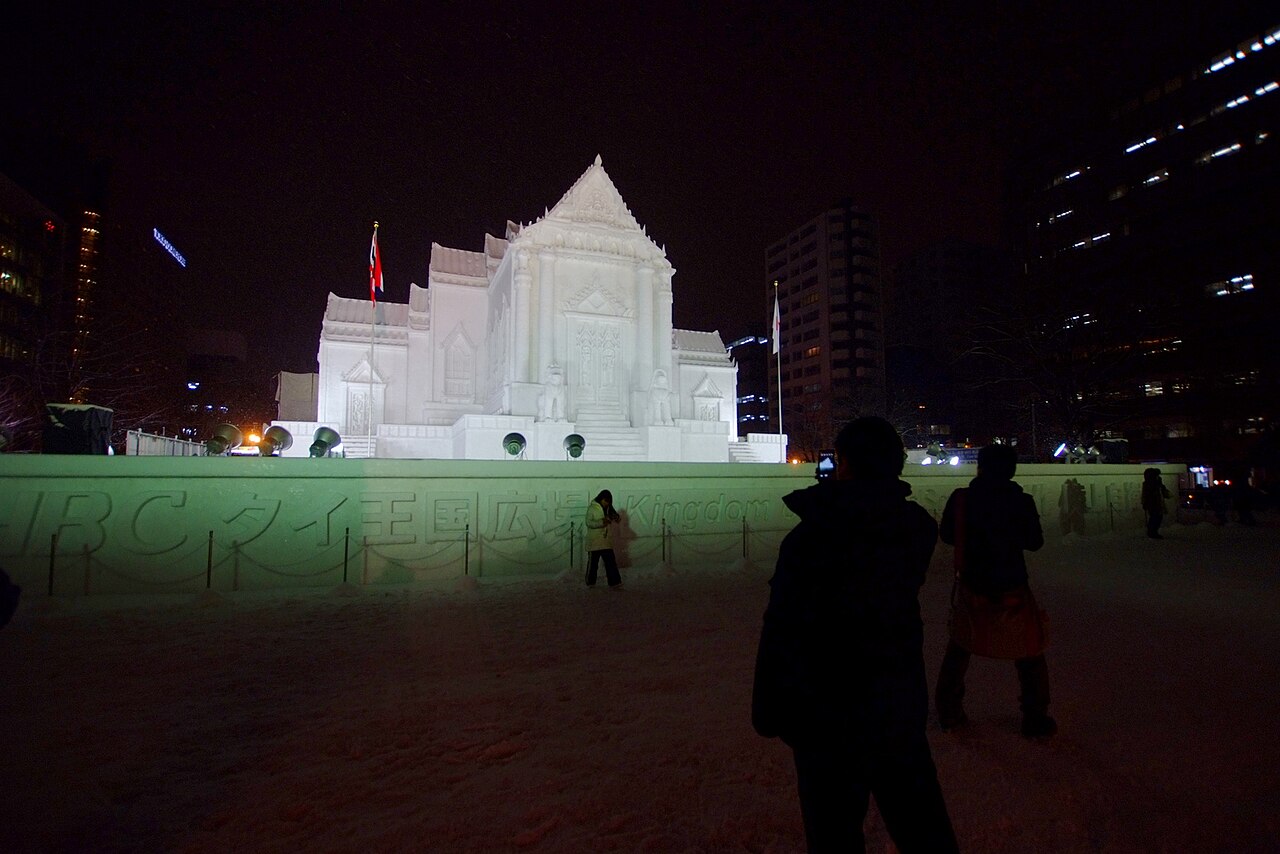
The 2027 Sapporo Snow Festival is set for February 4–11, 2027, with the Odori Site spanning Odori West 1-chome to 11-chome and the Susukino Site running along Ekimae-dori from South 4-jo to South 6-jo. After viewing the Odori snow sculptures, you can walk down at street level straight into Susukino's ice sculptures, or duck into the Pole Town underground shopping mall from Odori Station to Susukino Station when snow blows hard. Guests staying near Sapporo Station can walk the Chi-Ka-Ho underground walkway straight to Odori and connect onto Pole Town. Keep in mind that some Susukino restaurants require another walk east toward Hosui-Susukino, so arriving at Susukino Station does not mean you are at the front door yet. 2027 Sapporo Snow Festival dates and venues and Sapporo underground walkways guide
If you have dinner booked in Susukino and want to see the ice sculptures, save the ice blocks for an after-dinner stroll and spend your daytime at the eastern Odori snow sculptures and Nijo Market. When dinner is your main splurge of the day, keep breakfast and lunch light—a bowl of miso ramen, a retro kissaten coffee shop, or a shared seafood bowl keeps your appetite sharp. Pair your dinner booking with our Sapporo Snow Festival Three-Venue Guide to time Odori and Susukino smoothly.
Always save the building name and floor number alongside your Susukino reservation. Nanda sits on B2F of the Cyber City Building at South 5-jo West 2-chome, roughly a 2-minute walk from Toho Line Hosui-Susukino Station Exit 4. Ebi Kani Gassen is on the 12th floor of the F-45 Building at South 4-jo West 5-chome, about a 3-minute walk from Namboku Line Susukino Station. Both carry a Susukino address, yet one lies on the east side and the other on the west—sending friends the full restaurant name, street block, and floor beats texting "Susukino Station" when meeting up mid-festival.
Two Half-Day Routes That Connect Crab Meals and Transit
If you only want one straightforward crab meal, walk east from Odori to the Sosei River and Nijo Market in the morning, browse origin tags, and sit down for a crab bowl or half boiled crab. If breakfast lines look long, stroll along the river or Tanukikoji first and circle back for an early lunch. Spend the afternoon around Odori Park, Sapporo TV Tower, or Sapporo Station, then save dinner for Genghis Khan lamb BBQ or Sapporo soup curry. Since almost all of this is walkable, there is no need to buy a subway day pass just for Nijo Market.
For a dedicated morning at Sapporo Curb Market, enter via Nijuyonken Station and exit via Soen Station (or reverse the loop). Taking the Tozai Line out from Odori lets you browse fresh crabs early, have your pick boiled on-site for breakfast, and move on cleanly. For a simple out-and-back trip, single tickets make more sense: Sapporo Municipal Subway adult fares run ¥210–¥380 per ride by zone, while the Subway 1-Day Card (valid weekends, public holidays, and designated year-end/New Year dates) costs ¥520 for adults and ¥260 for children—and JR trips to or from Soen are billed separately. Only buy the day pass if you plan to stack Maruyama Park, Odori, and Susukino subway rides afterward. Sapporo Municipal Subway regular fares and Sapporo Subway 1-Day Card details
To compare a market breakfast against a Susukino dinner in one day, keep breakfast at Curb Market tightly focused on horsehair crab and crab soup, then head back to Odori. At dinner, pick a snow crab hot pot or a two-crab leg set so each meal highlights a different species and cooking style—you will walk away knowing exactly which cuts justified the spend. If heavy snow makes the outdoor walk from Nijuyonken Station unappealing, pivot to a Nijo Market shop east of Odori or swap in a crab hot-pot lunch near Sapporo Station without disrupting evening reservations.
Passing through Sapporo for just half a day in summer—shopping in the morning before catching an afternoon JR train—head to Nijo Market for boiled horsehair or Hanasaki crab in season and stick to travel-friendly packaged goods if you shop. If your train heads east toward Nemuro and Eastern Hokkaido next, eat horsehair crab in Sapporo and save your dedicated Hanasaki crab feast for the coast where it is landed. If your itinerary stays between Sapporo and Otaru, tasting a small labeled plate of Hanasaki crab or a bowl of teppojiru right in town satisfies the craving without overloading your itinerary.
Dining with Kids, Older Relatives, or Shellfish Allergies
When ordering crab with young children, always ask the staff to snip the shells open beforehand. Kids digging with chopsticks easily prick fingers on shell spines or swallow tiny shell shards, so shelling pieces onto a small plate for them makes dinner far smoother. Because some buffets charge child rates by exact age, list each child's age accurately when booking; with slow eaters, budgeting extra time to shell crab for the table matters much more than sprinting back to the buffet line.
If you are traveling with older adults who prefer not to stand in long queues, go straight to a sit-down market diner in the morning. Kita no Gourmet-tei notes elevator access and wheelchair-accessible restrooms on its website—contact the diner in advance with your accessibility needs to confirm seating flow. Smaller market storefronts often have street-level steps or narrow thresholds, so bookmark the elevator location at Nijuyonken Station before heading out. For dinner, check how many courses a kaiseki set brings, whether hot pots are shared, and whether seating is chairs or floor cushions; for the same budget, comfortable seating lets everyone enjoy every course.
If anyone in your group has a crustacean allergy, tell the restaurant upfront—"Kokakurui arerugi ga arimasu" ("I have a shellfish/crustacean allergy")—and ask whether stocks contain shrimp or crab and whether fryers and tongs are shared. Japan's Consumer Affairs Agency cautions that cross-contact between allergens can happen in commercial kitchens; if staff cannot safely accommodate the allergy, pick a different restaurant. Even if you pivot to ramen or soup curry instead, announce the allergy before ordering, as broths frequently use seafood bases. Japan Consumer Affairs Agency dining-out allergy guidance
A few useful answers
Which crab should I look for in Sapporo from December to February?
For Hokkaido-sourced horsehair crab (kegani), ask for Hidaka stock first; January and February also fall within the Tokachi and Kushiro fishing windows listed by the Hokkaido Prefectural Government. If you prefer thick leg meat, go straight for king crab dishes and confirm the origin and cooking method.
Can I find post-drift-ice horsehair crab in Sapporo during spring?
Hokkaido tourism guides list late March through April as the season for horsehair crab caught along the Okhotsk coast after the drift ice recedes. At Nijo Market or Sapporo Curb Market, ask vendors whether they have fresh arrivals from Abashiri or the Okhotsk side that day.
Can a solo traveler book an all-you-can-eat crab buffet in Susukino?
Both Nanda and Ebi Kani Gassen require a minimum of two diners. Solo travelers have much better flexibility ordering a half horsehair crab, crab legs, or a crab rice bowl at a market, or ordering a la carte at a specialty crab restaurant.
Is "crab miso" on a Japanese menu a seasoning or paste?
On Japanese menus, kanimiso refers to crab tomalley (brown crab butter/innards), whereas miso-jitate indicates a soup flavored with fermented miso paste. To dig into kanimiso, look for whole or half crab served with the shell attached.
Should I choose a market or a restaurant if I arrive in Sapporo in the afternoon?
Several stalls at Sapporo Curb Market start winding down in the afternoon, and Kita no Gourmet-tei takes its last order at 2:30 PM. If you arrive later in the day, book a crab dinner around Sapporo Station or Susukino and save the markets for the next morning.
Can I eat crab in Sapporo on December 31, 2026?
Sapporo Kani Honke Sapporo Station Main Branch operates for takeout only on December 31. Nanda's 2026–27 year-end notice states it stays open regular hours on December 31, though you will need to book an entry slot for a specific course.
Official information and references
Sources used in this guide.
- Hokkaido Government | Horsehair crab distribution, fishing seasons, and cooperatives
- Hokkaido Government | Hanasaki crab distribution, fishing seasons, and cooperatives
- Hokkaido Tourism Organization | Hokkaido seasonal ingredients calendar
- Ministry of Agriculture, Forestry and Fisheries | Hokkaido local cuisine: Teppojiru
- Visit Sapporo | Nijo Market hours and overview
- Nijo Market | Access and subway exits
- Nijo Market | Official shop directory
- Ohiso | Nijo Market official menu
- Visit Sapporo | Sapporo Curb Market (Central Wholesale Market) hours
- Sapporo Curb Market Shopping Street | Walking routes from Nijuyonken and Soen stations
- Kita no Gourmet | Retail shop and diner operating hours
- Kita no Gourmet-tei | Diner menu, on-site cooking, and facilities
- Sapporo Kani Honke | Sapporo Station Main Branch hours and reservations
- Sapporo Kani Honke | Crab hot-pot menu
- Visit Sapporo | Ebi Kani Gassen courses and details
- Nanda | All-you-can-eat courses and pricing
- Nanda | Location, access, and standard entry rules
- Nanda | Hours, entry times, and late-arrival policy
- Nanda | Extended winter hours (December 2026 to March 2027)
- Nanda | 2026–27 year-end and New Year operating notice
- Sapporo Snow Festival | 2027 dates and venue announcement
- City of Sapporo | Sapporo Ekimae-dori Underground Walkway (Chi-Ka-Ho)
- Visit Sapporo | Underground shopping malls from Odori to Susukino
- Sapporo City Transportation Bureau | Regular subway fares
- Sapporo City Transportation Bureau | Subway 1-Day Card
- Taipei Customs, Ministry of Finance | Passenger rules for carrying food across borders
- Consumer Affairs Agency of Japan | Dining out and food allergies