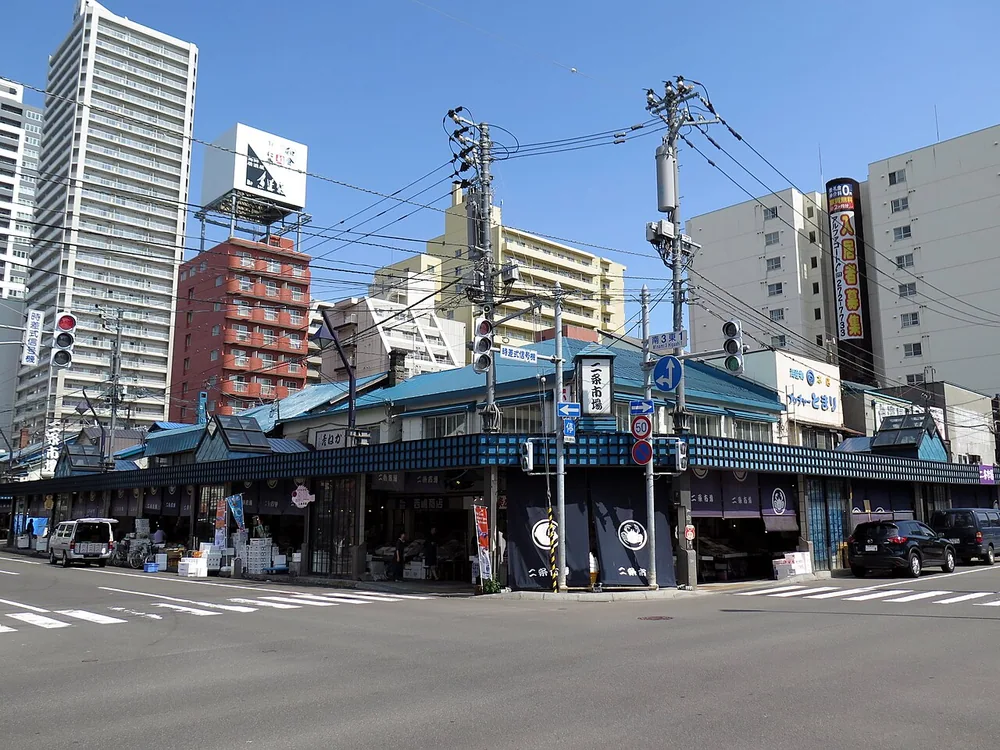
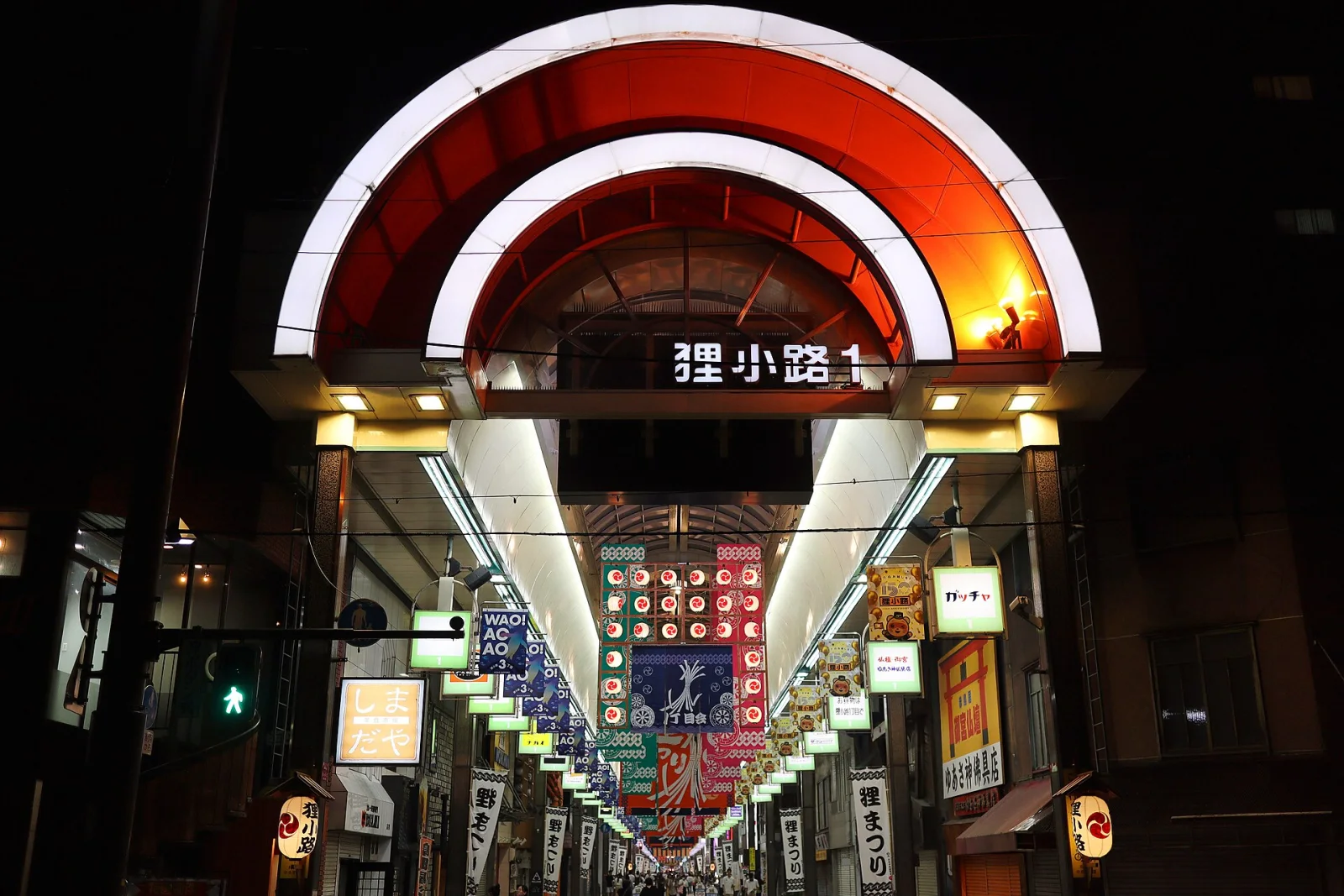
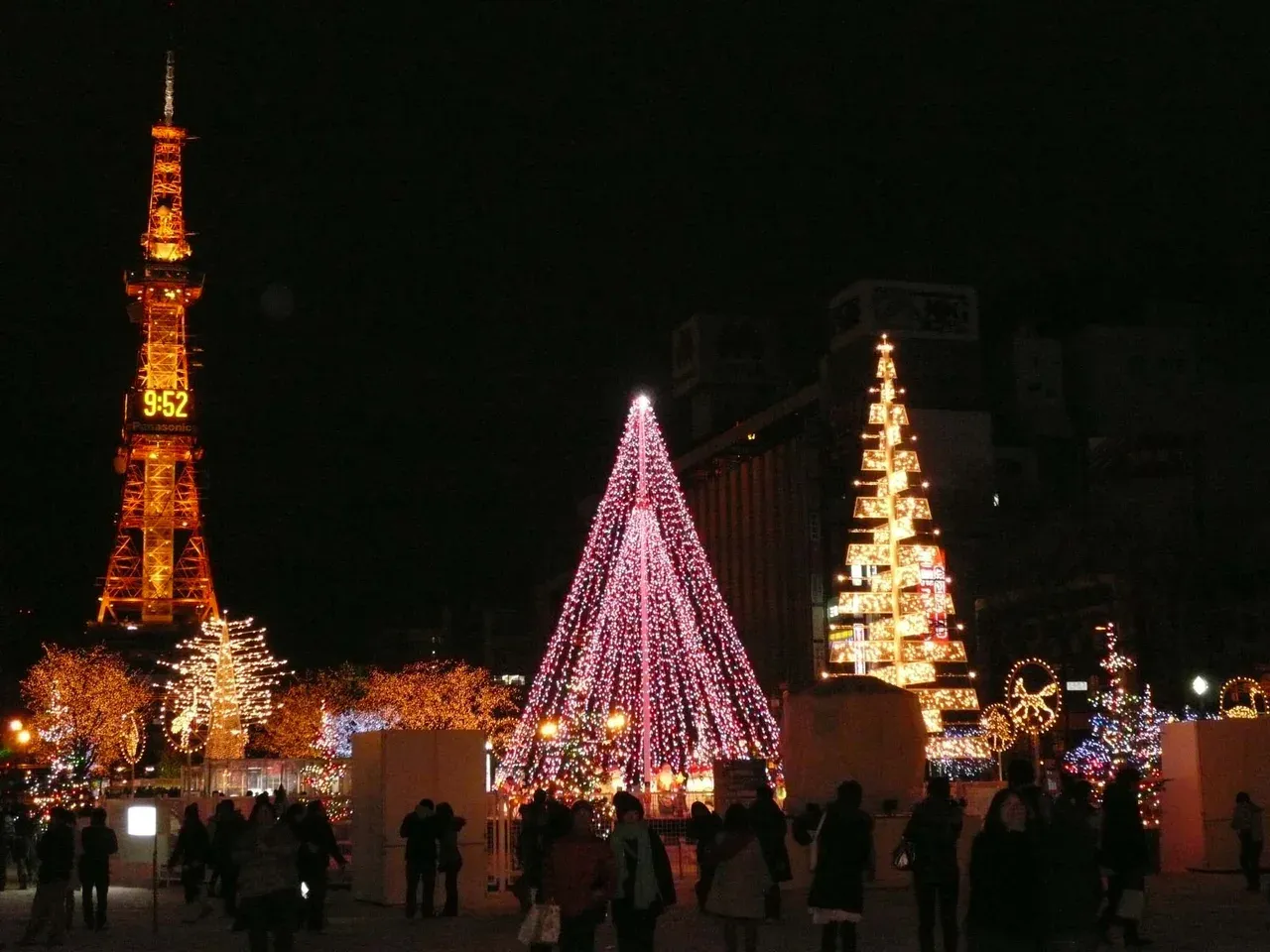
Three ways to eat crab in Sapporo: Kani Honke's kani-suki hot pots and kaiseki, Hyosetsu no Mon's bamboo-steamed live hair crab, and Susukino's timed all-you-can-eat buffets. Compare prices, private rooms, and booking rules for hair, king, and snow crab.
- Region & Focus
- Sapporo
- Reading Scope
- 14 min read · 6 chapters · 7 Q&As
- Official Verification
- 4 official sources checkedUpdated November 20, 2026
Chapter Route Map (tap any stop)
- Three Dining Formats: Specialists, Heritage Rooms, and Timed Buffets
- Kani Honke: Official Prices for Kani-Suki and Kaiseki
- Hyosetsu no Mon: Bamboo-Steamed Live Hair Crab
- Susukino Depart: Timed All-You-Can-Eat Rules
- Ordering the Big Three Crabs: Hair, King, and Snow Crab
- Susukino Logistics and Booking Priority
- Quick Q&A
In Sapporo, picking the right crab dinner starts with choosing the format before the species. Crab specialists shine at kani-suki hot pots and kaiseki, heritage dining rooms focus on bamboo-steamed live hair crab, and Susukino's timed buffets let a whole table sample all three famous Hokkaido crabs at once. With single-serving kani-suki at Kani Honke starting at ¥6,500, live hair crab courses at Hyosetsu no Mon from ¥16,720, and 90-minute buffets in Susukino from ¥7,800, each format brings its own budget, seating style, and ordering strategy.
Three Dining Formats: Specialists, Heritage Rooms, and Timed Buffets
Crab restaurants in Sapporo fall into three distinct formats. The first is the Japanese crab specialist centered on kaiseki and hot pot, best represented by Kani Honke, which frames its menu around traditional crab kaiseki inside a grand folk-craft dining hall built from keyaki wood and natural stone—ideal for celebrations and group dinners. The second is the heritage live-crab house, exemplified by Susukino's Hyosetsu no Mon, renowned for bamboo-steamed live hair crab and three-crab kaiseki across 400 seats that include private rooms with stages. The third is the timed all-you-can-eat buffet, led by Susukino Depart (opened in December 2024), serving over 50 dishes with a top-tier option that adds unlimited pours of more than 60 sake labels.
Pricing works completely differently across the three formats. Specialists charge per serving or platter: single-person kani-suki runs ¥6,500 to ¥8,800, while kaiseki starts at ¥10,500. Heritage live-crab houses price by crab weight and course tier, starting at ¥16,720 for a live hair crab course. Buffets charge by the clock—¥7,800 for 90 minutes and ¥8,800 for 120 minutes, both including snow crab. For larger groups, a buffet pulls ahead on budget and variety; for two diners who want a quiet, unhurried crab dinner, only the specialist and heritage dining rooms deliver the right pace.
Before ordering, sort out Hokkaido's main crab species. Hair crab (kegani) has fine, sweet meat and concentrated, rich tomalley. King crab (tarabagani) is the largest, offering thick, meaty bites. Snow crab (zuwaigani) is delicate and sweet, ideal for sashimi and shabu-shabu. You may also spot hard-shelled, sweet Hanasaki crab from Kushiro and deep-water ibara crab; at specialists these depend on daily deliveries, whereas Susukino Depart's buffet counters make it easier to see several varieties side by side. Thanks to steady sourcing and frozen reserves, central Sapporo restaurants operate year-round with fewer seasonal gaps than port markets, so booking early matters more than chasing a specific month.
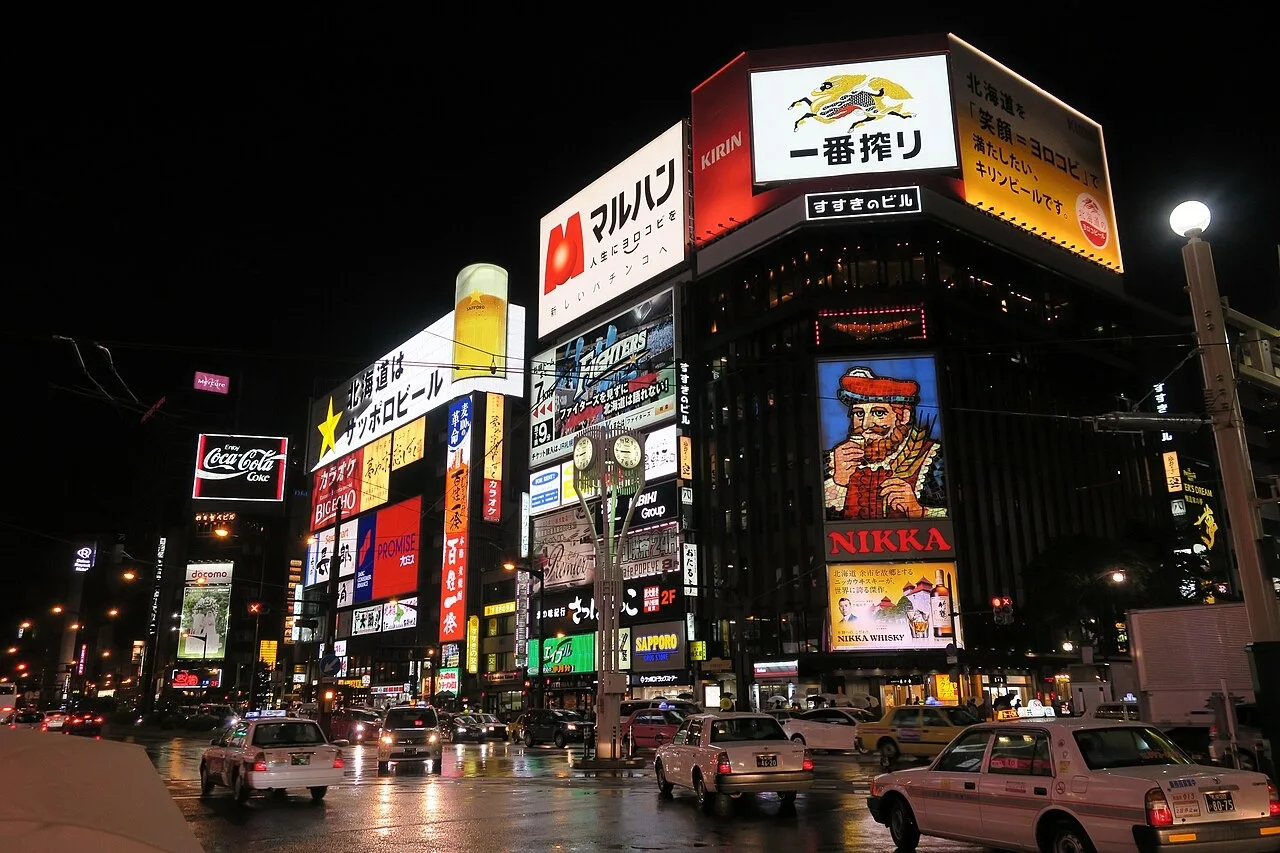
Location shapes the rest of your evening. Kani Honke's Sapporo Ekimae Main Branch sits right outside Sapporo Station, while Hyosetsu no Mon and Susukino Depart are both in the heart of Susukino, a 1-to-4-minute walk from Hosui-Susukino and Susukino subway stations. All three connect smoothly via the subway and underground shopping arcades, meaning you barely have to step onto snowy sidewalks in winter. If you stay in Susukino, dinner and an evening stroll under the neon signs flow straight into each other.
Reservation rules differ at every stop. Kani Honke takes online bookings and stays open throughout the New Year holiday period. Hyosetsu no Mon accepts reservations by phone (011-521-3046) and through its website, and you must request private rooms when booking. Susukino Depart enforces a strict 20:30 last entry, which is easy to miss if you arrive on an evening flight or pack your afternoon too tightly. On crab-season weekends and during the Sapporo Snow Festival, lock in reservations early in this order: Hyosetsu no Mon first, Kani Honke private rooms second, and Susukino Depart third.
Snow Festival week is the single busiest dining rush of the winter in Susukino. Private rooms at specialists and prime buffet time slots routinely book out more than a week ahead. Outside that festival week, winter weekday evenings in Susukino have far more breathing room, often letting you shift your dinner time on the fly.
For parties of four or more, seating layout shapes the entire night. Kani Honke offers both main-hall tables and quiet private rooms. Hyosetsu no Mon provides sunken-floor horigotatsu, tatami zashiki rooms, and stage-equipped private banquet spaces. Susukino Depart is a lively, open-floor buffet hall. Families traveling with seniors or young kids do best in private rooms without needing to weave through buffet lines, while friends looking to eat, drink, and talk freely often prefer the relaxed energy of an open hall.
Lining up per-person budgets from low to high, most dinners land between ¥6,500 and ¥18,920. Entry-level budgets match Kani Honke's ¥6,500 snow crab kani-suki or Susukino Depart's ¥7,800 90-minute buffet. Stepping up brings you to the ¥8,800 120-minute buffet, Kani Honke's ¥8,800 king crab kani-suki, and kaiseki starting at ¥10,500. Diners set on live hair crab and multi-course service jump to Hyosetsu no Mon's ¥16,720 starting tier, with high-end options climbing to Kani Honke's ¥26,000 Takasago Kaiseki.
If you need a fast tiebreaker, ask whether everyone at the table actually wants a crab-only meal. If the whole group came specifically for crab hot pot or live hair crab, put your budget into Kani Honke or Hyosetsu no Mon so every yen goes straight into the crab. If even one or two people are lukewarm on crab and would rather have sashimi, grilled shellfish, or Jingisukan grilled lamb, Susukino Depart's 50-plus-item spread keeps everyone fed under one roof.
Three ways to eat crab in Sapporo: Kani Honke's kani-suki hot pots and kaiseki, Hyosetsu no Mon's bamboo-steamed live hair crab, and Susukino's timed all-you-can-eat buffets. Compare prices, private rooms, and booking rules for hair, king, and snow crab.
Kani Honke: Official Prices for Kani-Suki and Kaiseki
Kani Honke publishes transparent menu pricing on its official website. Individual kani-suki hot pots include Hon-Taraba (king crab) kani-suki at ¥8,800, the two-crab Ajikurabe tasting kani-suki at ¥7,600, Zuwai (snow crab) kani-suki at ¥6,500, and Zuwai kani-shabu at ¥7,800. For shareable platters serving two to three people, there is the Hon-Taraba Boiled King Crab medium platter at ¥10,500, the Hokkai Tairyo-mori platter at ¥11,500, and whole boiled hair crab starting from ¥15,000.
Kaiseki courses sit on four clear price rungs: Shokaku Kaiseki at ¥10,500, Zuisho Kaiseki at ¥12,000, Takarabune Kaiseki at ¥15,000, and Takasago Kaiseki at the top at ¥26,000. Kaiseki weaves crab into a full progression of seasonal small plates, which suits pairs or groups who would rather not navigate a long menu. If your only goal is maximizing crab in the pot, ordering individual kani-suki gives you more freedom and easier portion control.
At the Sapporo Ekimae Main Branch right in front of Sapporo Station, you can supplement signature hot pots and kaiseki with sushi and à la carte dishes. The company also runs an online shop, though its Kani Osechi New Year box is sold exclusively through Yahoo. Staying open over the New Year holidays makes it a dependable anchor for year-end travelers, though holiday seats still fill fast—do not assume the large building guarantees walk-in space.
The classic kani-suki ritual starts by simmering crab and vegetables to build a clear, sweet broth, dipping the cooked crab into beaten raw egg, and finishing the remaining broth with zosui rice porridge (¥660) or flat kishimen noodles (¥484). First-timers torn between king crab and snow crab can solve the dilemma in one order with the ¥7,600 Ajikurabe kani-suki, letting you compare king crab's meaty chew against snow crab's delicate sweetness in the same pot.
Neither kaiseki nor à la carte is strictly better—it comes down to how much of the meal you want devoted purely to crab. Kaiseki spreads crab across appetizers, grilled courses, and mains, delivering a polished arc while diluting pure crab volume with side dishes. Pairing kani-suki with a large boiled-crab platter keeps crab front and center all night. For business dinners, family gatherings, or anniversaries, the restaurant's deep bench of private rooms and seasoned staff removes the usual group-dining friction.
Kani Honke's grand folk-craft interior—built around massive keyaki timber and ornamental stone—is unmistakable in Sapporo. When traveling with older relatives, that stability shows from the moment you step inside: wide entryways, steady indoor heating, and unhurried pacing mean nobody waits outside in the cold before settling into a private room.
On a tight schedule, consider shifting your crab feast to lunchtime. Kani Honke splits service into lunch (until 15:00) and dinner (until 22:00), and daytime kani-suki carries the exact same pricing as dinner—plenty of business travelers stop in at midday for a pot. Moving the centerpiece meal to lunch frees up your evening appetite for Susukino shopping or a late-night bowl of soup curry.
To taste three cooking styles at one table, pair kani-suki with a whole boiled hair crab and add an order of grilled snow crab (Zuwai Yaki-gani, ¥3,300). The hot pot gives you layered broth, the boiled hair crab delivers pure, unadulterated sweetness, and the grill adds char and aroma, letting everyone pick their favorite texture.
Unlike Hokkaido's famous miso-based hot pots, Kani Honke's kani-suki uses a clear dashi broth so the flavor comes almost entirely from the crab and vegetables rather than heavy seasoning—the clearest dividing line between a crab specialist and an ordinary izakaya hot pot. Sip a spoonful of the clear broth before adding leeks and greens, then taste it again later as the sweetness deepens.
Hyosetsu no Mon: Bamboo-Steamed Live Hair Crab
Hyosetsu no Mon sits in the heart of Susukino, roughly a 1-to-4-minute walk from Hosui-Susukino Station. The house holds 400 seats across private rooms with stages, sunken horigotatsu tables, and tatami zashiki rooms, operating on irregular holidays with split weekday lunch and dinner hours. Its signature dish is live hair crab steamed in a bamboo seiro basket, locking the crab's natural sweetness inside the shell. Before cooking, staff bring out the live crab bucket for inspection, and you can choose to eat the leg meat washed raw or have the whole crab steamed.
Official course prices are clearly tiered by live hair crab weight: the Premium Three-Crab Course starts at ¥16,720 (tax included) with a 500g live hair crab, stepping up to ¥18,920 (tax included) for 600g. The higher-tier Special Course pairs a roughly 600g whole steamed hair crab with snow crab kani-suki and charcoal-grilled king crab. If you want hair crab, king crab, and snow crab all on the table in one evening, booking a Three-Crab Kaiseki guarantees a taste of each.
Among the three formats, this is the last place you want to leave to chance. Four hundred seats sound generous, yet private rooms and prime dinner slots sell out quickly. On crab-season weekends, book at least a week ahead by phone (011-521-3046) or online, and specify whether you want a private room or horigotatsu table upfront so you do not end up in standard seating.
The soul of bamboo-steamed live hair crab is the tomalley pooled inside the shell. Because no boiling water dilutes it, rising steam concentrates the rich kani-miso directly into the tender flesh—the key advantage hair crab holds over king and snow crab. As for the legs, leave raw sashimi-style legs for diners who already know they love raw crab texture; if anyone prefers warm, sweet meat, steaming the entire crab is the safest call.
On a Three-Crab Kaiseki night, hair crab, king crab, and snow crab arrive in paced courses alongside seasonal appetizers and soup. Because the building houses both stage-equipped private rooms and horigotatsu alcoves, everything from a two-person anniversary to a dozen-person banquet gets its own insulated space—one of the enduring strengths of a long-running Susukino institution.
If you have two nights in Sapporo, split steamed hair crab and kani-suki across separate evenings rather than cramming both into one night. Dry-steaming emphasizes pure, concentrated crab flavor, whereas kani-suki builds depth through broth, vegetables, and finishing rice porridge. Putting them back-to-back dulls the contrast, while spacing them over two nights lets each style shine.
Before calling or booking online, settle four details: party size and arrival time, whether you want the 500g or 600g live hair crab course, your preference for a private room or horigotatsu seating, and your per-person budget ceiling. Stating everything clearly upfront lets the staff match your table to daily stock without awkward last-minute add-ons at the table.
To trim costs or dodge the dinner rush, target weekday lunch from 11:00 to 15:00. Hyosetsu no Mon serves lighter lunch sets and à la carte dishes at midday, freeing your evening for Susukino's nightlife or casual street eats. On weekends and public holidays, the kitchen stays open straight through from 11:00 to 23:00, making late-afternoon off-peak tables much easier to book.
The bamboo steamer works in two subtle layers: the upper rack cooks the legs quickly while the lower shell collects dripping juices and rich tomalley. Staff guide you through cracking and eating order—if it is your first whole hair crab, ask them to demonstrate how to snap the first leg cleanly before tackling the rest yourself.
On pure entry price, two 500g live hair crab courses at Hyosetsu no Mon total ¥33,440—more than double two servings of Ajikurabe kani-suki at Kani Honke (¥15,200). That gap pays for whole-tank live crab freshness, tableside presentation, and heritage private-room hospitality. If you are saving one big splurge dinner for hair crab, this is the cleanest place to spend it.
Susukino Depart: Timed All-You-Can-Eat Rules
Susukino Depart occupies the second floor of the Cyber City Building in Susukino (Minami 5-jo Nishi 2-chome), an easy walk from both Susukino and Hosui-Susukino stations. Hours run 16:45 to 22:00 with last entry at 20:30, on irregular holidays. Buffet pricing depends on time: ¥7,800 for 90 minutes and ¥8,800 for 120 minutes, both including snow crab. A special bluefin tuna carving-show plan is also ¥8,800, restricted to Mondays and Fridays with entry before 17:30.
Alongside large Hokkaido snow crab (oozuwaigani) from Monbetsu, the buffet counters stock hair crab, Hanasaki crab, and ibara crab. A seafood BBQ station adds oysters, scallops, and shrimp, backed by sashimi, sushi, Jingisukan grilled lamb, and desserts totaling over 50 items—no picky eater leaves hungry. Upgrading to the ¥17,600 Premium Eat-and-Drink plan folds in unlimited pours of more than 60 sake varieties. Families should also check for limited-time "elementary school age and under free" promos, which dramatically cut the family bill.
The buffet rules are straightforward: overtime and excessive food waste carry extra charges per house policy, and doors close to new arrivals at 20:30. Paying an extra ¥1,000 for the 120-minute slot buys plenty of breathing room if you want both serious crab cracking and a tour of the other Hokkaido stations. Conversely, if you only care about top-grade crab meat and will skip cooked sides, putting that money toward a specialist's crab hot pot delivers better value.
Susukino Depart bills itself as a "food entertainment space," leaning hard into high-energy dinner theater. Every Monday and Friday, chefs perform a whole bluefin tuna carving show and straw-seared tuna demonstration right on the floor, punctuated by live taiko drumming. Its core promise is one-stop convenience: crab, grilled shellfish, Jingisukan, sushi, desserts, and Hokkaido sake all land on a single bill.
Seasonal specials rotate with local harvests—past menus have featured Pacific saury sushi, Mashike sweet shrimp, and Soya scallops—and kids-eat-free deals run during select promotional windows. Check the official website before locking in family dates so you catch any active seasonal dishes or discounts.
With more than 50 dishes spread across zones plus drums and carving shows competing for attention, grabbing plates at random will fill you up in 30 minutes flat. Split your 120 minutes into three deliberate rounds: hit crab and sashimi first, move to seafood BBQ and Jingisukan second, and finish with sushi and desserts.
If a heritage room is all about quiet tableside service, Susukino Depart runs on lights, noise, and crowd energy. Diners who enjoy a lively show with their meal feel right at home, whereas anyone expecting hushed conversation and slow crab dissection will find the drums and buffet traffic overwhelming. Make sure everyone in your party wants the same vibe before booking.
Group size affects value here, too. Solo diners struggle to sample high-value dishes before getting full on a timed clock, whereas parties of two to six hit the sweet spot—big enough to split counter runs while someone watches the tabletop grill. Groups of eight or more should confirm adjacent seating ahead of time. Solo travelers craving crab are usually happier at a Kani Honke counter with a single pot of kani-suki.
Sake drinkers should do quick math on the drink upgrade: the standard 120-minute plan is ¥8,800, while the ¥17,600 premium tier adds unlimited pours of 60+ Hokkaido and Japanese sakes—an ¥8,800 difference. If you stick to tea or soft drinks, stay on the standard plan. Because the lively floor makes it easy to lose track of time, aim to wrap up savory plates and grab dessert 10 minutes before your timer ends.
To catch the Monday or Friday bluefin tuna carving show, you must check in before 17:30. That means wrapping up daytime sightseeing around 16:30 and heading into Susukino via the underground walkways—which also lets you beat the 19:00 dinner peak and transition smoothly from the show straight to the buffet counters.
Ordering the Big Three Crabs: Hair, King, and Snow Crab
Matching each of Hokkaido's three marquee crabs to its best cooking method keeps your table from ordering redundancies. Hair crab brings delicate sweetness and prized tomalley, best preserved by bamboo steaming (seiro-mushi) or whole boiling—the exact focus of Kani Honke's whole boiled hair crab (from ¥15,000) and Hyosetsu no Mon's live courses. King crab offers thick, substantial leg meat built for hot pots or charcoal grilling, enriching the broth for finishing rice porridge. Snow crab has long, tender, clean-tasting legs that shine as sashimi or lightly swished in shabu-shabu.
Scaling your order to your group size prevents both waste and sticker shock. Two diners can cover king and snow crab in one pot with Kani Honke's ¥7,600 Ajikurabe kani-suki. Groups of three or four do well splitting the ¥10,500 Hon-Taraba boiled king crab medium platter plus snow crab sashimi or grilled snow crab. Parties of five or more can simplify with uniform kaiseki courses or head to the buffet; for four or more diners at Susukino Depart, ¥8,800 per person lets everyone pile their own plates cleanly.
Save room for the finale so the meal lands properly. At Kani Honke, finishing the crab-infused pot with zosui rice porridge (¥660) or kishimen noodles (¥484) is half the reason to order hot pot. Hyosetsu no Mon's kaiseki courses include seasonal closing dishes, while Susukino Depart lets you pivot to sushi or Jingisukan for a second wind. Pace your first half so you do not tap out before the broth reaches peak richness.
Comparing three real-world tabs makes the price spread concrete: two diners sharing Ajikurabe kani-suki at Kani Honke come to ¥15,200 (before finishing rice and drinks); two 500g live hair crab courses at Hyosetsu no Mon total ¥33,440; and four diners on Susukino Depart's 120-minute plan pay ¥35,200 total, or ¥8,800 per person. With per-person spend stretching from ¥6,500 to over ¥16,720, decide on the crab style and dining room atmosphere first, then match the budget.
Each Hokkaido crab species has its own fishing seasons and catch quotas, yet Sapporo's city restaurants serve them year-round through steady sourcing contracts and flash-frozen reserves. Live hair crab is the main item tied closely to daily tank stock; Hyosetsu no Mon grades its live hair crab courses by exact weight, so if you have your heart set on a large live crab for a specific night, confirm availability and reserve it when booking.
Set seasonal expectations accordingly. Hair crab has loyal fans from early summer through winter, male snow crab peaks from November to March, and king crab stays steady all year. Central Sapporo's strength is reliability and breadth—you can taste all three species at one table without worrying about rough seas at the ports. Save the thrill of dockside, just-landed catches for Eastern Hokkaido or Hokuriku port towns, and use Sapporo for polished cooking and warm seating.
Group dynamics also decide between à la carte platters and fixed courses. Kani Honke's large platters—like the ¥10,500 medium boiled king crab or ¥3,300 grilled snow crab—let individuals add favorites freely, whereas kaiseki and Hyosetsu no Mon courses generally require the whole table to order the same tier. At Susukino Depart, everyone pays flat admission and builds their own meal. Before booking for a bigger group, agree on whether everyone wants a unified course or independent picks.
Rich-flavor seekers should not skip hair crab tomalley or kora-zake—warm sake poured into a roasted crab shell. Both specialist and heritage houses can turn your empty shell into a fragrant closing cup, whereas buffet halls wrap up with soup and small bites. Check whether everyone wants to try kora-zake before ordering so the staff can pace the finish smoothly.
Still unsure where to start? Split Sapporo's crab scene across two nights: spend night one at Kani Honke with Ajikurabe kani-suki and finishing zosui to learn king and snow crab on a moderate budget. If you still want more, step up to Hyosetsu no Mon's steamed live hair crab on night two—or pivot to Susukino Depart to sweep up Hanasaki crab, oysters, and scallops in one lively evening.
Susukino Logistics and Booking Priority
All three flagship stops sit along a single compact corridor between Sapporo Station and Susukino. Kani Honke's main branch faces Sapporo Station, while Hyosetsu no Mon and Susukino Depart sit inside Susukino's underground-linked walking zone, minutes from Susukino and Hosui-Susukino subway stations. In winter, sheltered subterranean passages take you almost straight to each building entrance without risking icy sidewalks, and Susukino hotel guests are a 3-to-5-minute walk from bed.
Rank your booking urgency by scarcity. Hyosetsu no Mon's private rooms and weekend dinner slots go first. Kani Honke has spacious hall seating, though its private rooms also require early booking. Susukino Depart offers the highest walk-in flexibility, with realistic same-day odds on regular weekdays. During peak winter crab season or Sapporo Snow Festival week, book all three more than a week before departure.
Slot crab dinner naturally into your wider itinerary. After spending the morning at Jogai Curb Market or Nijo Market in our Sapporo Markets & Food Routes guide, or wrapping up city sightseeing from 4 Days in Sapporo & Otaru, Susukino's crab rooms make a seamless evening anchor. If you are catching a morning train to Otaru the next day, having your big crab dinner the night before keeps your morning schedule unhurried.
Staggered operating hours give you plenty of scheduling wiggle room. Kani Honke serves lunch until 15:00 and dinner until 22:00. Hyosetsu no Mon splits weekdays into 11:00–15:00 and 16:30–22:30, then stays open straight through from 11:00 to 23:00 on weekends and holidays. Susukino Depart opens at 16:45 with last entry at 20:30. Staying in Susukino even lets dedicated crab fans do Kani Honke kani-suki for lunch and Susukino Depart for an early dinner.
Drinks factor into the bill differently at each venue. Susukino Depart's ¥17,600 premium tier bundles 60+ sakes directly into one flat per-person rate, while Kani Honke and Hyosetsu no Mon price drinks à la carte alongside your food. All-in per-person budgets with drinks generally span ¥8,000 to ¥20,000, so match the venue to how much your table plans to drink. Around the Snow Festival, aiming for the night before kickoff or the first night after closing makes tables far easier to land.
Here is the three-line cheat sheet: book Hyosetsu no Mon for bamboo-steamed live hair crab and private heritage rooms; choose Kani Honke for clear-broth kani-suki, flexible à la carte platters, or polished kaiseki; and head to Susukino Depart when a mixed group wants variety, grilled seafood, and sake under one roof. Because they sit only a couple of subway stops or a short walk apart, switching plans rarely costs much time.
When dinner wraps up late, Susukino still has late subway departures and lined-up taxis to take you back toward Sapporo Station or other districts. Taking a slow walk back through Susukino's glowing neon blocks is an easy way to walk off a heavy crab feast before turning in.
If someone in your group has a shellfish allergy or simply dislikes crab, nobody needs to compromise. Susukino's walkable grid is packed with ramen alleys, soup curry shops, and sushi counters—non-crab eaters can easily grab their own dinner nearby and meet back up at a subway exit or hotel lobby afterward.
A few useful answers
How do I choose between the three types of crab restaurants in Sapporo?
Choose Kani Honke for a ceremonial sit-down meal and kaiseki (kani-suki from ¥6,500 to ¥8,800 per person; kaiseki from ¥10,500); pick Hyosetsu no Mon for bamboo-steamed live hair crab (courses from ¥16,720, 400 seats including private rooms); or go to Susukino Depart for groups wanting variety (¥7,800 for 90 minutes, ¥8,800 for 120 minutes, both including snow crab).
How much does kani-suki cost at Kani Honke?
Official single-serving hot pot prices are ¥8,800 for Hon-Taraba (king crab) kani-suki, ¥7,600 for the two-crab Ajikurabe kani-suki, ¥6,500 for Zuwai (snow crab) kani-suki, and ¥7,800 for Zuwai kani-shabu. Kaiseki courses run from ¥10,500 (Shokaku) to ¥26,000 (Takasago), and whole boiled hair crab starts at ¥15,000.
Do I need a reservation at Hyosetsu no Mon?
Yes. Even with 400 seats, private rooms and peak dinner slots fill fast. On winter crab-season weekends, book at least a week ahead by phone (011-521-3046) or online. The 500g live hair crab course starts at ¥16,720 (tax included), and Three-Crab Kaiseki lets you sample all three species.
What are the rules for the Susukino all-you-can-eat crab buffet?
Susukino Depart charges by time: ¥7,800 for 90 minutes or ¥8,800 for 120 minutes (both include snow crab). It is open 16:45–22:00 with last entry at 20:30 (irregular holidays). Over 50 dishes include hair crab and Hanasaki crab, while unlimited pours of 60+ sake labels are included in the premium tier.
How should we split orders across the three big Hokkaido crab species?
Order hair crab steamed or boiled for its sweetness and rich tomalley; king crab in hot pots or charcoal-grilled for thick, meaty bites; and snow crab as sashimi or light shabu-shabu for delicate texture. Couples can split the Ajikurabe kani-suki, while groups of four or more can opt for kaiseki or a buffet, or pair à la carte snow crab sashimi with whole boiled hair crab.
Does crab season affect availability in Sapporo?
Far less than at wholesale markets. These Sapporo restaurants stay open year-round (Kani Honke even stays open over the New Year holidays) using frozen reserves and aquaculture alongside live tanks. You still need to reserve ahead for live hair crab, and Sapporo Snow Festival week is the hardest time of the year to snag a dinner table.
Where is the best area to stay for a crab dinner in Sapporo?
Stay around Susukino if you want a 3-to-5-minute walk back to your room via sheltered underground passages in winter. Staying near Sapporo Station also works easily—it is only two subway stops to Susukino, and all three crab spots sit right off the subway exits and underground walkways.
Official information and references
Sources used in this guide.