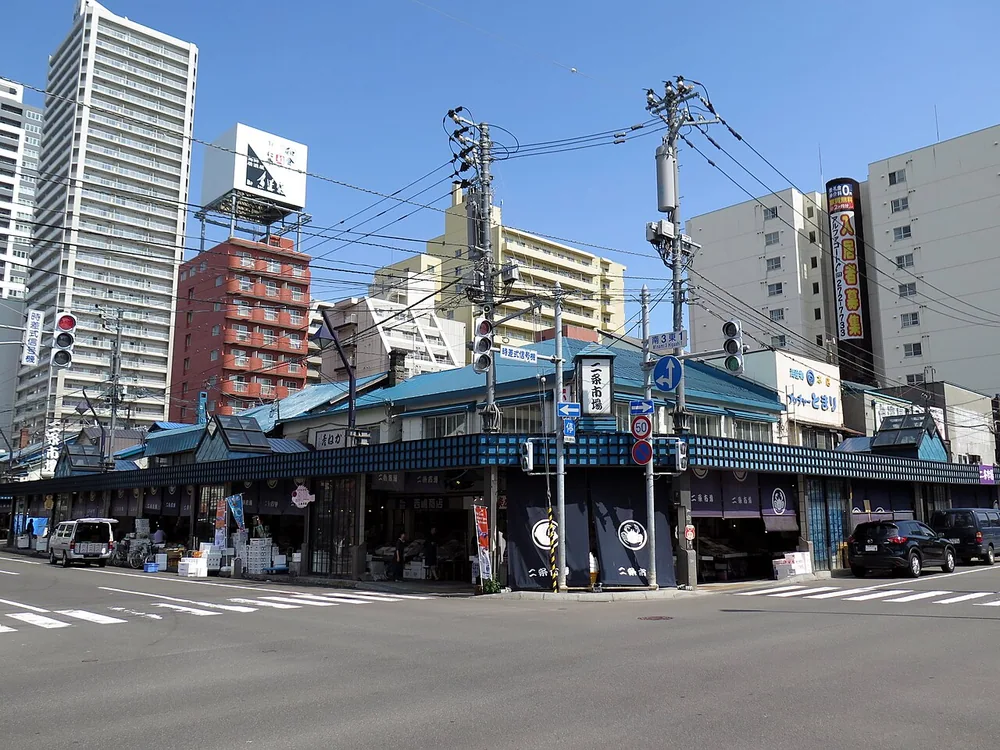
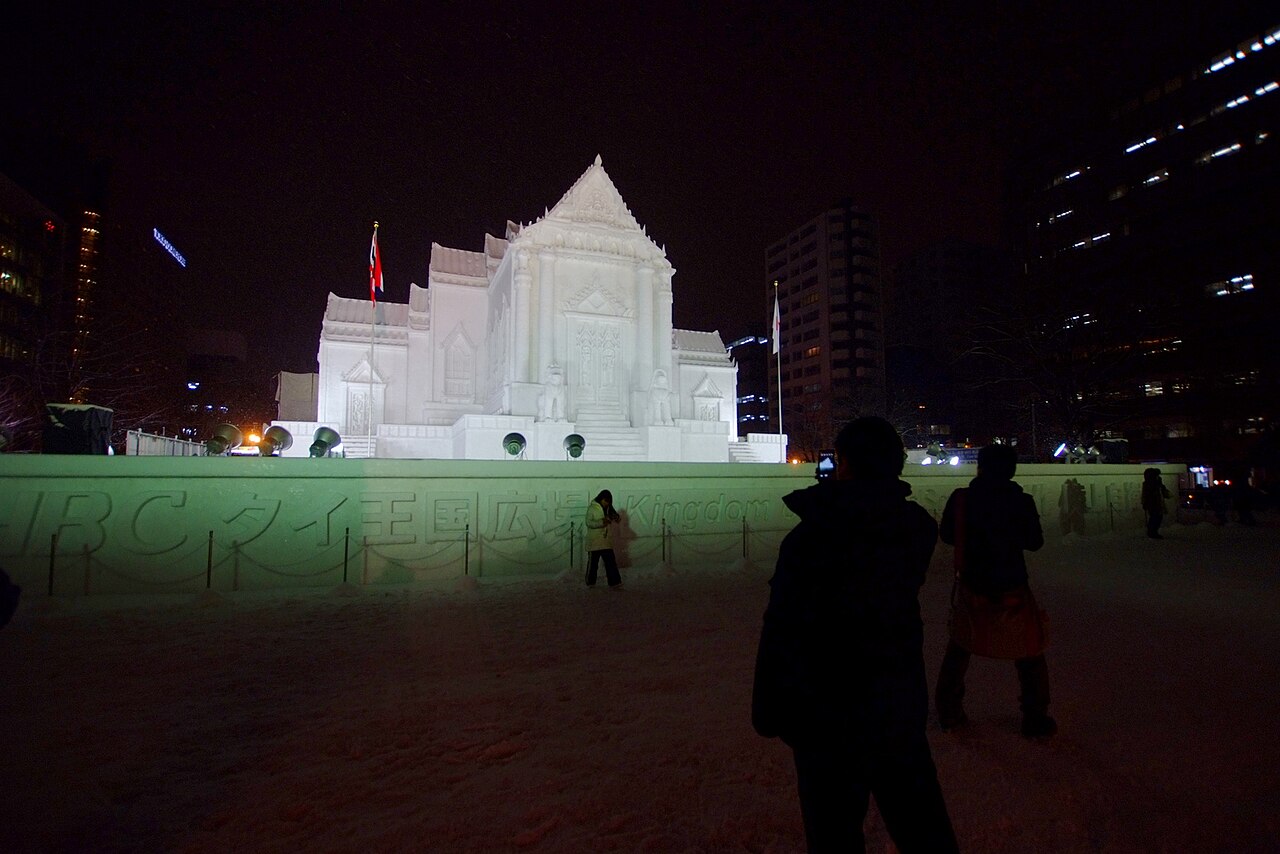
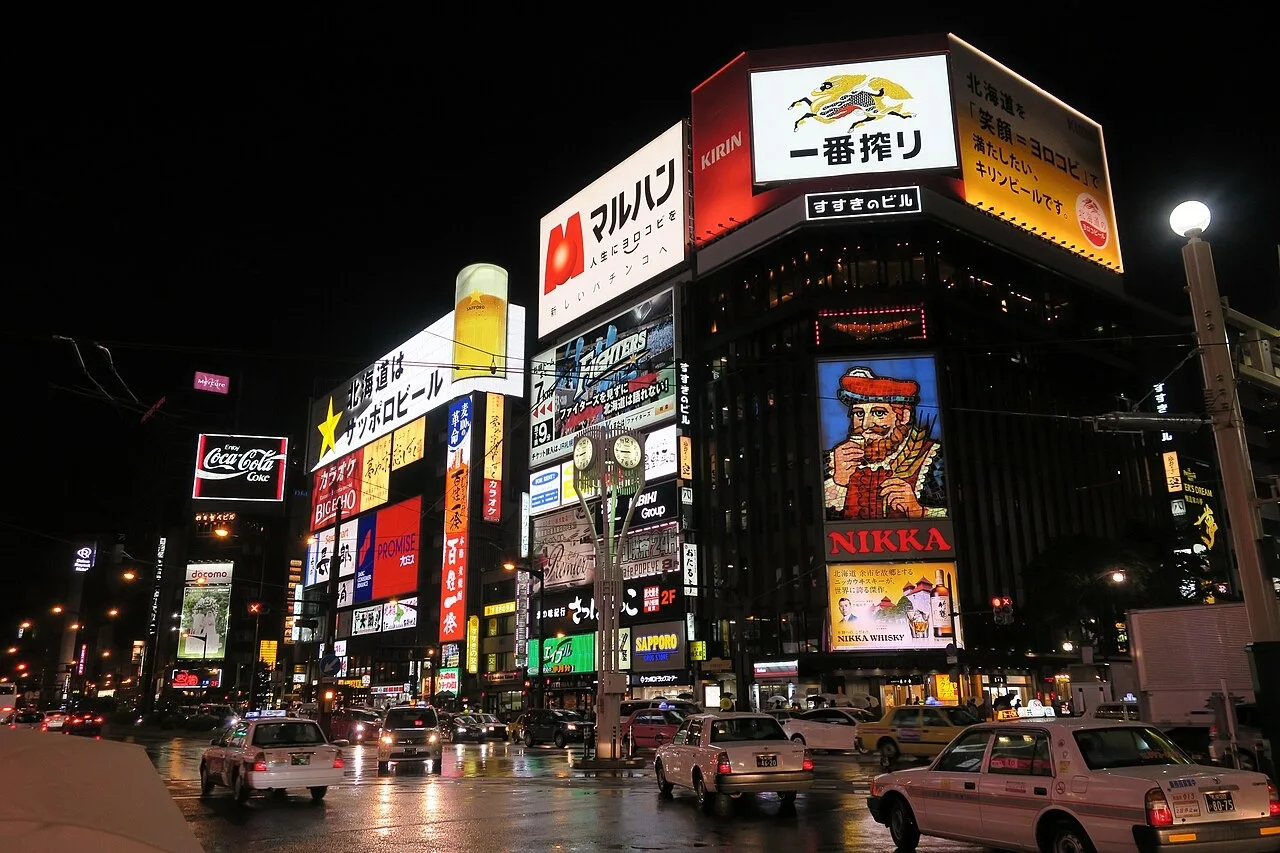
Your first bowl of Sapporo soup curry starts with bone-in chicken leg, base broth, spice level, and rice size. Compare GARAKU, Suage+, Okushiba Shoten, and vegan options by location and last order around Sapporo Station, Odori, Tanukikoji, and Susukino.
- Region & Focus
- Sapporo
- Reading Scope
- 16 min read · 12 chapters · 5 Q&As
- Official Verification
- 32 official sources checkedUpdated November 22, 2026
- Key Topics
- FoodWinterItineraries
Chapter Route Map (tap any stop)
- First Bowl: Start with Bone-In Chicken Leg and Original Broth
- Choose Your Broth Separately from Your Protein
- How to Read the Spice Scale
- Rice Portions and Toppings: Add Up the Full Bowl First
- Near Sapporo Station: Pick Underground-Connected Shops on Tight Schedules
- Odori to Tanukikoji: Keep East and West Ends Straight
- Susukino Exits and Late-Night Hours
- Rain, Snow, and Snow Festival Lunch Routes
- Maruyama and Miyanomori Half-Day: Fit In a Reservable Lunch
- Vegan Options, Allergies, and Mixed-Diet Tables
- Takeout, Rainy-Day Pivots, and One Last Bowl Before Your Flight
- Match Your Soup Curry Day to Where You Stay
- Quick Q&A
For your first bowl of Sapporo soup curry, order a bone-in chicken leg with the house original broth, small or medium rice, and a low spice level. Pick your restaurant based on where you will be that day. If you are catching a JR train from Sapporo Station, choose the sitatte sapporo branch connected directly to the underground walkway. Around east Odori, head to the GARAKU Main Shop; if you plan to browse Tanukikoji in the afternoon before heading into Susukino, go to Suage+ near the Ferris wheel. On weekdays after 15:00, most shops close for an afternoon break, whereas Suage+ typically stays open straight through from lunch to dinner. If you eat vegan, build a meal around NAGI in Kita Ward.
First Bowl: Start with Bone-In Chicken Leg and Original Broth
Sapporo soup curry typically serves the spiced broth, main protein, and vegetables together in a deep bowl with rice on a separate plate. When ordering, you choose your main ingredient, spice level, and rice portion, and some shops also let you swap the soup base. To get a true read on a restaurant, start with its signature preparation. GARAKU pairs braised chicken leg with a Japanese dashi-infused broth, while Suage+ lets you choose between charcoal-grilled chicken or a fried or braised bone-in chicken leg. If you want to compare textures on the chicken skin, pull off a bite of freshly fried meat before dunking the rest into the broth. With braised chicken leg, test right away with your spoon to see how cleanly the meat slips off the bone.
Japan's Agency for Cultural Affairs lists Ajanta's 1971 yakuzen (medicinal-herb) curry as the origin in its "100-Year Food" archive, noting that Magic Spice coined the name "soup curry" in 1993. Here, yakuzen refers to the dish's culinary roots. Today, everyone at the table can customize the richness, heat, and toppings over a shared house spice blend, making it feel closer to each person ordering their own soup and rice. Save a second shop for later in your trip if your schedule allows, and start with a portion size you know you can finish.
Once your bowl arrives, taste a spoonful of broth on its own, then dip a small spoonful of rice into the soup. That way you control how much broth each bite absorbs while keeping part of your rice plain. With a bone-in chicken leg, use your spoon and fork against the inner rim of the bowl to separate the meat and leave the bone at the edge so it does not get in the way when spooning broth. If you prefer a milder salinity, alternate bites of plain rice and broth. If your plate comes with a lemon wedge, squeeze a little onto the rice first and taste before deciding how to use the rest.
Your first bowl of Sapporo soup curry starts with bone-in chicken leg, base broth, spice level, and rice size. Compare GARAKU, Suage+, Okushiba Shoten, and vegan options by location and last order around Sapporo Station, Odori, Tanukikoji, and Susukino.
Choose Your Broth Separately from Your Protein
Look at how each menu describes its soup base before focusing on the toppings. Some dishes catch your eye with a big chicken leg, but the real difference between shops starts with the first spoonful of broth. GARAKU's website notes that its base simmers pork bones, chicken cuts, and aromatic vegetables before finishing with Japanese dashi. To taste that dashi finish clearly, order the ¥1,480 braised chicken leg with vegetables, which already comes with lotus root, broccoli, potato, and a quail egg. If you prefer mushrooms, the menu also offers Kamifurano pork belly slices with assorted mushrooms.
Suage+ splits its soup bases into original, squid ink, and shrimp broth. The original base costs nothing extra, while squid ink or shrimp broth each add ¥200. Squid ink deepens the standard broth with savory richness, whereas shrimp broth puts shellfish aroma front and center. Even if you want a seafood broth, you can still pick charcoal-grilled Sakurahime chicken as your main rather than doubling up on seafood. Suage+ also lists an ¥1,800 dine-in bowl with oysters and iwanori seaweed. Before pairing that bowl with shrimp broth, decide whether you want the seaweed or a heavier hit of shrimp to lead.
Okushiba Shoten makes shrimp dashi its signature. To fit it in before a train, go to the Ekimae Soseiji branch southeast of Sapporo Station, on B1F of the Hokuren Building (Kita 4-jo Nishi 1-chome) inside the Pearl Town dining arcade. Underground, walk from Toho Line Sapporo Station toward Exit 23 and follow the building signs into the arcade. The shop runs two seatings—lunch starts at 11:00 (last order 15:00) and dinner starts at 17:00 (last order 21:00), with irregular holidays. If you already ate seafood at Nijo Market in the morning or someone at the table dislikes shrimp, switching to nearby PICANTE or GARAKU makes it easier for everyone to pick their own main.
How to Read the Spice Scale
Check each restaurant's notes for "mild" (amakuchi) and "medium" (chukara) before picking a number. Suage+ labels Level 1 as mild and Level 2 as mildly spicy (pirikara), comparing Level 2 to medium-hot store-bought curry roux, while Level 3 is its recommended medium. If you normally only eat light heat, start at Level 1 or Level 2. From Level 7 upward, Suage+ adds jalapeno, which changes the flavor profile itself. Even if you know one brand well, always check the chart when visiting a different shop.
At the GARAKU Main Shop, spice runs from 1 to 40. According to its June 2026 ordering guide, levels 1 to 5 are free, levels 6 to 19 cost an extra ¥110, and levels 20 to 40 cost ¥220. On a first visit, stick to a lower number so the dashi umami comes through. Spice blends sit on the table, so tasting a few bites and stirring in extra heat as you go gives you far more control than committing to a high level upfront. If someone in your group prefers gentle heat, ask the staff to point out the mildest options on the menu: "Karasa hikaeme wa dore desu ka?" (Which ones are low-spice?).
If you visit both shops, jot down the exact number you ordered alongside how hot it felt rather than relying on a rule like "always order a 3." When two people want to compare broths side by side, both should order chicken and pick each shop's low-heat tier. If you are comparing original broth against squid ink at the same restaurant, keep the spice level identical and save extra toppings for a second meal. For children, ask whether the lowest spice level itself carries noticeable pepper heat before deciding whether to share plain rice or pick a different restaurant. Menu labels like "mild" are relative to the shop, so judge based on what your child normally eats.
Rice Portions and Toppings: Add Up the Full Bowl First
At the GARAKU Main Shop, small rice is 100 g and medium is 150 g at no extra charge, large (200 g) adds ¥60, and extra-large (300 g) adds ¥110. At Suage+, both small (130 g) and medium (180 g) rice are included, while large (300 g) adds ¥100. If you normally eat a standard bowl of rice, 150 g at GARAKU is a reliable baseline; if you have dessert or snacks planned later, 130 g at Suage+ pairs nicely with the soup. Ordering extra rice mid-meal is priced separately from sizing up upfront: GARAKU Main Shop lists rice refills (S, M, or L) at ¥220 and XL at ¥330, so ordering enough at the start saves money if you have a big appetite.
Chicken leg, braised pork belly (kakuni), or Hokkaido grilled lamb can all anchor the bowl, and the price difference starts with that main protein. Suage+'s official site lists charcoal-grilled Sakurahime chicken with vegetables at ¥1,650, seared kakuni pork at ¥1,750, and charcoal-grilled lamb at ¥1,800. Add shrimp broth (¥200), cheese (¥150), and large rice (¥100) to the chicken bowl, and your total reaches ¥2,100. If your main goal is tasting the shrimp broth, sticking with free small or medium rice keeps the bill down. The Susukino Suage+ branch accepts cash and PayPay only—no credit cards—so have someone in your group carry enough yen for the whole table.
Scan the menu for what already comes inside the bowl, and watch out for vegetables that share a name but use different cooking methods. GARAKU lists fried broccoli in its add-on section alongside extras like soft-boiled egg (onsen tamago). At Suage+, if you want cheese without muting the broth's clean lines, add it onto the rice; if you want it melted directly into the spices, order "cheese in the soup." Both standard portions cost ¥150 there. When sharing as a group, add specialty toppings to just one bowl and leave the rest standard so everyone can taste without overordering.
Two diners aiming to keep mains under ¥3,500 at the GARAKU Main Shop can pair the ¥1,480 braised chicken leg with the ¥1,640 seared kakuni pork, keeping spice and rice at the free tiers for a ¥3,120 subtotal. Upgrading one rice to large (+¥60) and adding ¥150 fried broccoli brings the table's mains to ¥3,330. If you want room in the budget for two drinks, stick with the included rice sizes. If you are short on time and grabbing takeout, factor in container fees and whether takeout orders are currently open.
Near Sapporo Station: Pick Underground-Connected Shops on Tight Schedules
If you are rolling luggage or heading right back to JR Sapporo Station after lunch, GARAKU sitatte sapporo is the easiest branch to reach on the station's south side. From JR, walk toward the Namboku Subway Line "Sapporo" signs, join the Sapporo Ekimae-dori Underground Walkway (Chi-Ka-Ho), and look for the B1F entrance to sitatte sapporo at Kita 2-jo Nishi 3-chome. The building's official site puts it about a 2-minute walk from Namboku Line Sapporo Station. Staying underground the whole way is straightforward if you save the mall name before leaving the concourse, which works much better than just searching "GARAKU Sapporo." Lunch runs 11:30–15:30 (last order 15:00) and dinner runs 17:00–21:00 (last order 20:30), closing early if broth sells out.
If you have time to spare and want to pass the Sapporo Clock Tower, walk above ground to PICANTE Sapporo Ekimae. Located on 1F of the Aoyama Building at Kita 2-jo Nishi 1-chome, the shop lists a roughly 5-minute walk from either JR Sapporo Station or Odori Station, open 11:00–16:00 (last order 15:30, closed Wednesdays). Unlike GARAKU Main Shop where you pick a preset curry first, PICANTE has you choose your broth first and your main ingredient second, and it accepts phone orders for takeout. If your hotel is south of Sapporo Station and your walk passes the Clock Tower, you can easily slot it in for lunch or takeout pickup.
Before a morning or afternoon train to Otaru, Asahikawa, or Hakodate, do not squeeze a made-to-order soup curry lunch into a narrow departure window. If you hold reserved seats, count backward from the time you must be back on the JR platform and allow separate buffers for walking, waiting in line, and cooking. During the afternoon gap between lunch and dinner service, department store hours only tell you whether shops are open for browsing, not whether curry kitchens are taking orders. Once station-area branches pass last order, prioritize catching your train or checking in and save soup curry for a looser block in town—or catch an airport branch on your way home through New Chitose.
Odori to Tanukikoji: Keep East and West Ends Straight
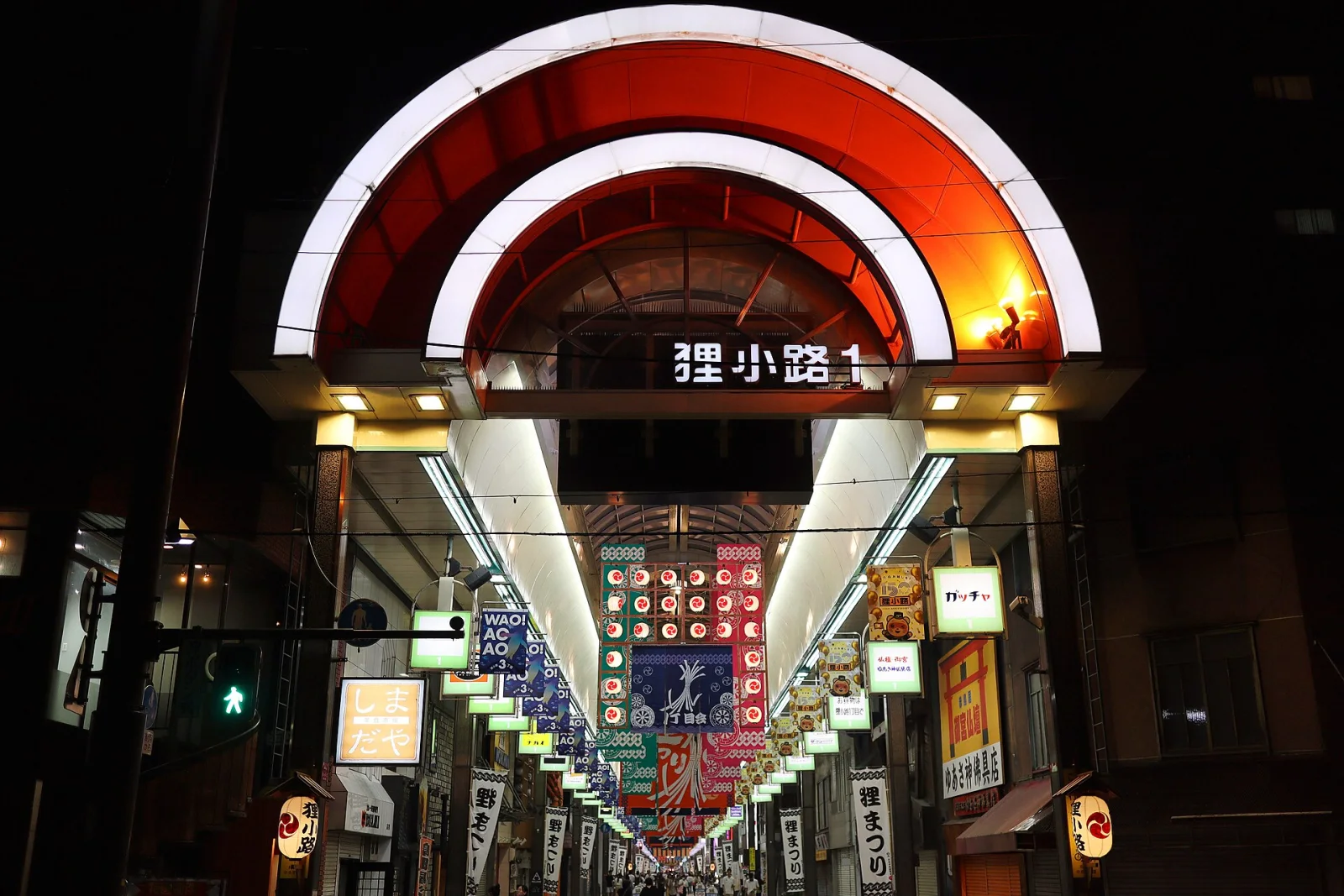
Walking toward the Sosei River from the red Tanukikoji 1-chome archway pictured above brings you to Nijo Market and the GARAKU Sapporo Main Shop. The main shop sits at B1F, Pleasant Minami 3 Higashi 2, Minami 3-jo Higashi 2-chome 6-1, an easy approach from east Odori, the Sapporo TV Tower, or Nijo Market. The Nibangai Shopping Street guide lists Odori Station Exits 35 and 36 and Toho Line Hosui-Susukino Station Exits 1 and 2 as the closest access points. Approaching from the west end of Tanukikoji, follow the decreasing Nishi block numbers and cross the Sosei River into the Higashi blocks. Pin both "GARAKU Sapporo Main Shop" and "GARAKU sitatte sapporo" separately on your map with their street addresses and floor numbers.
GARAKU Main Shop serves lunch from 11:30 to 15:30 (last order 15:00) and dinner from 17:00 to 21:00 (last order 20:30), with irregular holidays and early closures when broth runs out. If you are meeting friends at 16:00, gather along Tanukikoji first and decide before walking to the door whether to pivot to an all-day shop or wait for dinner reopening. The snow crab carapace cheese seafood curry listed on the main shop's website runs ¥3,790; if you are mainly here for the dashi-infused broth, the chicken leg curry—also available with fried chicken leg—is plenty.
At the western end of the arcade, SOUL STORE sits on 2F at Minami 3-jo Nishi 7-chome 3-2, a natural finish after walking through Tanukikoji 7-chome. Posted hours are 11:30–15:00 and 17:30–20:30, with irregular closures. Chicken vegetable curry is ¥1,700, seasonal vegetable curry is ¥1,750, and lamb curry is ¥1,900. For extra crunch or contrast, the menu includes fried burdock root with chicken meatballs, as well as Hokkaido beef with maitake mushroom tempura. Rather than walking all the way from an east-end shop to the west end only to find both on afternoon break, mark each shop's name, floor, and next service window on the same map.
Susukino Exits and Late-Night Hours
Suage+ is on 2F of the Toshimatsu Building at Minami 4-jo Nishi 5-chome, directly facing the south side of the NORBESA Ferris wheel complex. From Namboku Line Susukino Station, take Exit 2 toward NORBESA, then look for the Toshimatsu Building along the mall's south face. Note that Toho Line Hosui-Susukino Station also has an Exit 2 in a completely different spot—if your group is arriving on different lines, meet at the Ferris wheel building or the restaurant entrance. Suage+ opens at 11:30 on weekdays and 11:00 on weekends and holidays, staying open until 21:00 (typically 20:30 last order, though intake closes earlier when crowded). Seating is walk-in only.
On the same block, Suage2 sits on 4F of the Ai Building II at Minami 4-jo Nishi 5-chome 8-8. The names look nearly identical, but the entrance and floor are different. Suage2 opens only for dinner on Mondays, Tuesdays, Wednesdays, and Fridays (17:00–21:00, last order 20:30) and closes Thursdays. On Saturdays and Sundays, it adds lunch (11:00–14:30, last order 14:00) and keeps dinner open later (17:30–23:00, last order 22:30). If you reach Susukino after Suage+ stops taking orders on a weekend, Suage2 covers the gap, though you should allow extra time in heavy rain or snow to locate the elevator or stairs. Both shops use walk-in lines, so if you have another dinner reservation on a weekend night, eat soup curry at midday.
If you are staying near Susukino or Nakajima Park and need a later bowl, SHO-RIN is on 1F of the Grand Keiwa Building at Minami 5-jo Nishi 3-chome, close to Namboku Line Susukino Station. Its official LINE account lists Sunday and holiday hours ending at 24:00 (last order 23:15), with weekday and Saturday listings running past midnight, alongside separate hours for delivery orders. Always check the dine-in hours rather than delivery windows, and plan your route back to your hotel before eating late. Check Sapporo City Transportation Bureau subway timetables for exact departure stations and directions, and count backward from the last train if you are relying on the subway.
Rain, Snow, and Snow Festival Lunch Routes
Between Sapporo Station and Odori, use Chi-Ka-Ho (the 520-meter Sapporo Ekimae-dori Underground Walkway), open from 5:45 until 0:30 the next morning. From Odori toward Susukino, continue underground through Pole Town. To reach Tanukikoji, the shopping arcade itself is covered by an overhead roof from Nishi 1-chome to Nishi 7-chome, keeping street-level walking sheltered. Between Odori and the Sosei River, use Aurora Town and Odori Station's eastern exits. If you have luggage or a stroller, scan the underground maps for elevator icons first to minimize hauling bags outdoors. Returning from Susukino to Sapporo Station on the Namboku Line (bound for Asabu) costs ¥210 for an adult single fare.
The 77th Sapporo Snow Festival is scheduled for February 4–11, 2027, with the Odori site stretching from Nishi 1-chome to Nishi 11-chome and the Susukino site running along Ekimae-dori from Minami 4-jo to Minami 6-jo. When viewing snow sculptures in the western half of Odori, plan lunch around Tanukikoji Nishi 7-chome so you can keep exploring the west side afterward without backtracking across the whole festival site. Starting near the TV Tower in the morning pairs naturally with GARAKU Main Shop east toward Nijo Market. If you want to see the Susukino ice sculptures the same day, drop back underground from Odori, eat or check dinner queues near Minami 4-jo, and then head up to the street sculptures. Use our Sapporo Snow Festival three-site guide to map out your stops.
During heavy snowfall, move lunch into sitatte sapporo and keep your Odori walk brief. If you plan on Susukino in the evening, remember Suage+ sits across the street from NORBESA and ask staff right away how the queue works. Waiting outside in a stairwell feels very different in winter than signing onto a waitlist and stepping into a nearby shop until your turn. Once a branch starts cutting off its line, switch to another branch still taking orders or duck into a heated mall with indoor seating. Writing down each backup shop's last-order time helps far more than just listing three names when you need to know what is still open.
Maruyama and Miyanomori Half-Day: Fit In a Reservable Lunch
If your itinerary already includes Hokkaido Jingu, Maruyama Park, or Sapporo Maruyama Zoo, plan lunch on the west side of the city. Tozai Line Maruyama Koen Station Exit 3 leads onto the park walking path; to cut down on walking, board a JR Hokkaido Bus from Bus Stop 4 at the connected Maruyama Bus Terminal. Routes Maru 15 and Maru 16 stop at the zoo's West Gate, while the Kuramaru-go shuttle goes to the Main Gate—all about a 5-minute ride according to the zoo. Lock in that transit leg first, then decide whether to eat near the zoo or head back downtown. When traveling with toddlers or older adults, whether a restaurant takes reservations and how far you have to walk afterward matter much more than how many subway stops away it is.
For Okushiba Shoten's tempura soup curry, the Okushibachan branch in Miyanomori (Miyanomori 1-jo 10-chome 7-20) is listed by the shop as about a 20-minute walk from Tozai Line Nishi 28-chome Station. Closed Thursdays, it serves lunch from 11:00 with last order at 15:00 on all other days. Reservations open two weeks ahead and close the day before you dine. Families or larger groups can ask about second-floor private table rooms or tatami rooms when booking—if anyone in your party has trouble with stairs, confirm seating on an accessible floor upfront. Try a few bites of the tempura crisp on its own before dipping it into the curry.
If wind and snow hit as you leave Maruyama Park without a lunch booking, ride the Tozai Line back to Odori and continue underground into Susukino. If you are heading to NAGI in Kita Ward later that day, transfer at Odori onto the Namboku Line bound for Asabu. Whenever you plan to exit midway to shop, price the two subway rides separately. Sapporo City Transportation Bureau's Donichika Kippu (valid on weekends, national holidays, and December 29–January 3) costs ¥520 for adults. A single round-trip of two ¥210 rides totals ¥420, so the day pass only starts saving money on your third short subway ride—and JR trains and streetcars are excluded.
Vegan Options, Allergies, and Mixed-Diet Tables
Check what "vegetable" actually means on the menu. Even the 15-vegetable curry at GARAKU Main Shop lists a quail egg, and the shop explicitly notes that its base broth uses pork bones and chicken. Vegan travelers can plan a dedicated meal at soupcurry NAGI in Kita Ward. Its official English menu states that the broth is plant-based—simmered from kelp, vegetables, and fruit—and lists a vegan vegetable curry with tofu and mushrooms for ¥1,410 tax-included. You can point directly to that item when ordering; note that NAGI's Sri Lankan coconut sambol topping (pol sambol) contains bonito flakes, so vegan diners should stick to extra tofu or mushrooms instead.
To reach NAGI (Kita 29-jo Nishi 6-chome 2-5), ride the Namboku Line to Kita 34-jo Station and walk about 10 minutes from Exit 5, or walk from Kita 24-jo Station. Weekday hours split into 11:30–14:30 and 17:30–21:30, while weekends and holidays run straight through from 11:30 to 21:30. Reservations are accepted on weekday evenings; all other periods are walk-in, closing whenever broth runs out, with monthly irregular closures posted on its homepage. If you are dining with meat-eaters, aim for a weekday dinner when you can book a table and avoid dragging a big group across town only to switch plans at the door.
If you have food allergies, write down the ingredients to avoid in Japanese before you go and ask separately about the broth, toppings, and shared cooking equipment at booking or upon arrival. For shrimp, ask "Ebi ni arerugi ga arimasu. Supu ya toppingu ni haitte imasu ka? Chorikigu ya ageabura wa kyoyo desu ka?" (I have a shrimp allergy—is it in the soup or toppings, and are utensils or frying oil shared?), swapping "kani" for crab, "rakkasei" for peanuts, and "nyuseihin" for dairy. Suage+ breaks down shrimp in its shrimp broth and squid in its squid ink broth on its allergen chart, distinguishing direct ingredients from potential cross-contact. GARAKU notes rolled barley and round barley in its five-grain rice, so gluten-free diners need to ask about the rice as well. If trace cross-contact triggers a reaction and the kitchen cannot isolate prep and frying oil, choose a different restaurant for that meal. Families with small children should also check upfront whether plain white rice can be ordered solo, whether strollers fit, and whether stairs are required.
Takeout, Rainy-Day Pivots, and One Last Bowl Before Your Flight
Takeout works best when your hotel is nearby, kids are tired, or a shop lacks comfortable indoor waiting space. Suage+ takes takeout orders in person only—no phone orders—charges ¥140 for the container, and restricts the oyster and iwanori seaweed bowl to dine-in. PICANTE Sapporo Ekimae accepts phone orders for takeout, a handy way to skip standing outside during lunch rush. NAGI's homepage lists a ¥130 container fee and takes orders by phone or in person; factor in the walk and subway ride back downtown before making a special trip just for takeout.
When walking through snow or riding transit with takeout, carry the soup container flat and upright, and wait until you reach your room to combine the rice and broth. If you are staying at a business hotel, check whether there is a shared microwave and a lounge or table where you can eat comfortably while bringing hot food back. Balancing a tub of hot curry while rolling luggage is awkward, so drop suitcases off at your hotel before picking up food. If your group splits up, one person near the shop can grab the order while everyone else gets kids, gloves, and bags inside.
If a snowstorm or flight change wipes out a meal in the city, GARAKU has a New Chitose Airport branch on 3F of the Domestic Terminal before security, listed on the airport website as open 9:00–21:00 (last order 20:30). Because it sits on the domestic side, international flyers need to budget time to walk back to the International Terminal, check bags, and clear security and immigration. Treat airport check-in cutoffs as fixed anchors and only sit down if you have a clear buffer around them; if JR trains are disrupted, get to the airport first and head to 3F only after confirming you have ample time.
On the same floor before security, Rakkyo operates 10:30–20:30 (last order 20:00). Originating in Kotoni on Sapporo's west side, it simmers chicken bones, beef bones, pork bones, and Sapporo yellow onions, serving an airport Hokkaido chicken and vegetable soup curry for ¥2,180. If you already ate GARAKU downtown, Rakkyo makes an easy second comparison before flying out. The JR Rapid "Airport" train from Sapporo to New Chitose costs ¥1,230 for an adult unreserved seat—the Special Rapid takes as little as 33 minutes and the standard Rapid as little as 37 minutes—so check your specific departure's arrival time before counting on a sit-down meal.
Match Your Soup Curry Day to Where You Stay
On a two-night stay based near Sapporo Station, slot soup curry onto the city end of an Otaru day trip. Catch the train out in the morning, and if you return around dinner, eat at sitatte sapporo or head down to Susukino. If you have an early long-distance train the next morning, do not count on station-front PICANTE for breakfast. Staying around Odori gives you the widest mealtime flexibility: cross toward the Sosei River for GARAKU at lunch, browse west through covered Tanukikoji in the afternoon, and save dinner for grilled lamb—making soup curry one dedicated meal with room for a second if time allows. For morning market comparisons, see our Nijo Market vs. Curb Market route guide.
With two nights in Susukino, lock in one evening at the shop you care most about sitting down at, and keep the second night open as a buffer for transit delays or spontaneous changes. If you arrive in Susukino by early evening on a winter Day 1, take Namboku Line Susukino Station Exit 2 to Suage+ early for chicken leg or charcoal-grilled Sakurahime chicken. On Day 2, if you are visiting exhibitions around Odori, pick SOUL STORE or GARAKU Main Shop in the same walking zone instead of crossing town twice for curry. As long as the proteins, rice sizes, and dietary options work for your group and the shop sits on the walk between your hotel and your next stop, the meal slots in effortlessly.
If you only have room for two bowls in Sapporo, let the second one answer whatever curiosity the first left behind. After GARAKU's dashi-rich broth, try NAGI's cleaner kelp-and-vegetable soup for contrast. If you love shrimp dashi, compare Okushiba Shoten against Suage+'s shrimp broth using the same spice tier and rice portion. When two shops sit at opposite ends of your day, split them onto separate days—leaving plenty of appetite in between for Sapporo miso ramen, crab, and Genghis Khan grilled lamb.
A few useful answers
What spice level should I order for my first bowl of Sapporo soup curry?
At Suage+, Level 1 is mild and Level 2 already matches what the shop compares to medium-hot store-bought curry roux. At the GARAKU Main Shop, start low within the free 1–5 range and add extra table spice after tasting a few bites.
Where is the GARAKU Sapporo Main Shop?
It is on B1F at Minami 3-jo Higashi 2-chome 6-1 in Chuo Ward, easiest to reach from Nijo Market or east Odori. The sitatte sapporo branch at Kita 2-jo Nishi 3-chome connects directly to the Sapporo Station underground walkway.
Does Suage+ in Susukino take reservations or credit cards?
The Susukino Suage+ branch is walk-in only and accepts cash or PayPay. Takeout must be ordered in person at the shop, with a ¥140 container fee.
Where can I find vegan soup curry in Sapporo?
soupcurry NAGI in Kita Ward makes a plant-based broth from kelp, vegetables, and fruit, and its official menu clearly marks a vegan vegetable curry. It is about a 10-minute walk from Exit 5 of Namboku Line Kita 34-jo Station.
Can I still get soup curry at the airport before my flight?
Yes—GARAKU has a branch on 3F of the New Chitose Airport Domestic Terminal before security, open until 21:00 with last order at 20:30. International passengers should leave extra time to walk back to the International Terminal and clear security and exit formalities.
Official information and references
Sources used in this guide.
- Japan Agency for Cultural Affairs | 2026 List of 100-Year Foods and History of Sapporo Soup Curry
- GARAKU | Store Addresses and Opening Hours
- GARAKU Sapporo Main Shop | Menu Prices, Rice Portions, and Toppings
- GARAKU Sapporo Main Shop | 2026 Spice Levels and Surcharge Rules
- GARAKU Sapporo Main Shop | Broth Recipe
- Suage+ | Opening Hours, Menu, Takeout, and Allergen Information
- Suage2 | Opening Hours and Dining Rules
- Okushiba Shoten | Store Hours and Locations
- PICANTE Sapporo Ekimae | Opening Hours and Takeout Pre-Orders
- SOUL STORE | Tanukikoji 7-chome Location and Menu
- sitatte sapporo | Underground Walkway Entrance Access
- NORBESA | Susukino Station and Hosui-Susukino Station Exits
- Sapporo Nibangai Shopping Street | East Odori and Hosui-Susukino Station Exits
- SHO-RIN Susukino Main Shop | Official LINE Opening Hours
- Sapporo City Transportation Bureau | Subway and Streetcar Fares
- Sapporo City Transportation Bureau | Subway Station Timetables
- Sapporo Ekimae-dori Underground Plaza (Chi-Ka-Ho) | Route and Operating Hours
- Visit Sapporo | Tanukikoji Shopping Arcade
- Sapporo Snow Festival | 2027 Dates and Site Boundaries
- soupcurry NAGI | Vegan Menu and Prices
- soupcurry NAGI | Opening Hours, Reservations, and Takeout Rules
- soupcurry NAGI | Nearest Stations and Exits
- New Chitose Airport | GARAKU Location, Hours, and Pre-Security Access
- Okushiba Shoten Ekimae Soseiji | Exit 23 and Indoor Access
- Okushiba Shoten Miyanomori | Lunch Hours, Reservations, and Private Rooms
- Sapporo Maruyama Zoo | Subway and Bus Access
- Sapporo City Transportation Bureau | Subway One-Day Pass Price and Eligible Dates
- Sapporo Underground Mall | Aurora Town and Pole Town Subway Connections
- New Chitose Airport | Rakkyo Location, Hours, and Menu
- JR Hokkaido | Rapid Airport Train Travel Times and Fares
- soupcurry NAGI | Japanese Menu, Topping Ingredients, and Prices
- Consumer Affairs Agency of Japan | Allergens and Cross-Contact Guidance When Dining Out