Plan where to eat in Kyoto by neighborhood: Gion and Pontocho dinners, Nishiki Market grazing, Nanzen-ji yudofu, Kyoto Station ramen, Teramachi teahouses, and Uji matcha, with course pricing and reservation tips.
- Region & Focus
- Kyoto
- Reading Scope
- 24 min read · 12 chapters · 6 Q&As
- Official Verification
- 29 official sources checkedUpdated November 22, 2026
- Key Topics
- FoodNeighborhoodsFirst trip
Chapter Route Map (tap any stop)
- Pick Your Meal by Where You Are Staying and Walking
- Gion and Pontocho Dinners: Choose the Format Before Crossing the River
- Booking Kyoto Kaiseki: Compare Lunch and Dinner Menus First
- Yudofu Near Nanzen-ji, or Tofu and Soba in Arashiyama
- Browse Nishiki Market by Day, Shop Shijo Basements Later
- Before a Train at Kyoto Station: 10th Floor for Ramen, B2 for Bentos
- Kissaten Coffee from Karasuma-Oike to Sanjo, and Temple-Gate Sweets Up North
- A Bowl of Tea in Teramachi, Parfaits on Shijo, and Half a Day in Uji
- Save Ichijoji for One Serious Bowl, and Demachiyanagi for Mochi
- Reading Seasonal Menus: Kyoto Bamboo Shoots, Kamo Eggplant, and Senmaizuke
- Decoding Teishoku, A La Carte, and Late-Afternoon Meal Gaps
- Lock In One Reservation Per Day and Leave Room for Everyone Else
- Quick Q&A
When planning meals in Kyoto for the first time, anchor your must-eat spot to the neighborhood you are already touring. Spend the afternoon in Gion, and book dinner along Hanamikoji, Pontocho, or Kiyamachi. Save Nishiki Market for daytime, and pair a pot of yudofu (simmered tofu) with Nanzen-ji or Arashiyama. At Kyoto Station, let your departure buffer decide: head up to the 10th floor for ramen if you have time to sit, or hit the Isetan basement food hall if you just need an ekiben bento. You can find matcha desserts right around Shijo-Kawaramachi, or set aside half a day by train for Uji's tea shops, Byodoin Temple, and the Uji River.
Pick Your Meal by Where You Are Staying and Walking
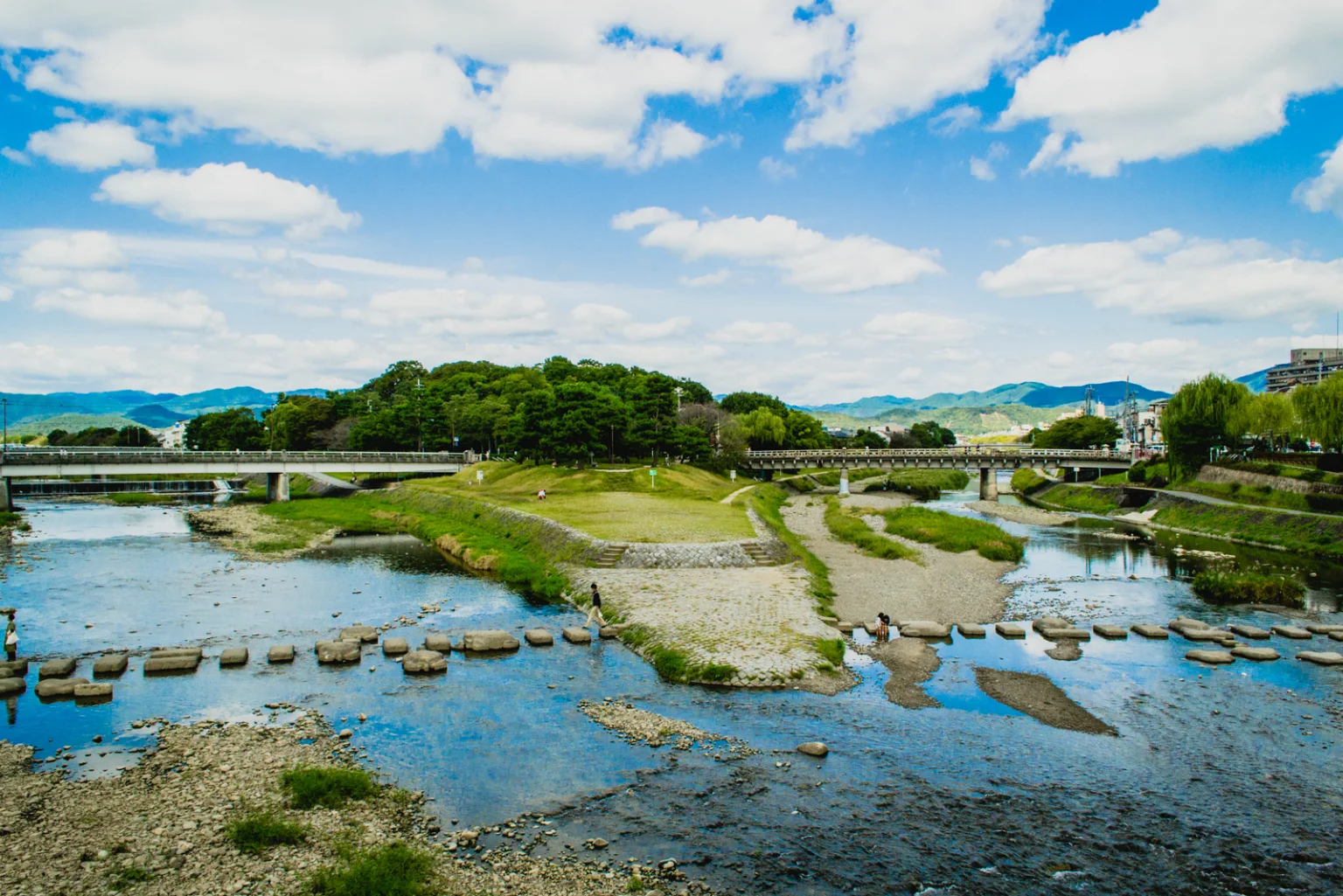
Shijo Ohashi Bridge is a clean dividing line. Walk east into Gion—where Hanamikoji and Yasaka Shrine sit—and dinner fits naturally at the end of a Higashiyama walk. Cross to the west bank for Shijo-Kawaramachi, with Pontocho and Sanjo to the north, and Nishiki Market, Daimaru, and Shijo-Karasuma to the west. If dinner is on the west side of the Kamogawa River, finish your stroll near Yasaka Shrine and walk across Shijo-dori. Taking the Keihan Railway afterward? Stay on the Gion-Shijo or Sanjo side. Coffee, snacks, and edible souvenirs work best as spontaneous stops; lock in your sit-down reservation first.
Staying near Kyoto Station versus Shijo-Karasuma changes the logistics of the exact same meal. If you have an early train the next morning, keep a convenient dinner in the station area to save a late-night transfer. If your days revolve around Higashiyama and your evenings gravitate toward Kawaramachi, pick a restaurant within walking distance of either end of Shijo Ohashi Bridge so you have plenty to do before and after. Visiting Arashiyama or Ichijoji? Eat lunch right there. Detouring back to central Kyoto just for midday food trades seated dining time for transit.
If you only splurge on one special meal, ask your group what kind of experience they want. For multi-course dishes plated one by one in front of you, book kaiseki or kappo. For comforting home-style flavors, look for a teishoku set with simmered dishes, pickles, and rice. After walking uphill with older relatives, chair seating with back support and a short walk from the station or drop-off point matter just as much as the menu.
| Area | Best For | Route Pairing |
|---|---|---|
| Shijo-Karasuma, Nishiki Market, Kawaramachi | Daytime market grazing, teishoku sets, department-store sweets | Start from Shijo or Karasuma Station, then walk toward Teramachi and the Kamogawa River |
| Gion, Pontocho, Kiyamachi | Kaiseki, kappo, obanzai home-style small plates for dinner | Eat after a Higashiyama walk; pick east or west bank based on your next train |
| Nanzen-ji, Okazaki | Yudofu and yuba lunch sets | Link with Keage, Nanzen-ji Temple, and Okazaki |
| Kyoto Station | Ramen, ekiben bentos, pre-departure food shopping | Check boarding time first, then head upstairs to dine or downstairs for takeout |
| Teramachi-Nijo, Uji | Japanese tea, matcha parfaits and sweets, loose-leaf tea | Pair Teramachi with Kyoto Imperial Palace; pair Uji with Byodoin and the Uji River |
| Arashiyama, Northern Kyoto (Rakuhoku) | Arashiyama tofu and soba, Ichijoji ramen, Demachiyanagi mochi | Keep your main meal inside the sightseeing zone you are already visiting |
Plan where to eat in Kyoto by neighborhood: Gion and Pontocho dinners, Nishiki Market grazing, Nanzen-ji yudofu, Kyoto Station ramen, Teramachi teahouses, and Uji matcha, with course pricing and reservation tips.
Gion and Pontocho Dinners: Choose the Format Before Crossing the River
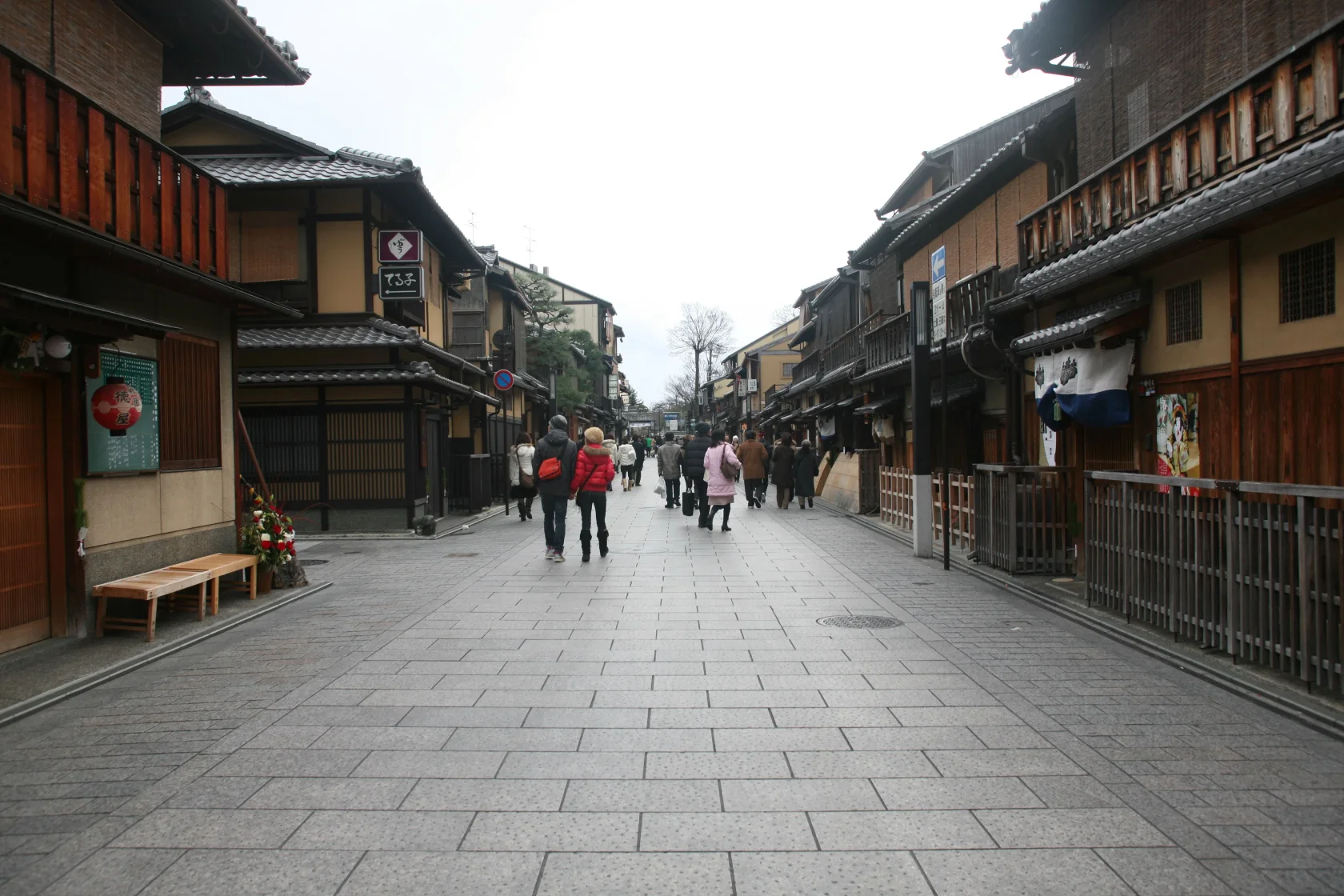
Along the southern stretch of Hanamikoji Street, wooden machiya townhouses sit flush against the lane, with signs, noren curtains, and doorplates far subtler than those on major avenues. Match the restaurant name, street number, and facade carefully as you walk. Finishing up around Yasaka Shrine and Kennin-ji? Dining in Gion saves a back-and-forth river crossing. If a restaurant sits down a side alley, enter via the exact access path on its map and respect any private-lane signage. Locals live and work in these hanamachi streets at night, so step clear of doorways and stone walkways when checking your phone or waiting for friends.
To extend an evening downtown, Pontocho and Kiyamachi on the west side of Shijo Ohashi Bridge are easier to fold into a night out. Pontocho Alley runs from near Sanjo down to Shijo, with some doorways facing the Kamogawa River and others opening west. Want river views? Look for riverside seating or a seasonal noryo-yuka deck option when booking. Prefer ordering a few small plates at your own pace? Check Kiyamachi and along the Takasegawa Canal for places listing daily a la carte specials. You can enter Pontocho from either the Shijo or Sanjo end, making it easy to walk in from southern Kawaramachi and exit toward your next stop.
To taste Kyoto home cooking through small plates, scan menus for obanzai—everyday dishes that typically simmer vegetables with tofu products, dried goods, or preserved fish. Japan's Ministry of Agriculture, Forestry and Fisheries cites pairings like herring simmered with eggplant as classic Kyoto fare. If you see taitan on a menu, it refers to slow-simmered dishes—such as eggplant soaked in savory broth—served in a small bowl to eat with rice or alongside other plates. For group sharing, ask what is on that day's obanzai assortment, then let each person add one main dish. When everyone has a different appetite, individual teishoku sets divide more cleanly than ordering a uniform kaiseki course for the whole table.
With a larger group downtown at night, check the booking page for max table size, counter versus table seating, and whether walk-ins or casual diners can order a la carte. If you only want a straightforward meal, filter for set menus or teishoku pricing. Izakayas often charge a small appetizer fee (otoshi) or seating fee (sekiryo), sometimes noted in fine print on the menu or reservation terms—factor that into your food and drink total. After booking a riverside spot, double-check the exact entrance instructions from the restaurant: Pontocho Alley, the Takasegawa Canal bank, and Kawaramachi look inches apart on a map, but getting to the front door can mean walking around a block.
Booking Kyoto Kaiseki: Compare Lunch and Dinner Menus First
A seasonal kaiseki meal arrives course by course. A menu typically opens with sakizuke (an appetizer) and wanmono (a lidded soup dish), followed by sashimi, grilled or simmered courses, and finally rice, pickles, and dessert. Sequence, portion size, and ingredients vary by kitchen. When comparing spots for the first time, look closely at the seasonal ingredients highlighted, the exact course count, and any service charge. Lunch leaves your afternoon open for a walk around Sanjo or Higashiyama, while dinner works best when daytime sightseeing wraps up beforehand so you are not rushing.
Roan Kikunoi, just south of Shijo-Kiyamachi along the Takasegawa Canal, offers a clear look at the lunch-to-dinner price gap. According to Roan's menu and reservation page, lunch kaiseki runs ¥13,200 or ¥16,500, while dinner kaiseki is ¥22,000, ¥27,500, or ¥33,000, tax included, plus a 10% or 15% service charge. Lunch seating entries run from 11:30 to 13:30, and dinner from 17:00 to 19:30. Reservations are handled by phone, with both counter seats and tatami zashiki rooms. Ask for the counter if you want to watch the chefs plate; if your group wants face-to-face conversation, ask about the tatami room setup and seating comfort ahead of time.
Taking Roan's ¥13,200 lunch course as a baseline, adding a 10% service charge brings it to ¥14,520, and 15% brings it to ¥15,180, excluding drinks—so budget roughly ¥29,040 to ¥30,360 for two at lunch. When sizing up other restaurants, always tally tax, service charges, and potential private-room fees together. Within a similar budget, choose counter seating to watch the craft up close, or a table if relaxed conversation is the priority.
If you are celebrating a birthday, an anniversary, or only have one evening in town, check availability as soon as your dates are set. Have your name, contact details, arrival time, party size, and desired course ready, and ask how long the meal takes. Need to adjust your plans? Use the original booking channel and check the cancellation deadline on the reservation page or confirmation email. Keep the restaurant's phone number and street address handy in your itinerary so you can call ahead if evening traffic in Higashiyama slows you down.
If anyone in your party is vegan, avoids specific ingredients, or has food allergies, send a written list of restricted items before ordering—including broths and seasonings. Dashi frequently uses bonito flakes, and while yuba itself is the delicate skin skimmed from heated soy milk, it is often served with a dipping sauce containing fish stock. If a restaurant offers shojin ryori (Buddhist vegetarian cuisine) or a plant-based course, confirm each listed item, and always verify the entire set even when the main course says vegetables or tofu.
Yudofu Near Nanzen-ji, or Tofu and Soba in Arashiyama
To center a meal around Kyoto tofu, combine Keage, Nanzen-ji Temple, and Okazaki. Junsei sits right outside Nanzen-ji's gate and serves both yudofu and yuba, making it an easy walk from the temple grounds. Yudofu simmers blocks of tofu in a tabletop pot of hot broth to lift out and dip in sauce; hikiage yuba lets you skim fresh soy milk skins directly from heated soy milk for their delicate aroma and silky texture. Choose your centerpiece dish on the menu first, then check whether tempura, simmered sides, and rice come with it. If you just want a hot bowl of noodles to keep lunch quick, stop at one of the casual shops near the temple.
Nanzen-ji Junsei's menu lists the Hana course at ¥3,850 and the Tsuki course at ¥4,950, tax included. The Hana course lets you choose either yudofu or yuba as your hot pot, paired in sample menus with simmered dishes, miso-glazed dengaku, vegetable tempura, rice, and pickles. For yudofu, check Junsei's Priority Seating pass: parties of 2 to 4 can book a slot between 11:00 and 18:00, check in at the designated window within one hour of the chosen time, and take the next open table. Kaiseki courses use a separate booking link. Because Priority Seating assigns tables as they open, ask the restaurant in advance if someone in your group needs chair seating. If your next attraction has timed entry, visit the temple before lunch or leave a generous buffer.
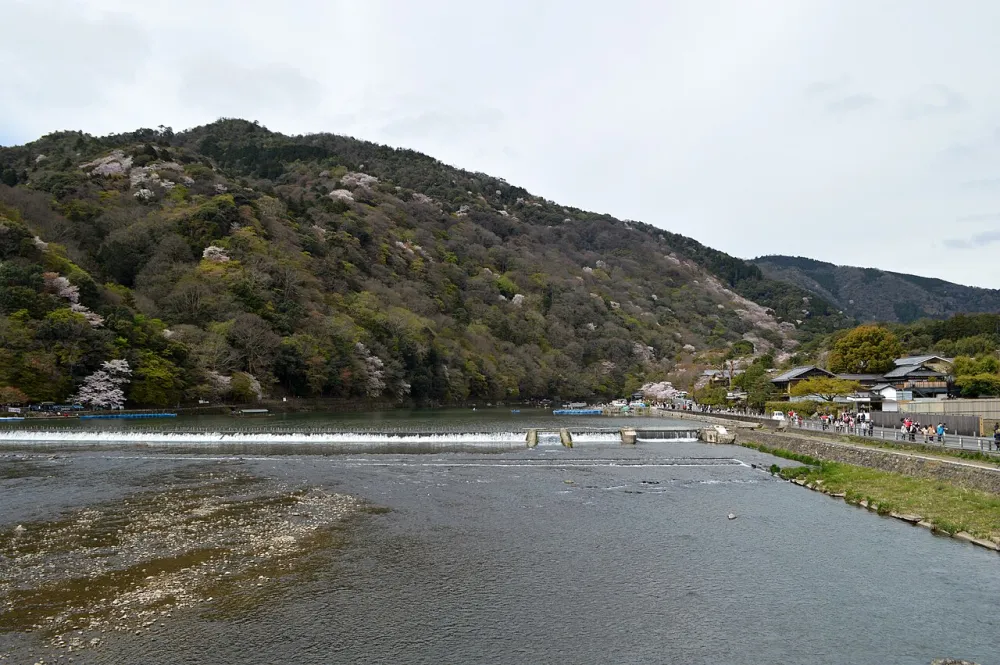
Spending the day in western Kyoto's Arashiyama instead? Keep your tofu lunch there. Tour Tenryu-ji and the Bamboo Grove in the morning; if sightseeing pushes lunch later than planned, grab soba on the walk back toward the station before heading down to the river. For an unhurried yuba or tofu course, work backward from your lunch booking to time your temple visit. Since Arashiyama has several separate train stations, pin the restaurant, temple, and departure station on one map—and pay close attention to which side of Togetsukyo Bridge the restaurant sits on. To pick a spot by your arrival and exit station, see Arashiyama Lunch and Dining Areas.
Browse Nishiki Market by Day, Shop Shijo Basements Later
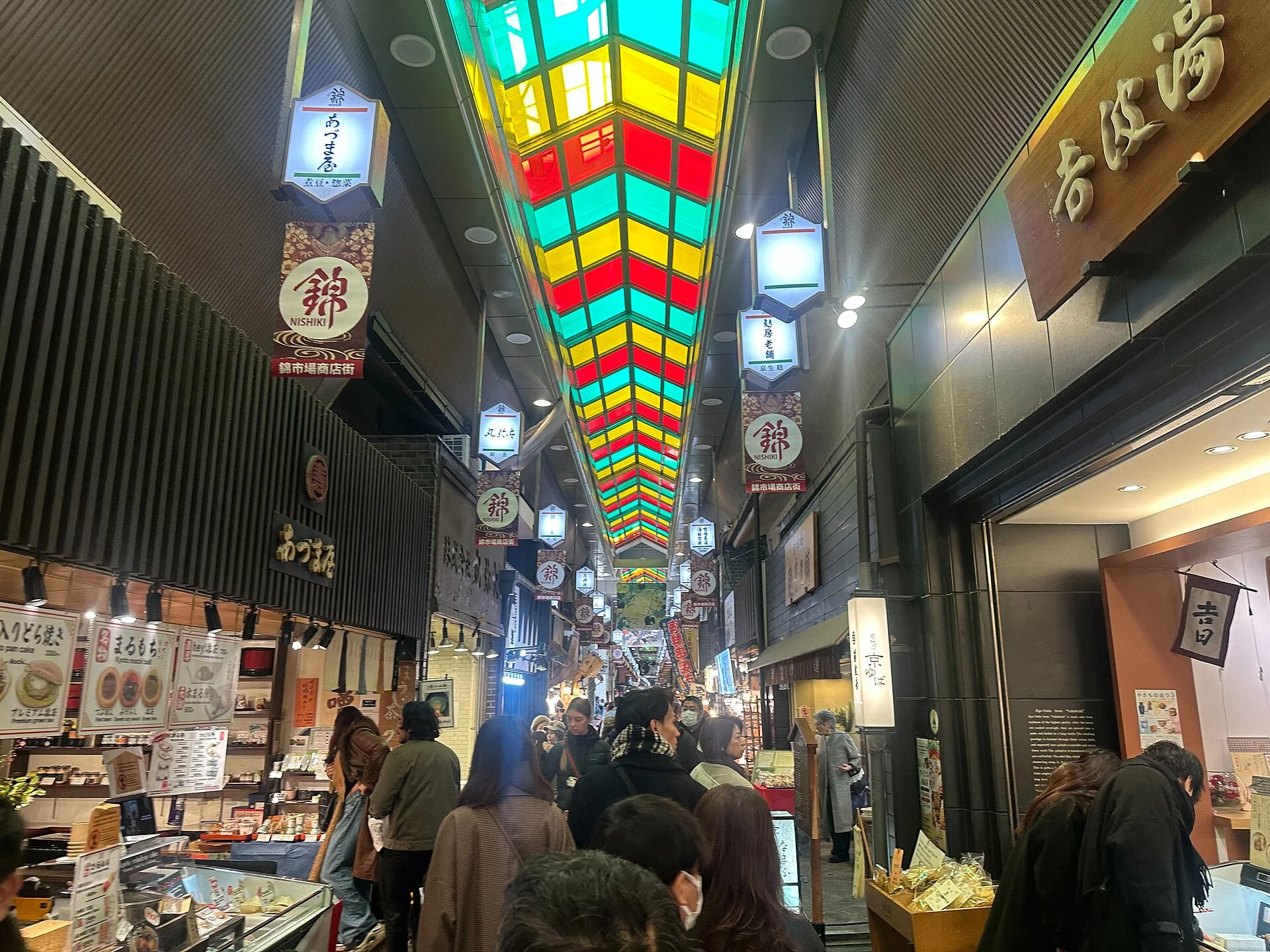
Go during the day if you want to compare Kyoto pickles, pick up rolled tamagoyaki, or sample tsukudani simmered bites at Nishiki Market. Each shop sets its own hours and holidays, though the market association's FAQ notes that many stalls close on Wednesdays, and numerous shops shut from January 1 through January 3. If you also have a sit-down lunch planned, buy just one or two tastes while scouting what to pack back later. Nishiki Market asks visitors to finish food inside or directly in front of the shop where they bought it, and return cups and skewers per each vendor's instructions. For specific stalls, ingredients, and take-home gifts, continue to How to Walk and Shop Nishiki Market.
From Kyoto Station, the Karasuma Subway Line reaches Shijo Station in about 4 minutes. Kyoto City's official visitor guide lays out the west entrance clearly: walk east along Shijo-dori past Daimaru Kyoto, turn left (north) onto Takakura-dori, and walk one block to Nishikikoji-dori. Coming from Kawaramachi instead? Walk through Shinkyogoku Shopping Street toward Nishiki Tenmangu Shrine and head west into Nishikikoji. If you plan to browse first and eat lunch afterward, walk west to east so you emerge straight into Teramachi and Kawaramachi. Staying near Shijo-Karasuma and dropping bags at your hotel? Walk east to west.
The basement food hall at Daimaru Kyoto is ideal for picking up ready-made deli sides or letting everyone choose a different bento before regrouping. You can easily combine tamagoyaki and pickles from Nishiki with a rice box from the department store for a custom meal. Staying several nights with a kitchen? Buy rice, greens, and tofu at a supermarket, then grab small packs of chirimen sansho (baby sardines with sansho pepper) or pickles at Nishiki. Check your room's exact setup—microwave, fridge, or full stovetop—before buying fresh ingredients; if you only have a mini-fridge and microwave, stick to cured or ready-to-heat items.
If you are out sightseeing all day before heading back to your hotel, save refrigerated items like fresh nama-yuba or chilled pickles for your last stop. Look for "yo-reizo" (keep refrigerated) labels and storage temperatures on the package, and choose shelf-stable gifts with longer best-by dates if you are meeting friends later in the trip. Only need a quick box of tea sweets before boarding a train? JR Kyoto Isetan at Kyoto Station carries heritage brands too, leaving Shijo open for shops you truly want to browse.
Before a Train at Kyoto Station: 10th Floor for Ramen, B2 for Bentos
Kyoto Ramen Koji sits on the 10th floor of the Kyoto Station Building, right beside the Grand Staircase and the department store wing. Official hours run 11:00 to 22:00, with last order at 21:30. Each stall has its own seating, so you can walk the floor to compare broth styles, noodles, and wait times before picking a line. If you specifically want a Kyoto-style bowl on your first night, check where each shop originated—this floor brings together regional ramen styles from across Japan. Splitting up so everyone gets their preferred bowl works well, just agree on a meeting spot first.
When eating a sit-down meal before departure, count backward from your train's departure time and subtract buffer for collecting lockers, riding elevators up to the 10th floor, and finding a shop. With bulky suitcases, follow the North-South Free Passageway to find elevators. Remember you still need time to get back down to your platform—especially for the Shinkansen on the Hachijo Exit side. Tight on time? Grabbing a bento downstairs beats waiting for a table on the 10th floor. Staying near the station and passing through again tomorrow? Do takeout tonight and save ramen for a calmer meal.
The station connects directly into JR Kyoto Isetan, where the floor guide places wagashi, Western pastries, bakeries, sake, and heritage foods on B1, and fresh groceries, deli dishes, and bentos on B2. Hit B2 first for a pre-train dinner, then B1 for boxed gifts. Nakamura Tokichi also splits its station presence across two spots: Isetan B1 is a retail tea counter, while its sit-down Kyoto Station cafe (open 11:00 to 22:00, last order 21:00) sits on the 3rd floor in the dining zone right outside the JR West Exit ticket gates. Look for the full cafe name and 3F signs if you want seated matcha desserts.
Need to retrieve stored bags? Time your final food run along the walk back to your luggage locker or counter. Guests heading to hotels out the Hachijo Exit can also pick up dinner on the way back to the room. Once you have tapped through the ticket gates, check which kiosks are actually inside your paid concourse before counting on takeout. Use Kyoto Station Hotels and Transit Layout when planning—hotels, department stores, and platforms all share the Kyoto Station label, yet navigating between them with luggage often involves several floor changes.
Kissaten Coffee from Karasuma-Oike to Sanjo, and Temple-Gate Sweets Up North
For an early coffee near Karasuma-Oike, Inoda Coffee's Main Shop (Honten) opens at 7:00 on Sakaimachi-dori just south of Sanjo. Listed as about a 5-minute walk from Karasuma-Oike Subway Station, it serves breakfast on a walk-in basis. The Sanjo branch sits nearby facing Sanjo-dori and typically opens at 10:00. Search specifically for "Inoda Coffee Main Shop" if you want an early breakfast; for an afternoon break while shopping, the Sanjo branch has both single-friendly counter seats and tables. Continue east from Karasuma-Oike along the Sanjo-dori Walking Route toward Teramachi or the river to pick lunch or tea along the way.
Staying near Shijo-Karasuma or Karasuma-Oike lets you lean on neighborhood spots for breakfast and dinner to cut down on commuting. Over a two-night stay, do a sit-down kissaten breakfast one morning and buy bakery pastries the night before for the other. On mornings when you are headed to Arashiyama or rushing to a timed booking, eat light near your hotel and save the leisurely coffeehouse breakfast for a central Kyoto day. If rain cuts your afternoon short, duck into a casual diner along Shijo for a hot teishoku set or bento while waiting for the weather to clear.
Heading north to Daitoku-ji or Imamiya Shrine? Save room for roasted mochi outside Imamiya Shrine's East Gate. According to Kyoto City's tourism guide, Kazariya—just south of the East Gate—coats thumb-sized rice cakes in toasted soybean flour, skewers and grills them over charcoal, and serves them with sweet white miso sauce. Visit the shrine first, then step right out the East Gate for a skewer. Coming from Nishijin? Pair Daitoku-ji with this stop before heading back via Kitaoji or on to your next neighborhood. With just one afternoon in northern Kyoto, match one sweet stop to your route: Demachi Futaba mame-mochi with a Kamogawa stroll, or Imamiya grilled mochi after Daitoku-ji.
A Bowl of Tea in Teramachi, Parfaits on Shijo, and Half a Day in Uji
To compare tea leaves and brewing styles, visit Ippodo Tea's Kyoto Main Store on Teramachi-Nijo. Its Kaboku Tearoom currently runs 10:00 to 17:00 (last order 16:30) and closes on the second Wednesday of each month. About a 5-minute walk from Exit 11 of Kyoto Shiyakusho-mae Station on the Tozai Subway Line, it offers both seated service and takeaway matcha, gyokuro, and hojicha. Buying tea to brew at home? Tell the staff whether you plan to whisk it with a chasen, brew it iced, or mix it with milk—choosing by brew method and aroma beats guessing from tin labels.
In Japanese tea tradition, koicha (thick tea) and usucha (thin tea) are two distinct preparations. Koicha uses more matcha powder and less water, kneaded smoothly with a whisk for an intense flavor and velvety texture; usucha uses more water for a lighter, easy-to-sip bowl. To taste the pure aroma of the tea itself, order an unsweetened bowl of usucha paired with wagashi sweets. When dessert menus advertise "rich matcha," they usually mean matcha balanced with milk, sugar, or ice cream—check whether the dish features ice cream, jelly, red bean paste, or dairy and order what actually sounds good at that moment.
Shopping around Shijo-Kawaramachi in the afternoon? Bookmark Nakamura Tokichi's Shijo branch on the 3rd floor of Kyoto Takashimaya S.C. T8. Official cafe hours are 10:30 to 20:00 (last order 19:00), reachable via the underground passage from Hankyu Kyoto-Kawaramachi Station. There is also a Nakamura Tokichi retail counter in Daimaru Kyoto B1 for boxed tea—buy leaves there, or walk over to Takashimaya for seated desserts. If you already have a big dinner booked, sharing one parfait or ordering a single wagashi tea set feels far better than stacking multiple sweet stops.
In Uji, slot your tea break right between strolling Byodoin Omotesando and walking along the Uji River. Nakamura Tokichi's Uji Main Store sits roughly 1 minute from the JR Uji Station South Exit; its cafe typically opens 10:00 to 17:30, with final check-in at 16:00 and last order at 16:30, though waitlist cutoff can move earlier on busy days. Its Byodoin branch—a self-service cafe—is about a 5-minute walk across Uji Bridge from Keihan Uji Station, right near the temple approach shops, and generally closes at 17:00 (last order 16:30). Both run on same-day waitlists. Arriving by JR? Check the Main Store queue first; arriving by Keihan? Stroll the temple approach first and decide between waiting for a seat or grabbing takeaway sweets.
Year-end and New Year hours tighten in Uji: on December 31, 2026, Nakamura Tokichi's Uji Main Store cafe stops accepting waitlist check-ins at 15:00, and the Byodoin branch stops taking orders at 15:00. Both close on January 1, 2027. Visiting on January 2 or 3? Head to the Main Store beside JR Uji Station, as the Byodoin branch does not reopen until January 4. If you are going on New Year's Eve for both dessert and shopping, pick out your take-home tins in the shop first so you still make the cafe cutoff.
JR Uji Station and Keihan Uji Station share the same name on opposite banks of the river, making open-jaw transit easy. Coming from Kyoto Station? Take the JR Nara Line straight down and back. Staying near Gion or Sanjo? Ride the Keihan Main Line to Chushojima and transfer to the Keihan Uji Line, then cross the bridge to connect the temple approach, tea shops, and riverbanks. If your group has mixed interest in tea shopping, set a meetup spot at the Omotesando entrance or bridgehead so tea lovers can linger over tins and teaware. Compare routes and timings in Uji Tea and Byodoin Half-Day Itinerary.
Save Ichijoji for One Serious Bowl, and Demachiyanagi for Mochi
A ramen stop in Ichijoji pairs naturally with a northern Kyoto walk. Transfer to the Eizan Electric Railway at Demachiyanagi—the operator lists standard ride time to Ichijoji at about 6 minutes, though you should add waiting time and the walk from the station. Whether you want rich chicken paitan, back-fat shoyu broth, or a lighter bowl, pick your top choice plus one backup within walking distance. Pair Ichijoji Ramen Half-Day Route with a walk to Shisendo Temple: if your ramen shop is west of the station, eat first and stroll east toward the gardens afterward. Ending your sightseeing around Ichijoji? Grab dinner there before riding back to Demachiyanagi.
Traveling with older relatives or young kids? Before joining a long sidewalk line, check how hungry everyone is and whether there is shaded or seated waiting space. Before making a dedicated round trip for a single shop, preview the menu broth style and check photos for table seating versus counter-only stools. If your group wants different things, split up for teishoku and ramen and meet back at the station. Ichijoji makes the most sense when you are already visiting Shimogamo or Demachiyanagi; if you are staying near central transit, Kyoto Station's 10th-floor ramen hall is far less hassle.
Afterward, wind down near Demachiyanagi where the Kamo and Takano rivers meet. For sweet bean mochi, walk across to the west bank's Demachi Shopping Arcade for Demachi Futaba. Its signature mame-mochi wraps smooth red bean paste inside soft rice cake studded with lightly salted red peas. Eat a piece while resting by the river, and check the same-day expiration date before buying extras for tomorrow. For walking order around Shimogamo and the riverbanks, check Demachiyanagi and Kamogawa Delta Walk.
Reading Seasonal Menus: Kyoto Bamboo Shoots, Kamo Eggplant, and Senmaizuke
Kyoto's seasonal produce shows up everywhere from high-end kaiseki to market stalls and casual side dishes. Japan's Ministry of Agriculture, Forestry and Fisheries notes that Otokuni bamboo shoots hit markets in early spring and ship through early May. Spot "kinome-ae" on a menu for fresh sansho leaf aroma tossed with sweet white miso, or order bamboo shoot rice (takenoko gohan) for something heartier. Around summer, look for "Kamo nasu" (round Kyoto eggplant) prepared as miso-glazed dengaku—thick, tender flesh beneath savory seared miso. Shopping for fresh Kyoto produce to cook in an apartment? Look for exact variety names and origins rather than generic "Kyoto vegetable" signs.
Autumn brings sweets and rice dishes made with Tamba chestnuts, while late fall through winter puts senmaizuke pickles front and center. Unlike chopped pickles mixed into rice, senmaizuke slices large Shogoin turnips paper-thin before pickling—great to take back to your hotel to pair with plain rice or a bento. On cold winter days, warm up over a pot of yudofu or look for "tai-kabura" (simmered sea bream and turnip). Booking two Kyoto-style meals on the same trip? Check monthly menus so one highlights seasonal vegetables while the other focuses on tofu or simmered herring—two completely different meals.
Planning riverside summer dining? Check Kyoto City's official summer deck listings and pay attention to location first. Kamogawa Noryo-yuka decks line the downtown west bank, easy to step onto after a walk around Shijo or Sanjo and right back in the city when you finish. Kibune's kawadoko platforms hover directly over a mountain stream, requiring the Eizan Railway plus a shuttle bus or uphill walk from Kibuneguchi Station. Keep it downtown on Kamogawa if you want an evening stroll afterward; for a valley lunch paired with Kifune Shrine, time your descent and trains using Kurama and Kibune Half-Day Route. Whenever booking outdoor river seating, note dress guidance, rain-backup indoor policies, and your last train.
Decoding Teishoku, A La Carte, and Late-Afternoon Meal Gaps
For an everyday sit-down meal that feels heartier than market snacks, look for "teishoku" on menus. A set includes a main dish alongside rice, soup, and small pickles, letting everyone pick fish, meat, or tofu individually. Want to share several small dishes? Scan for "tanpin" (a la carte) or "moriawase" (assorted platter), and check whether rice comes automatically or costs extra. Soba topped with "nishin" features sweet-simmered dried herring—a classic Kyoto comfort bowl rooted in preserved-fish traditions—which you can round out later with a small pack of pickles from a neighborhood diner or supermarket.
Back in central Kyoto around 15:00 or 16:00? Lunch sets have usually ended and dinner service has not started yet. Walk along the same street looking for "toshi eigyo" (all-day continuous service without a midday break). Note that "L.O." marks last order, which often falls 30 to 60 minutes before closing. If you are still far from your dinner neighborhood, pick somewhere near your next major stop instead. Need a full meal at Kyoto Station before 11:00? Check breakfast menus and cafes that serve savory plates.
Want a low-key hotel dinner? Pair one single-serving bento with two small packs of deli sides rather than buying a big jar of chilled pickles that creates leftovers. Moving between cities over the next few days? Save boxed tea leaves and cookies for the end of your trip instead of hauling fragile sweets or chilled food in your suitcase. When buying fresh wagashi marked "namagashi," ask the shelf life first—enjoy one with tea today and only buy what your group will finish before bedtime.
Lock In One Reservation Per Day and Leave Room for Everyone Else
Exploring Shijo-Kawaramachi with kids? Anchor the middle of the day with a seated restaurant lunch. When passing through Nishiki Market, target the specific shops you want, keep stops short in narrow crowds, and save snacking until everyone can sit down. At udon or teishoku spots, check for half-sized rice bowls or single add-ons like egg and tofu to scale portions for kids. If adults want matcha, pick a department store where kids can grab a snack they actually want, or time tea around a stroller nap. Food halls and multi-restaurant floors let everyone order from a different kitchen, which is far easier than locking the whole table into one fixed course.
Walking Nanzen-ji or Kiyomizu-dera with older relatives? Schedule an early sit-down lunch so everyone gets off their feet. Before booking a long kaiseki dinner, verify step-free entrances, elevators, chairs with back support, and restroom access right alongside the address and seating type. If rain hits before a Gion dinner, shorten the walk along Shijo-dori—or drink tea in Teramachi so you only cross the river once. If a large group has to split across two tables, agree to regroup on the main avenue or at the station rather than waiting in a quiet residential alley.
Need to feed or change a baby before transferring trains? JR Kyoto Isetan's 7th floor has a baby lounge with nursing rooms, changing tables, hot water for formula, and a microwave; for quick diaper changes, restrooms on B1 and B2 also have changing tables. If adults split up to hunt down different bentos, agree to meet on the same floor before walking to the platforms.
For an easy two-day food plan: spend Day 1 morning tasting small bites at Nishiki Market, eat lunch in Kawaramachi, wander Sanjo or Gion in the afternoon, and wrap up with one pre-booked dinner. On Day 2, either head to Arashiyama for soba and tofu, or go to Uji for tea and end with dinner back at Kyoto Station. If you book lengthy multi-course meals on both days, balance the rest of your schedule with casual teishoku, kissaten breakfasts, and supermarket runs. Before heading out each morning, write down which meal is reserved, which side of the river or tracks it sits on, and which station takes you home.
A few useful answers
For first-time visitors to Kyoto, which area works best for a full day of eating?
Center your day around Shijo-Kawaramachi and Gion to minimize transit. Walk from Nishiki Market to Teramachi for a teishoku lunch, stop for tea in Kawaramachi, and cross Shijo Ohashi Bridge into Gion—or stay on the Kamogawa west bank in Pontocho—for dinner.
Should first-timers book Kyoto kaiseki for lunch or dinner?
Compare the seasonal lunch and dinner menus plus total bill (including tax and service) at the same restaurant first. Lunch is easier to fit in if you want counter seating to watch the chefs and still plan to move around in the evening; save dinner as your final stop of the night if you are celebrating or want specific evening-only courses.
How does Priority Seating work at Nanzen-ji Junsei?
Parties of 2 to 4 can reserve an arrival window between 11:00 and 18:00, check in at the Priority Seating counter within one hour of their selected time, and get seated as tables open. Full kaiseki courses have a separate reservation portal.
Which floors at Kyoto Station have ramen and bentos?
Kyoto Ramen Koji is on the 10th floor of the Kyoto Station Building (11:00–22:00, last order 21:30). For train bentos, head to B2 of JR Kyoto Isetan for deli dishes and rice boxes, and check B1 for wagashi, bakeries, and tea gifts.
Do you have to go all the way to Uji for good matcha?
Not at all. For a freshly whisked bowl of matcha with wagashi, visit Ippodo's Kaboku Tearoom on Teramachi-Nijo; for parfaits and matcha desserts, Nakamura Tokichi's Shijo branch sits on the 3rd floor of Kyoto Takashimaya T8. Save Uji for when you want a half-day trip combining tea shops with Byodoin Temple and the Uji River.
Should you visit Nishiki Market during the day or at night?
Go during the day if you want to browse ingredient stalls and prepared-food counters. Each shop keeps its own hours and holidays, and the market association notes that many vendors close on Wednesdays. For a seated dinner later, head toward Kawaramachi or Kiyamachi.
Official information and references
Sources used in this guide.
- Kyoto City Official Travel Guide: Gion & Kiyomizu Area Guide
- Kyoto City Pontocho-dori Street Guide
- Kyoto City Official Travel Guide: Etiquette in Gion & Nishiki Market
- Roan Kikunoi Menu, Address & Phone Reservations
- Nanzen-ji Junsei Menu & Tax-Included Prices
- Nanzen-ji Junsei Hana Course Hot Pot & Sample Menu
- Nanzen-ji Junsei Reservations & Yudofu Priority Seating
- Nishiki Market Shopping Street Hours & Holidays FAQ
- Nishiki Market Shopping Street Dining Etiquette
- Kyoto City Official Travel Guide: Nishiki Market Access & East/West Entrances
- Daimaru Kyoto Store Floor Guide
- Kyoto Station Building Ramen Koji & Last Order Hours
- JR Kyoto Isetan Floor Directory
- JR Kyoto Isetan Facilities & Baby Lounge
- JR-West Kyoto Station Map & Track Platforms
- Inoda Coffee Main Shop Hours & Location
- Inoda Coffee Sanjo Branch Hours & Location
- Ippodo Tea Kyoto Main Store & Kaboku Tearoom
- Nakamura Tokichi Honten Stores, Counters & Cafe Hours
- Keihan Chushojima Station Uji Line Platform Guide
- Marukyu Koyamaen Guide to Koicha & Usucha Matcha
- Eizan Electric Railway Ichijoji Station Route & Ride Time
- Kyoto City Official Travel Guide: Demachi Futaba & Mame-mochi
- Kyoto City Official Travel Guide: Kazariya Grilled Mochi at Imamiya Shrine
- MAFF Kyoto Regional Cuisine & Seasonal Ingredients
- MAFF Kyoto Simmered Herring & Eggplant (Nishin Nasu)
- MAFF Kyoto Pickles & Senmaizuke Preparation
- Kyoto City Tourism Association Guide to Kyoto Cuisine, Tofu, Yuba & Dietary Needs
- Kyoto City Official Travel Guide: Kamogawa Noryo-yuka & Kibune Kawadoko