Which station exit puts you closest to Nishiki Market? Plan a 60-to-90-minute walk for dashimaki rolled omelet, Kyoto pickles, yuba, and dried goods, plus Wednesday closures, 2026-2027 New Year hours, and rainy-day routes.
- Region & Focus
- Kyoto
- Reading Scope
- 19 min read · 10 chapters · 5 Q&As
- Official Verification
- 38 official sources checkedUpdated November 22, 2026
- Key Topics
- FoodNeighborhoodsSeasons
Chapter Route Map (tap any stop)
- Roughly 400 Meters Long: Which End Saves You Steps
- Which Shops Open Earliest
- Takakura-dori to Sakai-machi-dori: Hot Food or Sit-Down Stops
- Yanaginobanba-dori to Tominokoji-dori: Choosing Pickles and Dashimaki
- East End: Kyoto Vegetables, Yuba, and Kitchen Knives
- Reading the Fish Counters: How Kyoto Uses Seafood
- Wednesdays, New Year's Week, and Rainy-Day Detours
- Too Crowded or Too Cold? Indoor Backups Along Your Exit Route
- Eat at the Stall, Pack Souvenirs Separately
- Where to Go Next Depends on Your Meal and Return Train
- Quick Q&A
First-timers at Kyoto's Nishiki Market should budget 60 to 90 minutes to walk from the west entrance on Takakura-dori to Teramachi-dori, then cross the street to Nishiki Tenmangu Shrine. Around 10:00 AM is ideal for browsing ingredients and grabbing a freshly made snack. The market has no single opening schedule or unified closing day--plan around individual shops on Wednesdays and during early January. Take the Karasuma Subway Line from Kyoto Station to Shijo, or enter from the Kawaramachi side if coming from Osaka or Gion. When buying ready-to-eat snacks, finish them inside or directly in front of the stall before moving on.
Roughly 400 Meters Long: Which End Saves You Steps
Nishiki Market stretches east-west along Nishikikoji-dori, running from Takakura-dori at the west end to Teramachi-dori at the east end. Nishiki Tenmangu Shrine sits just past the east exit on Shinkyogoku-dori, right across the street. Walk west to east if you plan to have lunch around Kawaramachi or cross the Kamogawa River afterward. Walk east to west if you are heading back to Kyoto Station or shopping at Daimaru Kyoto, which puts you closer to Shijo Station at the finish.
From JR Kyoto Station, take the Kyoto Municipal Subway Karasuma Line toward Kokusaikaikan past Gojo to Shijo Station. The Kyoto City Tourism Association estimates a four-minute ride at ¥220 for adults and ¥110 for children one way. To navigate above ground, take Exit 1 from Shijo Station to the east side of Karasuma-dori, walk east along Shijo-dori, then turn left (north) onto Takakura-dori beside Daimaru Kyoto and walk one block. If you are already in the Shijo-dori underground concourse, follow Hankyu Karasuma Station signs to Exit 16 ("Daimaru Higashiguchi"). That exit surfaces on the north side of Shijo-dori at Takakura-dori, one block south of the market. Because the subway and Hankyu use separate exit numbering, look specifically for Hankyu signs when hunting for Exit 16.
On the Hankyu Kyoto Line from Osaka, both Karasuma and Kyoto-kawaramachi stations work on the same line. Get off at Karasuma and use Exit 16 for the market's west entrance. To visit the shrine first or focus on eastern food stalls, ride to Kyoto-kawaramachi, take Exit 9 into the Shinkyogoku shopping arcade, and walk north to Nishiki Tenmangu before entering the market heading west. Coming from Gion or Keihan Gion-Shijo Station, cross Shijo Ohashi Bridge toward Kawaramachi and turn onto Shinkyogoku from Shijo-dori to reach the east end. The shopping association estimates roughly a 10-minute walk from Gion-Shijo, though you should allow extra time for crossing the bridge and waiting at traffic lights.
From bus stop A1 outside Kyoto Station, Kyoto City Bus Route 5 trips running via Shijo-dori stop at Shijo Takakura, about a two-minute walk from the west entrance. Note that Route 5 buses routed via Gojo-dori skip Shijo Takakura. During peak crowds, the Kyoto City Tourism Association recommends taking the subway from Kyoto Station into central Kyoto to avoid station bus queues and Shijo-dori surface traffic. The bus only saves a transfer if you are already along the Route 5 corridor with direct service to Shijo Takakura. If you have Shinkansen luggage, store your bags in lockers at Kyoto Station and ride back two stops from Shijo afterward rather than squeezing suitcases down Nishikikoji.
| Starting Point | Station & Exit | Where You Enter First |
|---|---|---|
| JR Kyoto Station | Karasuma Line, Shijo Station Exit 1 | West end (Takakura-dori) |
| Hankyu Kyoto Line (Karasuma Station) | Exit 16 (Daimaru Higashiguchi) | West end (Takakura-dori) |
| Hankyu Kyoto-kawaramachi Station | Exit 9 (Shinkyogoku) | East end (Teramachi-dori area) |
| Keihan Gion-Shijo Station | West across Shijo Ohashi Bridge, onto Shinkyogoku-dori | East end (Nishiki Tenmangu area) |
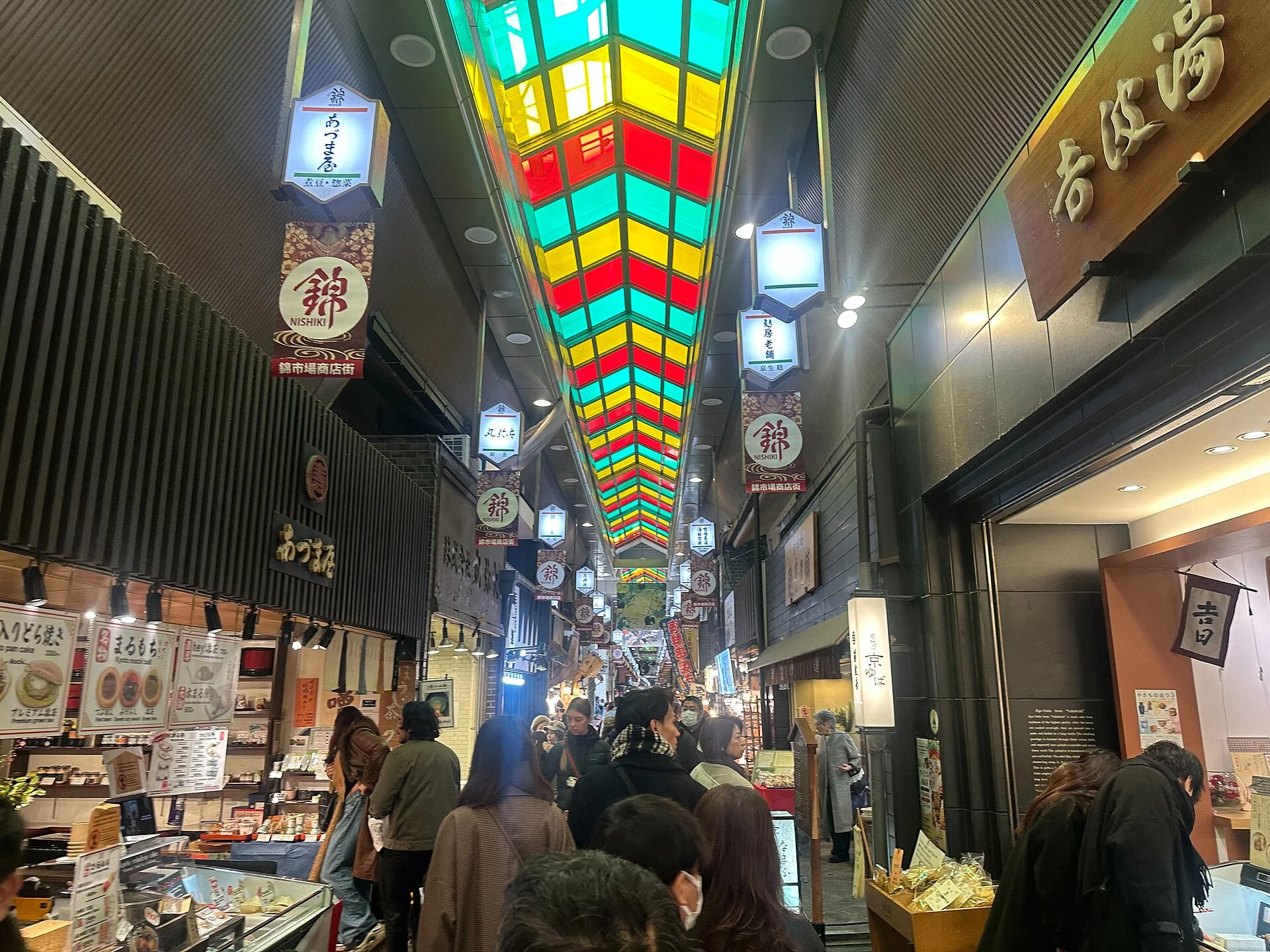
Which station exit puts you closest to Nishiki Market? Plan a 60-to-90-minute walk for dashimaki rolled omelet, Kyoto pickles, yuba, and dried goods, plus Wednesday closures, 2026-2027 New Year hours, and rainy-day routes.
Which Shops Open Earliest
If you arrive before 10:00 AM, start with the 9:00 AM openers--Mikikeiran on the west side of Tominokoji-dori for dashimaki rolled omelet, or Yubakichi on the west side of Gokomachi-dori near the east end for yuba (tofu skin). Uchida Tsukemono opens at 9:30 AM, while Konnamonja and Fuka along Sakai-machi-dori open at 10:00 AM. You can easily have breakfast first and still arrive right on time. If soy milk donuts or kitchen knives are on your list, starting at 10:00 AM beats standing outside shuttered stalls at 9:00 AM.
There is no single market-wide closing day, though the official FAQ notes that many shops close on Wednesdays. Aritsugu and Yontora close every Wednesday, while Yubakichi closes Sundays and the fourth Wednesday of each month. On any other Wednesday, you can still hit Yubakichi and Uchida and save knife shopping for the next day. Conversely, if you enter from the east on a Sunday and want soy products, shift your focus west to Sakai-machi-dori for tofu, yuba, and sweets at Konnamonja. Even on a Wednesday, the market is worth a stroll--just pick one confirmed-open shop as your anchor.
Several stalls stay open into late afternoon, so you can sequence stops by closing time. Uchida and Yubakichi list hours until 6:00 PM, while Mikikeiran and Tanakakeiran close at 5:00 PM. Aritsugu accepts new knife orders until 4:30 PM even though the storefront closes at 5:00 PM, so make it your first stop if you want a knife. With only late-afternoon time left, prioritize the earliest closers first and wrap up with dinner along Shijo-dori or Pontocho. If you already have a lunch reservation, treat the market as a light snack stop--pick one fresh item near the entrance and exit at your planned cross street.
Kyoto City's Tourism Comfort Map provides hourly crowd forecasts and live camera feeds for Nishiki Market. At roughly 400 meters, the lane itself is short; the real delays come from waiting for gift wrapping, eating in narrow fronts, and regrouping in foot traffic. When forecasts show heavy crowds, aim for the early opening hours. If you are nearby and see slow-moving crowds on the live feed, browse Shijo-dori first and loop back for quick shopping shortly before closing. If anyone in your group has a hard cutoff for a hotel pickup or schedule, agree on a meeting time at a cross street rather than risking delays in a popular stall's line.
Takakura-dori to Sakai-machi-dori: Hot Food or Sit-Down Stops
Walking east from Takakura-dori, Sakai-machi-dori is the first cross street worth a pause. On the northwest corner sits Konnamonja, operated directly by Kyoto Tofu Fujino, open 10:00 AM to 6:00 PM with irregular holidays. It sells fresh tofu and raw yuba alongside soy milk donuts and soft-serve ice cream. Two people wanting just a taste can share one order of donuts, finish them in the store's designated area, and free up their hands before browsing groceries. If someone in your group avoids dairy or wheat, Fujino's official site flags both allergens on its soy milk soft-serve notice--show the menu at the counter to double-check.
Nearby on Sakai-machi-dori, Fuka specializes in namafu (raw wheat gluten). Made from wheat protein, it has a chewy bounce distinct from soybean-based yuba. For an easy street-level sweet, look for fumanju--namafu wrapped around sweet red bean paste inside a bamboo leaf. For home cooking, check their mugwort or millet namafu varieties for clear soups and simmered dishes. Fuka's Nishiki shop opens 10:00 AM to 5:30 PM and closes Mondays. Without a kitchen on your trip, stick to same-day sweets and save uncooked namafu for stays with cooking access.
For a hot sit-down lunch, Fumiya Nishiki-ten just west of Sakai-machi-dori opens at 11:00 AM with last orders at 5:00 PM according to its official site. Closed days are posted monthly--for example, its late November 2026 calendar lists Tuesday, November 24 as closed and Wednesday, November 25 as open. The official Nishiki menu lists the signature Fumiya-nabe udon pot (with tempura, mochi, shiitake mushroom, and egg) at ¥935 as checked on November 22, 2026, kitsune udon at ¥770, and add-on raw yuba for ¥198. If you just want hot broth and noodles, start with kitsune udon and skip adding rice if your group still plans to eat omelet or sweets down the lane.
Check price-tag units before ordering at any stall. Items priced per piece, skewer, or portion are easy to tally upfront, while "100g" tags are priced by weight. Egg rolls and fish dishes often come whole, sliced, or boxed--ask how many pieces come in a portion before splitting. For two people, pairing one hot item and one cold item works well. When everyone is starving, trying to turn the market into a full sit-down meal can mean waiting back-and-forth outside cramped storefronts; if you have another stop ahead, save your market budget for one standout dish and eat your main meal seated elsewhere.
Yanaginobanba-dori to Tominokoji-dori: Choosing Pickles and Dashimaki
Continuing east to Yanaginobanba-dori, both Chinami and Uchida sit just west of the intersection. At Uchida, asking for specific products like Kyo-no-Sato (cucumber shibazuke) or Onbu-zuke (vinegar-pickled daikon) gets you faster help than simply asking for "Kyoto pickles." Choose shibazuke for tartness and perilla aroma, or pick a small pouch to eat with rice at your hotel that night according to its storage label. Pickles come whole or pre-sliced; if you have multiple train transfers ahead and already carry drinks or snacks, go with compact, leak-resistant packs.
Kyoto's three classic pickles rely on distinct ingredients. Senmaizuke uses thinly sliced Shogoin turnip, which the Ministry of Agriculture, Forestry and Fisheries notes enters production around November--Uchida announced the 2026 season's release on November 16, 2026. Shibazuke is closely tied to Kyoto's Ohara area and red perilla, typically pickling eggplant or cucumber with other vegetables. Sugukizuke uses a turnip variety from Kamigamo, lactic-fermented for a sharper sourness distinct from crisp senmaizuke. Two small packs are easier to finish over rice than one large tub; if you want crisp winter turnip slices, ask for senmaizuke and keep it refrigerated as labeled.
Chinami is known for kombu kelp and simmered tsukudani, with its association listing sansho peppercorn tsukudani and creative kombu blends. Tsukudani pairs with steamed rice or mixes sparingly into onigiri. Buy kelp labeled "dashi-yo" if you want soup stock for home cooking, and look at soy-simmered items only if you want ready-to-eat rice toppings. Because crowds tend to push past the bulk-weighing bins, tell the staff upfront whether you are eating it the same day, taking it to your hotel, or giving it as a gift so they can pull the right pack. If you are sensitive to salt, compare options by sansho heat and soy richness instead of buying several near-identical kelp packs.
Farther east on the west side of Tominokoji-dori sit Mikikeiran and Tanakakeiran, both famous for dashimaki--layered omelet folded with dashi broth. To compare styles, watch Mikikeiran roll eggs inward on long copper pans; its listing highlights Rishiri kombu and shaved bonito dashi. Tanakakeiran specifies zero sugar in its omelet, emphasizing a juicy, broth-heavy texture. Because both center on dashi, judging them strictly as "sweet vs. savory" misses the real nuance. Mikikeiran also makes an eel omelet using eel from Notoyo inside the market, letting you grab both plain and stuffed styles in one stop. Because eggs, fillings, and broths vary, point to specific ingredient names before ordering if anyone avoids fish or eggs.
East End: Kyoto Vegetables, Yuba, and Kitchen Knives
Near Gokomachi-dori, you can pair Yontora and Yubakichi in one sweep. Yontora handles both restaurant wholesale and retail--follow the shopping association map using its Japanese storefront name. In summer, look for round Kamo nasu eggplant and long Manganji amato sweet peppers; in winter, look for Shogoin turnip and Kujo negi green onions. Kujo negi is stocked year-round and often paired with yuba or hot pots in winter. Shops also carry produce from outside Kyoto, so check both variety and origin labels to match what you want to cook. If your lodging has a kitchen, pan-roasting a couple of Manganji peppers travels much more easily than hauling a whole turnip on trains; without a kitchen, note the names to order Kamo nasu dengaku or Kujo negi udon at dinner.
Yubakichi sells yuba in both fresh and dried forms. Fresh yuba--skimmed off heated soy milk--makes an easy hotel-room dish; follow the "keep refrigerated" label to bring it back safely. Dried yuba is far better for gift recipients who cook, packed between clothes or in a rigid box so it does not crumble. You will see an alternate kanji character for "yuba" in Yubakichi's name, which is simply another traditional spelling. Before buying yuba dressed in broth, sauce, or onigiri, check the full ingredient list: while soy milk is pure plant-based, accompanying seasonings may contain fish dashi. Yubakichi posts hours of 9:00 AM to 6:00 PM and closes Sundays and the fourth Wednesday of each month--plan around this if dried yuba is a priority.
Aritsugu's Nishiki shop is also on the west side of Gokomachi-dori. When shopping for a knife, tell the staff whether you primarily prep vegetables, meat, or fish, and bring measurements or a photo of your current blade rather than just asking for a bestseller. Aritsugu closes new-purchase intake at 4:30 PM, and closes Wednesdays plus January 1-4 and January 31 for inventory. If time is tight, handle knife shopping first and work west toward omelets and pickles. Have the shop wrap your knife and pack it in checked luggage per airline and airport security rules--never carry it into security in a shopping bag. For simpler browsing, look at cookware or jot down sizes; this stretch works well for splitting up briefly and meeting outside the market.
Reading the Fish Counters: How Kyoto Uses Seafood
Focusing only on nigiri sushi and seafood bowls means walking past stalls selling salted dried fish, river fish, and simmered seafood. To see what goes into Kyoto home cooking, learn a few counter labels: "hamo" (pike conger eel), "shio-saba" (salt-cured mackerel), "shime-saba" (vinegar-cured mackerel), and "chirimen sansho" (tiny dried sardines simmered with sansho peppercorn). Each term tells you the species, preservation method, or preparation. For summer hamo eaten right away, stop at Uoriki Shokudo, whose association listing includes hamo tempura and fried hamo cutlets for dining in. For wintry rice accompaniments, choose simmered sea bream head or chirimen sansho in smaller portions that are easier to share than a whole fish.
Kyoto's pressed mackerel sushi (sabazushi) traces back to the Saba Kaido ("Mackerel Highway"), which carried fish overland from Obama on Wakasa Bay into the capital. Salting, vinegar-curing, and searing all kept fish edible over the journey. When browsing cylindrical sabazushi logs, check the thickness of the mackerel skin and vinegared rice and pick pre-sliced packs for easy sharing. Always read storage instructions and use-by times before buying takeout. If you have a long train ride right after shopping, eat fish sushi the same meal and reserve suitcase space for shelf-stable dried goods. Watching how fishmongers split one fish across sashimi, seared cuts, and simmered portions also offers great dinner ideas.
The shopping association traces Nishiki's fish-market roots to 1615, when the shogunate officially recognized it as one of Kyoto's three fish wholesalers. Before modern refrigeration, local well water running steadily around 15-18°C helped keep catches fresh. After the Kyoto Central Wholesale Market opened in 1927, many wholesalers relocated there; the following year, Nishiki's guild expanded to include produce and meat vendors, forming today's mix of ingredients and cookware. You can still see that groundwater connection at Yubakichi and Mikikeiran, both of which note using Nishiki's well water for yuba and dashi. Spare a few minutes at a dried-goods or fish shop just to read the cooking labels, or look up the association's profile of painter Ito Jakuchu, who was born into a Nishiki produce merchant family and once helped negotiate the market's right to operate.
Wednesdays, New Year's Week, and Rainy-Day Detours
Many shops stay busy through late December as locals pick up ingredients for osechi New Year dishes. From January 1 to 3, the association FAQ notes that many stalls close, and individual shops stay shut longer--Tanakakeiran closes January 1-5, and Aritsugu closes January 1-4. Do your heavy shopping before New Year's Eve, and save a morning in early January for strolling Shinkyogoku or visiting the shrine. If you have two days in Kyoto, buy refrigerated fresh foods on a separate run to eat crisp pickles, omelet, or yuba at your hotel that day. If you only have one day in early January, eat breakfast near your hotel first, walk both ends of the market to see what is open, and keep lunch plans flexible.
For visitors around late November to early December 2026, the Nishiki Market Association announced year-end premium shopping vouchers sold November 28 through December 8, 10:30 AM-5:00 PM at the association office on Tominokoji-dori, while supplies last. Paying ¥5,000 gets ¥6,500 in vouchers and ¥10,000 gets ¥13,000, limited to one purchase per person up to ¥20,000 paid, cash only. Vouchers are valid at participating member shops through January 8, 2027, with no change given. Shoppers planning to buy cookware, eat a meal, and stock up on groceries at participating stalls will burn through the credit much more easily than someone stopping for a single snack. Estimate your planned spend before detouring to the office, leaving room for spontaneous picks.
In rain, taking Kyoto-kawaramachi Exit 9 through Shinkyogoku puts you under arcade roofs almost the entire way into Nishikikoji. From Shijo Station, stay in the underground concourse to Daimaru Higashiguchi so your only exposed stretch is the short walk north along Takakura-dori. Crowd bottlenecks often form at the market entrances, so fold long umbrellas before stepping inside stalls. If the lane feels too tight, cut south down Yanaginobanba-dori or Tominokoji-dori to parallel Shijo-dori and walk outside to the next cross street. In heavy rain with a stroller, shrink your route to one end: Takakura to Tominokoji for omelet and pickles, or the east entrance to Gokomachi for yuba and knives--and find a seated restaurant off the lane rather than juggling hot food under eaves.
On spring cherry-blossom or autumn foliage weekends, protect any lunch reservation by putting it first. Slot the market between shrine visits and your meal so you can duck out early via Tominokoji-dori or Gokomachi-dori. During Gion Matsuri, street closures and crowd controls cluster around Shijo-dori, slowing access to both ends of the market. If Nishiki is high on your list, shift major food shopping to a non-festival day and plan strictly around individual shop hours.
Too Crowded or Too Cold? Indoor Backups Along Your Exit Route
If you are in the western half of the market, walk back down Takakura-dori straight to Daimaru Kyoto. Its basement food hall stocks prepared dishes, sweets, and gift boxes, with standard official hours from 10:00 AM to 8:00 PM. If you need a seated meal afterward, meet on the eighth-floor restaurant level, typically open 11:00 AM to 10:00 PM (last orders vary by restaurant). This route suits travelers heading back to Shijo Subway Station. If you planned a depachika dinner, pick up a couple of market side dishes first and buy your mains at Daimaru so you do not double up.
Next to Daimaru's basement food service counter are refrigerated lockers, restricted to cold items purchased inside Daimaru for same-day use; borrowing a key requires a ¥1,000 deposit, refunded upon pickup. For fresh yuba or pickles bought inside Nishiki Market, bring your own insulated bag or save those purchases for your way back to the hotel. Daimaru Kyoto closes early at 6:00 PM on December 31, 2026, and closes on January 1 and 2, 2027. If visiting around those days, grab department-store dinner before evening on New Year's Eve, and line up a hotel-area restaurant for January 1-2 instead of walking to the west exit only to find closed doors.
Near the east end or heading back to Osaka, walk south through Shinkyogoku to Shijo-Kawaramachi. Kyoto Takashimaya connects underground directly to Hankyu Kyoto-kawaramachi Station, with standard department store hours from 10:30 AM to 8:00 PM and the T8 basement EAT8 dining area open 11:00 AM to 10:00 PM (individual last orders apply). When the market gets overwhelming right before your next train, grab a meal next to the station along your return route. If part of your group leaves early by train, meet outside the station ticket gates--far easier than trying to spot each other outside lookalike Shinkyogoku storefronts.
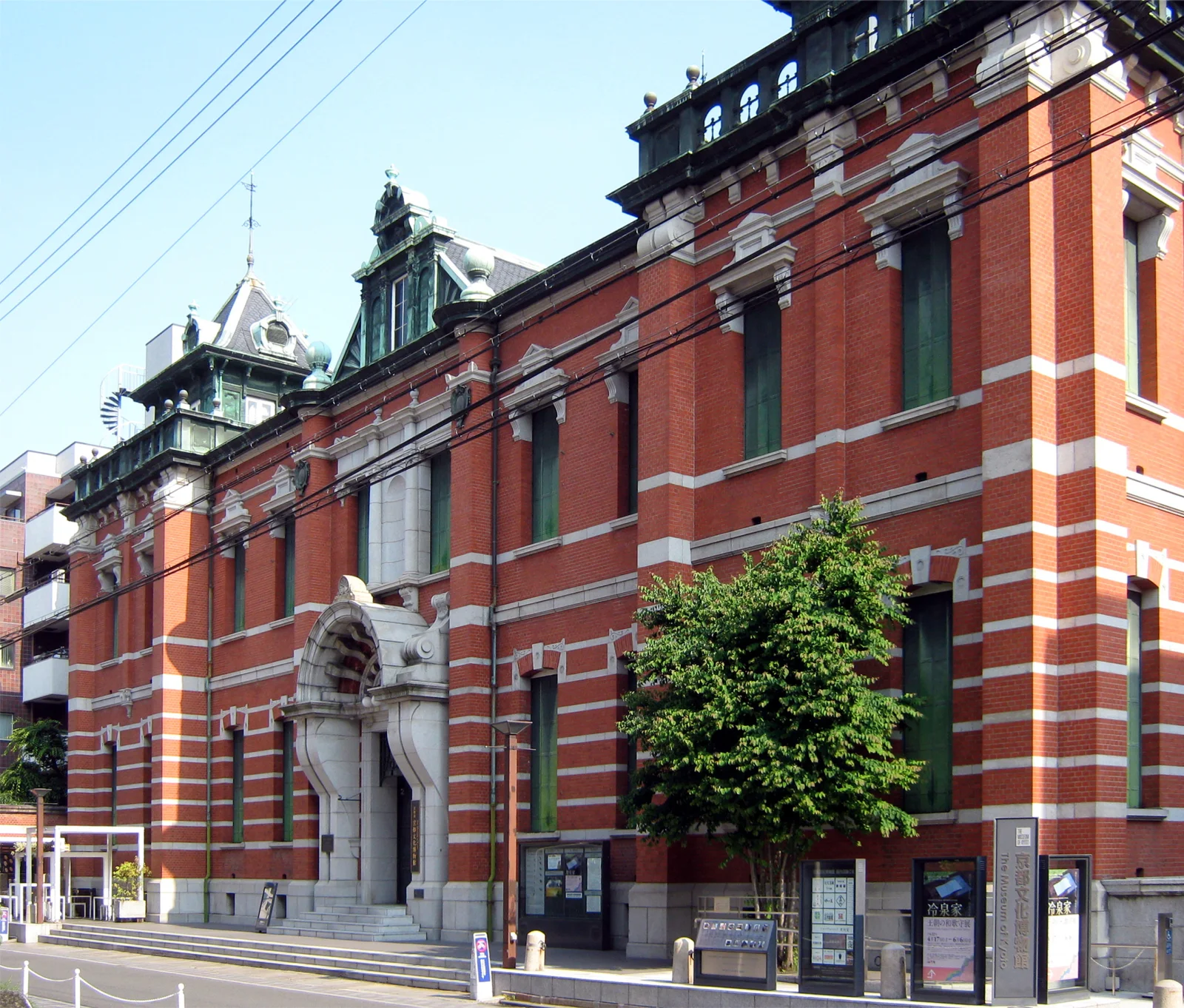
For an indoor cultural stop, follow Takakura-dori north from the market's west end to Sanjo-dori for the Museum of Kyoto. Its general exhibition opens 10:00 AM to 7:30 PM (last entry 7:00 PM), with admission at ¥600 for adults, ¥400 for university students, and free for high school students and younger. You can also wander the free-entry ground-floor "Roji Tenpo" machiya-style shops and cafes, which keep individual hours. The museum normally closes Mondays (or the following day if Monday is a public holiday) and is closed December 28 through January 3. On a Wednesday when several market stalls are shut, do a quick morning shop and head north for an exhibition; during year-end closures, stick to the shrine and covered arcades on the east side.
Eat at the Stall, Pack Souvenirs Separately
Market etiquette is simple: eat and drink inside or right in front of the stall where you bought the item--do not eat while walking. When ordering fish skewers, hot soy milk, or soft-serve, ask staff where to wait if a line is forming. Only sample pickles when trays are explicitly marked for tasting, and ask before reaching toward full display platters. Return empty cups, bamboo skewers, and soup bowls to the stall or designated bins--never set trash on an adjacent shop's display counter. Check for "no photos" signs before filming cooking, and ask politely from a spot that does not block paying customers. Because waiting for companions clogs the narrow lane more than buying food does, groups of three or more should order separately and regroup at a cross street.
Nishikikoji is a public street; the association permits wheelchairs while noting that pavement and storefront access are not fully barrier-free. From Shijo Subway Station, use the Exit 1 elevator, then plan your route around one top-priority stall since Nishikikoji brings storefront steps, foot traffic, and tight passing room. Enter from the end closest to your target shop to avoid turning around mid-lane, and step down a side street toward Shijo-dori whenever you need a break. Check the association's public restroom map in advance: the association office restrooms open 10:00 AM to 5:00 PM and close January 1-4. If you need an accessible restroom or baby-changing table, use station facilities beforehand. Save bulky purchases and luggage for last, keeping the aisle clear for strollers, wheelchairs, and delivery carts.
When buying souvenirs, calculate the gap between checkout and unwrapping. Check Japanese labels for "shohi-kigen" (use-by date) and "yo-reizo" (keep refrigerated), packing chilled items apart from shelf-stable goods and putting them straight into your hotel fridge first. If you still have trains or flights ahead before going home, eat wet pickles and fresh yuba the same day and pack dry kombu or tea in checked luggage. Check your destination country's customs rules before flying home: most agricultural quarantine agencies ban meat and many meat-containing processed foods, including vacuum-sealed jerky or sausages. Eat fresh produce in Japan, keep original packaging and labels intact on dried goods, and declare any uncertain items at the arrival quarantine counter.
The market has no central counter that consolidates and ships purchases made across different stalls. If shipping within Japan, confirm with each shop whether they ship and whether chilled items require a separate box before adding items from elsewhere. The association also runs an official online store that bundles orders from multiple member shops for anyone with a Japanese delivery address and enough time for shipping. On a one-night stay, buy only enough chilled sides for that evening and save shelf-stable souvenirs for near departure. Carry some Japanese yen cash and treat each stall's accepted payment methods separately so you are never stuck at checkout with an unsupported e-payment app.
Where to Go Next Depends on Your Meal and Return Train
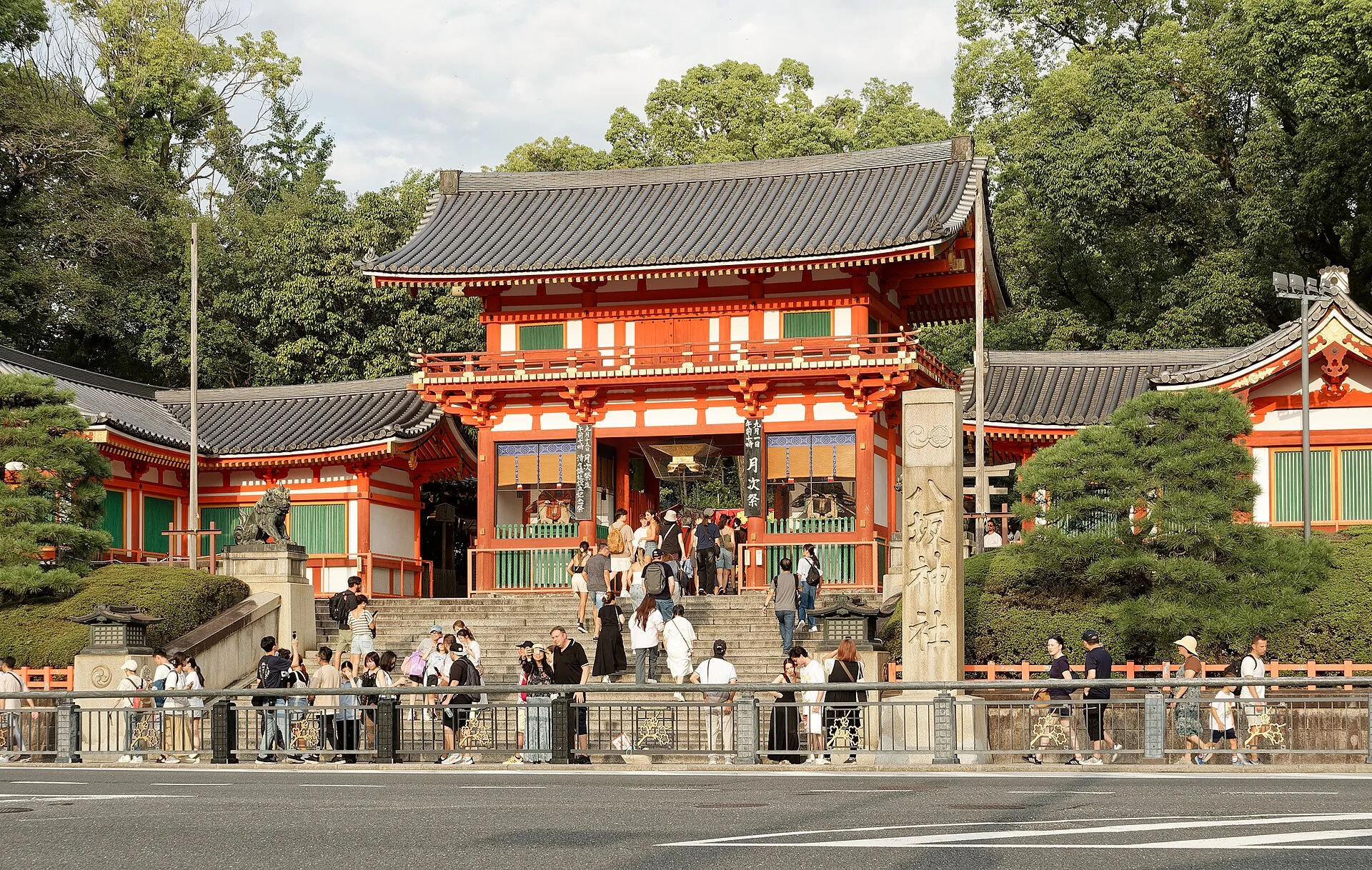
At the east end of the market, Nishiki Tenmangu Shrine stays open from 8:00 AM to 8:00 PM. If you arrive from Kawaramachi before 9:00 AM, visit the shrine first, take a short stroll through Shinkyogoku, and enter the market from the east as food shops open. If you have been eating your way west to east, finish any snacks before stepping onto shrine grounds. Afterward, walk south along Shinkyogoku to Shijo-dori for Hankyu trains, or head north along Shinkyogoku to Sanjo-dori--turning east toward the Takasegawa canal or west toward Sanjo's heritage shops and architecture. Walking north or south runs perpendicular to the market, giving you an easy escape from the busiest lane once your shopping is done.
For lunch reservations in Gion, exit the market's east end to Shijo-dori and walk east across Shijo Ohashi Bridge. To explore wagashi sweets, neighborhoods, or other lunch options, pair this walk with our Kyoto food guide by area. If you plan to browse Teramachi or Sanjo in the afternoon, follow our Kyoto Sanjo Street walk to budget time for the surrounding blocks. Spending 60 minutes in the market plus Nishiki Tenmangu and nearby alleys easily fills a morning. If you plan to sit down for udon, compare knives, or hunt down multiple pickle shops on the map, set your next meetup two hours out so everyone can move at their own pace--and regroup at a main street corner rather than outside a crowded stall before the walk back to Shijo Station.
If your feet tire easily, tackle just one slice of the market. For yuba and kitchen tools, enter from the Kawaramachi side, cover the Gokomachi-dori block, and rest around Teramachi or Shinkyogoku. For sweets, walk from Takakura-dori to Sakai-machi-dori for soy milk snacks and fumanju, then head back to Shijo-dori for seated cafes. In a group of three to five, whoever wants a line-heavy stall can stay behind while the others move ahead to the next rendezvous, saving everyone from standing around. Visiting in the morning sets you up neatly for a nearby lunch; visiting after noon works best for picking up a few items to enjoy that same day--or browsing Teramachi for non-food souvenirs before a quick grocery run right before dinner.
A few useful answers
What is the best time to visit Nishiki Market?
Aim for around 10:00 AM on a first visit. Mikikeiran and Yubakichi typically open at 9:00 AM, while soy milk sweets, Aritsugu, and Fuka are better after 10:00 AM. Many shops close on Wednesdays, so pick one must-visit shop and check its schedule before choosing your day.
How do you get from Kyoto Station to Nishiki Market?
Take the Karasuma Subway Line toward Kokusaikaikan to Shijo Station (¥220 one way for adults). From Exit 1, walk east on Shijo-dori to Daimaru Kyoto and turn north onto Takakura-dori for one block.
Can you walk around while eating at Nishiki Market?
No--the shopping association asks visitors to eat inside or directly in front of the shop where they bought the food. Finish before walking on, and return skewers or empty containers to the shop or designated bins.
Is Nishiki Market open on New Year's Day?
Each shop sets its own schedule. The association notes that many shops close January 1-3; Aritsugu lists closures through January 4 and Tanakakeiran through January 5. Nishiki Tenmangu Shrine generally opens daily from 8:00 AM to 8:00 PM.
If I only have 30 minutes, which section of Nishiki Market should I walk?
Focus on Yanaginobanba-dori and Tominokoji-dori for pickles and dashimaki rolled omelet, or enter from Kawaramachi and walk just between Teramachi-dori and Gokomachi-dori for fresh yuba and kitchen knives.
Official information and references
Sources used in this guide.
- Nishiki Market Shopping District Map & Store Directory
- Nishiki Market Shopping District FAQ (Closures, Year-End/New Year, Dining & Restrooms)
- Kyoto City Tourism Association (Nishiki Market Entrances & Access from Kyoto Station)
- Nishiki Market Shopping District Access Guide
- Kyoto City Bus Route 5 Timetable (Kyoto Station to Shijo Takakura & Gojo-dori Trips)
- Kyoto Municipal Transportation Bureau: Shijo Station Facilities & Accessible Exits
- Kyoto Municipal Subway Standard Fares
- Hankyu Karasuma Station Map (Takakura-dori Exit 16)
- Hankyu Kyoto-kawaramachi Station Map (Shinkyogoku Exit 9)
- Kyoto City Tourism Association: Nishiki Market Comfort Forecast & Live Camera
- Nishiki Market History & Nishiki Groundwater
- Mikikeiran Hours & Dashimaki Rolled Omelet
- Tanakakeiran Hours & New Year Closures
- Yubakichi Hours, Fresh Yuba & Dried Yuba
- Konnamonja Hours
- Kyoto Tofu Fujino Nishiki Store Menu & Allergen Information
- Fuka Nishiki Store Hours & Namafu
- Fumiya Nishiki Market Store Hours & Last Order
- Uchida Nishikikoji Store Hours & Products
- Uchida Tsukemono 2026 Senmaizuke Release Announcement
- Chinami Kombu & Tsukudani
- Yontora Kyoto Vegetables & Regular Holidays
- Aritsugu Nishiki Store Hours, Order Intake & Closures
- Uoriki Shokudo & Hamo Pike Conger Dishes
- Nishiki Market Shopping District 2026 Year-End Premium Shopping Vouchers
- Nishiki Tenmangu Shrine Opening & Closing Hours
- Ministry of Agriculture, Forestry and Fisheries (MAFF): Kyoto Pickles (Kyo-tsukemono) Guide
- MAFF: Kyoto Prefecture Sabazushi (Pressed Mackerel Sushi)
- Kyo no Furusato Sanhin Kyokai: Kyoto Branded Produce Seasonality Guide
- Taiwan Animal and Plant Health Inspection Agency (APHIA): Traveler Quarantine FAQ on Animal Products
- Fumiya Nishiki Store Dine-In Menu
- Fumiya Main & Nishiki Stores Monthly Business Calendar
- Daimaru Kyoto Store Hours
- Daimaru Kyoto 2026-2027 Year-End and New Year Hours Notice
- Daimaru Kyoto Refrigerated Food Lockers
- Kyoto Takashimaya Department Store & T8 Dining Hours
- Kyoto Takashimaya & Hankyu Underground Connection Guide
- The Museum of Kyoto Admission Fees, Hours & Year-End/New Year Closures