Which station exit leads straight into Nishiki Market? Spend 60 to 90 minutes grazing dashi-maki omelette, Kyoto pickles, yuba, and dried goods, with Wednesday closures, 2026–2027 New Year hours, and rainy-day routes covered.
- Region & Focus
- Kyoto
- Reading Scope
- 19 min read · 10 chapters · 5 Q&As
- Official Verification
- 38 official sources checkedUpdated 22 November 2026
- Key Topics
- FoodNeighbourhoodsSeasons
Chapter Route Map (tap any stop)
- Roughly 400 metres: which end saves steps
- Which shops open first
- Takakura-dori to Sakaimachi-dori: hot snacks or a proper seat
- Yanaginobanba-dori to Tominokoji-dori: choosing pickles and rolled omelette
- Eastern end: Kyoto vegetables, yuba, and kitchen knives
- Reading the fish stalls like a Kyoto kitchen
- Adjusting for Wednesdays, New Year, and rain
- Indoor backups when the market is packed or cold
- Eat outside the stall, pack souvenirs separately
- Where to go next depends on lunch and your train back
- Quick Q&A
On a first visit to Kyoto's Nishiki Market, allow 60 to 90 minutes to walk from the Takakura-dori west entrance to Teramachi-dori, then cross the street to Nishiki Tenmangu Shrine. Around 10:00 is a good time to start browsing ingredients and picking up a freshly made snack. The arcade has no single opening or closing day, so Wednesdays and the start of January require checking individual stalls. From Kyoto Station, take the Karasuma Line to Shijo; if you are coming from Osaka or Gion, enter from the Kawaramachi end instead. Whenever you buy street food, finish it inside or right outside the shop before moving on.
Roughly 400 metres: which end saves steps
Nishiki Market runs east to west along Nishikikoji-dori, stretching from Takakura-dori at the west end to Teramachi-dori at the east end. Nishiki Tenmangu Shrine sits just past the east end along Shinkyogoku-dori, visible right across the street. If you plan to have lunch in Kawaramachi or cross the Kamogawa River afterwards, walk west to east. If you are heading back to Kyoto Station or combining the market with shopping at Daimaru Kyoto, walk east to west so you finish near Shijo Station.
From JR Kyoto Station, go downstairs to the Kyoto Municipal Subway Karasuma Line bound for Kokusaikaikan and ride past Gojo to Shijo Station. The Kyoto City Tourism Association estimates the journey at around 4 minutes; a single fare is ¥220 for adults and ¥110 for children. To orient yourself above ground, take Exit 1 onto the east side of Karasuma-dori, walk east along Shijo-dori to Takakura-dori beside Daimaru Kyoto, and turn left to walk one block north. If you are already in the Shijo-dori underground passage, follow Hankyu Karasuma Station signs for Exit 16 (Daimaru East Exit), which brings you up to Takakura-dori on the north side of Shijo-dori just south of the market. The subway and Hankyu use separate exit numbering systems, so follow Hankyu signage when looking for Exit 16.
Travelling from Osaka on the Hankyu Kyoto Line gives you two stops to choose from on the same train: Karasuma and Kyoto-Kawaramachi. Alight at Karasuma and use Exit 16 to reach the west entrance. If you want to visit the shrine first or only browse the food stalls at the eastern end, stay on until Kyoto-Kawaramachi, take Exit 9 into the Shinkyogoku Shopping Arcade, walk north to Nishiki Tenmangu Shrine, and turn west into the market. Staying in Gion or arriving at Keihan Gion-Shijo Station? Cross Shijo Ohashi Bridge towards Kawaramachi and turn north off Shijo-dori into Shinkyogoku to reach the east end first. The market association estimates around 10 minutes on foot from Gion-Shijo, though you should allow extra time for crossing the bridge and waiting at traffic lights.
City Bus Route 5 from bay A1 outside Kyoto Station includes services running via Shijo-dori that stop at Shijo-Takakura, roughly a two-minute walk from the west entrance, whereas services routed via Gojo-dori skip Shijo-Takakura. During busy periods, the Kyoto City Tourism Association recommends taking the underground from Kyoto Station into the city centre to avoid queues outside the station and traffic along Shijo-dori. Taking Route 5 only really pays off to save a transfer if you are already along its route and can ride straight to Shijo-Takakura. Travellers arriving by Shinkansen with luggage can store bags at Kyoto Station first and ride two stops back from Shijo afterwards—far easier than squeezing suitcases down Nishikikoji-dori.
| Starting Point | Station and Exit | Where You Arrive First |
|---|---|---|
| JR Kyoto Station | Karasuma Line, Shijo Station Exit 1 | West end (Takakura-dori) |
| Hankyu Kyoto Line, Karasuma Station | Exit 16 (Daimaru East Exit) | West end (Takakura-dori) |
| Hankyu Kyoto-Kawaramachi Station | Exit 9 (Shinkyogoku Exit) | East end (around Teramachi-dori) |
| Keihan Gion-Shijo Station | Walk west across Shijo Ohashi Bridge, turn into Shinkyogoku-dori | East end (around Nishiki Tenmangu Shrine) |
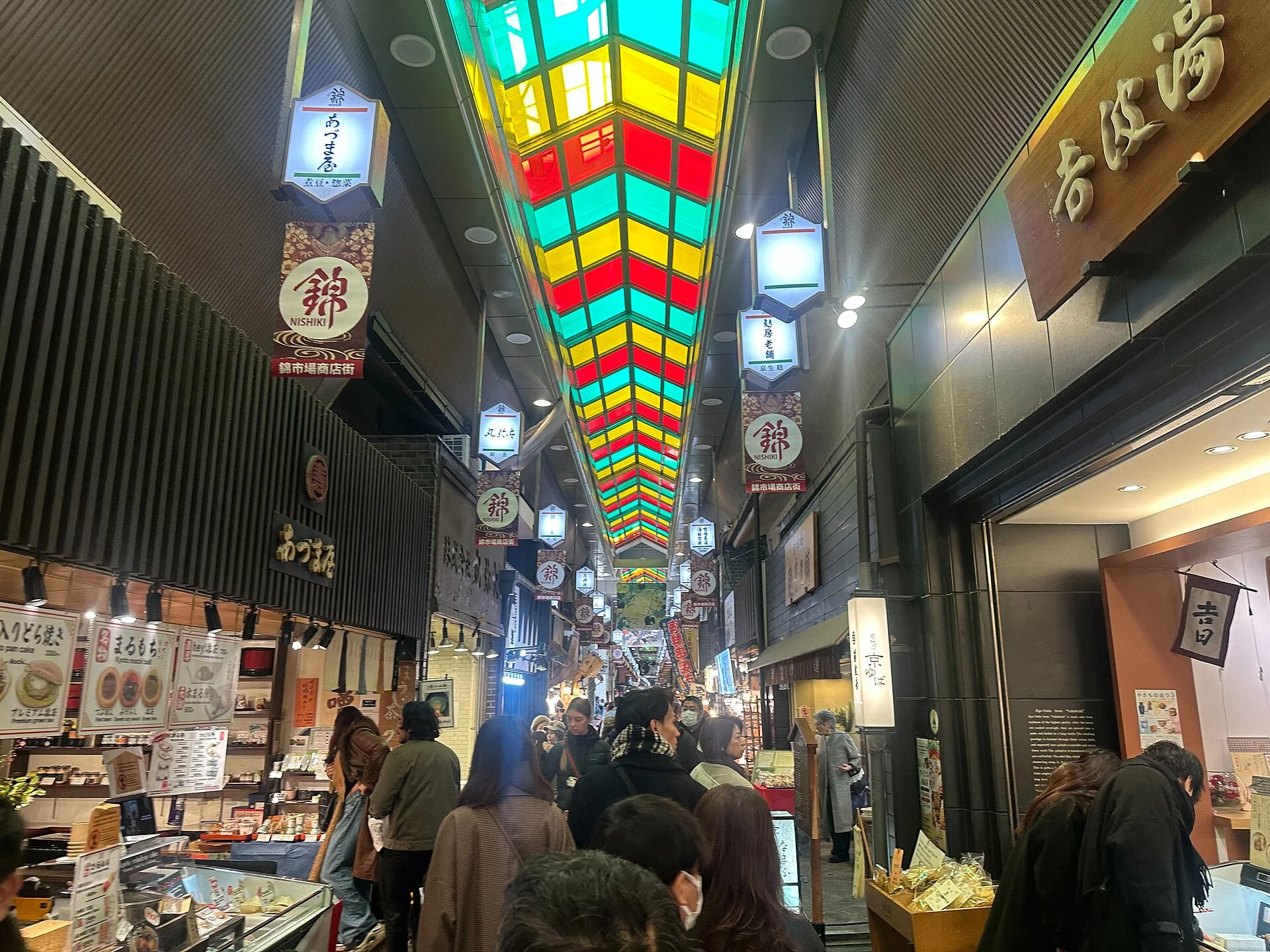
Which station exit leads straight into Nishiki Market? Spend 60 to 90 minutes grazing dashi-maki omelette, Kyoto pickles, yuba, and dried goods, with Wednesday closures, 2026–2027 New Year hours, and rainy-day routes covered.
Which shops open first
If you arrive before 10:00, start with the shops that open at 9:00: Miki Keiran on the west side of Tominokoji-dori for dashi-maki rolled omelette, or Yubakichi on the west side of Gokomachi-dori if you enter from the east to shop for yuba. Uchida Tsukemono opens at 9:30, while Konnamonja and Fuka on Sakaimachi-dori open at 10:00. There is plenty of time to finish breakfast before heading over; anyone hoping for soy-milk doughnuts or kitchen knives will do better starting at 10:00 rather than waiting outside shutters at 9:00.
The arcade has no uniform closing day, though the official FAQ notes that more stalls close on Wednesdays than on other days. Aritsugu and Yontora close every Wednesday, while Yubakichi closes on Sundays and the fourth Wednesday of each month. If your visit falls on another Wednesday, you can still include Yubakichi and Uchida on your route and leave knife shopping for the following day. Conversely, if you enter from the east on a Sunday looking for soy products, shift your focus west to Sakaimachi-dori and pick from the tofu, yuba, and sweets at Konnamonja. Even if you just want a stroll through the arcade, Wednesday is still workable as long as you pick one open shop as your anchor.
Several stalls stay open into the late afternoon, so plan your route in reverse order of closing times. Uchida and Yubakichi list closing at 18:00, while Miki Keiran and Tanaka Keiran run until 17:00. At Aritsugu, consultations for first-time knife buyers are accepted only until 16:30 even though the shop closes at 17:00, so put knives first. If you only have the early evening free, prioritise the stalls with the earliest last-service cut-off, then head to Shijo-dori or Pontocho for dinner. When you already have a lunch booking, treat the market as a quick grazing stop: queue for one freshly made snack near the entrance and peel off at the side street nearest your next destination.
Kyoto City's Sightseeing Comfort Map publishes hourly crowd forecasts and live camera feeds for Nishiki Market. At roughly 400 metres long, the walk itself is short; what slows you down is waiting for parcels to be wrapped, stopping to eat, and keeping track of companions in the narrow lane. When the forecast shows heavy crowds, move your visit earlier in the day. If you are already nearby and see slow-moving foot traffic on the live stream, browse Shijo-dori first and loop back for a brisk shop just before closing. If anyone in your group has a tight schedule—getting back to the hotel or picking up children on time—agree on a departure time at the cross street rather than banking on fast queues at popular stalls.
Takakura-dori to Sakaimachi-dori: hot snacks or a proper seat
Walking east from Takakura-dori, Sakaimachi-dori is the first cross street worth stopping at for food. On the north-west corner sits Konnamonja, a direct-operated shop by Kyo-Tofu Fujino, open 10:00 to 18:00 on an irregular holiday schedule. Alongside tofu and fresh nama-yuba, it sells soy-milk doughnuts and soft-serve ice cream. Two people just looking for a taste can share one order of doughnuts in the shop's designated eating area, leaving hands free before browsing the chilled counter. If someone in your group avoids dairy or wheat, Fujino's website flags both allergens in its soy-milk soft-serve notes, so show the menu and check at the counter before ordering.
Just off Sakaimachi-dori, Fuka specialises in nama-fu, made from wheat gluten rather than soybeans, which gives it a springy, chewy texture quite different from yuba. For an easy snack, look for fu-manju: steamed sweet red-bean paste wrapped in nama-fu and folded in a bamboo leaf. If you plan to cook later, check the mugwort or millet varieties sold for clear soups and simmered dishes. Fuka's Nishiki shop opens 10:00 to 17:30 and closes on Mondays. Without kitchen access on your trip, stick to sweets you can finish the same day and save raw nama-fu for stays where you are cooking.
For a hot sit-down lunch, Fumiya's Nishiki shop just west of Sakaimachi-dori opens at 11:00 with last orders at 17:00 according to its website. Closing days are posted monthly—for example, the late November 2026 calendar lists Tuesday 24 November as closed and Wednesday 25 November as open. On the Nishiki shop menu checked on 22 November 2026, the signature Fumiya-nabe udon topped with tempura, mochi, shiitake mushroom, and egg was ¥935, kitsune udon with fried tofu was ¥770, and an add-on of fresh yuba was ¥198. If you simply want a comforting bowl of hot broth and noodles, start with kitsune udon; if your group also plans to share rolled omelette or sweets in the market, skip adding extra rice.
Check the unit pricing on shopfront boards before ordering: items priced per piece, per skewer, or per portion are easy to tally upfront, whereas "100g" means priced by weight. Rolled omelette and fish dishes may be sold whole, sliced, or boxed, so ask how many pieces come in a portion if you plan to share. For two people grazing together, pairing one hot item with one cold item works well. When everyone is genuinely hungry, treating the narrow market stalls as your full lunch often means shuttling back and forth waiting for food; if you have another stop lined up, save your appetite for one standout stall snack and spend your main meal budget at a sit-down restaurant afterwards.
Yanaginobanba-dori to Tominokoji-dori: choosing pickles and rolled omelette
Continuing east from Sakaimachi-dori to Yanaginobanba-dori, both Chinami and Uchida sit just west of the junction. Asking for Uchida's Kyo-no-Sato (cucumber shibazuke) or Onbu-zuke (vinegar-pickled daikon radish) by name is far more specific than simply asking for "Kyoto pickles". Choose shibazuke for crisp tartness and red perilla aroma, or pick up a small pack to eat with rice back at your accommodation, noting its storage instructions for that evening. Pickles are sold both whole and pre-sliced; if you have multiple train transfers ahead and are already carrying drinks or snacks, compact packs that will not leak are much easier to manage.
Kyoto's three classic pickles each start from a distinct base vegetable. Senmaizuke uses paper-thin slices of Shogoin turnip, entering production around November according to the Ministry of Agriculture, Forestry and Fisheries—Uchida announced the start of its seasonal sales on 16 November 2026. Shibazuke is closely tied to Ohara north of the city and is cured with red perilla, commonly using aubergine or cucumber alongside other vegetables. Sugukizuke is made from a turnip variety grown around Kamigamo and relies on lactic fermentation, giving a tang distinct from the crisp bite of senmaizuke. Two small packs are easier to finish over a shared bowl of rice than one large tub; if you are after that winter turnip crunch, ask specifically for senmaizuke and keep it refrigerated as labelled.
Chinami's core trade is kombu kelp and simmered tsukudani, with its market profile listing sansho-pepper tsukudani and creative kombu blends. Tsukudani pairs neatly with plain steamed rice or folded in small amounts into rice balls. Look for kombu labelled for dashi stock if you want an ingredient to cook with at home, and choose soy-simmered packs only if you want a ready-to-eat savoury side. Because crowds tend to push past the weigh-by-weight shelves, tell staff straight away whether you are eating it the same day, taking it to your hotel, or buying a gift so they can hand you the right pack size. If you prefer milder seasoning, ask which varieties omit sansho pepper or use lighter soy rather than buying several similar-tasting kombu packs at once.
Further east on the west side of Tominokoji-dori stand Miki Keiran and Tanaka Keiran, both specialising in dashi-maki—egg whisked with dashi stock and rolled in layers. Comparing the two shows subtle craft differences: Miki folds the egg inwards in a long copper pan and highlights Rishiri kombu and shaved-bonito dashi on its shop page, whereas Tanaka explicitly states it uses no sugar and focuses on a high-dashi, juicy texture. Both lean savoury and broth-rich, so sorting them into "sweet versus savoury" misses the real contrast. Miki also makes an eel-filled rolled omelette using eel from fellow market stall Notoyo, letting you sample both plain and filled versions from one counter. Because eggs, fresh fillings, and fish-based stock all carry allergens, anyone avoiding fish or eggs should point to the listed ingredients with staff before ordering.
Eastern end: Kyoto vegetables, yuba, and kitchen knives
Around Gokomachi-dori, Yontora and Yubakichi make a natural pairing. Yontora supplies both restaurants and retail shoppers, and is easiest to spot using the market map's shop signage. In summer, look for round Kamo aubergine and long Manganji sweet peppers; in winter, look for Shogoin turnip and Kujo spring onions. Kujo spring onions grow year-round, though winter bunches are often paired with tofu skin or hotpots. Stalls also stock produce from outside Kyoto, so check both the variety and origin columns on the price tags to be sure what you are buying. If your accommodation has a kitchen, pan-roasting a couple of Manganji sweet peppers is far simpler than carrying a whole turnip onto trains; if you cannot cook that evening, note the Japanese names and order grilled Kamo aubergine with miso or Kujo spring onion udon at dinner.
Yubakichi sells yuba in both fresh and dried forms. Fresh yuba is skimmed directly off heated soy milk and makes an easy same-day snack back at your hotel—check the label for "keep refrigerated" instructions and store it accordingly. Dried yuba travels much better for anyone who cooks, tucked inside a rigid box or cushioned between clothes in luggage so it does not snap. You will also see the kanji spelling "yuba" with the wave character on the shopfront and packs, which is simply the shop's name and an alternate spelling for tofu skin. If you buy yuba prepared in broth, sauce, or rice balls, check the full ingredient list: tofu skin itself is soy, but accompanying seasonings may contain fish stock. Yubakichi lists opening hours of 9:00 to 18:00, closed Sundays and the fourth Wednesday of every month, so plan an alternative day if dried yuba is high on your list.
Aritsugu's Nishiki shop is also on the west side of Gokomachi-dori. When shopping for a knife, start by telling the staff whether you mainly prep vegetables, meat, or fish, and bring the length or a photo of the blade you currently use at home rather than simply asking for a bestseller. The shop accepts new knife purchase consultations until 16:30 and closes on Wednesdays, 1–4 January, and 31 January for stocktaking. If your schedule is tight, tackle Aritsugu first and walk west afterwards for rolled omelette and pickles. Once you buy a blade, have staff wrap it securely and pack it in your checked hold luggage in line with airline and airport security rules—never leave a knife in your hand-carried shopping bag heading through security. If you only want cookware, browse their pots or note measurements instead; knife shopping works best when companions split up to visit different stalls and regroup outside the arcade.
Reading the fish stalls like a Kyoto kitchen
Focusing solely on nigiri sushi and seafood rice bowls means walking straight past salted fish, river fish, and simmered specialities. To see how seafood actually reaches Kyoto home tables, learn four common labels: hamo (pike conger), shio-saba (salted mackerel), shime-saba (vinegar-cured mackerel), and chirimen sansho (dried whitebait simmered with sansho pepper), each signalling the species, curing method, or preparation. When summer hamo is in season and you want to eat immediately, head to Uoriki Shokudo, whose market listing highlights sit-down dishes such as hamo tempura and fried hamo cutlet. For winter side dishes over rice, look instead for simmered sea bream head or small packs of chirimen sansho, which are easier to finish than a whole fish.
Kyoto's pressed saba-zushi mackerel sushi grew out of the Saba Kaido, the historic "Mackerel Highway" bringing seafood overland from Obama on Wakasa Bay into the landlocked capital. Because fish had to survive the journey on foot, salting, vinegar curing, and searing developed as preservation techniques. When buying bar-shaped saba-zushi in the market, check the proportion of mackerel skin to vinegared rice and choose pre-sliced packs that are easy to share. Read the storage instructions and use-by date on the wrapper before walking off: if you face a long onward train ride, eat the sushi the same mealtime and pack shelf-stable dried goods in your luggage instead. Even the open ice counters tell a story, dividing the same species into raw sashimi cuts, seared portions, and simmered pieces ready for home dinners.
The market association traces Nishiki's fish-market roots to 1615, when the shogunate officially recognised three wholesale fish markets in Kyoto, Nishiki among them. Before mechanical refrigeration, local well water staying around 15–18°C year-round helped keep seafood fresh. After the Kyoto Central Wholesale Market opened in 1927, many fishmongers relocated there; the following year, the Nishiki merchants' organisation brought in produce and meat vendors, gradually shaping the mix of ingredients and kitchen tools seen today. You can still see that link to underground water at Yubakichi and Miki Keiran, both of which cite Nishiki's well water in making yuba and dashi. Save a few minutes for one dried-goods or fish shop just to read how each item is labelled for cooking. If the market's history interests you, start with the association's profile of painter Ito Jakuchu, who was born into a Nishiki greengrocer family and helped negotiate the market's right to operate.
Adjusting for Wednesdays, New Year, and rain
Many stalls stay open late in December as locals shop for osechi New Year dishes. Once 1–3 January arrives, however, the association FAQ notes that many shops shut, and several stay closed longer: Tanaka Keiran lists closures from 1 to 5 January, and Aritsugu from 1 to 4 January. Schedule major food shopping before New Year's Eve and keep one January morning for strolling Shinkyogoku or visiting the shrine. If you have two days in Kyoto, separate perishable chilled buys from shelf-stable souvenirs—eat crisp pickles, fresh rolled omelette, and yuba at your hotel first. With only one day in early January, plan breakfast near your hotel, check which stalls are open at either end of the arcade, and leave room to adjust lunch.
If you are visiting in late November or early December 2026, the Nishiki Market association is selling year-end premium shopping vouchers from 28 November to 8 December (10:30–17:00) at its Tominokoji-dori office, while stocks last. A ¥5,000 note buys ¥6,500 in vouchers and ¥10,000 buys ¥13,000, limited to one purchase per person up to ¥20,000 cash spend (cash only). Vouchers can be spent at participating member shops until 8 January 2027, with no change given. They make the most sense if you already plan to buy kitchenware or dine and shop across member stalls rather than just grabbing one quick snack. If you swing by the office during the sale window, tally your likely spend upfront and keep a small margin for spontaneous finds.
When it rains in Kyoto, entering from Kyoto-Kawaramachi Exit 9 via the covered Shinkyogoku Shopping Arcade keeps you under a roof almost all the way through Nishikikoji-dori. Coming from Shijo Station instead, use the underground passage to the Daimaru East Exit so only the short walk north along Takakura-dori is exposed. Crowds bottle up easily around the arcade entrances on wet days, so fold long umbrellas before stepping into shops. If the lane feels too tight, duck out via Yanaginobanba-dori or Tominokoji-dori onto parallel Shijo-dori and walk outside to the next block. Pushing a pram or suitcase in heavy rain? Trim your route to one end only: walk from the west entrance to Tominokoji for omelette and pickles, or from the east entrance to Gokomachi for yuba and knives. For unhurried eating, leave the arcade for a seated restaurant rather than balancing hot food under the eaves waiting for friends.
If you already have a weekend lunch reservation during cherry-blossom season or autumn foliage, protect that time slot first. Slot the market between a shrine visit and your meal, exiting early via Tominokoji-dori or Gokomachi-dori. During the Gion Matsuri festival, crowd-control measures cluster around Shijo-dori, adding time to both approaches at either end of the market. To keep your browsing relaxed, move main market shopping to a non-festival day that matches the hours of the stalls you care about.
Indoor backups when the market is packed or cold
When you are in the western half of the arcade, walking back out to Takakura-dori brings you straight to Daimaru Kyoto. Its basement food hall stocks prepared meals, sweets, and gift boxes, with standard opening hours listed as 10:00 to 20:00. If you are meeting companions for a sit-down meal afterwards, head up to the eighth-floor restaurant level, typically open 11:00 to 22:00 with individual last-order times by venue—ideal before catching the underground back from Shijo Station. Anyone planning a hotel dinner from deli counters can pick a couple of side dishes inside Nishiki and buy main courses at Daimaru without doubling up on staples.
Next to Daimaru's basement food service counter are chilled lockers reserved strictly for refrigerated items bought inside Daimaru, for same-day use with a refundable ¥1,000 key deposit. If you are buying fresh yuba or pickles in Nishiki Market, bring your own insulated bag or leave chilled shopping until right before heading back to your hotel. Note that Daimaru Kyoto closes at 18:00 on 31 December 2026 and is closed on 1 and 2 January 2027. If you are visiting the market over New Year, handle department-store dinner shopping before early evening on New Year's Eve, and line up a backup restaurant near your accommodation for 1–2 January rather than walking down to the west exit only to find shut doors.
At the eastern end, or if you are heading back towards Osaka, follow Shinkyogoku south to Shijo-Kawaramachi. Kyoto Takashimaya connects underground directly to Hankyu Kyoto-Kawaramachi Station; the department store generally opens 10:30 to 20:00, while the T8 basement EAT8 dining zone operates 11:00 to 22:00 with last orders set by each restaurant. When Nishiki is too crowded and you only have a short window before the next train, eating beside the station keeps your return simple. If members of your group are leaving at different times, meet just outside the station ticket barriers rather than outside lookalike shopfronts in Shinkyogoku.
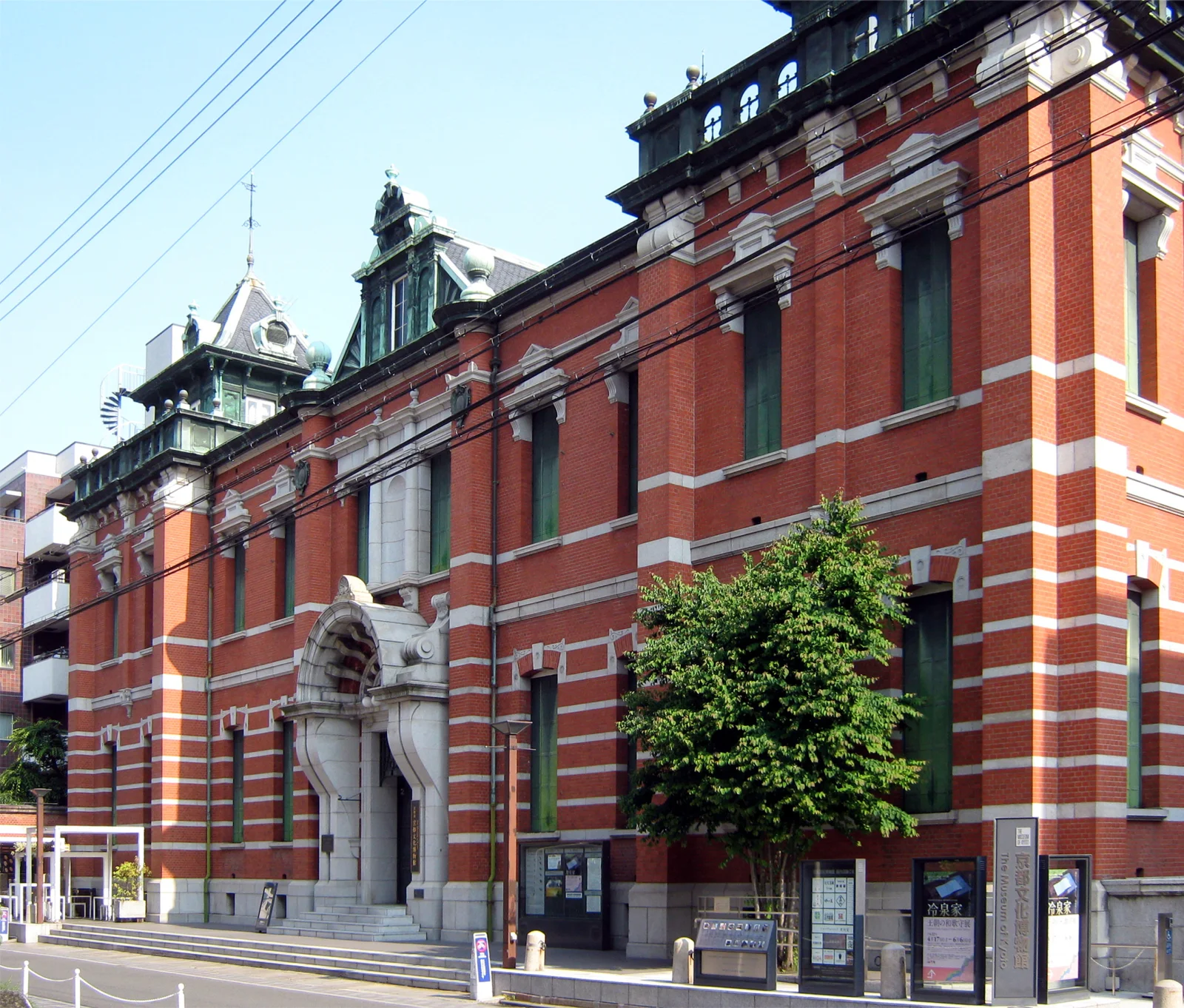
For an indoor cultural detour, walk north up Takakura-dori from the west end of the market to Sanjo-dori for the Museum of Kyoto. Its general exhibition opens 10:00 to 19:30 (last admission 19:00), costing ¥600 for adults, ¥400 for university students, and free for high-school students and under. You can also browse the ground-floor Rouji Tenpo row of machiya-style shops and eateries free of charge, each keeping its own hours. The museum usually closes on Mondays—or the following day when Monday is a public holiday—as well as from 28 December to 3 January. On Wednesdays when several market stalls are shut, pair a brief morning shop with an exhibition up the road; over the year-end holidays, keep your walk focused on the eastern shrine and covered arcades instead.
Eat outside the stall, pack souvenirs separately
The arcade's rule is simple: eat inside the shop or directly in front of the stall where you bought your food, and never walk while eating. When buying fish skewers, hot soy milk, or soft-serve ice cream with a queue outside, ask staff where to wait. Only take pickle samples where tasting trays are clearly set out, and ask first if whole dishes are on display. Return empty cups, bamboo skewers, and soup bowls to the original shop or use the designated bins—never set rubbish down on counters where other shoppers are browsing. If you want to film or photograph cooking, check for signs at the entrance first and ask staff from a spot that does not block paying customers. Because the lane is narrow, standing around waiting for companions takes up more space than buying food itself; groups of three or more are better off ordering separately and meeting back at a side street.
Nishiki Market is a public thoroughfare where wheelchairs are permitted, though the association notes clearly that surfaces and circulation are not fully barrier-free. Coming up from Shijo Station, use the lift at Exit 1; once inside Nishikikoji-dori, however, expect shopfront steps, crossing foot traffic, and tight passing space, so plan your route around your highest-priority stall. Enter from whichever end sits closest to that shop to walk one-way and avoid turning round in the lane, stepping out onto Shijo-dori via a side street whenever someone needs a rest. Check the association's public toilet map in advance: the office's public toilets open 10:00 to 17:00 and close from 1 to 4 January. Travellers needing accessible toilets or baby-changing facilities should use station facilities before entering, leave bulky bags until the end of the day, and keep the lane clear for prams, wheelchairs, and delivery carts.
When buying food souvenirs, work backwards from the time between purchase and opening the packet. Check Japanese labels for the use-by date (`shohi kigen`) and "keep refrigerated" (`yo-reizo`) marks, separating chilled goods from ambient items and storing chilled buys in your hotel fridge as soon as you return. If you still have onward travel out of Kyoto by train or flight, finish moist pickles and fresh yuba while in Japan and pack shelf-stable kombu or tea in your checked suitcase. Keep your home country's customs and biosecurity rules in mind before flying: meat and most processed meat products—including vacuum-sealed jerky or sausages—as well as fresh fruit and vegetables are widely restricted or banned at international borders and are best eaten before departure. Keep original commercial packaging and full ingredient labels intact on dried goods, and declare items at customs or biosecurity inspection on arrival if there is any doubt.
The arcade does not offer a central packing or combined shipping counter across different stalls. If you are sending gifts to an address within Japan, ask each shop whether it ships and whether chilled items require a separate parcel before buying elsewhere. The association also runs an official online shop that consolidates items from multiple stalls for domestic delivery, handy if you have a Japanese address and enough lead time. If you are staying only one night, buy just enough chilled side dishes for that evening and leave ambient souvenirs until closer to departure. Carry a modest amount of yen cash as well—treat every stall's accepted payment methods independently rather than assuming your card or mobile wallet works at the next counter.
Where to go next depends on lunch and your train back
Walking east out of the market brings you to Nishiki Tenmangu Shrine, open daily from 8:00 to 20:00. If you arrive from Kawaramachi before 9:00, pay a visit to the shrine first and stroll along Shinkyogoku until nearby food stalls open, then enter from the east. If you grazed your way east from Takakura-dori, finish any snacks in hand before stepping onto the shrine grounds. After visiting, head south down Shinkyogoku back to Shijo-dori for Hankyu trains, or continue north along Shinkyogoku to Sanjo-dori—turning east towards the Takasegawa Canal or west towards Sanjo's heritage buildings and long-established shops. Because those streets run perpendicular to Nishiki, leaving via Shinkyogoku immediately clears the densest foot traffic once your shopping is done.
If lunch is booked in Gion, exit the east end down to Shijo-dori and continue east across the river. For wagashi sweets, neighbourhood atmosphere, or other lunch options nearby, pair this walk with our Kyoto Food Guide by Area. Spending the afternoon browsing Teramachi or Sanjo? Leave extra time to continue along the Kyoto Sanjo-dori Walking Route. Spending 60 minutes in the market plus Nishiki Tenmangu Shrine and the surrounding block easily fills a morning. If you plan to sit down for udon, compare knives carefully, or track down specific pickle shops on a map, give your group two hours before your next meet-up so everyone can move at their own pace—and set your rendezvous at an outdoor street corner rather than outside a crowded stall, allowing extra walking time back to Shijo Station.
If you tire easily on foot, sample just one slice of the market. Interested mainly in yuba and cookware? Enter from Kawaramachi, browse around Gokomachi-dori, and take a break on Teramachi or Shinkyogoku. Prefer sweets? Walk from Takakura-dori to Sakaimachi for soy-milk treats and fu-manju, then find a seated cafe back on Shijo-dori. In a group of three to five, whoever wants to queue can stay behind while the rest move on to the next stop and meet later, sparing everyone unnecessary standing around. Visiting in the morning pairs smoothly with a nearby lunch; dropping by after midday works best for picking up a few items to enjoy the same day—and if you are only hunting for a single gift, carry on up Teramachi and save food shopping for a quick return loop before dinner.
A few useful answers
What is the best time to visit Nishiki Market?
For a first visit, aim for around 10:00. Miki Keiran and Yubakichi usually open at 9:00, while soy-milk sweets, Aritsugu, and Fuka are better planned after 10:00. Many stalls close on Wednesdays, so pick one must-visit shop before choosing your day.
Which train should I take from Kyoto Station to Nishiki Market?
Take the Kyoto Municipal Subway Karasuma Line bound for Kokusaikaikan to Shijo Station; an adult single fare is ¥220. Leave via Exit 1, walk east along Shijo-dori to Daimaru Kyoto, and turn north up Takakura-dori for one block.
Can you eat while walking through Nishiki Market?
The market association asks visitors to eat inside the shop or directly in front of the stall where they bought the food. Finish your snack before moving on, and return skewers and empty containers to the same shop or place them in designated bins.
Is Nishiki Market open on New Year's Day?
Each shop sets its own schedule. According to the market association, many stalls close from 1 to 3 January; Aritsugu lists closures through 4 January and Tanaka Keiran through 5 January. Nishiki Tenmangu Shrine is generally open from 8:00 to 20:00.
If I only have 30 minutes, which section of Nishiki Market should I walk?
Head straight for Yanaginobanba-dori and Tominokoji-dori if you want pickles and dashi-maki omelette. Coming from the Kawaramachi side, walk only between Teramachi-dori and Gokomachi-dori for fresh yuba and kitchen knives.
Official information and references
Sources used in this guide.
- Nishiki Market Shopping District Map and Store Locations
- Nishiki Market Shopping District FAQ (Regular Closures, Year-End/New Year, Dining, and Toilets)
- Kyoto City Tourism Association (Nishiki Market East/West Entrances and Access from Kyoto Station)
- Nishiki Market Shopping District Access Guide
- Kyoto Municipal Transportation Bureau Bus Route 5 (Kyoto Station to Shijo-Takakura and Gojo-dori Routings)
- Kyoto Municipal Transportation Bureau Shijo Station Facilities and Accessible Exits
- Kyoto Municipal Subway Standard Fares
- Hankyu Karasuma Station Layout Map (Takakura-dori Exit 16)
- Hankyu Kyoto-Kawaramachi Station Layout Map (Shinkyogoku Exit 9)
- Kyoto City Tourism Association Nishiki Market Comfort Forecast and Live Camera
- Nishiki Market History and Nishiki Water
- Miki Keiran Opening Hours and Dashi-maki Omelette
- Tanaka Keiran Opening Hours and New Year Closures
- Yubakichi Opening Hours and Fresh/Dried Yuba
- Konnamonja Opening Hours
- Kyo-Tofu Fujino Nishiki Shop Menu and Allergen Notes
- Fuka Nishiki Shop Opening Hours and Nama-fu
- Fumiya Nishiki Market Shop Opening Hours and Last Order Time
- Uchida Nishikikoji Shop Opening Hours and Pickles
- Uchida Tsukemono 2026 Senmaizuke Release Announcement
- Chinami Kombu Kelp and Tsukudani
- Yontora Kyoto Vegetables Shop and Regular Closures
- Aritsugu Nishiki Shop Hours, Purchase Consultation Cut-off, and Closures
- Uoriki Shokudo and Pike Conger (Hamo) Dishes
- Nishiki Market Shopping District 2026 Year-End Premium Voucher Announcement
- Nishiki Tenmangu Shrine Opening and Closing Hours
- Ministry of Agriculture, Forestry and Fisheries (MAFF) Kyoto Pickles (Kyo-tsukemono) Guide
- Ministry of Agriculture, Forestry and Fisheries (MAFF) Kyoto Prefecture Saba-zushi Guide
- Kyoto Prefectural Hometown Products Association Kyo-yasai Seasonal Calendar Handbook
- Taiwan Animal and Plant Health Inspection Agency (APHIA) Passenger Animal Product Import FAQ
- Fumiya Nishiki Shop In-Store Menu
- Fumiya Main Shop and Nishiki Shop Monthly Opening Calendar
- Daimaru Kyoto Opening Hours
- Daimaru Kyoto 2026–2027 Year-End and New Year Hours Notice
- Daimaru Kyoto Chilled Lockers Service Guide
- Kyoto Takashimaya Department Store and T8 Dining Hours
- Kyoto Takashimaya Underground Connection to Hankyu Railway
- The Museum of Kyoto Admission Fees, Hours, and Year-End/New Year Closures