Walk from Keihan Demachiyanagi Station to the Kamogawa Delta, stroll through Tadasu no Mori to Shimogamo Shrine, and grab lunch at Demachi Masugata Shopping Arcade—plus rainy-day stepping-stone alternatives and full-day extensions to Demachiza and Kyoto University.
- Region & Focus
- KyotoNeighborhoods and shopping
- Reading Scope
- 18 min read · 9 chapters · 6 Q&As
- Official Verification
- 30 official sources checkedUpdated November 22, 2026 at 08:00 AM GMT+8
- Key Topics
- NeighborhoodsItinerariesFood
Chapter Route Map (tap any stop)
- Planning a Half-Day Route: Start on Kamo Ohashi Bridge
- Kamogawa Delta Stepping Stones and Bridge Views
- Walking Tadasu no Mori to Shimogamo Shrine: The Romon Gate and Mitarashi Pond
- West Bank Stops: Mame-Mochi, Lunch, and Demachiza
- Afternoon Extensions: East to Kyoto University or West to Kyoto Gyoen
- Adding Ichijoji, Kibune, or Kurama via the Eizan Electric Railway
- Rainy Days, Closed Days, and the Former Mitsui Family Shimogamo Villa
- Timing Your Visit: Aoi Matsuri, Midsummer, and Winter
- Fitting Everyone's Pace Into One Loop
- Quick Q&A
For a first visit to Kyoto's Demachiyanagi neighborhood, set aside half a day to explore the Kamogawa Delta, Tadasu no Mori forest, and Shimogamo Shrine, then cross the bridge for lunch at Demachi Masugata Shopping Arcade. If you want to browse bookstores, catch an indie film, or visit the Kyoto University Museum, stretch the walk into a full day. Demachiyanagi also works as a morning jumping-off point for Ichijoji or Kibune. Start on Kamo Ohashi Bridge to see where the two rivers converge; even on days when high water covers the stepping stones, you can take in the whole delta from the bridge before crossing Kawai Bridge toward the shrine.
Planning a Half-Day Route: Start on Kamo Ohashi Bridge
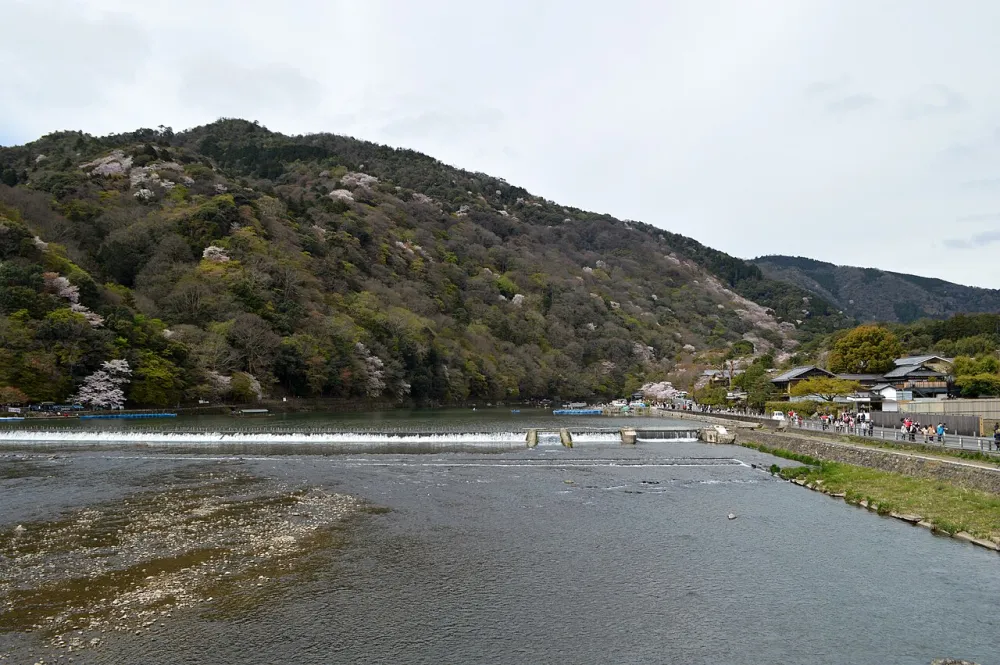
Keihan Demachiyanagi Station sits at the eastern end of Kamo Ohashi Bridge, and the Eizan Electric Railway also departs from here. After arriving on the Keihan Line, head up to street level and walk onto the Kamo Ohashi Bridge sidewalk facing north. To your left is the Kamo River flowing down from the northern hills; to your right is the Takano River, and the grassy wedge between them is the Kamogawa Delta. Turn south and the combined Kamo River continues toward Marutamachi, Sanjo, and Shijo. It forms a clear Y on the map, and standing on the bridge lets you match both channels to where you are headed next.
This layout splits neatly into a northbound leg and a river crossing. From the eastern station exits, take in the delta first, cross Kawai Bridge onto the spit between the two rivers, and follow the shrine approach north. After visiting Shimogamo Shrine, loop back toward the northern edge of the delta and cross Demachi Bridge to the west bank of the Kamo River, heading toward Kawaramachi-dori and the shopping arcade. To return via the Keihan Line, walk east back across Kamo Ohashi Bridge along Imadegawa-dori after lunch; to take the subway, keep walking west past the arcade. Each of the three bridges serves a distinct leg, so if you are meeting companions, naming the exact bridge and bank works much better than saying "by the Kamo River."
A sample 9:00 AM arrival gives you 30 minutes on the bridge and riverbank before crossing Kawai Bridge into Tadasu no Mori around 9:30 AM. Budget about 90 minutes for the forest approach, Kawai Shrine, and the main sanctuary, then cross Demachi Bridge around 11:00 AM for lunch near the shopping arcade. If Demachi Futaba is a top priority, head to the west bank first right after it opens, then cross Demachi Bridge onto the delta spit and continue up to Shimogamo Shrine. These walking and sightseeing blocks (9:30 AM and 11:00 AM) shift easily with your arrival time; if there is a line outside a shop, push lunch back and leave enough buffer for an afternoon movie or train.
From Gion or Sanjo, Keihan trains run directly to Demachiyanagi. If you are staying near Kyoto Station, the shrine's recommended rail route is the JR Nara Line to Tofuku-ji, transferring to a Keihan train bound for Demachiyanagi. Shimogamo Shrine lists the walk from Demachiyanagi Station at about 12 minutes, which assumes you go straight there—add extra time for watching the confluence from the bridge, taking photos along the bank, or stopping at Kawai Shrine. If you are staying along the Karasuma Subway Line, you can also start at Imadegawa Station, eat on the Demachi west bank first, and reverse the loop across the river.
If you have large luggage, check the Keihan Demachiyanagi Station map in advance for coin lockers, elevators, and how the underground platforms, ticket gates, and street exits connect. Travelers planning to head back directly from Imadegawa Station after a full-day walk will save a backtrack by leaving bags at their hotel. Exit through Keihan's Eiden-guchi Gate and follow Exit 5 to street level, where you will see a crosswalk and Kawai Bridge. Once across the bridge, look to the right for the Shimogamo Shrine approach and follow signs for "Historic Site: Tadasu no Mori" and the First Torii Gate. The entrance to the Former Mitsui Family Shimogamo Villa sits just before that torii, so if you reach the gate first, double back slightly to find the villa entrance.
| Duration / Focus | From Demachiyanagi | Afternoon or Return |
|---|---|---|
| About 3 hours | Kamo Ohashi Bridge, Tadasu no Mori, Shimogamo Shrine | Lunch at Demachi Masugata Shopping Arcade; return via Keihan or subway |
| About 5 to 7 hours | Kamo Ohashi Bridge, Shimogamo Shrine, shopping arcade | Pick one stop to linger: Kyoto University Museum, Demachiza, or Kyoto Gyoen |
| Continuing to Rakuhoku | River views from the bridge, Shimogamo Shrine, back to Demachiyanagi Station | Take the Eizan Electric Railway to Ichijoji, Kibuneguchi, or Kurama |
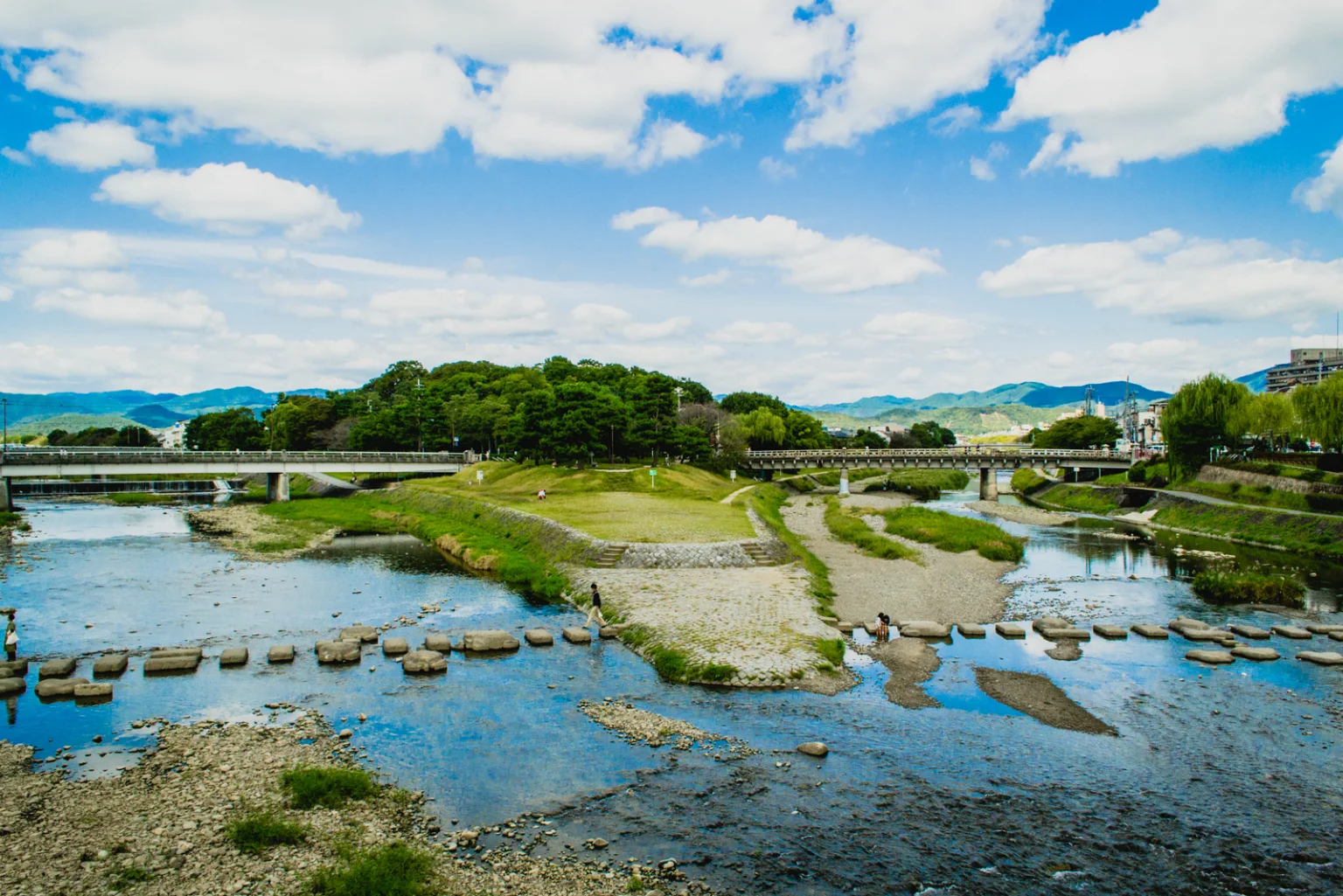
Walk from Keihan Demachiyanagi Station to the Kamogawa Delta, stroll through Tadasu no Mori to Shimogamo Shrine, and grab lunch at Demachi Masugata Shopping Arcade—plus rainy-day stepping-stone alternatives and full-day extensions to Demachiza and Kyoto University.
Kamogawa Delta Stepping Stones and Bridge Views
Locals call the crossing "jumping the turtles" for the stone blocks laid across the riverbed, some shaped like turtles and others like plovers. According to Kyoto Prefecture, the submerged horizontal structures beneath them were originally built to stabilize the riverbed and double as stepping stones when water levels are low. There is a row of stones across each river channel, so once you start across one row, you still need to decide which bank you want to step onto. Looking down at the full Y-shaped confluence from the bridge first makes it easy to decide whether to stay along the station-side bank or cross Kawai Bridge onto the central spit.
Plan around the street-level bridges by default and decide on the stepping stones only after seeing the water in person. After days of rain, or whenever the stones are submerged, slick, or surrounded by murky or rising water, stay on the bridges. Even in clear weather, watch for upstream rain advisories and on-site restrictions; if you are already down by the water, climb back to street level using the same ramp or steps you came down. Sturdy walking shoes handle the full stroll comfortably, while suitcases and strollers are far easier on the paved bridges and sidewalks without lifting gear or risking wet stone surfaces. If kids want a close look at the turtle stones, you can easily spot the sculpted shells and bird shapes from the riverbank.
For a wide shot of the entire delta, face north from Kamo Ohashi Bridge to frame both rivers meeting at the grassy tip. Stepping down to the lower bank on the station side brings your lens closer to the waterline, the stones, and the steps opposite—ideal for showing the gaps between the blocks. Because commuters use the bridge sidewalks, keep tripods and selfie sticks packed away. When photographing waterbirds along the bank, stand still and let them swim closer on their own. Runners looking for a stretch can follow the southbound path as an out-and-back and rejoin their group near the bridge rather than waiting in line behind people crossing the stones.
Kyoto Prefecture warns that black kites have been recorded swooping down to snatch food around Demachiyanagi. If you buy mame-mochi or prepared snacks, keep bags tightly closed while walking and wait until you are indoors or under cover to eat. Do not feed the river birds, and pack out all wrappers and trash. Because this area blends riverbank, roadways, and woodland, save the riverside on sunny days for sipping water and resting, eat full meals inside the shopping arcade, and you will walk into the shrine grounds hands-free.
Walking Tadasu no Mori to Shimogamo Shrine: The Romon Gate and Mitarashi Pond
Cross Kawai Bridge onto the land between the two rivers and look north for Shimogamo Shrine signs. Near Mikage-dori, follow the approach markers into the southern edge of Tadasu no Mori forest. Kawai Shrine sits in this southern stretch, making it an easy stop before entering the main approach. Shimogamo Shrine stands at the northern end of the woods; following the wide main path leads you out from beneath the canopy to the vivid vermilion Romon Gate. First-time visitors should allow 60 to 90 minutes to walk through the forest, pay respects, and return to the south end, adding extra time if you enter separately ticketed buildings.
"Tadasu no Mori" translates roughly to the Forest of Correction. Kyoto City records note several small streams winding through the woods, including the Izumi River and Semi no Ogawa. You can walk up along the wide central approach and return via whichever streamside paths are open that day. Strollers do best on the smoother main path, detouring around exposed tree roots or puddles after rain. Visitors often rush straight between Kawai Shrine and the main sanctuary, but if you arrive early, lingering half an hour under the trees still leaves plenty of time for lunch.
Officially named Kamomioya Shrine, Shimogamo Shrine was inscribed by UNESCO in 1994 as one of the Historic Monuments of Ancient Kyoto, and Kyoto City cultural records group Tadasu no Mori together with the shrine precincts. Passing through the Romon Gate brings you to the Maidono (Dance Hall), with signs directing you to the Chumon (Middle Gate) to pray. Both the East and West Main Halls (Honden) are designated National Treasures, and their layout with the surrounding gates is visible from the general worship area. According to the shrine's website, main sanctuary visiting hours are 6:30 to 17:00, with prayer reception from 9:00 to 16:30. If you plan to request a formal prayer, check in near the Chumon first before taking a slower walk back through the woods.
To see how ceremonial offerings were prepared, add the Oiden (Sacred Kitchen) to your visit. When open, it displays replica offerings and traditional cooking utensils, while the adjacent Mikurumasha (Carriage House) exhibits materials tied to the Aoi Matsuri festival. These are grouped under the shrine's special admission areas, listed as open from 10:00 to 16:00. Early-morning arrivals can tour the main grounds and Mitarashi Pond first, then loop back once the special viewing area opens; festival enthusiasts should budget extra time for both the exhibits and the buildings.
If you want to visit a shrine right as you enter Tadasu no Mori, stop at Kawai Shrine first. This auxiliary shrine of Shimogamo is known for prayers for beauty and issues hand-mirror-shaped wooden plaques called kagami-ema, on which visitors draw a face following the on-site instructions before hanging them up. If anyone in your group wants to make an offering there, agree on how long to stay before walking north to the main sanctuary so nobody decides to backtrack from the Middle Gate later.
Mitarashi Shrine and Mitarashi Pond lie inside the main precinct. Shrine tradition holds that bubbles rising from the pond inspired the shape of mitarashi dango rice dumplings. On ordinary days, a quiet look beside the pond is enough; during the summer Mitarashi Festival, the Ashitsuke Shinji ritual invites visitors to wade through the cold water along a set route to pray for good health. If visiting during the festival, check that year's published schedule in advance and allow extra time for lines and drying your feet before moving on. For eating dango, wait until you are back in the neighborhood teahouses so your forest hours stay focused on the grounds.
West Bank Stops: Mame-Mochi, Lunch, and Demachiza
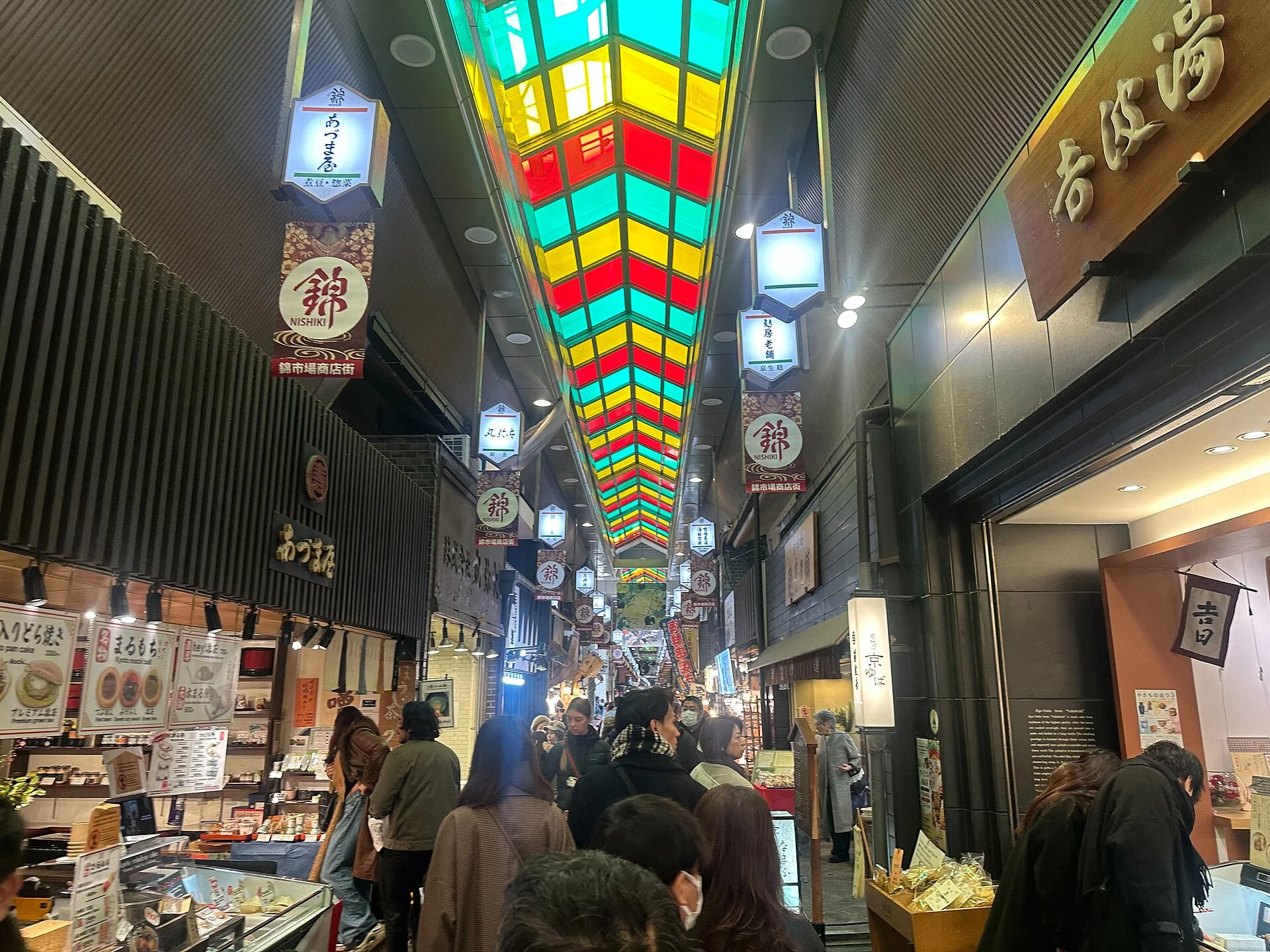
From the southern tip of the woods, return to the street between the rivers and walk west across Demachi Bridge to the west bank of the Kamo River. Demachi Masugata Shopping Arcade stretches from Kawaramachi-dori toward Teramachi-dori—just look for the covered arcade entrance. This compact strip mixes neighborhood produce and everyday prepared foods with the Demachiza cinema. Describing itself as one of the endpoints of the historic Saba Kaido (Mackerel Road), the arcade greets you with local grocers and market stalls right inside the entrance. Ask shopkeepers before eating anything indoors, and if you buy hot food, carve out time to sit down before moving on to photos or the next shop. You can have a full sit-down lunch first or browse the whole arcade and pick up snacks based on your appetite, though anyone planning a long afternoon walk will appreciate a proper seated meal and water break.
Just off the arcade along Kawaramachi-dori sits Demachi Futaba. Its signature "Nadai Mame-Mochi" pairs lightly salted red peas with soft pounded mochi and smooth red bean paste. According to the Kyoto City Tourism Association's shop profile, it opens at 8:30 and closes on Tuesdays and the fourth Wednesday of each month. To buy mochi before walking the riverbank and forest, cross from the station to the west bank first thing and queue early. Because the rice cake hardens over time, buy only what you will finish the same day—or, if you plan to spend the morning at the shrine, stop by at midday on your return to avoid carrying boxes all morning.
You do not have to squeeze mame-mochi and mitarashi dango into the same stop. If some people in your group want sweets while others are hungry for a real meal, choose a sit-down restaurant first and save dango for an afternoon stroll toward Shimogamo-hondori. On a tight half-day schedule, pick one: choose mame-mochi if you want to taste classic Kyoto wagashi bean and filling craft, or pick mitarashi dango if you just saw Mitarashi Pond and want to connect the legend to a neighborhood treat. When lines form outside a shop, follow staff markers so you leave neighboring doorways and bicycle access clear.
Inside the arcade, Demachiza combines a coffee stand and CAVA BOOKS on the ground floor with screening rooms upstairs. If you just want to browse books over coffee, simply linger after lunch; if you are catching a screening, anchor your afternoon around showtime. The venue's official access guide puts the walk at about 5 minutes from Exit 5 of Keihan Demachiyanagi Station and about 10 minutes from Exit 3 of Imadegawa Station on the Karasuma Subway Line. Friends meeting just for a film can rendezvous directly at Demachiza from whichever train line suits them best.
Stop by the ground-floor book tables at Demachiza before deciding whether to spend the afternoon in a theater seat. Having both the bookstore and cafe under one roof also makes it an easy refuge during a passing rain shower. If you need subtitles for Japanese films—whether during festivals, special screenings, or regular runs—check the individual screening page for language and subtitle details beforehand. While the river is steps from the arcade exit, take your riverbank photos during daylight and walk straight along Imadegawa-dori back to the station if your film lets out after dark.
Afternoon Extensions: East to Kyoto University or West to Kyoto Gyoen
To reach Kyoto University, walk east from Demachiyanagi Station along Imadegawa-dori to Hyakumanben, then turn south down Higashioji-dori. Between the station and Hyakumanben, the scenery shifts from the riverbank to an everyday avenue lined with casual set-meal diners, cafes, and bookstores. If you already ate in the shopping arcade, treat Hyakumanben as your landmark for the campus and save a coffee break for after the museum. Pack away any arcade purchases before leaving Demachiza and cross Kamo Ohashi Bridge back east so you are not figuring out crossings along the way. For a classic kissaten stop near the campus, the Kyoto City Tourism Association highlights "Shinshindo Kyodai Kitamon-mae" opposite the North Gate, outfitted with long wooden tables and benches crafted by lacquer and wood artist Tatsuaki Kuroda—an easy landmark if friends are joining you later.
The Kyoto University Museum entrance faces directly onto Higashioji-dori, making it straightforward to enter from the street. Museum hours are 9:30 to 16:30 (last entry 16:00), and it is closed every Monday and Tuesday regardless of public holidays, as well as over the New Year period, the university's Foundation Day, and designated summer dates. General individual admission is ¥400, payable in cash. To leave enough time for the galleries, head toward campus right after lunch instead of waiting until after an afternoon coffee; on Mondays or Tuesdays, spend the afternoon at Demachiza, neighborhood bookshops, or Kyoto Gyoen instead.
If campus architecture interests you, walk down Higashi-Ichijo-dori toward the Main Gate of the Yoshida Main Campus. Publicly accessible halls and active teaching buildings have separate entrances, so follow posted campus signage. Note that Kyoto University has announced preservation and renovation work on the Centennial Clock Tower Memorial Hall from late September 2026 through mid-March 2027, meaning scaffolding and protective sheeting will affect its exterior appearance. During that window, focus your afternoon on the museum or the Hyakumanben neighborhood rather than making a special trip just to photograph the clock tower.
Heading west from the shopping arcade along Imadegawa-dori brings you straight to Kyoto Gyoen National Garden via the Imadegawa Gomon Gate. This option works especially well if you are returning on the Karasuma Subway Line and want fewer transfers later in the day. Kyoto Gyoen has many paths and intersections; for a simple stroll, loop the northern edge and exit at Imadegawa Station. If you plan to tour the walled Kyoto Imperial Palace inside the park, make it your primary afternoon stop and walk to the visitor entrance first to see how much time you want to spend. Because "Kyoto Gyoen" refers to the outer park grounds and "Kyoto Imperial Palace" (Kyoto Gosho) is the walled compound within, name the exact gate when coordinating a meeting spot.
To fit both Kyoto Gyoen and Kyoto University into one day, start at Imadegawa Station, walk the northern side of Kyoto Gyoen, head east through the shopping arcade, Kamogawa Delta, and Shimogamo Shrine, and finish at the university. If you decide to linger an extra half hour at the shrine, skip the extra walk around campus exteriors and head to your train straight after the museum. Moving west to east keeps your route flowing in one direction aside from the north-south detour up to the shrine—and if you already saw the delta early in the morning, you can walk straight east along Imadegawa-dori after returning from the shrine.
If Ginkaku-ji (the Silver Pavilion) and the Philosopher's Path are next on your list, keep heading east past Kyoto University. Travelers prioritizing Ginkaku-ji should double-check its closing time before deciding whether to enter the university museum. If you just want a scenic canal walk, start from the northern end of the Philosopher's Path and turn back whenever the afternoon light fades. Kyoto Gyoen lies west of Demachiyanagi while the Philosopher's Path lies east; if you pick the eastern canal route, save Kyoto Gyoen for a day when you are staying along the Karasuma Line or dedicating a separate visit to the Imperial Palace.
Adding Ichijoji, Kibune, or Kurama via the Eizan Electric Railway
The Eizan Electric Railway runs north from Demachiyanagi and splits at Takaragaike toward Yase-Hieizanguchi and Kurama. Ichijoji is three stops from Demachiyanagi, following Mototanaka and Chayama-Kyoto-Geijutsudaigaku. If you plan to eat lunch or browse bookstores in Ichijoji, keep Demachiyanagi to a half-day morning loop—river, forest, and shrine—then return to the station to board the Eizan train and shift lunch and browsing north. If you have a lunch reservation in Ichijoji, pick either lining up early at Demachi Futaba or touring the Mitsui Villa rather than both, so you are not rushing back to the train.
To reach Kifune Shrine, board a Kurama-bound Eizan train at Demachiyanagi, ride to Kibuneguchi Station, transfer to Kyoto Bus No. 33 to Kibune, and walk up from the bus stop to the shrine. For Kurama-dera, stay on the train all the way to Kurama Station. Both destinations involve uphill walks from the station or bus stop, so devoting half an afternoon to just one of them keeps the pace comfortable. To cover both Kibune and Kurama in the same day, head into the mountains first thing in the morning and check out the Kamogawa Delta on your way back if daylight and energy allow—especially in winter, when mountain closing times and trail dusk come early.
If you prefer staying by the water in the city all afternoon, walk north along the Kamo River instead. Kyoto Prefecture's riverbank guide places Nakaragi no Michi between Kitaoji Bridge and Kitayama Ohashi Bridge. Starting from the delta, follow the Kamo River (the western branch) upstream by crossing Demachi Bridge to the west bank, walking north to Kitaoji Bridge, and crossing back to the east bank toward Nakaragi no Michi and the Kyoto Botanical Gardens. It is a pleasant flat extension when flowers are in bloom; because the two rivers look close from the bridges, double-check which bank you are on so you do not walk blocks out of your way looking for a crossing, and set a specific bridge or garden gate as your target.
Exploring only the Demachiyanagi neighborhood is completely walkable, meaning your only transit fares are getting to and from your hotel. When extending to Ichijoji or Kibune, check single-ride fares and day-pass pricing on the Eizan Electric Railway's official site against the number of trips you plan to take, and read outbound and return timetables separately. Travelers heading to Kibune should also note the return times for Kyoto Bus No. 33 and allow a short walk along the station road before catching the train back from Kibuneguchi. If your group splits up in the afternoon—some returning to downtown Kyoto and others heading into Rakuhoku—set a meeting time at street level outside Demachiyanagi Station, where the underground Keihan entrance and ground-level Eizan gates sit steps apart.
Some visitors arrive from Fushimi Inari or continue south in the evening. On the Keihan Line, check train types and stops carefully—and keep in mind that Keihan's Fushimi-Inari Station and JR's Inari Station are separate stations. From Gion, you can board Keihan at Gion-Shijo Station or cross Shijo Ohashi Bridge toward Kawaramachi. While transfers and mountain trails up toward Rakuhoku dictate your schedule north of Demachiyanagi, city-bound hops between Kyoto stations are quick and predictable. If you are catching a Shinkansen later, return via Tofuku-ji to transfer back to JR just as you arrived, leaving extra buffer for retrieving luggage, changing platforms, and clearing the Shinkansen gates.
Rainy Days, Closed Days, and the Former Mitsui Family Shimogamo Villa
Just south of Shimogamo Shrine and close to Demachiyanagi Station sits the Former Mitsui Family Shimogamo Villa. Completed in its current form in 1925, the estate preserves its main house, entrance wing, and teahouse. You can spot the third-floor watchtower rising above the main house from the garden; look out toward the grounds from the first-floor rooms first, then walk outside to see how the house sits tucked behind the trees. Access to the upper watchtower requires a separate reservation during special openings. During the rainy season, time your walk through Tadasu no Mori for a lighter drizzle, shelter inside the villa when the rain picks up, and open an umbrella for the garden loop.
According to the facility's official visitor guide, the villa is open 9:00 to 17:00 (last entry 16:30) and closes on Wednesdays and December 29–31; if Wednesday falls on a national or substitute holiday, it closes the next day instead. Admission is ¥500 for adults on weekdays and ¥600 on weekends and holidays, ¥300 for junior and senior high school students, and ¥200 for elementary school students. If you have lunch or movie plans, tour the villa right after finishing Shimogamo Shrine on your walk back south, then cross Demachi Bridge to the west bank. Between the two indoor rainy-day anchors near Demachiyanagi, prioritize the villa on Mondays and Tuesdays (when the university museum is closed) and shift to the Kyoto University Museum on Wednesdays—checking each venue's calendar for occasional special closures.
Combined adult admission for both the Mitsui Villa and the Kyoto University Museum totals ¥900 on weekdays or ¥1,000 on weekends and holidays, before transit, meals, or special exhibition fees. If you only want one indoor stop, pick based on whether historic residential architecture or university collections appeal more: the villa fits effortlessly along the shrine walk, while the museum anchors an afternoon in the Yoshida area. To visit both in one day, cover the shrine and villa in the north first, cross west for lunch, and head east over the bridge in the afternoon—keeping in mind that a Wednesday holiday shifts the villa's closure to Thursday.
Note that walking from the villa to the shopping arcade still requires crossing an uncovered bridge. In heavy rain, take the Karasuma Subway Line straight to Imadegawa Station first, browse the covered arcade and Demachiza while waiting out a downpour, and cross the river once the rain eases. If arriving via the Keihan Line and river conditions look rough, stick to street-level sidewalks and head straight back to the station or take transit toward the arcade after visiting the shrine. Skip low riverbank paths and unpaved forest shortcuts during downpours, and give your group a covered meeting point before setting out so nobody waits exposed beside Kawai Bridge.
If traveling with older adults or young children who tire standing for long stretches, use the "Shimogamo-jinja-mae" and "Tadasu-no-mori-mae" bus stops to shorten the walk. To keep the full forest approach, start at the south edge of Tadasu no Mori and catch a bus from the nearer stop after praying; to go straight to the main sanctuary, ride to Shimogamo-jinja-mae first and stroll a short shaded section south afterward. Keihan Demachiyanagi Station has elevators and accessible restrooms—check the official station map beforehand for the right exit. Because riverbank steps, unpaved woodland paths, and historic wooden interiors all involve steps or uneven footing, keep the bridge views, flat street walks, and a seated lunch as your core route and pick only the lower paths you want to tackle.
Timing Your Visit: Aoi Matsuri, Midsummer, and Winter
Held every May, the Aoi Matsuri procession ("Roto no Gi") sets out from the Kyoto Imperial Palace and passes through Shimogamo Shrine on its way to Kamigamo Shrine. The Kyoto City Tourism Association sells paid viewing seats at both Kyoto Gyoen and Shimogamo Shrine. If you want to watch the procession, choose your viewing spot and access route in advance and plan lunch around that year's published parade times, seating rules, and traffic restrictions. On ordinary days the walk from the shrine to the arcade is short, but while the procession passes, stay put to watch and wait until security clears the streets to cross. Visitors coming purely to pray should schedule their shrine visit before or after the parade window so road closures do not clash with a departing train.
In summer, the riverbanks offer almost no shade, so cross Kamo Ohashi Bridge early and move under the canopy of Tadasu no Mori before slowing down. If you want air-conditioned shelter in the afternoon, lock in a museum entry time or Demachiza movie screening and put your outdoor river time at the start of the day. During the Mitarashi Festival, adjust your itinerary around ritual hours, wear shoes that slip on and off easily, and pack a small towel to dry your feet. Check that year's evening reception hours before going after dusk, and follow lit street sidewalks back to the station once you leave the woods.
For cherry blossoms, look for blooming riverside paths first and walk along the bank before climbing onto the bridge. In autumn, visit Tadasu no Mori during full daylight—skipping distant temples that same day so both the woods and the riverbank get unhurried time. Late-autumn mornings cast long shadows, making it easier to shoot wide panoramas from the bridge and close-up foliage inside the forest separately. In winter, the wind across the bridge cuts much sharper than inside the trees, so finish the riverbank before dusk and move into the shop-lined streets afterward. If snow or ice coats the pavement and shoes feel slick, shorten the outdoor segments and swap in a confirmed open cafe or museum.
Arriving at Demachiyanagi around dusk, you can catch the river view from Kamo Ohashi Bridge and head straight into the shopping arcade for dinner. If you still want to visit the main sanctuary of Shimogamo Shrine that day, work backward from the 17:00 closing time and enter the forest early enough to reach the gate. Returning from Kyoto University or an Eizan train with just a little time left, a quick walk onto Kamo Ohashi Bridge still delivers the full delta panorama—and photographers can wait out changing light right on the bridge before walking west for dinner. If staying out for sunset, wait along lit street-level sidewalks close to the station, saving unlit ramps and stepping stones for daylight, and double-check your Keihan return station, train stopping pattern, and any reserved-seat boarding times before heading downstairs.
Fitting Everyone's Pace Into One Loop
On a half-day outing with kids, meet right outside Demachiyanagi Station, spot the two rivers and turtle stones from the bridge, and walk as far as Kawai Shrine before deciding whether to continue all the way to the north end of the approach. Strollers can easily loop back to the east bank via the street-level bridges, and anyone grabbing lunch early can meet the shrine walkers straight at the shopping arcade. Just watching joggers, waterbirds, and bridge traffic along the bank makes for a full morning—work in a restroom and wash-up break before lunch, then settle into an indoor restaurant for a longer sit-down rest.
Solo travelers hoping to pack in one extra stop can take photos from Kamo Ohashi Bridge, visit Shimogamo Shrine, stop into the first floor and garden of the Former Mitsui Family Shimogamo Villa on the walk south, and cross Demachi Bridge to the arcade near noon. Over lunch, decide whether you want more indoor culture or another stretch of green space: head east to the Kyoto University Museum or stay at Demachiza for the former, or walk west out of the arcade to Kyoto Gyoen and take the subway straight home from Imadegawa Station for the latter. Making that afternoon call before lunch finishes saves you from backtracking past places you already walked by in the morning.
A few useful answers
What is the best half-day route around Demachiyanagi?
Walk from Keihan Demachiyanagi Station onto Kamo Ohashi Bridge to view the Kamogawa Delta, cross Kawai Bridge into Tadasu no Mori and Shimogamo Shrine, then cross Demachi Bridge over the Kamo River for lunch at Demachi Masugata Shopping Arcade.
Can I still reach Tadasu no Mori if it rains or the Kamo River is high?
Yes. Take Kawai Bridge and street-level sidewalks, then follow signs for the Shimogamo Shrine approach. Stay off the stepping stones whenever they are wet, submerged, or water is rising, and avoid low riverbanks during heavy rain.
What are Shimogamo Shrine's visiting hours?
According to the shrine's official website, the main sanctuary is open for worship from 6:30 to 17:00, and prayer reception runs from 9:00 to 16:30. Summer Mitarashi Festival hours are announced separately each year.
Where should I go in the afternoon for a full-day Demachiyanagi itinerary?
Head east to the Kyoto University Museum (closed Mondays and Tuesdays) for exhibitions, stay in the shopping arcade for a film or books at Demachiza, or walk west to Kyoto Gyoen National Garden and return via the subway.
How do I get from Demachiyanagi to Ichijoji or Kibune?
On the Eizan Electric Railway, Ichijoji is three stops north from Demachiyanagi. For Kibune, take a Kurama-bound train to Kibuneguchi Station and transfer to Kyoto Bus No. 33 to Kibune.
When is the Former Mitsui Family Shimogamo Villa open?
It is open from 9:00 to 17:00 (last entry 16:30) and closed Wednesdays and December 29–31 (if Wednesday is a holiday, it closes Thursday instead). Adult admission is ¥500 on weekdays and ¥600 on weekends and holidays.
Official information and references
Sources used in this guide.
- Kyoto Prefecture | Demachi Stepping Stones and Riverbed Structure
- Kyoto Prefecture | Kamogawa Park Visitor Guidelines
- Kyoto Prefecture | Nakaragi no Michi and Riverside Path
- Keihan Electric Railway | Demachiyanagi Station Guide and Facilities
- Shimogamo Shrine | Access and Precinct Map
- Shimogamo Shrine | Main Sanctuary Hours and Prayer Reception
- Shimogamo Shrine | Kawai Shrine and Kagami-Ema
- Shimogamo Shrine | Special Viewing Areas Including the Oiden
- Shimogamo Shrine | Mitarashi Shrine and the Dango Legend
- Shimogamo Shrine | Mitarashi Festival
- Agency for Cultural Affairs | World Heritage Historic Monuments of Ancient Kyoto
- Kyoto City | Shimogamo Cultural Assets and Tadasu no Mori Waterways
- Kyoto City Tourism Association | Demachi Futaba
- Demachi Masugata Shopping Arcade | About the Arcade
- Demachiza | Cinema, Cafe, and Bookstore
- Demachiza | Access
- Kyoto University Museum | Hours, Closures, and Admission
- Kyoto University | Yoshida Campus Map
- Kyoto University | Clock Tower Renovation Notice
- Kyoto City Tourism Association | Shinshindo Kyodai Kitamon-mae
- Ministry of the Environment | Kyoto Gyoen Access Map
- Eizan Electric Railway | Lines and Stations
- Eizan Electric Railway | Fares and Passes
- Kyoto Bus | Access to Kifune Shrine
- Kyoto City Tourism Association | Former Mitsui Family Shimogamo Villa Hours, Admission, and Access
- Kyoto City Tourism Association | Walking Map from Demachiyanagi Station to Former Mitsui Family Shimogamo Villa
- Philosopher's Path Preservation Society | Philosopher's Path Access
- Kyoto City Tourism Association | Architecture of the Former Mitsui Family Shimogamo Villa
- Kyoto City Tourism Association | Aoi Matsuri Procession Route
- Kyoto City Tourism Association | Aoi Matsuri Paid Viewing Seats