Use JR and Keihan Uji for a one-way route through Byodoin, Uji Shrine and Ujigami Shrine. Choose the Tale of Genji Museum, Taihoan or Takumi-no-Yakata, with tea methods, current fees, cancellation terms and alternatives at Mimurotoji or Daikichiyama.
- Region & Focus
- KyotoShrines and temples
- Reading Scope
- 31 min read · 17 chapters · 5 Q&As
- Official Verification
- 24 official sources checkedUpdated October 27, 2026
- Key Topics
- ItinerariesFoodNeighborhoods
Chapter Route Map (tap any stop)
- Give the afternoon to literature or a cup of tea you prepare yourself
- Arrive by JR and leave by Keihan to avoid backtracking
- The two World Heritage sites show different architectural scales
- Make Byodoin the morning priority; choose interior entry separately
- Walk from Omotesando to the islands and cross Asagiri Bridge
- Visit Uji Shrine first, then follow the path to Ujigami
- Ujigami closes at 16:00: do not leave it until last
- Literature route: remember Ukifune, Kaoru and Niou-no-miya
- Museum closure days determine whether the literary route works
- Understand matcha, gyokuro and sencha before choosing
- Taihoan: a tea service or a demonstration followed by practice
- Taihoan language, socks and cancellation depend on the selected plan
- Takumi-no-Yakata: take brewing skills home and finish on the east bank
- Two complete schedules with room around booked activities
- Daikichiyama is a hill walk; Mimurotoji is a separate direction
- In rain, summer heat or with older adults, trade long walks for seated activities
- Queues, tea purchases and budget belong after the main schedule
- Quick Q&A
Finishing Byodoin only brings your Uji day to its middle. Across the river are two similarly named shrines, the Tale of Genji Museum and several different tea experiences. Protect a visit to Ujigami Shrine before its 16:00 closing, then give the afternoon to literature or learning to prepare tea. That is easier to complete than fitting every saved place into one day.
Give the afternoon to literature or a cup of tea you prepare yourself
For a full Uji day, decide first what to do after lunch. Choose the Tale of Genji Museum to understand why the novel's last ten chapters move mainly to Uji. Choose a guided tea-brewing or whisking experience to make tea you enjoy at home. Byodoin, the Uji River and two shrines form the shared route, with two afternoon versions. Museum, tea ceremony, matcha art and a hill walk need not all fit one schedule.
For a first visit without a strong preference, choose literature: Byodoin in the morning, lunch, then cross to Uji Shrine and Ujigami Shrine before the Tale of Genji Museum, leaving from Keihan Uji. Garden, shrine architecture and novel exhibits each get proper time; tea becomes a purchase or ordinary drink. If tea already interests you, replace the museum with one experience and leave the afternoon for practice and questions.
This assumes you already stay in Kyoto and can leave directly in the morning. If arriving at Kansai Airport that morning, use arrival day for the city transfer and bags, and move Uji to the next full day. Before an evening long-distance train or flight, shorten it to Byodoin and one theme. See two- and three-day Kyoto planning for nights and district allocation. With only half a day, use its shorter Uji version.
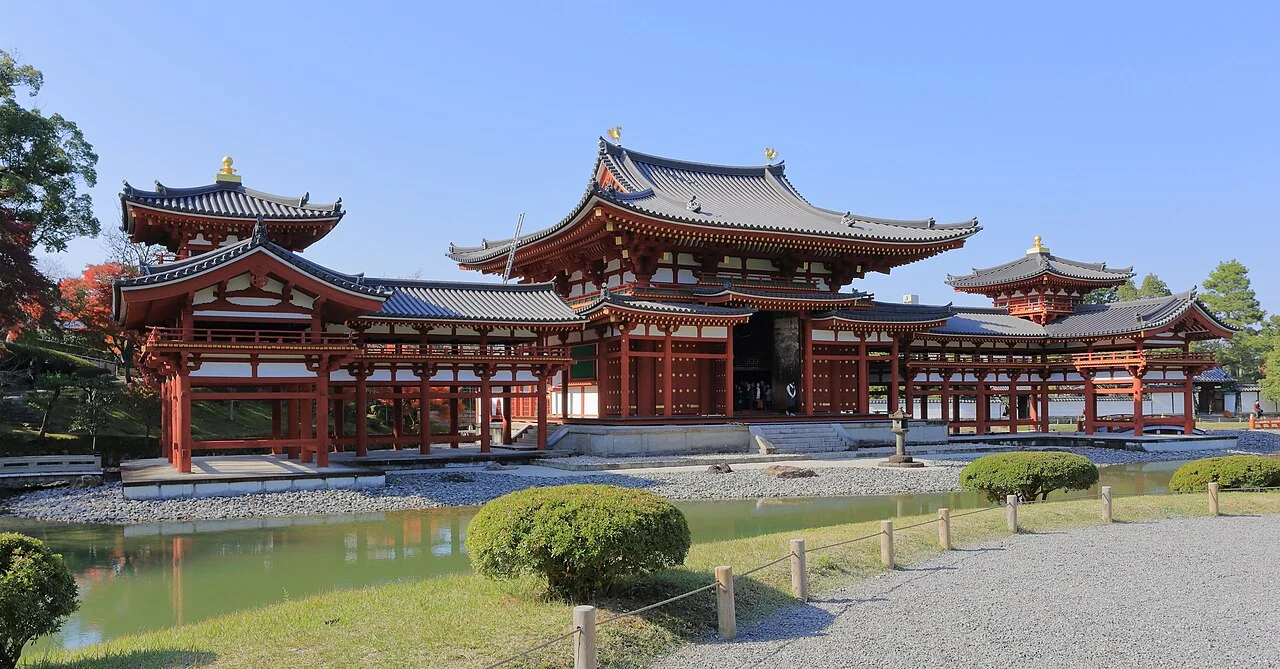
Use JR and Keihan Uji for a one-way route through Byodoin, Uji Shrine and Ujigami Shrine. Choose the Tale of Genji Museum, Taihoan or Takumi-no-Yakata, with tea methods, current fees, cancellation terms and alternatives at Mimurotoji or Daikichiyama.
Arrive by JR and leave by Keihan to avoid backtracking
From Kyoto Station, check JR Nara Line services to Uji. The Uji Tourism Association describes about 16 minutes by rapid train, but add accommodation-to-platform travel, waiting and exiting. JR Uji is west of the river, convenient for Byodoin Omotesando. Keihan Uji is by the eastern end of Uji Bridge, convenient after the east-bank shrines, Genji Museum or Takumi-no-Yakata. The stations are separate buildings.
From the Keihan Main Line, change at Chushojima for the Uji Line. From Sanjo, Gion-Shijo or Osaka's Keihan corridor, reverse the route: enter via Keihan Uji, visit the east bank, cross to Byodoin in the afternoon and leave by JR Uji. Compare the station nearest your lodging with your last stop. Kyoto Station accommodation favors JR; Higashiyama or Keihan-line lodging favors Keihan. The whole party need not detour to meet at Kyoto Station.
For two railway operators, start with single fares or an accepted IC card and compare passes once the route is fixed. A Keihan ticket cannot be used on JR. Adding Fushimi sake breweries and Inari mountain simply because you bought a Keihan pass takes the afternoon away from Uji. If those are your priority, choose the Fushimi day route on a separate day.
One-way walking also affects bags. Cases stored at JR Uji require a return there, reducing the advantage of leaving by Keihan. Leave luggage at your accommodation and carry water, rain gear and daily supplies. If changing hotels, arrange storage that can be collected along your route before choosing the walking direction.
The two World Heritage sites show different architectural scales
The tourism association's cultural facility guide lists Byodoin and Ujigami Shrine separately. Fujiwara no Yorimichi converted his villa into Byodoin in 1052. Phoenix Hall and its garden express the Pure Land of Amida belief. Ujigami's main sanctuary is shrine architecture from the late Heian period. See Phoenix Hall's spread wings and pond in daylight, then enter the smaller east-bank shrine to appreciate the different proportions and ways of looking.
Give Byodoin time for the pond circuit, architecture and Hoshokan Museum. At Ujigami, slow down for the main sanctuary and worship hall; equal time is unnecessary. Both belong to the Historic Monuments of Ancient Kyoto World Heritage property. Nearby Uji Shrine has its own history and Important Cultural Property main sanctuary. Keep “gami” and the 上 character in navigation to find the two distinct places.
If a companion does not want a second temple or shrine, ask what interests them. Novel readers can keep shrine stops short and spend longer on exhibits. Architecture enthusiasts can skip a second sweet drink and see both heritage sites fully. If only one person wants tea, split after a shared lunch and agree a specific meeting time at Keihan Uji. Everyone need not have the same afternoon.
Make Byodoin the morning priority; choose interior entry separately
Aim to reach Byodoin around 09:00 and allow about two hours for garden, Hoshokan and movement, longer if you enjoy detail. The current temple admission table gives combined garden/museum tickets of ¥700 adult, ¥400 junior and senior high students and ¥300 elementary children. Garden hours are 08:45–17:30, last reception 17:15; Hoshokan is 09:00–17:00, last reception 16:45. An adult combined ticket alone covers exterior architecture and museum exhibits.
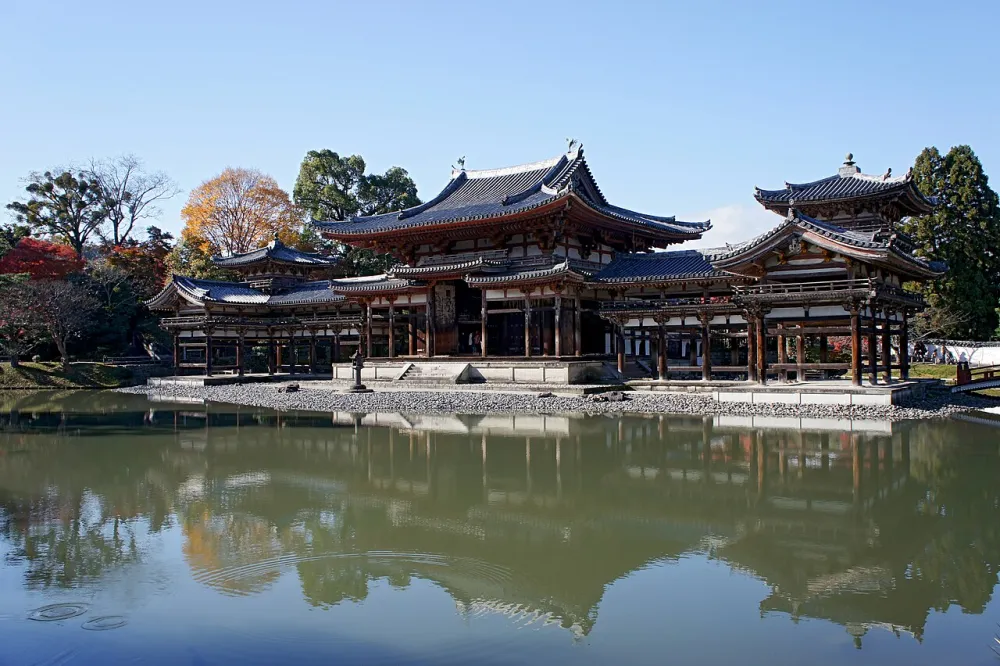
If Phoenix Hall's interior is essential, visit its reception inside the garden before planning what follows. The interior visit costs another ¥300, with same-day reception from 09:10 in arrival order. Sessions run every 20 minutes from 09:30 to 16:10, 35 people each. With an unused interior ticket, follow gate staff directions to leave and reenter while waiting. After the interior visit, it no longer allows reentry. Missing your slot means no time change or refund. Check the session before buying if you have afternoon tea booked, so you do not create overlapping commitments.
Byodoin has no special evening opening in autumn 2026, so do not remain nearby waiting for night views after leaving. Hoshokan's Door Painting Room is closed for repairs November 2–27, except weekends and November 23. This restriction concerns that room. Check important displays before entering instead of adjusting only after the garden. A normal daytime Uji visit can continue through the garden, other exhibits and east-bank walk.
Walk from Omotesando to the islands and cross Asagiri Bridge
Eat lunch after Byodoin before heading to the river; this makes appetite easier to manage than starting with sweets on the approach. For islands and small bridges, follow the west bank to Kisen Bridge, cross to To-no-shima and take Asagiri Bridge to the east bank. For less outdoor walking, cross directly on Uji Bridge and skip the island loop. Use the tourism map to identify bridges and islands, choosing after lunch according to weather and walking ability.
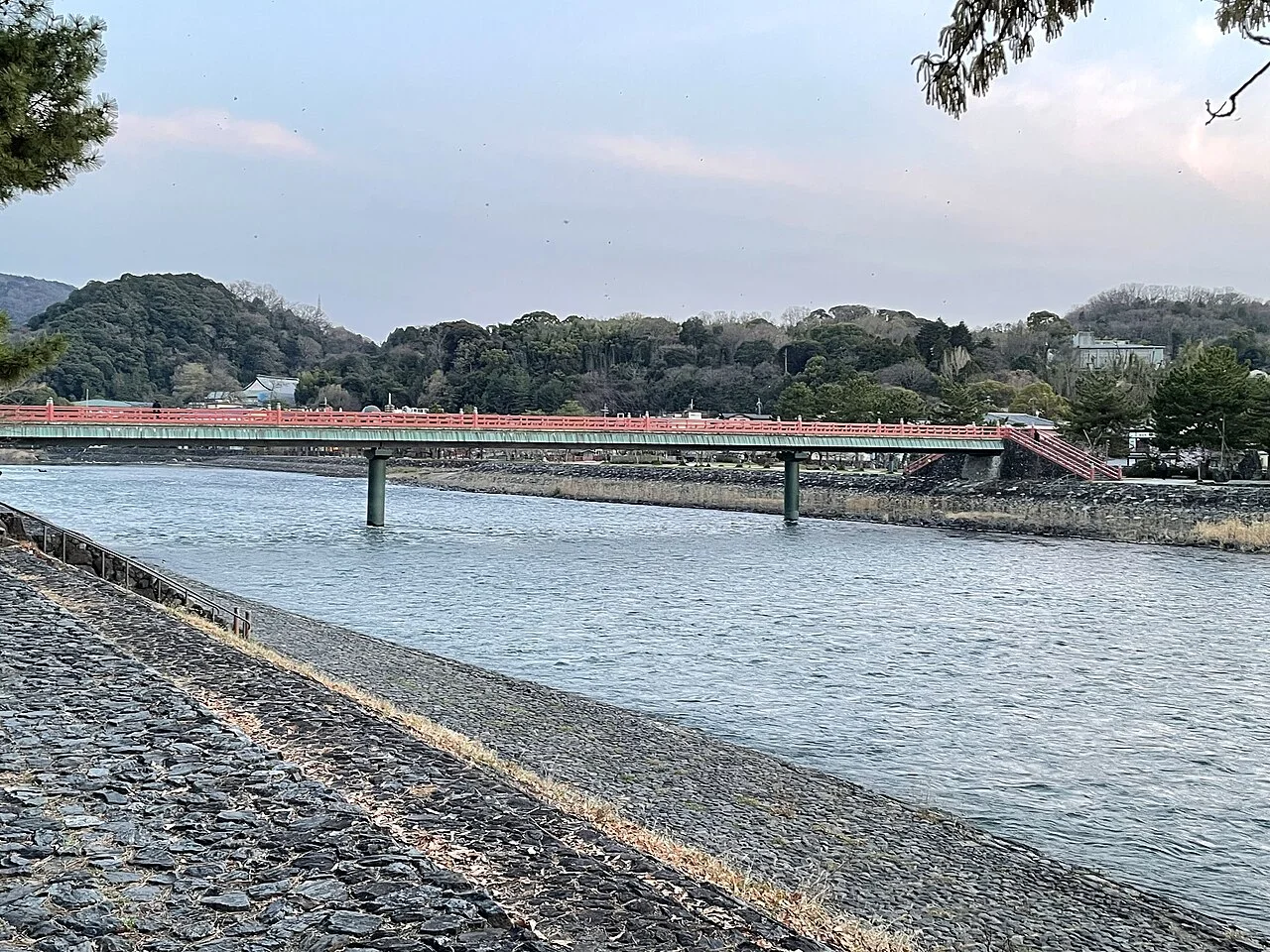
Look up at Nakanoshima's 13-story stone pagoda. The tourism association records it as about 15 m tall, built in 1286 by Eison of Saidaiji, linked to memorial rites for fish and prayers for Uji Bridge's safety. That gives the island a feature to examine beyond a photo clearing between temple and shrines. Leave bridges clear and move on after pictures. With strollers or children, avoid sudden stops at bridgeheads.
The Uji Ten Chapters monument east of Asagiri Bridge depicts Ukifune and Niou-no-miya in a boat. Remember the names as a link to the Genji Museum later. Without a museum visit, it still makes a short literary stop. A Murasaki Shikibu statue stands at Uji Bridge's west end. If you passed it earlier, do not backtrack; the statues belong to different parts of the walk.
In heavier rain, riverside closure or access restrictions, drop the islands and follow open roads to an available bridge. Do not cross railings or descend unfamiliar banks to approach water. Photograph from places with room to stop, and hold children's hands. Keep booked tea and museum entry times; a shorter riverside walk needs no replacement filler.
Visit Uji Shrine first, then follow the path to Ujigami
After Asagiri Bridge, Uji Shrine is nearer the river, with Ujigami farther inland. The Uji Shrine website introduces its main deity, Uji-no-Wakiiratsuko-no-Mikoto, and the rabbit said to have guided him. The purification basin also has a rabbit design. With children, find the rabbits first, then explain that this is a place of worship, combining architecture and worship in a short stop.
Uji Shrine's main sanctuary is an early-Kamakura three-bay nagare-zukuri building with a cypress-bark roof, designated an Important Cultural Property. From torii through approach to the worship hall above the steps, there are level changes. With strollers or older adults needing support, do not treat the link between shrines as flat. Arrange belongings at a suitable stopping place, then climb to worship. Those continuing can head toward Ujigami; others can stay on a short riverside section or move toward the station.
Allow time for rabbit amulets, goshuin and worship according to interest. Put purchases before a fixed experience rather than leaving every service counter until after the museum in the evening. Keep the worship hall's front clear for photos and avoid photographing people praying. During ceremonies, follow directions to open areas.
Ujigami closes at 16:00: do not leave it until last
Official visiting information currently gives 05:00 opening, 16:00 closing, amulets and goshuin 09:00–15:50, with free worship access. A common full-day mistake is museum first, then tea, then shrine. The museum can remain open until 17:00 while the shrine closes earlier. Protect Ujigami first on the east bank, or put it in the morning when entering via Keihan.
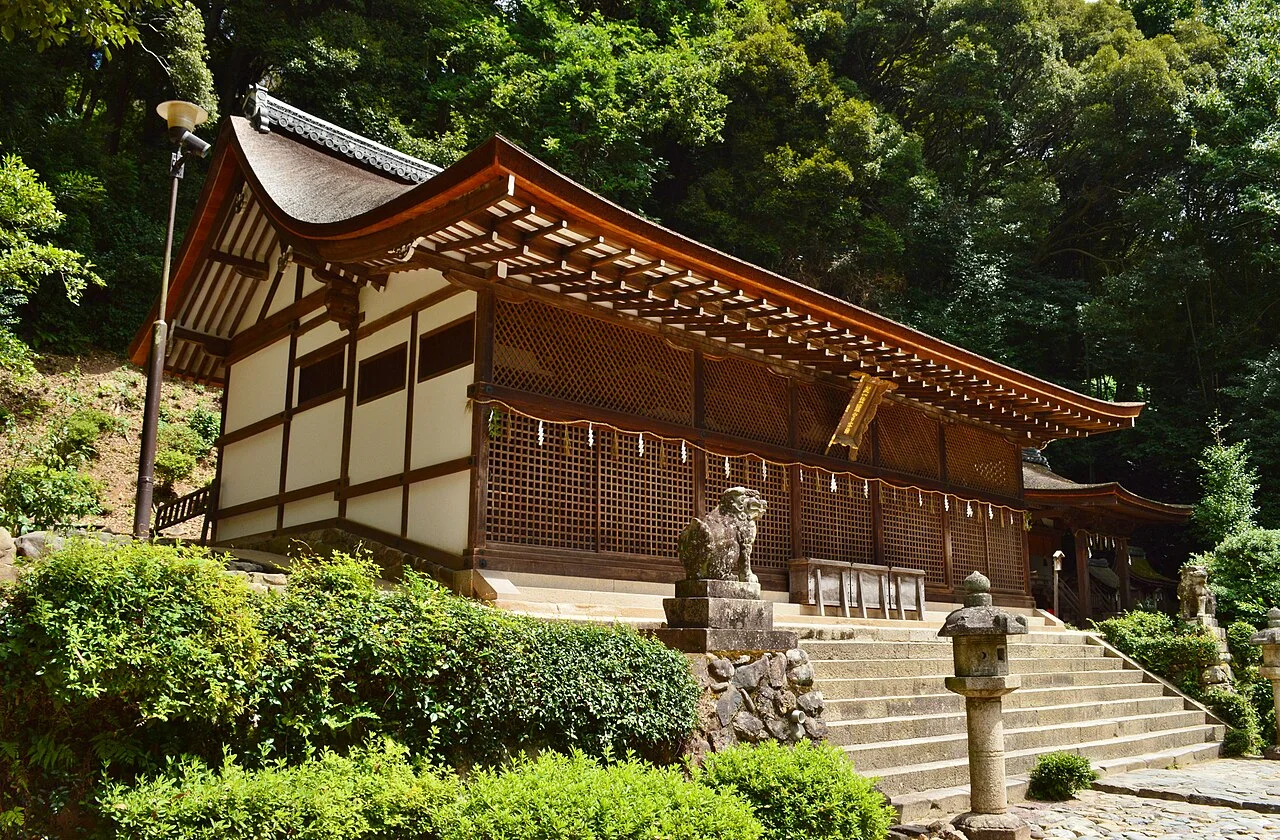
Focus on the wooden main sanctuary and worship hall, roofs and surrounding trees. Put the phone away briefly and identify the buildings' outlines from permitted viewing places, then photograph away from the main approach. Its scale differs from Phoenix Hall. A shorter, attentive stop offers more than a quick doorway photo to tick a place off.
Handle supplies before entering. The shrine states there are no public visitor toilets or vending machines. Toilets are available along the Uji River or at the Genji Museum, whose closure days affect that option. With children, use riverside toilets and buy water before going up, avoiding a group return from the entrance. Carry garbage out; the shrine does not collect takeaway-drink trash.
Literature route: remember Ukifune, Kaoru and Niou-no-miya
You can choose the museum without finishing The Tale of Genji. Know that its last ten chapters are mainly set in Uji, and remember Ukifune, Kaoru and Niou-no-miya to find the relationships in models and films. The riverside monument showed Ukifune and Niou-no-miya boating; the museum supplies fuller narrative background. Walk and exhibits can explain each other.
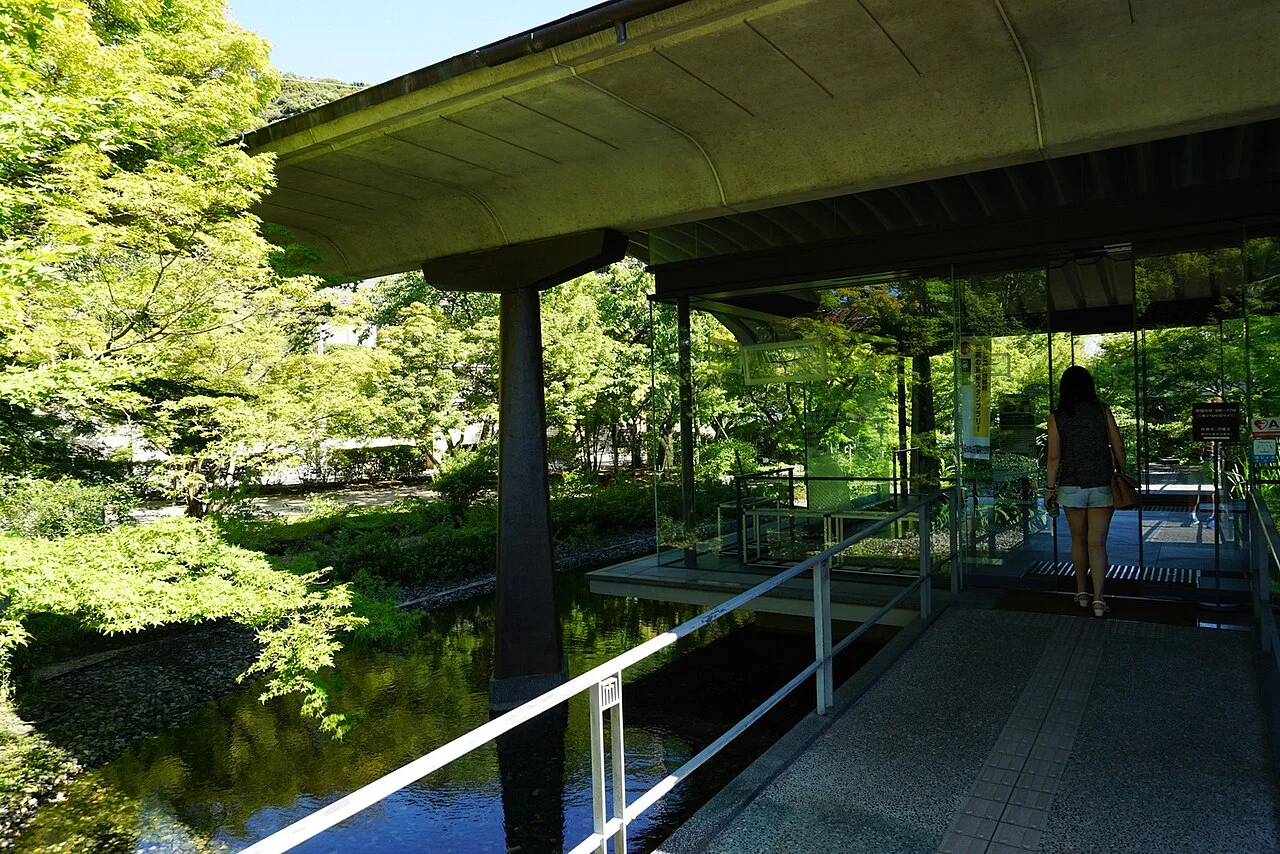
The official permanent exhibition has Heian Room, Uji Room, Film Room and Story Room. Heian introduces Hikaru Genji and aristocratic life; Uji uses sound and lighting for the ten Uji chapters. Newcomers can follow that order instead of starting by reading every long label word for word.
The Film Room shows original shorts using puppetry, live action and animation. Check the day's schedule on entry and allow a complete screening. The Story Room includes body- and gesture-based “Moving Tale of Genji” exhibits and Genji incense-related experiences. Children may not want every character relationship explained. Add interactive parts to the pace while adults take turns reading labels that interest them.
After leaving, do not chase every Uji-chapter site. Choose one or two literary place names or monuments, relate story distances to the river, then walk toward Keihan Uji to finish. Constantly circling residential streets to collect names leaves little time to connect exhibits with the landscape.
Museum closure days determine whether the literary route works
The visitor guide gives 09:00–17:00, last admission 16:30, closed Mondays or the following day when Monday is a national holiday, with year-end/New Year closure too. Admission is ¥600 adults and ¥300 children, with separate rates for groups of 20 or more. Individuals and groups of 20-plus have different reservation arrangements. Groups and bus parking should use advance applications.
Choose an afternoon slot that avoids a closing-time rush: see both shrines first and enter around 14:00, combining exhibits and rest. This is a planning suggestion; duration depends on what you want to see. If reaching the east bank near 15:00, complete Ujigami before 16:00, then decide whether you can enter the museum comfortably before 16:30. Otherwise keep the riverside walk and return.
The museum lists about eight minutes on foot from Keihan Uji or 15 from JR Uji, making it convenient before a Keihan departure. For wheelchairs, strollers and slower walkers, review the route from museum door to actual station entrance rather than treating reference times as required speed. If Monday is a closure day, choose tea instead. If original films are the priority, move Uji to an opening day.
Understand matcha, gyokuro and sencha before choosing
Green teas differ in shade growing, rolling during processing and whether you drink powder or an infusion. The Kyoto Prefecture Tea Industry Chamber's guide explains that tencha uses shade-grown leaves, steamed and dried without rolling, then ground into matcha. Gyokuro is also shade-grown but is rolled afterward; sencha is steamed, rolled and dried. Looking only at their green color misses the useful comparison.
Choose matcha if you want to whisk powder into a bowl with a chasen. Choose gyokuro or sencha for water temperature, water volume and steeping practice. Leaves remain in the pot, and successive infusions differ. Two companions can choose one each and describe aroma, astringency and mouthfeel instead of buying every menu item in one day.
The chamber's brewing guide gives roughly 40–60°C for gyokuro, 70–80°C for sencha and around 80°C for matcha. Ask how much tea and water this particular tea uses, how long to wait and how to adjust for your own cup and pot. Save those details on your phone so you can repeat the method after buying tea. Remembering only the price may leave you pouring boiling water as usual at home.
A tea experience is not a tea-field visit. Town teahouses and brewing venues mainly teach drinking methods, etiquette and production knowledge. For picking or farm visits, choose an activity actually open for that. This day's route follows both riverbanks. Complete one cup-based lesson to give it something beyond sitting with tea in a dessert shop.
Taihoan: a tea service or a demonstration followed by practice
Municipal teahouse Taihoan is on Byodoin's side. Its usual season is January 10–December 20, 10:00–16:00, general last reception 15:30; the FAQ separately gives 15:20 as the latest sencha start, with maintenance closures too. Usucha with seasonal sweets costs ¥1,500 for about 20–30 minutes; sencha costs ¥1,500 and gyokuro ¥1,800, each around 40 minutes. Choose tea service for hospitality and a bowl or cup. For hands-on practice, choose an item explicitly named otemae experience.
The matcha otemae experience costs ¥3,600 per person and takes about 40 minutes: watch a teacher, have sweets and tea, then whisk your own bowl. Sencha otemae costs the same but takes about 80 minutes. Both need reservations three days ahead and accept applications from one person. An 80-minute session significantly affects the day. Skip another famous-shop queue around lunch and leave the museum for next time if choosing it.
Usucha and sencha are not both offered every day. Sencha days are generally about four times monthly; use the official otemae calendar. If you want usucha on a sencha day, change dates or choose another venue's brewing experience. Do not book transport and lunch first and discover the calendar only at the teahouse. On the west bank, Taihoan fits after lunch before crossing Asagiri Bridge to the shrines.
Choose Taihoan to see a traditional tea room, seating and a teacher's movements. For using your own teapot at home, compare east-bank Takumi-no-Yakata. Choose one session and save time for a proper meal and the river. Tea with sweets is still tea service, a separate need from lunch.
The Uji Tourism Association introduces Taihoan teahouse in a 360-degree video.
Taihoan language, socks and cancellation depend on the selected plan
The official April 2026 FAQ says otemae is conducted in Japanese, with an AI translator used when Japanese is not understood. If you need step-by-step explanations in a particular language, state that before booking. Those comfortable with translation devices can read the menu and process first and focus questions on utensils and actions. On the day, exchange your booking for tea tickets at Uji Tourist Information Center opposite before entering. The booked start is not your arrival time at Uji Station.
Clothing depends on the room. Tatami seating in the large and small rooms requires socks or stockings. Table-and-chair otemae takes place in a Western-style room and allows bare feet. With knees unsuited to prolonged kneeling, compare table seating and specify movement needs. For sweets allergies, name the ingredients at booking, obtain the venue's available options and then choose.
Taihoan's combined tea services and otemae experiences charge 100% cancellation from two days before the visit. Basic usucha, sencha and gyokuro services charge 100% for same-day cancellation. Handle changes within the deadline for the selected item. This is also a reason to avoid a paid experience on Japan arrival day: flight delays affect attendance directly. Record the date, Japan time, item and confirmation, and change or cancel through that order rather than applying another teahouse's rules.
Maintenance closures are October 30 and November 30, 2026; the annual closure runs December 21–January 9, 2027. For those dates choose an opening day at Takumi-no-Yakata or the literature plan. Teahouse closures and the museum's Monday system differ. Mark the two services you need on a calendar to avoid arriving when neither is available.
Takumi-no-Yakata: take brewing skills home and finish on the east bank
Uji Tea Dojo Takumi-no-Yakata, run by the Kyoto Prefecture Tea Industry Chamber, focuses on brewing with Japanese-tea instructors. Matcha, gyokuro and sencha experiences each cost ¥1,500 with sweets and take about 30 minutes. Pick one for drinking methods and hands-on practice. The Q&A distinguishes practical instruction here from tea-ceremony etiquette and says no tea-picking experience is offered inside.
Matcha art costs ¥2,000 per person: learn whisking, then draw or write on the surface with thick matcha. The menu suggests about 45 minutes. Choose it for drawing; for comparing the first and later gyokuro infusions, choose brewing. The deeper chakabuki blind tea-tasting game is reservation-only, ¥4,000 per person for about 90 minutes, normally from five people. It suits groups already interested in tea and should replace other afternoon themes.
Usual hours are 11:00–17:00, last orders 16:30; it may close at 16:30 without customers. Closures are Wednesdays, December 29–January 4 and August 14–16. It is about three minutes from Keihan Uji or 15 from JR Uji. See the shrines first, learn brewing indoors and leave by Keihan afterward. For Wednesday tea, check whether Taihoan is operating.
Book by phone, fax or website, especially for groups. For general brewing cancellations or headcount changes, contact three days ahead. Groups of ten or more need one week's notice to cancel and three days to change numbers. Chakabuki needs one week for either. Without the required notice, the venue charges the experience fee for the booked headcount. Sweets have different ingredients: the Q&A lists milk and soy in matcha chocolate balls, and wheat, shrimp, sesame, mackerel and soy in small rice crackers. State ingredients to avoid beforehand and choose according to the reply.
Two complete schedules with room around booked activities
For literature, use approximate targets: Byodoin around 09:00, lunch around 11:30, islands and Asagiri Bridge around 13:00, both shrines, Genji Museum around 14:00 and Keihan Uji around 16:00. Adjust the morning to any actual Phoenix Hall slot. If lunch queues run long, drop the island loop first. If walking slows after crossing, protect Ujigami before deciding on the museum.
For Taihoan, keep Byodoin in the morning and complete tea on the west bank after lunch, then cross Asagiri Bridge for the shrines and Keihan Uji. For Takumi-no-Yakata, see the shrines before tea and leave the east bank afterward. With an 80- or 90-minute experience, work back from its confirmed slot for transport and meals, shorten the river walk and omit the museum that afternoon.
For Keihan arrival and JR departure, visit museum or shrines in the morning, cross for lunch and see Byodoin in the afternoon. For Taihoan, see only the shrines in the morning, then order tea and Byodoin around the reservation after lunch. The main reverse-route issue is Phoenix Hall capacity: afternoon availability depends on remaining sessions. Treat garden and Hoshokan as the part you control rather than spending the entire day waiting.
Splitting for museum and tea is possible, but agree station and time first. Do not say only “Uji Station”: write the operator and station name and save an entrance map together. Meet earlier if collecting bags or reaching dinner afterward. Shopping becomes the last item only when time permits.
| Version | Main sequence | Cut first |
|---|---|---|
| Literature | Byodoin → lunch → two shrines → Genji Museum → Keihan Uji | Long cafe queues, hill paths |
| Taihoan | Byodoin → lunch → west-bank tea → two shrines → Keihan Uji | Genji Museum |
| Takumi-no-Yakata | Byodoin → lunch → two shrines → east-bank brewing → Keihan Uji | Second tea experience |
| Mimurotoji | Temple and garden first → one central-Uji visit | Adding both museum and full tea class |
Daikichiyama is a hill walk; Mimurotoji is a separate direction
For a view over Uji, consider Daikichiyama among east-bank options. It requires an ascent and descent, not a few incidental steps because it looks near Ujigami on a map. Shoes, slopes, wet leaves and descent time differ from town walking. Replace the museum or full tea class with it, then leave time for a meal and station return on level ground.
Choose daylight and suitable walking weather for Daikichiyama. If afternoon tea ends near shrine closing, leave by the station without adding a climb. After rain, in poor visibility or with knee and leg problems, retain river and architecture. Night-view photos can conceal the descent. Without daylight familiarity and suitable equipment, finish this day on level ground.
For Mimurotoji, use Keihan Mimurodo Station. The temple gives about 15 minutes on foot, or a taxi from JR Uji. The current visiting page lists 08:30–15:10, adults ¥1,000 and children ¥500, closed August 11–17 and December 29–31, and suspended during weather warnings. It closes earlier than Byodoin and the museum. Go there first if the gardens are central, then return to central Uji.
Flowers have separate seasons: the tourism association introduces May azaleas and June hydrangeas. Choose from current bloom and opening notices, not one year's night-event hours applied year-round. Food, drinks and tripods are prohibited inside; eat outside. Keep Mimurotoji plus Byodoin or tea, without also adding hills, the literature museum and two tea sessions.
In rain, summer heat or with older adults, trade long walks for seated activities
In light rain, let the museum or booked tea carry the afternoon; drop islands and Daikichiyama first. Outdoor sections remain between shrines and stations. Bring a wet-umbrella bag and nonslip shoes, and tidy socks and clothing before the tea room. For warnings, transport problems or river restrictions, stay near your accommodation. Contact the original tea order promptly and follow that venue's cancellation rules.
In midsummer, avoid leaving all midday for unshaded bridges and banks. See one main site in the morning, eat lunch, then use a seated museum or tea class, placing short crossings before and after. Buy water and use toilets before Ujigami. Cutting one hot walk still keeps the cultural theme. In winter, move slopes and outdoor worship earlier; do not start looking for a hill entrance after dark.
Ask older companions about tatami seating, stairs and continuous walking before choosing a tea-room format. Taihoan table seating and the large tatami room differ. The shrines have level changes; count steps and bridges in the route. Wheelchair users should tell facilities the station exit, actual entrance and tea-seat needs together and plan from the route provided. Use direct Uji Bridge to cross if helpful.
For families, settle lunch before deciding whether children want a tea lesson. Interactive exhibits, bridge watching and finding rabbits can each take a short period. Adults can still try tea if children dislike bitterness, taking turns supervising. Tea with sweets can delay lunch too far. Eat a full meal first so the return needs less last-minute station food shopping.
Queues, tea purchases and budget belong after the main schedule
Cafe queues at places such as Nakamura Tokichi differ from timed classes. With an experience booked, prioritize a proper lunch you can actually eat. A popular dessert can replace another long stop. If you have both a Phoenix Hall slot and tea reservation, do not give the intervening gap to an unpredictable queue. Buying tea at the counter and dining in the cafe can be handled separately.
Start tea shopping with a type you just experienced. Explain your utensils, servings at a time and planned opening date. Buy gyokuro in a quantity you can use routinely; for matcha, consider a chasen and storage. Give recipients storage and brewing instructions with gifts. Learning the method first helps distinguish products instead of treating every powder labeled Uji matcha as interchangeable.
For one standard adult, Byodoin plus the Genji Museum costs ¥700 + ¥600 = ¥1,300. Swap the museum for Takumi-no-Yakata brewing and it is ¥700 + ¥1,500 = ¥2,200; for Taihoan matcha otemae, ¥700 + ¥3,600 = ¥4,300. Phoenix Hall interior adds ¥300. List lunch, transport and shopping separately. These are sums of chosen items; calculate separately when two people select different experiences.
Before leaving, check the route to your accommodation from your actual final location. After east-bank activities, walk to Keihan Uji and change to the Main Line at Chushojima. After west-bank tea shopping, compare JR Uji if staying near Kyoto Station. Finish early when someone tires and enjoy purchased tea back in the room. There is no need for another river crossing just to photograph every saved name.
A few useful answers
Can I fit both the Genji Museum and tea into one Uji day?
You can shorten visits, but choose one afternoon theme for a first trip. Byodoin, lunch, both banks and two shrines already take much of the day. Especially omit the museum with an 80- or 90-minute experience.
Are Uji Shrine and Ujigami Shrine the same place?
They are separate. Uji Shrine is nearer the river and Ujigami is farther inland. Ujigami is the World Heritage site and currently closes at 16:00.
Can I join Taihoan in English?
The FAQ says otemae is in Japanese, with an AI translator when Japanese is not understood. Ask about any specific language needs before booking and choose from the reply.
Which experience teaches tea for home?
Compare Takumi-no-Yakata’s matcha, gyokuro or sencha brewing, each ¥1,500 with sweets for about 30 minutes. For tea-room hospitality and practice after demonstration, compare Taihoan.
Do I need another night in Uji?
From a Kyoto base, both banks and one afternoon theme work as a day trip. For Mimurotoji or another area, add another half-day first; a standard day visit does not require a hotel move.
Official information and references
Sources used in this guide.
- Uji Tourism Association: facilities, bridges and literary monuments
- Uji Tourism Association: rail and sightseeing portal
- Uji Tourism Association: area routes and Daikichiyama
- Byodoin: hours, tickets and interior sessions
- Byodoin: capacity and reentry from October 16, 2026
- Byodoin: no autumn 2026 evening visits
- Byodoin: November 2026 Door Painting Room repairs
- Uji Shrine: main sanctuary and level changes
- Ujigami Shrine: visiting, amulets and toilets
- Tale of Genji Museum: permanent exhibits and films
- Tale of Genji Museum: fees, closures and access
- Taihoan: experience fees and duration
- Uji City: Taihoan reception and cancellation rules
- Taihoan: April 2026 FAQ, language and clothing
- Taihoan: maintenance closures
- Takumi-no-Yakata: location, hours and booking
- Takumi-no-Yakata: experience menu
- Takumi-no-Yakata: cancellation, headcounts and sweet ingredients
- Kyoto Prefecture Tea Industry Chamber: tea types and production
- Kyoto Prefecture Tea Industry Chamber: brewing methods
- Mimurotoji: visiting, closures and rules
- Mimurotoji: access from Mimurodo and JR Uji
- Keihan: Uji Station and Chushojima direction
- Uji Tourism Association: bridges, islands and walking map