Plan a day from Fushimi Inari to the sake district around Chushojima, with a turnaround point on the torii trail, Keihan connections, the Gekkeikan Okura Sake Museum, lunch at Torisei, and options for families, nondrinkers, and rainy days.
- Region & Focus
- KyotoShrines and temples
- Reading Scope
- 30 min read · 17 chapters · 4 Q&As
- Official Verification
- 13 official sources checkedUpdated October 26, 2026
- Key Topics
- ItinerariesFoodRail travel
Chapter Route Map (tap any stop)
- Choose between a short shrine visit and a day focused on Mount Inari
- Save four station names and separate the two parts of Fushimi
- Arrive around 08:00 and leave time for lunch
- Where to pause between the Romon gate and the Okusha worship site
- If you climb to Ichinomine, choose one afternoon priority in the sake district
- Shrine etiquette affects breakfast, photography, and stroller plans
- Choose your southbound Keihan stop around lunch and your museum booking
- Check Torisei’s opening days before joining the lunch line
- Gekkeikan’s standard visit: note admission ages, check-in, and payment separately
- Look for water, tools, and transport in the sake-making displays
- Keep the canal walk short enough to retrace comfortably
- Stop at Fushimi Yume Hyakushu for coffee and to compare sake before buying
- For another shrine or an afternoon without sake, walk from Fushimi-Momoyama to Gokonomiya
- With children or older adults, plan places where people can turn back
- In rain, keep the museum and a meal, and shorten mountain and canal walks
- Separate transport and meal costs, and do not add Uji just to use a pass
- Before leaving, sort out bottles, dinner, and your return station
- Quick Q&A
After visiting Fushimi Inari, take Keihan south to Chushojima for lunch, sake-making exhibits, and a walk along the canals and old streets. It is a day in Kyoto that keeps you moving in one direction. For the morning, we recommend the main sanctuary, Senbon Torii, and the Okusha Hohaisho worship site. Leave the afternoon for the Gekkeikan Okura Sake Museum and Fushimi Yume Hyakushu. If you want to walk the full Mount Inari route, reduce the sake district to a meal and one stop. This route suits travelers who have already seen Higashiyama or want a day without several city-bus transfers. Drinking is optional: the buildings, shrines, and history of water transport give nondrinkers plenty to see.
Choose between a short shrine visit and a day focused on Mount Inari
Before booking an afternoon visit, decide how far you want to walk in the morning. The shorter route links Fushimi Inari’s Romon gate, main sanctuary, Senbon Torii, and Okusha Hohaisho. Turn back from the Okusha area using the posted directions, then take Keihan to the sake district. The mountain route requires more time and energy on the upper shrine paths, with lunch timed around your descent. Make that choice before leaving, rather than discovering halfway uphill that you have a lunchtime reservation you must reach on time.
Set just one fixed commitment here: a meal or a museum entry time, with walks around it. If the sake-making exhibits matter most, book a standard Gekkeikan visit first and keep the morning short. If Mount Inari is your priority, leave the late morning and early afternoon free of firm restaurant and museum bookings. If some people want to climb while others only want to see the torii gates, split up and meet again at the base. That is easier than repeatedly negotiating on the stairs.
If you have only one day in Kyoto and Kiyomizudera and Arashiyama are also priorities, choose one of those three areas first. The appeal of a day in Fushimi is having time to move from worship to lunch, then understand how the breweries and waterways connect. Once you have chosen Fushimi as part of a three-day trip, you can arrange the other parts of the city. For hotel locations and the distribution of full sightseeing days, see our two- and three-day Kyoto plans by area.
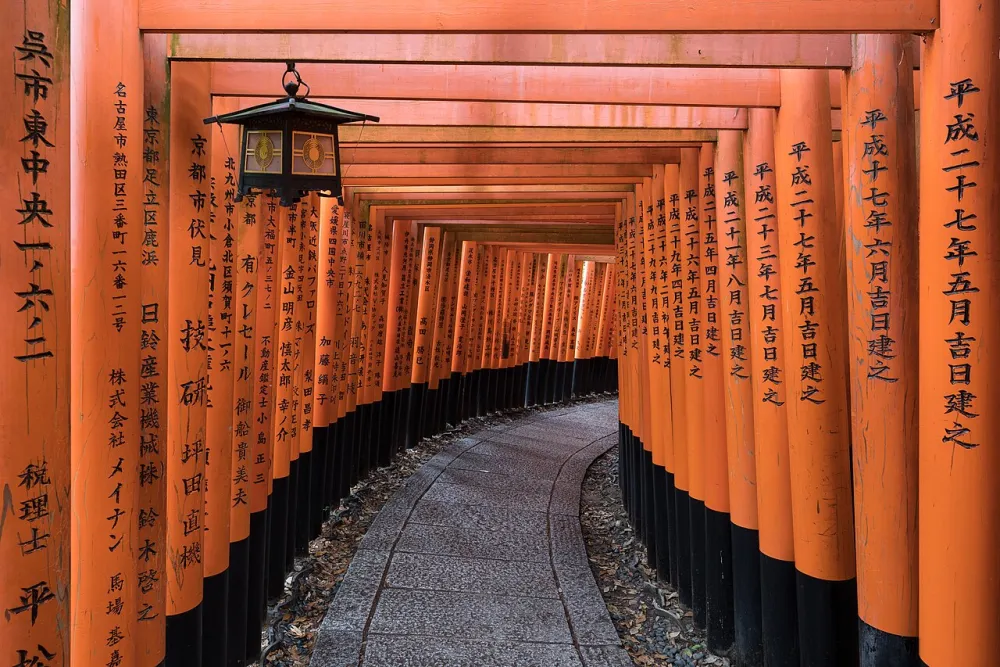
Plan a day from Fushimi Inari to the sake district around Chushojima, with a turnaround point on the torii trail, Keihan connections, the Gekkeikan Okura Sake Museum, lunch at Torisei, and options for families, nondrinkers, and rainy days.
Save four station names and separate the two parts of Fushimi
Fushimi Inari Taisha stands at the western foot of Mount Inari. The main sake-district walking area lies farther south, between Chushojima and Fushimi-Momoyama. Both are in Fushimi Ward, but you need a train ride between them. Save the shrine, Gekkeikan Okura Sake Museum, lunch restaurant, and return station separately on your map. You will see that the breweries are more than a few blocks from the torii gates. Take the train between the two areas to save your legs.
Keep these four names distinct: JR Inari Station, Keihan Fushimi-inari Station, Keihan Chushojima Station, and Keihan Fushimi-Momoyama Station. The shrine’s access page places JR Inari Station on the Nara Line right by the shrine, with a train ride of about five minutes from Kyoto Station. From Keihan Fushimi-inari Station, the shrine is about a five-minute walk east. These stations serve different railways. Arriving by JR and leaving by Keihan after your visit makes a sensible one-way route.
Chushojima is more direct if Gekkeikan is your first afternoon stop. Start at Fushimi-Momoyama if you want lunch around Otesuji first. For a return to Kyoto Station, compare the route via Kintetsu Momoyamagoryo-mae Station as well. Save its Japanese name, 桃山御陵前, to avoid confusing it with JR Momoyama Station. Search for your return route from the last shop you visit, rather than reusing the morning directions from Kyoto Station.
Arrive around 08:00 and leave time for lunch
Our suggested plan is to reach the shrine around 08:00, visit the main sanctuary, and walk through Senbon Torii to the Okusha area. Return to the base around 10:00, organize your belongings, take a break, and head for the Keihan station. This leaves room for lunch in the sake district after 11:00 and a museum visit around 13:00. If queues, rain, or a slower walking pace delay you, drop the second afternoon walk first.
An early start gives the morning some breathing room; there is no need to start up the mountain before daylight. Eat breakfast at your accommodation or a shop you know is open. Wear comfortable walking shoes and keep water within reach. If you want an amulet or a particular shrine service, work around that counter’s own opening hours. An open approach path does not mean every counter is staffed. Rushing to photograph the torii on an empty stomach can leave you urgently looking for a seat by lunchtime.
For a day trip from Osaka, add the journey from your hotel to the Keihan station before that 08:00 target. If you prefer a later start, put lunch after your shrine visit and choose a later available museum slot. If you reach the shrine close to noon, keep the short shrine visit and one meal in the sake district, and leave out the upper mountain paths. For a first visit, that works better than hurrying all day and rushing into the exhibits just before closing.
| Time | Main activity | What to drop first if you need to shorten the day |
|---|---|---|
| Around 08:00–10:00 | Main sanctuary, Senbon Torii, and Okusha Hohaisho | Upper mountain paths |
| Around 10:00–11:00 | Rest at the base, walk to Keihan, and travel south | Shopping on the shrine approach |
| Around 11:00–12:30 | Lunch in the sake district | A queue at a second popular restaurant |
| Around 13:00 | Gekkeikan Okura Sake Museum | Keep your selected entry time |
| Afternoon | Choose a short canal walk, Yume Hyakushu, or Gokonomiya | A second walk |
Where to pause between the Romon gate and the Okusha worship site
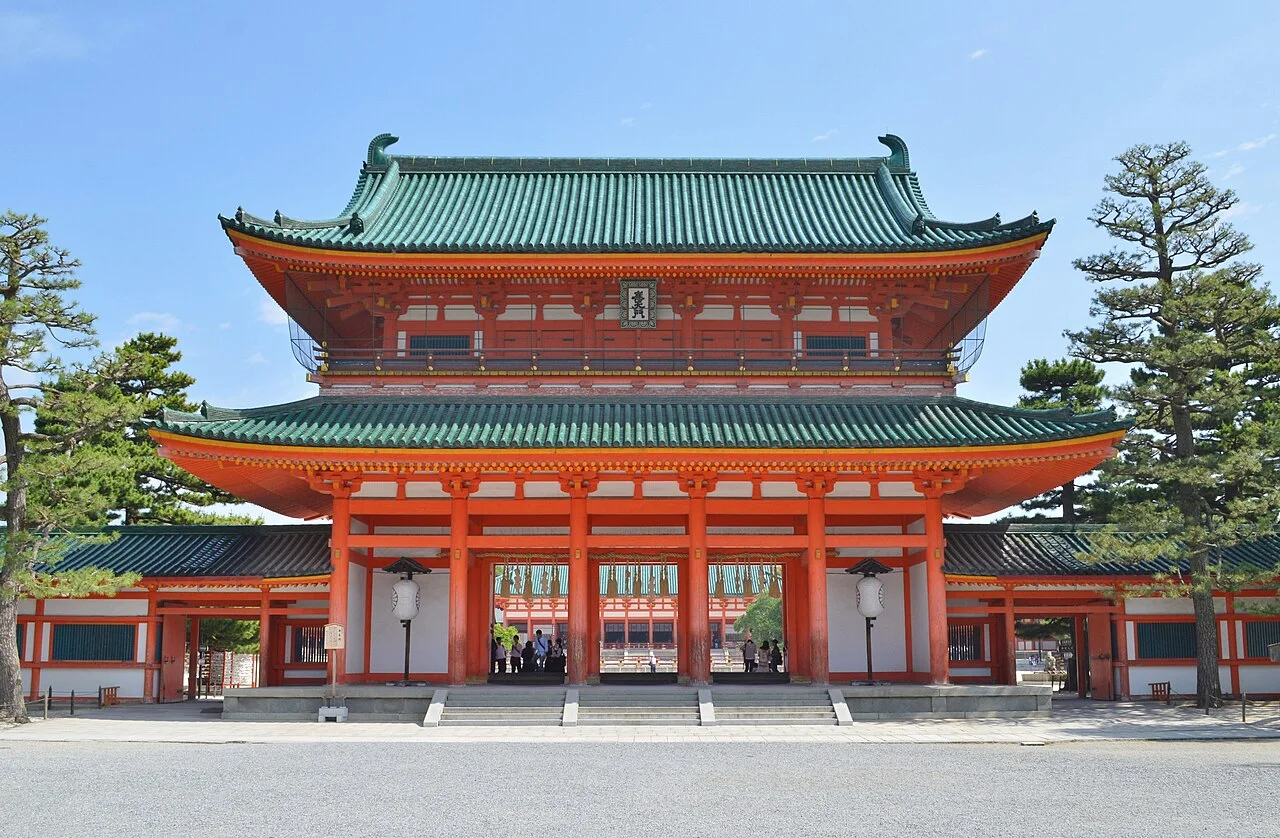
At the base, make the Romon gate and main sanctuary the focus of your worship before continuing to the torii gates. The shrine’s grounds map marks Senbon Torii and Okusha Hohaisho separately. The latter lies east of the main sanctuary, beyond Senbon Torii, and is a place to worship Mount Inari from a distance. Using it as your turnaround point takes you through the torii-lined path while leaving energy for the sake district in the afternoon.
It is easy to stop every few steps where the gates are closely spaced. Find a spot that does not block the path before taking photos, take turns with your companions, and move on afterward. Long lenses and tripods take up room in the narrow passage, so follow the restrictions on site. Lower your camera when someone is worshiping and wait for them to finish. Do not expect the entire passage to clear for one photograph. Both worship and pedestrian traffic set the pace here. Allowing extra time means other people’s walking speeds need not become a problem.
If you want to try the omokaru stones near the Okusha area, read the instructions on site and wait your turn. The shrine describes the custom as making a wish, then trying to lift the stone on top of a stone lantern. Companions who are not interested can wait to the side. On the shorter route, this is also a place to pause quietly and make a firm decision about continuing uphill before starting back. Otherwise, the flow of people can draw you farther along as you walk.
Back near the main sanctuary, stop for water, use the restrooms, and do any shopping. Open your map to the Keihan station and check the street direction before leaving the grounds. Avoid repeated detours for a shop that has not opened yet. If you already have an afternoon museum time in mind, use the remaining time for a meal or a seated break.
If you climb to Ichinomine, choose one afternoon priority in the sake district
Ichinomine is the highest point on Mount Inari, at 233 meters. The walk from the main sanctuary to the Okusha area demands much less energy than a circuit of the sacred sites on the mountain. The shrine map also distinguishes the upper paths from the base. If you want to explore those paths properly, spend the morning visiting the mountain’s sacred sites. Bring enough water, wear shoes with good grip, and slow down on wet steps. The descent still puts strain on your knees and legs; reaching the highest point is not the end of the walking.
Agree on a turnaround rule before you go. You might aim to leave enough time for an unhurried lunch after descending, or to have everyone back at the main sanctuary by a set time. If a companion starts to tire, return by a route you can identify. Other visitors continuing uphill are not a reason to follow. Use the route around the base if the weather worsens, the ground becomes slippery, or visibility is poor. Deciding to climb only after reaching the torii often means you have not prepared enough water, layers, or phone battery.
If you only want a meal after the climb, head straight for Otesuji near Fushimi-Momoyama, then decide after lunch whether you have energy for the canal. If the museum matters more, have a simple lunch and visit it, leaving out Gokonomiya and a second shop. Narrowing the afternoon to one priority lets you actually look at the displays after your walk, rather than holding a ticket while searching for the quickest exit. Set aside another afternoon if you want more time for sake tasting in the district.
Shrine etiquette affects breakfast, photography, and stroller plans
The shrine’s published visitor rules prohibit eating and drinking outside designated free rest areas, including eating while walking or standing. If you buy food on the approach, finish it at the shop or another permitted spot before entering the worship route. Eat a takeout breakfast before entering the grounds and take your trash with you. Stone steps, torii bases, and religious fixtures are not tables.
The same rules prohibit climbing lanterns and other fixtures, entering fenced areas or buildings without permission, approaching or feeding wildlife, and blocking narrow shrine paths while taking photos. The foxes and vermilion gates may be familiar from photographs, but this is sacred ground where people come to pray. Tell children in advance that the statues and torii are not for climbing. That is easier than repeatedly stopping them once you arrive. Commercial photography and other special activities require the shrine’s separate permission process.
If you bring a stroller, decide who will look after it. Do not leave it outside designated areas. For Senbon Torii and the higher mountain paths, divide responsibilities according to the stair routes you can manage that day and leave the stroller in an appropriate place. Carrying a child and carrying a stroller will also affect how much you can do in the afternoon. Companions who find stairs difficult can visit only the Romon gate and main sanctuary, wait for the others to return from a short walk, and then take the train together. People can enjoy the day without all taking the same uphill route.
Choose your southbound Keihan stop around lunch and your museum booking
After worshiping, walk to Keihan Fushimi-inari Station and use the platform for Yodoyabashi and Nakanoshima. Keihan’s Fushimi-inari Station information lists this as platform 2. Check the destination and stopping pattern on the train and platform displays, and choose a service that stops at Chushojima or Fushimi-Momoyama. The station name containing Inari identifies your starting point. There is no need to travel north first just to catch a faster train back south.
If Gekkeikan comes first, walk northeast from Chushojima Station. The Kyoto Prefecture Tourism Federation lists the museum as about five minutes away. Fushimi-Momoyama is a more convenient starting point for lunch at Torisei’s main restaurant or a look around Otesuji. From the shopping street, continue south through the restaurant area, breweries, and canals. You can reverse the station order: start at whichever is closer to the meal or museum visit you have fixed first. The Keihan fare table from Fushimi-inari, revised on October 1, 2025, lists an adult ordinary fare of 240 yen to either Fushimi-Momoyama or Chushojima. Put this leg in your budget, then add the morning journey from your accommodation and the return trip in the evening. That fare covers this leg only, rather than all travel between Kyoto Station and Fushimi. For a day with just these stops, start by pricing single fares or IC-card travel, then compare a day pass against the route you will actually take.
Check Torisei’s opening days before joining the lunch line
Torisei’s main restaurant is at 186 Kamiaburakakecho in Fushimi Ward. It suits travelers who want a meal of chicken dishes in the sake district. The restaurant’s current information lists regular hours of 11:00–22:00, with last orders at 21:30. It closes on Mondays but opens when Monday is a national holiday. Its year-end closure is December 31–January 4. A separate schedule lists earlier openings on some dates in October and November. Read the entry for your visit date; 10:30 opening does not apply every day.
Aim to arrive around 11:00 for lunch, then visit the museum afterward. That leaves more flexibility in the route. If there is already a line outside, check how much time remains before your booking. You can wait if you have finished the shorter shrine route and have no fixed afternoon entry time. With a 13:00 museum booking, do not let the lunch queue consume the visit. Choose another restaurant with seats available or change the museum slot if changes are still allowed. Make one of those decisions rather than waiting in line and expecting the rest of the day to shift automatically.
The website lists an average budget of 3,000–4,000 yen for the restaurant overall. Your lunch bill depends on the dishes, extras, and drinks you choose. Budget separately for the meal and alcohol; this also makes the bill clearer for two people traveling together. If you have a smaller appetite, finish lunch before deciding on an afternoon dessert. There is no need to fill up on the shrine approach and then force down a full set meal simply because the restaurant is famous.
For children or dietary restrictions, write down the seating you need, ingredients you cannot eat, and the number of diners before using the restaurant’s contact or reservation method. Families who want a relaxed sit-down lunch can give priority to a full meal the restaurant can serve that day. Leave other snacks in the sake district until afterward, so children are not left hungry while adults work their way through tastings.
Gekkeikan’s standard visit: note admission ages, check-in, and payment separately
The Kyoto Prefecture Tourism Federation’s Gekkeikan Okura Sake Museum listing gives opening hours of 09:30–16:30, with check-in closing at 16:00. Admission is 600 yen for ages 20 and older, 100 yen for ages 13–19, and free for ages 12 and under. Visitors ages 13 and older receive a souvenir. Tickets are based on actual age, including for junior high school and college students. Select the date and time for a standard visit on the official booking page, then save the confirmation on your phone.
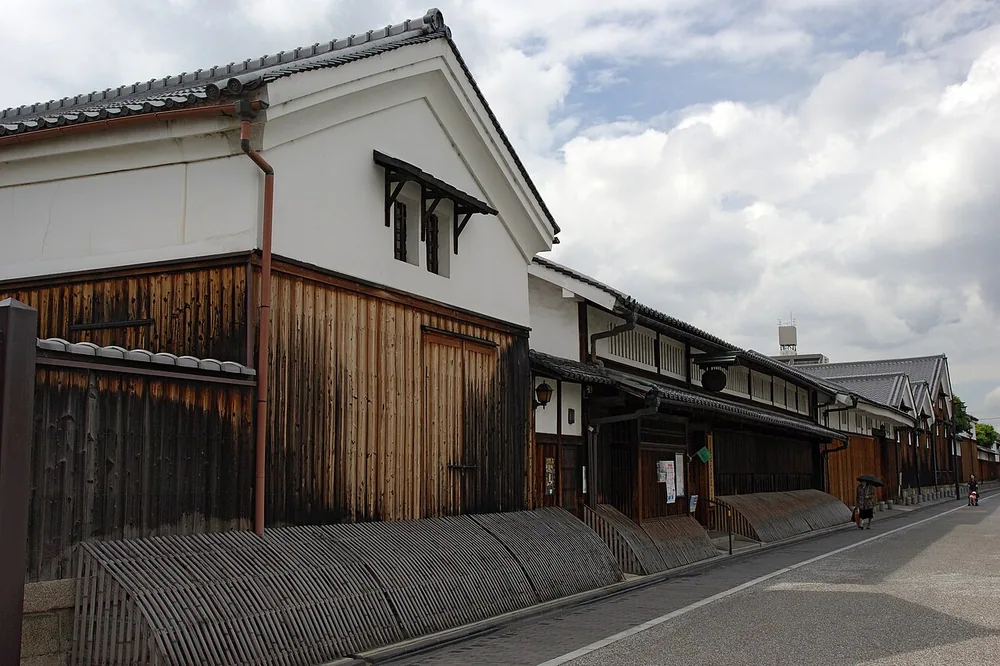
The official booking page also states that all payments inside the museum became cashless on July 1, 2026; cash is not accepted. Bring a supported cashless payment method as well as cash for transport and small purchases. Other shops set their own payment rules. To change a confirmed booking, use the confirmation page linked in the email and read the change deadline for the visit you selected.
Scheduling entry around 13:00 leaves proper time for both lunch and the displays. If the morning runs late, deal with the booking first, then decide whether to drop coffee or the canal walk. A 16:00 check-in deadline does not mean you can leave the restaurant shortly before 16:00. The tourism federation gives a typical visit length of about 40–60 minutes. Allow extra shopping time if you want to read the displays and browse the products, and plan the trip home from your actual departure time.
Look for water, tools, and transport in the sake-making displays
The museum is a useful introduction to sake making in Fushimi. Keihan’s Fushimi feature explains that it occupies a sake brewery built in 1909, displays brewing tools, and includes sake tasting and a Gekkeikan shop. Look first at what each tool did and its size, then read the explanation. You will remember more than if you treat the displays as a passage to the tasting area. Two people traveling together could each choose one tool they want to understand, then compare observations after leaving.
Continue looking at the role of water as you walk through the district. Fushimi has groundwater as well as waterways that carried people and goods to Kyoto and Osaka. Groundwater plays a role in brewing; the waterways are part of the city’s transport history. After seeing sake vessels, containers, and historical material in the museum, a walk by the canals shows how the breweries fit into this port town. That is why lunch, the museum, and the waterfront work well on the same day.
In the shop, check bottle sizes, storage requirements, and whether a product needs refrigeration before choosing sake to take away. For a gift, tell the staff what flavors the recipient usually likes, whether they have a refrigerator, and when they expect to drink it. Choosing a bottle only for its appearance can leave you with something unsuitable for your transport plans. If you are staying in Kyoto for several more nights, choose and note the products first, then discuss delivery and receiving dates with the shop. That can save you from carrying heavy glass bottles through the afternoon.
If you do not drink, focus on the displays and building. You do not have to take part in a tasting just because it is included in the ticket. If a companion wants to taste sake, agree on how long to spend so others can finish the displays at their own pace. Shared meals, shrine visits, and walks hold the day together. A shorter tasting still leaves a complete itinerary.
Gekkeikan’s official video explains how sake is made. Watch it after the section on brewing tools.
Keep the canal walk short enough to retrace comfortably
The Uji River branch canal and Hori River near the museum make Fushimi’s water-transport history easy to understand. Kyoto City’s cultural-heritage feature on the port town of Fushimi records how development of the castle town and diversion of the Uji River encouraged water transport, with Fushimi Port linking Osaka and central Kyoto. Looking at the waterways, bridges, and brewery walls in the afternoon reveals an urban life quite different from the morning’s worship at the foot of the mountain.
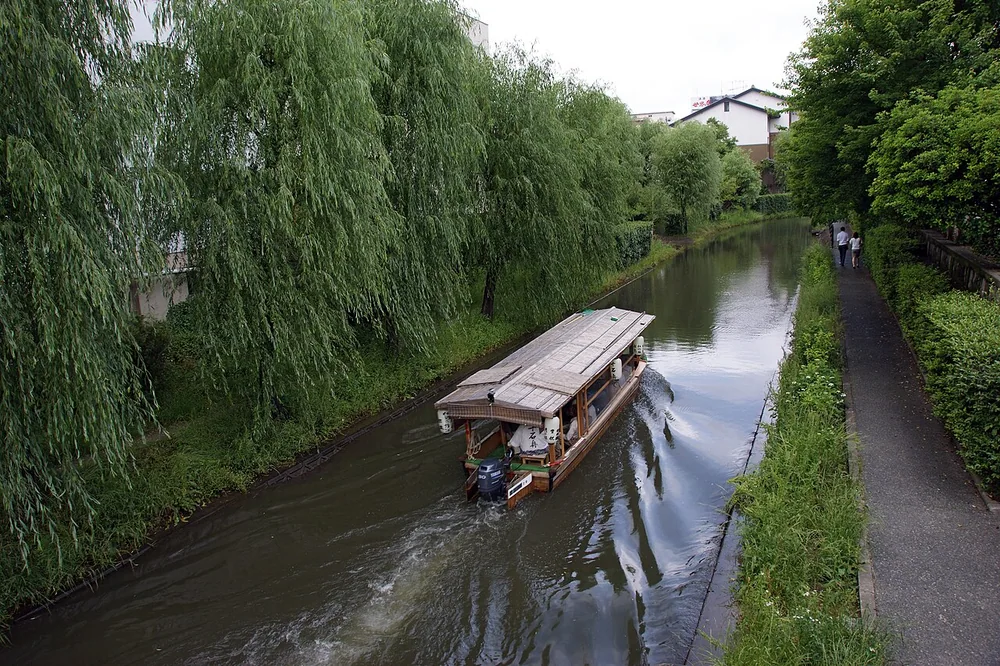
Start with a short walk beside the Uji River branch canal near the museum. When you tire, retrace your steps to the museum, then continue toward Yume Hyakushu or Gokonomiya according to your next stop. Photograph buildings from public roads and keep doorways, loading entrances, and vehicle routes clear. Step aside when brewery staff need to pass. Enter courtyards, factory grounds, or warehouses only with permission.
With children, avoid continually looking for steps down just to get closer to the water. Hold their hands and stop where you can see the path clearly. Older companions who have already walked the torii steps may prefer to pause by a bridge for the view, then take a seated break in a shop. That is enough for a taste of a canal walk. Treating every bridge name as a checklist can leave you walking the same waterway several times.
If you see the Jukkokubune boats, treat a boat trip and a walk as separate choices. Adding a ride to a day that already includes lunch and the museum also adds time for meeting at the boarding point, waiting, and walking afterward. If the boat is a priority, use it in place of afternoon coffee or Gokonomiya and book from the operator’s calendar for that year. If you choose the canal walk, turn toward your return station when you have walked as far as you comfortably can.
Stop at Fushimi Yume Hyakushu for coffee and to compare sake before buying
For a seated afternoon break, put Fushimi Yume Hyakushu after the museum. The Fushimi Tourism Association’s introduction lists cold-brew coffee made with sake-brewing water, sweets, and sake, as well as bottles from different Fushimi breweries. The shop’s official blog currently gives hours of 10:30–17:00, with last orders at 16:30, and Monday closure except on national holidays. It provides a break for nondrinkers and somewhere to sit and organize purchases before leaving the sake district.
The building was Gekkeikan’s former head office, completed in 1919. The tourism association explains that its stone entrance steps and raised position reflect earlier flood-protection design. Observe the public exterior and the cafe spaces that are open, including the transom panels, rooms, and small courtyard garden in view. You need not enter every area. The entrance has steps. If someone uses a wheelchair or stroller, work out a practical way in and out before the group decides whether to enter.
If you have already tasted sake at the museum, choose coffee or ask about the sweets here while comparing bottles to buy. Tell the staff directly if you need to avoid alcohol, and distinguish desserts containing sake from ordinary drinks. Check an item before sharing it with a child. When buying sake, explain whether you will take it back to the hotel, drink it the next day, or give it as a gift. Those plans affect the size and storage you should choose.
If it is closed on Monday, use a short canal walk or Gokonomiya as the afternoon stop instead. Torisei’s main restaurant also normally closes on Mondays. A calendar check before setting out avoids finding both closed. Make that a day for shrines and exhibits, and choose a lunch restaurant open that day. It takes less effort than searching again at each closed door.
For another shrine or an afternoon without sake, walk from Fushimi-Momoyama to Gokonomiya
If you want to visit another shrine, walk toward Fushimi-Momoyama after the sake district and continue to Gokonomiya Shrine. The shrine’s official access and grounds guide gives a walk of about four minutes from Kintetsu Momoyamagoryo-mae Station and about six minutes from Keihan Fushimi-Momoyama Station. It fits near your return station, without going back to Chushojima and then taking another train north. To shorten the total walk, start at Fushimi-Momoyama, visit Gokonomiya, continue through the shopping street and sake district, and leave from Chushojima.
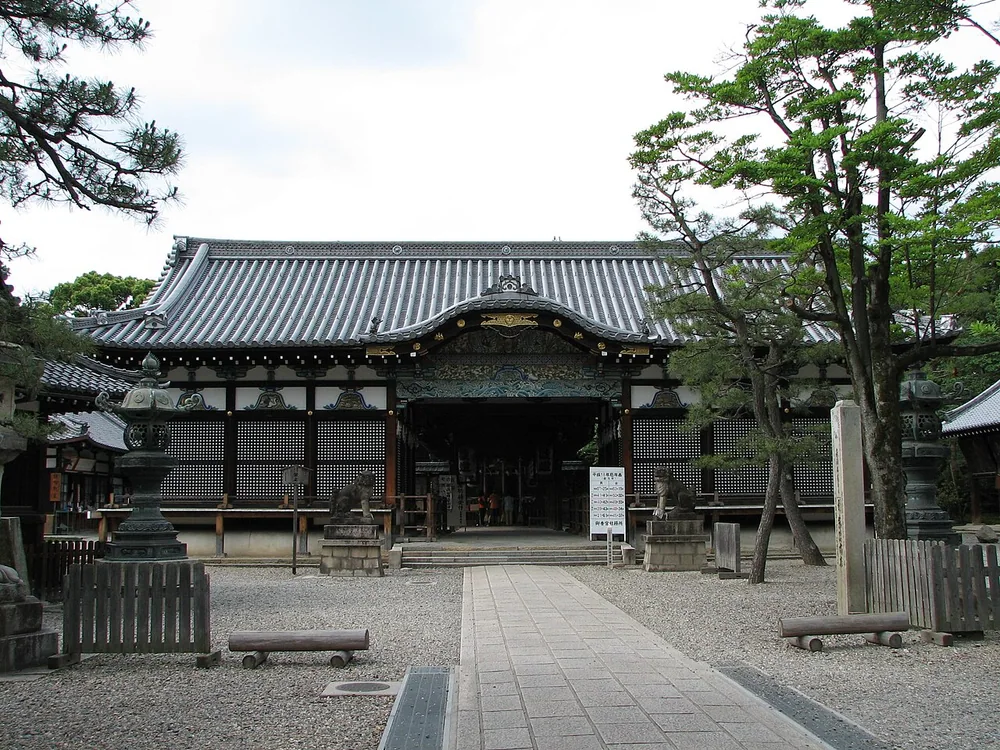
Focus on the main sanctuary, worship hall, and Gokosui spring. The shrine describes the main sanctuary as an Important Cultural Property commissioned by Tokugawa Ieyasu, with brightly colored carvings. After worshiping, look at the decoration from areas open to visitors. Looking closely at the carvings offers a different experience from walking the long Senbon Torii approach in the morning. The shrine specifies two bows, two claps, and one bow. If you are unfamiliar with the sequence, read the instructions without blocking others, worship first, and photograph the buildings afterward.
For amulets or goshuin shrine seals, the shrine office accepts visitors from 09:00 to 16:00. That timing affects the afternoon order. If you leave the museum late, go to the office first, then decide whether returning for coffee makes sense. If you only want to see the buildings, there is no need to join another line to collect shrine items. Leave time to return to your accommodation from the station you chose.
Gokonomiya also works as the main afternoon stop for a group of nondrinkers. Make the museum optional, take a short canal walk after lunch, and return toward the shrine, all within the same area. If brewing tools and museums do not interest you, choose this version instead of feeling obliged to accompany a full tasting session.
With children or older adults, plan places where people can turn back
For a family morning, focus on the main sanctuary and a manageable stretch of torii gates, without making a climb the shared goal. Adults should agree who will accompany a tired child back and exactly where everyone will meet. Keep your phone sufficiently charged. A short line on a map can involve stairs, crowds, and waits for photos. Leaving out the upper mountain paths saves energy for lunch and some exhibits in the afternoon, and avoids carrying a child over the entire route from the start.
Choose a lunch stop with seats and food everyone can eat. Feeding children first and arranging adult tastings later is easier to manage than splitting up to find snacks. Gekkeikan’s admission groups are ages 20 and older, 13–19, and 12 and under. Visitors under 20 can focus on the displays, architecture, and souvenirs; arrange tasting only for adults who are eligible. Adults can take turns looking after children so those interested in the exhibits have time to read them.
For wheelchair users or anyone who needs ramps, plan station entry and exit first, then access inside each stop. Keihan’s information for Fushimi-inari Station lists ramps and a wheelchair-accessible restroom, but no elevator. Use the station layout to plan the platform and direction of entry or exit. If you visit Yume Hyakushu in the afternoon, include its stone entrance steps in the route. A station’s accessible facilities do not resolve level changes at every shop along the way.
Leave luggage at your accommodation or a storage location already arranged, and carry only what you need for the day. Keihan Fushimi-inari Station has coin lockers but no staffed luggage-storage service. On a one-way route ending at Chushojima or Fushimi-Momoyama, leaving a suitcase at the morning station adds a detour to collect it. On a departure day, use storage at a transport point where you can retrieve the bags, and finish the afternoon earlier so the return to your accommodation connects with travel to the next city.
In rain, keep the museum and a meal, and shorten mountain and canal walks
In light rain, keep the shrine visit around the base and let the path conditions and your companions’ needs determine how far you walk. Put your phone away on wet steps and keep your umbrella away from other people’s faces. Stand firmly before taking a photo. If the rain gets heavier, drop the upper mountain paths and take Keihan to lunch and the museum. For an existing museum booking, follow your confirmation instructions and decide whether you can reach it or need to change it. There is no need to add walking in the rain just to fill the schedule.
You can drop the afternoon canal walk, go to the museum after lunch, and rest in a shop with seats. Even a shopping-street walk includes exposed sections from the station and between shops. Bring rain gear and something for a wet umbrella; the covered streets do not extend across the whole sake district. For a passing shower, have a drink first and walk when the rain and your energy allow. If strong wind and heavy rain are forecast, or rail services are disrupted, swap this day for indoor plans near your accommodation. You can return to the sake district just for lunch and the museum, or visit only the shrine on another day. Keep a half-day in your itinerary flexible enough to swap. That gives you a practical option in poor weather, without trying to make up time by walking faster.
Separate transport and meal costs, and do not add Uji just to use a pass
List the train rides you will actually take: accommodation to the shrine, Fushimi-inari to the sake district, and the last stop back to your accommodation. A route using JR from Kyoto Station in the morning and Keihan to southern Fushimi later involves different operators. A Keihan ticket does not cover the JR leg. If you stay near Gion-shijo or Sanjo, you can base the whole day on Keihan and compare passes against the number of train journeys you will make. Choose the ticket after the route to get an accurate cost.
For one adult age 20 or older, two costs can be set out now: 240 yen on Keihan from Fushimi-inari to Chushojima or Fushimi-Momoyama, and 600 yen for standard admission to Gekkeikan, totaling 840 yen. Add breakfast, lunch, coffee, shopping, and transport to and from your accommodation. For ages 13–19, museum admission is 100 yen. Calculate rail fares under the railway’s own age categories; the two systems are separate.
To spend less, skip a second tasting, buy one fewer bottle, or replace coffee with a shorter break. You do not need to cut the main meal. Two travelers can set individual shopping budgets and settle meal and shared transport costs separately. Base spending on what you actually do that day. Adding Uji just to get more rides out of a day pass also adds walking in another area, attraction fees, and waits at tea shops.
If Uji is the place you most want to see, replace the sake district with it and plan a different route combining Fushimi Inari and Uji. For a day already built around lunch, a museum visit, and a canal walk, Chushojima’s appeal is the chance to explore a compact area slowly. Heading to another district in the afternoon turns that free time into transfers.
Before leaving, sort out bottles, dinner, and your return station
Organize the packaging after shopping and put glass bottles somewhere stable. Do not give all the heavy items to the person who has just finished the mountain walk. Store refrigerated products as the shop directs, and tell staff how long it will be before you reach your hotel. Choose something else if you cannot manage the storage that day. Buying gifts toward the end makes the earlier shrine and museum visits easier.
After a full lunch, you can return to your accommodation directly from Chushojima in the early evening. If you finish at Gokonomiya, search from Fushimi-Momoyama or Kintetsu Momoyamagoryo-mae. For Kyoto Station, compare the actual Kintetsu and Keihan transfer routes. If you stay along Keihan, use the northbound services. For Osaka, choose a station near your hotel first, then check where to transfer; you do not all need to detour through Kyoto Station. If you want dinner in Fushimi, shorten afternoon coffee and make dinner the last fixed stop. Finish shopping before eating, then take the train afterward. If you have been drinking during the day, use public transport home and check your bottles and belongings before leaving the restaurant.
A few useful answers
Can I walk from Fushimi Inari to the Fushimi sake district?
The two areas are a train ride apart. We recommend taking Keihan from Fushimi-inari to Fushimi-Momoyama or Chushojima and saving your walking for the shrine and sake district themselves. Start at Fushimi-Momoyama for lunch around Otesuji, or at Chushojima if Gekkeikan comes first.
Does this Fushimi day trip suit nondrinkers?
Yes. Visit the shrine in the morning, then see brewing tools and architecture, walk by the canals, and have coffee at Yume Hyakushu. You can also replace tasting time with Gokonomiya Shrine. Choose the museum or cafe according to your interests.
Does the Gekkeikan Okura Sake Museum accept cash?
The official booking page states that all payments inside the museum have been cashless since July 1, 2026. Prepare a supported payment method before entering. Other shops set their own payment rules.
Can I add Uji on the same day?
If Uji is your priority, use it in place of the sake district. A short shrine visit, lunch in the sake district, the museum, and a canal walk already make a full day. Combining everything reduces the time for meals, exhibits, and transfers.
Official information and references
Sources used in this guide.
- Fushimi Inari Taisha: official access information
- Fushimi Inari Taisha: grounds map, Okusha, and Mount Inari
- Fushimi Inari Taisha: worship, eating, and photography rules
- Keihan: Fushimi-inari Station platforms and facilities
- Keihan: ordinary fares from Fushimi-inari, revised October 2025
- Torisei main restaurant: opening days, address, and budget
- Kyoto Prefecture Tourism Federation: Gekkeikan Okura Sake Museum admission ages, hours, and access
- Gekkeikan: official standard-visit bookings and cashless-payment announcement
- Keihan: Fushimi breweries, the museum, and Gokonomiya
- Kyoto City cultural heritage: Fushimi, the port town linking Kyoto and Osaka
- Fushimi Tourism Association: Yume Hyakushu cafe, products, and building
- Fushimi Yume Hyakushu official blog: current opening hours
- Gokonomiya Shrine: grounds, office hours, and access