Ride the Eizan Electric Railway to Ichijoji in Kyoto for a bowl at Gokkei, Takayasu, Chinyu, or Tenkaippin, then visit Keibunsha, Shisendo, or Manshuin. Includes lunch timing, 2026 autumn reservations, and ramen pass math.
- Region & Focus
- Kyoto
- Reading Scope
- 22 min read · 8 chapters · 6 Q&As
- Official Verification
- 31 official sources checkedUpdated November 22, 2026 at 08:00 AM GMT+8
- Key Topics
- FoodNeighborhoodsItineraries
Chapter Route Map (tap any stop)
- Two Sides of Ichijoji Station: Noodles West, Hills East
- How to Pick Between Gokkei, Takayasu, Chinyu, and Tenkaippin
- How Long to Wait When You See a Line
- One Hour at Keibunsha, and Early Arrivals Over New Year's
- Pick One Temple: Gardens, Shoin Architecture, or Timed Entry
- Where to Transfer, Regular Fares, and Ramen Ticket Math
- Three Half-Day Plans: Weekday Lunch, Autumn Morning, or Afternoon Arrival
- Combining Ichijoji with Demachiyanagi, Kitayama, or Kurama
- Quick Q&A
On your first trip to Kyoto's Ichijoji neighborhood, the Eizan Electric Railway gets you there from Demachiyanagi in about 6 minutes. Head to Menya Gokkei for ultra-thick chicken paitan, or pick Takayasu for a pork-and-chicken broth paired with curry-spiced fried chicken. A half-day easily holds one bowl of ramen, a browse at Keibunsha bookstore, and a single hillside temple. Put lunch first and browse the bookstore afterward—unless you hold an autumn reservation slot at Enkoji, in which case head up the hill first and build the rest of the day around it.
Two Sides of Ichijoji Station: Noodles West, Hills East
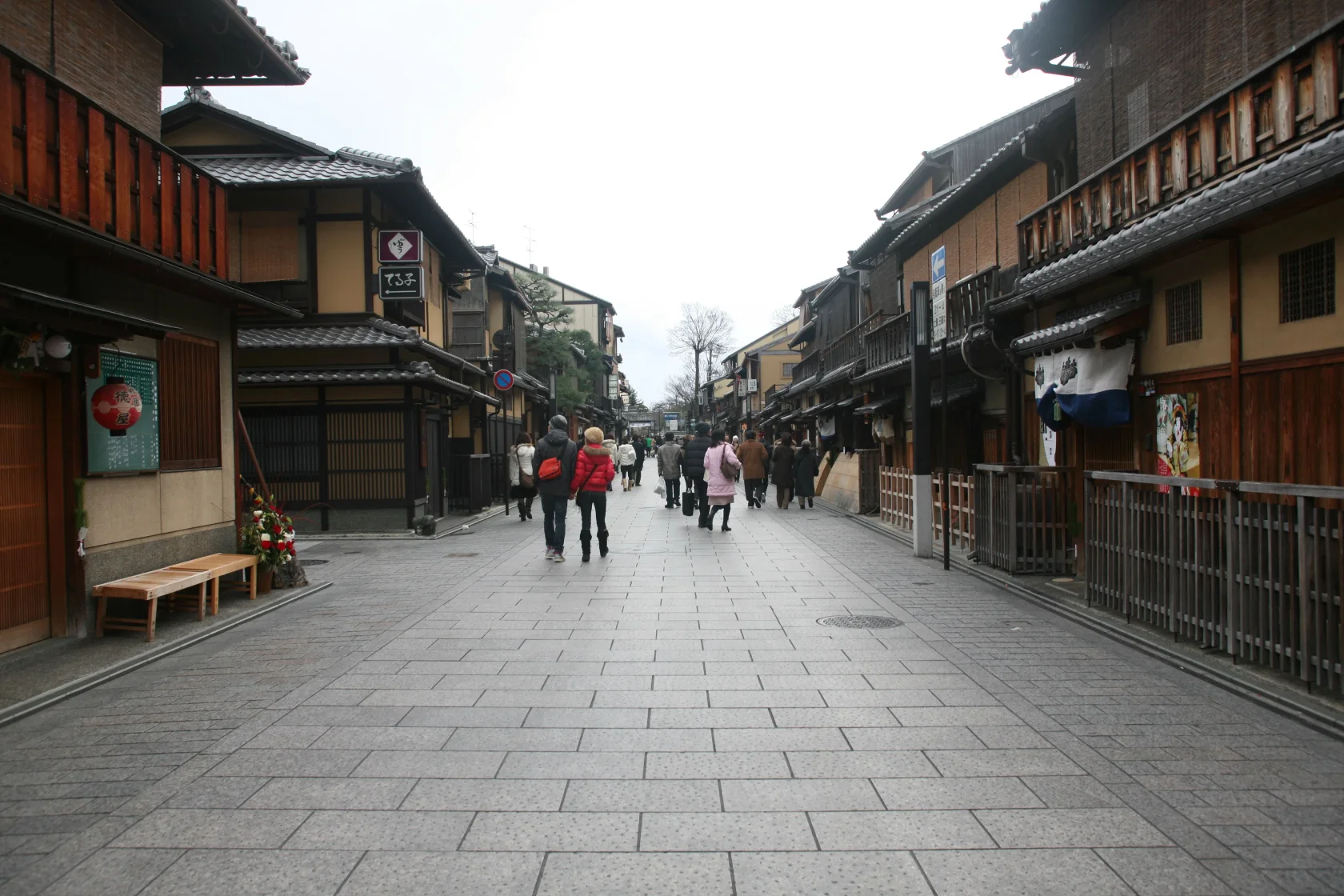
Ichijoji Station splits the neighborhood cleanly in two. Go west to Higashioji-dori for Chinyu Ichijoji Main Shop, Keibunsha bookstore, Takayasu, and Gokkei farther north. Cross Shirakawa-dori to the east and the streets climb into quiet hillside residences toward Shisendo and Enkoji, with Manshuin sitting higher up the slope to the north. Tenkaippin's Kyoto Main Shop also sits along Shirakawa-dori, though farther south—easier to pair with Shisendo than to chain with Gokkei in two quick stops.
Pin your chosen ramen shop, Keibunsha, and one temple before you leave the platform. Searching "Ichijoji Ramen Street" brings up dozens of pins, yet zigzagging between Higashioji-dori and Shirakawa-dori adds unnecessary crossings over the train tracks. Knowing which major avenue a shop sits near matters more than a generic neighborhood search. If you are riding Eiden both ways, treat Ichijoji Station as your anchor: keep flat-ground browsing flexible and save hillside temple walks for daylight.
With only two hours to spare, stay on the west side of the tracks. Step off at Ichijoji Station and head straight to Chinyu or Takayasu; if the shops have not opened yet, browse Keibunsha from 11:00 or save the bookstore for the walk back to the train. If you are adding a temple, budget separate time for uphill streets and entry queues rather than estimating travel time at flat-city walking speed.
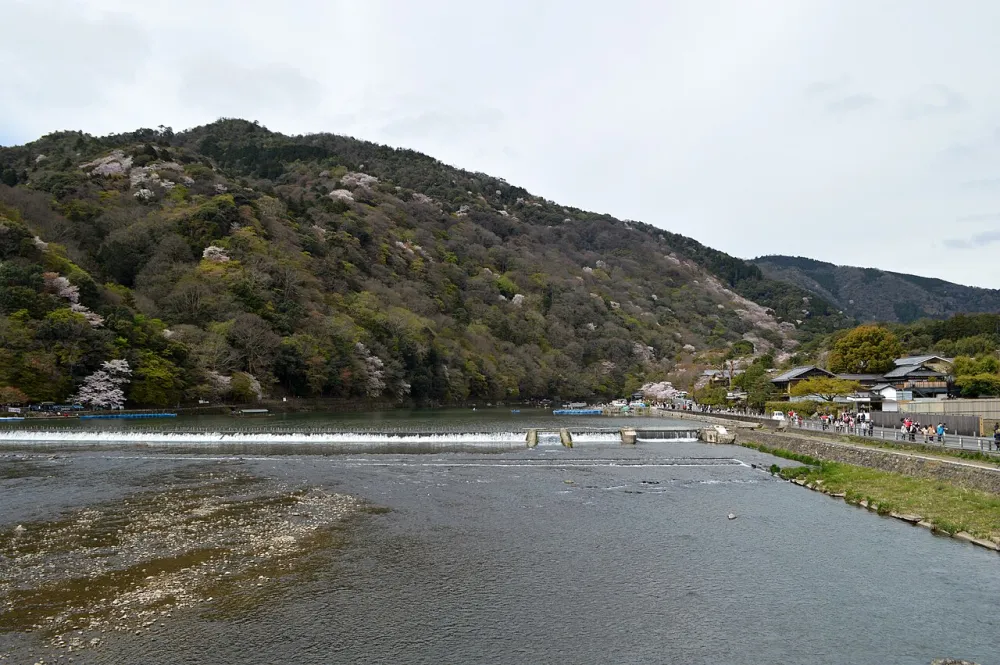
Local Kyoto area maps for Ichijoji and Shugakuin place the Takano River to the west and the mountain foothills to the east, giving you an instant compass. For a first climb up the hill, follow Manshuin-michi to Shirakawa-dori and turn onto the signed side lanes. On the way down, reaching either major avenue and walking toward the Eiden railroad crossing puts you right back by Ichijoji Station. Because street, station, and temple names overlap here, type exact destinations such as "Shisendo Jozan-ji" or "Manshuin Monzeki" into your map app.
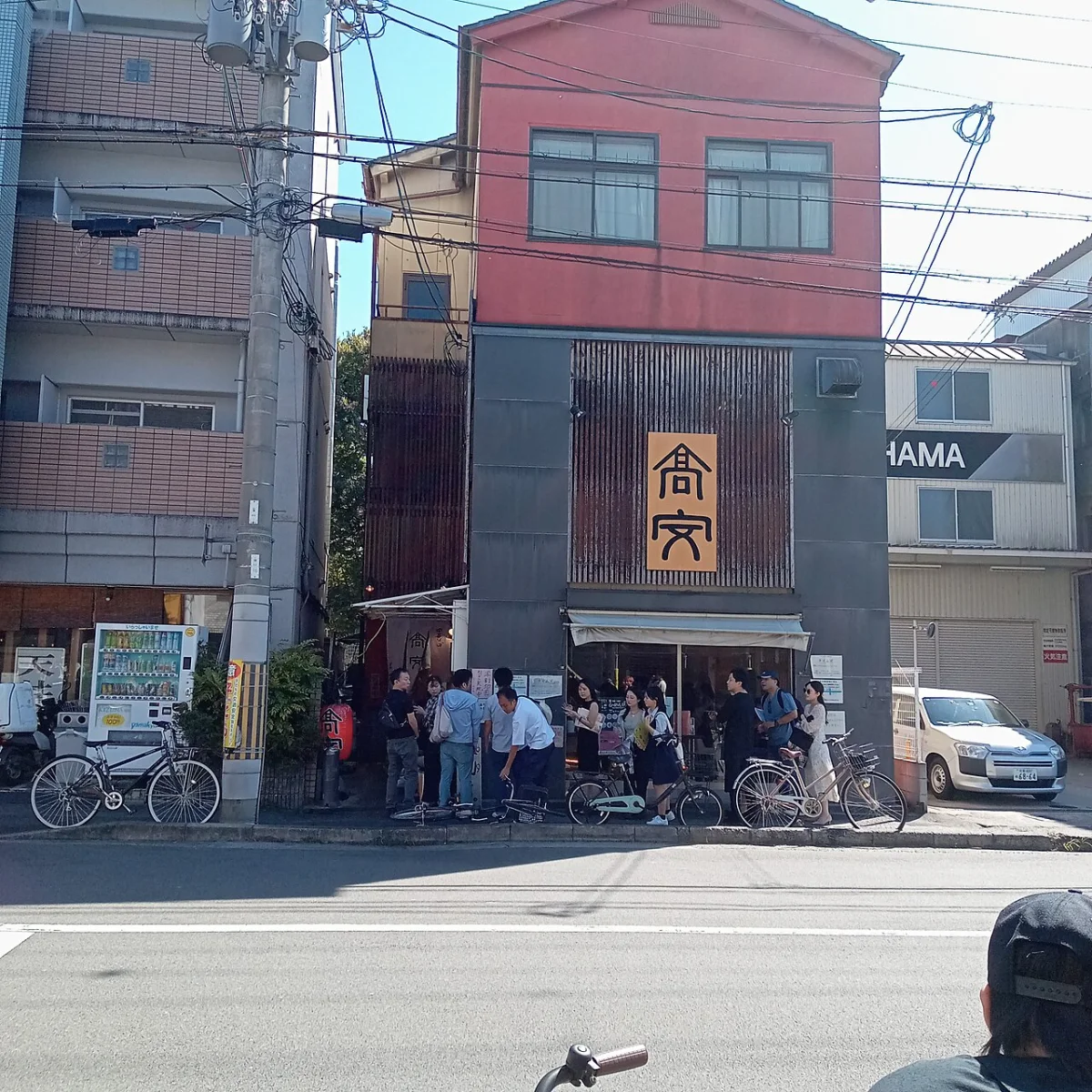
Ride the Eizan Electric Railway to Ichijoji in Kyoto for a bowl at Gokkei, Takayasu, Chinyu, or Tenkaippin, then visit Keibunsha, Shisendo, or Manshuin. Includes lunch timing, 2026 autumn reservations, and ramen pass math.
How to Pick Between Gokkei, Takayasu, Chinyu, and Tenkaippin
Gokkei's signature toridaku is built for travelers making a special trip for thick, gravy-like soup. Simmered from chicken meat and bones, the paitan clings to every strand of noodles as you lift them, so ordering a single standard bowl is plenty to experience what makes it famous. Menya Gokkei Ichijoji Main Shop sits at 29-7 Nishitoji-kawaracho, roughly a 10-minute walk from the Eiden station. Posted hours are 11:30-22:00 (closed Mondays), and the shop closes early once soup runs out. If you arrive in the afternoon, check the shop's live updates or door notice before making the trek north.
Takayasu blends pork and chicken bones into a creamy white broth for its Chuka-soba, served with specially balanced alkaline noodles and a self-serve spicy garlic-chive sesame condiment on the side. Taste the unadulterated broth for a few spoonfuls before adding the topping. Official menu prices list Chuka-soba at ¥980 and the limited stewed beef tendon ramen (Suji Ramen) at ¥1,480. The shop's curry-flavored fried chicken is its other signature: a three-piece set with rice is listed at ¥1,940 (¥150 less without rice). If you plan to keep walking or stop for sweets later, stick to a regular bowl of Chuka-soba to pace your appetite.
Takayasu is located at 10 Takatsukicho. Eiden's ramen ticket guide lists its hours as 11:30 to 02:00 the following morning, closing early if the broth sells out, while Takayasu posts irregular closures on its official website announcements page. For lunch, walk up Higashioji-dori to the yellow sign, check the door instructions for where to line up, and decide whether to wait or walk south toward Chinyu.
Chinyu Ichijoji Main Shop sits about a 3-minute walk from Ichijoji Station and pairs a chicken paitan base with pork back fat in its signature Chuka-soba. Wok-fried rice is another staple here, with combo sets available inside. Following renovations, the shop reopened on August 1, 2026, with current posted hours of 11:00-24:00 (last order 23:30), closed Wednesdays except on national holidays. When you want to hop off the train, eat without a long trek, and protect your afternoon schedule, Chinyu saves serious legwork.
Tenkaippin's Kyoto Main Shop stands at 94 Ichijoji Tsukidacho, facing Shirakawa-dori. Born as a street stall near Ginkakuji in 1971, the chain is known for its thick, chicken-and-vegetable-simmered kotteri broth, though this flagship also serves clear assari and the middle-ground Yatai no Aji. Order kotteri if you want the original reason people make the pilgrimage here; if a companion prefers lighter soup, split two different styles between you. The main shop stays open until 01:00 (last order 00:45) and closes only on New Year's Day.
Menu words like paitan, seabura, and shoyu refer to different elements in the bowl. Paitan describes an opaque, long-simmered broth; seabura is pork back fat added for richness; shoyu refers to the soy-sauce tare seasoning. Chinyu serves a chicken paitan topped with seabura, while Takayasu's creamy soup mixes pork and chicken. If you prefer crisp aromatics and a lighter body, look up Menya Ryugen near the station for shoyu-style Chuka-soba, or check Ramen Touhichi near Shugakuin Station (listed on the Eiden pass page) for chicken-shoyu ramen.
Noodle purists can detour about 6 minutes on foot from Ichijoji Station to Honki Tsukemen Yamashita for fish-and-soy dipping noodles. Listed by Eiden for thick whole-wheat noodles served with a pork, seafood, and shoyu dipping broth, it opens 11:00-14:30 and 17:00-21:30, closed Sundays. Tsukemen serves noodles and broth separately—dip a bite-sized tuft at a time rather than pouring the soup in. Because both Yamashita and Menya Ryugen close between lunch and dinner, choose an all-day shop if you are descending from the temples around 15:00.
For shoyu-forward bowls, Menya Ryugen pairs effortlessly with a stop at Keibunsha near Ichijoji Station, whereas Ramen Touhichi by Shugakuin Station fits smoothly after a morning at Manshuin before riding one stop down to the bookstore. Eiden lists Ryugen at 11:30-15:00 and 17:00-21:00 (closed Wednesdays plus one monthly irregular holiday), and Touhichi at 11:30-14:30 and 18:00-21:30 (closed Tuesdays). Anchoring your meal near whichever station ends your temple walk cuts down on backtracking.
If you want to sample two shops in one day, split them across lunch and dinner. Target spots with afternoon breaks or early sell-outs like Gokkei at midday, then hit Tenkaippin on Shirakawa-dori at night—or save your second bowl for a return trip in central Kyoto. Compare shops using their standard original broth and regular portion. When sharing tastes with friends, wait until everyone's bowls arrive and pass a small spoon or side bowl rather than ordering extra sides nobody can finish.
| Shop | First Bowl to Order | Best Timing Window |
|---|---|---|
| Menya Gokkei Ichijoji Main Shop | Toridaku (ultra-thick chicken paitan) | Opens 11:30; closed Mon; closes when soup sells out |
| Chuka-soba Takayasu | Chuka-soba (pork-and-chicken paitan) | Eiden lists 11:30 start; closes when soup sells out |
| Chinyu Ichijoji Main Shop | Chuka-soba (chicken paitan with pork back fat) | Opens 11:00; typically closed Wed |
| Tenkaippin Kyoto Main Shop | Kotteri (thick chicken-and-vegetable broth) | Opens 11:00; easy afternoon/evening stop on Shirakawa-dori; closed Jan 1 |
How Long to Wait When You See a Line
Set your walk-away cutoff before joining the queue. If you have a 13:00 timed entry at Enkoji, walking uphill from Ichijoji Station takes 15 to 20 minutes, plus a few minutes to orient yourself or stash bags. Getting seated only at 12:10 will make the climb feel rushed. On timed-entry days, either eat at an 11:00 opener with buffer time or visit the temple first and have lunch on the way back down.
At peak lunch hours, scan the storefront for signs reading "Saikobi" (end of line), "Shokken" (meal ticket), or "Uketsuke Shuryo" (sold out / line closed). People standing near the entrance may simply be waiting for friends, so follow the shop's posted queue rules before assuming your place. At ticket-machine shops, read the door instructions to know whether to buy tickets before or after lining up. Key buttons to recognize are "Nami" (regular), "Omori" (large), and "Urikire" (sold out). Carry a few ¥1,000 bills and ¥100 coins so you are not scrambling for change at the machine.
Solo diners slip into single counter gaps quickly, while groups of three or four—especially with kids—should decide upfront whether splitting seats is okay. If your group wants to sit together, ask staff politely at the front. Keep backpacks at your feet or slung to the front in narrow aisles, and avoid resting coats on empty adjacent stools. When unsure what to order, point to the house standard and say "nami" before adding karaage or rice sets.
Take exterior shots of signs and storefronts from across the sidewalk, and once your bowl arrives, keep your phone directly over your table for two or three quick photos before eating while the broth is hot. Save side-by-side comparisons and tasting notes for after you leave. During busy autumn weekends, stand flush against the shopfront so residential driveways, cyclists, and crosswalks stay clear.
One Hour at Keibunsha, and Early Arrivals Over New Year's
Keibunsha Ichijoji sits at 10 Ichijoji Haradonacho, about a 3-minute walk west from Ichijoji Station along Manshuin-michi. Type its full Japanese name into navigation apps if searches misroute. Regular store hours are 11:00-19:00, sliding neatly into a post-lunch itinerary. Early risers who want to browse right at opening can explore the east side of the tracks first, while rainy-day visitors can linger over coffee in central Kyoto and time their train for 11:00.
Start in the main bookstore at the curated tables near the entrance, then pick a theme and follow that aisle end to end. Shelves group travel, illustration, design, and food titles from varied publishers side by side, rewarding slow browsing from one cover to the next. Adjacent Seikatsukan focuses on everyday living books and household goods—an easy stop even if companions only want stationery or small kitchenware.
Galerie Enfers hosts rotating exhibitions, pop-ups, and used-book fairs, alongside a smaller display nook inside Seikatsukan, all tracked on the store's unified event calendar. Before heading over for a specific show, check whether it takes place in Seikatsukan, the gallery, Cottage, or Ateri. On event days, split your visit into two halves with a tea break in between; Cottage runs workshops, talks, and guest cafes depending on the day's schedule.
Keibunsha accepts cash, credit cards, transit IC cards, and PayPay at the main register, though select exhibition pieces may carry specific payment rules. If you buy heavy art books, ask the counter about domestic shipping within Japan: listed standard shipping is ¥700 (higher for Hokkaido, Okinawa, and certain remote islands), with free shipping on orders of ¥15,000 or more. When a hillside temple walk still lies ahead, grab only a couple of paperbacks or save book shopping for your final stop before boarding the train.
Posted holiday hours for the 2026-2027 season run as follows: normal 11:00-19:00 service on December 30, 2026; early 11:00-17:00 closing on December 31; closed all day on January 1, 2027; 11:00-17:00 on January 2; and back to 11:00-19:00 from January 3 onward. On New Year's Eve, visit Manshuin in the morning, head straight to Keibunsha after lunch, and save tea for afterward; on New Year's Day, focus on neighborhood strolls and restaurants that stay open.
Pick up the shop's free zines and neighborhood flyers to discover nearby cafes and bakeries curated by staff. Jot down book titles and publishers in your phone notes rather than blocking aisles to photograph pages, and note that commercial or media photography requires submitting the pre-approval form linked on Keibunsha's website. Watch for shoppers browsing behind you before raising a phone camera.
If you want a sit-down treat after coming down from Shisendo, detour along the mountain side of Shirakawa-dori to Ichijoji Nakatani at 5 Hananokicho. The sweet shop opens 9:00-18:00 and the tearoom serves from 10:00 (last order 17:00), closed Wednesdays. Its signature Kinugoshi Green Tea Tiramisu sits alongside classic wagashi like yokan. For coffee closer to Keibunsha, consult the bookstore's neighborhood map. Because these two rest zones lie on opposite sides of the Eiden tracks, pick whichever matches the half of the neighborhood you are already in.
Traveling with kids after Shisendo when ramen lines look too long? Nakatani's tearoom also serves savory meals, including the year-round Kyo-zoni Irodori Gohan (listed at ¥1,400) with white-miso mochi soup, red-bean rice, and Kyoto home-style sides. If you have already eaten ramen, split matcha with a slice of Decchi Yokan instead. Keep the 17:00 last order in mind—if you stay at a temple until closing, switch to takeaway sweets at the counter.
Pick One Temple: Gardens, Shoin Architecture, or Timed Entry
Shisendo connects most cleanly with Ichijoji Station and lunch. Official guidelines put it about a 15-minute walk from Eiden Ichijoji Station, or 7 minutes from the Kyoto City Bus stop Ichijoji Sagarimatsu-cho. Hours are 9:00-17:00 (last entry 16:45), with admission at ¥700 for adults, ¥500 for high school students, and ¥300 for junior high and elementary students. Walk-ins are welcome in autumn 2026 with no reservation required, though general viewing closes annually on May 23.
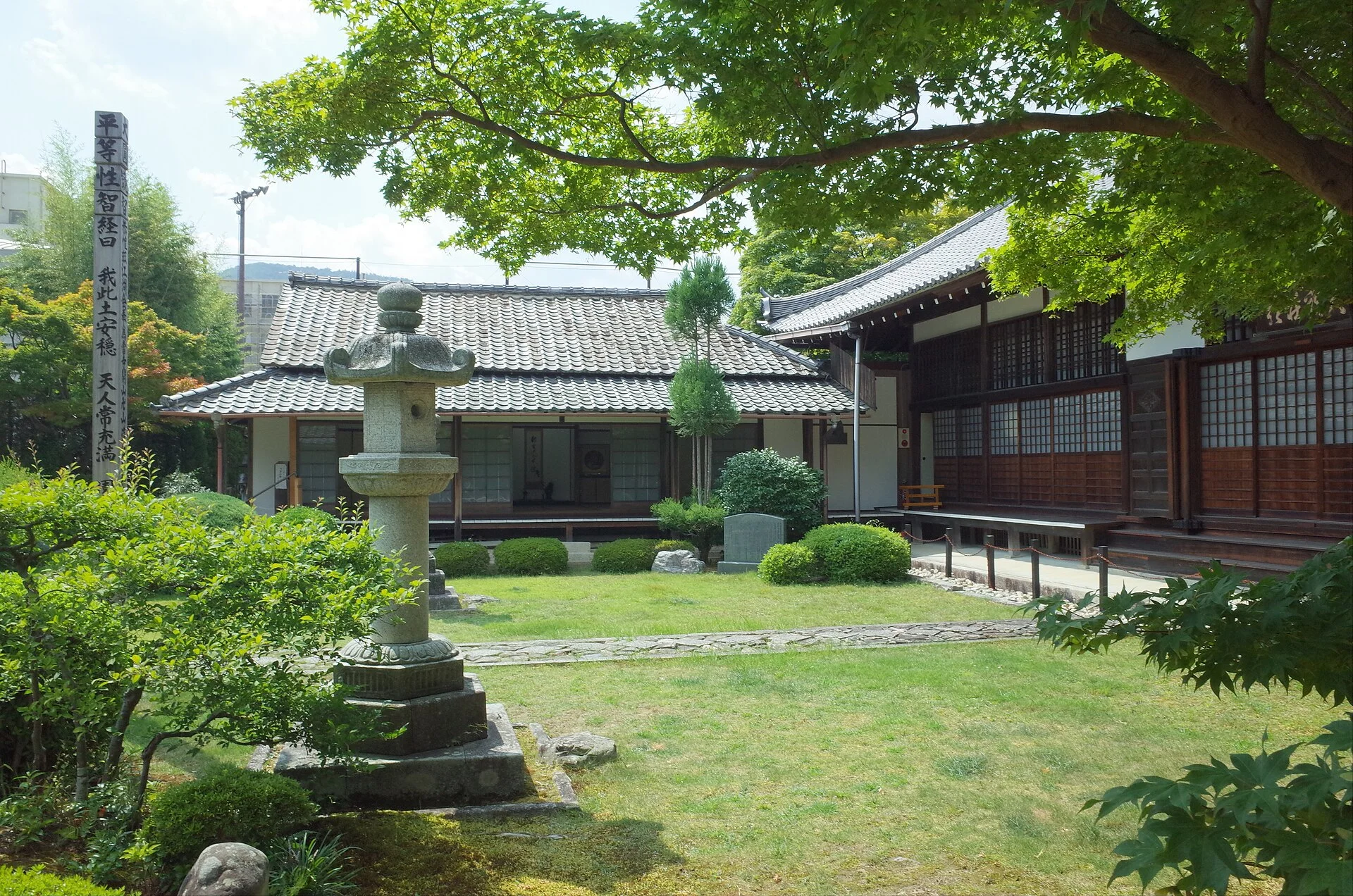
Step through the Shoyu-do gate, climb the stone stairs, and pass Robaikan before reaching the main residence. Built as the mountain retreat of early Edo scholar-poet Ishikawa Jozan, the Shisen-no-ma room displays portraits and verses of 36 Chinese poets he selected. Sit quietly facing the garden to hear the bamboo shishi-odoshi clack, then follow the garden path outside to view the building from across the trimmed azaleas. Because the approach has steps and inclines, anyone conserving energy can take a bus or taxi to Shirakawa-dori and walk only the final stretch.
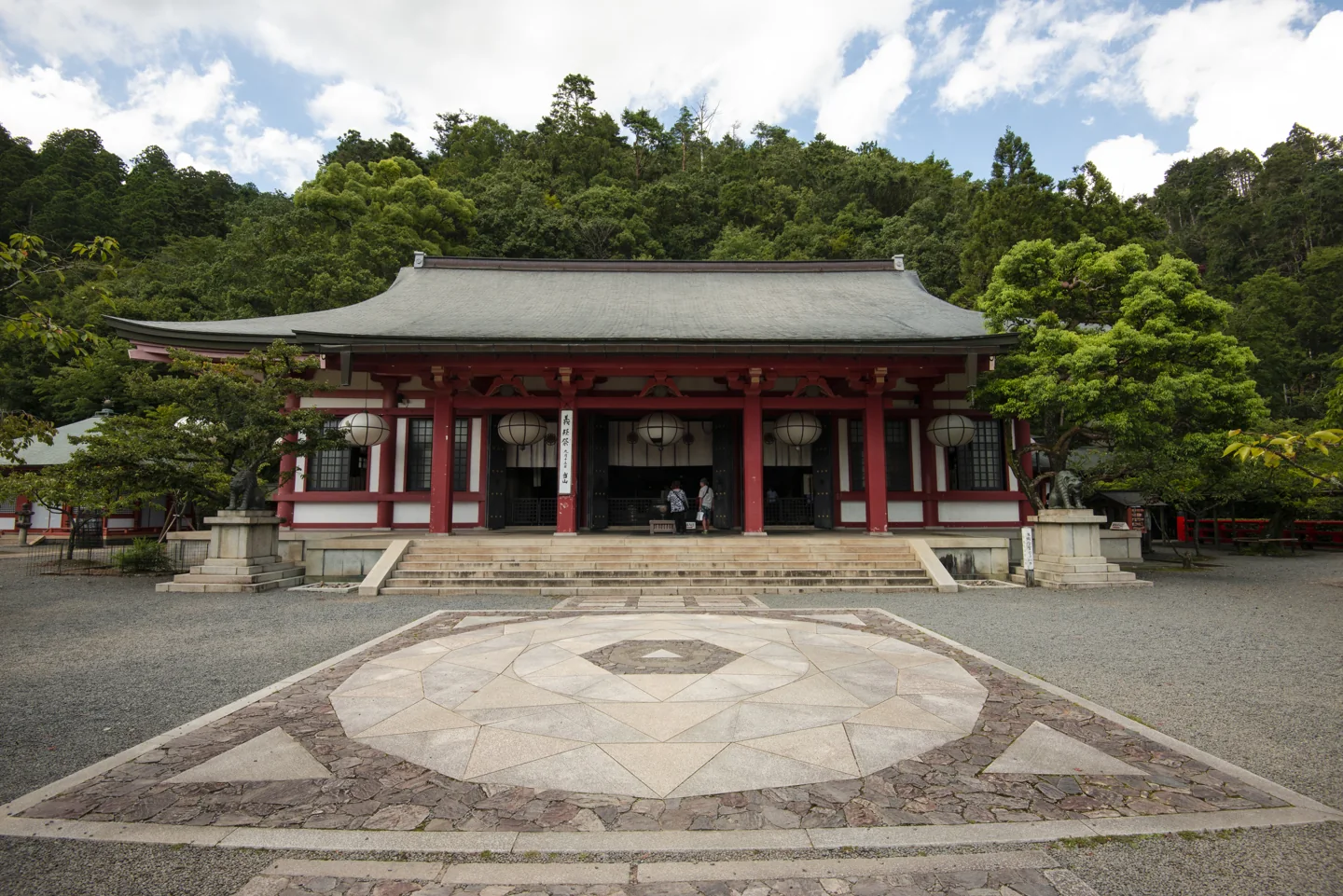
Enkoji unfolds sequentially from gate to hillside. First comes the Honryutei rock garden, then the inner gate opening onto the moss and maples of Jugyu-no-niwa, plus a suikinkutsu water harp before the main hall. From November 10 to December 10, 2026, autumn foliage viewing requires a dated, timed-entry reservation (9:00-17:00; ¥1,500 for adults, ¥800 for high school through elementary students). Keep your confirmation email ready on your phone or printed out, allow about an hour, and note that temple parking closes throughout this period.
If your group needs to adjust Enkoji's date or headcount, follow the confirmation email instructions to cancel first and rebook. When peak days leave only afternoon entry slots available, move ramen up to an 11:00-11:30 lunch and browse Keibunsha after coming down the hill; if you score a morning entry, start at Enkoji. Before canceling a companion's ticket, verify that enough consecutive slots remain on the new date for everyone. Outside the special foliage season, individual visitors do not need reservations.
Manshuin Monzeki sits at 42 Ichijoji Takenouchicho—either a 20-minute uphill walk from Shugakuin Station or a southward contour walk along the foothills toward Ichijoji afterward. Built in 1656, the Dai-shoin study hall leads to the Ko-shoin's Tasogare-no-ma room, famous for its Manshuin-dana asymmetrical shelf crafted from contrasting woods, and out along verandas facing the dry landscape garden. Open 9:00-17:00 (last entry 16:30), Manshuin rewards an extra half-hour if you enjoy historic interiors.
From November 19 to December 20, 2026, Manshuin holds an autumn special exhibition for ¥1,000 featuring the Kitano Tenjin Engi and Shuten Doji Emaki scrolls, depicting Sugawara no Michizane's transformation into the thunder deity and Minamoto no Yorimitsu's mountain demon expedition. Displayed scroll scenes may rotate mid-exhibition, so leave breathing room to tour both the exhibit rooms and the gardens. If the scrolls are your main draw, head straight to the exhibition wing on arrival before circling the grounds.
Roads climbing past Shirakawa-dori to Shisendo and Enkoji tighten quickly. Shisendo's autumn 2026 notice asks private drivers to switch to public transit; taxi riders should ask to be dropped at the Shirakawa-dori and Manshuin-michi intersection and walk up from there. That corner also works as a clean meetup point if your party splits across transit. Avoid lingering outside private residential gates between temples—agree to regroup back down near Shirakawa-dori instead.
| Temple | Main Highlights | 2026 Entry & Hours |
|---|---|---|
| Shisendo | Shisen-no-ma room, Chinese-style garden, shishi-odoshi bamboo clacker | Adults ¥700; no autumn reservation; last entry 16:45 |
| Enkoji | Moss and maples in Jugyu-no-niwa, Honryutei rock garden | Nov 10-Dec 10 timed reservation required; adults ¥1,500 |
| Manshuin Monzeki | Dai-shoin and Ko-shoin halls, dry garden, autumn scroll exhibit | Nov 19-Dec 20 special exhibit ¥1,000; last entry 16:30 |
Where to Transfer, Regular Fares, and Ramen Ticket Math
Coming from Keihan Line stops such as Sanjo or Gion-Shijo, ride to Demachiyanagi and head up to street level for the Eizan Electric Railway. The two railways operate separate concourses, so follow signs for Eizan Electric Railway before tapping in. From JR Kyoto Station, Kyoto City Official Travel Guide recommends taking the JR Nara Line one stop to Tofukuji, transferring to Keihan to Demachiyanagi, and switching to Eiden. If you are carrying bags or splitting up, set the Eiden Demachiyanagi entrance as your regroup point.
Both Yase-Hieizanguchi and Kurama-bound trains from Demachiyanagi serve Ichijoji, stopping at Mototanaka and Chayama-Kyoto University of the Arts along a standard 6-minute ride. A regular adult fare is ¥220 each way, or ¥440 round trip. With an IC card from Demachiyanagi, tap at the station gate on entry and tap the onboard reader as you exit at Ichijoji. Heading back from unstaffed Ichijoji without an IC card, take a boarding station slip as instructed at the platform and settle the fare at your destination.
If you are starting along the Karasuma Subway Line at Kitayama or Kokusaikaikan, finishing by Kyoto City Bus saves a transfer. Official transit notes suggest changing at Kokusaikaikan to City Bus 5 for Ichijoji Sagarimatsu-cho, dropping you on the east side near Shisendo; Kita 8 from Kitaoji reaches the same stop. However, if your first goal is ramen along Higashioji-dori, riding the bus forces a walk across the train tracks, making Eiden straight to Ichijoji Station cleaner.
Getting off at the Takano bus stop puts you directly on the ramen-and-bookstore side. Keibunsha's walking directions start at the Kitaoji-dori and Higashioji-dori intersection, head north, and turn right onto Manshuin-michi for roughly 10 minutes on foot. Because Takano bus stops sit on different corners of the junction, locate Higashioji-dori first before walking north. Pairing an outbound city bus with a return Eiden train works smoothly if Keibunsha is your final stop right beside the tracks.
Eiden's Kyoto Ichijoji Ramen Ticket costs ¥2,000 for adults, sold and valid for any single chosen day from April 1, 2026 through March 31, 2027. Available at Demachiyanagi Station or in the my route app, it bundles unlimited same-day rides across the entire Eiden network with one designated ramen bowl: Chuka-soba at Takayasu, toridaku at Gokkei, or regular Chuka-soba with seasoned egg at Chinyu. If you want off-pass specials or larger sets, compare regular menu prices against the bundle first.
Just eating Takayasu's ¥980 Chuka-soba and riding back and forth from Demachiyanagi costs ¥1,420 out of pocket, so skip the pass for a simple Ichijoji-only trip. The bundle earns its keep when you continue up into the mountains to Kurama or Kibuneguchi and make extra stops at Ichijoji or Shugakuin. Using Takayasu as the benchmark, you break even as soon as your day's Eiden train fares reach ¥1,020, because paying single tickets every time you hop off quickly adds up.
Consider a sample mountain day: Demachiyanagi to Ichijoji for Takayasu (¥220), Ichijoji up to Kurama (¥470), and Kurama back to Demachiyanagi (¥470), plus ¥980 for Chuka-soba totals ¥2,140—meaning the ¥2,000 ramen ticket saves ¥140. If you get off at Kibuneguchi and take the connecting bus up to Kifune, remember that the bus requires a separate fare under both options. Conversely, if you eat at Tenkaippin (not on the pass) or make only one mountain stop, pay your ramen and fares separately.
When you plan multiple Eiden hop-offs all day but want complete freedom over where and what you eat, check the ride-only Ee Kippu day pass at ¥1,200 for adults and ¥600 for children. On the three-leg Demachiyanagi-Ichijoji-Kurama loop alone, single adult fares total ¥1,160, just under the pass price—but adding one extra stop at Shugakuin tips the math in favor of the Ee Kippu.
Unused paper tickets within their validity period can only be refunded at the original point of purchase for a ¥220 handling fee; tickets stamped with a travel date are non-refundable. Before buying the ramen pass on a weekday, verify your top two shops are open—if Gokkei is closed on Monday, plan to redeem at Takayasu or Chinyu instead. Companions who only want to browse Keibunsha or eat elsewhere can simply use IC cards or single tickets.
From November 9 to December 11, 2026, Ichijoji Station runs on an autumn timetable published separately on Eiden's website. Check return times toward Demachiyanagi if connecting to Keihan trains, or both outbound and return schedules if heading toward Kurama. Travelers using wheelchairs can call Shugakuin Station in advance at 075-781-7664 so Eiden staff can assist with boarding and alighting at Ichijoji.
Three Half-Day Plans: Weekday Lunch, Autumn Morning, or Afternoon Arrival
For a weekday lunch focused on Gokkei or Takayasu, reach the storefront before 11:30 to gauge the line. After eating, walk back toward Ichijoji Station and cross or stay west depending on whether Shisendo or Keibunsha comes next. With a full half-day and good legs, spend an hour at Keibunsha before crossing the tracks and climbing to a temple; if the ramen line ran long, stay flat near the station and save the hillside walk for another trip.
For an autumn foliage morning, arrive at Shisendo at 09:00 or anchor your start to an Enkoji entry slot. Walk back down to Shirakawa-dori to reach Takayasu or Chinyu around 11:30. If the garden keeps you longer than expected, Chinyu and Tenkaippin stay open straight through the afternoon without a midday break, letting you push Keibunsha smoothly into late afternoon. To start with Manshuin instead, ride to Shugakuin first, walk uphill, and finish south for noodles.
Leaving central Kyoto around 14:00 or 15:00 flips the order: tackle the temple first before gates close. If you cannot reach Shisendo before its 16:45 last entry, get off at Ichijoji Station, browse Keibunsha, and eat dinner afterward. To squeeze in a late garden visit, take a bus directly to the Shirakawa-dori side, walk up, and ride Eiden back down. Remember that Shisendo stops admitting visitors at 16:45 and closes at 17:00—with only 10 minutes left, save the garden for the next morning.
Adjust your picks by weekday and weather. On Mondays, cross Gokkei off your list; on Wednesdays, both Chinyu and the Ichijoji Nakatani tearoom typically close, leaving Takayasu or Tenkaippin plus Keibunsha as an easy pairing. Short winter days favor gardens first and warm shops by dusk, while midsummer heat calls for morning temple climbs followed by shaded browsing. In steady rain, stick to one temple with covered verandas like Shisendo or Manshuin instead of walking slopes between multiple sites.
Multi-generational groups can easily split up after eating together. Once lunch wraps up near the station, temple-goers cross the tracks toward Shisendo while strollers head west to Keibunsha, agreeing to meet back at Ichijoji Station ahead of a shared train time rather than aiming for an exact minute during peak foliage crowds. If bringing a stroller, weigh Shisendo's entrance stone steps carefully or keep the afternoon on flat streets around the bookstore and sweet shops.
Combining Ichijoji with Demachiyanagi, Kitayama, or Kurama
Demachiyanagi pairs best before lunch. Walk from the station to the Kamogawa Delta stepping stones for a short riverside loop, return to the Eiden terminal in time for your target ramen shop's opening, and ride back to the river afterward if you feel like lingering. Because the whole train ride is just six minutes each way, this add-on fits tight schedules—though continuing upstream to Shimogamo Shrine pushes lunch later, so avoid shops like Gokkei that close early on sell-outs.
Staying near Kitayama lets you spend the morning around the botanical gardens along the Karasuma Subway Line before hopping on a bus—Kita 8 from Kitaoji or City Bus 5 from Kokusaikaikan, depending on which station sits closer to your stop. Walking all the way across the Takano River is possible, though saving your legs for the uphill temple stretch is usually smarter. For neighborhood lodging and evening transit tips, see Where to Stay in Kitayama, Kyoto.
On the walk up to Shisendo, pause at Ichijoji Sagarimatsu. Once a historic crossroads, Kyoto City marks it as the legendary site of Miyamoto Musashi's duel with the Yoshioka school. While the roadside pine sits separately from the ancient pine fragments enshrined nearby, climbing the approach to Hachidai Shrine brings you right beside the shrine's preserved trunk west of the main hall. Shrine grounds stay open all day, with the goshuin and charm counter open 9:00-17:00—an effortless pairing with Shisendo.
Morning slots at Shugakuin Imperial Villa follow separate rules from neighborhood temples. Operated free of charge by the Imperial Household Agency for visitors aged 18 and older, tours require advance application or same-day timed numbered tickets (distributed sequentially from 08:40) and last about 80 minutes with a guide; bring photo ID for both ticket pickup and entry. Time your ramen stop around when your tour finishes—late-morning slots work better with lunch in Ichijoji before heading up to Shugakuin. Note that Manshuin and the villa use separate entrances, so send full names if meeting companions.
When heading to Kurama or Kibune, stopping in Ichijoji on your afternoon return skips going all the way back to Demachiyanagi. Kurama Line trains pass directly through Ichijoji; from Kifune Shrine, ride down from Kibuneguchi Station. A quick stroll near Kifune Shrine pairs easily with lunch back in Ichijoji, whereas hiking the full mountain ridge over Mount Kurama leaves just enough daylight to make Ichijoji your evening dinner stop—see Kurama and Kibune Day Route for trail pacing.
Eiden's 2026 autumn Maple Tunnel slow-down and illumination runs November 7 through December 6 between Ichihara and Ninose stations on the Kurama Line. Board a Kurama-bound train from Ichijoji and check the event timetable for illuminated runs; regular fares apply with no seat reservations required, and views work from ordinary cars. To combine ramen, Keibunsha, and the lit-up maples in one sweep, finish Ichijoji in the afternoon and ride north at dusk before returning to central Kyoto.
If you are stringing together several northern Kyoto temples, treat Ichijoji ramen as a midday reset. Lock your schedule around any Enkoji timed entry first, or leave generous hill-walking buffers on either side of Manshuin. For ways to connect more seasonal stops across the north, check our Rakuhoku Autumn Foliage Temple Route.
A few useful answers
Which ramen shop should first-time visitors try in Ichijoji?
Choose Gokkei's toridaku for ultra-thick chicken paitan, or Takayasu for a pork-and-chicken paitan broth. If you arrive in the afternoon or want a short walk from the station, go to Chinyu (typically closed Wednesdays).
How many stops and how much is the train from Demachiyanagi to Ichijoji?
Ichijoji is the third stop after Mototanaka and Chayama-Kyoto University of the Arts, about a 6-minute ride. A regular adult single fare on Eizan Electric Railway is ¥220.
What are Keibunsha's holiday closing dates at the end of 2026?
Keibunsha Ichijoji is closed on New Year's Day (January 1, 2027). It runs shorter hours (11:00-17:00) on December 31, 2026 and January 2, 2027, returning to 11:00-19:00 on January 3.
Do Shisendo and Enkoji require autumn reservations?
Shisendo requires no reservation; just arrive before last entry at 16:45. Enkoji requires a dated, timed-entry reservation from November 10 to December 10, 2026, with confirmation shown at the gate.
Is the Ichijoji Ramen Ticket worth it if I am only visiting Ichijoji?
Yes, the ¥2,000 adult ticket covers unlimited Eiden rides for one day plus one designated bowl. However, if you are only making a round trip from Demachiyanagi and eating Takayasu's standard Chuka-soba, buying regular fares and paying out of pocket totals ¥1,420.
Which Eiden station is best for walking to Manshuin?
Start from Shugakuin Station with an uphill walk of about 20 minutes, then walk downhill toward Ichijoji afterward. The 2026 autumn special exhibition runs through December 20, with last entry at 16:30.
Official information and references
Sources used in this guide.
- Kyoto City Official Travel Guide | Ichijoji & Shugakuin Area Access
- Eizan Electric Railway | Ichijoji Station, Travel Time & Boarding Guide
- Eizan Electric Railway | Regular Fare Table
- Eizan Electric Railway | Ichijoji Station Autumn Timetable (Bound for Demachiyanagi)
- Eizan Electric Railway | Fare Zone Chart
- Eizan Electric Railway | 2026-2027 Kyoto Ichijoji Ramen Ticket
- Menya Gokkei | Ichijoji Main Shop Information
- Eizan Electric Railway | One-Day Passes & IC Card Guide
- Menya Gokkei | Chicken Paitan Broth & Noodles
- Chuka-soba Takayasu | Shop Info, Menu & Prices
- Chinyu | Ichijoji Main Shop Hours, Menu & Reopening Notice
- Tenkaippin | Kyoto Main Shop Address & Hours
- Tenkaippin | Broth & Street-Stall Origins
- Keibunsha Ichijoji | Storefront, Spaces & Events
- Keibunsha | 2026-2027 Year-End & New Year Holiday Hours
- Keibunsha | FAQ, Neighborhood Map & Photography Policy
- Keibunsha | Walking Directions from Eiden & Takano Bus Stop
- Ichijoji Nakatani | Shop & Tearoom Information
- Ichijoji Nakatani | Tearoom Menu
- Shisendo Jozan-ji | Visiting Hours, Gardens & Access
- Shisendo Jozan-ji | Autumn 2026 Entry & Traffic Notice
- Enkoji | 2026 Autumn Special Viewing & Reservations
- Manshuin Monzeki | Shoin Halls & Gardens
- Manshuin Monzeki | 2026 Autumn Special Exhibition
- Eizan Electric Railway | Line Attractions & Shugakuin Walking Route
- Eizan Electric Railway | 2026 Maple Tunnel Slow-Down & Illumination
- Hachidai Shrine | Ichijoji Sagarimatsu & Ancient Pine
- Hachidai Shrine | Worship & Goshuin Office Hours
- Imperial Household Agency | Visiting Shugakuin Imperial Villa
- Imperial Household Agency | Same-Day Numbered Tickets & Age Policy
- Enkoji | Grounds, Gardens & Suikinkutsu