Take the Eizan Railway to Ichijoji for ramen at Gokkei, Takayasu, Chinyu or Tenkaippin's flagship, then browse Keibunsha or walk up to Shisendo and Manshu-in. Includes lunch timing, 2026 autumn booking details and ramen ticket maths.
- Region & Focus
- Kyoto
- Reading Scope
- 22 min read · 8 chapters · 6 Q&As
- Official Verification
- 31 official sources checkedUpdated 22 November 2026 at 08:00 GMT+8
- Key Topics
- FoodNeighbourhoodsItineraries
Chapter Route Map (tap any stop)
- West for Ramen, East for the Hills
- Choosing Between Gokkei, Takayasu, Chinyu and Tenkaippin
- Deciding How Long to Queue
- Allow an Hour for Keibunsha — Earlier at New Year
- Pick One Temple: Gardens, Shoin Halls or Timed Autumn Slots
- Where to Transfer, Standard Fares and the Ramen Ticket Maths
- Three Sample Routes: Weekday Lunch, Autumn Morning and Afternoon Arrival
- Combining Ichijoji with Demachiyanagi, Kitayama or Kurama
- Quick Q&A
For a first visit to Kyoto's Ichijoji, the Eizan Railway from Demachiyanagi takes about 6 minutes. Head to Menya Gokkei for thick tori paitan chicken broth, or Takayasu for pork-and-chicken chukasoba paired with curry-spiced fried chicken. Half a day is plenty for one bowl of ramen, Keibunsha bookshop and a single temple. Put ramen first, then browse the shelves afterwards. In autumn, if you hold a timed entry slot for Enko-ji, head up the hill first and fit the rest around it.
West for Ramen, East for the Hills
Ichijoji Station sits between two distinct sides of the neighbourhood. Head west towards Higashioji-dori for Chinyu Ichijoji Main Store, Keibunsha, Takayasu and, further north, Gokkei. Cross Shirakawa-dori to the east and the streets climb into quiet hillside housing towards Shisendo and Enko-ji, with Manshu-in further north up the slope. Tenkaippin's Kyoto flagship is also on Shirakawa-dori, though further south, so it fits far better before or after Shisendo than paired back-to-back with Gokkei.
Drop a pin on your chosen ramen shop, Keibunsha and one temple. Searching for 'Ramen Street' brings up plenty of places, but zigzagging from Higashioji-dori over to Shirakawa-dori and back adds unnecessary crossings over the railway tracks. Knowing which main road a shop sits near is far more useful than seeing everything lumped under Ichijoji. If you are arriving and leaving by Eizan Railway, treat Ichijoji Station as your dividing line: keep the bookshop on the flat and save hillside walks for daylight.
With only two hours to spare, stick to the west side of the station. Step off at Ichijoji for Chinyu or Takayasu; if they have not opened yet, browse Keibunsha from 11:00, or save the bookshop for the stretch between lunch and your train back. If you are heading up to a temple, budget extra time for slopes and ticket queues rather than estimating strictly from flat walking times.
The official 'Ichijoji & Shugakuin' area map puts the Takano River on the west and the foothills on the east, which makes orientation straightforward. On your first walk uphill, follow Manshuin-michi towards Shirakawa-dori and turn into the side lanes by temple name. Coming back down, once you reach a main road, walk towards the Eizan Railway level crossing to return to Ichijoji Station. Temple, station and street names here look similar, so enter 'Shisendo Jozan-ji' or 'Manshu-in Monzeki' directly into your map app.
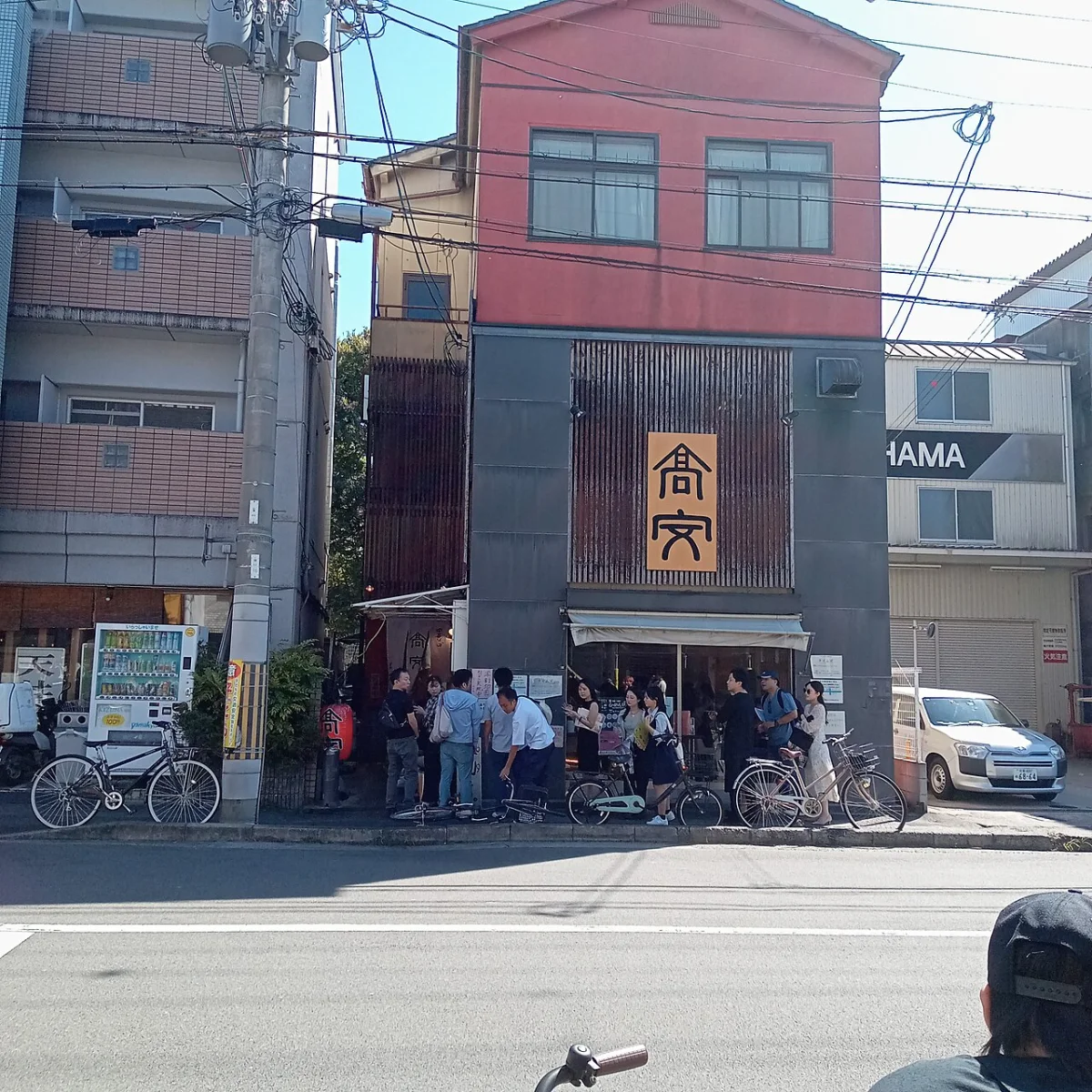
Take the Eizan Railway to Ichijoji for ramen at Gokkei, Takayasu, Chinyu or Tenkaippin's flagship, then browse Keibunsha or walk up to Shisendo and Manshu-in. Includes lunch timing, 2026 autumn booking details and ramen ticket maths.
Choosing Between Gokkei, Takayasu, Chinyu and Tenkaippin
Gokkei's Toridaku is built for diners making a dedicated trip for ultra-thick broth. Slow-simmered from chicken meat and bones, the paitan clings to every noodle as you lift it, so a single standard bowl delivers the full signature experience. Menya Gokkei Ichijoji Main Store sits at 29-7 Nishitojiwaracho (about a 10-minute walk from the station according to Eizan Railway), opens 11:30–22:00, closes on Mondays and shuts early once the soup sells out. If arriving in the afternoon, check the shop's updates or door notice before walking north.
Takayasu's chukasoba balances a milky pork-and-chicken bone broth with noodles tuned in alkaline water ratio, served alongside a self-serve spicy leek-and-sesame condiment. Taste the plain broth first, then add the topping after a few bites. Official prices list chukasoba at ¥980 and the limited stewed beef-tendon suji ramen at ¥1,480. Curry-spiced fried chicken is the other house favourite: the three-piece set with rice is listed at ¥1,940, or ¥150 less without rice. If you plan to browse shops or stop for sweets afterwards, a straight chukasoba keeps portions manageable.
Takayasu is at 10 Takatsukicho. Eizan Railway's ramen ticket page lists hours from 11:30 until 02:00 the next morning, or until broth runs out, while regular closures are posted in the 'Oshirase' notices section on Takayasu's website. For lunch, walk up Higashioji-dori to the yellow sign and read the queuing instructions by the door before deciding whether to wait or head south back towards Chinyu.
About a 3-minute walk from Ichijoji Station, Chinyu Ichijoji Main Store serves chukasoba topped with pork back fat over chicken paitan, alongside wok-fried rice that appears in popular set combinations. Following renovations, the shop reopened on 1 August 2026 and currently lists hours of 11:00–24:00 (last order 23:30), closed Wednesdays except on public holidays. If you are travelling in and out by train and want maximum afternoon time, Chinyu saves you walking to the far end of the district.
Tenkaippin's Kyoto Main Store sits at 94 Ichijoji Tsukidacho, facing Shirakawa-dori. Founded as a street stall around Ginkaku-ji in 1971, it is best known for its thick Kotteri broth made from chicken bones and vegetables, alongside the clear Assari and the in-between Yatai no Aji. Order Kotteri to taste the original flagship style, or split Kotteri and Assari if one of you prefers a lighter bowl. The flagship stays open until 01:00 (last order 00:45) and closes on New Year's Day.
On menus, paitan, back fat (seabura) and shoyu refer to different elements. Paitan describes the cloudy, long-simmered base; back fat is added richness on top; shoyu is the soy sauce seasoning. Chinyu pairs paitan with back fat, while Takayasu's chukasoba looks milky from both pork and chicken bones. For sharper aroma and a lighter finish, try Menya Ryugen's shoyu chukasoba or head near Shugakuin Station for Raamen Touhichi's chicken shoyu ramen, also included on the Eizan Railway ticket.
If noodles themselves are your priority, head to Honki Tsukemen Yamashita for seafood-and-soy dipping noodles. Listed by Eizan Railway as roughly a 6-minute walk from Ichijoji Station, its ticket option pairs thick whole-wheat noodles with a rich pork-bone, dried-fish and soy dipping broth. Hours are 11:00–14:30 and 17:00–21:30, closed Sundays. Because noodles and broth arrive separately, dip one mouthful at a time; note that both Yamashita and Ryugen close mid-afternoon, so pick an all-day shop if you come down from the temples around 15:00.
For shoyu-forward bowls, Menya Ryugen near Ichijoji Station pairs easily with Keibunsha, whereas Raamen Touhichi near Shugakuin Station suits a morning around Manshu-in or Shugakuin before riding south to the bookshop. Eizan Railway lists Ryugen as 11:30–15:00 and 17:00–21:00 (closed Wednesdays plus one irregular day monthly), and Touhichi as 11:30–14:30 and 18:00–21:30 (closed Tuesdays). Picking a shop near whichever station ends your temple walk trims extra steps.
Want to try two shops in one day? Split them between lunch and dinner: take a shop with daytime hours or early sell-outs for lunch, then visit Tenkaippin's Shirakawa-dori flagship at night, or save the second bowl for central Kyoto the next day. Compare shops using each house's standard broth and regular portion. If sharing a taste with a companion, wait until all bowls arrive and transfer a spoonful into a small side bowl so smaller appetites can still order comfortably.
| Shop | First Bowl to Order | Timing Tips |
|---|---|---|
| Menya Gokkei Ichijoji Main Store | Toridaku, ultra-thick chicken paitan | Opens 11:30, closed Mon, shuts when soup sells out |
| Chukasoba Takayasu | Chukasoba, pork & chicken paitan | Eizan lists from 11:30, shuts when broth sells out |
| Chinyu Ichijoji Main Store | Chukasoba, chicken paitan with back fat | Opens 11:00, usually closed Wed |
| Tenkaippin Main Store | Kotteri, chicken bone & vegetable broth | Opens 11:00, suits afternoon Shirakawa-dori route, closed 1 Jan |
Deciding How Long to Queue
Set your maximum wait time before stepping into a queue. If you hold a 13:00 slot at Enko-ji, allow 15 to 20 minutes uphill on foot from Ichijoji Station plus buffer time for wayfinding or repacking bags. Still waiting for a seat at 12:10 will make the walk up rushed. On timed-entry days, either eat after coming back down from the garden or pick a shop opening at 11:00 with room to spare.
At lunchtime, scan the entrance for signs reading 'Saigobi' (end of queue), 'Shokken' (meal ticket) or 'Uketsuke Shuryo' (orders closed). People standing by the door may simply be waiting for friends, so check the shop's own queuing markers first. Where a ticket vending machine is used, read the posted instructions before buying. Common buttons include 'Nami' (regular), 'Omori' (large) and 'Urikire' (sold out); carrying small notes and coins saves hunting for change at the machine.
Solo diners move quickly through counter queues, whereas groups of three or four with children should decide beforehand whether splitting seats is fine or ask staff about adjacent spots. In tight counter aisles, sling bags forward or tuck them at your feet rather than leaving coats on an empty stool. If unsure what to tap or order, point to the house standard and say 'Nami', adding rice sets or fried chicken only after gauging everyone's appetite.
Shoot the signboard and street scene from outside first. Once your bowl lands safely on the counter, keep your phone over your own tray for two or three quick shots and eat while the noodles are firm. Save tasting comparisons until you are seated somewhere else afterwards, jotting down only the shop name and broth texture. During busy autumn weekends, hug the shopfront while waiting so residential driveways, cyclists and pedestrian crossings remain clear.
Allow an Hour for Keibunsha — Earlier at New Year
Keibunsha Ichijoji sits at 10 Ichijoji Haradonocho, roughly a 3-minute walk west from Ichijoji Station along Manshuin-michi. When searching on map apps, use the full name 'Keibunsha Ichijoji-ten' to avoid pinning the wrong spot. Normal hours are 11:00–19:00, fitting neatly after an early lunch. If you prefer browsing first thing, spend the pre-11:00 window east of the station, or on rainy mornings have a bite in central Kyoto and arrive right as the doors open.
Start at the themed tables near the entrance of the main bookshop, then pick a subject shelf and follow it along the aisle. Seeing travel, illustration, design and cookery volumes side by side shows how staff curate across different publishers rather than strictly by imprint. Next door, Seikatsukan focuses on homeware, clothing and food books; even companions who do not read Japanese can browse stationery, ceramics and everyday objects.
Gallery Enfant hosts exhibitions, pop-up rentals and second-hand book fairs, while Seikatsukan has a smaller display corner; all spaces share one events calendar. Check whether an event is listed in Seikatsukan, the gallery, Cottage or Ateri before heading over. On busy event days, split your visit into two halves with a tea break in between. Cottage serves as an event space whose cafe hours, talks and workshops vary by programme.
The bookshop accepts cash, credit cards, transit IC cards and PayPay, though certain gallery pieces may restrict payment methods. If you buy several heavy hardbacks, ask at the counter about domestic shipping within Japan: standard delivery is listed at ¥700 (higher for Hokkaido, Okinawa and remote islands), with free shipping from ¥15,000. If you are still climbing to temples afterwards, stick to two or three light paperbacks or save book shopping until right before catching your train.
For the 2026–2027 year-end period, Keibunsha lists normal 11:00–19:00 hours on 30 December 2026, shortened 11:00–17:00 hours on 31 December, closed on 1 January 2027, 11:00–17:00 on 2 January, and back to 11:00–19:00 from 3 January. On New Year's Eve, visit Manshu-in first if you want a morning temple, then go straight to Keibunsha after lunch before tea. On New Year's Day itself, plan around a quiet walk and whichever ramen spots are open.
Pick up the free zines and neighbourhood flyers inside—Keibunsha maintains its own list of nearby cafes and independent shops. Jot down titles and publishers if you want to track books down later rather than carrying weight all afternoon. Media or commercial photography requires submitting the advance form linked on Keibunsha's website; even with a phone, stay mindful of readers browsing nearby and follow posted shop signs.
Coming down from Shisendo, you can pause on the hillside of Shirakawa-dori at Ichijoji Nakatani (5 Hananokicho; shop 9:00–18:00, tea room from 10:00 with last order 17:00, closed Wednesdays). Alongside its signature silken green-tea tiramisu, it stocks yokan and seasonal wagashi. If you would rather rest near Keibunsha, pick a cafe from the bookshop's neighbourhood guide instead—each option sits on a different side of the railway crossing, so choose whichever matches where you are.
If ramen queues look too long after visiting Shisendo with children, Nakatani's tea room also serves a light savoury meal: its Kyoto-style zoni set (white-miso rice-cake soup, red-bean rice and seasonal side dishes) is available year-round at ¥1,400. If you have already eaten noodles, pair wagashi such as decchi yokan with matcha instead. Because last orders in the tea room are at 17:00, switch to takeaway sweets if you stay at a temple until closing.
Pick One Temple: Gardens, Shoin Halls or Timed Autumn Slots
Shisendo pairs most cleanly with Ichijoji Station and lunch. Its website lists roughly a 15-minute walk from Eizan Ichijoji Station, or 7 minutes from the 'Ichijoji Sagarimatsu-cho' city bus stop. Hours run 9:00–17:00 (last entry 16:45), with admission at ¥700 for adults, ¥500 for high school students and ¥300 for junior high and primary pupils. No booking is required for autumn 2026, though general admission closes annually on 23 May.
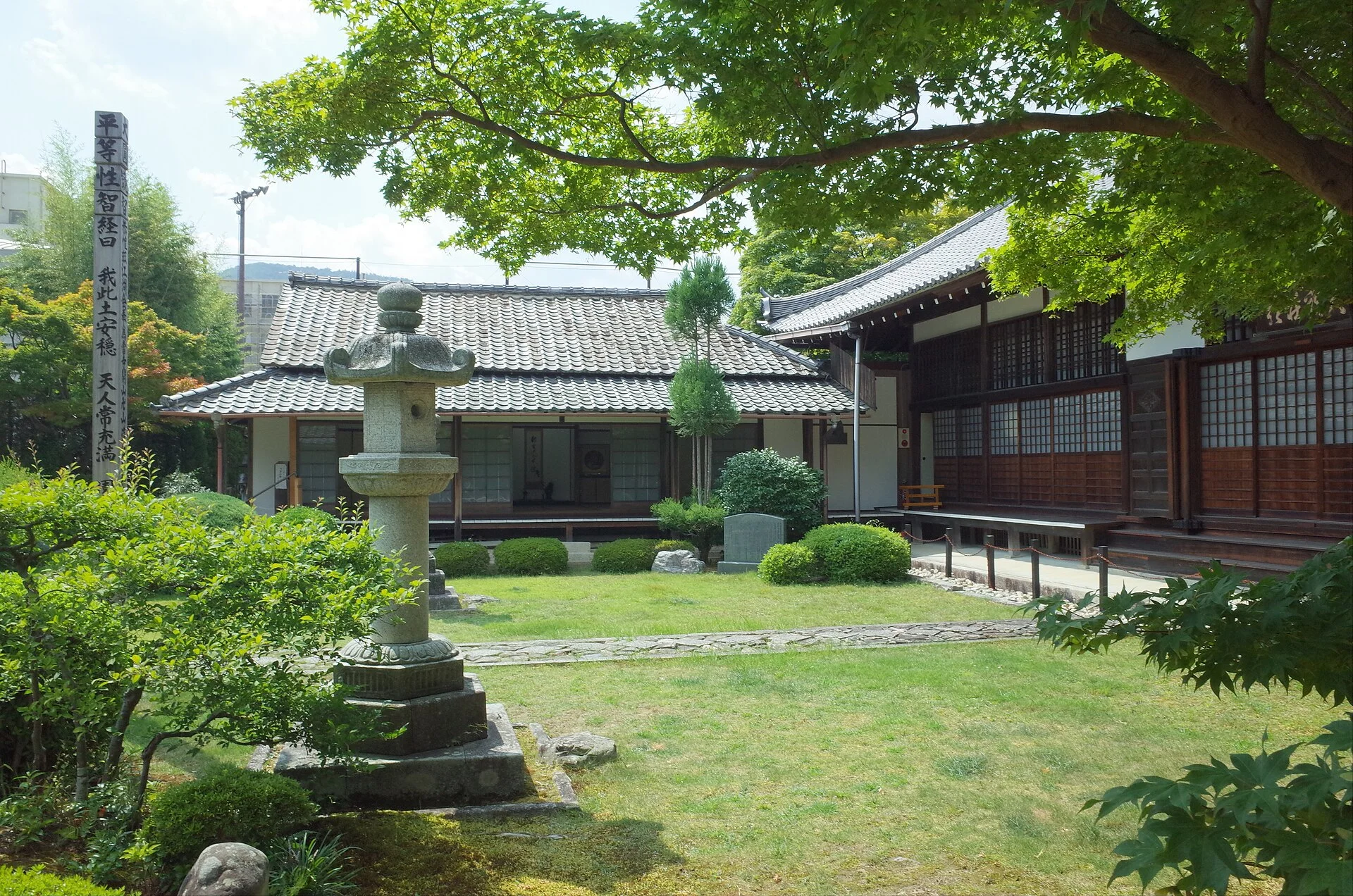
Pass through the Shoyudo gate, climb the stone steps and continue past Robaikan to the main building—originally the mountain retreat of early Edo scholar Ishikawa Jozan. Inside the Shisen no Ma hall hang portraits and poems of 36 Chinese poets he selected. Sit quietly facing the garden to hear the rhythmic clack of the bamboo shishi-odoshi deer-scarer, then follow the garden path outside to look back towards the veranda. Because there are stone steps and slopes, anyone wishing to save energy can take a bus up to Shirakawa-dori for the final stretch.
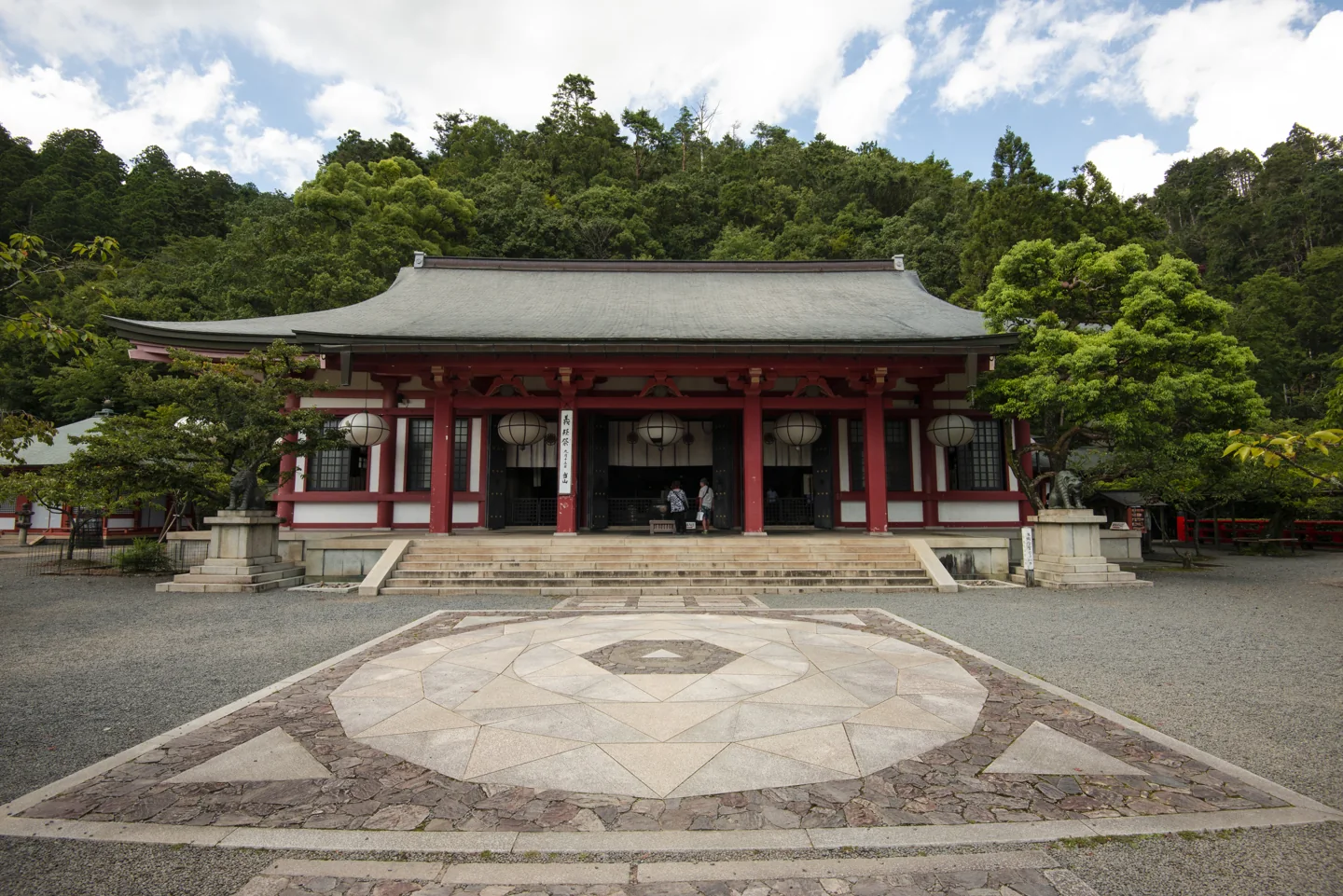
Enko-ji unfolds in sequence as you walk in: first the Honryutei dry rock garden, then through the middle gate into the moss-and-maple Jugyu no Niwa, plus a suikinkutsu water chime outside the main hall. For the autumn foliage special viewing from 10 November to 10 December 2026 (9:00–17:00), dated timed-entry tickets are mandatory: ¥1,500 for adults and ¥800 for primary through high school students. Keep your confirmation email ready on your phone or printed out, note that the car park closes during this window, and allow about an hour.
To change your date or party size at Enko-ji, cancel and rebook via the instructions in your confirmation email. On peak dates when only afternoon slots remain, eat an early ramen soon after 11:00 and leave Keibunsha for the walk back down; if you already hold a morning slot, head straight to Enko-ji first. When friends adjust plans late, check that enough places are free on the new date before cancelling. Outside the autumn special period, regular individual visits need no booking.
Manshu-in sits at 42 Ichijoji Takenouchicho. You can walk roughly 20 minutes uphill from Shugakuin Station, then descend along the hillside back towards Ichijoji. Its Dai-shoin hall dates back to 1656, while the Tasogare no Ma in the Ko-shoin features the celebrated Manshu-in staggered shelves crafted from contrasting woods, opening onto corridors along the dry landscape garden. Opening hours are 9:00–17:00 (last entry 16:30); budget an extra 30 minutes if you enjoy historic architecture and interiors.
From 19 November to 20 December 2026, Manshu-in holds a ¥1,000 autumn special exhibition displaying the 'Kitano Tenjin Engi' and 'Shuten Doji Emaki' picture scrolls—depicting Sugawara no Michizane's transformation into the thunder god and Minamoto no Yorimitsu's expedition against the mountain ogre. Scroll sections may rotate during the run, so leave slack in your schedule for both the halls and the exhibition. If the scrolls are your main reason for visiting, view the display room first and wander the gardens afterwards.
The final lanes from Shirakawa-dori up to Shisendo and Enko-ji are narrow. In its autumn 2026 notice, Shisendo asks drivers to switch to public transport; taxis should drop passengers at the corner of Shirakawa-dori and Manshuin-michi to walk the last stretch. That junction also makes an easy meeting point if family members travel separately. Avoid waiting outside private house gates between the two temples—arrange to regroup down near Shirakawa-dori instead.
| Temple | Main Highlights | Entry Rules |
|---|---|---|
| Shisendo | Shisen no Ma hall, Chinese-style garden, shishi-odoshi | Adults ¥700, no autumn booking needed, last entry 16:45 |
| Enko-ji | Jugyu no Niwa moss & maples, Honryutei rock garden | Timed booking required 10 Nov–10 Dec, special viewing ¥1,500 |
| Manshu-in Monzeki | Dai-shoin & Ko-shoin halls, dry garden, scroll exhibition | Special exhibition ¥1,000 (19 Nov–20 Dec), last entry 16:30 |
Where to Transfer, Standard Fares and the Ramen Ticket Maths
Coming from Sanjo, Gion-Shijo or elsewhere on the Keihan Line, ride to Demachiyanagi and climb to ground level for the Eizan Railway. The two railways have separate gates, so follow signs marked 'Eizan Railway' before tapping in. From Kyoto Station by rail, Kyoto City Official Travel Guide recommends taking the JR Nara Line one stop to Tofukuji, switching to Keihan up to Demachiyanagi, and transferring to Eizan. If travelling with luggage or a group, agree to meet right outside the Eizan Demachiyanagi entrance.
Trains from Demachiyanagi bound for either Yase-Hieizanguchi or Kurama both stop at Ichijoji—the third stop after Mototanaka and Chayama-Kyoto University of the Arts, taking around 6 minutes. The standard adult single fare is ¥220 (¥440 return). Tap your IC card at the Demachiyanagi gate and tap out on the on-board reader at Ichijoji as instructed. Heading back without an IC card, take a boarding station ticket as directed on the platform and settle the fare when alighting.
If you are already along the Karasuma underground line at Kitayama or Kokusaikaikan, finishing by city bus is smoother. Kyoto City Official Travel Guide suggests taking City Bus 5 from Kokusaikaikan to 'Ichijoji Sagarimatsu-cho', which drops you on the east side near Shisendo; Bus Kita 8 from Kitaoji reaches the same stop. However, if your first goal is a Higashioji-dori ramen shop, a bus drops you across the tracks, whereas the Eizan train puts you closer to the west side.
Alighting at the 'Takano' bus stop works well for ramen and the bookshop. Keibunsha's directions walk north from the Kitaoji-dori and Higashioji-dori junction, turning right into Manshuin-michi for roughly 10 minutes on foot. Because 'Takano' has several stop poles around the crossroads, orient yourself along Higashioji-dori first before heading north. If you arrive by bus and leave by Eizan train, put Keibunsha last so you are already right beside the railway.
Eizan Railway's 'Kyoto Ichijoji Ramen Ticket' costs ¥2,000 for adults, on sale from 1 April 2026 to 31 March 2027 for any single day within the validity window. Sold at Demachiyanagi Station and via the my route app, it bundles unlimited same-day rides across the entire Eizan network with one designated ramen bowl at a participating shop: chukasoba at Takayasu, Toridaku at Gokkei, or regular chukasoba with seasoned egg at Chinyu. If you want a different dish or toppings, compare regular menu prices separately.
If you only ride Demachiyanagi–Ichijoji return and eat Takayasu's ¥980 chukasoba, paying individually comes to ¥1,420—so skip the pass. The bundle pays off only when adding stops towards Kurama or Kibuneguchi, or splitting Ichijoji and Shugakuin in one day. Using Takayasu as the benchmark, your train fares need to pass ¥1,020 to break even, since single tickets charge every time you break a journey for sightseeing.
For example, riding Demachiyanagi to Ichijoji for Takayasu, continuing to Kurama and returning to Demachiyanagi costs ¥220 + ¥470 + ¥470 in standard adult fares—¥2,140 total with chukasoba, meaning the ramen ticket saves ¥140. Note that connecting buses up from Kibuneguchi require a separate fare under both options. If you only make one mountain stop and eat at Tenkaippin's Main Store instead, paying fares and meals separately works out simpler.
If you plan multiple hop-on, hop-off stops all day but want free choice of ramen menus, check the transport-only 'Ee Kippu' one-day pass (¥1,200 adults, ¥600 children). For just the three-leg Demachiyanagi–Ichijoji–Kurama–Demachiyanagi loop, single fares total ¥1,160—still marginally cheaper than the day pass. Add a stopover at Shugakuin on the way up to Kurama, however, and single fares overtake the ¥1,200 pass.
Unused paper passes can be refunded within their validity period at the original point of purchase for a ¥220 handling fee; once a travel date is stamped, refunds are no longer possible. Before buying the ramen ticket, check opening days for both your first pick and a backup shop—for instance, using Takayasu or Chinyu on Mondays when Gokkei is closed. Companions who only want the bookshop or a different cafe should simply use an IC card or single tickets.
From 9 November to 11 December 2026, Ichijoji Station operates on a separate autumn timetable posted on Eizan's website. Allow buffer time if connecting back to Keihan trains at Demachiyanagi, and check both northbound and return times if heading towards Kurama. Wheelchair users can call Shugakuin Station in advance on 075-781-7664 so Eizan staff can assist with boarding and alighting arrangements at Ichijoji.
Three Sample Routes: Weekday Lunch, Autumn Morning and Afternoon Arrival
For Gokkei or Takayasu on a weekday, reach the shop before 11:30 to size up the queue. Afterwards, walk back towards Ichijoji Station and pick either Keibunsha or Shisendo. With a full half-day and good legs, spend an hour browsing Keibunsha before crossing the tracks up the hill. If the lunch queue runs long, keep the afternoon around the station and bookshop instead of rushing uphill late.
For an autumn foliage morning, reach Shisendo at 09:00 or build around your Enko-ji entry slot. Walk down the slope to Shirakawa-dori and aim for Takayasu or Chinyu around 11:30. If the temple visit runs late, Chinyu and Tenkaippin stay open straight through the afternoon without a mid-day break, giving you a relaxed window for Keibunsha afterwards. To start at Manshu-in instead, ride to Shugakuin, climb up first and work south down the hill to lunch.
Arriving from central Kyoto at 14:00 or 15:00, tackle whichever temple closes earliest first. If you will not reach Shisendo before its 16:45 last entry, stay on the west side around Ichijoji Station for Keibunsha followed by an early dinner. If you still want a quick garden visit, take a bus straight to the hillside stop, walk up, and return via the Eizan train. Remember Shisendo stops admitting at 16:45 and closes at 17:00—if only ten minutes remain, save the garden for another morning.
Take Gokkei off the list on Mondays. On Wednesdays, both Chinyu and Ichijoji Nakatani are usually closed, so pair Takayasu or Tenkaippin with Keibunsha on the west side. In winter when dusk falls early, visit gardens in daylight and leave dinner and browsing for evening; in high summer, take the hillside walk at opening time and stay on flat streets after lunch. On rainy days, pick one temple with covered veranda views rather than trudging uphill between multiple sites.
When travelling with older relatives or young children, split the hill walk after eating together: anyone keen on Shisendo can cross the railway tracks while the rest browse Keibunsha on the flat, regrouping back at Ichijoji Station. During peak autumn crowds, agree on a specific return train departure rather than trying to hit an exact minute. With a pushchair, weigh up the stone entrance steps at Shisendo before committing, or spend the second half at the bookshop and tea room.
Combining Ichijoji with Demachiyanagi, Kitayama or Kurama
Demachiyanagi fits easiest before lunch. Stroll from the station to the Kamo River delta for a short loop before returning to the Eizan terminal in time for your chosen shop's opening hour, or ride back afterwards for an afternoon riverside sit-down. Because the main transit is just the 6-minute hop between Demachiyanagi and Ichijoji, this pairing suits tighter schedules; if you walk all the way north into Shimogamo Shrine first, shift lunch later and pick a ramen shop that does not sell out early.
Staying near Kitayama lets you spend the morning around the Botanical Gardens or along the Karasuma Line, then hop on the underground to a stop served by Bus Kita 8 or City Bus 5. Kitaoji sits south of Kitayama and Kokusaikaikan sits north, so check whichever bus stop is handier from your station. Walking between the two districts crosses the Takano River—taking the bus keeps your legs fresh for the temple hills. For neighbourhood hotels and evening returns, see where to stay in Kitayama, Kyoto.
For an extra hillside stop on the way to Shisendo, pause at Ichijoji Sagarimatsu. Traditionally a fork in the old road, it is recognised by Kyoto City as the legendary site of Miyamoto Musashi's duel with the Yoshioka clan. The roadside pine and the sacred tree inside Hachidai Shrine sit in slightly different spots; follow the shrine approach uphill to the west side of the main hall to see the older tree. Hachidai Shrine grounds stay open all day, while goshuin stamps and charms are issued 9:00–17:00, making it an easy add-on to the Shisendo climb.
If you have booked Shugakuin Imperial Villa for the morning, note its separate admission rules. Managed free of charge by the Imperial Household Agency for visitors aged 18 and over, the roughly 80-minute guided tour requires either advance reservation or a same-day timed ticket distributed on site from 08:40 (photo ID required at collection and entry). Let the end time of your tour dictate lunch: after a late morning slot, ride straight down from Shugakuin Station to Ichijoji. Manshu-in and the Imperial Villa have separate entrances, so always write out the full site name when messaging companions.
Pairing Ichijoji with Kurama or Kibune works smoothly on the daytime return leg, saving a detour back through Demachiyanagi. Kurama Line trains bound for Demachiyanagi pass right through Ichijoji, while buses from Kibune bring you back down to Kibuneguchi Station. If you are only strolling around Kifune Shrine, stop in Ichijoji for lunch on the way back; if you plan to hike right over Mount Kurama, check trail openings and turnaround times first and use Ichijoji for dinner instead. See our Kurama and Kibune day route for the mountain section.
Eizan Railway's 2026 Maple Tunnel slow-down and illumination schedule runs from 7 November to 6 December between Ichihara and Ninose stations on the Kurama Line. Board a Kurama-bound train from Ichijoji and check the event timetable for participating departures; regular trains carry standard fares with no seat reservation needed, so any carriage gives a view. To fit ramen, Keibunsha and the evening lights into one day, do Ichijoji first, head north towards dusk and leave time for the ride back to town.
Visitors stringing together several Rakuhoku temples can use an Ichijoji ramen stop as their midday reset. Anchor the schedule around any Enko-ji timed ticket first, or allow generous uphill and downhill margins if Manshu-in is your priority before heading down for lunch. For more ways to combine northern Kyoto's autumn spots, check our Rakuhoku autumn temples route.
A few useful answers
Which ramen shop should first-timers pick in Ichijoji?
Choose Gokkei's Toridaku for ultra-thick chicken paitan, or Takayasu for a pork-and-chicken bone broth. If you want a short walk from the station or are arriving mid-afternoon, Chinyu is a dependable pick (usually closed Wednesdays).
How many stops and how much is the train from Demachiyanagi to Ichijoji?
Ichijoji is the third stop after Mototanaka and Chayama-Kyoto University of the Arts, about 6 minutes away. The standard adult single fare on the Eizan Railway is ¥220.
When does Keibunsha close over New Year 2026–2027?
It closes on 1 January 2027. Opening hours are shortened to 11:00–17:00 on 31 December 2026 and 2 January 2027, returning to 11:00–19:00 from 3 January.
Do both Shisendo and Enko-ji require autumn bookings?
No—Shisendo accepts walk-up visitors until 16:45. Enko-ji requires timed-entry bookings from 10 November to 10 December 2026, with confirmation shown at the gate.
Is the Ichijoji Ramen Ticket worth it if I only visit Ichijoji?
It works there, costing ¥2,000 for unlimited same-day Eizan rides plus one designated bowl. However, simply riding Demachiyanagi–Ichijoji return and eating Takayasu's chukasoba costs ¥1,420 paid separately.
Which Eizan Railway station is best for walking to Manshu-in?
Start from Shugakuin Station for roughly a 20-minute uphill walk, then descend towards Ichijoji afterwards. Its 2026 autumn special exhibition runs until 20 December, with last entry at 16:30.
Official information and references
Sources used in this guide.
- Kyoto City Official Travel Guide | Ichijoji & Shugakuin Area & Access
- Eizan Railway | Ichijoji Station, Standard Journey Time & Boarding Guide
- Eizan Railway | Standard Fare Table
- Eizan Railway | Ichijoji Station Autumn Timetable for Demachiyanagi
- Eizan Railway | Standard Fare Zone Chart
- Eizan Railway | 2026–2027 Kyoto Ichijoji Ramen Ticket
- Menya Gokkei | Ichijoji Main Store
- Eizan Railway | One-Day Passes & IC Card Guide
- Menya Gokkei | Chicken Paitan Broth & Noodle Craft
- Chukasoba Takayasu | Shop Details, Menu & Prices
- Chinyu | Ichijoji Main Store Hours, Menu & Reopening Notice
- Tenkaippin | Kyoto Main Store Address & Opening Hours
- Tenkaippin | Broth Philosophy & Street-Stall Origins
- Keibunsha Ichijoji | Bookshop, Spaces & Events
- Keibunsha | 2026–2027 Year-End & New Year Opening Hours
- Keibunsha | FAQ, Nearby Shops & Photography Requests
- Keibunsha | Walking Directions from Eizan Railway & Takano Bus Stop
- Ichijoji Nakatani | Shop & Tea Room Information
- Ichijoji Nakatani | Tea Room Menu
- Shisendo Jozan-ji | Visiting, Gardens & Access
- Shisendo Jozan-ji | Autumn 2026 Admission & Transport Notice
- Enko-ji | Autumn 2026 Special Foliage Viewing & Reservations
- Manshu-in Monzeki | Grounds, Shoin Halls & Gardens
- Manshu-in Monzeki | Autumn 2026 Special Exhibition
- Eizan Railway | Lineside Attractions & Walking Routes from Shugakuin Station
- Eizan Railway | 2026 Maple Tunnel Slow-Down & Illumination
- Hachidai Shrine | Ichijoji Sagarimatsu & Ancient Pine
- Hachidai Shrine | Worship & Shrine Office Hours
- Imperial Household Agency | Visiting Shugakuin Imperial Villa
- Imperial Household Agency | Same-Day Tickets & Age Requirements for Shugakuin Imperial Villa
- Enko-ji | Temple Grounds & Suikinkutsu