An area-by-area guide to staying in Kitayama and northern Kyoto—from Kitayama Station by the Botanical Gardens, Kokusaikaikan and Eiden Takaragaike, and Keihan Demachiyanagi to Kurama hot springs, Kibune riverside dining, and Ohara guesthouses. Covers real rail transfers, length of stay, ryokan meal cut-offs, family routes, and wet-weather plans.
- Region & Focus
- Kyoto
- Reading Scope
- 20 min read · 10 chapters · 6 Q&As
- Official Verification
- 28 official sources checkedUpdated 22 November 2026
- Key Topics
- Where to stayNeighbourhoodsRail travel
Chapter Route Map (tap any stop)
- Match the station name before choosing your neighbourhood
- Kitayama vs Kitaoji: which Botanical Gardens gate leads back to your hotel?
- How staying at Kokusaikaikan or Eiden Takaragaike changes your pace
- Demachiyanagi works best for pairing the mountains with Gion
- Which bus serves Kibune, and how long does the Kurama trail take?
- One night in the hills: Kurama's baths, Kibune's dining, or Ohara's mornings
- Spring riverbanks, summer kawadoko, and timing autumn illuminations
- Working out day passes—and whether to switch hotels over two nights
- Comparing room rates: factor in meals, access, and post-check-out luggage
- Two-day itineraries for families, older relatives, and hikers
- Quick Q&A
Choosing where to stay in Kitayama and northern Kyoto comes down to which rail line you will ride each day. If you want an unhurried half-day around Kyoto Botanical Gardens and the Kamo River, base yourself near Kitayama or Kitaoji underground stations. If you are commuting from Kyoto Station on the Karasuma Line, attending events at the Kyoto International Conference Centre, or catching the bus to Ohara, Kokusaikaikan works best. For two days on the Eizan Railway—or mountain temples by day and dinner in Gion at night—Demachiyanagi gives the smoothest connections. Kurama, Kibune, and Ohara suit an overnight stay built around a hot-spring soak, kawadoko riverside dining, or an early morning at Sanzen-in; just map out your check-in window and the final leg from the station before you book.
Match the station name before choosing your neighbourhood
When scanning booking maps, separate Kitayama, Kokusaikaikan, Takaragaike, and Demachiyanagi from the outset. Kitayama Station sits on the Karasuma Underground Line, one stop beyond Matsugasaki before the terminus at Kokusaikaikan. Eiden Takaragaike Station belongs to a different network entirely—the Eizan Railway—where the Eizan Main Line and Kurama Line split. Both serve Takaragaike Park, yet they open onto opposite sides: the children's playground at the eastern end is roughly a 15-minute walk from Kokusaikaikan Exit 5, compared with about 5 minutes from Eiden Takaragaike. When pulling luggage to your hotel, plot your route to the main entrance and the exact exit you intend to use.
Another pair of station names often trips travellers up. Kuramaguchi Station sits between Kitaoji and Imadegawa on the Karasuma Underground Line; to visit Kurama-dera, you need Kurama Station at the far end of the Eizan Railway, while Kifune Shrine is reached from the preceding stop, Kibuneguchi, followed by a bus. If a booking site only displays 'Kurama', check the property's full street address and nearest station name, then trace the arrival route with your bags.
On a first trip to Kyoto packed with Kiyomizu-dera, Nishiki Market, Arashiyama, and Fushimi, staying central keeps every morning and evening anchored to one hotel. If you are weighing up a mid-trip night further north, see our Karasuma accommodation guide. Travellers who already know Shijo-Kawaramachi and want this visit focused on Kitayama's gardens and mountain temples can book two nights in the north: drop bags at your hotel before check-in, spend the first day in the gardens, and keep the second day clear for the hills.
| Base area | Best-suited itinerary | What to check for evening returns |
|---|---|---|
| Kitayama or Kitaoji stations | Botanical Gardens, Nakaragi-no-michi, Karasuma Line city hops | Walking distance from hotel entrance to underground exit |
| Kokusaikaikan Station | Conferences, Takaragaike Park, Kyoto Bus 19 to Ohara | Hotel entrance route and which exits remain open late |
| Demachiyanagi Station | Eizan mountain temples, Keihan to Gion-Shijo or Sanjo | Walking route from Keihan or Eiden exits to your stay |
| Eiden Takaragaike Station | East side of the park, branching to Kurama and Yase | Extra connection to Kyoto Station and late-evening train times |
| Kurama, Kibune, or Ohara | Hot springs, ryokan dinner, early-morning temple visits | Shuttle pick-up, dinner cut-offs, and last buses or trains down |
An area-by-area guide to staying in Kitayama and northern Kyoto—from Kitayama Station by the Botanical Gardens, Kokusaikaikan and Eiden Takaragaike, and Keihan Demachiyanagi to Kurama hot springs, Kibune riverside dining, and Ohara guesthouses. Covers real rail transfers, length of stay, ryokan meal cut-offs, family routes, and wet-weather plans.
Kitayama vs Kitaoji: which Botanical Gardens gate leads back to your hotel?
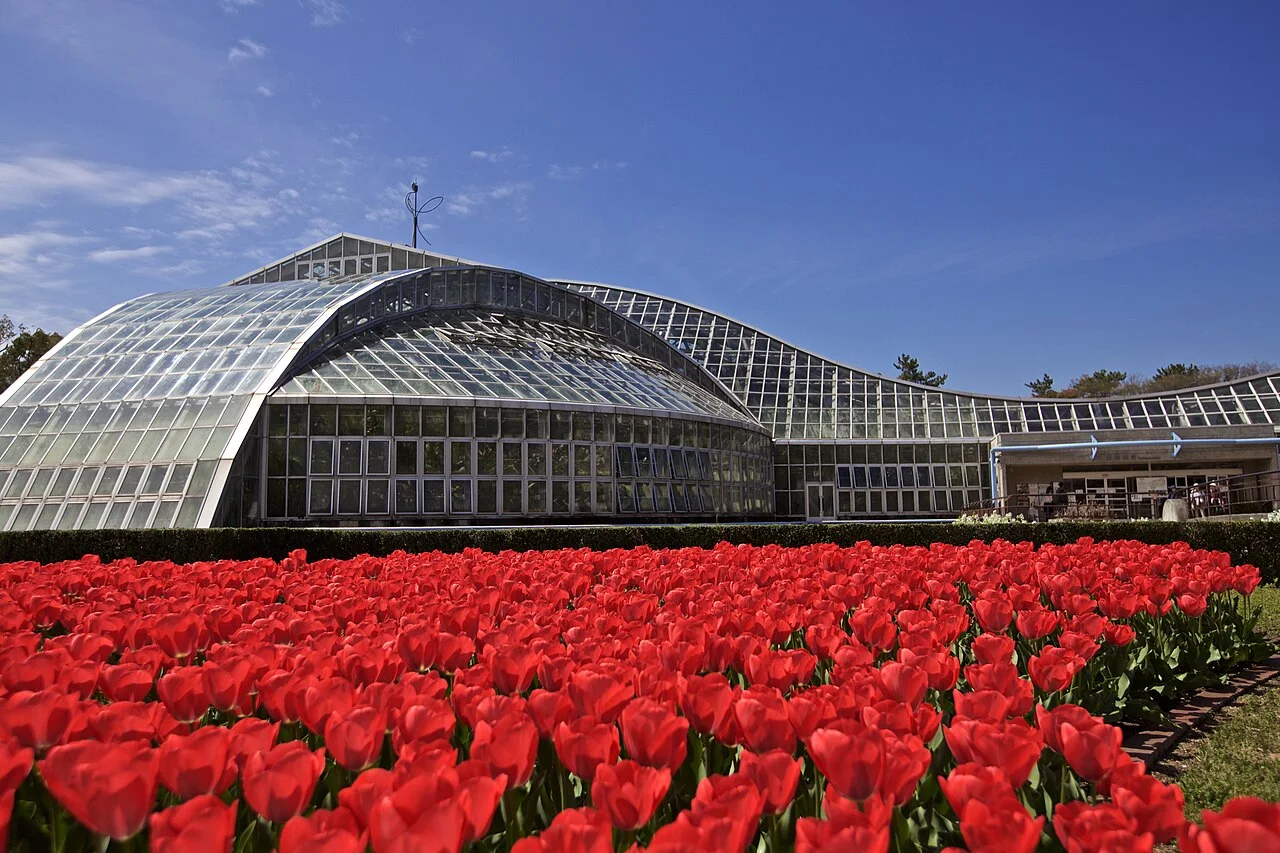
With half a day to spare, Kitayama Station Exit 3 opens right beside the Kitayama Gate of Kyoto Botanical Gardens. If you plan to stroll all the way to the southern end, leave by the Main Gate instead—it is around a 10-minute walk to Exit 3 at Kitaoji Station. Both stations sit on the same Karasuma Line, so align your hotel with the direction you plan to walk. Guests visiting mainly for the conservatory and a quiet coffee can enter and leave via the Kitayama Gate; those pairing the gardens with a Kamo River walk or an onward bus should keep the southern exit in mind.
The gardens generally open from 09:00 to 17:00, with last admission at 16:00; the conservatory runs 10:00–16:00 with last entry at 15:30. If you are coming up from central Kyoto after lunch, work backwards from that 15:30 cut-off when timing your departure. Standard day admission includes the conservatory at ¥500 for adults and ¥250 for senior high school students and visitors aged 65 and over (free for junior high school age and younger). The grounds close over New Year from 28 December to 4 January; if your Kitayama stay falls over those dates, swap the gardens for a riverside walk between the bridges rather than arriving at locked gates.
Nakaragi-no-michi runs along the left-bank embankment of the Kamo River between Kitayama Ohashi and Kitaoji Bridge. In spring, crimson weeping cherries line this bank while Somei Yoshino blossoms dominate the opposite shore. Because the two banks peak on slightly different schedules, take a morning stroll along the levee and cross at either bridge. Families with pushchairs or visitors arriving after heavy rain when river levels rise will find crossing via the road bridges far easier than lifting buggies up and down stepping stones. You can combine part of the gardens with the river path, then hop back on the underground or continue south into town.
When booking around Kitayama, include the walking radius around Kitaoji Station in your search. Both connect smoothly back from dinner in Shijo via the Karasuma Line. For parents needing an afternoon nap back at the hotel, proximity to the garden gates matters more than an extra restaurant row. If a hotel sits closer to Matsugasaki, zoom in on the street route to the nearest station entrance: one stop looks negligible on an overview map, yet lift locations, crossings, and exit corridors decide whether popping back midday is realistic.
If you are in town for the Kyoto Symphony Orchestra or another performance, verify whether your ticket says Kyoto Concert Hall or a different venue. Kyoto Concert Hall is roughly a 5-minute walk south from Kitayama Station Exit 1 or 3, and the hall publishes step-by-step photos for reaching the audience entrance via the Exit 3 lift. The underground ride from Shijo takes around 11 minutes, making a return trip from central Kyoto straightforward; still, staying beside Kitayama lets you browse the Botanical Gardens, rest at a cafe after the conservatory closes, and walk back along the same path for the evening concert.
How staying at Kokusaikaikan or Eiden Takaragaike changes your pace
Kokusaikaikan suits travellers commuting in and out of Kyoto Station over several days, attending a conference at the Kyoto International Conference Centre, or catching the bus to Ohara. Official Kyoto municipal and hotel guides cite roughly 20 minutes on the Karasuma Line from Kyoto Station to Kokusaikaikan. Remember to add walking from the Shinkansen or JR platforms to the underground, locating lifts on exit, and reaching your hotel door. That 20-minute figure covers train time alone—build buffer at both ends when catching a Shinkansen or airport express.
Take The Prince Kyoto Takaragaike as a benchmark: the hotel lists a 7-minute walk from Kokusaikaikan Station overall, or about 3 minutes from Exit 4-2. Exit 4-2 is only open from 07:00 to 22:30, after which travellers must use Exit 3—which is also the station's lift route to street level. If you are arriving late, managing heavy suitcases, or travelling with anyone needing step-free access, set Exit 3 as your navigation pin. Conference delegates should also check the exact hall entrance listed by event organisers so the morning walk and evening return follow the same clear route.
Arriving in Kyoto before noon with plans to reach The Prince Kyoto Takaragaike only in the evening? The Prince Hotels baggage counter outside the Shinkansen Hachijo Exit offers paid same-day luggage delivery to the hotel; official guidelines note a midday closure from 12:30 to 13:30 and a 14:00 drop-off cut-off. Make that window and you can send suitcases ahead before riding straight up to the Botanical Gardens. Arrive later in the afternoon and it is usually simpler to ride the Karasuma Line to the hotel first—or eat near Kyoto Station before heading north. That choice has a bigger impact on your first afternoon than the 20-minute train ride itself.
If you want time in Takaragaike Park, decide beforehand between the lakeside loop or the eastern children's playground. From the conference-centre side, a stroll beside the water makes an easy arrival-day walk; Kyoto City's lakeside trail measures roughly 1.5 km, so older relatives can walk part of the shore and double back without committing to the full loop. Families heading for the play equipment should navigate to the park's designated playground entrances rather than dropping a pin in the centre of the park, and store bags before setting off.
If you book near Eiden Takaragaike Station instead, the next morning gives you two northbound branches—Kurama or Yase-Hieizanguchi—plus southbound trains toward Ichijoji and Demachiyanagi. Check the destination board on the platform: trains for Kibuneguchi run on the Kurama line. Guests staying on the Eiden side with an early train from Kyoto Station the following day should map out their Karasuma Line transfer the night before. Conversely, if Ohara is your main goal, basing yourself beside Kokusaikaikan lets you board the bus directly outside the station and save your walking energy for the park.
Demachiyanagi works best for pairing the mountains with Gion
Demachiyanagi links the Keihan Railway with the starting terminus of the Eizan Railway. Whether you are arriving from Osaka on the Keihan Line or planning a day in Kibune followed by dinner around Gion-Shijo, staying here puts both networks on your doorstep. Kyoto sightseeing figures put the Keihan ride between Gion-Shijo and Demachiyanagi at roughly 7 minutes. Keihan Demachiyanagi sits underground; follow signs for the Eiden Exit to reach the overground Eizan platforms, and consult the station map beforehand if you need lifts. Coming from JR Kyoto Station, the Kyoto City Travel Guide suggests changing onto Keihan at Tofukuji—factor that transfer in if you are carrying heavy bags.
Back at Demachiyanagi in the evening, the Kamogawa Delta—where the Kamo and Takano rivers meet—is only steps away. Exiting at the eastern end of Kamo Ohashi puts you right by the Eizan terminal; staying west of the river adds a bridge crossing to your walk. Bases on the western bank near Demachi Masugata shopping arcade are handy for breakfast spots and local provisions. Staying on the eastern bank by the Eiden entrance removes a morning bridge walk, which helps with early-rising children or timed shuttles from Kibuneguchi. Before booking, trace both the post-dinner walk back and the route to your first morning train.
Just to the north lie Shimogamo Shrine and Tadasu no Mori forest, ideal for a short walk right after check-in. If ramen in Ichijoji is on your itinerary, the Eizan Main Line runs from Demachiyanagi through Ichijoji and Shugakuin before branching at Takaragaike, making it easy to stop off on the way back to the same room. Leave the Botanical Gardens for a Karasuma Line day, or stroll up along the river in the afternoon. Demachiyanagi's appeal is flexibility: with both Eizan and Keihan at hand, you can duck back to base whenever the day shifts.
Over a three-night stay, you can dedicate one day to central Kyoto via Keihan, one to the Eizan mountain route, and a third to Ohara via Kyoto Bus Route 17 from outside Demachiyanagi Station. Families seeking separate beds, a fridge, or laundry facilities near the shopping arcade should filter for those amenities early. When the location and room setup fit, three nights in one base spares you any mid-trip luggage shuffles.
Which bus serves Kibune, and how long does the Kurama trail take?
For Kifune Shrine, board a Kurama-bound Eizan train from Demachiyanagi and alight at Kibuneguchi. Kyoto Bus Route 33 runs from the 'Eiden Kibuneguchi Ekimae' stop to 'Kibune'—Keihan's 2026 autumn guide lists the bus journey at roughly 4 minutes—followed by around a 5-minute walk to the shrine and stone steps up to the Main Sanctuary. Note that there is also a separate bus stop simply named 'Kibuneguchi': passengers arriving from Kokusaikaikan on Routes 52, Express 52, or Express 54 should follow Kyoto Bus directions on foot to 'Eiden Kibuneguchi Ekimae' before boarding Route 33. Double-check the exact stop name on timetables before setting out.
For a hiking day, climb from Kurama Station and descend toward Kibuneguchi. Kurama-dera's official guide puts the walk from Kurama Station to the Niomon Gate at about 3 minutes, climbing past Yuki Shrine and the Tsuzuraori switchbacks to the Honden Kondo main hall before continuing through Okunoin toward Kifune Shrine. The temple's brisk-walker timings estimate around 30 minutes from the main hall to Maoden and another 20 minutes down to Kifune Shrine. If you have booked lunch in Kibune, work backwards from your reservation to pick your morning train, leaving margin for breathers and locating the restaurant entrance.
Kurama-dera's cable car runs from Fumiden up to Tahoto Station in about 2 minutes, though a walk still remains between the upper station and the main hall. If anyone in your group struggles with steep descents or walks at a gentler pace, ride the cable car up to the main hall and back down, then take the Eizan train one stop from Kurama to Kibuneguchi and catch the bus up the valley so everyone meets in Kibune for lunch. Tree roots, earth tracks, and stone steps turn slick after rain, making the train-and-bus split a safer call. Pushchairs are best kept strictly to the Botanical Gardens and river paths.
Walking all the way from Kifune Shrine down to Kibuneguchi Station takes roughly 40 minutes at a brisk pace. With young children, rain, or fading daylight, plan on taking motorised transport back down: check return departures at the 'Kibune' bus stop before linking onto the Eizan train to Demachiyanagi. If you are using a ryokan shuttle, record the exact pick-up point, operating window, and piece count of luggage in your booking notes—and note who is meeting at which stop if your group arrives separately.
One night in the hills: Kurama's baths, Kibune's dining, or Ohara's mornings
The case for overnighting in Kurama is simple: visit Kurama-dera in the afternoon, soak in the hot spring, and sit down for dinner at your inn. Kurama Spa (Kurama Onsen) lists check-in from 16:00 and check-out by 10:00 on its accommodation page, with dinner served at 18:00 or 19:00 and breakfast from 08:30. The spa sits just beyond the Eizan Kurama terminus. If you are travelling from Osaka or central Kyoto in the morning, settle into the ryokan first and leave the steep temple climb for the following morning when your bags are packed. Note also that Kurama Spa states children aged 5 and under cannot stay overnight, while children aged 6–12 receive dedicated children's dinner and breakfast plans—check ages at the date of travel before reserving.
If you only want a soak, Kurama Spa's day-use FAQ lists standard bathing hours of 10:00–21:00, while winter overnight rules note the outdoor bath closes at 20:00. Bathing before heading back into town? Work backwards from your evening train. Staying overnight on a half-board plan lets you bathe both before and after dinner and fit in a quiet morning dip before breakfast. If anyone in your party needs en-suite facilities, check room descriptions carefully: the property specifies toilets and washbasins in all guest rooms, with shared bathing slots at the main baths.
Kibune's ryokan suit travellers specifically seeking riverside kawadoko dining paired with an overnight stay along the stream. Hiroya, for instance, runs summer accommodation packages from May to September and moves dining indoors if rain or high river levels make the platforms unsafe—always inspect the wet-weather clause on your exact meal or stay plan. If daytime dining by the water is the main goal, book lunch in Kibune and return to Demachiyanagi to sleep. Compare the separate cost of kawadoko lunch plus a city room against a half-board ryokan night, factoring in your group's preferred meal times.
Hirobun sets another clear set of rules. Parties of two or more can pre-book a shuttle from Eiden Kibuneguchi by providing pick-up details and arrival times in advance, and its FAQ states children aged 12 and under (including infants and primary-school pupils) cannot stay overnight. Its famous nagashi somen flowing noodles operate strictly on an on-site numbered ticket queue with no advance reservations. Families keen on nagashi somen are better off making a daytime trip up from Kitayama or Demachiyanagi—and lining up a sit-down lunch backup nearby—so you are not rushed by late mountain connections.
Ohara is reached by road rather than rail. Kyoto Bus Route 19 runs from outside Kokusaikaikan Station to Ohara—Sanzen-in's access guide puts the ride at around 20 minutes, followed by a 10-minute uphill walk from the Ohara bus stop to the temple. Staying overnight lets you drop bags in the afternoon, enjoy dinner in peace, and enter the gardens fresh the next morning before day-trippers arrive. Sanzen-in generally opens 09:00–17:00 from March to October, 08:45–16:45 in November, and 09:00–16:30 from December to February. Prioritise guesthouses near the eastern temple approach if Sanzen-in is your anchor, or look west of the bus stop for Jakko-in and Ohara hot-spring inns.
Ohara no Sato is a typical base on the Jakko-in side: its walking directions descend steps behind the bus stop, cross the stream, and climb gently up the lane, with station pick-ups available on request from the 15:30 check-in time. Arriving in the morning with large suitcases? Arrange an early bag drop beforehand or leave bulky luggage at your previous city hotel to collect on your return. Packing just a single overnight bag makes the afternoon walk from Sanzen-in and the next morning's bus boarding far easier.
Spring riverbanks, summer kawadoko, and timing autumn illuminations
In spring, keep a morning free for blossom hunting along Nakaragi-no-michi. Staying near Kitayama Station lets you shuttle back and forth within minutes—stroll the levee early, rest back in your room, then head into the Botanical Gardens. If morning rain sets in, shelter inside the glass conservatory and walk the riverbank bridges once the skies clear. When chasing cherry blossoms, plan two interchangeable half-days—one in Kitayama, one central—so you can swap them around peak bloom without changing hotels.
For summer kawadoko dining in Kibune, decide early between lunch and dinner. For lunch, ride up from Demachiyanagi, visit the shrine afterwards, and take the bus and Eizan train back into the city. For dinner into dusk, match your seating time against the last descent on the same itinerary line. If the final bus or train looks tight, either stay overnight at the dining ryokan or confirm a shuttle back to Kibuneguchi. Guests sensitive to damp evening air or needing chairs with proper backrests should verify seating style, indoor wet-weather rooms, and whether outdoor footwear is permitted before confirming.
Eizan Railway's 2026 autumn maple tunnel slow-down and illumination runs from 7 November to 6 December between Ichihara and Ninose on the Kurama Line. Regular illumination services follow separate weekday and weekend/holiday timetables at standard fares with no reservation needed. Departure boards from Demachiyanagi flag the 'Kirara' panoramic observation trains, though standard carriages pass through the illuminated tunnel too. If you need an onward Keihan transfer later in the evening, standard illuminated trains often give better timetable flexibility without waiting specifically for a Kirara departure, and maples frame both sides of the track.
Planning to combine Kifune Shrine with the illuminated tunnel on the same weekend? First time the Kyoto Bus Route 33 shuttle from 'Kibune' back to 'Eiden Kibuneguchi Ekimae', then catch a southbound train that passes through the lit section. Note also that Kyoto Bus runs extra Route 33 services from 25 November to 6 December 2026—toggle to the temporary timetable when checking departures online, and verify each operator's dates separately. Before locking in non-refundable mountain ryokan dates for 2027 illuminations, wait for Eizan Railway to publish that year's schedule; daytime autumn-leaf trips can be booked earlier around your travel dates. For dusk shrine visits, Kifune Shrine's Main Sanctuary generally stays open until 20:00 from May to November and 18:00 from December to April, while the amulet counter closes at 17:00 year-round. Align shrine closing, downhill buses, and illuminated trains before fixing your dinner hour.
In winter, check trail conditions and weather before choosing which day to head into the hills, keeping an indoor city plan as a straight swap. On rainy or snowy days with older relatives, pair the Botanical Gardens conservatory right outside Kitayama Station with lunch downtown via the underground; if your trip overlaps the gardens' 28 December to 4 January closure, shift the park visit to an open day. On freezing nights in Kurama or Ohara, arrive early enough for dinner and inspect icy paths in daylight the next morning rather than hunting for doorways with bags after dark.
Working out day passes—and whether to switch hotels over two nights
Before buying any rail pass, jot down your exact outbound and return legs on the Eizan Railway. On Eizan's English and Traditional Chinese fare charts, a standard adult single between Demachiyanagi and Kurama costs ¥470 (¥240 for children). A straight return comes to ¥940 for adults—less than the ¥1,200 'Ee Kippu' Eizan one-day pass. Only if you add intermediate hops—such as riding between Kurama and Kibuneguchi plus stopping off at Ichijoji—does the pass start paying for itself; apply the same maths to the ¥600 child pass. Note that the Ee Kippu covers Eizan trains only, excluding Kyoto Bus to the shrine, Keihan trains, and the Kyoto underground. Passes bought from Demachiyanagi ticket machines are valid on the day of purchase only, whereas tickets bought at the Demachiyanagi or Shugakuin station offices can be used on any single day through the end of the following month.
Travelling up from along the underground network and riding multiple legs? Compare the 'Subway & Eiden Kurama/Kifune One-Day Ticket', on sale and valid from 1 April 2026 to 31 March 2027 at ¥2,100 (adults only). It covers the Kyoto Municipal Subway, all Eizan Railway lines, and the Keihan line between Sanjo and Demachiyanagi for one day, though buses remain extra. From Kitayama, that means riding the Karasuma Line to Karasuma Oike, transferring to the Tozai Line for Sanjo Keihan, and taking Keihan up to Demachiyanagi—two extra changes, so if your hotel is already within walking distance of Demachiyanagi, price out standard Eizan point-to-point fares first.
Staying several nights in Kitayama or Kokusaikaikan often means most of your city travel sticks to the Karasuma Line. On a day taking the underground to Kokusaikaikan and transferring to Kyoto Bus for Ohara, check route and zone coverage in our Kyoto underground and bus pass guide while tallying any separate Eizan fares alongside it. When two consecutive days involve completely different transport networks, pricing each day individually beats buying an all-in pass and bending your route around it.
On a two-night stay splitting one day in Kitayama and one day-trip into the mountains, keep the same station-side hotel for both nights: explore the Botanical Gardens or Kamo River on day one, then travel light up to Kurama, Kibune, or Ohara the next morning. Only if you have committed to an overnight dinner in Kibune or a hot-spring stay in Kurama should you wrap up city shopping on day one, pack a single overnight bag, and store or forward heavy suitcases to your following hotel. Travelling light pays off the moment rain triggers a sudden transfer or you face wet stone steps.
If you have an early Shinkansen the next morning, add the downhill bus or Eizan ride, city transfers, and platform walk at Kyoto Station into your morning timeline—mountain ryokan always sit more comfortably in the middle of an itinerary. Spending your third night back near an underground station or Kyoto Station lets you relax over a local dinner or bath during the first two nights. Travellers staying centrally who prefer zero hotel moves can still cover the hills cleanly as day trips via Kokusaikaikan for Ohara or Demachiyanagi for Kurama and Kibune.
Comparing room rates: factor in meals, access, and post-check-out luggage
Compare two properties using the same travel dates and guest count. Against a room-only rate in Kitayama or central Kyoto, add dinner, breakfast, and evening transport back to the hotel. For mountain ryokan offering half-board, check whether the headline quote is per person or per room, as many Japanese booking engines multiply a per-person rate for two guests. When travelling with older relatives, filter specifically for Western beds or separate bedrooms; with pre-schoolers, screen out age-restricted inns early and check children's meal times and menus. Over multi-night stays, in-room or on-site laundry saves an extra walk after dark.
From 1 March 2026, Kyoto City's revised accommodation tax applies per person, per night based on the room-only rate: ¥200 under ¥6,000; ¥400 from ¥6,000 to under ¥20,000; ¥1,000 from ¥20,000 to under ¥50,000; ¥4,000 from ¥50,000 to under ¥100,000; and ¥10,000 at ¥100,000 and above. Meal charges and consumption tax are excluded from the bracket calculation. When comparing half-board ryokan quotes, check the breakdown on the booking summary and confirm which fees are settled directly at the property.
Your check-out morning also shapes where to stay. Guests heading straight from the ryokan to the next city simply need a morning shuttle or bus timed right after breakfast. Travellers planning an early visit to Sanzen-in before collecting bags later should check luggage-storage hours and align them with departing buses. Because Sanzen-in sits on one side of the Ohara bus stop while Jakko-in and the hot-spring inns sit on the other, walking to the temple with suitcases after check-out often means hauling them back down the same hill to catch the bus.
Note four times together when booking: station arrival, shuttle pick-up, dinner seating, and final check-in. At Kurama Spa, where dinner seatings are fixed, leave extra transfer margin if coming over from Ohara in the afternoon and save the inn's phone number beforehand. When weighing refundable against pre-paid rates, check the final free-cancellation date in Japan Standard Time (JST) and which extras carry penalties. If autumn illumination plans are not yet firm, hold a flexible city or Kitayama room first and slot in a mountain night once restaurant or ryokan bookings open.
Two-day itineraries for families, older relatives, and hikers
With toddlers or young children, base in Kitayama and design two days with easy mid-afternoon retreats. Day one: take the Karasuma Line to Kitayama, store bags, explore the conservatory and outdoor beds, and return early for food and rest. Day two: visit the Takaragaike Park children's playground via Kokusaikaikan or Eiden Takaragaike, adding the Kamogawa Delta in the afternoon if energy holds. Families staying in Demachiyanagi can flip the order—riverbanks and Shimogamo on day one, then Eiden straight to Takaragaike on day two—to minimise hauling pushchairs across multiple rail networks.
With older relatives keen on Kifune Shrine, pair a half-day in the valley with dinner back in town. Take the Eizan Railway to Kibuneguchi and Route 33 up to Kibune, assess the stone steps at the Main Sanctuary on arrival, and let anyone preferring to rest head straight to a riverside cafe. To include Kurama, spend a separate morning walking as far as the Niomon Gate or taking the cable car for a short stroll, keeping the meeting point near the station. Since Ohara's Sanzen-in also involves an uphill approach from the bus stop, split Ohara and Kurama across two days so there is only one hill climb per day.
For a hiking trip with friends, meet in Demachiyanagi on night one, ride the morning Kurama Line up to Kurama-dera, walk the ridge over to Kibune, and return via Kibuneguchi for a relaxed dinner. Put the mountain walk on whichever of the two days has the better forecast, leaving the Botanical Gardens or Shimogamo Shrine for the other half. In autumn, if you plan to catch the illuminated tunnel after an afternoon temple walk, pick a spot in Kibune to pause before dusk—or ride down for dinner first and board a late train out of Demachiyanagi. With only one night focused on Ohara's gardens, head up via Kokusaikaikan by day, visit the temples early the next morning, and descend back to the city by midday.
A few useful answers
Are Kitayama and Takaragaike the same accommodation area?
Not quite. Kitayama and Kokusaikaikan sit two stops apart on the Karasuma Underground Line, while Eiden Takaragaike belongs to the separate Eizan Railway beside the eastern end of Takaragaike Park. Choose based on the property's exact street address, the rail line you will use most, and the easiest station exit.
Which underground stop from Kyoto Station serves Takaragaike?
For the Kyoto International Conference Centre and The Prince Kyoto Takaragaike, take the Karasuma Line to Kokusaikaikan—about 20 minutes by underground. To reach the Eiden Takaragaike side of the park, plan a transfer onto the Eizan Railway instead.
Can you visit both Kibune and Kurama in one day from Demachiyanagi?
Yes. Confident walkers can hike from Kurama-dera via Okunoin across to Kibune, while after rain—or to skip steep climbs—you can ride the Eizan train one stop from Kurama to Kibuneguchi and connect to Kyoto Bus Route 33.
Should families with young children stay overnight in Kibune or Kurama?
Only if you specifically want a hot-spring bath and ryokan dinner—and always verify child age limits and bedding rules first. Kurama Spa sets a minimum stay age of 6, while Hirobun's FAQ states children aged 12 and under, including infants, cannot stay overnight.
Where is best to stay for the 2027 autumn maple tunnel illuminations?
Demachiyanagi is the cleanest base for Eizan Railway trips with no underground transfer required on the return. The illuminated maple tunnel lies between Ichihara and Ninose on the Kurama Line; if booking a Kibune ryokan for night viewing, wait for that year's Eizan timetable to match dinner and downhill bus times.
What is there to do in Kitayama if it rains?
Exit 3 at Kitayama Station connects straight to the Kitayama Gate of Kyoto Botanical Gardens, where the glass conservatory normally opens at 10:00 (last entry 15:30) and is included in standard day admission. During the 28 December to 4 January New Year closure, take the Karasuma Line straight down to indoor sights in central Kyoto.
Official information and references
Sources used in this guide.
- Kyoto Municipal Transportation Bureau | Kokusaikaikan Station layout, lift exits and underground timetable
- Kyoto Botanical Gardens | Kitayama Gate, Main Gate, opening hours and admission fees
- Kyoto Municipal Transportation Bureau | Kitayama Station, neighbouring stops and lift exits
- Kyoto Concert Hall | Travel times from Kitayama Station, audience entrance and lift access
- Kyoto Prefecture | Nakaragi-no-michi path between Kitayama Ohashi and Kitaoji Bridge
- The Prince Kyoto Takaragaike | Travel time from Kyoto Station and Kokusaikaikan Station exits
- The Prince Kyoto Takaragaike | Kyoto Station baggage counter and operating hours
- Kyoto City | Walking times to Takaragaike Park children's playground from both stations
- Kyoto City | Takaragaike Park 1.5 km lakeside walking trail
- Keihan Electric Railway | Demachiyanagi Station, lifts and Eizan Railway transfer
- Kyoto City Travel Guide | Kamogawa Delta at Demachiyanagi
- Kyoto City Travel Guide | Travelling from Kyoto Station via Tofukuji to Demachiyanagi and Shimogamo
- Eizan Railway | Lines, junction stations and standard fares
- Eizan Railway | One-day pass and 2026–2027 Kurama & Kifune Subway combo ticket
- Eizan Railway | 2026 maple tunnel slow-down and illumination timetable
- Kyoto Bus | Route 33 for Kifune Shrine and Kokusaikaikan transfers
- Kyoto Bus | Extra Route 33 services from 25 November to 6 December 2026
- Keihan Electric Railway | 2026 Kyoto autumn foliage transport guide for Kurama and Kibune
- Kurama-dera | Mountain trails from Honden Kondo and Okunoin to Kibune, and cable car
- Kifune Shrine | Kibuneguchi bus, Kurama West Gate and Main Sanctuary stone steps
- Kurama Spa (Kurama Onsen) | Check-in, baths, meal times and child age limits
- Kurama Spa (Kurama Onsen) | Day-use bathing FAQ
- Kibune Hiroya | Kawadoko season and wet-weather meal arrangements
- Kibune Hirobun | Shuttle service, stay age limits and nagashi somen queue rules
- Ohara Sanzen-in | Bus routes from Kokusaikaikan, Demachiyanagi and Kyoto Station
- Ohara Sanzen-in | Monthly opening hours
- Ohara no Sato | Ohara bus stop shuttle and walking route from the Jakko-in side
- Kyoto City | Revised accommodation tax brackets and calculation basis from March 2026