Compare Kyoto’s ¥1,100 Subway & Bus 1-Day Pass, ¥800 subway pass and IC24H. Covers purchase and exchange, EX100/EX101 boarding, Higashiyama and northern routes, family fares and refunds.
- Region & Focus
- Kyoto
- Reading Scope
- 33 min read · 22 chapters · 4 Q&As
- Official Verification
- 14 official sources checkedUpdated 9 November 2026
Chapter Route Map (tap any stop)
- Your day’s transport determines whether ¥1,100 is worthwhile
- The combined pass costs ¥300 more than the subway-only pass
- Paper passes end with that day’s services, even if first used in the afternoon
- Buying at Kyoto Station: distinguish the forecourt and underground counters
- KANSAI MaaS sells an exchange voucher: collect the paper pass before travelling
- First ordinary City Bus ride: the date is added on the bus
- Use subway gates with a ticket slot, and collect the pass again at exit
- City Bus, Kyoto Bus and Keihan Bus each have their own coverage
- Some West Japan JR Bus journeys are covered; JR trains need separate fares
- EX100 links Kiyomizu, Gion, Okazaki and Ginkakuji
- EX101 runs between Kyoto Station and Gojozaka: distinguish it from EX100
- Five ordinary City Bus rides only just exceed ¥1,100
- Two limited-express rides plus another journey change the calculation
- A Higashiyama day: climb towards Kiyomizu in the morning, finish by subway
- Use Kitaoji for Kinkakuji, leaving the centre for the return
- Arashiyama: compare JR, subway plus bus and private railways from your hotel
- Two adults and a 10-year-old pay ¥2,750 for combined passes
- IC24H gives points the following month: consider whether you can use them
- A small station-name difference can mean another operator’s entrance
- November 2026 autumn measures have specific dates and hours
- Unused paper tickets can be refunded for a ¥200 fee
- Store large bags first, then start from the station nearest your hotel
- Quick Q&A
Four Kyoto City Bus journeys cost just ¥920. Whether a ¥1,100 day pass pays off depends on adding subway or sightseeing limited-express journeys. For trips from Kyoto Station to Kiyomizu, Gion and Ginkakuji, this guide separates paper tickets, online exchange and IC24H, with calculations for Higashiyama, northern Kyoto, Arashiyama and families. Choose the ticket before setting out.
Your day’s transport determines whether ¥1,100 is worthwhile
For Kiyomizu-dera, Gion and Ginkakuji on the same day, compare the Subway & Bus 1-Day Pass. If you only travel from your hotel to Nishiki Market and then walk beside the Kamo River, paying per journey with a transport card is usually simpler. The adult pass costs ¥1,100; a flat-fare Kyoto City Bus ride costs ¥230, so four rides total only ¥920. Filling the itinerary to reach a fifth ride takes time away from the places you actually want to see.
Start with your accommodation and write down the first journey out, travel between sights and the trip back after dinner. Mark each as municipal subway, City Bus, JR or another private railway, then total only the covered parts. Kyoto Station has railways from different companies, as does Arashiyama. Different services to the same area produce different savings with this pass.
This guide uses Kyoto City Transportation Bureau’s current fares and routes, including weekend and holiday sightseeing limited-express buses EX100 and EX101. For a first visit, choose Higashiyama, northern Kyoto or Arashiyama as the main area, then a ticket that fits. If still choosing accommodation, see Kyoto accommodation and early-morning walks to establish where each day begins.
Compare Kyoto’s ¥1,100 Subway & Bus 1-Day Pass, ¥800 subway pass and IC24H. Covers purchase and exchange, EX100/EX101 boarding, Higashiyama and northern routes, family fares and refunds.
The combined pass costs ¥300 more than the subway-only pass
The Subway & Bus 1-Day Pass costs ¥1,100 for adults and ¥550 for children. It covers the municipal Karasuma and Tozai subway lines, all City Bus routes, and designated areas of Kyoto Bus, Keihan Bus and West Japan JR Bus. City Bus sightseeing limited-express routes EX100 and EX101 are included. Each person needs their own ticket, including family members travelling together.
The Subway 1-Day Pass costs ¥800 for adults and ¥400 for children, covering the full Karasuma and Tozai lines. For Nijo Castle, the Kyoto Imperial Palace area and food around Karasuma or Sanjo, calculate the subway sections first. The adult passes differ by ¥300. Adding just one ¥230 ordinary City Bus ride to ¥800 still costs ¥70 less than ¥1,100.
Both passes include concessions at some facilities, listed on the bureau’s benefits page. Base the budget on journeys you will take, then add facilities you have already chosen to visit. Counting discounts at places you will not visit can leave you with a pass offering much more than you use.
Paper passes end with that day’s services, even if first used in the afternoon
Paper tickets last until the end of services on the day used. First use at 9:00 or 15:00 gives the same end date. If arriving from Osaka in the afternoon only to reach your hotel and go out for dinner, paying per journey is easier to control. Save the day pass for the next full sightseeing day.
The subway day pass comes as advance-sale and same-day tickets. Advance tickets receive a use date at the first ticket gate and can be bought beforehand. Same-day tickets from machines are valid only on the purchase date. Read ticket type and date together on the screen, especially in the evening; avoid putting a same-day ticket away to use next morning.
The Subway & Bus 1-Day Pass can also be bought ahead, with the date handled on first use. On a three-night stay, buy by each day’s activities: the ¥1,100 pass for a day crossing districts in Higashiyama, a transport card for a day walking Gion and Kawaramachi. Matching tickets to daily routes leaves room to stop at cafés or shops.
Buying at Kyoto Station: distinguish the forecourt and underground counters
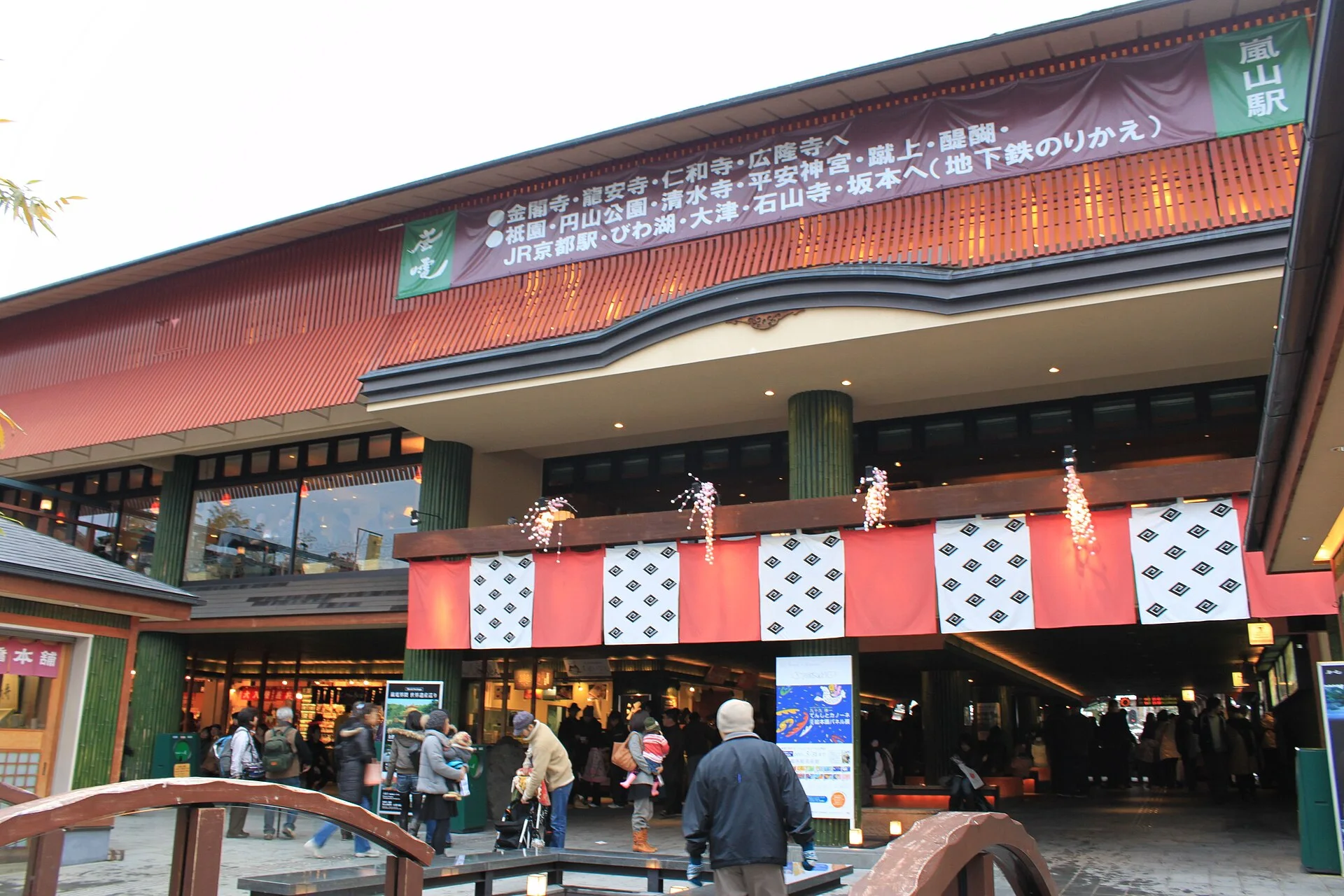
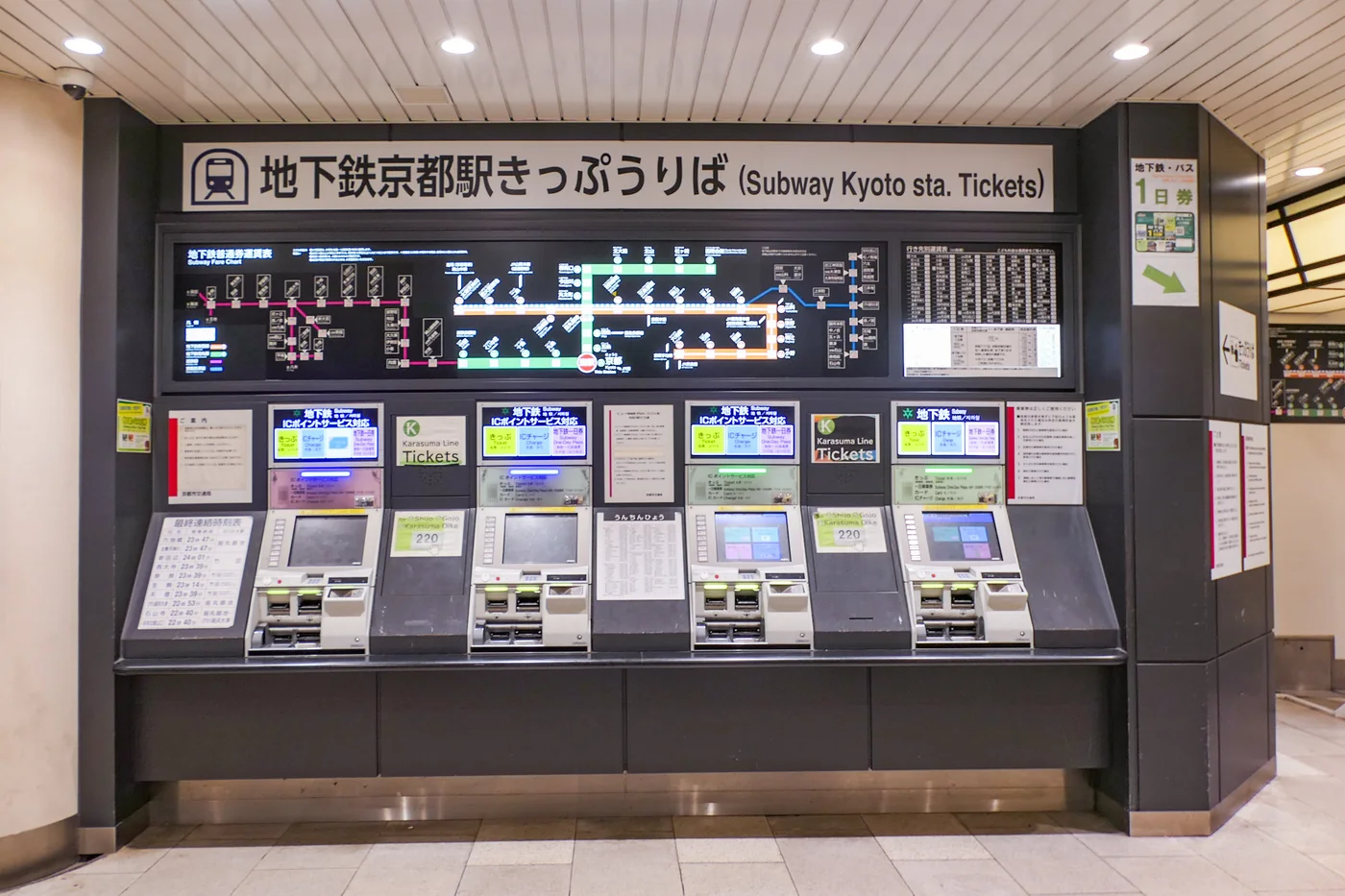
From JR Kyoto Station’s Central Exit towards the bus terminal, the City Bus and Subway Information Centre is inside the comprehensive bus information centre. Underground, find the Kotochika Kyoto information centre beside municipal Kyoto Station’s Central 1 gate. Both handle day-pass purchases and enquiries. The bureau lists normal hours of 7:30–19:30. For early or late arrivals, use a subway station counter instead.
The information centre list also includes Kitaoji Bus Terminal and Karasuma Oike Station, normally 7:30–19:30 too. If staying in the north or centre, arrange tickets nearby. City buses also sell the combined pass, but onboard stock is limited. Buy at a station or information centre before departure if you want a particular bus.
Show the counter staff two or three main destinations for the day. Japanese place and station names are clearer than only an English hotel address. For example, “Kyoto Station → Gojozaka → Gion → Ginkakuji” lets staff compare routes. List adult and child ticket quantities together, check each ticket type on receipt and have everyone keep their own.
KANSAI MaaS sells an exchange voucher: collect the paper pass before travelling
The bureau offers purchase through KANSAI MaaS. Register as a member and pay by credit card to receive a digital exchange voucher. The official purchase guide lists exchange at the Kyoto Station forecourt and Kotochika Kyoto information centres. Collect the physical day pass before using buses or subway. The phone voucher is for collection; the exchanged ticket is what you use to travel.
For an 8:00 bus, make collection your first task after the counter opens at 7:30. For an earlier start, arrange purchase and exchange the previous day. If companions arrive separately, decide who collects the tickets and where to hand them over. Keeping two tickets in one person’s phone order while meeting at different sights leaves one traveller paying separately for their first journey.
Already at Kyoto Station, buying paper tickets directly at the counter is usually straightforward. Online purchase suits those wanting to pay ahead and organise family tickets together. Choose by arrival location and counter hours; fare savings still depend on the journeys actually taken.
First ordinary City Bus ride: the date is added on the bus
Ordinary flat-fare City Buses use rear-door boarding, front-door exit and payment when leaving. For a day pass without a printed date, use the onboard farebox on the first journey to print the date on the back. You do not need another machine before departure. Keep the ticket accessible, follow farebox instructions when leaving, retrieve it, check the date and return it to your wallet.
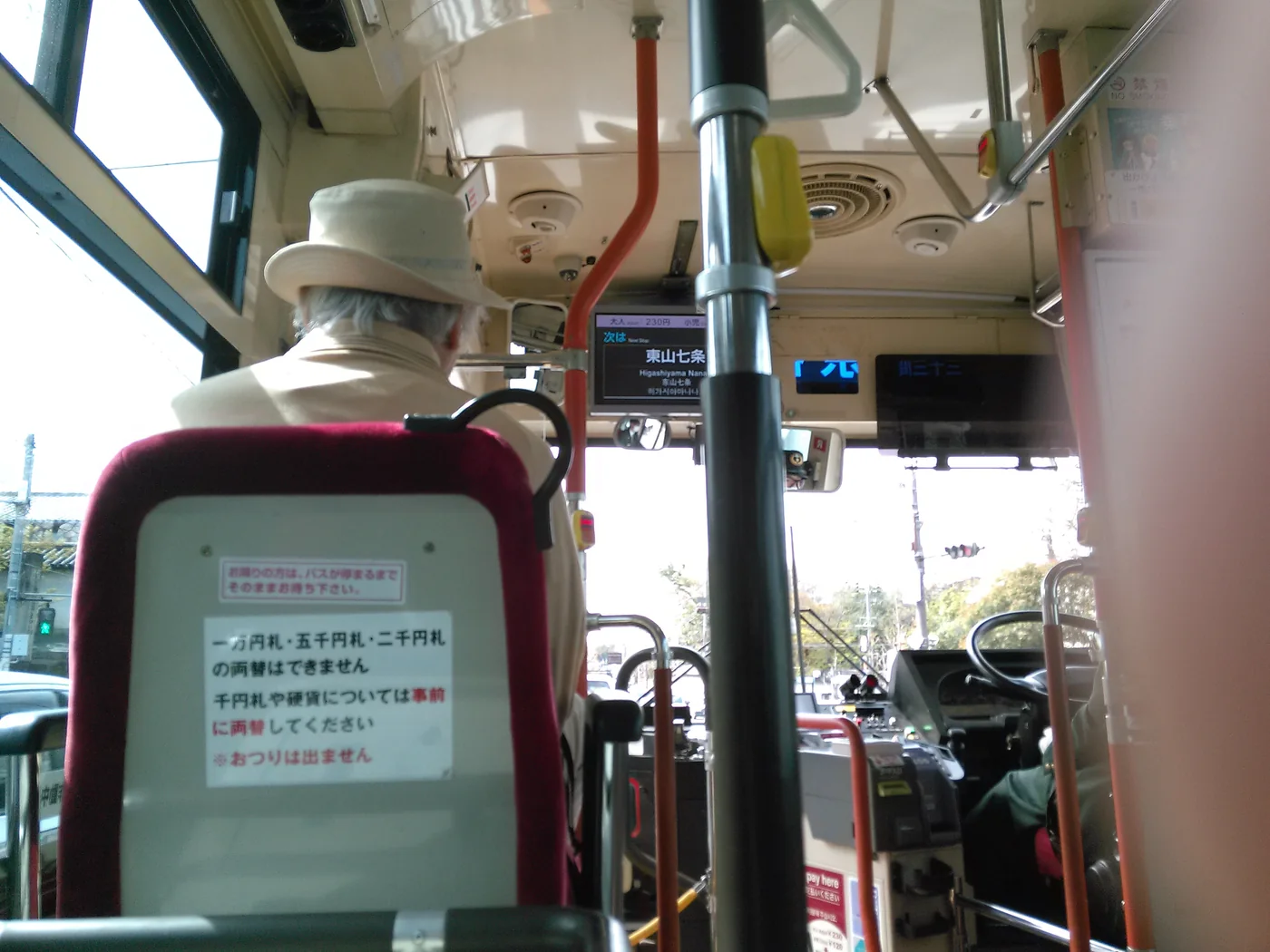
On later journeys that day, show the driver the printed valid date clearly. Have each family member take their ticket out before the stop rather than searching one by one at the front door. The date is the key check. Use the physical ticket rather than a phone order screenshot, and keep it separate from coins and other tickets in your hand.
If the first journey is on Keihan Bus or West Japan JR Bus, the bureau’s instructions require the date to be written in the use-date field with a permanent pen. This differs from having it printed on a City Bus. If you know you will start with either company, pack the pen with your ticket the night before, fill it in that day and show the driver.
Use subway gates with a ticket slot, and collect the pass again at exit
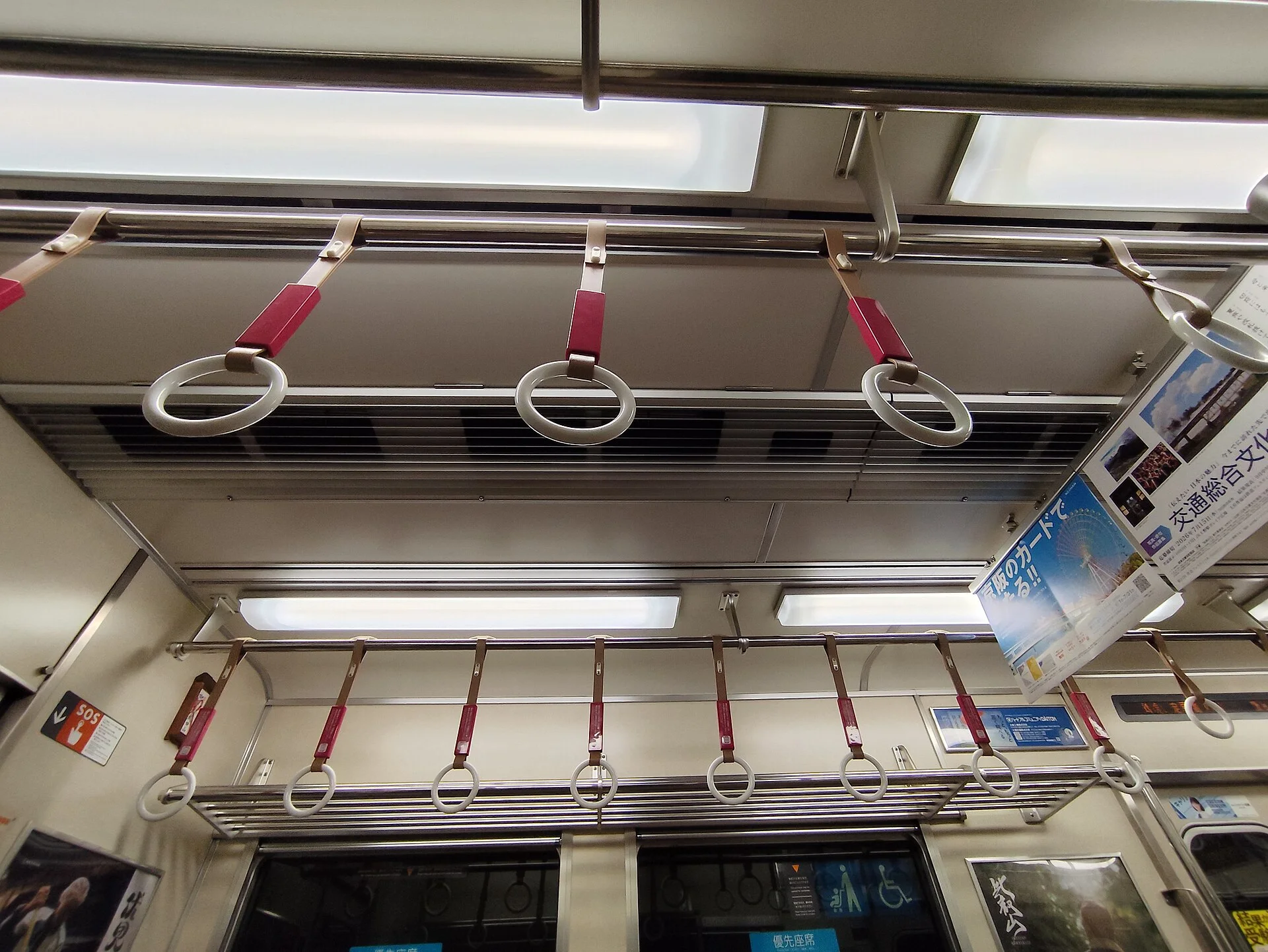
Insert a paper day pass into the automatic gate on both entry and exit, then retrieve it at the outlet. Choose a gate with a paper-ticket slot; contactless-only gates are for transport IC cards. On first use, the gate prints the date on an advance ticket. Keep the pass after leaving because the same ticket is needed for later journeys.
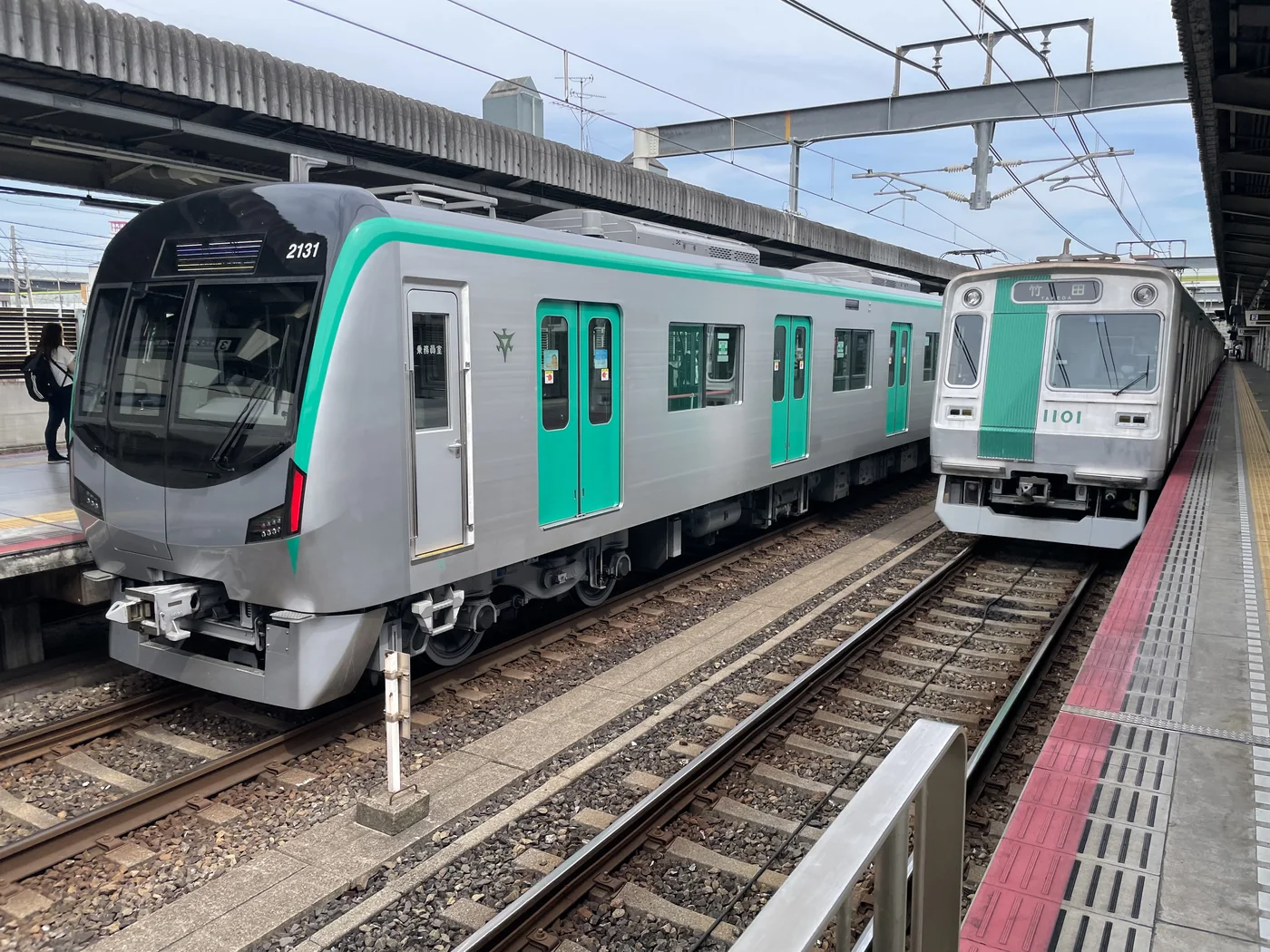
The Karasuma and Tozai lines meet at Karasuma Oike. From Kyoto Station towards Higashiyama, take Karasuma Line to Karasuma Oike and change to Tozai Line. From near Nijo Castle to Okazaki, Tozai Line provides the connection. These changes within the municipal subway are included in the all-line pass. Use rail for longer distances between stations, then walk or take a bus for the final stretch instead of restarting every trip at Kyoto Station.
Karasuma Line trains run through onto Kintetsu, and some Tozai Line trains run through onto Keihan’s Keishin Line. Beyond the municipal subway, Kintetsu and Keihan Otsu Line sections need separate fares. Read the station’s operator and any through service together. An all-line municipal subway ticket still covers only municipal subway sections.
City Bus, Kyoto Bus and Keihan Bus each have their own coverage
The combined pass covers all Kyoto City Bus routes. Kyoto Bus coverage has boundaries including Ohara, Iwakura Muramatsu, Iwakura Jissoin, Ichihara, Daikakuji, Kiyotaki and Kokedera, with use on designated routes within the area. For Ohara, compare a city rail connection followed by Kyoto Bus. Towards Kurama or Mount Hiei, check coverage for your selected route.
Excluded seasonal Kyoto Bus routes include 51 from Kyoto Station to Hieizan summit, 90 from Hankyu Arashiyama to Nishiyama Takao, and 95 from Ohara to Kurama. Even when the bus and destination both say Kyoto, read the route number. Open the coverage map from the official pass page and mark both your boarding and alighting stops.
Keihan Bus coverage includes designated routes in Yamashina, Daigo and central Kyoto, with exclusions including Mount Hiei, Hieidaira and some sections. For Daigo-ji, Daigo Station on Tozai Line gives a clear rail starting point. To continue by bus to the entrance, check that service’s operator and coverage. Temple entry is separate; the transport pass pays for travel.
Some West Japan JR Bus journeys are covered; JR trains need separate fares
The pass covers the Kyoto Station–Toganoo section of West Japan JR Bus’s Takao Keihoku Line. It is a road route worth considering for Takao. Beyond Toganoo, handle fares for the actual section travelled. Find Takao and Toganoo separately on the map and check return stops, rather than treating the whole Takao Keihoku Line as covered.
JR railways from Kyoto Station, including the Sagano and Nara lines, are outside this pass. JR journeys to Saga-Arashiyama for Arashiyama and Inari for Fushimi Inari need separate railway fares. If mainly using JR with only one or two afternoon City Bus rides, calculate per-journey payment first to see whether the ¥1,100 pass is needed.
The distinction between JR buses and JR trains also affects visitors staying in Osaka. Put Osaka–Kyoto return railway fares in their own column, then add travel within Kyoto. Counting all intercity fares as day-pass savings overstates the benefit. Compare only the journeys covered, starting with the first included section.
EX100 links Kiyomizu, Gion, Okazaki and Ginkakuji
The EX100 sightseeing limited-express bus runs on Saturdays, Sundays and Japanese public holidays from Kyoto Station stop D1. Its main connections are Gojozaka, Gion, Okazaki Koen Bijutsukan/Heian Jingu-mae and Ginkakuji-mae. Towards Kyoto Station, it uses Ginkakuji-michi and also has return stops including Kiyomizu-michi. Check names and positions separately in each direction.
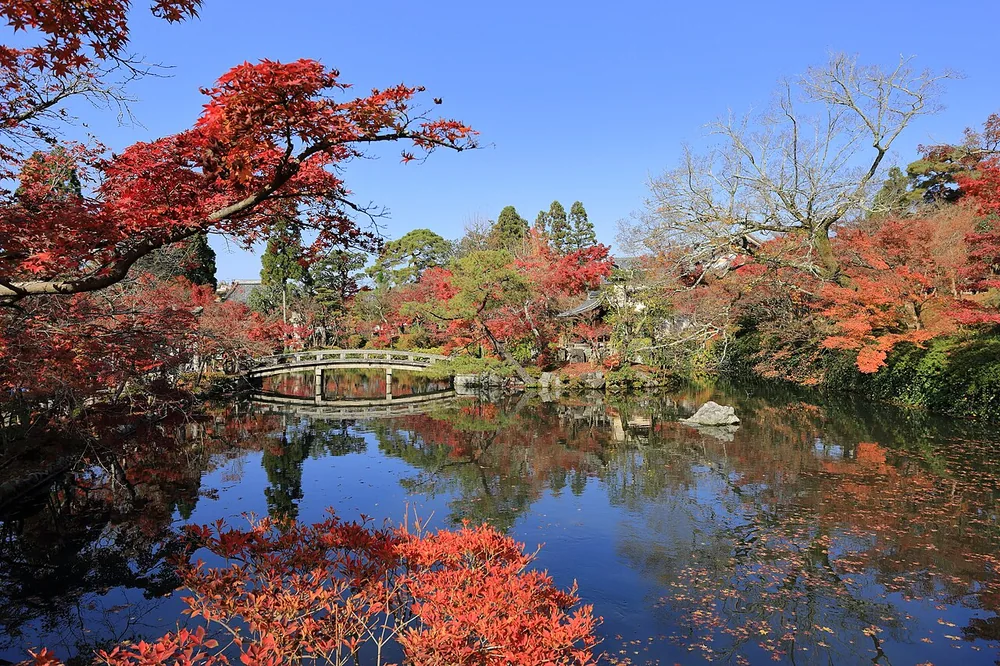
The route suits a linked Higashiyama day. Arrive at Gojozaka in the morning, walk uphill to Kiyomizu-dera, continue through the streets towards Gion, then decide about Okazaki or Ginkakuji. Each sight needs visiting and walking time. With older relatives or children, Kiyomizu-dera and Gion can take most of the day. For a proper museum visit, save Ginkakuji for another day.
Fewer stops make the route easy to understand, but it still uses city roads. For a Shinkansen from Kyoto Station, allow waiting and traffic time or connect via a nearby subway station. A day pass lets you choose transport from your current location; there is no need to walk back to a stop already left just to take another limited-express bus.
EX101 runs between Kyoto Station and Gojozaka: distinguish it from EX100
EX101 also runs on Saturdays, Sundays and Japanese public holidays, focusing on Kyoto Station–Gojozaka. It is useful for Kiyomizu-dera with a return to Kyoto Station. For Gion to Heian Jingu or Ginkakuji, look at EX100 or another route suited to where you are. Read EX100 or EX101 on the front before boarding rather than remembering only “sightseeing limited express”.
Both limited-express routes cost ¥500 per adult ride or ¥250 for children, and accept the combined day pass. Board at the front, pay first and exit at the rear, the reverse of ordinary City Buses. With a day pass, show it on boarding or follow its first-use procedure, observing the driver and farebox instructions.
For a weekday visit, rebuild the route with ordinary buses, subway and walking operating that day. Check Japanese public holidays too: a public holiday at home may not be one in Japan. Kyoto Station has separate boarding queues. At D1, confirm the arriving route number and destination before joining the correct queue.
The bureau’s sightseeing limited-express bus introduction explains major attraction stops and day-pass use.
Five ordinary City Bus rides only just exceed ¥1,100
At the adult flat fare of ¥230, three City Bus rides cost ¥690, four ¥920 and five ¥1,150. A ¥1,100 day pass saves ¥50 over five rides. That is a small difference. Removing one bus journey and linking neighbouring streets on foot may make separate fares better. Count only journeys you will actually take.
For example, a hotel-to-Kiyomizu-area trip, a bus to Okazaki after lunch and a return to the hotel make only three sections. Walking slowly from Ninenzaka to Gion costs no fare. Morning northern Kyoto, afternoon Higashiyama and dinner in the centre create more transport sections, but discuss whether everyone wants that much travelling.
Divide the budget into definite journeys and extras only if you have energy. Decide from definite fares first, then consider the pass’s added flexibility. Taking an extra trip to somewhere you never wanted to visit just to save ¥50 costs more in time than the fare difference.
Two limited-express rides plus another journey change the calculation
Two adult limited-express rides total ¥1,000, still below the ¥1,100 pass. Add an ordinary flat-fare City Bus ride and the total becomes ¥1,230, saving ¥130 with the pass. Three limited-express rides total ¥1,500, a ¥400 difference. These are single-fare examples; choose services by your actual route.
For a mixed example, one ¥500 limited-express ride plus three ordinary City Bus rides at ¥690 totals ¥1,190, saving ¥90 with the pass. If that is already your route, one ticket is convenient. If only one limited-express ride is definite and the rest of the day stays in one district, start with a single fare. The trip back after dinner is often missed in budgets.
Compare the subway-only pass the same way. Adult ordinary municipal subway fares are ¥220, ¥260, ¥290, ¥330 and ¥360 by distance band. Four journeys all at the lowest ¥220 fare total ¥880, ¥80 above the ¥800 pass. Insert the official fares for your actual longer sections. The minimum-fare example explains the method; origin and destination determine the fare.
A Higashiyama day: climb towards Kiyomizu in the morning, finish by subway
On a weekend or holiday, take EX101 or EX100 from Kyoto Station to Gojozaka and put the uphill Kiyomizu-dera walk in the morning. Afterwards, walk through Ninenzaka and Sannenzaka towards Gion, with lunch and shops along the way. Linking neighbouring streets avoids returning to the same bus stop to wait again.
For gardens or museums, continue to Okazaki Park in the afternoon. For the Philosopher’s Path and Ginkakuji, save time for the area further north. Ginkakuji-mae and the return stop Ginkakuji-michi are different: switch to the correct name on the map. From Okazaki or Gion, also consider walking to Higashiyama, Sanjo Keihan or another subway station, then changing at Karasuma Oike for Kyoto Station.
As a family, agree on the afternoon choice first: if lunch runs late, stay around Gion; if children still have energy, continue to Okazaki. Calculate temple entry, meals and transport separately. A day pass still leaves you free to skip a stop. Another half-day for temples and streets is more comfortable than chasing four famous sights in one day.
Use Kitaoji for Kinkakuji, leaving the centre for the return
From Kyoto Station to the north, take Karasuma Line to Kitaoji, then a bus towards Kinkakuji. The bureau’s advice for spreading sightseeing travel also recommends subway-to-bus routes. Rail covers the longer crossing through the centre, with the bus near your destination. A ticket covering both gives more flexibility.
Kitaoji Bus Terminal adjoins the subway station. Follow signs for your destination and boarding point. With pushchairs, luggage or older relatives, include level changes and waiting rather than using train running time alone. Return to Kitaoji, then take Karasuma Line towards a central dinner without returning to Kyoto Station for every meeting.
To add Arashiyama the same day, leave a full stretch for crossing the city. Both Kinkakuji and Arashiyama have walking and visiting time, with lunch, queues and waiting adding more. With several nights, separate days usually allow a closer look. On a short stay, choose one main destination in each area.
The bureau’s 15-second film introduces travel combining rail and bus.
Arashiyama: compare JR, subway plus bus and private railways from your hotel
Beside Kyoto Station, JR to Saga-Arashiyama is a straightforward rail option with a separate fare. From Karasuma Oike or Nijo, consider Tozai Line to Uzumasa Tenjingawa and a bus within the covered area. List Randen or Hankyu fares separately if needed. Arashiyama has many approaches; convenience from your accommodation affects the ticket choice.
The pass’s Kyoto Bus coverage includes designated routes bounded by places such as Daikakuji, Kiyotaki and Kokedera, but seasonal route 90 and others are excluded. Compare route numbers and boarding and alighting stops with the coverage map. A day walking around Togetsukyo Bridge, bamboo groves and temples mainly needs two travel sections, in and out, so uses a city pass less.
For a morning in Arashiyama and only a return to the hotel in the evening, total actual return fares before buying. A direct JR journey followed by a ¥1,100 city pass may leave too little use for the latter. Adding Okazaki in the afternoon and dinner in Karasuma changes the mixed-route comparison. Write each operator’s name so you do not count the same journey twice.
Two adults and a 10-year-old pay ¥2,750 for combined passes
For two adults and a 10-year-old, combined passes cost ¥1,100 + ¥1,100 + ¥550 = ¥2,750. If each person takes four ordinary flat-fare City Bus rides, the two adults pay ¥1,840 together and the child pays ¥480, totalling ¥2,320: separate fares save ¥430. If each person takes three limited-express rides, the family total is ¥3,750, so passes save ¥1,000. Using the same family makes the difference clear.
Prepare each person’s transport card or paper ticket, with the correct child ticket. Tell the counter the child’s age, especially around school-age boundaries, and use the bureau’s adult and child categories. Adults can position themselves before and after a child needing help at gates. Return retrieved tickets to the designated keeper.
With toddlers, pushchair boarding, lifts and nappy changes take time. One main sightseeing area and one indoor rest point each day are easier to plan than maximising ride counts. Dinner near the return station also removes travel when tired. Family fare calculations use the same method as adults, but itinerary density should fit children’s walking capacity.
IC24H gives points the following month: consider whether you can use them
For Subway & Bus IC24H, register a chosen start time at least five minutes before it begins. The 24-hour period runs from that time. Normal fares are deducted in full first; covered fares above ¥1,100 for adults or ¥550 for children are later returned as points. Keep enough balance on your phone or IC card to pay all fares when travelling.
The service is part of Moepo and applies to registered ICOCA, PiTaPa and mobile ICOCA supported by the service. The official FAQ says points are issued on the 15th of the following month. For physical ICOCA cards, points can be loaded in units of 10 at supported Kyoto Municipal Subway machines and other designated locations. Mobile ICOCA points must be converted to the designated WESTER points before loading in the app. If leaving Kyoto after a short stay, consider whether you can use the later reward.
Paper passes and IC24H also cover different operators. As of November 2026, IC24H excludes Keihan Bus; paper passes include designated Keihan Bus routes. Check the start time, operators and point redemption method before using the service. For a fixed fare paid during this trip, paper tickets are easier to manage.
A small station-name difference can mean another operator’s entrance
Sanjo Keihan is on the municipal Tozai Line; Keihan Railway has a separate Sanjo Station. Karasuma Line’s Shijo and Hankyu’s Karasuma also belong to different operators. When mapping a hotel-to-station walk, check both distance and the line after entering. The municipal subway day pass covers journeys on Karasuma and Tozai lines.
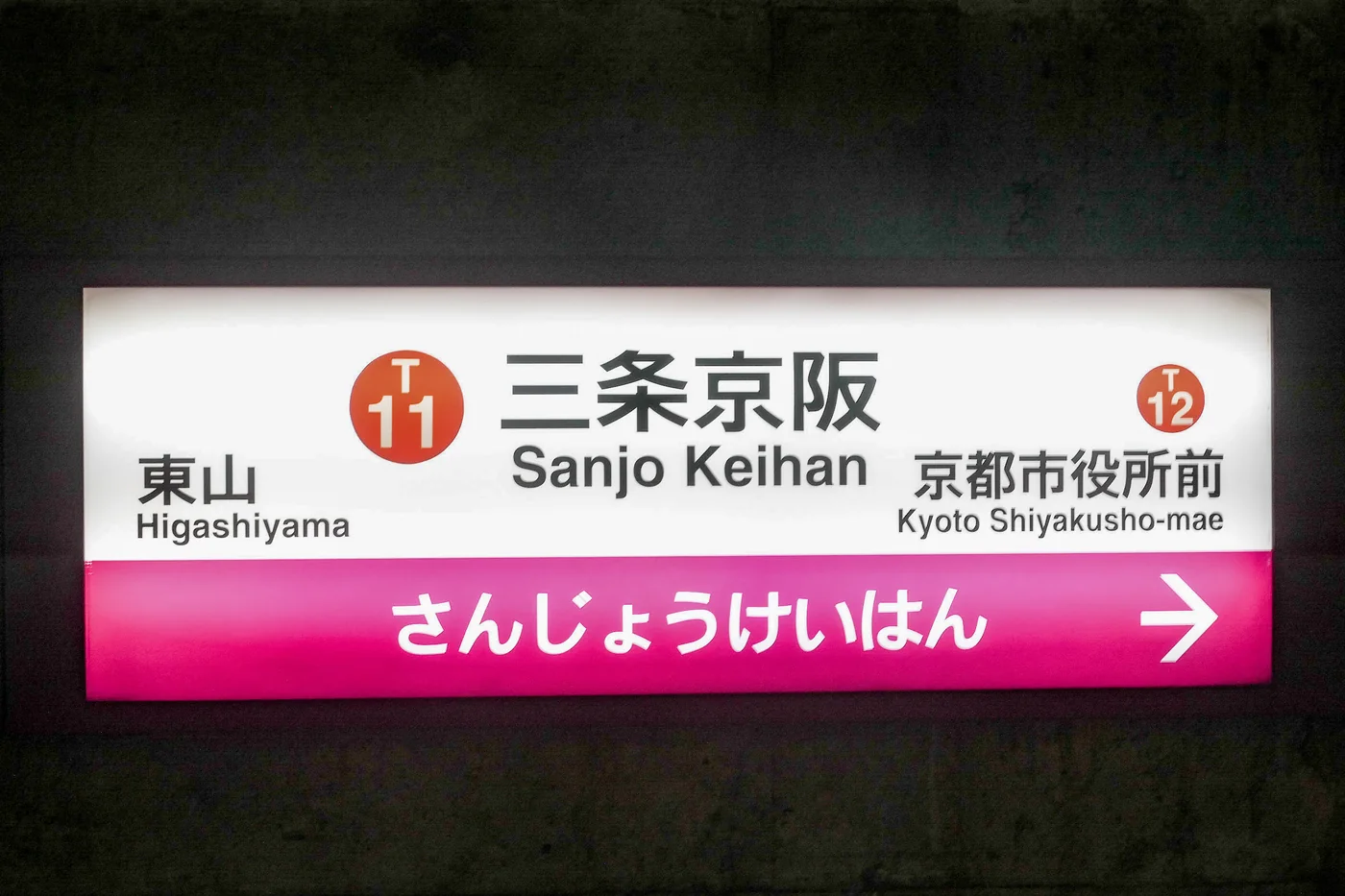
At Kyoto Station, JR, Kintetsu and municipal subway have separate gates. If navigation home says only “Kyoto Station”, zoom in to the entrance and line before putting a ticket into the nearest gate. Save the line name and station number as a screenshot so you can compare signs at busy interchanges without searching again.
Google Maps helps with entrances, walking and direction. Compare ticket validity with the operator’s coverage map. The map button at the lower left of article photographs opens the relevant station or facility. At bus stops, check the side of the road and direction too. The return stop may be across a junction from where you arrived.
November 2026 autumn measures have specific dates and hours
The bureau’s autumn congestion measures run from 31 October to 29 November 2026. They include temporary EX100 routing changes towards Kiyomizu-dera on 21–23 and 28–29 November. For these dates, save the 2026 autumn transport notice with the normal route page and follow stops and staff guidance on the day.
The notice also lists specific bus-to-subway transfer measures at Higashiyama Sanjo and Kinkakuji-michi. At Higashiyama Sanjo, on Saturdays, Sundays and public holidays during that period from 15:45 to 19:20, specified Kyoto Station-bound buses 5, 105 and 206 can transfer to the subway through the on-site procedure. Kinkakuji-michi has designated routes towards Kitaoji from 15:00 to 17:30. Transfer vouchers and subway ticket exchange have specific locations. Follow the procedure only for qualifying dates, times and services.
With a combined day pass, simply switch to the subway within its coverage. Single-fare users can consider this seasonal option for the return. Temporary measures apply only on published dates. For 2027, plan with regular fares and routes, then update when new seasonal notices appear.
Unused paper tickets can be refunded for a ¥200 fee
Unused paper combined and subway-only day passes can be refunded under the bureau’s refund rules, with a ¥200 fee per ticket. Listed combined-pass refund points include subway stations, City Bus and Subway Information Centres and City Bus depots. The subway-only pass lists subway stations, information centres and commuter-pass offices.
If you planned several sights but wake up wanting to stay near the hotel, recalculate before first use. A ticket dated and already used for travel does not qualify as unused. Online exchange vouchers follow the order channel’s rules. Keep the order and physical ticket so the counter can identify what you hold.
Kyoto residents may save unused advance tickets for another visit. Short-stay visitors should compare the refund amount with future use. A ¥1,100 adult pass returns ¥900 after the ¥200 fee; a subway pass costing ¥800 returns ¥600. Keep the ticket intact and separate from other receipts, then use the appropriate counter.
Store large bags first, then start from the station nearest your hotel
Taking large luggage from Kyoto Station by bus to every sight makes boarding, standing and leaving harder. Store it at the hotel or station before sightseeing. Budget separately for lockers, delivery and hotel storage conditions; city transport passes cover fares.
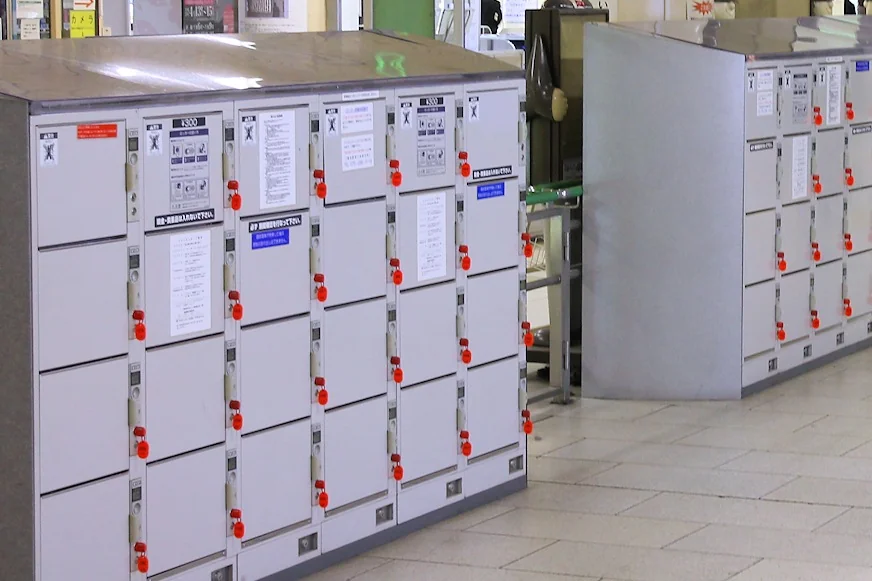
Kyoto Station lockers are spread across several areas. Note the location, floor and nearby landmark, and photograph the locker number and operating receipt. Allow time to collect bags and walk inside the station to JR or Kintetsu platforms afterwards. Fare savings are limited; rushing in the final hour while looking for a locker can disrupt the whole day.
Before setting out, save three useful screens: pass coverage, outward boarding point and the route back to your hotel. Use the ¥1,100 pass on days with repeated travel across districts. For one area, pay return fares with a transport card and spend the remaining time walking slowly through the streets.
A few useful answers
How much is Kyoto’s Subway & Bus 1-Day Pass?
It costs ¥1,100 for adults and ¥550 for children. The Subway 1-Day Pass costs ¥800 and ¥400 respectively. Paper tickets last until services end on the day used.
Can I use the ¥1,100 pass on EX100 and EX101?
Yes. Both run on Saturdays, Sundays and Japanese public holidays. Single fares are ¥500 for adults and ¥250 for children. Board at the front, pay first and exit at the rear. EX101 links Kyoto Station and Gojozaka; EX100 extends towards Gion, Okazaki and Ginkakuji.
Can I board directly with the KANSAI MaaS phone voucher?
Before travelling, exchange it for a physical day pass at the Kyoto Station forecourt or Kotochika Kyoto information centre, then travel with that ticket.
How should I choose between IC24H and a paper day pass?
IC24H needs a registered start time, deducts full fares during the 24 hours and returns spending above its set amount as points the following month. For short-stay visitors wanting a fixed fare paid during the trip, paper passes are easier to plan. Compare IC24H if you will continue using its points.
Official information and references
Sources used in this guide.
- Kyoto City Transportation Bureau: combined day pass and KANSAI MaaS exchange
- Kyoto City Transportation Bureau: day-pass prices, routes and validity
- Kyoto City Transportation Bureau: Subway 1-Day Pass
- Kyoto City Transportation Bureau: sightseeing limited-express routes, fares and boarding
- Kyoto City Transportation Bureau: ordinary municipal subway fares
- Kyoto City Transportation Bureau: dating a day pass on City Buses
- Kyoto City Transportation Bureau: subway day passes at ticket gates
- Kyoto City Transportation Bureau: City Bus and Subway Information Centres
- Kyoto City Transportation Bureau: IC24H start time and coverage
- Kyoto City Transportation Bureau: Moepo FAQ and point redemption
- Kyoto City Transportation Bureau: autumn 2026 bus congestion measures
- Kyoto City Transportation Bureau: unused-ticket refund rules
- Kyoto City Transportation Bureau: rail-to-bus sightseeing travel
- Kyoto City Transportation Bureau official link: Kashiko Trip and sightseeing limited express