Autumn leaves in Rakuhoku, Kyoto span two distinct areas: Ichijoji and Takagamine. Find 2026 Enko-ji booking details, Genko-an tickets, Kita 8 and Kita 1 bus transfers, plus Shisen-do and Kitano Tenmangu night illuminations.
- Region & Focus
- KyotoAutumn leaves
- Reading Scope
- 25 min read · 8 chapters · 6 Q&As
- Official Verification
- 31 official sources checkedUpdated 22 November 2026 at 08:00 GMT+8
- Key Topics
- SeasonsItinerariesKyoto, Osaka & Kansai
Chapter Route Map (tap any stop)
- Choose Ichijoji or Takagamine first, then decide whether to combine both
- Booking Enko-ji and how to tour its gardens
- Getting to Ichijoji Station and pairing with Shisen-do
- Manshu-in and Shugakuin: spending the whole day on the eastern side
- Genko-an and its two neighbouring temples in Takagamine
- Changing from Kita 8 to Kita 1: finding the right stops
- Sample full-day itineraries and evening illuminations
- Shortening the route for rain, children, or older travellers
- Quick Q&A
When planning an autumn foliage trip to Rakuhoku in northern Kyoto for 2026, build your day around your timed one-hour slot at Enko-ji if you hold a booking. A half-day easily fills Ichijoji, walking from Enko-ji's moss garden to Shisen-do. If you want to see two contrasting windows frame the same garden, devote half a day to Genko-an in Takagamine, paired with either Koetsu-ji or Josho-ji. To cover both Ichijoji and Takagamine in one day, take the City Bus via Kitaoji around midday, then head into Kamigyo Ward for the evening illumination at Kitano Tenmangu Shrine.
Choose Ichijoji or Takagamine first, then decide whether to combine both
If you only have half a day for autumn foliage and are starting from Demachiyanagi, choose Ichijoji. Enko-ji and Shisen-do both sit on the eastern side of Ichijoji; each offers distinct views yet shares the same approach road to and from the station. Visit Enko-ji in the morning for its moss and maples, then decide based on your energy whether to continue to Shisen-do or head back towards the station for lunch. If you want to view the round and square windows from tatami rooms, travel from Kitaoji Underground Station to Takagamine instead. Genko-an, Koetsu-ji, and Josho-ji all share a single bus stop, making it straightforward to retreat to the bus when your legs tire.
If your Enko-ji booking falls after noon and you still want to see both headline temples, simply reverse the order. Start at Genko-an in the morning, return from Takagamine to Kitaoji for lunch, and cross over to Ichijoji afterwards. On the map, treat the hop between Ichijoji Sagarimatsucho and Kitaoji Bus Terminal as a distinct transfer leg, remembering you have another bus change ahead for Takagamine. If you aim to visit three or more temples, keep the extra one within the same district to avoid doubling back to the main road repeatedly.
Kyoto City's autumn foliage forecast puts the typical viewing window for both Enko-ji and Genko-an from mid- to late November, while Shisen-do often stretches into early December. Use these historical ranges as a broad guide when booking flights and accommodation. When choosing between Ichijoji and Takagamine closer to the day, check each site's status across three stages: starting to turn (irodzuki-hajime), peak colour (migoro), and past peak (migoro-sugi). For vibrant leaves still on the branches, prioritise gardens marked at peak colour. If you want fallen leaves carpeting the moss, Enko-ji just past peak is still worth checking via recent temple photos before deciding whether to focus on canopies or the ground.
Your booking date and the state of the leaves are two separate signals. Enko-ji's special viewing runs for more than four weeks, spanning early colour through partial leaf drop, with timed entry every day. If you have several nights in Kyoto, lock in the day for the temple requiring a reservation and leave the unbooked area for a more flexible morning. After strong winds or heavy rain, the next morning's photos give a far better read on how many leaves remain on the trees, whereas updates from earlier in the week may reflect conditions before the storm.
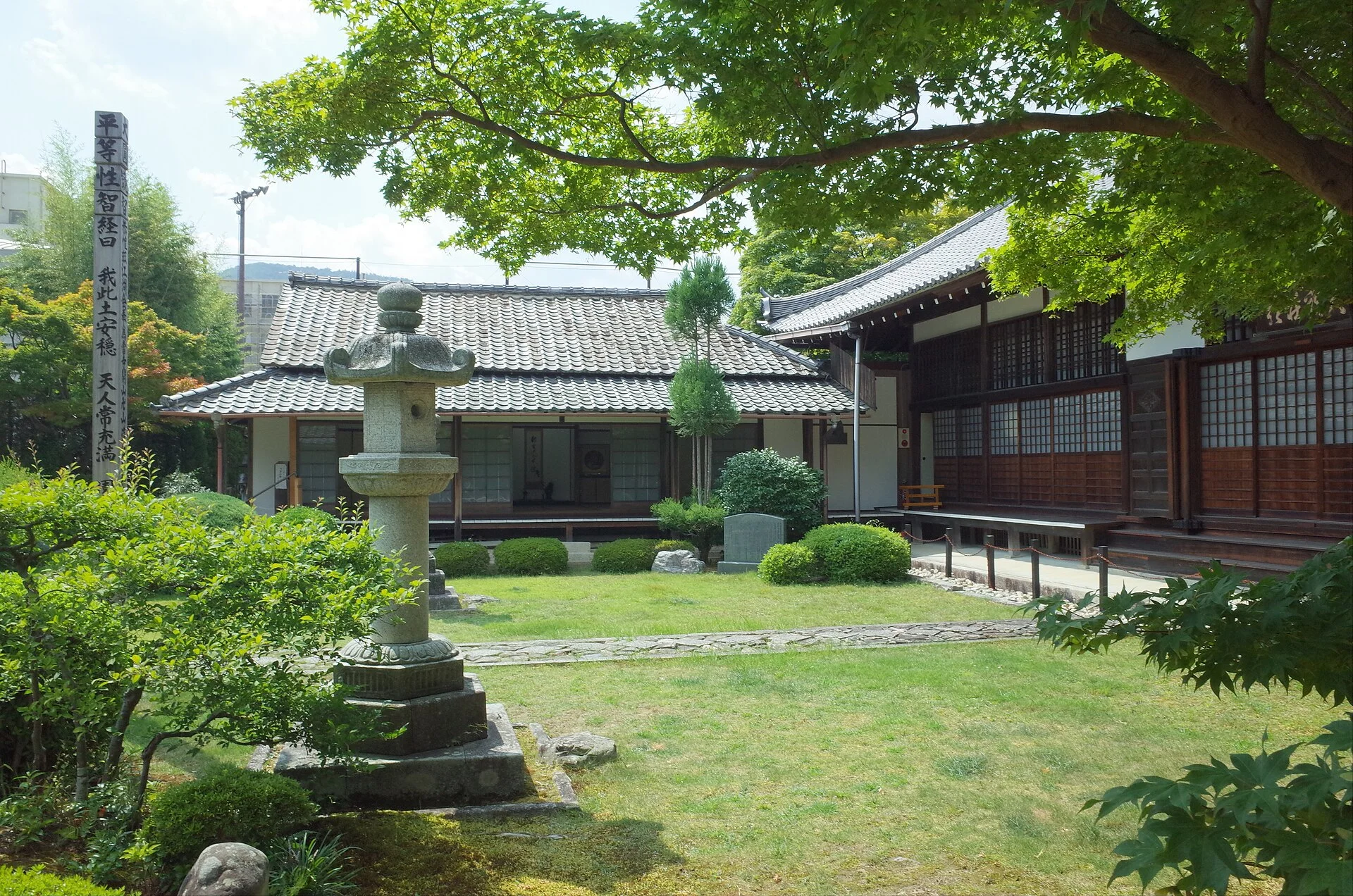
Autumn leaves in Rakuhoku, Kyoto span two distinct areas: Ichijoji and Takagamine. Find 2026 Enko-ji booking details, Genko-an tickets, Kita 8 and Kita 1 bus transfers, plus Shisen-do and Kitano Tenmangu night illuminations.
Booking Enko-ji and how to tour its gardens
Enko-ji's 2026 autumn foliage special viewing runs from 10 November to 10 December, open 09:00–17:00 daily, with timed-date reservations required. Bookings open on 20 October at 09:00 JST via the reservation calendar announced by the temple. Admission is ¥1,500 for adults and ¥800 for high school, junior high, and primary school students. According to the Kyoto City Official Travel Guide's event listing, same-day bookings are possible if slots remain. Check availability and lock in your confirmation email before starting the walk up from Ichijoji Station; if it is sold out, walk straight to Shisen-do instead.
Present your confirmation email on arrival, either on a phone screen or printed out. If members of your group arrive separately, meet outside the gate first so the person who booked can show the pass for everyone. To change your date, time, or group size, cancel via the instructions in your confirmation email and submit a new booking. At weekends, only scattered slots tend to remain; check the live calendar for availability in an earlier slot before giving up the one you already hold. Groups of ten or more must telephone the temple in advance as directed on its notice.
During the special viewing period, the temple asks visitors to stay for roughly one hour; extended photography sessions and photo shoots are prohibited, and the private car park is closed. Morning slots pair naturally with lunch in Ichijoji or around Kitaoji. If your slot is 15:00 or later, stay on the Ichijoji side to savour the garden, then head towards Demachiyanagi or central Kyoto for dinner. Even if you exit Enko-ji before closing, Genko-an will already be close to or past its last admission cut-off. Give that afternoon wholly to Enko-ji and save the bus ride to Takagamine for the next morning.
Stepping through the main gate brings you first to Honryu-tei (the Running Dragon Garden), where raked white gravel evokes drifting clouds and stone arrangements form the garden's titular dragon. Passing through the middle gate reveals Jugyu-no-niwa (Garden of the Ten Oxen), designated by the temple as a pond-stroll garden. The pleasure of visiting both in late autumn lies in concentrating on stones and contoured gravel in the front court, before letting your gaze take in maples, pond edges, and moss deeper inside. Take in the whole garden from the veranda first, then stroll closer to the pond along the open paths if time allows. The suikinkutsu (water harp cave) sits inside Jugyu-no-niwa; its chime is delicate, so pause to listen in a spot that does not block foot traffic.
Jugyu-no-niwa draws on the Zen Ten Oxherding Pictures, depicting spiritual discipline through a herdsman's search for his ox. The temple calls the spring-fed pond on the southern side Seiryu-ike and preserves a bamboo grove associated with the painter Maruyama Okyo. Garden enthusiasts can happily spend the full hour tracing the shift from white gravel and moss to bamboo. If someone in your party just wants a single maple shot, framing the foreground veranda pillars against the distant leaves gives immediate depth; if the windows are crowded, look down at the moss and pond surface first and step into an open spot as the crowd shifts. Keep tripods and backpacks off the walkways.
If you still have energy towards the back of the garden, follow the open path into the Okyo Bamboo Grove and climb up to Toshogu Shrine and Tokugawa Ieyasu's monument for views over northern Kyoto. Because this section is uphill, save it for steady weather and unhurried slots. On a later booking, if two people want different views and leave plenty of time to return to the entrance, agree on a clear meeting point inside the grounds so one can climb for the skyline while the other lingers in the garden. Low pond water and moss need different light from a sweeping look across to the Nishiyama hills; in mist or low cloud, your time is better spent on close-up views.
Getting to Ichijoji Station and pairing with Shisen-do
On the Eizan Electric Railway from Demachiyanagi to Ichijoji, the daytime journey takes roughly 6 minutes and costs ¥220 single for adults (¥110 for children). After leaving Demachiyanagi, the train passes Mototanaka and Chayama / Kyoto University of the Arts before reaching Ichijoji. Trains bound for both Yase-Hieizanguchi and Kurama stop here. Travellers arriving from Gion-Shijo, Sanjo, or Tofukuji on the Keihan Line simply change to the Eizan Electric Railway at Demachiyanagi. On the return journey from Ichijoji Station, make sure you board on the Demachiyanagi-bound platform. Use an accepted IC travel card according to the platform and on-board readers; if boarding at Ichijoji without an IC card, take a boarding station ticket first.
Arriving at Demachiyanagi on the Keihan Line, look for the Eiden Gate (Eizan Electric Railway Exit) and follow the transfer signs. Keihan's station map marks the lift route from the platforms through the ticket barriers to street level for anyone travelling with pushchairs or wheelchairs. Coin lockers are located outside the Eiden Gate and below Exits 3 and 4. If you are only visiting Ichijoji before heading back along the Keihan Line, storing small bags at Demachiyanagi makes collection easy. If you plan to continue via Takagamine to Nishijin or Kyoto Station, leave luggage at your accommodation or a station on your return route to avoid a late detour back to Demachiyanagi.
From Ichijoji Station to Enko-ji, the Kyoto City Official Travel Guide estimates a 15-minute walk. The station sits on lower ground, so the walk follows Ichijoji-dori across Shirakawa-dori and climbs into the hillside residential streets. From central Kyoto, you can also take City Bus 5 to Ichijoji Sagarimatsucho and walk about 10 minutes to the temple. If you hold the earliest slot, factor this uphill walk and entrance-finding time into your transit plan. Both temples warn that the lanes climbing east from Shirakawa-dori are narrow in autumn; walk single file and wait until clear of residential driveways before stopping to hand out tickets or take group photos. Visitors arriving at Shisen-do by taxi are asked by the temple to alight at Manshuin-michi on Shirakawa-dori and walk up, as there is still an incline from the main road—plan this climb ahead of any timed entry if travelling with older relatives.
Shisen-do opens 09:00–17:00 (last entry 16:45), with admission at ¥700 for adults, ¥500 for high school students, and ¥300 for junior high and primary school students. A temple notice dated 30 October 2026 confirms no reservation is required for the autumn foliage season. When visiting both temples, let your Enko-ji slot set the order and slot Shisen-do into the open half of your schedule. With an Enko-ji booking around 10:00, walk straight across to Shisen-do afterwards rather than dropping back down to the train station. Visiting both takes more stamina than the map suggests, especially with the descent through residential lanes and stone steps inside each gate.
Shisen-do was originally the mountain retreat of scholar-poet Ishikawa Jozan, named after the portraits and poems of thirty-six Chinese poets hung in its hall. From the veranda, raked white sand and rounded clipped azalea bushes form the foreground, with autumn maples rising behind them and fresh perspectives waiting down in the lower garden. Travellers who prefer sweeping maple canopies and mossy carpets tend to favour Enko-ji, whereas those who want to sit and study layered garden design should save extra time for Shisen-do. If Enko-ji sells out, Shisen-do alone easily anchors a relaxed half-day in the district.
For lunch in Ichijoji, walk back down towards Ichijoji Station or the main road after your hillside visits, then hop on the train to Demachiyanagi. If you are heading on to Takagamine and the next Kita 8 bus is due soon, ride straight to Kitaoji first and eat there. Conversely, if both temple visits are scheduled for the afternoon, eat near Demachiyanagi or your transfer hub before climbing up into the hills. Fixed entry emails are far harder to shift than lunch queues, so save Ichijoji's popular ramen shops for after your visits or swap them to another day in the city.
Manshu-in and Shugakuin: spending the whole day on the eastern side
If you are visiting Kyoto in early December or want to keep all your travel around Ichijoji, consider adding Manshu-in. The Kyoto City Official Travel Guide notes its autumn colour regularly lasts into early December. It is roughly a 20-minute walk east from Shugakuin Station on the Eizan Electric Railway, or an uphill stroll from the Ichijoji Shimizucho stop served by City Bus and Kyoto Bus. If you are already near Shisen-do, narrow residential lanes and slopes slow the pace enough that just one major garden fills a half-day comfortably. Starting at Manshu-in lets you tackle the climb first, then drop down to the station or main road for lunch with an easier afternoon return.
Maples greet you outside Manshu-in's main gate, while inside the Shoin study you find raked white gravel, pines, and a stone bridge formed from blue-green rock. Coming straight from Enko-ji's moss, look for the implied 'stream' running across the gravel beneath the windows and notice how the dry waterfall and stone bridge guide the eye through the dry landscape. The veranda railing of the Small Shoin is shaped like a ship's gunwale, inviting quiet contemplation from indoors. For anyone who feels the cold yet loves garden craft, choosing either Manshu-in or Shisen-do for the afternoon leaves time to sit and read the layout. If you only want to walk beneath maples, enjoy the trees outside the gate first before deciding whether to buy a ticket for the Shoin.
Manshu-in's 2026 Autumn Special Exhibition displays the Kitano Tenjin Engi and Shuten Doji Emaki picture scrolls from 19 November to 20 December, open 09:00–17:00 (last entry 16:30), with special admission at ¥1,000. Stepping indoors after viewing the leaves lets you follow the legend of Sugawara no Michizane's transformation into the god of thunder, or simply linger over a single scroll's brushwork. Travellers pairing Manshu-in with Nishijin over two days can visit Kitano Tenmangu's main sanctuary and Odoi embankment later to see why these scrolls belong in Manshu-in's collection. Both exhibited works also tie into Kitano Tenmangu's 2027 Hanmanto-sai festival marking the 1,125th anniversary of Michizane's passing.
If you arrive in Kyoto after 10 December, Enko-ji's 2026 timed viewing will have finished, yet Manshu-in's scroll exhibition continues until 20 December. Travellers who prefer to chase late colour alongside indoor culture can use these dates to dodge November's peak weekend crowds while keeping an eye on weekly foliage bulletins. On an afternoon visit, use the remaining daylight for the uphill approach and outdoor maples, then move inside for the scrolls before walking down to Shugakuin Station.
Genko-an and its two neighbouring temples in Takagamine
Genko-an is open 09:00–17:00 with last entry at 16:30. Temple ceremonies can occasionally suspend public viewing; look out for notices reading 'haikan no ichiji kyushi' (temporary suspension of viewing) and plan your sequence around any posted closure window. The Kyoto Prefecture Tourism Federation lists regular admission at ¥400 for junior high school students and above (¥200 for primary school children), rising to ¥500 during the autumn foliage season. Keihan's 2026 autumn guide specifies that this seasonal rate applies throughout November, when the temple's car park is also closed. The bus stop is roughly a one-minute walk from the gate.
Inside the main hall, look for the round Window of Enlightenment (Satori-no-mado) and the square Window of Confusion (Mayoi-no-mado). Both look out onto the same stretch of garden: the circular frame concentrates attention on branches and leaves, while the square wooden frame preserves sharp corners and takes in more of the garden's edges. To appreciate the contrast, step back in the tatami hall to view both together before moving closer to choose your angle. Beyond the windows, take time to see the temple's principal image, the timber beams, and the rear garden borrowing Kyoto's northern hills as scenery. One section of ceiling is said to incorporate floorboards salvaged from Fushimi Castle—follow the temple's signs to spot it.
If someone in your group has less interest in temple architecture, they can view the two windows and wait near the entrance meeting point. Children enjoy spotting the round and square shapes and comparing where the same branch gets cropped inside each frame. For photographs, wait until the doorway flows smoothly and space opens up. At peak autumn crowds, tour the rest of the hall and garden first; if a queue still blocks the windows when you return, put the camera away and save time for a walk through Takagamine and the next temple.
From the same bus stop, walk roughly three minutes towards Takagamine Koetsucho to reach Koetsu-ji. Beyond the stone-paved approach, look out for the slanting Koetsu-gaki bamboo fence beside the Taikyo-an teahouse and the views opening out towards Mount Takagamine and Mount Washigamine. The Kyoto City Official Travel Guide lists autumn hours as 08:30–17:00 with ¥500 admission, noting the temple is closed from 10 to 13 November. Overnight guests in the area who want an early walk before 09:00 can visit Koetsu-ji first. In afternoon backlight or low cloud, focus on the stone path, bamboo fence, and nearby branches, leaving distant mountain views for clearer skies.
Josho-ji sits in Takagamine Kitatakagaminecho, about a two-minute walk from the Takagamine Genkoan-mae bus stop. At the entrance stands the vermilion Yoshino Gate, donated by the renowned courtesan Yoshino Dayu, with other memorials linked to her and Haiya Shoeki inside the grounds. Autumn hours are 08:30–17:00; admission is ¥500 for junior high school students and above, and ¥200 for children. For a two-temple pairing, combine Genko-an with Koetsu-ji to contrast indoor window framing with open-air paths and mountain ridges. If anyone wants shorter walks—or if Koetsu-ji is closed—choose Josho-ji as your second stop instead. Enter 'Josho-ji, 1 Takagamine Kitatakagaminecho, Kita-ku, Kyoto' into your map app to avoid mixing it up with a similarly named temple elsewhere in Kyoto.
Changing from Kita 8 to Kita 1: finding the right stops
Heading down from Enko-ji towards Takagamine, board City Bus Kita 8 at Ichijoji Sagarimatsucho on Shirakawa-dori, watching for buses bound for Takano and Kitaoji Bus Terminal. Heading west, the route passes Takano, Takanobashi Higashizume, and Shokubutsuen-mae (Botanical Gardens) before terminating underground at Kitaoji Bus Terminal. Note that the opposite stop serves buses towards Shugakuin-michi and Matsugasaki Station. Kyoto City Transport Bureau's Kita 8 timetable varies across weekdays, Saturdays, and Sundays/holidays, with some services terminating at Kitaoji—conveniently your transfer hub. Always verify both the stop name and direction, as the same route number departs from opposite sides of the street.
Once Kita 8 arrives underground at Kitaoji Bus Terminal, follow signs for Kita 1 bound for Bukkyo University and Gentaku, and alight at Takagamine Genkoan-mae. If you are riding the Karasuma Underground Line straight from your hotel to Kitaoji, head directly to the Kita 1 bay in the terminal. From Kyoto Station or Shijo Omiya, City Bus 6 also runs towards Gentaku. Taking the underground plus Kita 1 from Kyoto Station adds one transfer, yet leaves only the short Kitaoji–Takagamine bus leg—handy when meeting companions at a set time. Those staying around Shijo Omiya can catch Bus 6 directly without changing.
Midday wait times are the easiest gap to overlook when building a schedule. On Kyoto City Transport Bureau's Sunday/holiday timetable effective from March 2026, Kita 8 departures from Ichijoji Sagarimatsucho towards Kitaoji in the noon hour are at 12:08 and 12:38. Missing one by a couple of minutes means waiting half an hour for the next bus, before factoring in the Kita 1 connection at Kitaoji. If you finish Enko-ji before 11:30, walk down to the main road to check real-time bus arrivals before choosing between eating locally or riding to Kitaoji for lunch. Build roughly one hour into a cross-district plan as a scheduling buffer for walking, waiting, and changing buses; actual riding time depends on the two bus legs.
The route also works smoothly from west to east. After Genko-an, walk back to the Takagamine Genkoan-mae stop and catch Kita 1 towards Kitaoji Bus Terminal, then change to Kita 8 bound for Takano, Shugakuin-michi, and Matsugasaki Station to alight at Ichijoji Sagarimatsucho. To return directly to Kyoto Station from Takagamine, board City Bus 6 bound for Shijo Omiya and Kyoto Station instead. Because the two routes follow different corridors down the hill, note whether your hotel sits closer to the Karasuma Underground Line or Shijo Omiya before choosing your return stop.
Kyoto City Bus flat-zone fares are ¥230 for adults and ¥120 for children, so changing from Kita 8 to Kita 1 counts as two rides totalling ¥460 for adults. For a half-day trip to Ichijoji only, a return on the Eizan Electric Railway costs ¥440 for adults by tapping an IC card each way. Eizan's own 1-day pass ('Eekippu') is ¥1,200 for adults and ¥600 for children, sold at Demachiyanagi for unlimited hops along the line. Since a return trip to Kurama is ¥940 on standard fares, you would need extra Eizan stops on top of Kurama to make the pass pay off—tally actual fares rather than counting stops.
Kyoto City Transport Bureau's Subway & Bus 1-Day Pass costs ¥1,100 for adults (¥550 for children) and covers the municipal underground and City Buses, though Eizan Electric Railway and Keihan Line fares remain separate. Two City Bus rides to Takagamine cost just ¥460 per adult. Only add up the underground and bus fares to test whether the day pass pays off if your route stretches from Ichijoji through Takagamine to Nishijin and back to your hotel by underground. Temple admission is separate: Enko-ji's special viewing plus Genko-an in November totals ¥2,000 per adult, so budget that baseline before adding extra stops.
Sample full-day itineraries and evening illuminations
If you want to visit both headline temples and hold an Enko-ji reservation around 09:30 or 10:00, take the morning train from Demachiyanagi to Ichijoji, walk up for your one-hour garden tour, and stroll back to Shirakawa-dori for Kita 8. Stop for lunch around Kitaoji, then catch Kita 1 up to Takagamine for Genko-an first, adding Koetsu-ji or Josho-ji if daylight and energy hold. Putting the timed reservation first keeps the morning stress-free. Should queues or the double bus transfer slow you down, skip the optional third temple so you reach Genko-an comfortably before its 16:30 last entry.
If your Enko-ji slot is around 14:00, arrive at Genko-an at opening time, ride back down to Kitaoji before noon, and board Kita 8 across to Ichijoji. Take lunch at the Kitaoji transfer hub so you can walk straight up to Enko-ji from Ichijoji Sagarimatsucho. If rain slows your pace, drop Koetsu-ji or Josho-ji from the morning to protect your afternoon booking, then check whether you still make Shisen-do's 16:45 cut-off afterwards. With two consecutive days in Kyoto, splitting the eastern and western hills into two separate half-days with dinner on each respective side is even calmer.
To add an evening illumination on a day based in Takagamine, head down into Kamigyo Ward for Kitano Tenmangu Shrine. Catch City Bus 6 towards Shijo Omiya and Kyoto Station, alight at Senbon Imadegawa, and transfer to Bus 203 or 55 serving Kitano Tenmangu-mae. Check the 203 stop sign carefully to ensure you board the side bound for Kitano Tenmangu and Nishioji Shijo. If you are already at Kitaoji Bus Terminal, Bus 102 also runs via Kinkaku-ji to Kitano Tenmangu. Before entering the evening garden, check which bus stop suits your dinner area so you head straight to the right bay on leaving.
Kitano Tenmangu's Odoi Maple Garden opens from 31 October to 6 December 2026, with evening illuminations from 13 November to 6 December running from sunset until 20:00 (last entry 19:40). On non-illuminated days, hours are 09:00–16:00 (last entry 15:40). Admission is ¥1,500 for junior high school students and above, ¥700 for primary school children, and free for pre-schoolers, including tea and sweets. Bear in mind that the illuminated Odoi Maple Garden is a ticketed enclosure separate from the free main shrine grounds. Inside, you can look down over the maples from the earthen embankment or descend to the Kamiya River to look up into the canopy; tripods are prohibited throughout the garden.
After walking two temples in Takagamine, pausing for a sit-down break before dinner makes for a far calmer evening than rushing to arrive on the dot of sunset. If you want reflections on the Kamiya River, head down to the riverside paths first before climbing back up for views across the canopy towards the National Treasure main sanctuary. If anyone in your group struggles on dim paths, stick to the most accessible overlooks, wear grippy trainers, and carry a bag that leaves one hand free on slopes and steps. For daytime-only visits, arrive early enough for daylight to pick out the contours of the embankment and the teahouse surroundings.
If you stay in Ichijoji all day and want night foliage without crossing town, ride the Eizan Electric Railway along the Kurama Line. From 7 November to 6 December 2026, trains slow down through the illuminated Maple Tunnel between Ichihara and Ninose. Because trains for Yase-Hieizanguchi branch off at Takaragaike, check that the destination sign clearly reads Kurama. Selected daytime services also decelerate, while extra Kirara panoramic trains run in the evening. On the weekend and holiday timetable from 14 November to 6 December, departures from Demachiyanagi towards Kurama between 09:00 and 20:44 run slowly through the tunnel, with trains leaving between 16:30 and 20:44 passing through during illumination hours. Note your turnaround station and return timetable to Demachiyanagi if you are staying on board purely for the window view. Those getting off to visit Kifune Shrine can plan it separately with our Kurama and Kibune transport guide rather than squeezing in Kitano Tenmangu on the same day.
Shortening the route for rain, children, or older travellers
In light drizzle, linger under Enko-ji's covered indoor viewpoints and the garden areas nearest the entrance—rain deepens the colours of both moss and fallen leaves. Wear shoes that slip on and off easily with decent grip, and stow backpack straps neatly before stepping inside the hall. In heavier rain requiring umbrellas, Ichijoji's narrow residential lanes feel tighter still, so skip extra temples on that side rather than rushing someone along to make a reservation. Genko-an's main hall also rewards quiet contemplation indoors and sits only a brief walk from the bus stop; if a ceremony pauses entry, shelter at nearby Josho-ji down the same road until Genko-an reopens.
If rain worsens mid-transfer, swap Takagamine for Kyoto Botanical Gardens near Kitaoji. Kita 8 from Ichijoji stops right at Shokubutsuen-mae near the Main Gate. From Kitaoji Underground Station, ride one stop north on the Karasuma Line to Kitayama (Exit 3 leads straight to the Kitayama Gate), or walk roughly 10 minutes from Kitaoji Exit 3 to the Main Gate. The gardens open 09:00–17:00 (last entry 16:00), and the Conservatory opens 10:00–16:00 (last entry 15:30), though its Day-Night Reversal Room closes from November to April. Admission includes the Conservatory at ¥500 for adults, ¥250 for visitors aged 65+ and high school students, and free for junior high students and under.
The Conservatory makes a reliable daytime wet-weather fallback. If you reroute mid-afternoon, work backwards from the 15:30 Conservatory cut-off to make sure you can walk in from the bus stop or Kitayama Gate in time. To pair a gentle Kitayama stroll with Takagamine in half a day, visit Genko-an first, return to Kitaoji for the underground to Kitayama, and head straight into the glasshouses, leaving outdoor paths for any break in the rain. If young children need an afternoon nap, make the gardens your only second ticketed stop so you can step straight back onto the Karasuma Line afterwards.
When travelling with older relatives, count the walk from the bus stop to the temple gate separately from the steps inside the grounds. Enko-ji involves an uphill walk from its gate, Shisen-do's garden follows terraced terrain, and both still leave a walk back down to Shirakawa-dori or Ichijoji Station. Genko-an is close to the bus stop, though navigating the tatami hall and raised steps still requires steady footing. Ask staff on the day about accessible routes, or choose Josho-ji as your second Takagamine stop—the Kyoto Prefecture Tourism Federation lists wheelchair-accessible facilities there. Pin your return bus stop on a map beforehand so anyone who tires early can wait comfortably at the stop.
If you are staying near Sanjo or Gion-Shijo, reaching Demachiyanagi is effortless on your first morning, making that the natural slot for Enko-ji. Guests based around Kyoto Station, Gojo, Shijo, or Karasuma Oike can ride straight up the Karasuma Line to Kitaoji on another morning for Takagamine. Staying in Nishijin lets you catch Bus 6 straight from Senbon Imadegawa towards Gentaku and return to Odoi in the evening. Even on your departure day before catching the Shinkansen, you can fit in one Takagamine temple, return via Kitaoji to collect luggage at Kyoto Station, and still keep the whole family at a single hotel for two unhurried half-day outings.
A few useful answers
When is the best month to see autumn leaves in Rakuhoku, Kyoto?
The Kyoto City Official Travel Guide lists the typical peak season at Enko-ji and Genko-an as mid- to late November, while Shisen-do often holds colour into early December. Check the city's foliage updates and recent temple photos to pick the right area for the day.
Does Enko-ji require a reservation for autumn 2026?
Yes. From 10 November to 10 December 2026 (09:00–17:00), entry is by timed-date reservation. Bookings open on 20 October at 09:00 JST; admission is ¥1,500 for adults and ¥800 for high school, junior high, and primary school students. Same-day slots can be booked if space remains.
What are the last entry time and admission fees for Genko-an?
Genko-an is open 09:00–17:00 with last entry at 16:30. In November, admission is ¥500 for junior high school students and adults, and ¥200 for primary school children. Temple ceremonies can occasionally pause public viewing.
How do I travel from Enko-ji to Genko-an?
Take City Bus Kita 8 from Ichijoji Sagarimatsucho to Kitaoji Bus Terminal, then change to City Bus Kita 1 bound for Bukkyo University and Gentaku, getting off at Takagamine Genkoan-mae. On the return leg, take Kita 1 back to Kitaoji or Bus 6 to Shijo Omiya and Kyoto Station depending on where you are staying.
If I only have half a day in Rakuhoku, should I choose Ichijoji or Takagamine?
If you are starting along the Keihan Line and want classic stroll gardens, ride the Eizan Electric Railway to Ichijoji for Enko-ji or Shisen-do. If the round window is your priority or someone in your group prefers less walking, take the bus from Kitaoji to Genko-an and add one nearby temple if energy allows.
Where can I see evening autumn illuminations in 2026?
Kitano Tenmangu Shrine's Odoi Maple Garden is illuminated from sunset until 20:00 (last entry 19:40) between 13 November and 6 December 2026. On the Eizan Electric Railway, trains slow down through the illuminated Maple Tunnel between Ichihara and Ninose on the Kurama Line from 7 November to 6 December.
Official information and references
Sources used in this guide.
- Enko-ji Temple: 2026 Autumn Foliage Special Viewing and Reservation Calendar
- Enko-ji Temple: Gardens and Grounds
- Kyoto City Official Travel Guide: Enko-ji Autumn Admission and Access
- Genko-an Temple Official Website: Main Hall, Opening Hours, and Access
- Kyoto Prefecture Tourism Federation: Genko-an Admission Fees
- Keihan Railway 2026 Autumn Foliage Guide: Genko-an November Admission
- Kyoto City Official Travel Guide: Kyoto Autumn Foliage Forecast
- Kyoto City Official Travel Guide: Genko-an Foliage Status and November Parking Notice
- Shisen-do Jozan-ji Temple: Opening Hours, Admission, and Gardens
- Shisen-do Jozan-ji Temple: 2026 Autumn Foliage Entry and Walking Advisory
- Kyoto City Official Travel Guide: Koetsu-ji Temple
- Kyoto Prefecture Tourism Federation: Josho-ji Temple
- Kyoto City Transport Bureau: Bus Kita 8 from Ichijoji Sagarimatsucho to Kitaoji
- Kyoto City Transport Bureau: Kitaoji Bus Terminal Route Directions
- Kyoto City Transport Bureau: City Bus Route 6
- Kyoto City Transport Bureau: Senbon Imadegawa Stop Route Directions
- Kyoto City Transport Bureau: City Bus Fares and Subway & Bus 1-Day Pass
- Eizan Electric Railway: Stations, Fares, and Riding Guide
- Eizan Electric Railway: Ichijoji Station Platforms and Boarding Guide
- Eizan Electric Railway: 1-Day Passes
- Eizan Electric Railway: 2026 Maple Tunnel Slow-Running and Illumination
- Kitano Tenmangu Shrine: 2026 Odoi Maple Garden Dates, Night Viewing, and Fees
- Kyoto City Official Travel Guide: Odoi Maple Garden and Illumination
- Kyoto Botanical Gardens: Gates and Access
- Kyoto Prefecture: Kyoto Botanical Gardens Opening Hours and Conservatory Schedule
- Keihan Railway: Demachiyanagi Station Transfer Map
- Keihan Railway: Demachiyanagi Station Coin Lockers
- Kyoto City Official Travel Guide: Manshu-in Gardens and Foliage Status
- Manshu-in Monzeki: 2026 Autumn Special Exhibition
- Keihan Railway 2026 Autumn Foliage Guide: Shugakuin Station to Manshu-in
- Kitano Tenmangu Shrine: 2027 Hanmanto-sai Lantern Festival