Explore autumn leaves in northern Kyoto across Ichijoji and Takagamine. Check 2026 Enko-ji reservations, Genko-an admission, Kita 8 to Kita 1 bus transfers, Shisen-do, and Kitano Tenmangu night illuminations.
- Region & Focus
- KyotoFall foliage
- Reading Scope
- 25 min read · 8 chapters · 6 Q&As
- Official Verification
- 31 official sources checkedUpdated November 22, 2026 at 08:00 AM GMT+8
- Key Topics
- SeasonsItinerariesKyoto, Osaka & Kansai
Chapter Route Map (tap any stop)
- Choose Ichijoji or Takagamine First, Then Decide Whether to Combine Both
- Ichijoji: Booking Enko-ji and Touring Its Gardens in Order
- Getting to Ichijoji Station and Timing Shisen-do
- Manshu-in and Shugakuin: Extending Your Day on the East Side
- Takagamine: Genko-an and Two Neighboring Temples
- Transferring from Kita 8 to Kita 1: Check Direction by Boarding Stop
- Sample Full-Day Routes and Evening Illuminations in Nishijin or on the Eizan Line
- Shortening the Route for Rain, Kids, or Older Travelers
- Quick Q&A
When planning a 2026 autumn foliage trip to Rakuhoku in northern Kyoto, start by anchoring your day around your one-hour reservation window at Enko-ji Temple. You can spend half a day in Ichijoji walking from Enko-ji's moss garden to Shisen-do, or dedicate half a day to Takagamine to see the twin windows framing a single garden at Genko-an alongside Koetsu-ji or Josho-ji. To cover both Ichijoji and Takagamine in one day, transfer by Kyoto City Bus via Kitaoji around midday, then head south to Kamigyo Ward for the evening illumination at Kitano Tenmangu.
Choose Ichijoji or Takagamine First, Then Decide Whether to Combine Both
If you only have half a day for fall colors and are starting from Demachiyanagi, pick Ichijoji. Enko-ji and Shisen-do both sit on the east side of Ichijoji; each offers a distinct garden experience while sharing the same approach road to and from the station. Visit Enko-ji in the morning for its moss ground and maples, then decide afterward whether you have the energy for Shisen-do or prefer heading straight back toward the station for lunch. If your priority is viewing the round and square windows from a tatami hall, travel from Kitaoji Station to Takagamine instead. Genko-an, Koetsu-ji, and Josho-ji share a single bus stop, making it easy to head back to the bus once your legs get tired.
If Enko-ji only has afternoon slots left and you still want to see both headliner temples, flip the order. Start at Genko-an in the morning, ride back from Takagamine to Kitaoji for lunch, and then cross over to Ichijoji. When reading the map, treat the ride between Ichijoji Sagarimatsucho and Kitaoji Bus Terminal as a standalone leg, with a separate transfer required to reach Takagamine. If you plan to visit three or more temples, keep the third stop inside whichever area you are already in to avoid doubling back to the main road.
Kyoto City's autumn foliage forecast lists mid- to late November as the typical peak window for both Enko-ji and Genko-an, while Shisen-do's typical season extends into early December. Use those ranges for broad flight and hotel planning. Once it is time to pick between Ichijoji and Takagamine on the ground, check each spot's status—starting to turn (irozuki-hajime), peak color (migoro), or past peak (migoro-sugi). If you want vibrant leaves still on the branches, favor gardens marked at peak color. If you want fallen leaves carpeting the moss, Enko-ji just past peak can still be rewarding—check the temple's latest photos before deciding whether to focus on canopies or the ground.
Reservation dates and foliage conditions are two separate signals. Enko-ji's special autumn opening runs for more than four weeks, spanning early color through partial leaf drop, with timed entry every day. If you are staying in Kyoto for several nights, lock in the day for the one temple that requires a booking and save the other area for a more flexible morning. Right after strong winds or heavy rain, next-day photos are the best gauge of how many red leaves remain on the trees, since a report from earlier in the week may only reflect conditions before the storm.
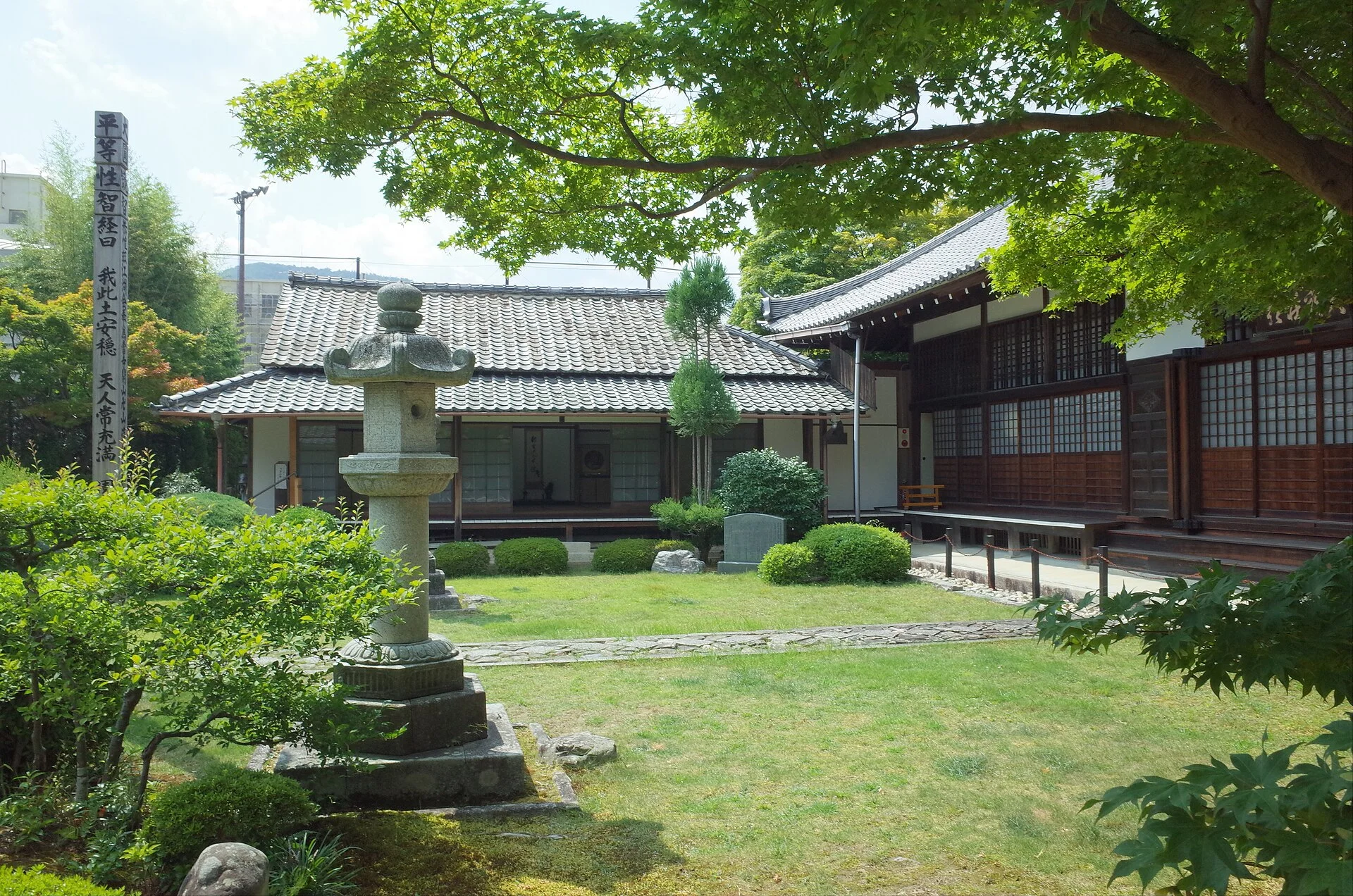
Explore autumn leaves in northern Kyoto across Ichijoji and Takagamine. Check 2026 Enko-ji reservations, Genko-an admission, Kita 8 to Kita 1 bus transfers, Shisen-do, and Kitano Tenmangu night illuminations.
Ichijoji: Booking Enko-ji and Touring Its Gardens in Order
Enko-ji's 2026 special autumn viewing runs from November 10 to December 10, open daily 9:00–17:00 with advance reservations required for a specific date and time slot. Bookings open on October 20 at 9:00 JST via the Reservation Calendar linked in the temple's announcement. Admission is ¥1,500 for adults and ¥800 for elementary, junior high, and high school students. According to the Kyoto City Tourism Association's event listing, same-day reservations are also accepted if slots remain open. Before walking up from Ichijoji Station, book any open slot and save your confirmation email; if it is sold out, walk straight to Shisen-do instead.
Show your confirmation email at the gate, either on your phone screen or printed out. If companions are arriving separately, meet outside the entrance first so the person who made the booking can present the email for the group. To change the date, time slot, or party size, the temple requires canceling through the link or instructions in your email and submitting a new booking. On weekends when only scattered spots remain and you want an earlier entry, check availability in the desired slot on the reservation calendar before releasing your existing booking. Groups of 10 or more must call ahead as instructed by the temple.
During the special viewing period, Enko-ji asks visitors to keep stays to roughly one hour, prohibits lingering for extended shoots or photo sessions, and closes its private parking lot. A morning reservation pairs neatly with lunch in Ichijoji or Kitaoji. If your slot is 15:00 or later, stay on the Ichijoji side to enjoy the garden at an unhurried pace, then head back toward Demachiyanagi or central Kyoto for dinner. Even if you exit Enko-ji before closing, Genko-an will already be near or past its last admission cutoff. Dedicate that afternoon to Enko-ji and move Takagamine to the following morning.
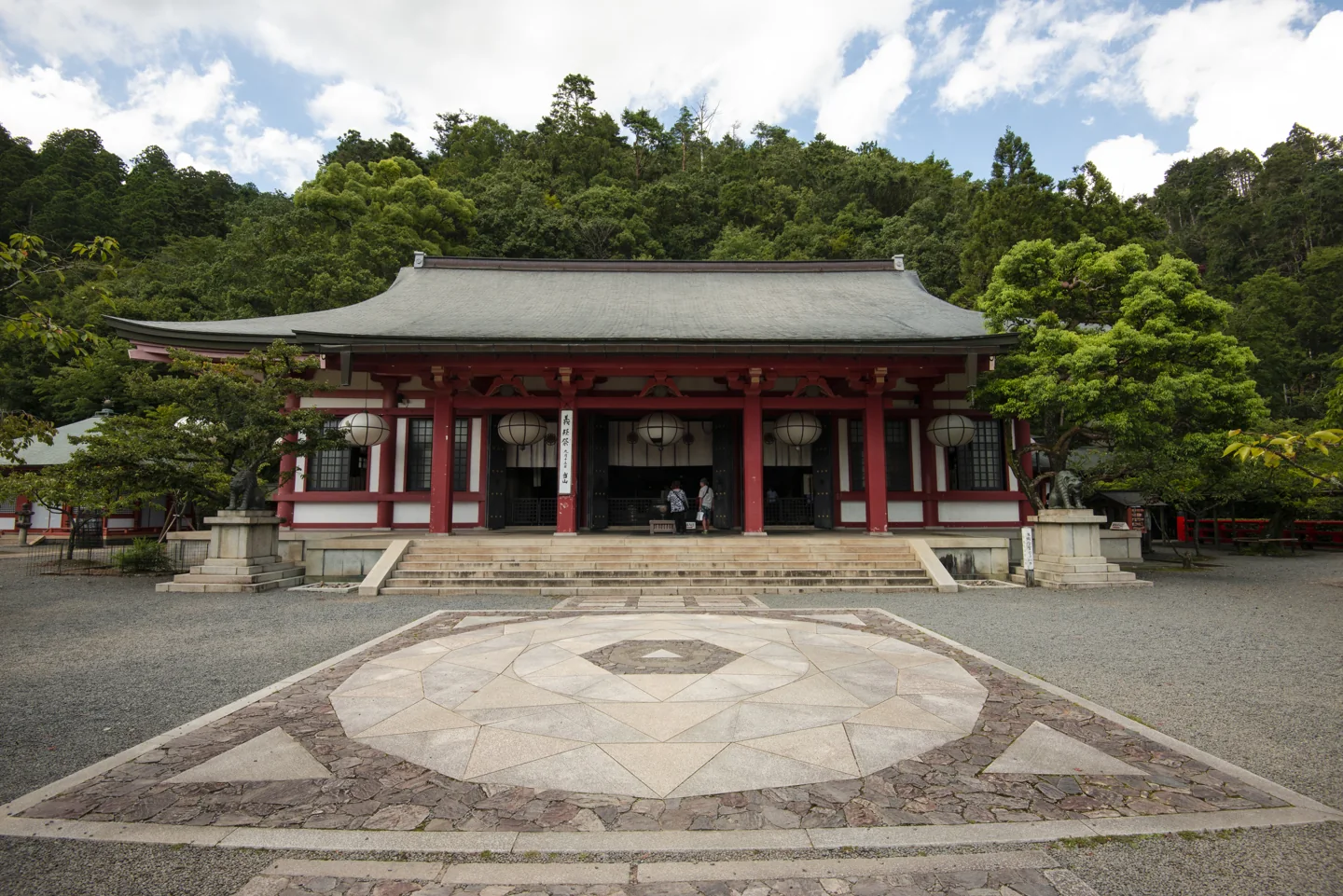
Passing through the main gate, you first encounter the Honryutei rock garden, where raked white gravel evokes flowing clouds and stone arrangements represent the dragon in the garden's name. Through the inner gate lies the Jugyu-no-niwa, designated by the temple as a stroll garden with a central pond. The pleasure of visiting both in late autumn is focusing first on the stark interplay of stones and raked gravel, then stepping inside to take in maple leaves, pond edges, and moss all at once. View the whole garden from the veranda first, then follow the open path down toward the pond if time allows. A suikinkutsu water-harp basin sits inside the Jugyu-no-niwa; its faint water droplets are easiest to hear if your group pauses in an open spot without blocking foot traffic.
The Jugyu-no-niwa draws its theme from the Zen Ten Oxherding Pictures, charting spiritual discipline through a herder's search for an ox. The temple names the spring on the garden's south side Seiryu-ike Pond and preserves a bamboo grove traditionally linked to Maruyama Okyo's bamboo paintings. Garden enthusiasts can easily spend a full hour tracing the shift from white gravel to moss and bamboo. Companions looking for one clean maple shot can frame a veranda pillar in the foreground against distant leaves, and if the window spots are crowded, inspect the low moss and pond surface first before stepping into an open gap. Keep tripods and backpacks out of the walkways.
If you still have energy at the back of the garden, follow the open path into the Okyo Bamboo Grove and climb up toward the Toshogu Shrine and Tokugawa Ieyasu's memorial mound for an overlook across northern Kyoto. Because this section is uphill, save it for clear weather and a time slot with daylight to spare. On a late afternoon entry, if two travelers want different views and leave plenty of time to return to the gate, pick a clear landmark inside the grounds to reunite—one heading uphill for the wide vista while the other stays down in the garden. The low pond and moss need different light than the distant view toward the Western Hills; in mist or low cloud, your time is better spent on the close-up garden details.
Getting to Ichijoji Station and Timing Shisen-do
On the Eizan Railway from Demachiyanagi to Ichijoji, the daytime ride takes about 6 minutes and costs ¥220 for adults and ¥110 for children one way. Leaving Demachiyanagi, trains pass Mototanaka and Chayama / Kyoto-Geijutsudaigaku before stopping at Ichijoji. Trains bound for both Yase-Hieizanguchi and Kurama stop at Ichijoji. If you are riding the Keihan Line into northern Kyoto from Gion-Shijo, Sanjo, or Tofukuji, change at Demachiyanagi to the Eizan Railway. On the return trip at Ichijoji Station, double-check that you are on the platform bound for Demachiyanagi. Tap an accepted transit IC card following the platform and onboard reader instructions; if boarding at Ichijoji without an IC card, take a boarding station ticket first.
When arriving at Demachiyanagi on the Keihan Line, look for the Eiden Exit ticket gate and follow the transfer signs to the Eizan Railway. Keihan's station map marks an elevator route from the platform through the ticket gate to street level, useful for anyone traveling with a stroller or wheelchair. Coin lockers are located outside the Eiden Exit and below Exits 3 and 4. Storing small bags at Demachiyanagi works well if you are visiting Ichijoji and heading back down the Keihan Line afterward. If you plan to continue via Takagamine toward Nishijin or Kyoto Station, leave luggage at your hotel or a station along your return route so you do not have to backtrack to Demachiyanagi at night.
From Ichijoji Station to Enko-ji, the Kyoto City Tourism Association estimates a walk of about 15 minutes. The station sits lower down the slope; you follow Ichijoji-dori across Shirakawa-dori and climb into the residential foothill streets. Taking Kyoto City Bus No. 5 from downtown, get off at Ichijoji Sagarimatsucho and walk roughly 10 minutes to the temple. If you booked the first morning slot, subtract walking time and gate-finding from your departure plan. In autumn, both temples remind visitors that the uphill lanes off Shirakawa-dori are narrow—walk single file and wait until you clear residential driveways before stopping to hand out tickets or take group photos. Visitors arriving at Shisen-do by taxi are asked by the temple to get out along Shirakawa-dori at Manshuin-michi and walk up; because there is still an incline from the main road, factor that climb into your timing before any reservation when traveling with older relatives.
Shisen-do is open 9:00–17:00 with last admission at 16:45; entry is ¥700 for adults, ¥500 for high school students, and ¥300 for elementary and junior high students. An October 30, 2026 temple notice explicitly states that no reservation is required even during the autumn foliage season. When visiting both temples, let your Enko-ji slot set the sequence and fit Shisen-do around it. With a reservation near 10:00 at Enko-ji, walk straight over to Shisen-do afterward instead of descending to the Eizan station and climbing back up. Visiting both in one go can still tire your legs—maps often make the downhill walk back to the main road and the stone steps inside both gates look shorter than they feel.
Shisen-do began as scholar-poet Ishikawa Jozan's mountain retreat in Ichijoji, taking its name from the portraits and poems of 36 Chinese poets hung inside the hall. From the veranda, raked white sand and rounded azalea bushes sit in front of a backdrop of autumn maples, and stepping down into the garden reveals an entirely different perspective. Visitors chasing broad tree canopies and moss carpeted with fallen leaves gravitate toward Enko-ji, while anyone wanting to sit and study layered garden composition should save extra time for Shisen-do. Even if Enko-ji is fully booked, Shisen-do alone can anchor a satisfying half-day on the east side.
For lunch in Ichijoji, walk back down toward Ichijoji Station or the main road after finishing your mountain-side visits, then catch the train back to Demachiyanagi. If you are heading on to Takagamine and the next Kita 8 bus is about to depart, ride straight to Kitaoji first and eat there. Conversely, if both temple visits are in the afternoon, eat around Demachiyanagi or your transfer hub before climbing up to the gates. A timed entry email is far harder to shift than a lunch queue, so save Ichijoji's popular ramen shops for after your temple slot—or swap them into another day's city schedule.
Manshu-in and Shugakuin: Extending Your Day on the East Side
If you are visiting Kyoto in early December or prefer keeping transit centered around Ichijoji, add Manshu-in as a backup or extension. The Kyoto City Tourism Association notes that foliage here typically lasts into early December. Walk east for about 20 minutes from Eizan Railway's Shugakuin Station, or get off at the Ichijoji Shimizucho bus stop served by City Bus and Kyoto Bus and walk uphill toward the mountain. Once you are already around Shisen-do, narrow residential lanes and slopes slow your pace, so devoting a full half-day to just one major garden leaves comfortable breathing room. Starting at Manshu-in lets you tackle the uphill walk first and return to the station or main road for lunch, keeping the afternoon flexible.
Manshu-in greets visitors with maples just outside the gate, and inside the shoin hall you look out over white sand, pines, and a stone bridge spanned by a blue-gray stone slab. After leaving Enko-ji's moss garden, here you can trace the imaginary 'water flow' across raked sand below the windows and see how a dry landscape uses a stone cascade and bridge to guide the eye. The railings along the small shoin veranda are shaped like a boat's gunwale, inviting you to sit indoors and look out. For travelers who dislike the cold yet want serious garden architecture, picking either Manshu-in or Shisen-do for the afternoon gives you a quiet seat to absorb the scene. If you simply want to walk under maple trees, start with the branches outside the main gate before deciding whether to pay for the shoin interior.
In fall 2026, Manshu-in is holding a special exhibition featuring the Kitano Tenjin Engi and Shuten Doji Emaki scrolls from November 19 to December 20, open 9:00–17:00 with last admission at 16:30 and a special viewing fee of ¥1,000. After admiring the foliage outside, you can step indoors to see the illustrated story of Sugawara no Michizane's transformation into a thunder deity, or linger over just one scroll in detail. Travelers linking Manshu-in with Nishijin over two days can follow up at Kitano Tenmangu to see the main shrine hall and the Odoi embankment and understand why these scrolls are preserved at Manshu-in. Both works also tie into Kitano Tenmangu's upcoming 2027 1,125th Anniversary Hanmanto Festival.
If you arrive in Kyoto after December 10, Enko-ji's 2026 autumn reservation window will have closed, but Manshu-in's scroll exhibition continues through December 20. Travelers who like pairing indoor cultural exhibits with late-season leaves can use this post-peak stretch to sidestep November's busiest weekend crowds while checking weekly foliage updates for remaining color. For an afternoon visit, arrive early enough to walk the uphill approach and see the exterior maples in daylight before moving inside to view the scrolls, then head straight down to Shugakuin Station when you leave.
Takagamine: Genko-an and Two Neighboring Temples
Genko-an is open 9:00–17:00 with last admission at 16:30. The temple occasionally closes temporarily for internal ceremonies—if you see the notice 'temporary suspension of viewing' (haikan no ichiji kyushi), check the posted start and end times and arrange your day around them. According to the Kyoto Prefecture Tourism Federation, regular admission for junior high students and older is ¥400, rising to ¥500 during the autumn foliage season, and ¥200 for elementary school students. Keihan's 2026 foliage guide lists November as the period when the peak-season rate applies, and the temple parking lot closes for the month. From the bus stop, it is roughly a one-minute walk to the gate.
Inside the main hall, look for the circular 'Window of Enlightenment' (Satori no Mado) and the square 'Window of Confusion' (Mayoi no Mado). Both openings frame the exact same side of the garden, yet the circle pulls focus tight onto the branches and leaves while the square retains four wooden corners and more of the garden edge. To compare how they crop the view, observe both together from the seating area in the tatami hall before moving closer to pick a single angle. Once you step back from the windows, take time for the principal Buddhist image, the hall's timber beams, and the rear garden that borrows the northern hills as its backdrop. One section of the hall's ceiling is said to incorporate salvaged floorboards from Fushimi Castle—follow the temple signage to spot it.
If someone in your group has less interest in temple architecture, let them view the two windows from the hall first and wait near a pre-agreed spot by the entrance. Kids who can tell the circle from the square enjoy spotting where the same branch gets cut off inside each frame. For photos, wait until the doorway clears and space opens up. When crowds gather in front of the windows at peak color, explore the rest of the garden and main hall first; if a line remains after you finish reading the plaques, pocket the camera and save your energy for walking around Takagamine and the next temple.
From the same bus stop, walk toward Takagamine Koetsucho for about three minutes to reach Koetsu-ji. Enter along the stone-paved approach and look inside the grounds for the distinctive slanted bamboo fence known as the Koetsu-gaki beside the Taikyo-an teahouse, as well as open views toward Mount Takagamine and Mount Washigamine. The Kyoto City Tourism Association lists autumn hours as 8:30–17:00 with ¥500 admission, noting a closure from November 10 to 13. Visitors staying nearby who want to start walking before 9:00 can put Koetsu-ji first. On afternoons with harsh backlight or low cloud, focus on the stone path, bamboo fence, and nearby branches, leaving distant mountain views for clearer skies.
Josho-ji sits in Takagamine Kitatakagaminecho, about a two-minute walk from the Takagamine Genko-an-mae bus stop. At the entrance stands the vermilion Yoshino Gate donated by the famed courtesan Yoshino Dayu, and the grounds hold monuments linked to her and Haiya Shoeki. Autumn hours are 8:30–17:00, with admission at ¥500 for junior high students and older and ¥200 for children. If you want a two-temple pairing in Takagamine, match Genko-an with Koetsu-ji to combine indoor window framing with an open-air mountain garden. If companions prefer less walking or Koetsu-ji is closed, swap in Josho-ji as your second stop. Enter 'Josho-ji, 1 Takagamine Kitatakagaminecho, Kita-ku, Kyoto' into your map app so you do not accidentally route to another Kyoto temple with a similar name.
Transferring from Kita 8 to Kita 1: Check Direction by Boarding Stop
Coming down from Enko-ji, catch Kyoto City Bus Kita 8 on Shirakawa-dori at Ichijoji Sagarimatsucho and look for the direction signed for 'Takano / Kitaoji Bus Terminal.' Heading west, this bus passes Takano, Takanobashi Higashizume, and Shokubutsuen-mae before terminating underground at Kitaoji Bus Terminal. The stop across the street serves buses in the opposite direction toward Shugakuin-michi and Matsugasaki Station. Kyoto City Transportation Bureau's Kita 8 timetable varies across weekdays, Saturdays, and holidays, and some runs terminate right at Kitaoji—which is exactly where you transfer. Always verify stops by both stop name and destination, as the same route number uses different platforms depending on direction.
After Kita 8 pulls into the terminal, follow the signs inside for Kita 1 bound for 'Bukkyo University / Gentaku' and ride to 'Takagamine Genko-an-mae.' If you are riding the Karasuma Subway Line straight from your hotel to Kitaoji, go directly to the Kita 1 boarding bay inside the bus terminal. From Kyoto Station or Shijo-Omiya, you can also take City Bus No. 6 bound for Gentaku. Starting at Kyoto Station, taking the subway plus Kita 1 adds one transfer but keeps the bus ride short—just the hop from Kitaoji up to Takagamine—which helps if you are meeting companions at a set time. If you are staying near Shijo-Omiya, catching an arriving No. 6 bus saves a transfer.
Midday wait times are the easiest detail to overlook. Under the Kyoto City Transportation Bureau holiday timetable effective March 2026, westbound Kita 8 departures from Ichijoji Sagarimatsucho toward Kitaoji during the noon hour are listed at 12:08 and 12:38. Miss one by a few minutes and you face a 30-minute wait before even factoring in your Kita 1 transfer time at Kitaoji. If you finish Enko-ji before 11:30, walk down to the main road and check live bus times first—then decide whether to eat in Ichijoji or ride over to Kitaoji for lunch. For a cross-district day, build roughly one hour into your plan as a buffer for walking, waiting, and transferring; actual riding time is just the sum of the two bus legs.
You can also reverse the route by starting on the west side. After Genko-an, walk back to the Takagamine Genko-an-mae stop and take Kita 1 bound for 'Kitaoji Bus Terminal,' then transfer to Kita 8 bound for 'Takano, Shugakuin-michi / Matsugasaki Station' and get off at Ichijoji Sagarimatsucho. To head back toward Kyoto Station instead, take Bus No. 6 bound for 'Shijo-Omiya / Kyoto Station.' Those two lines follow different corridors down from Takagamine, so keeping in mind whether your hotel sits along the Karasuma Subway Line or near Shijo-Omiya makes choosing the right return bus stop straightforward.
Kyoto City Bus flat-zone fares are ¥230 for adults and ¥120 for children per ride, so taking Kita 8 and Kita 1 counts as two rides—¥460 total for an adult. For a half-day in Ichijoji alone, a round-trip on the Eizan Railway costs ¥440 for an adult by tapping an IC card each way. If you are only riding Eizan trains, the 'Ee Kippu' 1-day pass costs ¥1,200 for adults and ¥600 for children at Demachiyanagi for unlimited hops. Since standard round-trip Eizan fare to Kurama is ¥940 for adults, you only beat the 1-day pass if you add extra Eizan stops on top. Tallying your actual point-to-point fares is far more accurate than guessing by the number of sights.
Kyoto City Transportation Bureau's Subway & Bus 1-Day Pass costs ¥1,100 for adults and ¥550 for children and covers municipal subways and Kyoto City Buses, though Eizan Railway and Keihan trains require separate payment. Two City Bus rides up to Takagamine cost just ¥460 total for an adult, so the 1-day pass only pays off if your itinerary runs from Ichijoji through Takagamine to Nishijin plus round-trip subway rides from your hotel—add up every eligible leg before buying. Temple admissions are separate: Enko-ji's special viewing plus Genko-an in November totals ¥2,000 for an adult, so budget that first when planning both.
Sample Full-Day Routes and Evening Illuminations in Nishijin or on the Eizan Line
To visit both flagship temples in one day, take a 9:30 or 10:00 Enko-ji reservation as a baseline. Ride out from Demachiyanagi in the morning, walk up from Ichijoji Station, spend an hour inside Enko-ji, and walk back down to Shirakawa-dori for Kita 8. Eat lunch near Kitaoji, then ride Kita 1 up to Takagamine in the afternoon—visiting Genko-an first while it is your top priority, and adding Koetsu-ji or Josho-ji depending on daylight. This sequence puts your timed-entry booking at the very start of the day. If queues or two bus waits run long, skip the optional third temple so you comfortably beat Genko-an's 16:30 last admission.
If your Enko-ji reservation is around 14:00, flip the schedule: arrive in Takagamine right after Genko-an opens in the morning, ride back to Kitaoji before noon, and take Kita 8 over to Ichijoji. Eating lunch at the Kitaoji transfer hub lets you walk straight up to Enko-ji once you reach Ichijoji Sagarimatsucho. If rain slows your pace, cut Koetsu-ji and Josho-ji down to one or none so you hit your Enko-ji slot on time, then see whether you can still make Shisen-do before its 16:45 cutoff. If you have two consecutive days in Kyoto, splitting east and west into two separate half-days paired with nearby dinners is even easier.
To add night foliage on the same day while staying on the west side, head south from Takagamine into Kamigyo Ward for Kitano Tenmangu. Take City Bus No. 6 bound for Shijo-Omiya / Kyoto Station, get off at 'Senbon Imadegawa,' and transfer to Bus No. 203 or No. 55 stopping at 'Kitano Tenmangu-mae.' Because Route 203 runs in different directions, check the stop sign for the side heading via Kitano Tenmangu toward Nishioji-Shijo. If you are transferring from Kitaoji Bus Terminal instead, Bus No. 102 also runs via Kinkaku-ji to Kitano Tenmangu. If you plan to head downtown for dinner afterward, check your departure bus stop near the shrine before entering the night garden.
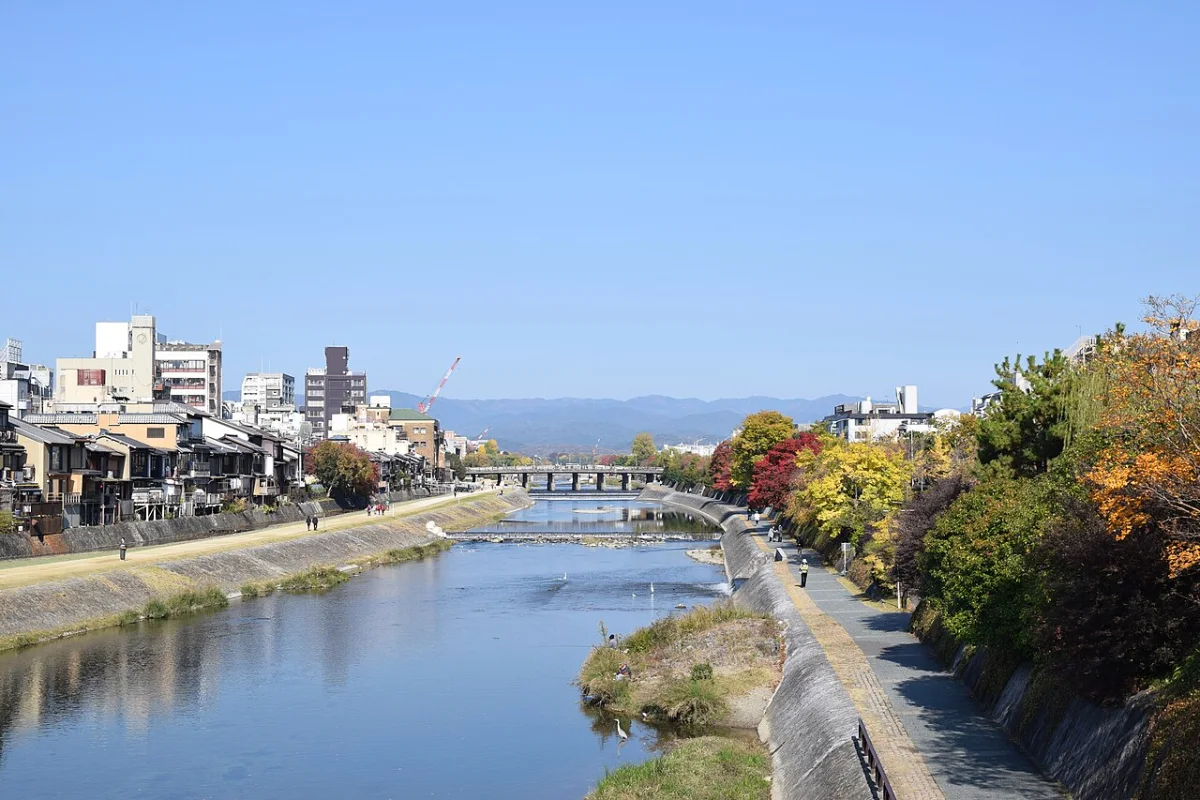
Kitano Tenmangu's Momiji-en maple garden along the historic Odoi embankment opens from October 31 to December 6, 2026, with evening illuminations running November 13 to December 6 from sunset until 20:00 (last admission 19:40). On daytime-only dates without illumination, hours are 9:00–16:00 (last admission 15:40). Admission is ¥1,500 for junior high students and older, ¥700 for elementary students, and free for preschoolers, including tea and a sweet. Visitors who only walk through the free main shrine precincts should note that the illuminated maple garden requires a paid ticket. Inside, you can look down on the maples from atop the earthen rampart and descend toward the Kamiya River to gaze up into the canopy; tripods are prohibited inside the garden.
After walking two temples in Takagamine during the afternoon, building in a sit-down break before dinner feels far more relaxed than rushing to arrive right at sunset. If you want reflections off the Kamiya River, head to the lower riverside section of the garden first before climbing back up for views across the treetops toward the National Treasure main hall. For companions who find dark paths tricky, stick to the more accessible upper overlooks—wearing sneakers and carrying a bag that keeps one hand free helps on the nighttime steps and slopes. If you can only visit by day, go earlier within garden hours when sunlight brings out the contours of the earthen embankment and the teahouse surroundings.
If you stayed on the Ichijoji side for the day and want evening lights without crossing town, ride the Eizan Railway toward Kurama. In 2026, the Maple Tunnel slow-down and illumination run from November 7 to December 6 between Ichihara and Ninose stations. Trains for Yase-Hieizanguchi split onto a different branch at Takaragaike, so verify the 'Kurama' destination sign before boarding. Select trains also slow through the tunnel during the day, while evening service adds runs of the panoramic 'Kirara' train. Under the weekend and holiday timetable from November 14 to December 6, Kurama-bound departures from Demachiyanagi between 9:00 and 20:44 run at reduced speed through the zone, with trains departing 16:30–20:44 passing through while illuminated. If you only want the train-window view, note your turnaround station and return departure times toward Demachiyanagi in advance. Travelers getting off for Kifune Shrine should plan it separately using our Kurama & Kifune transit guide rather than trying to squeeze Kitano Tenmangu into the same evening.
Shortening the Route for Rain, Kids, or Older Travelers
In light rain, focus your time at Enko-ji on the covered indoor viewing spots and the garden closest to the entrance—wet moss and fallen leaves take on deeper, richer color. Wear slip-on shoes with good grip and tuck backpack straps in neatly before stepping into the halls. If steady rain means carrying umbrellas the whole way, narrow residential streets leave even less room to step aside for passing cars, so skip adding an extra temple in Ichijoji and avoid rushing companions to beat a clock. Genko-an's main hall is ideal for lingering indoors over the garden view, with only a short walk from the bus stop to the gate; if a temple ceremony temporarily pauses entry, wait nearby at Josho-ji until viewing resumes.
If rain picks up during your midday transfer across town, pivot at Kitaoji to the Kyoto Botanical Gardens. Kita 8 coming from Ichijoji stops at 'Shokubutsuen-mae' near the main gate before reaching the terminal. From Kitaoji Station, you can also ride the Karasuma Subway Line one stop north to Kitayama Station—Exit 3 opens right at the Kitayama Gate—or walk about 10 minutes from Kitaoji Station Exit 3 to the main gate. The gardens open 9:00–17:00 (last entry 16:00), and the conservatory opens 10:00–16:00 (last entry 15:30), though its Day-Night Reversal Room closes annually from November through April. Conservatory entry is included in garden admission: ¥500 for adults, ¥250 for seniors 65+ and high school students, and free for junior high students and younger.
The conservatory makes a reliable daytime rain backup. If you change plans mid-afternoon because of weather, count backward from the 15:30 conservatory cutoff to check whether you can make it on foot from the bus stop or Kitayama Gate before heading over. To pair a Kitayama stroll with Takagamine in half a day, visit Genko-an first, return to Kitaoji, ride one subway stop to Kitayama, and head straight into the conservatory; if the rain lets up, save time for the outdoor paths afterward. With young kids who need an afternoon nap, making the botanical gardens your only second paid stop puts you right on the Karasuma Line for a direct ride back to your hotel.
When traveling with older adults, measure 'bus stop to temple gate' separately from 'gate to tatami hall.' Enko-ji requires an uphill walk from its gate, Shisen-do's garden follows terraced slopes, and both still end with a walk back to Shirakawa-dori or Ichijoji Station. Genko-an sits right off the bus stop, though reaching the main hall still depends on whether everyone in your party is comfortable navigating corridors and stepping up into tatami rooms. To minimize stairs, ask temple staff on arrival about current access options, or make Josho-ji your second Takagamine stop—the Kyoto Prefecture Tourism Federation lists wheelchair accessibility information for its grounds. Pin your return bus stop on your map early so anyone who tires out can head straight back to wait.
If your hotel is near Sanjo or Gion-Shijo, reaching Demachiyanagi on your first morning is effortless, making that the best morning for Enko-ji. Guests staying near Kyoto Station, Gojo, Shijo, or Karasuma-Oike can save Takagamine for another morning via the Karasuma Subway Line to Kitaoji. Staying in Nishijin lets you hop straight onto Bus No. 6 toward Gentaku from nearby Senbon Imadegawa and return to the Odoi maple garden by dusk. Even on your final day before catching a Shinkansen, you can fit in one Takagamine temple in the morning, ride back via Kitaoji on the subway, and collect your luggage at Kyoto Station—using your hotel location to order the route lets a family stay in one base and cover both sides in two easy outings.
A few useful answers
When is the best time to see autumn foliage in Kyoto's Rakuhoku area?
The Kyoto City Tourism Association lists mid- to late November as the typical peak window for Enko-ji and Genko-an, while Shisen-do's season often stretches into early December. Check the city's live foliage reports and recent temple photos to pick the best area for your dates.
Does Enko-ji require reservations for autumn foliage in 2026?
Yes. From November 10 to December 10, 2026 (9:00–17:00), Enko-ji requires reservations for a specific date and time slot. Bookings open October 20 at 9:00 JST; admission is ¥1,500 for adults and ¥800 for elementary through high school students. Same-day bookings are possible if open slots remain.
What are Genko-an's last admission time and ticket prices?
Genko-an is open 9:00–17:00 with last admission at 16:30. In November, admission is ¥500 for junior high students and older and ¥200 for elementary school students. Viewing may pause temporarily during temple ceremonies.
How do you get from Enko-ji to Genko-an?
From the Ichijoji Sagarimatsucho stop on Shirakawa-dori, take Kyoto City Bus Kita 8 to Kitaoji Bus Terminal, then transfer to Kita 1 bound for Bukkyo University / Gentaku and get off at Takagamine Genko-an-mae. On the way back, take Kita 1 to Kitaoji or Bus No. 6 toward Shijo-Omiya and Kyoto Station depending on your hotel location.
Should I pick Ichijoji or Takagamine for a half-day trip in Rakuhoku?
If you are coming up the Keihan Line and want stroll gardens, take the Eizan Railway to Ichijoji for Enko-ji or Shisen-do. If seeing the round window is your priority or someone in your group prefers less walking, ride the bus from Kitaoji straight to Genko-an and add one neighboring temple if energy allows.
Where can I see autumn foliage illuminations in Rakuhoku in 2026?
Kitano Tenmangu's Odoi Momiji-en maple garden runs evening illuminations from November 13 to December 6, 2026, from sunset until 20:00 (last admission 19:40). On the east side, Eizan Railway runs slow-down passes and night illuminations through its Maple Tunnel between Ichihara and Ninose on the Kurama Line from November 7 to December 6.
Official information and references
Sources used in this guide.
- Enko-ji Temple: 2026 Autumn Special Viewing and Reservation Calendar
- Enko-ji Temple: Gardens and Grounds
- Kyoto City Tourism Association: Enko-ji Autumn Admission and Access
- Genko-an Official Website: Main Hall, Hours, and Access
- Kyoto Prefecture Tourism Federation: Genko-an Admission Fees
- Keihan Railway 2026 Autumn Foliage Guide: Genko-an November Admission
- Kyoto City Tourism Association: Kyoto Autumn Foliage Forecast
- Kyoto City Tourism Association: Genko-an Leaf Status and November Parking Notice
- Shisen-do Jozan-ji: Hours, Admission, and Gardens
- Shisen-do Jozan-ji: 2026 Autumn Foliage Entry and Walking Notice
- Kyoto City Tourism Association: Koetsu-ji Temple
- Kyoto Prefecture Tourism Federation: Josho-ji Temple
- Kyoto City Transportation Bureau: Bus Kita 8 Timetable from Ichijoji Sagarimatsucho to Kitaoji
- Kyoto City Transportation Bureau: Kitaoji Bus Terminal Route Directions
- Kyoto City Transportation Bureau: City Bus Route 6
- Kyoto City Transportation Bureau: Senbon Imadegawa Stop Route Directions
- Kyoto City Transportation Bureau: City Bus Fares and Subway & Bus 1-Day Pass
- Eizan Railway: Stations, Fares, and Riding Guide
- Eizan Railway: Ichijoji Station Platforms and Boarding Guide
- Eizan Railway: 1-Day Passes
- Eizan Railway: 2026 Maple Tunnel Slow-Down and Illumination
- Kitano Tenmangu: 2026 Odoi Momiji-en Dates, Night Viewing, and Fees
- Kyoto City Tourism Association: Odoi Momiji-en and Illumination
- Kyoto Botanical Gardens: Entrances and Access
- Kyoto Prefecture: Kyoto Botanical Gardens Hours and Conservatory Schedule
- Keihan Electric Railway: Demachiyanagi Station Transfer Map
- Keihan Electric Railway: Demachiyanagi Station Coin Lockers
- Kyoto City Tourism Association: Manshu-in Garden Views and Foliage Status
- Manshu-in Monzeki: 2026 Autumn Special Exhibition
- Keihan Railway 2026 Autumn Foliage Guide: Shugakuin Station to Manshu-in
- Kitano Tenmangu: 2027 Hanmanto Festival