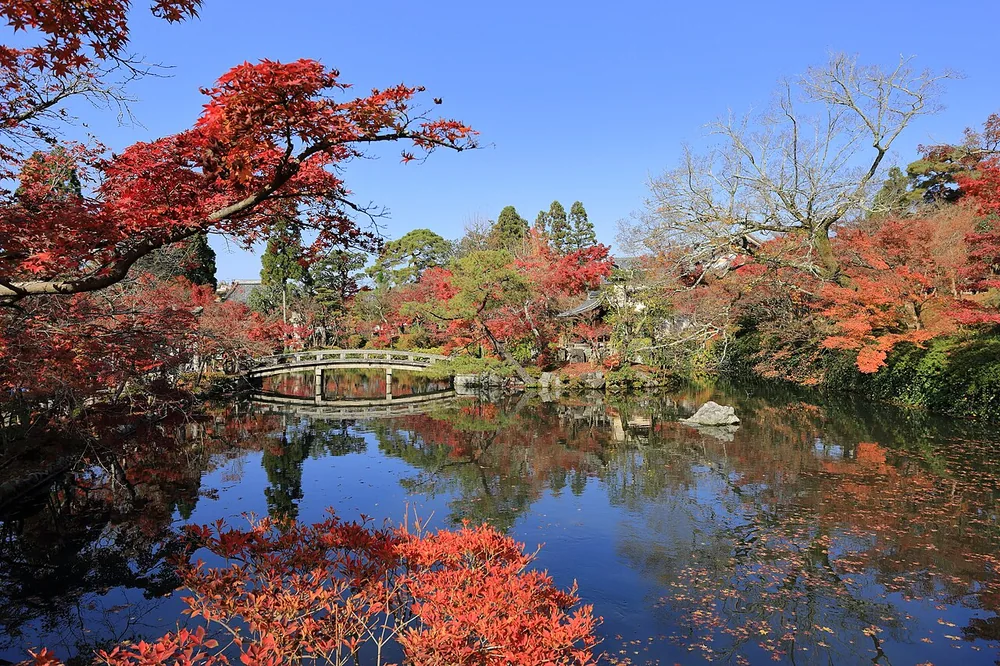
Start a free autumn foliage walk in central Kyoto at Demachiyanagi, taking in Shimogamo Shrine's Tadasu no Mori, the Kamogawa Delta and Kyoto Gyoen's ginkgo trees. Choose your route by November or December leaf conditions, with shorter options, a Kyoto Station finish and Toji Temple night illumination fares.
- Region & Focus
- KyotoAutumn leaves
- Reading Scope
- 23 min read · 9 chapters · 6 Q&As
- Official Verification
- 24 official sources checkedUpdated 22 November 2026
- Key Topics
- SeasonsItinerariesTravel budget
Chapter Route Map (tap any stop)
- Half a Day from Demachiyanagi to Kyoto Gyoen, or Head South with a Full Day
- Kyoto Gyoen First in November, Tadasu no Mori in Early December
- Enter Tadasu no Mori from the South and Decide Your Return at the Romon Gate
- Three Ways to Walk the Kamo River: Pick a Bridge as Your Finish Line
- Finding Ginkgoes in Kyoto Gyoen: Three Exit Points from North to South
- Kyoto Imperial Palace and Park Facilities Have Separate Gates and Hours
- Choose Your Starting Point by Where You Stay and Pay Only for Rides You Take
- See Toji Temple's Pagoda by Day, or Enter via the East Gate for Night Illumination
- What to Cut in Rain, with Tired Legs or with Children
- Quick Q&A
For a free autumn foliage outing in central Kyoto, half a day from Demachiyanagi to Kyoto Gyoen is plenty. Step out of Keihan Demachiyanagi Station into Shimogamo Shrine's Tadasu no Mori forest, loop back to the Kamogawa Delta, then cross Kamo Ohashi Bridge westwards into Kyoto Gyoen to see the grand ginkgo at the former Ichijo Residence site. If you are in Kyoto in mid-November, check the ginkgo report at Kyoto Gyoen first. Come early December, save most of your time for Shimogamo Shrine, where the leaves usually turn later. With spare time in the afternoon, walk a stretch of the Kamo River or head back to Kyoto Station for a view of Toji Temple's five-storey pagoda, though entering the temple grounds for the night illumination requires a separate ticket.
Half a Day from Demachiyanagi to Kyoto Gyoen, or Head South with a Full Day
Make Keihan Demachiyanagi Station your starting point. Head into Tadasu no Mori first thing in the morning, walk as far as the Romon Gate area and return along the approach to the riverfront. The Kamogawa Delta sits right beside the station: ten minutes is enough to take in the confluence of the two rivers, or you can drop down to the riverside path for a brief stroll. From the delta, cross Kamo Ohashi Bridge onto Imadegawa-dori, cross the Kawaramachi-Imadegawa junction heading west, and enter Kyoto Gyoen from its northern side along Imadegawa-dori. Once inside the park, you can finish at Imadegawa Station, or walk south through the grounds for a second cluster of ginkgoes and leave via Marutamachi Station. Both stations are on the Karasuma underground line, making it easy to wrap up early if lunch runs late or anyone in your group wants to head back to the hotel.
Allow three to four hours for the half-day route, including pauses for photos and one sit-down break. If you reach Demachiyanagi at 09:00, give Shimogamo Shrine about an hour, then decide at Kamo Ohashi Bridge how far you feel like walking along the river. Plan lunch around Demachiyanagi or Kawaramachi-Imadegawa before entering Kyoto Gyoen, where it is easy to switch restaurants if a queue is too long. If you prefer a late lunch at the end of the walk, enter Kyoto Gyoen from the north, visit the former Ichijo Residence site first, and step back out onto the street at Imadegawa. The timings in the table focus on walking and photography, so shift transfers and meals earlier or later to suit your pace.
If you have a full day, keep the morning in the north and pick one southern direction for the afternoon. To linger by the water, bridges and riverside townhouses, walk down to Sanjo or Shijo for a meal and finish in the city centre. If you are heading to Toji Temple's night illumination, take the underground from Kyoto Gyoen back to Kyoto Station in the afternoon, leaving time to transfer, eat and walk to the East Gate. On a map, both the Kamo River and Toji head southwards, yet Toji lies south-west of Kyoto Station. Walking along the river to Shijo before cutting across to Toji adds an extra east-west leg. If you want a taste of both, let the delta serve as your riverside stop for the day.
If Kyoto Station is your sole transport hub for the day and you are carrying luggage, store your bags before setting off. Leaving suitcases, shopping bags and souvenirs near Kyoto Station means you can pick them up when you return to change to the underground or Kintetsu line in the afternoon, and it makes the northern gravel paths far easier to walk. Travellers catching an early train from Kyoto the next morning can stay around Kyoto Station for dinner. If you are staying near Shijo-Kawaramachi, walking the southern stretch of the Kamo River to Shijo Ohashi Bridge leads straight back to your hotel, making it sensible to save Toji for another evening.
| Time Available | Suggested Route | Exit Point |
|---|---|---|
| About 1 hour | In November, head straight to the former Ichijo Residence ginkgo in Kyoto Gyoen; in early December, prioritise Tadasu no Mori leaf conditions | Imadegawa Station or Demachiyanagi Station |
| 3 to 4 hours | Tadasu no Mori, Kamogawa Delta and northern Kyoto Gyoen, with lunch at one stop | Imadegawa Station (Karasuma Line) |
| Daytime into evening | Follow the northern route, then rejoin the Kamo River in the afternoon and finish at a downtown bridge | Keihan Sanjo, Gion-Shijo or Hankyu Kyoto-Kawaramachi Station |
| Evening add-on: Toji Temple | Shorten the riverside walk, walk from Kyoto Gyoen to the Karasuma Line and ride south | Kyoto Station Hachijo Exit or Kintetsu Toji Station |
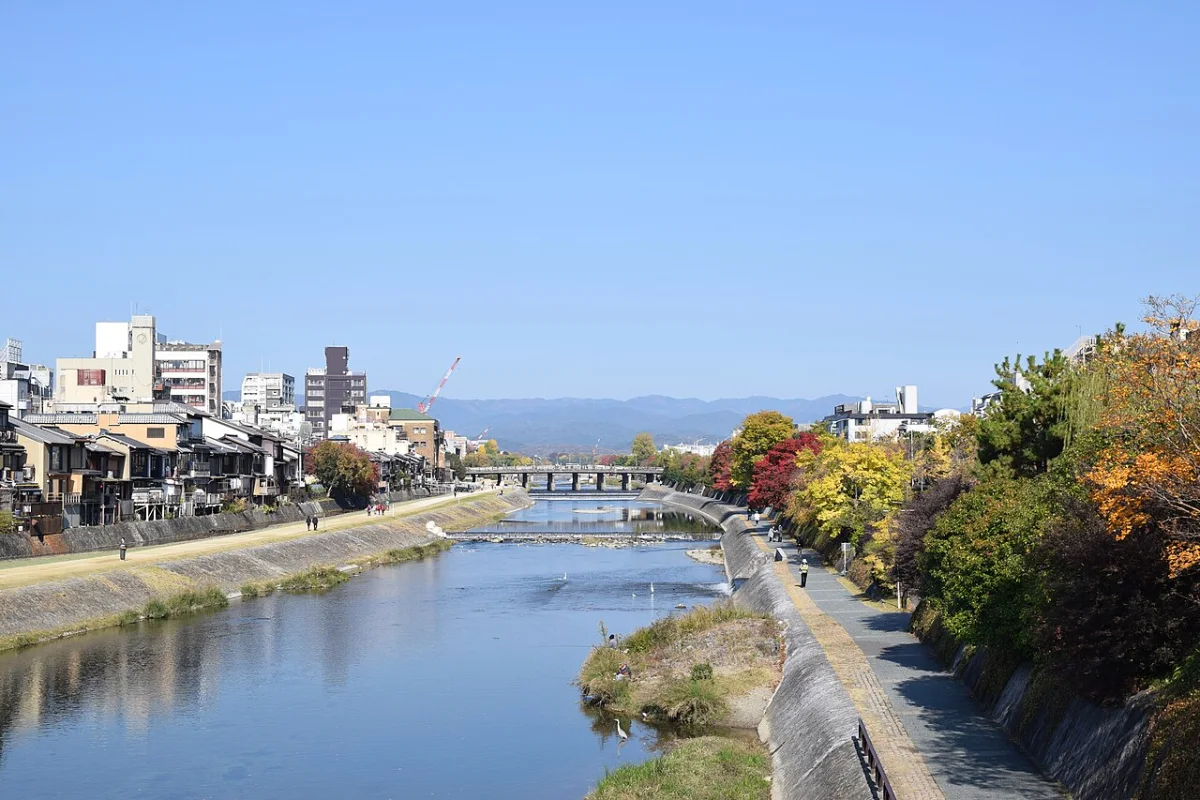
Start a free autumn foliage walk in central Kyoto at Demachiyanagi, taking in Shimogamo Shrine's Tadasu no Mori, the Kamogawa Delta and Kyoto Gyoen's ginkgo trees. Choose your route by November or December leaf conditions, with shorter options, a Kyoto Station finish and Toji Temple night illumination fares.
Kyoto Gyoen First in November, Tadasu no Mori in Early December
The Kyoto City Tourism Association lists the typical peak viewing window for Kyoto Gyoen from mid-November to early December, while Shimogamo Shrine begins from early December. Separated by just a few blocks, each site peaks on its own schedule. In mid-November, spend the morning with Kyoto Gyoen's ginkgoes and spare half an hour to check the early colour in Tadasu no Mori. If Kyoto Gyoen's ginkgoes are already glowing bright yellow on your first day and heavy rain is forecast for the next, put the park first: enter from Imadegawa and walk east to the river afterwards.
In its seasonal report published on 13 November 2026, the Ministry of the Environment noted that the grand ginkgo at the former Ichijo Residence site was turning yellow, and marked the large tree at the former Gyokado site and the tree-lined avenue north of the former Kaninnomiya Residence site on its map. When weighing up travel time and daylight, dated records naming specific trees and locations help you pick which gate to enter first thing in the morning. When checking subsequent official Kyoto autumn foliage updates, match the exact spot and update date, then check whether the status reads "irozuki-hajime" (beginning to turn), "migoro" (at its peak) or "rakuyo" (fallen leaves). If the two spots are out of sync, give the morning to whichever has better colour.
If you have two daytime slots between late November and early December, combine both spots in one half-day first, then save the second day for whichever deserves a longer stay. If updates show the former Ichijo Residence ginkgo has shed its leaves while the avenue to the south still holds colour, switch your entry point and start from Marutamachi. If photos from the day before show Tadasu no Mori's ground carpeted in red leaves, decide whether you want canopy views or a leaf-strewn path. A morning walk after leaf fall is still worthwhile for low-angle shots along the approach, whereas if you want maples overhanging the shrine eaves, choose whichever area still shows colour on the branches in the latest photos.
The Ministry of the Environment's official autumn map for Kyoto Gyoen also notes cherry and zelkova trees, so a single park delivers red-orange treetops, golden canopies and fallen leaves scattered across the lawns. To see both palettes in half a day, start beneath the tall canopies at the former Ichijo Residence site, stroll south to the waterside around Kujo Pond and exit at the southern end. If red maples are your priority and Tadasu no Mori is still mostly green, follow the official map to the area west of Teramachi Gomon Gate for maples instead of spending extra time travelling to another station on a hunch.
When the forecast promises only half a day of sunshine, compare the last one or two updates for both sites before deciding whether to overhaul your day or simply swap their order. Save the brightest hours for whichever spot has the strongest colour. If a windy morning gives way to a clear afternoon and the grand ginkgo has begun dropping its leaves in earnest, you can still photograph yellow drifts piling up along the path edge. By contrast, Tadasu no Mori's approach suits an overcast sky, when softer, even light brings out the layers of branches and leaves. If a tree is at its best just as dusk settles at the gate, focus that day's photography on the stop that still has direct sun.
When planning for autumn 2027, pick your travel week using past peak windows, especially if Tadasu no Mori is high on your list, in which case keeping accommodation dates into early December pays off. Once dated seasonal reports arrive, split Kyoto Gyoen and Shimogamo Shrine between morning and evening or across two consecutive days. When a report says "irozuki" (turning), aim for a single tree or gate rather than the whole grounds. If most leaves have already fallen after several windy days, stick to park sections still holding colour and pair them with the Imperial Palace or a stretch of river for a rewarding day in town.
Enter Tadasu no Mori from the South and Decide Your Return at the Romon Gate
Searching for "Tadasu no Mori" or "Kawai Shrine" on a map makes it easier to join the main approach from the southern end of the woods. Leave Keihan Demachiyanagi Station via Exit 5 to street level, follow the pedestrian crossing to Kawai-bashi Bridge, turn right after crossing onto the Shimogamo Shrine approach, and look for the Ichino-torii gate and Kawai Shrine. The shrine's walking route and precinct map estimates about 12 minutes on foot from Demachiyanagi to the shrine. Allow extra time if you plan to linger for photos at the Romon Gate and in the woods. On the way back near Kawai-bashi Bridge, you can cross towards the delta to join Kamo Ohashi Bridge and see which river each bridge spans.
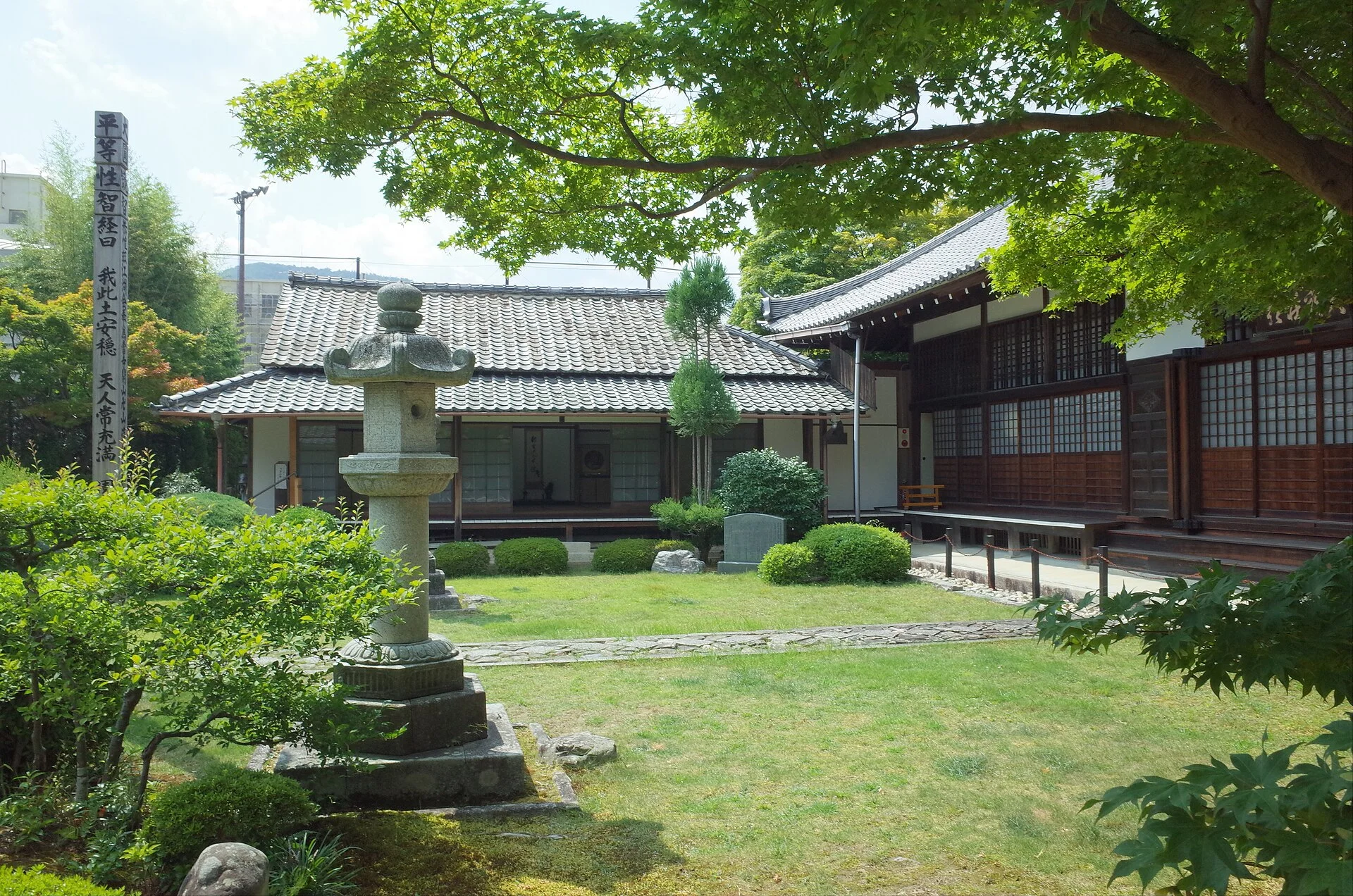
Kawai Shrine sits near the southern entrance to the woods; from beside it, follow the main approach north past clearings under the trees to the vermilion Romon Gate. The precinct map marks streams such as Semi no Ogawa and Izumigawa along the approach, and Mitarashi-sha Shrine and Mitarashi Pond near the main sanctuary can be visited after paying your respects. Save the precinct map on your phone beforehand so any fork in the forest simply leads you to the next clear landmark. Tree roots, ditches and protected plantings border the path, so keep to walkable ground for close-up shots and frame angles with your lens. Other visitors often pause along the edges during foliage season, so leave the centre of the approach clear when taking photos.
General admission to Shimogamo Shrine is free. Official visiting hours for the main sanctuary inside the Romon Gate are 06:30 to 17:00, and Kawai Shrine is open until 16:30. The Oiden treasury hall requires a ticket, so decide whether to enter only after finishing the free grounds, the Romon Gate and the main worship route. If you are only here for autumn colour, walking from near Kawai Shrine to the Romon Gate and back already covers a complete woodland stretch; on the return leg, step onto an empty roadside verge to view the canopy and footpath from the opposite direction. Early in the season, follow sunlit edges for the first flashes of colour; later on, watch the stream banks for wind-blown piles of leaves.
If you only have an hour in the morning, walking as far as Kawai Shrine lets you either carry on into the main shrine or stay beneath the trees. For a clearer goal with children, step inside Kawai Shrine to see the reconstructed Hojoan hut. Kyoto City's official guide links this small hut to Kamo no Chomei, author of the literary classic Hojoki, and his family ties to Kawai Shrine. Back on the main approach, look for the streams and leaves underfoot; having a clear midway stop helps younger walkers know how far they are going. Signs reading "Tadasu no Mori" in any Japanese script variant all refer to this same woodland.
With a pushchair or companions whose knees tire easily, stick to a simple out-and-back along one main southern path in the morning, continuing past the Romon Gate only if everyone still feels fresh. Gravel and fallen leaves mask small bumps underfoot, so agree to turn back together after one stretch rather than leaving half the group waiting by the gate while others explore side paths. If older relatives care most about visiting the shrine itself, use the city bus stop on the shrine side for arrival and departure and walk only the comfortable section of the woods. That way, even if Tadasu no Mori's autumn colour is running slow in late November, the morning still has a clear purpose.
Three Ways to Walk the Kamo River: Pick a Bridge as Your Finish Line
Right beside Demachiyanagi sits the delta where the Kamo River and the Takano River converge. Standing on Kamo Ohashi Bridge looking north gives an instant view of the two waterways and the triangular spit of land between them. On the half-day route, this vantage point is enough: take your photos and follow the bridge pavement westwards onto Imadegawa-dori. Save the turtle-shaped stepping stones across the water for dry, low-water days when you have time to spare, and stick to the bridge if you have a pushchair, young children or a lunch booking. Kyoto Prefecture keeps records of the stepping stones submerging during high water, so view the river from the bridge after rain or when the current looks fast, and skip the riverbank altogether during heavy downpours or flooding.
When you have time to drop down to the riverbank, decide in advance where you will climb back up to street level. For a brief taste of autumn by the water, walk south along either bank from Demachiyanagi, pause at whichever trees or waterside clearings catch your eye, and return to Kamo Ohashi Bridge to cross towards Kyoto Gyoen. If you want an afternoon walk from the north all the way into central Kyoto, spend the first half of the day in Kyoto Gyoen, leave via the east side and cut across towards Marutamachi Bridge to rejoin the river. Heading south, aim for Nijo Ohashi or Sanjo Ohashi Bridge as intermediate milestones before deciding whether your legs are up for continuing to Shijo. Typing the bridge name into your map app makes it easy to spot the nearest steps back up to the road.
If you have already walked Kyoto Gyoen from north to south during the day, take transport into the city centre in the afternoon for a short stroll between Sanjo and Shijo. Near Sanjo Ohashi Bridge you will find Keihan Sanjo and Sanjo Keihan underground stations; at the east end of Shijo Ohashi Bridge lies Keihan Gion-Shijo Station, while the west end leads onto Shijo-dori and Hankyu Kyoto-Kawaramachi Station. To capture the same view as this guide's lead photo, look upstream from Shijo Ohashi Bridge to frame the riverside buildings, terraces and distant hills. On a sunny day, check from the bridge which bank has better light and foliage before heading down to water level for a lower angle. Factor your return station into the plan before crossing a bridge or descending to the bank, as opposite ends serve different lines.
You can also walk north from Shijo Ohashi Bridge to Sanjo and catch the Keihan line home from Sanjo Station, an appealing option after a full meal near Shijo while daylight lingers. If you descend to the path on the east bank, note where you can step back up onto Kawabata-dori so you can cross or leave cleanly at Sanjo. Starting from the west bank, walk past the traditional facades of Pontocho before crossing a bridge to reach your station. When meeting friends, agree on either the east or west end of a bridge, invaluable if someone needs to leave within half an hour and wants to avoid jogging across to find the rest of the group.
Compared with Kyoto Gyoen, a riverside walk calls for more attention to wind and rest stops. Plan regroupings, sunset waits or snack breaks for children well back from the water's edge and close to steps up to a main road. Watch for slippery ground in low dips or beneath bridges. If the wind picks up once you have your autumn photos, climb straight onto a bridge and finish the afternoon in a nearby cafe or restaurant. Lingering too long by the river eats into daylight at Kyoto Gyoen; especially if you want to see Toji Temple's pagoda the same day, limit your post-lunch riverside walk to a single bridge.
Finding Ginkgoes in Kyoto Gyoen: Three Exit Points from North to South
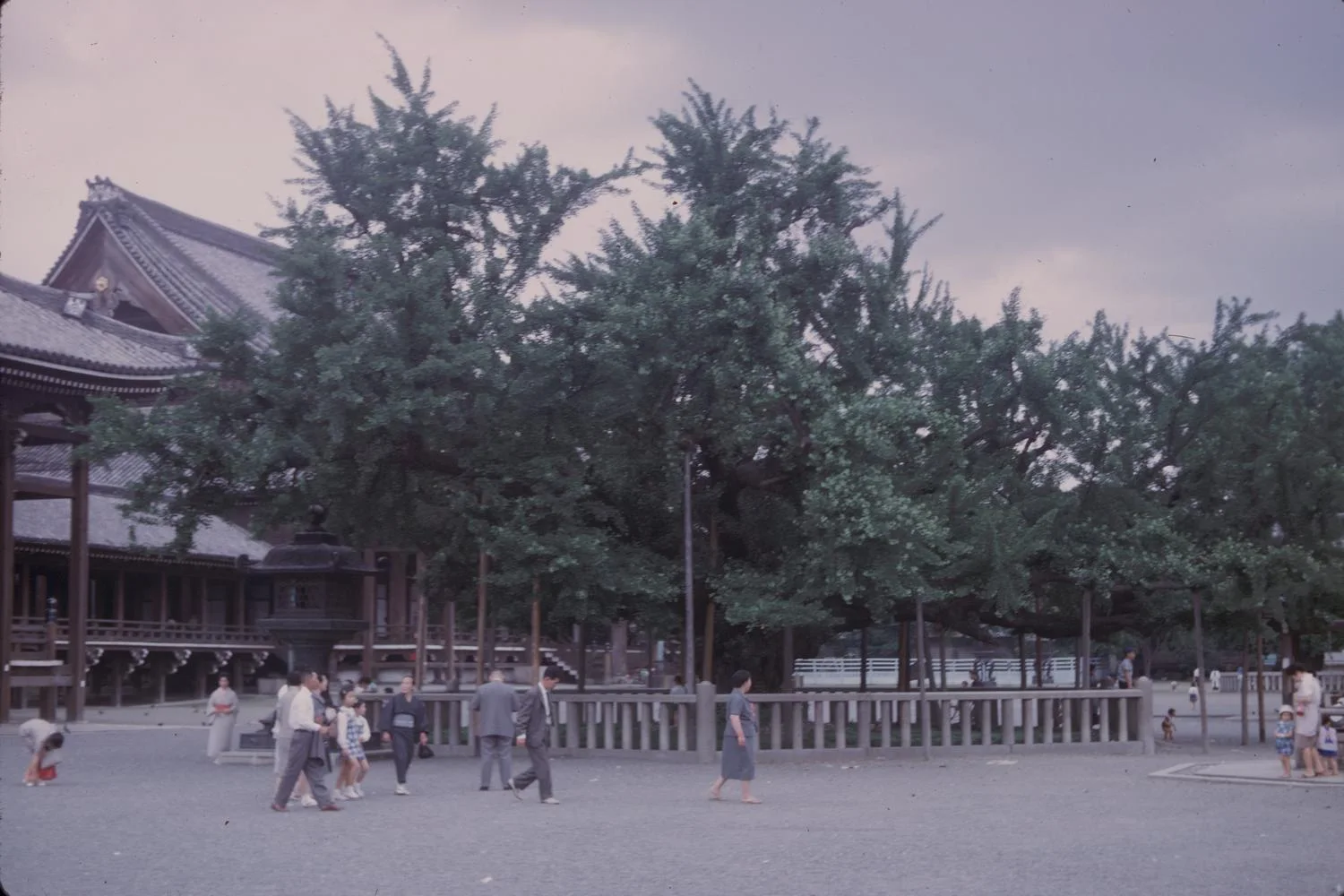
Walk west from the Kamo River along Imadegawa-dori to reach Kyoto Gyoen. To see the grand ginkgo at the former Ichijo Residence site, enter via Imadegawa Gomon Gate on the north edge and head towards the north-west corner using the Ministry of the Environment map. Maps render the site name with either modern or traditional kanji characters for Ichijo, distinguishing it from the nearby former Konoe Residence site. Arriving by underground, take Exit 3 from Imadegawa Station; if you want to begin immediately along the park's western edge, walk down Karasuma-dori and enter via Inui Gomon Gate. When accompanying older relatives solely for one grand tree, keep to a short north-side loop around the former Ichijo Residence site before returning to Imadegawa Station and street level, leaving the afternoon free for something else.
If you are walking Kyoto Gyoen from north to south, continue from the grand ginkgo towards the Nakadachiuri Rest House and Nakadachiuri Gomon Gate for a sit-down break, then carry on towards Kenreimon-mae-odori and the former Gyokado site. The Ministry of the Environment's autumn map places the former Gyokado site in the south-central section, pairing the foliage with the Imperial Palace's outer walls and broad gravel avenues. Do not rely solely on surrounding street names to orient yourself: the park's gates and junctions have clear signage, so check your position before moving on. Doubling back to the north gate from the centre repeats ground you have already covered; if you plan to take the underground southwards, exit via Marutamachi after visiting the next ginkgo cluster.
Towards the southern end, look for the ginkgo-lined avenue north of the former Kaninnomiya Residence site, then walk out to Takakura Bridge for views over Kujo Pond. The Ministry of the Environment map places Shusuitei Teahouse right beside Kujo Pond; if you only want gravel paths, water views and foliage, stick to the open public walkways. Shusuitei, the former Kujo family teahouse, opens on set days, regularly Thursdays to Saturdays, from 09:30 to 15:30, with admission at ¥300 for high school students and above. Nearby, the Kaninnomiya Residence Storage and Exhibition Hall is free, generally open 09:00 to 16:30 (closed Mondays, or the following weekday if Monday is a public holiday, plus year-end and New Year holidays). From here, follow the southern exit to Marutamachi Station, estimated by the Ministry of the Environment at about five minutes from Exit 1; travellers needing the lift at Exit 5 should allow a few extra minutes at street level.
With only an hour to spare, choose either the former Ichijo Residence site in the north or Kujo Pond in the south. The northern end offers dining options and transport around Imadegawa, while the southern end connects directly to the Karasuma Line bound for Takeda and Kyoto Station. Wheelchair users and families with pushchairs should check the Ministry of the Environment map for step-free paths and accessible toilets. Park management marks a wheelchair-accessible route from Inui Gomon Gate to Ainomachi-guchi Gate, offering flexible entry and exit along Karasuma-dori. Because gravel paths take more effort than paved streets, concentrate your stops on one side of the park, and take the lift back down to the underground rather than detouring for stairs that only look closer.
Before walking straight under a yellow ginkgo, check the ground first. After rain, wet leaves cling to the gravel, so stepping back a little often frames both the tree's full crown and the golden carpet beneath far better. On sunny days, use nearby colourful branches in the foreground with the grand ginkgo behind to show the sweep of the park avenues. On busy peak-foliage days when crowds gather around the whole tree, change angle along an open path so bright branches frame the tiled roofs and palace walls in the background.
Kyoto Imperial Palace and Park Facilities Have Separate Gates and Hours
Kyoto Gyoen is a national garden encircling the Kyoto Imperial Palace and historic residences, and its outdoor grounds are free to enter at any time. Entry to the Kyoto Imperial Palace is also free, with no advance booking required for individual visitors: enter via Seishomon Gate on the west side after a baggage inspection, so leave suitcases in storage beforehand. During autumn and winter (October to February), entry opens at 09:00 with last admission at 15:20 and exit by 16:00. The Imperial Household Agency normally closes the palace on Mondays (or the next day if Monday is a public holiday), from 28 December to 4 January, and on occasional event days. Even on Mondays when the palace is shut, you can still walk Kyoto Gyoen's foliage routes; if you want to tour the palace itself, check the Imperial Household Agency visiting calendar alongside your chosen entry window.
If you arrive at Kyoto Gyoen in the afternoon and wish to enter Seishomon Gate, visit the Imperial Palace first and explore nearby ginkgoes and park gates afterwards. Those joining a free official guided tour in Chinese can aim for the 10:00 or 14:00 slots listed by the palace, which last around 50 minutes. Inside Seishomon Gate, the outdoor route winds past palace halls and gardens over gravel paths. Walking from the far end of Kyoto Gyoen back to Seishomon Gate, clearing security and completing the palace circuit leaves less time for the northern section on a half-day trip. Note that the Sento Imperial Palace requires a separate application or same-day numbered ticket. Search specifically for "Kyoto Imperial Palace Seishomon Gate" in your map app so you do not line up at the wrong Imperial Household Agency office or palace entrance.
If you enter from the north intending to walk all the way south, make the Nakadachiuri Rest House your first planned stop. The Ministry of the Environment lists a free rest area here alongside a restaurant and toilets. When autumn crowds build up, sit down to check the park map before deciding whether to head for Seishomon Gate or continue south to the next ginkgo. For a coffee after entering the park, there is the Konoe-tei-ato Rest House in the north, or cafes just outside Nakadachiuri Gomon Gate along Karasuma-dori. Packed lunches may be eaten at Kyoto Gyoen's designated rest areas. If you are only visiting the southern section, use the General Information Centre near the former Kaninnomiya Residence site as a meeting point before walking out to Marutamachi.
Choose Your Starting Point by Where You Stay and Pay Only for Rides You Take
If you are staying around Shijo-Kawaramachi, Gion or Sanjo, taking the Keihan line to Demachiyanagi is the smoothest option. Walking from Hankyu Kyoto-Kawaramachi Station to Keihan Gion-Shijo Station involves crossing Shijo Ohashi Bridge, as the two stations belong to different operators. From Kyoto Station, an all-rail route takes the JR Nara Line to Tofukuji and changes to the Keihan line for Demachiyanagi; JR and Keihan have separate ticket gates, so follow the transfer signs after alighting. Alternatively, Shimogamo Shrine's access page lists city buses direct from Kyoto Station, handy if companions prefer fewer transfers, dropping you right at the Shimogamo-jinja-mae stop. On busy autumn weekends, however, rail gives far more predictable timing to Demachiyanagi if you have a timed slot elsewhere.
If you are based along the Karasuma Line and want to prioritise the former Ichijo Residence ginkgo in November, simply ride the underground to Imadegawa in the morning, walk east along Imadegawa-dori to the Kamo River and cross the bridge to Tadasu no Mori. This reverses the standard route, finishing with a Keihan train from Demachiyanagi towards Sanjo or Shijo. If you also plan to visit Toji Temple the same day, starting in the north at Demachiyanagi usually works better: finishing at Kyoto Gyoen puts you straight onto the Karasuma Line to Kyoto Station without having to backtrack from the riverbank to an underground station.
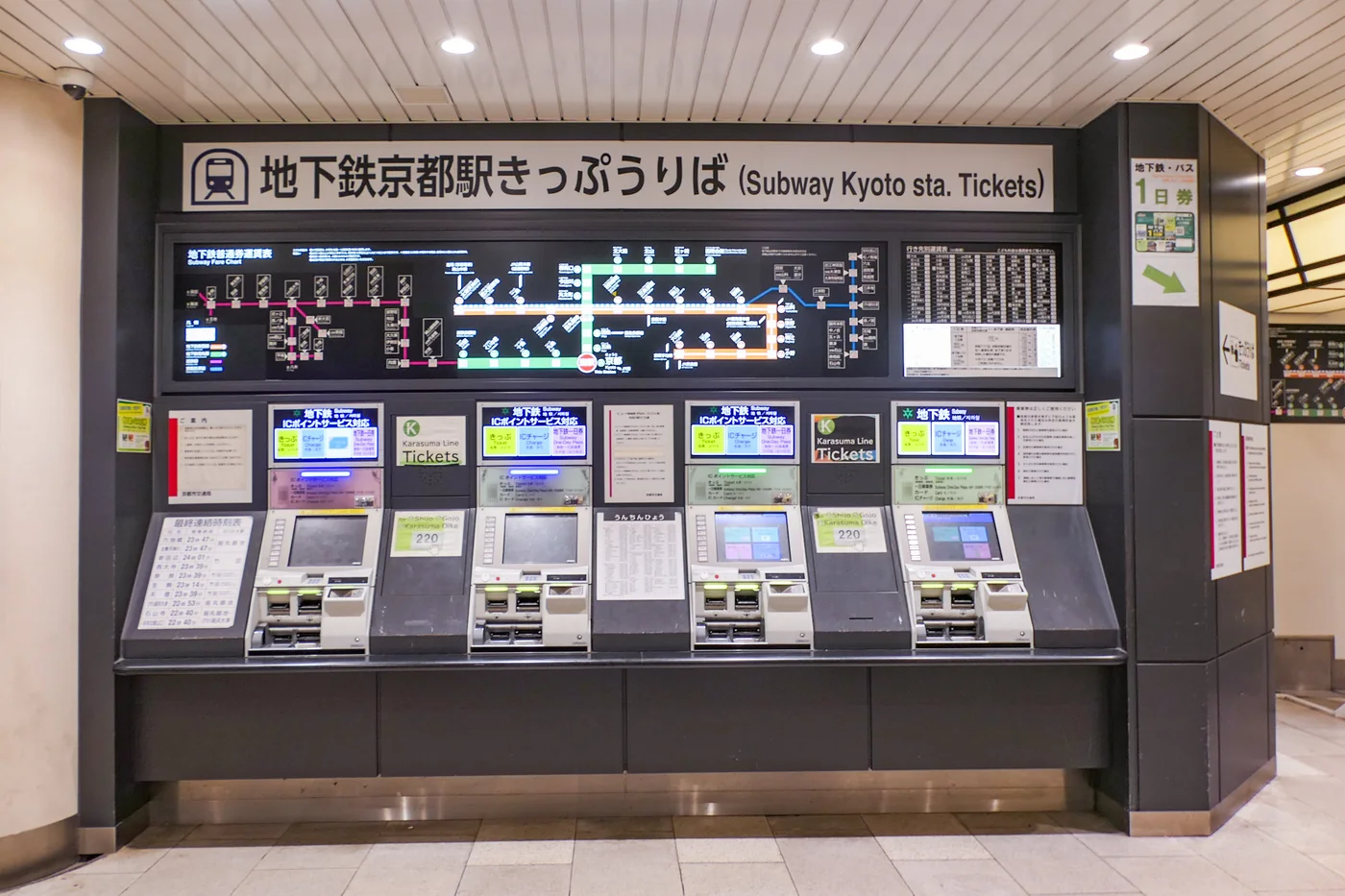
Admission along the daytime route can stay at ¥0, so budget only for your transport to the start, from the finish, and lunch. If you only take one ride at each end, such as Keihan in the morning and the underground in the evening, simply tap an IC card or buy single tickets for each leg. Kyoto's Subway & Bus 1-Day Pass covers municipal underground lines, Kyoto City Bus and designated bus routes, whereas Keihan, Kintetsu and JR trains require separate fares even if certain Keihan Bus or West JR Bus routes appear in pass materials, so always check which operator runs the vehicle you board. Only weigh up a day pass if you start by city bus and expect several underground and bus rides through the day; for station lists and eligible routes, see our guide to the Kyoto Subway and Bus 1-Day Pass.
Where you have lunch shapes which gate you enter in the afternoon. Eating around Demachiyanagi before heading west suits those who tackle Tadasu no Mori in the morning. If you already have a bento, head straight to the Nakadachiuri Rest House on the west side of Kyoto Gyoen to eat. If queues are long at restaurants around Kawaramachi-Imadegawa, enter Kyoto Gyoen from the north gate first and eat after exiting at Imadegawa or Marutamachi rather than keeping a group standing outside a doorway. Anyone planning to enter the Kyoto Imperial Palace must finish eating beforehand, as food and drink are prohibited inside the Imperial Household Agency grounds.
See Toji Temple's Pagoda by Day, or Enter via the East Gate for Night Illumination
Ride the Karasuma Line from Kyoto Gyoen back to Kyoto Station, leave via the southern Hachijo Exit and walk south-west to Toji Temple. The temple estimates about 15 minutes on foot from the Hachijo Exit, or about 10 minutes from Kintetsu Toji Station. Walk straight from Kyoto Station if you want to avoid another transfer, or change to the Kintetsu line if companions prefer less street walking. Set your navigation to "Toji Temple East Gate" so you arrive at the correct entrance for evening events; for silhouettes of the pagoda from public pavements, look along Kujo-dori. You can see the tower clearly from the street, while the gardens and illuminated reflection pond around its base are reserved for ticket holders.
Toji Temple's general grounds open from 05:00 to 17:00, with free daytime access to buildings such as the Mieido and Jikido halls, while the Kondo and Kodo halls require paid admission. In 2026, the special autumn opening of the five-storey pagoda's ground floor runs from 31 October to 13 December, 08:00 to 17:00, with last entry for single tickets at 16:30 and earlier cut-offs on some combination tickets. If you simply want the pagoda as your final landmark of the day, time your arrival on the street for dusk. If you plan to enter the paid daytime areas, leave Kyoto Gyoen earlier and allow ample transfer time at Kyoto Station. Note that Kobo Market takes place on the 21st of every month, when the temple car park is closed.
In 2026, the autumn foliage illumination and night-time special viewing of the Kondo and Kodo halls run from 31 October to 13 December, 18:00 to 21:30 (last admission 21:00), entering via the East Gate. Admission is ¥1,000 for adults and high school students, and ¥500 for junior high school students and younger; combination tickets and group discounts do not apply at night. Between daytime closing and evening opening, have dinner near Kyoto Station's Hachijo Exit before walking over to the East Gate. If you are sticking strictly to free walks, admire the exterior by daylight and head back to the station. For autumn 2027 trips, wait for the temple's seasonal special-opening page to publish exact dates and ticket cut-offs before locking in your evening plan.
If you find yourself back near Kyoto Station in the afternoon with time before your train, you can also walk west to the free public lawns of Umekoji Park. The Kyoto City Tourism Association lists Umekoji Park as a mid-to-late November foliage spot; for a free stroll, stay around the open lawn and Tram Square, as Suzaku-no-niwa Garden and Inochi-no-mori inside the park charge admission. Walkers who have already covered Shimogamo Shrine and Kyoto Gyoen in the morning can pause here briefly and turn back. If temple architecture is your priority, stick to Toji's exterior instead: both lie west of Kyoto Station, but reaching the pagoda from the park means walking further south, so pick just one if you have an evening train to catch.
What to Cut in Rain, with Tired Legs or with Children
For the lowest-effort version of this route, drop the cross-town trip to Toji Temple and the longer Kamo River section first, then pick a single underground exit or bus stop suited to current leaf conditions. To see the grand ginkgo in Kyoto Gyoen, use Exit 3 at Imadegawa Station (which has a lift) for a short loop around Inui Gomon Gate. For Kujo Pond with minimal walking, start from Marutamachi Station: Exit 1 is closest, while Exit 5 has a lift. Note that Marutamachi Station Exit 7 has been closed since 3 March 2026, and the Kyoto City Transportation Bureau estimates closure until around March 2029, so trips in 2027 should use Exit 1 to the north or Exit 5 to the south.
When visiting Demachiyanagi with children, view the river confluence from the bridge first before deciding whether to head into Tadasu no Mori. If little legs are tiring before lunch, eat around Kawaramachi-Imadegawa and spend the afternoon in northern Kyoto Gyoen looking at the ginkgoes and lawns. With a child who naps in a pushchair, keep lunch and naptime on the same neighbourhood blocks before entering the park once they wake. If part of your group wants to explore southern Kyoto Gyoen separately, agree to regroup at a street-level exit of Imadegawa or Marutamachi Station rather than "the palace gate", as sharing the exact station name, exit number and train direction leaves no room for confusion.
In light rain, take a short walk in Kyoto Gyoen entering and exiting from one end, Imadegawa or Marutamachi, so you can step straight back onto the underground if shoes get wet. For an indoor breather on open days, the Kaninnomiya Residence Storage and Exhibition Hall in the south is free; if it is closed, duck into a cafe near the station instead. In persistent heavy rain, skip the riverside and woodland paths altogether; if you still want an indoor plan near Kyoto Station, check ticket and route details for Kyoto Aquarium and Umekoji Park. If you have only one autumn day in Kyoto and want to dedicate the entire afternoon to temples and night illuminations, browse our Kyoto autumn foliage zone routes to pick an area aligned with your return station.
If wind and rain pick up before you cross from the east side of Kyoto Gyoen to the river, head onto Teramachi-dori for the free Kyoto City Museum of History instead. Situated between Kyoto Gyoen and the Kamo River, it connects neatly to the Kawaramachi-Marutamachi bus stop afterwards, or a straight walk east across the bridge along Marutamachi-dori to Keihan Jingu-Marutamachi Station. The museum generally opens 09:00 to 17:00 (closed Mondays, Japanese public holidays and 28 December to 4 January). Its special exhibition from 31 October 2026 to 17 January 2027 examines Nijo Castle and the founding of the Edo shogunate, a fitting companion to a Kyoto Imperial Palace visit for understanding central Kyoto's history.
Travellers arriving in Kyoto in the afternoon can skip the round trip up north altogether. Ride the Karasuma Line from Kyoto Station to Marutamachi to stroll around Kujo Pond and leave before dusk. If you are waiting at Kyoto Station for companions arriving from Osaka, head to nearby Umekoji Park before meeting for dinner. Anyone with a reserved Shinkansen or limited express should subtract luggage collection, ticket-gate entry and platform transfer time from departure before deciding how long to linger in the park; if you do not know Kyoto Station well, allow a full 15 minutes just to navigate the concourse on your return.
A few useful answers
What is the easiest free autumn foliage route in central Kyoto?
Start at Demachiyanagi Station for Tadasu no Mori and the Kamogawa Delta, then cross Kamo Ohashi Bridge to Kyoto Gyoen. In half a day you can walk from Keihan Demachiyanagi to Imadegawa Station on the underground, or continue through the park to leave from Marutamachi.
Which turns colour earlier: Kyoto Gyoen or Tadasu no Mori?
The Kyoto City Tourism Association lists Kyoto Gyoen's typical peak from mid-November to early December, while Shimogamo Shrine starts from early December. Prioritise Kyoto Gyoen's ginkgoes in mid-November, and make Tadasu no Mori your main stop in December.
Do Kyoto Gyoen and the Kyoto Imperial Palace require advance booking?
Kyoto Gyoen's outdoor paths are free to enter at any time, and the Kyoto Imperial Palace is also free with no advance booking required for individual visitors. Enter the palace via Seishomon Gate; from October to February last admission is 15:20, and it is normally closed on Mondays.
Should I get off at Imadegawa or Marutamachi for Kyoto Gyoen's ginkgo trees?
The grand ginkgo at the former Ichijo Residence site is in the north, closest to Imadegawa Station. The ginkgo-lined avenue north of the former Kaninnomiya Residence site is in the south-west, better reached from Marutamachi Station. To see both, enter from the north gate and exit at the south.
Can I see Toji Temple's autumn illumination for free?
You can see the five-storey pagoda's exterior from surrounding streets, but entering the grounds for the night illumination requires a ticket. From 31 October to 13 December 2026, it runs 18:00 to 21:30 (last admission 21:00) via the East Gate, costing ¥1,000 for adults and high school students and ¥500 for junior high school students and younger.
Which part of the route works best if it rains?
In light rain, enter and exit Kyoto Gyoen from one end for a short outdoor walk, stepping into the free Kaninnomiya Residence Storage and Exhibition Hall in the south on open days. If rain gets heavy or the river rises, leave the riverbank and take the underground back towards the city centre.
Official information and references
Sources used in this guide.
- Kyoto City Tourism Association | Kyoto Autumn Foliage Updates and Site Conditions
- Shimogamo Shrine | Access, Walking Route and Precinct Map
- Shimogamo Shrine | Main Sanctuary Hours, Fees and Oiden Hall
- Kyoto City Tourism Association | Kamogawa Delta and Demachiyanagi Access
- Kyoto Prefecture | Demachi Stepping Stones and Kamo River High-Water Records
- Ministry of the Environment | Kyoto Gyoen Autumn Map, Gates and Accessible Paths
- Ministry of the Environment | November 2026 Kyoto Gyoen Foliage Update
- Ministry of the Environment | Kyoto Gyoen Entry, Shusuitei Teahouse and Kaninnomiya Residence Rules
- Ministry of the Environment | Kyoto Gyoen Access and Underground Exits
- Imperial Household Agency | Kyoto Imperial Palace Free Entry and Opening Calendar
- Imperial Household Agency | Kyoto Imperial Palace and Kyoto Sento Imperial Palace Visiting Rules
- Toji Temple | Autumn 2026 Special Opening, Night Illumination and Admission
- Toji Temple | General Opening Hours and Free Grounds
- Toji Temple | Access from Kyoto Station Hachijo Exit and Kintetsu Toji Station
- Kyoto City Transportation Bureau | Marutamachi Station Exit 7 Closure
- Kyoto City Tourism Association | Kyoto Transport Passes and Covered Routes
- Kyoto City | Umekoji Park and Park Facilities
- Kyoto City Tourism Association | Walking Map from Demachiyanagi Station to Southern Shimogamo Shrine
- Kyoto City Tourism Association | Kawai Shrine and Hojoan Hut
- Ministry of the Environment | Kyoto Gyoen Rest Houses, Restaurants and Free Rest Areas
- Kyoto City | Kyoto City Museum of History Opening Information and Special Exhibitions
- Kyoto City Tourism Association | Umekoji Park Typical Autumn Foliage Window
- Ministry of the Environment | Kyoto Gyoen Accessible Routes and Southern Walking Course
- Ministry of the Environment | Kyoto Gyoen FAQ and Picnic Areas