When does it snow in Kyoto? Compare winter transport for Kinkaku-ji, Arashiyama, Kibune, and Ohara, plus cold-weather packing, Chion-in's 2026 New Year's Eve bell, Hatsumode shrine visits, 2027 Kyo no Fuyu no Tabi openings, and indoor backups.
- Region & Focus
- KyotoWhen to visit
- Reading Scope
- 22 min read · 8 chapters · 5 Q&As
- Official Verification
- 36 official sources checkedUpdated 22 November 2026
- Key Topics
- WinterSeasonsItineraries
Chapter Route Map (tap any stop)
- December Lights vs January and February Snow Forecasts
- Where to Go on a Snowy Morning: Kinkaku-ji, Arashiyama, Kibune & Ohara
- What to Wear in Kyoto in Winter: Bus Queues & Temple Interiors
- New Year's Eve & Hatsumode: Joya-no-Kane Bells & First Shrine Visits
- 2027 Kyo no Fuyu no Tabi: Planning Around Venue Dates
- Gales, Sleet & Closure Days: Okazaki & Umekoji Backup Plans
- Where to Stay & Eat: Picking a Base You Can Get Back To
- How to Plan Three Days: Keep a Swappable Morning in the Middle
- Quick Q&A
For a three-day winter break in Kyoto, plan one half-day in central Kyoto, one half-day in Arashiyama or northern Rakuhoku, and keep one morning flexible for the weather. If it snows overnight and public transport is running normally, move Kinkaku-ji to its opening slot. If your trip centres on the New Year's Eve bell-ringing on 31 December 2026, decide early whether you want to watch the monks ring the great bell at Chion-in, queue to strike a temple bell yourself, or see the sacred Okera-bi fire at Yasaka Shrine. Travellers arriving from 8 January onwards can build routes around the 2027 Kyo no Fuyu no Tabi special heritage openings, which offer rewarding indoor stops even on overcast days.
December Lights vs January and February Snow Forecasts
When choosing travel dates, start with the one seasonal highlight you most want to catch. If you are after Christmas illuminations in December, the tree in the Kyoto Station plaza is lit until 25 December and makes an easy post-dinner stop on arrival night. If you plan to hear the New Year's Eve bells on 31 December, lock in how you will attend and how you will get back to your hotel afterwards. To step inside temple buildings that are normally closed to the public, schedule your visit from 8 January onwards. The Kyo no Fuyu no Tabi programme runs into March, with opening dates varying by venue, so work backwards from the specific site you want to see.
According to the Japan Meteorological Agency's 1991–2020 climate normals for the Kyoto station, average daily highs and lows are around 11.6°C and 3.5°C in December, 9.1°C and 1.5°C in January, and 10.0°C and 1.6°C in February—a reliable baseline for packing. Over the same period, monthly maximum snow depth averages 2 cm in December, 3 cm in January, and 4 cm in February. Official snow-day counts include brief flurries, so photographing snow-dusted roofs depends on whether snow actually settles on the ground and eaves. On the same morning, pavements outside Kyoto Station may simply be wet while rooftops in the northern valleys are coated white. JMA Kyoto Station Monthly Climate Normals
If your flight dates are already booked, keep one central Kyoto morning that can swap places with an afternoon plan. Anchor timed museum tickets, date-specific temple services, and restaurant reservations in your calendar, then move outdoor sights according to overnight snowfall. If Day 2 was set for Kinkaku-ji and Day 3 for Arashiyama, bring the closer, faster-to-reach sight forward if it snows overnight. Two areas may see snow on the same morning, yet chasing a second cross-city stop means factoring in transfers, entrance queues, and the trip back—leave your companions enough time to take in the first place properly.
Check the morning weather both where you are staying and at your destination before checking trains and shuttle buses. The Kyoto City Tourism Association's Comfort Map streams live cameras at select spots, mostly pointed at roads, bridges, and bus stops, which helps gauge street conditions and queues nearby. The Kinkaku-ji-michi feed only covers a stretch of street; if you see snow on the road, head towards the temple, though you will only see how much remains on the pavilion roof and garden once you arrive. Kyoto Tourism Comfort Map
Some mornings reward a slower start. If rain fell overnight and pavements are slick at dawn, wait until daylight makes walking safer before heading out. On crisp, sunny days, schedule outdoor walks from late morning into early afternoon, saving covered markets, a hot bowl of noodles, or indoor exhibitions for dusk. When skies are forecast to clear only in the afternoon, spend the morning inside an Okazaki museum and stroll the neighbourhood once the sun comes out, rather than standing in the cold at an exposed bus stop waiting for the clouds to break.
When does it snow in Kyoto? Compare winter transport for Kinkaku-ji, Arashiyama, Kibune, and Ohara, plus cold-weather packing, Chion-in's 2026 New Year's Eve bell, Hatsumode shrine visits, 2027 Kyo no Fuyu no Tabi openings, and indoor backups.
Where to Go on a Snowy Morning: Kinkaku-ji, Arashiyama, Kibune & Ohara
Kinkaku-ji is the easiest sight to swap with a city-centre morning. Take the Karasuma Underground Line from Kyoto Station or Karasuma Oike to Kitaoji, follow signs to the blue boarding zone in the bus terminal, and catch a city bus bound for Kinkaku-ji-michi (routes such as 204 and 205 serve this corridor). Bus 205 also runs direct from Kyoto Station, but city-centre traffic can crawl, so taking the underground to Kitaoji makes arrival times far more predictable. From the Kinkaku-ji-michi stop, allow a short walk along an open path to reach the temple gate. Kyoto City Tourism Association Access to Kinkaku-ji
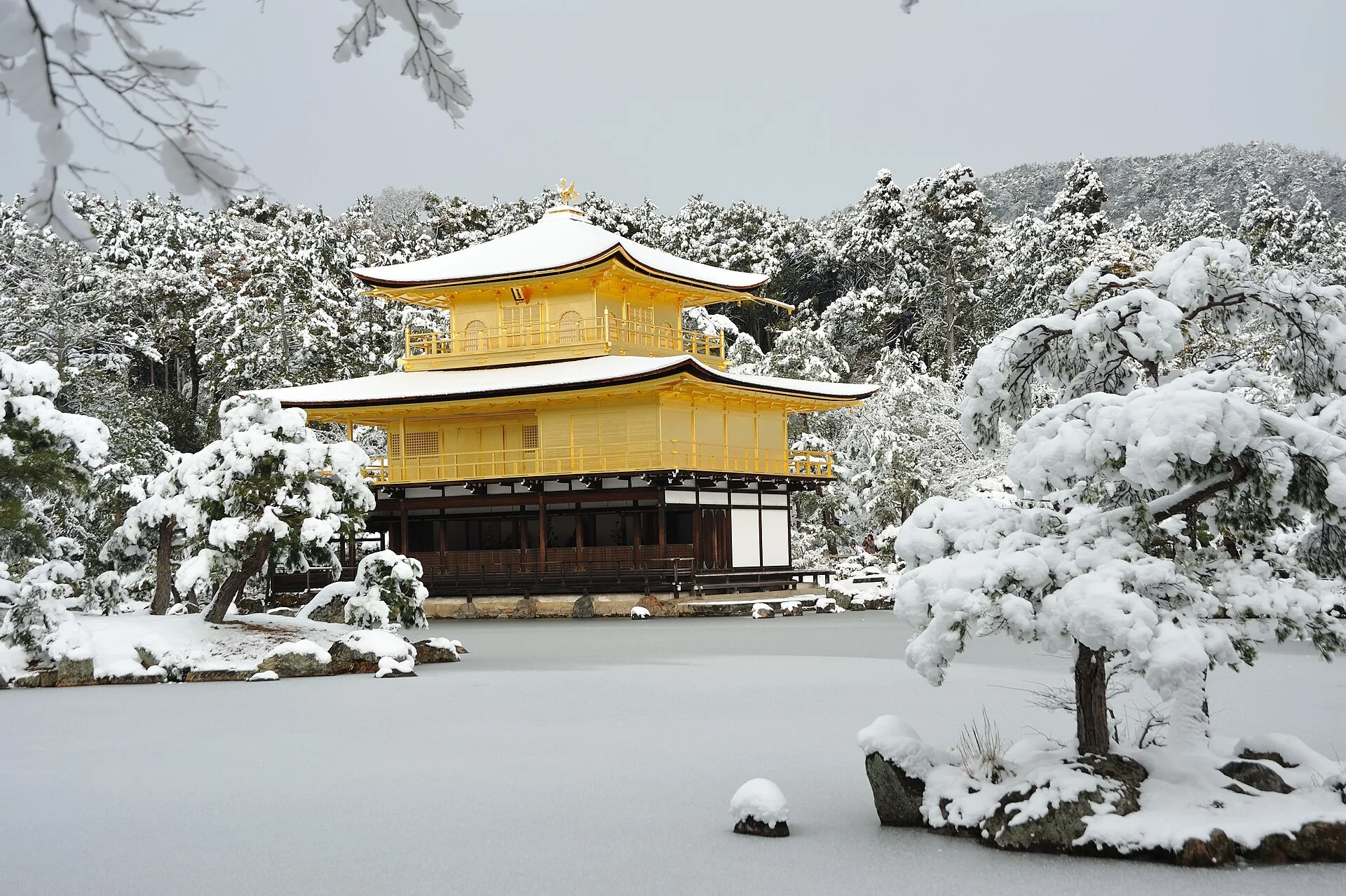
Kinkaku-ji opens daily from 09:00 to 17:00 year-round, with admission at ¥500 for upper-secondary students and adults, and ¥300 for primary and lower-secondary pupils. To catch snow on the Golden Pavilion's roof when transport is running normally, make it your first stop of the day—once sunlight hits the eaves, the snow can thin rapidly. Beyond the main pond viewpoint, the standard walking route includes steps. The temple's step-free route for wheelchair users, pushchairs, and visitors with reduced mobility turns back via the entrance before the stairs. On snowy days, this same turn-back option helps estimate timing; if your group splits up, agree beforehand which side you will meet on. Small cameras are permitted for personal snapshots, whereas on-site photography for public social media or commercial use is prohibited by the temple. Kinkaku-ji Visitor Information, Kinkaku-ji FAQ
Arashiyama offers two straightforward rail approaches. If you are staying near Kyoto Station, take the JR Sagano Line to Saga-Arashiyama Station and walk towards Tenryu-ji and Togetsukyo Bridge. From Shijo-Omiya, board the Randen tram to Arashiyama Station, stepping right out near Tenryu-ji. If anyone in your group struggles with biting wind, head straight for lunch after finishing the garden. Both sides of Togetsukyo Bridge are completely exposed; save the riverside stroll for calmer weather, when the snow-dusted peaks and the Katsura River colours show cleanly. Tenryu-ji's Sogenchi Pond Garden is open 08:30–17:00 (last entry 16:50; ¥500 for upper-secondary students and adults). Viewing the Cloud Dragon painting in the Dharma Hall requires a separate ticket and is generally open on weekends and public holidays, though the hall is closed to visitors on 2 January 2027. Tenryu-ji Hours & Access
Unlike Arashiyama's open valley, the main variable in Kibune comes after you leave the train. Ride the Eizan Railway Kurama Line from Demachiyanagi to Kibuneguchi, then transfer at the Eiden Kibuneguchi Ekimae stop to Kyoto Bus Route 33 for Kibune. Plan the return journey as two separate legs as well, noting that 'Kibuneguchi' and 'Eiden Kibuneguchi Ekimae' are listed as distinct stops on bus timetables—bookmark both outbound and return stop pages on your phone. When Route 33 is running, you can walk straight up to the main shrine upon alighting; if the shuttle bus is suspended, return to central Kyoto and try another day rather than dragging luggage along unfamiliar, icy lanes. Kibune Shrine Access, Kyoto Bus Kibune Return Timetable, Kyoto Bus Eiden Kibuneguchi Ekimae Outbound Timetable
From 1 December to 30 April, Kibune Shrine's main grounds are open 06:00–18:00 with free admission, and the amulet office operates 09:00–17:00. If you only want to see the vermilion lantern-lined stone steps and try a water-revealed omikuji fortune in daylight, make the main shrine your turnaround point. Continuing upstream to the Okumiya inner shrine means building the round-trip walk into the gap before your return bus. While Yui-no-Yashiro and Okumiya remain accessible at all hours, keep the riverside footpath to daylight in winter so you can watch your footing. Pick a return bus before dusk first, then gauge how far to walk. Kibune Shrine Worship Hours
For Ohara, board Kyoto Bus Route 17 from outside Kyoto Station, or take the Karasuma Underground Line to Kokusaikaikan Station and connect to Route 19 via Ohara. From the bus stop, walk uphill through the village to Sanzen-in, returning along the same slope. From December to February, Sanzen-in opens 09:00–16:30 (¥700 adults, ¥400 lower/upper-secondary pupils, ¥150 primary pupils). Start with Shuheki-en garden from the guest hall, then decide whether underfoot conditions suit walking through Yusei-en; even with a light dusting of snow, the covered verandas frame the moss, cedar grove, and Ojo Gokuraku-in Hall comfortably. If you plan to head back to town after lunch, pick an afternoon bus departure before deciding whether to add a neighbouring temple. Sanzen-in Hours & Admission, Kyoto Bus Kokusaikaikan Ekimae Timetable, Kyoto Bus Ohara Stop Timetable
Although Kibune and Ohara both sit in Kyoto's northern hills on a map, they run on completely separate rail and bus corridors. On a snowy day, choose just one. Pick the Eizan Railway and shuttle bus if your priority is Kibune's stone steps and riverside village; take the Ohara bus if you prefer lingering indoors overlooking Sanzen-in's gardens. When return headways stretch out, eating an early lunch and catching the earlier bus back to the city beats trying to hail a taxi from an empty rural stop. If you are set on seeing both, put them on separate days and leave large suitcases at your hotel.
| Target Sight | Main Departure Route | Fallback Trigger |
|---|---|---|
| Kinkaku-ji Pond & Golden Pavilion | Karasuma Underground Line to Kitaoji, then city bus | Switch to underground-accessible streets if Kinkaku-ji-michi roads are congested or slick |
| Arashiyama Valley & Tenryu-ji | JR from Kyoto Station or Randen from Shijo-Omiya | Trim to garden visit and lunch if riverside winds turn bitter |
| Kibune Main Shrine Stone Steps | Eizan Railway from Demachiyanagi, transfer to Bus 33 at Kibuneguchi | Head back to central Kyoto if the Route 33 shuttle is suspended |
| Sanzen-in Temple Gardens | Bus 17 from Kyoto Station, or Bus 19 from Kokusaikaikan | Keep solely to Sanzen-in if return bus intervals leave tight margins |
What to Wear in Kyoto in Winter: Bus Queues & Temple Interiors
Build your morning outfit backwards from the coldest hour of the day. Most daytime plans pair underground trains with indoor galleries and short queues, where a thermal base layer, a zip-up mid-layer, and a windproof outer shell give you easy temperature control. On New Year's Eve, however, outdoor queues require insulation warm enough for standing still, plus a scarf, hat, and gloves. Wearing only a thin short-sleeved tee under a heavy coat leaves you having to strip the entire coat off inside heated train carriages, only to put it straight back on at windy station exits.
The same footpath can feel entirely different on the way back. Shaded stone paving often holds black ice at dawn, midday foot traffic churns snow into slush, and falling temperatures refreeze puddles by late afternoon. Choose shoes with grippy treaded soles, and add water-resistant uppers for Kibune, Ohara, or snow-covered temple gardens. Try your footwear on with your thickest travel socks beforehand so your toes can wiggle without rubbing your heels. Tuck a spare pair of dry socks into your daypack—changing at lunch on a sleety day is far better than riding trains in damp socks.
When entering historic abbots' quarters and temple halls, slip-on footwear makes a real difference. Follow posted shoe-off signs, keep each person's shoe bag handy, and check whether there is seating nearby to lace up afterwards. Temple verandas are sheltered from snow, yet wooden floorboards turn icy underfoot—thick socks do far more for comfort than carrying an extra coat over your arm. With children, place wet umbrellas in designated racks, shake snow off hats and coats outside, and wipe soles dry on entrance mats along shoe-permitted corridors.
For snow photography, fully charge your phone and power bank before setting out, keeping the spare battery in an inside coat pocket so the cold does not drain it. Frame shots from spots along the path that leave space for other visitors to pass, and pocket your camera before walking on. Keep one hand free for handrails on damp bridge planks, stone steps, and verandas. Before stepping from freezing air into a warm cafe or train, seal your camera inside a pouch so condensation forms slowly as it warms up. If you are shooting on a phone, take your pondside shot and step back promptly to make room for those waiting behind.
New Year's Eve & Hatsumode: Joya-no-Kane Bells & First Shrine Visits
For 31 December 2026, Chion-in has announced that its great bell ringing begins around 22:20 JST, with 17 monks working in unison while visitors watch in assigned viewing batches. Online applications open on a first-come, first-served basis from 14:00 JST on 1 December until 16:59 JST on 24 December (credit card payment). A limited number of cash tickets are also sold at the Yuzen-en counter from 7 to 24 December (09:00–16:00 JST) until sold out. Admission is ¥3,000 per person (free for primary-school children and younger), with check-in at the Kuromon Gate according to the batch listed on your voucher; there is no on-the-day registration desk. Families wanting to hear the bell without a late night back to Kyoto Station can attend the daytime test ringing at 14:00 JST on 27 December, which requires no booking and is managed by crowd capacity at the belfry. Chion-in 2026 Joya-no-Kane Bell Ringing
If you want to strike a temple bell yourself, Kodai-ji—listed by the Kyoto City Tourism Association—distributes numbered tickets from 22:00 JST on 31 December, allowing the first 108 groups one strike per ticket from 23:45 JST. For groups who would rather not stay out past midnight, Myoman-ji in Iwakura holds its Toshiokuri-no-Kane daytime ringing from 15:00 to 17:00 JST on 31 December, where visitors queue to strike the bell in turn before gates close at 17:00 JST. The real choice comes down to how late you want to stay out and how you will get home. Zoom in on your map to check the lit walking route back to a station before picking a temple. 2026 Kyoto City Joya-no-Kane Listings
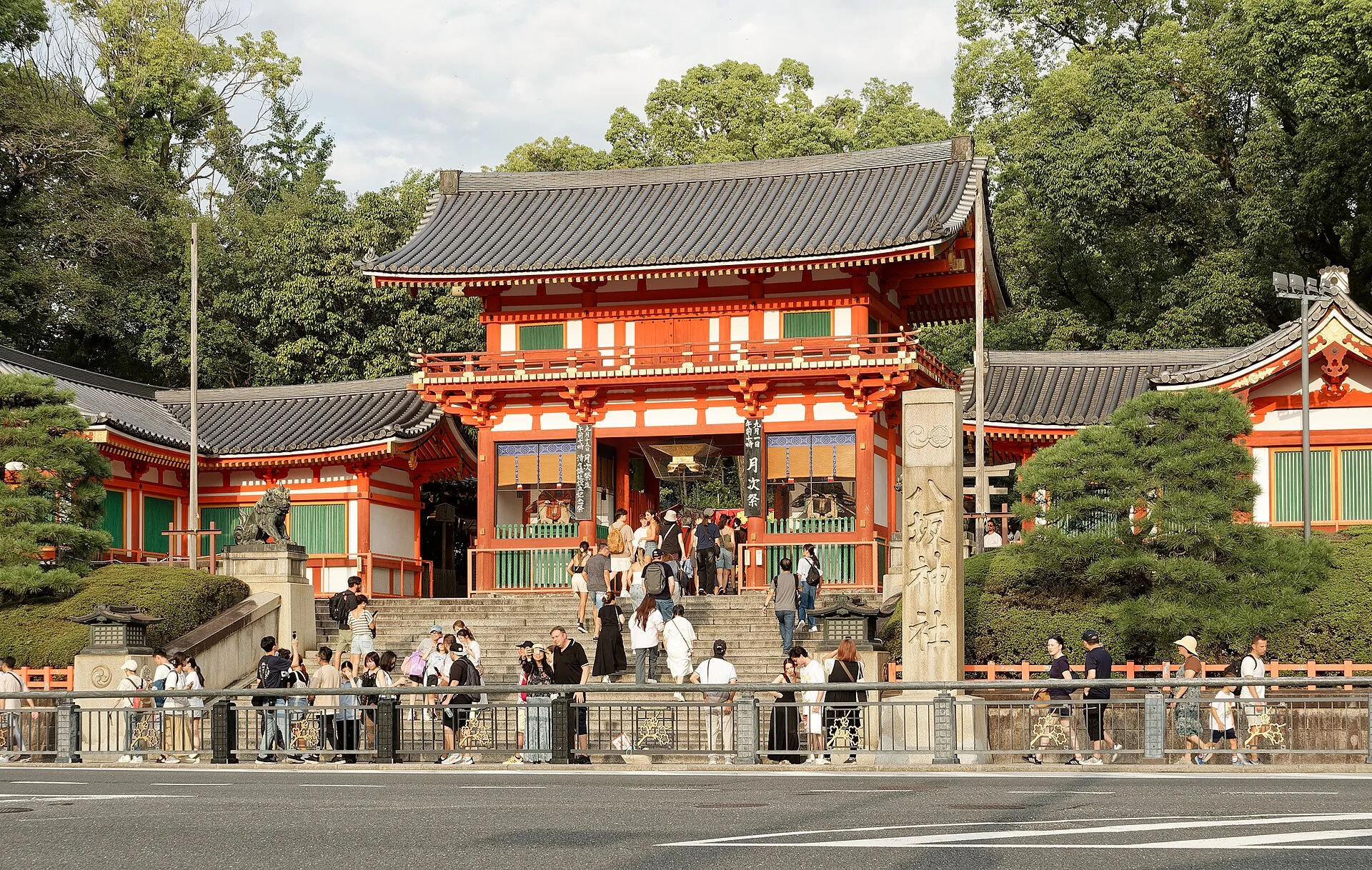
Yasaka Shrine's Okera-mairi is Kyoto's signature New Year's Eve shrine ritual. Following the shrine's annual schedule, the Joya-sai ceremony begins at 19:00 JST on 31 December, with Okera-mairi starting around 19:30 JST and the sacred fire burning until roughly 05:00 JST on New Year's Day. Travellers simply hoping to see the lanterns and year-end rite can stroll through after dinner and head back to sleep. If you stay on for midnight Hatsumode, expect heavy pedestrian controls around Gion-Shijo and Higashiyama—follow one-way crowd marshals rather than backtracking against the queue. Anyone carrying away a smouldering rope must follow on-site fire rules and extinguish it before boarding transport or leaving the area. Yasaka Shrine New Year Rituals
Fushimi Inari Taisha works much better as a daytime stop. From Kyoto Station, the JR Nara Line brings you straight to Inari Station right opposite the main approach. From Gion or Sanjo, take the Keihan Main Line to Fushimi-Inari Station and walk east for about five minutes. New Year queues can stretch a short approach into a slow crawl, so treat the Main Hall as your primary goal and head back towards the station if the Senbon Torii gates are bottlenecked. Agree on a specific meeting station before splitting up—Keihan 'Fushimi-Inari' and JR 'Inari' are two separate stations. The Kyoto City Tourism Association also publishes area-by-area route guides. Fushimi Inari Taisha Access, Kyoto Tourism Fushimi Inari Access by Area, Kyoto Hatsumode Route Guide
When checking trains after midnight, remember to search under the next calendar day's date. Late-night schedules straddle midnight across two timetable views, so verify that your final connection still runs. Staying in Gion or Higashiyama lets you pick events with a well-lit walk back. If you are based around Kyoto Station and prefer an early night, pairing the daytime bell test, an early evening stop at Yasaka Shrine, or the station plaza lights preserves proper sleep. Intercity travellers should also note that Tokaido and Sanyo Shinkansen 'Nozomi' trains operate as all-reserved-seat services from 25 December 2026 to 5 January 2027, and again from 9 to 11 January 2027. JR Central Nozomi All-Reserved-Seat Dates
Travellers already heading to Ohara on New Year's Day can note that Sanzen-in holds its Shusho-e service in the Shinden Hall at 11:00 JST on 1 January 2027; joining as a prayer participant requires advance application by post or fax from ¥5,000 per wish, separate from standard admission. For February visits, keep an eye on Yasaka Shrine's Setsubun Festival on 2 and 3 February, featuring dance-stage offerings and bean-throwing; standing along the edge of the crowd makes it easier to slip away early. If your aim is simply a quiet shrine visit, treat the festival as part of a wider neighbourhood walk and allow extra time for queues and detours. Sanzen-in 2027 Shusho-e Notice, Yasaka Shrine Setsubun Festival
2027 Kyo no Fuyu no Tabi: Planning Around Venue Dates
The 61st Kyo no Fuyu no Tabi special winter openings of non-public cultural properties run primarily from 8 January to 18 March 2027. Most participating sites open 10:00–16:30 (last admission 16:00) and charge ¥800 for adults and ¥400 for primary-school pupils per venue. This season lends itself to anchoring around Chion-in, Kitano Tenmangu, or the Kyoto Station area—pick one guaranteed morning stop, then pair it with lunch or an exhibition in the same district. Kitano Tenmangu's Treasure House charges a separate ¥1,000 adult fee (¥500 primary pupils), including a commemorative keepsake. Kyoto City Tourism Association Winter Openings Schedule
Chion-in splits its special opening across two distinct periods at the same address. The Sanmon Gate is open from 8 to 28 January, followed by the Daihojo, Shohojo, and Hojo Garden from 29 January to 18 March (closed 9 March). Both periods run 09:00–16:00 (last entry 15:30) and cost ¥800 per adult (¥400 primary pupils) each. If painted sliding screens are your priority, make sure your dates fall in the Hojo window. Each room in the Daihojo carries its own painting theme and ceremonial role—slow down to take in one hall properly before looking for the nightingale-floor corridor and garden, rather than rushing through every room. The Sanmon window focuses on climbing to the upper level, so check the official stair and standing guidelines first if travelling with older relatives. 2027 Kyoto Winter Special Openings Venues, Chion-in Hojo & Garden Special Opening
In January and February, travellers staying near Kyoto Station can easily slot in Higashi Hongan-ji's Goeido Gate before heading elsewhere; it opens 09:00–16:00 (last entry 15:30) during those two months, letting visitors climb to the upper storey for Buddhist statues and city views—buy a ticket if you want the climb, or stick to the main Goeido Hall and forecourt on foot. Kitano Tenmangu sits in the same north-western quadrant as Kinkaku-ji, making a natural sunny-day pairing, while snowy mornings belong to Kinkaku-ji first. If one heritage hall is enough for children's attention spans, skip the second ticket and put the savings towards a hot sit-down lunch. Because each venue tickets separately, you can decide on the day without locking yourself in; just avoid squeezing in one last temple before a fixed afternoon museum slot at the expense of lunch and transfers. 2027 Kyoto Winter Special Openings Venues
Gales, Sleet & Closure Days: Okazaki & Umekoji Backup Plans
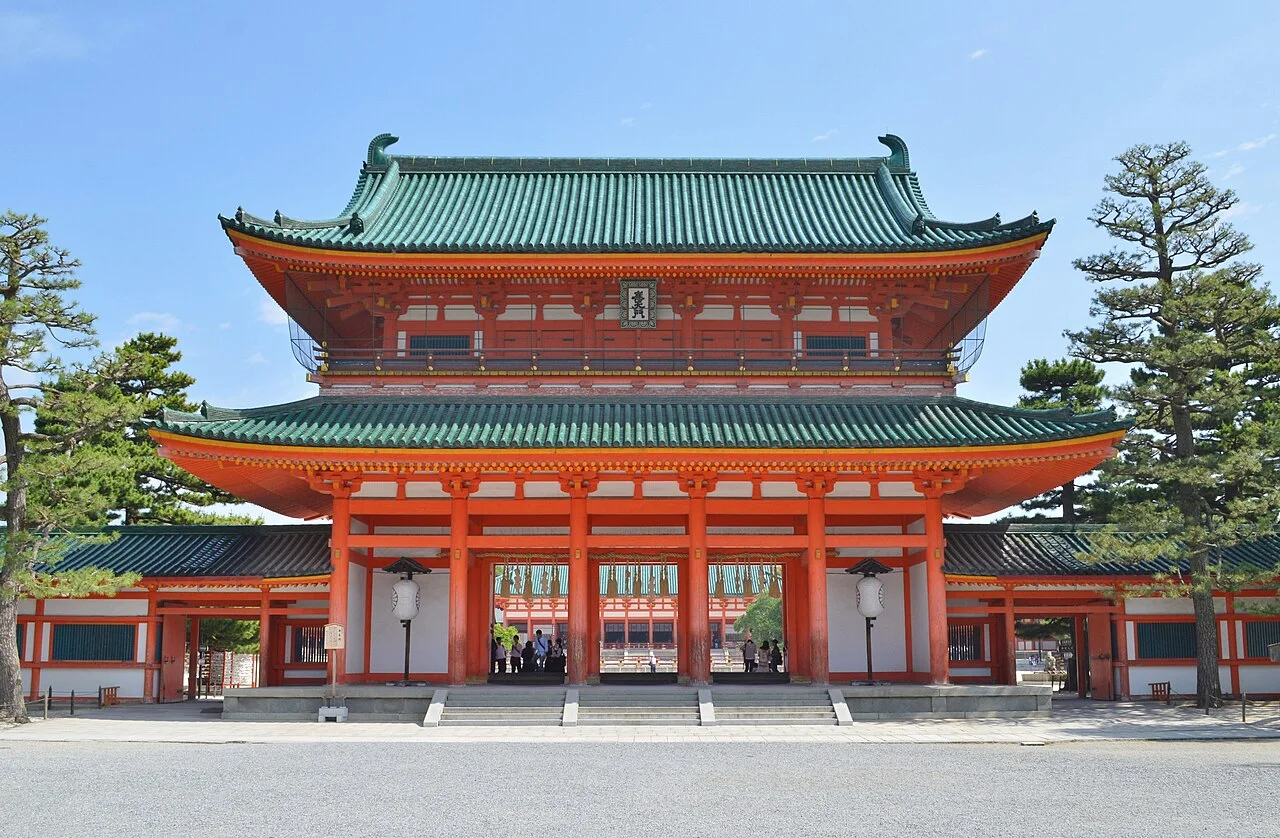
Okazaki starts smoothly from Higashiyama Station on the Tozai Underground Line, an eight-minute walk from the Kyoto City KYOCERA Museum of Art. Leave via East Exit 1, walk east along Sanjo-dori, turn north onto Jingu-michi, and pass beneath Heian Shrine's giant torii gate—the main museum entrance sits on your right, with Heian Shrine just beyond if you have time afterwards. The museum opens 10:00–18:00 (generally closed Mondays unless a public holiday, plus year-end closure from 28 December to 2 January). From 17 December 2026 to 11 January 2027, the Higashiyama Cube wing hosts 'Studio Ghibli Presents: Zen of Hakuin' (¥1,700 same-day / ¥1,500 advance for adults and university students; last entry 17:30), which follows the year-end closure and opens on the 11 January public holiday. Kyoto City KYOCERA Museum of Art Current Exhibition, Kyoto City KYOCERA Museum of Art Access
For families staying near Kyoto Station, Umekoji is the simplest rainy-day retreat. One stop on the JR Sagano Line brings you to Umekoji-Kyotonishi Station, right beside the Kyoto Railway Museum. The museum is closed from 30 December 2026 to 1 January 2027 and reopens on 2 January. Through late February 2027, admission is ¥1,500 for adults, ¥500 for primary and lower/upper-secondary pupils, and ¥200 for preschoolers aged three and over. Start with locomotives children recognise before claiming a rest bench; train-driving simulators require an extra timed ticket, so build your plan around the main halls if snow delays your arrival. Kyoto Railway Museum Visitor Information, Kyoto Railway Museum 2026–27 Opening Calendar
Over the New Year window when both museums shut, check Kyoto Aquarium's daily operating calendar. It opens year-round with hours and show schedules posted day by day—roughly a 15-minute walk from Kyoto Station's Central Gate or seven minutes from Umekoji-Kyotonishi Station, letting you cut outdoor walking with a quick JR hop in sleet. The aquarium mixes indoor tanks with open-air animal habitats and seated shows; focus on two main zones first before deciding whether to stay for the next presentation. Its winter programme runs from 21 November 2026 to 31 March 2027, highlighting the fur seal zone around pups born in 2025—check the family-tree display before watching them swim. Remember to peel back warm pushchair blankets indoors so young children do not overheat, putting them back on before stepping out into the park. Kyoto Aquarium Hours & Access, Kyoto Aquarium Hours & Ticketing FAQ, Kyoto Aquarium Winter Event
If anyone in your party tires easily on their knees, split Okazaki into two short legs: eat and use the facilities near Higashiyama Station, visit only the KYOCERA Museum, and retrace your flat walk to the underground while those keen on standing longer continue to Heian Shrine and meet back at the hotel. Higashiyama involves slopes and both Ohara and Kibune require extra bus transfers; if you still want a temple garden after snow, turning back before the steps at Kinkaku-ji saves far more energy than completing a full loop. Groups with wheelchairs or pushchairs can split at step-free entrances and reunite at an agreed time.
Bookmark the hours of two indoor backups the night before without locking both into timed tickets. If high winds or wet snow arrive at breakfast, check same-day last-entry cutoffs online and pair one major museum with lunch near your hotel, leaving a brief riverside walk only if skies clear by afternoon. Factor in cloakroom queues, ticket barriers, and gallery layout before final admission; when afternoon buses fall behind in bad weather, switching early to the underground beats gambling on the next surface bus.
Where to Stay & Eat: Picking a Base You Can Get Back To
First-time winter visitors are usually best off staying in one central base for the whole trip. Karasuma Oike links the Karasuma and Tozai underground lines, making morning hops to Kitaoji and afternoon trips to Okazaki effortless. Kyoto Station suits rail arrivals and departures as well as itineraries splitting Arashiyama and Fushimi Inari across separate days, while Gion-Shijo puts Higashiyama's midnight New Year events within easy walking distance. Even the final few hundred metres matter on a freezing night—check on the map whether your hotel walk crosses an exposed bridge, climbs a hill, or needs another bus, and note which station exit has a lift. Where to Stay Near Kyoto Station, Where to Stay in Karasuma
If you book a night in northern Rakuhoku, pick a date when you do not have to rush from the mountains straight to the airport. When reserving a ryokan with dinner, work backwards from the final check-in cutoff to confirm shuttle times, pick-up stops, advance booking rules, and backup access if you miss the last van. Check cancellation deadlines and penalty fees in case snow halts buses and keeps you in the city. On a mid-trip transfer morning into Kibune, arrange to store large suitcases in central Kyoto—or save the mountain stay for the second half of your itinerary to avoid hauling bags up icy slopes near bus stops.
An overnight stay along the Arashiyama riverside is mainly about walking to the riverbanks and Tenryu-ji early next morning; if you simply want one garden visit, taking the morning JR train from Kyoto Station is just as easy. Save the splurge for nights when you want a hot bath and an unhurried breakfast, and check whether dinner is included, requires reservation, or means walking back towards the station in search of an open restaurant. Riverfront inns are not always near late-evening transit, so half-board value adds up quickly on dark, rainy winter evenings. Arashiyama Riverside vs Station Stays
Compare room quotes using the pre-tax nightly accommodation rate per guest. Under Kyoto City's revised brackets taking effect from March 2026, the city accommodation tax is ¥200 for rates under ¥6,000, ¥400 from ¥6,000 to under ¥20,000, ¥1,000 from ¥20,000 to under ¥50,000, ¥4,000 from ¥50,000 to under ¥100,000, and ¥10,000 at ¥100,000 or above. Taxable room charges exclude separately itemised meals and consumption tax, so calculate per person per night: if a three-night stay for two quotes room rates before local tax in the ¥400 bracket, add ¥2,400 back in when comparing totals. Kyoto City Accommodation Tax Brackets, Kyoto City Accommodation Tax Calculation Guide
Tap an IC card for most city rides first, and only weigh up a day pass if your route genuinely stacks multiple qualifying underground and city-bus journeys. Trips to Fushimi Inari, Arashiyama, and Kibune rely heavily on JR, Keihan, Randen, and Eizan lines, which are tallied separately, while Ohara falls under specific Kyoto Bus fare zones—double-check the operator and zone before buying a pass. On days when cold weather sends everyone indoors after just one underground ride, one bus, and an evening walk home, a day pass rarely pays off. Kyoto Underground & Bus Day Pass Guide
Winter meal planning also sets how far you should walk. For yudofu (simmered tofu) in Arashiyama, book lunch right after Tenryu-ji at a restaurant along your exit route, checking whether the menu offers a single hot-pot dish or a full set with starters and rice. Families with toddlers or vegetarian diners should ask ahead about child seating and dashi broth ingredients, as dipping sauces, sides, and starters often contain fish stock. Layer up fully before stepping back out towards the river, saving tea houses and sweets for your walk back towards the station. Arashiyama Dining & Yudofu Guide
For New Year's Eve, decide in advance where you will eat dinner on 31 December and what will cover breakfast on New Year's Day. If you are bound for Chion-in, dine in Higashiyama or Gion and time the walk to your check-in gate; if you are staying near Kyoto Station without midnight plans, eat in the station complex, admire the illuminations, and stroll back to bed. Department store food halls and restaurant floors follow separate holiday closing hours, so pick up osechi bites or pastries for breakfast the day you pass through the station if shops close early. Choose whichever warm cafe serves hot tea, amazake, or zenzai sweet red-bean soup without a 30-minute pavement queue.
How to Plan Three Days: Keep a Swappable Morning in the Middle
If you arrive around midday on Day 1, drop bags and stay close to your hotel. Based in Karasuma or Higashiyama, start with an open Okazaki gallery before dining around Gion. Around Kyoto Station, head over to Umekoji or dine inside the terminal, then step out to the plaza after dark: from 18 November to 25 December 2026, the Kyoto Station Christmas Tree lights up 15:00–23:00 JST, followed from 26 to 31 December by winter snow-themed graphics on the Grand Stairway from 15:00 to 22:00 JST. Pause in the designated viewing bay at the foot of the steps for a few minutes to take in the full display without blocking foot traffic, leaving space for pushchairs on the lower landing. Kyoto Station Christmas Tree, Kyoto Station Grand Stairway Illumination Schedule
Treat Day 2 morning as your weather wildcard around Kinkaku-ji. If it snows overnight, go there first at opening, assess sunlight and footing, then pair lunch around Kitano with an afternoon stop nearby. If there is no snow and you have an Arashiyama lunch booked, ride straight to Saga-Arashiyama or Randen Arashiyama Station and allow generous time for Tenryu-ji. Note that the Sagano Romantic Railway runs on a separate timetable from the JR Sagano Line—its published 2026 operating calendar lists 30 and 31 December as winter non-operating days, though JR and Randen remain all you need for Tenryu-ji and Togetsukyo Bridge. Sagano Scenic Railway 2026 Operating Calendar
On a full Day 3 in clear weather, pick either Kibune or Ohara and return to town by late afternoon. If you have an evening Shinkansen or airport transfer, put mountain excursions in the middle of the trip instead. Save your final morning for sights near your luggage storage—stroll around Kyoto Station or catch Higashi Hongan-ji's special gate opening before lunch, then collect your bags on foot. Adding one last distant temple right before departure means factoring in the walk from luggage lockers to the train platform; juggling winter coats, pushchairs, and wheeled suitcases slows every transfer down.
Over New Year, swap one half-day cleanly: keep 31 December focused on daytime station errands and your chosen evening bell or Okera-mairi, then pick either Yasaka Shrine or Fushimi Inari on 1 January before heading back towards lunch so New Year queues do not jeopardise onward trains. From 2 January, the Kyoto Railway Museum rejoins the indoor roster, and from 8 January onwards you can centre a Higashiyama day around Chion-in's winter heritage openings. Keeping each half-day self-contained in one district ensures anyone needing an early rest can take the same line straight back to the hotel.
A few useful answers
When does it snow in Kyoto, and which month is best for seeing Kinkaku-ji in the snow?
According to the JMA's 1991–2020 Kyoto climate normals, average minimum temperatures are lower in January and February than in December. Whenever snow settles overnight and transport runs normally, arriving for Kinkaku-ji's 09:00 opening gives you the best chance before sunlight melts the roof.
Can you register on the day for Chion-in's 2026 New Year's Eve bell ringing?
No on-the-day tickets are sold. For 2026, online applications run from 14:00 JST on 1 December to 16:59 JST on 24 December, alongside limited cash sales at the Yuzen-en counter from 7 to 24 December. Entry costs ¥3,000 per visitor (free for primary-school children and younger) to watch from the viewing zones. For a free, unbooked daytime test ringing, attend at 14:00 JST on 27 December.
Which is easier in winter with young children: Kibune or Ohara?
It depends on whether your children handle slopes and how soon the next return bus leaves. Ohara involves a bus ride followed by a village slope, after which Sanzen-in lets you sit inside the guest hall overlooking the garden. Kibune requires changing from the Eizan train to a bus and climbing stone steps to the main shrine; for pushchairs or fewer stairs, Umekoji's indoor museums are far easier to reach.
Which indoor sights stay open over New Year in Kyoto when art museums close?
The Kyoto City KYOCERA Museum of Art closes from 28 December to 2 January, and the Kyoto Railway Museum closes from 30 December to 1 January. During that gap, use Kyoto Aquarium's daily calendar for an Umekoji half-day, and add the Railway Museum back from 2 January 2027.
When does the 61st Kyo no Fuyu no Tabi winter opening programme start in 2027?
The main run of special non-public heritage openings spans 8 January to 18 March 2027. At Chion-in, for example, the Sanmon Gate opens until 28 January, switching to the Daihojo, Shohojo, and Hojo Garden from 29 January (closed 9 March).
Official information and references
Sources used in this guide.
- Japan Meteorological Agency: Kyoto Station Monthly Climate Normals
- Kyoto City Tourism Association: Kyoto Tourism Comfort Map
- Kyoto City Tourism Association: Access to Kinkaku-ji
- Kinkaku-ji: Visitor Information & Access
- Kinkaku-ji: Photography & Accessibility FAQ
- Tenryu-ji: Garden & Dharma Hall Visiting Guide
- Kifune (Kibune) Shrine: Access & Shuttle Bus Information
- Kifune (Kibune) Shrine: Seasonal Worship & Office Hours
- Kyoto Bus: Kibune Stop Return Timetable
- Kyoto Bus: Eiden Kibuneguchi Ekimae Outbound Timetable
- Kyoto Bus: Kokusaikaikan Ekimae Routes
- Kyoto Bus: Ohara Stop Routes & Timetable
- Sanzen-in: Visiting Hours & Admission Fees
- Chion-in: 2026 Joya-no-Kane & Test Ringing Information
- Kyoto City Tourism Association: 2026 Temple Joya-no-Kane Listings
- Yasaka Shrine: New Year Rituals & Ceremonies
- Yasaka Shrine: Setsubun Festival
- Fushimi Inari Taisha: Access Information
- Kyoto City Tourism Association: Fushimi Inari Access by Departure Area
- Sanzen-in: 2027 New Year's Day Shusho-e Announcement
- 61st Kyo no Fuyu no Tabi: Dates, Fees & Closure Schedule
- Kyoto City Tourism Association: 2027 Winter Special Openings (English Guide)
- 2027 Chion-in Hojo & Garden Special Opening Schedule
- Kyoto City KYOCERA Museum of Art: Hakuin Exhibition & Year-End Closure
- Kyoto Railway Museum: Admission, Fees & Facilities
- Kyoto Railway Museum: 2026–27 Annual Opening Calendar
- Kyoto Aquarium: Opening Hours & Access
- City of Kyoto: Revised Accommodation Tax Brackets from March 2026
- City of Kyoto: Accommodation Tax Calculation Guide
- JR Central: Tokaido & Sanyo Shinkansen Nozomi All-Reserved-Seat Dates
- Kyoto Station Building: 2026 Christmas Tree Illumination
- Kyoto Station Building: Grand Stairway Winter Illumination Schedule
- Sagano Scenic Railway: 2026 Operating Calendar
- Kyoto City KYOCERA Museum of Art: Access Guide
- Kyoto Aquarium: Hours & Ticketing FAQ
- Kyoto Aquarium: 2026–27 Winter Event Details