Compare beds, private baths, dinner times and luggage transfers at Binario, Hanaikada, Kadensho and GrandWest. Includes HOSHINOYA’s boat waiting area and Kadensho’s December 2026 closure.
- Region & Focus
- Kyoto
- Reading Scope
- 35 min read · 16 chapters · 5 Q&As
- Official Verification
- 23 official sources checkedUpdated 9 November 2026
- Key Topics
- Where to stayBookingRyokan
Chapter Route Map (tap any stop)
- Check the dates first: Arashiyama Kadensho closes from December
- Three stations and two banks: put your luggage on the right side first
- Binario: beds beside JR, or a Japanese room that requires the public bath
- For a late arrival at Binario, choose a rate without dinner
- Hanaikada: choose between a river view and a hot-spring bath in your room
- Hanaikada baths: stairs to the roof and a private-bath charge per group
- Dinner in your room saves walking and fixes your return time
- Hanaikada’s JR transfer: book first, then call
- Kadensho’s renovated rooms: choose the right name for three beds
- At Kadensho, free private baths and natural hot-spring water are in different baths
- GrandWest: five in one room, with beds or futons
- For repeated food heating, choose a room with a kitchen
- HOSHINOYA Kyoto: navigate to the boat waiting area and reserve the private boat
- One night and two days: Hanaikada with meals and just one afternoon garden
- For late arrival or rain, make it a night beside JR
- Compare the same services first, and keep cancellation start dates
- Quick Q&A
The best reasons to stay a night in Arashiyama are returning early for dinner and having a morning without travelling in. If you want late dinners in Gion on both nights, central Kyoto works better. If you want a walk by Togetsukyo Bridge, a bath in your room and an unhurried dinner, move one night to Arashiyama. Choose your sleeping arrangement and dinner first, then decide between the JR station, Hankyu station and riverside so the location serves that particular night.
Check the dates first: Arashiyama Kadensho closes from December
There is a clear change for winter 2026 bookings. In an announcement dated 19 October, Arashiyama Onsen Kadensho says it will close from 1 December 2026 until a tentative 20 March 2027 for ground-floor renovations. For stays from December, compare Hanaikada, Binario, GrandWest or other Arashiyama properties directly. If you prefer Kadensho, choose the operating Umekoji or Omuro property and visit Arashiyama by day.
The Arashiyama property completed renovations to all rooms on 1 May 2026, and its website still shows the new rooms. Seeing only “reopened in May” can therefore obscure the later closure. Read the full booking name, “京都 嵐山温泉 花伝抄”, at 5-4 Arashiyama Nishiichikawacho. Umekoji, Omuro and Arashiyama are three different properties, with different arrival stations and routes back after dinner.
For a November stay, include the Arashiyama property in the comparison below. For travel after the closure begins, choosing another hotel is easier to implement than arranging flights around the tentative 20 March 2027 reopening date. The room and bath differences here also help you interpret old saved options: keep the specific bed arrangements and bath-use details, but use the new announcement to decide operating dates.
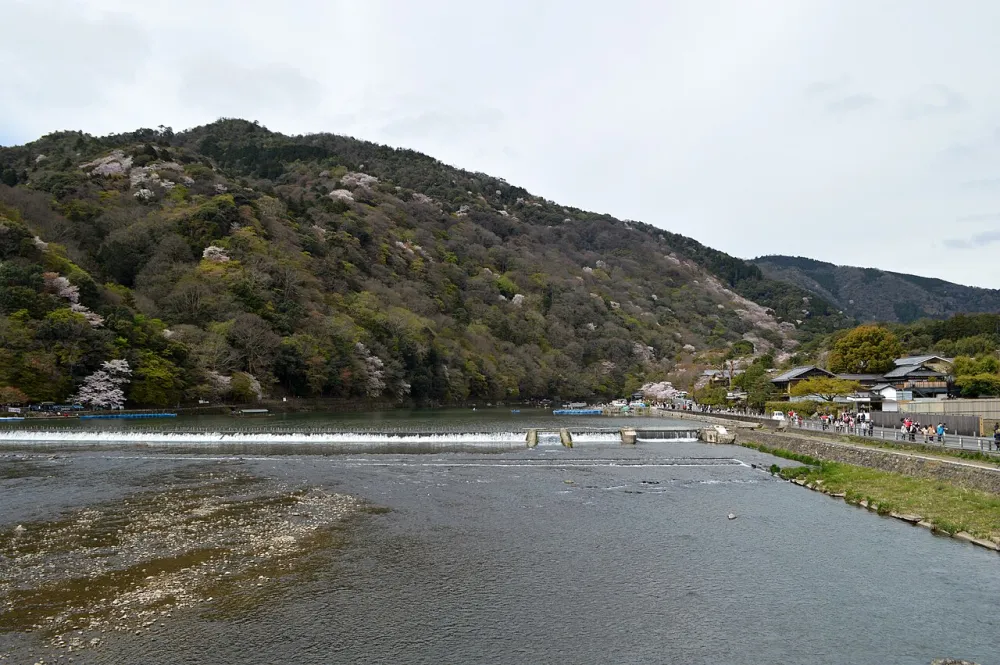
Compare beds, private baths, dinner times and luggage transfers at Binario, Hanaikada, Kadensho and GrandWest. Includes HOSHINOYA’s boat waiting area and Kadensho’s December 2026 closure.
Three stations and two banks: put your luggage on the right side first
JR Saga-Arashiyama, Randen Arashiyama and Hankyu Arashiyama are three different arrival points. JR and Randen are north of Togetsukyo Bridge; Hankyu is south. If you arrive from Kyoto Station by JR and leave by JR the next day, Binario lets you put your suitcase down beside the station. From Osaka-Umeda or Shijo-Karasuma via Katsura on Hankyu, Kadensho, Hanaikada or GrandWest lets you settle on the south side first. Knowing the two banks can save a luggage-laden bridge crossing on both arrival and departure.
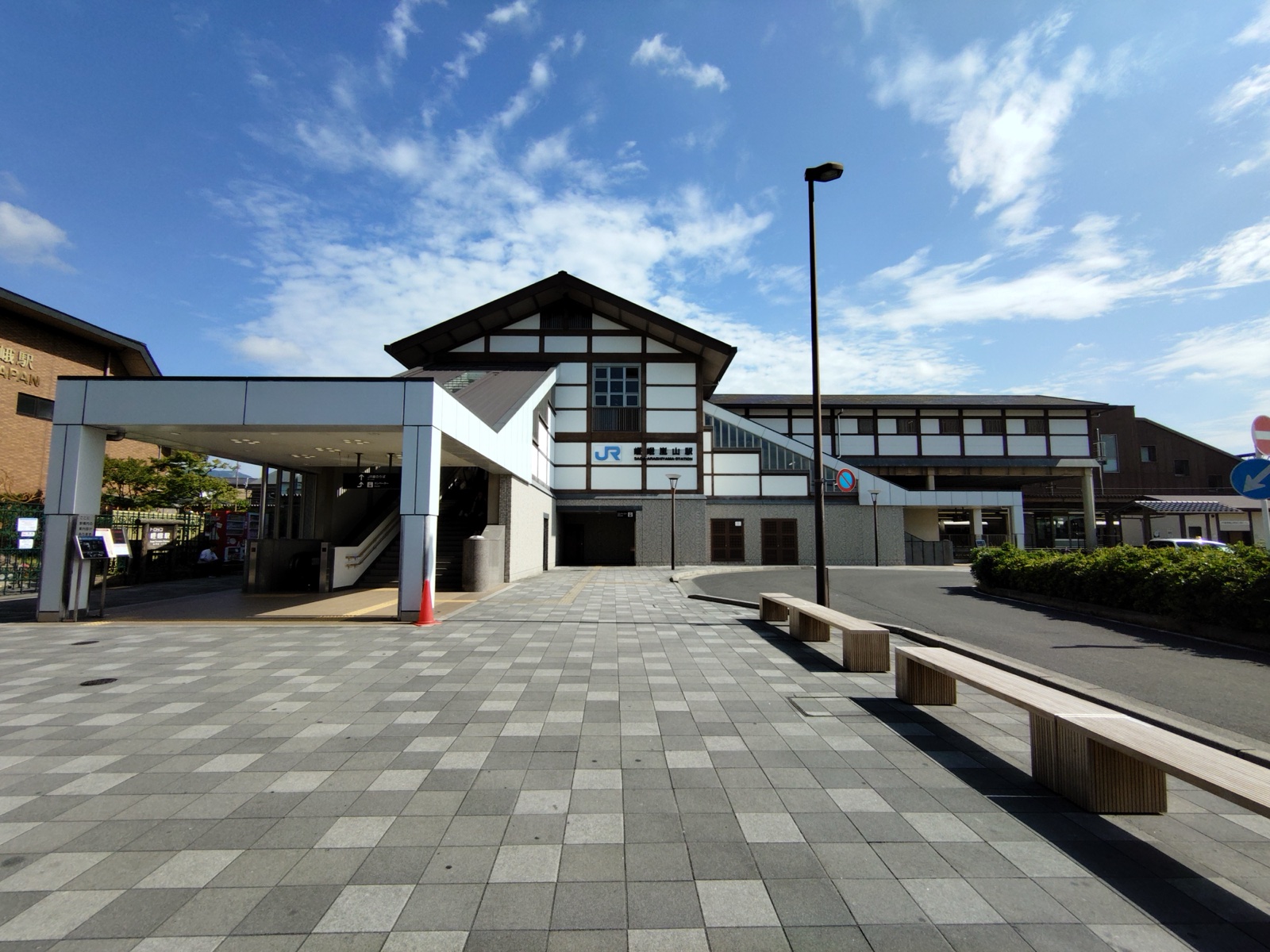
The Binario access page gives about one minute on foot from JR Saga-Arashiyama’s South Exit, beside Torokko Saga Station. Randen also has a station called Randen-Saga, distinct from the Arashiyama terminus; the former is closer to Binario. For Tenryu-ji, Randen Arashiyama provides the direct approach: the temple says it is immediately outside the station, about 13 minutes on foot from JR or 15 from Hankyu. These are routes to different destinations. The hotel’s one-minute station walk does not apply to the river.
Hanaikada is near the south end of Togetsukyo Bridge. The inn lists about five minutes on foot from both Hankyu and Randen Arashiyama. From Randen, cross Togetsukyo Bridge; from Hankyu, approach along the south bank. Both allow pleasant walks. The difference is whether you want to drop luggage first or visit the northern temples first. Before rooms are ready, leave large bags safely and take a small bag along the river rather than searching for places to stop with suitcases.
Do not choose solely because a hotel is “near Arashiyama Station”. Write the complete station name in your itinerary, then link the hotel door to the station you will use the next day. If you only have an evening and early morning here, one less transfer can matter more than an extra decorative feature. If you come specifically for river views and dinner, a final transfer may be worthwhile so the accommodation becomes part of the trip.
Binario: beds beside JR, or a Japanese room that requires the public bath
The Hotel Binario Saga Arashiyama rooms page lists Western twin rooms of 17.5 m² for one to three guests, with an extra bed for the third. Two people each having a bed is straightforward; for three, consider luggage space after the extra bed is added. If three adults each bring a large suitcase for one night, keep fewer items spread out and put the next day’s clothes in a hand bag to make moving around easier.
Japanese rooms come in 7.5- and 10-tatami sizes for one to three and one to five guests respectively. Both have toilets but no room bathroom. The hotel lays out futons from 18:00, so include that in your routine if you want to sit on the tatami to eat or sort things that evening. A family of four sharing can compare the 10-tatami room first. If children need to wash in the room or older relatives do not want a shared bath, a Western room or another property with a bathroom works better.
The hotel’s public bath uses ordinary heated water. The facilities page explicitly says it is not a hot spring; the FAQ gives guest hours of 16:00–23:00 and 06:00–09:00. That is enough for stretching your legs in a large bath. If Arashiyama hot springs are your purpose, compare Hanaikada or Kadensho’s public baths. Japanese-room guests especially need to finish evening washing before 23:00 rather than staying at dinner in town until they cannot bathe.
The rooms page also lists one Universal Twin of 17.5 m² for one or two guests, with handrails and a layout that allows wheelchair movement. Two guests needing beds and a short walk after leaving the station can start here. When booking, describe transfers, walking aids and any help needed so the hotel can arrange this room, rather than adding only “easy access preferred” to a standard twin booking.
For a late arrival at Binario, choose a rate without dinner
Normal check-in at Binario starts at 15:00. The rooms page gives an arrival window of 15:00–17:00 for dinner-inclusive stays; rates without dinner allow arrival until 22:00, and the entrance locks at 24:00. If you leave another city in the afternoon and expect to reach Arashiyama after early evening, choose a rate without dinner. Eat before changing trains or en route, then concentrate on check-in, washing and rest. Arrange any return after midnight with reception when checking in.
Dinner at the hotel restaurant requires a reservation; the FAQ accepts bookings until 12:00 the day before. Choosing a room without dinner and then deciding to have a full set meal after arrival can therefore leave you without a meal. If dinner here matters, book an inclusive rate or reserve the restaurant early and arrive within that rate’s window. If you only need a bed and easy JR travel the next day, keep the flexibility of a room-only rate.
The hotel accepts luggage before check-in and after check-out, and deliveries marked with the booking name and check-in date. This allows a two-day plan: leave bags on the first afternoon, visit Tenryu-ji and the river, then return for the night; check out and leave bags the next morning, take a short local walk, then collect them for JR. The final walk back to the hotel ends almost beside the station, useful if you do not want luggage on the south bank.
For children, enter the bedding and meals they need. The rooms page lists primary-school children at 70% of the adult price, children with meals and a futon at 50%, and those needing only meals or a futon at 30%. Under-threes with neither meals nor a futon have a separate ¥1,000 facility fee. These categories buy different services. An extra bed and a young child without bedding are different sleeping arrangements. If a child needs a separate sleeping place, select a product with bedding and bring properly fitting nightwear: the hotel has no children’s yukata.
Hanaikada: choose between a river view and a hot-spring bath in your room
The room types at Saishiki no Yado Hanaikada involve a practical trade-off. A 10-tatami Japanese room with an open-air hot-spring bath sleeps two to four; an eight-tatami room with a stone hot-spring bath sleeps two to three. Neither type has a view from the room or bath. If bathing whenever you like in your room comes first, compare these. If you want to sit by the window and watch the Oi River, look directly for a river-facing room or rate with that view included in the product.
Standard rooms differ too. The 12-tatami room sleeps two to five, the 10-tatami two to four, and the eight-tatami two to three; these three types list bathrooms and toilets. The 7.5-tatami room sleeps two to three with a washbasin and toilet only, using the hotel baths for washing. For two adults and a child, both eight and 7.5 tatami fit, but a room bathroom changes evening care more than the half-tatami difference does.
Two guests wanting beds can consider “202 Suisen”, a Japanese-style twin with a toilet and washbasin but no bathroom. It accepts neither children nor young children sharing a bed. Parents who want separate beds while bringing a child need Sankai-an, another property with beds, or separate rooms instead. With older relatives, first consider getting up: having a bed and being able to visit the shared bath is a different priority from needing a bathroom in the room.
The Sankai-an annexe is a special suite with a Japanese room, a twin bedroom and an open-air hot-spring bath. It sleeps up to four, with futons from the third guest onwards. Four friends each wanting a bed should compare GrandWest or book two rooms. It works better for two generations when older relatives use beds and younger guests accept futons. Reach Sankai-an from the main building’s third floor along an approximately 40 m passage with some changes in level. Wheelchair users and those who struggle with steps need arrangements based on that actual route.
Hanaikada baths: stairs to the roof and a private-bath charge per group
The Hanaikada hot-spring page lists rooftop open-air baths with views, third-floor indoor and open-air baths, and a rooftop private open-air bath. The rooftop viewing baths overlook Togetsukyo Bridge and the river valley, but access from the third floor is by stairs only. If a companion cannot manage those stairs, include the usable third-floor baths or a room bath in your room requirements rather than booking for a rooftop photograph that is hard to use throughout the stay.
For a family bath together, the private open-air bath requires a reservation and costs ¥2,200 including tax per group for 40 minutes. The listed service window is 11:00–23:00, with final acceptance at 23:00. Add the per-group fee to your room budget and compare it with the premium for a room with a hot-spring bath. Choose the arrangement you will actually use.
The private bath is for staying or dining guests. If you only want a daytime bath, compare the inn’s meal-and-bath products and arrange both in one booking. Guests at another Arashiyama hotel who want Hanaikada’s private bath should also use this product route. A bath inside accommodation is not a public facility you can walk into at any time.
Hanaikada’s rooftop viewing baths open 11:00–24:00 and 06:00–09:00 the next day. The third-floor indoor and open-air baths open 11:00–01:00 the next day, then 05:00–09:00; men’s and women’s sections swap between morning and evening. To see another outlook, bathe early before breakfast. If you prefer a morning walk, do most bathing the night before rather than trying to fit the riverbank, different baths and breakfast into one morning.
Dinner in your room saves walking and fixes your return time
Dinner for Hanaikada’s staying guests is mainly served in rooms, starting between 17:30 and 19:30. Monthly Kyoto kaiseki menus use seasonal ingredients, with other options such as tofu hotpot in soy milk. If dinner is a main reason to stay, choosing the menu brings you closer to that aim than selecting only “two meals included”. For children with smaller appetites, use the inn’s children’s meal products so adults can eat slowly and children have their own dishes.
The inn requires check-in by 19:00. Its FAQ says dinner cannot be served after 19:30 and the meal charge is not refunded. Treat that time as the endpoint of day one: visit one garden in the afternoon, walk by the river, then return to wash your hands and rest while waiting for dinner service. If you also planned the Hozugawa River Boat Ride that afternoon and would return close to dinner, move the boat ride to another day or remove a later paid visit to leave enough time.
Breakfast for standard rooms is in the dining area, starting between 07:30 and 08:30. Sankai-an guests can eat in their room or the dining area, starting at 08:00 or 08:30. Breakfast offers a choice of fish and soft tofu you make by adding nigari coagulant, so leave time at the table. For an early bamboo-grove walk, take a short walk before breakfast or go afterwards. Treating breakfast as a full meal naturally removes one distant sight from the schedule.
Hanaikada check-in is 15:00; standard rooms check out at 10:00, and Sankai-an at 11:00. Two standard-room guests eating at 07:30 still need to bathe, pack and check out, so avoid adding a long early walk. For river views, stay near Togetsukyo Bridge. If you want to enjoy your room’s open-air bath more slowly, compare Sankai-an’s later check-out as a specific benefit.
Hanaikada’s JR transfer: book first, then call
Hanaikada offers staying guests a free transfer between JR Saga-Arashiyama Station and the inn for up to nine people. Reserve it, then confirm by phone on the day with your arrival time. The inn also says Kyoto traffic prevents service on some days. Request collection when booking, confirm availability that day, then go to the agreed meeting point. If it is unavailable, take a taxi from JR or plan to arrive on the south side by Hankyu.
The service suits families arriving from Kyoto Station with suitcases. Once bags reach Hanaikada on day one, walk over the bridge to Tenryu-ji; on day two, use the agreed transfer or make your own way to the station. If you continue walking on the north side after check-out, align your final luggage collection with your departure direction. Otherwise, reaching the bamboo grove can leave another crossing back to the south bank to collect bags.
Drivers can use the inn’s ten standard-car spaces, with up to two cars per group; the car park is about 200 m away. With older relatives, rain or many bags, let one person park while others unload and enter as the inn directs. The benefit here is parking once and taking short walks on both banks. Driving across to eastern Kyoto for dinner within the same night uses little of the time gained by staying riverside.
Kadensho’s renovated rooms: choose the right name for three beds
For available November 2026 dates at Kadensho, start with the post-renovation room list. The 23 m² Twin has two 110 cm single beds for two guests. The 29 m² Superior Twin sleeps two or three; the third guest uses a 100 cm sofa bed. Three adults sharing who each need a sleeping place should choose the latter. For two adults and a child, enter the actual combination according to whether the child needs separate bedding.
The 30 m² Japanese-Western Twin sleeps two with two 110 cm beds. The 35 m² Japanese-Western Suite also sleeps two, with two 120 cm beds. “Japanese-Western” or “Suite” does not establish space for extra futons for four. Four guests can book two twins or compare GrandWest’s five-person rooms and Hanaikada’s Japanese rooms for four. Return to the listed sleeping places and occupancy when choosing.
Two guests wanting a room bath can compare the 37 m² Luxury Twin with an open-air bath and the 35 m² Superior Twin with an open-air bath, each with two 120 cm beds. The 30 m² Deluxe Double with a semi-open-air bath instead has one 200 cm bed. Friends wanting separate beds should choose a Twin; couples comfortable sharing can compare the Double. These rooms focus on private bathing and bed type. For Arashiyama hot-spring water, use the explicitly listed natural hot-spring indoor public bath.
Kadensho check-in is 15:00 and check-out is 11:00. If dinner, bathing and sleep are the main reasons for the night, check in after one afternoon garden visit to use more of the hotel time. For winter dates within the closure from December, change property before comparing rooms; the room comparison can stop here.
At Kadensho, free private baths and natural hot-spring water are in different baths
The Kadensho bath guide lists the indoor stone bath in the Heian no Yu public bathing area as natural Arashiyama hot-spring water, while the open-air bath uses herbal water. All five private baths are listed as heated water. They are free and unreserved: enter when the “湯浴中” occupied light outside is off. This works for two people wanting private time without necessarily booking a room bath. If you want hot-spring water every time, focus on the indoor public bath.
The free private baths are available 24 hours. Public baths run 15:00–11:00 the next day, with the sauna closed 01:00–05:00. Hanaikada’s private bath is a paid 40-minute reserved group slot; Kadensho uses availability on arrival. They serve different needs. The first suits a family wanting a fixed washing time; the second suits guests willing to avoid the dinner peak and go when a bath is free. If children need a fixed bedtime, do not leave all washing dependent on waiting for an empty bath.
Kadensho dinner has two sittings, at 17:30 and 20:00, allocated in arrival order that day; advance time reservations are not accepted. Families wanting the early sitting can arrive early but should still leave room for the later one: rest, unpack and arrange food for the children. Adults wanting a later dinner can bathe first and return straight to the room afterwards.
Fufu no Yu is a separate nearby day bath. Its website lists 12:00–22:00, last entry 21:30, and no dining area. If you stay without meals and want a daytime bath, arrange dinner before or after entry. With a two-meal Kadensho stay, use the public baths and meals already included first. During the Arashiyama property’s December closure especially, plan accommodation and the external bath according to their separate operating information.
GrandWest: five in one room, with beds or futons
The GrandWest Arashiyama Standard Family Room is 52 m² with two single beds and a tatami area where up to three paid futon sets can be added, for five guests. With young children, adults can use the beds while a child and carer use futons. For three generations, allocate beds first to those who struggle to get up. The tatami area is usable by day, but toys and suitcases need fixed places once bedding is laid out at night.
The Superior Family Room, also 52 m², has three single beds and one double for five guests. Four adults can each have a bed; with five guests, two share the double. Five friends all requiring their own bed should book two rooms. This distinction also matters for families with teenagers: willingness to share often determines comfort more than the words “family room”.
Both room types list a bathtub, so compare these if you want to wash children in your own bathroom. The hotel’s children’s facilities page lists loan items including nappy bins, child toilet seats, toys and tableware. Request what you need first, then reduce luggage according to the equipment secured. The hotel has no cots. Adding a futon to the Standard Family Room involves different care arrangements from sharing a double bed, so choose around your own sleep plan with a baby.
The most important access condition is indoors: GrandWest has no lift. Staff can help carry luggage and pushchairs can be left at reception. Families able to climb stairs and leave the pushchair downstairs can gain a larger room. For continuous wheelchair access or older relatives who struggle with daily stairs, start with another property that has a suitable route. Luggage help moves the bags; guests still need to travel between their room and the entrance themselves.
For repeated food heating, choose a room with a kitchen
The GrandWest Dining Suite is 63 m² for four guests, with two king-size beds, a kitchen and a dining table. It suits families happy to share beds in pairs who want a simple meal in the room. The children’s page lists permanent microwaves in the Junior Suite and Dining Suite; guests in other room types can ask reception to heat food. For one portion of baby food, a family room with reception help may be enough. Repeated heating, washing utensils and separate adult and child mealtimes make a kitchen room more worthwhile.
For the first night after moving from town, keep dinner simple: buy prepared food, lay it out at the table, wash the children’s utensils and rest. If you intend to cook, allow for ingredients and cooking time. One-night guests often have only one dinner and one breakfast, so judge whether you will use the extra kitchen equipment from those two menus. If you already want Kyoto kaiseki at an inn, Hanaikada’s meal-inclusive product is closer to the aim.
Include tidying time when several guests share. One person can wash the children while another clears the table. Those staying up later should finish tasks needing light before the children sleep. Five people sharing a large room gain communal space; two smaller rooms allow separate routines. If companions cannot agree on lights-out, shared beds and futons, choose separate rooms first rather than exchanging one night’s saving for poor sleep for everyone.
HOSHINOYA Kyoto: navigate to the boat waiting area and reserve the private boat
HOSHINOYA Kyoto suits guests leaving the afternoon, dinner and following morning for the property. Its official access page separates the guest-room building from the boat waiting area, at 60 Arashiyama Nakaoshitacho. This is about 15 minutes on foot or five by taxi from JR Saga-Arashiyama, or six minutes on foot or two by taxi from Hankyu Arashiyama. Navigate or take a taxi here, then join the next leg arranged by the hotel for the complete luggage arrival route.
The private boat from the waiting area to the accommodation requires advance reservation, with the first departure at 14:30 and the last at 17:45. Arrange details through the post-booking email or official chat. When weather or river conditions stop boats, the hotel provides a private vehicle transfer. This is separate from the Hozugawa River Boat Ride. You do not need a sightseeing boat ticket from Kameoka to stay here, and 17:45 is not a promise of boat access for any night-time arrival.
If arriving by private boat is what you most look forward to, start this night in the afternoon. Eat lunch on either bank, take a short walk and reach the waiting area at the agreed time. Visit distant temples while staying in the city the previous night. If you only expect to leave Higashiyama after dark, a station-side room without dinner that accepts that arrival time is easier to arrange. If you want HOSHINOYA and will be late, arrange late-arrival transport through your booking contact before deciding other activities.
The website gives check-in at 15:00 and check-out at 12:00, with rooms for one to three guests. Families with two adults and two children should settle room numbers and children’s arrangements before planning the boat transfer. Available combinations differ from GrandWest’s five-in-one-room option. The value is time beside the water. Using the same evening for dinner in Higashiyama and a rushed return to the valley reduces the accommodation time you specifically chose.
A HOSHINOYA Kyoto film released by Hoshino Resorts in 2023, introducing the journey upstream on the Oi River from Togetsukyo Bridge and the setting of the valley accommodation.
One night and two days: Hanaikada with meals and just one afternoon garden
For a stay that differs from an Arashiyama day trip, use Hanaikada’s dinner-and-breakfast option. Arrive around lunchtime, leave luggage and eat, then limit the afternoon to Tenryu-ji’s garden and the river before entering your room after 15:00. The garden includes Sogenchi Pond and Hyakkaen. Current visitor information lists 08:30–17:00, admission ending at 16:50; ¥500 for high-school age and above, ¥300 for primary and junior-high pupils, and free for preschool children. Making the garden your only paid visit that half-day leaves time for dinner and baths at the inn.
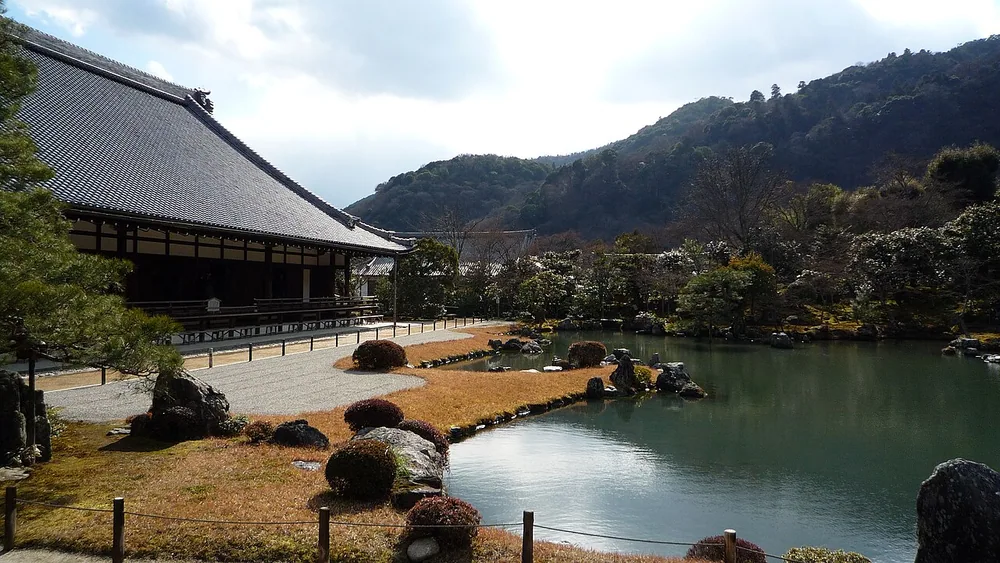
Cross Togetsukyo Bridge from Hanaikada to the north bank, visit the garden, then choose a short bamboo-grove or riverside walk according to your energy. If it gets crowded or children tire, return from outside the temple. If you already walked through the bamboo, finish there rather than adding a second hillside temple before dinner. Hanaikada dinner can start at 17:30. Time back in the room to wash hands, change and catch your breath is part of what the overnight stay buys.
Give the next morning to one thing you most want to do. For a walk, take a short route by Togetsukyo Bridge and the south bank before breakfast. For bathing, use a bath before the meal. To sleep later, have breakfast, pack and check out. Leave a standard room at 10:00, then collect luggage and reach the station in your onward direction. In Sankai-an, use the time before 11:00 check-out for the room’s open-air bath and keep later sightseeing light.
From 14 to 30 November 2026, Tenryu-ji’s garden also offers special early entry at 07:30 through the garden reception only; the north gate still opens at 08:30. If this is your aim, move the garden to day two and adjust breakfast, choosing an accommodation rate with a compatible meal time. Make the first afternoon a short riverside walk and early room arrival instead. Keeping one garden visit across the two days avoids paying and walking twice simply because you got up early.
For late arrival or rain, make it a night beside JR
If you will probably reach Arashiyama after 18:00 on day one, choose Binario without dinner. Eat in town before departure, then check in on arrival. A Western room lets you wash in your room; in a Japanese room, finish the public bath before 23:00. Skip that evening’s river walk. After breakfast, choose only Tenryu-ji or a riverside stretch, then return beside the station for luggage. You still get a night in Arashiyama without paying for an inn dinner you cannot reach in time.
In rain with Hanaikada meals already booked, reduce the arrival day to one garden or go straight to the inn, keeping dinner in the room and baths. With children at GrandWest, use toys, simple room meals and your own bathroom as the main plan. Facilities chosen when booking become more useful in rain. In a room without its own bathroom especially, decide who takes children to the shared baths before everyone gets wet.
If you connect to the Shinkansen or airport transport on day two, work backwards from the necessary departure time for luggage collection and station entry. Keep the morning walk nearby. A JR-side stay suits collecting bags and boarding directly; from the south bank, complete the bridge crossing or transfer first. If staying in Kyoto, you can leave half a day after check-out. On the day you actually leave Kyoto, one fewer essential sight gives you a workable luggage and train connection.
Compare the same services first, and keep cancellation start dates
Arashiyama price differences often come from meals, room baths and sleeping places. Two beds without dinner and an ordinary heated-water public bath provide a different night from a hot-spring-bath room for two with Kyoto kaiseki. Compare identical dates, adults and children’s ages, listing bedding, breakfast, dinner, accommodation tax and private-bath fees separately. To save, first choose what to remove: the inn dinner, a private bath in favour of shared baths, or keeping both nights in the city centre. This is clearer than pursuing one lowest headline rate.
Add Hanaikada’s ¥2,200 private-bath session directly to extras. GrandWest’s Standard Family Room charges for added futons, so a five-person quote must include the sleeping places needed. For Binario’s Western room for three, compare the third guest’s extra bed and the rate total together. Searching for two and adding children and futons on arrival destroys the basis of the original price comparison. Enter everyone’s age and sleeping arrangement first to make the price meaningful.
The Hanaikada cancellation policy lists 20% from seven days before the stay, 30% from three days before, 50% the previous day and 100% for no-show without contact. Loss of contact after 19:30 is also treated as no-show. Binario’s rooms page lists 20% seven to three days before, 30% two days before, 50% the previous day and 100% on the day or for no-show. Put the selected rate’s cancellation start date in your calendar. When plans change, deal with transfers, private baths and meals together so the inn can arrange the revised guest count.
A few useful answers
Can I stay at Arashiyama Kadensho in December 2026?
The Arashiyama property announces a closure from 1 December 2026 until a tentative 20 March 2027 for ground-floor renovations. From December, compare other Arashiyama inns or the operating Umekoji and Omuro Kadensho properties.
Does Binario have hot springs?
Its public bath uses ordinary heated water. Western rooms have bathrooms; Japanese rooms do not, so their guests use the hotel’s public bath.
How do Hanaikada and Kadensho differ for a family bath together?
Hanaikada’s private open-air bath is reserved and costs ¥2,200 per group for 40 minutes. Kadensho’s five private baths are free, unreserved and used when vacant. They use heated water; natural Arashiyama hot-spring water is in the indoor public bath.
Do GrandWest’s rooms for five have five beds?
Superior Family Room has three singles and one double; with five guests, two share the double. Standard Family Room has two singles and allows up to three extra futon sets for a fee.
How do I reach HOSHINOYA Kyoto if the boat stops?
When weather or river conditions stop the boat, the hotel supplies a private vehicle transfer. First reach the boat waiting area at 60 Arashiyama Nakaoshitacho, and arrange the boat and arrival through the booking email or official chat.
Official information and references
Sources used in this guide.
- GrandWest: Dining Suite kitchen
- Hanaikada: cancellation policy
- Binario: rooms, check-in and children’s terms
- Binario: facilities and non-hot-spring baths
- Binario: luggage, baths and dinner reservations FAQ
- Hanaikada: standard rooms and room hot-spring baths
- Hanaikada: Sankai-an room and passage
- Hanaikada: hot springs and private baths
- Hanaikada: access, JR transfers and parking
- Hanaikada: dinner location, menus and breakfast times
- Arashiyama Kadensho: renovated 2026 rooms
- Arashiyama Kadensho: closure from 1 December 2026
- GrandWest: Standard Family Room
- GrandWest: Superior Family Room
- GrandWest: no lift, children’s sleeping arrangements and equipment
- Arashiyama Kadensho: natural hot spring and five private baths
- Arashiyama Kadensho: two dinner sittings
- Tenryu-ji: garden, admission and 2026 early entry
- Binario: access and address
- HOSHINOYA Kyoto: boat waiting area, private boat and replacement transfers
- HOSHINOYA Kyoto: room occupancy and check-in times
- Arashiyama Kadensho: address and official website
- Hanaikada: check-in, dinner deadline and breakfast FAQ