Compare beds, private baths, dinner times and luggage transfers at Binario, Hanaikada, Kadensho and GrandWest. Includes HOSHINOYA’s boat waiting lounge and Kadensho’s December 2026 closure.
- Region & Focus
- KyotoHotels and stays
- Reading Scope
- 35 min read · 16 chapters · 5 Q&As
- Official Verification
- 23 official sources checkedUpdated November 9, 2026
- Key Topics
- Where to stayBookingRyokan
Chapter Route Map (tap any stop)
- Check dates first: Arashiyama Kadensho closes from December
- Three stations, two banks: get luggage to the right side
- Binario: beds beside JR, or a Japanese room requiring communal baths
- For a late Binario arrival, choose a plan without dinner
- Hanaikada: choose between a river view and an in-room hot spring
- Hanaikada baths: stairs to the roof and private bathing charged per group
- Dinner in your room saves walking and sets your return time
- Hanaikada’s JR pickup: reserve first, then call
- Kadensho’s renovated rooms: choose the correct name for three guests
- At Kadensho, free private baths and natural hot springs are different baths
- GrandWest: five in one room, with beds or futons
- To heat children’s meals repeatedly, choose a kitchen room
- HOSHINOYA Kyoto: navigate to the boat waiting lounge and reserve the boat
- Two days, one night: Hanaikada with meals and just one afternoon garden
- Late arrival or rain: switch to a night beside JR
- Compare the same services and retain cancellation timing
- Quick Q&A
An overnight stay in Arashiyama is most useful for an early return to dinner and a morning without a train ride to get here. If you want late dinners in Gion on both nights, central Kyoto works better. If you want to walk by Togetsukyo Bridge, bathe back at your room and take your time over dinner, move one night to Arashiyama. Choose your beds and dinner first, then decide between the JR station, Hankyu station and riverbank, so the location serves the night you want.
Check dates first: Arashiyama Kadensho closes from December
There is a specific change for winter 2026 bookings. An October 19 announcement from Kyoto Arashiyama Onsen Kadensho says it will close from December 1, 2026, until a tentative March 20, 2027, for first-floor renovations. From December, compare Hanaikada, Binario, GrandWest or other Arashiyama properties. If you prefer Kadensho, choose the operating Umekoji or Omuro property and visit Arashiyama by day.
The Arashiyama property completed a renovation of all guest rooms on May 1, 2026, and the website still shows the new rooms. Reading only “reopened in May” can therefore miss the later closure. Check the full name “京都 嵐山温泉 花伝抄” and address, 5-4 Arashiyama Nishiichikawacho, on the booking. Umekoji, Omuro and Arashiyama are three different hotels with different arrival stations and walks back after dinner.
For an available November stay, include the Arashiyama property in the comparisons below. After the closure starts, choosing another hotel is more workable than arranging flights around the tentative March 20, 2027 reopening. The room and bath differences here also help you interpret earlier saved information: keep the specific beds and bath arrangements, and use the new announcement to decide operating dates.
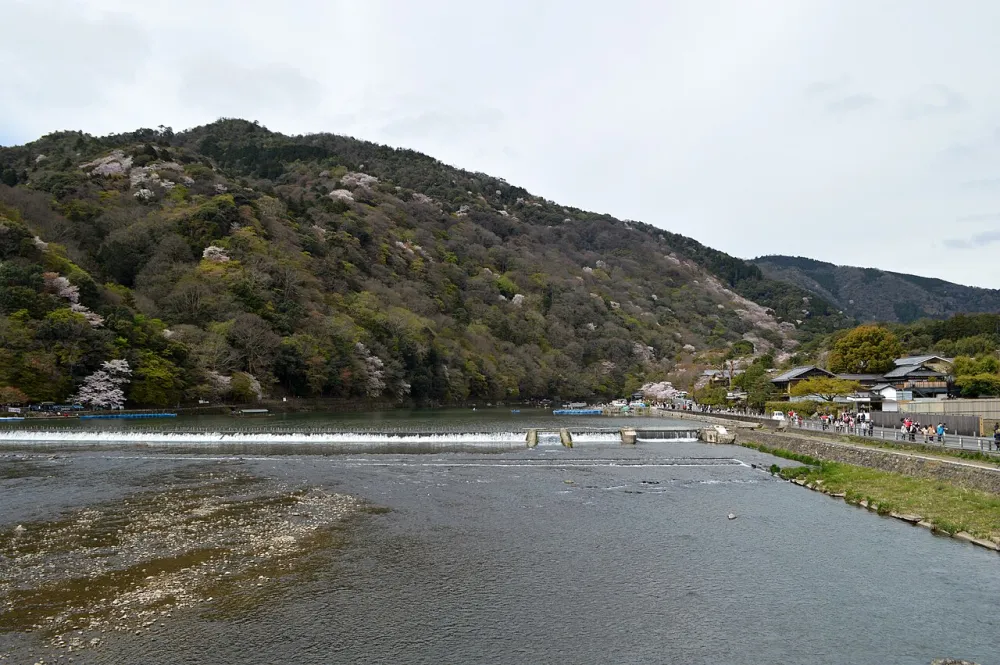
Compare beds, private baths, dinner times and luggage transfers at Binario, Hanaikada, Kadensho and GrandWest. Includes HOSHINOYA’s boat waiting lounge and Kadensho’s December 2026 closure.
Three stations, two banks: get luggage to the right side
JR Saga-Arashiyama, Randen Arashiyama and Hankyu Arashiyama are three different arrival points. JR and Randen are north of Togetsukyo Bridge; Hankyu is south. Arriving from Kyoto Station by JR and leaving by JR the next day, you can leave luggage beside the station at Binario. From Osaka-Umeda or Shijo-Karasuma via Katsura on Hankyu, staying at Kadensho, Hanaikada or GrandWest lets you settle on the south side. Choosing the bank can save dragging a suitcase across the bridge on both arrival and departure.
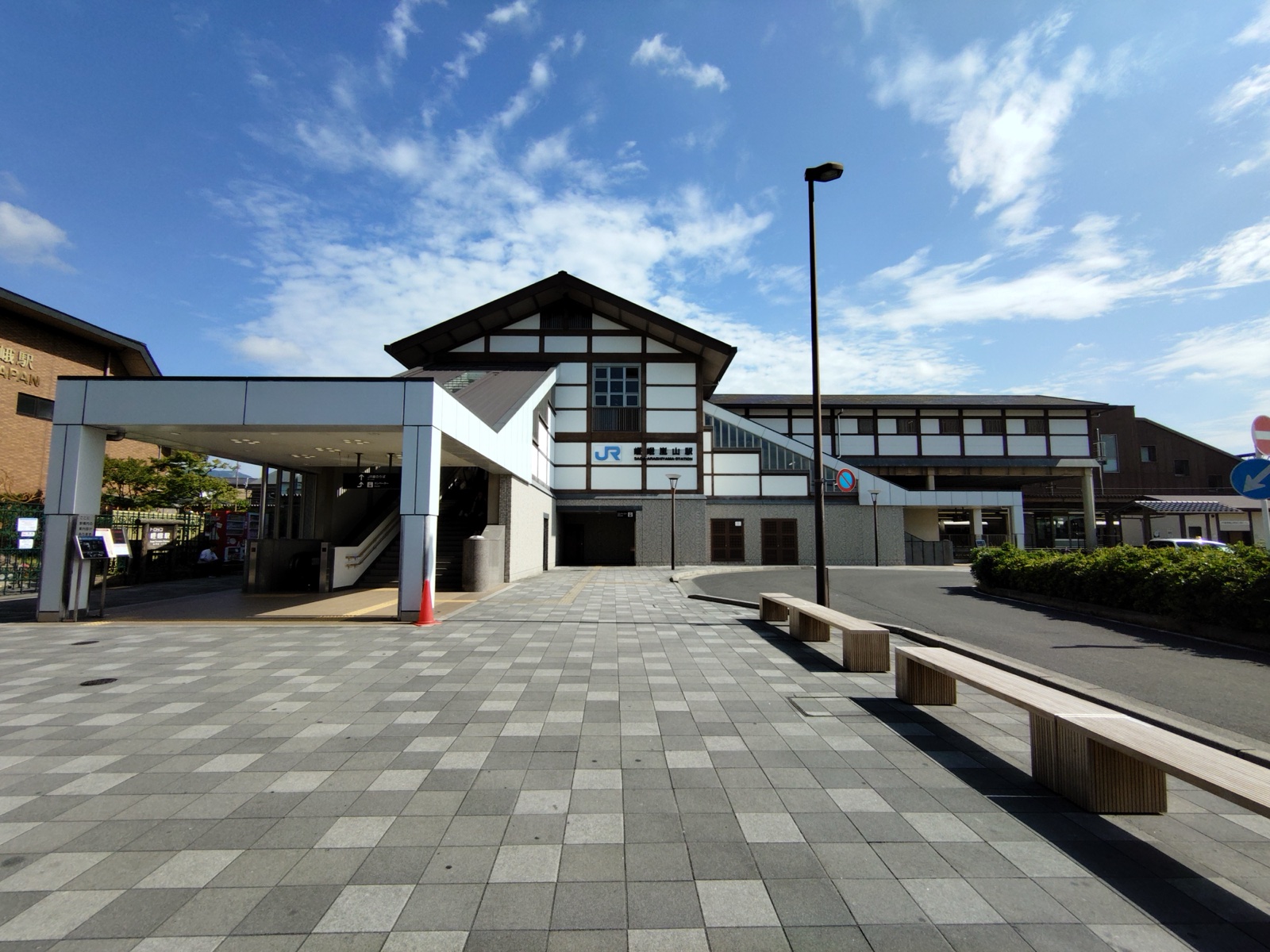
The Binario access page lists about one minute on foot from JR Saga-Arashiyama South Exit, beside Torokko Saga Station. Randen also has a station named Randen-Saga, separate from its Arashiyama terminus; the former is closer to Binario. For Tenryu-ji, Randen Arashiyama provides direct access: the temple lists it as immediately outside the station, versus about 13 minutes from JR and 15 from Hankyu. These routes serve different destinations; the hotel’s one-minute station walk does not apply to the river.
Hanaikada is near the south end of Togetsukyo Bridge. The hotel lists about five minutes on foot from both Hankyu and Randen Arashiyama. From Randen you cross the bridge; from Hankyu you stay on the south bank. Both suit walks, but the difference is whether you want to drop bags first or visit northern temples first. Before your room is ready, leave large luggage and take a small bag along the river rather than looking for places to park suitcases.
Do not choose only by “near Arashiyama Station.” Write the full station name into your itinerary, then connect the hotel entrance with the next day’s departure station. If you only have evening and early morning, one less transfer can matter more than extra room decoration. If the river view and dinner are the purpose of your stay, accept a final transfer and make the accommodation part of the itinerary.
Binario: beds beside JR, or a Japanese room requiring communal baths
The Hotel Binario Saga Arashiyama room page lists a 17.5 m² Western-style twin for one to three guests; the third uses an extra bed. Separate beds for two are straightforward. With three, consider luggage space after the extra bed is added. If three adults each have a large suitcase for just one night, open fewer belongings and keep next-day clothes in a carry bag to make movement easier.
Japanese-style rooms come in 7.5 and 10 tatami mats, for one to three and one to five guests respectively. Both have a toilet but no private bathroom. Staff lay futons from 18:00, so account for this if you want to sit on the tatami to eat or sort belongings that evening. A family of four can start with the 10-mat room. If children need private bathing or older relatives do not want a communal bath, choose a Western room or another property with a bathroom.
The hotel’s communal baths use ordinary heated water. The facilities page explicitly says they are not hot springs, and the FAQ lists guest bath hours of 16:00–23:00 and 6:00–9:00. This can be enough if you simply want to stretch out in a large tub. If Arashiyama hot spring bathing is the reason for staying, compare Hanaikada or Kadensho’s communal baths. Guests in Japanese rooms especially need to bathe before 23:00, rather than dine in town too late to wash.
The room page also lists one 17.5 m² Universal Twin for one or two guests, with grab rails and a layout for wheelchair movement. Two guests needing beds and a short walk from the station can start here. Describe transfers, walking aids and assistance needs when booking so the hotel can arrange this specific room, rather than adding a vague accessibility request to a standard twin.
For a late Binario arrival, choose a plan without dinner
Binario’s standard check-in starts at 15:00. The room page gives 15:00–17:00 as the arrival window for dinner-inclusive stays and allows arrival until 22:00 without dinner; the entrance locks at 24:00. If you leave another city in the afternoon and expect to reach Arashiyama after early evening, choose a plan without dinner. Eat before a connection or en route, then focus on checking in, bathing and resting. Arrange any return after midnight with reception at check-in.
Dinner in the hotel restaurant requires a reservation; the FAQ gives a deadline of noon the previous day. Booking a room without dinner and deciding to eat a full hotel dinner on arrival may therefore leave you without that option. If dinner here matters, book a meal plan or reserve the restaurant early and follow that plan’s arrival window. If you only need a bed and easy JR access the next morning, retain the flexibility of a room-only plan.
The hotel accepts luggage before check-in and after checkout, and can receive shipped bags labeled with the booking name and arrival date. You can leave bags on the first afternoon, visit Tenryu-ji and the river, then return at night. The next day, check out, leave bags, take a short local walk and collect them before boarding JR. The final return is almost beside the station, useful if you do not want luggage on the south bank.
Enter children according to the bedding and meals they need. The room page lists elementary-school children at 70% of the adult rate; children with meals and a futon at 50%; meals only or a futon only at 30%; and a ¥1,000 facility fee for under-threes with neither meals nor futons. These fields buy different services: an extra bed and a young child without bedding are different sleeping arrangements. For a child needing a separate place, book bedding. Bring suitable pajamas, as the hotel has no children’s yukata.
Hanaikada: choose between a river view and an in-room hot spring
Hanaikada presents a practical room trade-off. The 10-mat Japanese room with an open-air hot spring bath sleeps two to four; the 8-mat room with a stone hot spring bath sleeps two to three. Neither type has a view from the room or bath. Prioritize these if bathing in your room whenever you like matters most. To sit by a window overlooking the Oi River, choose a specifically riverside room or plan with that view included.
Standard rooms differ too. The 12-mat Japanese room sleeps two to five, the 10-mat two to four, and the 8-mat two to three; all three list a bath and toilet. The 7.5-mat room sleeps two to three but has only a washbasin and toilet, requiring the hotel baths. Both 8 and 7.5 mats accommodate two adults and a child, but a private bathroom changes evening care more than the half-mat difference.
Two guests wanting beds can consider Japanese-style twin “202 Suisen.” It has a toilet and washbasin but no bath, and does not accept children, including young children sharing a bed. A couple bringing a child cannot use this room to secure separate beds; consider the Sankaian annex, another property with beds, or separate rooms. With older relatives, distinguish easy bed access, independent trips to the communal bath, and a need to wash privately in the room.
The Sankaian annex is a special suite combining a Japanese room, twin bedroom and open-air hot spring bath. It accommodates up to four, with futons from the third guest onward. Four friends each wanting a bed should compare GrandWest or book two rooms. It better suits two generations where older relatives use beds and younger guests accept futons. Access is from the main building’s third floor through an approximately 40 m passage with some level changes; plan around that actual route for wheelchair users or anyone who struggles with steps.
Hanaikada baths: stairs to the roof and private bathing charged per group
The Hanaikada hot spring page lists rooftop panoramic open-air baths, third-floor indoor and open-air baths, and a rooftop private open-air bath. The panoramic baths overlook Togetsukyo Bridge and the valley, but the third-floor-to-roof route has only stairs. If someone cannot manage them, make usable third-floor baths or an in-room bath part of the room choice, rather than booking for a rooftop photo and struggling to use it all evening.
To bathe together as a family, reserve the private open-air bath: 40 minutes per group costs ¥2,200 including tax, with use from 11:00 and final reception at 23:00. Add this group charge to the room budget and compare it with the difference for a room with its own hot spring bath. Choose the arrangement you will actually use.
Private bathing is for overnight or dining guests. For a bath-only day out, compare the hotel’s meal-and-bath products and arrange both in one reservation. If you are staying elsewhere in Arashiyama and want Hanaikada’s private bath, use that product route; the hotel’s baths are not a public facility you can enter at any time.
Hanaikada’s rooftop panoramic baths open 11:00–24:00 and 6:00–9:00 the next morning. Third-floor indoor and open-air baths open 11:00–1:00 the next morning and 5:00–9:00, with men’s and women’s sides switching between evening and morning. For another view, bathe early before breakfast. If you prefer a morning walk, make the previous evening your main bath time rather than combining river walks, several baths and a rushed breakfast in one morning.
Dinner in your room saves walking and sets your return time
Hanaikada’s overnight dinner service is mainly in-room, with start times from 17:30 to 19:30. Monthly Kyoto kaiseki follows seasonal ingredients, with other choices such as tofu simmered in soy milk. If a meal is the point of the stay, choose the menu rather than just “two meals included.” For children with smaller appetites, use the hotel’s children’s meal products so adults can eat slowly while children have their own food.
The hotel requires check-in before 19:00. The FAQ states that dinner cannot be served after 19:30 and the meal charge is not refunded. Make this the endpoint of day one: visit a garden, walk by the river, then return to wash your hands and rest before dinner arrives. If a Hozugawa boat ride would bring you back near dinner, move it to another day or remove a later paid visit to leave enough time.
For standard rooms, breakfast is in the dining area with starts from 7:30 to 8:30. Sankaian guests may eat in-room or in the dining area, starting at 8:00 or 8:30. There is a fish choice and soft tofu made by adding nigari coagulant yourself, so allow time at the table. For an early bamboo-grove walk, make it short and return for breakfast, or walk afterward. Treating breakfast as a full meal naturally removes a distant stop from the schedule.
Hanaikada check-in is 15:00; checkout is 10:00 for standard rooms and 11:00 for Sankaian. Two guests in a standard room who start breakfast at 7:30 and still need to bathe, pack and check out should avoid a distant early walk. For river views, walk near Togetsukyo Bridge. To enjoy the private open-air bath more slowly, compare Sankaian’s later checkout as a concrete benefit.
Hanaikada’s JR pickup: reserve first, then call
Hanaikada offers overnight guests free transfers between JR Saga-Arashiyama Station and the inn, for up to nine people. Reserve first, then call on the day to confirm and give your arrival time. The hotel explicitly says Kyoto traffic can prevent service on some days. Request pickup when booking, confirm availability that day and use the agreed meeting point. If it cannot run, take a taxi from JR or plan a Hankyu arrival on the south side.
This suits families coming from Kyoto Station with suitcases. After leaving bags at Hanaikada on day one, walk across the bridge to Tenryu-ji. On day two, leave by arranged transfer or independently. If you keep walking on the north side after checkout, align your final bag pickup with your departure direction; otherwise, you may reach the bamboo grove and still need to cross back to the south bank.
Drivers can use the hotel’s ten standard-car spaces, with a maximum of two cars per group; the lot is about 200 m from the inn. With older relatives, rain or many bags, one person can park while the others unload and enter as directed by staff. The benefit is parking once and walking both banks. Driving to eastern Kyoto for dinner that same night uses little of the time gained by staying beside the river.
Kadensho’s renovated rooms: choose the correct name for three guests
For an available November 2026 stay at Kadensho, start with the renovated room list. The 23 m² Twin has two 110 cm single beds for two guests. The 29 m² Superior Twin sleeps two or three, with a 100 cm sofa bed for the third. Three adults sharing one room with separate sleeping places should select the latter. Two adults and a child must also enter their actual arrangement based on whether the child needs bedding.
The 30 m² Japanese-Western Twin sleeps two with two 110 cm beds; the 35 m² Japanese-Western Suite also sleeps two, with two 120 cm beds. Neither “Japanese-Western” nor “Suite” is grounds to add futons for four. Four guests can book two twins or compare GrandWest’s five-person room and Hanaikada’s four-person Japanese rooms, returning to the stated beds and occupancy.
Two guests wanting a private bath can compare the 37 m² Luxury Twin with open-air bath and 35 m² Superior Twin with open-air bath, both with two 120 cm beds. The 30 m² Deluxe Double with semi-open-air bath has one 200 cm bed. Friends wanting separate beds should choose a Twin; couples happy to share can consider the Double. These rooms focus on private bathing and bed layouts. For Arashiyama hot spring water, use the explicitly listed natural hot spring indoor communal bath.
Kadensho check-in is 15:00 and checkout 11:00. If dinner, baths and sleep are the main purpose, check in after one afternoon garden visit to use more hotel time. For winter dates in the closure period starting in December, switch hotels before choosing a room; the room comparison can stop here.
At Kadensho, free private baths and natural hot springs are different baths
The Kadensho bath description identifies the indoor stone bath in Heian-no-Yu as natural Arashiyama hot spring water; the open-air bath uses a medicinal bath. All five private baths are listed as “わかし湯,” heated water. They are free and unreserved: enter when the occupied light outside goes out. This suits two people wanting privacy without a bath in the room. If natural hot spring water matters every time, focus on the indoor communal bath.
The free private baths are available 24 hours. Communal baths open 15:00–11:00 the next morning, with the sauna closed 1:00–5:00. Hanaikada charges per group for a reserved 40-minute private bath; Kadensho uses on-site availability. The former suits families wanting a fixed bathing slot, the latter guests happy to avoid dinner peaks and take an empty bath when they find one. If children need a fixed bedtime, do not make all bathing depend on waiting for a vacancy.
Kadensho dinner has two sittings, 17:30 and 20:00, assigned in arrival order that day; advance dining-time reservations are not accepted. Families wanting the early sitting can arrive early, but still allow for the late one: rest, unpack and make food arrangements for children. Adults preferring a later meal can use the baths beforehand and return to their room afterward.
The nearby outside bath Fu-fu-no-Yu separately lists 12:00–22:00, last admission 21:30, and has no dining area. If staying without meals and adding a day bath, eat before or after entry. Guests booking Kadensho with dinner and breakfast can prioritize the baths and meals already included. Especially during the Arashiyama property’s December closure, plan accommodation and outside bathing from their separate operating information.
GrandWest: five in one room, with beds or futons
The GrandWest Arashiyama Standard Family Room is 52 m², with two single beds and up to three paid futons in the tatami area, for five guests. Adults can use beds while children and a caregiver use futons; for three generations, allocate beds first to those who struggle to get up. The tatami area provides daytime activity space, but toys and suitcases need fixed storage once futons are laid at night.
The Superior Family Room is also 52 m², with three singles and one double for five guests. Four adults can each use one bed. For five, two share the double; five friends each requiring a separate bed should book two rooms instead. Families with teenagers can use the same distinction: willingness to share matters more than the label “family room.”
Both room types list a private bathtub, useful for washing children in your own bathroom. The family facilities page also lists loan items such as diaper bins, child toilet seats, toys and tableware. Request what you need and reduce luggage based on confirmed equipment. There are no cribs. Adding futons to the Standard Family Room offers a different care arrangement from sharing a double bed, so choose according to your infant’s sleeping needs.
The main access condition is inside: GrandWest has no elevator. Staff can help with luggage, and strollers can be stored at reception. Families who can climb stairs and leave the stroller downstairs gain larger rooms. For continuous wheelchair access, or older relatives who struggle with daily stairs, start with another property offering the needed route. Luggage assistance moves bags; guests still need to reach their rooms themselves.
To heat children’s meals repeatedly, choose a kitchen room
The GrandWest Dining Suite is 63 m² for four, with two king beds, a kitchen and dining table. It suits families happy to share two to a bed who want a simple meal in the room. The children’s page lists fixed microwaves in Junior Suites and Dining Suites; for other rooms, reception can help heat food. For one serving of baby food, a family room with reception help can suffice. A kitchen becomes more useful for repeated heating, washing utensils and staggered adult and child meals.
For the first night after moving from central Kyoto, keep dinner simple: buy prepared food, set the table in the room, wash children’s items and rest. If you really want to cook, allow time to buy ingredients and prepare them. A one-night stay often includes only one dinner and one breakfast; use those menus to judge whether cookware will be used. If you want ryokan Kyoto kaiseki, Hanaikada’s meal-inclusive product is closer to the goal.
Allow tidying time in a shared room. One person bathes the child while another clears the table; later sleepers should finish tasks needing lights before children go to bed. Sharing a large room among five can add common space, while two smaller rooms separate routines. If companions cannot agree on lights out, bed sharing and futons, split rooms first rather than trading one night’s savings for poor sleep for everyone.
HOSHINOYA Kyoto: navigate to the boat waiting lounge and reserve the boat
HOSHINOYA Kyoto suits guests keeping the afternoon, dinner and next morning for their stay. The official access page separates the accommodation building from the boat waiting lounge, at 60 Arashiyama Nakaoshitacho. It is about 15 minutes on foot or five by taxi from JR Saga-Arashiyama, and six on foot or two by taxi from Hankyu Arashiyama. Navigate or take a taxi to the lounge, then use the hotel-arranged next leg: that is the full luggage-arrival route.
The private boat from the lounge to the accommodation requires advance reservation. The first is at 14:30 and the last at 17:45, with details arranged through the post-booking email or official chat. If weather or river conditions stop boats, the hotel provides a vehicle transfer. This is separate from Hozugawa Kudari; staying here does not require a sightseeing boat ticket from Kameoka. Nor does a 17:45 final departure mean boats are available for any nighttime arrival.
If arrival by boat is what you most anticipate, start the stay in the afternoon: lunch and a short walk on the banks, then reach the lounge at the agreed time. Visit distant temples while staying in central Kyoto the previous night. If you will only leave Higashiyama after dark, a station-side room without dinner that accepts that arrival time is easier to arrange. If you want HOSHINOYA with a late arrival, arrange transport through your booking contact before deciding the rest of the day.
The official site lists check-in at 15:00, checkout at 12:00, and rooms for one to three guests. A family of two adults and two children should settle room numbers and child arrangements before planning the boat. The available combinations differ from five people sharing at GrandWest. This stay’s value is time beside the water. Going to Higashiyama for dinner the same evening and rushing back to the valley reduces the hotel time you chose it for.
A HOSHINOYA Kyoto film released by Hoshino Resorts in 2023, introducing the boat trip upstream on the Oi River from Togetsukyo Bridge and the setting of the riverside accommodation.
Two days, one night: Hanaikada with meals and just one afternoon garden
For a stay distinct from an Arashiyama day trip, try Hanaikada with dinner and breakfast. Arrive around noon, leave luggage and eat lunch, visit only Tenryu-ji’s garden and the river in the afternoon, then enter your room after 15:00. The garden includes Sogenchi Pond and Hyakkaen. Current visitor information lists 8:30–17:00, last reception 16:50, ¥500 for high-school age and above, ¥300 for elementary and junior-high students, and free admission for preschool children. Making this your only paid visit that half-day leaves time for dinner and baths.
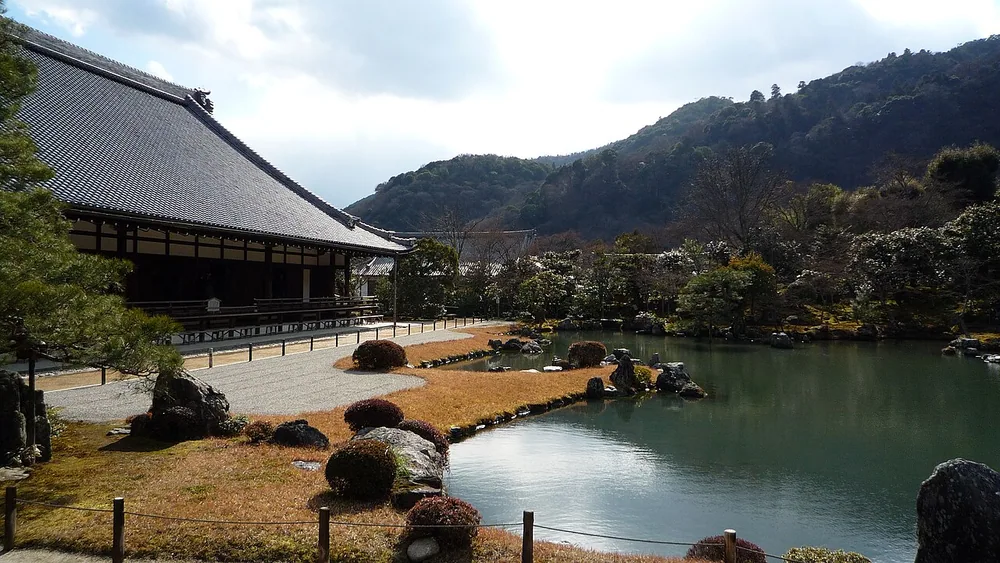
Cross Togetsukyo Bridge from Hanaikada, visit the garden first, then choose a short bamboo-grove or riverside walk as energy allows. If the afternoon gets crowded or children tire, return from the temple entrance. If you have already walked the grove, finish there; do not add another uphill temple before dinner. Hanaikada dinner starts from 17:30. Time to wash hands, change and catch your breath in the room is part of what an overnight stay buys.
Give the next morning to the one thing you most want. For a walk, take a short route by Togetsukyo and the south bank before breakfast. For bathing, use a bath before breakfast. For a lie-in, just eat, pack and check out. Standard rooms must be vacated at 10:00; then collect luggage and head to the station for your next destination. In Sankaian, reserve time before the 11:00 checkout for the private open-air bath and keep the rest of the day light.
From November 14 to 30, 2026, Tenryu-ji’s garden also has special 7:30 early admission through the garden reception only; the North Gate still opens at 8:30. If this is a priority, move the garden to day two, adjust breakfast and choose a meal plan that fits. Day one becomes a short riverside walk and early room time. Keep only one garden visit across the two days to avoid repeat tickets and walking just for the early start.
Late arrival or rain: switch to a night beside JR
If arrival after 18:00 on day one is likely, use Binario without dinner. Eat in the city before departure, check in on arrival and wash in your Western-style room. In a Japanese room, finish the communal bath before 23:00. Skip the river walk that night; after breakfast, choose only Tenryu-ji or a riverside stretch before collecting bags beside the station. You still stay in Arashiyama without paying for a ryokan dinner you cannot reach.
In rain with Hanaikada meals already booked, reduce the afternoon to one garden or return directly to the inn, keeping the in-room dinner and baths. Families at GrandWest can make toys, simple meals and the private bathroom their main activities. Facilities chosen at booking become more useful in rain. Especially in rooms without a bath, arrange who takes children to the communal baths before the whole family gets wet.
If day two connects to a Shinkansen or airport transfer, work backward from the required departure to luggage pickup and station entry; keep any morning walk close. Beside JR, collect bags and board directly. On the south bank, first allow for the bridge crossing or transfer. If you will continue sightseeing in Kyoto, keep half a day after checkout. On the day you leave Kyoto, removing one must-see stop helps both luggage and trains connect.
Compare the same services and retain cancellation timing
Arashiyama price differences often come from meals, private baths and beds. Two beds without dinner and an ordinary heated communal bath offer a different night from a room for two with a hot spring bath and Kyoto kaiseki. Compare the same dates, adults and child ages, listing bedding, breakfast, dinner, accommodation tax and private-bath fees. To reduce spending, decide what to remove: ryokan dinner, private bathing, or both nights outside the center. This is clearer than chasing one lowest room price.
Add Hanaikada’s ¥2,200 private-bath session directly to extras. GrandWest’s Standard Family Room charges for additional futons, so a five-person quote must include the required sleeping places. For Binario’s Western triple, compare the third person’s extra bed with the total plan price. Searching for two and adding children and futons at the hotel removes the basis for your initial comparison. Enter everyone’s ages and sleeping arrangements first.
The Hanaikada cancellation policy lists 20% seven days before, 30% three days before, 50% the previous day, and 100% for a no-show without contact; being unreachable after 19:30 is also treated as a no-show. Binario’s room page lists 20% seven to three days before, 30% two days before, 50% the previous day, and 100% on the day or for a no-show. Add your selected plan’s cancellation start date to your calendar. When plans change, amend transfers, private baths and meals together so the inn can prepare for the revised guest count.
A few useful answers
Can I stay at Arashiyama Kadensho in December 2026?
The Arashiyama property announced a closure from December 1, 2026, until a tentative March 20, 2027, for first-floor renovations. From December, compare other Arashiyama inns or the operating Umekoji and Omuro Kadensho hotels.
Does Binario have hot spring baths?
Its communal baths use ordinary heated water. Western rooms have bathrooms; Japanese rooms do not, so guests in them must use the hotel’s communal baths.
How do Hanaikada and Kadensho differ for private family bathing?
Hanaikada’s private open-air bath requires a reservation and costs ¥2,200 per group for 40 minutes. Kadensho has five free, unreserved private baths used when vacant. Those use heated water; natural Arashiyama hot spring water is in the indoor communal bath.
Does GrandWest’s five-person room have five beds?
The Superior Family Room has three singles and one double, so five guests require two to share the double. The Standard Family Room has two singles and can add up to three paid futons.
How do I reach HOSHINOYA Kyoto when boats stop?
If weather or river conditions suspend boats, the hotel provides a vehicle transfer. First go to the boat waiting lounge at 60 Arashiyama Nakaoshitacho and arrange the boat and arrival through your booking email or official chat.
Official information and references
Sources used in this guide.
- GrandWest: Dining Suite kitchen
- Hanaikada: cancellation policy
- Binario: rooms, check-in and child rules
- Binario: facilities and baths without hot spring water
- Binario: luggage, baths and dinner reservation FAQ
- Hanaikada: standard rooms and in-room hot spring baths
- Hanaikada: Sankaian rooms and passage
- Hanaikada: hot springs and private baths
- Hanaikada: access, JR transfers and parking
- Hanaikada: dinner locations, menus and breakfast times
- Arashiyama Kadensho: rooms after the 2026 renovation
- Arashiyama Kadensho: closure from December 1, 2026
- GrandWest: Standard Family Room
- GrandWest: Superior Family Room
- GrandWest: no elevator, children’s sleeping arrangements and facilities
- Arashiyama Kadensho: natural hot spring and five private baths
- Arashiyama Kadensho: two dinner sittings
- Tenryu-ji: garden, admission and 2026 early visits
- Binario: access and address
- HOSHINOYA Kyoto: boat waiting lounge, boat and suspension transfers
- HOSHINOYA Kyoto: occupancy and check-in times
- Arashiyama Kadensho: address and official homepage
- Hanaikada: check-in, dinner cutoff and breakfast FAQ