Compare Kyoto's 2026 autumn night illumination dates, last admission times and ticket prices. See lakeside maples at Eikan-do, the stage at Kiyomizu-dera and projection mapping at Kodai-ji, plus tips and routes back from To-ji, Hogon-in in Arashiyama and Kitano Tenmangu.
- Region & Focus
- KyotoAutumn leaves
- Reading Scope
- 16 min read · 11 chapters · 5 Q&As
- Official Verification
- 34 official sources checkedUpdated 22 November 2026 at 08:00 GMT+8
- Key Topics
- SeasonsItinerariesFirst trip
Chapter Route Map (tap any stop)
- Rule Out What Your Dates Will Not Cover
- How Long to Allow for Eikan-do's Lakeside Maples
- Kiyomizu-dera's Stage, Joju-in and the Walk Back Downhill
- Stay from Daylight to Dusk at Kodai-ji, with Entoku-in Across the Lane
- Choosing Between Shoren-in and Chion-in
- Staying Near Kyoto Station or Nishijin: To-ji and Kitano Tenmangu
- Arashiyama by Day, Hogon-in at Night
- Linking Kifune's Lantern Steps with the Maple Tunnel Train
- Work Backwards from Last Entry to Place Dinner and Your Hotel
- End Your Afternoon Near Your Evening Entrance
- Visiting with Children, Wet Paving and Handheld Photos
- Quick Q&A
If you have only one evening in Kyoto for autumn illuminations, choose Eikan-do for maples reflected around a pond, or Kiyomizu-dera for its wooden stage and city views. In 2026, their night sessions overlap from 21 to 30 November. If you are already spending the day in Gion and want to tack an illumination onto an afternoon stroll, Kodai-ji fits most naturally—and you can enter during daylight and stay until the lights come on. Shoren-in suits visitors who want to admire the garden from beneath the veranda eaves before stepping out into the lit grounds. From 7 December onwards, Kodai-ji is the only one of those four still open at night; if you are staying near Kyoto Station, To-ji is another strong option, as both run until 13 December.
Rule Out What Your Dates Will Not Cover
Kyoto's special night viewings (yakan tokubetsu haikan) take the form of extended temple hours, separate evening admissions or access to specific illuminated gardens. Once your hotel is booked, map out which temples are open on each night of your stay. If you arrive in early November 2026, Kodai-ji and To-ji are already open, and Shoren-in starts on 6 November. Hogon-in and Kitano Tenmangu join on 13 November, followed by Chion-in on 17 November. Kiyomizu-dera's autumn night viewing runs for only ten days, from 21 to 30 November. If you have just one evening in Higashiyama during that window and want to see the Kiyomizu Stage, reserve that night for Kiyomizu-dera first.
Arriving on 1 December still leaves plenty of choice. Eikan-do, Shoren-in, Chion-in, Kitano Tenmangu and Hogon-in all run until 6 December, letting you split Arashiyama and Higashiyama across separate evenings. Between 7 and 13 December, pick Kodai-ji if you want to stay around Gion, or To-ji if you would rather walk from Kyoto Station. Entoku-in shares Kodai-ji's overall season but closes for temple services on 11 and 12 December, so buy a Kodai-ji-only ticket on those two nights. Marking each venue's individual closure days in your calendar is far more reliable than simply noting 'Kodai-ji evening'.
Separate opening dates from actual leaf colour. Illuminated architecture is on show from late October, but if autumn foliage is your main aim, check the latest update dates and leaf conditions on the Kyoto City Tourism Association's autumn foliage report (Momiji Dayori). On trips straddling late November and early December, you can judge the trees by daylight first and pick an evening temple in the same district later that day. If anyone in your group needs an early night, schedule Kitano Tenmangu or Hogon-in—both close earlier—so you can finish just after dusk and head back to your hotel to rest.
| Venue | Night Dates | Start / Last Entry / Close | Individual Fare (JPY) |
|---|---|---|---|
| Eikan-do | 20 Nov – 6 Dec | 17:30 / 20:30 / 21:00 | Junior high school and above: ¥1,000 |
| Kiyomizu-dera | 21 Nov – 30 Nov | 17:30 / 21:00 / 21:30 | Adults: ¥500; primary and junior high: ¥200 |
| Kodai-ji | 23 Oct – 13 Dec | Lights on 17:00 / 21:30 / 22:00 | Adults: ¥800; junior and senior high: ¥400; primary school and under free with an adult |
| Shoren-in Monzeki | 6 Nov – 6 Dec | 18:00 / 21:30 / 22:00 | Adults: ¥1,500; primary to senior high: ¥1,000 |
| Chion-in | 17 Nov – 6 Dec | 17:30 / 21:00 / 21:30 | Adults: ¥800; primary and junior high: ¥400 |
| To-ji | 31 Oct – 13 Dec | 18:00 / 21:00 / 21:30 | Adults and senior high: ¥1,000; junior high and under: ¥500 |
| Kitano Tenmangu Momiji-en | 13 Nov – 6 Dec | Lights on at sunset / 19:40 / 20:00 | Junior high and above: ¥1,500; primary: ¥700; pre-school children free |
| Arashiyama Hogon-in | 13 Nov – 6 Dec | 17:30 / 20:00 / 20:30 | Adults: ¥1,000; primary and junior high: ¥300 |
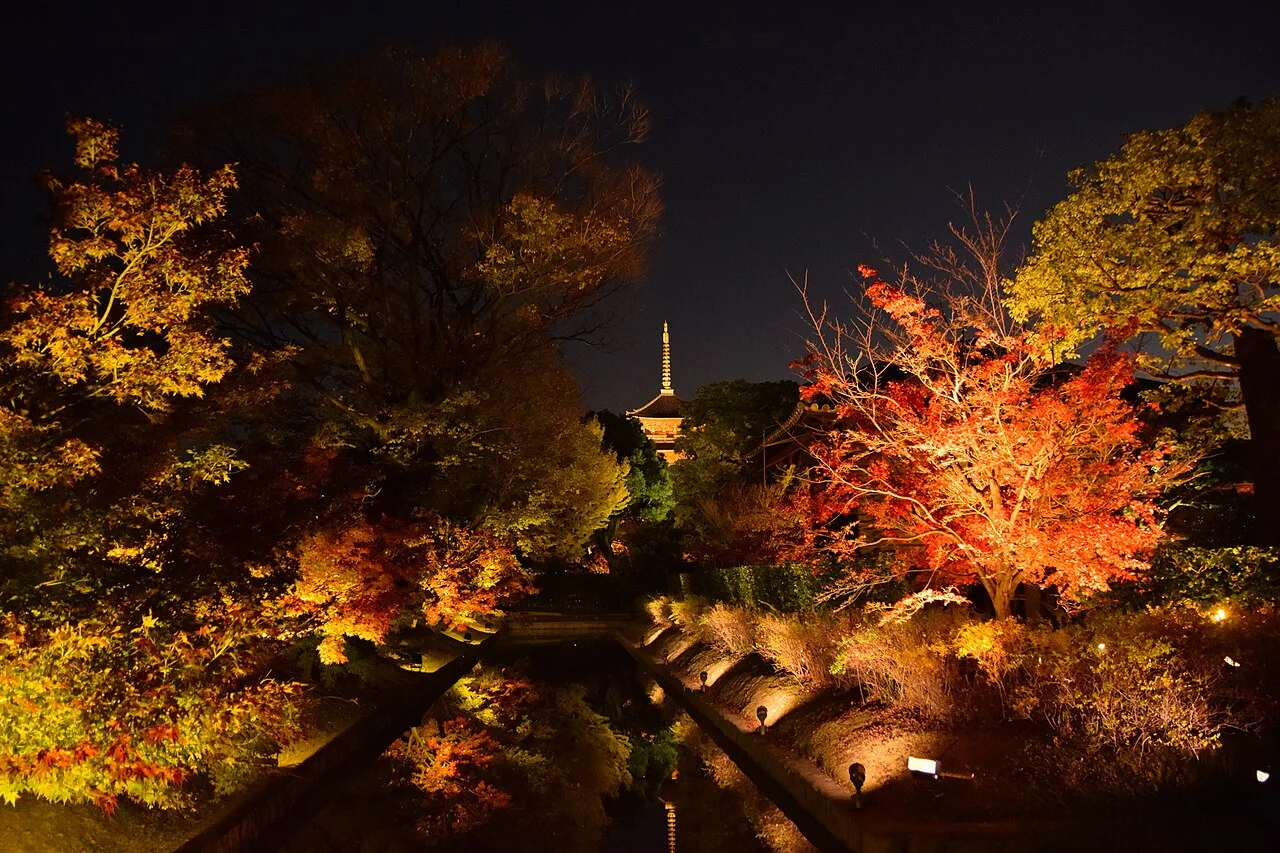
Compare Kyoto's 2026 autumn night illumination dates, last admission times and ticket prices. See lakeside maples at Eikan-do, the stage at Kiyomizu-dera and projection mapping at Kodai-ji, plus tips and routes back from To-ji, Hogon-in in Arashiyama and Kitano Tenmangu.
How Long to Allow for Eikan-do's Lakeside Maples
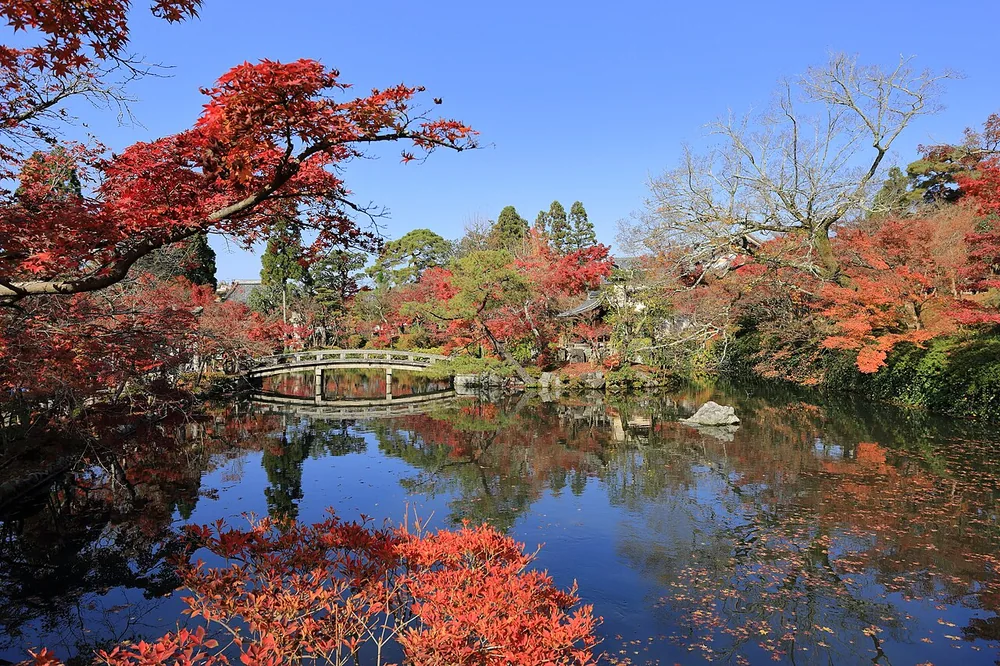
If your main goal is a sweep of crimson maples framing a pond, Eikan-do could easily be the only night illumination on your itinerary. Evening admission covers the Amida-do Hall and the gardens. Walking the garden paths around Hojo Pond lets you compare the canopy and the water reflections from different angles, each catching the light differently. During the Autumn Temple Treasures Exhibition (11 November to 6 December), the Garyu-ro corridor and Senbutsu-do Hall are closed, and the Tahoto Pagoda may also close during heavy crowds or poor weather. When travelling with older relatives, keep your time focused on the pond and Amida-do Hall so nobody climbs the hillside only to find the pagoda shut.
Night tickets go on sale at the gate at 17:30 for ¥1,000 (junior high school age and above), with no advance booking. Eikan-do's daytime Autumn Temple Treasures Exhibition also has no advance sales: admission runs from 09:00 to 16:00 (closing at 17:00) at ¥1,500 for adults, ¥1,000 for university and vocational college students, and ¥800 for junior and senior high school students. Visiting both in one day costs an adult ¥2,500 in total, and you must exit after the daytime session and queue again outside to buy a night ticket. If you are mainly coming for the night maples, pair the afternoon with Nanzen-ji or Okazaki instead to save repeating the same garden loop.
The temple warns that late November gets busy and ticket sales may close early if required. Treat 20:30 as your hard cut-off for evening entry, and push a sit-down dinner in Shijo until after your visit. If you want to arrive before the lights come on, make the Nanzen-ji area your last afternoon stop and grab a bite before walking into Eikando-cho. If anyone in your party needs to sit and rest, eat a late lunch and drop one open-air garden from the afternoon so nobody is left standing continuously until evening gates open. The temple also asks visitors to bring their own shoe bag: a bag you can slip your shoes into with one hand before stepping inside Amida-do Hall is far more practical than an extra piece of camera kit.
Eikan-do is about a 15-minute walk from Keage Station on the Kyoto Municipal Subway Tozai Line. By Kyoto City Bus No. 5 from Kyoto Station, Keihan Sanjo Station or Hankyu Kyoto-Kawaramachi Station, alight at Nanzenji-Eikando-michi for a 3-minute walk. When spending the afternoon in the city centre, take the bus there and walk back to Keage Station on the Tozai Line afterwards to skip the post-visit bus queue. Change to the Karasuma Line at Karasuma Oike for Kyoto Station, or exit at Sanjo Keihan Station if you are staying around Sanjo-Kawaramachi.
Kiyomizu-dera's Stage, Joju-in and the Walk Back Downhill
Kiyomizu-dera's autumn special night viewing requires no reservation and runs from 21 to 30 November 2026, opening at 17:30 with last admission at 21:00 and closing at 21:30. Tickets cost ¥500 for adults and ¥200 for primary and junior high school pupils. To frame the Kiyomizu Stage alongside the autumn foliage, walk past the Main Hall (Hondo) towards the Okuno-in Hall and look back across the valley. Pause where the city opens up below to spot the single blue beam sweeping across Kyoto's night sky, which the temple calls the Light of Kannon's Mercy. Because these viewpoints lie along a one-way circuit, budget time not just to reach the gate but to move steadily with the crowd.
The Joju-in Garden opens on the same dates, starting at 18:00 and closing its ticket gate at 20:30—half an hour earlier than the main temple. Joju-in charges a separate ¥600 for adults and ¥300 for primary and junior high pupils, bringing the combined total to ¥1,100 for adults and ¥500 for school pupils. Neither requires booking. If you plan to visit both on the same evening and are heading up after dark, visit Joju-in first before walking onwards to the stage. With its tighter cut-off, Joju-in works best if you are already near Kiyomizu-dera by late afternoon; if you are arriving from out of town late in the evening, save your time for the Kiyomizu Stage.
Kiyomizu-dera's access guide puts the uphill walk from the Kiyomizu-michi or Gojo-zaka bus stops at around 10 minutes. Walking from Keihan Kiyomizu-Gojo Station takes roughly 25 minutes—flat at first heading east from the Kamogawa River, then climbing steadily towards the temple. That walk is useful when bus queues stretch down the street, though less appealing if your group has already been on its feet all day. Guests staying in Kyoto-Kawaramachi or Gion can walk up in the afternoon and head back down via Higashioji-dori to catch the Keihan Line or walk back to their hotel. If you are arriving straight from Kyoto Station that evening, factor in dropping luggage or checking in before making the climb.
With a pushchair, take the step-free path on the left side of the main approach leading to the Main Hall. The temple's FAQ also sets out vehicle access via the Chawanzaka emergency road and notes that accessible route maps are available at Todoroki-mon Gate by the Main Hall entrance. Walking up from the city still involves steep gradients, so allow extra effort even when using step-free paths. Sort out coats, water and essentials before pushing uphill; on the way back down, check which direction your destination bus runs before choosing a stop near the bottom so you are not crossing Higashioji-dori back and forth to find the right shelter.
Stay from Daylight to Dusk at Kodai-ji, with Entoku-in Across the Lane
From 23 October to 13 December 2026, Kodai-ji switches on its lights at 17:00, accepts last entry at 21:30 and closes at 22:00. Admission is the same day and night: ¥800 for adults, ¥400 for junior and senior high school students, and free for primary school age and under when accompanied by an adult. You can enter during the day and remain inside until the illuminations begin, though once you exit you must buy a fresh ticket to re-enter. If you also want to see the Guest Hall (Kyakuden), which opens only from 09:00 to 16:30, enter in the afternoon, wander the gardens and wait for dusk. If you prefer to step out for dinner and come back later, it is cheaper to delay your first entry until after you eat.
In a single evening at Kodai-ji, you can watch projection mapping across the Hojo front garden, see the reflections in Garyu Pond and walk through the illuminated bamboo grove. Because the projection show takes place in the Hojo front garden, head there early so you do not loop back to find closing time imminent. Visitors who prefer quiet gardens can linger around Garyu Pond and spend just a short while at the projection. Unlike Kiyomizu-dera's hillside Main Hall and sweeping stage, Kodai-ji offers a more varied mix of lighting styles in a compact layout—often a better fit for companions who would rather skip another long uphill climb.
Just across Nene-no-michi Lane, Entoku-in also turns on its lights at 17:00, with last entry at 21:30 and closing at 22:00. Inside, its North Garden rock arrangements and South Garden white gravel suit visitors who want somewhere to sit quietly after seeing Kodai-ji's projection show. Single adult admission to Entoku-in is ¥500, making separate tickets ¥1,300 versus ¥1,200 for a combined ticket. If you arrive late or your companions want an early dinner, stick to one temple. Because the two temples sell tickets at separate entrances, decide which one to visit first before buying your passes and walk straight through.
This corner pairs cleanly with a daytime route through Kiyomizu-dera, Ninenzaka and Sannenzaka onto Nene-no-michi, keeping you in the Gion neighbourhood into the evening. From the Higashiyama Yasui bus stop, Kodai-ji is around a 7-minute walk, and after finishing you can walk down to Higashioji-dori for onward transport. If you have booked dinner in Shijo-Kawaramachi, allow extra walking time towards the Kamogawa River, across the bridge and into the restaurant with your group. Moving between Kodai-ji and Entoku-in takes far less time than crossing to Kawaramachi, so eat nearby if your evening is tight.
The Sho Museum sits in the same complex and closes at 21:10 during the special night viewing period—earlier than both Kodai-ji and Entoku-in. If you want to see the exhibition, visit the museum before buying temple tickets or before dusk so you are not rushed. Leaving Kodai-ji at 21:00 still gives you time for Entoku-in, but barely any for the museum. Keep all three closing times in mind to fit them in comfortably.
Choosing Between Shoren-in and Chion-in
Shoren-in Monzeki holds its autumn night viewing from 6 November to 6 December 2026, running from 18:00 to 22:00 with last admission at 21:30. Adult tickets cost ¥1,500, and Kyoto City Tourism Association lists ¥1,000 for primary, junior high and senior high school pupils. Day and night sessions are separate, and the event takes place at the main temple in Higashiyama—Shogunzuka Seiryuden is not included in this schedule. Enter 'Shoren-in Monzeki' into your maps app for Awataguchi Sanjobo-cho in Higashiyama Ward. It is roughly a 5-minute walk from Higashiyama Station on the Tozai Subway Line, marked by the giant camphor trees outside the gate.
Shoren-in's lighting highlights its ancient camphor trees, bamboo grove and moss garden, making it ideal if you want more than just red maples in one evening. Pause under the veranda eaves first to see how low, ground-level lights stretch the depth of the garden before stepping out onto the paths. If your companions only care about scarlet maples or pond reflections, Eikan-do is more direct. However, if you have walked across Higashiyama all day and want a quick getaway to the underground afterwards, Shoren-in spares you a long hillside walk back to the station.
Immediately to the south, Chion-in runs its night illumination from 17 November to 6 December 2026, from 17:30 to 21:30 with last admission at 21:00; tickets are ¥800 for adults and ¥400 for primary and junior high school pupils. Illuminations cover the Sanmon Gate, Miei-do Hall and Yuzen-en Garden, with special evening access to the upper gallery of the Sanmon Gate. The wooden stairs up to the gallery are steep; anyone who prefers not to climb can stay around the base of the gate and the lit gardens. When both temples are open and you only want one stop, choose Chion-in for monumental gates and temple halls, or Shoren-in for low-key garden lighting. Walking over from Maruyama Park makes it easy to pick one on the spot without changing districts.
General night admission at Chion-in needs no advance reservation, with the ticket booth usually set up to the right as you face the Sanmon Gate. Daytime visitors must exit and buy a separate evening ticket once the night session begins. The temple estimates 45 to 60 minutes for the full circuit, leaving only half an hour if you enter right at the 21:00 cut-off before the 21:30 close. Arrive earlier if you want to climb the Sanmon Gate and see both gardens; late arrivals should stick to the lower gate area and part of Yuzen-en. Visitors with pushchairs or wheelchairs should check with staff at the evening reception first, as parts of the route cross stone paving and gravel.
Staying Near Kyoto Station or Nishijin: To-ji and Kitano Tenmangu
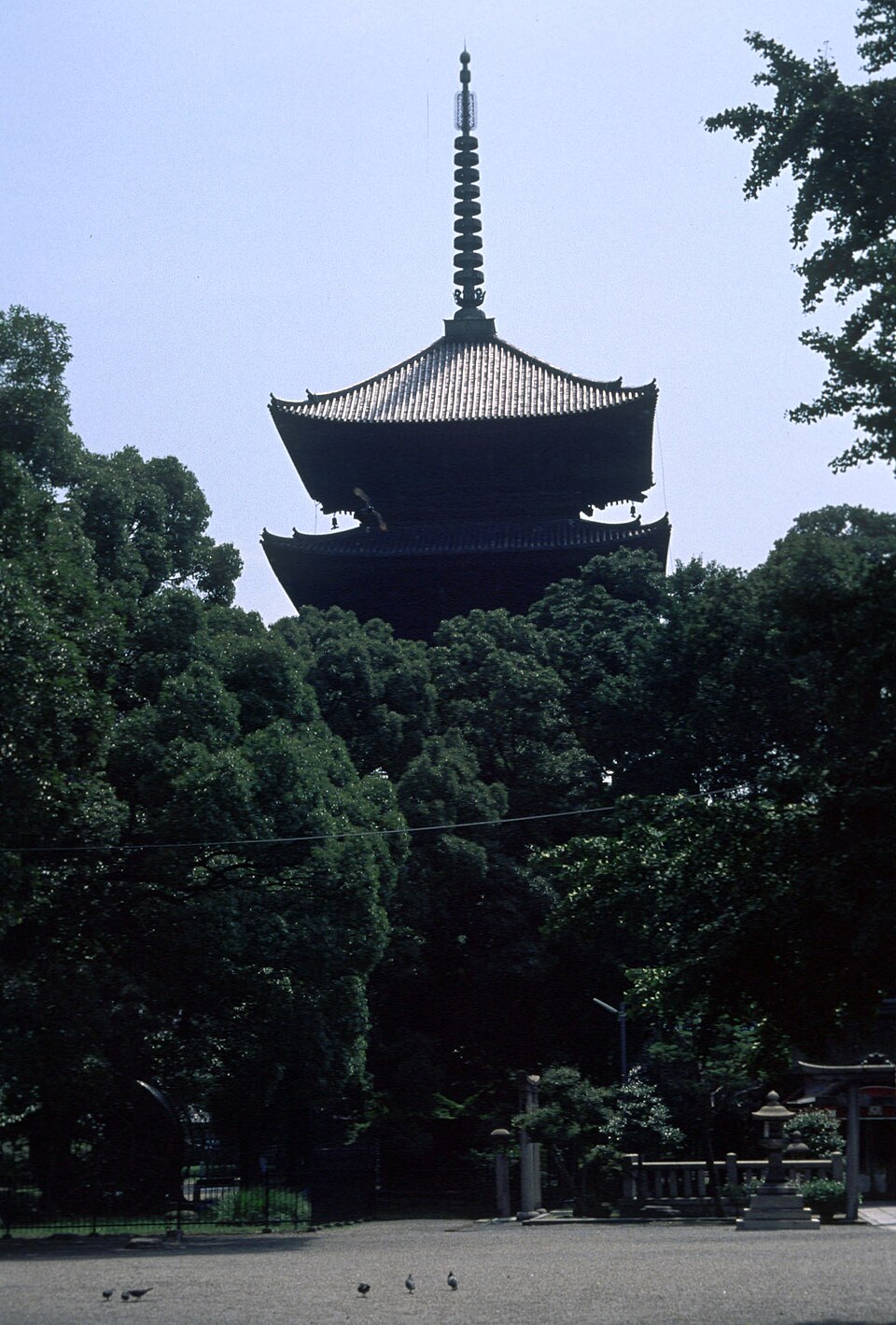
Save To-ji for the evening your Shinkansen arrives: drop your bags and walk around 15 minutes from Kyoto Station's Hachijo Exit. By Kintetsu Railway from To-ji Station, the temple puts the walk at roughly 10 minutes. During night illuminations, entry is through the East Gate along Omiya-dori; heading for the South or West Gate on a map will send you round to the wrong side. In 2026, night sessions run from 31 October to 13 December, 18:00 to 21:30 (last admission 21:00), at ¥1,000 for adults and senior high students and ¥500 for junior high age and under. Evening visitors can also enter the Kondo and Kodo halls, though daytime special openings of the five-storey pagoda's ground floor are a separate programme.
If you are arriving on a late Shinkansen and still want to fit in night maples, match your hotel side to the temple gate. Staying near the Hachijo Exit lets you drop luggage and walk straight to the East Gate without boarding another bus or train. If your hotel is on the north side of Kyoto Station, factor in the walk back through the station complex before heading south to To-ji. Travellers with an early train the next morning can easily grab dinner back at the station after the lights, or cut the evening short and stroll straight back.
After spending the day around Nishijin or Kitano, head to the Odoi Momiji-en maple garden at Kitano Tenmangu Shrine. In 2026, night illuminations run from 13 November to 6 December, from sunset until 20:00 with last admission at 19:40. Admission is ¥1,500 for junior high age and above, ¥700 for primary pupils, and free for pre-school children. During the season, Momiji-en stays open continuously from 09:00 into the evening, so arriving before dusk lets you watch the same maples shift as daylight fades. Because the historic Odoi earthen embankments preserve sharp changes in elevation, you can look across the canopy from the ridge or gaze up from the valley floor depending on how much walking you want.
When pairing western Kyoto with Kitano, visit Ninna-ji, Ryoan-ji or Nishijin in the afternoon and finish at Momiji-en at dusk. Walking from Kitano-Hakubaicho Station on the Randen tram line saves a detour back to Shijo-Kawaramachi for dinner. If arriving by bus, use the Kitano Tenmangu-mae stop and check which side serves your return route as you step off. Because Kitano's last entry is earlier than most Higashiyama temples, it pairs neatly with dinner afterwards—and if you arrive late, heading back towards your hotel to eat is far more relaxed than chasing another illumination across town.
Arashiyama by Day, Hogon-in at Night
From 13 November to 6 December 2026, Hogon-in in Arashiyama opens its Shishiku no Niwa garden for evening viewing from 17:30 to 20:30, with last admission at 20:00. Tickets are ¥1,000 for adults and ¥300 for primary and junior high pupils, with separate day and night sessions. Spend the daytime at Tenryu-ji or walking beside the Katsura River; if your afternoon takes you across Togetsukyo Bridge to the south bank, allow time to walk back across the river to the south side of Tenryu-ji. Daytime entry at Hogon-in ends at 17:00, so anyone aiming for the evening lights must exit and re-enter on a night ticket.
The temple explicitly notes that queues can form even after opening, admission may be restricted during peak crowds and last entry is never extended. With children, build in an afternoon snack and a sit-down break in Arashiyama instead of standing outside in the cold waiting for 17:30. If you want guaranteed entry options, the temple's event page lists priority-entry and early-entry plans requiring EX membership login: priority entry uses a dedicated lane (though waiting may still occur), while early entry also opens the usually closed Shoin and Main Hall, worth picking only if you specifically want to see the painted sliding doors.
For the trip back into central Kyoto, JR Saga-Arashiyama Station connects directly to Kyoto Station, while the Randen tram runs to Shijo-Omiya and Saiin. Keep JR Saga-Arashiyama, Randen Arashiyama and Hankyu Arashiyama distinct when planning: Hankyu Arashiyama Station sits on the south side of Togetsukyo Bridge, adding another river crossing in the dark. If you have already crossed the bridge a couple of times during the day, take a station on the same bank as the garden to spare your legs. Note that Hogon-in sets its own evening ticketing, opening and closing hours independently of other local temples.
Linking Kifune's Lantern Steps with the Maple Tunnel Train
If you are staying in northern Kyoto or spending the day in Rakuhoku, save dusk for Kifune Shrine. In 2026, the main approach autumn illumination runs from 7 to 24 November, from sunset until 20:30, with free entry (the shrine amulet counter closes at 20:00). Vermilion lanterns line the stone steps beneath glowing maple branches. You can simply walk up and down the main approach to the Main Sanctuary, though picking up charms, drawing fortunes or visiting the upper shrines all add time—factor those in before planning your descent.
Take the Eizan Electric Railway Kurama Line from Demachiyanagi to Kibuneguchi Station, then transfer to Kyoto Bus No. 33 up the valley to Kibune. Extra buses and extended evening services run during the illumination period at ¥200 one way for adults and ¥100 for children. From the first service until 16:23, daytime buses stop at a temporary stop about 300 metres short of the usual terminus, so heading up before dark lets you stroll peacefully along the riverside. Check the return bus stop direction at night so you board from Kibune back to Eiden Kibuneguchi Ekimae, and select 'Temporary Timetable' (Rinji Daiya) on Kyoto Bus schedules when checking specific dates.
The railway illumination follows different dates from the shrine. From 7 November to 6 December 2026, designated local trains dim their cabin lights and slow down through a roughly 250-metre lit maple tunnel between Ichihara and Ninose stations. To combine the shrine and the train window view on the same evening, pick your return illuminated train first, then match a connecting bus with buffer time for queues. Once at the shrine, work backwards from your downhill transport rather than lingering on the steps until the lanterns go out. From 25 November onwards, after the shrine illumination finishes, stay on the train towards Kurama to enjoy the maple tunnel without waiting for a bus at Kibuneguchi.
Eizan Railway also operates one all-reserved special autumn train per day from 13 to 30 November, running round-trip from Demachiyanagi with advance booking required. Unlike regular local trains that simply slow down, this special service pauses for about 3 minutes in the maple tunnel outbound and around 5 minutes at Ninose on the return. If sitting back to watch the illuminated foliage is your main goal, dedicate an evening to that round trip; if you want both the lantern-lined approach and the railway, the standard route changing to the bus at Kibuneguchi is more straightforward.
Work Backwards from Last Entry to Place Dinner and Your Hotel
Build every evening around your chosen venue's last admission time, subtracting uphill walks, transit transfers and ticket queues before fitting dinner into whatever window remains. If Eikan-do closes its gates at 20:30 and you are still in Arashiyama mid-afternoon, get back towards the Tozai Line or Okazaki first before committing to a sit-down meal. At Kiyomizu-dera, plan around 20:30 if you want Joju-in, or 21:00 for the Main Hall and stage alone. Kodai-ji stays open until 22:00, making it ideal after a daytime walk around Kiyomizu and an early dinner in Gion.
With two evenings available, devote one to your top priority and use the second for a contrasting landscape or style of architecture. Daytime sightseeing splits naturally between southern Higashiyama and Okazaki: spend day one around Kiyomizu-dera and choose either Kiyomizu-dera or Kodai-ji that night; spend day two in Okazaki and finish at Eikan-do or Shoren-in by Higashiyama Station. If you are travelling in from Osaka, put To-ji on the evening you return by JR—you can eat near Kyoto Station and step onto the train without racing downhill from Kiyomizu-dera.
Visitors staying in Shijo-Kawaramachi usually gravitate towards the Kamogawa River after dark, so Kiyomizu-dera, Kodai-ji or Chion-in keep dinner and an evening stroll on the same side of town. Base yourself near Sanjo Keihan or Higashiyama Station for easy access to Shoren-in, the Tozai Line or the walk up from Keage to Eikan-do. Around Kyoto Station, the Hachijo Exit and Karasuma Exit sides behave very differently: if you are pairing To-ji with a morning Shinkansen, the Hachijo side saves a walk through the station concourse, while the north side suits travellers catching northbound buses and underground services all day.
Prioritise rail for the trip back and keep buses as a short-hop backup when tired legs give out. On late-November weekends, Kyoto's tourism comfort map and live camera feeds give a rough sense of crowds, though cameras only show specific angles—actual ticket waits depend on queues and staff marshalling on the ground. Kyoto Station also opens temporary baggage storage and delivery desks on 21, 22, 23, 28 and 29 November, with same-day delivery cut-offs at 14:00 for Kyoto City and 11:30 for Osaka City. Arriving in the afternoon, sort out your bags before leaving the station so you are not hauling cases up temple slopes at dusk. Check our Kyoto subway and bus transit guide to fold evening journeys into your day's ticket plan.
End Your Afternoon Near Your Evening Entrance
On your Eikan-do evening, start the day from Keage Station on the Tozai Line, take in the Suirokaku aqueduct and Nanzen-ji, and work north towards Eikan-do. Nanzen-ji's Sanmon Gate and Hojo Garden sell separate tickets; if you want a bit of extra sightseeing, pick just one and leave the afternoon unhurried for walking and lunch. Anyone keen to climb the Sanmon Gate should tackle that first, leaving gentler garden paths for nightfall. Having already walked past Suirokaku's temple grounds, skipping a similar daytime garden saves both ticket money and stamina before the evening pond loop.
If the weather looks unsettled, schedule the Kyoto City KYOCERA Museum of Art's collection exhibition in Okazaki and walk to either Eikan-do or Shoren-in afterwards depending on the rain. In autumn 2026, the collection exhibition runs until 13 December from 10:00 to 18:00 (last entry 17:30), costing ¥730 for out-of-city adults and ¥300 for out-of-city primary to senior high pupils. It closes on Mondays except public holidays, so push the museum to the next day if your trip falls on Monday 30 November or 7 December. On a rainy afternoon, staying indoors until late afternoon lets you walk straight over to Shoren-in beside Higashiyama Station without facing the long uphill trudge to Kiyomizu-dera.
For a first autumn visit to Kyoto, keep both day and night on the southern Higashiyama side. Climb to Kiyomizu-dera via Gojo-zaka in the morning, stroll down Ninenzaka towards Yasaka Shrine, take a proper afternoon break, and enter Kodai-ji for the Kyakuden and evening illuminations. If Kiyomizu-dera is your night stop instead, spend the day around Gion and Yasaka Shrine before walking up Kiyomizu-michi—you visit the stage once and save your legs a second climb. Choose the second plan if you want that classic night shot back towards the Kiyomizu Stage from Okuno-in, freeing up the daytime for another neighbourhood entirely.
If you only have two nights in Kyoto, spend one on a short-run highlight like Kiyomizu-dera and keep the second flexible near your hotel. Arriving on 29 November and leaving on 1 December gives you two chances at Kiyomizu-dera: once you have seen the blue beam and stage on night one, take To-ji near the station or Kodai-ji in Higashiyama on night two. For stays from 3 to 5 December, pair either Eikan-do or Shoren-in with To-ji or Hogon-in so each evening offers a distinct setting. If an afternoon runs late, stay in the district you are already in and leave the cross-town trip for tomorrow.
Visiting with Children, Wet Paving and Handheld Photos
When travelling with children, pick an evening route that keeps mealtimes close to normal. For two adults and one primary school child, admission totals ¥1,200 at Kiyomizu-dera, ¥1,600 at Kodai-ji (where the child enters free with an adult) and ¥4,000 at Shoren-in. Walking, queueing and dinner each carry their own cost in energy. If the family is already at Kodai-ji in the afternoon, staying inside until the 17:00 switch-on and heading straight to dinner is usually far easier than traipsing across town for a cheaper gate fee. At Eikan-do, pushchairs are not allowed along the indoor temple corridors; if everyone wants to go inside together, have one person fold the pushchair while the others wait in a clear spot nearby.
After rain, sensible footwear matters more than camera gear on Kiyomizu-dera's slopes. Keep umbrella users spaced apart, and step aside to let people pass before adjusting coats or bags. If you can move the evening south, walking from Kyoto Station's Hachijo Exit to To-ji avoids Kiyomizu-dera's steep climb and lets you spend part of the visit indoors inside the Kondo and Kodo halls. Chion-in notes that its night viewing generally goes ahead in the rain, though the stairs up the Sanmon Gate are steep—anyone worried about slipping should skip the climb and stick to the lower grounds. In heavy rain where footing feels uncertain, swap to a quieter indoor evening or a covered dinner and catch up on gardens by day using our Kyoto autumn foliage zones and transit guide.
Monopods and tripods are banned at Eikan-do and Kiyomizu-dera, and Eikan-do also bans selfie sticks inside the halls as well as any photography of cultural properties indoors. Kitano Momiji-en asks visitors to refrain from setting up tripods. With a phone, wait until you find space to stand still before turning on night mode, letting one lit maple or a pagoda serve as the focal point. When photographing water reflections, frame out harsh, blown-out spotlights so the ripples and foliage hold their colour. Keep moving across narrow bridges and crowded bottlenecks, wait for an open spot to pause, and glance down at dark stone steps before stepping off again.
A few useful answers
Do I need to book ahead for Eikan-do's autumn night illumination in 2026?
No—Eikan-do does not sell advance tickets. From 20 November to 6 December, buy evening tickets at the gate from 17:30 (last entry 20:30, closing 21:00) at ¥1,000 for junior high school age and above. Daytime exhibition visitors must exit and purchase a separate night ticket.
Does Kiyomizu-dera still have autumn night illuminations in December?
Its 2026 autumn night viewing ends on 30 November. From 1 to 6 December, choose Eikan-do or Shoren-in instead. From 7 to 13 December, head to Kodai-ji or To-ji (noting that Entoku-in is closed on 11 and 12 December).
Can I enter Kodai-ji during the day and stay for the night illumination?
Yes. From 23 October to 13 December, Kodai-ji lights up at 17:00, accepts last entry at 21:30 and closes at 22:00. Day and night share one admission, though leaving the grounds requires a new ticket to re-enter, and the Kyakuden closes at 16:30.
Can I visit Kiyomizu-dera and Kodai-ji on the same evening?
Yes—start at Kiyomizu-dera and walk downhill along Nene-no-michi to Kodai-ji, which takes advantage of the descent and Kodai-ji's later last entry (30 minutes later than Kiyomizu-dera). If you only have time for one, choose Kiyomizu-dera for the stage and city skyline, or Kodai-ji for projection mapping and the bamboo grove.
Can I walk to any autumn night illumination from Kyoto Station?
Yes: To-ji is around a 15-minute walk from Kyoto Station's Hachijo Exit. Its 2026 night illumination runs from 31 October to 13 December, 18:00 to 21:30 (last entry 21:00), with night entry via the East Gate on Omiya-dori.
Official information and references
Sources used in this guide.
- Eikan-do Zenrin-ji: 2026 Autumn Temple Treasures Exhibition, Night Maple Fares and Visiting Rules
- Eikan-do Zenrin-ji: 2026 Official Event Poster and Access
- Eikan-do Zenrin-ji: English Visitor Guide and Pushchair Restrictions
- Kiyomizu-dera: 2026 Autumn Special Night Viewing Announcement
- Kiyomizu-dera: 2026 Night Viewing Closing Times and Light of Kannon's Mercy
- Kyoto City Tourism Association: Kiyomizu-dera Night Viewing Fares and Access
- Kiyomizu-dera: Special Opening of Joju-in Garden
- Kiyomizu-dera: 2026 Joju-in Garden Night Viewing Fares and Admission
- Kiyomizu-dera: Access from Kyoto Station and Keihan Kiyomizu-Gojo Station
- Kiyomizu-dera: Accessible Visiting Routes and Photography Rules
- Kodai-ji: 2026 Autumn Special Night Viewing and Re-entry Rules
- Kodai-ji: Ticket Prices, Combined Passes and Child Fares
- Kyoto City Tourism Association: Kodai-ji Night Garden and Hojo Front Garden Projection Mapping
- Kodai-ji: Visitor Access Information
- Kyoto City Tourism Association: Entoku-in Autumn Night Viewing, Closures and Fares
- Shoren-in Monzeki: 2026 Night Sessions, Garden Lighting and Venue
- Shoren-in: Daytime Viewing and Access from Higashiyama Subway Station
- Chion-in: 2026 Autumn Special Night Viewing Dates and Grounds
- Chion-in: 2026 Night Viewing FAQ and Sanmon Gate Visiting Rules
- To-ji: 2026 Autumn Illumination and Kondo / Kodo Hall Night Viewing
- To-ji: Access from Kyoto Station Hachijo Exit and Kintetsu To-ji Station
- Kitano Tenmangu: 2026 Odoi Momiji-en Illumination and Admission Fees
- Kitano Tenmangu: Access and Shrine Precinct Map
- Arashiyama Hogon-in: 2026 Autumn Night Viewing and Priority Entry
- Kyoto City Tourism Association: 2026 Autumn Night Illumination Overview
- Kyoto City Tourism Association: Autumn Foliage Tracking and Update Dates
- Kyoto City Tourism Comfort Map and Seasonal Live Camera Feeds
- Kyoto City Tourism Association: 2026 Autumn Transport and Baggage Measures
- Kifune Shrine: 2026 Main Approach Autumn Illumination
- Kyoto Bus: 2026 Kifune Illumination Route 33 Extra Services and Temporary Stop
- Eizan Electric Railway: 2026 Maple Tunnel Illumination and Train Timetable
- Nanzen-ji: Visiting Hours and Fares for Sanmon Gate and Hojo Garden
- Kyoto City KYOCERA Museum of Art: 2026 Autumn Collection Exhibition Dates and Fares
- Kodai-ji Sho Museum: Night Opening Hours and Seasonal Exhibition Dates