A five-day, four-night autumn foliage itinerary through Japan's Tohoku region, flying into Aomori and out of Sendai. Pick your travel dates using typical leaf-peeping windows for Hakkoda, Oirase Gorge, Hirosaki, Geibikei Gorge and Naruko Gorge, and match them with mountain buses, riverboats, the Naruko Gorge Koyogo bus and JR Rikuu East Line replacement services.
- Region & Focus
- TohokuAutumn leaves
- Reading Scope
- 22 min read · 13 chapters · 7 Q&As
- Official Verification
- 27 official sources checkedUpdated 22 November 2026
- Key Topics
- SeasonsItinerariesRail travel
Chapter Route Map (tap any stop)
- Pick your dates around your top two spots before booking flights
- How to route five days from Aomori to Sendai
- Day one in Hirosaki: keep the park and apple picking separate
- Before riding up Hakkoda, check the wind and the last bus down
- Walking upstream from Ishigedo in Oirase, and where to catch the bus out
- Catching the Lake Towada sightseeing boat from the right shore
- Driving in Aomori cuts down transfers, though car pickup still needs a plan
- Half a day in Geibikei Gorge: anchor everything to your return train
- Viewing the bridge from Nakayamadaira in Naruko Gorge, and checking trains separately from the Koyogo bus
- Why stay a night in Naruko: hot springs and a head start next morning
- Pre-flight options around Sendai: Matsushima by day or an earlier night in the city
- Add up your long-distance fares first, then budget four nights item by item
- Stretching to seven days: give Aizu in Fukushima two full days
- Quick Q&A
If you want to see both Oirase Gorge and Naruko Gorge in five days, start by looking at late October to early November. Autumn colour arrives earlier up on Mt Hakkoda; if you are set on watching entire hillsides turn gold beneath the ropeway, shift your dates to early October and keep more of your time in Aomori. Flying into Aomori and out of Sendai gives you a clean north-to-south line, joining the Shinkansen at Hachinohe, pausing overnight in Ichinoseki in Iwate and finishing with a hot-spring soak in Miyagi. Before booking, lock in your outbound bus from Oirase Gorge and your return train from Geibikei Gorge, then use your Sendai departure time to decide which day gets Naruko Gorge.
Pick your dates around your top two spots before booking flights
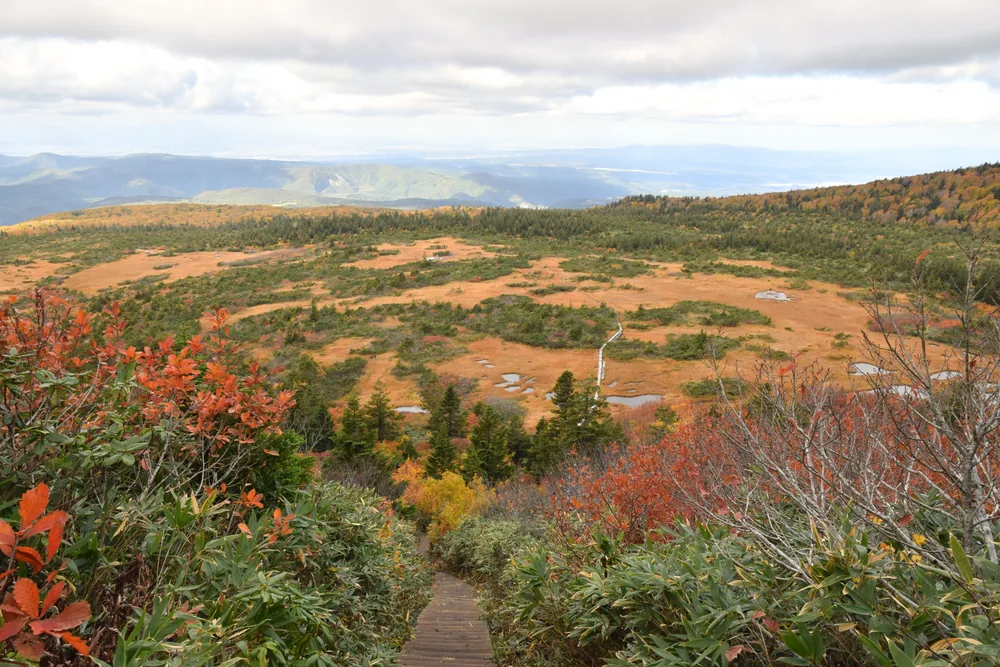
For sweeping yellow slopes across the peaks, Hakkoda is a better anchor for your departure date than Hirosaki Park. Aomori Prefecture's tourism board lists the typical autumn foliage window for the Hakkoda Ropeway from late September to mid-October, while Oirase Gorge usually peaks from mid- to late October. Both sit in Aomori, where the summits turn first and colour works its way down to the mid-mountain slopes and valley floor. If your holiday falls in the first week of October, pick a clear day for Hakkoda and keep Hirosaki as a lowland backup. At that point in the season, Hirosaki is better suited to castle-grounds walks and apple picking, leaving your leaf-peeping time for the mountains.
If gorges and castle towns are your priority, late October makes it much easier to link Oirase Gorge, Hirosaki and Geibikei Gorge on a single trip. Hirosaki's maples normally peak from late October to early November, Iwate Prefecture puts Geibikei Gorge at mid-October to early November, and Osaki City lists Naruko Gorge from mid-October to mid-November. Because those windows overlap, a five-day itinerary still leaves room to swap your first two days in Aomori depending on live conditions. If you head up Hakkoda late in the month, aim for the mid-elevation colour band or check live footage from the base station before committing to the ropeway.
For an early November trip, trim your time in Aomori and shift daylight hours down to Miyagi. Naruko Gorge delivers broad mountain slopes, while Entsu-in Temple in Matsushima east of Sendai offers close-up red maples, typically from early to mid-November. Even inside the same temple garden during a single week, trees around the Stone Garden, Shinji-ike Pond and Sankeiden Mausoleum can be at different stages. When reading foliage reports, check the exact location line on each photo to see whether it shows a summit, valley floor, lakeshore or bridge. A whole region marked at peak colour still needs spot-by-spot checking for the exact trail you plan to walk.
Adjusting your route from recent dated photos is far more reliable than anchoring hotel bookings to the previous year's festival opening dates. In 2026, the Hirosaki Castle Chrysanthemum and Autumn Foliage Festival ran from 30 October to 8 November, while the Naruko Gorge Koyogo bus operated from 26 October to 8 November, managing botanical garden events and bus schedules separately. When planning for 2027, pick your travel window from typical peak dates first, then slot in shuttle buses, festivals and evening illuminations once the new year's announcements are released.
A five-day, four-night autumn foliage itinerary through Japan's Tohoku region, flying into Aomori and out of Sendai. Pick your travel dates using typical leaf-peeping windows for Hakkoda, Oirase Gorge, Hirosaki, Geibikei Gorge and Naruko Gorge, and match them with mountain buses, riverboats, the Naruko Gorge Koyogo bus and JR Rikuu East Line replacement services.
How to route five days from Aomori to Sendai
The plan below assumes you are travelling without a car, arrive with half a day to spare on day one and fly out of Sendai in the evening on day five. Your four overnight stops run from Hirosaki to Aomori, Ichinoseki and Naruko Onsen. The two mountain-and-gorge days start around Aomori before dropping south on the Tohoku Shinkansen from Hachinohe. With frequent hotel changes, sort out large suitcases before day three's gorge walk—ask your hotel the night before about forwarding bags to the following property, confirming both the arrival date and front-desk receiving hours.
- Day 1: Take the direct bus from Aomori Airport to Hirosaki. Drop your bags and stroll along the Outer Moat and Otemon Gate, heading into the Honmaru or botanical garden if you still have a full afternoon of daylight. Stay overnight in Hirosaki.
- Day 2: Ride the JR Ou Main Line from Hirosaki to Aomori, leave your luggage and catch a bus bound for Hakkoda. Go straight up the mountain if you make an early bus; otherwise, spend the morning in Hirosaki Park, transfer to Aomori later and keep the next day clear for the gorge. Stay near Aomori Station.
- Day 3: Board the Mizuumi-go bus from Aomori to Oirase Gorge. Alight at Ishigedo on the main trail, walk upstream to Kumoi Falls and, time permitting, continue to Choshi Otaki Falls or Nenokuchi. In the afternoon, catch the Oirase-go bus to Hachinohe and change onto the Shinkansen south to Ichinoseki. Stay near Ichinoseki Station.
- Day 4: Take the JR Ofunato Line from Ichinoseki to Geibikei for a morning boat cruise, return to Ichinoseki to collect your bags, then catch a Shinkansen stopping at Furukawa and transfer onto the JR Rikuu East Line to Naruko Onsen. Build your ryokan's final dinner check-in time into your rail connections. Stay overnight in Naruko Onsen.
- Day 5: Visit Naruko Gorge first thing in the morning. Take the Koyogo bus or a pre-booked taxi to the Nakayamadaira side, come back for your luggage, travel via Furukawa or Kogota to Sendai and connect to the Sendai Airport Access Line. If your flight leaves in the afternoon, move Naruko Gorge to day four, stay in Sendai overnight and save Geibikei Gorge for another trip.
Day one in Hirosaki: keep the park and apple picking separate
Konan Bus services from Aomori Airport to Hirosaki Bus Terminal take around 55 minutes and depart from stop 1 outside the terminal. Buses to Aomori Station leave from stop 2 and take roughly 35 minutes. Because each airport route feeds a different first-night base, choose your hotel alongside your flight arrival time. If you land too late for sightseeing and only have time for dinner and check-in, visit Hirosaki Park the next morning and move up to Aomori before midday. That turns Hakkoda into an optional half-day stop rather than forcing a rushed afternoon scramble down the mountain.
Staying beside Hirosaki Station makes the next morning's train departure effortless, while a hotel closer to the park lets you wander back on foot at dusk. If you only have an hour or two of daylight, enter near Otemon Gate and stick to the Outer Moat or one section of the grounds to gauge the leaves and water reflections before deciding whether to push on to the Honmaru. If you are travelling with slower walkers, set the gate as a meeting point while keen photographers continue deeper into the park. Check Hirosaki's official tourism notices for opening hours and admission rules before heading into the Honmaru, botanical garden or evening events.
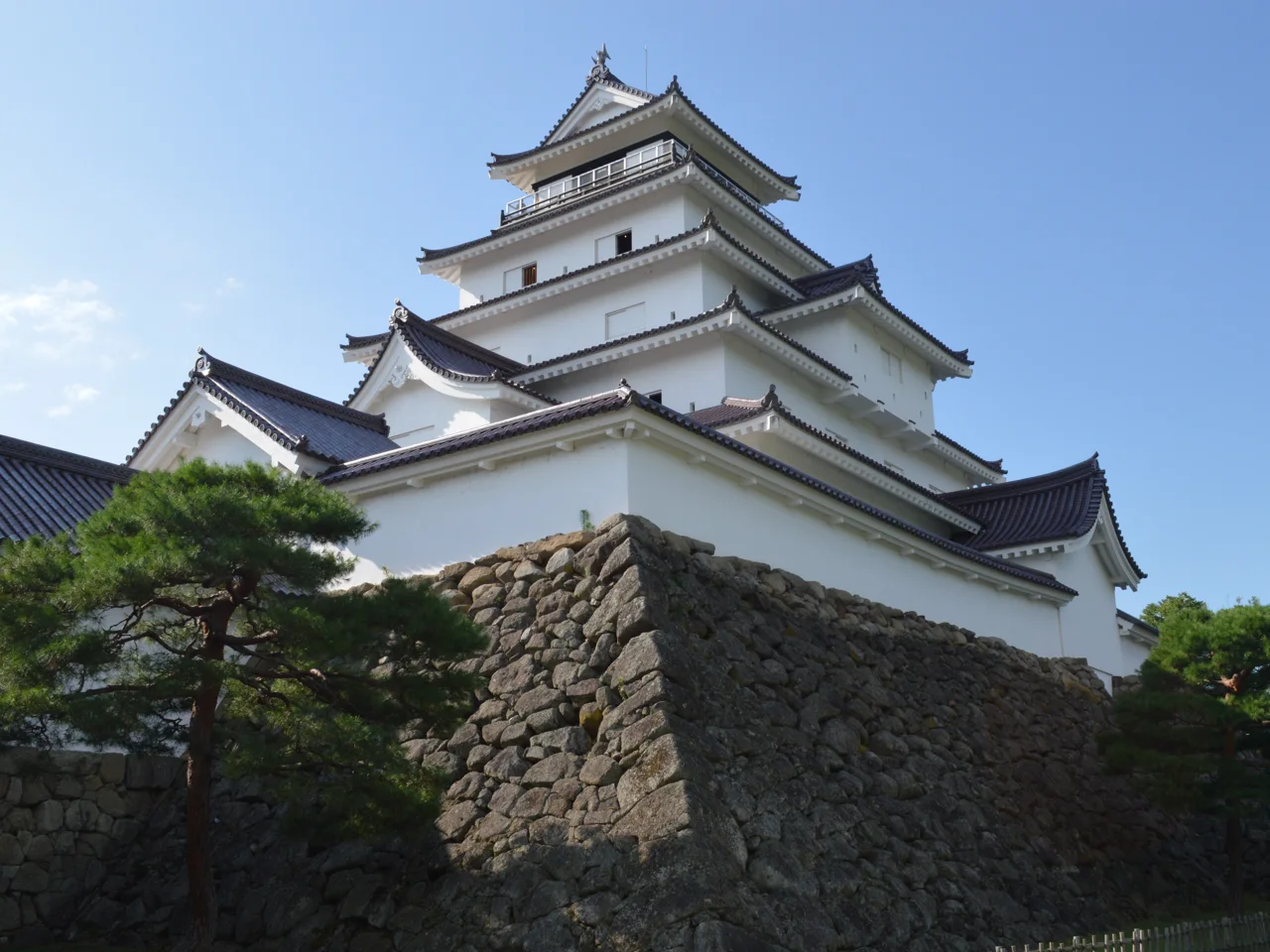
The autumn festival centres on the Hirosaki Castle Botanical Garden, alongside evening illuminations and limited-run events inside the castle grounds. If you are happy viewing the maples in daylight, keep dates just before and after the festival open as options and pick your day from live park updates. When children want to go apple picking, treat Hirosaki City Apple Park as a separate outing and check local bus or taxi times from your hotel. Individual picking is usually registered on the spot on the day, with available varieties shifting as the harvest progresses; in 2026, the park updated its picking calendar on 20 November and suspended individual picking from 24 November, so verify the day's status before setting out. For gate choices and walking routes inside the grounds, read our Hirosaki Park autumn foliage guide.
Before riding up Hakkoda, check the wind and the last bus down
The Hakkoda Ropeway climbs from Sanroku (Base) Station to Sancho-Koen (Summit Park) Station in around 10 minutes. Following the fare revision on 1 August 2026, adult and junior-high fares are ¥1,550 single and ¥2,500 return, primary school children pay ¥700 return and pre-school children ride free. Official standard hours from March to early November list the first departure at 09:00 and the last at 16:20, with a scheduled maintenance closure in early November. Before setting off in autumn, check both the ropeway's live operating notice and the return bus timetable from the base station, as uphill buses and downhill gondolas run on separate schedules.
Strong winds or poor weather will halt the ropeway; official criteria suspend operations when wind speeds reach 25 metres per second or during severe weather. Even when gondolas are running, cloud cover can sock in the summit, leaving you with a short loop near the top station or waiting back down at base level to view the mid-mountain slopes from below. If your main goal is Hakkoda's foliage, picking a window when distant ridgelines are visible on the day is far more useful than locking into a fixed transport pass ahead of time. Keeping either Hirosaki or central Aomori as a swap option lets you check the two-day forecast before deciding which morning to ride up.
With older relatives or young children, make the viewpoints right around Summit Park Station your main focus. Only tackle the roughly 1 km short loop along the Hakkoda Gourd Line—listed by the operator at around 30 minutes—if winds are light and the trail is open. Pack a windproof outer layer even for a brief stop at the top. On boardwalk sections, watch the surface closely and turn back if you hit black ice, slush or slick timber. If you plan to continue down to Sukayu Onsen by bus, check both bus legs separately, as missing the final return service leaves a very long walk back toward Aomori city. For foliage bands by altitude, see our Hakkoda autumn foliage guide.
If heavy rain or low cloud blankets Hakkoda, stay in Aomori to explore the station-front markets and waterfront, then check trail and road notices for Oirase later in the afternoon. Travellers staying near Aomori Station can try pushing the mountain trip to the following morning, provided it still connects cleanly with buses toward Hachinohe. Once your third night is booked in Ichinoseki, keeping day three purely for the main Oirase Gorge trail is the safer bet. For a city-based half-day backup, see our Aomori Station market walking guide.
Walking upstream from Ishigedo in Oirase, and where to catch the bus out
Oirase Gorge runs roughly 14 km from Nenokuchi on Lake Towada down to Yakeyama. Travellers without a car can alight mid-gorge at Ishigedo and walk upstream beside the water. Around the Ashura Current, the stream shifts from calm pools to white water tumbling over boulders. Kumoi Falls sits slightly up a side tributary, meaning you leave the riverbank to view it and double back to the main road for the next bus leg. Walking all the way from Ishigedo to Nenokuchi covers about 9 km and takes three to four hours at an easy pace, before adding stops for lunch, photos and bus waits.
If you only have half a day, decide which stretch of water matters most. For mossy rocks and rushing rapids under forest canopy, the walk from Ishigedo to Kumoi Falls is well worth the effort. If anyone in your group prefers a shorter stroll, alight at Choshi Otaki Falls to see the curtain of water spanning the stream, then walk the much shorter final stretch upstream to Nenokuchi. Another good mid-length option runs from Kumoi-no-Nagare to Choshi Otaki Falls, roughly 2.7 km or about 50 minutes according to official estimates. Note that Kumoi-no-Taki (Kumoi Falls) and Kumoi-no-Nagare are two separate bus stops, so check the onboard display carefully if you want to alight at the falls. For trail maps and stop-by-stop distances, pair this with our Oirase Gorge walking and bus guide.
Much of the path runs close to the mountain highway. Wet autumn leaves hide exposed tree roots, and timber bridges and stone steps turn slippery. Step into wider clearings to take photographs rather than blocking narrow sections where others need to pass. Families with pushchairs or anyone wary of wet steps should keep to flat sections near a bus stop where it is easy to turn back. For a proper sit-down lunch, plan around Yakeyama or Yasumiya, or carry simple provisions from Aomori; Ishigedo has a rest house, but food stalls and toilets are clustered at just a few hubs, so mark them on your trail map before you set off.
The Mizuumi-go bus links Aomori and Shin-Aomori with Hakkoda, Oirase Gorge and Lake Towada, while the Oirase-go bus runs between Hachinohe and Oirase Gorge/Lake Towada. Heading up from Hachinohe, services 21 and 23 on the autumn 2026 timetable required advance seat reservations, including for rail pass holders, whereas buses heading back toward Hachinohe operated under their published boarding rules on the day. Staying in Aomori lets you enter via Aomori and exit via Hachinohe with a light daypack, walking one stretch before boarding at a stop further up. If you are carrying large luggage, stick to a short out-and-back walk from a single stop or leave your bags in lockers and return to the same stop to depart.
On day three, circle your target arrival time at Hachinohe Station West Exit on the timetable first, then work backwards to see which gorge stops you can board from. Before entering the valley, settle on your absolute turn-back point and note one earlier stop where slower walkers can bail out early. If a late bus risks missing your preferred Shinkansen, trim your walking distance and head back via Shin-Aomori instead—or spend night three in Hachinohe, drop Geibikei Gorge on day four and keep your daytime hours and ryokan dinner in Naruko intact. When booking reserved Shinkansen seats, build in buffer time for bus traffic delays and the walk to the Shinkansen ticket gates.
By mid-November, winter bus timetables may already be in effect. In 2026, the Mizuumi-go service from Aomori to Oirase Gorge and Lake Towada entered winter suspension on 12 November, while the Hakkoda-go bus went only as far as Sukayu Onsen; winter buses from Hachinohe served the Lake Towada area only on selected dates around the year-end holidays. Always check the header dates on any autumn timetable before setting your hotel check-out time. If only a single one-way bus operates into the gorge without a workable return, swap your Aomori day for Hirosaki or the city and take the Shinkansen south earlier to catch peak colour in Naruko Gorge or Matsushima.
Catching the Lake Towada sightseeing boat from the right shore
Nenokuchi marks the upper end of Oirase Gorge, while Yasumiya is the main lakeside settlement further around the shore. To link your hike with a cruise, walk to Nenokuchi, cross by boat to Yasumiya and board your departing bus from there. Sightseeing boats also run a round-trip loop starting and ending at Yasumiya. Both routes published by the operator in 2026 take around 50 minutes, so check each sailing's pier and direction carefully—especially if you are catching a bus to Hachinohe afterwards, where your bus departure dictates which sailing works. If you want panoramic views over the lake and peninsulas from Mt Ohanabe, plan that separately as a road-based viewpoint.
From Yasumiya, a lakeside footpath leads past Gozengahama beach to the Statue of Maidens and on toward Towada Shrine. If you want both a gorge walk and a boat ride without rushing, finish walking between Ishigedo and Kumoi Falls, then ride the bus up to the lake. If you arrive at Nenokuchi late in the afternoon after a long hike, enjoy the lakeside views right there and save your energy for the outbound bus. Travellers hoping to photograph both spots at leisure, soak in an onsen or linger over dinner should stay overnight in Yasumiya or Oirase and head for Hachinohe the next morning—a tidy excuse to drop Ichinoseki and focus the final two days on Naruko and Sendai.
If you overnight in Yasumiya, anchor your morning around the first workable departure bus before deciding whether there is time for a post-breakfast walk to the Statue of Maidens. Those staying around Yakeyama should check hotel shuttle times alongside JR bus schedules, and verify whether your boarding stop is named Oirase Keiryu Onsen or Oirase Keiryu-kan. Hotels listed under Lake Towada sit along very different stretches of shoreline, so a property sharing the same lake name may still be a long walk from a bus stop. Once the 2026 cruising season closes, refer to Towada Kanko Electric Railway's next-season schedule for autumn sailing dates and routes.
Driving in Aomori cuts down transfers, though car pickup still needs a plan
Because the Aomori leg moves between Hirosaki, Hakkoda and the gorge, hiring a car lets you leave the mountains earlier and switch routes quickly if cloud moves in. If you plan to drive all the way to Sendai, factor in one-way drop-off surcharges, mountain road conditions and your final return deadline. A low-effort compromise is picking up a car at Aomori Airport, driving the Aomori loop and dropping it off with the same rental agency in Hachinohe before boarding the Shinkansen south. When choosing a Hachinohe branch, check whether a station shuttle is provided and confirm you can complete the vehicle inspection well before your evening train.
The easiest detail to overlook in Oirase Gorge is getting back to your parked car. If you park at Ishigedo and walk upstream to Nenokuchi, you will need a bus heading back toward Yakeyama or Aomori to collect your vehicle; if you decide on the spot to walk one stop further, make sure the next bus serves both stops. During peak autumn weekends, roadside parking fills fast—if Ishigedo is full, use out-of-gorge car parks near Yasumiya or Yakeyama and ride the bus in for your chosen walking section instead of hunting for spaces at every waterfall.
Private vehicle restrictions along the Oirase road are announced annually. In 2026, Aomori Prefecture scheduled its traffic management trial from 7 to 13 September along roughly 10 km of National Route 102 between Sobe Intersection and Nenokuchi Intersection, directing drivers to designated car parks and dedicated shuttle buses under a separate ticket system from regular JR route buses. Before booking a car for 2027, check Aomori Prefecture's restriction dates and vehicle exemptions, plus any seasonal road closures. If snow or black ice is forecast in the mountains, stick to lower roads or switch to running buses and drop the car off somewhere with generous schedule margin.
Half a day in Geibikei Gorge: anchor everything to your return train
On day four, take the JR Ofunato Line from JR Ichinoseki Station (spelled Ichinoseki on timetables and ticket machines) to Geibikei; the train takes roughly 30 minutes, followed by a five-minute walk to the boat landing. Because return trains are infrequent, look up your train back to Ichinoseki first and pick a sailing that leaves comfortable walking time after disembarking. Back at Ichinoseki, allow separate buffers for collecting luggage and finding the Shinkansen platform, or push your Shinkansen back one departure for lunch near the station and a straight run to your hotel afterwards.
Boatmen pole flat-bottomed wooden boats up and back down the Satetsu River on a 90-minute round trip, pausing mid-cruise so passengers can step ashore briefly. Sheer limestone cliffs press close to the channel, framing autumn foliage around Kyomeigan Rock and Daigeibigan Rock straight from the water. Sitting on the sunlit side gives crisp views of treetops and reflections, while overcast days bring out the texture of the canyon walls. Passengers who prefer to minimise walking can stay aboard throughout the trip by following the boatman's instructions; if you need step-free boarding, contact the operator in advance to check boat allocation and access arrangements.
Standard fares effective from April 2026 are ¥2,000 for adults, ¥900 for primary school pupils and ¥200 for children aged three and over; groups of 15 or more require advance booking at ¥1,800 per adult. The operator divides its timetable into four seasonal bands, with the final boat departing at 16:00 from 1 April to 5 November, 15:30 from 6 to 10 November and 15:00 from 11 to 20 November. Before setting out in unsettled weather, check the operator's homepage for live sailing status—if boats are cancelled, stay in Ichinoseki or head on early to Naruko. For sailing times and local rail links, see our Geibikei Gorge boat half-day guide.
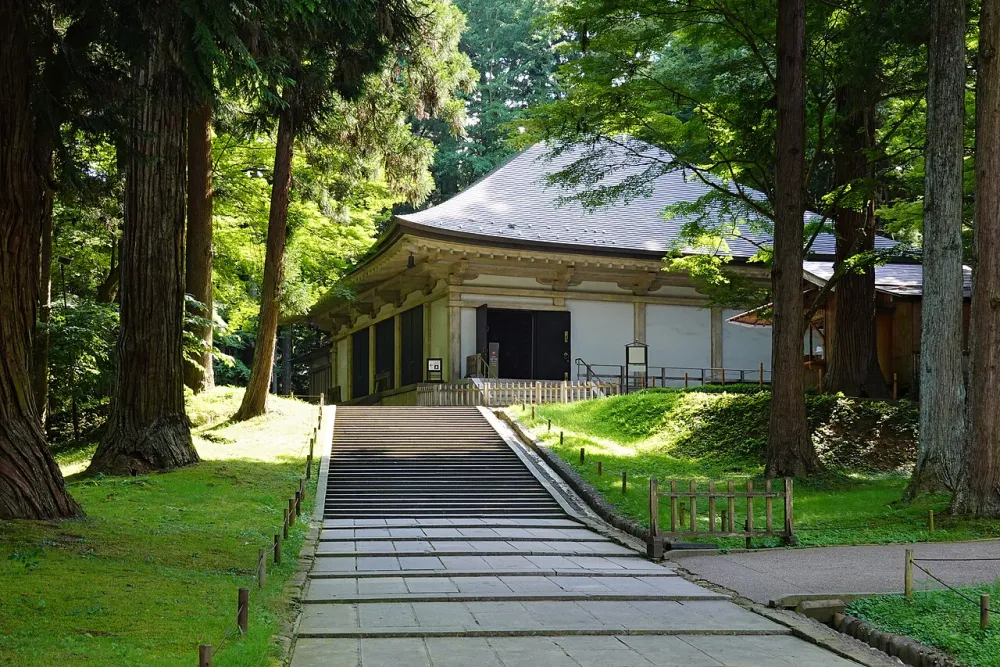
Ichinoseki is also home to Genbikei Gorge, which can confuse itinerary searches—remember that the boat ride is at Geibikei, so double-check the station name when looking up return trains. If anyone in your group is unenthusiastic about a 90-minute riverboat ride or tight lunchtime connections, swap Geibikei for temple walks in Hiraizumi instead, still catching the afternoon Shinkansen south from Ichinoseki. For an easy temple alternative, see our Chuson-ji Temple and Hiraizumi guide.
Viewing the bridge from Nakayamadaira in Naruko Gorge, and checking trains separately from the Koyogo bus
From Ichinoseki to Naruko Onsen, choose a Tohoku Shinkansen service stopping at Furukawa, then transfer onto the JR Rikuu East Line to Naruko-Onsen Station. JR East currently suspends rail services between Naruko-Onsen and Shinjo, bridging that stretch with rail replacement buses; a July 2026 restoration update put completion within the 2028 financial year, with train resumption dates to be announced separately. Instead of trying to photograph a train crossing the gorge, focus on the Ofukazawa Bridge, the forested canyon walls and the river below, and arrange a local bus or taxi separately for the final hop to the gorge.
Miyagi Kotsu's seasonal Naruko Gorge–Nakayamadaira Koyogo bus ran from 26 October to 8 November in 2026, linking Naruko-Onsen Station with Nakayamadaira-Onsen Station via Naruko-kyo Nakayamadaira-guchi. That season's buses ran on cash fares and first-come, first-served queuing. If your rail connections are tight, pre-book a return taxi and agree clearly on dropping at the Naruko Gorge Rest House and where to meet afterwards. Once the 2027 bus notice goes live, save both outbound stop names and your return boarding point on your phone. If you detour into Yamagata on the JR replacement bus toward Shinjo, buy a valid rail ticket at the station or carry cash and small change, as Suica and other IC cards cannot be used onboard.
For first-timers wanting classic views of the bridge and sweeping valley colour, head to the Naruko Gorge Rest House on the Nakayamadaira side. Osaki City's 2026 notice listed opening hours from 09:00 to 16:00, with an open walking section of around 350 metres one way from the rest house to Kaikobashi Bridge before turning back. On the Naruko side, a separate 230-metre stretch from the Otanibashi Bridge entrance also runs up to a closed gate. Because the middle section remains closed, use the exact entrance names when booking taxis or car parks. If you want a longer walk after parking, join the 2.2 km Ofukazawa Promenade loop from the rest house, checking local wind and rain closure notices on the day.
Start the morning on the observation deck overlooking Ofukazawa Bridge before deciding whether to descend closer to the gorge floor; anyone wary of damp steps or steep slopes can wait comfortably around the rest house. Driving into the Nakayamadaira car parks carries a seasonal parking fee during peak foliage—¥500 for standard cars in 2026. If you rely on the seasonal bus, allow generous time for queues and road congestion on the way back. For flights from Sendai Airport, work backwards from your target train into Sendai and leave for your luggage as soon as you finish the main viewpoints.
Why stay a night in Naruko: hot springs and a head start next morning
Check the final dinner check-in time first when choosing a Naruko Onsen ryokan. On day four, after cruising Geibikei Gorge and riding the Ofunato Line, Shinkansen and Rikuu East Line, that dinner cut-off dictates which train connections are off the table. If you book half-board, write down your latest acceptable train arrival so you still have time for a soak after check-in; if you book room-only or bed-and-breakfast, eat dinner in Ichinoseki or Furukawa and still confirm late check-in hours with the front desk.
If you plan to visit the gorge first thing next morning before leaving Miyagi, staying near Naruko-Onsen Station lets you leave large suitcases at the hotel, board the Koyogo bus easily and pick everything up on the way out. Staying in Nakayamadaira puts you closer to the gorge and local baths, though reaching the station depends on ryokan shuttles, walking routes or infrequent buses. Families looking to cut down on stairs and waiting should pick a property with strong in-house baths rather than hopping between public bathhouses. For hot-spring zones and room options, see our Naruko Onsen guide.
Pre-flight options around Sendai: Matsushima by day or an earlier night in the city
Matsushima pairs neatly after Naruko if you have a spare afternoon or spend your final night in Sendai. In the first half of November, Entsu-in Temple showcases maples inside its gardens and around its ponds, while harbour cruises trade close-up leaves for pine-clad islands across Matsushima Bay. With only two hours to spare, pick one or the other—stroll the temple grounds and Godaido Hall in daylight, or keep a train back to Sendai in hand if you stay for evening illuminations. For Entsu-in, take the JR Senseki Line to Matsushima-Kaigan Station, a five-minute walk from the gate; Matsushima Station on the Tohoku Main Line is considerably further away.
In 2026, Entsu-in Temple ran its autumn illuminations from 24 October to 23 November, opening at 17:30 with last entry at 20:45 under a separate evening ticket. The temple tracks foliage separately across its Stone Garden, Shinji-ike Pond and Sankeiden Mausoleum—in its 19 November 2026 update, the pond area had reached peak colour while other zones progressed at their own pace. If you book a hotel around an evening visit next autumn, verify night-viewing hours and your return Senseki Line train before deciding how long to spend in Naruko or Matsushima by day.
Travellers on morning or midday flights are better off spending night four in Sendai for a straightforward morning hop onto the Sendai Airport Access Line. Even on an evening flight, list your airline check-in opening, baggage-drop cut-off and terminal arrival time beforehand; if you stay in Naruko, save your Sendai transfer times and a backup train on your phone so you can leave straight after morning sightseeing. For airport rail platforms and terminal access, read our Sendai Airport to city transport guide.
Add up your long-distance fares first, then budget four nights item by item
JR East overhauled its inbound rail passes in March 2026, discontinuing the old Tohoku Area pass in favour of a revamped JR EAST PASS priced at ¥35,000 for five consecutive days or ¥50,000 for ten consecutive days (adult fares), covering designated JR East lines, selected partner railways and eligible JR buses. On a pure five-day Aomori Airport-to-Sendai Airport run, price up reserved Shinkansen tickets for Hachinohe–Ichinoseki, Ichinoseki–Furukawa and your final stretch to Sendai, then add local trains and covered JR buses. If your itinerary also starts or ends in Tokyo or Narita Airport, those extra Shinkansen legs can quickly tip the balance toward a pass.
Splitting your transport sheet into two columns makes budgeting straightforward: put pass-covered JR trains and buses in one column, and separate non-covered costs in the other—airport buses, the Naruko Gorge Koyogo bus, taxis and attraction tickets. As a baseline, Aomori Airport to Hirosaki by bus (¥1,600), the Hakkoda Ropeway adult return (¥2,500) and the Geibikei Gorge adult boat fare (¥2,000) total ¥6,100 before adding remaining fares, boats on Lake Towada and hotels. For eligible zones, trains and seat-booking rules, see our JR EAST PASS guide.
Across four nights, city hotels are straightforward room-rate comparisons, whereas ryokans bundle dinner, breakfast and shuttle service into the nightly rate. Couples or friends travelling together can divide the two-person room total to compare value clearly; families with children should check rail, boat and ryokan child thresholds separately, as pre-school concessions differ between Geibikei boats and the Hakkoda Ropeway. If you switch to driving, quote one-way drop-off fees and insurance on a rental site alongside tolls, fuel and parking, then weigh whether fewer hotel moves and extra daylight hours justify the total.
Stretching to seven days: give Aizu in Fukushima two full days
To add the Goshikinuma Ponds and Ouchi-juku, continue south after Naruko to base yourself in Aizu-Wakamatsu, or keep one night in Sendai and tack on two extra days. Take the Tohoku Shinkansen from Sendai to Koriyama, then change onto the JR Ban-etsu West Line for Aizu-Wakamatsu or Inawashiro. For Goshikinuma in Urabandai, ride a local bus toward Urabandai and choose whether to walk from the Bishamon-numa Pond end or start from the Urabandai Visitor Centre and catch a return bus from the opposite trailhead. The official trail is around 4 km; turn back near the entrance if paths are muddy or time is tight, and check the Urabandai Tourism Association for bear sightings, trail damage or closures.
Save a separate day from Aizu-Wakamatsu for Ouchi-juku by riding the Aizu Railway to Yunokami-Onsen Station and transferring onto the Saruyu-go shuttle bus. Allow buffer time for shuttle waits and wandering the thatched-roof village, and note the last shuttle back to Yunokami-Onsen before setting off. Extending from five days to seven means reworking accommodation, your flight home and the start date of a five-day rail pass—if you still fly out of Sendai Airport on day seven, either spend the final night somewhere with an easy airport connection or book an evening flight that gives you margin from Koriyama back to Sendai. To use Aizu-Wakamatsu as a car-free hub, read our two-day car-free Aizu-Wakamatsu itinerary.
A few useful answers
When is the best five-day window for a first autumn foliage trip to Tohoku?
If your main stops are Oirase Gorge, Hirosaki and Naruko Gorge, start by looking at late October to early November. To ride the Hakkoda Ropeway over mountain slopes ablaze with colour, shift your trip to early October and give Aomori an extra day. Foliage turns by elevation and each year's temperatures, so lock in your two highest-priority spots before booking hotels.
Where should I stay on a five-day, four-night Aomori-in, Sendai-out route?
For a car-free itinerary departing on an evening flight from Sendai, stay one night each in Hirosaki, Aomori, Ichinoseki and Naruko Onsen in that order. If you have an earlier flight home, move Naruko Gorge to day four, drop Geibikei Gorge and spend your final night in Sendai.
Can I take the JR Rikuu East Line to Naruko Gorge?
You can ride the JR Rikuu East Line from Furukawa to Naruko-Onsen Station. JR East currently operates rail replacement buses between Naruko-Onsen and Shinjo, with restoration work on the damaged section scheduled for completion within the 2028 financial year. To reach the Naruko Gorge Rest House, use Miyagi Kotsu's seasonal Koyogo bus, which publishes its own operating dates and stop list each year.
Do I have to walk the full ten-plus kilometres of Oirase Gorge?
No. You can walk from Ishigedo to Kumoi Falls and then take a bus to Choshi Otaki Falls. Walking all the way from Ishigedo to Nenokuchi covers roughly 9 km and takes three to four hours, plus extra time for photos, lunch and bus waits. When connecting onwards to the Shinkansen, decide which stop and direction you will leave the gorge from before setting off.
How long does the Geibikei Gorge riverboat cruise take?
A return trip takes around 90 minutes, including a brief shore stop for a walk. Standard fares are ¥2,000 for adults, ¥900 for primary school pupils and ¥200 for children aged three and over. Check the JR Ofunato Line timetable back to Ichinoseki first so you can plan your afternoon Shinkansen connection around your boat arrival.
Can I fit in both the Lake Towada cruise and Matsushima?
The Lake Towada sightseeing boat connects directly after Oirase Gorge, and you can add a night in Yasumiya if you want an unhurried lakeside walk. Matsushima works best on an extra day before flying out of Sendai, with Entsu-in Temple as the November highlight. On a five-day trip, pick one of the two rather than squeezing both in.
Is the JR EAST PASS worth buying for five days in Tohoku?
The updated five-day adult JR EAST PASS costs ¥35,000. Add up your individual Shinkansen, local train and eligible JR bus fares first, then compare that total against the pass price. Ropeways, riverboats, Miyagi Kotsu's Koyogo bus and hotel transfers must be budgeted separately.
Official information and references
Sources used in this guide.
- Aomori Prefecture Tourism | Hakkoda Ropeway and Typical Autumn Foliage Season
- Hakkoda Ropeway | Operating Hours and Fares from August 2026
- Hakkoda Ropeway | Summit Trail Distances and Walking Routes
- Aomori Prefecture Tourism | Oirase Gorge, Transport and Autumn Foliage Season
- Oirase Field Museum | Trail Sections, Walking Times and Traffic Restrictions FAQ
- Aomori Prefecture | National Route 102 Oirase Gorge Traffic Measures
- JR Bus Tohoku | Lake Towada and Oirase Gorge Route Notices
- JR Bus Tohoku | 2026–2027 Winter Timetable Notice
- Towada Kanko Electric Railway | Lake Towada Sightseeing Boat
- Aomori Prefecture Tourism | Lake Towada and Yasumiya Walking Route
- Aomori Airport | Airport Limousine Buses for Aomori Station and Hirosaki
- Hirosaki Tourism | Hirosaki Castle Chrysanthemum and Autumn Foliage Festival
- Hirosaki Tourism | Hirosaki City Apple Park Fruit-Picking Notice
- Iwate Prefecture Tourism | Geibikei Gorge Cliff Views and Autumn Foliage Season
- Ichinoseki Tourism | Getting to Geibikei Gorge
- Geibikei Gorge Boat Ride | Fares, Boat Route and Timetable
- JR East | Rikuu East Line Restoration Progress (July 2026)
- JR East | Tohoku Area Train Operations and Rail Replacement Buses
- JR East | Rikuu East Line Replacement Bus Stops and Boarding Guide
- Osaki City | Naruko Gorge Walking Trails and Car Parks
- Miyagi Kotsu | 2026 Naruko Gorge–Nakayamadaira Koyogo Seasonal Bus
- Miyagi Prefecture Tourism | Matsushima Entsu-in Temple Autumn Foliage Season
- Entsu-in Temple | 2026 Autumn Foliage Illuminations and Access
- Sendai Airport | Rail Access and Terminal Layout
- JR East | 2026 Inbound Rail Pass Overhaul and Coverage
- Urabandai Tourism Association | Goshikinuma Nature Trail and Access
- Aizu-Wakamatsu Tourism | Yunokami-Onsen to Ouchi-juku via Saruyu-go Shuttle