A 5-day, 4-night Tohoku autumn foliage itinerary flying into Aomori and out of Sendai. Time your trip using typical peak dates for Hakkoda, Oirase Gorge, Hirosaki, Geibikei Gorge, and Naruko Gorge, with mountain bus, boat cruise, Momiji-go, and JR Rikuu-East Line replacement bus logistics.
- Region & Focus
- TohokuFall foliage
- Reading Scope
- 22 min read · 13 chapters · 7 Q&As
- Official Verification
- 27 official sources checkedUpdated November 22, 2026
- Key Topics
- SeasonsItinerariesRail travel
Chapter Route Map (tap any stop)
- Pick Your Dates Around Your Top Two Stops Before Booking Flights
- How the 5-Day Aomori-to-Sendai Route Flows
- Day 1 in Hirosaki: Keep the Park and Apple Picking Separate
- Mount Hakkoda: Check Wind Speeds and Descent Times Before Going Up
- Oirase Gorge: Walk Upstream from Ishigedo and Lock In Your Afternoon Bus
- Adding a Lake Towada Cruise: Finish on the Right Shore
- Driving in Aomori Saves Transfers, Though Gorge Parking Needs a Plan
- Half a Day at Geibikei Gorge: Anchor Around the Post-Boat Train
- Naruko Gorge: View the Bridge from Nakayamadaira and Check Buses Separately
- Why Stay Overnight in Naruko: Hot Springs and an Early Gorge Start
- Before Flying Out of Sendai: Day Trip to Matsushima or Arrive a Night Early
- Price Out Long-Distance Trains First, Then Fill In 4 Nights of Lodging
- Stretching It to 7 Days: Add Aizu in Fukushima with a Day Each for Two Stops
- Quick Q&A
If you have five days to see Oirase Gorge and Naruko Gorge, start by looking at late October through early November. Autumn arrives earlier up on Mount Hakkoda, so if you want sweeping slopes of fall color from the ropeway windows, shift to early October and give more days to the Aomori area. Flying into Aomori and out of Sendai creates a clean southbound route: catch the Shinkansen from Hachinohe, break up the trip with a night in Ichinoseki in Iwate, and finish with hot springs in Miyagi. Before booking, lock in your exit bus out of Oirase, your return train from Geibikei Gorge, and your departure flight from Sendai to decide which day gets Naruko Gorge.
Pick Your Dates Around Your Top Two Stops Before Booking Flights
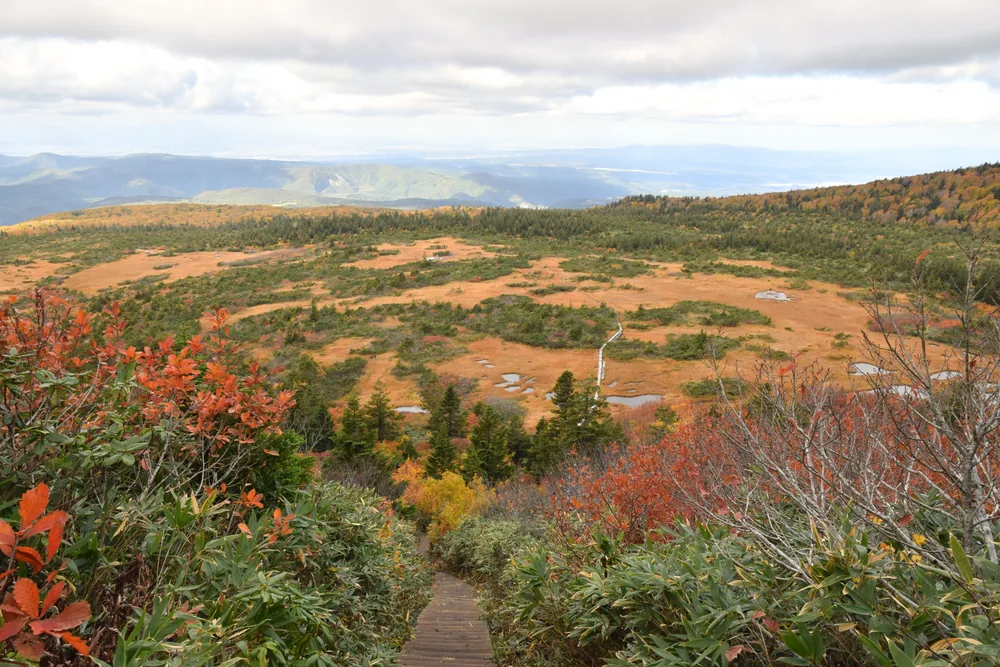
If your priority is mountain slopes glowing gold, Mount Hakkoda is a better anchor for your departure date than Hirosaki Park. Aomori Prefecture tourism data puts the typical peak along the Hakkoda Ropeway from late September to mid-October, while Oirase Gorge usually peaks from mid- to late October. Both are in Aomori, where color starts at the summits and gradually descends to the lower slopes and gorges. For a trip in the first week of October, save a clear day for Hakkoda and keep Hirosaki as a lowland backup—at that point in the season, Hirosaki is better for castle grounds and apple orchards while you save peak foliage viewing for the mountains.
To combine gorge walks with a castle town, late October gives you the best overlap for Oirase, Hirosaki, and Geibikei Gorge. Hirosaki's maples typically peak from late October into early November; Iwate tourism info places Geibikei Gorge from mid-October to early November; and Osaki City lists Naruko Gorge from mid-October to mid-November. Because those windows overlap, you can swap your first two days in Aomori on the fly depending on leaf reports. If you visit Hakkoda late in the month, look for mid-slope color bands or check base-station webcams before deciding whether to ride the ropeway.
In early November, shorten your stay in Aomori and give more daylight to Miyagi. Naruko Gorge delivers broad, hillside panoramas, whereas Entsu-in Temple in Matsushima (east of Sendai) offers close-up maple foliage typically peaking from early to mid-November. Even within the same garden in the same week, trees around the stone garden, Shinji-ike Pond, and Sankeiden Hall can be at very different stages. When checking foliage updates, read one line deeper to see whether a photo was taken at the summit, base, lakeshore, or beside a specific garden bridge. A region-wide 'peak' tag matters less than the condition of the exact section you plan to visit.
It is easier to fine-tune your route using recent dated photos than to book hotels strictly around last year's festival opening day. In 2026, Hirosaki's Chrysanthemum and Autumn Foliage Festival ran from October 30 to November 8, and Naruko Gorge's Momiji-go shuttle bus ran from October 26 to November 8—each governing separate botanical garden events and bus schedules. When planning for 2027, use typical peak windows to block off your travel dates first, then plug in seasonal shuttles, festivals, and evening illuminations once that year's announcements go live.
A 5-day, 4-night Tohoku autumn foliage itinerary flying into Aomori and out of Sendai. Time your trip using typical peak dates for Hakkoda, Oirase Gorge, Hirosaki, Geibikei Gorge, and Naruko Gorge, with mountain bus, boat cruise, Momiji-go, and JR Rikuu-East Line replacement bus logistics.
How the 5-Day Aomori-to-Sendai Route Flows
This itinerary assumes no rental car, a half-day available on Day 1, and an evening or late-afternoon flight out on Day 5. Your four overnight stops, in order, are Hirosaki, Aomori, Ichinoseki, and Naruko Onsen. The two mountain-and-gorge days start in the Aomori area before connecting south onto the Tohoku Shinkansen after Oirase. Because you change hotels each night, handle big suitcases ahead of Day 3's gorge hike—for example, arrange with your hotel the evening before to forward luggage to your next property, confirming the delivery date and front-desk receiving hours.
- Day 1: Take the direct bus from Aomori Airport to Hirosaki. Drop your bags and walk the park's outer moat and Otemon Gate area; if you have a full afternoon, enter the Honmaru inner citadel or botanical garden. Stay in Hirosaki.
- Day 2: Ride the JR Ou Main Line from Hirosaki to Aomori, store your luggage, and catch a bus up to Mount Hakkoda. Go up if an early bus lines up; otherwise explore Hirosaki Park first, transfer to Aomori, and keep the next day clear for the gorge. Stay near Aomori Station.
- Day 3: Take the JR Mizuumi-go bus from Aomori to Oirase Gorge. Get off at Ishigedo in the main section, walk to Kumoi Falls, and depending on your remaining time, continue to Choshi-Otaki Falls or Nenokuchi. In the afternoon, board the Oirase-go bus to Hachinohe and transfer to the Shinkansen to Ichinoseki. Stay near Ichinoseki Station.
- Day 4: Ride the JR Ofunato Line from Ichinoseki to Geibikei for a morning riverboat cruise, return to Ichinoseki to pick up your bags, take a Shinkansen stopping at Furukawa, and transfer to the Rikuu-East Line for Naruko Onsen. Build your ryokan's dinner check-in cutoff into your transfer timetable. Stay in Naruko Onsen.
- Day 5: Visit Naruko Gorge first thing in the morning. Take the Momiji-go bus or a pre-booked taxi to the Nakayamadaira side, return for your luggage, connect via Furukawa or Kogota to Sendai, and ride the Sendai Airport Access Line. If your flight leaves in the afternoon, visit Naruko Gorge on Day 4, stay in Sendai that night, and save Geibikei Gorge for another trip.
Day 1 in Hirosaki: Keep the Park and Apple Picking Separate
The Konan Bus from Aomori Airport (Stop 1) to Hirosaki Bus Terminal takes about 55 minutes, while the bus to Aomori Station (Stop 2) takes about 35 minutes. Those two airport routes correspond to different first-night bases, so lock in your choice when you book your flight. If you land too late for anything beyond check-in and dinner, visit Hirosaki Park the next morning and move to Aomori before noon. That turns Hakkoda into an optional half-day excursion rather than forcing a rushed descent on Day 1.
Staying near Hirosaki Station makes the next morning's train departure effortless, while staying closer to the park lets you stroll back easily after dusk. With limited daylight, enter near Otemon Gate and stick to the outer moat or one inner stretch to judge the canopy and water reflections before deciding whether to walk all the way to the Honmaru. If you are traveling with slower walkers, set a park gate as your meetup point so photographers can wander deeper toward the bridges and fallen leaves. Before heading into the Honmaru, botanical garden, or evening events, check Hirosaki tourism notices for zone hours and entry rules.
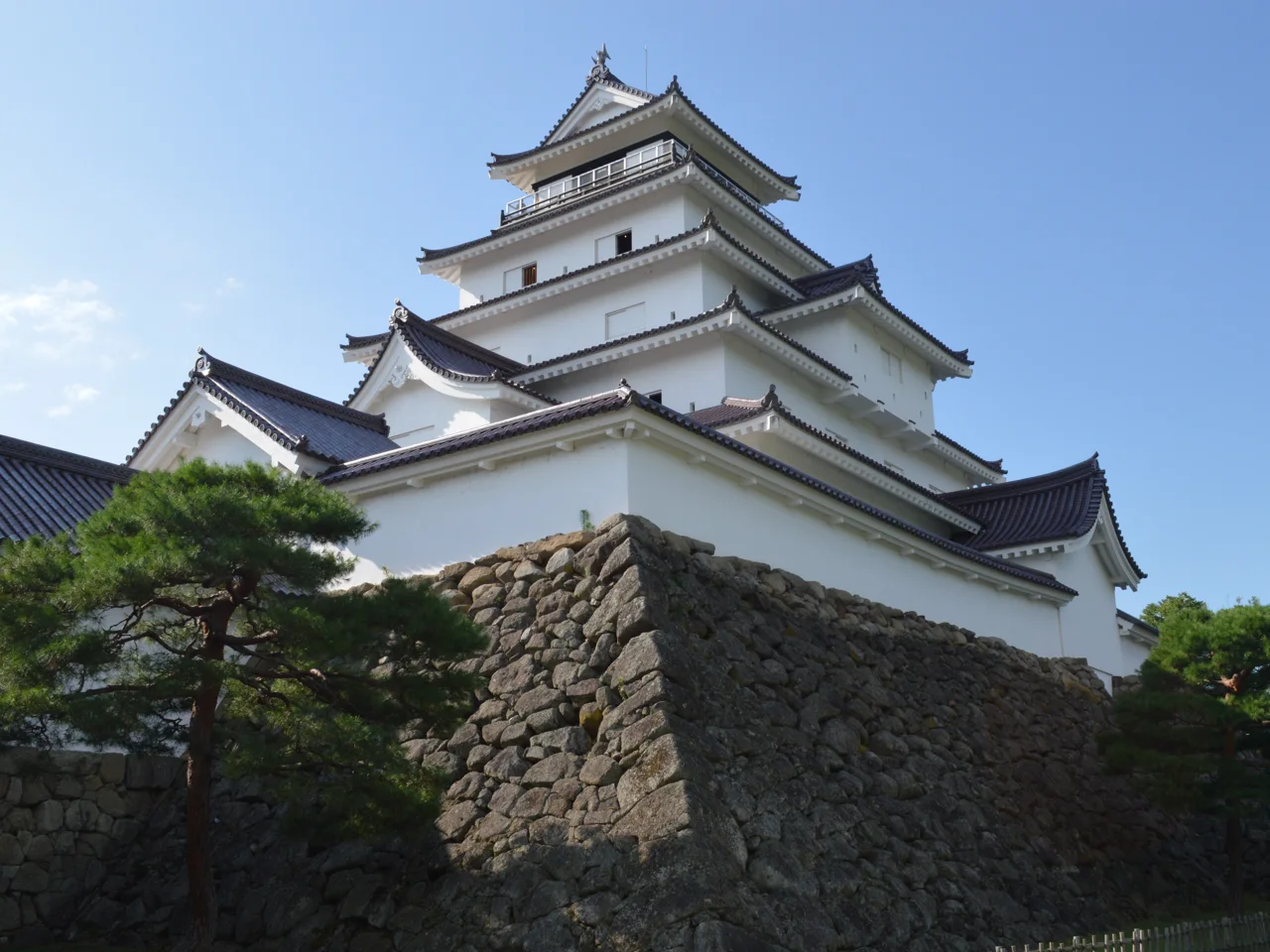
The Chrysanthemum and Autumn Foliage Festival centers on the Hirosaki Castle Botanical Garden, alongside night illuminations and short-term events on the castle grounds. If you only care about daytime foliage, keep dates both inside and adjacent to the festival window in play and pick your day based on park updates. If kids want to pick apples, treat Hirosaki City Apple Park as a separate trip and check round-trip buses or taxis from your hotel. Individual picking is typically handled walk-in on the day, with varieties changing as the harvest progresses; in 2026, the park updated picking dates on November 20 and announced individual picking would pause from November 24, so check the same-day notice before going. For help choosing entrances and routes around Otemon Gate, read our Hirosaki Park autumn foliage guide.
Mount Hakkoda: Check Wind Speeds and Descent Times Before Going Up
The Hakkoda Ropeway takes about 10 minutes from Sanroku (Base) Station to Sancho-Koen (Summit Park) Station. Following the August 1, 2026 fare revision, tickets for junior high students and adults are ¥1,550 one-way and ¥2,500 round-trip, elementary school students are ¥700 round-trip, and preschool children ride free. Standard published hours from March through early November list the first departure at 9:00 and the last at 16:20, with a maintenance closure in early November. Before heading out in autumn, check same-day ropeway operations alongside return bus schedules from Sanroku Station—buses up the mountain and ropeway rides down run on separate clocks.
High winds or severe weather halt operations; the operator lists wind speeds of 25 meters per second and poor weather as shutdown conditions. If the ropeway is running while clouds sock in the summit, stick to a short walk near the upper station or wait at the base and view the lower slopes from the ground. When chasing Hakkoda's foliage, picking a window when distant ridges remain visible beats locking in a fixed pass ahead of time. Keep either Hirosaki or central Aomori flexible as a swap day so you can choose your mountain day once the two-day weather forecast is clear.
With older travelers or young kids, treat the observation deck near Sancho-Koen Station as the main event. Only tackle the roughly 1-kilometer short loop along the Hakkoda Gourd Line—listed by the ropeway operator as about a 30-minute walk—if winds are calm and the path is open. Pack a windproof layer even for a brief summit stop. Watch your footing on boardwalks and turn back immediately if you hit black ice, slush, or slick planks. If you plan to continue by bus to Sukayu Onsen after descending, check both bus legs' departure times separately, as missing the last return bus leaves a very long walk back to Aomori City. For foliage elevations across the mountain, see our Hakkoda autumn foliage guide.
If heavy rain or low cloud blankets Hakkoda, stay in Aomori to explore the waterfront and station-area markets, then check gorge trail and road notices that afternoon for the next day. Travelers based near Aomori Station can move the mountain attempt to the following morning only if the timing still connects with buses toward Hachinohe. If your third night is already booked in Ichinoseki, keeping the main Oirase Gorge plan intact is the safer play. For an easy half-day city backup, check our Aomori Station markets and local food walk.
Oirase Gorge: Walk Upstream from Ishigedo and Lock In Your Afternoon Bus
Oirase Stream flows roughly 14 kilometers from Nenokuchi at Lake Towada down to Yakeyama. Without a car, get off in the middle section at Ishigedo and walk upstream alongside the water. Around the Ashura-no-Nagare rapids, the view shifts from calm stretches to whitewater weaving around mossy boulders. Kumoi Falls sits on a side tributary just off the main trail, so factor in the short detour and return walk to the bus stop when timing your next leg. Walking all the way from Ishigedo to Nenokuchi covers about 9 kilometers and takes 3 to 4 hours at an unhurried pace, not counting lunch, photo stops, or bus waits.
If you only have half a day, decide which water scenery you want most. For forest-shaded rocks and rapids, the stretch from Ishigedo to Kumoi Falls is well worth the walk. With slower companions, get off directly at Choshi-Otaki Falls to see the curtain of water spanning the stream, then stroll the much shorter upper trail to Nenokuchi. Another option is walking from Kumoi-no-Nagare to Choshi-Otaki Falls, roughly 2.7 kilometers with an official estimate of about 50 minutes. Note that Kumoi-no-Taki (Kumoi Falls) and Kumoi-no-Nagare are two distinct bus stops, so watch the onboard display carefully before pressing the stop button. For segment maps and trailhead breakdowns, pair this with our Oirase Gorge walking and bus guide.
Much of the trail runs parallel to the roadway. Wet fallen leaves hide tree roots, and wooden bridges and stone steps get slick quickly. Step into wide pullouts for photos and keep moving if you would block passing walkers. Anyone with a stroller or trouble on wet stairs should stick near a bus stop and plan an out-and-back stroll. If your group wants a proper sit-down lunch, plan it around Yakeyama or Yasumiya, or bring portable food from Aomori—Ishigedo has a rest house, but dining and restrooms are clustered at just a few nodes, so mark them on your trail map beforehand.
Buses from Aomori and Shin-Aomori to Hakkoda, Oirase, and Lake Towada are the Mizuumi-go, while buses linking Hachinohe with Oirase and Lake Towada are the Oirase-go. On the autumn 2026 timetable, northbound Oirase-go trips 21 and 23 out of Hachinohe required advance reservations, even for rail pass holders, whereas departures heading back toward Hachinohe ran on standard walk-up boarding per the schedule. If you stay in Aomori, you can enter from Aomori and exit toward Hachinohe with a light daypack, walking one stretch and boarding at the next stop. With large bags, stick to an out-and-back walk from one stop or store luggage before setting off.
On Day 3, circle your target arrival time at Hachinohe Station West Exit (Hachinohe-eki Nishiguchi) on the bus timetable first, then work backward to pick your boarding stop along the gorge. Decide your cutoff point before getting on the morning bus, and note one earlier stop where tired companions can turn back. If a late bus misses your preferred Shinkansen, shorten the walk to catch an earlier connection back via Shin-Aomori, or spend Night 3 in Hachinohe and drop Day 4's Geibikei stop to protect your afternoon and dinner in Naruko. When booking reserved Shinkansen seats, pad your connection for bus traffic delays and the walk to the Shinkansen gates.
If your trip falls in mid-November, buses may have already shifted to winter operations. In 2026, for instance, the Mizuumi-go between Aomori, Oirase, and Lake Towada entered winter suspension on November 12, leaving the Hakkoda-go running only as far as Sukayu Onsen, while the winter Hachinohe route served the Lake Towada area only on select year-end dates. Double-check the header and effective dates on any autumn timetable before locking in hotel checkout times. If only one directional bus serves the gorge on your dates and no return link works, swap that Aomori day to Hirosaki or central Aomori and head south on the Shinkansen early for Naruko Gorge or Matsushima.
Adding a Lake Towada Cruise: Finish on the Right Shore
Nenokuchi sits at the upstream end of Oirase Gorge, while Yasumiya is the main lakeside hub. To follow your hike with a sightseeing boat, walk to Nenokuchi and take a ferry across to Yasumiya, where you can catch your departing bus. Boats also run round-trip loops departing from and returning to Yasumiya. In 2026, the operator listed about 50 minutes for both routes—read the direction of stops carefully when checking departures, especially if you still need to reach Hachinohe afterward, by locking in your exit bus first and matching the boat to it. For roadside views over the lake and peninsulas, plan a separate drive or stop at the Ohanabeyama lookout.
At Yasumiya, you can walk along the lakeshore past Gozenhama Beach to the Statue of Maidens (Otome-no-Zo) and optionally climb to Towada Shrine. To fit both walking and a boat ride into one day, wrap up your gorge hike between Ishigedo and Kumoi Falls, then ride a bus to the lake. If you do not reach Nenokuchi until afternoon, simply enjoy the lakeshore there while keeping plenty of buffer for your exit bus. If you want unhurried photography at both spots, an onsen soak, or a full dinner before moving on, stay a night in Yasumiya or Oirase and catch the morning bus to Hachinohe—a clean trade if you drop Ichinoseki and focus your last two days on Naruko and Sendai.
If you stay in Yasumiya, plan around the first usable bus the next morning before deciding whether to squeeze in a post-breakfast walk to the Statue of Maidens. If you stay near Yakeyama, match your hotel shuttle against JR bus timetables and verify whether your pickup stop is Oirase Keiryu Onsen or Oirase Keiryukan. Hotels around Lake Towada sit on different shores, so listings that share the lake's name can be far apart on foot from the bus terminal. With the 2026 lake cruise season now closed, confirm next autumn's routes and operating dates against Towada Kanko Dentetsu's seasonal schedule.
Driving in Aomori Saves Transfers, Though Gorge Parking Needs a Plan
Because the Aomori leg shifts hotels between Hirosaki, Hakkoda, and Oirase, renting a car lets you exit the mountains earlier and pivot fast if weather turns. If you want to drive all the way to Sendai, factor one-way drop-off fees, mountain road conditions, and final return hours into your quote. A lower-effort hybrid is picking up a car at Aomori Airport and returning it at the same agency's Hachinohe branch before taking the Shinkansen south. When picking a Hachinohe branch, check station shuttle availability and confirm they can complete the vehicle inspection before your evening train.
The detail most drivers overlook at Oirase is getting back to the car. If you park at Ishigedo and walk all the way to Nenokuchi, you will need a bus headed back toward Yakeyama or Aomori to retrieve your vehicle—check beforehand whether the next bus stops at both ends if you decide to walk one stop farther. During peak foliage, roadside parking fills fast; if the Ishigedo lot is full, park on the outskirts near Yasumiya or Yakeyama and ride the bus into the gorge to walk one stretch, avoiding the frustration of hunting for parking at every waterfall.
Private-vehicle restrictions along the Oirase road are announced annually. In 2026, Aomori Prefecture scheduled its traffic trial from September 7 to 13 along roughly 10 kilometers of Route 102 between the Soben and Nenokuchi intersections, requiring drivers to park in designated lots and ride a dedicated shuttle into the restricted zone (JR route buses operate as announced, while the special shuttle uses a separate ticket). Before booking a 2027 rental, check Aomori Prefecture's restriction dates and eligible vehicles, as well as autumn road closure alerts. If mountain snow or ice is forecast, stay on lower roads or switch to operating buses and return the car somewhere with generous arrival margin.
Half a Day at Geibikei Gorge: Anchor Around the Post-Boat Train
Your Day 4 base is JR Ichinoseki Station. From here, ride the JR Ofunato Line about 30 minutes to Geibikei Station, then walk roughly 5 minutes to the boat landing. Because return trains run relatively far apart, check train departures back to Ichinoseki first and pick a boat sailing that gives you unhurried walking time after disembarking. Back in Ichinoseki, leave separate buffers for retrieving stored luggage and reaching the Shinkansen platform, or schedule the following Shinkansen if you want lunch near the station and have only hotel check-in left that afternoon.
Geibikei boatmen pole flat-bottomed wooden boats up and down the Satetsu River on a roughly 90-minute round trip, including a mid-cruise stop to walk ashore. Towering limestone cliffs press close to the water, with foliage reflecting along stretches from Kyomeigan to Daigeibigan. The sunlit bank is best for treetop color and water reflections, while overcast days bring out the texture of the canyon walls. If walking needs to be minimized, you can stay seated and view the entire trip from the boat—just follow the boatman's boarding instructions. Travelers needing an accessible boat should ask the operator in advance about vessel types and boarding setup for their target sailing.
Under fares effective April 2026, standard tickets cost ¥2,000 for adults, ¥900 for elementary school students, and ¥200 for toddlers ages 3 and up; groups of 15 or more require reservations, with adult group tickets at ¥1,800. The operator splits its schedule into four seasonal periods, with the last boat departing at 16:00 from April 1 to November 5, 15:30 from November 6 to 10, and 15:00 from November 11 to 20. If weather threatens sailings, check the operator's homepage before leaving Ichinoseki; if boats are canceled, stay in town or head early to Naruko. For boat timings and local train connections, see our Geibikei Gorge boat and Ichinoseki half-day guide.
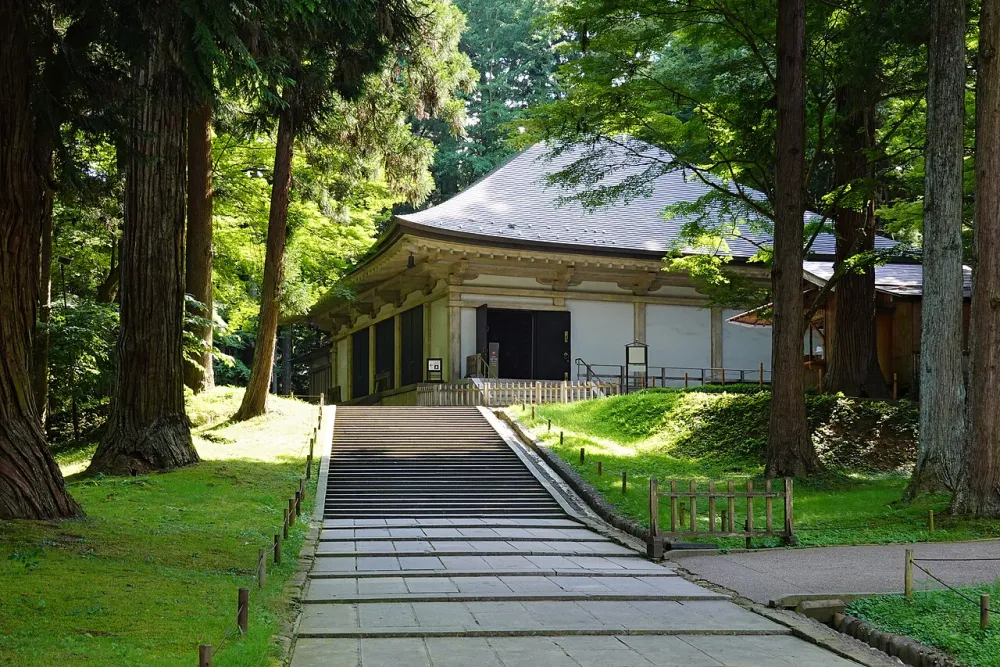
Ichinoseki is also home to Genbikei Gorge, which offers its own scenic views, so make sure you enter the exact JR station name for Geibikei when searching return trains for the boat trip. If your companions would rather skip a 90-minute boat ride and midday train dash, pivot from Ichinoseki to nearby Hiraizumi for a relaxed temple walk before catching an afternoon Shinkansen south. For a walking and viewpoint alternative, read our Hiraizumi and Chuson-ji visit guide.
Naruko Gorge: View the Bridge from Nakayamadaira and Check Buses Separately
From Ichinoseki to Naruko Onsen, take a Tohoku Shinkansen that stops at Furukawa and transfer to the JR Rikuu-East Line. JR East currently suspends rail service between Naruko Onsen and Shinjo, bridging that gap with rail replacement buses; a July 2026 restoration update projects full repairs within fiscal year 2028, with the exact train resumption date to be announced separately. If you hoped to photograph a train crossing the gorge, pivot to framing Ofukazawa Bridge, the forested canyon walls, and the river below—and note that reaching Naruko Gorge itself requires a separate local bus or taxi.
Miyagi Kotsu's seasonal Naruko-kyo / Nakayamadaira Momiji-go bus ran from October 26 to November 8 in 2026, linking Naruko Onsen Station, Naruko-kyo Nakayamadaira-guchi, and Nakayamadaira Onsen Station; rides were cash-only and boarded first-come, first-served. If your rail connections are tight, pre-book a round-trip taxi and agree on drop-off at the Naruko-kyo Rest House and your exact pickup spot. Once 2027 bus notices publish, save both outbound stop names and return departure points on your phone. If you detour into Yamagata via the JR replacement bus toward Shinjo, buy a valid ticket at the station or carry exact cash—Suica and other IC cards cannot be tapped onboard.
For first-time views of the bridge and sweeping slopes, aim for the Naruko-kyo Rest House on the Nakayamadaira side. Osaki City's 2026 notice listed the gorge walkway open from 9:00 to 16:00, with roughly 350 meters one-way from the Rest House to Kaiko-bashi Bridge before turning back, plus a roughly 230-meter open stretch from the Otani-bashi entrance on the Naruko side up to its barrier. The middle section remains closed, so write out the full entrance names when arranging rides or parking. If you drive and want a longer walk, connect from the Rest House onto the 2.2-kilometer Ofukazawa Promenade loop, checking weather closures before setting out.
In the morning, locate Ofukazawa Bridge from the main observation deck first, then decide whether to descend toward the river to see fallen leaves up close. Companions with knee trouble or caution on wet steps can wait comfortably around the Rest House. On the Nakayamadaira side, seasonal foliage parking fees apply for drivers (¥500 for standard cars in 2026). If riding the seasonal shuttle bus, pad your return schedule for boarding queues and road congestion. To catch your flight out of Sendai Airport, work backward from the train you need into Sendai and wrap up at the main overlook in time to collect your luggage.
Why Stay Overnight in Naruko: Hot Springs and an Early Gorge Start
When choosing a ryokan in Naruko Onsen, check the latest dinner check-in cutoff first. Because Day 4 pairs the Geibikei boat with the Ofunato Line, Shinkansen, and Rikuu-East Line, dinner hours dictate which train connections you can realistically make. If you book a half-board stay, highlight your absolute last acceptable train and save your bath for after arrival. With a room-only or breakfast-only plan, eat dinner in Ichinoseki or Furukawa—just confirm front-desk check-in hours ahead of time.
If you want to visit the gorge first thing before leaving Miyagi, staying near Naruko Onsen Station lets you leave large suitcases at the hotel, pick them up in one stop, and board the Momiji-go easily. Staying in Nakayamadaira puts you closer to the gorge and certain bathhouses, though reaching the station depends on hotel shuttles, walking routes, or bus schedules. Families looking to minimize stairs and waiting can book a room with private or in-building baths instead of hopping between multiple public bathhouses. For neighborhood and room comparisons, see our Naruko Onsen guide.
Before Flying Out of Sendai: Day Trip to Matsushima or Arrive a Night Early
Matsushima pairs well after Naruko if you have an extra afternoon or spend a night in Sendai. In early November, Entsu-in Temple draws visitors for intimate courtyard and pondside maples, while harbor cruises swap garden framing for island views across Matsushima Bay. With only two hours to spare, pick one: walk the temple grounds and Godaido area by day, or watch your return train to Sendai if staying for evening illuminations. Take the JR Senseki Line to Matsushima-Kaigan Station, about a 5-minute walk from Entsu-in—do not confuse it with Matsushima Station on the Tohoku Main Line, which is a much longer walk.
In 2026, Entsu-in held autumn night illuminations from October 24 to November 23 (17:30 start, last entry 20:45, separate evening ticket). The temple reports foliage separately across its stone garden, Shinji-ike Pond, and Sankeiden Hall; in its November 19 update, the pondside maples had reached peak while other sections progressed at different speeds. If you plan an evening visit next year, confirm illumination dates and Senseki Line return trains first, then decide how long to linger in Naruko or Matsushima.
If your departure flight leaves in the morning or around midday, move Night 4 to Sendai so you can catch the Sendai Airport Access Line directly from the station with less risk. Even with an evening flight, list airline check-in, bag-drop cutoffs, and terminal arrival times before finalizing Day 5. Save your Sendai transfer options and backup trains to your phone while in Naruko, then stick to your target train as soon as you finish sightseeing. For platform details, fares, and terminal walking routes, see our Sendai Airport to city transport guide.
Price Out Long-Distance Trains First, Then Fill In 4 Nights of Lodging
JR East revamped its inbound rail passes in March 2026: the former Tohoku Area version was discontinued, replaced by a new JR EAST PASS priced at ¥35,000 for 5 consecutive days and ¥50,000 for 10 consecutive days for adults, covering designated JR East rail lines, select partner railways, and eligible JR bus routes. If your five days only run from Aomori Airport to Sendai Airport, price out individual reserved tickets for Hachinohe–Ichinoseki, Ichinoseki–Furukawa, and your final leg, plus local trains and covered JR buses. If you also enter or exit via Tokyo or Narita, those added long-distance segments can easily tip the math in favor of a pass.
Split your budget sheet into two columns: one for pass-eligible rides, and another for non-covered costs like the Aomori Airport bus, Naruko's Momiji-go shuttle, potential taxis, and attraction tickets. Starting with sample adult fares—¥1,600 for the direct Aomori Airport–Hirosaki bus, ¥2,500 round-trip on the Hakkoda Ropeway, and ¥2,000 for the Geibikei boat—gives a ¥6,100 baseline before adding trains, hotels, and any Lake Towada ferry tickets at that season's rate. For exact coverage maps, train classes, and seat reservation steps, see our JR EAST PASS guide.
For the four nights of lodging, city hotels are straightforward room-rate comparisons, whereas hot spring ryokan rates need dinner, breakfast, and shuttle options factored in. Couples or friends can price total per-room rates for two and divide per person. Families with kids should check child pricing tiers separately across trains, boats, and hotels—for example, Geibikei charges ¥200 starting at age 3, unlike the ropeway's preschool-free policy. If renting a car instead, run a full quote with one-way drop fees, insurance, expressway tolls, fuel, and parking, then weigh that against fewer hotel switches and extra daylight flexibility.
Stretching It to 7 Days: Add Aizu in Fukushima with a Day Each for Two Stops
To add Goshikinuma Ponds and Ouchi-juku, continue from Naruko to base in Aizu-Wakamatsu, or keep one night in Sendai and tack on two extra days. Take the Tohoku Shinkansen from Sendai to Koriyama and transfer to the Ban'etsu West Line toward Aizu-Wakamatsu or Inawashiro. For Goshikinuma in Urabandai, ride a local bus bound for Urabandai and decide whether to start from the Bishamon-numa end or the Urabandai Visitor Center / Bussankan side and catch a return bus from the opposite end. The official trail is about 4 kilometers, though you can turn back near the trailhead if mud or bus times get tight; check the Urabandai Tourism Association for bear sightings, trail damage, or access closures.
Give Ouchi-juku its own day from Aizu-Wakamatsu via the Aizu Railway to Yunokami Onsen Station, then transfer to the Saruyu-go shuttle bus. Leave plenty of buffer for shuttle waits and exploring the thatched-roof village, and note the last return shuttle to Yunokami Onsen. Expanding from five days to seven means reworking hotels, your return train, and which day activates a 5-day rail pass. If you still fly out of Sendai Airport on Day 7, put your final night somewhere convenient for the airport, or take a later flight with enough margin to connect back through Koriyama to Sendai. For a car-free Fukushima itinerary, see our two-day Aizu-Wakamatsu itinerary without a car.
A few useful answers
When is the best 5-day window for a first autumn foliage trip to Tohoku?
For Oirase Gorge, Hirosaki, and Naruko Gorge, target late October to early November. If riding the Hakkoda Ropeway over colorful mountain slopes is a priority, shift to early October and give an extra day to Aomori. Peak timing changes by elevation and each year's temperatures, so pick your top two stops before booking hotels.
Where should I stay on a 5-day Aomori-in, Sendai-out itinerary?
For a car-free route with an evening flight out of Sendai, spend one night each in Hirosaki, Aomori, Ichinoseki, and Naruko Onsen in that order. If your return flight leaves early, move Naruko Gorge to Day 4, skip Geibikei Gorge, and spend Night 4 in Sendai.
Can I take the JR Rikuu-East Line to Naruko Gorge?
You can take the Rikuu-East Line from Furukawa to Naruko Onsen Station. JR East currently operates rail replacement buses between Naruko Onsen and Shinjo, with restoration works on the damaged section projected for completion within fiscal year 2028. To reach Naruko-kyo Rest House itself, check Miyagi Kotsu's seasonal Momiji-go bus notice for that year's operating dates and stops.
Do I have to hike over 10 kilometers at Oirase Gorge?
No—you can walk from Ishigedo to Kumoi Falls and ride a bus to see Choshi-Otaki Falls. Walking straight from Ishigedo to Nenokuchi is about 9 kilometers and takes 3 to 4 hours, plus photo, lunch, and bus wait time. When connecting to the Shinkansen afterward, pick your exit bus stop and direction before setting off.
How long is the Geibikei Gorge riverboat cruise?
The round-trip ride takes about 90 minutes, including a short stop to walk ashore. Standard tickets are ¥2,000 for adults, ¥900 for elementary students, and ¥200 for ages 3 and up. Check JR Ofunato Line departures back to Ichinoseki before choosing a sailing so your afternoon Shinkansen transfer stays comfortable.
Can I include both the Lake Towada cruise and Matsushima?
A Lake Towada cruise connects easily right after Oirase, and adding a night in Yasumiya leaves time for a lakeside stroll. Matsushima works well on an extra day before flying out of Sendai, with Entsu-in Temple as the early-November highlight. On a strict 5-day schedule, picking one of the two keeps your pace realistic.
Is the JR EAST PASS worth it for a 5-day Tohoku trip?
The revamped 5-day adult JR EAST PASS costs ¥35,000. Add up point-to-point fares for your Shinkansen legs, local JR trains, and eligible JR bus routes to see if they beat the pass price. Ropeways, boat cruises, Miyagi Kotsu's Momiji-go bus, and hotel transfers must be budgeted separately.
Official information and references
Sources used in this guide.
- Aomori Prefecture Tourism | Hakkoda Ropeway and Typical Foliage Season
- Hakkoda Ropeway | Operating Hours and Fares Effective August 2026
- Hakkoda Ropeway | Summit Trail Distances and Walking Routes
- Aomori Prefecture Tourism | Oirase Gorge Access and Foliage Season
- Oirase Field Museum | Trail Sections, Walking Times, and Traffic FAQ
- Aomori Prefecture | Route 102 Oirase Gorge Traffic Measures
- JR Bus Tohoku | Lake Towada and Oirase Gorge Route Notices
- JR Bus Tohoku | 2026–2027 Winter Bus Schedule Notice
- Towada Kanko Dentetsu | Lake Towada Sightseeing Boats
- Aomori Prefecture Tourism | Lake Towada and Yasumiya Walking Route
- Aomori Airport | Airport Limousine Buses to Aomori Station and Hirosaki
- Hirosaki Tourism | Hirosaki Castle Chrysanthemum and Autumn Foliage Festival
- Hirosaki Tourism | Hirosaki City Apple Park Fruit Picking Notice
- Iwate Prefecture Tourism | Geibikei Gorge Cliff Views and Foliage Season
- Ichinoseki Tourism | Getting to Geibikei Gorge
- Geibikei Boat Tour | Fares, Cruise Route, and Sailing Timetable
- JR East | Rikuu-East Line Restoration Progress (July 2026)
- JR East | Tohoku Region Service Status and Replacement Buses
- JR East | Rikuu-East Line Replacement Bus Stops and Boarding Guide
- Osaki City | Naruko Gorge Walking Trails and Parking
- Miyagi Kotsu | 2026 Naruko-kyo & Nakayamadaira Momiji-go Bus
- Miyagi Prefecture Tourism | Matsushima Entsu-in Foliage Season
- Entsu-in Temple | 2026 Autumn Night Illumination and Access
- Sendai Airport | Rail Access and Terminal Connections
- JR East | 2026 Inbound Rail Pass Revamp and Coverage Area
- Urabandai Tourism Association | Goshikinuma Nature Trail and Access
- Aizu-Wakamatsu Tourism | Yunokami Onsen to Ouchi-juku via Saruyu-go Bus