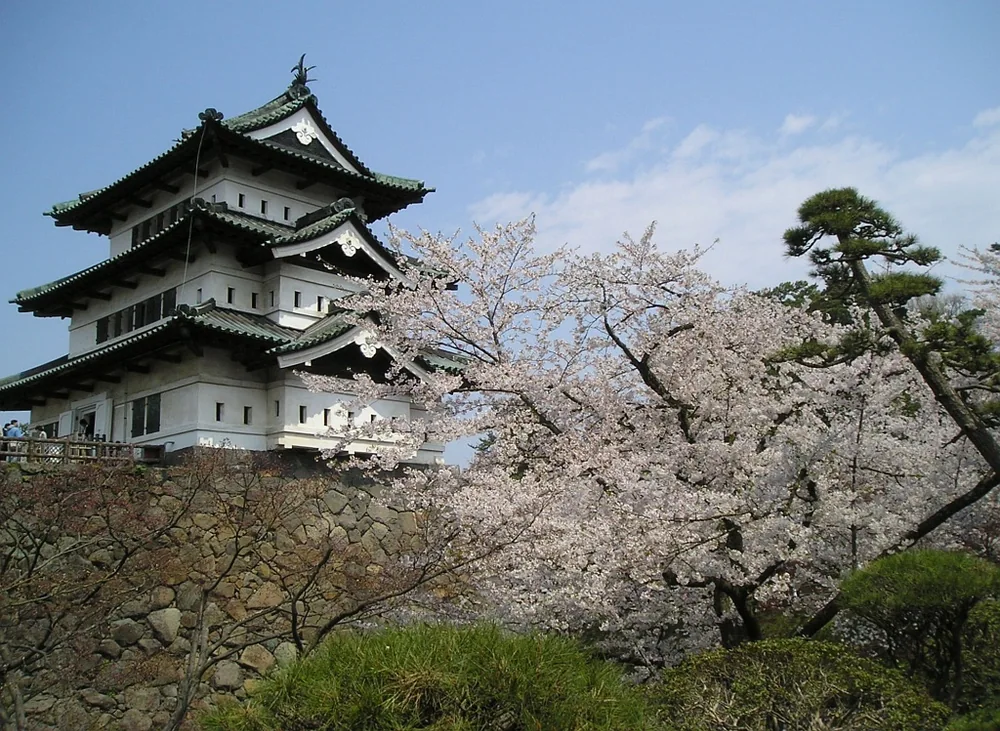
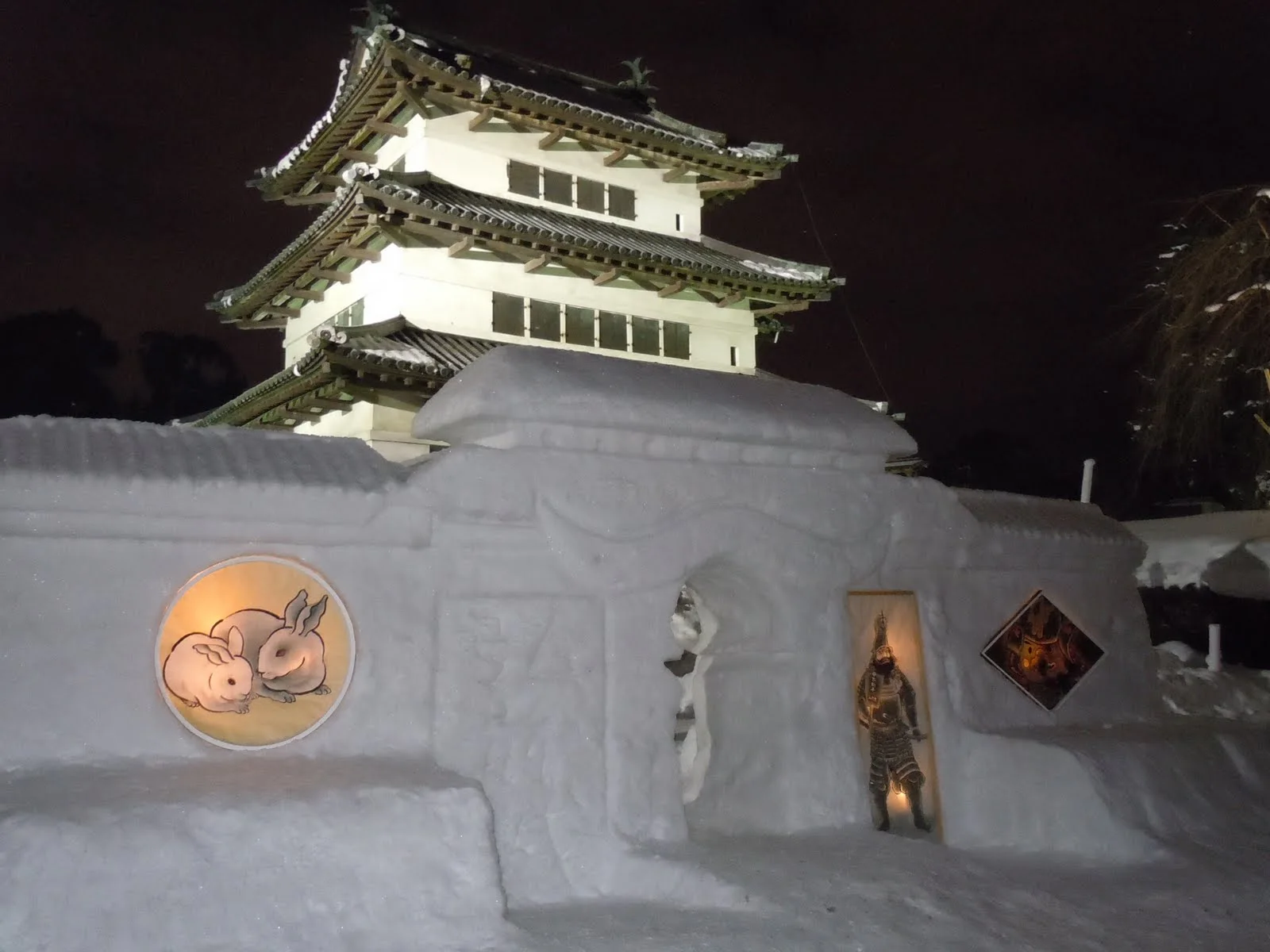
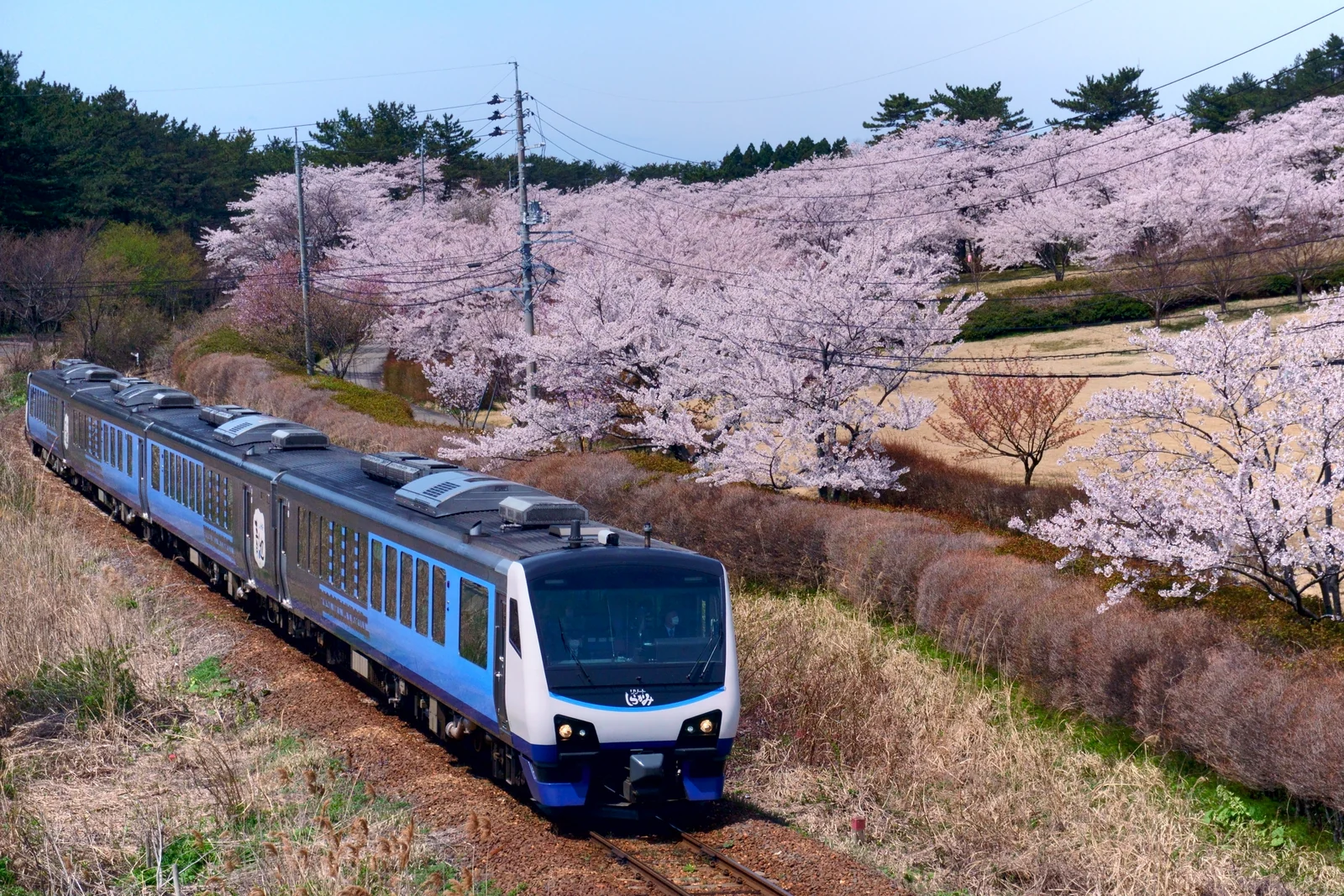
Separate the paid chrysanthemum festival at Hirosaki Castle Botanical Garden from free park illuminations and Fujita Memorial Garden's four evening openings. Choose tickets, gates and accommodation for a half-day visit or overnight stay.
- Region & Focus
- Hirosaki
- Reading Scope
- 34 min read · 14 chapters · 5 Q&As
- Official Verification
- 12 official sources checkedUpdated November 7, 2026
- Key Topics
- SeasonsWhere to stayRail travel
Chapter Route Map (tap any stop)
- Choose flowers, evening foliage or an overnight stay for both
- Three 2026 schedules: the festival, garden hours and special illuminations
- Garden-only admission or a same-day visit to Fujita Memorial Garden
- Enter through Otemon or the East Gate and visit the main venue first
- In daylight, look at cultivated chrysanthemums and this year's floral works
- With children, do activities with early deadlines first
- After dark, link Minamiuchimon, Ishibashi and bamboo lights
- Fujita Memorial Garden has four specific evening openings
- Visit Honmaru for the castle grounds and trees while the keep interior is closed
- The station bus fare has changed, and evening service ends before the lights
- Art Hotel by the station or Hirosaki Park Hotel downtown: choose by your evening return
- For half a day, choose a short flower route or a free foliage route
- Stay overnight for afternoon flowers, a short evening walk and daylight gardens
- Read photograph dates, tree species and moat locations together
- Quick Q&A
The 2026 Hirosaki Castle Chrysanthemum and Autumn Foliage Festival runs October 30–November 8. Its main daytime flower displays are in the paid Hirosaki Castle Botanical Garden, while park foliage illuminations run from 16:00 to 21:00. Visit the garden first for chrysanthemums. For a free evening route, focus on Otemon Gate, Ishibashi Bridge and Minamiuchimon Gate. Combine them in one day, then choose between the station area and downtown accommodation according to your return bus and dinner plans.
Choose flowers, evening foliage or an overnight stay for both
Start in Hirosaki Park's free areas for autumn leaves and waterside gates. Buy botanical garden admission for concentrated chrysanthemum displays and this year's floral works. An afternoon arrival suits a garden-focused visit; for free illuminations, wait for dusk around Otemon. See fine flower details in daylight, then visit Ishibashi and Minamiuchimon after dark. Walking this southern area first in the afternoon gives you a familiar exit at night.
Stay near Hirosaki Station for an early departure the next day and easier luggage handling. Downtown or south of the park works better for dinner after the illuminations or returning to your room for warmer clothes. For a daytime half-day visit, Otemon, the botanical garden and a nearby moat stretch make a complete route. An overnight stay gives you time without rushing for an intercity train. If evening views are not part of your plan, the festival alone need not mean changing hotels.
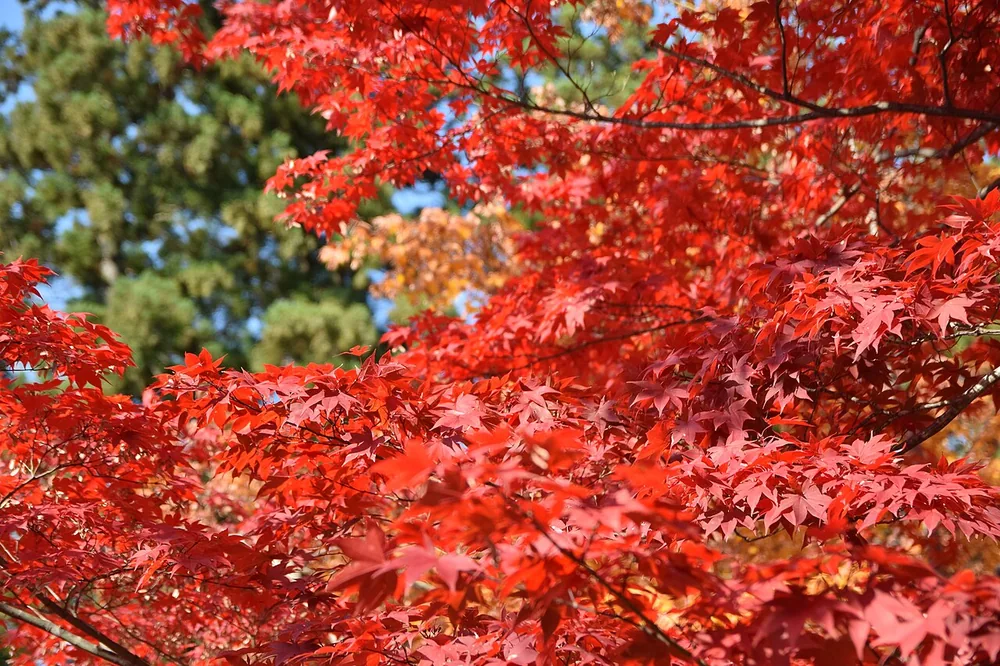
Separate the paid chrysanthemum festival at Hirosaki Castle Botanical Garden from free park illuminations and Fujita Memorial Garden's four evening openings. Choose tickets, gates and accommodation for a half-day visit or overnight stay.
Three 2026 schedules: the festival, garden hours and special illuminations
The official 2026 festival announcement sets a ten-day run from October 30 to November 8, centered on Hirosaki Castle Botanical Garden. During the festival, the garden opens 09:00–20:00, with last admission at 19:30. The latter is your entry deadline; visits end at 20:00. If the floral art is your main aim, enter before dusk to see the displays in natural light too.
Special foliage illuminations start October 30 and are announced through mid-November, daily from 16:00 to 21:00. They include colored cherry leaves outside Otemon, maples inside the park and bamboo lights. Illuminations continue beyond the festival's November 8 finish, but extended evening buses serve only the ten festival days. For mid-November, include a walk or taxi back to your room in your evening plan.
The sky continues to darken after the lights come on at 16:00. Walk familiar paths and gates first, then return to your favorite spot when the light suits you. You need not stand still until full darkness. Families can keep darker paths brief and retain flexibility for dinner and returning to the hotel. For deeper night colors, bring warm outerwear and a return plan.
Ordinary botanical garden hours are 09:00–17:00, with ticket sales ending at 16:30. The 2026 season runs through November 23. The ten-day festival extension applies only to those dates. Outside them, use the garden's annual opening information for daytime visits and the park's announced illumination areas at night.
Garden-only admission or a same-day visit to Fujita Memorial Garden
Individual botanical garden admission costs ¥320 for high school age and above and ¥100 for elementary and junior high school students. Kindergarten-age children and younger enter free. A combined ticket covers the botanical garden, Honmaru and Kita no Kuruwa, and Fujita Memorial Garden for ¥520 per adult or ¥160 per child. It is for same-day visits and suits people already planning at least two paid areas. No ticket is needed for free moat walks and gates.
For an adult visiting the botanical garden and Fujita Memorial Garden on one day, separate ¥320 tickets total ¥640; the ¥520 combined ticket saves ¥120. For elementary or junior high school students, ¥200 in separate tickets compares with ¥160 combined, saving ¥40. If the second garden is on the next day, buy tickets for each day's plan. Rushing both into one afternoon merely to use a combined ticket reduces time for flowers and leaves. Two adults and one elementary school child pay ¥740 for the botanical garden alone or ¥1,200 for three combined tickets. The ¥460 difference adds admission to the other two areas, but the family's time and stamina matter more. Combined tickets suit families already visiting both gardens. A single ticket is straightforward for an hour at the flower show, leaving the rest of the afternoon for a break.
From October 19 to November 23, 2026, the botanical garden ticket office accepts credit cards and QR payments. The garden notice limits this service to the botanical garden; Hirosaki Castle and Fujita Memorial Garden tickets remain cash-only. Carry cash for those offices rather than assuming a transit IC card covers all admission. Group rates start at ten people; ordinary families can calculate using individual rates.
| Ticket | High school age and above | Elementary and junior high school students | Best suited to |
|---|---|---|---|
| Hirosaki Castle Botanical Garden only | 320 | 100 | Chrysanthemums and floral art |
| Same-day combined ticket for three areas | 520 | 160 | The botanical garden and another paid area on the same day |
| Fujita Memorial Garden only | 320 | 100 | Fujita Garden without the botanical garden |
Enter through Otemon or the East Gate and visit the main venue first
Hirosaki Castle Botanical Garden lies in Sannomaru. Its nearby entrances are the East Gate and Otemon. From the city hall area, approach through Otemon; from the cultural center side, use the East Gate. Put your priority ticketed area early in the route, then spread out onto free paths. This avoids a long detour followed by a rush to the flowers before dark.
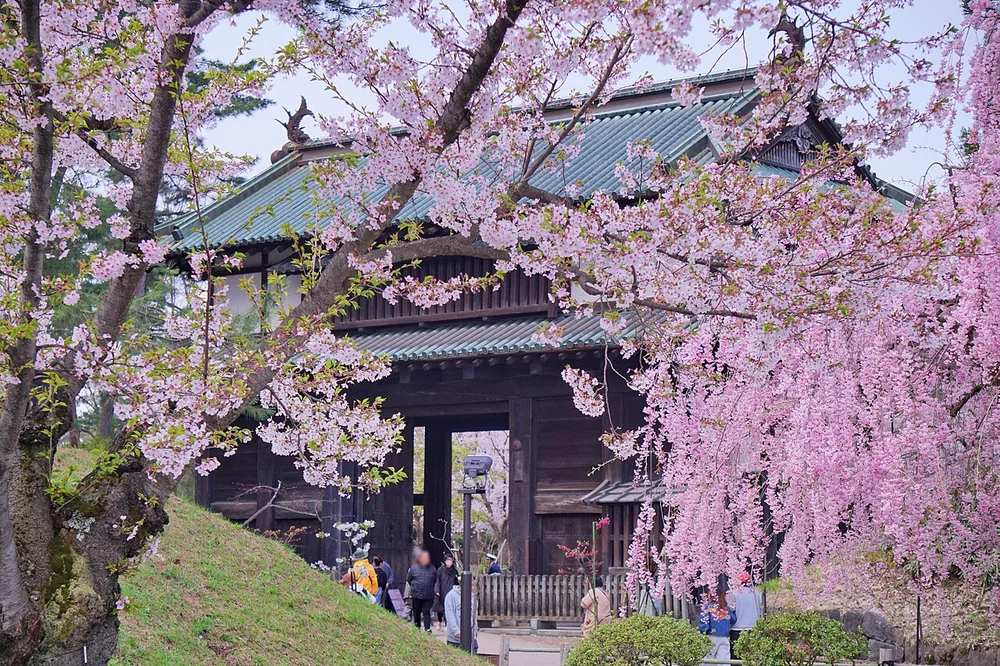
Otemon connects the southern moat, botanical garden and Fujita Memorial Garden. For a first visit lasting from afternoon into evening on one side of the park, use it as your reference and learn the exit in daylight. The East Gate gives a focused approach to the main venue for visitors who will not extend west. Both gates have this year's bamboo lights and floral animal sculptures, so you can begin looking at exhibits before entering.
Park management describes the castle site as about 600 m east to west and 1,000 m north to south. Three moats, bridges and entrances separate its areas. Two nearby map targets may require a detour on foot. With only one or two afternoon hours, choose the botanical garden and one gate rather than crossing the park. With a full day in Hirosaki, leave Honmaru or another moat side for later.
Save separate navigation targets for Hirosaki Park Otemon Gate and Hirosaki Castle Botanical Garden in Hirosaki, Aomori. This distinguishes the meeting point from the ticketed destination. A pin in the park's center is a poor first destination after the bus. If companions split up to see flowers, a named gate is an easier meeting place than an unspecified patch of red leaves.
In daylight, look at cultivated chrysanthemums and this year's floral works
Hirosaki's festival grew from autumn-viewing gatherings where people brought chrysanthemums they had grown for appraisal. It began using its festival name in 1962. That history offers two viewing scales: the citizens' chrysanthemum exhibition rewards close inspection of flowers and cultivation, while works in the open plaza are best seen from farther back for their full shapes. Compare both rather than looking only for photo signs.
The main 2026 work is Golden Autumn White Tiger, using the white tiger from the Four Symbols series. Floral landscape artist Kie Abe collaborated with Hirosaki Neputa artists and local citizens, incorporating Tsugaru bamboo basketry. White, gold and yellow dominate, with green foliage and red accents. Look closely at the bamboo structure and flowers, then step back to see the tiger's outline. Give the same work more than one viewing distance instead of leaving after a quick entrance photo.
The Pompon Mum Garden in Sannomaru includes round chrysanthemums made from yarn, art adapted from local snow-support techniques and a display for tying wish slips. Children's curiosity about real and artificial flowers can lead to examining yarn, bamboo, branches and living plants. Floral water displays with chrysanthemums and thinned apples bring Hirosaki's autumn harvest into the show and offer a different angle from potted flowers on the ground.
The botanical garden also has its permanent plants. Its October 2026 calendar lists tea flowers, autumn-blooming cherry, wild chrysanthemums, Japanese cornel and Chinese quince among its flowers and fruit. Read labels and examine branches rather than treating every area as a maple grove. The autumn-blooming cherry flowers in Hirosaki in both spring and autumn. Its small autumn blossoms beside changing leaves offer a seasonal detail.
The association's official 2022 floral-art video shows the venue's scale and display methods. The main 2026 work is Golden Autumn White Tiger.
With children, do activities with early deadlines first
The 2026 festival announcement lists a free miniature Shinkansen daily from 09:00 to 16:00. Award-winning photography and drawing entries are displayed in the botanical garden's central rest house from 09:00 to 17:00. Put the train early in the afternoon if your children want a ride, then take your time with the flowers. An evening arrival still allows floral art and lights, but misses this daytime activity.
Garden stalls are announced through 20:00, while the Sannomaru local-products hall closes at 17:00. Separate souvenir shopping from dinner: browse products in daylight and choose dinner according to actual dining options. Evening festival hours do not apply to every shop. A definite dinner destination also gives the whole family a seated break before nightfall.
A short family route can include gate-side animal sculptures, the miniature Shinkansen and two flower-display areas before returning to the same entrance. Students at Hirosaki Municipal Tsugaru Junior High School made the 2026 Otemon and East Gate animal works, paired with Ota City bamboo lights. Choose a favorite animal by day and see it lit on the return. The garden's relaxed campfire and outdoor-play area has fires from 16:30 to 19:30 on weekdays and 10:00 to 19:30 on weekends and Japanese national holidays, fitting between flowers and illuminations. Facilities include ordinary and accessible toilets, benches, shelters and rest spaces. With a stroller, make the botanical garden your main stop. Put the camera away near water or changes in level at night so both hands are free for the children.
After dark, link Minamiuchimon, Ishibashi and bamboo lights
The official illumination plan includes Minamiuchimon, Ishibashi, Tsuchibashi and the Sannomaru products hall area, with colored cherry leaves outside Otemon. After a daytime garden visit, start near Ishibashi and Minamiuchimon, then head back toward Otemon. Familiar paths make darkening leaves, gates and water easier to enjoy than a search across the entire park at night. CHIKAKEN bamboo lights stand near the garden's north ticket office and Ishibashi. Their announced 2026 hours are also 16:00–21:00 through mid-November. Examine the perforations and inner lights close up, then step back to see their arrangement among the trees. Leave passing space when taking photographs so viewers do not block a bridge entrance.
Projections in the garden's open plaza run 17:30–19:30 as part of the paid garden's evening program. Stay inside long enough to see them before leaving for the park illuminations. Going far away for night photographs and returning to the ticket office at 19:30 leaves very little exhibition time. For a free evening visit, choose gates, foliage and installations outside the paid garden without adding its ticketed show.
For phone night photographs, stand securely on a level path, take the picture and put the phone away to enjoy the view. Tripods, long compositions and reflections need space; give passage priority on narrow bridges. In strong wind or rain, stay near the entrance for leaves and bamboo lights. Even with rippled water, the foliage and gates remain worth seeing without a long wait in cold wind for a still reflection.
Fujita Memorial Garden has four specific evening openings
Fujita Memorial Garden stands beside Hirosaki Park and combines well with the Otemon side. Ordinary autumn 2026 hours are 09:00–17:00, last admission 16:30. The management notice gives festival evening openings only on October 30 and 31 and November 6 and 7, from 17:00 to 20:00, last admission 19:30. If dates are flexible and you want evening views in both gardens, compare these four nights first.
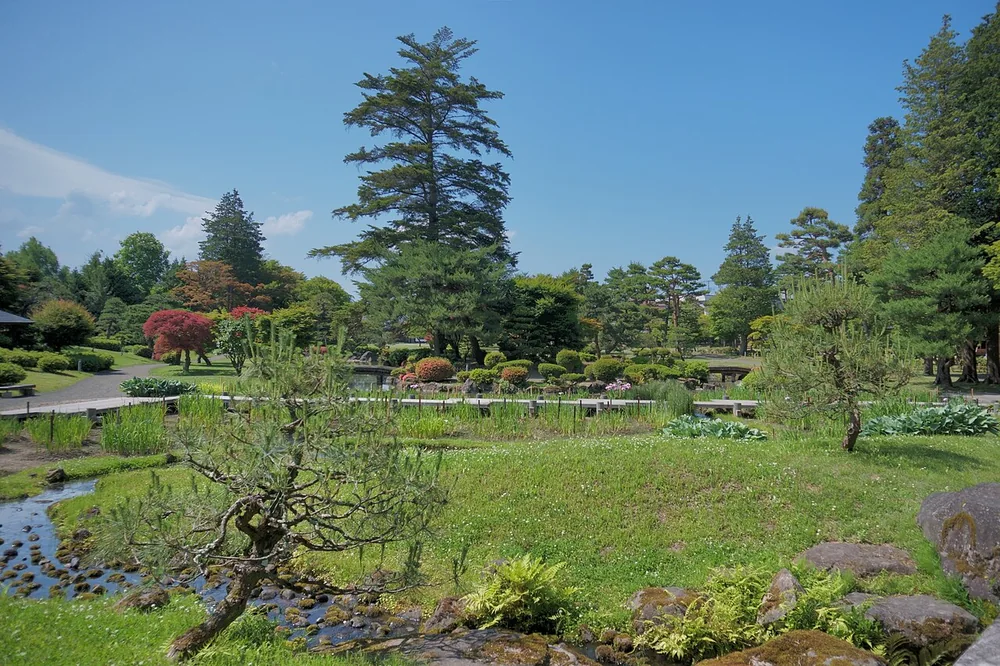
The garden has upper and lower areas separated by about 13 m in elevation. The upper area offers borrowed scenery and Western- and Japanese-style buildings; the lower follows a pond. The operator gives about 700 m for the circuit and roughly 40 minutes including the buildings. Families with strollers or people with knee concerns can focus on the upper area. For both levels, save enough energy to return to the exit after descending.
Visit Fujita Garden by day before the botanical garden toward dusk to use a same-day combined ticket and see both in natural light. On an evening-opening date, choose one garden as the evening focus and visit the other by day. Trying to linger after dark in both gardens and the free illumination areas brings two 20:00 closures into conflict and turns the evening into a rush.
The 2026 announced hours for the Taisho Roman Tea Room in the Western-style house and the craft hall's cafe space are 09:30–16:30, last orders 16:00. Use them for an afternoon break. Extended garden hours do not extend cafe service to 20:00. For gardens and sweets, take the break first, then see flowers, rather than seeking a closed tea room after the illuminations.
Visit Honmaru for the castle grounds and trees while the keep interior is closed
Hirosaki Castle's keep interior is closed in 2026. The city announced closure from November 24, 2025 for moving the keep back, conservation and seismic work, with the original plan running through March 31, 2033. Honmaru and Kita no Kuruwa charge admission from 09:00 to 17:00 between April 1 and November 23, 2026; outside those hours there is no area admission charge. This differs from the botanical garden's festival opening to 20:00. Visit Honmaru in the afternoon, then the flower show. If you only visit the open Honmaru area at night, you need not add a combined ticket for that area. The keep interior remains closed.
Moats, earthworks and separate enclosures form Hirosaki Castle. Surviving turrets and gates give autumn walkers clear subjects. Changing low leaves, gate panels and building outlines can share a frame. You can still understand how the castle areas relate without entering the keep. If historic buildings interest you, give Honmaru and Kita no Kuruwa daylight time, then move to the botanical garden in the afternoon rather than crossing most of the park at night.
Work associated with moving the keep also changes sightlines and access from those in old photographs. Follow current fences and open paths. A viewpoint in an old cherry-blossom or snow picture need not become a fixed autumn destination. Visitors focused on chrysanthemums and foliage can skip the paid Honmaru area and spend longer at the main venue. That choice leaves more afternoon and evening time than trying to visit every area simply because you are there.
The station bus fare has changed, and evening service ends before the lights
From JR Hirosaki Station's central exit, take the Dotemachi Loop Bus to Shiyakusho-mae for Otemon and the southern park. City loop bus information updated October 15, 2026 lists adult fares of ¥200 cash or ¥180 by IC card, with child fares of ¥100 or ¥90. The old 100-yen bus name may remain in hotel descriptions or old photographs. Pay the current fare for your trip.
Ordinary April–November services run every ten minutes from 10:00 to 17:00 and every twenty minutes from 17:00 to 18:00. During the ten festival days in 2026, extended services run every thirty minutes from 18:30 to 20:00. These describe the route's operating schedule, rather than a 20:00 departure at every park stop. Photograph or save your return stop's timetable on arrival so you know which side to use when leaving.
The key evening difference is that extended buses end at 20:00 while foliage illuminations continue to 21:00. To stay for that final hour, choose accommodation within walking distance or arrange a taxi. To return to the station area by extended bus, leave in time for the departure at your park stop. Planning a bus after the lights finish confuses two different end times. Choose your return method before viewing the lights so you can end the evening at your own pace.
A city loop day pass costs ¥600 for adults or ¥300 for children and is available only with MegoICa, Suica or PASMO. Buy it on the bus before touching out. An adult making just the station–park return pays ¥400 cash or ¥360 by IC card, so individual fares cost less. Calculate a day pass if you will use covered loop services several more times. Ordinary route buses have different fares and routes; passing Shiyakusho-mae does not make the loop fare applicable.
Art Hotel by the station or Hirosaki Park Hotel downtown: choose by your evening return
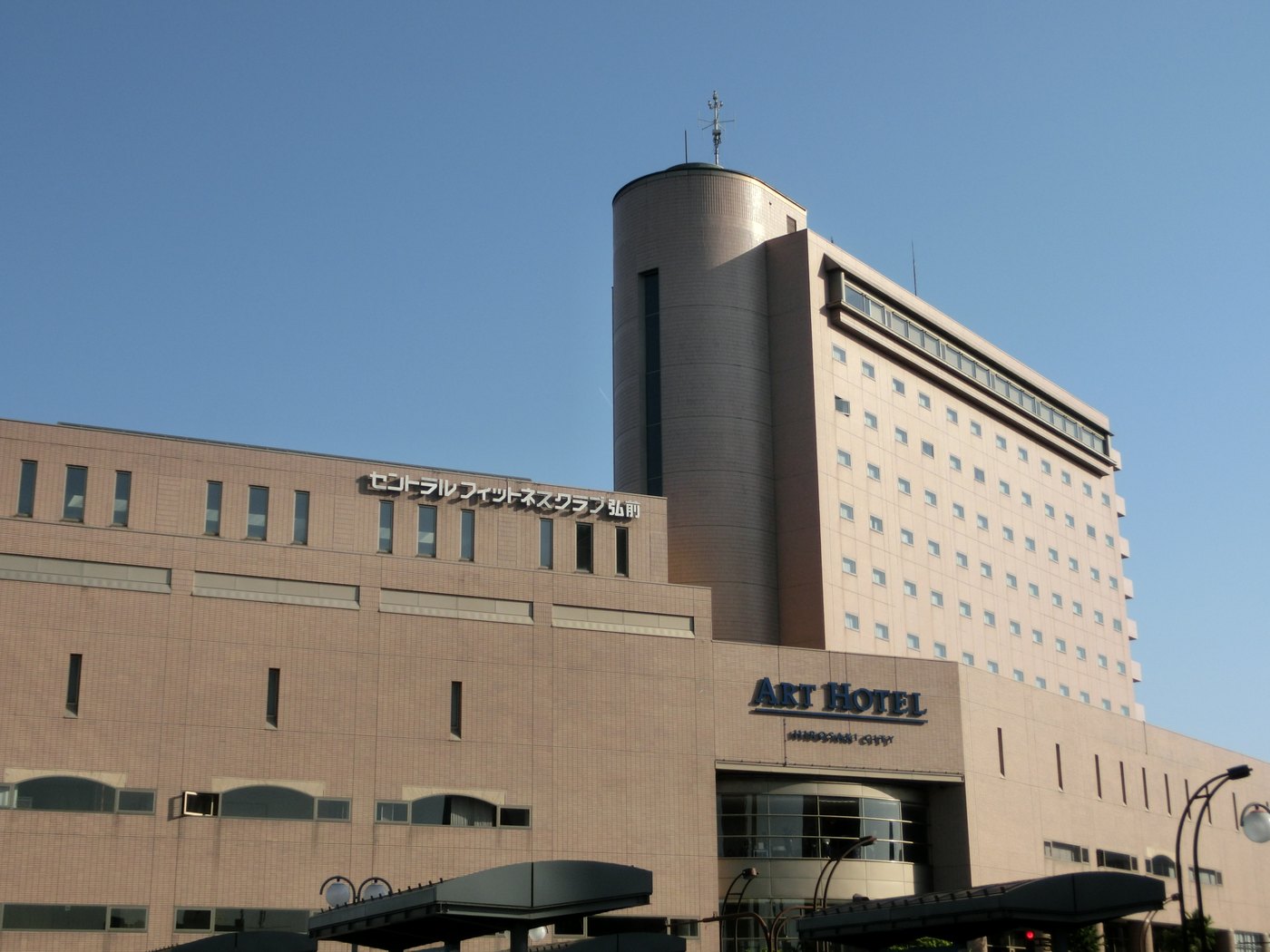
For departure from Hirosaki Station the next day or an arrival with large bags, consider Art Hotel Hirosaki City. The hotel's official access page gives about one minute on foot from the station's central exit, at 1-1-2 Omachi, Hirosaki. You can leave bags first and take the bus to the park. After late illuminations, however, you still need to get back to the station area. A station stay allows a full daytime visit, dinner downtown and then a decision about a short evening return to the park. Before an early long-distance train, you need not stay until 21:00; leave earlier to pack. After transferring at Shin-Aomori, use Hirosaki's central exit for the hotel before the park. Luggage collection brings you back to the same side for onward rail travel.
For downtown dining between the park and station, compare Hirosaki Park Hotel at 126 Dotemachi. The hotel gives about twelve minutes on foot from JR Hirosaki Station, with Park Hotel-mae as the nearest loop bus stop. Despite its name, it is in Dotemachi, outside the park. Treat it as a downtown base rather than expecting the flower show at the door. Its official access page has step-by-step walking photographs from the station. After the park, choose walking or a bus according to your energy. If you want to return for warmer clothes during the afternoon, compare the hotel-to-Otemon walk on a map first. Assess room-price differences together with actual evening transport. Without night viewing, the station location often has the clearer benefit. For repeated trips between downtown and the park, include Dotemachi in your comparison.
For half a day, choose a short flower route or a free foliage route
If you arrive in the morning and leave in the afternoon, store bags near Hirosaki Station, head to Otemon and visit the botanical garden first for chrysanthemums and the main work. Then return to the southern moat. Garden management gives ordinary walking time as about forty minutes to one hour; festival exhibits and stops justify a more generous half-day. Putting the main venue first means you have seen your priority even if later time shrinks.
For an afternoon arrival focused only on leaves, walk slowly outside Otemon and along one moat stretch, see the lights after 16:00 and return downtown for dinner after dark. This route skips both paid gardens and the wait for 17:30 projections. It suits an intercity day trip, companions uninterested in flower displays or a budget focused on meals. Gates and trees in the free park preserve the main autumn-walk experience on a shorter route.
Rain need not make either route wholly indoors. Wait in a garden rest space for lighter rain, then see nearby exhibits, or shorten the visit around Otemon and return downtown early. Grippy shoes, a rain jacket and a small packable umbrella are easier than maneuvering a large umbrella through crowds for photographs. On wet leaves beside paths and stones, stop to look and photograph instead of watching the screen while walking.
Finish a half-day route near your return exit. Do not make a distant gate the finale only to discover a long walk back to the original bus stop. Entering at the East Gate and exiting through Otemon connects with the city hall area. If your hotel or station connection uses the other side, return through your entry gate. The least backtracking depends on the entrance and your accommodation that night.
For a view from the water instead of a long moat walk, choose the Middle Moat autumn foliage sightseeing boat, available October 30–November 8, 2026. Boarding is near Ishibashi in front of Higashiuchimon Gate. The boat passes Tatsumi Turret, turns near Sugi no Ohashi Bridge and returns to the same dock in about twenty minutes, with no intermediate disembarkation. On a foliage-only half-day, remove a farther moat walk to allow for reaching the dock, waiting and riding. For a flower-focused visit, keep the botanical garden and replace the subsequent long moat walk with the boat.
Autumn 2026 daytime boats operate 09:00–16:00, with reception ending at 15:30. Fares are ¥1,000 for junior high school age and above and ¥500 for elementary school children. Each adult may bring one preschool child free. Boats run as needed during operating hours, depending on weather and passengers. Reach the dock before 15:30 to leave waiting time. Everyone must wear a life jacket. Drinking or boarding under the influence is prohibited, so schedule any downtown drinks afterward.
Stay overnight for afternoon flowers, a short evening walk and daylight gardens
An overnight visit separates evening scenery from daytime gardens. On the first afternoon, store bags, visit the botanical garden's chrysanthemum displays, rest and eat something around dusk, then see lights near Ishibashi and Minamiuchimon. Choose one or two places to linger rather than covering the whole park merely because you are staying overnight. Leave time for dinner and packing so you can enjoy the next morning. Make Fujita Memorial Garden the second morning's main stop, then collect bags according to your departure time. Gardens on separate days require individual tickets and cost more than the same-day combined ticket, in exchange for more viewing time. Garden enthusiasts may welcome that trade. Only move Fujita to the first morning for the combined ticket if you already arrive early and have just one day in Hirosaki.
For two nights, use the 2026 stage schedule to choose a daytime visit. Takasugi Nursery School performs taiko at 11:00 on October 31. On November 1, Yume Gen Kai with Atsushi Tada plays Tsugaru shamisen at 11:00, followed by YOSAKOI at 13:00. On November 2 and November 4–6, Wasangenkai performs Tsugaru shamisen daily at 11:00 and 13:30. All take place on the special botanical garden stage. Arrange admission first and fit flowers and breaks between performances. Severe weather may cancel outdoor shows. On a performance-focused day, leave Fujita Garden for another daytime visit. If you choose one of its four evening openings, pair an earlier show with the garden at night to avoid racing between two 20:00 closures.
From Shin-Aomori, look for JR Ou Main Line trains toward Hirosaki. For a return Shinkansen connection, first fix a manageable transfer, then work back through park departure, bus or walking time and bag collection. If you stay in Hirosaki that night, leave that calculation for the following day and focus only on getting back to the hotel.
To replace a long bank-side walk with an evening boat, autumn 2026 night service runs October 30–November 8 from 16:30 to 19:30, with reception ending at 19:00. The 17:00, 18:00 and 19:00 sessions can be reserved. Standard night foliage tickets cost ¥1,500 per person age six and above. Each adult may bring one child age zero to five free. The reservation product lists thirty minutes. A 17:00 booking works after afternoon flowers, followed by a short Ishibashi or Minamiuchimon walk and downtown dinner. Leave Fujita for daylight the next day and omit the botanical garden projections that evening.
The autumn evening foliage boat booking page states that confirmed reservations are non-refundable. Severe weather may stop service; a same-day cancellation is communicated to the mobile number supplied when booking. Set the party size and dinner arrangements before reserving. For a loop bus back to the station after the boat, use the return-stop times described earlier. For illuminations through 21:00, plan a walk or taxi back.
Read photograph dates, tree species and moat locations together
Hirosaki Park has maples and many cherry trees that also change color. Orange, red and still-green canopies in autumn photographs may come from different species and locations. Check where a picture was taken before choosing your route, rather than expecting one color across the park from a general peak-season label. Both the cherry trees outside Otemon and maples inside have illuminations. Looking at leaf shapes in daylight helps you recognize them at night.
For your travel week, use on-site updates from Hirosaki Park management. Note photograph dates and locations. A recent close-up can help choose one stop; a broad park view is more useful for judging whether a long walk is worthwhile that day.
Festival dates are fixed while leaf color develops during the event. If your holiday falls early, make daytime chrysanthemums and evening installations the main plan, with foliage at whichever spot looks best that day. As leaves fall, the waterside and ground offer another autumn scene.
Stay on open paths for photographs and view flowerbeds, bamboo lights and chrysanthemum works without disturbing them. Unauthorized drone flights are prohibited. Pets must enter in a carrier or stroller or be carried; assistance dogs follow their own access rules. Pets may not enter buildings.
A few useful answers
Do I need a ticket to see autumn leaves in Hirosaki Park?
Otemon, castle gates and most moat walks are in free areas. The festival's main venue, Hirosaki Castle Botanical Garden, charges ¥320 for high school age and above and ¥100 for elementary and junior high school students. Honmaru and Kita no Kuruwa, and Fujita Memorial Garden, have separate tickets.
Do the 2026 festival and illuminations finish on the same date?
The festival runs October 30–November 8, with the botanical garden open 09:00–20:00 and last admission at 19:30. Special foliage illuminations are announced for October 30 to mid-November, from 16:00 to 21:00.
Can I take the loop bus after the lights finish at 21:00?
During the ten 2026 festival days, the extended Dotemachi Loop Bus runs every thirty minutes from 18:30 to 20:00. To stay until 21:00, arrange a walk to your accommodation or a taxi. Bus users should leave early enough for the timetable at their return stop.
Does Fujita Memorial Garden open every autumn evening?
In 2026, evening opening is limited to October 30 and 31 and November 6 and 7, from 17:00 to 20:00, last admission 19:30. Ordinary autumn hours are 09:00–17:00, last admission 16:30.
Can I enter Hirosaki Castle's keep in 2026?
The keep interior has been closed since November 24, 2025, under the city's original plan through March 31, 2033. The park and open Honmaru and Kita no Kuruwa areas remain accessible. A combined ticket includes area admission, without entry to the keep interior.
Official information and references
Sources used in this guide.
- Hirosaki Tourism Association | 2026 festival, illuminations and extended buses
- Hirosaki Greenery Association | 2026 botanical garden opening, payment, facilities and access
- Hirosaki Greenery Association | Castle grounds, paid hours and keep works
- Hirosaki Greenery Association | Fujita Garden's four 2026 evening openings and cafe hours
- Hirosaki City | Fujita Garden admission and same-day three-area ticket
- Hirosaki City | Suspension of keep interior visits
- Hirosaki Tourism Association | October 2026 loop bus fares and evening extensions
- Art Hotel Hirosaki City | Central-exit access and address
- Hirosaki Park Hotel | Dotemachi address, station walk and nearest stop
- JR East | Ou Main Line from Shin-Aomori toward Hirosaki
- Hirosaki Tourism Association | Autumn 2026 Middle Moat daytime and evening boats, dock and rules
- Hirosaki Tourism Association official booking | Autumn 2026 evening boat ages, refund terms and cancellation notices