The 51st Hirosaki Snow Lantern Festival runs February 10–14, 2027. Plan your route from Shi-no-maru's giant snow sculpture to Nishi-no-kuruwa's mini snow huts and Otemon's illuminated winter sakura, plus winter bus fares, return trains, and where to stay.
- Region & Focus
- Hirosaki
- Reading Scope
- 25 min read · 9 chapters · 8 Q&As
- Official Verification
- 32 official sources checkedUpdated November 22, 2026
Chapter Route Map (tap any stop)
- Which Day to Pick in 2027: Fitting the Festival Into Your Tsugaru Nights
- Otemon Gate vs. East Gate: Choosing Between Shi-no-maru and Hasuike Pond
- How to See the Pink Winter Sakura Along the Otemon Outer Moat
- Viewing the Castle Keep Exterior and Tracing the Origin of the Nishikie Prints
- Which Exit at Hirosaki Station? Winter Loop Buses and Getting Back at Night
- Tokyo, Shin-Aomori, and Aomori Airport: Best Ways to Carve Out a Full Evening
- Where to Stay: Hirosaki Station, Dotemachi, or Keeping Your Room in Aomori
- Snow and Rain Backup Plans: Filling Half a Day Indoors Downtown
- How to Dress for a Snowy Night Walk and When to Call It Quits
- Quick Q&A
The 51st Hirosaki Snow Lantern Festival takes place in Hirosaki Park from February 10 to 14, 2027, featuring a giant snow sculpture of the Iwakiyama Shrine Romon gate in Shi-no-maru. If you only have one evening, arrive at the outer moat near Otemon Gate before sunset, then continue into the park toward the main snow sculptures and Hasuike Pond as time and stamina allow. If you want to wait for the candles to be lit and eat dinner afterward without rushing, staying overnight in Hirosaki is far less stressful than heading back to Aomori the same night. The two cities are an easy train ride apart, so what really dictates your schedule is that the winter loop bus stops running before dark.
Which Day to Pick in 2027: Fitting the Festival Into Your Tsugaru Nights
The 51st Hirosaki Snow Lantern Festival will be held in Hirosaki Park from Wednesday, February 10 through Sunday, February 14, 2027. Organizers have already announced that the centerpiece snow sculpture in Shi-no-maru will depict the Romon gate of Iwakiyama Shrine. Daylight makes it easier to read the carved eaves and facade contours that recreate the wooden gate in snow, while evening is best saved for the candlelight around Nishi-no-kuruwa. You can allot just a late afternoon and evening to Hirosaki, or arrive earlier in the afternoon and enter the park once dusk settles.
The five-day run breaks down into three distinct crowd profiles. Wednesday, February 10 and Friday, February 12 are ideal for avoiding weekend crowds. Although Thursday, February 11 is a weekday, it falls on Japan's National Foundation Day, so plan lodging and transit as you would for a holiday. Saturday suits weekend overnighters, while Sunday is the closing night. Travelers with two nights in Tsugaru should give the first night to Hirosaki and keep the second as a weather buffer or for Aomori City. Putting Hirosaki on your final night before leaving Aomori Prefecture leaves the least room to maneuver if JR trains are reduced or evening rain moves in.
As of November 22, the 51st festival's dates and centerpiece sculpture theme have been announced, while the event schedule, illumination hours, food stall listings, and admission details have not yet been released. The official event page currently displays details from the 50th festival under a notice stating they are from the previous year; the listed 10:00 to 21:00 hours and 20:00 closing on the final day apply to last year's edition. When booking trains, block out dusk through post-dinner for the park, and hold off on locking in a tight return trip for unconfirmed stage performances. If you are staying in Aomori, pick a return train that leaves comfortable walking time back to JR Hirosaki Station before deciding whether to eat dinner in Hirosaki or back in Aomori.
This year's giant snow sculpture is modeled on Iwakiyama Shrine in Hyakuzawa, while the festival venue itself sits in central Hirosaki Park. According to Aomori Prefecture cultural heritage records, the original Romon gate stands roughly 17.9 meters tall—compare its vermilion facade and sweeping eaves with the features that carry over when sculpted in white snow. To see the real gate, take the Konan Bus from Stop 6 in front of Hirosaki Station and get off at Iwakiyama-jinja-mae. That side trip works best if you have a full daytime window and can structure it around return bus times; if you reach Hirosaki in the afternoon, put your time straight into the park.
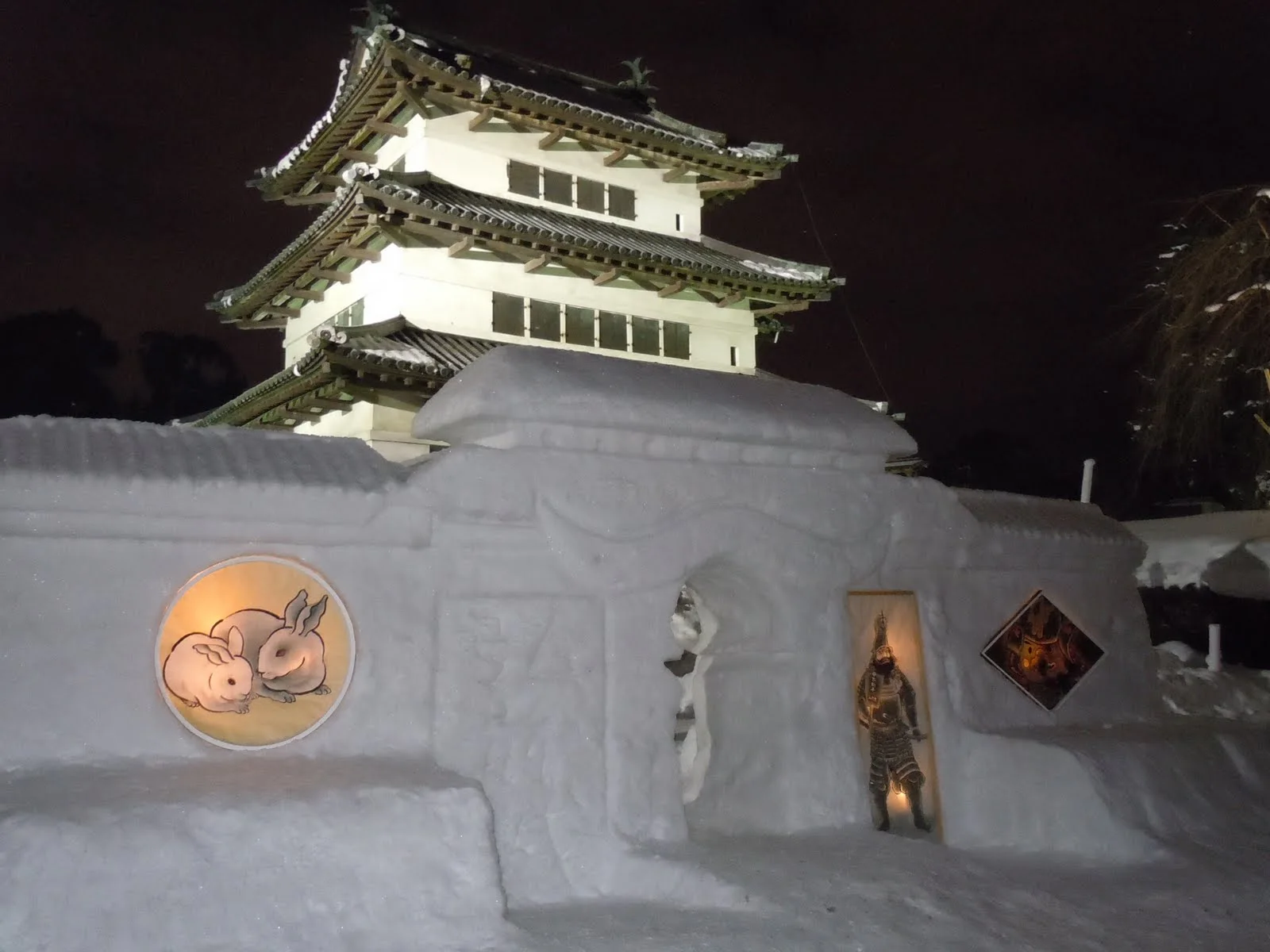
The 51st Hirosaki Snow Lantern Festival runs February 10–14, 2027. Plan your route from Shi-no-maru's giant snow sculpture to Nishi-no-kuruwa's mini snow huts and Otemon's illuminated winter sakura, plus winter bus fares, return trains, and where to stay.
Otemon Gate vs. East Gate: Choosing Between Shi-no-maru and Hasuike Pond
Hirosaki Park's layout trips up many first-time visitors. Otemon Gate faces the City Hall side—cross the street and you are in Otemon Square—making it the natural hub for combining the outer moat lights, the Municipal Tourist Hall, and the Former City Library. The main Shi-no-maru venue sits farther north inside the park, closer to the East Gate or North Gate, while the miniature snow huts of Nishi-no-kuruwa ring Hasuike Pond. Entering through Otemon Gate leaves a noticeable walk before you reach Shi-no-maru. When traveling with older adults or young children, choosing the right gate saves more energy than chasing one more photo spot inside.
If you are only making one outing, decide beforehand what you want to see most. The giant snow sculpture is best viewed from the open plaza of Shi-no-maru first to take in its full scale, then from the side to study the eaves, pillar spacing, and daytime shadows. For candlelight, stroll slowly past the snow huts around Hasuike Pond and view the row of glowing little windows from a short distance—it gives you better depth and takes far less time than stopping for a close-up in front of every hut. Official overviews list two separate displays in typical years: roughly 150 snow lanterns and snow sculptures of varying sizes across the park, and around 300 mini snow huts near Hasuike Pond.
Starting at Otemon Gate lets you view a stretch of the outer moat lights first, enter the park, follow open main paths to Shi-no-maru, and add Hasuike Pond if your legs feel up to it. Starting at the East Gate puts Shi-no-maru first, then leads through Ni-no-maru and Nishi-no-kuruwa before exiting via Otemon Gate so the outer moat becomes your walk back into town. If you hit construction closures or icy patches, stick to cleared, open walkways and turn back to wider paths whenever you see ropes or barriers. Navigating by the Japanese area names Shi-no-maru, Nishi-no-kuruwa, and Hasuike is more reliable than aiming for the castle keep, especially when you are hunting for candlelight.
With kids, reach Shi-no-maru while there is still daylight, note which gate you plan to exit from, and wrap up shortly after the first lights come on. Because the giant sculpture and Hasuike Pond sit in different zones, if a child's gloves or shoes get soaked, you can bail out through the nearest gate back into town to dry off. If your group splits up for photos, agree on a fixed landmark just outside an entrance—such as the front of the Municipal Tourist Hall in Otemon Square—before entering. The giant snow sculptures change every year and park routes shift around work zones, making permanent buildings much easier meetup points than a specific snow statue.
If you want to appreciate the snow lanterns themselves, pay attention to how light passes through the snow. Hasuike Pond's small snow huts glow low to the ground, while Shi-no-maru's tall sculptures require stepping back several paces—each calls for a different viewing distance. Dim your phone screen so your eyes adjust to the park darkness; it also makes it easier to spot others waiting to frame a shot. On narrow paths, snap your photo and keep moving; if you want to wait for falling snow or fewer people in frame, step aside onto a wider shoulder.
| Main Focus | Best Starting Area | Where to Wrap Up |
|---|---|---|
| Main snow sculpture & Shi-no-maru | East Gate side is closer to the main plaza | Exit back via East Gate toward the Culture Center, or continue to Hasuike Pond |
| Mini snow huts & candlelight | Head straight for Nishi-no-kuruwa and Hasuike Pond | Loop Hasuike Pond and turn back, budgeting extra time on snow |
| Illuminations & castle-town stroll | City Hall-side outer moat and Otemon Square | Walk a stretch of the outer moat and head back into town once chilled |
How to See the Pink Winter Sakura Along the Otemon Outer Moat
For the 2026–27 season, the Winter Sakura Illuminations (Fuyu ni Saku Sakura Light-Up) run from December 1, 2026 through February 28, 2027, typically from sunset until 21:30, free of charge. The photo target is the outer moat near Otemon Gate along the City Hall side. Pink lights hit snow resting on bare cherry branches, creating the illusion of full bloom from a distance—though light snow, temperatures, and wind decide how much white clings to the twigs. Standing on the City Hall side or walking along the moat frames both the row of trees and the water. Watch the intersections along the avenue and avoid standing on snowbanks at the curb while waiting for traffic lights.
To catch both blue-hour sky and pink-lit branches, make the winter sakura your first stop at dusk. Once darkness deepens, enter through Otemon Gate for the ground-level candlelight inside the park, then compare how the same moat stretch looks against a pitch-black sky on your way back. If you are catching a train, one pass is plenty. Unlike spring's petal-filled water, the winter moat may be frozen or snow-covered—focus your framing on the tree line, which looks just like winter cherry blossoms even without reflections on calm nights.
In past seasons, official guides have put the illuminated moat stretch at roughly 500 meters around Otemon Gate. Even if your group only has 30 minutes, walking along the City Hall side to where branches lean out over the water gives you the full effect without crossing the inner moat or castle gates. From December 1 to 7, equipment adjustments may mean partial blackouts in sections during early winter scouting. When comparing December and February trips, December offers a wider choice of dates, whereas you need the five-day February window to pair winter sakura with the Snow Lantern Festival.
The lights run whether snow is fresh or sparse, though warm rain can wash snow off the branches, leaving pink light on dark wood. If you book an extra night specifically hoping for snow-covered blossoms, swap the order of your two evenings based on whether snow is sticking to the trees. Seasonal announcements note that lighting hours are extended on select dates, including the festival weekend. Still, treat 21:30 as your baseline cutoff for planning and follow regular winter transit timetables—keep those two clocks separate.
Visiting Hirosaki outside the festival dates still gives you an atmospheric winter evening on an overnight stay. Before February 10 or after February 14, you can walk the winter sakura moat before dinner and pair the afternoon with Tsugaru-han Neputa Village or the Western-style buildings around Otemon Square. For snow photography alone, that mix gives you plenty of indoor and outdoor variety; if the giant Iwakiyama Shrine snow sculpture is your main draw, keep Hirosaki anchored inside the five-day festival window.
Viewing the Castle Keep Exterior and Tracing the Origin of the Nishikie Prints
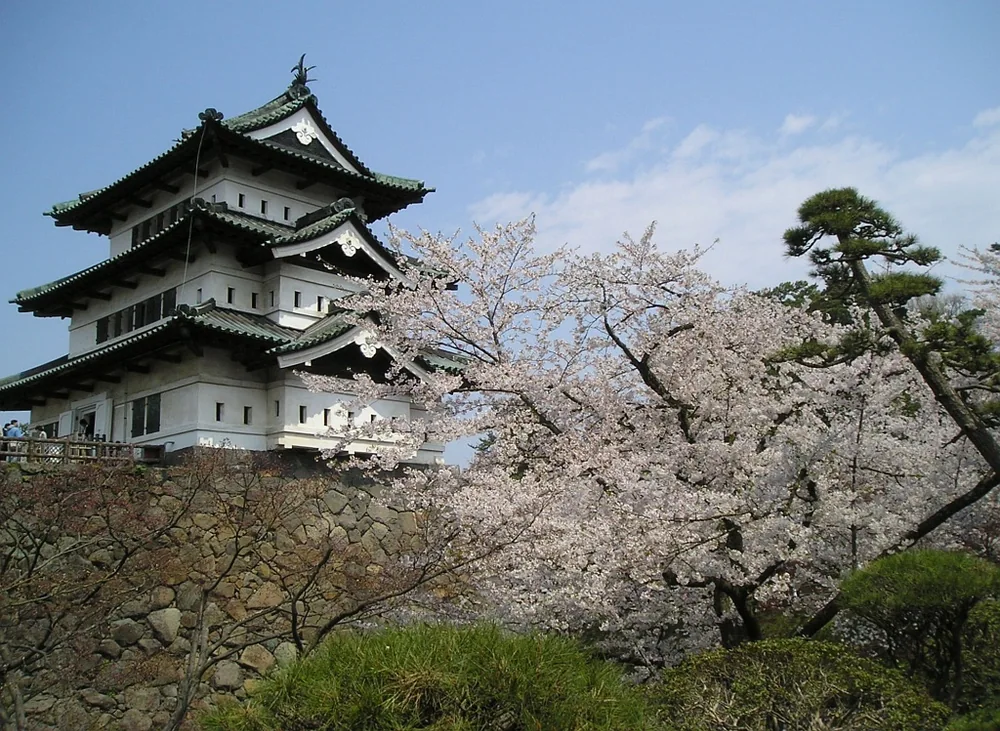
The 2027 snow festival coincides with the project to return Hirosaki Castle's keep (tenshu) to its original stone foundation. Hirosaki City rescheduled that move for March 2027, pausing work for winter from December 2026 before resuming in spring. Plan on exterior viewing only in February 2027—the keep interior has been closed for a long-term suspension since November 24, 2025. Sightlines from Gejobashi Bridge in older photos, from the keep's temporary Honmaru perch, and along the accessible paths during construction all differ. Use daylight on open walkways to take in the proportions of the roof eaves and stone walls rather than trying to orient yourself from old night photos.
Rebuilt in 1810, this three-story keep is one of Japan's twelve surviving original castle keeps. In 2015, the entire structure was moved off its foundation so the Honmaru stone walls could be repaired. The return move preserves the building while leaving visitors with two separate visual elements: the repaired wall and the keep perched nearby. Castle enthusiasts should locate the Honmaru and Gejobashi Bridge in daylight as part of an exterior walk; if you are only here for snow sculptures and illuminations, skip the Honmaru detour and save your energy for Shi-no-maru and Nishi-no-kuruwa. Inside the park, follow construction routing signs and stick to clearly marked viewing areas.
The park also preserves three Ni-no-maru corner turrets (yagura) and five castle gates—making nine Important Cultural Property castle structures alongside the keep. Passing through Otemon Gate lets you see how the main gate spans the moat, and Ni-no-maru brings the corner turrets into view; even during the keep's relocation work, these structures give castle-goers a clear sense of the fortress's layers. Foot traffic packs snow hard on the slopes in front of the gates, so step aside to study architectural details in daylight rather than standing in the middle of narrow passages at night.
In the previous edition, the Tsugaru Nishikie Great Corridor stood near the Ni-no-maru amusement area, displaying paintings from summer Hirosaki Neputa Festival floats. The fan-shaped floats feature bold warrior portraits on the front and a contrasting miokuri-e painting on the back. Winter displays let you stand still and examine the brushwork, unlike summer when you move with the parade as the hayashi music draws closer. If the 51st festival keeps this exhibit, work the corridor into your walk between Shi-no-maru and Nishi-no-kuruwa; if you want guaranteed Neputa culture during the day, head straight to Tsugaru-han Neputa Village for full-size floats and Tsugaru folk crafts.
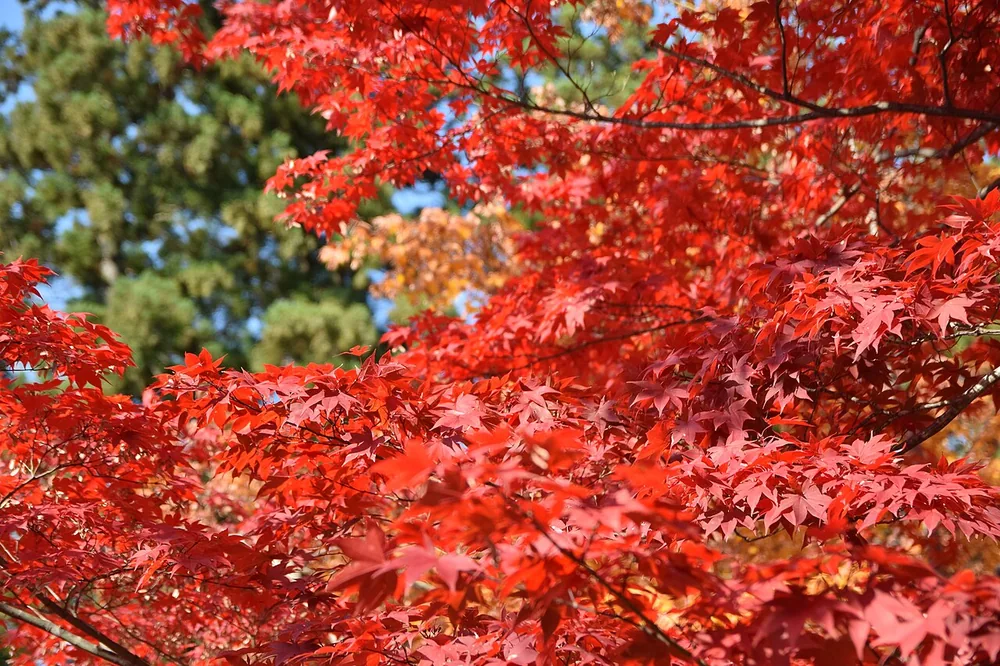
Once you leave the park, you can use this Hirosaki Park autumn foliage walking route to match the park's layout against historic keep photos. On snow festival nights, build in extra time for icy footpaths and keep your Honmaru visit brief. Don't spend your whole winter evening hunting for an angle from another season's photo—Shi-no-maru's giant snow sculpture and Hasuike Pond's glowing lanterns are what make these five days special.
Which Exit at Hirosaki Station? Winter Loop Buses and Getting Back at Night
Leave JR Hirosaki Station via the Central Exit (Chuo Exit) and board the Konan Bus Dotemachi Loop from Stop 2 outside the station; if you are starting from Hirosaki Bus Terminal, board at Stop 8. Get off around Shiyakusho-mae for Otemon Gate, or ride to Bunka Center-mae for the East Gate and an easy walk to Tsugaru-han Neputa Village. Allow roughly 15 to 20 minutes outbound, plus extra buffer in heavy snow. Loop routes serving the residential districts east of the station depart from the opposite side, so confirm the Central Exit signs before heading outside.
Following the October 1, 2026 fare revision, the Dotemachi Loop Bus costs ¥200 in cash or ¥180 with a transit IC card for adults, and ¥100 cash or ¥90 by IC card for children. Two adult IC-card rides total ¥360, and two child IC-card rides total ¥180. A one-day loop pass costs ¥600 for adults and ¥300 for children, and is only loaded onto MegoICa, Suica, or PASMO cards. Even three adult IC-card rides add up to ¥540, so the day pass only makes sense if you plan four or more trips. Keep coins handy if paying cash, or top up your IC card at the station beforehand.
In winter, the loop bus normally runs every 10 minutes from 10:00 to 17:00—the late 17:00 to 18:00 service window only operates from April through November. Take the bus out to the park, then plan to walk, catch a regular route bus still in service, or take a taxi back after dark. Because it is a loop route, verify the direction of travel when stops share the same name. If you head back while daytime buses are still running, boarding at Bunka Center-mae near the East Gate spares you walking back across the park to Otemon.
From JR Hirosaki Station to the southern edge of the park is about 2 kilometers—a pleasant castle-town stroll in dry weather, but do not rely on a map app's fastest walking time on a February night if you have a reserved train or transfer to catch. Snowplows pile banks at street corners, narrowing sidewalks near the park and slowing anyone rolling luggage. If you plan to walk back after viewing the outer moat, stick to lit commercial streets downtown; if lingering along Dotemachi threatens dinner and your last train, take a ride straight to the station and eat in Aomori or dine before entering the park.
Taking a taxi makes sense if anyone has sore knees, if you are with kids, or if you need to catch a train right after leaving the park. Set your pickup point somewhere a car can safely pull over outside the park—note the Municipal Tourist Hall or a clear intersection on arrival, and show the Japanese name to the driver. East Gate and North Gate work too as long as your group knows which side to wait at. In falling snow, simply typing 'Hirosaki Park' easily strands driver and passengers at opposite gates.
If you are driving and starting at Otemon Gate, the Municipal Tourist Hall Underground Parking Garage is your best first option. Standard vehicles get the first hour free, then pay ¥100 per 30 minutes; it operates 24 hours with a 2.1-meter height clearance. Two hours comes to ¥200, and you can leave the car there while walking along the City Hall side to eat on Dotemachi after the festival. Factor in any roof box or rack on a rental car before entering. If your group arrives in separate cars, meet at street level in Otemon Square rather than searching for one another underground.
Tokyo, Shin-Aomori, and Aomori Airport: Best Ways to Carve Out a Full Evening
From Tokyo, take the Tohoku Shinkansen to Shin-Aomori and transfer to the JR Ou Main Line bound for Hirosaki. Local trains take about 40 minutes from Shin-Aomori to Hirosaki, with Limited Express trains running at select hours—factor both base fare and express surcharges when checking schedules. Shin-Aomori serves as the Shinkansen-to-local transfer hub, while travelers staying near Aomori Station board the Ou Main Line directly toward Hirosaki. When traveling with older relatives or heavy bags, leave a full train's cushion at Shin-Aomori to use restrooms, grab drinks, and find the transfer track without rushing.
At Shin-Aomori, follow the Shinkansen Transfer Gate signs toward the conventional JR lines. JR station maps place Shinkansen platforms at Tracks 11–14 and the Ou Main Line at Tracks 1–2; once downstairs, check the platform display for your train's direction and departure time. Arrivals and departures sit on different levels, so groups with strollers or anyone waiting on elevators should build extra time into the connection. If you plan to exit the ticket gates to shop in Shin-Aomori, add time to pass back through the standard gates.
Under JR East's standard reserved-seat release rules, tickets for February 10 go on sale on January 10 at 10:00 JST, with the same one-month rule applying to later festival dates. Through the Japanese Eki-net site's advance application (jizen uketsuke), you can submit requests starting at 14:00 JST one week prior to the general release date, though seats are assigned when regular sales open. To keep family seats together, lock in a comfortable return train that does not force a sprint through the park; if you leave Tokyo in the afternoon, aim for just one illuminated area on your first night to avoid tough choices right after arrival.
From Aomori Airport, direct Konan Bus service runs to Hirosaki Bus Terminal from Stop 1 outside the terminal—roughly 55 minutes, at ¥1,600 for adults and ¥800 for elementary school students. Airport buses to Aomori Station go the opposite direction, so if you are staying in Hirosaki, look for the stop marked Hirosaki. Taking the Aomori route costs more than a single ticket once you add a downtown train transfer. Count your festival evening from when you drop bags at your hotel after claiming luggage, not from your flight's scheduled landing time straight to Otemon Gate.
If you are doing a day-and-evening round trip from Aomori City, check JR Hirosaki Station's Aomori-bound timetable early, pick a primary return train, and note one later backup. Departures are not evenly spaced—a 20-minute gap versus an hour-long wait changes whether you can sit down for dinner in Hirosaki. Save screenshots of platform details and walking directions from the station to your hotel. If heavy snow disrupts service, check JR East's Tohoku train status updates to decide whether to leave early or stay overnight in Hirosaki, and keep your evening walk within easy reach of transit if schedules wobble.
Where to Stay: Hirosaki Station, Dotemachi, or Keeping Your Room in Aomori
If you want minimal luggage hauling and an early morning train, staying near JR Hirosaki Station is the most practical base. Toyoko Inn Hirosaki Ekimae sits about a 1-minute walk from the JR Central Exit, letting you drop bags immediately on arrival and avoid pulling suitcases across snowy castle-town streets at dawn. The trade-off is crossing back from the park to the station after the lights. Families of two adults and one child should weigh station-area room rates, total round-trip fares, and bed layouts together—morning walking distance to the train usually matters more than a small fare difference.
If maximizing illumination time is your priority, look first at Honcho, Dotemachi, or near Otemon Gate. Dormy Inn Hirosaki sits in Honcho—its official site lists a roughly 30-minute walk from JR Hirosaki Station or 6 minutes from Chuo-Hirosaki Station—and features separate men's and women's top-floor natural hot spring baths. Staying nearby lets you get out of wet socks faster at night and puts you in an easy position for museums and the outer moat during the day. Note that trains from Shin-Aomori arrive at JR Hirosaki Station, whereas the 'near station' listing refers to Chuo-Hirosaki on the Konan Railway Owani Line, so keep those two stations distinct when comparing hotels.
Groups staying in Honcho who want to head straight from the train to the park can use the luggage delivery counter on the first floor of the Tourist Information Center at JR Hirosaki Station's Central Exit. Service runs from 9:00 to 17:00 for same-day delivery to downtown hotels, priced per vehicle at ¥1,300 to ¥2,200 depending on distance, provided all bags fit inside the vehicle. With only a bag or two and a station-side hotel, dropping luggage off yourself is simpler. With several large suitcases and a park-side hotel, compare that vehicle fee against moving the whole group to the hotel first—and keep medications, phones, and spare gloves on you if you are walking straight into the park at dusk.
Staying around Aomori Station works best if you already have multi-night bookings, want daytime access to the port and station market, or are catching an Aomori Airport bus or heading elsewhere in the prefecture the next day. In that case, keep Hirosaki as a compact afternoon-and-evening loop hitting one highlight at the outer moat and one inside the park. If someone in your party hates waiting in freezing wind for a train, or if you have not booked yet, spending one night in Hirosaki feels noticeably more relaxed. If your Aomori room is already prepaid, weigh the price difference and cancellation fee before deciding to repack.
Plan dinner alongside your hotel location. If you are staying in Dotemachi and want a table right after leaving the park, scout a few spots open late on your walk in, and mention kids or non-smoking seating when reserving. If you are staying near the station after dark, eat near the station blocks or have a hot meal before entering the park. Park stalls are good for a quick warm-up snack, while downtown restaurants are better for a proper sit-down dinner. Look for Tsugaru staples like fried squid patties (igamenchi) or apple desserts, and work local Hirosaki hard cider into a daytime stroll.
Snow and Rain Backup Plans: Filling Half a Day Indoors Downtown
When flurries alternate with clear breaks and paths are walkable, spend the afternoon at Tsugaru-han Neputa Village before heading toward the park's north entrance. The exhibition and craft experience area is open 9:00 to 17:00 (facility closes at 17:30); admission is ¥600 for adults, ¥400 for middle and high school students, ¥300 for elementary students, and ¥100 for children aged 3 and up. The shop and dining areas are free to enter, and hands-on craft workshops carry separate fees if you skip the exhibition hall. Viewing full-size floats, hearing live music, or trying a craft leaves time to move over to the park without cramming indoor sights into the dark.
If you plan to start at Otemon Gate at dusk, spending the afternoon in Otemon Square across from City Hall saves steps. The Former Hirosaki City Library is free to enter from 9:00 to 17:00, featuring twin octagonal towers and a restored reading room. In the same square, the Municipal Tourist Hall generally opens 9:00 to 18:00 with visitor maps, souvenirs, Neputa float displays, and winter boot rentals. If your sneakers turn out to be too slick by midday, ask about available boot sizes and same-day return deadlines so you know whether you can walk the moat or venture deeper into the park. If you plan to stay out late under the lights, packing your own non-slip footwear gives you more freedom.
Right nearby, Fujita Memorial Garden makes a good stop if you only have an hour to spare. In winter, the upper terrace and Western-style residence stay open with free admission—the residence generally runs 9:00 to 17:00, with food and drinks at the Taisho Roman Tea Room priced separately. Pick this house if you want to watch snow fall from a warm window, or hit the Tourist Hall first if you just need a park map before walking out. On clear days, the garden terrace frames Mount Iwaki; in overcast weather, the residence's windows and main hall still hold their own. Both sites sit on the City Hall side, so you do not need another loop bus ride just to warm up.
When heavy rain or driving snow settles in, dedicate half a day to the Hirosaki Museum of Contemporary Art (Hirosaki Brick Warehouse Museum). Standard winter hours run 9:30 to 17:00, closed Tuesdays (or the following day if Tuesday is a holiday); the 'Taisho to Reiwa Avant-Garde' exhibition runs December 4, 2026 through May 16, 2027, spanning the entire February festival period. The historic red-brick cider warehouse itself rewards slow wandering, and if the wind drops by evening, you can walk from Dotemachi straight to the Otemon outer moat. If temperatures plunge after rain and pavements ice over, stay inside longer and stick to well-cleared restaurant blocks at night.
For an apple-focused afternoon, head to the suburban Hirosaki City Apple Park and its Ringo no Ie (Apple House). February is for seeing snow-blanketed orchards and shopping for apple goods—save fruit picking for autumn. Since the Tamenobu-go sightseeing bus suspends service from December through March, take a regular Konan Bus to Tokiwazaka-iriguchi and walk roughly seven minutes. Return buses are infrequent, so check the next departure back toward the station or City Hall before deciding whether to sit down for dessert. If you already have two snowy park walks planned, downtown's historic Western buildings and cafes can spare you the suburban trek.
If you have two nights booked in Aomori City, bad weather is a good reason to flip your itinerary. Save indoor museums, the station market, and waterfront spots in Aomori for the stormier day, and give the calmer walking forecast to Hirosaki. Winter travel across the prefecture moves slower than straight-line map distances suggest, and detours toward the foot of Mount Iwaki easily eat into bus connections. Once you have seen the illuminations you came for, dedicate the next afternoon to indoor exhibitions or castle-town streets so neither day feels half-baked.
How to Dress for a Snowy Night Walk and When to Call It Quits
According to 1991–2020 Japan Meteorological Agency climate normals for Hirosaki, mid-February averages a daily high of 2.3°C and a daily low of −4.5°C. Snow churned and melted by daytime foot traffic refreezes after dark, meaning paths that felt fine in the afternoon require careful footing on the way out. Prioritize deep-tread soles, waterproof uppers, and dry socks—fixing your footwear helps far more than piling on another heavy sweater. Adjust your scarf and hood before entering the park, and unzip your outer layer slightly if you warm up walking. On windy nights, standing still cools you down fast; pack an extra pair of gloves for kids so they do not have to walk back from Nishi-no-kuruwa to the station with wet hands after playing in snow.
When you hit packed, glossy ice, shorten your stride and take your hands out of your pockets when crossing bridges. Plowed snowbanks block sightlines near intersections around City Hall, so check both ways carefully before crossing, and step back from slopes and moat edges when pausing for photos. Warm up in stages at stations, hotel lobbies, or museums, and travel light rather than hauling spare camera gear you will not use. What actually helps at night is a small backpack you can carry hands-free, a phone screen you can tap with gloves on, and enough battery left to pull up return train times.
Kids may beg for one more round in the snow and adults may want to check off every sculpture, so decide your turnaround point before heading out. If someone's shoes start slipping, fingers get too numb to work a phone, or your buffer for the return train drops to 30 minutes, retreating into town saves the next day's plans far better than chasing one last lantern. Because the outer moat runs right alongside town streets, you can always catch a quick stretch of it if the weather clears—save the snow huts and giant sculpture for a calm night when the footing feels steady.
A few useful answers
What are the dates for the 2027 Hirosaki Snow Lantern Festival?
The 51st edition runs from Wednesday, February 10 through Sunday, February 14, 2027 in Hirosaki Park. February 11 is Japan's National Foundation Day.
Has the admission fee for the 51st festival been announced?
As of November 22, 2026, organizers have announced the dates and centerpiece snow sculpture theme, but admission fees have not yet been published. The outer moat's Winter Sakura Illuminations are free.
What time do the Hirosaki Snow Lantern Festival lights turn on?
Park illumination hours for the 51st edition have not yet been announced. Overlapping the festival dates, the Winter Sakura Illuminations along the outer moat near Otemon Gate run from sunset until 21:30 per the seasonal schedule.
How do I find the miniature snow huts in Nishi-no-kuruwa?
Look for signs pointing to Nishi-no-kuruwa and Hasuike Pond inside the park. To see the giant snow sculpture of Iwakiyama Shrine's Romon gate, start in Shi-no-maru on the northern side.
Do cherry blossoms actually bloom in Hirosaki Park in winter?
No—pink spotlights illuminate snow resting on bare cherry branches along the outer moat, creating the look of trees in full bloom. The 2026–27 lighting season runs through February 28.
Can you go inside the Hirosaki Castle keep during the festival?
No, the keep interior has been closed for a long-term suspension since November 24, 2025. Hirosaki City plans to move the keep back to its original stone base in March 2027, and you can view the exterior from open areas of the park in February.
How much does the loop bus cost from Hirosaki Station?
Since October 2026, the Dotemachi Loop Bus costs ¥200 cash or ¥180 by IC card for adults, and half that for children. It is best for daytime rides; plan to walk or take a taxi after evening illuminations.
Where can I go during the day if it rains before the evening lights?
Otemon Square has the Municipal Tourist Hall and the free Former Hirosaki City Library, while Tsugaru-han Neputa Village offers indoor festival float exhibits. The Hirosaki Museum of Contemporary Art generally opens 9:30 to 17:00 in winter.
Official information and references
Sources used in this guide.
- Hirosaki Tourism & Convention Bureau | 51st Festival Dates, Main Sculpture Theme, and Past Venue Maps
- Cabinet Office of Japan | 2027 National Holidays
- Winter Sakura Illumination Executive Committee | 2026–27 Outer Moat Lighting Schedule
- Aomori Prefecture Official Tourism | Winter Sakura Illumination Prices and Location
- Hirosaki City | Hirosaki Castle Keep Return Move Schedule Update
- Hirosaki City | Castle Keep Relocation and Interior Closure Notice
- Hirosaki Tourism & Convention Bureau | Loop Bus Fares, Seasonal Headways, and Day Pass
- Hirosaki Navi | Hirosaki Station Bus Stop Guide
- Hirosaki Tourism & Convention Bureau | Dotemachi Loop Bus Stops and Winter Hours
- Hirosaki Park Cherry Blossom Festival Access | Park Gates and Loop Bus Stops
- Hirosaki City | Shin-Aomori Transfers and Mount Iwaki Bus Stop Guide
- Aomori Airport | Hirosaki-Bound Bus Fares and Boarding Stop
- JR East | Reserved Seat Sales and Eki-net Advance Applications
- Tsugaru-han Neputa Village | Hours, Exhibition Admission, and Free Areas
- Hirosaki City | Former Hirosaki City Library
- Hirosaki Tourism & Convention Bureau | Municipal Tourist Hall, Float Exhibits, and Boot Rentals
- Hirosaki Museum of Contemporary Art | Winter Opening Hours
- Hirosaki Museum of Contemporary Art | Taisho to Reiwa Avant-Garde Exhibition
- Hirosaki Tourism & Convention Bureau | Apple Park Winter Bus and Ringo no Ie
- Toyoko Inn | Hirosaki Ekimae Location
- Dormy Inn Hirosaki | Address and Walking Times
- Dormy Inn Hirosaki | Natural Hot Spring Baths and Facilities
- Hirosaki City | History and Three-Story Structure of Hirosaki Castle Keep
- Hirosaki City | Nine Important Cultural Property Structures of Hirosaki Castle Ruins
- Hirosaki Park Cherry Blossom Festival Access | Municipal Tourist Hall Underground Parking
- JR East | Shin-Aomori Station Map
- JR East | Tohoku Area Train Operation Information
- Hirosaki Tourism & Convention Bureau | Hirosaki Station Luggage Delivery Service
- Hirosaki Tourism & Convention Bureau | Fujita Memorial Garden Winter Open Areas
- Japan Meteorological Agency | Hirosaki 10-Day Climate Normals
- Aomori Prefecture Cultural Properties Protection Division | Dimensions and Architecture of Iwakiyama Shrine Romon Gate
- Hirosaki Tourism & Convention Bureau | Access to Iwakiyama Shrine