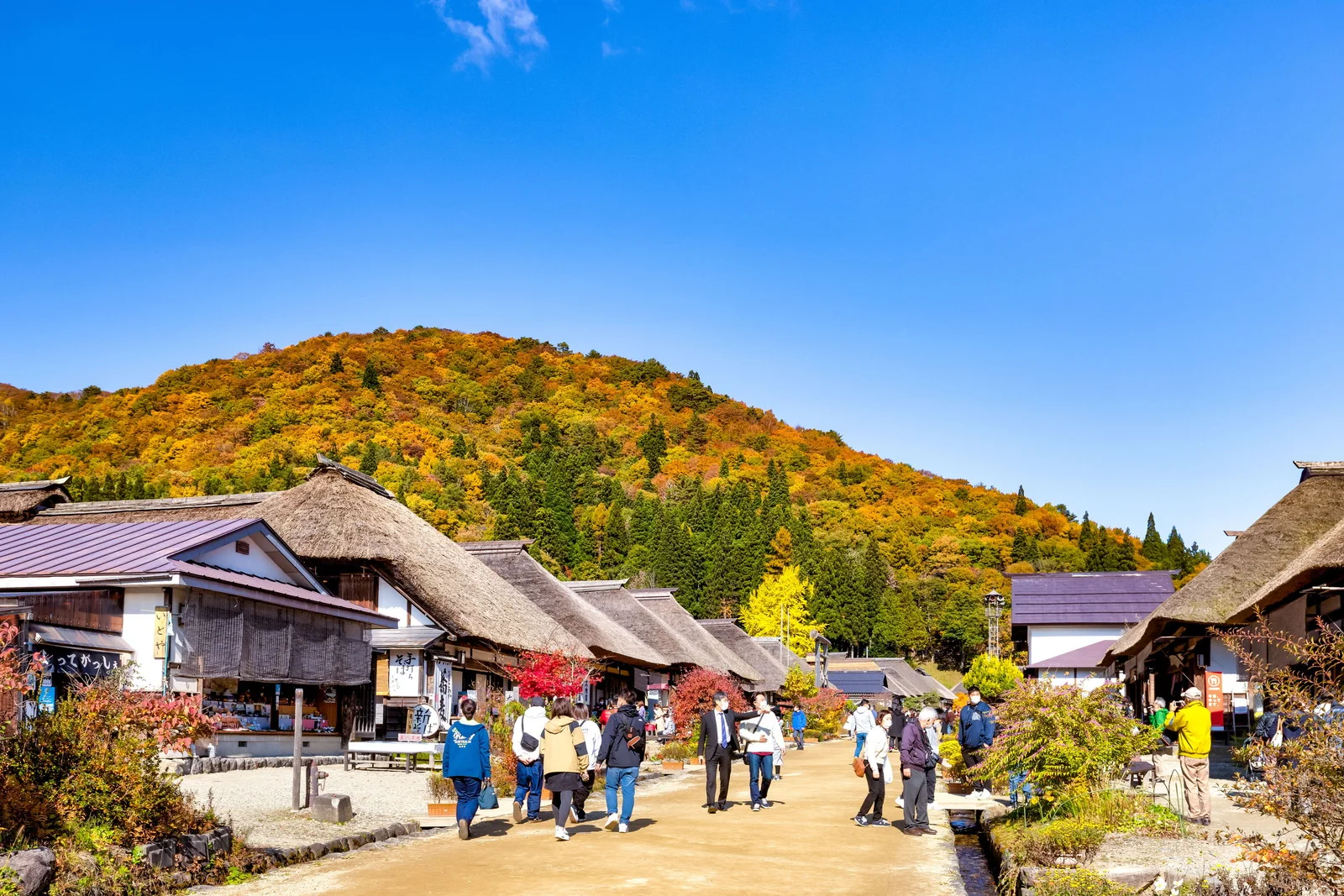
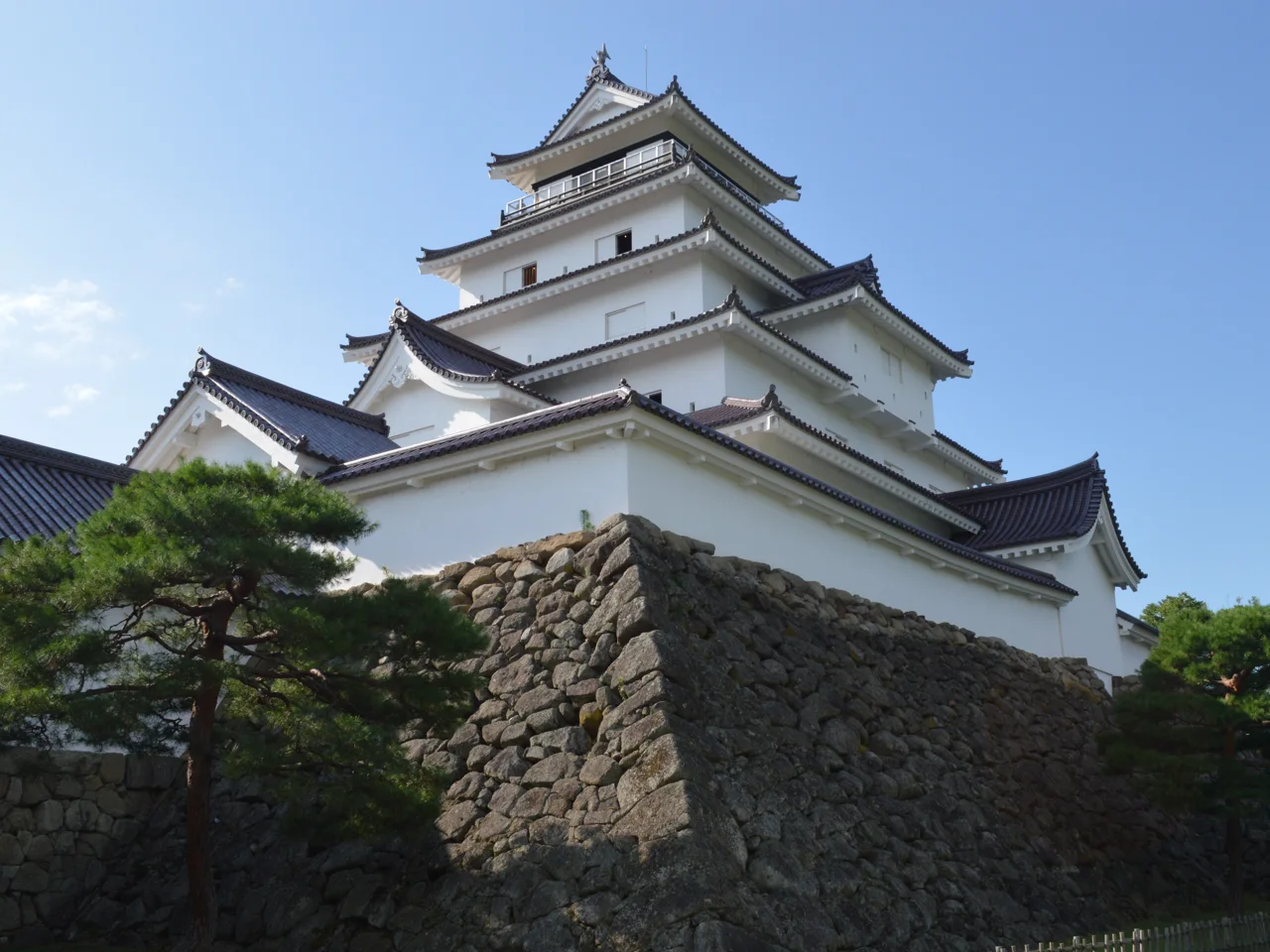
Naruko Onsenkyo brings together five hot spring districts—Naruko, Higashi-Naruko, Kawatabi, Nakayamadaira, and Onikobe—boasting 8 of Japan's 11 traditional spring types, with waters that shift color daily with the weather. Iconic bathhouse Taki-no-Yu costs ¥300 for adults (7:30 AM–9:00 PM), reachable via a 45-minute JR Rikuu East Line ride from Furukawa. Naruko Gorge's autumn foliage peaks from mid-October to early November, alongside kokeshi workshops and the Japan Kokeshi Museum's 5,000-doll collection.
- Region & Focus
- Tohoku
- Reading Scope
- 14 min read · 7 chapters · 4 Q&As
- Official Verification
- 7 official sources checkedUpdated November 20, 2026
- Key Topics
- Hot springsItinerariesTohoku
Chapter Route Map (tap any stop)
- Five Hot Spring Districts: Choosing by Water and Itinerary
- Public Bathhouse Hopping: Choosing by Spring Type and Budget
- Naruko Gorge Autumn Foliage: A Short Mid-October to Early November Window
- Kokeshi Dolls and Lacquerware: Naruko's Living Craftsmanship
- Getting There: 45 Minutes from Furukawa, Rail Disruptions, and Driving
- Fitting Naruko Onsen into a Tohoku Itinerary
- Beyond Naruko Gorge: Dam, Crater Lake, and Geothermal Trail
- Quick Q&A
Naruko Onsenkyo is not a single spa town, but a valley of five distinct hot spring districts—Naruko, Higashi-Naruko, Kawatabi, Nakayamadaira, and Onikobe—each with its own water chemistry, public bathhouses, and walkable character. What draws dedicated bathers here is an astonishing concentration of mineral diversity: 8 of Japan's 11 traditional spring classifications bubble up within Naruko, and the water in a single tub can shift hue from day to day depending on the weather. You can easily fill a day trip just hopping between public baths in town—Taki-no-Yu, the sacred bath of Onsen Shrine, opens at 7:30 AM for just ¥300, while one stop west in Nakayamadaira, Shintoro-no-Yu offers silky alkaline waters for ¥500. Access takes about 45 minutes on the JR Rikuu East Line from Tohoku Shinkansen Furukawa Station, though travelers coming from the west should note that rail service between Naruko Onsen and Shinjo remains suspended after heavy rain damage and is served by replacement buses. From mid-October to early November, peak autumn foliage drapes the sheer cliffs of Naruko Gorge, pairing with the area's signature kokeshi wooden doll craft to define northern Miyagi's enduring appeal.
Five Hot Spring Districts: Choosing by Water and Itinerary
Set along the upper reaches of the Eai River (Araogawa) in northern Miyagi's Osaki region, Naruko Onsenkyo encompasses five sharply distinct spa settlements. Central Naruko Onsen is the largest, fanning out directly from Naruko Onsen Station and anchoring the area with two landmark public baths: Taki-no-Yu and Waseda Sajiki-yu. Higashi-Naruko Onsen has long been a quiet therapeutic retreat (toji), stretching roughly 300 meters along a street where the Date lords of the Sendai domain once maintained a private Goten-yu bathhouse in the Edo period. Kawatabi Onsen sits at the valley gateway beside the Eai River, while Nakayamadaira Onsen follows the Oya River and is prized for ultra-silky alkaline waters nicknamed "eel baths" for their smooth feel on the skin. Deepest in the mountains, Onikobe Onsen lies upstream of Naruko Dam inside a quasi-national park, doubling as a cool summer highland escape and a winter ski area.
Picking the right base comes down to your focus. First-timers looking to stay steps from the train station and stroll between public baths and kokeshi shops will find Naruko Onsen most convenient. Travelers prioritizing Naruko Gorge's autumn foliage trails are best positioned in Nakayamadaira Onsen, roughly a 30-minute walk from the gorge entrance. For a quiet, multi-night restorative soak, head to Higashi-Naruko; for drivers or spring visitors chasing riverside rapeseed blossoms and cherry trees, look to Kawatabi. While municipal and local buses link all five districts, departures are infrequent, making a rental car the fastest way to cover multiple areas in one trip.
Mineral variety is Naruko's calling card. Under Japan's former 11-type hot spring classification, the Naruko district alone boasts 8 varieties; under the current 10-category system, the wider valley claims 7, lacking only carbon dioxide, iodine, and radioactive springs. Emerging waters span milky white, greenish-white, pale blue, tea-brown, jet black, and crystal clear. Official records note that spring color shifts daily with the weather—seeing the same tub look completely different from yesterday to today is a thrill that keeps repeat visitors coming back.
Perched on a slope above Naruko Onsen's main street, Onsen Shrine carries over a millennium of local devotion. Recorded in the Engishiki registers, the shrine was founded in Jowa 4 (837) following a major volcanic eruption; today, its goshuin temple stamps feature charming kokeshi stickers for a uniquely local keepsake. Every September, the town hosts the National Kokeshi Festival, and because the shrine sits just minutes on foot from the main street, climbing the steps after a soak is an easy, rewarding detour.
Knowing the driving times between districts helps keep your schedule realistic. Starting from Naruko Onsen Station, Higashi-Naruko is 5 to 10 minutes by car, Kawatabi is around 10 minutes, Nakayamadaira takes roughly 15 minutes, and remote Onikobe requires about 30 minutes. Along the JR Rikuu East Line, only Naruko Onsen and Nakayamadaira Onsen stations serve as primary town hubs; reaching Higashi-Naruko, Kawatabi, or Onikobe relies on buses or driving, so factor in transit cushions if you plan to district-hop from a station-front base.
For strolling and casual browsing, the area in front of Naruko Onsen Station is easily the liveliest of the five. Inns, souvenir shops, public bathhouses, and neighborhood eateries line the compact streets between the station and Onsen Shrine, framed by drifting steam and kokeshi-filled storefronts. Still, Naruko keeps a grounded, small-town rhythm—most businesses are family-run and adjust hours around the owners' schedules rather than operating like a polished resort strip.
Rail travelers should also pay close attention to how stations line up with each settlement. Naruko Onsen Station drops you straight into the main spa street, and Nakayamadaira Onsen Station connects via a pleasant riverside walk along the Oya River toward its inns. Higashi-Naruko and Kawatabi sit on the same rail line but use separate station names, while Onikobe Onsen has no rail access at all and effectively requires a car.
Guidebooks and official materials often list Naruko among the "Three Great Hot Springs of Oshu," though historical sources vary slightly on which other ancient spas complete the trio. Rather than getting bogged down in old rankings, the sheer fact that Naruko concentrates roughly 80 percent of Japan's spring types alongside dense, characterful public bathhouses makes it more than worthy of a dedicated Tohoku pilgrimage.
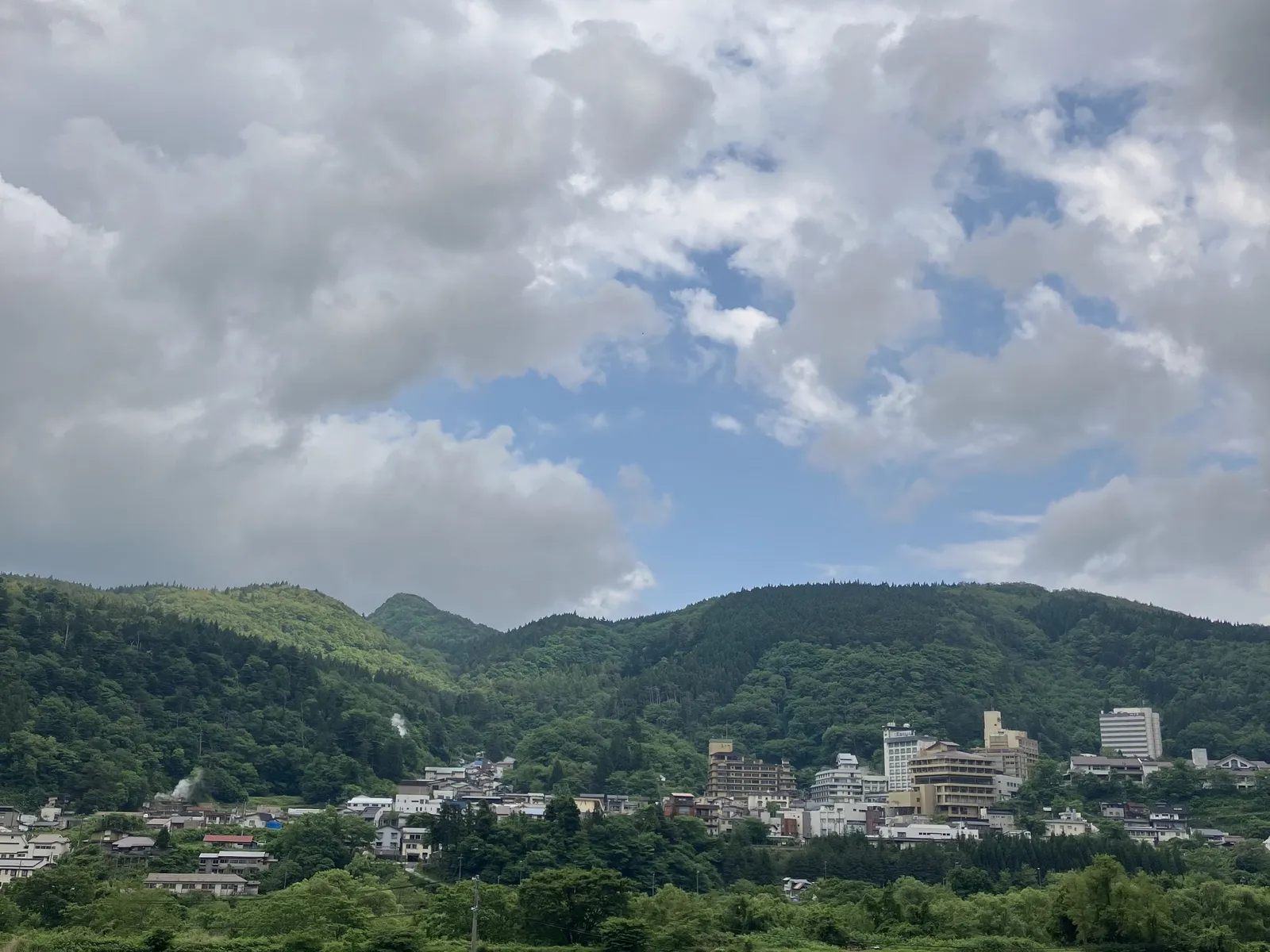
Naruko Onsenkyo brings together five hot spring districts—Naruko, Higashi-Naruko, Kawatabi, Nakayamadaira, and Onikobe—boasting 8 of Japan's 11 traditional spring types, with waters that shift color daily with the weather. Iconic bathhouse Taki-no-Yu costs ¥300 for adults (7:30 AM–9:00 PM), reachable via a 45-minute JR Rikuu East Line ride from Furukawa. Naruko Gorge's autumn foliage peaks from mid-October to early November, alongside kokeshi workshops and the Japan Kokeshi Museum's 5,000-doll collection.
Public Bathhouse Hopping: Choosing by Spring Type and Budget
For day-trippers, working through the seven officially listed public bathhouses is a highlight in itself, with adult admission ranging from ¥300 to ¥800 and wildly different water profiles at each stop. The undisputed classic is Taki-no-Yu in central Naruko Onsen, open daily from 7:30 AM to 9:00 PM at ¥300 for adults and ¥100 for children. Serving as the sacred bath of Onsen Shrine, it pours strongly acidic pH 2.9 water; ignore outdated ¥420 prices circulating on old blogs—the current counter rate is ¥300. Rinse thoroughly before entering to acclimate, and shower off with fresh water afterward.
The other districts offer equally distinctive community baths. In Nakayamadaira, Shintoro-no-Yu charges ¥500 for adults (open 9:00 AM–8:30 PM) for its velvety pH 9.3 alkaline "eel bath" water. Higashi-Naruko's Hare Onsen costs ¥650 and closes Thursdays (open 9:00 AM–5:00 PM Monday–Wednesday, extended to 7:00 PM Friday–Sunday and holidays). Kawatabi Onsen Public Bathhouse is ¥300 (9:00 AM–5:00 PM; opens at 1:30 PM on Mondays and Fridays) and features striking warbler-green bicarbonate-sulfur water. Kami-no-Yu Hygge KAWATABI is ¥800 (10:00 AM–5:00 PM, closed Mondays and Thursdays), while Spa Onikobe-no-Yu charges ¥600 (10:00 AM–6:00 PM, closed in winter). Note that Waseda Sajiki-yu in central Naruko is currently closed until further notice.
The most rewarding way to structure a bath crawl is an extreme-pH contrast. Soak in the sharp acidity of Taki-no-Yu in the morning, then head to the silky alkalinity of Shintoro-no-Yu in the afternoon for an unmistakable difference in how your skin feels within the same day. Kawatabi's green sulfur bath and Higashi-Naruko's bicarbonate springs sit comfortably in the middle. Local ryokan across each village also welcome day-use guests (the official public bath page links to each district's day-use inn rates), and all bathhouses enforce last entry 30 minutes before closing.
Bring your own towel or buy one at the counter, and plan ahead on toiletries: aside from Taki-no-Yu and Hare Onsen, which stock basic amenities, most traditional bathhouses do not provide shampoo or body soap, so check posted signs and pack your own. Tattoo policies vary by facility. Because Waseda Sajiki-yu remains temporarily closed, check the tourism association website for reopening updates before you go.
First-timers stepping into Taki-no-Yu's pH 2.9 acidic water should take a few smart precautions. The water feels slightly slick and may cause a mild tingling sensation on the skin—a completely normal reaction to high acidity. Warm up with a thorough shower first so your body adjusts to both heat and acidity, start your initial soak at five minutes before gradually extending it, and remove all jewelry and watches before getting in, as strong acid tarnishes metal rapidly.
Wondering whether to buy a multi-bath pass? Do the math first. Paying cash at the door for five different baths over three days totals only around ¥1,500 to ¥2,000. While some inns sell bundled bathing passes that save you from digging for coins, they often restrict you to specific partner properties. Paying per entry keeps your itinerary flexible without forcing detours just to save a few hundred yen.
Each season frames a Naruko soak in a different backdrop. Apart from Spa Onikobe-no-Yu's winter closure, public bathhouses stay open year-round, making snowy open-air winter baths especially memorable. Spring paints Kawatabi's riverbanks in bright yellow rapeseed blossoms and sakura; summer turns Onikobe into a breezy highland base for stream fishing; and autumn draws peak crowds to Naruko Gorge's blazing foliage.
Matching spring chemistry to your skin type pays off too. Acidic Taki-no-Yu acts as a natural antiseptic and exfoliant better suited to seasoned bathers, whereas gentle, low-irritation pH 9.3 Shintoro-no-Yu is forgiving on sensitive skin and ideal for newcomers. Kawatabi's green sulfur bath and Kami-no-Yu's bicarbonate waters offer balanced aromas and textures in between. Experiencing five baths back-to-back lets you see and feel the dramatic contrast firsthand.
Results announced on November 14, 2026, for the Onsen Sosenkyo 2026 (Hot Spring General Election) reinforced that reputation: Naruko Onsenkyo placed 2nd nationwide and 1st in Tohoku in the Toji Wellness category. Rather than a generic popularity contest, that ranking evaluates therapeutic bathing and health-focused stays, underscoring Naruko's national standing in genuine spring quality and toji culture.
Naruko Gorge Autumn Foliage: A Short Mid-October to Early November Window
Carved roughly 100 meters deep over millennia by the Oya River, Naruko Gorge erupts in autumn color from mid-October to early November, carpeting its steep V-shaped walls in red and gold. Miharashidai Lookout and Kaiko Bridge are the two essential viewpoints. During foliage season, the walking trails open from 9:00 AM to 4:00 PM with two distinct options: from the Nakayamadaira side, an easy 350-meter path runs from Naruko Gorge Rest House to Kaiko Bridge and back; from the Naruko side, a 2.2-kilometer trail loops deeper through the valley.
Getting to the gorge requires factoring in two practical transit realities. A taxi from Naruko Onsen Station takes about 13 minutes (roughly ¥2,200 one way), as walking the 4 kilometers (around 70 minutes) along the highway is unrealistic. The seasonal "Momiji-go" autumn bus links Naruko Onsen Station, Nakayamadaira Onsen Station, and Naruko Gorge for ¥450 one way; in 2026 it ran from October 26 through November 8, so check ahead for next autumn's operating dates. Naruko Gorge Rest House opens daily from 8:00 AM to 5:00 PM during foliage season (tel. 0229-87-2050).
A major rail restriction also shapes 2026 visits: JR Rikuu East Line service between Naruko Onsen Station and Shinjo Station remains suspended due to heavy rain damage and replaced by buses. Official guidance explicitly notes that the classic autumn view of Naruko Gorge from a passing train window is currently unavailable. Trains arriving from Furukawa into Naruko Onsen Station are completely unaffected, but travelers coming from Yamagata's Shinjo side must use replacement buses or route around via Furukawa. Drivers can pull straight into the free ~250-space parking lot at the Nakayamadaira entrance.
The two gorge trails differ sharply in effort, so check the posted official map before setting out. From the Nakayamadaira side, the path from Naruko Gorge Rest House to Kaiko Bridge is roughly 350 meters each way (700 meters round-trip) on a gentle grade—easy for families with kids or older travelers. From the Naruko side, the Ofukazawa trail starting from the same Rest House loops roughly 2.2 kilometers with steeper climbs and longer footing, best saved for energetic hikers.
Looking across Kaiko Bridge at the crimson V-shaped canyon is the signature Naruko Gorge postcard shot. On weekends from late October through early November, long lines form along the bridge for photos. To dodge the bottleneck, arrive right at the 9:00 AM trail opening or visit on a weekday. For real-time foliage progress and trail conditions, stop by Naruko Gorge Rest House (8:00 AM–5:00 PM; tel. 0229-87-2050).
Even outside that brief autumn window, Naruko Gorge rewards a look. Although walking trails close in winter, overlooking the snow-blanketed canyon from near the Rest House and Miharashidai delivers stark drama. Fresh spring greenery and deep summer canopy turn the gorge into a quiet hiking corridor where you can inspect the exposed geology of its 100-meter rock faces up close.
During peak foliage, resist any urge to walk the 70 minutes along Route 47 between Naruko Onsen Station and the gorge—narrow mountain shoulders fill with bumper-to-bumper tour traffic, making walking both grueling and hazardous. Spending ¥450 on the Momiji-go bus or splitting a ¥2,200 cab is far safer, while drivers can rely on the free 250-car Nakayamadaira lot. Outside foliage season, walking from the station takes about 70 minutes, though the scenery lacks autumn's impact.
Naruko Gorge Rest House serves as more than a restroom stop—from 8:00 AM to 5:00 PM during foliage season it sells hot snacks, light meals, and local souvenirs right beside both trailheads. Match your route against the official board outside before stepping onto the path so you don't accidentally commit to the 2.2-kilometer Naruko-side loop when you intended the short stroll.
Kokeshi Dolls and Lacquerware: Naruko's Living Craftsmanship
The official site sums up Naruko kokeshi's most endearing quirk in a single line: turn the wooden doll's head gently, and it lets out a crisp squeak—a structural signature unique among Japan's kokeshi traditions. Born roughly 200 years ago during the late Edo period's Bunka-Bunsei era, the craft is still carried on by around 50 artisans nationwide, celebrated for its classic "layered chrysanthemum" (kasane-giku) floral motifs. In 1981, Miyagi traditional kokeshi were designated a National Traditional Craft.
Two main stops let you see regional styles and try painting your own. The Japan Kokeshi Museum houses roughly 5,000 dolls and hosts live artisan demonstrations and painting workshops (closed in winter). Down in town, 11 association-registered kokeshi studios—including Sakurai Kokeshi Shop, Onuma Kokeshi Shop, and the Iwashita Kokeshi Museum—dot the streets (full addresses and phone numbers are listed on the tourism association's craft page); call ahead before dropping in for a painting session. Sharing equal local pride is Naruko lacquerware (Naruko Shikki), boasting over 300 years of history, a 1991 National Traditional Craft designation, and its distinctive swirling "ryumon-nuri" finish.
Kokeshi budgets scale easily from a few hundred yen for pocket-sized souvenirs to higher prices for large, artisan-signed collector pieces, depending on size and the maker's standing. Workshop fees and durations vary by studio. Because most workshops are run independently by solo artisans with irregular hours and days off, calling ahead via the association directory prevents wasted trips.
Inside the Japan Kokeshi Museum, roughly 5,000 dolls are arranged by regional school and master-apprentice lineage. Comparing all five traditional Miyagi lineages side by side makes Naruko's squeaking-head joinery and layered chrysanthemum brushwork immediately stand out. Live carving demonstrations and winter closure dates follow the museum's official calendar, while summer and autumn foliage seasons generally maintain regular viewing hours.
Shop with your goal in mind: pick up miniature dolls starting around a few hundred yen for easy gifts, or step up to several thousand or tens of thousands of yen for larger signed works. Visiting street-level studios adds the joy of comparing grain patterns and chatting directly with the woodturner—every artisan brings subtle differences in facial expression and silhouette, which is why kokeshi collecting gets addictive fast.
Naruko lacquerware's three-century heritage deserves just as much attention. Developed in 1951, the "ryumon-nuri" technique creates flowing, marbled lacquer patterns across bowls, trays, and yunomi teacups sold in town shops and studios. Prices span widely by size and finish, pairing alongside kokeshi as the tourism association's twin flagship crafts.
Families traveling with children will find a 30-to-60-minute kokeshi painting session easy to fit in, accessible to anyone aged 7 and up. Studios generally welcome browsers for free during open hours (or by prior appointment), letting you catch woodturners at the lathe shaping raw blocks and applying crisp hand-painted strokes across the five-stage craft process.
In Naruko, kokeshi culture is woven right into daily spa life: Onsen Shrine stamps feature kokeshi stickers, shopfronts display doll motifs everywhere, and September's National Kokeshi Festival takes over town. For a first visit, pairing a bath soak with a studio visit and choosing one doll of your own hits the sweet spot; return trips invite deeper dives into specific artisan lineages.
Getting There: 45 Minutes from Furukawa, Rail Disruptions, and Driving
Reaching Naruko from Tokyo by train is straightforward: ride the Tohoku Shinkansen to Sendai (about 120 minutes), continue 15 minutes on the Shinkansen to Furukawa, and transfer to the JR Rikuu East Line for a 45-minute ride to Naruko Onsen Station—roughly 3 hours door to door. As an alternative, take the JR Tohoku Main Line from Sendai to Kogota and change to the Rikuu East Line. Normally, coming from Yamagata's Shinjo Station takes about 60 minutes, with Naruko Onsen Station opening straight onto the main spa street.
For 2026 trips, account for ongoing rail storm damage. The JR Rikuu East Line section between Naruko Onsen Station and Shinjo Station remains suspended following heavy rain, with replacement buses filling the gap. Trains approaching from Furukawa run normally without interruption, but anyone traveling from the Shinjo side—or heading to Nakayamadaira Onsen Station inside the suspended stretch—must take a replacement bus and check the latest timetable posted on the tourism association site.
Drivers exit the Tohoku Expressway at Furukawa IC and follow Route 47 for roughly 28.5 kilometers into Naruko Onsen, where about 250 free parking spaces await at Naruko Gorge during foliage season. From December through March, heavy snow regularly blankets Route 47; standard tires will not cut it—winter snow tires or chains are mandatory. Expect winter closures at Onikobe Onsen, Spa Onikobe-no-Yu, and parts of Naruko Gorge. Flying into Sendai Airport? Ride the Sendai Airport Access Line 24 minutes to Sendai Station, then connect via Furukawa onto the Rikuu East Line.
Replacement buses run between Naruko Onsen Station and Shinjo Station via Nakayamadaira Onsen Station at standard JR fares; acceptance of IC transit cards depends on the operating bus company. Download the current JR East PDF timetable from the tourism association website, or stick to arriving and departing via Furukawa to sidestep bus-transfer schedules altogether.
Autumn and winter drivers should stay alert for early frost and snow. Between late October and early November, crisp dawn air in the mountain valley can leave thin frost on the road for early-morning leaf peepers, while December through March strictly demands winter tires or chains. Driving from central Sendai via the Tohoku Expressway to Furukawa IC and Route 47 takes roughly 2 hours total.
If your itinerary connects Furukawa trains with Shinjo replacement buses, watch first and last departures closely. While the Furukawa–Naruko Onsen rail segment runs on JR East's regular schedule, replacement buses run less frequently; missing the last connection early or late in the day leaves little recourse beyond a taxi or overnighting toward Shinjo.
Fitting Naruko Onsen into a Tohoku Itinerary
Naruko makes an effortless day trip from Sendai. Catch a morning Shinkansen to Furukawa and the Rikuu East Line to reach Naruko Onsen Station before noon, stroll the main street, soak at Taki-no-Yu, grab lunch at a classic diner, then ride out to Naruko Gorge for the Kaiko Bridge walk. On your way back, stop by the Japan Kokeshi Museum for a carving demo and souvenirs before catching an evening train via Furukawa back to Sendai. Counting the ¥300 bath fee alongside rail fares and lunch, a full day easily fits under ¥10,000.
Staying overnight unlocks the slower rhythm of a traditional hot spring cure. Arrive in the afternoon to soak in Taki-no-Yu and your ryokan's indoor and outdoor baths before sitting down to a seasonal dinner-and-breakfast stay. The next morning, beat the crowds to Naruko Gorge or detour to Nakayamadaira's Shintoro-no-Yu before checking out around midday and heading back toward Sendai or Yamagata via Furukawa. Most inns in Naruko Onsenkyo offer half-board packages with wide seasonal rate ranges, all listed by village on the official site.
Pair Naruko with wider Tohoku destinations by season. During autumn foliage, use Sendai as a hub for a two-day loop combining Naruko Gorge with Ginzan Onsen; in winter, link Naruko's snowy baths with Zao's frost-covered "snow monsters." Matsushima sits in the opposite direction outside Sendai, so avoid cramming both into a single rushed day.
For regional road trippers, Naruko is roughly 1.5 to 2 hours by car from Zao Onsen and about 1 hour from Togatta Onsen—just keep in mind that Naruko Gorge's fall foliage and Zao's winter snow monsters peak in different seasons. Compared to Akiu Onsen closer to Sendai, Naruko trades big-resort convenience for unmatched mineral variety and old-school toji town atmosphere.
Costs stay refreshingly reasonable across the board: ¥300–¥800 for public baths, roughly ¥10,000–¥30,000 per person for a half-board ryokan stay, a few hundred to several thousand yen for kokeshi souvenirs, and ¥450 one way on the autumn Momiji-go bus. Once transport and bath fees are covered, you have plenty of headroom to splurge on an artisan-signed kokeshi, Naruko lacquerware, or an upgraded inn—at prices noticeably friendlier than Tokyo or Osaka.
A rough day-trip budget from Sendai breaks down to ¥5,000–¥7,000 for round-trip Shinkansen and local rail fares, around ¥1,250 to try three different public baths, ¥1,000–¥1,500 for lunch, and ¥500–¥3,000 for kokeshi gifts—right around ¥10,000 all in—while overnight half-board stays run ¥10,000–¥30,000. Aside from kokeshi painting workshops, most public bathhouses and studios require no reservations, leaving your schedule wide open.
Within the valley, municipal buses run between Naruko Onsen and Onikobe Onsen, while Miyako Bus (Furukawa Office, tel. 0229-22-1781) links Naruko Onsen with Furukawa, all departing from the plaza outside Naruko Onsen Station. Given sparse mountain bus headways, spending half a day exploring one or two districts thoroughly beats trying to rush all five in a single afternoon.
Beyond Naruko Gorge: Dam, Crater Lake, and Geothermal Trail
With extra time, three quieter geological landmarks sit close by without the gorge's peak-season crowds. About 15 to 20 minutes by car from Naruko Onsen Station stands Naruko Dam, a roughly 100-meter-tall concrete arch dam managed by the Ministry of Land, Infrastructure, Transport and Tourism (tel. 0229-82-2341). Its crest lookout opens onto sweeping views of the reservoir and occasional water discharges; sightseeing boats suspend service in winter and during low water, and limited bus coverage makes this an easy add-on by car.
Tucked between Naruko Onsen and Onikobe Onsen, Lake Katanuma is a volcanic caldera lake whose surface hue shifts with the weather and season. An easy 1.3-kilometer trail circles the shore (closed in winter, walkable spring through autumn), letting you trace the exact same volcanic system behind Naruko's color-changing hot springs—well worth a roadside stop if you are driving through.
Finally, in the same uphill direction as Onsen Shrine lies the Jigokudani Promenade, lined with steaming geothermal vents. Official notices in recent years have announced both construction closures and partial reopenings, so check the tourism association's latest trail advisories before heading up rather than trusting outdated blog posts. When open, it pairs seamlessly with Onsen Shrine on a single loop walk.
A few useful answers
What makes Naruko Onsen's hot spring waters unique?
Naruko Onsen features 8 of Japan's 11 traditional spring classifications, with waters appearing milky white, greenish-white, pale blue, tea-brown, black, or crystal clear—shifting day by day with the weather, according to official records. Across the entire valley, 7 of the current 10 official spring categories are represented, making it one of the most geothermally diverse regions in Japan.
How much do the public bathhouses cost?
The flagship Taki-no-Yu bathhouse costs ¥300 for adults (open 7:30 AM–9:00 PM as the sacred bath of Onsen Shrine; outdated ¥420 figures online are no longer current). Nakayamadaira's Shintoro-no-Yu is ¥500 for adults (9:00 AM–8:30 PM), Higashi-Naruko's Hare Onsen is ¥650 (closed Thursdays), and Kawatabi Onsen Public Bathhouse is ¥300.
When is the best time for autumn foliage at Naruko Gorge?
Peak fall color typically runs from mid-October to early November. During foliage season, walking trails open from 9:00 AM to 4:00 PM: the Nakayamadaira entrance runs 350 meters one way to Kaiko Bridge and back, while the Naruko entrance forms a 2.2-kilometer loop. In 2026, the seasonal Momiji-go bus operated from October 26 to November 8, and JR Rikuu East Line rail service between Naruko Onsen and Shinjo remains suspended due to heavy rain damage, with replacement buses running instead.
How do I get to Naruko Onsen from Tokyo or Sendai?
From Tokyo, take the Tohoku Shinkansen to Sendai (about 120 minutes), continue on the Shinkansen to Furukawa (about 15 minutes), and transfer to the JR Rikuu East Line for Naruko Onsen Station (about 45 minutes). Trains from the Furukawa side run normally without disruption. Drivers can take the Tohoku Expressway to Furukawa IC and follow Route 47 for roughly 28.5 kilometers.
Official information and references
Sources used in this guide.
- Naruko Onsenkyo Tourism Association | Five Hot Spring Districts (Official Overview)
- Naruko Onsen Tourism Association | Spring Types & Bath Hopping (8 of 11 Traditional Categories)
- Naruko Onsenkyo Tourism Association | Public Bathhouses Directory (Taki-no-Yu ¥300 & 7 Facilities)
- Naruko Onsen Tourism Association | Naruko Gorge Autumn Foliage Guide (Mid-Oct to Early Nov)
- Naruko Onsenkyo Tourism Association | Kokeshi & Lacquerware (~50 Artisans, ~200-Year Heritage)
- Naruko Onsenkyo Tourism Association | Access Guide (JR Rikuu East Line & Driving Routes)
- Naruko Onsenkyo Tourism Association | Onsen Sosenkyo 2026 Toji Wellness #2 Nationwide